

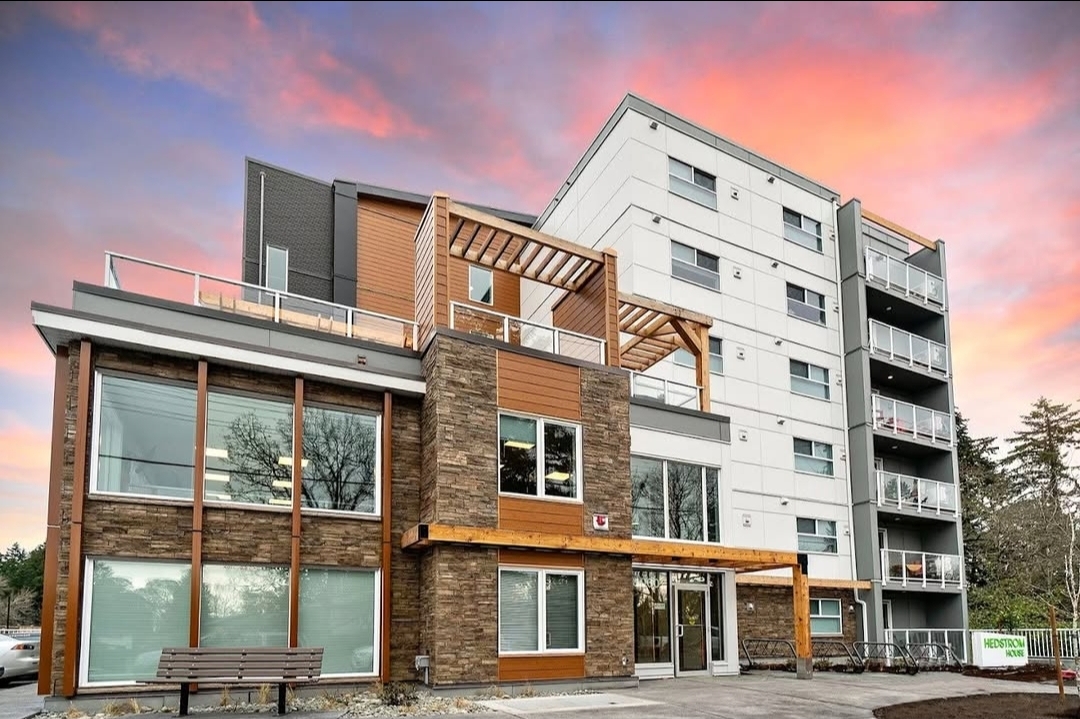
In many cases, the new GST rebate can be combined with other first-time buyer programs. That matters because the new GST rebate is not a replacement for every other affordability tool. It is one piece of a larger first-time buyer strategy. For eligible buyers, the federal rebate may be used alongside savings programs like the FHSA and the Home Buyers’ Plan, while in British Columbia there may also be property transfer tax exemptions to consider. The key is understanding which programs actually stack, which ones do not, and where buyers can accidentally assume they qualify for more than they do. What the New GST Rebate Actually Does The first thing to understand is that the new federal first-time home buyers’ GST/HST rebate is aimed at eligible new homes, not resale homes. CRA says eligible first-time buyers can receive up to $50,000 back on homes valued up to $1 million, with a phased-out rebate between $1 million and $1.5 million. CRA also states that this rebate may apply in addition to the existing GST/HST new housing rebate, acting as a top-up where both apply. Agreements generally must have been entered into on or after March 20, 2025 and before 2031, with construction substantially completed before 2036. Programs That Can Usually Be Combined With the New GST Rebate First Home Savings Account (FHSA) The FHSA is a savings vehicle, not a rebate on the purchase itself. CRA says it lets eligible first-time buyers save toward a qualifying first home on a tax-advantaged basis, with annual participation room starting at $8,000 in the first year an FHSA is opened. Because it is a savings program and the GST rebate is a tax rebate tied to a qualifying new home purchase, these are generally complementary rather than conflicting. Home Buyers’ Plan (HBP) The Home Buyers’ Plan allows eligible buyers to withdraw up to $60,000 from their RRSPs to buy or build a qualifying home, with repayment over up to 15 years. Like the FHSA, this is a funding tool rather than a housing tax rebate, so it can generally be part of the same purchase strategy as the new GST rebate. Existing GST/HST New Housing Rebate This is the most direct example of stacking. CRA explicitly says an eligible first-time buyer may qualify for the new first-time home buyers’ GST/HST rebate in addition to the existing GST/HST new housing rebate, with the new rebate functioning as a top-up where both apply. One Important Federal Program That Is No Longer Part of the Mix Some older articles still mention the First-Time Home Buyer Incentive through CMHC. That program is no longer accepting applications. CMHC states the deadline for new submissions was March 21, 2024, and no new approvals were granted after March 31, 2024. So while you may still see it referenced online, it is not a practical stacking option for new buyers today. What This Looks Like in British Columbia For buyers in BC, the conversation gets more nuanced because federal GST rules and provincial property transfer tax rules are separate. BC First Time Home Buyers’ Program BC’s first-time home buyers’ property transfer tax program can reduce or eliminate property transfer tax on qualifying purchases if the buyer meets the provincial requirements. The province says a qualifying property generally must be used as the buyer’s principal residence and have a fair market value of $835,000 or less, with partial relief below $860,000. BC Newly Built Home Exemption BC also has a separate newly built home exemption that may reduce or eliminate property transfer tax on qualifying newly built principal residences. The province says newly built homes with a fair market value below $1,100,000 may qualify for a full exemption, with proportional relief available below $1,150,000. The BC Catch In BC, buyers cannot claim both the first-time home buyers’ property transfer tax exemption and the newly built home exemption on the same transaction. That is set out in BC law. In other words, a buyer may be able to combine the federal new GST rebate with a provincial property transfer tax exemption, but they still need to choose the correct BC exemption if more than one provincial option appears available. Where Buyers Get Confused The biggest misunderstanding is assuming every first-time buyer program applies to every first home purchase. That is not how it works. Common mistakes assuming the new GST rebate applies to resale homes when it is tied to qualifying new homes assuming a federal rebate automatically replaces the need to apply for provincial tax exemptions assuming all BC exemptions stack together when some do not relying on outdated articles that still discuss the discontinued First-Time Home Buyer Incentive as though it were active A Practical Way to Think About It For most eligible first-time buyers, the smarter question is not just, “Can I combine programs?” It is, “Which combination actually applies to my purchase?” A buyer purchasing a qualifying new home may be able to combine: the new federal GST rebate the FHSA the Home Buyers’ Plan one applicable BC property transfer tax exemption, depending on eligibility and the property type That can create meaningful savings, but only if the home, the contract timing, the purchase price, and the buyer’s eligibility all line up with the current rules. Final Thoughts Yes, the new GST rebate can often be combined with other first-time buyer programs, but it should not be treated as a blanket savings tool that automatically stacks with everything. Federal savings programs like the FHSA and HBP can often work alongside it, and BC buyers may also have provincial property transfer tax relief to explore. The real value comes from understanding the exact mix that fits your purchase instead of assuming every incentive applies. If you are buying your first home in Greater Victoria or the Westshore and want help understanding how the new GST rebate fits with other available programs, contact Faber Real Estate Group for clear, practical guidance before you write an offer. Yen-Shang W., 5-Star Review, via Google “As a first-time homebuyer, I honestly had no idea what to expect. But Zach walked me through everything with patience and clarity. He took care of all the little things I wouldn’t have thought of and made what could have been a stressful process feel surprisingly smooth and easy. I’m really grateful for his guidance and professionalism—and most of all, for helping me find a place I can now call home. Thank you so much, Zach!” Faber Real Estate Group Royal LePage Coast Capital Realty 📞 250-244-3430 📧[email protected] ℹ️ Scott Faber Personal Real Estate Corporation ℹ️ Cal Faber Personal Real Estate Corporation Vanessa Wood, Zachary Parsons, and Sophie Taylor “Building Lasting Relationships, One Home at a Time.”
Read more
Transit changes how people move, but it also changes how neighbourhoods are valued. Buying near transit expansion can be a smart long-term play, and buying near transit expansion can also create risks that are easy to underestimate when buyers focus only on future convenience. The real question is not whether transit is good or bad. It is whether the specific property, location, and timeline make sense for your goals. For some buyers, proximity to future transit means stronger resale potential, easier commuting, and better long-term appeal. For others, it can mean years of construction, more traffic, more density, and a property that feels less private than expected. That is why this decision needs more than optimism. It needs context. Why Transit Expansion Attracts Buyers New or improved transit often signals public investment. That matters because infrastructure tends to reshape buyer behaviour over time. What buyers often like Improved convenienceEasier commuting can make a home more practical for work, school, and daily errands. Broader resale appealHomes near reliable transit often attract a wider buyer pool, especially first-time buyers, downsizers, and households trying to reduce car dependence. Neighbourhood investmentTransit upgrades can bring new retail, public improvements, and more attention to surrounding areas. Potential long-term upsideIf a neighbourhood becomes more connected and more desirable, property values may benefit over time. This is why some buyers actively target areas just outside already-established transit hubs. They are trying to buy before the convenience is fully priced in. Where the Opportunity Can Be Real Buying near planned transit is often most attractive when the area is still in transition but already has strong fundamentals. Signs the opportunity may be stronger The neighbourhood already has schools, shopping, parks, and services Demand exists even without the transit upgrade The property has solid livability today, not just future promise The transit plan is funded and moving forward, not just conceptual Zoning changes may support more housing, amenities, or mixed-use growth nearby A good transit story should be a bonus, not the entire reason a property makes sense. Where the Risk Starts to Show Transit expansion sounds positive in marketing language, but the lived experience can be more complicated. Risks buyers should think through Construction disruptionLarge infrastructure projects can bring noise, dust, detours, and delays for months or years. Uncertain timelinesA planned improvement may take far longer than expected. Buyers who stretch financially based on future convenience can end up disappointed. More density nearbyTransit investment often supports denser development. That can help values, but it can also change the character of a street faster than some owners expect. Noise and privacy concernsBeing near transit is not the same as being on top of it. Properties too close to busy corridors may face ongoing noise, lighting, or activity concerns. Pricing ahead of realitySome homes are marketed as though the benefit is already fully delivered. Buyers can end up paying tomorrow’s premium today. This is where many mistakes happen. Buyers hear “up-and-coming” and assume guaranteed appreciation. Real estate rarely works that neatly. Distance Matters More Than People Think Not every home near transit benefits equally. In many cases, the sweet spot is not the property closest to the line, station, or corridor. The better question to ask Instead of asking, “Is it near transit?” ask: Is it walkable to transit without being directly exposed to the drawbacks? Is the route safe, practical, and appealing year-round? Will the property still feel comfortable if service frequency increases and the area gets busier? Does the location work for your lifestyle even if the expansion is delayed? Often, a home that is a short walk away performs better than one directly beside a major stop or corridor. Buyers and Investors See Transit Differently Your goal should shape how you evaluate the opportunity. If you are buying to live there Focus on: daily convenience noise levels traffic patterns future neighbourhood character whether the home still feels right beyond the investment story If you are buying as an investment Focus on: tenant demand walkability future redevelopment potential holding costs during the transition period whether purchase price already reflects the expected upside A property can be a smart investment and still be the wrong home for an owner-occupier. The reverse is also true. Questions Buyers Should Ask Before Writing an Offer Transit expansion should push buyers to do deeper due diligence, not less. Smart questions to investigate What exactly is being built, improved, or proposed? Is the project funded and approved? What is the expected timeline? Will nearby road patterns, parking, or access change? Is rezoning expected around the corridor or station? How close is the property to the actual source of noise or activity? How has the seller priced the home relative to current conditions, not future speculation? These questions help separate genuine opportunity from optimistic storytelling. A Better Way to Think About It Buying near transit expansion is rarely a simple yes or no. It is more like a trade-off analysis. It may be an opportunity when you are buying in a location with strong fundamentals the property works for you today the transit improvement is credible and funded the price does not overstate the future upside you are positioned to hold long enough to benefit It may be a risk when the value depends heavily on a project that is still uncertain the property is too close to the negative impacts you dislike density, traffic, or neighbourhood change you are stretching your budget based on future assumptions the resale story sounds stronger than the day-to-day livability Final Thoughts Transit expansion can improve convenience, support neighbourhood growth, and create meaningful long-term value. But not every property near a transit corridor is automatically a smart buy. The strongest purchases usually come from balancing infrastructure upside with real-world livability, pricing discipline, and a clear plan for how long you intend to own. If you are weighing the pros and cons of buying near transit expansion in Greater Victoria or the Westshore, contact Faber Real Estate Group for clear advice on which locations offer real opportunity and which ones may carry more risk than reward. Raymond S., 5-Star Review, via Google “Cal and his team at the Faber Real Estate Group went above and beyond in helping us to find a home that would meet our criteria. We always felt as though we were their most important clients. Cal and Scott's negotiating skills helped us to stay within our budget and still fulfill all of our requirements. Besides the teams professionalism and knowledge, we also appreciated their honesty and high standards regarding moral values. Cal and the team helped make buying a home a pleasant experience.” Faber Real Estate Group Royal LePage Coast Capital Realty 📞 250-244-3430 📧[email protected] ℹ️ Scott Faber Personal Real Estate Corporation ℹ️ Cal Faber Personal Real Estate Corporation Vanessa Wood, Zachary Parsons, and Sophie Taylor “Building Lasting Relationships, One Home at a Time.”
Read more
Setting the right price has always mattered, but the cost of overpricing your home in Victoria BC is higher in a market where buyers have more choice and more time to compare options. In February 2026, the Victoria Real Estate Board reported 2,903 active listings, up 10.4 per cent from a year earlier, while sales were down 11.9 per cent year over year. VREB also described the market as balanced after sitting near the threshold of a buyer’s market. That matters because balanced markets are less forgiving of aspirational pricing. Buyers do not need to rush into a listing that feels overpriced when there are other homes to consider. Why overpricing hurts more now When inventory rises, buyers become more selective. They compare value faster, watch price history more closely, and often skip listings that seem out of line with recent comparable sales. VREB’s February 2026 numbers show prices in the Victoria Core have been relatively steady rather than surging, with the benchmark single-family home at $1,307,400, down 0.9 per cent year over year, and the benchmark condo at $545,600, down 0.7 per cent. In a steady market, overpricing is less likely to be rescued by fast appreciation. The first few days of a listing matter the most. That is when your property is fresh, buyer alerts are strongest, and interest is easiest to convert into showings and offers. If the price causes hesitation at launch, the listing can lose momentum before it has a real chance to compete. What sellers usually do not see right away Overpricing rarely fails all at once. It usually shows up in stages: Fewer showings than expected Buyers saving the listing but not booking appointments Feedback that the home is nice, but feels high for the area Competing listings selling while yours sits Pressure to reduce later, after the home has lost its freshness That is the hidden cost. The issue is not only extra time on market. It is also the shift in perception. Once a home lingers, buyers start asking what is wrong with it, even when the real problem is simply price. A longer time on market can weaken your leverage Many sellers assume starting high gives them room to negotiate. In practice, it often does the opposite. A well-priced home can create stronger early interest and sometimes competition. An overpriced home can lead to low urgency, smaller buyer pools, and offers that come in below where the seller likely could have landed with a sharper launch strategy. BCFSA also encourages sellers to understand the proposed market value and pricing strategy before signing a listing contract. That is a useful reminder: pricing is not just a number. It is part of the full marketing plan. The emotional cost is real too Overpricing does not just affect statistics. It affects decision-making. When a home sits longer than expected, sellers often feel one of three things: Frustration because activity is lower than promised Doubt about the home, the market, or the strategy Pressure to make reactive decisions instead of measured ones That is when small adjustments turn into larger corrections. Price drops made too late can attract bargain hunters instead of the strongest early buyers. What smarter pricing looks like Smart pricing is not about being the cheapest option. It is about being the best-positioned option for the buyers most likely to act. A stronger pricing strategy usually includes: Recent comparable sales, not just current competition Adjustments for condition, location, layout, and updates An honest view of buyer demand in your segment A launch price designed to generate interest, not test the market In a balanced market, the goal is not to “leave room.” The goal is to create confidence. The bottom line The cost of overpricing your home in Victoria BC is usually not measured only in dollars off the list price. It also shows up in lost momentum, fewer showings, weaker leverage, and more stressful decisions later in the process. In today’s market, accurate pricing is not conservative. It is strategic. If you want a pricing strategy built around current Victoria market conditions, buyer behaviour, and your home’s real position in the market, contact Faber Real Estate Group for advice before you list. Sue S., 5-Star Review, via Google “I was so impressed with Cal and Scott, a father and son team. They make you feel so cared for. They went out of their way to help get my moms house ready to sell. It was hard to let the family home go but Cal and Scott helped to make the process go smooth. They sold my mom's house in 2 days for over the listing price. Faber Real Estate Group Royal LePage Coast Capital Realty 📞 250-244-3430 📧[email protected] ℹ️ Scott Faber Personal Real Estate Corporation ℹ️ Cal Faber Personal Real Estate Corporation Vanessa Wood, Zachary Parsons, and Sophie Taylor “Building Lasting Relationships, One Home at a Time.”
Read more
The new GST rebate for first-time home buyers creates a real opening for buyers who were close to qualifying but still struggling with the extra cost of buying brand-new construction. The new GST rebate for first-time home buyers eliminates the GST on qualifying new homes up to $1 million, reduces it on qualifying new homes between $1 million and $1.5 million, and can save eligible buyers up to $50,000. The measure is now law, and the CRA has opened applications. For many buyers, the value is not just the rebate itself. The bigger opportunity is what the rebate changes in your timing, your budget, and your ability to buy new with more confidence. What the New GST Rebate Actually Does The rebate applies to eligible first-time buyers purchasing a newly built or substantially renovated home that will be used as their primary residence. Homes priced at or below $1 million can qualify for up to a full rebate of the GST, up to a maximum of $50,000. Homes priced between $1 million and $1.5 million receive a reduced rebate, and homes at or above $1.5 million do not qualify. CRA guidance includes an example showing a $1.25 million home qualifying for a $25,000 rebate. That matters because many buyers tend to think of GST as a fixed cost they simply have to absorb. In this case, it may no longer be a deal-breaker if you are eligible. Who May Qualify Generally, the CRA says a qualifying first-time buyer must meet all of the following: Be at least 18 years old Be a Canadian citizen or permanent resident Not have lived in a home they owned, or that their spouse or common-law partner owned, as a primary residence in the calendar year of taking ownership or in the previous four calendar years Be buying the home as a primary place of residence Be the first individual to occupy the home after construction or substantial renovation is completed Not have previously received this FTHB GST/HST rebate, and neither can their spouse or common-law partner This is an important distinction. Some buyers hear “first-time” and assume it only means “never bought a home before.” The CRA test is more specific than that. In some cases, someone who owned in the past may qualify again if enough time has passed and the occupancy rules are met. Timing Matters More Than Most Buyers Realize The rebate generally applies if the agreement of purchase and sale with the builder was entered into on or after March 20, 2025 and before 2031. For homes purchased from a builder, construction must begin before 2031, be substantially completed before 2036, and ownership must transfer before 2036. CRA also notes that applications are open, although it is still updating systems for certain purchase agreements signed between March 20, 2025 and May 26, 2025. In practice, that means buyers should not just ask, “Do I like the home?” They should also ask: Does my contract date fit the program window? Will this home be my primary residence? Am I clearly eligible under the CRA definition? Is the builder project timeline aligned with the completion rules? A good purchase is not only about the unit. It is also about whether the structure of the deal lets you capture the savings. How to Take Advantage of It in Real Life 1. Confirm whether you actually meet the first-time buyer test Do this before you fall in love with a unit. The four-calendar-year lookback is where some buyers get caught. If you or your spouse lived in a home you owned too recently, the rebate may not apply. This is one of the first filters to check. 2. Focus on qualifying new construction, not resale This rebate is aimed at eligible buyers purchasing a newly built or substantially renovated home, or in some cases building their own. It is not a blanket rebate for all homes on the market. That means your search strategy may need to shift. If you were comparing resale condos and pre-completion or near-completion new condos as if they were equal, this rebate may change the math. 3. Rework your budget based on net cost, not sticker price A lot of buyers shop by headline price. That can be a mistake. A better question is: what is my effective cost after the rebate, strata fees, closing costs, and financing are all considered? The rebate will not solve affordability on its own, but it can materially improve your position. That may mean: A smaller cash requirement Better flexibility for closing costs A lower all-in purchase cost The ability to consider a better-located or better-finished home than you originally thought possible 4. Review the builder contract carefully The rebate is generous, but it is still rule-based. You want to understand: Whether GST is included or added to the purchase price What the builder expects from you for rebate documentation Whether any assignment, occupancy, or title timing affects your eligibility What your estimated closing statement looks like with and without the rebate This is where good representation matters. It is easy to focus on the floorplan and forget the contract language that controls the outcome. 5. Use the rebate to improve your long-term position, not just to stretch higher The temptation will be to use every dollar of savings to chase a more expensive home. Sometimes that makes sense. Often, the smarter move is to use the savings more strategically: Keep a stronger emergency fund after closing Reduce financing pressure Furnish the home without leaning on high-interest debt Leave room for future life changes rather than buying at your absolute ceiling Affordability is not just about getting approved. It is about still feeling stable six months after move-in. Why Pavilion Langford Is Worth Watching For buyers in Greater Victoria and the Westshore, Pavilion Langford is one example of where this new rebate may have practical value. Pavilion is a 60-unit condominium development in Langford’s Cultural District, with homes currently starting at $364,900. The project highlights modern, sustainable design features, secure underground parking, rooftop solar panels, EV charging, premium insulation, Energy Star appliances, and a projected late spring 2026 completion timeline. That starting price matters because it puts Pavilion into a range that may be especially relevant for eligible first-time buyers looking at brand-new construction rather than resale. It is also worth noting that Pavilion is positioned close to shops, dining, markets, and other Westshore amenities, which can make it attractive for buyers who want convenience along with newer construction standards. For project details, floorplans, finishes, and updates, Pavilion’s website is the best source for current development-specific information. A Simple Example of Why This Matters Imagine a buyer who had written off new construction because GST made the total feel too high. Before this change, that buyer may have looked only at resale inventory, even if the resale options meant older systems, less energy efficiency, more future maintenance, and less functional layouts. Now, if they qualify, the rebate may narrow the gap enough that a new condo becomes a more realistic option. That does not mean new construction is automatically the better buy. It means the comparison deserves to be revisited with fresh numbers. That is where market strategy becomes more important than assumptions. Mistakes to Avoid Assuming all first-time buyers automatically qualify Eligibility is specific. Age, residency, prior ownership history, occupancy, and timing all matter. Confusing announcement dates with eligibility dates The law received Royal Assent on March 12, 2026, but the agreement timing rules generally reach back to purchase agreements entered into on or after March 20, 2025. Ignoring primary residence requirements This is designed for a home you intend to live in as your primary residence, not a casual investment play. Shopping only by monthly payment Monthly payment matters, but it should not replace a full closing-cost and contract review. Relying on general summaries instead of property-specific advice A rebate can improve the picture, but the right decision still depends on the building, the contract, the strata, the neighbourhood, and your longer-term goals. Final Thought The smartest way to use this rebate is not to treat it like a headline. Treat it like a planning tool. For some buyers, it will make brand-new construction possible sooner. For others, it will improve the quality of what they can buy without forcing them to overextend. Either way, the opportunity is strongest when you verify eligibility early, compare true net costs, and target projects that fit both the rules and your lifestyle. If you want help comparing qualifying new-construction options, including Pavilion Langford, and figuring out whether this rebate could strengthen your buying strategy, contact Faber Real Estate Group for tailored guidance. Darcie R., 5-Star Review, via Google “We had the best experience with Scott and the Faber Group team helping us buy our first house! From start to finish it was a positive experience, & Scott went the extra mile every chance he could. Based on our search parameters, we didn’t even come across this house, but using his expertise, he was able to find us our dream home that matched all of our criteria! We are so beyond happy and would absolutely recommend reaching out to Scott if you are looking to buy an amazing home.” Faber Real Estate Group Royal LePage Coast Capital Realty 📞 250-244-3430 📧[email protected] ℹ️ Scott Faber Personal Real Estate Corporation ℹ️ Cal Faber Personal Real Estate Corporation Vanessa Wood, Zachary Parsons, and Sophie Taylor “Building Lasting Relationships, One Home at a Time.”
Read more
The GST elimination for first-time home buyers has now moved from proposal to reality. On March 12, 2026, the federal government announced that Bill C-4 received Royal Assent, which means the new rebate is officially in law. The measure eliminates the GST for eligible first-time home buyers on new homes priced up to $1 million and reduces the GST on new homes priced between $1 million and $1.5 million. The federal government says this can save buyers up to $50,000, and the Canada Revenue Agency can now begin processing claims. For many buyers, this is one of the most meaningful affordability changes announced in some time. But the fine print matters. What the Rebate Actually Does At a high level, the new federal rebate works like this: 100% of the GST is rebated on eligible new homes valued at $1 million or less The rebate is phased out gradually for eligible new homes priced between $1 million and $1.5 million No rebate applies at $1.5 million or above The federal government gave a helpful example: a $1.25 million eligible new home would qualify for a 50% GST rebate, or up to $25,000. That matters because in many markets, especially where new construction pricing is higher, this is not simply an “all or nothing” program. There is still potential savings above $1 million, just not the full amount. When Does It Apply? This is where timing becomes important. According to the federal news release, the rebate will generally apply to agreements of purchase and sale entered into on or after March 20, 2025, and before 2031. The CRA’s eligibility page also says the purchase agreement must be entered into on or after March 20, 2025 and before 2031, with construction beginning before 2031, substantial completion before 2036, and transfer of ownership before 2036. So while this was just enacted into law in March 2026, the qualifying date window generally reaches back to March 20, 2025. That is an important distinction for buyers who may already have purchased a qualifying new home but were waiting for the legislation to become law. Who Qualifies as a First-Time Home Buyer? Under the federal rules, a qualifying first-time home buyer generally must: be at least 18 years old be a Canadian citizen or permanent resident not have lived in a home they owned, or that their spouse or common-law partner owned, in the calendar year or previous four calendar years not have previously received this rebate, and neither can their spouse or common-law partner That last point is easy to miss. This is not a rebate you can use more than once. What Types of Homes Are Covered? This rebate is aimed at new housing, not resale homes. Eligible situations can include: buying a newly built or substantially renovated home from a builder buying a home on leased land from a builder building, or hiring someone to build, a home on land you own or lease buying shares in a co-op housing corporation tied to a newly built or substantially renovated unit in some cases, certain mobile, modular, or floating homes used as a primary residence In most cases, the home must be intended as your primary place of residence, and you must be the first person to occupy it after construction or substantial renovation. What This Means for Buyers in BC For buyers in British Columbia, this new federal rebate could be especially relevant when comparing: ew condo or townhome options versus resale presale opportunities versus compl neted homes homes just under key pricing thresholds the total cash needed for closing This is where strategy matters. A buyer looking at a qualifying new home around $999,900 may have a very different cost picture than a buyer looking at a comparable home just over the line. Pricing thresholds can shape not only affordability, but also which properties make the most sense to pursue. In BC, first-time buyers may also need to think about Property Transfer Tax separately. The provincial first-time home buyers’ program can exempt PTT on the first $500,000 of a qualifying purchase, with eligibility tied to homes with a fair market value of $835,000 or less, and a reduced exemption up to $860,000. BC also has a separate newly built home exemption, with a full exemption threshold up to $1.1 million and a partial exemption up to $1.15 million for qualifying purchases. That means some buyers may need to look at federal GST rules and provincial PTT rules side by side, because they are not the same program and do not follow the same thresholds. Why This Announcement Matters This change matters for three main reasons. 1. It lowers the upfront cost of buying new For eligible buyers, removing or reducing GST can take a major bite out of the purchase cost. On a new home purchase, that can be one of the largest closing-related savings available. 2. It may shift demand toward new construction Buyers who were on the fence between resale and new construction may now take a closer look at newly built homes, especially when the price falls within the qualifying rebate range. 3. It rewards careful price-point shopping Thresholds matter. A home priced just below a rebate cutoff can create a meaningfully different affordability outcome than a similar home priced just above it. A Few Practical Cautions Before assuming you qualify, it is worth slowing down and checking the details. Keep an eye on: whether the property is truly considered new or substantially renovated whether the home will be your primary residence whether your agreement date falls within the eligible window whether you, or your spouse or common-law partner, owned and lived in a home within the last four calendar years whether you are also trying to rely on separate provincial tax exemptions with different rules This is one of those situations where the headline is simple, but the decision-making is not. Final Thoughts The GST elimination for first-time home buyers is a meaningful federal affordability measure, but the biggest benefit will go to buyers who understand exactly what qualifies, what does not, and how the thresholds affect the real cost of ownership. For some first-time buyers, this could improve the math enough to move sooner. For others, it may simply change which homes are worth targeting. If you are thinking about buying your first home and want help comparing new construction, resale options, and the tax savings that may apply in BC, contact Faber Real Estate Group for clear, practical guidance tailored to your next move. Tatiana S., 5-Star Review, via Google “Absolutely phenomenal service from start to finish! Scott took the time to really get to know us and understand our likes and dislikes, what were dealbreakers and what really sold us in finding our perfect first home! Being first time homebuyers, he was extremely patient with all of our questions and very thorough when it came down to the finer details. Without a doubt, I would recommend him to everyone!” Faber Real Estate Group Royal LePage Coast Capital Realty 📞 250-244-3430 📧[email protected] ℹ️ Scott Faber Personal Real Estate Corporation ℹ️ Cal Faber Personal Real Estate Corporation Vanessa Wood, Zachary Parsons, and Sophie Taylor “Building Lasting Relationships, One Home at a Time.”
Read more
What makes a listing feel premium without luxury pricing? It usually is not one expensive renovation or a long list of flashy upgrades. More often, it is the feeling buyers get when a home appears well cared for, thoughtfully presented, and easy to understand from the moment they see it. That matters in every price range. Buyers notice when a property feels elevated. They also notice when a home feels cluttered, rushed, or confusing. The good news is that creating a premium impression does not always require a luxury budget. In many cases, it comes down to better choices, not bigger spending. Premium Does Not Mean Expensive A premium listing feels intentional. It tells buyers that the seller has taken the time to prepare the home properly and present it in a way that respects both the property and the buyer experience. That can come through in simple ways: clean, bright, well-lit rooms fresh paint in the right areas consistent hardware and finishes tidy landscaping and strong curb appeal professional photography that captures the home clearly a layout and marketing strategy that make the home easy to understand Luxury pricing often depends on location, lot, size, views, finish level, and market conditions. But a premium feel is different. It is about presentation, polish, and confidence. Buyers Are Responding to More Than Features Many sellers focus only on what the home has. Buyers also focus on how the home feels. Two homes can have similar square footage, bedroom count, and location, yet one creates much more excitement. Often, the difference is not the product itself. It is the way the product is prepared and introduced to the market. A premium-feeling listing usually gives buyers three things: clarity about what makes the home special confidence that the property has been cared for emotion that helps them picture themselves living there That is where strong listing strategy starts to separate itself from basic marketing. The Small Details That Create a Premium Feel You do not need a full luxury renovation to raise the perceived quality of a home. Often, the best return comes from details that improve the overall impression. 1. Cleanliness That Feels Obvious A spotless home does more than look nice. It signals pride of ownership. Buyers tend to assume that a clean home has also been better maintained. Deep-cleaning kitchens, bathrooms, baseboards, windows, floors, and entry areas can make a major difference. 2. Consistency Over Flash A premium listing often feels cohesive. That means finishes, colours, lighting, and décor work together rather than compete for attention. A home does not need designer materials everywhere. It just needs fewer distractions. 3. Better Light Natural light changes how a home is perceived. Clean windows, lighter paint, updated light fixtures, and proper lamp placement can make spaces feel larger and more welcoming. Even simple adjustments like opening blinds, trimming exterior greenery, or switching dated bulbs can improve the mood of a room. 4. Thoughtful Styling Staging does not need to feel dramatic to be effective. In fact, the most successful styling often feels subtle. Good styling helps buyers understand: how the space functions where furniture should go how rooms connect how the home could support their lifestyle That is especially important in smaller homes, condos, townhomes, and properties with unusual layouts. 5. Strong Photography and Marketing A premium listing experience often begins online. If the photos are dark, crooked, or incomplete, buyers may never book a showing. Professional photography, compelling remarks, floor plans when possible, and a clear pricing strategy help a home feel more serious and better positioned in the market. Where Sellers Often Overspend One of the biggest mistakes sellers make is assuming they need to spend heavily to compete. That is not always true. Before investing in large upgrades, it helps to ask whether the spending will actually improve buyer perception or simply satisfy personal taste. New countertops, designer fixtures, or major remodelling can be worthwhile in some cases, but many homes benefit more from: paint decluttering minor repairs updated lighting landscaping touch-ups better furniture placement pre-listing preparation A premium listing without luxury pricing is usually built through discipline and prioritization, not overspending. Premium Presentation Builds Buyer Confidence When buyers walk into a home that feels ready, they tend to respond more positively. They are less distracted by small issues. They can focus more clearly on the home’s strengths. They are also more likely to remember the property after the showing. That matters because buyer decisions are rarely based on numbers alone. They are shaped by trust, comfort, and comparison. If your listing feels more polished than competing homes in a similar price range, that can improve: showing activity perceived value buyer engagement offer confidence It does not guarantee a sale, but it can put the property in a stronger position. The Goal Is Not to Fake Luxury The goal is not to make an average home pretend to be something it is not. The goal is to present the home at its best so buyers see its value clearly. That means identifying what already works, improving what weakens the first impression, and building a strategy around the buyers most likely to connect with the property. A premium feel comes from preparation, not exaggeration. Final Thoughts A premium listing without luxury pricing is possible when sellers focus on the details that shape perception most. Cleanliness, consistency, lighting, styling, and strong marketing often do more to elevate a listing than expensive upgrades that do not match the market. If you are preparing to sell and want to know which improvements will actually help your home stand out, contact Faber Real Estate Group for advice on creating a polished, buyer-friendly listing strategy that fits your property and price point. Sue S., 5-Star Review, via Google “I was so impressed with Cal and Scott, a father and son team. They make you feel so cared for. They went out of their way to help get my moms house ready to sell. It was hard to let the family home go but Cal and Scott helped to make the process go smooth. They sold my mom's house in 2 days for over the listing price. Faber Real Estate Group Royal LePage Coast Capital Realty 📞 250-244-3430 📧[email protected] ℹ️ Scott Faber Personal Real Estate Corporation ℹ️ Cal Faber Personal Real Estate Corporation Vanessa Wood, Zachary Parsons, and Sophie Taylor “Building Lasting Relationships, One Home at a Time.”
Read more
Should you accept the first offer on your home? Many sellers ask this because it feels risky to accept quickly, but it can also feel risky to wait. The truth is that whether you should accept the first offer on your home depends less on timing and more on the quality of the offer, current market conditions, and your overall goals. Many sellers assume the first offer must be low. That is not always true. In fact, the first offer is often one of the strongest because serious buyers are watching new listings closely and are ready to act when the right property appears. Why the First Offer Can Be Strong When a home first hits the market, it gets the most attention. New listings create urgency. Buyers who have been waiting for the right fit often book showings quickly and move fast if the property matches what they want. These buyers are usually well prepared. They may already have financing lined up, understand values in the area, and know they need to act before competition grows. That means the first offer is not always a lowball offer. Sometimes it is the market giving you a direct answer right away. When It Makes Sense to Accept the First Offer The offer is at or near market value If the offer is strong relative to recent comparable sales, it deserves serious attention. Sellers can get into trouble when they reject a very good offer simply because it came too soon. A strong first offer often means: The buyer understands the market Your pricing strategy was effective Your home made a strong first impression If the price and terms align with your goals, waiting just for the sake of waiting may not improve the outcome. The terms are clean and favourable Price is important, but terms matter too. A first offer may be worth accepting if it includes: A solid deposit Reasonable dates Fewer conditions A buyer who appears motivated and qualified Sometimes the best offer is not the highest number. A slightly lower offer with better terms can create a smoother and more certain sale. The market is balanced or slower In a market where buyers have more choice, a strong early offer can be especially valuable. If there are many competing listings, passing on a good offer can mean sitting on the market longer and losing momentum. The longer a listing sits, the more buyers start asking why. Your goals favour certainty Some sellers prioritize predictability over squeezing out every possible dollar. You may want to accept the first offer if: You need to line up another purchase You have a specific move date You want to reduce stress and uncertainty You prefer a clean transaction over extended negotiation In these cases, certainty can be just as valuable as price. When It Makes Sense to Wait Showing activity is strong If you have multiple showings booked, strong open house traffic, or positive feedback right away, there may be reason to hold off briefly and see if more interest turns into stronger offers. This is especially true if the home is newly listed and buyers have not yet had enough time to view it. The offer is clearly below market expectations If the first offer is noticeably below what comparable sales support, waiting may make sense. This is often the case when a buyer is trying to secure the property before other buyers see it. That does not mean you should reject it without thought. It may still be worth countering. However, a weak first offer does not mean it is your best opportunity. Your home is likely to attract competition Some homes naturally generate more demand: Well priced properties Move-in ready homes Properties in sought-after neighbourhoods Homes with unique features or strong presentation If your home fits that description, your agent may recommend setting an offer review date rather than responding immediately. Your pricing strategy was designed to drive urgency Sometimes sellers intentionally list at a sharp, competitive price to attract attention and increase traffic. If that is the strategy, then waiting a short period for broader market response may be part of the plan from the start. In that situation, the first offer is only one part of the bigger picture. Signs the First Offer Deserves Serious Respect Sellers often regret dismissing the first offer too quickly. Here are a few signs that the first offer may actually be your best one: It comes quickly after listing It is close to asking price or above The buyer appears informed and motivated The terms are favourable There is no clear evidence that stronger offers are coming A good offer early on usually means your home connected with the right buyer at the right time. The Risk of Waiting Too Long Waiting can work, but it also has a cost. When a home sits on the market longer than expected, buyers can start to assume: The home is overpriced The seller is difficult Something is wrong with the property There is room to negotiate more aggressively This is why momentum matters. The first week or two on market is often when your listing has the most energy, attention, and leverage. Rejecting a strong first offer without a clear reason can weaken your position later. The Right Question to Ask Instead of asking, “Is it too soon to accept?” the better question is, “How does this offer compare to what the market is likely to deliver?” That shift matters. A strong selling strategy is not built around emotion or timing myths. It is built around: Current comparable sales Level of buyer demand Listing activity in your price range Strength of price and terms Your own timing and priorities Final Thought There is no rule that says you should always accept the first offer, and there is no rule that says you should always wait. The best decision depends on the strength of the offer and the context around it. Sometimes the first offer is the best offer. Sometimes patience pays off. The key is knowing the difference before emotion takes over. If you are planning to sell and want help deciding when to accept the first offer on your home and when to wait, contact Faber Real Estate Group for strategic advice tailored to your property and goals. Thiago D., 5-Star Review, via Google “Their ready availability, communication, and support were key to getting our new place. I cannot recommend Scott and his team more.” Faber Real Estate Group Royal LePage Coast Capital Realty 📞 250-244-3430 📧[email protected] ℹ️ Scott Faber Personal Real Estate Corporation ℹ️ Cal Faber Personal Real Estate Corporation Vanessa Wood, Zachary Parsons, and Sophie Taylor “Building Lasting Relationships, One Home at a Time.”
Read more
Every year, the spring real estate market brings a noticeable increase in activity. New listings rise, more buyers begin touring homes, and conversations about moving seem to happen everywhere at once. While homes sell throughout the year, spring has historically been the busiest season in real estate. Many buyers and sellers intentionally wait for this period because it tends to offer more opportunity, visibility, and confidence compared with other times of the year. Understanding why this seasonal pattern exists can help you decide whether waiting for spring is the right strategy or if moving earlier could give you an advantage. Why Sellers Often Wait for the Spring Real Estate Market For homeowners considering selling, the spring real estate market offers several advantages that can make the process feel more favourable. 1. More Buyers Are Actively Searching Spring is when many buyers begin their serious home search. Several factors contribute to this surge in activity: Warmer weather makes viewing homes easier and more enjoyable. Families planning a move often want to complete a purchase before the next school year. Buyers who paused their search during the winter holidays return to the market. When more buyers are looking at the same time, sellers often feel more confident listing their property. 2. Homes Tend to Show Better Spring can also make a property look more appealing. Gardens and landscaping begin to bloom. Natural light improves interior spaces. Outdoor areas such as patios and yards become more inviting. First impressions matter in real estate. When a home shows well both inside and outside, it can attract more interest and stronger offers. 3. Perception of Higher Sale Prices Many homeowners believe the spring real estate market brings stronger prices. In active years, increased buyer demand can create competitive situations. While pricing always depends on local supply and demand, spring often delivers: Higher showing activity More comparable sales for pricing guidance A perception of market momentum These factors can encourage sellers to list when they believe the market is most active. Why Buyers Also Wait for the Spring Real Estate Market Interestingly, the same factors that motivate sellers also influence buyers. 1. More Listings to Choose From Inventory typically increases in the spring. After a slower winter period, many homeowners decide to list their properties once the weather improves. For buyers, this means: More neighbourhood options More property types available Less pressure to buy the first home they see Having more selection can make the buying process feel more comfortable. 2. Easier Scheduling for Showings and Moving Weather plays a practical role in real estate decisions. Spring makes it easier to: Attend open houses Schedule property tours Move without worrying about winter conditions For families relocating or coordinating multiple schedules, this can be a significant factor. 3. Financial Planning After the New Year Many buyers spend the early part of the year reviewing finances. By spring, they may have: Completed mortgage pre-approvals Filed tax returns Saved additional down payment funds This preparation often leads to a surge in serious buyers entering the market between March and June. The Reality: Spring Is Competitive While the spring real estate market offers advantages, it also comes with increased competition. Buyers may face: Multiple-offer situations Faster decision timelines More competition for desirable homes Sellers, on the other hand, may find that more listings appear at the same time, which means their property must stand out. Market timing alone does not guarantee success. Pricing strategy, preparation, and marketing remain the most important factors. Why Some People Move Before Spring Interestingly, some of the best opportunities can occur just before the spring rush. For example: Buyers may face less competition in late winter. Sellers who list early can capture motivated buyers who are already searching. Serious buyers often start their search months before the peak season. In markets like Greater Victoria, conditions can shift quickly depending on inventory levels and interest rates. Recent data from the Victoria Real Estate Board shows that inventory and buyer activity fluctuate throughout the year, meaning opportunities exist in every season. This is why strategic timing, rather than simply waiting for spring, often leads to the best results. The Takeaway The spring real estate market remains the most active time of year because it brings together motivated buyers, increased listings, and favourable weather conditions. These factors create a sense of momentum that encourages many people to make their move. However, waiting for spring is not always the best strategy. In some cases, entering the market earlier can mean less competition and stronger negotiating power. If you are considering buying or selling in Greater Victoria and want to understand how seasonal timing could affect your plans, reach out to Faber Real Estate Group for guidance tailored to your goals and the current market. David M., 5-Star Review, via Google “Scott was a fantastic realtor—hardworking, knowledgeable, and truly dedicated to his clients. His expertise and great connections made the entire process smooth and stress-free. He went above and beyond to ensure everything was taken care of, and I couldn’t be happier with the results. I highly recommend Scott to anyone looking for a realtor.” Faber Real Estate Group Royal LePage Coast Capital Realty 📞 250-244-3430 📧[email protected] ℹ️ Scott Faber Personal Real Estate Corporation ℹ️ Cal Faber Personal Real Estate Corporation Vanessa Wood, Zachary Parsons, and Sophie Taylor “Building Lasting Relationships, One Home at a Time.”
Read more
If you are wondering where people are moving in 2026, the answer depends on affordability, lifestyle priorities, and infrastructure growth. In Greater Victoria and the Westshore, migration patterns are showing a clear shift toward value-driven and lifestyle-focused communities. In short, buyers in 2026 are prioritizing space, long-term value, and neighbourhood amenities over pure proximity to downtown. Why Migration Patterns Matter Understanding where people are moving in 2026 helps buyers and sellers anticipate: Price pressure zones Emerging neighbourhood demand Investment potential Infrastructure-driven growth Migration trends often lead market shifts by 12 to 24 months. The Westshore Continues to Attract Growth Communities like Langford and Colwood remain strong magnets for buyers. Why? Relative affordability compared to core Victoria New construction inventory Family-oriented neighbourhood planning Access to nature and trails Langford continues to draw young families and first-time buyers, while Colwood, particularly Royal Bay, attracts move-up buyers seeking newer homes and ocean proximity. View Royal and Royal Oak Gaining Attention View Royal is increasingly viewed as an underrated alternative. Buyers moving to View Royal are often seeking: Central positioning between downtown and Westshore Waterfront access Townhome and condo options Lower price points than core Victoria Similarly, Saanich neighbourhoods like Royal Oak continue to attract downsizers and retirees due to walkability and established amenities. Sidney and Peninsula Stability Sidney remains a consistent draw for retirees and lifestyle-focused buyers. Migration into Sidney in 2026 is driven by: Coastal walkability Proximity to the airport and ferries Low-density living Condo inventory suited to downsizers Peninsula communities tend to show stable, steady demand rather than rapid spikes. Acreage and Rural Appeal Interest in rural living remains present, particularly in: Metchosin Sooke Buyers relocating from higher-cost provinces or larger urban centres often seek: Larger lots Privacy Ocean or mountain views Long-term lifestyle change However, commute considerations remain a limiting factor for some. Downtown Victoria: Selective Movement Victoria core continues to attract: Investors Short-term rental owners Professionals wanting walkability That said, some buyers are choosing neighbourhoods slightly outside the core for better value per square foot. The trend in 2026 shows more selective downtown purchasing rather than broad migration spikes. What Is Driving Movement in 2026? Several factors influence where people are moving in 2026: Affordability pressure Interest rate stability Remote and hybrid work flexibility Desire for lifestyle-oriented living Infrastructure improvements Buyers are increasingly value-conscious. They compare price per square foot, school catchments, and long-term appreciation potential before committing. Who Is Moving? The most active movers in 2026 include: First-time buyers entering Westshore markets Downsizers relocating to peninsula condos Interprovincial buyers from Alberta and Ontario Investors targeting duplex and multi-unit opportunities Demographic shifts are not random. They reflect affordability bands and life-stage transitions. Frequently Asked Questions Are more people moving to the Westshore in 2026? Yes. The Westshore continues to capture strong buyer activity due to relative affordability and new inventory. Is downtown Victoria losing demand? Not necessarily. Demand remains, but buyers are more selective and price-sensitive. Are rural communities still attractive? Yes. Lifestyle-driven buyers continue to explore acreage markets like Metchosin and Sooke. Is 2026 a growth year for Greater Victoria? Movement suggests steady growth rather than explosive expansion. Balanced conditions appear more common than extreme cycles. Final Thoughts Where are people moving in 2026? In Greater Victoria, the answer points toward value-oriented growth areas, lifestyle-driven peninsula communities, and continued Westshore expansion. Migration patterns show that buyers are strategic. They are weighing commute times, price per square foot, and long-term livability more carefully than ever. For sellers and investors, understanding these patterns provides a competitive edge. Markets shift gradually. Recognizing direction early allows you to position yourself ahead of the curve. Diana W., 5-Star Review, via Google “Excellent service and very efficient. Highly recommend. Very kind and helpful felt well looked after” Faber Real Estate Group Royal LePage Coast Capital Realty 📞 250-244-3430 📧[email protected] ℹ️ Scott Faber Personal Real Estate Corporation ℹ️ Cal Faber Personal Real Estate Corporation Vanessa Wood, Zachary Parsons, and Sophie Taylor “Building Lasting Relationships, One Home at a Time.”
Read more
Student rentals in Gordon Head remain one of the most discussed investment strategies in Greater Victoria. Located next to the University of Victoria, Gordon Head attracts consistent rental demand from students, faculty, and young professionals. In simple terms, strong rental demand exists. However, investors must understand zoning rules, tenancy laws, financing realities, and long-term exit strategy before purchasing. Why Gordon Head Attracts Student Renters Gordon Head sits directly adjacent to University of Victoria. Because of this proximity, many properties offer: Walking or biking access to campus Reliable year-over-year student demand Larger homes with multiple bedrooms Established rental patterns When university enrolment remains stable, rental demand typically follows. Rental Income Potential Student rentals in Gordon Head often perform best when structured as room-by-room rentals rather than single-family leases. For example: 6-bedroom home $1,000 per room $6,000 gross monthly income However, gross rent must be balanced against: Higher maintenance Increased turnover Property management needs Vacancy risk during summer Always verify realistic market rents through comparable listings rather than relying on optimistic projections. Zoning and Occupancy Rules Gordon Head falls under the jurisdiction of Saanich. Zoning regulations determine: Legal suite permissions Maximum unrelated occupants Parking requirements Secondary dwelling eligibility Over-occupancy can lead to enforcement issues. Therefore, investors must confirm zoning compliance before structuring a rental model. Financing Considerations Lenders often evaluate student rentals conservatively. Key factors include: Owner-occupied vs non-owner-occupied Rental income qualification Down payment requirements Appraised value vs purchase price Some lenders may not recognize room-by-room income at full value, which affects debt servicing ratios. Investors should consult a mortgage broker early in the process. Maintenance and Management Reality Student rentals require active oversight. Common challenges include: Higher wear and tear Frequent tenant turnover Noise complaints Shared utility disputes Professional property management can reduce stress, but it also reduces net income. An investor must factor realistic maintenance reserves into projections. Exit Strategy Matters Not all buyers want a student rental property. When selling, your buyer pool may include: Other investors Parents buying for children Families converting the home back to owner-occupancy Homes that are well-maintained and legally compliant will have stronger resale liquidity. Properties that were heavily modified or poorly maintained may narrow your buyer pool. Appreciation vs Cash Flow In many cases, student rentals in Gordon Head generate moderate to strong gross income but limited cash flow once financing is applied. Investors often rely on: Long-term appreciation Mortgage principal paydown Strong resale demand Victoria’s constrained land supply historically supports long-term value. However, cash flow projections must remain conservative. Risks to Consider Before investing, evaluate: BC tenancy laws Rent increase restrictions Notice requirements Property tax levels Future zoning changes Student-focused properties can perform well, but they are not passive investments. Frequently Asked Questions Is Gordon Head a good area for student rentals? Yes. Proximity to the University of Victoria creates consistent tenant demand. Are student rentals legal in Gordon Head? They can be, but zoning and occupancy rules must be followed carefully. Do student rentals cash flow in Victoria? It depends on purchase price, financing structure, and rental model. Many rely on appreciation rather than high yield. Is summer vacancy a problem? It can be. Some investors structure 12-month leases to reduce turnover risk. Final Thoughts Student rentals in Gordon Head can offer strong demand stability due to university proximity. However, investors must approach this strategy with realistic numbers, legal compliance, and long-term planning. The opportunity is not simply about gross rent. It is about managing risk, understanding zoning, and protecting resale value. With disciplined analysis and proper oversight, Gordon Head remains one of the more consistent student-driven rental markets in Greater Victoria. Hendri E., 5-Star Review, via Google “We had a fantastic experience working with Cal and Scott. They provided a truly personalized service, taking the time to understand exactly what our needs were and guiding us through every step of the process. What really stood out was how they went above and beyond—we felt fully supported from start to finish. Highly recommended!” Faber Real Estate Group Royal LePage Coast Capital Realty 📞 250-244-3430 📧[email protected] ℹ️ Scott Faber Personal Real Estate Corporation ℹ️ Cal Faber Personal Real Estate Corporation Vanessa Wood, Zachary Parsons, and Sophie Taylor “Building Lasting Relationships, One Home at a Time.”
Read more