

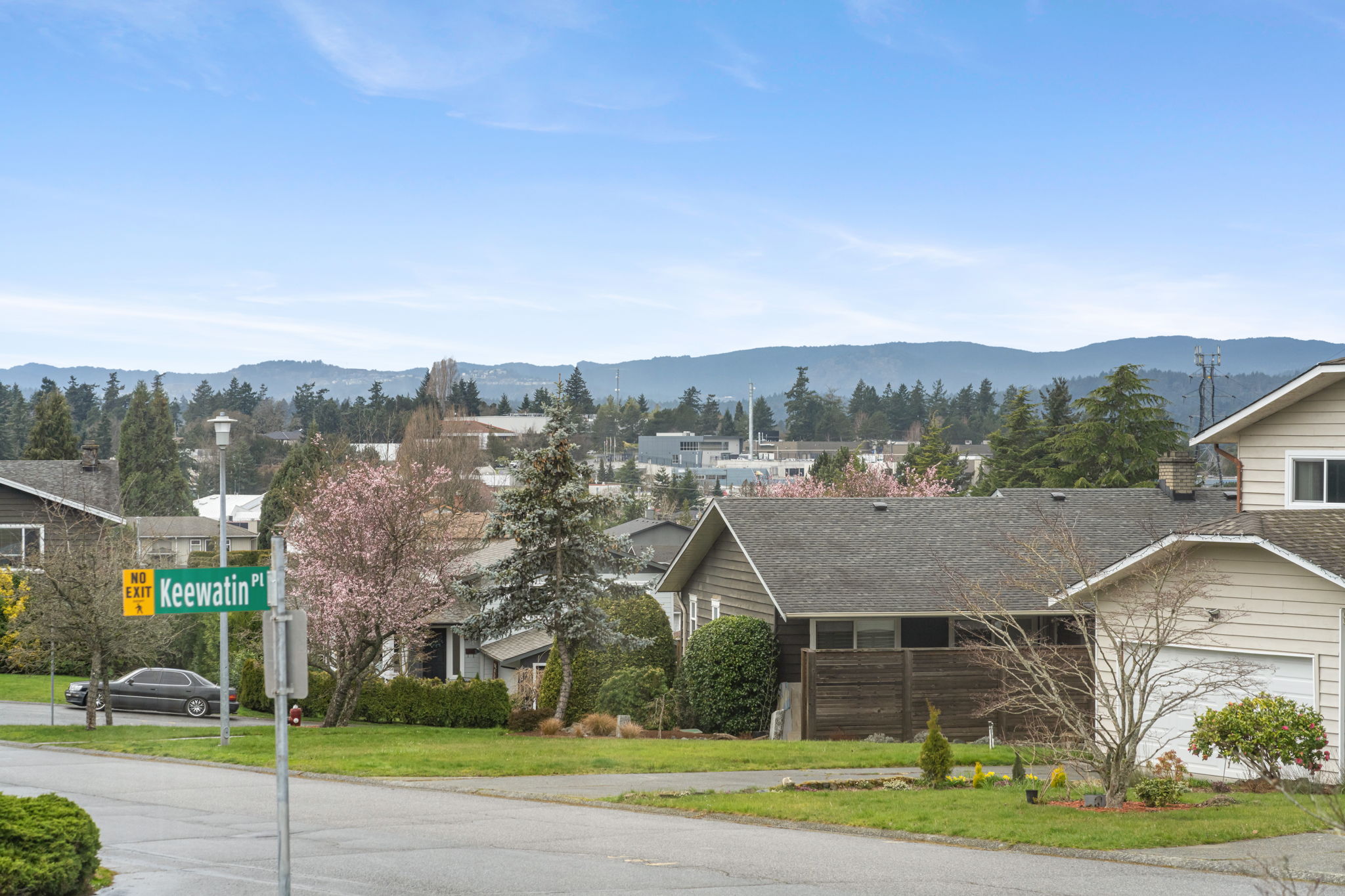
For Saanich house buyers, the biggest story is not one single rule. It is the combination of planning changes, density rules, buyer tax thresholds, and transit-focused growth that could change what is available, where new housing appears, and how buyers think about value in 2026. Saanich is already working under an updated Official Community Plan adopted on May 7, 2024, and the municipality is now moving through more detailed housing and growth implementation steps. The practical takeaway is simple: if you are planning to buy a detached home in Saanich, you now need to think about more than the house itself. You also need to think about the lot, the zoning, proximity to major transit, redevelopment potential nearby, and whether your purchase still fits within current tax exemption thresholds. Those details can affect both your competition today and your resale position later. Why This Matters More in 2026 Saanich has been given a provincial housing target of 4,610 net new completed homes over five years, and the municipality says that target includes tripling permit volume over that period. At the same time, Saanich’s Housing Strategy now runs with a 10-year framework, and its 2026-2028 Priorities Plan lays out the next phase of actions to improve housing outcomes. That means buyers should expect continued pressure for more housing supply, faster approvals, and more change in established neighbourhoods than they may have seen in the past. For buyers, that does not automatically mean lower prices. What it often means first is more variation. One street may still feel mostly unchanged, while another nearby could see townhomes, houseplexes, or higher-density projects become part of the long-term picture. 1) Small-Scale Multi-Unit Housing Is Changing What a “House Lot” Means One of the biggest shifts is B.C.’s small-scale multi-unit housing framework. The Province requires local governments to allow at least: 3 units on parcels 280 m2 or smaller 4 units on parcels larger than 280 m2 6 units on qualifying larger lots near frequent bus service These requirements apply in single-family and duplex zones unless the zone already allows three or more units. For Saanich house buyers, this matters in a few ways: Some detached homes will become more attractive because of future infill potential Nearby lots may hold redevelopment value even if the current home looks modest Buyers may start paying more attention to frontage, lot size, servicing, access, and transit proximity Traditional “single-family feel” may change over time in some areas This does not mean every Saanich block is suddenly turning into a townhouse corridor. It does mean the value of land and the value of a house are separating more clearly in certain pockets. A buyer who understands that distinction can make a much stronger decision than one who shops on cosmetics alone. 2) Transit-Oriented Areas Could Reshape Some Saanich Locations Faster Saanich’s Transit-Oriented Area rules are already in effect. The municipality identifies four provincial transit-oriented areas in Saanich: Uptown exchange, Royal Oak exchange, UVic exchange, and VGH exchange. Within these areas, provincial legislation governs density, height, and residential parking rules. The key details are important: Lands within 200 m and 400 m of prescribed transit stations must be designated as TOAs Within these TOAs, the Province sets minimum density and height requirements Within 400 m, local governments cannot require minimum off-street residential parking, except accessible parking In Saanich, zoning bylaw amendments reflecting these parking changes were adopted on June 10, 2024 For buyers, this could affect value in two opposite ways. First, homes near these areas may benefit from stronger long-term land value and improved convenience. Second, buyers who want a quieter, lower-density setting may need to be more selective about where they buy and how close they are to a transit exchange. A detached house near a major transit node may become more desirable to one buyer and less desirable to another. That is why location analysis in Saanich is becoming more nuanced, not less. 3) The Shelbourne Valley Plan Could Change Buyer Expectations in That Corridor One of the most active planning conversations right now is the Shelbourne Valley Plan. On March 2, 2026, Saanich confirmed that the proposed updated plan is moving to a public hearing later this year. Council moved it forward with three amendments: changing the “Shelbourne Valley Centre” designation to Shelbourne Valley Village reducing the maximum building height in that area from 12 storeys to 6 storeys extending the northern boundary to designate selected properties as Urban Townhomes between Shelbourne Street and Lambrick Park Secondary School strengthening watershed-related guidance and measurable outcomes For buyers looking in or near Shelbourne, Cedar Hill, or UVic-adjacent pockets, this matters because it speaks to where future growth may go and what form that growth may take. In plain terms, the corridor is still moving toward more housing, but the shape of that growth is being refined. Buyers who want to be ahead of change should watch this area closely, especially if they care about future walkability, transit access, redevelopment potential, or neighbourhood character. 4) First-Time Buyer Tax Rules Still Matter, Especially in Saanich Price Ranges Many buyers focus heavily on mortgage rates and monthly payments, but the property transfer tax still matters. In B.C., the first-time home buyers’ exemption currently works like this: if the fair market value is $500,000 or less, an eligible buyer can claim a full exemption equal to the full amount of property transfer tax from over $500,000 to $835,000, the exemption amount is $8,000 from over $835,000 to under $860,000, the exemption is reduced proportionally That matters in Saanich because many detached homes trade well above those thresholds. For some buyers, that means the first-time buyer tax break may be more realistic on a condo, townhome, or smaller entry-level property than on a detached house. In other words, government thresholds can quietly shape what “smart entry point” means. There is also a separate newly built home exemption in B.C. with a full exemption up to $1,100,000 and a phase-out to $1,150,000 for qualifying purchasers. That can make certain new-build options more competitive than buyers assume at first glance. 5) The Home Buyer Rescission Period Still Changes Offer Strategy The Home Buyer Rescission Period is not new in 2026, but it remains an important part of how buyers should approach offers in Saanich and across B.C. BCFSA states that buyers have up to three business days after acceptance to rescind an offer on a home, excluding weekends and holidays. If they rescind, they must pay the seller a fee. This affects buyer behaviour because it changes the psychology of writing an offer. Some buyers feel more protected. Others underestimate the financial consequence of changing course. A rushed decision can still be expensive. In a market where inventory has improved and buyers often have more choice than they did a few years ago, disciplined due diligence still matters more than impulse. 6) Saanich’s Broader Housing Push Could Affect Competition and Opportunity Saanich’s housing work is not just about rezoning. The municipality has also tied its strategy to implementation tools such as the Housing Accelerator Fund. Saanich says it received nearly $15 million over four years through the federal Housing Accelerator Fund and is aiming to permit 1,727 new homes through the program period. That matters because faster approvals and more housing forms can gradually create more choice. For buyers, more choice can mean: less pressure to overreact better ability to compare neighbourhoods and product types more alternatives between condo and detached more emphasis on long-term suitability instead of short-term panic At the same time, added supply rarely arrives all at once. The likely reality is uneven change: some buyers will find better options, while others will still face competition for well-priced detached homes in established Saanich neighbourhoods. 7) Investors and Second-Home Buyers Should Also Watch Tax Changes For investors or buyers considering underused property, the speculation and vacancy tax is another factor to watch. The Province states that for 2026 and subsequent years, the rate is 3% for foreign owners and untaxed worldwide earners, and 1% for Canadian citizens or permanent residents who are not untaxed worldwide earners, where the tax applies. This will not affect every Saanich house buyer. But it can affect some ownership decisions, especially for buyers thinking about part-time use, empty homes, or more complex ownership structures. That matters because rules aimed at unused housing can influence both carrying costs and investment behaviour. What Saanich House Buyers Should Do Now The biggest mistake buyers can make is treating all of Saanich as if it is moving in one direction. It is not. Some pockets are more affected by transit-oriented growth. Some are more exposed to infill change. Others may remain relatively stable in character while still benefiting from broader supply improvements. A stronger approach is to ask five better questions before you buy: Is this property mainly a home value play, a land value play, or both? Is it near a transit-oriented area or frequent bus service that could change future density? Would nearby redevelopment improve convenience or change the feel of the street in ways that matter to me? Am I relying on a tax exemption that may not apply to the property type or price range I want? If I buy here, will this location still make sense for me in five to ten years as Saanich continues to grow? That is the real shift in 2026. Buyers are no longer just choosing between house A and house B. They are choosing between different planning contexts, different long-term neighbourhood trajectories, and different financial trade-offs. Final Thoughts For Saanich house buyers, the upcoming changes are less about one dramatic moment and more about a steady reset in how housing, land, and neighbourhood value will be understood. Provincial density rules, transit-area growth, evolving local plans, and tax thresholds are all shaping the next version of Saanich. Buyers who understand those layers will be in a much better position to buy with confidence instead of reacting late. Hilary M., 5-Star Review, via Google “Scott and the rest of the team at the Faber Real Estate Group are fantastic! Scott went above and beyond to find us the perfect property that checked all the boxes. He was extremely attentive and professional and made the entire process very enjoyable. His extensive experience in the real estate industry helped us to choose a property that suited us and he was able to give us lots of helpful insight throughout our experience. Highly recommend to anyone in need of a trustworthy, knowledgeable real estate agent.” Faber Real Estate Group Royal LePage Coast Capital Realty 📞 250-244-3430 📧[email protected] ℹ️ Scott Faber Personal Real Estate Corporation ℹ️ Cal Faber Personal Real Estate Corporation Vanessa Wood, Zachary Parsons, and Sophie Taylor “Building Lasting Relationships, One Home at a Time.”
Read more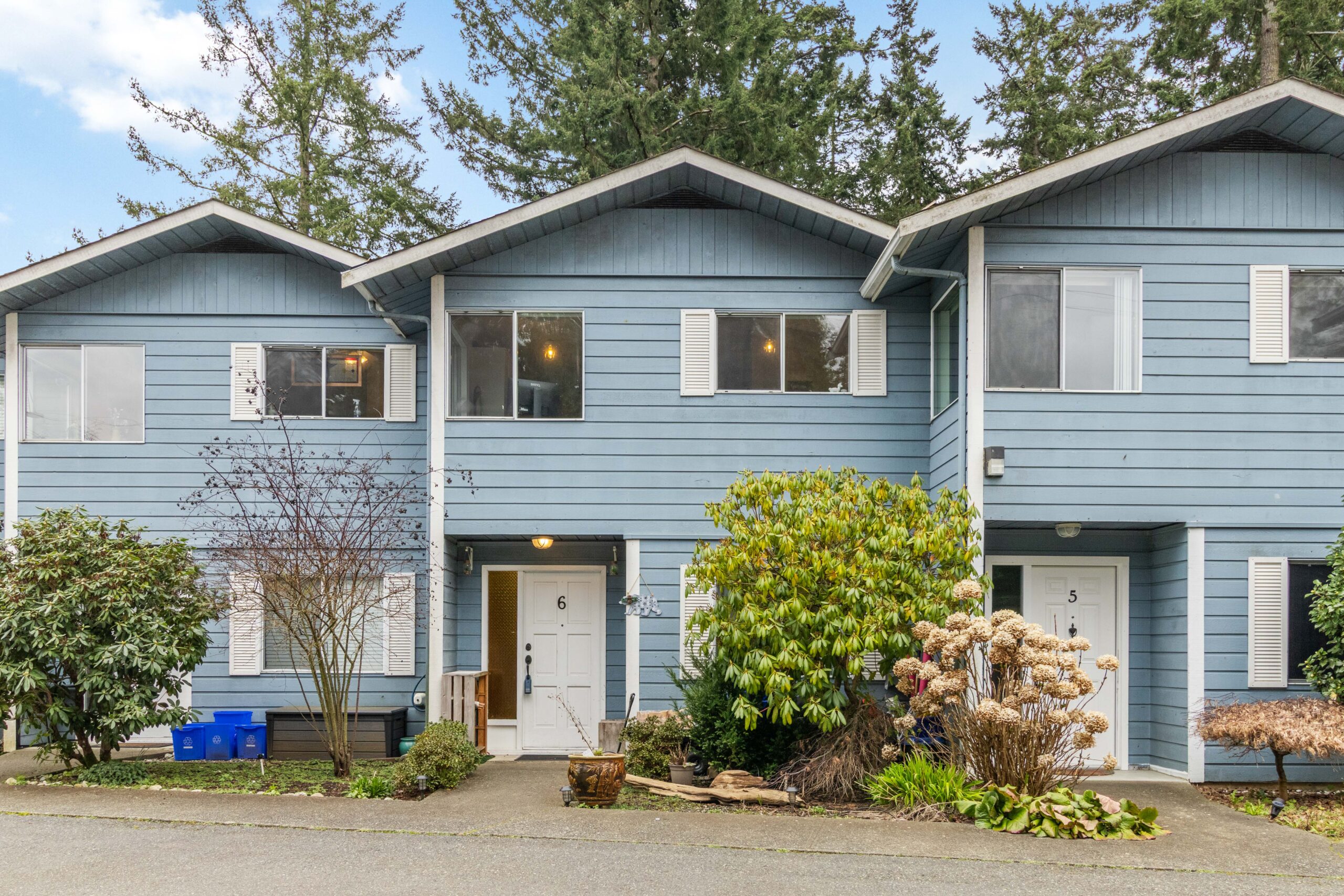
Small scale multi-unit housing refers to modest-density housing that sits between single family homes and large apartment buildings. These housing types are often called “missing middle housing” because they provide options that historically existed in many neighbourhoods but became restricted by zoning over time. Examples of small scale multi-unit housing include: Duplexes Triplexes Fourplexes Townhomes Courtyard housing Homes with secondary or garden suites Instead of building large apartment towers, these housing forms add homes gradually while keeping neighbourhood character largely intact. For cities like Victoria, this approach has become an important strategy for increasing housing supply while maintaining established communities. Why Small Scale Multi-Unit Housing Is Increasing Across British Columbia, housing supply has struggled to keep pace with population growth and demand. As a result, municipalities have begun exploring ways to increase housing options without dramatically altering neighbourhoods. Small scale multi-unit housing helps address several housing challenges. Increasing housing supply More homes can be built on land that previously supported only one house. Existing neighbourhoods can add housing without large redevelopment projects. Improving affordability Smaller units generally cost less than detached homes. Land costs are shared among multiple homes. Supporting community growth Increased density supports local businesses and transit. More residents can live close to employment centres and services. Because of these advantages, many municipalities throughout BC have begun adjusting zoning rules to allow more housing types on residential land. What This Means for Victoria Neighbourhoods In Greater Victoria, many neighbourhoods were historically dominated by single family homes. With limited land available, adding gentle density has become an important planning tool. Small scale multi-unit housing Victoria BC allows for changes such as: Redeveloping older homes into duplex or fourplex properties Building additional homes on larger residential lots Creating small infill developments in established neighbourhoods These types of developments typically blend into neighbourhoods more easily than larger apartment projects. Over time, this gradual increase in housing density can help accommodate population growth while preserving community character. Opportunities for Home Buyers For buyers, small scale multi-unit housing Victoria BC creates more opportunities in a market where detached homes can be difficult to afford. Potential advantages include: More attainable ownership Duplex or townhouse units are often priced below detached homes. Flexible living arrangements Some properties include secondary suites or separate living areas. Mortgage support through rental income Buyers may rent part of a property to offset mortgage costs. These housing options can provide a path to home ownership for buyers who might otherwise be priced out of traditional single family homes. Opportunities for Real Estate Investors Small scale multi-unit housing also presents interesting opportunities for real estate investors. Common strategies include: Redevelopment of existing lots Older homes may be replaced with duplex or multi-unit properties. Suite-based rental income Many homes now include legal secondary suites. Multi-unit rental investments Duplexes and fourplexes can provide steady long-term rental income. Investors should carefully evaluate zoning regulations, construction costs, financing requirements, and rental demand before pursuing these opportunities. Considerations Before Buying or Developing While small scale multi-unit housing creates opportunities, it also introduces important considerations. Buyers and investors should evaluate: Municipal zoning regulations Development and permitting timelines Construction costs and feasibility Property taxes and operating expenses Rental market demand Because these factors can vary widely between neighbourhoods, understanding local policies is essential before making decisions. The Future of Small Scale Multi-Unit Housing in Victoria Small scale multi-unit housing Victoria BC represents a shift in how cities approach growth. Instead of relying only on detached homes or high-rise condos, municipalities are encouraging housing types that sit in the middle. Over time, this approach can help: Increase housing supply Provide more ownership opportunities Create more diverse neighbourhoods For buyers, sellers, and investors, understanding how small scale multi-unit housing is evolving can reveal new opportunities in the Victoria real estate market. If you are considering buying, selling, or investing in properties affected by small scale multi-unit housing Victoria BC, the team at Faber Real Estate Group would be happy to help you understand your options and the opportunities available in today’s market. Laura T., 5-Star Review, via Google “Scott has been a pleasure. He is informative, kind, friendly and he has been there to answer all my questions, even when I had to bother him on the weekend. If you're looking for a Realtor, I would highly recommend Scott. He's the best out there!” Faber Real Estate Group Royal LePage Coast Capital Realty 📞 250-244-3430 📧[email protected] ℹ️ Scott Faber Personal Real Estate Corporation ℹ️ Cal Faber Personal Real Estate Corporation Vanessa Wood, Zachary Parsons, and Sophie Taylor “Building Lasting Relationships, One Home at a Time.”
Read more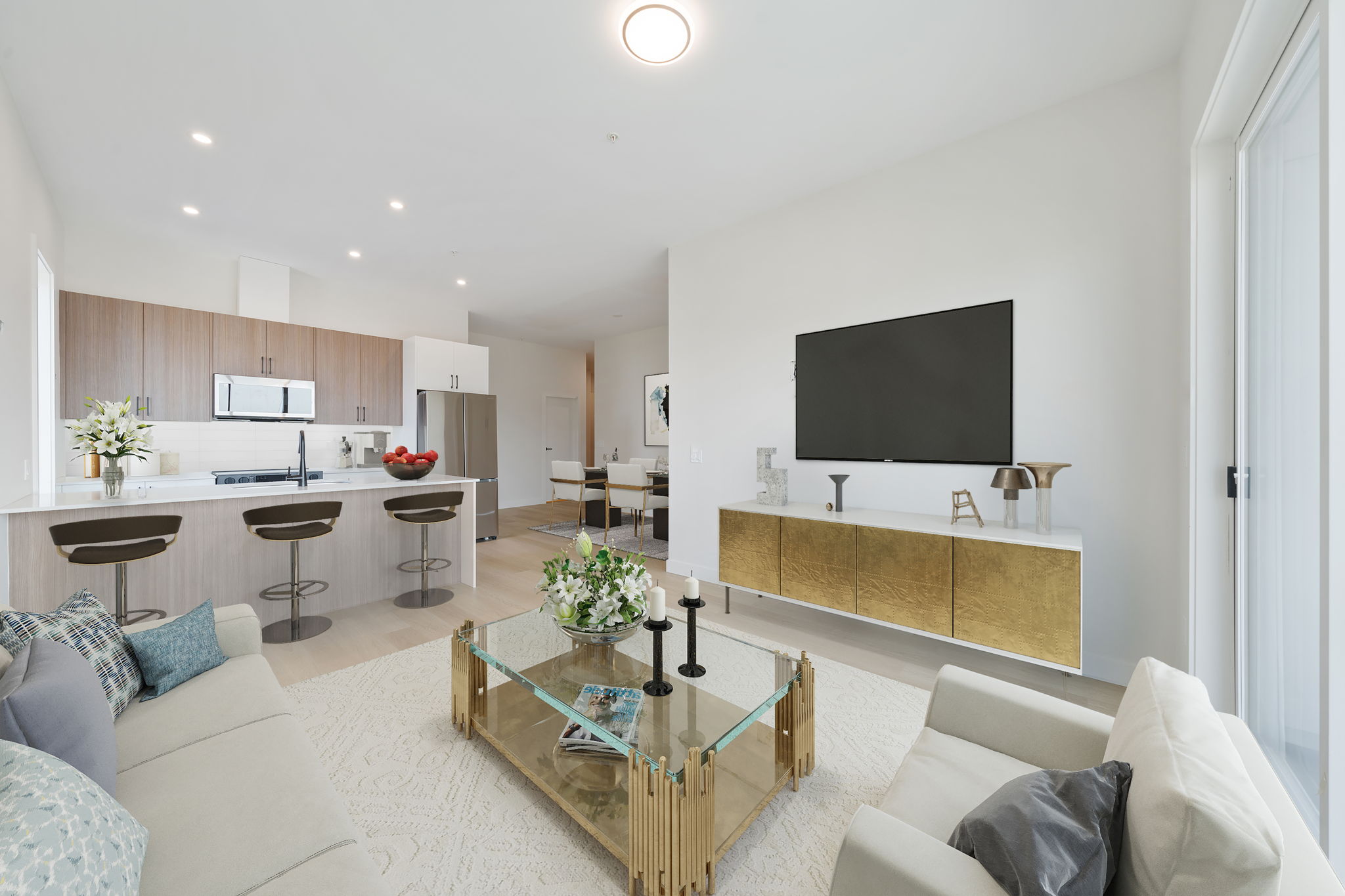
Deciding between renting vs buying in Victoria BC is a major choice for many residents. Victoria’s housing market is moving in two directions at once: rents have been easing, while ownership prices (especially for single family homes) have stayed relatively firm. Using current numbers can help you make a decision based on reality, not headlines. Current Rental Market: Prices and Trends Victoria remains one of the pricier rental markets in Canada, but recent data shows rents have been trending down. Average asking rent (Victoria): about $2,224 across unit types (January 2026). One-bedroom: about $1,942 (January 2026), down 6.7% year-over-year. Two-bedroom: about $2,605 (January 2026), down 5.1% year-over-year. On supply, Greater Victoria is seeing more breathing room than recent years: Greater Victoria vacancy rate: about 3.3% (CMHC 2025 Rental Market Report, cited by the Province). What this means in plain terms: more choice, a bit more leverage for renters, and fewer situations where tenants feel forced to accept the first available unit. Buying in Victoria: Prices and Ownership Landscape On the ownership side, a helpful “apples-to-apples” metric is the MLS HPI benchmark (it tracks a typical home over time, rather than averages that can swing with the mix of what sold). From the Victoria Real Estate Board’s February 2026 market report (Victoria Core): Single family home benchmark: $1,307,400 (February 2026). Condominium benchmark: $545,600 (February 2026). Inventory has been healthier than the tightest years, with 2,903 active listings across the VREB region at the end of February 2026. That usually translates into more selection and a less frantic pace, but affordability still matters because the entry point remains high. Pros and Cons of Renting in Victoria Pros of Renting Lower upfront cost (no down payment or closing costs) Flexibility to relocate without selling No responsibility for major repairs and maintenance Recent rent softening and higher vacancy can improve negotiating position Cons of Renting Monthly payments do not build equity Rent is still expensive relative to local incomes Less control over the home and potential future rent increases Pros and Cons of Buying in Victoria Pros of Buying Builds equity over time More stability and control over your space Predictable payments if you choose a fixed-rate mortgage Cons of Buying High upfront costs (down payment, closing costs, property transfer tax, legal fees) Ongoing costs (maintenance, insurance, property taxes, condo fees if applicable) Market conditions vary by segment, and pricing is not guaranteed to rise year-to-year Making the Decision: What to Consider Your choice between renting vs buying in Victoria BC should match three things: Time horizon: Are you staying put for 3+ years, or is life still in motion? Cash position: Down payment, closing costs, and an emergency fund for ownership surprises Monthly reality: Compare rent to the true cost of ownership (mortgage, taxes, insurance, maintenance, and strata fees) A useful takeaway from the 2026 data is this: renting has become slightly less punishing than it was, while buying still requires a clear financial plan because benchmarks remain high. Final Thoughts Rents are easing and vacancy is up, while benchmark ownership prices in the Victoria Core have stayed relatively steady. That combination can create a “pause-and-plan” moment where renters gain options and buyers gain breathing room. If you want, we can run a simple rent vs buy comparison using your target neighbourhood, down payment, and comfort level with monthly costs, so your decision is grounded in real numbers. David M., 5-Star Review, via Google “Scott was a fantastic realtor—hardworking, knowledgeable, and truly dedicated to his clients. His expertise and great connections made the entire process smooth and stress-free. He went above and beyond to ensure everything was taken care of, and I couldn’t be happier with the results. I highly recommend Scott to anyone looking for a realtor.” Faber Real Estate Group Royal LePage Coast Capital Realty 📞 250-244-3430 📧[email protected] ℹ️ Scott Faber Personal Real Estate Corporation ℹ️ Cal Faber Personal Real Estate Corporation Vanessa Wood, Zachary Parsons, and Sophie Taylor “Building Lasting Relationships, One Home at a Time.”
Read more
The Greater Victoria real estate market continued to show signs of stability and steady activity in February 2026. According to the Victoria Real Estate Board, 465 properties sold across the region, representing a 37.2 percent increase from January, though still 11.9 percent lower than February 2025. While year-over-year comparisons show some moderation, the strong month-to-month growth indicates that buyers are returning to the market as we move toward the spring season. Inventory is also expanding, giving buyers more options than they have seen in recent years. Active listings rose to 2,903 properties, up 10.6 percent from January and 10.4 percent higher than the same time last year. For many buyers and sellers, this signals a shift toward a more balanced real estate environment where neither side holds a dramatic advantage. Local REALTOR® Scott Faber notes that the Victoria market continues to behave differently than many larger Canadian markets. “There’s a lot of noise coming out of Vancouver and Toronto,” Scott Faber says. “However, our market here is very stable and resilient compared to other markets across Canada.” Insights for Buyers For buyers entering the market this spring, the increased inventory is creating more breathing room to explore options and make thoughtful decisions. With nearly three thousand active listings available, buyers can take time to compare homes, neighbourhoods, and property types more carefully than they could during the intense competition of previous years. Scott Faber explains that condominiums may offer particular opportunity right now. “If you’re a buyer looking for a condo this spring, this is definitely a good time to explore those options,” Scott Faber says. “Especially for downsizers or first-time homebuyers, there’s a lot of choice available and mortgage rates have come down significantly compared to last year.” However, the single-family home segment remains competitive in certain price ranges. Scott Faber notes that homes under $1.2 million with suites are attracting strong demand, particularly in areas like Saanich and Langford. “One of our listings had 18 showings within two weeks,” Scott Faber says. “And we’ve been in multiple-offer situations on several homes under a million dollars, some with suites and some without.” Because of this continued competition in certain segments, preparation remains critical. “If you’re looking for a single-family home, get prepared with a mortgage pre-approval and talk to your real estate professional so you’re ready to act,” Scott Faber advises. Insights for Sellers For sellers considering entering the market this spring, the February activity provides an important takeaway: preparation and presentation matter more than ever. While buyers have more inventory to choose from, homes that are properly priced and move-in ready are still attracting strong interest and selling quickly. Properties that are not show-ready, however, may take longer to move in a market where buyers have more choice. Scott Faber sees this trend clearly when working with clients. “When a home is priced to sell and it’s move-in ready, buyers are moving quickly,” Scott Faber says. “But the homes that aren’t show-ready or require significant updates tend to sit longer because buyers simply have more options right now.” For sellers, this makes professional strategy essential. “I always recommend choosing a professional real estate team that understands how to position your home properly in today’s market,” Scott Faber says. “If your home is well-appointed, marketed correctly, and priced appropriately, you’re going to have a good experience selling.” Market Outlook Looking ahead to the spring market, Greater Victoria appears to be entering a period of stability rather than volatility. The benchmark price for a single-family home in the Victoria Core is now $1,307,400, a modest 0.9 percent decrease from last year, though prices have increased since January. Condominiums show a similar pattern, with a benchmark value of $545,600, down slightly year-over-year but rising month-over-month. Scott Faber believes these numbers reflect a market that is finding its balance. “What we’re seeing right now is a balanced market,” Scott Faber says. “We’re not seeing the large supply increases that some people expected, and when the market is balanced it creates great opportunities for both buyers and sellers.” As the spring market approaches, activity is expected to continue building. Buyers will likely benefit from increased inventory, while sellers who prepare their homes properly can still capture strong demand. Final Thoughts February’s data and on-the-ground experience point to a clear conclusion: the Greater Victoria real estate market remains steady, resilient, and balanced. Buyers now have more options and greater confidence as prices stabilize and inventory expands. Sellers, meanwhile, can still achieve excellent results when their homes are positioned correctly in the marketplace. For those considering a move this year, understanding these local dynamics is critical. If you are thinking about buying or selling in Greater Victoria, connect with Scott Faber and the Faber Real Estate Group for personalized guidance and expert insight into today’s market opportunities. Scott L., 5-Star Review, via Google “I had the pleasure of working with the Faber Group to sell my house, and I couldn't be more pleased with the experience. Cal and Scott from the Faber Group provided exceptional service from start to finish. Their expertise and guidance were instrumental in preparing my home for sale, ensuring it was presented in the best possible light for maximum return on investment. They demonstrated a deep understanding of the market, strategically timing the listing to attract the right buyers. Faber Real Estate Group Royal LePage Coast Capital Realty 📞 250-244-3430 📧[email protected] ℹ️ Scott Faber Personal Real Estate Corporation ℹ️ Cal Faber Personal Real Estate Corporation Vanessa Wood, Zachary Parsons, and Sophie Taylor “Building Lasting Relationships, One Home at a Time.”
Read more
For any aspiring home buyer in Victoria BC, 2026 presents a more balanced and manageable market. With higher inventory and steadier pricing, buyers have more choice and less pressure than in recent years. That said, preparation still matters. Whether you are considering a condo in Langford or a family home in Oak Bay, the right planning can help you avoid common mistakes and make confident decisions. Build a Strong Financial Foundation Every successful purchase starts with finances. Begin by reviewing your credit score and outstanding debt. A score of 680 or higher typically improves access to better mortgage rates and terms. Next, plan your down payment. In Canada, minimum requirements range from 5 percent for lower-priced homes to 20 percent for higher-value properties. Tools like the First Home Savings Account allow buyers to save efficiently, while the RRSP Home Buyers’ Plan can help supplement funds when used carefully. Mortgage pre-approval should follow. This step confirms your budget, accounts for the stress test, and shows sellers you are serious. In a market like Victoria, pre-approval helps you focus on homes that truly fit your price range. Understand the Market and Set Clear Goals With more listings available in 2026, buyers benefit from taking time to research neighbourhoods and pricing trends. Different seasons also bring different opportunities, with quieter months often offering more negotiation room. As you search, separate must-haves from nice-to-haves. Location, commute time, and long-term livability should come before cosmetic features. It is also important to budget for ongoing costs such as property taxes, insurance, and maintenance. Work With the Right Professionals Buying a home is not a solo effort. A local real estate agent can help you interpret market data, navigate negotiations, and manage timelines. A mortgage broker can compare lenders and structure financing that fits your situation. Home inspections are also critical. Identifying issues early protects you from unexpected repair costs and strengthens your negotiating position. Follow a Clear Buying Process A structured approach helps reduce stress and avoid missed steps. Start with pre-approval, then focus on properties that meet your criteria. When making an offer, include appropriate conditions for financing and inspection. Once an offer is accepted, complete due diligence, review documents carefully, and prepare for closing costs, which typically range from 1.5 to 4 percent of the purchase price. Common Mistakes to Avoid Avoid stretching your budget beyond what feels comfortable. Skipping inspections or underestimating closing and moving costs can quickly create regret. In a balanced market, there is also no need to rush. Taking time to compare options often leads to better outcomes. Bottom Line For an aspiring home buyer in Victoria BC, 2026 offers opportunity paired with choice. With strong preparation, realistic expectations, and the right guidance, buying a home can feel far more manageable than in past years. Ready to take the next step toward homeownership? Contact us to discuss how these tips apply to your home search and what opportunities may fit your goals. David M., 5-Star Review, via Google “Scott was a fantastic realtor—hardworking, knowledgeable, and truly dedicated to his clients. His expertise and great connections made the entire process smooth and stress-free. He went above and beyond to ensure everything was taken care of, and I couldn’t be happier with the results. I highly recommend Scott to anyone looking for a realtor.” Faber Real Estate Group Royal LePage Coast Capital Realty 📞 250-244-3430 📧[email protected] ℹ️ Scott Faber Personal Real Estate Corporation ℹ️ Cal Faber Personal Real Estate Corporation Vanessa Wood, Zachary Parsons, and Sophie Taylor “Building Lasting Relationships, One Home at a Time.”
Read more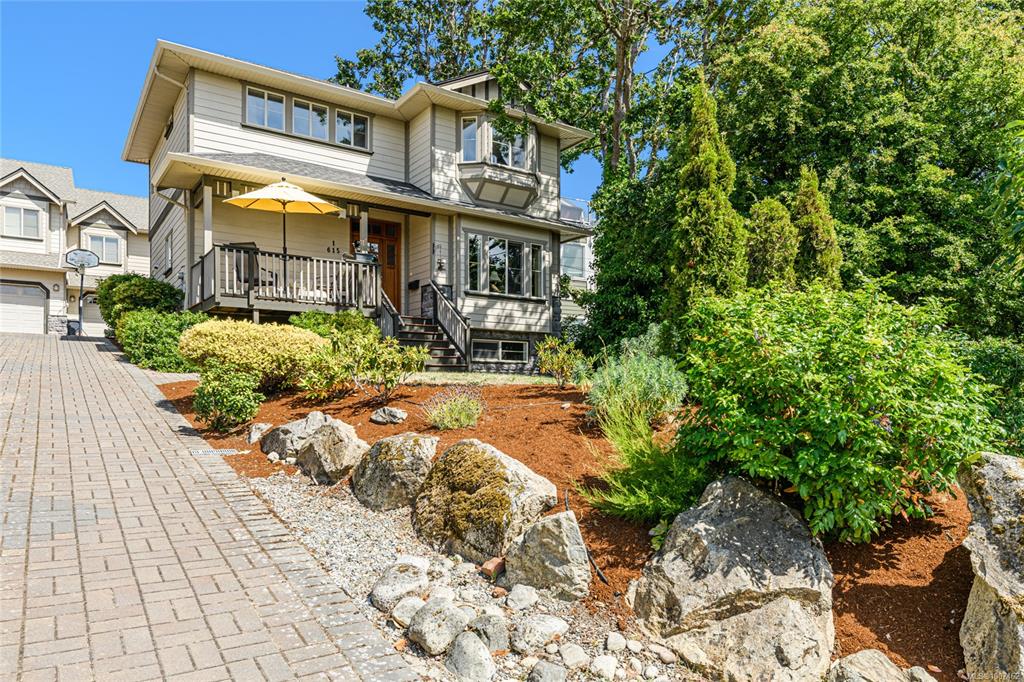
Investment opportunities in Victoria remain strong because the city combines lifestyle demand with long-term housing pressure. Buyers are not just purchasing property. They are building income flexibility and future security. Victoria benefits from government employment, post-secondary institutions, and steady in-migration. As a result, rental demand stays consistent even when sales volume shifts. Therefore, investors who focus on structure and cash flow often find durable returns. Secondary Suites: Built-In Income One of the most practical investment opportunities in Victoria is purchasing a home with a legal or conforming secondary suite. Suites offer: Mortgage support through rental income Higher qualification potential with lender-recognized income Flexibility for future family use Strong tenant demand However, zoning and municipal compliance matter. Before purchasing, confirm suite legality, ceiling height, fire separation, and parking requirements. In addition, review operating costs carefully. Insurance, utilities, and maintenance influence net return more than gross rent alone. Purpose Rentals and Long-Term Tenancies Some buyers focus strictly on rental property. Victoria’s rental market has experienced tight vacancy conditions for years. Although vacancy rates fluctuate, demand remains steady due to limited land supply and strong population stability. Investors typically consider: Condominiums near employment centres Townhomes appealing to families Detached homes with multiple rental streams Cash flow depends on purchase price, down payment, and financing structure. Therefore, investors should evaluate cap rate, maintenance reserves, and long-term appreciation potential before committing. A strong rental strategy balances income today with growth tomorrow. Multi-Generational Homes: Strategic Flexibility Another growing segment of investment opportunities in Victoria involves multi-generational homes. These properties support: Parents and adult children living together Shared mortgage responsibility Reduced childcare costs Long-term estate planning Unlike traditional rental models, multi-generational purchases often prioritize flexibility over maximum yield. Buyers may convert space later into a suite or separate living quarters. Because housing affordability remains a challenge in Greater Victoria, shared living arrangements continue to increase. As a result, homes with separate entrances, additional kitchens, or carriage-house potential often command strong interest. Key Considerations Before Investing Before pursuing investment opportunities in Victoria, ask: Is your priority cash flow or appreciation? Are you comfortable managing tenants? How stable is your financing structure if rates shift? Does the property allow future adaptability? Investing without a defined objective creates unnecessary risk. Clear strategy reduces emotional decisions. Long-Term Outlook Victoria remains land-constrained. Ocean boundaries and protected green space limit outward expansion. Consequently, supply growth stays measured. That constraint supports long-term value retention. However, investors must remain realistic. Short-term appreciation cycles vary. Rental regulations evolve. Financing costs shift. Successful investors plan for ten years, not twelve months. Final Thoughts Investment opportunities in Victoria extend beyond traditional rental condos. Suites, income properties, and multi-generational homes create layered strategies that combine lifestyle and financial planning. If you are evaluating an income property, start with a written objective. Then run realistic cash flow projections. Finally, compare long-term flexibility across property types. When strategy leads the purchase, Victoria continues to present compelling options. Doug F., 5-Star Review, via Google “I want to be honest with this evaluation: The way the sale/transaction/personal service of this Firm is 100%. They returned calls promptly, got me information when asked and even helped me move heavy furniture with a smile.” Faber Real Estate Group Royal LePage Coast Capital Realty 📞 250-244-3430 📧[email protected] ℹ️ Scott Faber Personal Real Estate Corporation ℹ️ Cal Faber Personal Real Estate Corporation Vanessa Wood, Zachary Parsons, and Sophie Taylor “Building Lasting Relationships, One Home at a Time.”
Read more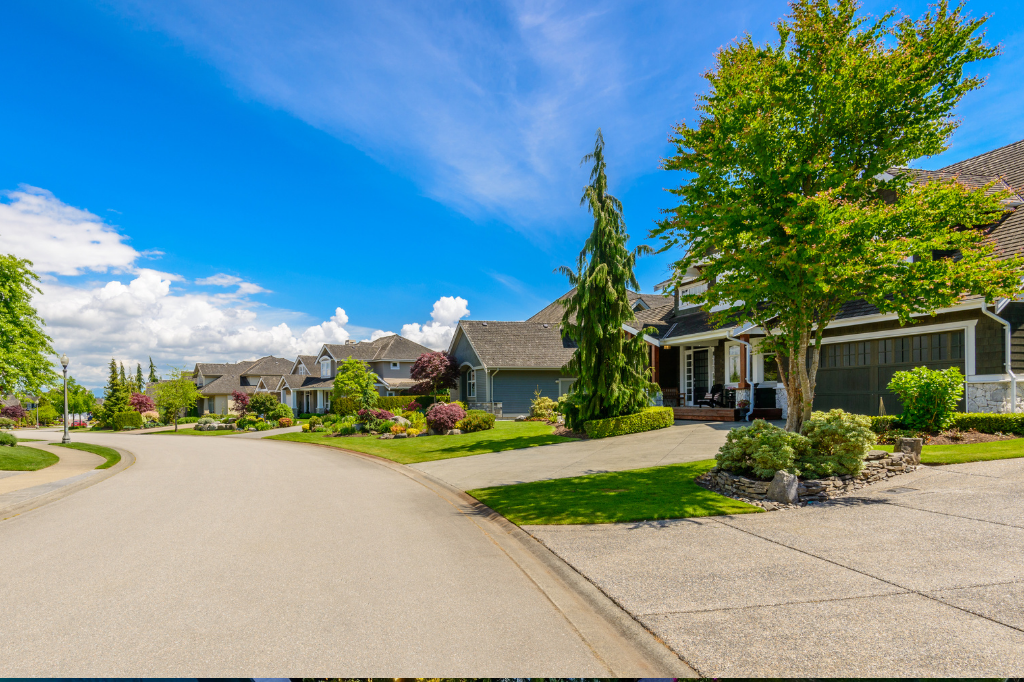
Cap rates in Greater Victoria are a key metric for investors evaluating rental property performance. Whether you are purchasing a condo in the urban core or a suited home in the Westshore, understanding capitalization rates helps you assess risk, return, and pricing discipline. If you are analyzing investment property, cap rates in Greater Victoria provide a fast way to compare opportunities across neighbourhoods. What Is a Cap Rate? The capitalization rate measures a property’s return based on its net operating income. Formula: Cap Rate = Net Operating Income ÷ Purchase Price Net operating income includes rental income minus operating expenses such as: Property taxes Insurance Maintenance Property management Strata fees It does not include mortgage payments. Cap rate evaluates the property itself, not your financing structure. Typical Cap Rates in Greater Victoria Cap rates in Greater Victoria are generally lower than many Canadian markets. This reflects: Strong long-term appreciation High demand and limited land supply Stable government and institutional employment As of recent market cycles, investors often see approximate ranges such as: 3% to 4% for prime core areas 4% to 5% in select Westshore submarkets Higher returns possible in properties requiring renovation or repositioning For example, a condo in downtown Victoria may trade at a lower cap rate due to high demand and limited vacancy. Meanwhile, a suited property in Langford could offer a slightly stronger yield with higher rental flexibility. Why Are Cap Rates Lower Here? Several structural factors influence cap rates in Greater Victoria: Constrained housing supply due to geography Consistent in-migration to Vancouver Island Low vacancy rates Strong rental demand from students at University of Victoria Government and military employment stability Because investors anticipate appreciation, they accept lower immediate yield in exchange for long-term equity growth. What Is a “Good” Cap Rate? A good cap rate depends on your investment strategy. If you prioritize: Cash flow → You may target higher cap rates in emerging areas. Appreciation → You may accept lower cap rates in established neighbourhoods. Risk mitigation → You may focus on strong tenant demand and stable buildings. In Greater Victoria, many investors prioritize stability and appreciation over aggressive yield. Cap Rate vs Cash Flow It is important not to confuse cap rate with cash flow. A property can have: A strong cap rate but negative cash flow due to high interest rates A lower cap rate but stable long-term equity growth Financing conditions significantly affect actual monthly performance. Therefore, investors must analyze both cap rate and debt servicing. How to Use Cap Rates Effectively Cap rates in Greater Victoria work best as a comparison tool. They allow you to: Compare neighbourhoods objectively Evaluate pricing relative to income Identify overvalued or underperforming assets Screen properties quickly before deeper due diligence However, cap rates alone do not capture future development potential, zoning changes, or suite opportunities. A full underwriting analysis remains essential. Final Thoughts Cap rates in Greater Victoria remain compressed compared to many markets, but they reflect a stable, supply-constrained region with consistent demand. For investors focused on long-term growth and risk-adjusted returns, this market continues to offer compelling fundamentals. If you are considering an investment purchase and want help analyzing cap rates and projected returns, reach out anytime to review current opportunities and run the numbers together. Grymyko J., 5-Star Review, via Google “Scott and Cal were a pleasure to work with, thank you Guys for negotiating a good deal for us, will definitely work with them again in the future!” Faber Real Estate Group Royal LePage Coast Capital Realty 📞 250-244-3430 📧[email protected] ℹ️ Scott Faber Personal Real Estate Corporation ℹ️ Cal Faber Personal Real Estate Corporation Vanessa Wood, Zachary Parsons, and Sophie Taylor “Building Lasting Relationships, One Home at a Time.”
Read more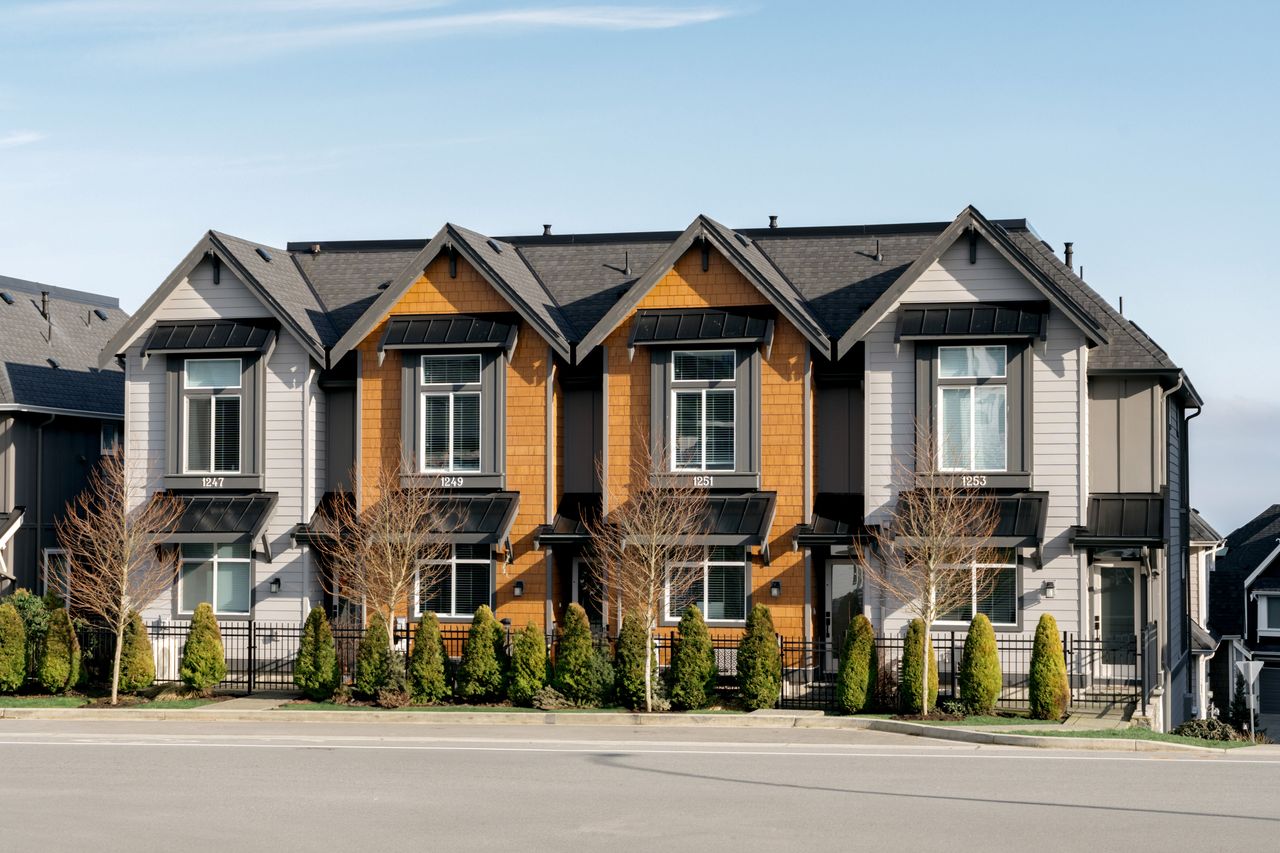
If you are wondering what $800,000 buys you in Victoria, the answer depends heavily on location, property type, and neighbourhood demand. In today’s Greater Victoria market, $800,000 sits in the entry-to-mid range for many areas. However, purchasing power shifts significantly between core Victoria and the Westshore. Here is a realistic look at what $800,000 buys you in Victoria across several popular neighbourhoods. Langford (Westshore) In Langford, $800,000 typically buys: A newer 2 to 3-bedroom townhome A small detached home on a compact lot A large, modern condo with amenities Langford continues to attract buyers seeking newer construction and strong long-term growth. Many developments offer energy-efficient builds and family-oriented layouts. For buyers priced out of central Victoria, Langford provides value per square foot that is difficult to match. This price point works well for first-time buyers, young families, and investors targeting rental demand. Gordon Head (Saanich East) In Gordon Head, $800,000 usually buys: An older townhome A smaller detached home in original condition A condo near the university Proximity to University of Victoria supports steady rental demand and long-term appreciation. Detached homes in this area often exceed this budget unless they require renovation. Buyers here pay a premium for location, schools, and proximity to beaches. For investors, properties with suite potential can create stronger cash flow. Fairfield Fairfield is known for character homes and walkability. At $800,000, buyers can expect: A smaller condo or garden suite A leasehold property A townhome in select buildings Detached character homes in Fairfield generally trade well above this range. Buyers at this price point gain access to one of Victoria’s most desirable lifestyle locations, close to parks and oceanfront paths. James Bay In James Bay, $800,000 commonly buys: A spacious condo with water or city views A renovated two-bedroom unit in a concrete building A townhome in select complexes This neighbourhood appeals to downsizers and professionals who value walkability to downtown. Concrete buildings with strong strata management often hold value well over time. Saanich East Saanich East offers a balance between suburban space and central convenience. At $800,000, buyers may find: An older detached home requiring updates A well-appointed townhome A larger condo in a low-rise building School catchments and quiet residential streets drive consistent demand here. What Influences Value at $800,000? Several factors determine what $800,000 buys you in Victoria: Lot size and zoning potential Age and condition of the property Proximity to schools, parks, and transit Strata fees and building quality Rental or suite potential Neighbourhood supply also matters. Westshore areas tend to offer more inventory at this price point, while core Victoria remains constrained. Is $800,000 a Good Budget in Victoria? For townhomes and condos, $800,000 remains a strong budget across many neighbourhoods. For detached homes, expectations must adjust depending on location and condition. Buyers prioritizing space often look west, while buyers prioritizing lifestyle choose central neighbourhoods and accept smaller footprints. Understanding what $800,000 buys you in Victoria allows you to align your purchase with long-term goals rather than short-term emotion. If you are considering buying and want a tailored breakdown of options in your target neighbourhood, reach out anytime to discuss your goals and explore available opportunities. Justine D., 5-Star Review, via Google “If you are looking for a realtor you can TRUST, and will look out for YOUR interests— then Cal and Scott are IT!!! I would recommend them to anyone looking to buy a home on the Island. I should also mention that Cal negotiated an amazing price on the purchase of our home and made sure if something was not right when we took possession that it would be taken care of. Cal and Scott and realtors with integrity and kindness..” Faber Real Estate Group Royal LePage Coast Capital Realty 📞 250-244-3430 📧[email protected] ℹ️ Scott Faber Personal Real Estate Corporation ℹ️ Cal Faber Personal Real Estate Corporation Vanessa Wood, Zachary Parsons, and Sophie Taylor “Building Lasting Relationships, One Home at a Time.”
Read more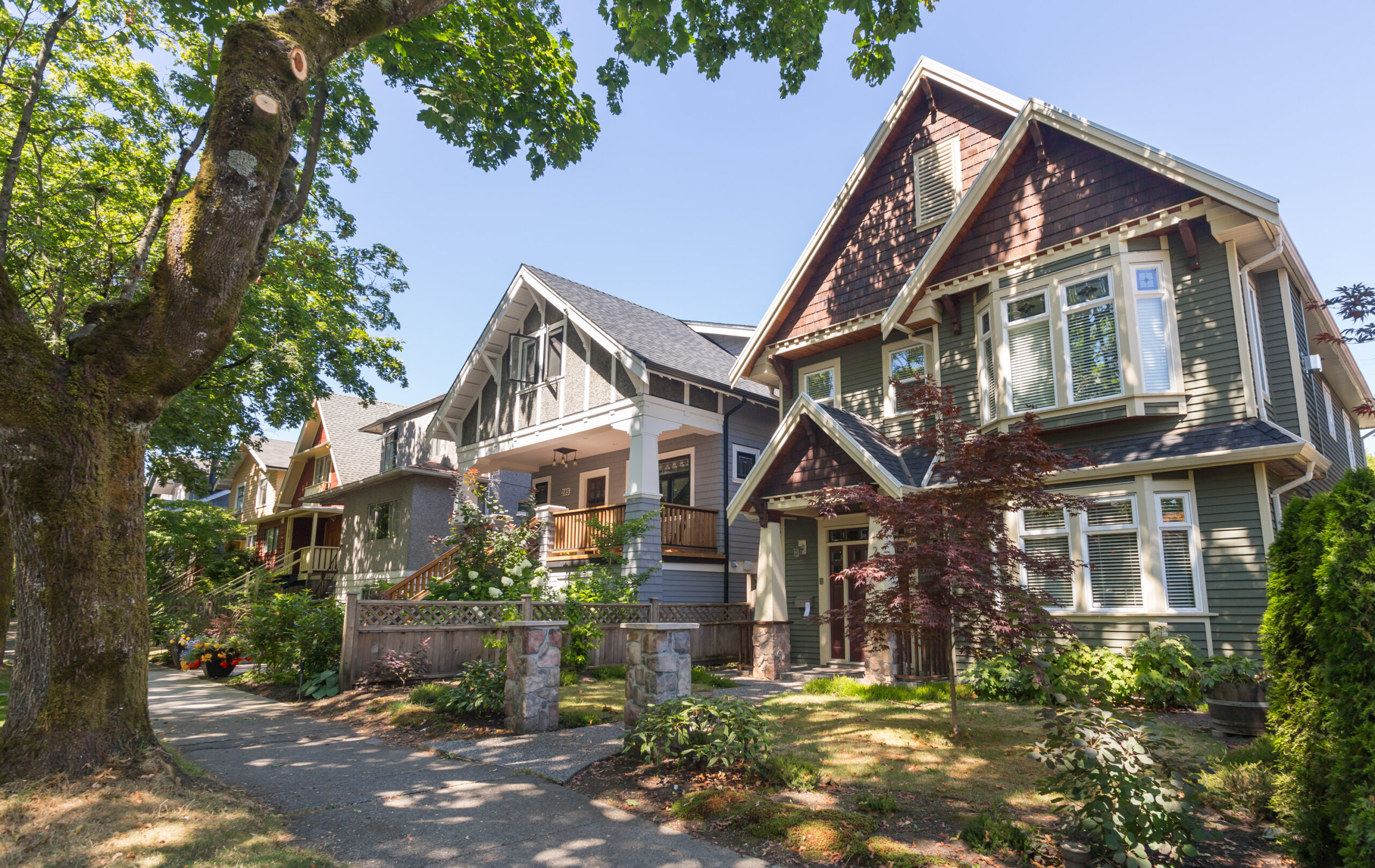
Victoria, BC home maintenance and value are closely linked. In a market where buyers expect well-kept homes, ongoing upkeep is not just about comfort. It plays a direct role in protecting resale value and long-term equity. From James Bay character homes to newer properties in Langford, maintenance signals how a home has been cared for over time. Buyers and appraisers notice. What Counts as Home Maintenance Home maintenance includes routine tasks and planned repairs that prevent deterioration. This covers roof upkeep, plumbing and electrical updates, HVAC servicing, exterior paint, and drainage management. When maintenance is deferred, small issues often turn into expensive problems. This can reduce appraised value and limit buyer interest, especially in competitive Victoria neighbourhoods. How Maintenance Supports Long-Term Value Well-maintained homes tend to sell faster and closer to asking price. They also appraise more consistently. Key value drivers include: Curb appeal Clean exteriors, tidy landscaping, and fresh paint improve first impressions. In Victoria, a neglected exterior often raises concerns about moisture or structural issues. Prevention of major repairs Fixing minor problems early helps avoid larger failures. This matters in Victoria’s wet climate, where roof leaks, poor drainage, and moisture intrusion are common red flags. Energy efficiency Updated windows, insulation, and electrical systems appeal to buyers and reduce operating costs. Energy-efficient homes also align with current buyer expectations in BC. Structural condition Roofing, foundations, and plumbing directly affect value. Older homes in Victoria require consistent attention to avoid depreciation tied to outdated systems. Victoria BC home maintenance and value trends show that condition often matters more than cosmetic upgrades alone. Victoria-Specific Maintenance Considerations Coastal exposure increases wear from moisture and salt air. Annual maintenance budgets often fall around 1 percent of building value, not including land. In established areas like Oak Bay and Fairfield, buyers expect turnkey condition. Deferred maintenance can reduce buyer confidence and negotiation strength. Over-improving can also backfire. Upgrades should match neighbourhood expectations and buyer demand. Practical Maintenance Tips for Homeowners Create an annual maintenance checklist focused on roofs, drainage, and ventilation Prioritize kitchens, bathrooms, and exterior condition Budget 1 to 2 percent of home value annually for upkeep Schedule professional inspections, especially for older homes Keep records of repairs and upgrades for resale and appraisals For sellers, documented maintenance supports pricing. For buyers, well-maintained homes reduce future costs. Bottom Line Victoria BC home maintenance and value go hand in hand. Proactive upkeep protects equity, supports resale pricing, and reduces surprises. In a stable but selective market, condition remains one of the strongest drivers of long-term home value. This content is for educational purposes only. Always consult local professionals and municipal guidelines for property-specific advice. Matt C., 5-Star Review, via Google “I would highly recommend not only the Faber group however specifically Scott. He treated us with the utmost respect and looked out for our best interests. Our selling and buying process were seemless with little stress due to Scott handling everything behind the scenes. Furthermore not only did Scott show us exactly what we were looking for he knew what location would best suit our lives.” Faber Real Estate Group Royal LePage Coast Capital Realty 📞 250-244-3430 📧[email protected] ℹ️ Scott Faber Personal Real Estate Corporation ℹ️ Cal Faber Personal Real Estate Corporation Vanessa Wood, Zachary Parsons, and Sophie Taylor “Building Lasting Relationships, One Home at a Time.”
Read more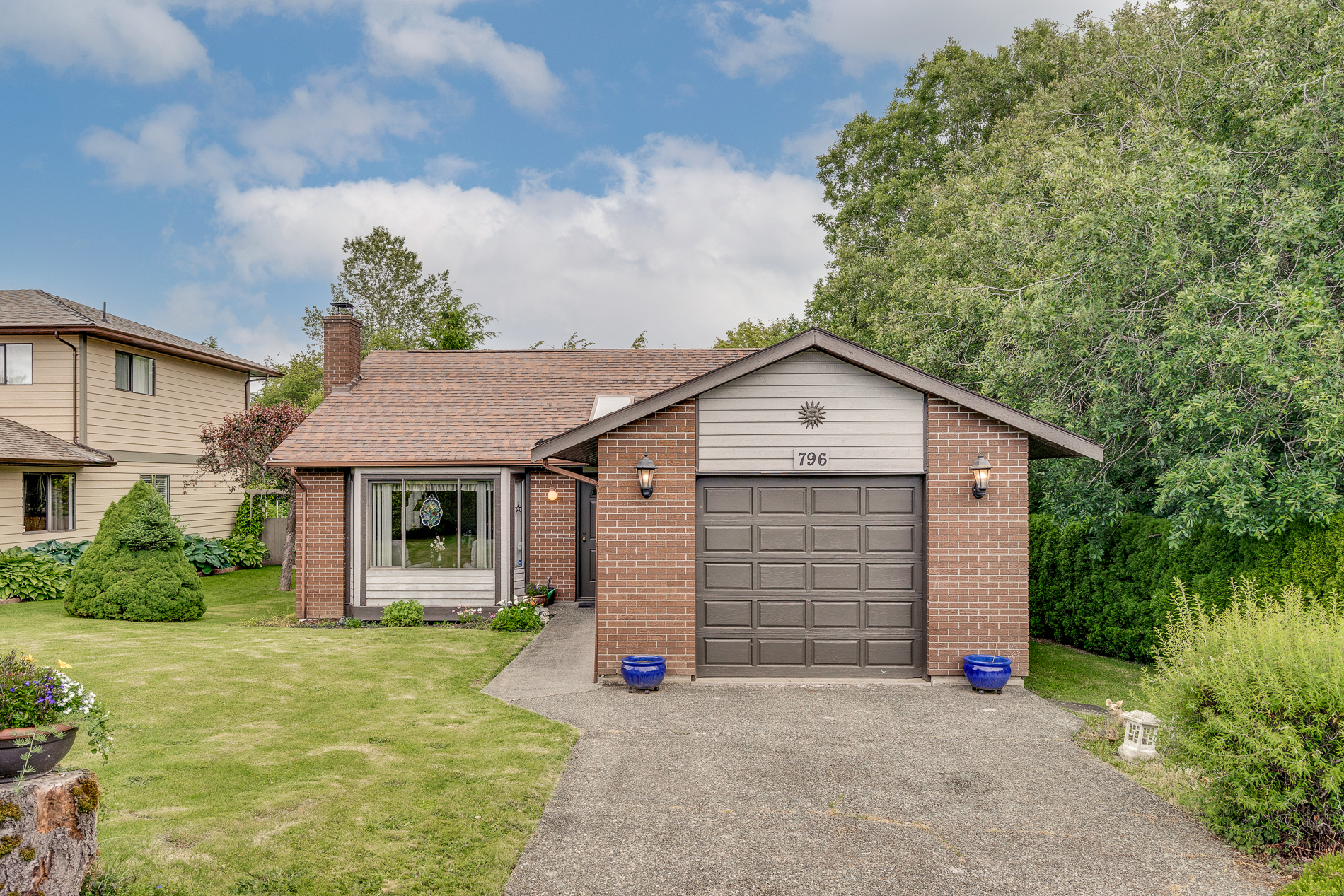
When you’re evaluating where to buy in the Greater Victoria, Saanich, or Westshore markets, understanding municipal property tax differences is an often-overlooked but highly relevant financial factor. Two homes with identical assessed values can lead to noticeably different tax bills year-to-year depending on the municipality — so knowing how rates stack up can influence both your upfront cost estimates and your long-term ownership costs. How Property Taxes Work in BC In British Columbia, municipal property taxes are calculated by multiplying the assessed value of your home by the municipal tax rate (mill rate). The assessment comes from BC Assessment and reflects market value as of July 1 prior to the tax year. Your total tax bill isn’t just the municipal share — it also includes levies collected for: Provincial school tax Capital Regional District (CRD) services Hospital district Transit Other local bodies Municipal budget decisions — such as infrastructure spending or service levels — directly influence the mill rate required to generate revenue. If assessments rise faster than the municipal budget, mill rates can stay stable or even decrease; if budgets grow faster than total assessed value, mill rates must increase. A municipality’s tax strategy often reflects local priorities and spending choices. Greater Victoria Municipal Property Tax Rates: A Snapshot Not all municipalities in Greater Victoria tax at the same rate. Based on available comparative data: Tax Rate Rankings (2022–2024 era) Lower tax rate municipalities: North Saanich generally sits near the lower end of regional property tax rates. View Royal often has lower mill rates compared with urban centres. Mid-range: Colwood and Langford in the Westshore tend to have moderate local municipal tax rates, but totals depend on other levies and assessment levels. Higher tax rate municipalities: Victoria and Central Saanich have among the higher municipal property tax rates within the region. Saanich typically shows a comparatively high effective tax burden. Differences matter: in a sample compiled by a brokerage, a $1 million home in Victoria would yield roughly $174 more in taxes than the same value home in Saanich, and a home in Colwood would pay about $645 more than in View Royal — purely based on rate spreads. (Note: precise current rates change annually with budgets and assessments. Always check municipal tax rate bylaws or use online tax calculators for exact figures for a given year.) Recent Trends: Rate Increases & Budget Pressures Municipalities across Greater Victoria have grappled with tax increases over recent years, driven by rising costs for core services, infrastructure renewals, and public safety: Saanich approved property tax increases near 8% in 2025, adding hundreds of dollars to the average homeowner bill. Langford has proposed significant tax hikes in multi-year financial plans to support rapid growth and expanding service demand. Regional increases by the Capital Regional District (CRD) also factor into total bills, with projected increases varying across municipalities depending on the services used (e.g., 4.1% for Victoria vs 7.7% for Langford for CRD requisitions in 2025). These upward pressures mean that even if a municipality historically had a lower tax rate, the year-to-year changes can shift relative burden across communities. Why These Differences Matter for Buyers 1. Annual Carrying Cost If you’re budgeting for homeownership, property taxes are a predictable recurring cost tied directly to your assessment and municipal priorities. A difference of a few hundred to a few thousand dollars annually can impact: Mortgage affordability Monthly cash flow Long-term cost projections for investment or retirement planning 2. Comparing Similar Homes Across Municipalities Two homes with equal market value — one in Saanich and one in Langford or Colwood — could result in: Different quarterly tax bills Different services received for that tax dollar (e.g., recreation, policing, parks) This can be a tiebreaker for buyers evaluating multiple locations in the region. 3. Growth and Future Tax Outlook Municipalities at different stages of development (e.g., fast-growing Langford vs more established Saanich or Victoria) may adopt differing strategies on whether to keep taxes low for growth incentives or invest in services and infrastructure. Howard P., 5-Star Review, via Google “Cal and Scott Faber are authentic and trustworthy and give it to you straight up. They take the time and the attention to learn about your needs and then find the home that fits them. Our experience with Cal and Scott Faber was exceptional. They didn't just provide great service, they demonstrated a genuine concern for our best interests, making us feel truly valued. They will do their best to find the home that fits your lifestyle and needs. I heartily recommend Cal and Scott.” Faber Real Estate Group Royal LePage Coast Capital Realty 📞 250-244-3430 📧[email protected] ℹ️ Scott Faber Personal Real Estate Corporation ℹ️ Cal Faber Personal Real Estate Corporation Vanessa Wood, Zachary Parsons, and Sophie Taylor “Building Lasting Relationships, One Home at a Time.”
Read more