

Latest News
Stay up to date with the latest and most exclusive insights from our blog on the Victoria real estate market. Each week, Faber Real Estate Group with Royal LePage Coast Capital Realty shares fresh tips and emerging trends for buyers, sellers, and investors across Greater Victoria. From expert advice on preparing your home for sale to timely snapshots of local market conditions, this is your go-to source for everything happening in Victoria, BC real estate.

How Much House Can I Afford in Victoria BC? Income & Mortgage Examples (2026) How much house can you afford in Victoria, BC, on your current income? It's one of the first questions buyers should answer before searching for properties. The challenge is that mortgage approval and comfortable homeownership aren't necessarily the same thing. You might qualify for an $800,000 property, but that doesn't automatically mean the monthly expenses will fit your lifestyle. Between mortgage payments, property taxes, strata fees, insurance and everyday living costs, your actual budget deserves more attention than your maximum borrowing limit. The short answer: A household earning approximately $100,000 to $110,000 per year might qualify for a $500,000 condo, while a household earning $180,000 to $195,000 could potentially qualify for a $1 million home, assuming a 20% down payment, limited existing debt and the mortgage conditions outlined below. These are illustrative estimates, not guaranteed mortgage approvals. Here's how income, down payments and mortgage qualification affect what you can afford in Greater Victoria in 2026. How Much House Can You Afford Based on Your Income in Victoria? Your household income plays a significant role in determining how much you can borrow, but lenders also consider your down payment, debt obligations, credit history and the ongoing expenses associated with the property. The following table provides a starting point for buyers exploring Greater Victoria. Victoria BC Home Affordability by Household Income Gross household income Illustrative home price $90,000 Around $400,000–$450,000 $110,000 Around $500,000–$550,000 $130,000 Around $600,000–$650,000 $150,000 Around $750,000–$800,000 $180,000 Around $900,000–$1,000,000 $220,000 Around $1,100,000–$1,250,000 These are broad planning estimates assuming approximately 20% down, a 25-year amortization, an illustrative 4.5% mortgage rate, qualification at 6.5%, reasonable property expenses and minimal additional debt. Individual borrowing capacity may differ substantially. Higher strata fees, property taxes or debt payments can reduce affordability. These figures illustrate why two buyers with similar incomes may have very different purchasing power. Someone earning $130,000 annually with no debts and a substantial down payment may qualify for considerably more than someone with the same income but significant vehicle and loan payments. Before looking at individual properties, it helps to understand how lenders calculate affordability. 1. How Do Mortgage Lenders Calculate What You Can Afford in BC? Canadian mortgage lenders generally use two debt-service ratios to assess whether you can afford a mortgage. These calculations compare your monthly expenses with your gross household income, meaning income before taxes. Gross Debt Service Ratio (GDS) The Gross Debt Service ratio measures how much of your income goes toward housing-related expenses. These generally include: Mortgage principal and interest. Property taxes. Heating expenses. 50% of condominium or strata fees, when applicable. For insured mortgage qualification, the standard GDS limit is generally 39% of gross household income. For example, a household earning $120,000 annually has gross monthly income of $10,000. At a 39% GDS ratio, approximately $3,900 per month may be available for qualifying housing expenses. Importantly, this is a lender qualification calculation, not necessarily a comfortable personal spending target. Total Debt Service Ratio (TDS) The Total Debt Service ratio includes housing expenses plus other debt obligations. These can include: Vehicle loans and leases. Credit card payments. Student loans. Personal loans. Lines of credit. For insured mortgage qualification, the standard TDS limit is generally 44%. That means a household earning $120,000 annually would typically have a maximum qualifying monthly debt allowance of approximately $4,400 under the 44% calculation. If that household already has $800 per month in other debt payments, less room remains for mortgage-related expenses. Lender requirements may differ for uninsured mortgages and certain borrowing situations. You can explore your own figures using the CMHC Debt Service Calculator. 2. What Is the Mortgage Stress Test in Canada in 2026? Canada's mortgage stress test requires borrowers at federally regulated lenders to demonstrate that they can afford mortgage payments at a higher interest rate than the rate they may actually receive. The qualifying interest rate is generally the higher of: Your mortgage contract rate plus 2 percentage points. 5.25%. For example, if you obtain a mortgage rate of 4.5%, the lender generally qualifies you at 6.5%. That doesn't mean you're actually paying 6.5% interest. It means the lender uses the higher rate when assessing your borrowing capacity. The stress test helps determine whether your finances could support higher payments. It also explains why a mortgage payment that appears affordable on paper may not translate into approval for the full purchase price. Use the Government of Canada's Mortgage Qualifier Tool to estimate how mortgage qualification works. 3. How Much Are Mortgage Payments in Victoria, BC? Let's compare monthly mortgage payments at several common Greater Victoria purchase prices. For consistency, these examples assume: A 20% down payment. A 25-year amortization. A hypothetical 4.5% fixed mortgage rate. Monthly principal and interest payments. No mortgage default insurance premium. Monthly Mortgage Payments by Home Price Purchase price Down payment (20%) Mortgage amount Approx. monthly payment $450,000 $90,000 $360,000 $1,993 $550,000 $110,000 $440,000 $2,435 $650,000 $130,000 $520,000 $2,878 $800,000 $160,000 $640,000 $3,542 $1,000,000 $200,000 $800,000 $4,428 $1,200,000 $240,000 $960,000 $5,314 Payments are rounded estimates using a 4.5% annual mortgage rate with Canadian semi-annual compounding. These are payment examples, not lender quotes or stress-test qualification payments. Property taxes, insurance, strata fees, utilities and maintenance are additional expenses. The difference between purchasing a $550,000 condo and an $800,000 townhome is approximately $1,107 per month in mortgage payments under these assumptions. However, that doesn't tell the entire story. A condo with higher strata fees may have ownership costs closer to those of a more expensive property with lower monthly operating expenses. A home's affordability depends on the total monthly cost of ownership, not just the mortgage payment. 4. How Much Income Do You Need to Buy a $550,000 Condo in Victoria? For a $550,000 condo with 20% down, the mortgage amount would be approximately $440,000. At an illustrative 4.5% mortgage rate, your monthly mortgage payment would be approximately $2,435. However, your lender would generally assess affordability using the higher 6.5% qualifying rate. When estimated property taxes, heating and 50% of strata fees are included, a household may need approximately $105,000 to $115,000 in annual gross income to qualify, assuming minimal additional debt. A $550,000 purchase is relevant because it is close to the Victoria Core condominium benchmark. According to the Victoria Real Estate Board, the benchmark price for a condominium in the Victoria Core was $547,800 in September 2026. That provides a useful reference point for buyers comparing condos in Victoria, Esquimalt, Saanich and the Westshore. 5. How Much Income Do You Need to Buy an $800,000 Home in Victoria? An $800,000 purchase with 20% down requires a $160,000 down payment. That leaves a $640,000 mortgage. At our illustrative 4.5% mortgage rate, the monthly payment would be approximately $3,542 before property expenses. Using the stress-test rate and reasonable allowances for property taxes, heating and potential strata fees, a household may need approximately $145,000 to $155,000 in gross annual income. At this price point, Greater Victoria buyers may be considering a variety of options, including: Townhomes in Langford or Colwood. Condominiums in established Victoria neighbourhoods. Townhomes in Saanich or View Royal. Smaller or older detached homes in certain outlying communities. The type of property available will depend on current inventory, condition and location. For a neighbourhood-by-neighbourhood comparison, read our article on What $800K Buys You in Victoria. 6. How Much Income Do You Need to Buy a $1 Million House in Victoria? With a 20% down payment, a $1 million purchase requires $200,000 upfront and leaves an $800,000 mortgage. At an illustrative 4.5% interest rate and 25-year amortization, the principal and interest payment would be approximately $4,428 per month. Under the 6.5% qualifying rate, the assessed payment would be higher. After allowing for property taxes and heating, a household may require approximately $180,000 to $195,000 in gross annual income, assuming minimal other debt and no major additional qualification expenses. Buyers should also consider that a detached home typically requires a separate maintenance budget for roofing, heating systems, landscaping and other repairs. For households purchasing a property with a secondary suite, some lenders may consider qualifying rental income. The amount and method used depend on the lender, loan structure and the property's eligibility. Rental income should never be assumed to guarantee a larger mortgage approval. 7. How Much Down Payment Do You Need to Buy a Home in Victoria? Your down payment directly affects your mortgage amount and the income needed to qualify. In Canada, the minimum down payment generally depends on the purchase price. Purchase price Minimum down payment $500,000 or less 5% More than $500,000 but below $1.5 million 5% of the first $500,000 plus 10% of the remainder $1.5 million or more 20% For example, a $600,000 home requires a minimum down payment of $35,000 under the standard rules. An $800,000 purchase requires at least $55,000. However, buyers putting down less than 20% generally require mortgage default insurance, subject to insurer eligibility. That insurance can increase the total amount borrowed. A larger down payment reduces the mortgage balance and may allow a buyer to qualify with less income. Review the Government of Canada's down payment requirements for further details. 8. How Does Your Down Payment Change What You Can Afford? Consider two buyers purchasing the same $800,000 property. Buyer A has a $160,000 down payment. Buyer B has a $300,000 down payment. Buyer A Buyer B Purchase price $800,000 $800,000 Down payment $160,000 $300,000 Mortgage $640,000 $500,000 Monthly payment at 4.5% $3,542 $2,767 Buyer B has a monthly mortgage payment approximately $775 lower because they are borrowing $140,000 less. That also reduces the mortgage payment used in the lender's affordability calculation. This is particularly relevant for buyers who are selling an existing home and using accumulated equity toward their next purchase. It can also help first-time buyers understand why additional down payment savings may have a meaningful effect on affordability. 9. What Other Costs Should You Include When Calculating Home Affordability? A mortgage pre-approval helps establish a potential purchase price, but homeownership involves ongoing expenses that deserve equal attention. Property Taxes Annual property taxes differ by municipality, property assessment and eligibility for applicable grants. A property in Victoria may have a different annual tax bill from a similarly priced home in Langford, Oak Bay or Saanich. You can learn more in our Municipal Property Tax Comparisons in Greater Victoria. Strata Fees Condo and townhome owners may pay monthly strata fees covering shared maintenance, building insurance, utilities and contributions to the contingency reserve fund. These fees vary by building, amenities and financial requirements. Although lenders may include only 50% of strata fees in their qualification calculation, owners remain responsible for paying the full amount. Insurance and Maintenance Insurance premiums depend on property type, location and coverage. Detached homeowners should also budget for ongoing repairs and replacement of major components. Older homes may require more immediate maintenance than newer properties, although new construction isn't entirely free from unexpected costs. Closing Costs Buyers also need sufficient funds for property transfer tax, legal fees, inspections and adjustments. Some buyers qualify for property transfer tax exemptions or GST rebates on eligible new construction. Review our Greater Victoria real estate resources to learn more about the home-buying process and related expenses. 10. Is It Cheaper to Buy in Langford Than Victoria? In many cases, Langford and the surrounding Westshore offer different housing options at lower purchase prices than comparable properties in the Victoria Core. However, the difference depends on property type, age, size and neighbourhood. A condominium in downtown Langford may provide more interior space than a similarly priced property in central Victoria. A townhome in Colwood may also offer a different combination of living space, parking and outdoor areas than a central Victoria condo. That said, price isn't the only consideration. Buyers should also account for commuting costs, property taxes, strata fees and proximity to employment. For someone working in downtown Victoria five days a week, transportation costs may change the financial comparison. For someone working remotely or employed in Langford, purchasing in the Westshore may offer both convenience and additional housing options. Read our guide to Hidden Gem Neighbourhoods in Langford, Colwood and View Royal. 11. Is 2026 a Good Time to Buy in Victoria? Greater Victoria's housing market has experienced changing conditions throughout 2026. According to the Victoria Real Estate Board's September 2026 statistics: 463 properties sold during September. Sales decreased 16.4% compared with September 2025. Active inventory reached 3,811 listings. The Victoria Core detached home benchmark was $1,280,100. The Victoria Core condo benchmark was $547,800. The Board described September's market conditions as entering buyer's market territory, while cautioning that one month does not necessarily indicate a long-term trend. For qualified buyers, additional inventory can mean more properties to compare and potentially greater negotiating flexibility. However, mortgage affordability remains a separate issue. A buyer may have more choices in the market but still face borrowing limitations due to income, interest rates or debt obligations. The better question isn't simply whether it's a good time to buy. It's whether the property, monthly expenses and purchase terms make sense for your financial situation. 12. Should You Buy at Your Maximum Mortgage Approval? Just because a lender approves you for a certain purchase price doesn't mean you should spend that amount. Mortgage qualification is based on financial criteria, but it doesn't fully account for every lifestyle choice or future financial goal. Before purchasing at your maximum budget, consider: How much you want to save each month. Whether you expect major life changes. Your current and future transportation costs. Whether you plan to have children or change employment. The maintenance requirements of the property. Your comfort level if mortgage rates increase at renewal. For example, a household approved for an $850,000 property may prefer buying at $700,000. That difference could provide more financial flexibility for travel, savings, retirement contributions or unexpected expenses. A comfortable ownership experience often begins with choosing a purchase price below your absolute borrowing limit. Frequently Asked Questions About Home Affordability in Victoria, BC Can I afford a house in Victoria on a $100,000 salary? A household earning $100,000 annually may qualify for a home around $450,000 to $500,000 under certain assumptions, including a 20% down payment, limited debt and manageable property expenses. Actual approval depends on the lender and individual finances. How much mortgage can I qualify for with a $150,000 income in BC? With strong credit, minimal existing debt and a suitable down payment, a $150,000 household income might support a purchase around $750,000 to $800,000. Mortgage qualification also depends on the stress test, property taxes, heating and strata fees. How much income do you need for a $1 million home in Victoria? With 20% down and limited existing debt, a household may need approximately $180,000 to $195,000 annually under the assumptions used in this article. A larger down payment may reduce the income required. Do car payments affect mortgage qualification in BC? Yes. Car loans and leases count toward your total debt-service calculation. A significant monthly vehicle payment can reduce how much mortgage debt a lender will approve. Can I buy a house in Victoria with less than 20% down? Yes, eligible buyers can purchase qualifying properties with less than 20% down. Mortgage default insurance is generally required, and the minimum down payment depends on the purchase price. Does buying with a partner increase mortgage affordability? Potentially. A joint application may combine eligible household income, allowing buyers to qualify for a larger mortgage. However, lenders also consider both applicants' debts, credit histories and financial obligations. Is it better to get pre-approved before looking at homes in Victoria? Yes. Mortgage pre-approval helps establish a realistic price range and provides an opportunity to identify potential financing issues before making an offer. However, pre-approval is not a guarantee of final mortgage funding. How Much House Should You Actually Buy in Victoria? Knowing how much a lender may approve is useful, but understanding how much you can comfortably afford is what matters most. Your income establishes part of the equation. Your down payment, existing debts, monthly expenses and long-term priorities determine the rest. For some buyers, that means choosing a condo near downtown Victoria. Others may find better value in a Langford townhome or an established property in Saanich. There isn't one property type or price point that works for everyone. The goal is to purchase a home that fits your needs without putting unnecessary pressure on your finances. At Faber Real Estate Group, we help buyers understand Greater Victoria's neighbourhoods, compare property options and make informed decisions based on their individual circumstances. Whether you're buying your first home, relocating to Victoria or planning your next move, our team can help you connect your budget with realistic opportunities in the local market. Contact Faber Real Estate Group to discuss what you can afford in Greater Victoria. Jordan Z., 5-Star Review, via Google “Working with Zach Parsons and the Faber Real Estate Group made buying our first home a great experience from start to finish. As first-time buyers, we had a lot to learn, but Zach was there every step of the way. He was always quick to answer questions, explain the process, and offer honest guidance without ever making us feel rushed or pressured into a decision. I highly recommend Zach Parsons and the Faber Real Estate Group to anyone looking to buy or sell a home. If you're looking for a realtor who truly puts his clients first, you won't be disappointed. Thanks again for helping us find our first home!” Faber Real Estate Group Royal LePage Coast Capital Realty 📞 250-244-3430 📧 [email protected] ℹ️ Scott Faber PREC ℹ️ Cal Faber PREC Vanessa Wood, Zachary Parsons, Sophie Taylor Building Lasting Relationships, One Home at a Time. Information updated October 8, 2026. Mortgage payments and income ranges are illustrative estimates, not financing offers or pre-approvals. Actual eligibility depends on lender policies, credit, debt, down payment and property-related expenses. Consult a qualified mortgage professional for personalized financing advice.
Read more
Is Buying a Home in Victoria Better Than Renting? A 2026 Cost Comparison Is it better to rent or buy a home in Victoria, BC? It's a question many residents face, particularly as housing prices, mortgage rates and rental costs continue to change. For some, purchasing a home represents an opportunity to build equity and establish long-term stability. For others, renting provides flexibility, lower upfront expenses and greater financial freedom. The short answer: Buying a home in Victoria may be the better long-term decision if you have stable finances, sufficient savings and plan to stay for several years. Renting may be more practical if you value flexibility, have limited savings or would face significantly higher monthly expenses as a homeowner. But the answer isn't simply about comparing rent with mortgage payments. The real question is which option puts you in a stronger financial position while supporting the lifestyle you want. Let's break down the numbers, advantages and trade-offs of renting versus buying in Greater Victoria in 2026. Is It Cheaper to Rent or Buy in Victoria, BC? Renting is often cheaper on a monthly cash-flow basis in Victoria, particularly when comparing an apartment rental with purchasing a similar condominium. However, buying allows part of your mortgage payment to reduce your debt and increase your ownership equity. The difference becomes clearer when we look at local housing costs. According to the Victoria Real Estate Board's September 2026 market report, the benchmark price for a condominium in the Victoria Core was $547,800. Meanwhile, the Canada Mortgage and Housing Corporation's 2025 Rental Market Report reported an average monthly rent of $2,120 for a two-bedroom purpose-built rental apartment in Greater Victoria. These figures measure different geographic areas and housing segments, so they aren't direct equivalents. However, they provide useful context for understanding local housing expenses. Renting vs. Buying in Victoria: Key Differences Factor Renting Buying Upfront costs Generally lower Down payment and closing costs Monthly expenses Rent and applicable utilities Mortgage, taxes, insurance, maintenance and possible strata fees Equity building No direct ownership equity Mortgage principal repayment builds equity Maintenance Landlord generally responsible for major repairs Owner responsible for maintenance and repairs Flexibility Generally easier to relocate Selling involves time and transaction costs Housing stability Subject to tenancy laws and lawful termination Greater control, subject to mortgage obligations and other ownership rules Financial risk Rent increases and relocation expenses Property value changes, interest rates and repair costs Neither option is automatically better. The financial advantage depends on how long you stay, what you buy and how much ownership costs relative to renting. 1. How Much Does It Cost to Rent in Victoria? Rental costs in Greater Victoria vary depending on location, property size, building age and amenities. Apartments in downtown Victoria, James Bay and Fairfield often appeal to residents prioritizing walkability and proximity to employment. Meanwhile, communities such as Langford, Colwood and Esquimalt offer a mix of newer apartment buildings, condominium rentals and townhomes. According to CMHC, Greater Victoria's average two-bedroom rent in purpose-built rental housing was $2,120 in 2025. Importantly, this includes existing tenancies. Someone searching for a new rental today may encounter different asking prices. Rental expenses may also include utilities, tenant insurance, parking and internet. One financial advantage of renting is that major building repairs and property taxes are generally the landlord's responsibility. This can make monthly expenses more predictable, especially for households that prefer not to take on the maintenance obligations of homeownership. 2. How Much Does It Cost to Buy a Condo in Victoria? Let's consider a hypothetical buyer purchasing a $550,000 resale condo in Victoria with a 20% down payment. The initial down payment would be $110,000, leaving a mortgage of $440,000. Using an illustrative mortgage interest rate of 4.5% and a 25-year amortization, the monthly principal and interest payment would be approximately $2,435. Example: Monthly Costs of Owning a $550,000 Condo Monthly expense Estimated cost Mortgage payment $2,435 Strata fees $400 Property taxes $200 Condo insurance $50 Utilities $100 Maintenance allowance $100 Total monthly housing cost $3,285 Illustrative example only. The 4.5% mortgage rate is an assumption, not a current lender quote. Actual expenses will vary by property, financing, insurance and strata corporation. Now compare that with renting a two-bedroom apartment for $2,120 per month. In this example, the homeowner spends approximately $1,165 more each month in housing cash flow. However, there is an important distinction. Part of the mortgage payment reduces the outstanding loan balance, rather than being an expense like interest or property taxes. This means the homeowner is gradually building equity through principal repayment. For renters, the difference between their monthly housing cost and the cost of owning may instead be available for savings, investments or other financial priorities. That opportunity matters when comparing the long-term results of both options. 3. Does Buying a Home Help You Build More Wealth Than Renting? Homeownership can contribute to long-term wealth through mortgage principal repayment and changes in property value. But buying a home does not guarantee a better investment outcome than renting. There are three important factors to consider. Mortgage Principal Repayment Every regular mortgage payment contains two components: principal and interest. Interest is the cost of borrowing money. Principal repayment reduces your mortgage balance. As your mortgage balance decreases, your ownership equity generally increases, assuming the property's market value remains unchanged. Over many years, this can become a significant financial benefit. Property Appreciation If a property's value increases over time, the homeowner may benefit from that appreciation. For example, a home purchased for $600,000 that later increases in value to $660,000 has gained $60,000 in market value before selling expenses and other costs. However, property prices can also decline. Greater Victoria's real estate market is not uniform. Condos, townhomes and detached houses can perform differently across neighbourhoods. The Opportunity Cost of Your Down Payment When buying a home, your down payment becomes part of your property equity. When renting, those same savings may remain invested in other assets. Consider a buyer who puts $110,000 down on a condo. A renter who keeps that $110,000 invested and consistently invests the monthly difference between renting and owning may also build substantial long-term wealth. The outcome depends on investment returns, property appreciation, ownership costs, taxes and personal financial discipline. Building equity is an advantage of ownership, but it doesn't automatically make buying the better financial investment. 4. What Are the Hidden Costs of Buying a Home in Victoria? The mortgage payment is often the number buyers focus on first, but it doesn't represent the complete cost of owning a property. Homeowners also need to consider: Property transfer tax and legal fees when purchasing. Annual municipal property taxes. Home or condominium insurance. Repairs, maintenance and eventual replacement of major components. Strata fees and potential special levies for condominium and townhouse owners. Mortgage renewal costs and possible interest-rate increases. Real estate selling expenses when moving. These costs vary significantly based on the property's location, age, condition and ownership structure. For example, purchasing an older condominium with relatively low strata fees may appear attractive initially. However, upcoming building repairs or a poorly funded contingency reserve can create unexpected expenses. Likewise, a detached home without strata fees may require greater personal spending on roofing, drainage, exterior maintenance and heating systems. Understanding these obligations is particularly important for buyers comparing older homes in Oak Bay or Saanich with newer construction throughout the Westshore. For a complete explanation of upfront expenses, explore our Greater Victoria real estate articles and read our guide to municipal property taxes. 5. Is It Better to Rent or Buy If You Plan to Move Within Five Years? Renting is often worth considering when you expect to move within the next three to five years because buying and selling a home involves significant transaction costs. When purchasing a home, buyers may pay property transfer tax, legal fees, inspections and other closing expenses. When selling, homeowners may incur real estate remuneration, legal fees, mortgage discharge charges and, in certain circumstances, mortgage prepayment penalties. For someone expecting to relocate within two years, these expenses may outweigh the benefits of principal repayment or modest property appreciation. However, five years is not a guaranteed break-even point. A buyer who purchases below market value, makes a substantial down payment or benefits from favourable market conditions may have a different outcome from someone purchasing with minimum savings. Similarly, a renter with below-market rent and a strong investment strategy may benefit financially from continuing to rent. The best decision comes from evaluating your likely timeline rather than assuming ownership is always the next step. 6. Is 2026 a Good Time to Buy a Home in Victoria? Greater Victoria's housing market has changed considerably from the competitive conditions experienced in previous years. According to the Victoria Real Estate Board, September 2026 recorded: Market indicator September 2026 Total residential property sales 463 Active MLS® listings 3,811 Victoria Core detached home benchmark $1,280,100 Victoria Core condo benchmark $547,800 Property sales were down 16.4% compared with September 2025, while available inventory was up 3.2%. The Board described September's conditions as entering buyer's market territory, while cautioning that one month does not establish a long-term trend. What Does a Buyer's Market Mean for Someone Currently Renting? For qualified buyers, greater inventory may provide more opportunities to compare properties without the same competitive pressure seen during stronger seller's markets. Depending on the individual listing, buyers may encounter more flexibility around pricing, conditions and possession dates. However, greater negotiating power doesn't automatically mean buying is financially appropriate. A purchase should still make sense based on your income, savings, financing and expected ownership costs. For renters who have been preparing to buy, a market with more available listings may be worth exploring. For those who are not financially ready, continuing to save could be the better decision. 7. Does Location Change Whether Renting or Buying Makes Sense? Absolutely. Housing costs vary considerably throughout Greater Victoria. A downtown Victoria condo, Langford townhome and detached home in Saanich represent very different financial commitments. Downtown Victoria and James Bay These neighbourhoods appeal to people who prioritize walkability, restaurants, nearby employment and access to the waterfront. Renting may provide an opportunity to enjoy these locations without committing to the full cost of purchasing. Buyers considering condominiums should evaluate strata fees, building condition, insurance and long-term maintenance requirements. Langford and Colwood Westshore communities offer a broad selection of condominiums, townhomes and detached properties. For households looking for more living space, these areas may offer different purchasing options than Victoria's central neighbourhoods. Transportation is an important consideration, particularly if your employment requires a regular commute into downtown Victoria. Read our guide to hidden-gem neighbourhoods in Langford, Colwood and View Royal for additional local insight. Saanich and View Royal These areas provide a mix of established residential neighbourhoods, condominiums and family-oriented housing. Buyers should evaluate property condition, transportation and ongoing ownership expenses alongside the purchase price. For a better understanding of how budgets compare across the region, explore Comparing Victoria Neighbourhoods at the $800K Price Point. 8. When Does Buying a Home Make More Sense Than Renting? Buying may be worth considering when you have sufficient savings, stable income and a realistic long-term plan. Here are several indicators that homeownership may fit your circumstances. You plan to stay for several years. A longer ownership period provides more time to spread out transaction costs and reduce your mortgage balance. You have savings beyond your down payment. Maintaining an emergency fund helps protect your finances when unexpected repairs or expenses arise. Your monthly housing expenses are manageable. Mortgage approval is not the same as financial comfort. Buyers should leave room for savings, recreation and unexpected expenses. You want greater control over your home. Ownership can provide more freedom to renovate, personalize and establish long-term roots, subject to applicable bylaws and regulations. You understand the risks. Property values fluctuate, interest rates can change and maintenance costs are unavoidable. The right time to purchase is generally when the decision makes sense for your household, not simply when market conditions appear favourable. 9. When Does Renting Make More Sense Than Buying? Renting can be a sound financial decision, particularly when flexibility and available cash are priorities. It may make more sense when you're uncertain about how long you'll stay in Victoria, expect significant career or lifestyle changes, or would need to stretch your finances to purchase. Renting can also provide time to build a larger down payment, reduce debt and explore different neighbourhoods before committing to a property. For someone relocating to Victoria for the first time, renting for six or twelve months may help them better understand commuting patterns, local amenities and which communities suit their needs. Most importantly, renting doesn't have to mean postponing financial progress. A renter who regularly invests, manages debt and saves toward future goals can still build long-term financial security. 10. How Do You Decide Whether to Rent or Buy in Victoria? Rather than starting with the question of whether buying is better, consider these five questions: How long do I expect to stay? Your anticipated ownership timeline has a major influence on the financial comparison. How much cash will I have after closing? Your down payment shouldn't leave you without an emergency reserve. What is the true monthly ownership cost? Include the mortgage, property taxes, insurance, strata fees and maintenance. What could I do with the money if I continue renting? Consider potential savings, investment returns and financial flexibility. Which option better supports my lifestyle? Stability, location, maintenance responsibilities and future plans matter alongside the numbers. For prospective buyers ready to explore their options, our home-buying guide provides information about purchasing in Greater Victoria. You can also search available homes throughout Greater Victoria to compare property types and neighbourhoods. Frequently Asked Questions About Renting vs. Buying in Victoria Is it financially better to rent or buy in Victoria, BC? Renting often has lower upfront expenses and monthly housing costs, while buying builds equity through mortgage principal repayment and may benefit from property appreciation. The better financial choice depends on the purchase price, rent, interest rate, ownership expenses and how long you stay. How much income do you need to buy a home in Victoria? The required income depends on the purchase price, down payment, interest rate and existing debts. Lenders also use mortgage qualification rules to assess affordability. A mortgage professional can calculate a purchasing budget based on your individual circumstances. Is buying a condo in Victoria a good investment? A condo can be a suitable long-term purchase, but returns are not guaranteed. Property value changes, mortgage interest, strata fees, special levies and selling costs affect the financial outcome. Buyers should evaluate the specific building as carefully as the neighbourhood. Is it cheaper to rent or buy in Langford? Renting in Langford may have lower immediate monthly costs than buying a comparable property. However, actual costs depend on the type of home, down payment, mortgage terms and rent. Comparing similar properties is the best way to evaluate the difference. How long should you live in a home before selling? There is no universal minimum ownership period. Buyers should consider purchasing and selling costs, mortgage terms, market conditions and financial goals. A longer holding period generally gives more time to spread out transaction costs, but it does not guarantee a profit. Should I wait for house prices to drop before buying in Victoria? Waiting may make sense if purchasing today would stretch your finances. However, future price movements and interest rates are uncertain. Rather than trying to predict the market, focus on whether a suitable property meets your needs at a price you can comfortably afford. Renting vs. Buying in Victoria: Which Is Right for You? The decision to rent or buy isn't simply a question of which option costs less today. Renting provides flexibility, lower upfront commitments and the opportunity to invest your savings elsewhere. Buying offers greater control over your living space, the ability to build equity through mortgage repayment and the potential benefits of long-term property ownership. Both approaches involve financial trade-offs. For some Greater Victoria residents, purchasing a condo or townhome may be a practical next step. For others, continuing to rent while building savings and exploring neighbourhoods may be the more responsible choice. The goal isn't to become a homeowner as quickly as possible. It's to make a housing decision that supports your financial stability and long-term plans. At Faber Real Estate Group, we believe good real estate advice begins with understanding your circumstances, not pushing you toward a transaction. Whether you're currently renting and considering your first purchase or simply trying to understand what ownership would cost, our team can help you compare the numbers and explore your options throughout Greater Victoria. Connect with Faber Real Estate Group to discuss whether buying makes sense for you. Randy Shah, 5-Star Review, via Google “Working with Cal is an absolute pleasure! His communication is very clear and proactive. Cal is very patient and understanding and very knowledgeable with his work. He is also a skilled negotiator! Cal and his team are very professional, honest, and will go the extra mile to meet all your needs! If you are looking to buy or sell your home, I would without hesitation recommend the Faber Group!” Faber Real Estate Group Royal LePage Coast Capital Realty 📞 250-244-3430 📧 [email protected] ℹ️ Scott Faber PREC ℹ️ Cal Faber PREC Vanessa Wood, Zachary Parsons, Sophie Taylor Building Lasting Relationships, One Home at a Time. Information updated October 8, 2026. Housing statistics are sourced from the Victoria Real Estate Board and Canada Mortgage and Housing Corporation. Mortgage rates, expense allowances and ownership examples are illustrative, not individual financial advice. Actual costs and investment outcomes will vary.
Read more
Cost of Living in Victoria BC: What It Really Costs to Live Here (2026) Victoria, British Columbia, is known for its mild climate, coastal scenery and access to outdoor recreation. But for anyone considering a move to Vancouver Island, one practical question often comes first: How much does it actually cost to live in Victoria? The answer depends largely on housing. Whether you're renting a downtown apartment, buying your first condo in Langford or purchasing a family home in Saanich, your monthly housing expenses will likely be the biggest factor in your budget. Beyond housing, groceries, transportation, utilities, insurance and everyday activities all contribute to the cost of living. Here's a breakdown of what individuals, couples and families should consider when planning to live in Greater Victoria in 2026. How Much Does It Cost to Live in Victoria, BC, in 2026? A single renter in Victoria could reasonably plan for approximately $3,200 to $4,200 per month in living expenses, while a couple renting together might budget $4,500 to $6,000. Families may need considerably more, depending on housing, childcare and transportation. These are illustrative budgets, not official averages. Actual expenses depend on your housing arrangements, household size, debts and spending habits. Estimated Monthly Cost of Living in Victoria Monthly expense Single renter Couple renting Rent $2,000 $2,600 Utilities $100 $150 Internet and mobile plans $110 $170 Groceries $400 $750 Transportation $200 $450 Tenant insurance $30 $35 Dining and entertainment $200 $350 Personal and miscellaneous expenses $300 $400 Estimated monthly total $3,340 $4,905 These are sample household budgets using rounded planning allowances. Rent assumptions are informed by 2026 Victoria asking-rent data. Other categories are illustrative rather than measured citywide averages. The budgets exclude income taxes, debt repayments, childcare, major travel and long-term savings. Your biggest opportunity to influence these numbers is usually your choice of housing and transportation. 1. Housing Costs in Victoria: Renting vs. Buying Housing is the primary reason Victoria is considered an expensive Canadian city. The region has strong demand for desirable neighbourhoods, geographically limited land and a mix of older housing, condominium developments and newer suburban communities. However, housing costs vary considerably between downtown Victoria, established neighbourhoods like Oak Bay and Gordon Head, and growing communities throughout the Westshore. How Much Is Rent in Victoria, BC? According to Zumper's Victoria rental market data, updated October 7, 2026, advertised rental costs are approximately: Rental type Monthly asking rent Studio apartment $1,700 One-bedroom apartment $1,999 Two-bedroom apartment $2,675 Three-bedroom property $3,522 These figures reflect available rental listings on the platform, rather than the average rent paid by all existing tenants. That's an important distinction. Someone who has rented the same apartment for several years may pay considerably less than a person signing a new lease. The Canada Mortgage and Housing Corporation (CMHC) reported an average two-bedroom rent of $2,120 in Greater Victoria's purpose-built rental market in 2025. That measure includes existing rental tenancies and covers a broader geographic area. You can explore the CMHC Rental Market Report for additional information. How Much Does It Cost to Buy a Home in Victoria? Homeownership introduces additional expenses, but it also offers long-term housing stability and the opportunity to build equity. According to the Victoria Real Estate Board's September 2026 statistics, benchmark home prices in the Victoria Core were: Property type September 2026 benchmark price Single-family detached home $1,280,100 Condominium apartment $547,800 A benchmark price represents the estimated value of a typical home within a defined market segment. It is not the same as the average price or the asking price of an individual property. For buyers considering more affordable alternatives, Langford and other Westshore communities are worth comparing. Read our guide to Comparing Victoria Neighbourhoods at the $800K Price Point to understand how housing options change across Greater Victoria. 2. How Much Does It Cost to Own a Home in Victoria Each Month? A mortgage payment is only one part of homeownership. Buyers also need to account for property taxes, insurance, utilities, maintenance and, for strata properties, monthly strata fees. Example: Owning a $550,000 Condo in Victoria Consider a buyer purchasing a $550,000 resale condo with a 20% down payment. The mortgage would be approximately $440,000 before any financing adjustments. Using an illustrative 4.5% mortgage interest rate and a 25-year amortization, the approximate monthly principal and interest payment would be $2,435. Monthly ownership expense Illustrative amount Mortgage payment $2,435 Strata fees $400 Property taxes $200 Condo insurance $50 Utilities $100 Maintenance and unexpected costs allowance $100 Estimated monthly housing cost $3,285 Example only. The 4.5% interest rate is a calculation assumption, not a current mortgage quote. Actual costs depend on the lender, strata corporation, municipal taxes, insurance and property condition. The estimate excludes the initial down payment, closing costs and opportunity cost of invested savings. Compare that with a typical one-bedroom rental around $2,000 per month, and it's clear why renting can offer lower immediate monthly expenses. However, mortgage payments can also build equity through principal repayment, while homeownership introduces both potential appreciation and the risk of declining property values. The decision to rent or buy should reflect your financial position, expected length of ownership and lifestyle goals. For a clearer picture of the initial expenses involved, read Closing Costs When Buying a Home in Victoria BC and our guide to the home-buying process. 3. Grocery Costs in Victoria, BC Groceries represent another major monthly expense, particularly for families. Your spending depends on household size, dietary preferences, shopping habits and how often you eat outside the home. For budgeting purposes, a reasonable starting point might be: Household Illustrative monthly grocery budget Single adult $350–$500 Couple $650–$900 Family of four $1,100–$1,500 These are suggested planning ranges, not official Victoria-specific averages. Residents have access to grocery options such as Costco, Walmart, Real Canadian Superstore, Save-On-Foods, Thrifty Foods and independent retailers. Shopping at multiple stores, purchasing seasonal produce and preparing meals at home can help manage costs. Victoria also has local markets and farm stands throughout the region, particularly on the Saanich Peninsula. 4. Transportation Costs: Do You Need a Car in Victoria? Not necessarily. Transportation costs depend on where you live and work. Someone living in downtown Victoria, James Bay or near major transit routes may be able to rely primarily on public transportation, walking and cycling. Residents in more suburban or rural communities may find owning a vehicle more practical. How Much Is Public Transportation in Victoria? As of October 2026, BC Transit lists the following adult fares: Transit option Cost Single adult fare $3 DayPASS $6 Adult 30-day pass $85 For someone commuting regularly, public transit can be significantly less expensive than owning and operating a vehicle. What Does It Cost to Own a Car in Victoria? Car ownership expenses may include: ICBC insurance. Fuel or electricity. Scheduled maintenance and repairs. Vehicle financing or lease payments. Parking. Registration and other applicable fees. A driver with a paid-off, fuel-efficient vehicle may spend substantially less than someone financing a newer SUV. For budgeting purposes, a household might allow $400 to $900 or more per month for vehicle expenses, depending on usage, financing and insurance. This is particularly relevant when comparing living in downtown Victoria with communities such as Langford, Colwood and Sooke. A lower housing payment farther from work may not result in lower total monthly expenses once commuting costs are considered. 5. Utilities, Internet and Monthly Household Bills Utility expenses in Greater Victoria vary based on property size, insulation, heating system and the number of occupants. A newer condo with efficient heating may have lower operating costs than an older detached home, particularly during the winter. How Much Do Utilities Cost in Victoria? Expense Illustrative monthly budget Electricity for a condo $50–$120 Electricity for a larger home $120–$250+ Natural gas, where applicable Varies with consumption Internet $60–$110 Mobile phone $35–$80 per line Water, sewer and garbage Varies by municipality and property These amounts are planning allowances rather than published average bills. BC Hydro's residential flat rate is 12.70 cents per kilowatt-hour, plus a daily basic charge of 25 cents, under its published 2026 schedule. Other residential rate plans are available. You can review the BC Hydro residential electricity rates for details. When comparing properties, pay attention to more than just square footage. Heating systems, window quality, insulation and strata inclusions can make a noticeable difference in monthly expenses. A condo with hot water included in the strata fees may have a different utility profile from one where each unit pays separately. For more information, read our article on Energy Efficiency and Retrofitting in Victoria BC. 6. Property Taxes and Home Insurance in Greater Victoria For homeowners, annual property taxes and insurance form an important part of the ongoing cost of living. Property taxes vary by municipality, assessed value, tax classification and available grants. A home in Oak Bay may have a different property tax bill from a similarly priced home in Saanich, Langford or Victoria. Rather than assuming taxes will be consistent throughout the region, buyers should review the actual tax history of properties they're considering. Our article on Municipal Property Tax Comparisons in Greater Victoria explains why these differences matter. Home insurance is another consideration. Detached homeowners generally need coverage for their home and belongings, while strata owners typically need their own unit insurance in addition to the building's strata insurance. Older properties, higher replacement costs and certain coverage requirements can increase premiums. The most useful approach is to obtain insurance estimates before committing to a purchase, particularly for older homes or strata properties with higher deductibles. 7. Entertainment, Restaurants and Lifestyle Costs One reason people choose Victoria is the lifestyle. Beaches, parks, walking trails, waterfront paths and outdoor recreation are accessible throughout Greater Victoria. Many popular activities cost little or nothing, including walking along Dallas Road, visiting public beaches, hiking in regional parks and cycling on the Galloping Goose Trail. Restaurant meals, fitness memberships, organized sports and entertainment can add substantially to a household budget. For planning purposes, an individual might allow $150 to $400 per month for dining and recreation, while a couple or family may spend considerably more. Victoria's lifestyle costs can be relatively manageable for people who enjoy outdoor activities, but frequent restaurant visits and paid entertainment can quickly increase discretionary spending. 8. Is Langford Cheaper Than Victoria? Langford can offer more housing space for the same purchase budget, but that doesn't automatically mean the overall cost of living is lower. The biggest differences often involve housing prices, commuting and property type. According to a Victoria Real Estate Board neighbourhood analysis published in April 2026, average first-quarter home prices were: Property type Langford Victoria Core Single-family home $1,089,718 $1,404,664 Condo $536,875 $674,385 Townhome $768,239 $859,269 Source: Victoria Real Estate Board, Getting to Know Langford, first quarter of 2026. These figures illustrate a meaningful difference in average purchase prices between the two markets during that period. However, housing value should also be measured against daily expenses. For example, a buyer working in downtown Victoria who purchases in Langford should account for commuting time, fuel, parking and vehicle maintenance. Someone working remotely or employed in the Westshore may find the same location considerably more convenient. This is why choosing where to live should involve comparing total household costs rather than purchase price alone. If you're considering the Westshore, explore our guide to Hidden Gem Neighbourhoods in Langford, Colwood and View Royal. 9. What Salary Do You Need to Live Comfortably in Victoria, BC? There isn't one income level that guarantees a comfortable lifestyle in Victoria. A renter with no debt, a short commute and moderate spending habits will have different financial needs from a family carrying a mortgage, childcare expenses and two vehicle payments. One useful benchmark is the local living wage. According to Living Wage BC, the Greater Victoria living wage was calculated at $27.40 per hour in 2025. The living wage represents an estimate of the hourly income required for a specified reference household to meet basic living expenses. It is not the same as the statutory minimum wage, nor is it a universal estimate of what every individual needs to earn. For households considering homeownership, the more useful calculation is often how much income remains after housing, transportation, debt payments, savings and essential living expenses. A household earning $120,000 per year with limited debt may have greater financial flexibility than a household earning more but carrying substantial monthly obligations. 10. Is Victoria, BC, More Affordable in 2026? Victoria remains an expensive housing market, but affordability conditions are not static. The September 2026 Victoria Real Estate Board report recorded 463 property sales, down 16.4% from September 2025, while active listings reached 3,811. The Board indicated that inventory was outpacing sales enough for the market to enter buyer's market territory during September, while cautioning that one month does not establish a long-term trend. For prospective homebuyers, greater inventory can provide more choice and time to compare properties. Rental conditions have also changed. CMHC reported that Greater Victoria's purpose-built rental vacancy rate reached 3.3% in 2025, its highest level since 1999. These developments may improve the options available to some households, but they don't eliminate the wider affordability challenge. Housing payments, everyday expenses and household incomes still determine whether living in Victoria is financially sustainable. Frequently Asked Questions About the Cost of Living in Victoria, BC Is Victoria, BC, expensive to live in? Yes. Victoria is an expensive Canadian city, primarily because of housing costs. Rent, home prices and ownership expenses can represent a significant portion of household income. However, costs vary considerably by neighbourhood, household size and lifestyle. How much does a single person need to live in Victoria? A single person renting a one-bedroom apartment might budget approximately $3,200 to $4,200 per month for housing, groceries, utilities, transportation and personal expenses. Sharing accommodation or reducing vehicle expenses may lower that amount. What is the average rent in Victoria, BC? As of October 2026, Zumper reported approximately $1,999 per month for a one-bedroom apartment and $2,675 for a two-bedroom apartment in Victoria. These are advertised rental figures, not the average paid by existing tenants. Is it cheaper to live in Victoria or Vancouver? Victoria often has lower housing costs than Vancouver, although both are expensive markets. The comparison depends on the neighbourhood, housing type and transportation needs. Vancouver's broader rapid-transit network may also reduce car-related expenses for some residents. Is Langford more affordable than Victoria? Langford has historically offered more affordable homeownership options than many Victoria Core neighbourhoods. However, transportation, insurance, property taxes and commuting costs should be included when comparing overall affordability. Can you live in Victoria without a car? Yes. Many residents living near downtown Victoria or frequent transit routes can manage without a personal vehicle. Walking, cycling and BC Transit can reduce transportation expenses, although convenience depends on your work location and lifestyle. Is buying a home in Victoria better than renting? Neither option is automatically better. Renting may provide greater flexibility and lower immediate monthly costs. Buying allows you to build equity but introduces property taxes, maintenance, insurance and potential market risk. Your long-term plans and financial readiness should guide the decision. Is Living in Victoria Worth the Cost? Victoria offers a combination of coastal living, outdoor recreation and established communities that continues to appeal to people relocating to Vancouver Island. But enjoying the lifestyle also means understanding the financial trade-offs. For some households, living in a smaller condo near downtown and relying on public transportation makes sense. Others may prefer a larger home in Langford or Colwood, even if it means a longer commute. There isn't one right answer. The goal is to find a community and housing arrangement that supports both your lifestyle and your financial priorities. At Faber Real Estate Group, we help buyers compare neighbourhoods, understand local market conditions and make informed real estate decisions throughout Greater Victoria. If you're considering relocating to Victoria, purchasing your first property or moving to a different neighbourhood, we'd be happy to help you explore your options. Connect with Faber Real Estate Group to discuss buying a home in Greater Victoria. Megan W.., 5-Star Review, via Google “As first-time home buyers, we couldn't have asked for a better realtor than Zach Parsons and the Faber Real Estate Group! From day one, Zach made us feel completely supported. He answered every question with patience, gave honest advice, and never made us feel pressured. We put our full trust in him, and he absolutely did not disappoint. Buying your first home can be overwhelming, but Zach and the entire Faber Group made the process feel smooth and stress-free. We always felt like we had someone in our corner and never once felt like we were navigating it alone. Faber Real Estate Group Royal LePage Coast Capital Realty 📞 250-244-3430 📧 [email protected] ℹ️ Scott Faber PREC ℹ️ Cal Faber PREC Vanessa Wood, Zachary Parsons, Sophie Taylor Building Lasting Relationships, One Home at a Time. Information updated October 8, 2026. Housing statistics, rental rates and utility charges are subject to change. Monthly budgets and mortgage calculations are illustrative estimates, not guarantees of individual living expenses or financing terms.
Read more
Closing Costs When Buying a Home in Victoria BC: Complete Breakdown (2026) When buying a home in Victoria, BC, the purchase price is only part of the financial commitment. Beyond your down payment, there are additional expenses that every buyer should understand before making an offer. These expenses, known as closing costs, can include property transfer tax, legal fees, home inspections, mortgage-related charges and adjustments for prepaid property expenses. How much should you budget? A common planning guideline is approximately 1.5% to 4% of the purchase price for closing costs, although the actual amount can be higher or lower depending on the property, applicable taxes and available exemptions. Whether you're buying a condo in downtown Victoria, a townhome in Langford or a detached home in Saanich, understanding these costs early can help you avoid unexpected expenses on completion day. How Much Are Closing Costs When Buying a Home in Victoria, BC? Closing costs in Victoria typically include legal or notary fees, property transfer tax, title-related expenses and adjustments. Buyers may also pay for an inspection, appraisal, insurance and GST on qualifying new construction. Here's a breakdown of common expenses. Closing cost Estimated amount BC Property Transfer Tax $0 to $20,000+ depending on price and exemptions Lawyer or notary fees $1,500–$2,500 Home inspection $500–$900 Mortgage appraisal, if required $300–$600 Title insurance, if required Varies Property tax adjustments Varies Strata fee adjustments, if applicable Varies Home insurance Depends on the home and coverage GST on new construction Generally 5%, before applicable rebates These are budgeting estimates, not guaranteed fees. Some expenses arise before completion, while others are paid at or after closing. One of the largest variables is BC's Property Transfer Tax. Depending on the purchase price and your eligibility for exemptions, this expense can range from zero to tens of thousands of dollars. 1. BC Property Transfer Tax: How Much Will You Pay? Property Transfer Tax (PTT) is a provincial tax generally payable when ownership of a property is registered in British Columbia. Unlike annual municipal property taxes, PTT is normally a one-time expense associated with acquiring a property. How is property transfer tax calculated in BC? The standard provincial rates are: 1% on the first $200,000 of the property's fair market value. 2% on the portion above $200,000 up to $2 million. 3% on the portion above $2 million. An additional 2% on the residential portion above $3 million, where applicable. Here are examples of standard property transfer tax amounts before exemptions: Purchase price Property transfer tax $500,000 $8,000 $600,000 $10,000 $700,000 $12,000 $800,000 $14,000 $900,000 $16,000 $1,000,000 $18,000 $1,200,000 $22,000 For example, purchasing an $800,000 home in Victoria would normally result in $14,000 in property transfer tax. However, certain buyers may qualify for exemptions that reduce or eliminate this expense. You can confirm the current rates using the BC Government's Property Transfer Tax information. Can first-time buyers avoid property transfer tax in BC? Yes. Qualifying first-time buyers may receive a property transfer tax exemption. Under the BC First Time Home Buyers' Program in 2026: Eligible homes valued at $500,000 or less may qualify for a full exemption. Eligible homes valued above $500,000 and up to $835,000 may receive an $8,000 exemption. A reduced exemption is available for homes valued above $835,000 but below $860,000. For example, an eligible first-time buyer purchasing a $700,000 resale condo would ordinarily owe $12,000 in property transfer tax. With the $8,000 exemption, their tax would be reduced to $4,000. Eligibility depends on residency, previous property ownership and other program requirements. Read the BC Government's First Time Home Buyers' Program guidelines for current eligibility information. 2. Lawyer or Notary Fees: What Does It Cost to Close a Home Purchase in Victoria? Most home purchases in British Columbia require a lawyer or notary to handle the legal transfer of ownership. For a typical residential purchase, buyers can budget approximately $1,500 to $2,500 for legal or notary services and related disbursements. These professionals generally handle: Reviewing title and registered charges. Preparing mortgage and transfer documents. Registering ownership at the Land Title Office. Calculating closing adjustments. Coordinating funds with the lender and seller's legal representative. Completing the legal transfer of the property. Legal costs vary depending on the complexity of the transaction, mortgage requirements and applicable disbursements. For a closer look at what happens during this process, read our article on What a Real Estate Lawyer Does in the Home Buying Process. 3. Home Inspection Costs in Victoria A professional home inspection helps buyers understand the condition of a property before committing to the purchase. In Greater Victoria, buyers can use approximately $500 to $900 as an initial budgeting range for a standard home inspection. The actual fee depends on the size, age and complexity of the property. A home inspection typically reviews visible and accessible components such as: Roofing and exterior condition. Plumbing and electrical systems. Heating and cooling equipment. Windows, doors and insulation. Attic and crawlspace conditions. Signs of moisture or water damage. Additional inspections may be recommended for older homes or properties with suspected issues. For example, buyers considering character homes in Fairfield, Oak Bay or Fernwood may wish to investigate older electrical systems, perimeter drains or underground oil tanks. An inspection is an upfront expense, but it can provide valuable information for negotiating repairs, understanding future maintenance and deciding whether to proceed with a purchase. 4. Mortgage Appraisal and Financing Costs Some mortgage lenders require a property appraisal before finalizing financing. An appraisal provides an independent opinion of the home's value and helps the lender assess the property being used as mortgage security. If required, buyers may pay approximately $300 to $600, although the lender may cover or waive this expense. Other potential mortgage-related expenses include lender administration charges, broker fees on certain mortgage products and mortgage default insurance. What is mortgage default insurance? Buyers purchasing a home with less than a 20% down payment generally require mortgage default insurance, subject to lender and insurer eligibility rules. This insurance protects the lender rather than the buyer. Premiums depend on the mortgage amount and loan-to-value ratio. They can often be added to the mortgage instead of being paid entirely upfront. Because this increases the mortgage balance, buyers should consider the long-term cost as well as their immediate closing expenses. Review CMHC's mortgage loan insurance premium information for current premium rates. 5. Property Tax Adjustments: Why Might You Owe Money on Closing? Property tax adjustments are one of the most commonly misunderstood expenses in a real estate purchase. Municipal property taxes are generally calculated annually, but the buyer and seller are responsible for their respective portions of the ownership period. If the seller has already paid the annual property taxes, the buyer may need to reimburse the seller for the portion covering the period after completion. For example, suppose the annual property tax is $4,800 and the seller has paid the full amount. If the buyer takes ownership halfway through the year, the buyer may owe approximately $2,400 in adjustments, depending on the exact dates and applicable tax credits. If the annual taxes have not yet been paid, the adjustment may instead result in a credit to the buyer. These calculations are prepared by the lawyer or notary and shown on the final statement of adjustments. Property tax rates also vary across municipalities. A home in Victoria may have different annual property taxes than a similarly priced home in Langford, Saanich or Colwood. For additional local context, read our Municipal Property Tax Comparisons in Greater Victoria. 6. Strata Fees and Adjustments When Buying a Condo or Townhome If you're purchasing a strata property in Greater Victoria, additional expenses may apply. Monthly strata fees cover shared operating costs, which may include building insurance, common-area maintenance, landscaping, utilities and contributions to the contingency reserve fund. At closing, the buyer and seller typically adjust prepaid strata fees according to the completion date. For example, if the seller has already paid a $450 monthly strata fee and ownership transfers halfway through the month, the buyer may need to reimburse the seller for the applicable portion. However, the more significant financial consideration is often the strata corporation's long-term condition. Before purchasing a strata property, buyers should review: The strata's operating budget and financial statements. Contingency reserve fund balance. Depreciation report, where available. Meeting minutes and planned capital projects. Approved or proposed special levies. Building insurance coverage and deductibles. A condominium with relatively low monthly fees isn't necessarily less expensive to own if significant repairs or special assessments are approaching. Understanding these details is particularly important when comparing older condo buildings in Victoria with newer construction in Langford and Colwood. 7. Do You Pay GST When Buying a Home in Victoria? GST generally applies to newly constructed residential properties but not to most previously occupied resale homes. In British Columbia, the federal GST rate is 5%. For example: New home price before GST GST at 5% $450,000 $22,500 $550,000 $27,500 $650,000 $32,500 $750,000 $37,500 $900,000 $45,000 GST can significantly increase the total purchase cost of new construction unless the buyer qualifies for a rebate or the advertised purchase price already includes applicable GST. Can first-time buyers get the GST rebate in 2026? Yes. The federal First-Time Home Buyers' GST/HST Rebate provides eligible purchasers of qualifying newly built homes with: Up to 100% of the GST paid on homes valued at $1 million or less, subject to a $50,000 maximum. A reduced rebate for eligible homes valued between $1 million and $1.5 million. No rebate under this program for homes valued at $1.5 million or more. For example, an eligible first-time buyer purchasing a qualifying $650,000 newly built condo may receive a rebate covering the full $32,500 in GST. The rebate has specific eligibility, contract-date and occupancy requirements. Buyers should also confirm whether the developer credits the rebate on completion or whether they must apply separately. Learn more from the Canada Revenue Agency's First-Time Home Buyers' GST/HST Rebate. Can new construction also qualify for a BC property transfer tax exemption? Yes. Qualifying newly built principal residences may receive a full BC property transfer tax exemption for properties valued up to $1.1 million, with a partial exemption available below $1.15 million. This benefit is separate from the federal GST rebate and is not restricted exclusively to first-time buyers. Buyers considering a newly completed condo or townhome should review both programs before calculating their total closing costs. Explore our Greater Victoria new developments for local new-construction opportunities. 8. Home Insurance and Other Expenses Before Possession Mortgage lenders generally require suitable property insurance before releasing funds. For detached homes, this usually involves arranging a homeowner's insurance policy that meets the lender's requirements. For strata properties, the strata corporation typically maintains insurance for common property and buildings, but individual owners should consider separate strata-unit insurance for personal belongings, liability, improvements and deductible exposure. Premiums vary according to property type, location, replacement cost, coverage and insurer. Other expenses to plan for include moving services, utility connections, internet setup, immediate repairs and replacing essential household items. Although not all of these are technically closing costs, they can affect how much cash buyers need during the first few weeks of ownership. 9. Closing Cost Examples: What Would You Pay on a $600,000, $800,000 or $1 Million Home in Victoria? Let's look at three practical resale property examples using standard BC property transfer tax rates. These examples assume the buyer does not qualify for a property transfer tax exemption. Expense $600,000 home $800,000 home $1,000,000 home Property transfer tax $10,000 $14,000 $18,000 Legal/notary fees $1,800 $1,800 $1,800 Home inspection $650 $650 $650 Appraisal $400 $400 $400 Estimated adjustments and miscellaneous costs $1,500 $1,500 $1,500 Estimated total closing costs $14,350 $18,350 $22,350 Illustrative estimates only. Actual costs depend on exemptions, property type, financing and the completion date. These examples exclude the down payment, mortgage default insurance premiums, moving costs and GST on new construction. The key point is that closing costs do not increase at the same rate for every expense. Legal fees and inspections may remain relatively similar across different purchase prices, while property transfer tax rises as the home's value increases. That's why buyers should calculate closing expenses based on the specific property rather than relying exclusively on a general percentage. 10. When Do You Pay Closing Costs in BC? Buyers don't necessarily pay all their expenses on completion day. The timing generally follows three stages. Before Subject Removal During the due diligence period, buyers may pay for a home inspection, appraisal and other specialized assessments. These expenses may be incurred even if the purchase does not proceed. After Subject Removal Once a contract becomes firm, the deposit is generally held in trust according to the purchase contract. Your deposit is normally credited toward the purchase price and is not an additional closing cost. Buyers should ensure they have sufficient funds available for their remaining down payment and closing expenses. Before and On Completion Day Your lawyer or notary prepares the final statement of adjustments and advises you how much money is required to complete the purchase. The amount includes the remaining down payment, applicable taxes, legal fees and adjustments, less amounts already credited. Funds must be available in time for the legal completion process. For more information on the steps leading to possession, read The Real Timeline: How Long Does It Take to Buy a Home?. 11. How Can Buyers Reduce Closing Costs in Victoria? While many closing expenses are unavoidable, there are opportunities to reduce or better manage your upfront costs. First, confirm your eligibility for tax exemptions. First-time buyer and newly built home programs may save qualifying purchasers thousands of dollars. Second, compare legal and mortgage-related fees. Ask for a clear written breakdown of professional fees, disbursements and potential additional charges. Third, understand the cost of new construction. When comparing a resale property with a new build, calculate GST, rebates and property transfer tax rather than comparing listing prices alone. Finally, maintain a financial buffer. Planning for unexpected expenses can reduce the pressure of moving into a new home. For buyers who want a clearer understanding of available incentives, the BC Government's property transfer tax exemption resources provide a useful starting point. Frequently Asked Questions About Closing Costs in Victoria, BC How much are closing costs on a $700,000 home in BC? For a $700,000 resale home, standard BC property transfer tax is $12,000 before exemptions. Including legal fees, inspections and adjustments, a buyer might budget approximately $15,000 to $17,000 in total closing expenses, depending on the transaction. Are closing costs included in your mortgage? Most closing costs must be paid separately from your down payment and mortgage financing. Certain expenses, such as eligible mortgage default insurance premiums, can often be added to the mortgage balance. Buyers should confirm the treatment of each expense with their lender. Do first-time home buyers pay closing costs in BC? Yes. First-time buyers still pay applicable legal fees, inspection expenses, adjustments and other closing costs. They may qualify for property transfer tax relief and, on eligible new homes, GST rebates. Can closing costs be paid with your deposit? The purchase deposit is normally credited toward the purchase price rather than used directly to pay closing expenses. Your lawyer or notary will calculate the final amount owing, including the deposit credit. Who pays legal fees when buying a house in BC? Buyers generally pay their own lawyer or notary for purchase-related legal services. Sellers are normally responsible for their own legal representation and sale-related expenses. Is property transfer tax calculated on the purchase price or assessed value? BC property transfer tax is calculated using the property's fair market value at registration, which is not necessarily the same as its BC Assessment value. In an ordinary arm's-length sale, the purchase price is generally evidence of fair market value. Do you pay GST on closing costs in BC? GST may apply to certain professional services, including legal and inspection fees. Property transfer tax itself is a provincial transfer tax, not a GST-taxable professional service. Buyers should request fee estimates that clearly distinguish taxes and disbursements. The Bottom Line: Know Your Total Costs Before Buying Buying a home is one of the largest financial decisions most people will make. Yet it's often the smaller, less obvious expenses that catch buyers off guard. In Greater Victoria, understanding property transfer tax, legal fees, inspections, financing expenses and closing adjustments gives you a more accurate picture of what homeownership will cost. It also allows you to make decisions based on your complete financial position, rather than simply what a lender has approved. At Faber Real Estate Group, we believe informed buyers make better decisions. Whether you're purchasing your first condo in Langford, moving into a family home in Saanich or exploring new construction in Greater Victoria, our team can help you understand the local market and prepare for the buying process. Contact Faber Real Estate Group to discuss your next home purchase in Greater Victoria. Cammie J.., 5-Star Review, via Google “I can’t say enough good things about working with Scott and Sophie at Faber Real Estate Group. Their communication was fantastic from start to finish, and they patiently worked with us for six months while we looked for a very specific type of house in a specific area of town. We found our perfect house because Scott knew it was coming on the market, which speaks to their experience and local knowledge. They were professional, responsive, informed, and always followed through. They also continued to support us after the sale, helping with contacts, moving-day details, paperwork, and making sure everything went smoothly. They made the whole experience feel positive and well supported. I cannot recommend Scott and Sophie enough.” Faber Real Estate Group Royal LePage Coast Capital Realty 📞 250-244-3430 📧 [email protected] ℹ️ Scott Faber PREC ℹ️ Cal Faber PREC Vanessa Wood, Zachary Parsons, Sophie Taylor Building Lasting Relationships, One Home at a Time. Information updated October 8, 2026. Costs and government programs are subject to change. The examples provided are for educational purposes and should not replace advice from a qualified mortgage professional, lawyer, notary or tax advisor.
Read more
What Should Buyers and Sellers Expect From Victoria’s Fall 2026 Real Estate Market? The Greater Victoria real estate market entered fall 2026 with a noticeable shift in favour of buyers. Inventory is elevated, sales slowed sharply in September, and buyers generally have more time and more properties to choose from than they did earlier in the year. Sellers can still achieve strong results, but pricing, presentation, and understanding the conditions within your specific neighbourhood have become increasingly important. The biggest takeaway is simple: this is not one Greater Victoria market. A well-priced detached home in Saanich can behave very differently from a downtown Victoria condo, a Langford townhome, or a property in Sooke. If you are comparing different areas, our Greater Victoria Neighbourhood Guide breaks down communities throughout Victoria, Saanich, the Westshore, Sooke and surrounding areas. Understanding those local differences matters more than any single market headline. Is Victoria BC Currently a Buyer’s Market? The September numbers moved Greater Victoria into buyer’s market territory, according to the Victoria Real Estate Board. A total of 463 properties sold in September 2026, down 16.4% from September 2025 and 21.7% from August. At the same time, the number of active listings climbed to 3,811, up 4.1% from August and 3.2% from the same time last year. VREB noted that inventory outpaced sales by a degree the region has not experienced in years. Excluding the unusual conditions at the beginning of the pandemic, September marked the first time Victoria had entered buyer’s market territory since January 2015. VREB also cautioned that one month does not necessarily establish a longer-term trend. That does not mean every buyer suddenly has unlimited negotiating power. It means the balance between supply and demand has changed. Buyers are generally facing less competition, while sellers are competing more directly with other available properties. Victoria Real Estate Market September 2026 at a Glance September recorded: 463 total residential sales 239 single-family home sales 137 condominium sales 3,811 active listings Single-family home sales declined 17.3% compared with September 2025, while condo sales declined 11%. That combination matters. Higher inventory gives buyers more alternatives. Lower sales activity means those listings are being absorbed more slowly. Together, those conditions tend to create more negotiating room for buyers and make accurate pricing increasingly important for sellers. For additional context on how changing market conditions affect a move, see our guide on how to buy or sell with confidence in Greater Victoria. Are Victoria Home Prices Falling? Some prices have softened, but the numbers do not point to the same trend across every property type. The MLS® Home Price Index benchmark for a single-family home in the Victoria Core was $1,280,100 in September 2026, down 2% from $1,306,500 in September 2025. It was also down from $1,301,800 in August. For condominiums, the Victoria Core benchmark was $547,800, up 1% from September 2025 but down from $553,600 in August. This is an important distinction. A buyer’s market does not automatically mean prices fall dramatically. Market conditions often change before prices do. Properties may first take longer to sell, experience fewer competing offers, require price adjustments, or sell with more buyer-friendly terms. VREB also cautions against using one month of market data to determine the value of an individual property. The condition, location, price range, property type and immediate competition can all change the picture. What We Expect From the Victoria Real Estate Market This Fall Based on current conditions, we expect October and November to remain favourable for prepared buyers, particularly if inventory stays elevated and sales activity remains subdued. However, there is an important seasonal factor working in the opposite direction. Greater Victoria typically sees inventory decline as the market moves closer to winter. VREB specifically noted that qualified buyers shopping now may have a wider selection than they will later in the year. That creates an interesting window. Buyers currently have relatively strong selection and negotiating conditions. If inventory begins falling through November and December, there may be fewer homes available even if overall demand remains relatively soft. For sellers, we do not expect the remainder of fall to reward aggressive pricing. Instead, homes that are well positioned against their direct competition are likely to have the clearest advantage. What Does the Fall Market Mean for Victoria Home Buyers? For buyers, this may be one of the more interesting periods we have seen in Greater Victoria in several years. More inventory gives buyers the ability to compare properties instead of feeling pressured to make a decision simply because there are few alternatives. It may also create greater flexibility around negotiations. Depending on the property, buyers may have more opportunity to negotiate: Purchase price Completion and possession dates Included items Financing conditions Inspection conditions Other terms that may have been more difficult to secure in a highly competitive market But a slower market is not a reason to stop paying attention to good properties. Well-priced, well-maintained homes can still attract strong interest. The goal should not simply be to find the seller willing to accept the biggest discount. A better question is: Which property offers the strongest combination of price, condition, location, future resale potential and terms? That is where increased choice can become a real advantage. If you are preparing to purchase, learn more about buying a home with Faber Real Estate Group. Should Buyers Wait for Victoria Home Prices to Drop Further? There is no reliable way to know whether a specific home will cost less several months from now. Waiting can make sense when your finances, employment, down payment, or personal timeline are not ready. Waiting simply because the overall market has become more buyer-friendly is a different decision. If prices soften further but the home you want is no longer available, inventory falls, or borrowing costs change, the result may not necessarily be better. For qualified buyers, fall 2026 is less about trying to perfectly time the bottom of the market and more about using the current conditions to make a disciplined purchase. What Does the Fall Market Mean for Victoria Home Sellers? For sellers, the strategy has changed. When inventory is limited, buyers have fewer alternatives. When nearly 3,800 properties are available across the VREB region, your home has to compete more directly for attention. That makes the first few weeks of a listing especially important. Buyers can quickly compare your property against competing homes based on: Price Condition Location Layout Renovations Outdoor space Parking Strata costs Age Overall presentation Overpricing a property simply to “leave room to negotiate” can have the opposite effect. It may cause buyers to focus on better-positioned alternatives. The strongest fall selling strategy starts with understanding the current competition, not simply looking at what a similar property sold for six months ago. We explored this strategy further in our guide to selling your home faster when buyers have more choice. If you are considering selling, you can also learn more about selling your home with Faber Real Estate Group. Should You Sell Your Victoria Home This Fall or Wait Until Spring? There is no universal answer. Spring normally brings more buyers into the market, but it can also bring significantly more competing listings. Fall often has fewer total buyers, but those who remain active may have stronger motivation and clearer timelines. Your decision should depend on: Why you are selling Your desired timeline What type of property you own Where the property is located Your property's current competition Whether you are also buying another home For someone selling and buying in the same market, softer conditions can actually create an interesting trade-off. You may need to be more realistic when selling your current home, but you could gain negotiating power when purchasing the next one. Looking at both sides of the move together often gives a much clearer picture than focusing only on the sale price of your existing home. What Role Will Interest Rates Play This Fall? Interest rates remain one of the biggest variables affecting buyer confidence and purchasing power. As of October 8, 2026, the Bank of Canada’s target for the overnight rate is 2.25%, where it has remained since late 2025. A stable Bank of Canada rate does not necessarily mean mortgage rates will remain unchanged. Fixed mortgage rates are influenced by bond markets and broader economic expectations, while variable-rate products are more directly connected to movements in the Bank of Canada policy rate. For buyers, that makes mortgage planning just as important as negotiating the purchase price. A lower purchase price is valuable, but the overall affordability of a home also depends on your financing, down payment, monthly carrying costs, property taxes, strata fees where applicable, and long-term plans. Is the Victoria Real Estate Market Expected to Recover? The broader provincial outlook points toward gradual improvement rather than a sudden rebound. BCREA’s third-quarter forecast projects BC residential sales to decline 1.2% in 2026 before increasing 7.5% in 2027. BCREA has described the expected recovery as slow and gradual, while noting that active listings remain near their highest levels since 2015. That does not mean Victoria will follow the provincial forecast exactly. Greater Victoria has its own supply, affordability, employment, demographic, and neighbourhood dynamics. It does suggest that buyers and sellers should be cautious about assuming the market will suddenly return to the competitive conditions experienced during the pandemic years. Why Victoria’s Micro-Markets Matter More Than the Headline One of the biggest mistakes buyers and sellers can make is treating Greater Victoria as a single market. Consider the differences between: Victoria Oak Bay Saanich View Royal Langford Colwood Sidney Sooke Then consider the differences between a detached home, condo, townhome, new construction property, waterfront home, or entry-level property. Each can have a different level of inventory, buyer demand, price sensitivity, and negotiating power. Even within the same municipality, two neighbourhoods can behave differently. Our Greater Victoria Neighbourhood Guide can help you compare communities, while our guide to up-and-coming neighbourhoods in Greater Victoria looks more closely at areas attracting buyer attention. That is why the question should not simply be: “Is Victoria a buyer’s market?” A better question is: “What are the market conditions for the type of property I am buying or selling, in the neighbourhood and price range I am considering?” That answer is considerably more useful. Our Fall 2026 Victoria Real Estate Market Forecast For the remainder of fall, we expect Greater Victoria to remain a market where buyers generally have more choice and negotiating power, while sellers need to compete more carefully on price, condition and presentation. Inventory will be the number to watch. If listings begin their normal seasonal decline while sales stabilize, the gap between supply and demand could narrow heading into winter. If sales remain subdued while inventory stays unusually high, buyer-friendly conditions could continue. Either way, September should not be viewed as proof that every home in Greater Victoria is suddenly worth less. It is evidence that the market has changed, and strategies need to change with it. For buyers, that means using increased choice to make better decisions rather than rushing. For sellers, it means understanding your competition, pricing from current evidence, and making sure your home gives buyers a clear reason to choose it. Frequently Asked Questions About the Victoria BC Real Estate Market Is Victoria BC a buyer’s market in fall 2026? Yes. Based on September 2026 data, the Victoria Real Estate Board reported that Greater Victoria had moved into buyer’s market territory. However, VREB also cautioned that one month does not establish a longer-term trend, and conditions can vary significantly by neighbourhood, property type and price range. Are Victoria BC home prices going down? Some segments have softened. The September 2026 benchmark price for a single-family home in the Victoria Core was down 2% year over year, while the condominium benchmark remained 1% higher than September 2025. Both benchmarks declined compared with August 2026. Is fall 2026 a good time to buy a home in Victoria? For qualified buyers, current conditions provide more inventory and generally less competition than Victoria has experienced in tighter markets. Whether it is the right time personally depends on your finances, timeline, property requirements and long-term plans. Start with our Greater Victoria homebuyer resources if you are preparing to purchase. Is fall a good time to sell a home in Victoria? It can be. Motivated buyers remain active during the fall, but sellers are currently facing more competition from other listings. Accurate pricing, strong presentation and understanding your specific market segment are particularly important. Learn more about our approach to selling homes in Greater Victoria. Will Victoria real estate prices fall in 2027? No one can predict future Victoria home prices with certainty. BCREA currently forecasts a gradual improvement in provincial home sales in 2027, but local prices will depend on inventory, buyer demand, mortgage rates, economic conditions and the specific Greater Victoria micro-market. Thinking About Buying or Selling in Greater Victoria? Market headlines are useful for context, but the decision that matters is what is happening in your specific neighbourhood, property type and price range. If you are considering buying or selling in Greater Victoria this fall, our team can provide a current market analysis based on the properties you are actually competing with or considering. Contact Faber Real Estate Group to discuss your next move and build a strategy around today’s market conditions. Megan W.., 5-Star Review, via Google “As first-time home buyers, we couldn't have asked for a better realtor than Zach Parsons and the Faber Real Estate Group! From day one, Zach made us feel completely supported. He answered every question with patience, gave honest advice, and never made us feel pressured. We put our full trust in him, and he absolutely did not disappoint." Faber Real Estate Group Royal LePage Coast Capital Realty 📞 250-244-3430 📧 [email protected] ℹ️ Scott Faber PREC ℹ️ Cal Faber PREC Vanessa Wood, Zachary Parsons, Sophie Taylor Building Lasting Relationships, One Home at a Time.
Read more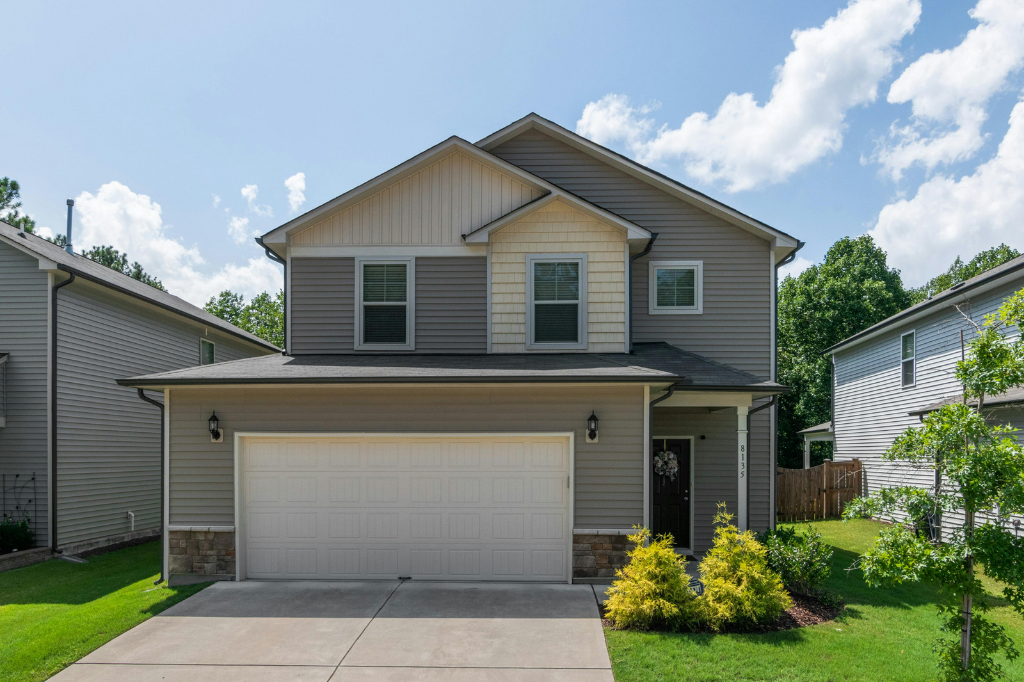
The best neighbourhoods in Greater Victoria for families depend on what matters most to your household. Some families prioritize schools and established streets, while others want newer homes, more space, shorter commutes, parks, or walkable amenities. Greater Victoria gives buyers plenty of options, but each community comes with different trade-offs. Here are six areas worth putting on your shortlist. Which Greater Victoria Neighbourhoods Are Best for Families? Some of the strongest options for families include: Gordon Head Oak Bay Royal Oak and Broadmead Westhills Royal Bay View Royal There is no single neighbourhood that is best for every family. Your budget, commute, preferred housing type, school needs, and lifestyle should ultimately determine where you focus your search. 1. Gordon Head: Established and Close to Everything Gordon Head in Saanich is one of Greater Victoria's most established family-oriented areas. The neighbourhood offers primarily detached homes, mature residential streets, parks, beaches, and convenient access to the University of Victoria and surrounding amenities. Families are often drawn to the combination of residential streets and nearby recreation, while older homes can provide larger lots and renovation opportunities. Our Gordon Head Neighbourhood Guide for Families and Investors takes a closer look at housing, schools, recreation, and the local real estate market. Best for: Families wanting an established Saanich neighbourhood with parks, schools, and access to UVic. 2. Oak Bay: Walkability and Established Neighbourhoods Oak Bay appeals to families who value walkability, character, recreation, and proximity to the ocean. Many areas offer tree-lined streets, established homes, parks, beaches, village shopping, and relatively easy access to downtown Victoria. The trade-off is price. Buyers may need to compromise on home size or condition compared with what the same budget could purchase farther from the core. Best for: Families prioritizing location, walkability, established surroundings, and proximity to central Victoria. 3. Royal Oak and Broadmead: Central Saanich Living Royal Oak and Broadmead can offer a useful middle ground for families who want to remain relatively central without living directly in the Victoria core. Royal Oak provides convenient access to shopping, recreation, schools, transit, and major routes through Saanich. Broadmead has a quieter residential feel with larger properties, mature landscaping, and extensive green space. Housing options and price points differ considerably between the two, but both can work well for families wanting access to Saanich amenities. Best for: Families looking for a central location with convenient access to both Victoria and the Saanich Peninsula. 4. Westhills: Newer Homes and Family-Focused Amenities Westhills in Langford has become a popular option for families who prefer newer construction and access to recreation. The community includes a mix of detached homes, townhomes, and condos, with parks, trails, schools, recreation facilities, and Langford Lake nearby. For some buyers, moving farther west can also mean getting a newer or more functional home for their budget than they could find closer to downtown. If you are comparing family homes in the Westshore, our guide to Family Home Features to Look for in Westshore Listings can help you decide what deserves priority. Best for: Families wanting newer housing, recreation, and a growing community. 5. Royal Bay: Newer Homes and Coastal Living Royal Bay in Colwood has grown into one of the Westshore's most recognizable newer communities. Families can find detached homes, townhomes, condos, parks, schools, trails, and growing commercial amenities within the area. Its location near the coastline also gives the community a different feel from many other newer developments. Royal Bay may appeal particularly to families who want modern housing and community planning without giving up access to outdoor space. You can explore Royal Bay and other overlooked Westshore communities in our Hidden Gem Neighbourhoods in Langford, Colwood, and View Royal guide. Best for: Families wanting newer construction, community amenities, and access to the coast. 6. View Royal: Between Victoria and the Westshore View Royal is easy to overlook because it sits between Victoria and Langford, but that location is exactly what makes it appealing. Families can access Thetis Lake, trails, shopping, schools, Victoria General Hospital, and major commuter routes while remaining closer to Victoria than many Westshore neighbourhoods. Housing includes older detached properties, townhomes, condos, and newer developments, giving buyers more variety than they might expect. Our Greater Victoria Areas That Offer More Space article explains why View Royal can be a useful middle-ground option for buyers who need additional room. Best for: Families trying to balance space, outdoor access, and commuting. What Should Families Look for Beyond the Neighbourhood? Choosing the community is only the first step. For a family home, think about how the property will function five or ten years from now. Consider: Bedroom sizes and locations Storage Yard space Parks and recreation School catchment Commute times Sidewalks and walkability Nearby childcare Flexible office or play space Future resale appeal A larger home is not automatically more practical. Our article on Why Floor Plan Matters More Than Square Footage explains why layout can matter just as much as the total number of square feet. Always Confirm the School Catchment If a particular school is an important part of your buying decision, confirm the catchment using the home's exact address before writing an offer. School boundaries can vary from one street to another and may change over time. The Greater Victoria School District School Locator and Sooke School District school information are useful starting points depending on where you are looking. Do not rely solely on a listing description stating that a property is "close to" or "near" a particular school. Which Family Neighbourhood Is Right for You? The best neighbourhoods in Greater Victoria for families solve different problems. Gordon Head may make sense if you want an established Saanich neighbourhood. Oak Bay may suit a family willing to pay more for location and walkability. Westhills or Royal Bay may be more appealing if newer construction and additional space are priorities. View Royal can offer a practical compromise between the core and Westshore. Before choosing an area, decide which two or three factors matter most to your household. That usually makes the right neighbourhood much easier to identify. You can also browse our Greater Victoria Neighbourhood Guide or search homes throughout Greater Victoria to compare communities and housing options. Looking for the Right Family Home in Greater Victoria? If you are trying to decide between Saanich, Oak Bay, View Royal, Langford, Colwood, or another Greater Victoria community, our team can help you compare the trade-offs based on your budget, commute, space requirements, and long-term plans. Instead of searching everywhere, we can help you build a shortlist of neighbourhoods and homes that actually fit the way your family lives. Darren L. 5-Star Review, via Google “Fabulous job from Cal, Scott and Vanessa. They were professional, have strong negotiating skills and had a proactive strategy as the house sold very quickly (within a day the offer was accepted) and for the asking price. We were at ease with Cal and the team once we decided to go with them after interviewing other realty groups. It was definitely a smooth experience to say the least. Highly recommending the Faber Group if you’re buy or selling. Truly a group that is there to put the client first and foremost.” Faber Real Estate Group Royal LePage Coast Capital Realty 📞 250-244-3430 📧 [email protected] ℹ️ Scott Faber Personal Real Estate Corporation ℹ️ Cal Faber Personal Real Estate Corporation Vanessa Wood, Zachary Parsons, and Sophie Taylor “Building Lasting Relationships, One Home at a Time.”
Read more
Moving to Victoria BC means choosing more than a home. You are also choosing a neighbourhood, commute, lifestyle, housing type, and monthly cost structure. Greater Victoria is made up of several distinct communities, and understanding those differences before you start viewing homes can make your search considerably easier. What Should You Know Before Moving to Victoria? Before buying, focus on five things: Where you need to commute How much space you actually need Whether you prioritize walkability or a larger property The age and type of home you are comfortable owning How far your budget goes in different parts of Greater Victoria The best neighbourhood is not necessarily the most expensive or best known. It is the one that works for your day-to-day life. What Areas Are Included in Greater Victoria? One of the first things relocating buyers should understand is that "Victoria" often refers to a much larger region than the City of Victoria itself. Greater Victoria includes communities such as: Victoria Saanich Oak Bay Esquimalt View Royal Langford Colwood Sidney Central Saanich North Saanich Sooke Each offers a different mix of housing, amenities, recreation, schools, transportation, and price points. Buyers who prioritize walkability and proximity to downtown may focus on neighbourhoods such as James Bay, Fairfield, Fernwood, or Vic West. Meanwhile, buyers looking for additional space may expand into Saanich, View Royal, Langford, Colwood, or farther west. Our guide to Hidden Gem Neighbourhoods in Langford, Colwood, and View Royal is a good starting point if you are considering the Westshore. What Can Your Budget Buy in Victoria? Your purchasing power can change considerably depending on location. The same budget may buy a condo closer to downtown, a townhome farther from the core, or potentially provide access to a detached home in another community. Instead of focusing only on price, decide which features deserve more of your budget. For example: More living space A larger yard Walkability A shorter commute Newer construction Suite potential Schools Recreation Lower maintenance Our Comparing Victoria Neighbourhoods at the $800K Price Point guide shows how dramatically housing options can change from one part of Greater Victoria to another. How Important Is Your Commute in Victoria? Distance on a map does not always tell the full story. Traffic patterns can make commute times between the Westshore and Victoria, Saanich, or Esquimalt different depending on when you travel. If you expect to commute regularly, test the route during the hours you would normally be driving. However, a longer commute can also create opportunities. An additional 15 or 20 minutes of travel may allow you to buy a newer property, gain another bedroom, add a garage, or have more outdoor space. For some buyers, that trade-off makes sense. For others, being able to walk or cycle to work matters more. Should You Buy an Older Home in Victoria? Greater Victoria has many established neighbourhoods with older homes, particularly closer to the core. Older homes can offer character, mature landscaping, larger lots, and locations that are difficult to recreate with newer construction. However, they can also require additional due diligence. Depending on the property's age and history, consider investigating: Electrical systems Plumbing Drainage Roofing Foundations Insulation Heating systems Previous renovations Underground oil tanks A renovated kitchen or updated flooring does not necessarily tell you the condition of the major systems behind the walls. A thorough inspection becomes particularly important when purchasing an older property. What Should You Know About Buying a Condo or Townhome? Condos and townhomes are an important part of the Greater Victoria market. When you purchase a strata property, you are evaluating both the individual home and the financial health and management of the strata corporation. Important information can include: Strata meeting minutes Financial statements Depreciation reports Insurance Bylaws Special assessments Contingency reserve fund information You should also confirm parking, storage, pet rules, and any other restrictions that could affect your lifestyle. The quality of the building and strata management can matter just as much as the condition of the unit itself. Should You Consider Langford and the Westshore? For many people moving to Victoria BC, the Westshore deserves serious consideration. Langford, Colwood, and View Royal can provide access to newer condos, townhomes, detached homes, and new construction. Depending on your budget, buyers may also find more living space compared with neighbourhoods closer to downtown Victoria. Langford has also grown into a major centre for shopping, dining, recreation, schools, trails, and everyday services. The trade-off is often commute versus space. Understanding which matters more to you can quickly narrow your search. What BC Home-Buying Rules Should Relocating Buyers Know? If you are moving from another province, some parts of the BC buying process may be unfamiliar. For many residential purchases, BC's Home Buyer Rescission Period gives buyers three business days after an accepted offer to rescind the contract. If used, the buyer generally pays the seller 0.25% of the purchase price. Property Transfer Tax should also be considered when calculating closing costs. First-time buyers who meet the eligibility requirements may qualify for BC's First Time Home Buyers' Program. If you are considering new construction or a pre-sale, GST, deposit structures, completion timelines, and developer disclosure documents may also affect your purchase. You can also explore our current Victoria and Vancouver Island developments if newer construction is part of your search. Can You Buy Before You Move to Victoria? Yes. Many relocating buyers begin their search before arriving in Greater Victoria. Video walkthroughs, virtual meetings, electronic documents, and local inspections can make remote purchases possible. However, buyers should narrow down their preferred areas before relying heavily on online listings. A home may look perfect in photos, but photos do not always show: Street traffic Neighbouring properties Hills and terrain Nearby construction Noise Walkability The actual feel of the neighbourhood Local context becomes especially valuable when you cannot attend every showing yourself. Start With Your Lifestyle Before Choosing the Home A common mistake is finding a house online first and then trying to make the neighbourhood fit. Reverse the process. Ask yourself: Where will you work? How often will you commute? How much space do you need? Do you want to walk to restaurants and shops? Are schools important? Do you prefer an established neighbourhood or newer construction? Once those priorities are clear, your home search becomes much more focused. You can also search homes throughout Greater Victoria to compare current options across different communities and property types. Planning a Move to Victoria? If you are relocating to Greater Victoria, we can help you compare neighbourhoods, understand what your budget buys in different areas, and narrow your search before you spend time viewing homes that do not fit. Our Buy With Us page is a good place to start, or contact our team to build a relocation strategy around your budget, commute, preferred property type, and timeline. The goal is not simply to find a home in Victoria. It is to find the part of Greater Victoria that still feels like the right decision once you are living here. Trent M., 5-Star Review, via Google “Faber Group is awesome, they were looking out for our best interests from day one. Super knowledgable about the area, great to work with and very personable. They took their time with us too, we never felt rushed through the process. Would highly recommend!” Faber Real Estate Group Royal LePage Coast Capital Realty 📞 250-244-3430 📧 [email protected] ℹ️ Scott Faber Personal Real Estate Corporation ℹ️ Cal Faber Personal Real Estate Corporation Vanessa Wood, Zachary Parsons, and Sophie Taylor “Building Lasting Relationships, One Home at a Time.”
Read more
The Victoria fall real estate market 2026 is shaping up to be active but balanced. August sales were stronger than a year ago, inventory remains healthy, and buyers continue to have enough choice to be selective. That combination matters. We are seeing more activity, but not the conditions that would suggest a return to the highly competitive market of a few years ago. If current trends continue, this fall could create opportunities on both sides: buyers should continue to have selection, while properly priced and well-presented homes can still attract strong interest. What Are Current Victoria Real Estate Trends Telling Us? According to the Victoria Real Estate Board’s August 2026 market report, 591 properties sold across Greater Victoria in August, 12.6% more than August 2025. Single-family home sales increased 15.3% year over year, while condominium sales increased 15.1%. At the same time, there were 3,662 active listings at the end of August. That was 1.7% more than a year earlier, even after inventory declined 4.8% from July. VREB described current conditions as a stable, balanced market. The important part is the combination: Sales are stronger than last year Inventory remains relatively healthy Buyers still have choices Good properties are selling Overpriced listings can still sit That gives us a useful starting point for what the fall market may look like. Will the Victoria Fall Real Estate Market 2026 Be Busier? We expect September and October to remain active, particularly if the momentum from August carries forward. Fall often brings buyers and sellers back into the market after summer travel and vacations. This year, that seasonal shift is starting from a stronger sales base than we saw at the same time last year. However, stronger activity does not automatically mean a seller's market. With more than 3,600 active listings at the end of August, buyers still have alternatives. That means the better description may be: More activity, without widespread urgency. Earlier this summer, we looked at this decision from the buyer's perspective in Should Victoria Buyers Buy Now or Wait Until Fall?. The same principle still applies: waiting only makes sense if something about your personal situation or the available market is likely to improve. Buyers Should Still Have Good Selection Inventory has been one of the defining features of the 2026 Victoria market. Buyers have considerably more opportunity to compare properties than they did during the extremely tight markets of previous years. That means buyers can spend more time comparing: Location Price Property condition Floor plan Strata fees Parking and storage Renovation requirements Days on market Recent comparable sales More inventory does not mean every property is negotiable. However, it does mean buyers often have an alternative if one seller's price or terms do not make sense. For buyers trying to establish a realistic budget before shopping this fall, our guide on how much income you need to buy a home in Victoria breaks down several common Greater Victoria price points and mortgage qualification scenarios. Well-Priced Homes Could Still Sell Quickly One of the biggest misconceptions about a balanced market is that everything sells slowly. That is not what we are seeing. A well-priced home in a desirable location can still generate strong activity, particularly when it compares favourably with competing listings. Consider two similar properties. One launches at a price supported by recent comparable sales, is professionally presented, and is easy for buyers to view. The other enters the market above recent sales because the seller wants to "leave room to negotiate." Buyers now have enough inventory to recognize the difference. Instead of negotiating with the overpriced seller, they may simply buy the better-valued property. This is why the Victoria fall real estate market 2026 could feel competitive for some sellers and slow for others at exactly the same time. Do We Expect Victoria Home Prices to Rise This Fall? A major short-term price increase is not the trend we would plan around. Current conditions point more toward relative price stability than either a rapid increase or significant correction. Healthy inventory limits some of the pressure that normally drives prices quickly higher. At the same time, stronger year-over-year sales suggest there is still meaningful demand in the market. That creates a middle ground. Rather than focusing on whether "Victoria prices" are moving up or down, buyers and sellers should pay closer attention to their specific segment. A detached home in Oak Bay can behave differently from: A downtown Victoria condo A Langford townhouse A new-build condo A family home in Colwood An older Saanich property requiring renovations Greater Victoria is not one market. It is a collection of smaller markets that can behave differently at the same time. Could Condos See More Activity This Fall? Condos are one segment worth watching closely. VREB reported 175 condominium sales in August, up 15.1% from August 2025. That does not guarantee the condo market will strengthen throughout the fall, but the year-over-year improvement is encouraging. Condo buyers are still able to compare similar listings based on factors such as: Strata fees Building condition Depreciation reports Parking Storage Orientation Floor plan Building age Upcoming assessments Location As a result, individual units can perform very differently even within the same building. A good floor plan, desirable exposure, parking, storage, reasonable strata fees, and competitive pricing can matter more than broad condo-market headlines. What Do Interest Rates Mean for the Fall Market? Interest rates remain another important piece of the fall outlook. On September 2, the Bank of Canada held its policy interest rate at 2.25%. The rate has remained at that level since late 2025. For buyers, that provides more stability than a market where borrowing costs are changing rapidly. However, economic uncertainty has not disappeared. The Bank of Canada continues to monitor inflation, economic growth, tariffs, energy prices, and broader global conditions. That means buyers should be careful about building their purchase strategy around predictions of significantly lower mortgage rates. A better approach is to buy based on a monthly payment you can comfortably manage today. What Does BCREA Expect From the B.C. Housing Market? The broader provincial outlook also supports the idea of a gradual market recovery rather than a dramatic surge. In its 2026 Third Quarter Housing Forecast, the British Columbia Real Estate Association forecast B.C. MLS® residential sales to decline 1.2% overall in 2026 before increasing 7.5% in 2027. That forecast reinforces an important point. The market does not need to boom for conditions to improve. A period of stable prices, healthy inventory and gradually improving sales activity can create a healthier environment for both buyers and sellers. Expect More Negotiation on Listings That Have Been Sitting Fall could provide good negotiating opportunities, but buyers need to know where to look. A new listing that is priced correctly may leave very little room for negotiation. A property that has been on the market for 40, 60 or 90 days may be a different conversation. Buyers should look for: Longer days on market Previous price reductions Vacant properties Sellers with specific timing needs Listings competing against several similar homes Properties requiring renovations or updates Price is also not the only part of an offer worth negotiating. Our guide to what buyers should negotiate beyond the purchase price looks at deposits, subjects, possession dates, included items, due diligence periods and other terms that can materially affect a purchase. What Could Change the Victoria Fall Real Estate Market 2026? There are three major trends we will be watching throughout the fall. 1. Inventory If sales remain strong while fewer new listings reach the market, conditions could gradually become more competitive. Inventory also typically declines as we move toward winter, so the relationship between new listings and sales will matter more than either number on its own. 2. Interest Rates Mortgage affordability will continue to influence buyer purchasing power. Even modest changes in mortgage rates can affect monthly payments and the price range buyers are comfortable considering. 3. Buyer Confidence Real estate decisions are not based on numbers alone. Employment, economic uncertainty, trade conditions, inflation and consumer confidence can all affect whether buyers decide to move forward or wait. These forces are one reason we prefer using current market evidence rather than making aggressive predictions about where prices will be several months from now. What Should Buyers Expect This Fall? For buyers, this fall could offer a useful balance between selection and activity. There should still be opportunities to compare listings, conduct proper due diligence and negotiate when a property has been sitting. However, buyers should not assume every listing will eventually reduce its price. When a well-priced home appears in a desirable location, being prepared matters. Before actively shopping, buyers should ideally have: Financing organized A comfortable monthly budget established Target neighbourhoods identified Clear priorities An understanding of recent comparable sales A strategy for writing an offer if the right property appears You can also explore our current Greater Victoria developments if new construction or pre-sale opportunities are part of your search. What Should Sellers Expect This Fall? Sellers may benefit from increased fall activity, but buyers are unlikely to overlook poor positioning simply because more people are searching. Before listing, sellers should understand: What is currently for sale nearby What recently sold Which competing listings reduced their prices How their home compares in condition Which price range reaches the largest buyer pool Whether similar homes are selling or sitting The first few weeks of a listing remain extremely important. A seller who starts too high may spend the strongest period of buyer attention chasing the market downward later. Our Victoria Fall Real Estate Market 2026 Outlook Based on the trends available today, we expect the fall market to be characterized by: Steady sales activity Healthy buyer selection Relatively stable prices Continued buyer selectiveness Strong activity around well-priced homes More negotiating power on stale or overpriced listings Gradually declining inventory as winter approaches Significant differences between neighbourhoods and property types The strongest signal from the current market is not that buyers or sellers clearly have the upper hand. Instead, the advantage increasingly belongs to whoever understands the specific property and micro-market better. Planning a Move in Greater Victoria This Fall? Market statistics are a useful starting point, but they do not tell you whether a specific home in Langford, Saanich, Oak Bay, Victoria, Colwood or View Royal is priced correctly. If you are considering buying or selling this fall, our team can break the market down by neighbourhood, property type, price range, recent comparable sales and current competition. You can also learn more about our approach on our Buy With Us page or Sell With Us page. The fall market may create opportunities, but the best strategy is not trying to predict every move the market will make. It is understanding today's conditions well enough to recognize a good decision when it appears. Cammie J., 5-Star Review, via Google “I can’t say enough good things about working with Scott and Sophie at Faber Real Estate Group. Their communication was fantastic from start to finish, and they patiently worked with us for six months while we looked for a very specific type of house in a specific area of town. We found our perfect house because Scott knew it was coming on the market, which speaks to their experience and local knowledge. They were professional, responsive, informed, and always followed through. They also continued to support us after the sale, helping with contacts, moving-day details, paperwork, and making sure everything went smoothly. They made the whole experience feel positive and well supported. I cannot recommend Scott and Sophie enough.!” Faber Real Estate Group Royal LePage Coast Capital Realty 📞 250-244-3430 📧 [email protected] ℹ️ Scott Faber Personal Real Estate Corporation ℹ️ Cal Faber Personal Real Estate Corporation Vanessa Wood, Zachary Parsons, and Sophie Taylor “Building Lasting Relationships, One Home at a Time.”
Read more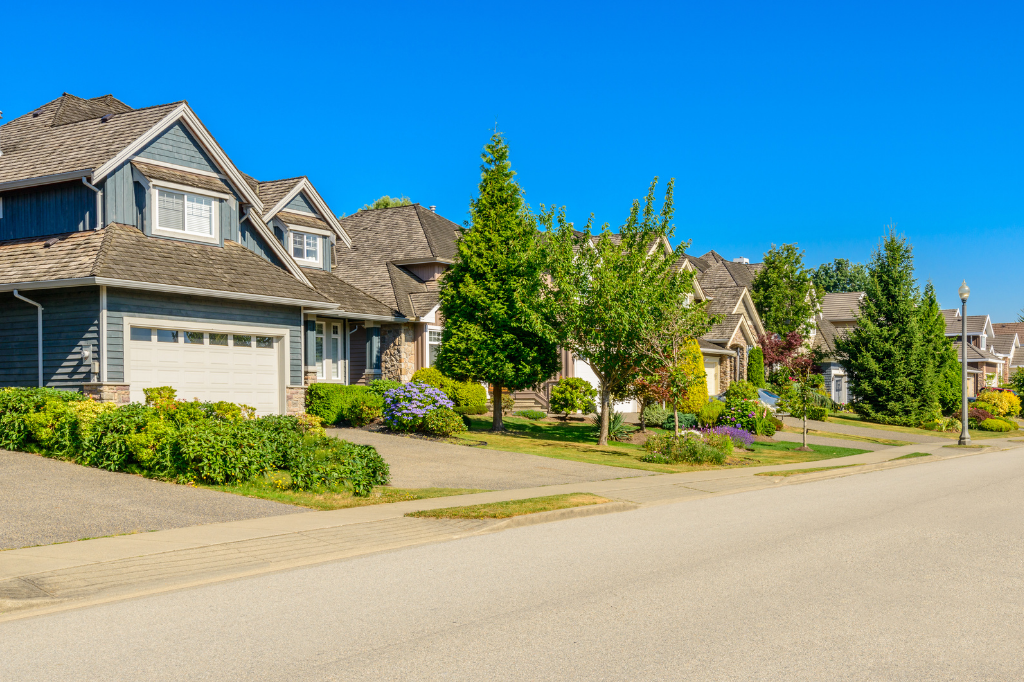
Understanding how tariffs affect Victoria real estate starts with recognizing that tariffs do not directly determine home prices. Instead, they can influence the cost of building and renovating homes, inflation, interest rates, consumer confidence, and ultimately how much housing gets built. That distinction matters following Canada's latest round of counter-tariffs, which took effect September 8, 2026. Canada has imposed tariffs of 15%, 25%, and 50% on approximately $27.6 billion of U.S. imports in response to new U.S. trade measures. The affected categories include steel, aluminum, appliances, electronics, and other products that can intersect directly with residential construction and renovation. For Greater Victoria, the biggest question is not whether tariffs will immediately push resale prices higher or lower. It is how these additional costs and economic uncertainty could affect buyers, builders, and future housing supply. How Could Tariffs Affect Victoria Real Estate? The short answer is that tariffs could create upward pressure on construction costs while simultaneously creating downward pressure on housing demand. That means their effect on real estate is not necessarily one-directional. Potential impacts include: Higher costs for some construction materials More expensive appliances and building components Increased renovation costs Greater uncertainty for developers Possible delays or cancellations of new projects Additional inflation pressure Mortgage-rate uncertainty More cautious buyers and businesses The result depends on which of these forces becomes strongest. 1. New Homes Could Become More Expensive to Build This is probably the most direct connection between tariffs and housing. Canada's newest counter-tariffs include various steel and aluminum products, as well as appliances and electronics. Some steel and aluminum products used in structures, windows, doors, framing components, and other building applications are subject to tariffs as high as 50%. See Canada's September 2026 counter-tariff measures Builders do not necessarily absorb those costs themselves. Over time, higher material and equipment costs can be reflected through: Higher new-home prices Changes to finishing packages Reduced developer margins Project redesigns Longer construction timelines Fewer projects moving forward That is particularly relevant in Langford, Colwood, Saanich, Victoria, and other growing parts of Greater Victoria, where new condominiums and townhomes play an important role in increasing housing supply. Buyers interested in new construction can also explore our current Greater Victoria developments to compare new-build opportunities already available in the region. 2. Construction Costs Were Already Rising Tariffs are arriving in a construction environment where costs have already been moving higher. Statistics Canada reported that residential building construction costs across 15 Canadian metropolitan areas increased 0.5% during the second quarter of 2026 and 2.3% year over year. Statistics Canada also specifically identified retaliatory tariffs, supply-chain disruption, fuel costs, and trade uncertainty as pressures affecting builders. Statistics Canada: Building Construction Price Indexes, Q2 2026 The September tariffs therefore do not create the construction-cost issue from scratch. They add another layer of uncertainty to an industry already dealing with elevated labour, financing, transportation, and material costs. 3. Renovations Could Cost More Too The effect is not limited to brand-new developments. Homeowners planning renovations could also see higher costs for certain: Appliances Windows and doors Metal products Electrical components Fixtures Construction equipment Imported building materials This may change the calculation for both buyers and sellers. For example, buyers comparing a renovated home with a property requiring $100,000 in improvements may place greater value on the move-in-ready option if renovation costs become harder to predict. We have already seen Greater Victoria buyers becoming more selective about property condition. That makes understanding how maintenance and upgrades affect home value increasingly important. 4. Could Tariffs Push Mortgage Rates Higher? This is where the effect becomes less predictable. Tariffs can increase the cost of imported goods, which can contribute to inflation. Higher or persistent inflation can make it harder for the Bank of Canada to lower interest rates. On September 2, 2026, the Bank of Canada held its policy rate at 2.25%. The Bank specifically warned that new U.S. tariffs and Canadian counter-tariffs could raise business costs and eventually feed into consumer prices. Bank of Canada September 2026 interest-rate decision However, tariffs can also weaken economic growth. If businesses invest less, hiring slows, or consumers become more cautious, weaker economic conditions can create pressure in the opposite direction. That creates an unusual situation: tariffs can be inflationary while also slowing economic growth. For real estate buyers, that means trying to predict mortgage rates solely from tariff headlines is unlikely to be useful. Instead, focus on what you can afford under current financing conditions. Our guide on how much income you need to buy a home in Victoria provides a useful starting point. 5. Tariffs Could Slow New Housing Supply One of the more important long-term questions is whether higher development costs result in fewer homes being built. Canada Mortgage and Housing Corporation already expects new housing construction to weaken, particularly in British Columbia and Ontario, due to high construction costs, weaker demand, and unsold inventory. CMHC's summer 2026 outlook expects housing starts to decline further as developers respond to these conditions. CMHC Summer 2026 Housing Market Outlook Tariffs could add another hurdle. If the cost of completing a project rises while buyers remain price-sensitive, fewer developments may meet the financial thresholds developers need to proceed. That matters because reducing construction today can create a supply issue several years from now. 6. Will Tariffs Cause Victoria Home Prices to Rise? Not necessarily. This is one of the most important points when discussing how tariffs affect Victoria real estate. Higher construction costs can support higher replacement costs for housing, but that does not automatically mean resale prices rise. Home prices are also affected by: Mortgage rates Employment Household income Population growth Available inventory Buyer confidence Housing supply Local demand Greater Victoria currently has substantially more choice than buyers experienced during the pandemic-era market. The Victoria Real Estate Board reported 591 sales during August 2026, up 12.6% from August 2025. At the same time, there were 3,662 active listings, 1.7% more than a year earlier. VREB described current conditions as stable and balanced. Victoria Real Estate Board August 2026 statistics That means tariffs are entering a market that currently has reasonable inventory and more buyer choice, rather than an extremely supply-constrained seller's market. For more local context, read our Victoria Real Estate Market Outlook. Could Move-In-Ready Homes Become More Attractive? Potentially. If renovation and material costs continue increasing, buyers may become even more conscious of the cost of improving a property after possession. Imagine comparing two homes: Home A: $950,000 and recently renovated. Home B: $875,000 but requires a kitchen, windows, appliances, flooring, and other improvements. The $75,000 price difference may initially make Home B appear like the better value. However, if renovation costs increase or become difficult to estimate, the financial advantage may disappear quickly. The better question is not simply which home costs less today. It is which home offers the better total cost of ownership over the next several years. Buyers should also remember that price is only one part of an offer. Our guide to what buyers should negotiate beyond the purchase price explains some of the other terms that can matter. What Should Victoria Buyers Do? Buyers should avoid making major decisions based on tariff headlines alone. Instead: Understand your current financing Compare new construction with resale Get realistic estimates before buying a renovation project Consider the age and condition of major systems and appliances Maintain additional room in your budget for unexpected costs Evaluate properties based on current market value rather than predicted future appreciation A well-priced property that fits your budget and long-term plans can still make sense regardless of short-term trade policy. What Should Victoria Sellers Do? Sellers should pay close attention to property condition. If renovation costs rise, buyers may become more sensitive to homes requiring substantial work. That does not mean every seller needs to renovate before listing. In many cases, spending heavily before selling is unnecessary. Instead, sellers should understand which improvements are likely to influence buyer perception and which projects are unlikely to provide an adequate return. Pricing remains especially important in a balanced market where buyers have alternatives. What Should Buyers of New Construction Watch? People buying new construction or pre-sales should pay particular attention to: Developer track record Construction timelines Disclosure statements Contract provisions Deposit schedules Completion estimates Financing at completion Included appliances and finishes Potential changes permitted under the contract Rising construction costs do not mean every development will experience problems. However, they make understanding the financial strength of the project and the purchase agreement even more important. What Tariffs Mean for Victoria Real Estate Going Forward The biggest mistake would be assuming tariffs automatically mean Victoria home prices are heading higher. The relationship is more complicated. When considering how tariffs affect Victoria real estate, watch three areas closely: Construction costs: Are materials and appliances becoming meaningfully more expensive? Mortgage rates: Does tariff-related inflation make further rate reductions more difficult? Housing supply: Do higher development costs result in fewer new projects moving forward? Those factors will tell us far more than any single tariff announcement. Greater Victoria entered this latest period of trade uncertainty with relatively healthy inventory and balanced market conditions. That gives buyers more room to compare options, while sellers need to remain realistic about price, condition, and competition. Making a Real Estate Decision in an Uncertain Market Tariffs are another variable buyers and sellers need to understand, but they should not become the entire strategy. Real estate remains highly local. A well-priced home in Oak Bay may respond differently from a new condo in Langford, a townhouse in Colwood, or a renovation property in Saanich. If you are considering buying, selling, or purchasing new construction in Greater Victoria, we can help you look beyond the headlines and compare current inventory, recent sales, financing considerations, and local market conditions before you make a decision. Debbie J., 5-Star Review, via Google “We recently purchased a new condo in Langford with help from Scott Faber @ Faber Real Estate Group/Royal LePage! Scott was very knowledgeable & helpful! Making a smooth transition from beginning to completion! He is always quick to respond with all our inquiries & continues to be available for us! We are loving our new home! We would recommend reaching out to Scott for all your real estate needs! Thank you Scott!” Faber Real Estate Group Royal LePage Coast Capital Realty 📞 250-244-3430 📧 [email protected] ℹ️ Scott Faber Personal Real Estate Corporation ℹ️ Cal Faber Personal Real Estate Corporation Vanessa Wood, Zachary Parsons, and Sophie Taylor “Building Lasting Relationships, One Home at a Time.”
Read more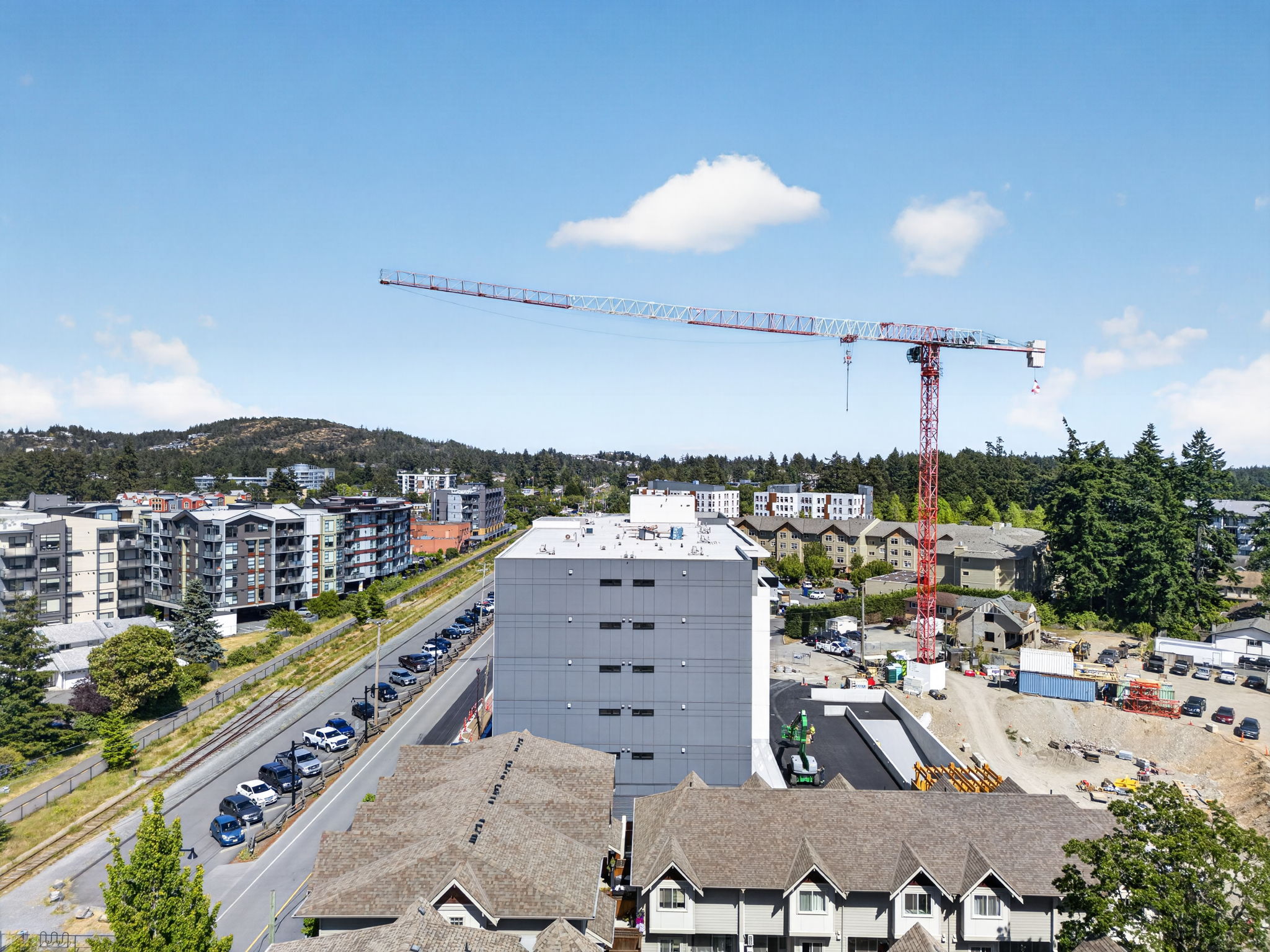
Buying a home before it is built can offer some real advantages, but it also comes with risks that are different from buying an existing home. For buyers considering buying a pre-sale home in Victoria, the biggest benefits can include getting a brand-new home, having more selection early in a development, spreading deposits over time, and potentially qualifying for new-home tax programs. However, buyers also need to consider construction delays, changing market values, financing at completion, contract restrictions, and the fact that the finished home may differ somewhat from the original plans. If you are still determining what price range fits your finances, start with our guide on how much income you need to buy a home in Victoria. What Is a Pre-Sale Home? A pre-sale purchase happens when you agree to buy a home from a developer before construction is complete. Instead of walking through the exact finished home, you may be making your decision based on floor plans, renderings, display suites, specifications, and the developer's disclosure statement. Deposits are typically paid according to the schedule in the contract, with the remaining purchase price due when the home is ready for completion. If you are comparing new construction locally, you can also explore our Greater Victoria developments to see current and upcoming opportunities. What Are the Pros of Buying Pre-Sale? 1. You May Get More Choice Buying earlier in a development can give you a wider selection of: Floor plans Building locations Views Exposure and orientation Parking options Finishing packages This can be particularly valuable when certain layouts or locations within a development are limited. 2. You Are Buying a Brand-New Home New construction generally means newer building systems, modern layouts, current energy-efficiency standards, and less immediate maintenance than an older property. Most qualifying new homes in B.C. are also protected by mandatory 2-5-10 home warranty insurance, which provides different levels of coverage for materials and labour, the building envelope, and structural defects. 3. Your Deposit May Be Spread Over Time Unlike many resale purchases where the deposit is required shortly after acceptance, pre-sale developments often use a staged deposit schedule. That can give buyers more time to build savings before completion, although the exact deposit requirements vary from project to project. The overall timeline is also very different from a typical resale purchase. If you want to better understand the traditional buying process, read our guide on how long it takes to buy a home. 4. You Lock In the Purchase Price Before Completion Your contract establishes a purchase price even though completion may be months or years away. If property values rise before completion, that can work in your favour. However, the reverse is also true, which is why buyers should avoid assuming appreciation will occur. A pre-sale should make financial sense based on your circumstances today, not only on what you hope the property will be worth later. 5. Some Buyers May Qualify for Significant Tax Savings Eligible first-time buyers purchasing qualifying new homes may benefit from federal GST relief, subject to current eligibility rules and purchase-price thresholds. B.C. also offers a Newly Built Home Exemption from property transfer tax for qualifying principal residences. These programs can materially change the cost of purchasing new construction, but eligibility should always be confirmed based on your individual situation. What Are the Cons of Buying Pre-Sale? 1. The Home Is Not Finished Yet Renderings and display suites are helpful, but they are not the same as walking through your actual home. Room dimensions can feel different in person, views can be difficult to judge, and some contracts allow changes to layouts, square footage, materials, or finishes within specified limits. Understanding exactly what the developer is contractually required to deliver matters. 2. Completion Dates Can Change Construction timelines are estimates. Permitting, labour availability, financing, construction costs, weather, and other factors can delay a development. If you need to sell another property, end a lease, or coordinate a move, flexibility becomes important. 3. Your Financing Is Usually Finalized Much Later Getting mortgage approval when you sign a pre-sale contract does not necessarily guarantee financing at completion. Your income, employment, interest rates, lending rules, or the appraised value of the property could change. For example, if you agreed to purchase for $700,000 but the lender later appraises the completed property below that amount, you may need additional cash to close. This is why it is important to understand both your maximum qualification and your comfortable monthly payment before committing. Our article on why your monthly payment matters more than the purchase price can help with that comparison. 4. Market Values Can Move in Either Direction Locking in today's price can be an advantage if values rise. However, if comparable properties are selling for less when your home completes, you are still generally obligated to complete the purchase according to your contract. That is why pre-sale purchasing should not be treated as guaranteed appreciation. 5. Assigning the Contract May Not Be Simple Some buyers assume they can sell their contract before completion if their plans change. That is not always the case. The developer may restrict assignments, require approval, charge an assignment fee, or refuse an assignment altogether. The specific terms are contained in the pre-sale contract. Can You Cancel a Pre-Sale Contract in B.C.? Generally, pre-sale buyers protected under B.C.'s Real Estate Development Marketing Act have a seven-day right to cancel their pre-sale purchase without penalty. The disclosure statement should also be reviewed carefully. It contains important information about estimated construction dates, strata fees, bylaws, parking, contractual rights, and other details about the development. As you get closer to completion, a lawyer or notary will also become part of the process. Our guide on what a real estate lawyer does in the home buying process explains their role. Who Is a Pre-Sale Purchase Best Suited For? Buying pre-sale can make sense for buyers who: Have flexibility around their moving date Want a brand-new home Have stable finances and room for future changes Prefer selecting their unit early Understand that completion dates can move Are comfortable purchasing from plans and specifications Plan to hold the property rather than depend on a quick assignment The best pre-sale is not simply the project with the nicest display suite. It is one where the developer, contract, location, floor plan, pricing, financing plan, and completion timeline all make sense together. Should You Buy Pre-Sale in Greater Victoria? There is no universal answer. For some buyers, a pre-sale provides time to save, access to new construction, strong floor-plan selection, and potential tax advantages. For others, the certainty of purchasing an existing home may be more valuable. Before signing, look beyond the purchase price. Review the disclosure statement, investigate the developer's track record, understand the deposit and assignment terms, confirm the estimated completion timeline, and discuss financing well in advance. You should also compare the pre-sale against resale homes available within the same budget. Buyers deciding between different parts of the region may also find our Westhills vs. Bear Mountain comparison helpful when weighing location, lifestyle, housing type, and long-term plans. Explore Pre-Sale Opportunities in Greater Victoria If you are comparing pre-sale opportunities in Victoria, Langford, Colwood, or elsewhere in Greater Victoria, our team can help you compare the project, contract terms, floor plans, neighbourhood, financing considerations, and available resale alternatives before making a decision. You can explore our current Greater Victoria developments, including Pavilion in Langford, or learn more about how we help buyers through our Buy With Us page. Buying pre-sale can be a great fit for the right buyer, but the details matter. If you are considering a new development and want a second set of eyes before committing, contact our team and we can help you compare the opportunity against the rest of the Greater Victoria market. This article is intended for general information only and is not legal, tax, or financial advice. Buyers should obtain independent professional advice regarding their specific purchase. Lynn L., 5-Star Review, via Google “Purchasing our home with Faber Real Estate Group has been nothing short of fantastic. Scott Faber's attention to detail and personal service is outstanding. His professionalism and friendly personality went a long way for us. We are more than pleased we chose Scott and Faber Real Estate Group as our agent. We wish to extend our heartfelt "Thank You" to Scott and his team. We highly recommend them!” Faber Real Estate Group Royal LePage Coast Capital Realty 📞 250-244-3430 📧 [email protected] ℹ️ Scott Faber Personal Real Estate Corporation ℹ️ Cal Faber Personal Real Estate Corporation Vanessa Wood, Zachary Parsons, and Sophie Taylor “Building Lasting Relationships, One Home at a Time.”
Read more