

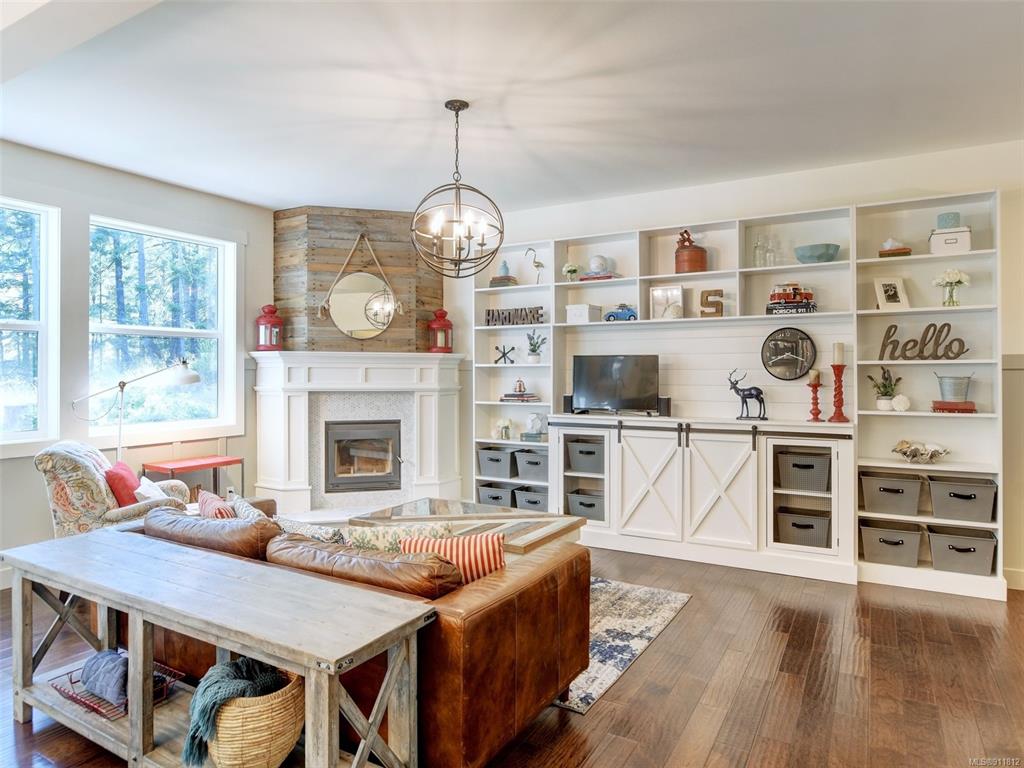
Victoria rental market vacancy rates are trending higher across several submarkets. While still low by national standards, this shift is beginning to influence rents, investor behaviour, and even resale activity in Victoria, Sidney, and the Westshore. Why Vacancy Rates Are Rising New rental supply, slower population inflows, and affordability pressures are easing demand. Purpose-built rentals, secondary suites, and condos returning to the long-term market have all contributed to increased choice for tenants. Victoria: More Balance, Less Urgency In core Victoria, rising vacancy rates are reducing upward pressure on rents. Landlords are offering incentives more often, and tenants have slightly more negotiating room. For investors, cash flow margins are tightening, which may cool demand for entry-level rental condos. Sidney: Stability With Mild Softening Sidney’s rental market remains relatively stable, supported by downsizers and long-term tenants. However, increased availability means units are taking longer to lease. This may encourage some small investors to reassess holding costs versus resale value. Westshore: Supply Is Catching Up Langford and Colwood are seeing the most noticeable shift. New construction and purpose-built rentals have pushed vacancy rates higher than recent years. As rents stabilize, some investors may pivot away from short-term appreciation strategies toward longer-term holds. Ripple Effects on Home Sales As rental returns soften, fewer investors may compete with end-user buyers. This can reduce pressure on condo prices and entry-level homes. In some cases, rental properties may return to the resale market, increasing inventory modestly. How Investors Are Adapting Investors in 2026 are prioritizing strong locations, flexible layouts, and long-term tenant appeal. Secondary suites and adaptable properties remain attractive, but expectations are shifting from rapid gains to steady, sustainable returns. Final Thoughts Victoria rental market vacancy rates 2026 signal a more balanced rental landscape. While not a downturn, rising vacancies are reshaping investor strategies and easing some pressure on home prices across Victoria, Sidney, and the Westshore. Marc G., 5-Star Review, via Google “Scott is focused on providing his clients with a long-term positive experience, and he truly acts as a trusted advisor throughout the process. It's important to have someone you can trust for this kind of investment, and Scott has certainly earned my trust. For me, it's important that a realtor fits my values, is always responsive, professional, and goes above and beyond to ensure all my needs are met. I highly recommend Scott and Faber Real Estate for all your real estate needs.” Faber Real Estate Group Royal LePage Coast Capital Realty 📞 250-244-3430 📧[email protected] ℹ️ Scott Faber Personal Real Estate Corporation ℹ️ Cal Faber Personal Real Estate Corporation Vanessa Wood, Zachary Parsons, and Sophie Taylor “Building Lasting Relationships, One Home at a Time.”
Read more
The BC luxury real estate market 2026 is showing resilience, even as broader economic conditions continue to adjust. In Vancouver, premium properties are not immune to change, but they often behave differently than entry-level homes. Why Luxury Homes React Differently High-end buyers tend to rely less on financing and more on long-term asset strategies. As a result, luxury segments usually see fewer forced sales. Instead, activity slows through longer listing times and more selective buyers, not sharp price drops. Vancouver’s Premium Neighbourhoods Hold Value Established luxury areas continue to attract demand due to limited supply, strong international interest, and lifestyle appeal. Waterfront homes, architect-designed properties, and homes in legacy neighbourhoods remain especially sought after, even during market transitions. Pricing Adjustments, Not Pullbacks In 2026, sellers in the luxury space are pricing more strategically. Overpricing is corrected faster, while well-positioned homes still command attention. Buyers expect quality, privacy, and turnkey condition, which places pressure on sellers to prepare homes carefully. What This Means for Buyers and Sellers For buyers, economic shifts can create opportunities through improved selection and negotiation room. For sellers, success depends on accurate pricing, presentation, and patience. Timing matters, but preparation matters more. Bottom Line The BC luxury real estate market 2026 remains stable rather than speculative. While activity may feel quieter, Vancouver’s high-end homes continue to act as long-term value assets during periods of economic transition. Nilo M., 5-Star Review, via Google “This group has a high level of commitment to help and to put their client’s need ahead of their personal gain. They deal and engage with integrity and wisdom on how it will work for both the seller and the clients. I experienced it first hand in this crazy and difficult season. We just bought a home at Glanford area, and they are always there for us, every step of the way. They are real and can be trusted.” Faber Real Estate Group Royal LePage Coast Capital Realty 📞 250-244-3430 📧[email protected] ℹ️ Scott Faber Personal Real Estate Corporation ℹ️ Cal Faber Personal Real Estate Corporation Vanessa Wood, Zachary Parsons, and Sophie Taylor “Building Lasting Relationships, One Home at a Time.”
Read more
Understanding how inventory levels affect your buying power is essential when purchasing a home in Greater Victoria. Inventory refers to the number of properties available for sale at any given time. When inventory shifts, buyer leverage, pricing trends, and competition levels often shift with it. Learning how these market changes influence negotiating strength helps buyers make more strategic decisions. What Inventory Levels Mean in Real Estate Inventory levels measure supply relative to buyer demand. When listings increase, buyers typically gain more choice and flexibility. When listings decrease, competition often rises and sellers gain more control. Recognizing how inventory levels affect your buying power allows buyers to time their purchase and adjust expectations accordingly. Higher Inventory Usually Strengthens Buyer Leverage When inventory rises, buyers often benefit from increased negotiating power. More available listings reduce urgency and allow buyers to compare homes carefully. Sellers may become more open to price adjustments, condition negotiations, or flexible closing dates. Higher inventory can also reduce the likelihood of multiple offer situations, helping buyers maintain stronger financial and emotional control. Lower Inventory Often Creates Competitive Pressure Limited inventory typically leads to higher competition. Buyers may face multiple offer scenarios, faster decision timelines, and fewer negotiation opportunities. In tighter markets, well priced homes often attract strong interest quickly. Buyers may need to act decisively and ensure financing, inspections, and deposit readiness to remain competitive. Balanced Markets Provide Strategic Opportunities Greater Victoria occasionally experiences balanced market conditions where supply and demand remain relatively aligned. In these environments, buyers benefit from stable pricing and reasonable selection while sellers still attract qualified interest. Balanced markets often allow buyers to perform due diligence without rushing while maintaining confidence in long term value stability. Inventory Impacts Pricing Trends Inventory levels influence pricing behaviour over time. Rising supply can slow price growth and create more stable values. Declining supply can increase upward price pressure as buyers compete for limited options. While price movement depends on multiple economic factors, inventory remains one of the most direct indicators of market momentum. Property Type Inventory Matters Too Inventory changes do not affect every property segment equally. Condominiums, townhomes, and single family homes often experience different supply cycles. For example, higher condo inventory may create entry level opportunities, while limited single family supply can maintain strong demand for detached homes. Buyers who remain flexible across property types often improve their overall purchasing options. Seasonal Inventory Patterns Influence Timing Real estate inventory often increases during spring and early summer when more sellers list their homes. Winter months typically show lower supply and reduced activity. Buyers who understand seasonal patterns can prepare financing and search criteria ahead of peak listing periods to gain an advantage when new inventory enters the market. Financing and Confidence Move With Inventory Higher inventory can improve buyer confidence by reducing pressure to waive conditions or stretch budgets. Buyers often feel more comfortable negotiating when they know alternative options exist. Lower inventory can create urgency, which sometimes leads buyers to make faster or more aggressive purchasing decisions. Making Smart Decisions in Changing Markets Monitoring inventory trends helps buyers align strategy with current market conditions. Working with local real estate professionals provides insight into micro market supply levels, neighbourhood specific trends, and property type availability. While past performance does not dictate future results, understanding supply patterns helps buyers navigate market changes with greater clarity. If you are considering purchasing a home in Greater Victoria, contact our team to review current inventory trends and develop a strategy tailored to your home search goals. Andy M., 5-Star Review, via Google “Thank you so much to Faber group for their amazing customer service. Cal and Scott were there for us every step of the way and we couldn’t be more pleased with our sale and purchase.” Faber Real Estate Group Royal LePage Coast Capital Realty 📞 250-244-3430 📧[email protected] ℹ️ Scott Faber Personal Real Estate Corporation ℹ️ Cal Faber Personal Real Estate Corporation Vanessa Wood, Zachary Parsons, and Sophie Taylor “Building Lasting Relationships, One Home at a Time.”
Read more
In late 2025, the Victoria condo market showed a significant divergence between condominium activity and other housing segments. Sales of condos in the Victoria Real Estate Board region were down 21.5 per cent year-over-year in December 2025, while single family home sales dipped just 2.6 per cent and overall market sales remained relatively stable. For buyers unsure whether to enter the market, understanding the forces behind this lag and what it signals for 2026 can help shape smart decisions. A Noticeable Slowdown in Condo Transactions December 2025 data showed only 106 condominiums sold, against a backdrop of broader market stability. This contrasts sharply with earlier segments of the market and highlights a notable trend: condos slowed more meaningfully than detached homes as year-end activity tapered. Part of this pattern reflects typical seasonal slowdown, as buyers often delay decisions during winter holidays. However, the depth of the condo decline — over 20 percent year-over-year — suggests other dynamics at play. Why Condos Lagged More Than Detached Homes A few factors contributed to the relative weakness in the condo segment: Increased Inventory and Buyer Choice Inventory levels in late 2025 were healthier than in previous tight-market years, with active listings up notably year-over-year. More choice gives buyers time to compare options and reduces urgency, particularly in slower market segments like condos. Buyer Preferences Shift Many buyers prioritize space, outdoor access, and layout features that are often easier to find in townhomes and detached homes. This preference can dampen condo demand when interest rates and financing costs remain higher than in prior low-rate periods. Lifestyle and Hybrid Work Patterns Remote and hybrid work has kept interest strong for larger homes, which can reduce pressure on small urban condos as primary residences. Instead, condos may appeal more to downsizers, investors, or niche buyers, moderating sales volume. Prices Flat But Not Falling Despite slower activity, condo prices in the Victoria Core were largely stable in late 2025. The MLS® Home Price Index showed benchmark condo values slightly higher year-over-year — approximately $549,900 in December 2025 compared with $546,100 in December 2024 — but effectively flat month-to-month. Flat values in the face of lower sales can be a positive sign: it indicates underlying demand remains, even if buyers are taking more time to transact. Prices holding steady — rather than declining sharply — suggests a balanced market rather than a distressed segment. What This Means for 2026 Buyers For buyers considering condos in 2026, the late 2025 patterns point to opportunity and patience: Opportunity in Negotiation Slower sales often translate into less competition and more room for negotiation. Well-priced condos in desirable buildings or locations may attract strong interest, but buyers are not facing multiple offers at peak premiums. Balanced Market Dynamics With prices relatively stable and inventory higher than in recent tight markets, buyers can take time for thorough due diligence without rushing. This is a marked contrast to earlier periods of extreme competition. Segment-Specific Strategy Matters Not all condos are the same: walkable urban core units with strong rental appeal or features that meet modern lifestyle preferences (like flexible workspaces) remain attractive. Buyers looking for lifestyle value — not just entry-level ownership — may find compelling options without paying a steep premium. Timing and Seasonal Trends Entrants in early 2026 can benefit from usually quieter winter and early spring activity before peak buying season arrives. Education, financial readiness, and clear criteria will position buyers to act when good value appears. Final Thoughts The 21.5 per cent year-over-year drop in condo sales late in 2025 reflects a mix of seasonal patterns, broader buyer preferences, and improved inventory levels. Meanwhile, flat condo values suggest that underlying demand has not evaporated — it’s just evolving. For 2026 buyers, this environment offers more choice, time to negotiate, and opportunities to find good value in the condo segment, especially for those prioritising urban lifestyle, rental potential, or long-term ownership goals. If you’re considering a condo purchase in Victoria this year, contact our team to review current options and develop a strategy tailored to today’s market realities. Andy M., 5-Star Review, via Google “Thank you so much to Faber group for their amazing customer service. Cal and Scott were there for us every step of the way and we couldn’t be more pleased with our sale and purchase.” Faber Real Estate Group Royal LePage Coast Capital Realty 📞 250-244-3430 📧[email protected] ℹ️ Scott Faber Personal Real Estate Corporation ℹ️ Cal Faber Personal Real Estate Corporation Vanessa Wood, Zachary Parsons, and Sophie Taylor “Building Lasting Relationships, One Home at a Time.”
Read more
Pets play a bigger role in homebuying than ever, especially in pet-friendly communities like Victoria, BC. In 2026, many buyers are no longer shopping just for themselves. They are also prioritizing the needs of their dogs, cats, and other companions when choosing where and what to buy. With pet ownership remaining high across Canada, homes that support a pet-friendly lifestyle continue to stand out in a balanced market. From neighbourhood selection to home features, pets are shaping buyer decisions in meaningful ways. Why Pets Matter More to Buyers Today For many households, pets are family. Buyers are increasingly willing to pass on otherwise ideal homes if they do not work for their animals. This shift has influenced everything from location choices to floor plans, particularly in Greater Victoria, where access to outdoor space is highly valued. In 2026, buyers are taking advantage of higher inventory levels in areas like the Westshore to be more selective. That often means holding out for homes that offer better layouts, outdoor access, or nearby trails that support an active lifestyle for both people and pets. Neighbourhood Choices Driven by Pet Needs Location is one of the biggest decision points for pet owners. Buyers often look for neighbourhoods with nearby walking trails, parks, and green space. In Victoria, access to areas like the Galloping Goose Trail, Beacon Hill Park, and local dog parks can heavily influence where buyers focus their search. Strata and HOA rules also play a major role. Restrictions on pet size, number, or breed can be deal-breakers, particularly for condo and townhome buyers. As a result, some pet owners gravitate toward freehold homes or newer developments with more flexible pet policies. Home Features Pet Owners Prioritize Pets often push buyers toward homes with more functional space. Common must-haves include fenced yards, easy outdoor access, and durable flooring that can handle wear and tear. Mudrooms, lower-level entries, and layouts that allow pets to move easily through the home are also appealing. In markets like Saanich, Langford, and Oak Bay, homes with usable yards or proximity to parks tend to attract strong interest from pet owners. Even smaller homes can appeal if the layout works well and outdoor amenities are close by. Budget and Long-Term Planning Pets also influence budgeting decisions. Buyers may factor in ongoing pet-related expenses when determining their comfort level with monthly payments. In a buyer-friendly 2026 market, this can work to their advantage, allowing more room to negotiate on homes that already meet their needs rather than budgeting for renovations later. That said, buyers still remain cautious. Signs of past pet damage can raise concerns, making inspections especially important for both pet owners and non-pet owners alike. Tips for Buying a Home With Pets in Mind If pets are part of your household, start by identifying your non-negotiables, whether that is yard space, trail access, or flexible pet rules. Work with a local agent who understands which neighbourhoods and property types tend to be more pet-friendly. Always review strata bylaws carefully and include inspections to check for potential issues. Pets are no longer an afterthought in the homebuying process. In Victoria’s 2026 market, aligning your home search with your pet’s needs can make a significant difference in long-term comfort and satisfaction. Ready to find a home that works for you and your pet? Contact us to discuss pet-friendly options and how to tailor your search across Greater Victoria. Nicholas D., 5-Star Review, via Google “Scott is an awesome realtor and real estate advisor. He got me all the information I needed incredibly quick and helped me make an informed buying decision. Couldn’t have done it without him and 10/10 will be recommending him to my friends and family! There are thousands of realtors on the island, but Scott and his team are by far the best” Faber Real Estate Group Royal LePage Coast Capital Realty 📞 250-244-3430 📧[email protected] ℹ️ Scott Faber Personal Real Estate Corporation ℹ️ Cal Faber Personal Real Estate Corporation Vanessa Wood, Zachary Parsons, and Sophie Taylor “Building Lasting Relationships, One Home at a Time.”
Read more
The Short-Term Rental Accommodations Act Victoria BC introduced major regulatory changes on May 1, 2024, with the goal of increasing long term housing supply. Since implementation, the legislation has influenced investment strategies, rental inventory, and buyer behaviour across Greater Victoria. From a local real estate perspective, the effects are measurable, but they are also part of a broader housing market shift rather than a single defining factor. What the Legislation Changed for Victoria Homeowners and Investors The Short-Term Rental Accommodations Act Victoria BC limits most short-term rentals to a property owner’s principal residence. In many cases, owners can only operate short-term rentals within their main home or a secondary suite or accessory dwelling on the same property. For investors who previously relied on non-owner-occupied vacation rentals, this created a significant shift. Some owners transitioned their properties into long-term rentals, while others chose to sell investment units that no longer aligned with their income goals. Increase in Long-Term Rental Supply Since the Act’s introduction, Victoria has seen signs of increased long-term rental availability. Some previously short-term rental properties have returned to the traditional rental pool. This change has contributed to slightly higher vacancy rates compared to the extremely tight rental conditions seen prior to 2024. From a realtor’s perspective, this shift has created new opportunities for tenants searching for stable housing. Buyers who plan to hold properties as long-term rentals are also seeing more available inventory in certain condominium segments. Changing Investment Buyer Behaviour The Short-Term Rental Accommodations Act Victoria BC has reshaped investor demand. Before 2024, many buyers targeted properties that allowed flexible short-term rental use. Since the regulation took effect, investors are focusing more on: Properties with legal secondary suites • Principal residence plus rental configurations • Long-term rental income stability • Properties located in municipalities or strata buildings that still permit short-term rentals This shift has created a more cautious investment environment. Buyers are spending more time reviewing zoning, strata bylaws, and municipal regulations before making purchase decisions. Impact on Condominium and Downtown Markets In Victoria’s downtown core, where short-term rental activity was historically concentrated, the Act contributed to a modest increase in resale listings during parts of 2024 and early 2025. Some investor-owned units entered the resale market after short-term rental restrictions reduced projected revenue. While this added inventory temporarily increased buyer choice, pricing impacts have varied depending on building type, location, and rental flexibility. Well-managed buildings with strong long-term rental demand continue to perform steadily. Limited Impact on Detached Housing Demand Detached homes in Victoria have generally experienced less direct impact from the Short-Term Rental Accommodations Act Victoria BC. Many single family homes were already owner-occupied or operated with legal suites that remain compliant under current rules. Demand for detached homes remains driven by lifestyle, school catchments, and neighbourhood appeal rather than short-term rental income potential. Market Stability and Long-Term Outlook Early patterns suggest the legislation has helped shift some housing units back toward long-term residential use. However, housing supply, interest rates, population growth, and construction levels continue to play major roles in overall market conditions. From a local real estate perspective, Victoria remains a supply-constrained market. While the Act has influenced investor activity, it represents one component of a complex housing system rather than a single solution to affordability challenges. What Buyers and Sellers Should Consider Moving Forward Buyers considering rental or investment properties should carefully review municipal regulations, provincial registration requirements, and strata bylaws. Sellers who previously marketed properties based on short-term rental income may need to adjust pricing and marketing strategies to reflect current regulations. The Short-Term Rental Accommodations Act Victoria BC continues to shape investment planning and housing availability. As enforcement and registration requirements evolve, market patterns may continue to adjust. If you are considering buying, selling, or investing in Victoria real estate, contact our team to discuss how current regulations may influence your options and long-term strategy. Brett H., 5-Star Review, via Google “I can’t suggest how to make Fabers better at being good realtors. They’re already congenial, trustworthy, informed, experienced, and thorough. Cal listened and advised, and somewhere in the middle he said what the condo would sell for and he was right on. Thanks!” Faber Real Estate Group Royal LePage Coast Capital Realty 📞 250-244-3430 📧[email protected] ℹ️ Scott Faber Personal Real Estate Corporation ℹ️ Cal Faber Personal Real Estate Corporation Vanessa Wood, Zachary Parsons, and Sophie Taylor “Building Lasting Relationships, One Home at a Time.”
Read more
Buying a home with a suite in Victoria BC has become increasingly popular as buyers look for ways to offset housing costs, support multi-generational living, or create long-term investment opportunities. Secondary suites, in-law accommodations, and basement rentals appear frequently across Greater Victoria housing options. While suites offer strong advantages, buyers should also understand potential challenges before making a purchase decision. Rental Income Can Improve Affordability One of the biggest advantages of buying a home with a suite is the ability to generate rental income. Many buyers use suite revenue to offset mortgage payments, property taxes, and maintenance costs. Rental demand remains strong across Greater Victoria, particularly for well-located and properly finished suites. Lenders may also consider rental income when qualifying buyers for financing, which can increase purchasing power and expand available property options. Multi-Generational Living Flexibility Suites provide flexible housing arrangements for extended family members, aging parents, or adult children. This setup can reduce overall household expenses while allowing privacy and independence for both occupants. Many families value suites as long-term lifestyle solutions that adapt to changing housing needs. Increased Property Appeal and Resale Value Homes with legal or well-designed suites often attract broader buyer interest during resale. Investors, families, and buyers seeking mortgage assistance frequently prioritize these properties. In many Greater Victoria neighbourhoods, suites contribute to stronger resale demand and long-term property desirability. Legal and Zoning Considerations Matter Not all suites meet municipal zoning and building requirements. Buyers should confirm whether a suite qualifies as legal, authorized, or non-conforming. Legal suites typically meet current building codes, safety requirements, and zoning regulations, which can improve financing eligibility and resale confidence. Non-compliant suites may still generate income but can create insurance, financing, or enforcement risks. Buyers should review municipal records and permit history carefully before purchasing. Landlord Responsibilities and Tenant Management Owning a property with a suite introduces landlord responsibilities. Property owners must manage tenant screening, maintenance requests, and rental agreements. While many homeowners successfully manage tenants, others may find the additional responsibilities time-consuming or stressful. Understanding tenancy regulations, lease agreements, and dispute resolution processes helps homeowners manage rental relationships effectively. Privacy and Lifestyle Adjustments Sharing property space with tenants or extended family can affect privacy and daily routines. Separate entrances, soundproofing, and parking availability can influence overall living comfort. Buyers should evaluate suite design and layout to ensure it aligns with personal lifestyle preferences. Financing and Insurance Considerations Properties with suites sometimes require specialised financing and insurance policies. Lenders may evaluate suite legality, rental income stability, and property valuation differently than single occupancy homes. Insurance providers often require disclosure of rental activity and may adjust coverage accordingly. Working with experienced professionals helps buyers understand financial implications before finalising a purchase. Maintenance and Operating Costs While suites generate income, they can also increase maintenance requirements. Additional kitchens, bathrooms, and mechanical systems may require more frequent servicing and repair. Buyers should budget for ongoing operating costs and vacancy periods when evaluating long-term financial benefits. Weighing the Long-Term Investment Potential Buying a home with a suite in Victoria BC can provide strong financial and lifestyle advantages when managed carefully. Suites offer income flexibility, expanded living arrangements, and increased buyer appeal. However, responsibilities, legal compliance, and privacy considerations should factor into the decision-making process. While past performance does not dictate future results, properties with suites have historically remained attractive in Greater Victoria’s evolving housing market. If you are considering purchasing or selling a home with a suite, contact our team to review zoning regulations, rental potential, and available opportunities tailored to your real estate goals. Jeff C., 5-Star Review, via Google Cal and Scott are tremendous, made our home buying and selling experience a stress free engagement.. some of the key highlights from our experience with them are: - quick to communicate, lightning fast.. within minutes! - deep expertise in the greater Victoria real estate.. from neighborhood information, developer history, even carpentry/finishing … DEEP knowledge - super friendly and encouraging They were able to deliver in very tight circumstances and we are so thankful to have worked with them. Best one in GVR for sure” Faber Real Estate Group Royal LePage Coast Capital Realty 📞 250-244-3430 📧[email protected] ℹ️ Scott Faber Personal Real Estate Corporation ℹ️ Cal Faber Personal Real Estate Corporation Vanessa Wood, Zachary Parsons, and Sophie Taylor “Building Lasting Relationships, One Home at a Time.”
Read more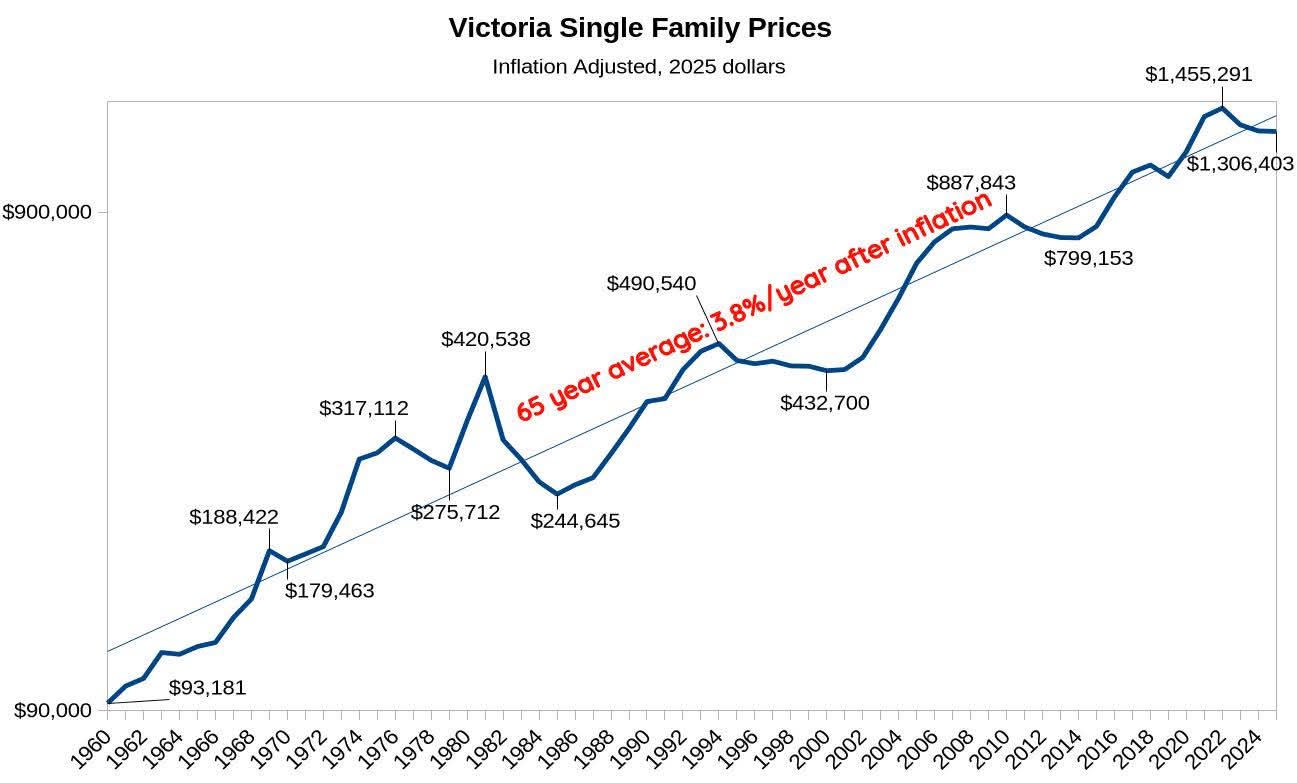
When we look at Victoria BC single-family home price inflation over the last five decades, the long-term trend shows steady growth in nominal prices that outpaces general inflation. While many narratives focus on the recent past, such as COVID, immigration, low interest rates, or specific crises, the evidence shows price inflation has been building over decades. Past performance does not dictate future results, and no single factor exclusively explains this trend. Early Growth: The 1970s and 1980s In the 1970s and early 1980s, Victoria’s housing market began a pattern of rising prices as the region’s economy grew, buoyed by stable government and service sector employment. Through the high interest rates of the early 1980s and the recession of the early 1990s, prices dipped at times but continued a long-term upward trajectory. Stabilization and Expansion: Mid-1990s to Early 2000s From the mid-1990s into the 2000s, demand increased with economic stability, limited developable land on the Peninsula, and relatively modest new supply. Nominal prices continued to rise gradually during this period. The 2008 global financial crisis slowed markets briefly, but there was no prolonged collapse as investors and local buyers still saw Victoria as a desirable place to live. Acceleration During the 2010s Entering the 2010s, prices accelerated markedly. Some attribute rapid price inflation solely to post-COVID dynamics or spikes in immigration. However, while these factors can influence short-term demand, the pattern of rising home values predates them by decades. Low interest rates after the 2008 crisis, provincial and national tax policies, and persistent supply constraints played roles, but none in isolation fully explain the long-term Victoria BC single family home price inflation. The COVID-19 Market Surge During and after the COVID-19 pandemic, many markets, including Victoria’s, saw sharper short-term increases. Still, this represents an amplification of pre-existing trends, not the beginning of them. Factors such as remote work and changing lifestyle preferences likely contributed to near-term demand swings, but research consistently shows that long-term price trends are influenced by multiple factors rather than a single event or policy. Multiple Forces Driving Long-Term Price Growth In reviewing 50 years of data, it is clear that demographics, economics, land supply, local planning policy, and broader macroeconomic conditions all interact. Narratives that claim the market rapidly escalated only after one event, such as COVID, high immigration, low rates, or a past financial crisis, are not fully supported by the evidence. These events influence the market, but long-term price inflation has been ongoing. Understanding Long-Term Housing Market Complexity Understanding Victoria BC single family home price inflation requires acknowledging the complexity of housing markets. While past performance does not dictate future results, long horizons help illustrate that price trends emerge from structural and cyclical influences over time. Lou N., 5-Star Review, via Google “Scott is a knowledgeable, professional, dedicated and thorough expert in his field. Excellent at what he does and we couldn't have found a better realtor to guide us through one of the most important decisions in our lives.” Faber Real Estate Group Royal LePage Coast Capital Realty 📞 250-244-3430 📧[email protected] ℹ️ Scott Faber Personal Real Estate Corporation ℹ️ Cal Faber Personal Real Estate Corporation Vanessa Wood, Zachary Parsons, and Sophie Taylor “Building Lasting Relationships, One Home at a Time.”
Read more
Buyer’s remorse is a common concern for homebuyers, especially in a market like Victoria, BC where prices remain high even in a balanced 2026 environment. Learning how to avoid buyer’s remorse in Victoria, BC starts with preparation, realistic expectations, and the right guidance. With more inventory available across the Westshore, Oak Bay, and Saanich, buyers now have the opportunity to make confident, well-considered decisions. Get Clear on Your Budget Before You Shop Financial stress is one of the biggest causes of buyer’s remorse. A mortgage pre-approval helps define your true price range and accounts for the stress test. It also locks in your rate for up to 120 days. To stay comfortable long-term: Shop 10 to 20 percent below your maximum approval Budget 1 to 4 percent of the home’s value annually for maintenance Plan for closing costs, which typically run 1.5 to 4 percent in Victoria This buffer gives you flexibility and peace of mind after possession day. Separate Must-Haves From Nice-to-Haves Emotion can creep in quickly during showings. Creating a clear list keeps decisions grounded. Focus on: Bedrooms and layout that fit your lifestyle Commute times and access to schools or transit Outdoor space, storage, or work-from-home needs Features like high-end finishes are appealing, but they should not outweigh long-term functionality. Research the Neighbourhood, Not Just the House Even a great home can lead to regret if the location does not fit your lifestyle. Visit the neighbourhood at different times of day and on weekends. Pay attention to noise, traffic, parking, and overall activity. In Victoria, each area offers a different feel. Fairfield, Langford, Colwood, and Oak Bay all appeal to different buyers. Understanding that difference helps you avoid buyer’s remorse after you move in. Never Skip the Inspection or Rush the Process A home inspection is essential, even in a competitive market. It can uncover issues that affect both your budget and your comfort in the home. Take time to: View the property more than once Ask detailed questions Bring in specialists for older or character homes when needed Rushing often leads to overlooked details and later regret. Work With Experienced Local Professionals A knowledgeable local REALTOR helps you spot red flags, understand value, and negotiate effectively. A good mortgage broker and real estate lawyer also play a critical role in reducing surprises. In a buyer-friendly 2026 market, you can afford to slow down and compare options. If something does not feel right, it is okay to walk away. Quick Tips to Avoid Buyer’s Remorse Get pre-approved early and respect your budget Prioritize needs over cosmetic upgrades Research neighbourhoods thoroughly Always complete a home inspection Take your time and trust the process Avoiding buyer’s remorse in Victoria, BC comes down to clarity, patience, and the right advice. Ready to buy with confidence? Contact us to discuss how these strategies can support your home search and help you feel good about your decision long after you move in. Wilson, 5-Star Review, via Google “Amazing people there! They will help you through the entire process and will always make you feel like family. For those first time home buyers, don't be intimidated entering the market because they will explain every process and guide you through.” Faber Real Estate Group Royal LePage Coast Capital Realty 📞 250-244-3430 📧[email protected] ℹ️ Scott Faber Personal Real Estate Corporation ℹ️ Cal Faber Personal Real Estate Corporation Vanessa Wood, Zachary Parsons, and Sophie Taylor “Building Lasting Relationships, One Home at a Time.”
Read more
BC real estate prices in 2026 continue to reflect a market shaped by structural pressures rather than short-term swings. While conditions are more balanced than past cycles, several forces still influence pricing across the province. Housing Supply Remains Tight New construction has not kept pace with population growth. Zoning changes help long-term supply, but short-term inventory remains limited, especially in urban and desirable lifestyle markets. Interest Rates and Buyer Behaviour Rate stability in 2026 has improved buyer confidence. While higher than historic lows, predictable borrowing costs allow buyers to plan, supporting steady demand rather than rapid price jumps. Population Growth and Migration Interprovincial and international migration continue to fuel housing demand. BC remains attractive for employment, education, and lifestyle, keeping pressure on prices in key regions. Regional Market Differences Not all markets move the same way. Urban centres show slower price growth, while secondary and lifestyle markets see more resilience due to relative affordability and limited listings. Long-Term Investment Outlook Many buyers view real estate as a long-term hold. This mindset reduces panic selling during slower periods and helps stabilize prices across market cycles. BC real estate prices in 2026 are driven less by speculation and more by fundamentals. Supply constraints, steady demand, and long-term ownership patterns continue to support values across the province. If you have any questions about real estate, feel free to reach out. Lisa S., 5-Star Review, via Google “Scott went above and beyond for us in both finding our dream home and selling our condo. He listened to us and provided professional advice for each circumstance. Would highly recommend!” Faber Real Estate Group Royal LePage Coast Capital Realty 📞 250-244-3430 📧[email protected] ℹ️ Scott Faber Personal Real Estate Corporation ℹ️ Cal Faber Personal Real Estate Corporation Vanessa Wood, Zachary Parsons, and Sophie Taylor “Building Lasting Relationships, One Home at a Time.”
Read more