



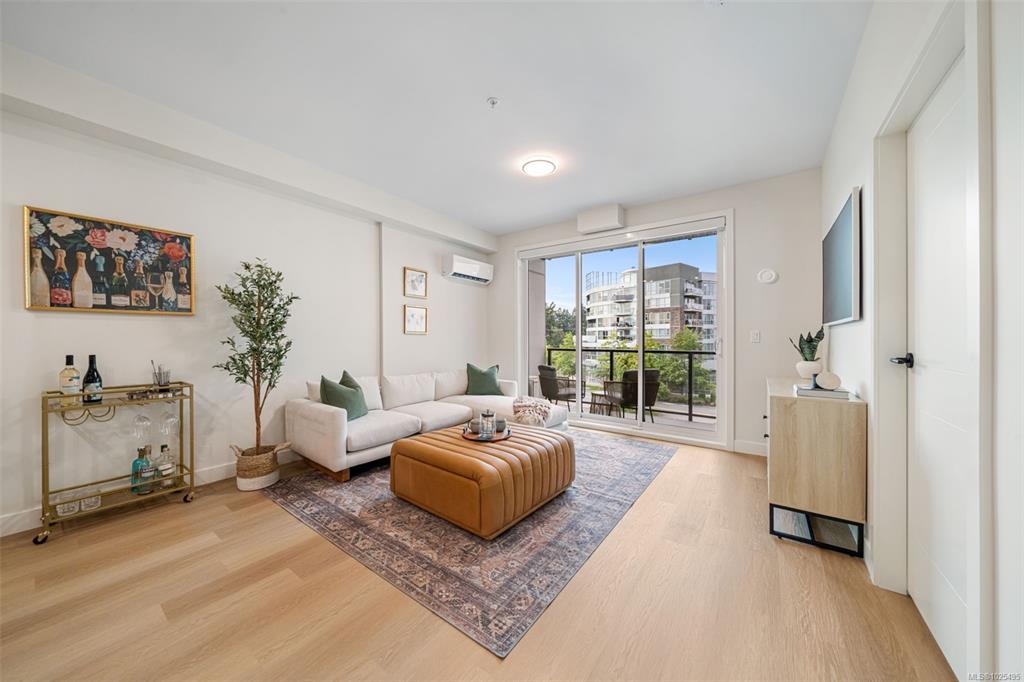
How to read the Victoria market without overreacting to headlines starts with one simple idea: national housing stories and local real estate decisions are not the same thing. It is easy to see a dramatic headline about falling sales, rising uncertainty, or interest rate risk and assume the same conclusion applies directly to Greater Victoria. However, the local market has its own mix of inventory, buyer demand, price behaviour, and micro-markets. In March 2026, the Victoria Real Estate Board reported 579 sales, which was 24.5 per cent higher than February, while active listings climbed to 3,261, up 7.9 per cent from March 2025. That is not a frozen market. It is a more balanced one. (vreb.org) That distinction matters. Nationally, CREA reported that Canadian home sales activity in March 2026 was virtually unchanged month over month, and Reuters reported that CREA also downgraded its 2026 forecast amid higher mortgage costs and wider uncertainty. At the same time, the Bank of Canada held its policy rate at 2.25 per cent on March 18, 2026. Those are useful signals, but they are not a substitute for local interpretation. (crea.ca; bankofcanada.ca; (Reuters)) Headline Risk Comes From Oversimplifying the Story Most headlines are built to compress a complicated market into one emotion. That emotion might be fear, urgency, optimism, or caution. The problem is that real estate decisions are rarely improved by emotional compression. A headline might say sales are down, but that does not tell you whether inventory is up, whether pricing is stable in your segment, whether one property type is outperforming another, or whether your neighbourhood is behaving differently from the broader region. VREB said current conditions in Greater Victoria are creating fewer high-pressure transactions and giving both buyers and sellers more time for due diligence. That is a much more useful insight than a broad headline suggesting the sky is falling. (vreb.org) Start With Inventory, Not Emotion If you want to understand what is really happening, start by asking how much choice buyers have. At the end of March 2026, there were 3,261 active listings in the VREB region. That was up 12.3 per cent from February and up 7.9 per cent from March 2025. More inventory usually means more competition for sellers and more leverage for buyers. It also means buyers can be more selective, which tends to stretch timelines and reduce panic-driven decisions. (vreb.org) This is why one negative sales headline can be misleading. If listings are up but prices are relatively stable, that is a different market story from a true downturn driven by weak demand and collapsing values. Then Look at Property Type The Victoria market is not one market. It is a collection of smaller markets. CREA’s Victoria market conditions data for the first quarter of 2026 shows different timelines by property type: single-family homes: 26 median days on market townhouses: 31 median days on market condominiums: 30 median days on market (creastats.crea.ca) It also shows higher months of inventory across all three major categories compared with a year earlier. Single-family inventory was 4.3 months in Q1 2026, townhouse inventory was 3.7 months, and condominium inventory was 5.3 months. (creastats.crea.ca) So if a headline says “the market is slowing,” the better question is: which part of the market? Price Changes Need Context Too Another common mistake is reacting to one price stat without asking what it actually measures. VREB’s March 2026 benchmark for a Victoria Core single-family home was $1,330,200, down 1.1 per cent from March 2025 but up from February 2026. The benchmark for a Victoria Core condominium was $553,800, down 0.8 per cent year over year and also up from February. (vreb.org) That is a more nuanced story than a dramatic “prices are falling” headline. In plain terms, some values are softer than a year ago, but the month-to-month trend into spring improved. That is exactly why broad headlines can distort what is actually happening on the ground. Pay Attention to Timing, Not Just Direction A lot of headlines miss the seasonal rhythm of Victoria real estate. VREB noted that March 2026 followed a fairly typical spring pattern, with both sales and listings increasing from the previous month and the market generally building toward a peak in May or June. (vreb.org) That matters because a temporary slowdown in January or February can look dramatic in a headline while still being completely normal in a seasonal market cycle. Without context, people mistake rhythm for risk. Use Headlines as Prompts, Not Conclusions Good market headlines can still be useful. They just should not be treated as your final interpretation. A better process is: read the headline check whether it is national, provincial, or local compare sales, inventory, and benchmark prices break the market down by property type ask what is happening in your actual neighbourhood and price band That approach is slower, but it leads to better decisions. What Buyers and Sellers Should Really Watch Instead of reacting to every market story, buyers and sellers in Victoria should focus on the indicators that affect strategy most directly: active listings and months of inventory median days on market by property type benchmark price movement over time competition in your exact neighbourhood and price segment whether your goals depend on speed, price, or flexibility For example, someone buying a condo in the core should not interpret the market the same way as someone selling a detached home in a tightly held neighbourhood. The Bigger Lesson The Victoria market rarely rewards people for being the most emotional person in the room. It usually rewards people who understand local conditions, compare the right numbers, and avoid making big decisions based on broad narratives. Headlines are designed to get attention. Strategy is designed to get results. Final Thought If you want to read the Victoria market without overreacting to headlines, focus less on noise and more on what the local data is actually saying. Inventory is higher, buyers have more room to think, and different segments are moving at different speeds. That is not a reason to panic. It is a reason to be more strategic. If you want help interpreting what the current market means for your next move, contact Faber Real Estate Group for grounded local advice tailored to your situation. Brandon S., 5-Star Review, via Google “My wife and I sold our condo in View Royal and bought a place in Esquimalt with the help of The Faber Group. Scott helped us to find and buy the perfect home for our growing family in a very competitive market. He got to know our wants and needs and worked within our schedule with a small baby. Once we found the perfect place Scott helped us to get it for under the asking price and sold our condo in one day on the market with multiple offers over asking! We are so grateful that Scott helped us through this process, answering our many questions and alleviating our concerns. Thank you for helping us sell our first home and buy a beautiful house for our family.” Faber Real Estate Group Royal LePage Coast Capital Realty 📞 250-244-3430 📧[email protected] ℹ️ Scott Faber Personal Real Estate Corporation ℹ️ Cal Faber Personal Real Estate Corporation Vanessa Wood, Zachary Parsons, and Sophie Taylor “Building Lasting Relationships, One Home at a Time.”
Read more
If you want to sell your home faster in a balanced Victoria market, the key is not luck. It is strategy. Sellers are no longer operating in a market where almost every listing gets immediate attention. In March 2026, the Victoria Real Estate Board reported 579 sales and 3,261 active listings. That works out to a sales-to-active listings ratio of about 17.8 per cent, which sits in Victoria’s balanced-market range of 17 to 28 per cent. That matters because balanced markets reward homes that are priced right, presented well, and marketed clearly. VREB also noted that current conditions offer good supply and reasonable demand, with fewer high-pressure transactions and more time for buyers to make decisions and do their due diligence. What a Balanced Market Really Means for Sellers A balanced market is often misunderstood. Some sellers hear “balanced” and assume that means stable, easy, and predictable. What it really means is that buyers have options, and your home is being compared against more listings than it would be in a tighter market. In March 2026, active listings in the VREB region were up 12.3 per cent from February and 7.9 per cent year over year. Sales were up from February, but still 5.5 per cent lower than March 2025. In plain terms, buyers are looking carefully. They are taking more time. They are comparing value. If your home feels overpriced, poorly presented, or confusing, they often move on before booking a showing. Price for the Market You Are In, Not the Market You Remember The fastest way to slow down a sale is to price based on past peak conditions instead of current buyer behaviour. In a balanced market, buyers tend to notice value quickly. They also notice when a listing is reaching. When that happens, the home often sits, accumulates days on market, and ends up needing a price adjustment that could have been avoided with a stronger launch strategy from the beginning. Selling faster usually means pricing close to where the market sees the property today, not where the seller hoped it would be six months ago. The goal is not to “leave money on the table.” The goal is to avoid becoming the listing buyers watch while they buy something else. Make the First Week Count The first week on market carries more weight than many sellers realize. That is when your listing is freshest, most visible, and most likely to attract buyers who have been waiting for the right property. If the home goes live with weak photos, cluttered rooms, incomplete preparation, or a price that feels too ambitious, that early momentum fades quickly. Once buyers have mentally dismissed a listing, it is harder to bring them back. A faster sale usually starts before the listing goes live: complete repairs that buyers will notice declutter and depersonalize the space improve lighting and cleanliness sharpen curb appeal make sure the photography, floor plan, and remarks match the home’s strongest selling points In this market, presentation is not about being flashy. It is about removing hesitation. Stop Marketing Features and Start Selling Fit Many listings spend too much time describing countertops, flooring, and appliance brands without answering the buyer’s real question: “Is this the right home for me?” To sell faster, the marketing needs to connect the property to a buyer profile. A family buyer looks for layout, yard space, storage, and school access. A downsizer looks for ease, comfort, low maintenance, and main-level living. An investor looks for flexibility, rental appeal, and numbers. Homes often move faster when the positioning is clear. Buyers respond more quickly when they can see themselves in the home and understand why it fits their next move. Condition Still Shapes Speed In a balanced Victoria market, buyers are more willing to walk away from work they do not want to take on. That does not mean every seller needs a full renovation. It does mean sellers should pay attention to the details that create doubt. Old paint, worn flooring, dated fixtures, poor odours, and deferred maintenance do more than make a home feel tired. They raise questions about what else has not been looked after. If you want a faster sale, focus on improvements that make the home feel clean, cared for, and easy to step into. Buyers do not need perfection. They need confidence. Be Easy to Show Access matters more than many sellers think. A home that is hard to show usually takes longer to sell. Limited time windows, excessive notice requirements, or repeated declined appointments create friction at the exact point when a buyer is deciding whether your home deserves serious attention. Balanced markets reward convenience. The easier it is for qualified buyers to see the property, the better your chances of creating momentum early. Watch the Market While You Are Listed Launching well is important, but so is adjusting quickly if the market speaks. If showings are low, feedback is repetitive, or similar homes are moving while yours is not, that is useful information. In a balanced market, speed often comes from responding early rather than defending a strategy that is not producing results. This does not always mean a price cut. Sometimes it means better photos, stronger staging, improved remarks, or a more targeted marketing push. But if the issue is price, waiting too long usually costs more than acting decisively. Negotiate With the Goal of Keeping the Deal Together Selling faster is not only about getting an offer. It is also about getting to completion without unnecessary friction. Because buyers in this market often have more options and more time for due diligence, clean negotiation matters. Sellers who are realistic on inspections, timelines, and reasonable requests are often the ones who get deals across the finish line faster. A hardline approach can feel strong in the moment, but in a balanced market it can also send a ready buyer back into the pool of competing listings. The Real Advantage Comes From Preparation The sellers who do best in this kind of market are usually not the ones with the most expensive homes. They are the ones with the clearest strategy. That means: pricing from today’s evidence preparing the home before launch marketing to the right buyer making showings easy responding quickly to feedback negotiating with the goal of closing, not just countering Final Thoughts If you want to sell your home faster in a balanced Victoria market, the path is usually not dramatic. It is disciplined. The homes that sell first are often the ones that feel correctly priced, easy to understand, and easy to act on. Victoria’s market is giving buyers more choice right now, but that does not mean sellers cannot succeed. It means success comes from sharper execution. If you are thinking about selling and want a plan built for today’s Victoria market, contact Faber Real Estate Group for tailored advice on pricing, preparation, and launch strategy. Maryann G., 5-Star Review, via Google “We recently sold our home through the Faber Real Estate Group. We received excellent service as we navigated our way through the sale of the house. I would recommend Cal and his sons as the realtor for your sale as they are so professional and gave good advice leading to a quick sale.” Faber Real Estate Group Royal LePage Coast Capital Realty 📞 250-244-3430 📧[email protected] ℹ️ Scott Faber Personal Real Estate Corporation ℹ️ Cal Faber Personal Real Estate Corporation Vanessa Wood, Zachary Parsons, and Sophie Taylor “Building Lasting Relationships, One Home at a Time.”
Read more
If you are wondering what $1.5 million buys in Greater Victoria, the answer depends less on the number itself and more on where you want to live, what style of home you want, and how much compromise you are willing to make. In today’s market, buyers have more inventory to choose from and more time to compare options, but that does not mean every $1.5 million property offers the same value. In March 2026, the Victoria Real Estate Board reported 579 sales and 3,261 active listings, with Chair Fergus Kyne noting that Greater Victoria is made up of many micro-markets with different conditions and demand. The bigger story is this: $1.5 million can still buy a very good home in Greater Victoria, but the type of home changes sharply by area. That budget sits above the Victoria Core single-family benchmark of $1,330,200, which means buyers are shopping above the benchmark range in some neighbourhoods and below luxury pricing in others. Why $1.5 Million Means Different Things Across Greater Victoria Greater Victoria is not one market. It is a collection of smaller markets, each with its own pricing, lot sizes, housing stock, and buyer demand. VREB’s March 2026 report makes that clear, and it matters a lot when buyers set a budget. At around $1.5 million, buyers are often comparing very different options, such as: an older character home in a prime central location a larger family home in Saanich a newer build in Langford or the Westshore a well-located executive townhome a smaller but premium property in Oak Bay or near the water That is why buyers who focus only on price often miss the bigger question: what kind of lifestyle does that $1.5 million actually buy? In Oak Bay, $1.5 Million Often Buys Location More Than Size In Oak Bay, $1.5 million can buy you into one of Greater Victoria’s most established and desirable neighbourhoods, but it usually does not buy the largest home on the block. Current listings around that price point include a 2-bedroom, 2-bath single-family home on Windsor Road listed at $1.5 million, and another 4-bedroom, 2-bath home on Kinross Avenue listed at $1.399 million. What that tells buyers is simple: in Oak Bay, a big part of the value is tied to the neighbourhood itself. You are often paying for walkability, prestige, established streets, school catchments, and long-term desirability. The trade-off may be less square footage, older construction, or future renovation needs. In Saanich, $1.5 Million Usually Buys More House Move into parts of Saanich and that same budget often stretches further. Around $1.5 million, buyers may find larger family homes with more bedrooms, more updated interiors, or larger lots. For example, a current Cadboro Bay area listing at 2615 Arbutus Road is priced at $1.5 million and offers 4 bedrooms and 4 bathrooms. This is where the $1.5 million price point becomes attractive for move-up buyers. Instead of paying primarily for a marquee postal code, buyers may be able to secure more usable living space, better functionality for families, or a property that works longer term. In Victoria Proper, It Can Mean Character, Centrality, or Flexibility Closer to central Victoria, $1.5 million can buy a home with more urban convenience, access to amenities, and in some cases income or multi-generational potential. One current Jubilee-area listing at 1790 Denman Street is priced at $1.5 million and offers 5 bedrooms and 3 bathrooms. That points to an important theme in this price range: some buyers are not just buying a home, they are buying flexibility. At $1.5 million, a property might offer space for extended family, a home office setup, or room to adapt over time. In neighbourhoods closer to the core, that flexibility can be just as valuable as finishings. In Langford and the Westshore, Buyers Often Get More Modern Features In the Westshore, especially Langford, $1.5 million often buys newer construction, more modern layouts, and more finished square footage compared with older central neighbourhoods. This part of the market tends to appeal to buyers who care about newer systems, open-concept design, energy efficiency, and less immediate maintenance. The trade-off is usually not inside the home. It is location, commute, and lot character. For many buyers, though, that is a trade worth making. If the goal is maximum house for the money, newer inventory, and family-friendly design, this price point can go further in the Westshore than it does in Victoria Core or Oak Bay. Current REALTOR.ca results also show substantial listing inventory in Langford, reflecting that buyers have real choice right now. In Sidney and the Peninsula, It Often Buys Lifestyle and Ease For Peninsula buyers, $1.5 million may buy a smaller but polished home, a well-kept rancher, or a downsizing option in a strong location. In these areas, the appeal often comes from walkability, proximity to the water, a quieter pace, and easy everyday living. This price point can be especially relevant for downsizers selling larger homes elsewhere in Greater Victoria. Instead of chasing maximum square footage, many are using this budget to buy simplicity, quality, and convenience. What Buyers Should Really Expect at This Price Point The mistake many buyers make is assuming $1.5 million guarantees a dream home everywhere. It does not. What it does buy is option value. At this level, buyers can usually choose between: better location more square footage newer condition income potential or flexibility lower-maintenance lifestyle But rarely all five at once. That is the real story behind what $1.5 million buys in Greater Victoria. It is enough to enter a wide range of strong neighbourhoods, but not enough to avoid trade-offs. The smart move is not asking, “What is the best home for $1.5 million?” The better question is, “Which version of $1.5 million fits my life best?” The Market Context Matters Too This is also a useful price point in the current market because inventory has been rising. VREB reported 3,261 active listings at the end of March 2026, up 12.3 per cent from February and 7.9 per cent from March 2025. That gives buyers more room to compare neighbourhoods, property types, and condition before acting. That said, more choice does not automatically make decisions easier. It often creates more second-guessing. Buyers with a $1.5 million budget still need to be clear on what matters most: location, lot, age, layout, schools, rental flexibility, or long-term resale. Final Thoughts If you are trying to understand what $1.5 million buys in Greater Victoria, the answer is not one home. It is a range of possibilities shaped by neighbourhood, property type, and priorities. In some areas, it buys charm and location. In others, it buys size and newer finishings. In others, it buys lifestyle and simplicity. That is why the best buying strategy at this price point starts with clarity, not just budget. If you want help comparing what $1.5 million could buy in different Greater Victoria neighbourhoods, contact Faber Real Estate Group for tailored advice and a clear plan based on your goals. Michael F., 5-Star Review, via Google “If you want the best in town, stop your search – you've found them here in Cal and Scott Faber. We couldn't be happier with the results and highly recommend them to anyone in need of top-notch real estate services. Professional, patient, and caring results guaranteed.” Faber Real Estate Group Royal LePage Coast Capital Realty 📞 250-244-3430 📧[email protected] ℹ️ Scott Faber Personal Real Estate Corporation ℹ️ Cal Faber Personal Real Estate Corporation Vanessa Wood, Zachary Parsons, and Sophie Taylor “Building Lasting Relationships, One Home at a Time.”
Read more
If you are buying or owning a condo in British Columbia, understanding strata documents is part of protecting your money. One of the most important documents is the depreciation report. This is why condo depreciation reports explained clearly and simply matters so much for buyers, sellers, and owners. A depreciation report is not just a technical building file. It is a long-range planning document that helps show what major common-property repairs and replacements may be coming, when they may be needed, and how the strata may need to fund them. In B.C., depreciation reports are intended to help strata corporations plan and pay for repair, maintenance, and renewal of common property and common assets over a 30-year time period. What a Depreciation Report Actually Is A condo depreciation report is a professional assessment of the building’s major shared components and long-term capital needs. It typically looks at items such as: roofing exterior cladding windows balconies elevators plumbing and mechanical systems parkades amenity areas landscaping and site features Under B.C. regulations, a depreciation report must include a physical component inventory and evaluation, a summary of less-frequent repair and maintenance work, and a financial forecasting section. In plain language, it is the strata’s roadmap for future major repair and replacement costs. Why Depreciation Reports Matter So Much Many buyers focus on the unit itself. But in a condo, part of what you are really buying is exposure to the building’s future repair costs. A depreciation report helps answer questions like: What major repairs are likely coming? How soon might they happen? Does the contingency reserve fund seem aligned with future needs? Could owners face special levies? Is the strata planning ahead or reacting late? The Province says depreciation reports help strata owners understand what repair and replacement work is required, what the approximate costs may be, and when those costs are likely to occur. That is why this document can strongly affect buyer confidence. What the Rules Are in BC Right Now This part is important because the rules changed. In B.C., all strata corporations with five or more strata lots must obtain depreciation reports, and they must do so on a five-year cycle. Strata corporations with four or fewer lots remain exempt. Also, strata corporations can no longer defer getting a depreciation report by passing an annual 3/4 vote. There are also transition deadlines for older stratas. For strata corporations in the Capital Regional District, those without a depreciation report, or with one dated before December 31, 2020, must obtain one by July 1, 2026. That deadline matters directly in Greater Victoria. What Buyers Should Look For in a Depreciation Report A depreciation report is most useful when you read it strategically, not just quickly. 1. Age and date of the report Start with how current it is. If the report is old, it may be less reliable as a planning tool, especially if construction costs have changed or the building has aged faster than expected. 2. Major components coming due soon Look for expensive items that may require work in the next one to five years, such as roofs, windows, balconies, membranes, elevators, or parkade repairs. 3. Funding versus forecast Compare the projected repair schedule to the contingency reserve fund and overall financial position. A report may show sensible planning, or it may hint that future levies are likely. 4. Condition comments Pay attention to language around deferred maintenance, shortened life expectancy, or components needing more invasive review. 5. Scope limits and assumptions Some reports rely on visual review and assumptions. That does not make them useless, but it does mean they are not a guarantee. What a Depreciation Report Does Not Tell You This is where buyers can get tripped up. A depreciation report is not the same as: an engineer’s intrusive building-envelope investigation a unit inspection a guarantee that costs will be exact proof that the strata will follow the report perfectly It is a planning document, not a promise. That means buyers should read it alongside: strata minutes financial statements Form B / Information Certificate bylaws and rules engineering reports, if any recent special levy history CHOA notes that the report must be disclosed with the Information Certificate, also known as Form B. Red Flags Buyers Should Notice A depreciation report can be reassuring, but it can also raise concerns. Some common red flags include: no current report where one should now exist a very outdated report large repair items coming soon with limited reserve funding repeated mention of deferred maintenance major cost spikes with no clear savings path mismatch between the report and the meeting minutes evidence the strata has ignored earlier recommendations A building does not need to be perfect. But a buyer should understand whether the strata is managing reality well. What Sellers Should Understand Sellers sometimes assume depreciation reports only matter to cautious buyers. In reality, they can influence marketability, offer confidence, and negotiation power. A well-run building with a current report and a credible maintenance plan often feels lower risk to buyers. A building with unclear planning or obvious funding pressure can lead to tougher questions, slower decisions, and more pricing sensitivity. That does not mean every older building is a bad buy. It means transparency matters. What This Means for Victoria Condo Buyers In Greater Victoria, condo buyers should pay close attention to depreciation reports because many buildings are now approaching or already in the phase where larger shared repairs become more relevant. With the Capital Regional District specifically included in the July 1, 2026 transition deadline for many strata corporations, some buyers will be reviewing buildings that have recently obtained a required report, while others may still be in the process of compliance. That creates an important practical question: Is this building simply older, or is it older and underplanned? Those are very different risks. A Simple Way to Think About It The easiest way to understand a depreciation report is this: It tells you what the building may need, roughly when it may need it, and whether the strata appears prepared. That is why it matters so much. In condo ownership, your monthly strata fee is only part of the financial story. Future shared repair costs are the other part. Final Thoughts When it comes to condo depreciation reports explained, the real takeaway is simple: this document helps buyers and owners understand the building beyond the unit itself. It can reveal how well a strata is planning, what major expenses may be ahead, and whether future financial risk looks manageable or uncomfortable. If you are buying or selling a condo in Greater Victoria and want help interpreting strata documents, depreciation reports, and overall building risk, contact Faber Real Estate Group for clear guidance before you make your next move. Shane B., 5-Star Review, via Google “The last few months navigating this crazy real estate market has been a rollercoaster, and we couldn’t have done it without the Faber Real Estate Team! Scott was extremely helpful, positive and always available. Under a tight timeline we were able to get our condo on the market and sell right away, to be available for any housing opportunity. Faber Real Estate Group Royal LePage Coast Capital Realty 📞 250-244-3430 📧[email protected] ℹ️ Scott Faber Personal Real Estate Corporation ℹ️ Cal Faber Personal Real Estate Corporation Vanessa Wood, Zachary Parsons, and Sophie Taylor “Building Lasting Relationships, One Home at a Time.”
Read more
Deciding between selling first vs buying first in Victoria BC is one of the biggest strategy questions homeowners face. The right answer depends on your finances, your risk tolerance, and the type of property you are moving into. In Greater Victoria, that decision matters even more right now because the market is giving buyers more choice, while sellers still need to price carefully and plan well. As of March 2026, the Victoria Real Estate Board reported 3,261 active listings, up 12.3% from February and 7.9% from March 2025, while 579 properties sold, up 24.5% month over month but still 5.5% below last year. That points to a market with more inventory and more room for due diligence than the high-pressure conditions many sellers remember. Why This Question Matters More Now In a fast-moving seller’s market, some homeowners buy first because they expect their current home to sell quickly. In a more balanced market, that approach can create stress if the sale takes longer than expected or sells for less than hoped. BCREA notes that the sales-to-active listings ratio is a useful way to judge market balance, with roughly 15% to 25% generally considered balanced across BC markets. Victoria’s March 2026 ratio works out to about 17.8% using 579 sales and 3,261 active listings, which fits that balanced range. In plain English, that means homes are still selling, but buyers usually have more options and more time to compare. When Selling First Usually Makes More Sense For many homeowners in Victoria, selling first is the safer route. Selling first may be the better move if: You need the equity from your current home for the next down payment You want a firm budget before shopping You are moving into a higher price bracket You would feel stressed carrying two properties at once Your current home may take time to sell because of pricing, condition, or competition This strategy reduces uncertainty. You know what your home actually sold for, what closing date you are working with, and how much you can comfortably spend on the next purchase. That matters in today’s market because inventory is up, but sellers still face more competition than they did when supply was tighter. The Victoria Real Estate Board said current conditions are creating “fewer high-pressure transactions” and allowing more time for decisions and due diligence. That is good for buyers, but it also means sellers should not assume a quick sale at top dollar. The trade-off The downside is obvious: once you sell, you may feel pressure to buy. If the right property does not come up quickly, you may need temporary housing, storage, or a flexible completion plan. When Buying First Can Be the Better Strategy There are also times when buying first makes more sense. Buying first may be the better move if: You are financially strong enough to carry both properties for a period You have substantial equity and easy access to financing You are searching for a very specific property that may be hard to replace You are downsizing and moving into a lower price bracket You want to avoid the stress of selling and then rushing into a purchase This can work especially well for homeowners moving from a detached home into a condo or townhome, where the next purchase may cost less than the home being sold. Victoria Core benchmark prices help explain this. In March 2026, the benchmark price was $1,330,200 for a single-family home, $848,500 for a townhome, and $553,800 for a condo. For an owner selling a higher-value detached home and moving into a lower-priced property type, buying first may be more manageable than it would be for someone moving up. The risk The main risk is carrying costs. If your current home does not sell quickly, you may end up covering two mortgages, two sets of property taxes, insurance, utilities, and moving costs at the same time. Even if you qualify on paper, that can create pressure you do not want. A Simple Way to Think About It Instead of asking, “What is better?” ask, “Where is the risk for me?” Sell first if your biggest concern is: Budget certainty Monthly cash flow Avoiding financial strain Not wanting to guess what your home will sell for Buy first if your biggest concern is: Finding the right replacement property Avoiding a rushed purchase Securing a rare home when it becomes available Having enough financial flexibility to handle overlap Common Victoria BC Scenarios Move-up buyers If you are moving from a condo or townhome into a detached home, selling first is often the cleaner strategy. Detached homes in the Victoria Core remain far more expensive than other property types, so knowing your exact sale proceeds matters. Downsizers If you are selling a detached home and moving into a condo or townhome, buying first may be realistic if financing allows. This can help you lock in the right location, layout, or building rather than buying whatever is left once your sale is firm. Buyers in highly specific segments If you only want a certain school catchment, waterfront area, building type, or one-level layout, buying first can sometimes protect you from settling. The rarer the target property, the more this matters. Tools That Can Help Depending on your situation, the strategy can sometimes be improved with the right structure. Options to consider: Longer closing dates to give yourself more time between transactions Subject-to-sale offers in some situations, though these can be less competitive Bridge financing when the gap between purchase and sale is short and financing is approved Rent-back agreements if a buyer allows you to stay in the home temporarily after closing These tools do not remove risk, but they can make the timing more workable. Final Thoughts The best answer to selling first vs buying first in Victoria BC is usually not emotional. It is financial and strategic. In today’s Greater Victoria market, buyers have more choice and less urgency than in past years, while sellers need to be realistic about pricing and timing. That tends to make selling first the safer default for many homeowners, while buying first can work well for those with strong equity, flexible financing, and a very clear plan. If you want help deciding which order makes the most sense for your move, contact Faber Real Estate Group for advice tailored to your timeline, budget, and property type in today’s Victoria market. Lisa S., 5-Star Review, via Google “Scott went above and beyond for us in both finding our dream home and selling our condo. He listened to us and provided professional advice for each circumstance. Would highly recommend!” Faber Real Estate Group Royal LePage Coast Capital Realty 📞 250-244-3430 📧[email protected] ℹ️ Scott Faber Personal Real Estate Corporation ℹ️ Cal Faber Personal Real Estate Corporation Vanessa Wood, Zachary Parsons, and Sophie Taylor “Building Lasting Relationships, One Home at a Time.”
Read more
If you are asking what can $800k buy you in Greater Victoria, the answer depends less on the headline market and more on where you want to live, what type of property you want, and how flexible you are on age, size, and condition. In today’s market, $800,000 can still open real options, but it buys very different lifestyles depending on whether you are shopping in the Westshore, core Victoria, or the Saanich Peninsula. That matters because the market is offering buyers more choice than it did a few years ago. In March 2026, the Victoria Real Estate Board reported 579 sales, up 24.5% from February but 5.5% below March 2025, while active listings rose to 3,261, up 12.3% month over month and 7.9% year over year. At the same time, Victoria Core benchmark prices sat at $1,330,200 for a single-family home, $848,500 for a townhome, and $553,800 for a condo. That gives useful context: at $800,000, buyers are generally below the benchmark for detached homes in the core, close to the benchmark for townhomes, and well above the benchmark for many condos. Why $800K Means Different Things in Different Areas Greater Victoria is really a collection of micro-markets. A buyer with an $800,000 budget is not shopping one market. They are choosing between trade-offs. In simple terms: Want more square footage? Westshore usually gives you more. Want walkability and central location? Core Victoria often means condo or older townhome. Want detached potential? You may need to look farther out, accept a smaller home, or take on updates. Want a lower-maintenance lifestyle? This budget is still strong in the condo market. What $800K Usually Buys in Different Parts of Greater Victoria Langford and Westshore This is still one of the strongest areas for value at this price point. Around $800,000, buyers can often find: A newer 2- to 3-bedroom townhome A compact detached home on a smaller lot A larger condo with newer finishes and amenities This is why Langford remains attractive for first-time buyers, upsizers on a budget, and buyers who want newer construction without crossing into core Victoria pricing. Faber Group’s own recent neighbourhood comparison notes that $800,000 in Langford typically buys a newer townhome, a small detached home, or a large modern condo. Esquimalt Esquimalt often sits in an interesting middle ground. At this budget, buyers may find: A well-located townhome A larger condo in a solid building The occasional smaller detached home, half-duplex, or older property needing work For buyers who want to stay close to downtown without paying Fairfield or Oak Bay pricing, Esquimalt can be one of the more practical options. Saanich East and Gordon Head At $800,000, this budget becomes tighter in many East Saanich neighbourhoods. Buyers are more likely to be looking at: Older townhomes Larger condos Smaller detached homes in original condition, when available Faber Group’s local comparison notes that in Gordon Head and Saanich East, $800,000 often means an older townhome, a condo near UVic, or a detached home that needs updates rather than a move-in-ready family house. James Bay and Victoria Core If your goal is walkability, restaurants, downtown access, and a lower-maintenance lifestyle, $800,000 can still go a long way here, just usually not toward detached housing. Typical options may include: A spacious condo in a concrete building A renovated two-bedroom condo Select townhomes, depending on building and location In James Bay especially, this budget often buys lifestyle more than land. That can be a smart trade for downsizers, professionals, or buyers who want to live close to the Inner Harbour and Dallas Road. Fairfield Fairfield is one of those neighbourhoods where $800,000 buys access, not abundance. Buyers are usually looking at: Smaller condos Garden-level or older units Select townhomes or leasehold opportunities Detached character homes in Fairfield generally sit well above this range, so buyers need to be realistic about what the budget is buying here: location, charm, and walkability. Sidney and the Saanich Peninsula In Sidney, $800,000 can still be competitive, but buyers are often choosing between: A quality condo with good square footage A townhome A smaller or older detached option, depending on exact location and condition This area tends to attract downsizers and buyers focused on lifestyle, walkability, and proximity to the waterfront, airport, and ferries. What Buyers Need to Watch at This Price Point An $800,000 budget can create opportunity, but it also creates decision pressure because the options vary so much. The right buy is often less about the list price and more about the full package. Key things to watch: Property type: Condo, townhome, half-duplex, and detached homes each come with different long-term costs. Strata fees: A lower purchase price can be offset by high monthly fees. Condition: Older detached homes may need roof, windows, plumbing, or electrical work. Location trade-offs: More space often means moving farther from the core. Resale strength: Walkability, school catchments, transit, and layout still matter at every price point. The Bigger Picture The current market is giving buyers more breathing room than the high-pressure conditions of recent years. With active listings up and inventory giving people more choice, buyers at the $800,000 price point have room to compare neighbourhoods and think more carefully about the lifestyle they actually want. That said, this is still not a one-size-fits-all budget. In some parts of Greater Victoria, $800,000 buys a very comfortable townhome or condo. In others, it may only buy an entry point. The smartest move is to decide first what matters most to you: space, location, condition, or future upside. Final Thoughts So, what can $800k buy you in Greater Victoria? In most cases, it buys choice, but not the same kind of choice everywhere. In the Westshore, it may mean more home for the money. In core Victoria, it often means a strong lifestyle property. In tighter neighbourhoods, it may mean getting creative on property type or condition. If you want help comparing where $800,000 will stretch the furthest based on your goals, contact Faber Real Estate Group for advice on the best-fit neighbourhoods and current opportunities across Greater Victoria. Rose, 5-Star Review, via Google “Terrific team. Cal and Vanessa were knowledgeable, patient, and listened to what our needs and concerns were. Vanessa was a ray of sunshine in an often grey winter house hunt.” Faber Real Estate Group Royal LePage Coast Capital Realty 📞 250-244-3430 📧[email protected] ℹ️ Scott Faber Personal Real Estate Corporation ℹ️ Cal Faber Personal Real Estate Corporation Vanessa Wood, Zachary Parsons, and Sophie Taylor “Building Lasting Relationships, One Home at a Time.”
Read more
The Greater Victoria real estate market is giving buyers more room to breathe than it did a year ago. The Greater Victoria real estate market is still active, but it is clearly more competitive for sellers. Sales are down from last year, inventory is up, and buyers have more time to compare options, negotiate, and look for value. In March 2026, a total of 579 properties sold through the Victoria Real Estate Board, which was 5.5% lower than March 2025, when 613 properties sold. Detached home sales were down 2.4% year over year, and condo sales were down a sharper 18.8%. At the same time, active listings climbed to 3,261, up 7.9% from March 2025 and 12.3% from February 2026. That matters because it tells us buyers are not competing in the same tight environment they were used to in past markets. What That Means in Plain Terms This is a market with more supply and softer demand than last spring. That does not mean homes are not selling. It means sellers need to adjust their expectations. When inventory rises and sales fall, buyers gain leverage. They can be more selective. They can wait for the right home. They can compare condition, location, layout, and price across more listings. They are also more likely to push for better terms, ask tougher questions, and look for homes they feel are priced well from day one. For sellers, this is not the kind of market where most properties can simply come out high and expect to attract a top-dollar result. The strategy has to be tighter than that. Price, presentation, and timing all matter more when buyers have options. Buyers Are Looking for Deals One of the clearest signals in the current numbers is that buyers are shopping carefully. The Victoria Core benchmark for a single family home in March 2026 was $1,330,200, down 1.1% from March 2025. The benchmark for a condo was $553,800, down 0.8% year over year. Prices have not collapsed, but the direction tells an important story: buyers are resisting overpricing, and values are not rising fast enough to bail out an ambitious list price. That is why today’s buyers are often drawn to homes that feel like strong value. They are not just asking, “Do I like this home?” They are also asking, “Is this priced better than the other five I saw this week?” In a market like this, the overpriced listing often becomes the listing that sits. The Market Is Close to Buyer-Friendly Territory The sales-to-active listings ratio helps explain the tone of the market. In March 2026, there were 550 total residential sales and 3,261 active listings, which works out to roughly 16.9%. VREB notes that for Victoria, a ratio below 17% points to downward pressure on prices, 17% to 28% is considered balanced, and above 28% signals upward pressure on prices. In other words, the market is sitting right on the edge of buyer-friendly conditions. That does not mean every neighbourhood or property type behaves the same way. Greater Victoria is still made up of many micro-markets. A well-priced home in a high-demand pocket can still move quickly. But broadly speaking, sellers are competing harder for attention than they were a year ago. What Sellers Need to Understand Right Now If you are thinking about selling, the message is not “do not sell.” The message is do not sell with last market’s expectations. This market rewards sellers who: price based on current competition, not peak headlines prepare the home properly before it hits the market understand what buyers will compare it against respond quickly when feedback points to price or condition concerns This is especially important because buyers are no longer being rushed into decisions at the same pace. VREB itself noted that the current mix of supply and demand has created fewer high-pressure transactions and has given both sides more time for due diligence and decision-making. That is a major shift from the kind of market where almost any decent listing could rely on urgency to do part of the work. The Bottom Line The current Greater Victoria market is more competitive for sellers than it was last year. Sales are down. Inventory is higher. Buyers have more choice and are looking closely for value. That means top-dollar outcomes are still possible, but they are far less likely to come from overpricing or wishful thinking. They come from accurate pricing, strong preparation, and a strategy built for the market that exists now, not the one sellers remember. For homeowners considering a move, this is the time to be realistic, not reactive. A smart strategy can still produce a strong result, but the market is asking sellers to earn it. If you are thinking about selling and want honest advice on where your home fits in today’s market, contact Faber Real Estate Group for a clear pricing and positioning strategy tailored to your property. Michael F., 5-Star Review, via Google “Cal and Scott exceeded our expectations in every way. They were always available to answer our questions and address any concerns immediately, providing exceptional support throughout the entire process. Their dedication and expertise made the selling and buying experience seamless and stress-free.” Faber Real Estate Group Royal LePage Coast Capital Realty 📞 250-244-3430 📧[email protected] ℹ️ Scott Faber Personal Real Estate Corporation ℹ️ Cal Faber Personal Real Estate Corporation Vanessa Wood, Zachary Parsons, and Sophie Taylor “Building Lasting Relationships, One Home at a Time.”
Read more
If you have been waiting for the right time to buy, the current Victoria real estate market deserves a closer look. The opportunity right now is not really about chasing a dramatic price drop. It is about something more practical: more choice, more negotiating room, and more time to make careful decisions than buyers have had in years. In Greater Victoria, 579 properties sold in March 2026 while active listings climbed to 3,261, creating a sales-to-active-listings ratio of about 17.8 per cent. That sits at the low end of the Victoria Real Estate Board’s balanced-market range and points to a market that feels far more manageable for buyers than the high-pressure conditions many remember. That matters because the best buying opportunities do not always show up when prices are falling sharply. In Victoria, benchmark prices have stayed relatively steady. The Victoria Core benchmark for a single-family home was $1,330,200 in March 2026, down 1.1 per cent from a year earlier, while the benchmark condo value was $553,800, down 0.8 per cent year over year. Prices have softened only modestly, but the bigger shift is that buyers now have more room to think, compare, and negotiate. More Inventory Changes the Conversation For a long time, many buyers in Greater Victoria felt pushed into fast decisions. Low inventory, tight timelines, and heavy competition created an environment where hesitation could mean missing out. That is not what this market looks like today. Active listings were up 7.9 per cent year over year at the end of March, and the Victoria Real Estate Board described current conditions as offering plentiful opportunity for both buyers and sellers, with fewer high-pressure transactions and more time for due diligence. That shift matters. More inventory does not guarantee a deal on every property, and it does not mean sellers have lost all leverage. What it does mean is that buyers can be more selective about location, layout, condition, and long-term fit. They can compare several options instead of forcing one property to work simply because there are no alternatives. In practical terms, that often leads to better decisions. A Better Buying Setup Does Not Mean an Easy Market Balanced conditions are different from a distressed market. Buyers still need to be realistic about pricing, financing, and the fact that well-positioned homes can attract strong interest. But balanced conditions do create a healthier process. The market is still active, with March sales up 24.5 per cent from February, yet the supply side remains strong enough to reduce some of the urgency that defined earlier years. That combination gives prepared buyers a better chance to move strategically instead of emotionally. This is where many people misread the market. They assume a good time to buy only happens when prices are falling hard or headlines sound negative. In reality, some of the strongest buying windows happen when prices are relatively stable but buyers gain better access to inventory and better negotiating conditions. That is much closer to what Victoria looks like right now. Why Breathing Room Matters So Much The real advantage in today’s market is not that every home is cheap. It is that buyers can act with more discipline. They can book an inspection without feeling rushed. They can review strata documents or title details more carefully. They can negotiate on price, dates, or conditions with more confidence. And they can walk away from the wrong property without feeling like they have lost their only chance. VREB has explicitly noted that current supply and demand levels are allowing both sides of the sale to make decisions and undertake due diligence with less pressure. That breathing room can be especially valuable for first-time buyers, upsizers, downsizers, and anyone trying to buy with a plan rather than from fear of missing out. A more workable market does not remove risk, but it does improve the quality of decision-making. Prepared Buyers Still Have the Advantage A better market for buyers still rewards preparation. The strongest buyers in this environment are the ones who understand their financing, know their comfort level, and have clarity around what matters most in a home. When the right property comes up, they can act decisively. When a property is overpriced or not the right fit, they can step back without panic. That is one of the biggest changes from the urgency-driven market many buyers still have in mind. This market is less about reacting fast and more about recognizing value clearly. Buyers who are organized and informed can use these conditions to make smarter, more confident decisions. A Smart Way to Think About Buying in 2026 Instead of asking whether everything feels perfect right now, a better question is whether conditions are more favourable for buyers than they have been in recent years. In Greater Victoria, the answer is increasingly yes. Inventory remains healthy, prices have been relatively steady, and the market is giving buyers more space to compare options and negotiate thoughtfully. Provincially, BCREA said inventory is running near its highest level in over a decade, with just over 40,000 homes for sale across BC, which should help keep broader market conditions balanced through 2026. That does not mean every buyer should rush into the market. But for people who are financially ready and planning for the long term, this may be one of the more practical buying windows Victoria has offered in a while. Not because the market is weak, but because it is more balanced, more navigable, and less driven by pressure. Final Thoughts The current market will not be the right fit for every buyer. But for those who are prepared, patient, and focused on long-term goals, today’s Victoria market may offer something that has been missing for a long time: more selection, less frenzy, and a better chance to buy with clarity. If you want help building a smart buying plan in today’s market, contact Faber Real Estate Group for advice on where the real opportunities are in Greater Victoria. Wilson, 5-Star Review, via Google “Amazing people there! They will help you through the entire process and will always make you feel like family. For those first time home buyers, don't be intimidated entering the market because they will explain every process and guide you through.” Faber Real Estate Group Royal LePage Coast Capital Realty 📞 250-244-3430 📧[email protected] ℹ️ Scott Faber Personal Real Estate Corporation ℹ️ Cal Faber Personal Real Estate Corporation Vanessa Wood, Zachary Parsons, and Sophie Taylor “Building Lasting Relationships, One Home at a Time.”
Read more
Buying or selling a home is a major decision, and the person guiding you through it can have a real impact on the outcome. Many people focus first on timing, price, or marketing, but choosing the right real estate agent is one of the most important parts of the process. The right agent does more than unlock doors or post a listing online. They help you understand the market, avoid costly mistakes, build the right strategy, and make better decisions at each stage of the move. Why the choice matters so much A real estate transaction involves more than showing homes or putting a sign on the lawn. There are pricing decisions, negotiation points, timing issues, contract details, due diligence, and communication that all need to be handled well. A strong agent helps bring structure to what can otherwise feel stressful or unclear. A weak fit can lead to missed opportunities, poor communication, and avoidable frustration. That is why choosing an agent should not be treated as a small step. It is a key decision that shapes the whole experience. A good agent helps you set the right strategy Every home and every client situation is different. For sellers, the right agent helps answer questions like: How should the home be priced? What preparation will make the biggest difference? What marketing plan fits this property? How should offers be evaluated? For buyers, the right agent helps answer questions like: Is this property priced fairly? How does this compare to other options? What risks should I be aware of? When should I act and when should I wait? That kind of guidance matters because real estate is rarely just about finding a property or getting it on the market. It is about making the right decisions at the right time. Experience should lead to better judgement Many agents can speak confidently. What matters is whether they can back that up with sound judgement. A good real estate agent should be able to: Explain local market conditions clearly Support pricing with real comparables Spot red flags early Communicate honestly, even when the answer is not what you hoped to hear Adjust strategy when the market response changes This is where experience becomes valuable. Not because experience alone guarantees success, but because it should help the agent guide clients more clearly through real situations. Communication is not a bonus, it is a core part of the job One of the biggest complaints people have in real estate is poor communication. Calls are delayed. Updates are vague. Clients are left wondering what is happening. The right agent keeps you informed. They explain what to expect, update you regularly, and make sure you understand what matters next. That kind of communication builds confidence. It also reduces stress, which is a major part of the client experience. Marketing matters, but strategy matters more A lot of people choose an agent based on promises about marketing. Marketing matters, especially for sellers, but it should not be the only thing you look at. Professional photos, video, social media, and listing exposure all help. But marketing works best when it is supported by the right pricing, preparation, timing, and positioning. A home with strong marketing but weak strategy can still underperform. The right agent understands how those pieces work together. Negotiation is more than pushing for a number Negotiation is often misunderstood. It is not just about being aggressive. It is about reading the situation, understanding leverage, and protecting your interests. For sellers, that may mean knowing when to hold firm, when to counter, and when an offer with a lower price but better terms is actually the better choice. For buyers, it may mean knowing when to push, when to stay clean and simple, and when a property is worth moving quickly on. A strong agent helps you stay grounded and strategic rather than emotional and reactive. Local knowledge can make a real difference Real estate is local. Even within Greater Victoria, conditions can vary by neighbourhood, property type, price point, and buyer pool. The right agent should understand: How one area compares to another What buyers are responding to right now Where pricing is holding strongest What concerns tend to come up in certain property types How local market conditions affect strategy That kind of local perspective helps clients make decisions based on real context, not just general advice. The cheapest option is not always the best value Some people choose an agent based mainly on commission or the promise of savings. Cost matters, but value matters more. A stronger agent may help you: Price more accurately Negotiate more effectively Avoid mistakes in timing or presentation Reduce unnecessary stress Improve the overall outcome That does not mean the most expensive agent is always the best. It means the cheapest option is not always the smartest one either. What to look for when choosing an agent A few signs of a strong fit include: Clear and honest communication Strong knowledge of the local market A practical strategy, not just sales talk Good listening skills A process that feels organised The ability to explain things simply A style that matches how you like to work Trust matters here. You want an agent who gives you confidence, not pressure. Final thought The importance of choosing the right real estate agent is not just about credentials or marketing. It is about finding someone who can guide you with clear advice, strong judgement, and a strategy that fits your goals. If you are planning to buy or sell in Greater Victoria and want a real estate team that values clarity, communication, and practical guidance, contact Faber Real Estate Group to start the conversation. Gary B., 5-Star Review, via Google “We bought a apartment and sold an apartment through Faber Group. It was a pleasure working with them, sold our apartment in one day at full price. No request was too much for them.” Faber Real Estate Group Royal LePage Coast Capital Realty 📞 250-244-3430 📧[email protected] ℹ️ Scott Faber Personal Real Estate Corporation ℹ️ Cal Faber Personal Real Estate Corporation Vanessa Wood, Zachary Parsons, and Sophie Taylor “Building Lasting Relationships, One Home at a Time.”
Read more
Inflation in Canada has eased significantly from the highs people were dealing with in earlier years. Statistics Canada reported that the Consumer Price Index rose 1.8 percent year over year in February 2026, down from 2.3 percent in January. On a seasonally adjusted monthly basis, CPI rose 0.1 percent in February. The Bank of Canada continues to target 2 percent inflation over time, so current inflation is much closer to that normal range than it was during the more volatile period buyers remember. That does not mean everything feels cheap. Many households are still feeling the cumulative effect of higher prices, especially for food, insurance, and everyday living costs. But from a policy and planning perspective, inflation is much calmer than it was when uncertainty was peaking. What about interest rates? The Bank of Canada held its policy rate at 2.25 percent on March 18, 2026. In that same announcement, it said inflation is expected to remain near the 2 percent target, while also noting that global risks, including conflict in the Middle East and energy-price volatility, are adding uncertainty to the outlook. For buyers, that means rates are no longer in the same shock phase they were in when borrowing costs were rising rapidly. That is helpful. But it does not mean the economy is fully predictable, and it likely never will be. The market is still adjusting, and buyers still need to make decisions based on their own affordability rather than on the hope that the perfect rate environment is just around the corner. What is happening in the Greater Victoria market? Locally, the market is giving buyers more room than it did in tighter years. The Victoria Real Estate Board reported 579 sales in March 2026, up 24.5 percent from February, with 3,261 active listings at month end, up 12.3 percent month over month and 7.9 percent year over year. VREB described the market as offering good supply and reasonable demand, creating opportunities for both buyers and sellers. That matters because a more balanced market can reduce one kind of risk. Buyers often have more time to compare properties, review documents carefully, and make decisions with less pressure. BCREA has also said inventory across BC is near its highest level in more than a decade and expects markets to remain broadly balanced in 2026, with supply helping keep price growth more tempered. So, should you wait until things are more certain? For most buyers, waiting for full certainty is not a real strategy. It is a way of postponing a hard decision. There are always reasons to wait: inflation could change rates could shift prices could soften the economy could strengthen the economy could weaken The problem is that certainty usually becomes visible only after the best window has already passed. Markets move before confidence returns. That does not mean you should rush. It means waiting should be based on something specific, not on a vague hope that the world will suddenly feel simple again. When waiting may make sense Waiting can be reasonable if: your job or income feels unstable your down payment is not yet where it needs to be your monthly payment would feel too stretched you may need to move again in the short term you are not clear on what you want to buy or where In those situations, waiting is not fear-based. It is strategic. Buying a home should support your life, not strain it beyond what feels manageable. When buying now may make sense Buying now may make sense if: your employment and income are stable you have your down payment ready you can comfortably handle today’s payment you plan to stay in the home for several years you are buying based on lifestyle and long-term goals, not short-term headlines In a more balanced market, buyers often have something valuable that disappears in hotter conditions: time. Time to compare. Time to negotiate. Time to think more clearly. That can be a meaningful advantage, especially if you are prepared. The bigger risk is often buying the wrong way, not buying at the wrong time A lot of buyers worry about whether now is the perfect time to buy. In practice, the bigger issue is often whether they buy the right property, at a payment they can handle, with a strategy that matches their goals. That is a more useful standard than trying to predict the exact next move in inflation or rates. The strongest buyers in uncertain markets are usually not the ones who feel no concern. They are the ones who prepare well, understand their numbers, and act when the property and the plan both make sense. What inflation means for buyers in practical terms If inflation stays closer to target, that can help support a more stable borrowing and planning environment. If inflation rises again, that could put renewed pressure on rates and affordability. Right now, the signal is calmer than it was before, but not completely risk-free. That is why buyers should focus less on guessing the economy and more on stress-testing their own budget. A good question to ask is not just, “Can I qualify?” It is, “Will this still feel manageable if my costs rise, my plans change, or the economy stays uneven for longer than expected?” Final thought Buying a home in the current economy does not require perfect certainty. It requires a clear understanding of your finances, your timeline, and what today’s market is actually offering. Inflation in Canada has cooled closer to normal levels, the Bank of Canada is holding its policy rate at 2.25 percent, and Greater Victoria buyers currently have more choice than they did in tighter markets. That does not make the decision automatic, but it does mean buyers can make more deliberate decisions than they could in more rushed conditions. If you are trying to decide whether now is the right time to buy in Greater Victoria, contact Faber Real Estate Group for advice that looks at your budget, goals, and today’s market conditions in a practical way. Ola A., 5-Star Review, via Google “We had a great experience working with Scott from Faber real estate group to purchase our new home. Scott was professional, knowledgeable, and responsive. He had an impressive expertise in the local market and always made us feel like a top priority. His negotiation skills were outstanding, and he took care of every detail, from arranging inspections to researching potential issues with the property. Throughout the process, Scott was patient, understanding, and went above and beyond to provide us with extra resources and options.” Faber Real Estate Group Royal LePage Coast Capital Realty 📞 250-244-3430 📧[email protected] ℹ️ Scott Faber Personal Real Estate Corporation ℹ️ Cal Faber Personal Real Estate Corporation Vanessa Wood, Zachary Parsons, and Sophie Taylor “Building Lasting Relationships, One Home at a Time.”
Read more