


Victoria housing needs will likely shape far more than new construction. They will influence buyer expectations, seller strategy, neighbourhood growth, affordability pressure, and the types of homes that become more common across the region. The City of Victoria’s 2024 Interim Housing Needs Report estimates the city will need about 8,254 new homes over the next 20 years, while Langford has projected a 20-year need of about 17,000 new homes as it plans for major population growth. That means the next decade will not only be about building more homes. It will be about building the right mix of homes in the right locations. Housing Demand Is No Longer One Simple Problem For years, the conversation around housing was often reduced to one idea: Victoria needs more homes. That is still true. However, the next phase is more complex. Greater Victoria needs more rental housing, more family-sized options, more attainable ownership opportunities, more downsizer-friendly homes, more accessible housing, and more homes close to transit, services, and employment. This matters because different buyers need different solutions. A first-time buyer may need a well-priced condo near transit. A growing family may need a townhouse with storage and outdoor space. A downsizer may want a low-maintenance strata home close to shops and medical services. A senior may need accessible living without leaving their community. If the region does not add enough variety, buyers will continue competing for the same limited options. More Density Will Likely Become Normal Over the next 10 years, many Victoria neighbourhoods may see more townhomes, multiplexes, small apartment buildings, infill housing, and purpose-built rentals. This does not mean every street will change overnight. However, the direction is clear. Provincial housing targets are pushing municipalities to increase supply, and Saanich has been given a mandated five-year target of 4,610 net new completed homes. For homeowners, this creates both opportunity and uncertainty. More density may bring: New housing choices More rental options Better support for local businesses Stronger demand near transit and amenities Changes to neighbourhood character More construction activity New questions around parking, infrastructure, and public space For buyers, it means location research will become even more important. A quiet street today may look different in five or 10 years depending on zoning, transportation planning, and nearby redevelopment potential. Affordability Will Keep Driving Buyer Behaviour Even if more homes are built, affordability will likely remain one of Victoria’s biggest challenges. Higher construction costs, land values, interest rates, municipal fees, and limited land supply all affect what gets built and what buyers can afford. More supply can help, but it does not automatically make every home affordable. This is why buyers may continue to make trade-offs between: Size and location Age and efficiency Outdoor space and walkability Condo convenience and detached-home privacy Core neighbourhoods and Westshore affordability Move-in-ready homes and renovation potential The next decade may reward buyers who are flexible. Instead of searching for the perfect home, many will need to focus on the best long-term fit. Purpose-Built Rentals Could Change the Ownership Market Victoria has already seen more attention on purpose-built rental housing. The City of Victoria reported that purpose-built rentals had exceeded its 1,900-unit target as part of its housing strategy milestones, contributing to the city’s highest vacancy rate in more than a decade. This could affect the ownership market in several ways. More rental supply may give some renters more time before buying. It may also reduce pressure on some entry-level ownership options if renters have more stable choices. However, if ownership remains expensive, many households may rent longer than previous generations did. For investors, this could mean stronger competition from newer rental buildings. Older rental-style condos or secondary suites may need to stand out through location, condition, layout, or pricing. Sellers Will Need to Think More Strategically In a market with more housing choice, sellers cannot assume that limited supply will do all the work. As inventory grows, buyers compare more carefully. In April 2026, the Victoria Real Estate Board reported 3,710 active listings at month-end, up 8.3% from April 2025 and up 13.8% from March 2026. That kind of choice changes seller strategy. Sellers may need to focus more on: Accurate pricing Strong presentation Maintenance records Energy efficiency Flexible showing access Clear strata documents Neighbourhood positioning Transparent upgrade history If more new or newer homes come to market over time, older homes will need to compete on more than location alone. Condition, layout, livability, and future costs will matter. Neighbourhood Identity May Shift Housing needs will not affect every area equally. Langford may continue to absorb a large share of regional growth because of land availability, development patterns, and infrastructure planning. The City of Langford has stated it is planning for a population of 100,000 residents, nearly double its current population of about 58,000. Meanwhile, Victoria, Saanich, Esquimalt, View Royal, Colwood, Sidney, and Oak Bay will each face different pressures. Some neighbourhoods may become more walkable. Others may become denser around transit corridors. Some may see more infill. Others may hold value because they offer larger lots, established streets, or limited redevelopment potential. For buyers, this means the question is not just, “Do I like this neighbourhood today?” The better question is, “How might this neighbourhood change over the next 10 years?” What Buyers Should Watch Buyers should pay attention to more than current listings and recent sales. Over the next decade, smart buying decisions may depend on: Local zoning changes Transit access Nearby development applications School capacity Infrastructure upgrades Walkability Strata fees and building age Energy efficiency Long-term maintenance costs Resale demand by property type A home can be a good fit today and still face future trade-offs. The more buyers understand those trade-offs early, the more confident their decisions become. What Sellers Should Watch Sellers should think about how future housing supply may affect their property’s position in the market. A well-maintained detached home in a walkable area may continue to attract strong interest. A dated condo may face more competition if newer rental or condo supply gives buyers better alternatives. A townhouse with family-friendly space may stand out if demand grows for homes between condos and detached houses. Sellers should ask: What makes this home hard to replace? What buyer problem does it solve? How does it compare to newer options? What future costs might buyers notice? Which improvements would matter most before listing? In a changing market, the best listings will make the value clear. The Bigger Picture Victoria’s housing needs will shape the next 10 years through density, affordability, infrastructure, rental supply, and changing lifestyle expectations. For buyers, the opportunity is to think beyond today’s price and focus on long-term livability. For sellers, the opportunity is to understand where their home fits as more choice enters the market. Housing growth will not remove every challenge. However, it will change the way people compare homes, evaluate neighbourhoods, and plan their next move. For local guidance on how Victoria housing needs could affect your buying or selling strategy, contact Faber Real Estate Group for advice before making your next real estate decision. Demetrios T., 5-Star Review, via Google “Scott and Cal Faber were exceptional to work with. They were professional, patient, and incredibly informative throughout the entire process. They took the time to walk me through every step, which made the typically stressful experience of moving so much easier. Their knowledge of real estate is second to none, and their guidance gave me complete confidence in my decisions. I highly recommend both Scott and Cal to anyone looking for trusted, knowledgeable, and supportive realtors.” Faber Real Estate GroupRoyal LePage Coast Capital Realty📞 250-244-3430📧 [email protected]ℹ️ Scott Faber Personal Real Estate Corporationℹ️ Cal Faber Personal Real Estate CorporationVanessa Wood, Zachary Parsons, and Sophie Taylor“Building Lasting Relationships, One Home at a Time.”
Read more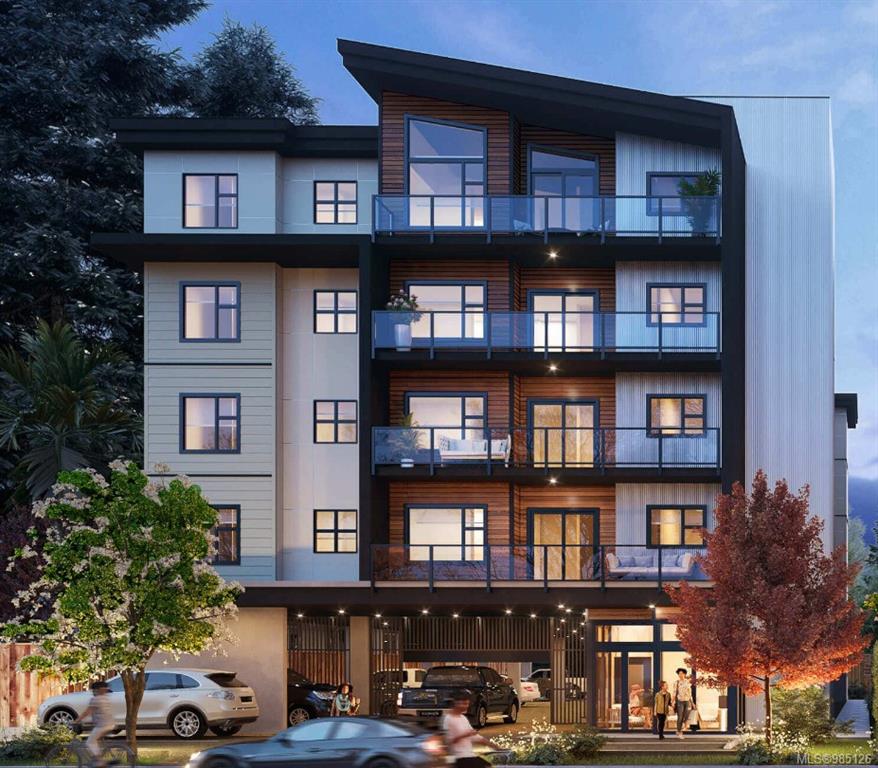
Buying near future development can feel like a risk, an opportunity, or both. In Greater Victoria, where many neighbourhoods are adding density, new rentals, mixed-use buildings, and infill housing, buyers need to look beyond the home itself. The question is not only, “Do I like this property today?” It is also, “How could this area change over the next five to ten years?” Future development can bring better amenities, more housing options, improved walkability, and stronger long-term demand. However, it can also bring construction noise, traffic changes, loss of privacy, view impacts, and uncertainty. Future Development Is Not Always a Negative Many buyers hear “future development” and immediately think of disruption. That can happen, but development can also improve a neighbourhood. A new project nearby may bring: More shops and services Better sidewalks or streetscape improvements More transit use New rental or ownership housing Increased neighbourhood activity Stronger local business demand Better long-term convenience For some buyers, especially those who value walkability, future development can be part of the appeal. A quieter area today may become more useful, connected, and desirable over time. The key is understanding what kind of development is planned, how close it is, and how it may affect the property. Check the Municipality Before You Rely on Assumptions Buyers should not rely only on rumours, signs, or neighbourhood conversation. The best starting point is the local municipality. For example, the City of Victoria has a Development Tracker that allows people to search current and completed development applications by address, neighbourhood, or application type. The tracker also includes application details and submitted plans when available. Saanich also provides information on active development applications, including development permits, variances, subdivisions, and related applications arranged by neighbourhood. Langford’s Planning department manages development permits, rezonings, bylaw variances, and Official Community Plan amendments, which can help buyers understand how growth is being reviewed and managed. This research does not replace professional advice, but it can help buyers ask better questions before writing an offer. Understand the Difference Between Proposed, Approved, and Under Construction Not all future development carries the same level of certainty. A project may be: Only discussed informally Submitted as an application Under municipal review Going through rezoning Approved but not started Under construction Part of a long-term planning vision This distinction matters. A proposed development may change significantly or never move forward. An approved project is more concrete, but timelines can still shift. A project under construction is more immediate, but the main question becomes how long the disruption may last and what the finished result will look like. Buyers should avoid making decisions based on a single piece of information. Instead, they should look at the stage of the application, the type of development, and the broader direction of the neighbourhood. Views, Privacy, and Sunlight Can Change One of the biggest concerns when buying near future development is how the property may feel later. A nearby building could affect: Views Natural light Privacy Noise Parking Traffic Outdoor enjoyment The feeling of openness This matters most when a property’s appeal depends heavily on its outlook or privacy. A condo with a beautiful view across an underdeveloped lot may carry more uncertainty than a home facing a park, ocean, protected green space, or established low-density area. Buyers should ask what could be built nearby, not just what is there today. Construction Disruption Is Temporary, But It Can Still Matter Even if future development improves an area long term, construction can affect day-to-day life. Buyers should think about: Noise Dust Trucks and equipment Road closures Parking pressure Work hours Safety around sidewalks and streets Impact on tenants if the property is rented This is especially important for people who work from home, have young children, are sensitive to noise, or plan to rent the property out. A buyer may still choose the home, but they should go in with realistic expectations. Development Can Change the Lifestyle of a Neighbourhood Future development does not only change buildings. It can change how a neighbourhood feels. A quiet street near a growing village centre may become busier. A car-oriented area may become more walkable. A low-density pocket may begin to feel more urban. An area with limited services may become more convenient. None of these changes are automatically good or bad. They depend on what the buyer wants. For example, a buyer who values quiet and privacy may feel differently than a buyer who wants coffee shops, transit, and services nearby. The same development can feel like an improvement to one person and a drawback to another. Future Development May Support Long-Term Value In many cases, growth can support long-term demand. Areas with more amenities, transit, services, and housing variety can become more attractive over time. However, buyers should avoid assuming that all development increases value. The effect depends on location, project type, market conditions, property type, and buyer demand. A new mixed-use project may improve convenience. A large building that blocks views may reduce a specific property’s appeal. A growing area may attract more buyers, but it may also create more competition if many similar units are built nearby. The right question is not, “Will development help or hurt value?” The better question is, “How will this specific development affect this specific property?” Look at Zoning and Long-Term Plans Future development is not always limited to one active application. Buyers should also consider zoning and long-term planning. Municipal planning documents, zoning information, and development trackers can help buyers understand whether nearby properties may be likely to change in the future. Some areas are planned for more density, while others may have more limited redevelopment potential. This matters when buying beside older commercial buildings, large lots, underused land, surface parking, or properties along major corridors. A buyer does not need to become a planning expert, but they should understand whether the surrounding area is stable, transitional, or actively changing. Questions Buyers Should Ask Before Writing an Offer Before buying near future development, buyers should ask: What development applications exist nearby? Has anything been approved? What stage is the application in? Could the project affect views, light, or privacy? How close is the development site? What type of use is proposed? How long could construction last? Will parking, traffic, or access change? Is the area part of a broader growth plan? Does the property still make sense if the area changes? These questions help buyers move from guesswork to informed decision-making. Sellers Should Also Be Prepared This topic matters for sellers too. If a property is near future development, buyers may ask questions. Sellers should prepare clear, factual information and avoid making promises about what will or will not happen. The best approach is transparency. If development nearby may be a concern, strong marketing can still position the property properly by focusing on what buyers can verify: location, lifestyle, access, current condition, and available municipal information. Trying to ignore future development can create mistrust. Explaining the context clearly can help buyers feel more confident. The Bottom Line Buying near future development requires careful thought. It can bring better amenities, stronger walkability, and long-term neighbourhood improvement. It can also bring construction disruption, privacy concerns, view changes, and uncertainty. The right decision depends on the buyer’s goals, risk tolerance, lifestyle, and time horizon. For buyers in Greater Victoria, the most important step is to look beyond the listing. Review municipal information, understand the stage of nearby applications, and consider how the area may change over time. If you are considering buying near future development, contact Faber Real Estate Group for local guidance on what to review, what questions to ask, and how to make a confident decision. James C., 5-Star Review, via Google “Scott made the process of finding a good condo in Victoria as simple and straightforward as it can be. He was always very helpful, and quick to respond throughout the process from start to finish. Being new to BC I think the ordeal would have been pretty overwhelming otherwise. I'd definitely recommend Scott and his team to others in the future.” Faber Real Estate Group Royal LePage Coast Capital Realty 📞 250-244-3430 📧 [email protected] ℹ️ Scott Faber Personal Real Estate Corporation ℹ️ Cal Faber Personal Real Estate Corporation Vanessa Wood, Zachary Parsons, and Sophie Taylor “Building Lasting Relationships, One Home at a Time.”
Read more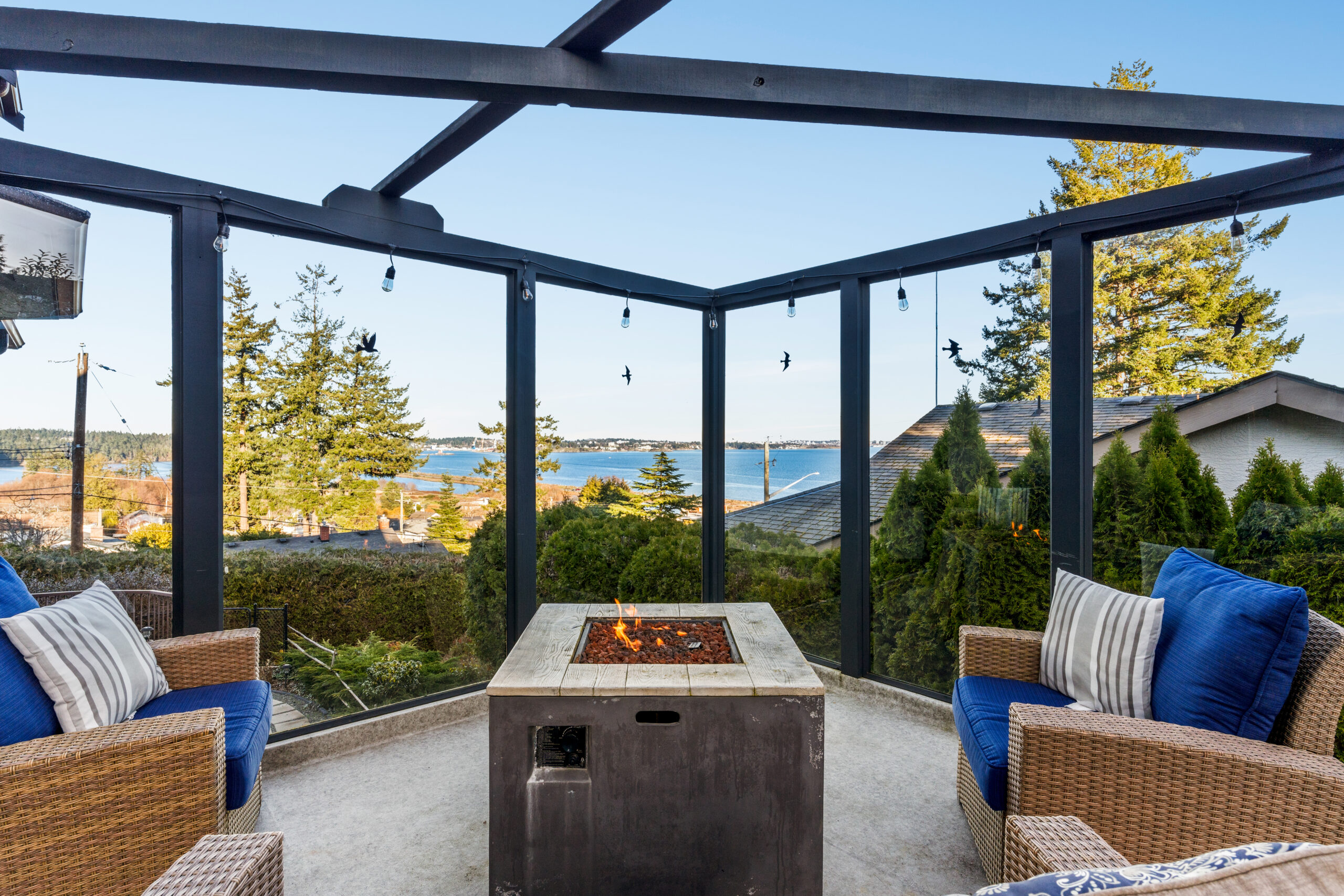
Lifestyle properties in Greater Victoria need more than standard real estate marketing. A typical listing may focus on bedrooms, bathrooms, square footage, and price. However, a lifestyle property sells something deeper: privacy, views, outdoor living, space for hobbies, walkability, waterfront access, gardens, guest accommodation, or a quieter way of living. That means the marketing has to answer a different question. Not just, “What does this home include?” But, “What kind of life could someone imagine here?” What Makes a Lifestyle Property Different? A lifestyle property is not always defined by price. It is defined by the experience it offers. In Greater Victoria, lifestyle properties may include: Waterfront homes Acreage properties View homes Character conversions Rural retreats Equestrian-friendly properties Garden-focused homes Homes near trails, beaches, or villages Properties with studios, workshops, or guest spaces Walkable homes in highly desirable neighbourhoods These homes often attract buyers who are making an emotional decision as much as a practical one. They are not just comparing floor plans. They are comparing futures. Standard Marketing Can Miss the Real Value Basic listing marketing often treats every home the same way. Photos, MLS remarks, room measurements, feature list, brochure, and a sign. That may be enough for a straightforward property. However, lifestyle properties need context. For example: A private acreage should explain what the land allows A waterfront home should highlight access, exposure, outlook, and daily use A walkable character home should connect the home to nearby cafés, parks, shops, and community A view home should show how the view changes from morning to evening A home with gardens should show seasonal beauty, outdoor rooms, and long-term care If the marketing only lists features, buyers may miss why the property is special. The Story Needs to Lead the Strategy Lifestyle property marketing should begin with the story. What is the emotional hook? What will a buyer remember after seeing the home? The story might be: Quiet mornings with ocean views Room for multi-generational living Space to garden, create, or work from home A home that feels private but still close to town A lock-and-leave lifestyle near shops and restaurants A rural setting with practical access to schools and services Once the story is clear, the rest of the marketing becomes stronger. Photos, video, copy, floor plans, social posts, email campaigns, and showing strategy can all support the same message. Photography Should Capture More Than Rooms For lifestyle properties, photography should not only document the home. It should help buyers understand how the property feels. That may include: Morning or evening light Outdoor entertaining areas Garden pathways Views from key rooms Beach, trail, or village proximity Workshop or studio use Privacy from neighbours Driveway approach Natural surroundings Seasonal features A buyer may forget the exact square footage, but they will remember how the property made them feel. Video Is Often More Important Video can be especially useful for lifestyle properties because it shows movement, flow, setting, and atmosphere. A strong lifestyle video can highlight: The arrival experience How indoor and outdoor spaces connect The scale of the land Natural light throughout the day Nearby amenities Privacy and setting Views and outdoor lifestyle The pace of the neighbourhood This matters because lifestyle buyers are often buying a sense of place. Video helps them feel that before they ever book a showing. The Buyer Pool May Be More Specific Lifestyle properties can have a narrower buyer pool. That does not mean the property is less valuable. It means the marketing must reach the right people. A standard home may appeal to a broad range of buyers. A lifestyle home may appeal to someone with a specific dream, such as: Retiring near the ocean Moving from the Lower Mainland for more space Creating a home-based studio Downsizing into a walkable village Moving from a condo to land Finding privacy without losing convenience Building a family lifestyle around trails, beaches, and outdoor space The marketing should speak directly to those motivations. Details Need to Be Explained, Not Assumed Lifestyle properties often come with added complexity. Acreage, waterfront, rural systems, strata rules, heritage elements, easements, zoning, septic, wells, outbuildings, shoreline considerations, and future use all need thoughtful explanation. That does not mean overwhelming buyers. It means helping them understand what matters. Strong marketing should make the property feel special, while strong preparation should make it feel clear. Buyers are more confident when they can understand: What makes the property unique How the lifestyle works day to day What responsibilities come with ownership What questions they should ask What due diligence may be required A confident buyer is more likely to move forward. Pricing Requires a Different Lens Lifestyle properties can be harder to price because comparable sales may not tell the full story. Two homes may have the same square footage, but very different value depending on setting, view, privacy, land use, exposure, outdoor living, renovation quality, or emotional appeal. A pricing strategy should consider: Recent comparable sales Replacement value of unique improvements Land and setting Scarcity Buyer demand Condition and maintenance Property usability Location and access Lifestyle appeal The goal is not to overprice the story. The goal is to price the complete value, not just the structure. Showing Strategy Matters Too Lifestyle properties often need slower, more intentional showings. Buyers may need time to walk the land, sit on the deck, understand the view, explore the gardens, or imagine how the property would support their daily life. Good showing preparation may include: Clean and open outdoor areas Clear access to outbuildings Simple information sheets Highlighted upgrades Utility and system details ready Property maps Neighbourhood or amenity context Flexible showing windows when possible The right showing experience helps buyers connect the marketing story to the real property. Final Thought Lifestyle properties in Greater Victoria need a different marketing strategy because they are not just selling space. They are selling a way of living. The strongest marketing does not simply show what the home has. It explains why the property matters, who it fits, and how it could change a buyer’s everyday life. If you are preparing to sell a lifestyle property in Greater Victoria and want a marketing plan that reflects its full value, reach out to Faber Real Estate Group for practical advice before you list. Noah C., 5-Star Review, via Google “I can’t thank Scott enough for his invaluable help during my recent real estate transaction. He guided me through several properties with a keen eye for detail, pointing out the pros and cons, building qualities and deficiencies, and identifying potential issues. I truly felt that he cared about helping me make the best decision for my needs. His expertise in assessing the buildings, materials, and the overall condition of the properties gave me confidence in my choices. Scott’s deep understanding of the market, combined with his ability to spot potential issues before they arise, provided me with peace of mind, knowing I was making a sound decision. If you’re looking for a knowledgeable, thorough, and trustworthy agent, Scott is the one you want by your side!” Faber Real Estate GroupRoyal LePage Coast Capital Realty📞 250-244-3430📧 [email protected]ℹ️ Scott Faber Personal Real Estate Corporationℹ️ Cal Faber Personal Real Estate CorporationVanessa Wood, Zachary Parsons, and Sophie Taylor“Building Lasting Relationships, One Home at a Time.”
Read more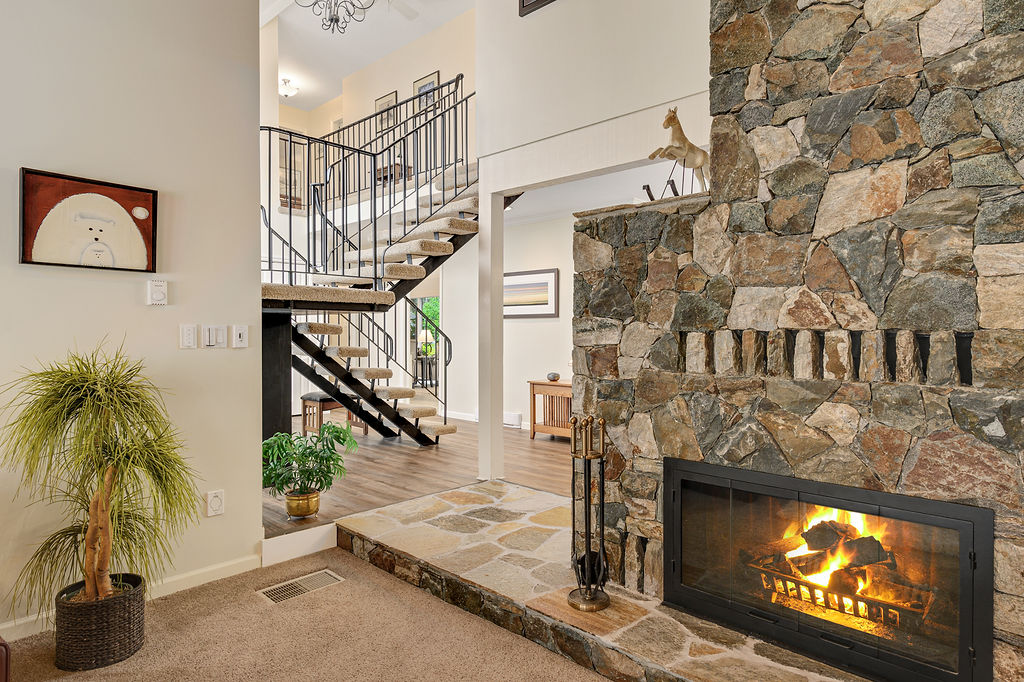
Comparable sales in real estate are one of the most common tools used to estimate value. Buyers use them to decide what to offer. Sellers use them to decide how to price. Appraisers, lenders, and REALTORS® also rely on them to understand what similar homes have recently sold for. However, comparable sales in real estate can also be misleading when they are used too quickly or without enough context. A sold price tells you what one buyer was willing to pay for one property at one moment in time. It does not automatically tell you what your home is worth, what another buyer should offer, or how today’s market will respond to a new listing. That is where the real analysis begins. Not Every Similar Home Is Truly Comparable At first glance, two homes may seem almost identical. They may be in the same neighbourhood, have similar square footage, and offer the same number of bedrooms. But small differences can create very different values. Important differences may include: Lot size and usable yard space Sun exposure and privacy Renovation quality Deferred maintenance Layout and flow Suite potential Parking Street noise Views Strata condition Age of major systems Proximity to schools, parks, or busy roads A home on a quiet cul-de-sac may sell differently than a similar home on a busier street. A renovated kitchen may help, but if the roof, perimeter drains, or windows need attention, buyers may still discount the price. The details matter because buyers do not purchase square footage alone. They buy the full experience of the property. Sold Prices Reflect the Market Conditions at That Time Comparable sales are historical data. That means they are useful, but they are always looking backward. A sale from three months ago may not reflect today’s buyer activity, inventory levels, interest rate environment, or local competition. In a fast-moving market, even a sale from a few weeks ago can lose some relevance. This matters for both buyers and sellers. For sellers, relying too heavily on older high sales can lead to overpricing. For buyers, relying too heavily on older lower sales can lead to offers that do not compete. The better question is not simply, “What did similar homes sell for?” It is, “What has changed since those homes sold?” Condition Can Change the Entire Conversation Condition is one of the biggest reasons comparable sales can mislead people. Two homes may look similar online, but one may be move-in ready while the other needs major updates. Photos can hide a lot. A home may photograph beautifully but still have concerns with moisture, electrical, plumbing, roofing, windows, or overall maintenance. On the other hand, a home that looks dated may be extremely well cared for and structurally strong. This is why condition needs to be reviewed carefully, not assumed from listing photos. Buyers should avoid thinking, “That home sold for less, so this one should too,” without asking why. Sellers should avoid thinking, “My neighbour got that price, so I should too,” without comparing condition honestly. The Best Comparable May Not Be the Closest One Many people assume the best comparable sale is the one closest to the property. Sometimes it is. But proximity alone does not make a sale useful. In Greater Victoria, small location differences can change buyer demand quickly. A few blocks can affect walkability, school catchments, views, noise, lot usability, and overall appeal. A better comparable might be farther away but more similar in style, size, condition, and buyer profile. For example, a well-maintained 1970s family home in one part of Saanich may compare better with a similar home in another nearby pocket than with a brand-new build down the street. The goal is not to find the nearest sale. The goal is to find the most relevant sale. List Price and Sold Price Tell Different Stories A sold price matters, but the story behind it matters too. A home may sell over asking because it was intentionally priced low to attract multiple offers. Another home may sell under asking because it started too high and sat on the market. A third home may sell quickly at full price because it was priced accurately from the start. Without context, the numbers can create the wrong impression. Buyers may think every home is overpriced because they see price reductions. Sellers may think every home should attract competing offers because they saw one sale go over asking. Both can be wrong. The better analysis looks at: Original list price Final list price Sold price Days on market Price reductions Number of competing listings Property condition Buyer activity Offer terms The price is only one part of the story. Unique Properties Are Harder to Compare Some homes are easier to price than others. A standard condo in a large building with several recent sales may have clear comparable data. A custom home, acreage, waterfront property, view property, character home, or rural property is much harder to compare. Unique properties require more interpretation because there may not be a perfect match. In these cases, value often depends on buyer depth. How many buyers are looking for that specific type of property? How often do similar homes become available? How much are buyers willing to pay for rare features? This is why unusual homes need a more careful pricing strategy. The wrong comparable can create the wrong expectation. Buyers Can Use Comparables Too Aggressively Buyers sometimes use comparable sales as a negotiation weapon. They may find the lowest recent sale and treat it as the only number that matters. But if that sale had poor condition, an awkward layout, a motivated seller, or a less desirable location, it may not support a lower offer on a better property. A strong buyer strategy is not about forcing every home to fit the cheapest comparable. It is about understanding fair value, then deciding what the property is worth to you based on condition, competition, and long-term fit. The best buyers stay disciplined without ignoring context. Sellers Can Use Comparables Too Optimistically Sellers can make the opposite mistake. They may focus on the highest sale in the area and assume their home should match or exceed it. But the highest sale may have had better renovations, better timing, stronger presentation, a larger lot, or more motivated buyers. This can lead to a pricing problem. When a home starts too high, it can lose early momentum. Buyers may compare it to better-priced alternatives and move on. Over time, the listing may need a price adjustment, and the final result may be weaker than if it had launched with a sharper strategy. A good pricing conversation should include both the best-case sale and the realistic competition. Active Listings Matter Too Comparable sales show what has already happened. Active listings show what buyers can choose from right now. This is especially important in a market where buyers have more selection. A seller may feel confident because a similar home sold well last month, but if several competing homes are now available, buyers may have more leverage. For buyers, active listings help explain why one home may still attract strong interest. If the property is the best option in its price range, older comparable sales may not fully capture current demand. Pricing should consider both past sales and present competition. The Most Useful Comparables Need Adjustment A comparable sale is rarely perfect. That is why adjustments matter. A REALTOR® may look at a comparable and adjust for differences such as: Larger or smaller lot Better or worse condition Renovations Basement suite Garage or parking View Location Strata fees Building condition Outdoor space Timing of the sale The goal is not to make the numbers look exact. The goal is to understand the range of reasonable value. Real estate pricing is part data, part interpretation, and part buyer psychology. What Buyers Should Ask Before relying on a comparable sale, buyers should ask: How similar is the property really? Was the condition better or worse? Did it sell in a different market environment? Was it priced low to create competition? How many similar homes are available now? Would today’s buyers view this home as better or worse? These questions help buyers avoid overpaying or losing a good property because they relied on the wrong sale. What Sellers Should Ask Before using a comparable to set a price, sellers should ask: Is my home honestly in similar condition? Does my home have the same buyer appeal? Was the other sale an outlier? What competition will buyers compare us against? Are we pricing for attention or testing the market? What happens if we do not receive strong activity in the first two weeks? These questions help sellers build a pricing strategy instead of chasing a number. Final Thoughts Comparable sales in real estate are useful, but they are not automatic answers. They need context, adjustment, and honest interpretation. For buyers, comparables can help you understand value and avoid emotional overpaying. For sellers, they can help you price with confidence and avoid unrealistic expectations. But in both cases, the best results come from looking beyond the sold price and understanding the full story behind the sale. If you are buying or selling in Greater Victoria and want help understanding what comparable sales really mean for your next move, contact Faber Real Estate Group for clear, local advice. Tatiana S., 5-Star Review, via Google “Absolutely phenomenal service from start to finish! Scott took the time to really get to know us and understand our likes and dislikes, what were dealbreakers and what really sold us in finding our perfect first home! Being first time homebuyers, he was extremely patient with all of our questions and very thorough when it came down to the finer details. Without a doubt, I would recommend him to everyone!” Faber Real Estate GroupRoyal LePage Coast Capital Realty📞 250-244-3430📧 [email protected]ℹ️ Scott Faber Personal Real Estate Corporationℹ️ Cal Faber Personal Real Estate CorporationVanessa Wood, Zachary Parsons, and Sophie Taylor “Building Lasting Relationships, One Home at a Time.”
Read more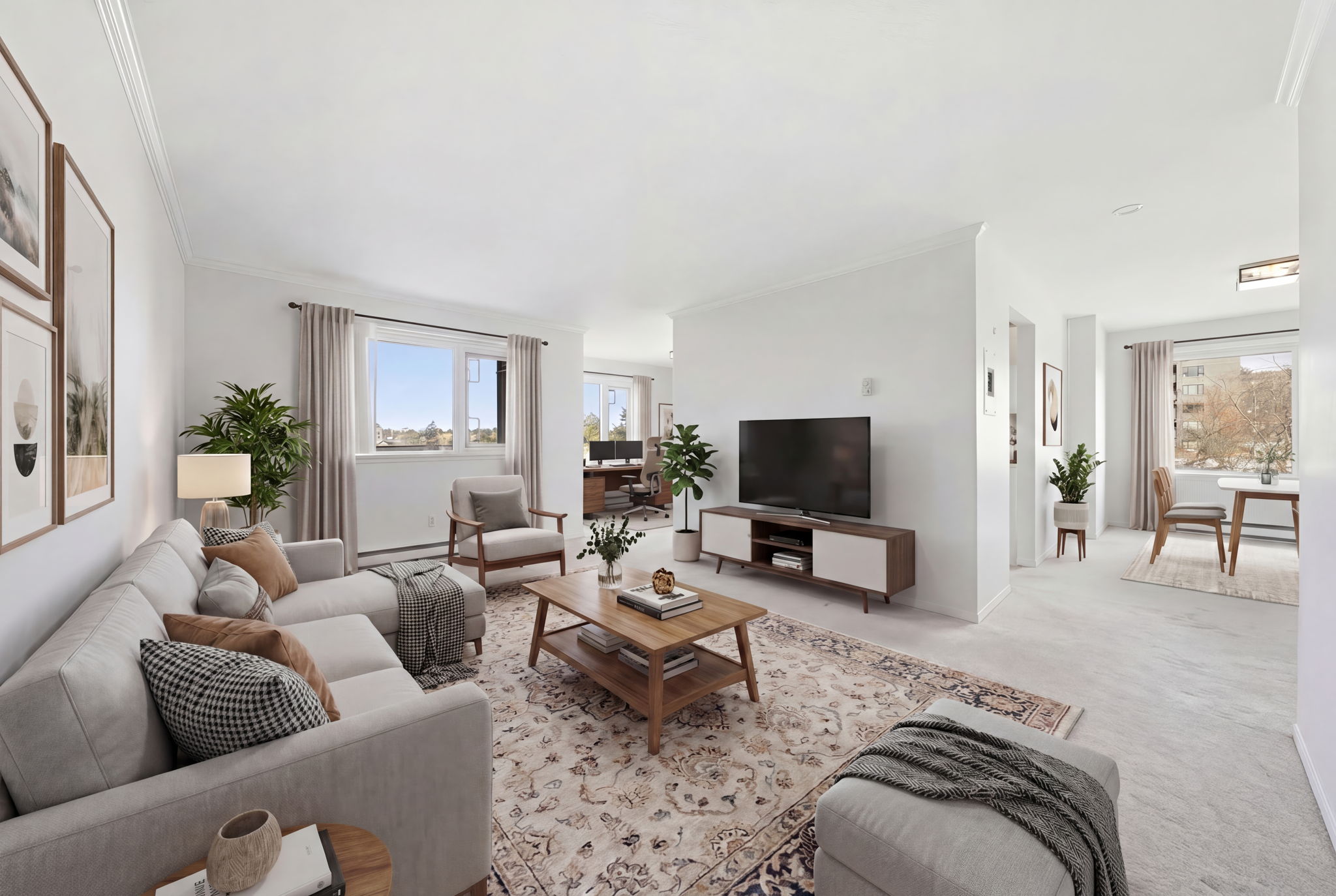
The May 2026 Victoria real estate market is likely to feel active, balanced, and competitive in selective pockets. April gave us a useful preview: sales improved from March, inventory continued to rise, and prices remained relatively steady. That combination usually creates a market where buyers have more choice, but sellers still have opportunity if they are priced properly from day one. According to the Victoria Real Estate Board, 643 properties sold in April 2026, which was 0.2% higher than April 2025 and 11.1% higher than March 2026. Active listings reached 3,710 at the end of April, up 13.8% from March and 8.3% from April 2025. In plain terms, more homes are available, but buyers are still participating. May Should Continue to Give Buyers More Choice May is typically one of the more active months of the spring market. Based on April’s increase in active listings, buyers should expect more selection across many property types and price points. That does not mean every listing will be a deal. It means buyers may have more room to compare homes, review options, and make decisions with less pressure than they would in a tight seller’s market. For buyers, May may bring: More new listings coming to market More ability to compare similar homes Less urgency on some properties Continued competition for well-priced homes in desirable locations More negotiating room on listings that are overpriced, dated, or sitting longer The key is not simply finding the lowest price. The better strategy is finding the right combination of location, condition, price, and long-term fit. Sellers Should Expect More Competition For sellers, May will likely be less forgiving than past spring markets where limited inventory did much of the work. With more active listings available, buyers have options. That means sellers need to be realistic about pricing, presentation, and timing. A home can still sell well in this type of market, but it needs a clear strategy. In May, sellers should pay close attention to: How many competing listings are active nearby How quickly similar homes are selling Whether buyers are booking showings early Feedback after the first week on market Price adjustments from competing sellers The first two weeks matter. If a listing launches too high, buyers may wait, compare, or move on to a better-positioned property. Prices Are Likely to Stay Relatively Stable The April benchmark numbers suggest stability rather than a sharp move in either direction. The Victoria Core single family benchmark price was $1,339,100 in April 2026, down 1.2% from April 2025 but up from March. The Victoria Core condo benchmark was $558,300, down 0.8% year over year but also up from March. That pattern matters. Prices are not surging, but they are also not falling dramatically across the board. May will likely continue that trend, with stronger pricing for homes that show well and more pressure on listings that feel overpriced compared with the rest of the market. The Market Will Feel Different by Neighbourhood May will not feel the same everywhere in Greater Victoria. A well-priced family home in Saanich may attract strong attention, while a dated condo with high strata fees may move more slowly. A townhome in the Westshore may compete differently than a character home in Fairfield or a new construction condo in Langford. This is why broad market headlines can be misleading. The real story in May will come down to micro-markets. Buyers and sellers should look closely at: Property type Neighbourhood Price range Days on market Condition Strata health, if applicable Recent comparable sales The overall market may be balanced, but each segment can behave differently. What Buyers Should Do in May Buyers should use May’s inventory carefully. More choice is helpful, but it can also create second-guessing. A practical approach is to separate homes into three categories: Strong fit: good location, fair price, solid condition Possible fit: good potential, but with tradeoffs Poor fit: too much compromise for the price This helps buyers stay focused. It also makes it easier to act when the right home appears. Buyers should also be ready before viewing homes. That means having financing reviewed, understanding closing costs, and knowing which conditions matter most before writing an offer. What Sellers Should Do in May Sellers should treat May as a strategy market, not a guessing market. The best results will likely come from homes that are: Priced against current competition Clean, prepared, and easy to show Marketed with strong photos and clear positioning Adjusted quickly if feedback shows resistance Presented with confidence, but not overconfidence In a market with more inventory, buyers notice the details. Small issues can create hesitation, especially when they have other homes to compare. The Bottom Line The May 2026 Victoria real estate market should remain balanced, active, and choice-driven. Buyers may have more room to think, but strong properties will still move. Sellers may still achieve good results, but only if their pricing and presentation match current market conditions. May will reward preparation on both sides. Buyers should be ready to act when value appears. Sellers should be ready to compete from the first day on market. If you are planning to buy or sell in Greater Victoria this spring, reach out to Faber Real Estate Group for advice based on your neighbourhood, property type, and timing. Debbie N., 5-Star Review, via Google “From start to finish, Scott and Cal were amazing to work with. I hadn't moved in nearly 22 years and going from a house to a condo was a very difficult decision, but they were amazingly patient and responsive to my needs. This team doesn't just say that they care, they actually do. I couldn't have done this without them. I would recommend them to anyone. You will be in the best hands. Thank you Faber Group!!!” Faber Real Estate GroupRoyal LePage Coast Capital Realty📞 250-244-3430📧 [email protected]ℹ️ Scott Faber Personal Real Estate Corporationℹ️ Cal Faber Personal Real Estate CorporationVanessa Wood, Zachary Parsons, and Sophie Taylor“Building Lasting Relationships, One Home at a Time.”
Read more
The April 2026 Victoria real estate market gave both buyers and sellers a clearer look at what a balanced spring market can feel like. Sales activity improved from March, inventory continued to build, and prices remained fairly steady across key property types. In other words, the market is active, but it is not running away from either side. According to the Victoria Real Estate Board, 643 properties sold across the region in April 2026. That was almost unchanged from April 2025, when 642 properties sold, and up 11.1% from March 2026. Condo sales rose 5.9% year over year, with 198 units sold, while single family home sales decreased 1.2% year over year, with 331 homes sold. Inventory Is the Main Story The biggest number to watch right now is inventory. At the end of April, there were 3,710 active listings on the Victoria Real Estate Board MLS®. That was up 13.8% from March and up 8.3% compared with the end of April 2025. For buyers, this means more selection and less pressure than we saw in the strongest seller-driven markets. However, more choice does not always make the process easier. Buyers still need to compare value carefully, especially because not every listing is priced equally well. For sellers, this means competition matters. A home can still sell well, but pricing, presentation, condition, and launch strategy need to be aligned from the start. In a market with more inventory, buyers have options. If a listing misses the mark early, it may take longer to regain momentum. Prices Remained Relatively Stable The Victoria Core single family home benchmark price was $1,339,100 in April 2026. That was down 1.2% from April 2025, but up from $1,330,200 in March 2026. For condos in the Victoria Core, the benchmark price was $558,300 in April 2026. That was down 0.8% from April 2025, but also up from $553,800 in March 2026. These numbers point to a market that is not collapsing and not overheating. Instead, we are seeing a more measured environment where buyers have room to think, but well-positioned properties can still attract attention. What This Means for Buyers The April 2026 Victoria real estate market gives buyers something they have not always had in recent years: breathing room. That does not mean every buyer should wait, and it does not mean every property is negotiable. It means buyers have a better chance to compare options, review strata documents, understand neighbourhood differences, and avoid rushing into a decision simply because inventory is tight. Buyers should focus on: Comparing recent comparable sales, not just asking prices Understanding how long a property has been on the market Looking closely at condition, maintenance, and future costs Staying realistic about good homes in strong locations Using subjects and due diligence wisely where possible The best opportunities are often not the cheapest listings. They are the homes where price, condition, location, and long-term fit line up. What This Means for Sellers For sellers, April’s numbers point to a market that rewards preparation. With more active listings available, buyers are less likely to overlook issues. They are comparing finishes, floor plans, maintenance, location, pricing, and overall presentation. A home that is priced too aggressively may help competing listings look more attractive. Sellers should focus on: Pricing based on current competition, not last year’s expectations Preparing the home before photos and showings Addressing obvious maintenance concerns where practical Reviewing feedback quickly after showings Adjusting strategy early if activity is weaker than expected This is not a market where every seller needs to panic. However, it is a market where sellers need to be honest about buyer behaviour. The homes that stand out tend to have a clear strategy behind them. A Balanced Market Still Has Micro-Markets One of the most important points from April is that Greater Victoria is not one single market. A condo downtown, a family home in Saanich, a townhome in Langford, and a waterfront property in Sooke can all behave differently. Price point, property type, location, condition, and buyer demand all matter. That is why broad headlines can be misleading. A balanced market overall may still feel competitive in certain neighbourhoods, while other areas may give buyers more negotiating room. The Bottom Line The April 2026 Victoria real estate market is best described as balanced, active, and more choice-driven. Buyers have more options than they did in tighter markets, while sellers still have opportunity if they price and prepare properly. For buyers, this is a good time to be thoughtful. For sellers, this is a good time to be strategic. The market is not rewarding guesswork right now. It is rewarding clarity. If you are thinking about buying or selling in Greater Victoria, reach out to Faber Real Estate Group for local advice, current market insight, and a clear plan for your next move. Jeff C., 5-Star Review, via Google Cal and Scott are tremendous, made our home buying and selling experience a stress free engagement.. some of the key highlights from our experience with them are: - quick to communicate, lightning fast.. within minutes! - deep expertise in the greater Victoria real estate.. from neighborhood information, developer history, even carpentry/finishing … DEEP knowledge - super friendly and encouraging They were able to deliver in very tight circumstances and we are so thankful to have worked with them. Best ones in Greater Victoria for sure” Faber Real Estate GroupRoyal LePage Coast Capital Realty📞 250-244-3430📧 [email protected]ℹ️ Scott Faber Personal Real Estate Corporationℹ️ Cal Faber Personal Real Estate CorporationVanessa Wood, Zachary Parsons, and Sophie Taylor“Building Lasting Relationships, One Home at a Time.”
Read more
Buyers and sellers market perspective can be completely different, even when both are looking at the same listings, the same sales, and the same local conditions. A buyer may feel prices are still too high. A seller may feel they are already being realistic. A buyer may see more choice and expect negotiation. A seller may remember what homes sold for last year and expect a similar result. Both sides can be partly right. That is what makes real estate emotional. The market is the same, but the experience is different depending on which side of the transaction you are on. In Greater Victoria, where micro-markets can shift by property type, neighbourhood, price range, and condition, understanding this difference can help buyers and sellers make better decisions. Buyers Focus on What They Can Choose Today Buyers usually judge the market based on what is available right now. They compare active listings, price reductions, days on market, condition, location, and value. If they have more homes to choose from, they often feel more patient. They may book several showings, compare options closely, and wait to see if sellers adjust. Buyers tend to ask: What else can I buy for this price? Has this home been sitting? Are there better options nearby? Can I negotiate? Will another listing come up soon? Is this worth the monthly payment? What repairs or upgrades will I need to pay for? A buyer’s view is shaped by choice. If they see multiple homes that feel similar, urgency drops. If they see one rare property that fits their needs perfectly, urgency rises. Sellers Focus on What They Own Sellers see the market through a different lens. They know the work they have put into the home. They remember the renovations, repairs, family milestones, neighbourhood improvements, and the price they were told the home might be worth. Sellers often ask: What did nearby homes sell for? What have we invested into the property? How much do we need for our next move? Why is our home not getting more attention? Why are buyers being so cautious? Are buyers undervaluing the property? Should we wait for a better offer? A seller’s view is shaped by attachment, timing, and financial goals. That does not mean sellers are unrealistic. It means they are emotionally and financially connected to the property in a way buyers are not. Buyers Compare Options. Sellers Compare Outcomes. This is one of the biggest differences. Buyers compare available options. Sellers compare expected outcomes. A buyer may look at three similar homes and choose the one that feels like the best value. A seller may look at a recent sale nearby and believe their home should sell for the same amount. Both comparisons matter, but they are not the same. Sold data shows what buyers were willing to pay in the recent past. Active competition shows what buyers are considering today. If the market has changed, relying only on past sales can create pricing problems. If buyers ignore recent sales completely, they may underestimate fair market value. The best strategy looks at both. Sellers Remember the Peak. Buyers Feel the Payment. Sellers often remember the highest values they heard about during stronger market periods. Buyers often focus on current affordability. This creates tension. A seller may think, “Homes like mine were selling for more before.” A buyer may think, “With today’s mortgage payment, this price does not feel affordable.” Neither side is necessarily wrong. They are just measuring value differently. Sellers often think in terms of price. Buyers often think in terms of monthly cost, repairs, risk, and future flexibility. That is why a home can seem reasonably priced to a seller and still feel expensive to a buyer. More Inventory Changes Buyer Behaviour When buyers have more options, they usually become more selective. They may expect: Better presentation Sharper pricing More complete information Cleaner homes Flexible showing access Stronger negotiation room More time to make decisions For sellers, this can feel frustrating. A seller may think the home should sell because it is good enough. But buyers may compare it against several other homes that are also good enough. In a market with more choice, average homes can get overlooked unless they are clearly priced, presented, and marketed well. Sellers Feel Time Differently Than Buyers Time feels different depending on which side of the transaction you are on. For buyers, time can feel helpful. More time means more listings, more comparison, and less pressure. For sellers, time can feel stressful. More days on market can create doubt, reduce momentum, and make buyers wonder whether something is wrong. This difference affects negotiation. A buyer may think, “The longer it sits, the more leverage we have.” A seller may think, “We just need the right buyer.” Sometimes both are true. But the longer a listing sits without meaningful activity, the more important it becomes to re-evaluate pricing, presentation, and competition. Condition Looks Different to Each Side Sellers often see improvements. Buyers often see future costs. A seller may think about the renovated bathroom, newer flooring, or updated appliances. A buyer may notice the older roof, aging windows, dated electrical panel, or drainage concerns. This is not because buyers are trying to be difficult. Buyers are calculating what ownership will cost after completion. They may be thinking about: Immediate repairs Insurance Renovation costs Maintenance Strata fees Future resale Monthly affordability Emergency savings A seller may see pride of ownership. A buyer may see a list of upcoming expenses. Good marketing and preparation help close that gap by showing buyers what has been done, what is in good condition, and what value the home offers. Buyers Price in Risk Buyers often reduce what they are willing to pay when they sense uncertainty. That uncertainty may come from: Limited property information Deferred maintenance Unclear permits Weak strata documents High strata fees Poor inspection results Awkward layout Busy road exposure Future development nearby Longer days on market Sellers may see these as small issues. Buyers may see them as reasons to negotiate. This is why transparency matters. When buyers understand a property clearly, they can make stronger decisions. When they feel uncertain, they usually either discount the price or walk away. Sellers Price in Emotion Sellers naturally attach meaning to their home. They remember what the home has meant to them, not just what it offers to the next buyer. That emotional connection can make it harder to accept market feedback. A buyer’s lower offer may feel insulting. A showing with no feedback may feel personal. A price reduction may feel like losing value. But the market is not judging the seller’s memories. It is judging the property’s current appeal compared with other options. That distinction is important. A home can be loved and still need a price adjustment. Negotiation Feels Different on Each Side Buyers often see negotiation as risk management. Sellers often see negotiation as value protection. A buyer may ask for a lower price because they see repairs, uncertainty, or competing options. A seller may resist because they feel the home is worth more or because they need a certain number for their next step. This can create a gap. The best negotiations focus on facts: Comparable sales Active competition Property condition Inspection results Days on market Buyer demand Seller timing Terms beyond price When both sides move away from emotion and toward evidence, the conversation becomes more productive. A Balanced Market Can Feel Different to Everyone A balanced market does not mean every buyer and seller feels balanced. A seller with a highly desirable home in a low-supply neighbourhood may still experience strong demand. A buyer shopping in a competitive price range may still face pressure. A seller with a dated home competing against newer options may feel the market is slow. A buyer shopping a higher price point with more inventory may feel they have leverage. This is why broad market labels can be misleading. There is no single Greater Victoria market experience. There are many smaller markets happening at the same time. Why Expectations Matter Many real estate problems begin with mismatched expectations. Sellers may expect: More showings Faster offers Less negotiation Higher prices Buyers to overlook minor issues Buyers may expect: Big discounts Perfect condition Sellers to negotiate quickly More leverage than they actually have Every listing to be overpriced Both sides can misread the market when they rely on assumptions instead of evidence. The better approach is to ask, “What is the current market telling us?” What Sellers Can Do Sellers can improve their position by focusing on what they can control. That includes: Pricing based on current competition Preparing the home properly Making showings easy Using strong photography and marketing Reviewing feedback honestly Responding quickly when activity slows Understanding buyer affordability Separating personal attachment from market value A seller does not need to give the home away. But they do need to compete with the homes buyers can choose today. What Buyers Can Do Buyers can improve their position by staying realistic. That includes: Understanding recent comparable sales Watching active competition Knowing when a home is truly well priced Avoiding low offers without a strategy Getting financing ready early Considering resale value Understanding repair costs Acting decisively when the right home appears More choice does not mean every seller is desperate. A buyer still needs to recognize quality when it appears. The Market Does Not Care Who Is Right Real estate decisions get better when buyers and sellers stop trying to prove who is right and start looking at what the market is actually doing. If a listing is getting strong showings and offers, the market is responding. If buyers are not booking showings, the market is hesitating. If similar homes are selling and yours is not, the market is making a comparison. If a buyer keeps losing homes, the market may be stronger than they think. The market gives feedback. The best decisions come from listening to it. Final Thoughts Buyers and sellers see the same market differently because they are experiencing different pressures. Buyers are trying to protect affordability, avoid risk, and choose wisely. Sellers are trying to protect value, manage timing, and move forward with confidence. Neither side is wrong for seeing the market through their own lens. But the best results happen when both sides understand the other perspective and make decisions based on evidence, not emotion. If you are buying or selling in Greater Victoria and want a clearer view of what the market is really saying, contact Faber Real Estate Group for practical advice tailored to your next move. Scott L., 5-Star Review, via Google “I had the pleasure of working with the Faber Group to sell my house, and I couldn't be more pleased with the experience. Cal and Scott from the Faber Group provided exceptional service from start to finish. Their expertise and guidance were instrumental in preparing my home for sale, ensuring it was presented in the best possible light for maximum return on investment. They demonstrated a deep understanding of the market, strategically timing the listing to attract the right buyers." Faber Real Estate Group Royal LePage Coast Capital Realty 📞 250-244-3430 📧 [email protected] ℹ️ Scott Faber Personal Real Estate Corporation ℹ️ Cal Faber Personal Real Estate Corporation Vanessa Wood, Zachary Parsons, and Sophie Taylor “Building Lasting Relationships, One Home at a Time.”
Read more
A home with rental income potential can be one of the smartest ways to improve affordability and build long-term wealth. For many buyers in Greater Victoria, a suite, carriage home, or rentable space can help offset mortgage costs while creating future flexibility. However, not every property advertised as a “mortgage helper” is equal. Some generate strong income. Others create headaches, vacancy risk, or renovation costs. Before buying, it helps to evaluate the property like both a homeowner and an investor. 1. Start With the Real Rental Income Do not rely only on optimistic listing comments. Instead, ask: What similar suites are actually renting for nearby? Is the rental market stronger for one-bedroom, two-bedroom, or furnished units? What utilities are included? Is there parking? Is the area attractive to students, professionals, or families? In areas near University of Victoria or Camosun College, rental demand may differ from suburban family-focused areas. 2. Confirm If the Suite Is Legal or Existing Non-Conforming This is one of the biggest issues buyers miss. A suite may be: Fully permitted and legal Existing but not currently compliant Unauthorized Added without permits Missing fire separation or safety requirements That matters for insurance, financing, resale, and future renovations. Always review municipal zoning, permits, and disclosures carefully. 3. Look at Separate Access and Privacy The best rental setups work well for both owner and tenant. Strong layouts often include: Private entrance Separate laundry or clear laundry access Sound separation Dedicated parking Outdoor space separation Good bedroom window placement If the owner and tenant feel like they live on top of each other, turnover can be higher. 4. Understand Monthly Carrying Costs A home with rental income potential should be measured by net benefit, not gross rent. Review: Mortgage payment difference Property taxes Insurance premiums Utilities Maintenance reserves Vacancy allowance Property management if needed Sometimes an extra $2,000 in rent feels strong until real carrying costs are included. 5. Evaluate Tenant Demand by Location Not every area rents equally. Generally stronger rental demand can come from proximity to: Transit routes Employment centres Schools and universities Shopping and services Hospitals Downtown access A beautiful suite in an inconvenient location may underperform. 6. Think About Future Flexibility Rental income is useful, but life changes. Ask: Could parents use the suite later? Could adult children live there? Could it become a home office? Would the next buyer value the same setup? The best income properties often have multiple future uses. 7. Review Noise, Construction Quality, and Livability Tenants pay rent monthly. They also leave monthly if the space feels poor. Watch for: Low ceilings Poor natural light No storage Weak soundproofing Moisture issues Limited heating or cooling Good tenant experience often equals better long-term income. Smart Buyer Question to Ask Instead of asking: “How much rent can I get?” Also ask: “How stable, legal, and sustainable is this income?” That question protects buyers. Final Thought A home with rental income potential can reduce ownership costs and improve buying power, but only if the numbers, layout, legality, and location make sense. The best mortgage helper is not just extra income. It is income that remains dependable and adds resale value later. If you are considering a suite property or investment-focused purchase in Greater Victoria, contact Faber Real Estate Group for strategic local guidance. Hendri E., 5-Star Review, via Google “We had a fantastic experience working with Cal and Scott. They provided a truly personalized service, taking the time to understand exactly what our needs were and guiding us through every step of the process. What really stood out was how they went above and beyond—we felt fully supported from start to finish. Highly recommended!” Faber Real Estate GroupRoyal LePage Coast Capital Realty📞 250-244-3430📧 [email protected]ℹ️ Scott Faber Personal Real Estate Corporationℹ️ Cal Faber Personal Real Estate CorporationVanessa Wood, Zachary Parsons, and Sophie Taylor“Building Lasting Relationships, One Home at a Time.”
Read more
What buyers expect from sellers when they have more choice has changed in Victoria’s current market. Buyers are no longer making decisions under the same pressure they faced in tighter conditions. With 3,261 active listings at the end of March 2026, up 7.9 per cent from a year earlier, and with VREB noting that current conditions allow more time for due diligence, buyers are expecting better pricing, better presentation, and fewer question marks before they commit. (vreb.org) In other words, more choice does not mean homes are not selling. It means buyers can compare more carefully. CREA’s Victoria market conditions data shows that homes are taking longer to sell than they were a year ago, with median days on market in Q1 2026 rising to 26 days for single-family homes, 31 days for townhouses, and 30 days for condominiums. When buyers have more time, their standards rise. (creastats.crea.ca) Buyers Expect Realistic Pricing The first thing buyers expect is pricing that reflects the current market, not last year’s peak expectations. When inventory rises and sales slow year over year, buyers become much more sensitive to value. In March 2026, VREB reported 579 sales, down 5.5 per cent from March 2025, even as inventory increased. That means buyers have more alternatives, so an overpriced listing is easier to skip. (vreb.org) Today, buyers are asking themselves: how does this home compare to the other options I have seen? does the asking price match the condition, location, and layout? if this home needs work, has that been reflected in the price? Sellers who price strategically tend to attract stronger interest early. Sellers who price for negotiation alone often end up inviting hesitation instead. Buyers Expect the Home to Feel Market-Ready When buyers have more choice, they notice presentation faster. That does not mean every home needs a major renovation. It does mean buyers expect the property to feel cared for, clean, and easy to understand. If they walk into a home with deferred maintenance, clutter, poor lighting, or obvious unfinished projects, they start calculating cost, effort, and inconvenience. In a market with more listings, buyers often lean toward the property that feels simpler and safer, even if it is not perfect. That is why sellers should focus on: decluttering and cleaning thoroughly completing small repairs improving lighting and flow making the home photograph well online reducing distractions during showings A buyer who has five similar listings to compare will often choose the one that feels easiest to step into. Buyers Expect Transparency More choice also gives buyers more confidence to walk away when something feels unclear. VREB has said buyers are using the extra time in today’s market to undertake due diligence. That means sellers should expect buyers to pay closer attention to disclosures, strata documents, depreciation reports, maintenance history, permits, and overall condition. (vreb.org) This is especially important for: condos and townhomes with strata documentation older homes with past renovations properties with tenancies or suite income homes with known issues that could come up in inspection Buyers do not expect perfection. They do expect honesty. Clear information builds trust. Unanswered questions create resistance. Buyers Expect Flexibility, Not Friction In a competitive seller’s market, buyers often accepted the seller’s timing, terms, and conditions without much pushback. That is less common when they have options. Today’s buyers may expect: flexible possession dates reasonable time for financing and inspection access to documents early a smoother showing process thoughtful communication when they have questions That does not mean sellers need to agree to everything. It does mean rigid sellers can lose otherwise solid buyers over issues that could have been handled more smoothly. Buyers Expect to See Value Clearly This is where many listings fall short. Sellers know what they have spent on the home. Buyers care more about what the home offers them now. If the value story is unclear, they move on. That is why sellers need to make the value visible. Instead of assuming buyers will notice, the listing and showing experience should help them understand: what has been updated what makes the layout work what makes the location desirable what costs or concerns have already been addressed why this home stands out from nearby competition More choice makes comparison easier. Therefore, sellers need to do a better job showing why their home deserves to be shortlisted. Buyers Expect Better Online First Impressions Before a showing happens, buyers have already judged the listing online. That matters even more when inventory is up. Buyers sorting through more listings often decide within seconds whether a home feels worth seeing in person. Poor photos, weak descriptions, missing room details, or unclear value positioning can cost a seller showings before the conversation even begins. The online presentation should answer three things quickly: what kind of buyer is this home best for? what are the best features? why should someone book a showing instead of scrolling past? When buyers have more choice, average marketing blends in. Buyers Expect Sellers to Understand the Market Shift One of the biggest disconnects right now is that some sellers still act like the market owes them urgency. It does not. Victoria’s market is not frozen, but it is more balanced than it was in more aggressive seller-driven periods. CREA’s Victoria data shows higher months of inventory across single-family, townhouse, and condominium segments in Q1 2026, while VREB says buyers and sellers alike now have more time to make decisions. (creastats.crea.ca; vreb.org) That shift changes expectations. Buyers now expect sellers to meet the market with a clear strategy instead of assuming demand will do the work for them. What Sellers Should Take Away From This If buyers have more choice, sellers need to reduce reasons to say no. That means: price with discipline prepare the home properly disclose clearly market the value well stay flexible where it matters The homes that perform best in this kind of market are usually not the ones with the highest asking price. They are the ones that feel the most credible, best prepared, and easiest to buy. Final Thought What buyers expect from sellers when they have more choice is not complicated, but it is more demanding. They want value, clarity, presentation, and confidence that the home is worth their time. If you are thinking of selling and want to position your home the right way in today’s Victoria market, contact Faber Real Estate Group for practical advice and a strategy built for current buyer behaviour. Lorraine P., 5-Star Review, via Google “I would not dream of ever using a realtor other than Cal. Apart from the fact that he is was exceptionally knowledgable and resourceful, he was also honest, truthful and always acted in my best interest while at the same time treating all parties with dignity and respect.” Faber Real Estate Group Royal LePage Coast Capital Realty 📞 250-244-3430 📧[email protected] ℹ️ Scott Faber Personal Real Estate Corporation ℹ️ Cal Faber Personal Real Estate Corporation Vanessa Wood, Zachary Parsons, and Sophie Taylor “Building Lasting Relationships, One Home at a Time.”
Read more
If you are wondering how long is it taking to sell in Victoria right now, the short answer is that homes are still selling, but most are not moving at the speed sellers saw in hotter markets. In the Victoria Real Estate Board area, the median time on market in the first quarter of 2026 was 26 days for single-family homes, 31 days for townhouses, and 30 days for condominiums. At the same time, inventory has grown, which means buyers have more choice and sellers need a sharper strategy. That does not mean every property takes a full month to sell. It means the market is more measured. Some homes still move quickly when they are priced well, presented properly, and listed in a segment with strong demand. Others sit longer because buyers now have more room to compare options, ask questions, and negotiate. VREB reported 579 sales in March 2026, up 24.5 per cent from February but down 5.5 per cent from March 2025, while active listings rose to 3,261, up 7.9 per cent from a year earlier. What the Current Selling Timelines Look Like Here is the clearest snapshot from CREA’s Victoria market conditions data for Q1 2026: Single-family homes: 26 median days on market Townhouses and row homes: 31 median days on market Condominiums: 30 median days on market In plain English, that tells us most well-positioned listings are not sitting for months, but sellers should also not expect a first weekend bidding war just because the property hit the market. Why Homes Are Taking Longer Than Last Year The biggest reason is choice. Compared with the first quarter of 2025, the median days on market increased across all three major property types. Single-family homes rose from 22 days to 26, townhouses rose from 22.5 to 31, and condominiums rose from 26 to 30. CREA also reported higher months of inventory for each category, which lines up with a more balanced market where buyers can take more time before committing. VREB said current conditions are creating fewer high-pressure transactions and allowing more time for due diligence. That is an important shift. Buyers are still active, but they are less likely to rush and more likely to compare value, review documents carefully, and negotiate when something feels overpriced. What This Means for Sellers A realistic expectation today is not simply, “How fast will my home sell?” A better question is, “How well does my home fit what buyers want at this price point?” Homes tend to sell faster when they offer: strong pricing from day one clean presentation and good photography a property type and location with steady demand fewer obvious objections around condition, strata documents, or layout Homes tend to take longer when they have: optimistic pricing based on old market expectations too much competition nearby dated presentation issues buyers think will cost them money after closing This is why two homes in the same neighbourhood can have very different timelines. Detached, Condo, and Townhouse Sellers Are Not Facing the Same Market Detached homes are moving a bit faster than condos and townhouses based on Q1 median days on market, but the gap is not huge. Detached homes came in at 26 days, compared with 30 for condos and 31 for townhouses. That said, property type is only part of the story. Price range, neighbourhood, strata health, parking, updates, and monthly carrying costs all affect how buyers respond. In a market with more inventory, buyers become more selective about compromises. The Mistake Sellers Make Right Now The most common mistake is assuming “average” means their home will sell quickly no matter what. Today’s Victoria market is more forgiving for buyers, not sellers. VREB’s March 2026 numbers show more listings and slower year-over-year sales, which means pricing and preparation matter more than they did in tighter conditions. A listing that starts too high can lose momentum, sit longer, and end up chasing the market down. So, How Long Is It Taking to Sell in Victoria Right Now? If you want the simple answer, the current median timeline is about four weeks, depending on property type: detached homes: about 26 days condos: about 30 days townhouses: about 31 days That is the broad market view. Your home could sell faster or slower depending on price, presentation, location, and competition. Final Thought The Victoria market is still active, but it is no longer a market where sellers can rely on urgency alone. If you want the best result, the goal is not just to list. It is to launch with the right price, the right presentation, and the right expectations from the start. If you want to know how your home would likely perform in today’s market, contact Faber Real Estate Group for a tailored pricing and selling strategy. Lou N., 5-Star Review, via Google “Scott is a knowledgeable, professional, dedicated and thorough expert in his field. Excellent at what he does and we couldn't have found a better realtor to guide us through one of the most important decisions in our lives.” Faber Real Estate Group Royal LePage Coast Capital Realty 📞 250-244-3430 📧[email protected] ℹ️ Scott Faber Personal Real Estate Corporation ℹ️ Cal Faber Personal Real Estate Corporation Vanessa Wood, Zachary Parsons, and Sophie Taylor “Building Lasting Relationships, One Home at a Time.”
Read more