


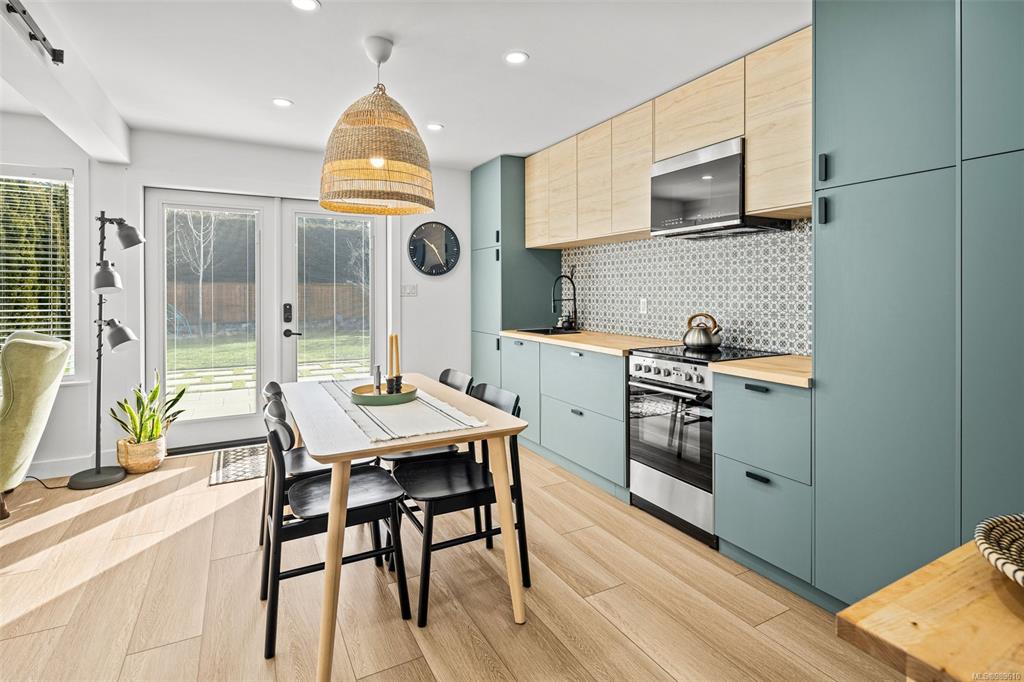
Buying a home is not just about what works today. It is also about whether the home will continue to support your lifestyle, budget, comfort, and future plans. Long-term livability in a home matters because the right property should feel practical not only on possession day, but years after you move in.
A beautiful kitchen or fresh paint can catch your attention quickly. However, livability often comes down to quieter details. Layout, storage, maintenance, parking, noise, stairs, natural light, and neighbourhood access can have a much bigger effect on daily life than finishes alone.
Start With the Layout
A home with good long-term livability usually has a layout that works without constant compromise.
Ask yourself:
- Are the main living areas easy to use?
- Is there enough separation between bedrooms and busy spaces?
- Can furniture fit comfortably?
- Is there space to work from home, host family, or adapt over time?
- Are there awkward rooms that may limit future use?
A home does not need to be large to live well. In fact, a smaller home with a smart layout can often feel more functional than a larger home with wasted space.
Think About Stairs, Access, and Aging Needs
Many buyers focus on what they need now. However, long-term livability means thinking ahead.
Stairs may not feel like an issue today, but they can matter later. This is especially true for downsizers, young families, buyers with aging parents, or anyone planning to stay in the home for many years.
Consider:
- Is there a bedroom and bathroom on the main level?
- Is the entry easy to access?
- Are laundry and daily essentials conveniently located?
- Could the home work if mobility needs changed?
- Is the driveway, parking, or walkway steep?
You do not need to plan for every possible future scenario. Still, the more flexible a home is, the easier it is to stay comfortable over time.
Look Closely at Storage
Storage is one of the most underrated parts of livability.
A home can look clean and spacious during a showing because it has been staged or carefully prepared. Once real life moves in, the question becomes: where does everything go?
Look for:
- Coat closets near the entry
- Pantry space
- Linen storage
- Garage or shed space
- Bike and recreational storage
- Seasonal storage
- Bedroom closet size
This matters even more in condos and townhomes, where storage lockers, bike rooms, and parking arrangements can affect daily convenience.
Pay Attention to Maintenance
Long-term livability is not only about comfort. It is also about how easy and affordable the home is to maintain.
A home with charming features may still be a great choice, but buyers should understand what upkeep may be required. Roof age, windows, drainage, exterior materials, heating systems, decks, fences, and landscaping all affect future cost and effort.
Before buying, ask:
- What major systems may need replacement soon?
- Are the exterior materials low-maintenance?
- Is the yard manageable?
- Are there signs of deferred maintenance?
- Has the home been cared for consistently?
A home that feels easy to live in should also feel realistic to own.
Consider Natural Light and Exposure
Natural light can change how a home feels every day. In Greater Victoria, where winter months can feel darker and wetter, light exposure can have a real effect on comfort.
Think about:
- Which rooms get the best light?
- Is the main living area bright?
- Does the home feel dark even during the day?
- Are neighbouring buildings or trees blocking light?
- Does the patio or yard get usable sun?
South and west exposure can be appealing, but there are tradeoffs. More sun can mean more warmth in summer. Less sun may mean a cooler home, but also a darker feel. The best choice depends on how you live.
Test the Neighbourhood Fit
A home’s livability does not stop at the property line.
The surrounding area affects your daily routine, resale appeal, commute, and lifestyle. A home may look perfect inside, but if the location makes everyday life harder, the novelty can wear off quickly.
Consider:
- Commute time during real traffic hours
- Access to groceries, cafés, parks, schools, and transit
- Walkability
- Noise from roads, construction, or nearby commercial uses
- Future development nearby
- Parking pressure on the street
- Neighbourhood feel at different times of day
In Greater Victoria, different neighbourhoods offer very different versions of convenience. A walkable home in Cook Street Village will not feel the same as a quiet acreage property, a Langford townhome, or a Sidney condo. Each can work well, but only if it matches the way you actually live.
Think About Flexibility
A home with strong long-term livability can adapt as life changes.
That may mean room for a growing family, space for guests, an office, a suite, a hobby area, or easier downsizing later. It may also mean choosing a property that appeals to future buyers when it is time to sell.
Good flexibility can include:
- A den or spare room
- Multiple bathrooms
- A practical parking setup
- A usable outdoor space
- A layout that works for different life stages
- A location with broad buyer appeal
The more adaptable a home is, the less likely you are to outgrow it quickly.
Do Not Let Finishes Distract You
Fresh renovations can be appealing, but they do not always equal better livability.
A new kitchen may photograph well, but if the home has poor storage, limited parking, a difficult layout, or expensive maintenance ahead, the shine can fade quickly. On the other hand, a home with older finishes may still be an excellent long-term choice if the structure, layout, location, and ownership costs make sense.
When comparing homes, separate cosmetic appeal from functional value.
Ask yourself:
- What can be easily changed?
- What would be expensive or impossible to change?
- Does the home solve daily problems?
- Will this still work five or ten years from now?
Paint, flooring, and fixtures can often be updated. Layout, exposure, location, and land constraints are much harder to change.
The Best Homes Make Daily Life Easier
Long-term livability in a home is about more than square footage or style. It is about how well the property supports real life.
A good home should help your routines feel easier. It should fit your lifestyle, reduce unnecessary friction, and give you room to adjust as your needs change. Before buying, look beyond the excitement of the showing and picture a normal Tuesday morning, a rainy winter weekend, and a busy season of life.
That is often where the right choice becomes clearer.
For help evaluating whether a home fits your lifestyle now and in the future, contact Faber Real Estate Group for practical, local guidance before you make your next move.
Elel P., 5-Star Review, via Google
“Months of looking then a listing came up to our liking. We were out of town so Scott did a virtual viewing for us. We gave an offer even without viewing it personally because of this crazy market we have. Offer got accepted a couple hours after!”
Faber Real Estate Group
Royal LePage Coast Capital Realty
📞 250-244-3430
📧 scott@fabergroup.ca
ℹ️ Scott Faber Personal Real Estate Corporation
ℹ️ Cal Faber Personal Real Estate Corporation
Vanessa Wood, Zachary Parsons, and Sophie Taylor
“Building Lasting Relationships, One Home at a Time.”


