
Posts Tagged ‘Royal LePage Coast Capital Realty’
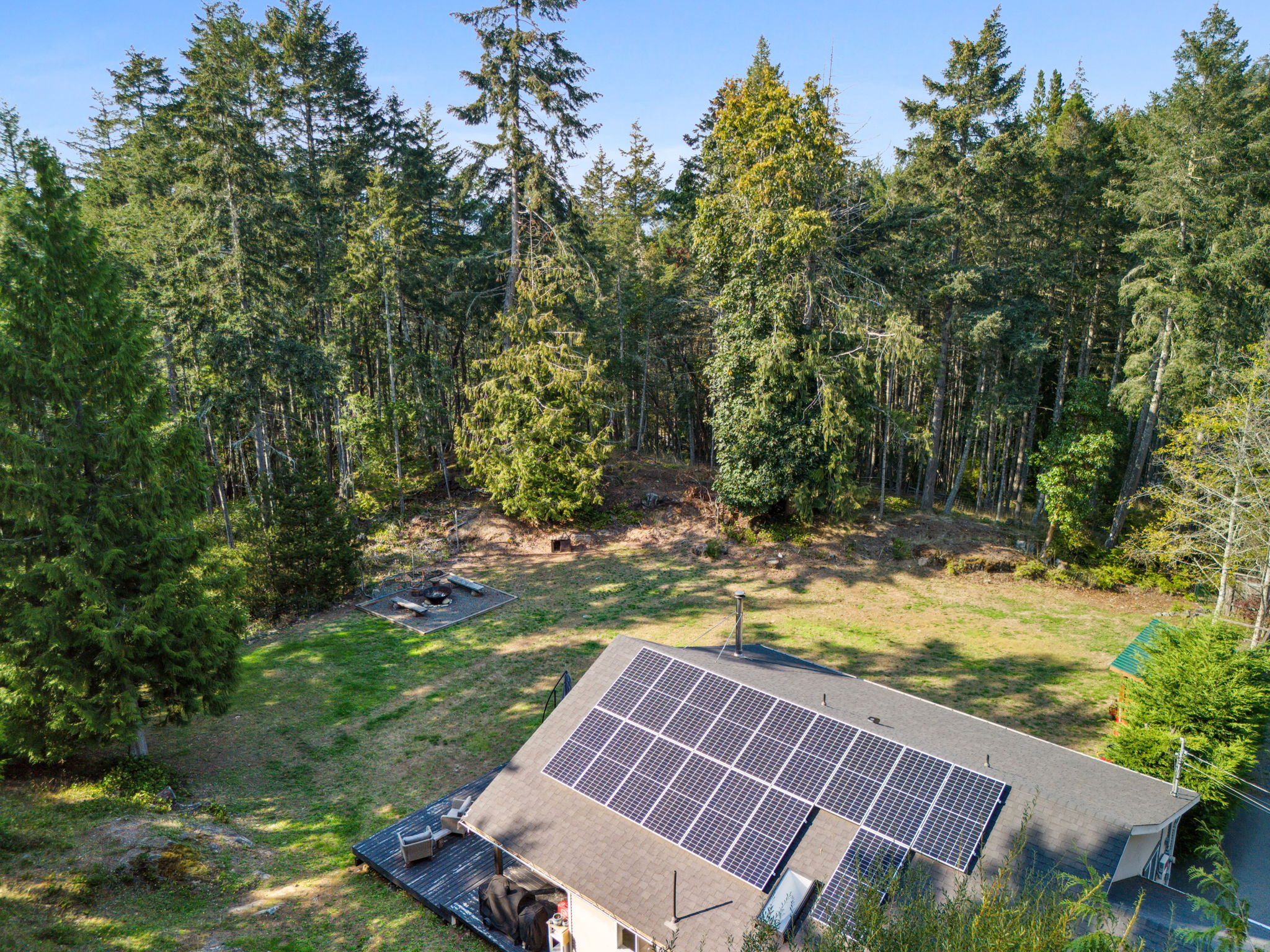
More space without leaving Greater Victoria is one of the most common goals for buyers whose current home no longer fits. That may mean an extra bedroom, a larger yard, a garage, a home office, suite potential, or simply a layout that feels easier to live in. For many buyers, the challenge is not wanting to leave the region. They still want access to work, schools, family, recreation, and the lifestyle that makes Greater Victoria such a desirable place to call home. The good news is that there are still practical options. The key is understanding where your budget goes further, what trade-offs each area involves, and what type of space actually matters most to your lifestyle. Why Buyers Start Looking for More Space Most people do not wake up one day and suddenly decide they need a bigger home. Usually, the need builds slowly. A condo starts to feel tight. A townhouse no longer has enough storage. A growing family needs another bedroom. Remote work makes a proper office more important. Pets, kids, hobbies, tools, bikes, guests, or extended family can all change how a home functions. At that point, the question becomes less about wanting more square footage and more about wanting a home that supports daily life better. That is where a thoughtful move-up strategy matters. The First Question Is Not Size. It Is Trade-Off. When buyers start searching for more space, they often focus on square footage first. That makes sense, but it is not the only thing that matters. In Greater Victoria, more space usually comes from one of three trade-offs: Moving farther from the downtown core Choosing an older home with more potential Prioritizing land, layout, or suite flexibility over newer finishes A newer home in Langford may offer more bedrooms, a garage, and a functional family layout. An older home in Saanich West may offer a larger lot, renovation potential, and a more central location. A property in Sooke may offer land, privacy, and outdoor space that would be difficult to find closer to town. None of these options are automatically better. The right choice depends on what problem you are trying to solve. Langford Langford is often one of the first areas buyers consider when they want more space without leaving Greater Victoria. The appeal is practical. Buyers can often find newer single-family homes, townhomes, duplexes, and family-oriented communities with more interior space than they may find in Victoria, Oak Bay, or central Saanich at a similar price point. Langford also offers strong everyday convenience. Shopping, restaurants, recreation, schools, trails, lakes, and transit connections have made it one of the most active move-up markets in the region. For many buyers, Langford offers a useful balance between space, amenities, and long-term livability. Colwood Colwood can be a strong option for buyers who want more space with a quieter residential feel. Areas around Royal Bay, Olympic View, Wishart, and Lagoon offer a mix of newer homes, established neighbourhoods, schools, parks, and access to the ocean. Buyers who value outdoor space, community planning, and proximity to beaches may find Colwood especially appealing. Compared with some core neighbourhoods, Colwood may offer more flexibility for families looking for an extra bedroom, a garage, a yard, or a more functional layout. View Royal View Royal is worth considering for buyers who want more space but do not want to feel too far removed from Victoria. Its location between the core and the Westshore makes it a strong middle-ground option. Buyers have access to Thetis Lake, the Galloping Goose Trail, Victoria General Hospital, shopping, schools, and major commuter routes. View Royal includes a mix of older single-family homes, townhomes, strata communities, and larger properties depending on the neighbourhood. For buyers who want both space and convenience, it can be a smart area to watch. Saanich West Saanich West is often overlooked by buyers who are focused on either central Victoria or the Westshore. That can create opportunity. Neighbourhoods around Tillicum, Glanford, Strawberry Vale, Royal Oak, Interurban, and Carey may offer single-family homes, larger lots, established streets, parks, and convenient access to town. Some homes may need updating, but that can be part of the long-term value. For buyers who are open to improving a home over time, Saanich West can offer more flexibility than trying to buy a fully renovated property in a more expensive neighbourhood. Sooke Sooke is a strong option for buyers who want more land, more privacy, or more access to nature. The trade-off is usually commute time. For buyers working in downtown Victoria, Saanich, or even parts of Langford, that can be a major consideration. But for those who work remotely, have flexible schedules, or value lifestyle space more than central convenience, Sooke can be a practical fit. Buyers may find larger lots, newer homes, suite options, ocean views, rural settings, and access to trails and beaches. For the right person, Sooke offers a kind of space that is difficult to replicate closer to town. Metchosin and the Highlands Metchosin and the Highlands offer a different version of space. These areas appeal to buyers looking for privacy, acreage, workshops, gardens, rural character, or a quieter lifestyle. They are not always the easiest fit for every buyer because larger properties can come with more maintenance, wells, septic systems, and unique home styles. For buyers who want land and separation, these communities can offer something rare within Greater Victoria. The key is to look beyond the appeal of acreage and understand the responsibility that comes with it. More land can be an incredible lifestyle choice, but it should be matched with the right budget, time, and expectations. The Peninsula Central Saanich, North Saanich, and Sidney can also be worth exploring for buyers who want more space without leaving Greater Victoria. Central Saanich and North Saanich may appeal to buyers looking for larger lots, rural surroundings, established homes, and a calmer pace. Sidney offers more walkability, services, restaurants, shops, and waterfront access, although larger detached homes can come at a premium. The Peninsula works well for buyers who want to stay connected to Greater Victoria but prefer a quieter setting outside the busier urban core. Older Homes Can Be a Smart Path to More Space More space does not always mean buying the newest home. In many established neighbourhoods, older homes may offer larger lots, better renovation potential, suite possibilities, mature landscaping, and more flexible layouts. They may also come with maintenance needs, so it is important to understand the roof, windows, perimeter drains, electrical, plumbing, heating, and overall condition. For buyers with a longer-term mindset, an older home in the right location can be a strategic move. You may not get every finish you want on day one, but you may gain land, layout, and future flexibility. Layout Matters More Than Square Footage A bigger home is not always a better home. A well-designed 1,900 square foot home can feel more functional than a poorly laid out 2,400 square foot home. Before focusing only on size, it helps to define what kind of space you actually need. Ask yourself: Do you need more bedrooms? Do you need a second living room? Do you need a proper office? Do you need storage? Do you need a garage or workshop? Do you need a yard for kids or pets? Do you need suite potential? Do you need separation for teenagers, guests, or extended family? The clearer you are on the real need, the easier it becomes to compare homes properly. A large home with the wrong layout may not solve your problem. A slightly smaller home with the right layout might. Do Not Forget the Cost of the Move When moving up, the purchase price is only one part of the decision. Buyers should also consider: Property transfer tax Legal fees Moving costs Renovations or repairs Utility costs Insurance Commuting costs Strata fees, if applicable Long-term maintenance A home that looks more affordable on paper may become less affordable if it requires major work. On the other hand, a slightly more expensive home with better systems, layout, and condition may be easier to manage over time. This is where strategy matters. The goal is not just to buy more space. The goal is to buy more usable space without creating unnecessary financial pressure. Final Thoughts Finding more space without leaving Greater Victoria is possible, but it often requires a flexible mindset. For some buyers, the right move may be Langford, Colwood, View Royal, or Sooke. For others, it may be Saanich West, the Peninsula, Metchosin, the Highlands, or an older home with more potential. The best choice is not always the biggest home or the newest home. It is the home that gives you the right balance of space, location, lifestyle, budget, and long-term value. If your current home no longer fits, it may be time to look at your options with a clear plan. A thoughtful move-up strategy can help you understand where your budget goes further, which areas fit your lifestyle, and what trade-offs are actually worth making. Devon M., 5-Star Review, via Google “Scott was very patient with us as we started our family and took about a year to decide on place we thought would be fit for our home. He went above and beyond and still continues to this day to keep in touch and periodically checks in to see how we are doing. I highly recommend him to anyone looking for a realtor to either sell or buy their home.” Faber Real Estate Group Royal LePage Coast Capital Realty 📞 250-244-3430 📧 [email protected] ℹ️ Scott Faber Personal Real Estate Corporation ℹ️ Cal Faber Personal Real Estate Corporation Vanessa Wood, Zachary Parsons, and Sophie Taylor “Building Lasting Relationships, One Home at a Time.”
Read more
The emotional side of buying a home is often stronger than buyers expect. The emotional side of buying a home can show up as excitement, fear, pressure, comparison, frustration, or second-guessing, sometimes all in the same week. That is normal. Buying a home is not just a financial decision. It is personal. You are thinking about your lifestyle, your future, your family, your monthly payments, and whether the home in front of you is the right one. In a market like Greater Victoria, where price, location, and property type can vary widely, it is easy for emotions to take the lead. The goal is not to remove emotion from the process. The goal is to stay grounded enough to make a clear decision. Why Buying a Home Feels So Emotional A home represents more than walls and square footage. For many buyers, it connects to security, independence, family plans, lifestyle goals, and long-term financial stability. That is why a showing can feel exciting one moment and overwhelming the next. Buyers are often asking themselves: Can I really afford this? Am I making the right decision? What if something better comes up? What if I wait and prices rise? What if I buy and regret it? What if there are hidden problems? What if I lose the home to another buyer? These questions are not signs that something is wrong. They are signs that the decision matters. Excitement Can Make You Move Too Quickly Excitement is part of the process. When a home feels right, it can be tempting to rush. Maybe the layout works. Maybe the light is better than expected. Maybe the location feels right. Maybe you can already picture your furniture, your morning routine, or your first summer in the backyard. That emotional connection matters, but it should not replace due diligence. Before moving forward, buyers should still review: Recent comparable sales Monthly carrying costs Inspection concerns Strata documents, if applicable Property condition Neighbourhood fit Resale considerations Offer terms Financing comfort A home can feel right and still need careful review. Fear Can Make You Freeze Fear can push buyers in the opposite direction. Some buyers hesitate even when a home fits their needs. They worry about interest rates, market timing, repairs, resale value, or whether they are overpaying. In some cases, fear protects buyers from a poor decision. In other cases, it causes them to miss a good opportunity. The key is to separate useful caution from decision paralysis. Useful caution sounds like: “Let’s review the documents before we decide.” Decision paralysis sounds like: “I need certainty before I do anything.” Real estate rarely offers perfect certainty. A grounded buyer learns how to make a decision with enough information, not perfect information. Comparison Can Create Confusion The more homes you see, the easier it becomes to compare everything. One home has the better kitchen. Another has more parking. Another has a better yard. Another has lower strata fees. Another is closer to work. Soon, every option starts to feel incomplete. This is where buyers can lose focus. Before viewing too many homes, it helps to separate needs from preferences. Needs may include: Budget Location range Number of bedrooms Parking Accessibility Pet rules Commute Financing requirements Preferences may include: Finish style Paint colours Flooring Yard size View Extra storage Renovation level Specific street or building When buyers are clear on the difference, it becomes easier to make decisions. Your Budget Should Be a Boundary, Not a Suggestion One of the best ways to stay grounded is to know your real budget before falling in love with a property. That means understanding more than your pre-approval amount. A lender may approve you for one number, but your comfort level may be lower. Buyers should consider: Mortgage payment Property taxes Insurance Utilities Strata fees, if applicable Repairs and maintenance Moving costs Furniture or appliances Emergency savings Lifestyle costs after moving A home should not only be affordable on paper. It should still allow you to live your life. For more on this, you may find our post on from rent payments to mortgage payments: is buying right for you? helpful. Do Not Let One Showing Control the Whole Decision A strong first impression can be powerful. So can a weak one. Some buyers dismiss homes too quickly because of paint, furniture, clutter, lighting, or staging. Others overlook serious concerns because the home feels warm and inviting. Try to look at each property in layers. First, ask whether the home fits your life. Then ask whether the numbers work. Then ask what needs to be investigated. Then ask whether the concerns are manageable or deal-breaking. This approach slows the emotional swing and gives you a clearer way to evaluate each property. Be Careful With Outside Opinions Friends and family often want to help. Their input can be valuable, especially if they know construction, financing, or the neighbourhood. However, too many opinions can make the process harder. Someone who is not buying the home may focus on different priorities. They may compare the property to a market from years ago, a different city, or their own personal preferences. Outside opinions should support your decision, not replace it. A good question to ask is: “Does this feedback relate to my goals, my budget, and this market?” If not, it may be noise. Understand Your Risk Tolerance Every buyer has a different comfort level. Some buyers are comfortable renovating. Others want move-in ready. Some are open to older homes. Others prefer newer construction. Some are willing to stretch for location. Others value monthly comfort more than anything else. There is no universal right answer. The best purchase is the one that fits your actual tolerance for risk, cost, work, and uncertainty. Before writing an offer, ask yourself: Can I handle repairs if they come up? Am I comfortable with this monthly payment? Do I understand the trade-offs? Would I still want this home if another buyer was not interested? Am I making this decision from clarity or pressure? The answers can help you slow down and think clearly. Have a Clear Offer Strategy Emotions often rise when it is time to write an offer. This is where preparation matters. A strong offer strategy should consider the property, the seller’s position, comparable sales, market activity, competing interest, conditions, deposit, dates, and your own comfort level. The goal is not always to win at any cost. The goal is to write an offer you can stand behind. A grounded buyer knows: Their maximum price Their preferred terms Their walk-away point Their required conditions Their financing comfort Their reason for choosing the home This makes the offer process less reactive. You may also want to read our post on how to tell if a seller might consider a lower offer for more negotiation context. Give Yourself Time to Process, But Not Forever Buying a home requires both patience and decisiveness. You should have enough time to think, ask questions, and review the details. But waiting too long can create its own pressure, especially if the right home is well priced and other buyers are interested. A helpful rule is to process with structure. After a showing, ask: Does this home fit my needs? What are the trade-offs? What questions do I still have? What would I need to confirm before offering? Would I be disappointed if someone else bought it? These questions help move the decision from emotion to clarity. Work With People Who Keep You Grounded The right support matters. A good REALTOR® should not push you into a decision. They should help you understand the market, compare options, review risks, and make a clear plan. The same is true for your mortgage broker, inspector, lawyer, and other professionals involved in the process. A grounded process includes: Clear expectations Honest market context Strong property research Budget discipline Calm offer strategy Careful document review Practical next steps Buying a home will always carry emotion. Good guidance helps make sure emotion does not take over. Final Thoughts The emotional side of buying a home is real. Excitement, fear, doubt, pressure, and comparison can all shape how buyers feel during the process. The key is not to ignore those emotions. The key is to recognize them, slow the decision down, and return to the facts: budget, needs, location, condition, risk, and long-term fit. A grounded buyer is not emotionless. A grounded buyer is prepared. If you are thinking about buying a home in Greater Victoria and want a clear, steady approach, contact Faber Real Estate Group for local advice, current market insight, and a strategy that helps you move forward with confidence. Raman B., 5-Star Review, via Google “Faber group is a power house team with motivation, drive and a desire to exceed your needs. This family based business excels in the Victoria real estate market and goes to great lengths to find the perfect property that suits you. I would highly recommend them, 5 out of 5 stars!!” Faber Real Estate Group Royal LePage Coast Capital Realty 📞 250-244-3430 📧 [email protected] ℹ️ Scott Faber Personal Real Estate Corporation ℹ️ Cal Faber Personal Real Estate Corporation Vanessa Wood, Zachary Parsons, and Sophie Taylor “Building Lasting Relationships, One Home at a Time.”
Read more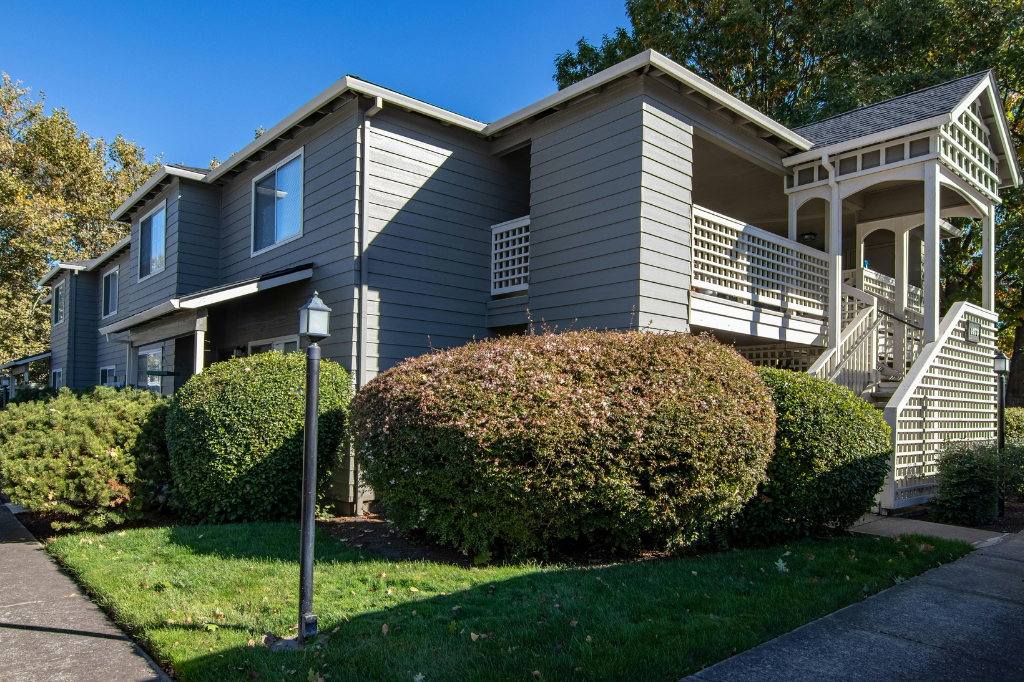
A plex investment property can be appealing because it combines rental income, land value, financing strategy, and long-term resale potential. For investors, a plex investment property usually means a duplex, triplex, or fourplex that is purchased primarily for income, equity growth, or future flexibility. However, buying a plex is not the same as buying a standard condo or single-family rental. Investors need to look beyond the headline rent number and understand the property’s income, expenses, tenancy profile, condition, zoning, financing, and long-term risk. The right plex can be a strong addition to a real estate portfolio. The wrong one can create expensive problems. Why Investors Look at Plexes Plexes are popular with investors because they offer multiple income streams under one title. Instead of relying on one tenant, a duplex, triplex, or fourplex can spread income across several units. That can help reduce the impact of one vacancy, depending on the property and rent structure. Investors may consider a plex because it can offer: Multiple rental units Long-term income potential Better control than a strata rental Land value Future renovation potential Possible suite or unit optimization Portfolio growth More resale appeal to both investors and owner-occupiers For investors who want a buy-and-hold property, a plex can offer a practical middle ground between a single rental suite and a larger apartment building. Start With the Numbers The first question is simple: do the numbers work? A listing may advertise strong rental income, but investors need to look at net income, not just gross rent. The property may bring in rent every month, but that does not mean it produces healthy cash flow. Investors should review: Gross monthly rent Annual rental income Property taxes Insurance Utilities Water and sewer Garbage Maintenance Repairs Vacancy allowance Property management Financing costs Capital reserves A stronger analysis should also include future repairs. A roof, drainage issue, exterior work, or major system upgrade can change the return quickly. Rental Income Needs Verification Investors should not rely only on the listing description. Before making a firm decision, buyers should request documentation that supports the income. This helps confirm whether the rents are current, collectible, and tied to enforceable tenancy agreements. Useful documents may include: Current tenancy agreements Rent roll Security deposit records Utility arrangements Rental payment history Notice of rent increases Lease start dates Fixed-term or month-to-month details Any side agreements with tenants If a unit is rented below market, the income may be stable but limited. If a unit is vacant, there may be upside, but the investor needs to budget for downtime and leasing costs. Tenant Profile Matters A tenant-occupied plex can be attractive because income may start immediately after completion. However, existing tenants also shape the investment. Their lease terms, rent amounts, payment history, and rights all matter. Investors need to understand what they are inheriting. Before buying, investors should ask: Are all units occupied? Are tenants on written agreements? Are rents at market or below market? Are any tenants in arrears? Are there unresolved disputes? Are utilities included in rent? Has the seller provided proper documentation? Are there any notices already issued? Does the buyer plan to keep the tenants long-term? A good tenancy profile can support stable ownership. A poor or unclear tenancy profile can increase risk. Financing Can Change the Return Financing is a major part of the investment decision. The loan structure, down payment, interest rate, amortization, and how rental income is treated by the lender can all affect the numbers. Investors should work with a mortgage broker or lender who understands multi-unit rental properties. Important financing questions include: How will rental income be counted? What down payment is required? Is the property considered residential or commercial by the lender? Does the number of units change the approval process? Will the lender require leases or an appraisal with market rents? How does the rate affect cash flow? Can the investor still qualify with conservative rent assumptions? What happens at renewal if rates change? A property that looks good at one interest rate may look very different at another. Cap Rate Is Useful, But Not Enough Cap rate can help investors compare properties, but it should not be the only measure. A cap rate looks at net operating income compared with purchase price. It can be helpful for comparing similar income properties, but it does not capture financing, future repairs, vacancy risk, appreciation potential, or the investor’s tax position. Investors should also consider: Cash flow Debt service coverage Return on equity Future repair costs Rent growth potential Resale demand Location quality Tenant stability Long-term land value A higher cap rate is not always better. Sometimes it reflects higher risk, weaker location, older systems, or more management work. Condition Can Make or Break the Investment With a plex, property condition matters even more because one problem can affect multiple tenants and multiple income streams. Investors should review the home carefully and, when needed, bring in specialists for further due diligence. Key areas to inspect include: Roof Foundation Drainage Plumbing Electrical Heating systems Hot water tanks Windows Exterior envelope Fire separation Sound transfer Laundry setup Parking Retaining walls Appliances in each unit Deferred maintenance can reduce cash flow, create tenant issues, and limit financing options. A property with lower rent and high repair needs may not be the deal it first appears to be. Zoning and Legal Use Need Careful Review Investors should confirm that the property’s use matches what is being marketed. Some properties have multiple units that are legal. Others may have suites or layouts that need further review. This can affect financing, insurance, future resale, and the investor’s ability to make changes. Due diligence may include reviewing: Zoning Permits Occupancy records Fire safety requirements Suite legality Parking requirements Municipal records Past renovations Future development potential An investor should not assume that every existing unit is fully recognized or permitted. This is especially important with older properties or homes that have been modified over time. Location Still Drives Long-Term Value A good rental property is not only about rent. Location affects tenant demand, vacancy risk, resale value, and long-term stability. In Greater Victoria, investors may compare different submarkets depending on budget, property type, and strategy. A plex in Victoria, Saanich, Esquimalt, View Royal, Langford, or Colwood may all attract different tenants and offer different trade-offs. Investors should consider proximity to: Transit Employment areas Schools Hospitals Post-secondary institutions Shopping Parks and trails Major commuter routes Downtown Victoria The Westshore A strong location can help support long-term rental demand, even when the market changes. Expense Assumptions Should Be Conservative Investors often get into trouble when they assume everything will go perfectly. A better approach is to build in a margin for vacancy, repairs, and unexpected costs. Even a well-maintained plex will need ongoing attention. Conservative planning should include: Vacancy allowance Maintenance reserve Capital repair reserve Insurance increases Property tax increases Utility changes Interest rate changes Turnover costs Legal or accounting costs Property management fees, even if self-managed If the investment only works when every assumption is optimistic, the risk may be too high. Management Style Matters Some investors want to self-manage. Others prefer to hire a property manager. Self-management can save money, but it requires time, organization, and comfort dealing with tenants, repairs, notices, emergencies, and conflict. Property management can reduce the workload, but it affects cash flow. Investors should be honest about their capacity. Questions to ask include: Do I have time to manage tenants? Am I comfortable handling repairs? Do I understand BC tenancy rules? Can I respond quickly to problems? Do I want this to be passive or hands-on? Does the property cash flow after management fees? The right strategy depends on the investor’s goals, experience, and available time. Future Upside Should Be Realistic Many plex listings are marketed with upside. Sometimes that upside is real. Sometimes it depends on assumptions that may not be practical. Possible upside may include: Raising rents over time within legal limits Renovating vacant units Improving layout or functionality Reducing operating costs Adding laundry Improving exterior appeal Creating better tenant storage Long-term redevelopment potential However, investors should be cautious. Upside is not the same as guaranteed income. It may require capital, time, approvals, vacancy, and risk. When a Plex May Be a Good Fit A plex may be a good fit for investors who want a long-term hold and are prepared to manage the details. It may make sense when: The income is well documented The expense assumptions are realistic The condition is understood The location supports rental demand The financing works conservatively The tenancy profile is clear There is enough reserve capital The investor understands landlord responsibilities The resale story makes sense It may not be the right fit if the buyer is relying on aggressive rent assumptions, has limited cash reserves, or does not want the responsibility that comes with rental housing. Final Thoughts Buying a plex investment property can be a strong real estate strategy, but only when the numbers, condition, tenancy profile, and location make sense together. Investors should look beyond the purchase price and ask better questions. What is the true net income? Are the rents supported by documentation? What repairs are coming? Are the units legal and insurable? Does the location support long-term demand? Can the property still work if rates, expenses, or vacancy change? A good plex is not just a property with multiple doors. It is an investment that needs clear due diligence, conservative numbers, and a long-term plan. If you are considering a duplex, triplex, or fourplex in Greater Victoria, contact Faber Real Estate Group for local advice, current market insight, and a clear investment strategy before you make your next move. Marc G., 5-Star Review, via Google “Scott is focused on providing his clients with a long-term positive experience, and he truly acts as a trusted advisor throughout the process. It's important to have someone you can trust for this kind of investment, and Scott has certainly earned my trust. For me, it's important that a realtor fits my values, is always responsive, professional, and goes above and beyond to ensure all my needs are met. I highly recommend Scott and Faber Real Estate for all your real estate needs.” Faber Real Estate Group Royal LePage Coast Capital Realty 📞 250-244-3430 📧 [email protected] ℹ️ Scott Faber Personal Real Estate Corporation ℹ️ Cal Faber Personal Real Estate Corporation Vanessa Wood, Zachary Parsons, and Sophie Taylor “Building Lasting Relationships, One Home at a Time.”
Read more
What makes buyers hesitate is not always obvious to sellers. A buyer may like the home, book a second showing, ask good questions, and still decide not to write an offer. That hesitation usually comes from uncertainty. Buyers are not only deciding whether they like the home. They are deciding whether the price, condition, location, documents, and future costs feel safe enough to move forward. In a market where buyers have more choice, small concerns can carry more weight. The Price Does Not Match the Experience Price is one of the most common reasons buyers pause. A buyer may like the home, but if the asking price feels high compared with similar listings, recent sales, or the home’s condition, they may hold back. This is especially true when there are other options available. Buyers often hesitate when: The home feels overpriced compared with competing listings Recent comparable sales do not support the asking price The condition does not match the price point The home has been sitting without adjustment The seller appears unwilling to negotiate A strong price does not need to be the lowest price. It needs to feel reasonable, explainable, and connected to the market. The Home Needs Too Much Work Most buyers expect some imperfections. But when the list of repairs starts to feel long, hesitation can build quickly. Common concerns include: Older roof Aging windows Worn flooring Tired paint Outdated electrical or plumbing Poor drainage Signs of moisture Deferred exterior maintenance Old appliances Unclear renovation quality Even cosmetic issues can matter if buyers start adding up the cost, time, and effort involved. A home that feels manageable may still attract strong interest. A home that feels like a project can narrow the buyer pool. The Listing Photos Do Not Match the Showing Buyers want the home to feel consistent with what they saw online. If the photos make the property look brighter, larger, cleaner, or more updated than it feels in person, trust can drop. That does not mean photos should be unflattering. It means the marketing should present the home well without creating a disconnect. Buyers may hesitate when they feel surprised by: Smaller room sizes Less natural light More wear and tear than expected Awkward layout Noise Odours Poor storage Neighbouring properties Parking limitations Once buyers feel misled, it becomes harder for them to feel confident. The Layout Does Not Fit Real Life A home can be attractive but still not function well for a buyer’s daily routine. Layout concerns often show up during or after the showing. Buyers start thinking about furniture, storage, work-from-home needs, children, pets, guests, hobbies, or future resale. They may hesitate if: Bedrooms are too small The kitchen feels disconnected There is no proper entryway Storage is limited The living area is hard to furnish The bathroom count feels tight Outdoor space is impractical There is no room to grow The home does not suit their next five years Buyers are not just purchasing a space. They are trying to picture a life inside it. The Documents Raise Questions For condos, townhomes, and strata properties, documents can have a major impact on buyer confidence. A buyer may like the unit but pause after reviewing the strata package. Concerns may come from: Low contingency reserve fund Repeated special levies Insurance concerns Major repairs being discussed Depreciation report issues Rental or pet restrictions Noise complaints Bylaw concerns Unclear meeting minutes For detached homes, buyers may hesitate over title details, permits, surveys, septic records, oil tank history, or renovation documentation. Good documents help buyers feel safe. Unclear documents create doubt. The Costs Feel Uncertain Many buyers are not only thinking about the purchase price. They are thinking about the total cost of ownership. That may include: Mortgage payment Property taxes Strata fees Insurance Utilities Maintenance Repairs Renovations Commuting costs Future special levies A buyer may be able to afford the home on paper but still hesitate if the ongoing costs feel unpredictable. This is one reason well-maintained homes with clear records can feel easier to buy. The Buyer Is Comparing Too Many Options More choice can create confidence, but it can also create decision fatigue. When buyers see several homes that could work, they may delay because they worry a better option will appear. They may like one property but keep comparing it to another. This is especially common when: Inventory is rising Multiple homes are priced similarly Buyers are early in their search The home has compromises The buyer is unsure about neighbourhoods Interest rates or monthly payments feel tight Sellers cannot control buyer psychology, but they can make the decision easier by pricing and presenting the home clearly. The Home Lacks an Emotional Pull Not every buyer decision is purely logical. Sometimes buyers hesitate because the home does not create enough emotional connection. It may check the boxes but feel cold, cluttered, dark, or hard to imagine living in. A stronger emotional pull can come from: Clean presentation Natural light Warm but neutral staging Clear room purpose Good flow Tidy outdoor spaces A welcoming entry Small signs of care and maintenance When buyers feel emotionally connected and logically reassured, they are more likely to act. The Seller Seems Difficult or Unprepared Buyers also read signals from the process. If showings are hard to book, information is missing, documents are delayed, or responses feel slow, buyers may wonder whether the transaction will be difficult. Hesitation can increase when: Listing details are unclear Documents are incomplete Access is limited Questions go unanswered The seller seems unrealistic The home was not prepared properly There is uncertainty around dates or inclusions A smooth process builds trust before an offer is ever written. The Bottom Line for Sellers What makes buyers hesitate is usually a mix of price, uncertainty, condition, presentation, documents, and confidence. Most buyers do not need a perfect home. They need enough clarity to feel the decision makes sense. For sellers, the goal is to reduce friction before the home goes live. That means pricing with care, preparing the property well, organizing key information, and making the home easy to understand. In Greater Victoria, where buyers often compare different property types, neighbourhoods, and ownership costs, small details can make a big difference. The more confident buyers feel, the easier it becomes for them to move from interest to action. For advice on preparing your home for sale in Greater Victoria, contact Faber Real Estate Group for clear, local guidance before making your next move. Leanne D, 5-Star Review, via Google “I would highly recommend the Faber Group this is the second time we have used them and have been over the top happy with their service. They are an honest group who all go above and beyond to make your experience perfect!” Faber Real Estate Group Royal LePage Coast Capital Realty 📞 250-244-3430 📧 [email protected] ℹ️ Scott Faber Personal Real Estate Corporation ℹ️ Cal Faber Personal Real Estate Corporation Vanessa Wood, Zachary Parsons, and Sophie Taylor “Building Lasting Relationships, One Home at a Time.”
Read more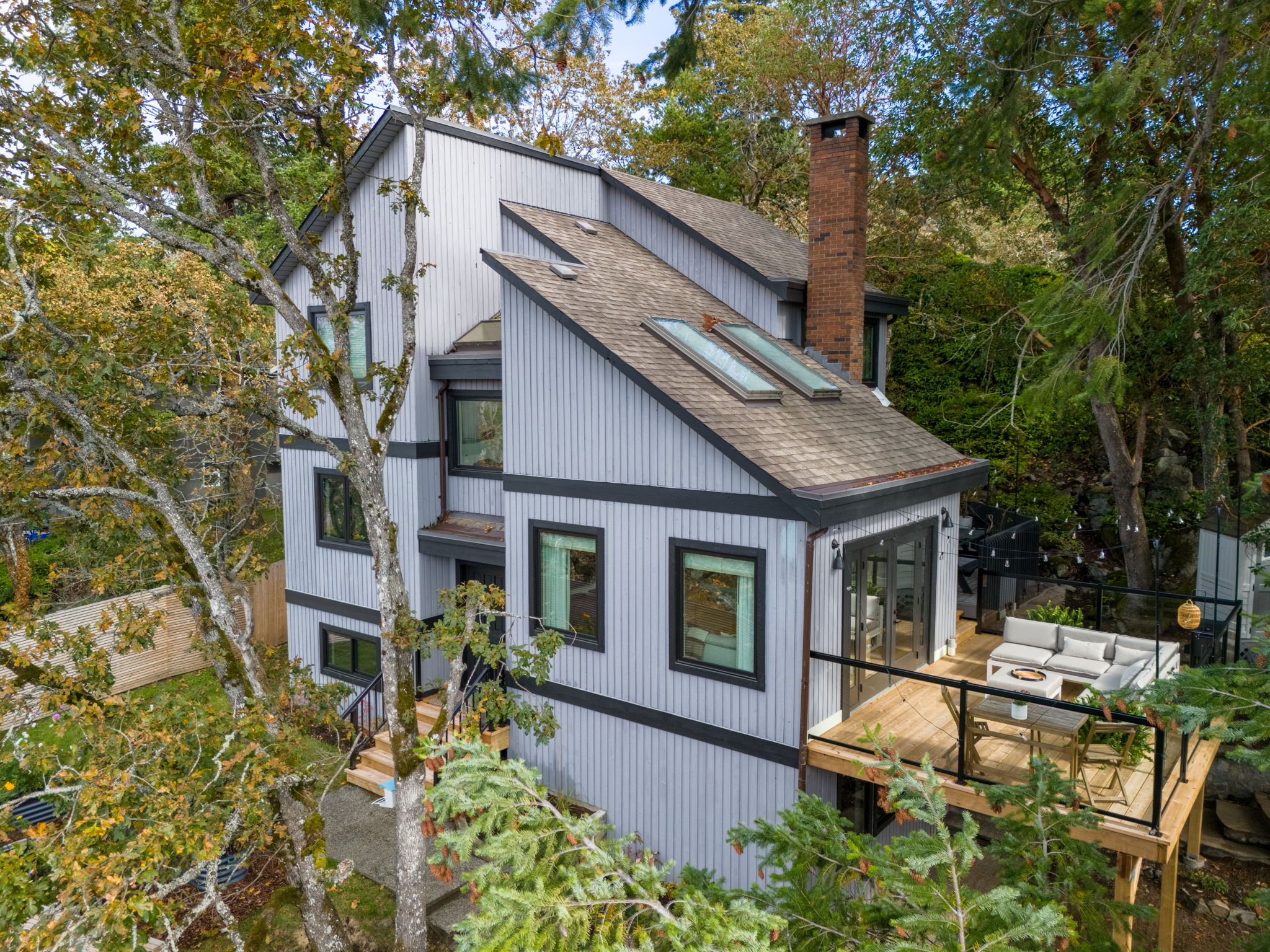
For many View Royal real estate buyers, the appeal comes down to balance. View Royal real estate buyers are often looking for a location that feels connected, convenient, and livable without being right in the middle of downtown Victoria or fully out in the Westshore. That balance is becoming more valuable as buyers compare price, commute, lifestyle, and long-term usability. View Royal may not always get the same attention as Saanich, Oak Bay, Langford, or Victoria, but it offers something many buyers are starting to prioritize: practicality. View Royal Sits in a Useful Middle Ground One of View Royal’s biggest strengths is its location. It sits between Victoria, Saanich, Esquimalt, Colwood, and Langford, which gives buyers access to several parts of Greater Victoria without feeling tied to one direction. For people who work in different areas, commute across the region, or want flexibility, that matters. Depending on the property, View Royal can offer convenient access to: Downtown Victoria Vic West and Esquimalt Langford and Colwood Saanich Victoria General Hospital Thetis Lake Major commuter routes Shopping, parks, and transit For buyers who want to stay connected to both the core and the Westshore, View Royal can be a practical middle option. Buyers Are Thinking More About Daily Life A home is not just a purchase price. It is a daily routine. That is why View Royal is gaining attention from buyers who want a home that supports real life. They are thinking about how long it takes to get to work, where they will walk the dog, whether groceries are close, how easy it is to access schools or recreation, and whether the location will still work in five or ten years. View Royal can appeal to buyers who want: A quieter residential feel Access to parks and trails Reasonable connections to both Victoria and the Westshore A mix of housing options Better value compared with some core areas A location that does not feel isolated This is where practicality becomes a major part of value. Trails and Outdoor Access Add Everyday Appeal For many buyers, outdoor access is no longer a bonus. It is part of the decision. View Royal offers strong access to green space, waterfront areas, and trail networks. Thetis Lake is a major draw for buyers who want hiking, swimming, dog walks, and nature close to home. The Galloping Goose and regional trail connections also help support an active lifestyle. This matters for families, downsizers, pet owners, and buyers who want more balance in their week. A home near outdoor space can also feel more usable. Even if the home itself is smaller, nearby parks and trails can extend how people experience the neighbourhood. Housing Variety Gives Buyers More Options View Royal includes a mix of condos, townhomes, single-family homes, waterfront properties, newer developments, and older homes. That variety gives buyers different ways to enter the area. Some buyers may be looking for a condo or townhome with lower maintenance. Others may want a detached home with yard space. Some may prioritize proximity to Thetis Lake, while others may want quicker access to transit or commuter routes. Because View Royal has several distinct pockets, buyers should compare carefully. A home near Thetis Lake may offer a different lifestyle than one closer to Admirals Road, Helmcken, or Craigflower. The municipality is not one single market. Property type, location, condition, and price range all matter. It Can Offer Better Value Than Some Core Areas Many buyers want to stay close to Victoria but find core-area pricing challenging. View Royal can offer an alternative. It may provide more space, newer options, or better access to parking and outdoor areas compared with some properties closer to downtown. This does not mean View Royal is inexpensive. However, for buyers comparing lifestyle and value, it can feel more practical than stretching into a more expensive core neighbourhood. This is especially important for buyers who are trying to balance: Budget Commute Home size Outdoor space Future resale Maintenance costs Strata fees, if applicable The right home in View Royal can offer a strong mix of location and livability. The Commute Conversation Is Changing Buyers used to focus heavily on being as close to downtown as possible. That still matters for some people, but not everyone needs the same commute pattern anymore. Some buyers work hybrid schedules. Others work in healthcare, construction, education, trades, government, or service roles across multiple communities. Some households have two people commuting in different directions. View Royal can work well for these buyers because it offers regional access rather than one-direction convenience. That flexibility can make the area more appealing over time. What Buyers Should Watch Before Buying in View Royal View Royal has strong practical appeal, but buyers still need to do their homework. Before buying, it is worth reviewing: Traffic patterns at different times of day Parking Strata documents, if buying a condo or townhome Building age and maintenance history Noise from nearby roads Trail and transit access Future development nearby Drainage and slope on certain properties Comparable sales in the specific pocket A good location does not remove the need for due diligence. It makes the details even more important. Practical Does Not Mean Compromised Sometimes buyers hear the word practical and think it means boring. In real estate, practical often means durable. A practical home is one that fits your life, your budget, and your future plans. It gives you enough convenience without overextending. It supports your daily routine. It also appeals to future buyers because the location and lifestyle make sense. That is why View Royal is becoming a more practical choice for many buyers. It may not always be the loudest name in Greater Victoria real estate, but it offers a strong combination of connection, lifestyle, and long-term usability. Final Thoughts View Royal is becoming a more practical choice for buyers because it offers access, outdoor lifestyle, housing variety, and everyday convenience in a location that connects several parts of Greater Victoria. For buyers, the key is not just deciding whether View Royal is a good area. It is deciding which part of View Royal fits your lifestyle, budget, and long-term plans. If you are thinking about buying in View Royal or comparing neighbourhoods across Greater Victoria, contact Faber Real Estate Group for local advice, current market insight, and a clear strategy before you make your next move. Matt C., 5-Star Review, via Google “I would highly recommend not only the Faber group however specifically Scott. He treated us with the utmost respect and looked out for our best interests. Our selling and buying process were seemless with little stress due to Scott handling everything behind the scenes. Furthermore not only did Scott show us exactly what we were looking for he knew what location would best suit our lives.” Faber Real Estate Group Royal LePage Coast Capital Realty 📞 250-244-3430 📧 [email protected] ℹ️ Scott Faber Personal Real Estate Corporation ℹ️ Cal Faber Personal Real Estate Corporation Vanessa Wood, Zachary Parsons, and Sophie Taylor “Building Lasting Relationships, One Home at a Time.”
Read more
The first week on market is one of the most important feedback periods for a seller. During the first week on market, buyers are seeing the listing for the first time, agents are comparing it to competing homes, and early showing activity can reveal whether the pricing, presentation, and marketing strategy are working. However, the first week should not cause panic. It should create clarity. Some homes receive strong activity right away. Others need more time, especially in higher price ranges, unique property types, or slower market segments. The key is to review the right information before making decisions. Start With Showing Activity The first question is simple: are buyers coming through? Showing activity gives sellers an early read on market interest. If a listing has strong online exposure but very few showings, buyers may be hesitating before they even book a visit. That could point to price, photos, location, layout, property condition, or competition. If showings are steady, the listing is likely getting enough attention. In that case, the next step is to understand what buyers are saying after they view the home. Sellers should look at: Number of showings Online listing views Saved searches or favourites Open house traffic Agent feedback Buyer comments Comparable homes that sold that week New competing listings The first week is not just about activity. It is about the quality of that activity. Listen Carefully to Feedback Buyer feedback can be uncomfortable, but it is useful. Some feedback is subjective. A buyer may not like the layout, the street, the yard, or the style of the home. That does not always mean something needs to change. Other feedback appears repeatedly. If several buyers mention the same concern, sellers should pay attention. Common feedback patterns include: The home feels smaller than expected The price feels high compared to other options The home needs more updates than buyers expected The photos created different expectations The layout does not work for the target buyer The property shows well but buyers prefer another listing nearby One comment is an opinion. Repeated feedback is market information. Compare Against the Competition A home does not sell in isolation. It sells against the other options buyers can choose. After the first week on market, sellers should review the active competition again. New listings may have come up. Similar homes may have reduced their prices. Another property may have accepted an offer. This matters because buyer behaviour changes when they have more choice. A seller should ask: Are similar homes priced lower? Do competing homes offer better updates or features? Are buyers getting more space elsewhere? Are other listings sitting too? Did a similar home sell quickly? Did a competing listing reduce its price? Sometimes the issue is not the listing itself. It may be the comparison set. Avoid Making Emotional Decisions Too Quickly The first week can feel intense. Sellers often watch every showing, every comment, and every online view. That is normal. Still, sellers should avoid reacting too quickly without enough data. A slow first week does not always mean the home is overpriced. Weather, holidays, long weekends, market timing, and buyer schedules can all affect early activity. Higher-priced homes and unique properties may also need a longer runway. That said, ignoring the first week is risky too. The goal is balance. Do not panic, but do not dismiss the feedback. Know the Difference Between No Showings and No Offers No showings and no offers are different problems. If a home has very few showings, buyers may not see enough value to book a viewing. This often points to price, presentation, photos, location concerns, or strong competing listings. If a home has many showings but no offers, buyers may like the listing enough to visit but not enough to act. That could point to condition, layout, inspection concerns, strata details, price expectations, or emotional connection. This distinction matters because the solution may be different. A lack of showings may require pricing or marketing adjustments. A lack of offers after strong showings may require a closer look at buyer feedback and how the property compares in person. Review the Pricing Strategy Price is not the only factor, but it is one of the strongest signals. After the first week, sellers should review whether the asking price still makes sense based on buyer response and current market activity. If the home launched high to “test the market,” the first week may show whether buyers agree. A pricing review should consider: Recent comparable sales Current competing listings Days on market for similar homes Showing volume Buyer feedback Price reductions nearby Offer activity in the area Market conditions for that property type Sometimes the best move is to hold steady. Other times, an early adjustment can protect momentum before the listing becomes stale. Check the Presentation If buyers are visiting but not connecting, presentation may need a second look. Small changes can make a home feel more inviting. Better lighting, cleaner surfaces, fresh styling, improved curb appeal, or minor repairs can shift how buyers feel during a showing. Sellers should review: Exterior first impression Cleanliness Lighting Furniture placement Odours Clutter Temperature Window coverings Minor repairs Yard or patio presentation Buyers often decide emotionally before they justify logically. Presentation helps support that emotional connection. Keep Communication Clear The first week should include a focused check-in between the seller and their REALTOR®. This conversation should not be vague. Sellers should receive clear information about what happened, what it means, and what the next step should be. A strong first-week review should cover: Showing activity Online engagement Feedback themes Open house results New competing listings Similar homes sold or reduced Recommended next steps Whether the strategy should stay the same or change Clear communication helps sellers avoid guessing. Decide Whether to Hold, Adjust, or Improve After the first week, most listings fall into one of three categories. If the home has strong activity, positive feedback, and possible offer interest, the best move may be to hold the strategy. If the home has some interest but repeated feedback, the next step may be small improvements, better positioning, or refined messaging. If the home has low activity and buyers are choosing other listings, a pricing conversation may be needed. The decision should be based on evidence, not frustration. Final Thoughts The first week on market gives sellers valuable information. It shows how buyers respond to the price, presentation, marketing, and competition. It also helps sellers decide whether to stay the course or make a thoughtful adjustment. The best sellers do not ignore feedback. They also do not panic at the first sign of slower activity. They review the data, listen to the market, and make decisions with a clear strategy. If you are preparing to sell in Greater Victoria or want help reviewing your listing strategy after the first week on market, contact Faber Real Estate Group for local advice, current market insight, and a clear plan for your next move. Shane B., 5-Star Review, via Google “The last few months navigating this crazy real estate market has been a rollercoaster, and we couldn’t have done it without the Faber Real Estate Team! Scott was extremely helpful, positive and always available. Under a tight timeline we were able to get our condo on the market and sell right away, to be available for any housing opportunity. Scott was patient and helpful throughout the entire process of searching for houses, and went above and beyond to help us finally land an accepted offer on the perfect home. Thank you Scott and the Faber Real Estate Team!” Faber Real Estate Group Royal LePage Coast Capital Realty 📞 250-244-3430 📧 [email protected] ℹ️ Scott Faber Personal Real Estate Corporation ℹ️ Cal Faber Personal Real Estate Corporation Vanessa Wood, Zachary Parsons, and Sophie Taylor “Building Lasting Relationships, One Home at a Time.”
Read more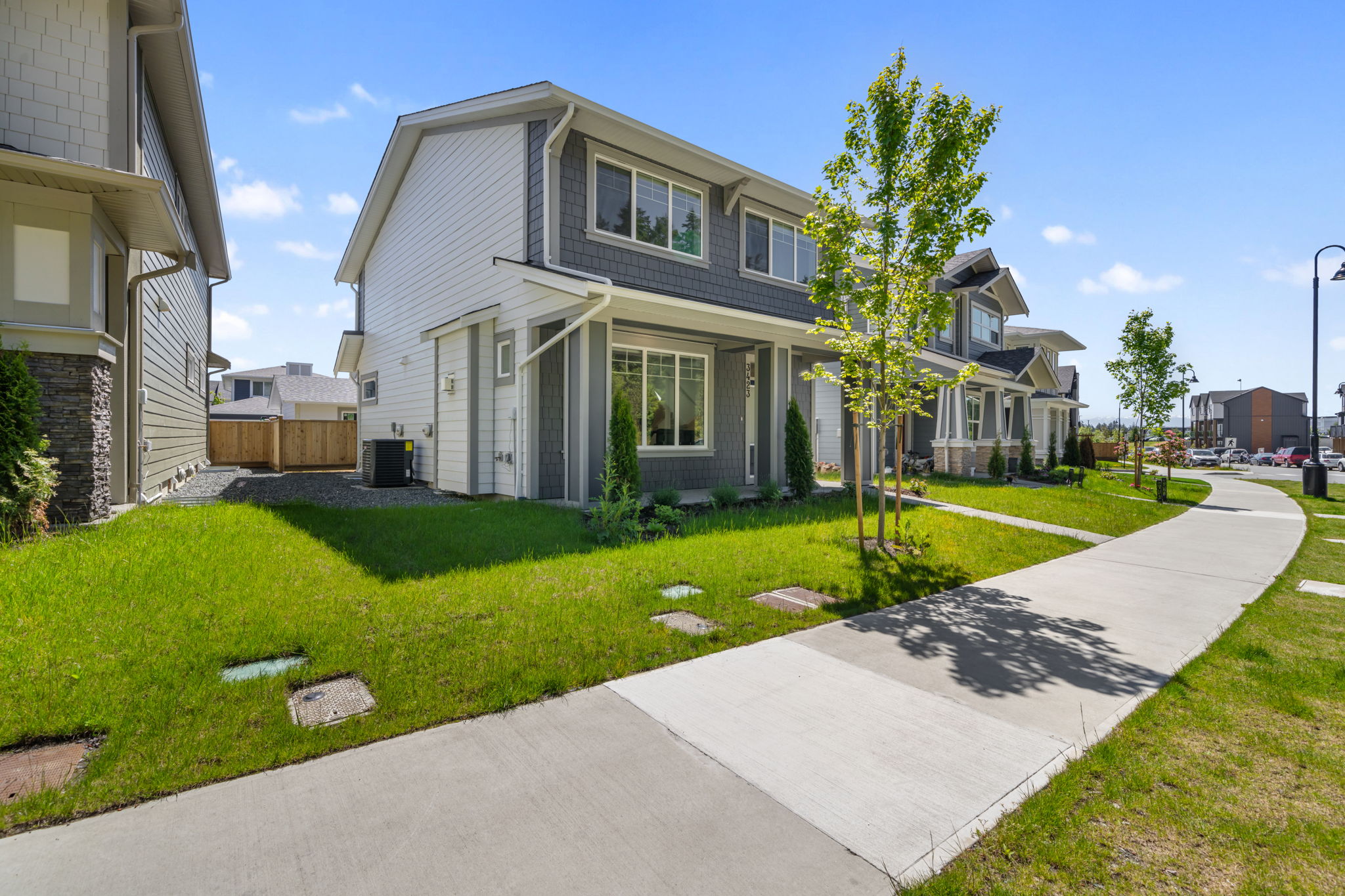
A seller might consider a lower offer when the listing has been on the market longer than expected, has had limited buyer activity, or is priced above recent comparable sales. A seller might consider a lower offer for several reasons, but buyers need to understand the full picture before assuming there is room to negotiate. In real estate, a lower offer is not just about picking a number below asking price. It is about understanding motivation, market conditions, property history, and the seller’s position. The more context you have, the better your offer strategy will be. Days on Market Can Tell a Story One of the first signs to watch is how long the home has been listed. If a property has been on the market longer than similar homes nearby, the seller may become more open to negotiation. This does not always mean they are desperate. It may simply mean the home has not found the right buyer yet. A longer listing period can happen because of: An ambitious asking price Slower buyer demand in that price range Property condition concerns Layout or location limitations Strong competition from nearby listings Limited showing activity However, days on market should never be viewed alone. A luxury home, acreage property, unique character home, or higher-priced listing may naturally take longer to sell than a more typical property. Price Reductions Are a Strong Clue A price reduction often signals that the seller understands the original asking price was not generating enough interest. If a home has already had one or more price adjustments, the seller may be more realistic about where the market sits. That can create an opportunity for buyers, especially if the home is still sitting after the latest adjustment. Still, a price reduction does not automatically mean the seller will accept any offer. Sometimes a price change brings the home closer to market value, and the seller may expect renewed interest before negotiating further. The key question is whether the new price matches recent comparable sales. Comparable Sales Matter More Than Opinion A lower offer should be supported by market evidence. Buyers often say, “I think the home is overpriced,” but sellers respond better to facts than feelings. Recent comparable sales help show whether the asking price lines up with similar homes that have actually sold. Good comparable sales should consider: Property type Neighbourhood Size and layout Lot size Condition Age of major systems Renovations or updates Suite potential Parking Strata details, if applicable If similar homes sold for less, that may support a lower offer. If similar homes sold close to the asking price, the seller may have less reason to move. Competing Listings Can Create Pressure Sellers pay attention to competition. If there are several similar homes available, buyers have more choice. This can give buyers more negotiating power, especially if competing homes offer better condition, better presentation, or stronger value. For example, a seller may be more flexible if another nearby home has: A lower asking price A better floor plan Recent updates A suite More parking Better outdoor space Lower strata fees A stronger location In a market with more choice, buyers compare carefully. Sellers who understand this may be more willing to negotiate if they want to stay competitive. Property Condition Can Affect Negotiation Condition is another important factor. A home that needs visible repairs, older systems, or immediate upgrades may leave more room for negotiation than a move-in ready home. Buyers should look beyond cosmetic finishes and think about the real cost of ownership. Common condition concerns include: Older roof Aging windows Dated electrical Older plumbing Drainage concerns Deferred maintenance Worn flooring Old heating systems Strata repairs or upcoming levies A lower offer may make sense when the purchase price does not reflect these future costs. However, buyers should be careful. Some sellers have already priced condition into the listing. In that case, a very low offer may not be received well. Empty Homes Can Sometimes Signal Flexibility A vacant home may suggest the seller has already moved, is carrying costs, or wants a cleaner timeline. That does not always mean they will accept less. However, ongoing costs such as mortgage payments, taxes, insurance, utilities, and strata fees can add pressure over time. A vacant home may create more room to discuss: Price Completion date Included items Subject terms Deposit timing Possession flexibility Sometimes the best negotiation is not only about price. Terms can matter too. Motivation Is Not Always Visible Buyers often want to know if the seller is motivated. The honest answer is that motivation is not always clear from the listing. Some sellers need to sell quickly. Others are testing the market. Some have already bought another home. Others will only sell if they receive the right price. A good buyer strategy looks for signals, but it does not rely on guesses. Your REALTOR® can ask questions through the listing agent and gather context before you decide how to write the offer. Useful questions may include: Has the seller received any offers? Has there been strong showing activity? Are they flexible on dates? Are there any preferred terms? Has the home been reduced? Is the seller looking for a specific completion timeline? The answers can help shape a smarter offer. A Lower Offer Still Needs to Be Strategic There is a difference between a lower offer and a careless offer. A thoughtful lower offer explains the buyer’s position through price, terms, and supporting market logic. A careless offer can make the seller defensive and reduce the chance of productive negotiation. A strong lower offer may include: A reasonable deposit Clear subject clauses Flexible dates A clean set of terms Comparable sales support Respectful communication A realistic price based on the market The goal is not to “win” by offering as little as possible. The goal is to create a deal that makes sense for both sides. When a Lower Offer May Not Work Not every listing has room to negotiate. A seller may reject a lower offer if the home is new to market, priced well, receiving strong activity, or located in a high-demand segment. Some sellers also have a firm bottom line and may prefer to wait. A lower offer may be less effective when: The home just listed The asking price matches comparable sales There are multiple interested buyers The seller has no urgency The property is rare or hard to replace The offer includes weak terms The price is too far below market value In these cases, buyers may need to decide whether the home is worth competing for or whether another opportunity offers better value. Final Thoughts Knowing when a seller might consider a lower offer comes down to reading the market, not guessing. Days on market, price reductions, comparable sales, competing listings, property condition, and seller flexibility all help tell the story. For buyers, the best approach is to stay prepared, respectful, and strategic. A lower offer can work, but only when it is backed by evidence and written in a way that keeps the conversation moving. If you are thinking about buying in Greater Victoria and want to understand whether a listing has room to negotiate, contact Faber Real Estate Group for local advice, current market insight, and a clear offer strategy. Elel P., 5-Star Review, via Google “Months of looking then a listing came up to our liking. We were out of town so Scott did a virtual viewing for us. We gave an offer even without viewing it personally because of this crazy market we have. Offer got accepted a couple hours after!” Faber Real Estate Group Royal LePage Coast Capital Realty 📞 250-244-3430 📧 [email protected] ℹ️ Scott Faber Personal Real Estate Corporation ℹ️ Cal Faber Personal Real Estate Corporation Vanessa Wood, Zachary Parsons, and Sophie Taylor “Building Lasting Relationships, One Home at a Time.”
Read more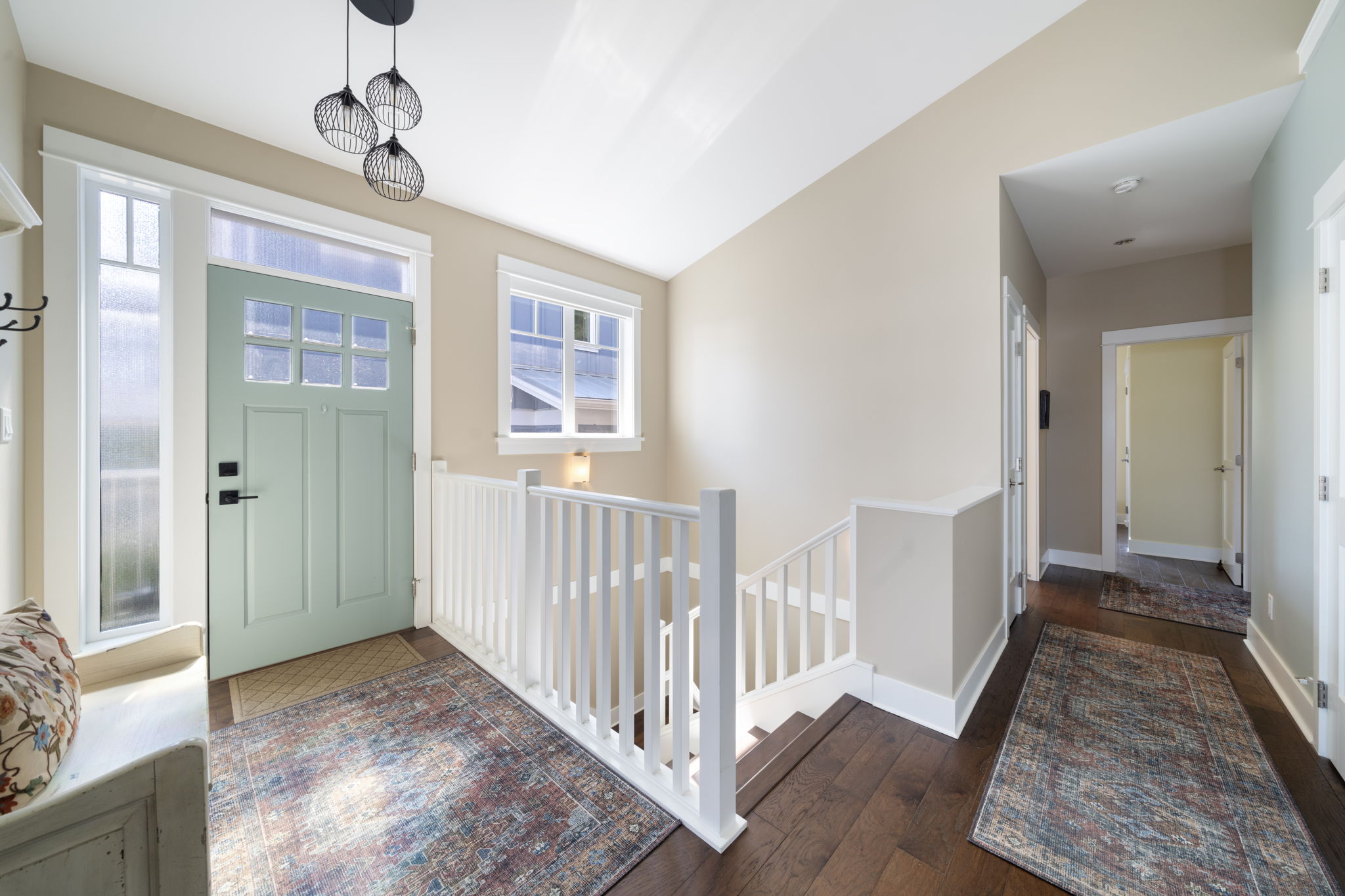
When homes get showings but no offers, it can feel confusing for sellers. On the surface, showings seem like a good sign. Buyers are booking appointments, walking through the home, and taking time to view it in person. However, if those showings are not turning into second showings, strong feedback, or written offers, the market may be sending a message. In Greater Victoria, buyers often compare multiple homes before making a decision. They may like your home, but they also weigh price, condition, layout, location, competing listings, and long-term value before moving forward. Showings create opportunity. Offers come from confidence. Showings Mean Buyers Are Interested Enough to Look A showing usually means the listing is doing something right. The price may be close enough to attract attention. The photos may be strong. The location may match what buyers are searching for. The property may also fit within an active price range. However, a showing does not always mean a buyer is ready to write. Sometimes buyers are curious. Sometimes they are comparing. Sometimes they like the online presentation but feel differently once they walk through the home. That is why sellers need to look beyond the number of showings and focus on what happens after each one. Buyers May Like the Home but Not the Price One of the most common reasons homes get showings but no offers is price. A home can be priced close enough to generate interest, but still high enough that buyers hesitate. In a market with more choice, buyers often compare homes side by side. If another property offers better condition, more space, a stronger location, or a lower price, they may choose to wait or make an offer elsewhere. This does not always mean the home is dramatically overpriced. Sometimes the gap is smaller than sellers think. However, even a small pricing disconnect can matter when buyers have options. The question is not only, “Are people coming to see it?” The better question is, “After seeing it, do buyers still feel the value makes sense?” The Online Listing May Be Stronger Than the In-Person Experience Professional photography, video, staging, and strong marketing can bring buyers through the door. That is important. However, the in-person experience still needs to support the expectations created online. If the listing looks bright, spacious, and move-in ready online, but the home feels darker, smaller, louder, or more dated in person, buyers may leave unsure. This can happen when: Rooms feel smaller than expected Natural light is limited Layout challenges are harder to see online Deferred maintenance becomes more obvious Neighbouring properties affect the feel Odours, noise, or clutter distract buyers Finishes look more worn in person Good marketing should attract attention, but it cannot fully overcome the way a home feels during a showing. Condition Can Create Buyer Hesitation Buyers are not only looking at what a home is today. They are also thinking about what it may cost tomorrow. Minor wear and tear may not seem significant to a seller, especially after years of living in the home. However, buyers often add up every visible project in their mind. Paint, flooring, appliances, windows, roof age, exterior maintenance, bathrooms, kitchens, landscaping, and storage can all affect confidence. A buyer may like the home, but if they start thinking, “This needs more work than I expected,” they may not write an offer. In today’s market, many buyers are watching their monthly payments closely. If a home already feels expensive, added repair costs can make them pause. The Home May Not Be Standing Out Against the Competition No listing exists in isolation. Buyers compare your home against every other property they have seen in the same price range. That includes active listings, recent sales, new construction, and homes they expect may come on the market soon. If your home gets showings but no offers, it may be worth reviewing the competition carefully. Ask: What else can buyers buy at this price? Are competing homes more updated? Do they offer better parking, storage, outdoor space, or layout? Are they in a more convenient location? Have similar homes recently reduced their price? Are new listings making your home feel less competitive? Sometimes a listing does not need a major change. It needs a sharper position within the current market. Buyers May Have Concerns They Are Not Saying Directly Buyer feedback is useful, but it is not always complete. Some buyers will be direct. Others may be polite. They might say the home “was not the right fit” when the real concern was price, layout, condition, noise, location, or future costs. That is why patterns matter more than one piece of feedback. If multiple buyers mention the same concern, sellers should pay attention. If buyers are viewing the home but not returning for second showings, that also matters. If activity is steady but offers are missing, the issue may be less about exposure and more about conversion. A good listing strategy should track these signals and respond before the listing loses momentum. The First Impression May Need Refinement Buyers often decide how they feel about a home quickly. Curb appeal, entryway presentation, lighting, cleanliness, furniture placement, scent, and temperature can all affect the first few minutes of a showing. This does not mean sellers need to renovate everything. In many cases, small improvements can make the home easier to connect with. Helpful adjustments may include: Improving lighting Decluttering surfaces Removing bulky furniture Freshening paint where needed Improving entryway presentation Cleaning windows Tidying landscaping Addressing small repairs Making rooms feel more clearly defined The goal is to reduce distractions so buyers can focus on the home’s best features. The Listing May Need a Strategy Adjustment When a home gets showings but no offers, sellers often wonder whether they should wait, reduce the price, update the marketing, or make improvements. The right answer depends on the market response. If the home has strong online views but few showings, the issue may be price, photos, or buyer expectations. If the home has showings but no second looks, the issue may be condition, layout, location, or perceived value. If the home has consistent feedback about price, the market may already be pointing toward a price adjustment. If feedback is mostly about presentation, small improvements may help before changing the price. A good strategy looks at the full picture, not just one number. When a Price Adjustment Becomes the Right Move A price adjustment should not be seen as failure. In many cases, it is a strategic reset. If the market has spoken clearly, adjusting the price can bring the listing back into stronger alignment with buyer expectations. It can also help reach buyers who were previously watching but not acting. The key is timing. Waiting too long can make a listing feel stale. Adjusting too quickly without reviewing feedback can leave money on the table. The best approach is to use showing activity, buyer comments, competing listings, and recent sales to make an informed decision. Price is not the only tool, but it is one of the strongest. Final Thoughts When homes get showings but no offers, the market is usually not silent. It is giving feedback. The home may be attracting attention, but buyers may need more confidence before they act. That confidence can come from stronger pricing, better presentation, clearer positioning, or a more competitive strategy. For sellers, the goal is not just to get people through the door. The goal is to help the right buyer feel confident enough to move forward. If your home is getting showings but no offers, it may be time to review the feedback, compare the competition, and adjust the strategy before momentum fades. If you are thinking about selling in Greater Victoria and want advice on pricing, presentation, or how to position your home in today’s market, contact Faber Real Estate Group for guidance. Florenda S., 5-Star Review, via Google “We worked with Cal & Scott selling our home recently. The effort they put into the sale was amazing with the photo virtual walk through set, the video, the night shots and open houses. Our house sold very quickly even in a slowdown in the market.” Faber Real Estate Group Royal LePage Coast Capital Realty 📞 250-244-3430 📧 [email protected] ℹ️ Scott Faber Personal Real Estate Corporation ℹ️ Cal Faber Personal Real Estate Corporation Vanessa Wood, Zachary Parsons, and Sophie Taylor “Building Lasting Relationships, One Home at a Time.”
Read more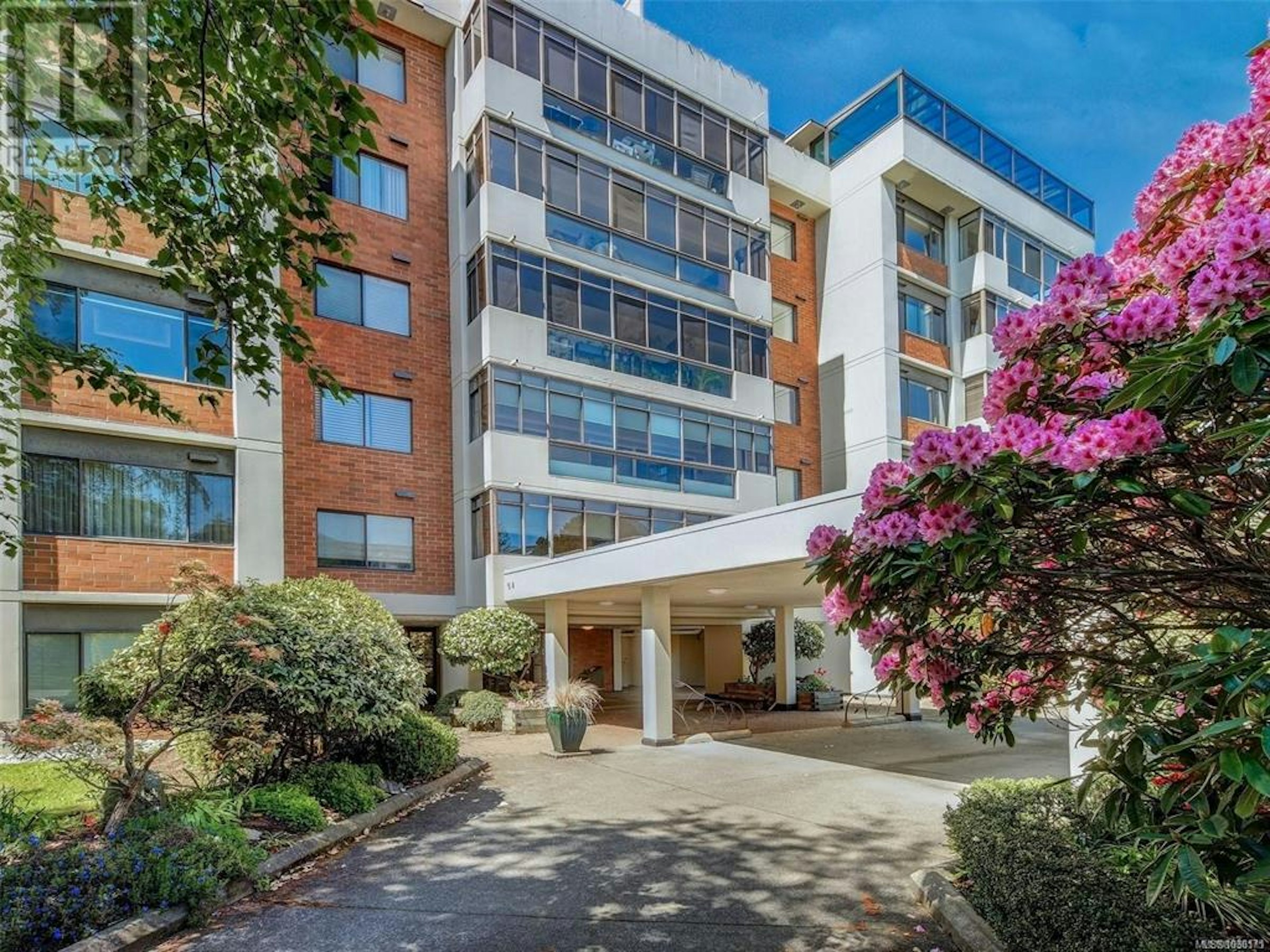
Older condo buildings can offer excellent value, larger floor plans, established locations, and a stronger sense of community. In Greater Victoria, many older condo buildings sit in highly walkable neighbourhoods close to transit, shops, parks, and everyday amenities. However, buying into an older condo building is not just about the unit itself. It is also about the condition of the building, the financial health of the strata, and the long-term maintenance plan. A well-managed older building can be a smart purchase. A poorly managed one can become expensive quickly. Older Does Not Automatically Mean Problematic Many buyers hear “older building” and immediately think of repairs, special levies, or outdated systems. While those are important risks to review, age alone does not tell the full story. Some older condo buildings have strong ownership, proactive strata councils, healthy contingency reserve funds, and a clear maintenance history. Others may look appealing on the surface but have deferred repairs, low reserves, or upcoming projects that could affect owners financially. The key is not to avoid older condo buildings. The key is to understand what you are buying. Review the Strata Documents Carefully When buying a condo in British Columbia, the strata documents matter. These documents help you understand how the building is managed, what issues have come up, and what expenses may be ahead. Important documents to review include: Form B Information Certificate Current budget Strata meeting minutes Annual general meeting minutes Depreciation report Insurance summary Bylaws and rules Financial statements Contingency reserve fund balance Any approved or proposed special levies The Form B is especially important because it discloses key information such as monthly strata fees, the contingency reserve fund balance, approved special levies, parking and storage details, insurance information, and other matters connected to the strata lot and strata corporation. Look Beyond the Strata Fee A lower strata fee can look attractive, but it is not always a sign of better value. In an older building, a very low strata fee may mean the strata is not saving enough for future repairs. That can lead to larger increases later or special levies when major work becomes necessary. On the other hand, a higher strata fee may be reasonable if it supports proper maintenance, insurance, building operations, and long-term reserve contributions. Buyers should ask: What does the strata fee include? Has the fee increased gradually or suddenly? Is the building contributing enough to the contingency reserve fund? Are major repairs already planned? Are owners repeatedly voting down important maintenance? The goal is not always to find the lowest monthly cost. The goal is to understand whether the monthly cost reflects responsible building management. Pay Attention to the Contingency Reserve Fund The contingency reserve fund, often called the CRF, is used for expenses that do not happen every year, such as roof replacement, elevator work, exterior repairs, or other major building projects. For older condo buildings, the CRF becomes especially important because more building components may be closer to the end of their expected life. A strong CRF does not guarantee that there will never be a special levy. However, it can show that the strata has been planning ahead. A low CRF does not always mean the building is a bad purchase, but it should lead to more questions. Buyers should compare the CRF balance with the depreciation report and upcoming repair schedule. Understand the Depreciation Report The depreciation report is one of the most useful tools when reviewing an older condo building. It outlines major building components, estimated repair or replacement timelines, and projected costs. This report can help buyers understand what may be coming over the next several years. For example, if the roof, windows, balconies, plumbing, parkade membrane, or elevator systems are nearing major repair cycles, buyers should know that before removing conditions. The report should not be read as a guarantee. It is a planning document. However, it can provide valuable insight into whether the strata is preparing for future costs or simply reacting as problems arise. Watch for Deferred Maintenance Deferred maintenance means repairs or updates have been delayed. This can happen for many reasons. Sometimes owners want to keep strata fees low. Sometimes a council has not had enough information. Sometimes projects have been discussed for years but never approved. Signs of deferred maintenance may include: Repeated discussion of the same repair issues in minutes Water ingress concerns Aging balconies or exterior cladding Elevator problems Plumbing issues Roof concerns Low reserve funds compared to upcoming projects Special levies that are discussed but not approved Insurance concerns or rising deductibles These items do not automatically mean you should walk away. However, they should be reviewed carefully with your REALTOR®, inspector, lender, and other professionals when needed. Consider Insurance and Deductibles Insurance has become an important issue for many strata properties. Buyers should review the strata corporation’s insurance summary and pay attention to deductibles, coverage, and any claims history discussed in the minutes. Higher deductibles can affect owners if there is a claim. Buyers should also speak with an insurance provider about their own condo insurance, including deductible coverage. This is especially important in older condo buildings where plumbing, roofing, or water-related issues may appear more often in the minutes. Older Buildings Can Offer Real Advantages While buyers need to be careful, older condo buildings can also offer meaningful benefits. Many older condos have larger floor plans than newer buildings. They may have more storage, wider rooms, better separation between living spaces, and locations closer to established amenities. In Greater Victoria, some older condo buildings are in excellent neighbourhoods where newer construction may be limited or significantly more expensive. For buyers who value space, walkability, and location, an older building may be worth serious consideration. The Building Matters as Much as the Unit A beautifully updated condo can still be a risky purchase if the building has major unresolved issues. At the same time, a dated unit in a well-managed building may offer strong long-term potential. Buyers should look at both layers: The condition and layout of the unit The financial and physical condition of the building Cosmetic updates are easy to see. Building management takes more work to understand. That extra review can make the difference between a confident purchase and an expensive surprise. Questions Buyers Should Ask Before Buying Before purchasing in an older condo building, buyers should ask: What major work has already been completed? What major work is coming next? Is the depreciation report current? Does the strata appear to follow the depreciation report? How much is in the contingency reserve fund? Have there been recent special levies? Are there any lawsuits, claims, or unresolved disputes? Are there repeated maintenance issues in the minutes? Are there rental, pet, age, or renovation restrictions? Does the building fit your lifestyle and long-term plans? These questions help buyers move past surface-level impressions and make a more informed decision. Final Thoughts Older condo buildings should not be dismissed automatically. Some offer excellent space, central locations, and strong long-term value. However, they require a closer look. For buyers, the goal is to understand the full picture before making a decision. That means reviewing the strata documents, asking the right questions, and looking carefully at both the unit and the building. A condo is not just four walls. It is a shared building, a shared budget, and a shared responsibility. If you are considering buying a condo in Greater Victoria and want help reviewing the right details before making an offer, contact Faber Real Estate Group for advice and information. Lorraine P., 5-Star Review, via Google “I would not dream of ever using a realtor other than Cal. Apart from the fact that he is was exceptionally knowledgable and resourceful, he was also honest, truthful and always acted in my best interest while at the same time treating all parties with dignity and respect.” Faber Real Estate Group Royal LePage Coast Capital Realty 📞 250-244-3430 📧 [email protected] ℹ️ Scott Faber Personal Real Estate Corporation ℹ️ Cal Faber Personal Real Estate Corporation Vanessa Wood, Zachary Parsons, and Sophie Taylor “Building Lasting Relationships, One Home at a Time.”
Read more
Langford rental properties are entering a more competitive chapter as new condo and purpose-built rental buildings continue to be added across the city. For years, Langford has attracted renters, first-time buyers, investors, and downsizers because of its relative affordability, growing amenities, and convenient Westshore location. As more rental supply enters the market, property owners and investors may need to adjust how they think about pricing, presentation, tenant expectations, and long-term strategy. More Supply Can Give Renters More Choice When more rental buildings are completed, renters often have more options to compare. Instead of choosing from a limited number of available homes, tenants may be able to look at newer buildings, different locations, updated amenities, pet policies, parking options, storage, and building features. This does not mean every rental property will struggle. It does mean that older condos, basement suites, townhomes, and individually owned rental units may face more direct comparison against newer purpose-built rental buildings. Renters may become more selective, especially if new buildings offer incentives, modern finishes, gyms, parcel rooms, secure bike storage, or flexible lease options. Rental Pricing May Need to Become More Strategic For investors, the biggest change may be around rent expectations. In a tighter rental market, landlords often have more pricing power. In a market with more new supply, pricing needs to reflect what renters can actually choose from. A well-located rental property can still perform well, but owners may need to review competing rentals more carefully. This includes looking at new apartment buildings, similar condos, parking availability, pet-friendly options, utilities, building amenities, and overall condition. For Langford rental properties, the question is not only, “What did this rent for last year?” It is also, “What else can a tenant rent today?” New Buildings May Raise Tenant Expectations New rental and condo buildings can raise the standard for what tenants expect. Features such as in-suite laundry, modern kitchens, efficient heating and cooling, storage, secure entry, EV charging, fitness spaces, and walkable locations can become more important. This can put pressure on older rental properties that have not been updated. A dated unit may still rent, but it may need to be priced more competitively or improved to stand out. Simple upgrades such as fresh paint, better lighting, updated flooring, improved appliances, professional cleaning, and strong listing photos can make a noticeable difference. Location Will Matter Even More Langford is not one single rental market. A rental near Station Avenue, the E&N Trail, Westshore Town Centre, parks, transit, restaurants, and recreation may perform differently than a similar property in a less walkable area. As more housing is built, tenants may place even more value on convenience. Walkability, commute time, parking, access to trails, and proximity to everyday amenities can all influence demand. For investors, this means location should be reviewed with more detail. The strongest rental properties are often the ones that solve daily-life problems for tenants, not just the ones with the lowest purchase price. Condo Investors May Face More Competition From Purpose-Built Rentals Individually owned condos have long been a common option for real estate investors. However, purpose-built rental buildings can compete directly with condo rentals because they are often professionally managed, newer, and designed specifically for tenants. This does not make condo investment unattractive, but it does change the strategy. Investors should pay close attention to strata fees, rental rules, building amenities, parking, storage, insurance, property taxes, and long-term resale potential. A condo that works as an investment should not rely only on rental income. It should also make sense from a long-term ownership, location, building quality, and resale perspective. More Housing Can Also Support Long-Term Growth New rental construction is not only a challenge for investors. It can also be a sign of a growing community. More residents can support local businesses, improve neighbourhood activity, increase demand for services, and help create a stronger urban centre over time. Langford continues to evolve from a commuter-focused suburb into a more complete city with recreation, shopping, trails, restaurants, transit, and mixed-use growth. For long-term investors, that growth can still be positive, especially when the property is well located and supported by strong fundamentals. What Rental Property Owners Should Consider If you own a rental property in Langford, now is a good time to review your position. Consider: Current market rent compared to similar available rentals How your property compares to newer buildings Whether small updates could improve marketability Your tenant profile and lease structure Vacancy risk if your current tenant moves out Long-term resale value Monthly carrying costs, including strata fees, taxes, insurance, and maintenance The goal is not to panic because new buildings are being built. The goal is to make informed decisions based on today’s market instead of relying on yesterday’s conditions. What Buyers Should Know Before Purchasing an Investment Property If you are thinking about buying a Langford rental property, the numbers matter more than ever. Rental income, mortgage payments, strata fees, insurance, taxes, vacancy allowance, repairs, and future resale value should all be reviewed carefully. A lower purchase price does not always mean a better investment. A slightly more expensive property in a stronger location, better building, or more desirable rental area may perform better over time. Buyers should also consider how the property will compete if more rental supply becomes available nearby. The best investment properties usually offer a clear reason for tenants to choose them. The Bottom Line New condo and rental buildings in Langford may create more competition for landlords, but they also reflect the city’s continued growth. For investors and rental property owners, the market is becoming more strategic. Strong locations, realistic pricing, good presentation, and well-maintained homes will matter more. Langford rental properties can still offer opportunity, but the best results will come from understanding the changing supply, comparing real competition, and making decisions with a clear plan. If you own a rental property in Langford or are thinking about buying an investment property in Greater Victoria, our team can help you review the market, compare options, and build a strategy that fits your goals. Marc G., 5-Star Review, via Google “Scott is focused on providing his clients with a long-term positive experience, and he truly acts as a trusted advisor throughout the process. It's important to have someone you can trust for this kind of investment, and Scott has certainly earned my trust. For me, it's important that a realtor fits my values, is always responsive, professional, and goes above and beyond to ensure all my needs are met. I highly recommend Scott and Faber Real Estate for all your real estate needs.” Faber Real Estate Group Royal LePage Coast Capital Realty 📞 250-244-3430 📧 [email protected] ℹ️ Scott Faber Personal Real Estate Corporation ℹ️ Cal Faber Personal Real Estate Corporation Vanessa Wood, Zachary Parsons, and Sophie Taylor “Building Lasting Relationships, One Home at a Time.”.
Read more