
Posts Tagged ‘Royal LePage Coast Capital Realty’
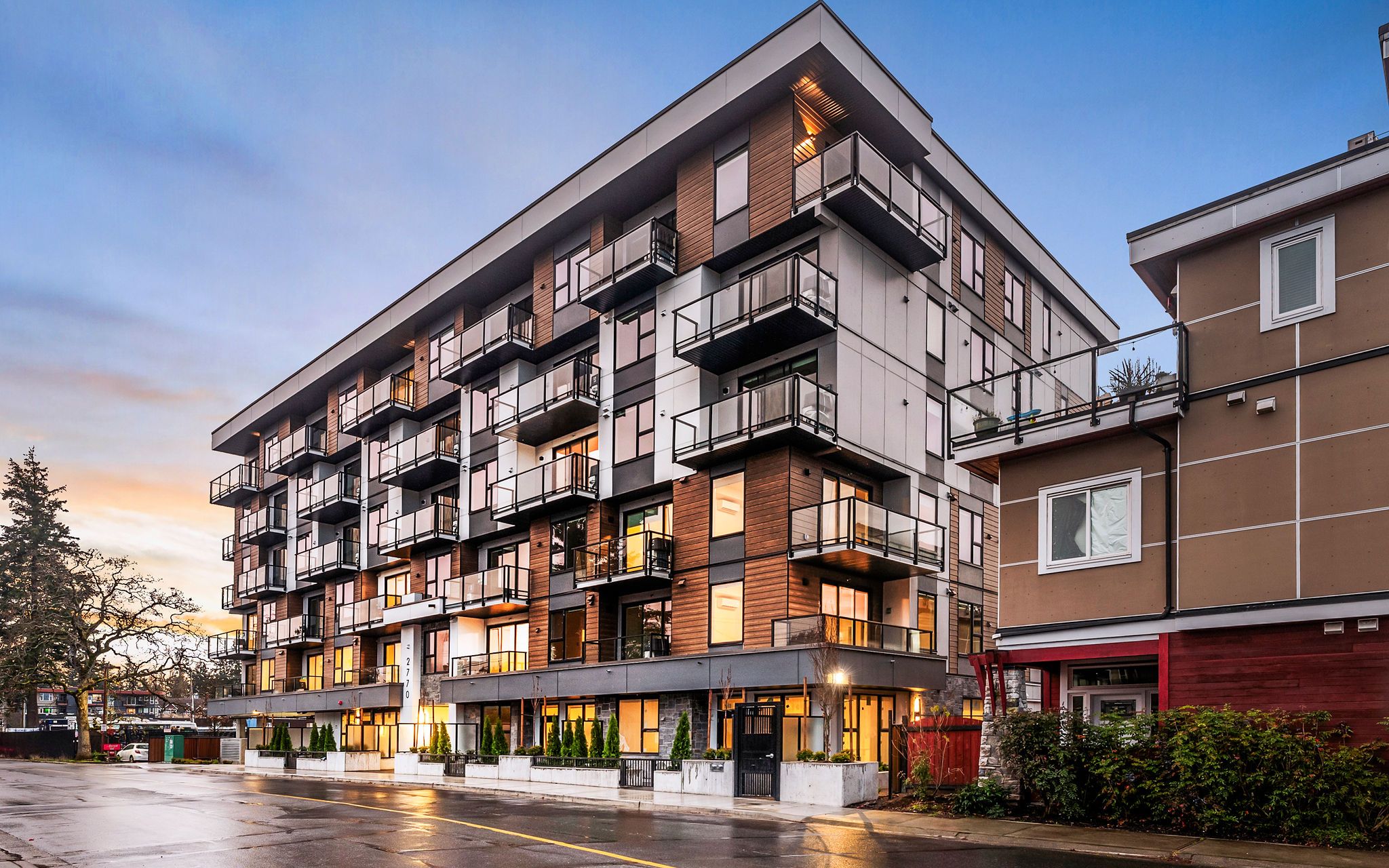
For many people, the question of whether to rent or buy in Victoria BC is not simple. Rent can feel expensive, but homeownership comes with more than just a mortgage payment. There are property taxes, insurance, strata fees, repairs, closing costs, and the responsibility of maintaining a home. At the same time, buying can offer stability, long-term equity, and more control over where and how you live. The right answer depends on your income, savings, lifestyle, timeline, and comfort level with responsibility. The goal is not to rush into the market. The goal is to understand the trade-offs clearly so you can make a confident decision. The Case for Continuing to Rent Renting can make sense, especially if you are still building savings, unsure where you want to live long-term, or need flexibility. When you rent, your monthly housing cost is usually more predictable. You do not have to pay for major repairs, property taxes, strata special levies, or replacing a roof. If your dishwasher breaks, that is usually the landlord’s responsibility. Renting may also give you more freedom to move. This matters if your job, relationship status, family plans, or preferred neighbourhood could change in the next year or two. The Downsides of Renting The challenge with renting is that your monthly payment does not build equity for you. You are helping cover someone else’s mortgage, property taxes, and long-term investment costs. You may also face rent increases, limited control over renovations, and the possibility that the owner decides to sell or move back into the property. In Victoria BC, where land is limited and demand remains steady over the long term, staying on the sidelines can also make it harder to catch up if prices continue to move over time. Renting is not “throwing money away” if it gives you flexibility and financial breathing room. But it can become costly if it keeps you from building a long-term plan. The Case for Buying Buying a home can help turn your monthly housing payment into a long-term asset. Instead of paying rent with no ownership stake, part of your mortgage payment goes toward paying down principal. Over time, this can help build equity, especially if the property increases in value. Homeownership can also provide stability. You are not waiting for a landlord to make decisions about your living situation. You can paint, renovate, adopt a pet, stay long-term, and create a home that fits your lifestyle. For some buyers, the emotional value matters as much as the financial side. There is comfort in knowing your home is yours. The Real Costs of Owning a Home A mortgage payment is only one part of homeownership. Before buying, you need to understand the full monthly and annual cost. Common ownership costs include: Mortgage payment Property taxes Home insurance Utilities Repairs and maintenance Strata fees, if buying a condo or townhome Possible strata special levies Property transfer tax, unless you qualify for an exemption Legal fees, appraisal fees, inspection costs, and moving costs For condos and townhomes, strata fees are especially important. They may cover building insurance, landscaping, maintenance, garbage collection, common area upkeep, amenities, contingency reserve fund contributions, and sometimes water or hot water. Lower strata fees are not always better. A well-funded strata with healthy maintenance planning can be safer than a building with low fees and deferred repairs. Property Taxes Matter Property taxes are an ongoing cost of ownership. They vary depending on the municipality, assessed value, and local tax rates. In Greater Victoria, two similar homes in different municipalities may have different annual property tax bills. Buyers should always review the most recent property tax amount before writing an offer. Many eligible homeowners in BC may also qualify for the Home Owner Grant, which can reduce property taxes on a principal residence. This is worth checking each year because thresholds and eligibility can change. Maintenance Costs Are Real One of the biggest differences between renting and owning is responsibility. When you own a home, maintenance is yours to plan for. A good rule of thumb is to set aside money monthly for future repairs, even if the home feels move-in ready today. For detached homes, this may include: Roof maintenance or replacement Perimeter drains Exterior paint Windows Heating and cooling systems Hot water tank Plumbing and electrical updates Landscaping and fencing For condos, some of these costs may be handled through the strata, but you still need to review the depreciation report, contingency reserve fund, strata minutes, bylaws, insurance deductible amounts, and upcoming projects. Rebates and Programs That May Help First-Time Buyers There are several programs that may help people get into the real estate market, especially first-time buyers. The BC First Time Home Buyers’ Program may reduce or eliminate property transfer tax for eligible buyers on qualifying homes. This can make a meaningful difference because property transfer tax is often one of the largest closing costs. There is also a BC newly built home exemption for qualifying newly constructed homes, which may help reduce property transfer tax on eligible new homes. At the federal level, first-time buyers may also be able to use programs such as the First Home Savings Account and the Home Buyers’ Plan. These can help buyers build or access down payment funds in a more tax-efficient way. First-time buyers purchasing a qualifying new home may also be eligible for GST-related rebates, depending on the property type, purchase price, and program rules. Before relying on any rebate, confirm the details with your mortgage broker, accountant, lawyer, and real estate professional. Eligibility depends on your personal situation and the property you purchase. Tips to Help You Get Into the Market Getting into the Victoria BC real estate market does not always mean buying your dream home first. Often, the smartest move is buying the right first property. Here are practical ways to start: Get a mortgage pre-approval before viewing homes Build a full monthly ownership budget, not just a mortgage budget Compare rent against total ownership costs Consider condos or townhomes as a first step Look at neighbourhoods just outside your first-choice area Review strata documents carefully before buying Keep an emergency fund after closing Avoid stretching your budget to the absolute maximum Ask about rebates and exemptions early Work with a REALTOR® who understands first-time buyer strategy A first home does not need to be perfect. It needs to be financially manageable, livable, and aligned with your next three to five years. Renting vs Buying: The Practical Comparison Renting may be better if you need flexibility, have limited savings, are unsure about your long-term plans, or would feel financially stressed by ownership costs. Buying may be better if you have stable income, plan to stay in the area, have enough savings for closing costs and emergencies, and want to start building equity. The mistake is comparing rent to a mortgage payment only. A better comparison is rent versus the full cost of ownership, including property taxes, strata fees, maintenance, insurance, utilities, and long-term repairs. The Bottom Line Deciding whether to rent or buy in Victoria BC is not just a financial question. It is a lifestyle question, a risk question, and a planning question. Renting can be the right choice when it gives you flexibility and helps you prepare. Buying can be the right choice when it creates stability, builds equity, and supports your long-term goals. The best next step is to look at real numbers. Compare your current rent, savings, income, debt, preferred neighbourhoods, and purchase options. From there, you can decide whether now is the right time to buy, or whether you should keep preparing for the right opportunity. If you are wondering whether it makes more sense to keep renting or start exploring homeownership, our team can help you understand your options clearly and confidently. Start With a Mortgage Pre-Approval For many first-time homebuyers, the hardest part is knowing where to begin. A mortgage pre-approval gives you a clearer picture of your budget, expected monthly payments, and what price range makes sense before you start viewing homes. It also helps you move with more confidence when the right property comes up. To make the first step easier, we have created a simple mortgage pre-approval form where you can start the process and connect with the right support. If you are thinking about buying your first home in Victoria or Greater Victoria, this is a practical place to begin. https://fabergroup.ca/mortgage-pre-approval/ Noel A., 5-Star Review, via Google “My partner and I had a great experience with Scott and the Fabers with our first home purchase. Scott answered all questions we had and helped guide us to make the right purchase that fit our lifestyle. Would highly recommend the Fabers!” Faber Real Estate Group Royal LePage Coast Capital Realty 📞 250-244-3430 📧 [email protected] ℹ️ Scott Faber Personal Real Estate Corporation ℹ️ Cal Faber Personal Real Estate Corporation Vanessa Wood, Zachary Parsons, and Sophie Taylor “Building Lasting Relationships, One Home at a Time.”.
Read more
The Greater Victoria real estate market in June 2026 is likely to continue the trend we saw in May: more inventory, steady buyer activity, and a market that rewards strategy over urgency. This does not mean the market is weak. It means buyers and sellers are becoming more thoughtful. After several years of tight inventory and fast-moving conditions, May 2026 gave buyers more choice than they have had in a long time. If that pattern continues into June, buyers may have more room to compare properties, while sellers will need to be more precise with pricing, presentation, and timing. A Look Back at May 2026 Before predicting the Greater Victoria real estate market June 2026, it helps to look at where the market ended in May. In May 2026, 713 properties sold across the Victoria Real Estate Board region. Sales were down from May 2025, but up from April 2026, showing that the spring market remained active. The biggest story was inventory. There were 4,029 active listings at the end of May, which was the highest inventory level Greater Victoria had seen in 11 years. That matters because inventory changes behaviour. When buyers have more options, they become more selective. When sellers have more competition, pricing and presentation become more important. What We Expect in June 2026 June will likely remain active, but selective. Many buyers who started searching in spring may still be in the market. Some may feel more confident because they have more properties to compare. Others may remain cautious because of affordability, mortgage payments, strata fees, insurance costs, and broader economic uncertainty. For sellers, June may still offer a good opportunity, especially before the slower summer mindset begins. However, simply being listed will not be enough. Buyers are comparing homes carefully, and they are more likely to pause when a property feels overpriced or poorly prepared. The most likely June pattern is steady activity, moderate price sensitivity, and continued competition between listings. Prediction 1: Inventory Will Remain the Main Story Inventory is expected to remain a major factor in June 2026. If listings continue to build, buyers will have more choice across Greater Victoria. This could create a more balanced market, especially in segments where several similar homes are competing for the same buyer pool. For buyers, this means more opportunity. For sellers, this means more pressure to stand out. A home that is priced well, marketed clearly, and presented properly can still attract strong interest. A home that launches too high may sit longer than expected, especially if buyers can find similar options nearby. Prediction 2: Buyers Will Be More Patient In June 2026, buyers are likely to continue taking a more measured approach. Instead of rushing into the first available home, many buyers will compare price, condition, location, strata fees, layout, outdoor space, parking, storage, and future maintenance. This is especially true for condos and townhomes, where buyers are looking closely at monthly ownership costs. For buyers, patience can be helpful. But waiting too long can also mean missing the right property. The best strategy is to be prepared, informed, and ready to act when a home clearly fits your needs. Prediction 3: Sellers Will Need Stronger Pricing Strategy June 2026 will likely reward sellers who price accurately from the start. In a market with more listings, buyers can quickly identify when a property feels out of step with recent sales and active competition. Overpricing can lead to fewer showings, weaker urgency, and longer days on market. That does not mean sellers need to underprice. It means sellers need to understand the market they are actually competing in. A detached home in Saanich, a condo in Victoria, a townhome in Langford, and a downsizer-friendly property in Sidney may all behave differently. Pricing should be based on property type, location, condition, recent comparable sales, and current active listings. Prediction 4: Condos Will Stay Value-Sensitive The condo market will likely remain active, but value-sensitive in June. Condos continue to appeal to first-time buyers, downsizers, investors, and people who want walkability or lower-maintenance living. However, buyers are paying close attention to the full monthly cost of ownership. That includes mortgage payments, strata fees, property taxes, insurance, parking, storage, and potential future building costs. In Victoria, Saanich, Sidney, and the Westshore, the strongest condo listings will likely be the ones that offer a clear value story. This may include good layout, strong building maintenance, reasonable strata fees, secure parking, usable outdoor space, and a convenient location. Prediction 5: Westshore Will Remain Active The Westshore will likely continue to be one of the most active parts of Greater Victoria in June 2026. Langford, Colwood, View Royal, Sooke, Metchosin, and surrounding areas continue to attract buyers looking for more space, newer housing, and relative value compared to the core. This area may remain especially attractive to first-time buyers, young families, and move-up buyers who want more home for their budget. That said, the Westshore also has more direct competition between similar homes. Sellers should pay close attention to nearby active listings, especially in newer condo, townhome, and family-home segments. Prediction 6: Saanich Will Continue to Attract Long-Term Buyers Saanich will likely remain steady in June because of its established neighbourhoods, schools, parks, transit access, and central location. Buyers in Saanich often think long-term. They may be looking for family homes, suite potential, larger lots, walkability to schools, or access to key commuter routes. However, Saanich is not one single market. A renovated home in Gordon Head may attract a different buyer than an original-condition home in Lakehill or a townhome near Royal Oak. In June, neighbourhood-level pricing will matter more than broad assumptions. Prediction 7: Victoria Will Continue to Be Driven by Lifestyle and Walkability Victoria and Victoria West will likely continue to attract buyers who want walkability, convenience, and access to downtown amenities. The core market may remain especially relevant for condos, smaller homes, and lifestyle-focused buyers. However, buyers will likely continue to look closely at strata documents, insurance deductibles, building condition, parking, storage, noise exposure, and total monthly costs. In June, the best-performing Victoria listings will likely be the ones that make the ownership picture easy to understand. Prediction 8: Sidney Will Remain Lifestyle-Focused Sidney will likely continue to attract buyers looking for a quieter Peninsula lifestyle. Walkability, waterfront access, local shops, cafes, services, and a community feel remain key draws. This market often appeals to downsizers, retirees, and buyers looking for convenience without being in the centre of Victoria. For sellers, this means lifestyle positioning matters. Buyers are not just buying square footage. They are buying ease, comfort, walkability, and long-term livability. What Buyers Should Do in June 2026 Buyers should use the additional inventory to make better decisions, not slower decisions. A strong buyer strategy in June includes: Getting fully pre-approved before shopping Understanding your maximum monthly payment Comparing recent sales and active listings Reviewing strata documents carefully Asking about insurance, maintenance, and future costs Staying patient with overpriced homes Being ready to move on well-priced homes The best buyers in June will be calm, prepared, and clear on what matters most. What Sellers Should Do in June 2026 Sellers should focus on strategy before going live. A strong seller strategy in June includes: Reviewing recent comparable sales Studying active competition Preparing the home before photos Pricing based on current market conditions Highlighting the strongest features clearly Making the home easy to understand online Responding quickly to showing feedback Adjusting if the market sends a clear signal In a market with more inventory, sellers need to give buyers a reason to choose their home over the next one. The Bottom Line for June 2026 The Greater Victoria real estate market June 2026 is likely to be active, but more balanced than many recent spring markets. Buyers should have more choice. Sellers should expect more competition. Well-priced homes will still attract interest, but buyers may be less willing to chase listings that feel too high for the market. Westshore should remain active because of value and growth. Saanich should stay steady because of its established neighbourhoods. Victoria should continue to attract lifestyle-focused buyers. Sidney should remain appealing for walkability and Peninsula living. The biggest takeaway is simple: June will likely be a market for strategy, not guesswork. If you are thinking about buying or selling in Greater Victoria, contact Faber Real Estate Group for local advice, neighbourhood insight, and a clear plan for your next move. Wilson, 5-Star Review, via Google “Amazing people there! They will help you through the entire process and will always make you feel like family. For those first time home buyers, don't be intimidated entering the market because they will explain every process and guide you through.” Faber Real Estate Group Royal LePage Coast Capital Realty 📞 250-244-3430 📧 [email protected] ℹ️ Scott Faber Personal Real Estate Corporation ℹ️ Cal Faber Personal Real Estate Corporation Vanessa Wood, Zachary Parsons, and Sophie Taylor “Building Lasting Relationships, One Home at a Time.”.
Read more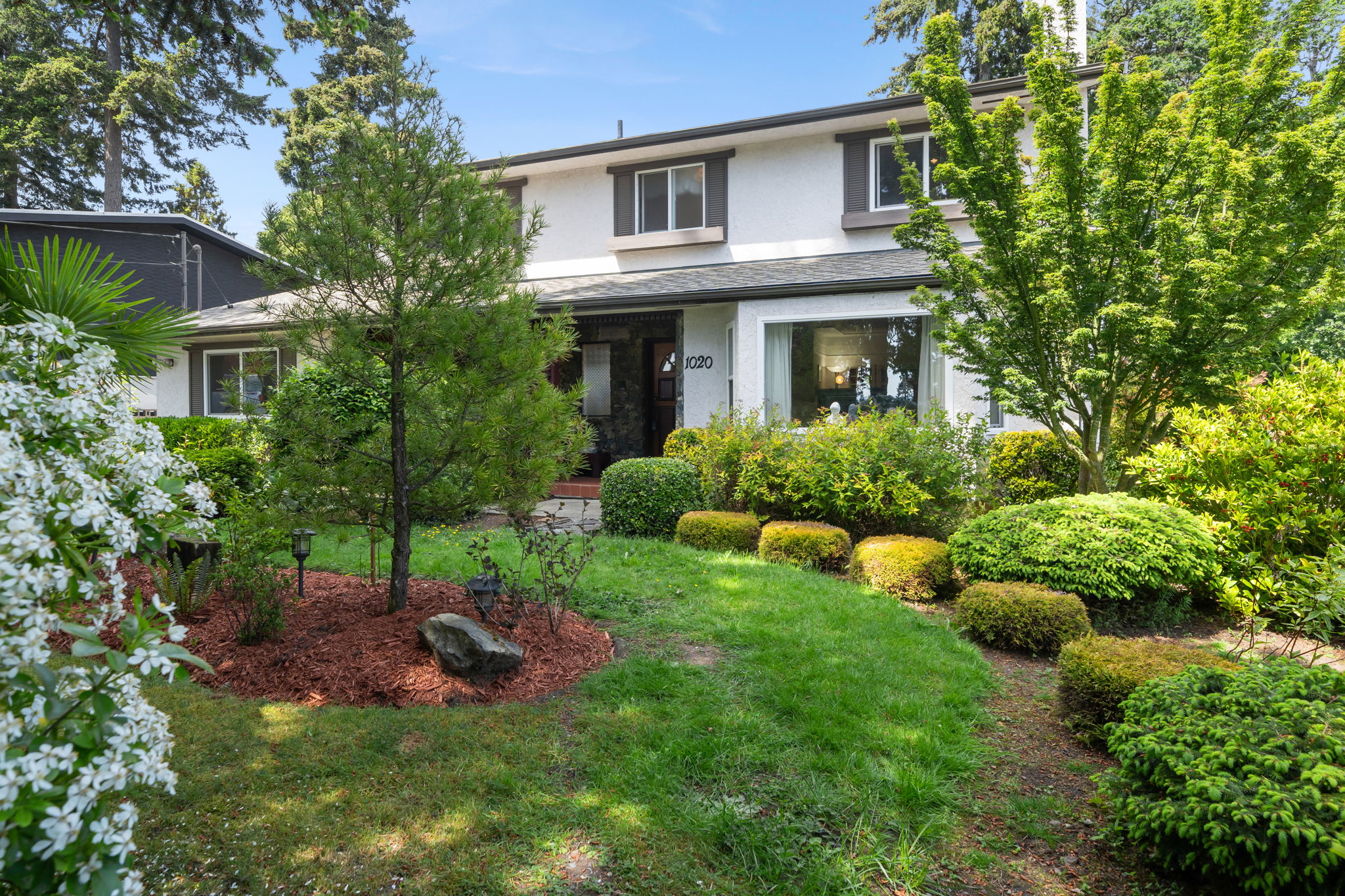
Buying and selling a home at the same time can feel like a balancing act. You may need the money from your current home to purchase your next one, but you may also be worried about selling first and not having anywhere to go. That is where a subject to sale clause may come in. In real estate, subject to sale means a buyer’s offer depends on the sale of their current home. In simple terms, the buyer is saying, “I want to buy your home, but only if I can successfully sell mine by a certain date.” This can be a useful tool, but it also comes with risks for both buyers and sellers. What Is a Subject to Sale Clause? A subject to sale clause is a condition written into an offer to purchase a property. It gives the buyer time to sell their existing home before they are fully committed to completing the purchase. For example, a buyer may write an offer on a new home with a condition that says the purchase is subject to the sale of the buyer’s current property by a specific date. If the buyer sells their home and removes the condition, the deal can move forward. If the buyer cannot sell their home within the agreed timeline, the buyer may not be required to proceed, depending on how the contract is written. This is different from a standard financing or inspection condition because it depends on another property selling. Why Buyers Use Subject to Sale For buyers, subject to sale can create breathing room. Many homeowners cannot comfortably own two homes at once. They may need the proceeds from their current home for their down payment, mortgage approval, or closing costs on the next property. A subject to sale clause can help reduce the risk of buying before selling. It allows the buyer to secure a potential next home while still giving them time to complete the sale of their current one. This can be especially helpful for move-up buyers, families needing more space, downsizers, or anyone whose purchase depends on unlocking equity from their existing home. The Benefits for Buyers Subject to sale can offer several advantages: It may reduce the pressure of selling first and rushing to find a new home It can help protect buyers from carrying two mortgages It may allow buyers to move forward before their current home has sold It can create a more organized transition between homes It gives buyers time to confirm whether their sale will come together For buyers who are financially cautious, this condition can make the process feel more manageable. The Risks for Buyers The main downside is that subject to sale offers are often less attractive to sellers. From the seller’s perspective, the offer depends on something outside their control. If the buyer’s home does not sell, the seller may lose valuable market time. Because of this, a seller may reject a subject to sale offer, counter it with stronger terms, or accept another offer with fewer conditions. Buyers should also understand that they may still need to act quickly. If the seller receives another acceptable offer, there may be a time clause that requires the first buyer to remove their subject to sale condition within a short period, often 24 to 72 hours depending on the contract. If the buyer cannot remove the condition, they may lose the property. What Sellers Need to Know For sellers, accepting a subject to sale offer can be helpful, but it needs to be handled carefully. A subject to sale offer may be worth considering if the buyer’s home is already listed, well-priced, located in a strong market, and likely to sell within a reasonable timeframe. However, sellers should not only look at the purchase price. They should also consider the strength of the buyer’s current listing, the timeline, the buyer’s motivation, and whether the seller can continue marketing their property. A high offer with a weak subject to sale condition may not always be better than a slightly lower offer with cleaner terms. How Sellers Can Protect Themselves Sellers can often reduce risk by negotiating clear terms. Helpful protections may include: A firm deadline for the buyer to sell their property A requirement for updates on the buyer’s sale progress Confirmation that the buyer’s property is already listed The ability for the seller to continue marketing the home A time clause if another acceptable offer is received Strong deposit and completion terms once subjects are removed The goal is not just to accept an offer. The goal is to accept an offer that has a realistic path to completion. What Is a Time Clause? A time clause is commonly used when a seller accepts an offer that is subject to the sale of the buyer’s home. It allows the seller to continue showing the property and considering other offers. If the seller receives another acceptable offer, they can give the first buyer notice. The first buyer then has a set amount of time to remove their subject to sale condition. If the first buyer removes the condition, they move forward with the purchase. If they do not, the seller may be able to move forward with the second buyer, depending on the wording of the contract. This gives the seller some flexibility while still giving the first buyer an opportunity to proceed. Subject to Sale vs. Selling First Some buyers choose to sell their current home first, then shop with a clearer budget. This can make their next offer stronger because it removes the uncertainty of needing to sell. The downside is that the buyer may need temporary accommodation, a rent-back arrangement, or a longer completion date to give themselves enough time to find the next home. Selling first often creates more certainty. Buying subject to sale may create more convenience. The right choice depends on your market, finances, risk tolerance, and housing needs. Subject to Sale vs. Buying First Buying first can be appealing if the right home becomes available before your current home is sold. The risk is that you may feel pressure to sell your existing home quickly. If the market shifts, pricing is too high, or the home takes longer than expected to sell, you could face financial stress. Before buying first, speak with your mortgage broker and REALTOR® about your options. Some buyers may qualify for bridge financing, but not everyone will. You need to know your numbers before making a decision. Tips for Buyers Using Subject to Sale If you are planning to make a subject to sale offer, preparation matters. Before writing an offer: Have your current home market-ready Review your pricing strategy honestly Speak with your mortgage broker Understand your maximum purchase price Know your preferred dates Be ready to list quickly if your offer is accepted Work with a REALTOR® who can explain your strategy clearly to the seller A subject to sale offer is stronger when the seller can see that your home has a clear plan to sell. Tips for Sellers Reviewing a Subject to Sale Offer If you receive a subject to sale offer, look beyond the price. Ask important questions: Is the buyer’s home already listed? Is it priced realistically? How long has it been on the market? What is the buyer’s local market like? What deadline is being proposed? Can you continue to market your home? Is there a time clause? What happens if the buyer does not sell in time? A subject to sale offer can work well, but only when the terms are clear and the risk is understood. The Bottom Line Subject to sale can be a practical solution when someone needs to sell one home in order to buy another. For buyers, it can reduce financial pressure. For sellers, it can create an opportunity to secure a buyer, but it also introduces uncertainty. Like most real estate decisions, the best strategy depends on the details. In a slower market, sellers may be more open to subject to sale offers. In a competitive market, buyers may need to make their offer stronger in other ways. Either way, the key is to understand the timelines, risks, and contract terms before moving forward. If you are buying and selling at the same time in Greater Victoria, our team can help you build a clear strategy before you make your next move. Lisa S., 5-Star Review, via Google “Scott went above and beyond for us in both finding our dream home and selling our condo. He listened to us and provided professional advice for each circumstance. Would highly recommend!” Faber Real Estate Group Royal LePage Coast Capital Realty 📞 250-244-3430 📧 [email protected] ℹ️ Scott Faber Personal Real Estate Corporation ℹ️ Cal Faber Personal Real Estate Corporation Vanessa Wood, Zachary Parsons, and Sophie Taylor “Building Lasting Relationships, One Home at a Time.”
Read more
The Greater Victoria real estate market May 2026 showed a clear shift toward more choice, more careful decision-making, and stronger competition between listings. After several years of tighter inventory, buyers now have more options across many parts of the region. That does not mean the market is slow. It means buyers are taking more time, comparing properties more closely, and paying attention to price, condition, location, and overall value. For sellers, the Greater Victoria real estate market May 2026 was still active, but it rewarded preparation. Homes that were priced well, presented clearly, and positioned properly continued to attract interest. Homes that missed the mark had more competition to work against. What Happened in the Greater Victoria Market in May 2026? According to the Victoria Real Estate Board, 713 properties sold across the region in May 2026. That was down 5.9% compared to May 2025, but up 10.9% from April 2026. This shows that the spring market was active, but not overheated. The larger story was inventory. At the end of May 2026, there were 4,029 active listings on the Victoria Real Estate Board MLS®. That was the highest inventory level the region had seen in 11 years. More inventory changes the feel of the market. Buyers have more room to compare. Sellers have more competition. Both sides need a stronger strategy. Key May 2026 Market Numbers Here are the main Greater Victoria market numbers from May 2026: 713 total properties sold Sales were down 5.9% from May 2025 Sales were up 10.9% from April 2026 385 single-family homes sold 188 condominiums sold 98 townhomes sold 4,029 active listings at month-end Inventory was up 8.6% from April 2026 Inventory was up 8.4% from May 2025 The benchmark value for a single-family home in the Victoria Core was $1,339,000 in May 2026. That was up 0.3% from May 2025 and almost unchanged from April 2026. The benchmark value for a condominium in the Victoria Core was $551,400 in May 2026. That was down 1.9% from May 2025 and down from April 2026. What This Means for Buyers For buyers, May 2026 created more breathing room. More listings mean buyers may have more time to view homes, compare options, review documents, and make decisions without the same pressure seen in hotter markets. That said, good homes are still moving. Buyers should not assume every property will sit or that every seller will negotiate heavily. The best opportunities still require preparation. Buyers should focus on: Getting pre-approved before viewing homes Understanding full monthly costs Comparing recent sales, not just list prices Reviewing strata documents carefully Looking at building condition, insurance, and future maintenance Being patient, but ready when the right property appears In a market with more choice, the advantage goes to buyers who know exactly what they are looking for. What This Means for Sellers For sellers, May 2026 was a reminder that pricing matters. When inventory rises, buyers can be more selective. They are no longer forced to rush toward the first suitable option. They can compare similar homes, neighbourhoods, finishes, floor plans, strata fees, outdoor space, parking, and overall condition. This does not mean sellers cannot do well. It means the first impression matters more. Sellers should focus on: Pricing based on current comparable sales Understanding active competition Preparing the home before photos and showings Highlighting the strongest features clearly Avoiding overpricing at launch Adjusting quickly if market feedback is clear The homes that stood out in May were the ones that felt well-positioned from day one. Westshore Real Estate Market: More Choice and Practical Value The Westshore continued to be one of the most active areas in Greater Victoria. Langford, Colwood, View Royal, Sooke, Metchosin, and the surrounding communities remain important markets for buyers looking for more space, newer housing, and relative value compared to the core. The Westshore appeals to a wide range of buyers, including first-time buyers, young families, move-up buyers, and people looking for newer condos or townhomes. With more inventory available, buyers in the Westshore had more options to compare. This made pricing and presentation especially important for sellers. A well-priced home in a strong location can still attract serious attention, but buyers are more likely to compare it against other similar listings nearby. Saanich Real Estate Market: Established Neighbourhoods Still Matter Saanich remained a steady and desirable part of the Greater Victoria market in May 2026. Saanich East and Saanich West continue to attract buyers who value established neighbourhoods, schools, parks, transit access, larger lots, and central convenience. Areas such as Gordon Head, Lakehill, Broadmead, Royal Oak, Tillicum, and surrounding neighbourhoods can perform differently depending on property type and condition. A renovated family home, an original-condition home, a suite-potential property, and a townhome will each attract a different buyer pool. For buyers, Saanich remains a market where neighbourhood knowledge matters. For sellers, it is important to price based on the specific pocket, not just the broader municipality. Victoria Real Estate Market: Walkability and Condos Remain Important Victoria and Victoria West continued to play an important role in the May 2026 market. The core remains attractive to buyers who value walkability, transit, restaurants, employment areas, shopping, parks, and lifestyle convenience. Condos are a major part of this market, especially for first-time buyers, downsizers, investors, and people who want to live close to downtown amenities. However, buyers are looking beyond the unit itself. In May 2026, buyers were paying close attention to: Strata fees Parking Storage Building maintenance Insurance deductibles Depreciation reports Contingency reserve funds Rental and pet bylaws Walkability and noise exposure In the Victoria condo market, the building often matters as much as the unit. Sidney Real Estate Market: Lifestyle, Walkability, and Downsizing Demand Sidney continued to attract buyers looking for lifestyle, walkability, and a quieter pace. The Sidney market is often driven by people who value access to the waterfront, local shops, cafes, services, marinas, and a more relaxed Peninsula lifestyle. It can appeal strongly to downsizers, retirees, and buyers who want convenience without being in the centre of Victoria. For sellers in Sidney, presentation and pricing are important because buyers tend to compare long-term livability very carefully. Floor plan, building quality, parking, storage, outdoor space, and walkability can all influence value. For buyers, Sidney can offer a strong lifestyle fit, but it is still important to compare property types and understand the long-term costs of ownership. Detached Homes, Condos, and Townhomes: Different Markets Under One Roof One of the most important things to understand about Greater Victoria is that there is not one single market. There are several smaller markets moving at the same time. Detached homes may perform differently than condos. Townhomes may attract different demand than older apartments. A family home in Saanich may have a different buyer pool than a downtown Victoria condo or a Langford townhome. That is why broad headlines can be misleading. The question is not just, “What is the market doing?” The better question is, “What is the market doing for this property type, in this area, at this price point, right now?” Why Inventory Matters So Much Inventory gives buyers choice. When inventory is low, buyers often have to act quickly and compete harder. When inventory rises, buyers can slow down, compare options, and be more selective. For sellers, rising inventory means their home needs to stand out. Price, presentation, marketing, condition, and timing all matter. In May 2026, Greater Victoria had the most inventory the market had seen in 11 years. That does not automatically make it a buyer’s market, but it does create a more strategic environment. Buyers have more opportunities. Sellers have more competition. The Bottom Line for May 2026 The Greater Victoria real estate market May 2026 was active, but more balanced and selective than many recent spring markets. Buyers had more choice and more time to make decisions. Sellers could still succeed, but they needed to be realistic, prepared, and well-positioned. Westshore continued to offer practical value and strong activity. Saanich remained steady because of its established neighbourhoods and central convenience. Victoria continued to appeal to buyers looking for walkability and lifestyle. Sidney remained attractive for those seeking a quieter, community-focused Peninsula lifestyle. The biggest takeaway is simple: strategy matters. In a market with more inventory, buyers need clarity and sellers need precision. If you are thinking about buying or selling in Greater Victoria, contact Faber Real Estate Group for local advice, neighbourhood insight, and a clear strategy based on your goals. Wilson, 5-Star Review, via Google “Amazing people there! They will help you through the entire process and will always make you feel like family. For those first time home buyers, don't be intimidated entering the market because they will explain every process and guide you through.” Faber Real Estate Group Royal LePage Coast Capital Realty 📞 250-244-3430 📧 [email protected] ℹ️ Scott Faber Personal Real Estate Corporation ℹ️ Cal Faber Personal Real Estate Corporation Vanessa Wood, Zachary Parsons, and Sophie Taylor “Building Lasting Relationships, One Home at a Time.”.
Read more
Cosmetic updates before selling can have a bigger impact than many homeowners expect. Buyers often decide how they feel about a home within the first few minutes, and those early impressions usually come from what they can see, touch, and understand quickly. That does not always mean a seller needs to take on a major renovation. In many cases, smaller updates can make a home feel cleaner, brighter, better cared for, and easier to imagine living in. Buyers React to Condition First Most buyers are not walking through a home with a contractor’s mindset. They are trying to answer a simpler question: Can I see myself living here? Cosmetic details help shape that answer. Fresh paint, clean flooring, updated lighting, tidy landscaping, and simple hardware changes can make a home feel more inviting without changing the floor plan or structure. A large renovation may improve value, but it can also be expensive, time-consuming, and risky if the design choices do not match what buyers want. Big Renovations Do Not Always Return Dollar for Dollar Major renovations can be worthwhile when a home has serious functional issues. But not every renovation produces a strong return when selling. A seller might spend heavily on a kitchen, bathroom, or flooring project, only to find that buyers still want to make their own changes. Personal taste matters. What feels modern to one person may feel too specific to another. Cosmetic updates tend to work because they reduce friction. They do not ask buyers to pay a premium for someone else’s dream renovation. They simply help the home feel move-in ready. Small Changes Can Make a Home Feel Better Maintained Buyers often use visible condition as a clue for overall care. Peeling paint, dated light fixtures, worn trim, stained carpet, or cluttered rooms can make buyers wonder what else has been neglected. Simple updates can send a better message. Helpful cosmetic improvements may include: Fresh interior paint in neutral colours Updated light fixtures New cabinet hardware Clean carpets Pressure washing exterior surfaces Fresh mulch or tidy garden beds Touch-ups on trim, doors, and baseboards Decluttering and simplifying furniture Replacing worn blinds or curtains Improving entryway presentation These updates are not about making a home look perfect. They are about helping buyers feel comfortable. Presentation Supports Better Marketing Most buyers see a home online before they ever book a showing. That means photos, video, and first impressions carry a lot of weight. Cosmetic updates can help a listing photograph better. Brighter rooms, cleaner lines, and fewer visual distractions make it easier for buyers to understand the space. This matters because strong presentation can increase showing interest, especially when buyers have more choice. A home does not need to be fully renovated to stand out. It needs to feel clear, cared for, and easy to evaluate. When Bigger Renovations May Not Make Sense Before starting a major project, sellers should ask a few practical questions: Will this renovation clearly increase market value? Will buyers in this price range expect this upgrade? Can the work be completed professionally before listing? Will the renovation delay the sale too long? Could a buyer prefer to renovate in their own style? Is there a simpler update that solves the same concern? Sometimes the smartest move is restraint. A clean, well-presented home with honest pricing can outperform a home with expensive upgrades that miss the mark. The Best Strategy Depends on the Home Cosmetic updates before selling are not a one-size-fits-all solution. A newer condo, an older character home, and a family property in the Westshore may all need different preparation. The right strategy depends on: Property type Age and condition Buyer expectations Neighbourhood competition Price point Timeline Budget Current market conditions The goal is not to spend the most. The goal is to spend where buyers will notice. The Bottom Line for Sellers Cosmetic updates can matter more than big renovations because they improve the way buyers experience the home. They can reduce objections, support stronger listing photos, and make a property feel better maintained without creating the cost or risk of a major project. Before renovating, sellers should focus on what will help buyers feel confident. Often, the best pre-listing improvements are simple, visible, and strategic. For advice on preparing your home for sale in Greater Victoria, contact Faber Real Estate Group for clear, local guidance before deciding which updates are worth your time and money. Randy S., 5-Star Review, via Google “Working with Cal is an absolute pleasure! His communication is very clear and proactive. Cal is very patient and understanding and very knowledgeable with his work. He is also a skilled negotiator! Cal and his team are very professional, honest, and will go the extra mile to meet all your needs! If you are looking to buy or sell your home, I would without hesitation recommend the Faber Group!” Faber Real Estate Group Royal LePage Coast Capital Realty 📞 250-244-3430 📧 [email protected] ℹ️ Scott Faber Personal Real Estate Corporation ℹ️ Cal Faber Personal Real Estate Corporation Vanessa Wood, Zachary Parsons, and Sophie Taylor “Building Lasting Relationships, One Home at a Time.”
Read more
Walkability in Greater Victoria can add real value, but it does not mean the same thing in every neighbourhood. In some areas, walkability means being steps from coffee shops, restaurants, and daily errands. In others, it means easy access to trails, parks, schools, or the waterfront. That difference matters for buyers and sellers. A walkable home is not valuable simply because it has sidewalks nearby. It becomes more valuable when the walkability matches what buyers in that neighbourhood actually want. Walkability Is Not One-Size-Fits-All Many buyers say they want a walkable neighbourhood, but they may mean very different things. For one buyer, walkability means being able to leave the car parked and walk to groceries, restaurants, and services. For another, it means walking the dog on quiet streets, reaching a school safely, or being close to beaches and parks. This is why walkability in Greater Victoria needs local context. A home near Cook Street Village offers a different kind of walkable lifestyle than a home near Royal Oak, Sidney, Fernwood, Esquimalt, or central Langford. Each area creates value in a different way. Urban Walkability Adds Convenience Value In more urban neighbourhoods, walkability often supports daily convenience. Areas close to village centres, downtown amenities, cafés, transit, fitness studios, and restaurants can appeal to buyers who want a lifestyle with less driving. This can be especially attractive to first-time buyers, downsizers, professionals, and people who value access over square footage. In these areas, buyers may pay more for location because the neighbourhood becomes part of the living space. A smaller home or condo can feel more functional when daily life extends beyond the front door. Village Walkability Adds Lifestyle Value Neighbourhoods with village-style walkability often create emotional value. Places like Cook Street Village, Fernwood, Oak Bay Village, Cadboro Bay, and Sidney can feel established, social, and easy to enjoy. Buyers are not only looking at the home. They are imagining morning coffee, evening walks, local shops, parks, and a stronger sense of community. That lifestyle can create strong buyer interest, especially when the home itself has character, natural light, outdoor space, or an easy-care layout. For sellers, this means the marketing should not only describe the property. It should describe how daily life feels in that location. Family Walkability Looks Different For families, walkability often means safety and practicality. Proximity to schools, playgrounds, parks, sports fields, recreation centres, and quieter streets can matter more than restaurants or nightlife. In neighbourhoods such as Gordon Head, Lakehill, Royal Oak, and parts of the Westshore, buyers may care more about the ease of daily routines than the ability to walk to dinner. This kind of walkability can still affect value, but it is usually tied to function. Can children walk to school? Is there a park nearby? Are errands manageable? Is the route safe and comfortable? Those details can make a home feel more livable. Trail and Nature Walkability Can Be a Major Advantage In some neighbourhoods, walkability is less about shops and more about nature. Access to the Galloping Goose, the E&N Rail Trail, Thetis Lake, the Gorge Waterway, Dallas Road, beaches, parks, and waterfront paths can be a major selling feature. Buyers may value the ability to walk, run, cycle, or spend time outside without needing to drive. This type of walkability often appeals to active buyers, pet owners, downsizers, and people moving to Greater Victoria for lifestyle reasons. It may not show up the same way on a simple map score, but it can strongly influence buyer emotion. Walkability Can Offset Smaller Space In some neighbourhoods, buyers may accept less interior space if the location gives them more lifestyle outside the home. This is common with condos, townhomes, and smaller detached homes near village centres or strong amenity corridors. A smaller kitchen, limited yard, or compact floor plan may feel more acceptable if the buyer can walk to coffee, groceries, parks, restaurants, and transit. That does not mean space no longer matters. It means the buyer is weighing space against convenience. For sellers, this is important. If the home is smaller but the location is highly usable, the listing should clearly explain the lifestyle benefit. Walkability Can Also Create Trade-Offs Walkability is not always a simple positive. Some highly walkable areas may come with more traffic, less parking, smaller lots, more noise, or higher density. Buyers may love the access but still hesitate if the property feels too exposed, too busy, or too difficult for day-to-day parking. In quieter neighbourhoods, buyers may trade walkability for privacy, yard space, or a larger home. The key is to understand which trade-off fits the buyer profile for that area. Sellers Should Market Walkability With Specifics A vague phrase like “close to amenities” does not say enough. Stronger marketing explains what is actually nearby and why it matters. For example: Walk to coffee, groceries, and restaurants Minutes to parks, schools, and recreation Easy access to bike trails and transit Close to the waterfront or beach paths Daily errands without relying on the car Quiet streets with practical family routes The more specific the walkability story, the easier it is for buyers to picture themselves living there. Buyers Should Ask What Kind of Walkability They Want Before paying a premium for location, buyers should think carefully about what walkability means to them. Helpful questions include: Do I want to walk for errands or recreation? Do I need schools, parks, or transit nearby? Am I comfortable with more density or traffic? Will I still need a car for most daily routines? Does the neighbourhood feel walkable year-round? Will this location appeal to future buyers? A walkable location is only valuable if it fits the way you actually live. The Bottom Line Walkability in Greater Victoria affects value differently from one neighbourhood to the next. In some areas, it creates convenience. In others, it creates lifestyle, family function, outdoor access, or long-term resale appeal. The strongest locations are not always the ones with the highest walk scores. They are the ones where the walkability matches the buyer’s needs and the neighbourhood’s identity. For sellers, walkability should be marketed with clarity. For buyers, it should be evaluated with real daily life in mind. For advice on how walkability affects value in your Greater Victoria neighbourhood, contact Faber Real Estate Group for local guidance before you buy or sell. Don S., 5-Star Review, via Google “I would recommend them to anyone buying real estate on the Vancouver Island. The team is very knowledgeable, courteous and professional, adding a personal touch to building a strong relationship.” Faber Real Estate Group Royal LePage Coast Capital Realty 📞 250-244-3430 📧 [email protected] ℹ️ Scott Faber Personal Real Estate Corporation ℹ️ Cal Faber Personal Real Estate Corporation Vanessa Wood, Zachary Parsons, and Sophie Taylor “Building Lasting Relationships, One Home at a Time.
Read more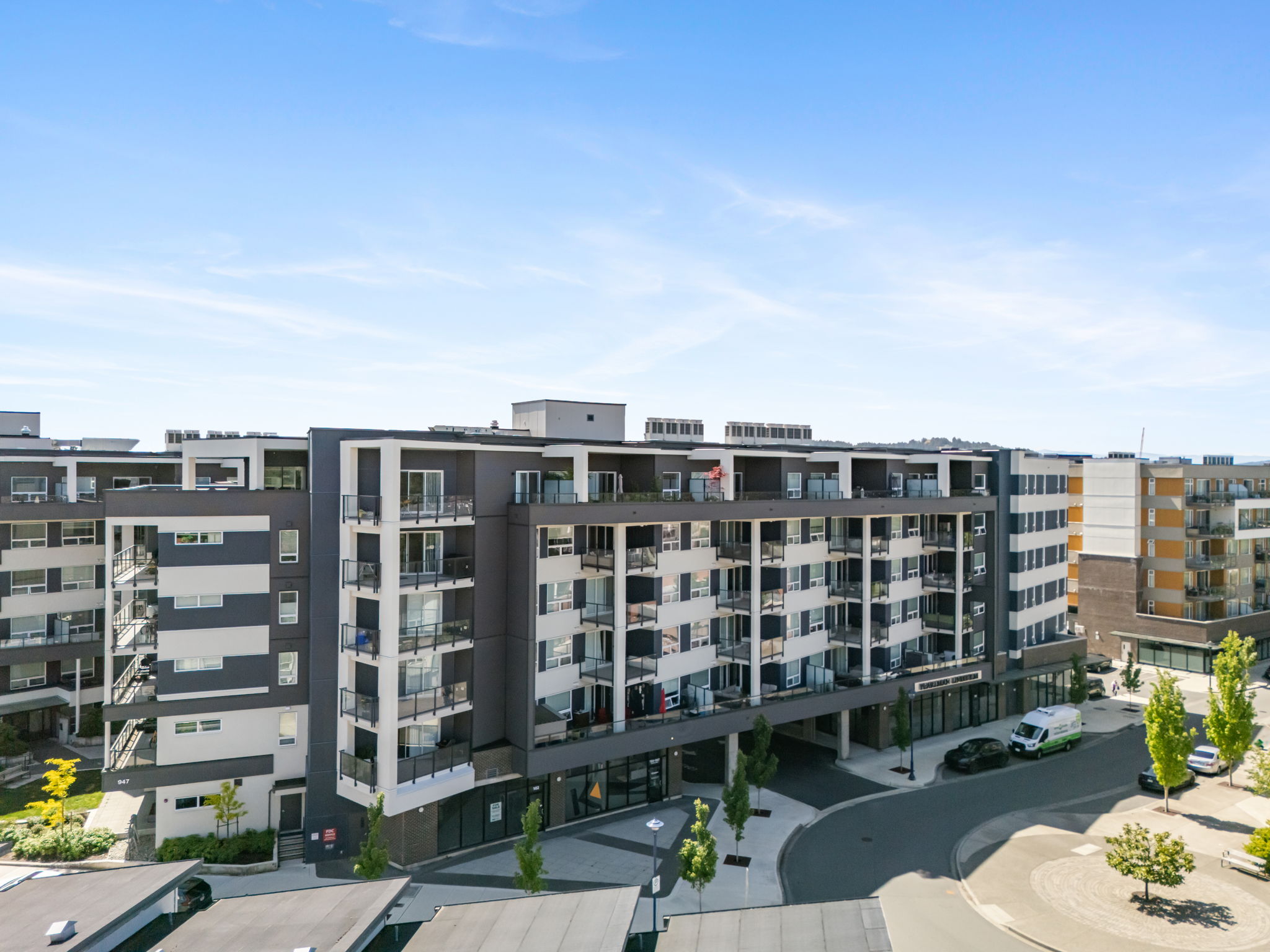
A safer condo building is not always the newest, flashiest, or most expensive option. Often, a safer condo building is one that feels well-managed, financially prepared, and clear about future maintenance. For buyers, that sense of safety comes from confidence. You want to know the building has been cared for, the strata has a plan, and there are fewer surprises hiding behind the monthly fee. Good Strata Documents Tell a Clear Story When buying a condo, the strata documents matter as much as the unit itself. Minutes, financial statements, bylaws, insurance documents, the Form B, and the depreciation report can reveal how the building is being managed. They can also show whether owners are dealing with recurring issues, upcoming repairs, or financial pressure. A well-run building usually has documents that feel organized and consistent. The records do not need to be perfect, but they should help buyers understand what has happened, what is being discussed, and what may be coming next. A Healthy Contingency Reserve Fund Builds Confidence The contingency reserve fund, often called the CRF, is one of the key areas buyers should review. This fund helps pay for larger common expenses, repairs, and future building needs. A stronger reserve can give buyers more confidence that the strata has prepared for long-term costs. A low reserve does not automatically mean a building is a bad purchase. However, it may mean buyers need to ask better questions. Has the strata recently completed major work? Are owners keeping fees low at the expense of future planning? Are special levies likely? The answer matters more than the number alone. A Depreciation Report Helps Buyers See Ahead A depreciation report is useful because it looks beyond today. It helps identify major building components, estimated repair timelines, and long-term funding needs. This may include items such as the roof, windows, balconies, plumbing, exterior finishes, parkade areas, elevators, or mechanical systems. For buyers, the depreciation report can help answer one of the most important condo questions: What could this building need in the next few years? A building feels safer when the strata has a clear report, takes it seriously, and appears to plan around it. Consistent Maintenance Is Better Than Deferred Problems A condo building does not need to be flawless to be a good buy. In fact, every building needs maintenance over time. What matters is how the strata responds. Buyers should look for signs that repairs are being handled thoughtfully. Regular maintenance, timely follow-up, and clear communication can be more reassuring than a building that appears problem-free but has little documentation. Deferred maintenance can create uncertainty. When small issues pile up, they can become larger costs later. Insurance Should Not Be Ignored Insurance has become an important part of condo buying. Buyers should review the strata’s insurance coverage, deductible amounts, and any notes related to claims history. High deductibles or repeated claims may affect how buyers think about risk and ownership costs. This does not mean buyers should avoid a building automatically. It means insurance should be part of the full review, not an afterthought. Clear Bylaws Reduce Future Friction A condo can feel safer when the rules are easy to understand. Bylaws can affect pets, rentals, smoking, renovations, parking, storage, short-term accommodation, and use of common areas. These rules shape day-to-day living and future resale appeal. Buyers should make sure the building’s bylaws fit their lifestyle before removing conditions. A great unit in the wrong building can still become a frustrating purchase. Strong Communication Shows Good Governance A well-managed strata usually communicates clearly. Council minutes should show thoughtful discussion, not constant conflict. Owners may disagree from time to time, but repeated tension, unresolved complaints, or unclear decision-making can be warning signs. Good governance does not mean everyone agrees. It means the building has a process, keeps records, and makes decisions in a way buyers can understand. The Monthly Fee Should Make Sense Some buyers focus only on keeping strata fees low. That can be a mistake. A lower fee is not always better if the building is underfunded or delaying repairs. A higher fee is not always bad if it supports good maintenance, insurance, amenities, and long-term planning. The better question is: Does the monthly fee match what the building needs? A safer condo building usually has fees that feel realistic, not artificially low. Resale Confidence Matters Too A condo purchase is not only about living there today. It is also about how future buyers may view the building. Buildings with clear documents, steady maintenance, reasonable fees, strong insurance, and good governance often feel easier to explain when it is time to sell. That matters because future buyers will review many of the same documents you are reviewing now. The Bottom Line A condo building feels safer to buy when the risk is easier to understand. Buyers should look beyond the unit and review how the building is managed, funded, maintained, and governed. A beautiful condo can lose appeal if the building creates uncertainty. A simpler unit in a well-run building may offer stronger long-term confidence. The goal is not to find a perfect building. The goal is to understand the building clearly before making a decision. For advice on buying a condo or reviewing strata documents in Greater Victoria, contact Faber Real Estate Group for local guidance before you move forward. Dione S., 5-Star Review, via Google “We made a MAJOR purchase and his expertise gave us the confidence to make OUR own decision in this crazy market! We are HAPPY ! Would not change a thing! Thank you Faber team!!” Faber Real Estate Group Royal LePage Coast Capital Realty 📞 250-244-3430 📧 [email protected] ℹ️ Scott Faber Personal Real Estate Corporation ℹ️ Cal Faber Personal Real Estate Corporation Vanessa Wood, Zachary Parsons, and Sophie Taylor “Building Lasting Relationships, One Home at a Time.”
Read more
When selling a home, competing listings can tell you almost as much as recent sales. Sold properties show what buyers have already accepted. Active listings show what buyers are comparing your home against right now. That distinction matters. A seller may have a strong property, a fair price, and good marketing. However, if nearby homes offer more space, better presentation, stronger updates, or a sharper price, buyers will notice. They may not say it out loud, but they are comparing options in real time. Buyers Do Not View Your Home in Isolation Most buyers are not looking at one home. They are looking at a group of homes within a price range, neighbourhood, property type, and lifestyle need. That means your home is judged against: Similar homes currently for sale Recent price reductions Properties with better presentation Homes with stronger layouts or updates Listings that appear to offer better value Even if your home is priced based on past sales, competing listings can change how buyers respond today. Active Listings Show Current Buyer Choice Recent comparable sales are useful, but they are historical. They tell you what happened under a specific set of conditions. Active listings show the current choice buyers have. If there are only a few similar homes available, your property may stand out more easily. If there are many similar homes on the market, buyers may take longer, compare more carefully, and negotiate harder. This does not always mean a seller needs to lower the price. It does mean the listing strategy needs to be realistic. Presentation Can Shift the Comparison Competing listings are not only about price. Presentation plays a major role. A home that is clean, bright, well photographed, and easy to understand online can often create more interest than a similar home that feels cluttered or poorly presented. Buyers compare photos before they book a showing. They compare layouts before they walk through the door. They compare condition, finishes, outdoor space, storage, parking, and maintenance concerns. Small improvements can help your listing compete more strongly, especially when buyers have options. Price Adjustments Often Start With Competition When a listing is not getting enough showings or interest, sellers often look first at the price. That is fair, but the better question is: What else can buyers choose instead? If a nearby property is priced lower, recently reduced, better staged, or offering more useful space, that listing becomes part of the decision. Your home may still be worth the asking price, but buyers need to clearly understand why. This is where strategy matters. Sometimes the answer is a price adjustment. Sometimes it is improved photos, better wording, stronger feature emphasis, or a clearer explanation of the home’s value. Competing Listings Help Sellers Stay Objective Selling a home can feel personal. For many homeowners, the property carries years of memories, improvements, and emotional value. Buyers see it differently. They are trying to decide which home gives them the best fit, value, and confidence. Looking honestly at competing listings helps sellers step outside their own attachment and see the home through a buyer’s eyes. That perspective can make the difference between waiting and adjusting with purpose. What Sellers Should Review Before Listing Before going live, sellers should review the current competition with their real estate team. Key questions include: How many similar homes are currently for sale? Which listings are getting attention? Which homes have reduced their price? How does our presentation compare? What does our home offer that others do not? Where might buyers hesitate? Is our pricing strategy clear and defensible? These questions help shape a stronger launch. The Bottom Line Competing listings are not something sellers should fear. They are information. They help sellers understand buyer choice, pricing pressure, presentation standards, and market positioning. The goal is not to copy the competition. The goal is to know where your home fits, where it stands out, and where strategy may need to change. In a market where buyers compare carefully, sellers who understand competing listings are better prepared to price, present, and adjust with confidence. For advice on how your home compares to competing listings in Greater Victoria, contact Faber Real Estate Group for a clear, local selling strategy. Doug M., 5-Star Review, via Google “For us, selling our first home of 15 years brought up a lot of emotion and the process felt daunting. We had a challenging tenant and lived off island. In rode the Fabers, like knights on white horses! Always there, supporting, guiding every step of the way, connecting with confidence and kindness. Fluid communication and success on every level. Truly a God send, we can’t imagine having done it without them! A pleasure indeed.” Faber Real Estate Group Royal LePage Coast Capital Realty 📞 250-244-3430 📧 [email protected] ℹ️ Scott Faber Personal Real Estate Corporation ℹ️ Cal Faber Personal Real Estate Corporation Vanessa Wood, Zachary Parsons, and Sophie Taylor “Building Lasting Relationships, One Home at a Time.”
Read more
Drainage and moisture in Victoria homes should be part of every buyer’s due diligence. A home may look warm, updated, and well-kept during a showing, but water management tells a deeper story about how the property performs through the wet season. Victoria is known for a milder climate, but rain still matters. The City of Victoria explains that stormwater systems collect runoff from hard surfaces like roads and roofs and move it away from homes and businesses to help prevent flooding. That simple idea applies at the property level too: water needs somewhere reliable to go. (victoria.ca) Why Drainage Matters So Much Water is one of the most important things to understand before buying a home. Poor drainage can affect: Foundations Basements Crawlspaces Siding Decks and balconies Landscaping Retaining walls Driveways Interior air quality Long-term maintenance costs A home does not need to be perfect, but buyers should understand how water moves around the property. The goal is to know whether the home is managing moisture well or whether there are signs of future risk. Victoria Homes Can Have Unique Moisture Considerations Greater Victoria has a wide range of housing types and land conditions. Buyers may be comparing older character homes, hillside properties, strata complexes, rural homes, low-lying lots, newer builds, and homes with crawlspaces or basement suites. Each type can carry different drainage questions. For example: Older homes may have aging perimeter drains Homes on slopes may receive water from uphill properties Low-lying lots may hold water longer after rain Crawlspaces may show signs of dampness or poor ventilation Basement suites may be more vulnerable if drainage is weak Retaining walls may suggest grading or water-pressure issues Strata properties may rely on shared drainage systems and maintenance planning This is why two homes in the same price range can carry very different long-term risk. Start Outside the Home Good drainage usually begins outside. During a showing, buyers should look at how the land slopes, where downspouts discharge, and whether water appears to be directed away from the foundation. Practical things to look for include: Gutters that are clean and properly connected Downspouts that discharge away from the home Soil or hardscaping sloped away from the foundation Low spots where water may pool Moss or staining near exterior walls Cracks in walkways or patios Retaining walls that lean or show staining Soft or soggy areas in the yard Drain grates, catch basins, or sump systems Evidence of past drainage work A buyer does not need to diagnose the issue during the showing. They just need to notice what deserves further review. Check Basements and Crawlspaces Carefully Basements and crawlspaces often reveal moisture concerns before the main living areas do. Buyers should pay attention to: Musty smells Staining on concrete or framing Efflorescence on foundation walls Standing water Damp insulation Rust on metal components Soft subfloor areas Dehumidifiers running constantly Fresh paint that may be covering old staining Stored items lifted off the floor Some moisture signs may be minor or manageable. Others may point to larger drainage, ventilation, or foundation concerns. A home inspection is especially important when a property has a crawlspace, basement suite, below-grade living area, or signs of past water entry. Roofs, Gutters, and Downspouts Matter Drainage is not only about the ground. Roof water can create major problems if it is not managed properly. Buyers should look at: Roof age and condition Missing or damaged shingles Clogged gutters Leaking gutter joints Short downspout extensions Water dumping near the foundation Overflow marks on siding Fascia or soffit staining Moss buildup Poor roof drainage on flat or low-slope sections A functioning roof and gutter system helps move water away from the home before it becomes a foundation or interior moisture issue. Moisture Can Affect More Than Repairs Drainage and moisture problems are not just about repair bills. They can affect how a home feels and functions. Moisture may contribute to: Odours Mold concerns Poor indoor air quality Damage to finishes Rot in structural components Pest issues Insurance questions Resale hesitation Future renovation limits Even when a buyer is comfortable taking on some work, they should understand the size and urgency of the issue before removing conditions. Ask the Right Questions When drainage or moisture concerns appear, buyers should ask direct questions. Useful questions include: Have the perimeter drains been replaced or repaired? When were the gutters and roof last maintained? Has there ever been water entry? Are there receipts or records for drainage work? Is there a sump pump, and how often does it run? Has the basement or crawlspace been professionally assessed? Does water pool anywhere on the property after heavy rain? Are there known issues with neighbouring runoff? Have any insurance claims been made for water damage? Are there strata minutes discussing drainage, leaks, or building-envelope concerns? For strata properties, drainage and moisture concerns may appear in meeting minutes, engineering reports, depreciation reports, or insurance documentation. Use the Inspection Period Wisely A general home inspection can identify visible signs of moisture, but buyers may need further review if something raises concern. Depending on the property, that may include: Drainage contractor review Perimeter drain scope Roof inspection Foundation assessment Sewer or storm line inspection Building envelope review Mold or indoor air quality assessment Strata document review Engineering advice for retaining walls or slopes The right level of due diligence depends on the age, condition, and complexity of the property. Do Not Panic Over Every Moisture Sign Moisture concerns should be taken seriously, but they should not automatically end the purchase. Some issues are routine maintenance. Others are manageable with proper repairs. A clogged gutter is different from chronic basement water entry. Poor downspout placement is different from foundation movement. The key is to separate small maintenance items from larger risk. Buyers should focus on: Cause Cost Urgency Repair history Professional advice Impact on future resale Whether the issue fits their budget and comfort level Clarity matters more than fear. The Bottom Line for Buyers Drainage and moisture in Victoria homes matter because water issues can affect comfort, maintenance, insurance, resale, and long-term ownership costs. A home may look excellent on the surface, but buyers should understand how it handles rain, runoff, and seasonal moisture. Before buying, look outside, check lower levels carefully, ask about past water issues, review documents, and use the inspection period to get the right professional advice. For buyers in Greater Victoria, strong due diligence is not about finding a perfect home. It is about understanding the home clearly before making a long-term decision. For advice on buying a home in Greater Victoria and reviewing property condition before subject removal, contact Faber Real Estate Group for clear, local guidance before making your next move. Lou N., 5-Star Review, via Google “Scott is a knowledgeable, professional, dedicated and thorough expert in his field. Excellent at what he does and we couldn't have found a better realtor to guide us through one of the most important decisions in our lives.” Faber Real Estate Group Royal LePage Coast Capital Realty 📞 250-244-3430 📧 [email protected] ℹ️ Scott Faber Personal Real Estate Corporation ℹ️ Cal Faber Personal Real Estate Corporation Vanessa Wood, Zachary Parsons, and Sophie Taylor “Building Lasting Relationships, One Home at a Time.”
Read more
Active listings in Greater Victoria are an important number to watch, but they do not tell the whole story on their own. Active listings in Greater Victoria show how much choice buyers have at a specific point in time, but they do not explain how quickly homes are selling, which price ranges are moving, or how different neighbourhoods are behaving. That matters because real estate headlines often focus on one number. Inventory is up. Sales are down. Prices are steady. Buyers have more choice. Sellers have more competition. Each statement may be true, but none of them gives the full picture by itself. More Listings Do Not Always Mean a Weak Market At the end of April 2026, the Victoria Real Estate Board reported 3,710 active listings for sale on the MLS, up 13.8% from March and 8.3% from April 2025. VREB also reported 643 property sales in April 2026, almost unchanged from April 2025 and up 11.1% from March. That combination matters. More listings can mean buyers have more choice. It can also mean sellers feel more competition. However, if sales remain steady, the market may still be balanced rather than weak. This is why inventory needs context. A market with more listings and weak demand feels very different from a market with more listings and steady buyer activity. The Type of Inventory Matters Not all listings compete with each other. A downtown condo is not competing with a Saanich family home in the same way. A Langford townhome may attract a different buyer than a waterfront property in Cordova Bay. A renovated home priced well may receive strong interest, while a similar property with deferred maintenance may sit longer. Buyers and sellers need to look beyond the total inventory number and ask: What type of homes are available? Which price ranges have the most competition? How much of the inventory is well-priced? How much of it needs major updates? Are buyers active in this specific segment? Are similar homes selling, or just sitting? A higher number of listings does not automatically mean buyers have more good options. Sometimes it means they have more to sort through. Sales Activity Tells You Whether Buyers Are Responding Active listings show supply. Sales show demand. When inventory rises but sales also remain active, it often points to a more balanced market. Buyers have more time to compare, but strong properties can still sell. Sellers may need to be more careful with pricing and presentation, but they are not necessarily in a distressed position. VREB described the April 2026 Greater Victoria market as balanced, with strong inventory and a wide range of properties at different price points. VREB also noted that market experience can vary depending on location and property type because Greater Victoria is made up of many micro-markets. That last point is key. The overall market may be balanced, while one neighbourhood feels competitive and another feels slower. Price Does Not Move the Same Way Everywhere Inventory levels can influence prices, but they do not control prices on their own. In April 2026, the MLS Home Price Index benchmark value for a single-family home in the Victoria Core was $1,339,100, down 1.2% from April 2025 but up from March 2026. The condo benchmark value in the Victoria Core was $558,300, down 0.8% from April 2025 but also up from March. This shows why simple market narratives can mislead people. A buyer may hear that inventory is up and expect major discounts. A seller may hear that prices are stable and assume their home can be priced aggressively. Both can be wrong. Pricing depends on condition, location, property type, buyer demand, competing listings, and recent comparable sales. Days on Market and Price Reductions Add More Clarity Active listings tell you what is available today. They do not show the full behaviour behind the market. To understand what is really happening, buyers and sellers should also look at: Days on market Recent sale prices List-to-sale price ratios Price reductions New listings coming on Expired or cancelled listings Competing inventory by neighbourhood Showing activity Offer activity These details help explain whether listings are building because homes are overpriced, because more sellers are entering the market, or because buyers are taking longer to decide. That distinction matters. What This Means for Buyers For buyers, more active listings can create better choice and less pressure. It may also create more confusion. When there are more options, it becomes easier to compare homes but harder to decide. Buyers may hesitate, hoping something better will appear. That can be reasonable in some segments, but risky in others. A strong buyer strategy should focus on: Knowing which neighbourhoods fit your lifestyle Comparing property condition carefully Watching how long similar homes are taking to sell Understanding whether the list price reflects current market reality Staying ready when a well-priced home appears More inventory gives buyers breathing room, but it does not remove the need for preparation. What This Means for Sellers For sellers, more active listings usually means presentation and pricing matter more. When buyers have more choice, they compare more carefully. They notice condition, layout, updates, maintenance, location, and price. A listing that may have stood out in a lower-inventory market may need stronger positioning when similar homes are available. Sellers should pay close attention to: How their home compares to active competition Whether recent sales support the asking price How buyers are responding after showings Whether the first two weeks generate enough interest Which improvements may improve buyer confidence Whether the marketing clearly explains the home’s value In a balanced market, sellers can still do well. They just need to compete on value, not assumption. The Better Question Is Not Just “How Many Listings Are There?” The better question is: what do the listings mean? Active listings are useful, but they are only one part of the market story. The number becomes more meaningful when paired with sales activity, buyer demand, pricing trends, property type, condition, and neighbourhood-level competition. For buyers, the goal is not just to find more homes. It is to find the right home at the right value. For sellers, the goal is not just to list in a market with activity. It is to position the home clearly within the choices buyers already have. If you are trying to understand what today’s inventory means for your next move, contact Faber Real Estate Group for local advice, current market insight, and a strategy based on your specific neighbourhood, price range, and goals. Michael F., 5-Star Review, via Google “If you want the best in town, stop your search – you've found them here in Cal and Scott Faber. We couldn't be happier with the results and highly recommend them to anyone in need of top-notch real estate services. Professional, patient, and caring results guaranteed.” Faber Real Estate GroupRoyal LePage Coast Capital Realty📞 250-244-3430📧 [email protected]ℹ️ Scott Faber Personal Real Estate Corporationℹ️ Cal Faber Personal Real Estate CorporationVanessa Wood, Zachary Parsons, and Sophie Taylor“Building Lasting Relationships, One Home at a Time.”
Read more