
Posts Tagged ‘real estate tips for buyers’
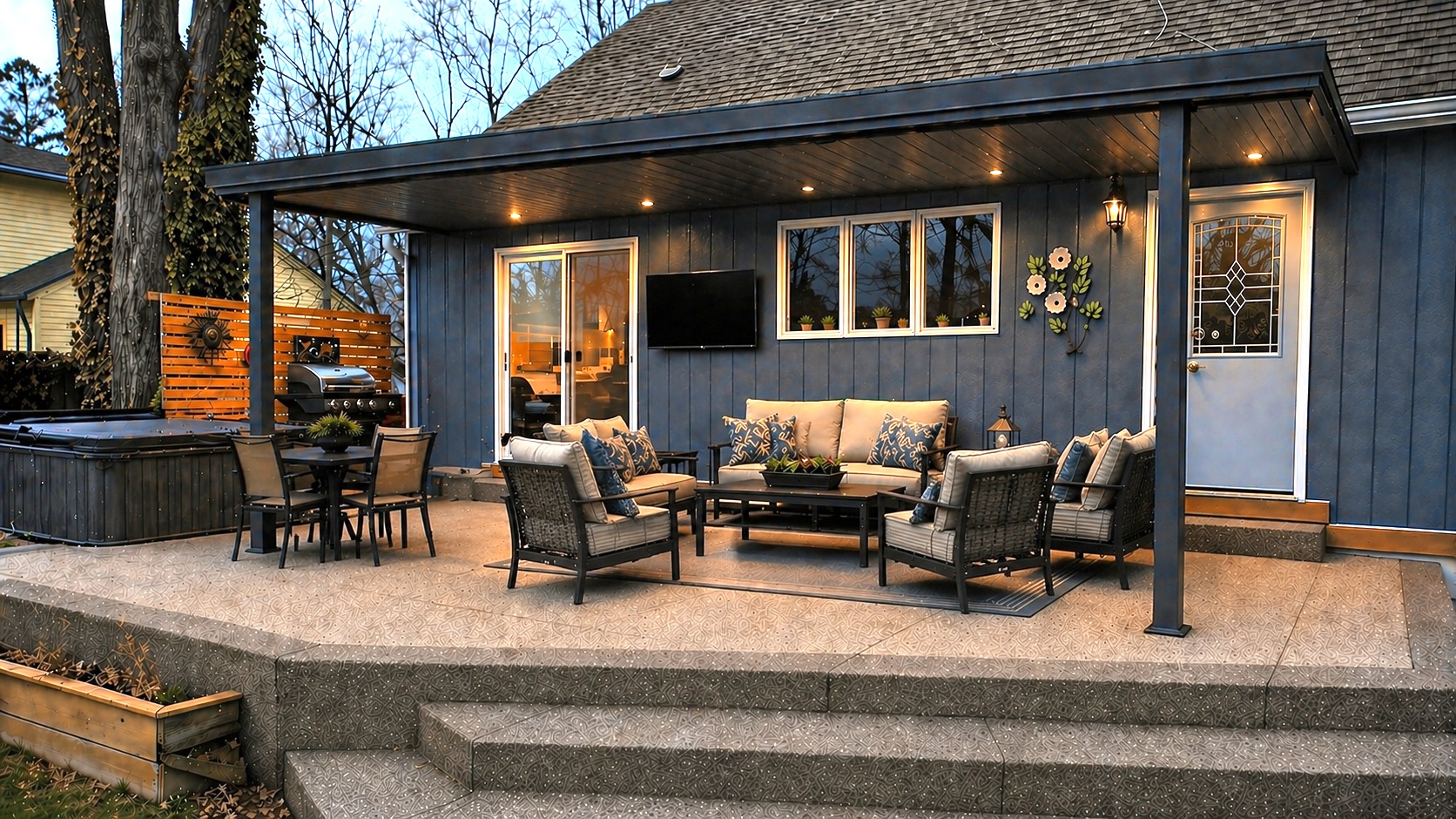
Esquimalt real estate is getting more attention from buyers who want a location close to downtown Victoria, but with a stronger sense of community, waterfront access, parks, and often more value compared to some neighbouring core areas. For many buyers, Esquimalt feels like one of those places that is no longer being overlooked. That does not mean Esquimalt is the right fit for everyone. However, it does mean buyers are starting to look at it with a different lens. Instead of seeing it as simply “close to Victoria,” they are seeing it as a complete community with its own identity, services, and long-term appeal. Esquimalt Offers a Strong Location Without Feeling Like Downtown One of Esquimalt’s biggest advantages is location. Buyers can be close to downtown Victoria, Vic West, the Inner Harbour, CFB Esquimalt, and major employment areas without necessarily feeling like they are living in the middle of the city. That balance appeals to people who want convenience, but still value quieter residential streets, parks, and access to the water. For many buyers, that creates a practical daily-life advantage: Shorter commute options Easier access to downtown Victoria Nearby parks and waterfront paths A mix of condo, townhome, and detached options A more established neighbourhood feel In a region where affordability and commute time both matter, Esquimalt can be a very logical place to look. Buyers Are Looking for Better Value in the Core Greater Victoria buyers have become more selective. With more inventory available across the region, buyers are comparing neighbourhoods more carefully instead of focusing only on the most familiar names. The Victoria Real Estate Board reported 643 sales in April 2026, nearly flat compared with April 2025, while active listings rose 8.3% year-over-year to 3,710 at month-end. That gives buyers more room to compare locations, property types, and long-term value. This matters for Esquimalt because buyers who may have started their search in Victoria, Saanich, Fairfield, James Bay, or Oak Bay may begin asking a practical question: what else can my budget buy nearby? Esquimalt often enters that conversation because it offers core-area access while still presenting different price points and property styles. The Waterfront and Parks Add Real Lifestyle Value Esquimalt has a lifestyle advantage that buyers are noticing more often. The community offers access to waterfront areas, parks, recreation, trails, and local amenities that make daily life feel more connected to the outdoors. For buyers moving from busier urban areas, that mix can be appealing. This is especially important for: Downsizers who still want walkability and outdoor access First-time buyers looking for a practical entry point near Victoria Young professionals who want proximity to work and lifestyle Buyers who value parks, dog walks, cycling, and waterfront routes Investors watching areas with growing local interest A home’s value is not only about the property itself. It is also about what daily life feels like once you step outside. Esquimalt Has More of a Community Feel Than Some Buyers Expect Some buyers are surprised by how established Esquimalt feels once they spend time there. There are local shops, recreation facilities, schools, parks, residential streets, and waterfront pockets that give the area more identity than buyers may assume from a quick map search. The Township is also reviewing long-term recreation needs through a Recreation Strategic Plan designed to guide services and facilities over the next 15 years as the community grows. That kind of planning matters because buyers are not only purchasing a home. They are buying into a community that will continue to change over time. Growth and Planning Are Changing the Conversation Esquimalt is not standing still. The Township has been updating its Official Community Plan to meet provincial housing requirements and account for 20 years of housing needs. It also maintains a development tracker for current and recently approved development applications, which gives buyers a clearer way to understand what may be changing nearby. For buyers, this creates both opportunity and due diligence. Growth can bring more housing, improved services, better amenities, and stronger long-term neighbourhood awareness. However, it can also mean future construction, changing density, traffic considerations, and different neighbourhood character over time. The key is not to avoid change. The key is to understand it before buying. Property Variety Helps Different Buyer Groups Esquimalt attracts attention because it offers a mix of housing types. Depending on budget and location, buyers may find condos, townhomes, older detached homes, character properties, strata options, and homes with suite potential. That variety creates more entry points than some higher-priced core neighbourhoods. This is useful for buyers who want: A first home close to Victoria A lower-maintenance condo or townhome A detached home without moving too far from the core A property with renovation potential A neighbourhood that may continue gaining attention over time No property type is automatically the right choice. However, Esquimalt gives buyers more ways to match lifestyle, budget, and long-term plans. What Buyers Should Watch Before Buying in Esquimalt Esquimalt has a lot to offer, but buyers should still slow down and look carefully. Before purchasing, consider: Street-by-street differences in noise, views, and traffic Proximity to future development Parking availability Building age and maintenance history Strata documents for condos and townhomes Commute patterns at different times of day Walkability to the specific amenities you care about Long-term resale appeal This is where local guidance matters. Two homes in Esquimalt can offer very different ownership experiences depending on location, building condition, exposure, and future surrounding changes. Esquimalt Is Getting Attention for Practical Reasons Esquimalt real estate is not gaining attention because of one single trend. It is gaining attention because several buyer priorities are meeting in one place. Buyers want proximity, value, lifestyle, community, and long-term potential. Esquimalt checks many of those boxes while still feeling distinct from downtown Victoria and other core neighbourhoods. For the right buyer, Esquimalt can offer a strong mix of convenience and livability. The important part is knowing which streets, buildings, and property types match your goals before making a move. For help deciding whether Esquimalt is the right fit for your next home purchase, contact Faber Real Estate Group for practical, local guidance before you start comparing properties. Dawson H., 5-Star Review, via Google “Working with Scott and Zach made the entire condo purchase process incredibly smooth, even while I was traveling in another country. Their communication was clear, timely, and efficient, which made it easy to navigate every step without feeling stressed or overwhelmed. They handled details behind the scenes with confidence, giving me peace of mind knowing everything was in good hands.” Faber Real Estate GroupRoyal LePage Coast Capital Realty📞 250-244-3430📧 [email protected]ℹ️ Scott Faber Personal Real Estate Corporationℹ️ Cal Faber Personal Real Estate CorporationVanessa Wood, Zachary Parsons, and Sophie Taylor“Building Lasting Relationships, One Home at a Time.”
Read more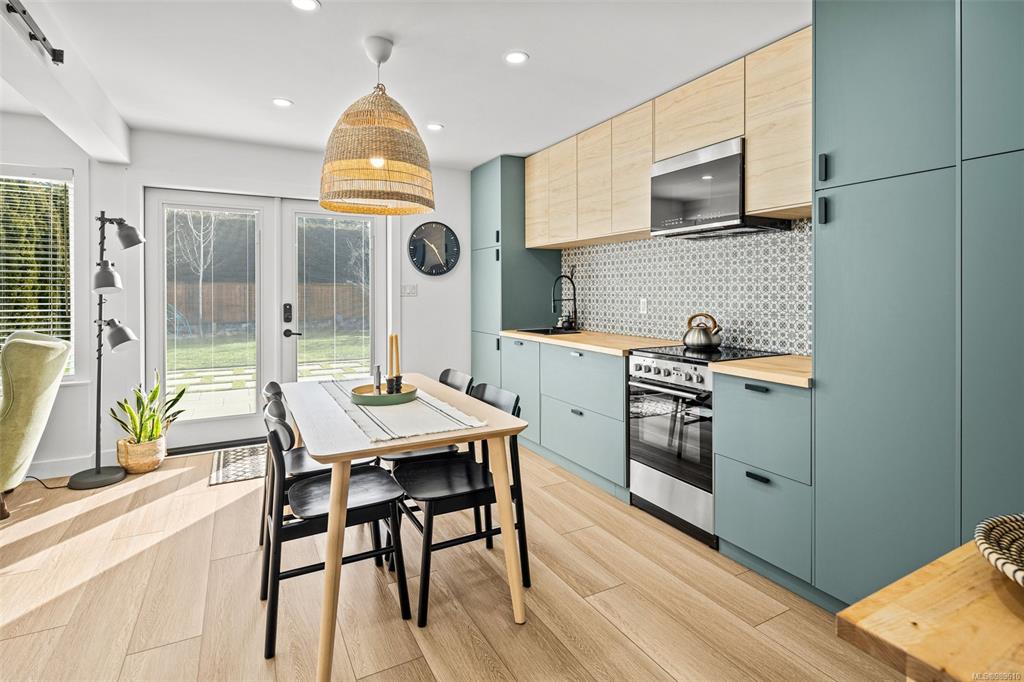
Buying a home is not just about what works today. It is also about whether the home will continue to support your lifestyle, budget, comfort, and future plans. Long-term livability in a home matters because the right property should feel practical not only on possession day, but years after you move in. A beautiful kitchen or fresh paint can catch your attention quickly. However, livability often comes down to quieter details. Layout, storage, maintenance, parking, noise, stairs, natural light, and neighbourhood access can have a much bigger effect on daily life than finishes alone. Start With the Layout A home with good long-term livability usually has a layout that works without constant compromise. Ask yourself: Are the main living areas easy to use? Is there enough separation between bedrooms and busy spaces? Can furniture fit comfortably? Is there space to work from home, host family, or adapt over time? Are there awkward rooms that may limit future use? A home does not need to be large to live well. In fact, a smaller home with a smart layout can often feel more functional than a larger home with wasted space. Think About Stairs, Access, and Aging Needs Many buyers focus on what they need now. However, long-term livability means thinking ahead. Stairs may not feel like an issue today, but they can matter later. This is especially true for downsizers, young families, buyers with aging parents, or anyone planning to stay in the home for many years. Consider: Is there a bedroom and bathroom on the main level? Is the entry easy to access? Are laundry and daily essentials conveniently located? Could the home work if mobility needs changed? Is the driveway, parking, or walkway steep? You do not need to plan for every possible future scenario. Still, the more flexible a home is, the easier it is to stay comfortable over time. Look Closely at Storage Storage is one of the most underrated parts of livability. A home can look clean and spacious during a showing because it has been staged or carefully prepared. Once real life moves in, the question becomes: where does everything go? Look for: Coat closets near the entry Pantry space Linen storage Garage or shed space Bike and recreational storage Seasonal storage Bedroom closet size This matters even more in condos and townhomes, where storage lockers, bike rooms, and parking arrangements can affect daily convenience. Pay Attention to Maintenance Long-term livability is not only about comfort. It is also about how easy and affordable the home is to maintain. A home with charming features may still be a great choice, but buyers should understand what upkeep may be required. Roof age, windows, drainage, exterior materials, heating systems, decks, fences, and landscaping all affect future cost and effort. Before buying, ask: What major systems may need replacement soon? Are the exterior materials low-maintenance? Is the yard manageable? Are there signs of deferred maintenance? Has the home been cared for consistently? A home that feels easy to live in should also feel realistic to own. Consider Natural Light and Exposure Natural light can change how a home feels every day. In Greater Victoria, where winter months can feel darker and wetter, light exposure can have a real effect on comfort. Think about: Which rooms get the best light? Is the main living area bright? Does the home feel dark even during the day? Are neighbouring buildings or trees blocking light? Does the patio or yard get usable sun? South and west exposure can be appealing, but there are tradeoffs. More sun can mean more warmth in summer. Less sun may mean a cooler home, but also a darker feel. The best choice depends on how you live. Test the Neighbourhood Fit A home’s livability does not stop at the property line. The surrounding area affects your daily routine, resale appeal, commute, and lifestyle. A home may look perfect inside, but if the location makes everyday life harder, the novelty can wear off quickly. Consider: Commute time during real traffic hours Access to groceries, cafés, parks, schools, and transit Walkability Noise from roads, construction, or nearby commercial uses Future development nearby Parking pressure on the street Neighbourhood feel at different times of day In Greater Victoria, different neighbourhoods offer very different versions of convenience. A walkable home in Cook Street Village will not feel the same as a quiet acreage property, a Langford townhome, or a Sidney condo. Each can work well, but only if it matches the way you actually live. Think About Flexibility A home with strong long-term livability can adapt as life changes. That may mean room for a growing family, space for guests, an office, a suite, a hobby area, or easier downsizing later. It may also mean choosing a property that appeals to future buyers when it is time to sell. Good flexibility can include: A den or spare room Multiple bathrooms A practical parking setup A usable outdoor space A layout that works for different life stages A location with broad buyer appeal The more adaptable a home is, the less likely you are to outgrow it quickly. Do Not Let Finishes Distract You Fresh renovations can be appealing, but they do not always equal better livability. A new kitchen may photograph well, but if the home has poor storage, limited parking, a difficult layout, or expensive maintenance ahead, the shine can fade quickly. On the other hand, a home with older finishes may still be an excellent long-term choice if the structure, layout, location, and ownership costs make sense. When comparing homes, separate cosmetic appeal from functional value. Ask yourself: What can be easily changed? What would be expensive or impossible to change? Does the home solve daily problems? Will this still work five or ten years from now? Paint, flooring, and fixtures can often be updated. Layout, exposure, location, and land constraints are much harder to change. The Best Homes Make Daily Life Easier Long-term livability in a home is about more than square footage or style. It is about how well the property supports real life. A good home should help your routines feel easier. It should fit your lifestyle, reduce unnecessary friction, and give you room to adjust as your needs change. Before buying, look beyond the excitement of the showing and picture a normal Tuesday morning, a rainy winter weekend, and a busy season of life. That is often where the right choice becomes clearer. For help evaluating whether a home fits your lifestyle now and in the future, contact Faber Real Estate Group for practical, local guidance before you make your next move. Elel P., 5-Star Review, via Google “Months of looking then a listing came up to our liking. We were out of town so Scott did a virtual viewing for us. We gave an offer even without viewing it personally because of this crazy market we have. Offer got accepted a couple hours after!” Faber Real Estate GroupRoyal LePage Coast Capital Realty📞 250-244-3430📧 [email protected]ℹ️ Scott Faber Personal Real Estate Corporationℹ️ Cal Faber Personal Real Estate CorporationVanessa Wood, Zachary Parsons, and Sophie Taylor“Building Lasting Relationships, One Home at a Time.”
Read more