
Posts Tagged ‘home buying tips Victoria BC’
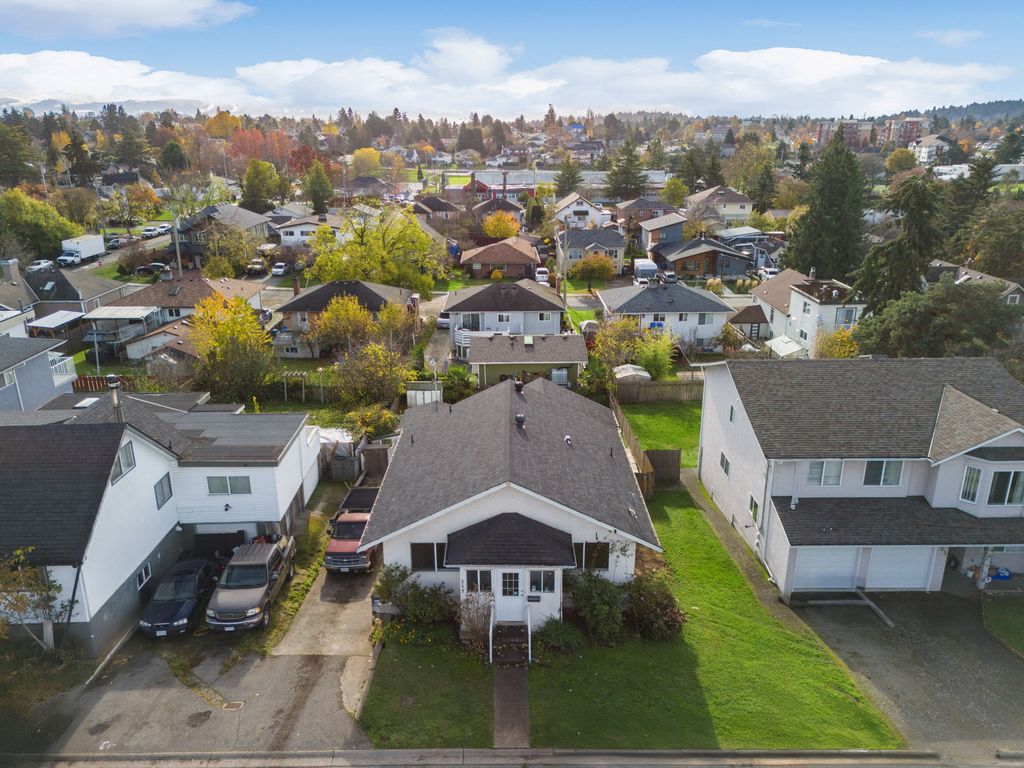
Understanding compromise vs red flag ,swhen buying a home can help you make a calmer, clearer decision before you write an offer. Most buyers will not find a home that checks every box. That does not mean they are settling. It means they are choosing which trade-offs make sense and which concerns need a closer look. A compromise is usually something you can live with, change, or plan around. A red flag is a warning sign that could affect safety, cost, resale, financing, or peace of mind. The difference matters. What Is a Reasonable Compromise? A compromise is a trade-off between what you want and what still works. For example, you may choose: A smaller yard to stay in your preferred neighbourhood An older kitchen because the layout works well A longer commute for more space A condo instead of a townhouse to stay within budget A home that needs cosmetic updates over time These are not always problems. In fact, most smart buyers make some form of compromise. The key is knowing whether the trade-off supports your lifestyle, budget, and long-term plan. Questions to Ask Before Accepting a Compromise Before you move forward, ask yourself a few clear questions. Can I live with this every day? Paint colour is easy to change. A layout that does not work for your family is harder to ignore. Focus on the parts of the home that affect daily life, such as storage, parking, noise, stairs, natural light, and commute. Can I fix this within my budget? Some updates can happen slowly. Others may cost more than expected. Before accepting a compromise, think about the true cost of changing it. A dated bathroom may be manageable. Old wiring, drainage issues, or a failing roof may need more care. Will this affect resale? You do not need to buy a home that works for everyone. However, resale still matters. Limited parking, an unusual layout, poor access, or a difficult location can reduce the number of future buyers. That does not mean you should walk away. It simply means you should understand the trade-off before you buy. What Is a Red Flag? A red flag is not always a dealbreaker. However, it is a reason to slow down and ask better questions. When thinking about compromise vs red flag when buying a home, look at whether the issue creates risk beyond simple preference. Common red flags may include: Water damage or moisture concerns Foundation or drainage issues Old electrical or plumbing systems A roof near the end of its life Signs of mould or poor ventilation Unpermitted renovations Missing or unclear documents Strata financial concerns Repeated special levies A purchase that stretches your monthly budget too far These concerns need proper review before you decide what to do next. Why the Home Inspection Matters A home inspection helps you understand what you are buying. It is not about finding a perfect home. It is about spotting visible concerns, future repairs, and maintenance priorities. For example, an older roof may be acceptable if the price reflects it. However, active leaks or repeated moisture problems may point to a larger issue. Good information helps you make a better decision. It also gives you room to negotiate, ask questions, or walk away if needed. Strata Homes Need Extra Review If you are buying a condo or townhouse, the unit is only one part of the decision. The building matters too. A beautiful condo may still carry risk if the strata has weak financials, ongoing repairs, insurance concerns, or poor maintenance history. Before buying a strata property, review: Form B Strata minutes Budget Bylaws Insurance documents Depreciation report Contingency reserve fund Any upcoming levies or major repairs This review can help you understand whether the home is a smart fit or just looks good on the surface. For more buyer guidance, visit: https://www.fabergroup.ca/buy-with-us/ Budget Red Flags Matter Too Not every red flag shows up during a walkthrough. Sometimes the biggest risk is the monthly cost. A home may fit your pre-approval but still feel too tight once you include taxes, strata fees, insurance, utilities, repairs, and moving costs. Before writing an offer, ask: What will this home cost each month? Do I have room for repairs? Will I still feel comfortable after closing? Am I relying on everything going perfectly? Does this home support the life I want? A good home should fit your life, not just your approval amount. A Simple Way to Decide When a concern comes up, place it into one of three categories. Preference This is something you wanted but do not truly need. Examples include paint colours, cabinet style, flooring, or light fixtures. These are often manageable compromises. Practical Concern This affects how the home works. Examples include parking, storage, layout, noise, commute, or renovation needs. These deserve more thought. Risk Factor This could affect cost, safety, financing, resale, or legal clarity. Examples include water damage, structural concerns, strata issues, unpermitted work, or an uncomfortable budget. These need deeper review before you move forward. Why Local Guidance Helps Greater Victoria has many different property types, and each one comes with its own trade-offs. Older homes may offer charm but need more maintenance. Condos may offer convenience but require careful strata review. Townhomes may provide more space but come with bylaws and monthly fees. Rural properties may involve wells, septic systems, access, zoning, and insurance considerations. That is why local guidance matters. The right advice can help you compare the home, the risks, the neighbourhood, and the numbers together. You can also start exploring current listings here: https://www.fabergroup.ca/search-homes/ Final Thoughts A compromise is not a failure. It is often part of buying the right home. A red flag is different. It is a signal to pause, ask questions, and protect your future self. The goal is not to find a flawless property. The goal is to understand what you are accepting before you say yes. When you can tell the difference between a reasonable compromise and a serious concern, you can buy with more clarity and fewer regrets. If you are buying in Greater Victoria and want help reviewing a property, comparing trade-offs, or understanding what concerns deserve a closer look, our team is here to help. Maryann G., 5-Star Review, via Google “We recently sold our home through the Faber Real Estate Group. We received excellent service as we navigated our way through the sale of the house. I would recommend, they are so professional and gave good advice leading to a quick sale.” Faber Real Estate Group Royal LePage Coast Capital Realty 📞 250-244-3430 📧 [email protected] ℹ️ Scott Faber Personal Real Estate Corporation ℹ️ Cal Faber Personal Real Estate Corporation Vanessa Wood, Zachary Parsons, and Sophie Taylor “Building Lasting Relationships, One Home at a Time.”
Read more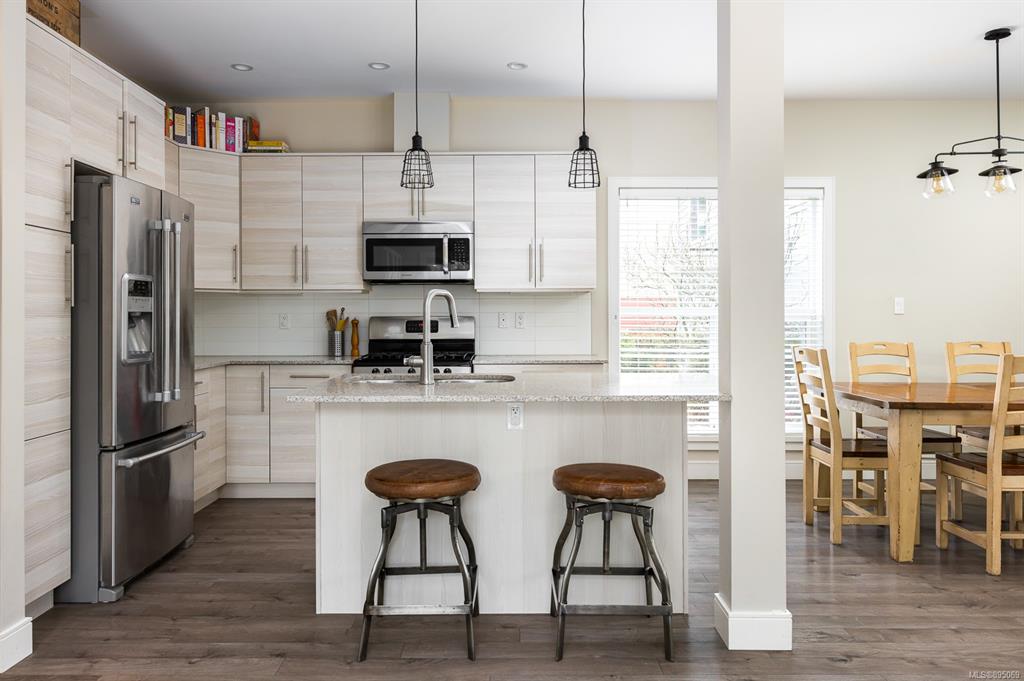
The $800K to $1M range feels competitive in Greater Victoria because it attracts several buyer groups at once. First-time buyers stretching their budget, move-up buyers looking for more space, downsizers wanting comfort, and investors watching long-term value can all end up looking at similar properties. That does not mean every home in this price range receives multiple offers. It means the best homes often attract focused attention quickly, especially when they are well priced, well located, and easy to move into. Why This Price Range Matters In Greater Victoria, the $800K to $1M range can represent very different options depending on the neighbourhood. In some areas, it may mean a larger condo or townhome. In others, it may open the door to an older detached home, a smaller family home, or a property that needs updates. This is why buyers in this price range often feel like they are comparing very different trade-offs. They may be asking: Do we choose location or more space? Do we buy newer and smaller, or older with more potential? Should we stay closer to Victoria, or look further into the Westshore? Is it better to accept renovation work, or pay more for move-in-ready condition? Those questions create competition because many buyers are trying to solve the same affordability problem in different ways. More Inventory Does Not Mean Every Home Is Easy to Buy Greater Victoria has offered buyers more choice recently, but that does not remove competition from every segment. A balanced market can still feel competitive when many buyers focus on the same price band. This is especially true for homes that check the most common boxes. Buyers tend to respond quickly when a home offers a good layout, practical parking, manageable maintenance, strong location, outdoor space, and a price that feels fair compared to recent sales. That type of property is easier to understand. It also feels easier to justify. The Best Homes Still Stand Out Buyers today are more selective, but they are not inactive. When a home feels fairly priced and does not require a long list of compromises, it can still move quickly. In the $800K to $1M range, competition often comes down to quality. A home with good presentation, a functional floor plan, and fewer obvious future costs can stand out against properties that feel dated, awkward, or overpriced. This explains why some listings sit while others receive strong interest right away. The market is not treating every property the same. Detached Homes Create Extra Pressure For many buyers, this price range is where detached home ownership may still feel possible in parts of Greater Victoria. That makes the segment more emotional and more competitive. A buyer may not be comparing one detached home to another. They may be comparing several different lifestyles at once. Common options include: A detached home farther from town A townhome in a more central location A larger condo with lower maintenance An older home with renovation potential A newer home with less outdoor space When detached inventory appears in this price range, buyers often look closely. There may not be many options that fit both their budget and lifestyle goals. Townhomes Can Be Just as Competitive Townhomes in this range often appeal to a wide group of buyers. They can offer more space than a condo, less upkeep than a detached home, and a layout that works for families, downsizers, and professionals. That broad appeal creates demand. A well-located townhome with parking, storage, outdoor space, and reasonable strata fees can attract buyers from several directions. Some may be priced out of detached homes. Others may prefer lower maintenance without giving up too much space. This overlap is one reason the $800K to $1M range can feel tighter than the overall market suggests. Buyers Are Competing on Certainty, Not Just Price In a competitive segment, the highest offer does not always win by price alone. Sellers also look at confidence, timing, conditions, deposit strength, and how clean the offer is. That does not mean buyers should waive important protections without understanding the risk. It means preparation matters. Before writing an offer, buyers should be clear on: Financing comfort Deposit availability Inspection strategy Subject removal timeline Recent comparable sales The property’s likely resale appeal What they are willing to compromise on Strong preparation helps buyers move with confidence instead of reacting under pressure. Sellers Still Need to Be Careful For sellers, the $800K to $1M range can be a strong segment, but success is not automatic. Buyers have more information, more listings to compare, and less patience for ambitious pricing. A seller who assumes competition will solve everything can miss the mark. Presentation, pricing, and condition still matter. The strongest results often come from making the home easy to understand, easy to view, and easy to compare against recent sales. When buyers can quickly see the value, they are more likely to act. The Bottom Line The $800K to $1M range feels competitive because it captures many of the most practical buyer needs in Greater Victoria. It is where lifestyle, affordability, space, and long-term value often meet. For buyers, the key is preparation. For sellers, the key is positioning. In both cases, success comes from understanding the micro-market, not relying on broad headlines. If you are buying or selling in this price range, contact Faber Real Estate Group for advice on pricing, strategy, and how to make confident decisions in the Greater Victoria market. Justine D., 5-Star Review, via Google “Cal and Scott treated us like family. We had only 5 days to find a home and Cal cleared his schedule to make himself available to us. Cal guided us in the purchase of our home, as if we were a member of his family asking for advice. I knew we could trust Cal. His service to us did not stop with the purchase of our home…he helped us find trades people and provided information about rental incomes in the area. We were new to the Island and I honestly felt that Cal adopted us and has made sure we had everything we needed. We did not just gain a realtor, but a friend. If you are looking for a realtor you can TRUST, and will look out for YOUR interests— then Cal and Scott are IT!!! I would recommend them to anyone looking to buy a home on the Island. I should also mention that Cal negotiated an amazing price on the purchase of our home and made sure if something was not right when we took possession that it would be taken care of. Cal and Scott and realtors with integrity and kindness..” Faber Real Estate Group Royal LePage Coast Capital Realty 📞 250-244-3430 📧 [email protected] ℹ️ Scott Faber Personal Real Estate Corporation ℹ️ Cal Faber Personal Real Estate Corporation Vanessa Wood, Zachary Parsons, and Sophie Taylor “Building Lasting Relationships, One Home at a Time.”
Read more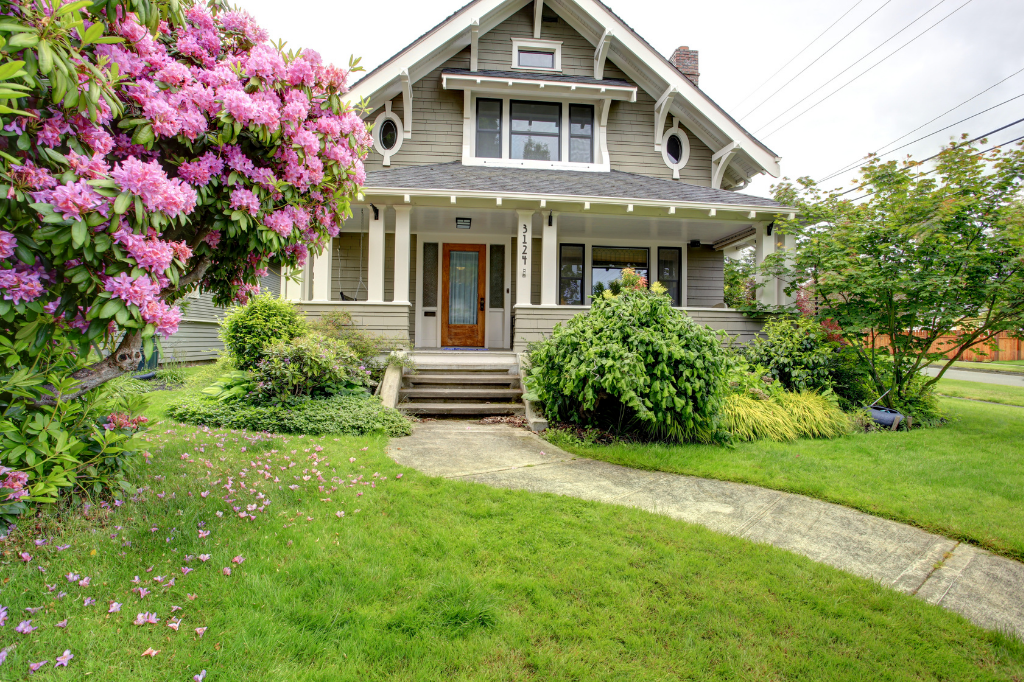
Victoria character homes have a special pull. From front porches and original hardwood floors to mature gardens and tree-lined streets, they often offer the kind of warmth that newer homes struggle to recreate. For many buyers, Victoria character homes feel less like a product and more like a place with history. However, charm is only one part of the decision. A home also needs to work for everyday life. That means layout, parking, storage, insulation, heating, maintenance, accessibility, and the amount of time you are willing to spend on upkeep. The right home is not always the one with the most personality. It is the one where the character still fits your lifestyle. Why Character Homes Are So Appealing Many of Victoria’s older homes are found in established neighbourhoods close to shops, schools, parks, transit, and downtown amenities. Areas such as Fairfield, Fernwood, James Bay, Vic West, Oak Bay, and parts of Saanich often attract buyers who want more than square footage. They want: A home with architectural charm A mature neighbourhood feel Walkability and nearby amenities Larger trees and established gardens Unique details that newer builds may not offer A stronger sense of place These homes can feel emotional from the first showing. The challenge is making sure that emotional connection does not overshadow the practical questions. The Convenience Side of the Equation Convenience does not always mean new construction. It means the home supports your day-to-day life with less friction. A more convenient home may offer: A practical floor plan Better storage Off-street parking Modern electrical and plumbing updates Improved insulation and windows Lower maintenance exterior materials A heat pump or efficient heating system Fewer immediate repair concerns Easier access for aging in place For some buyers, these details matter more than original trim, stained glass, or period charm. That does not mean they lack appreciation for character. It means they are thinking about how the home will feel five years from now, not just five minutes after walking in. The Maintenance Reality of Older Homes Character homes often come with older systems, and that can affect both cost and comfort. Buyers should pay close attention to: Roof age Drainage and perimeter drains Foundation condition Oil tanks or past oil tank removal Knob-and-tube or outdated wiring Older plumbing Window condition Insulation levels Chimneys and fireplaces Siding and exterior maintenance Basement moisture None of these issues automatically make a home a bad purchase. In fact, many older homes have been carefully updated over time. The key is understanding what has been done, what still needs attention, and whether the cost fits your long-term plan. Layout Can Matter More Than Charm Some older Victoria homes were built for a different style of living. Smaller kitchens, limited closets, steeper stairs, fewer bathrooms, and compartmentalized rooms can affect how functional the home feels. Before buying, ask yourself: Does the layout work for how we actually live? Is there enough storage? Can the kitchen handle daily use? Are the bedrooms practical? Is there room for guests, work, hobbies, or children? Will stairs become an issue later? Can the home adapt as our needs change? A charming home can still be the right choice. But if the layout creates daily frustration, the romance may wear off quickly. Why Location Often Keeps Character Homes Competitive One major advantage of Victoria character homes is location. Many sit in walkable, established areas where land is limited and neighbourhood appeal stays strong. That location can help support long-term value, especially when the home has been well maintained. Buyers may accept smaller closets, older layouts, or ongoing upkeep if the neighbourhood offers lifestyle benefits that are hard to replace. This is where the trade-off becomes personal. A newer home may offer comfort and efficiency. An older home may offer a more connected, walkable lifestyle. Neither is automatically better. The better choice depends on what you want your daily life to look like. When Character May Be Worth the Trade-Off A character home may be a strong fit if you: Value location and neighbourhood feel Appreciate unique architecture Are comfortable with ongoing maintenance Have budget room for future updates Prefer charm over perfect efficiency Want a home that feels distinct Are willing to improve the home over time For the right buyer, a character home is not just a house. It is a long-term project, a lifestyle choice, and a place with personality. When Convenience May Be the Smarter Choice A more convenient home may be the better fit if you: Want lower maintenance Prefer modern systems and finishes Need functional storage and parking Have a busy lifestyle Want better energy efficiency Are concerned about surprise repair costs Need a more accessible layout Prefer move-in-ready comfort This does not mean settling. It means choosing a home that reduces stress instead of adding projects. The Best Choice Balances Emotion and Practicality The strongest buying decisions usually come from balancing what you love with what you can live with. Before committing to a character home, look beyond the first impression. Review the inspection carefully. Ask about maintenance history. Understand upcoming costs. Compare the home to newer or more updated options in the same price range. A beautiful home still needs to function. A convenient home still needs to feel good. The goal is not to choose charm or practicality in isolation. The goal is to find the point where they work together. Final Thoughts Victoria character homes can offer warmth, history, and neighbourhood appeal that many buyers love. However, convenience has real value too. A home that saves time, reduces stress, and supports your lifestyle can be just as meaningful as one with original details and architectural charm. The right decision comes from knowing what you are truly willing to trade. If you can separate emotional appeal from everyday function, you will be in a much better position to choose a home that feels right now and continues to work well over time. For guidance on comparing Victoria character homes with newer or more convenient options, contact Faber Real Estate Group for local advice before you make your next move. Darcie R., 5-Star Review, via Google “We had the best experience with Scott and the Faber Group team helping us buy our first house! From start to finish it was a positive experience, & Scott went the extra mile every chance he could. Based on our search parameters, we didn’t even come across this house, but using his expertise, he was able to find us our dream home that matched all of our criteria! We are so beyond happy and would absolutely recommend reaching out to Scott if you are looking to buy an amazing home.” Faber Real Estate GroupRoyal LePage Coast Capital Realty📞 250-244-3430📧 [email protected]ℹ️ Scott Faber Personal Real Estate Corporationℹ️ Cal Faber Personal Real Estate CorporationVanessa Wood, Zachary Parsons, and Sophie Taylor“Building Lasting Relationships, One Home at a Time.”
Read more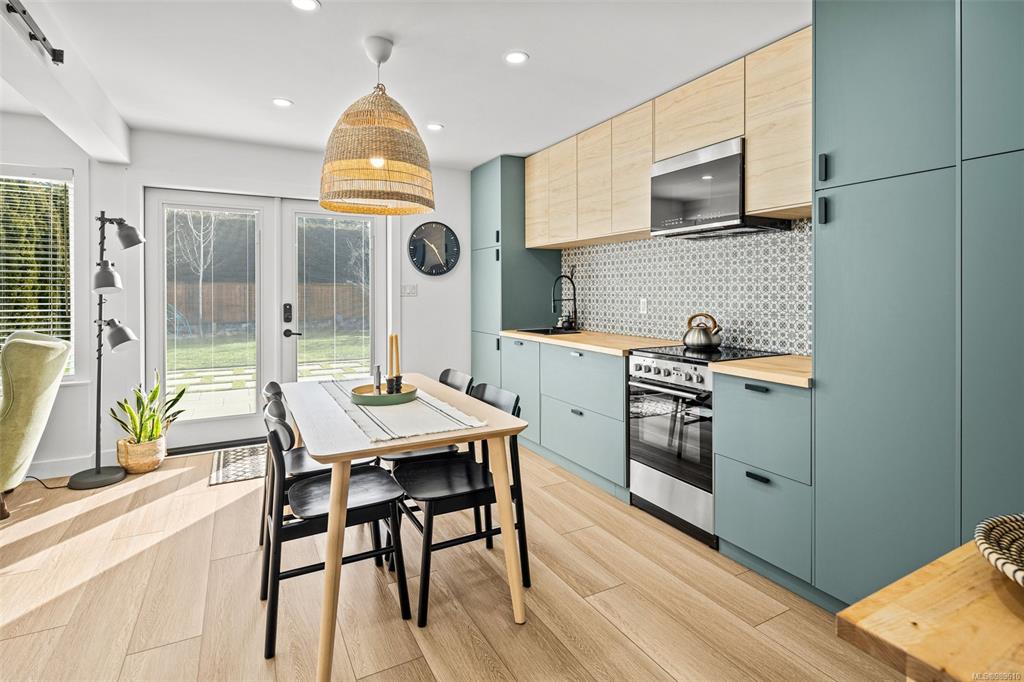
Buying a home is not just about what works today. It is also about whether the home will continue to support your lifestyle, budget, comfort, and future plans. Long-term livability in a home matters because the right property should feel practical not only on possession day, but years after you move in. A beautiful kitchen or fresh paint can catch your attention quickly. However, livability often comes down to quieter details. Layout, storage, maintenance, parking, noise, stairs, natural light, and neighbourhood access can have a much bigger effect on daily life than finishes alone. Start With the Layout A home with good long-term livability usually has a layout that works without constant compromise. Ask yourself: Are the main living areas easy to use? Is there enough separation between bedrooms and busy spaces? Can furniture fit comfortably? Is there space to work from home, host family, or adapt over time? Are there awkward rooms that may limit future use? A home does not need to be large to live well. In fact, a smaller home with a smart layout can often feel more functional than a larger home with wasted space. Think About Stairs, Access, and Aging Needs Many buyers focus on what they need now. However, long-term livability means thinking ahead. Stairs may not feel like an issue today, but they can matter later. This is especially true for downsizers, young families, buyers with aging parents, or anyone planning to stay in the home for many years. Consider: Is there a bedroom and bathroom on the main level? Is the entry easy to access? Are laundry and daily essentials conveniently located? Could the home work if mobility needs changed? Is the driveway, parking, or walkway steep? You do not need to plan for every possible future scenario. Still, the more flexible a home is, the easier it is to stay comfortable over time. Look Closely at Storage Storage is one of the most underrated parts of livability. A home can look clean and spacious during a showing because it has been staged or carefully prepared. Once real life moves in, the question becomes: where does everything go? Look for: Coat closets near the entry Pantry space Linen storage Garage or shed space Bike and recreational storage Seasonal storage Bedroom closet size This matters even more in condos and townhomes, where storage lockers, bike rooms, and parking arrangements can affect daily convenience. Pay Attention to Maintenance Long-term livability is not only about comfort. It is also about how easy and affordable the home is to maintain. A home with charming features may still be a great choice, but buyers should understand what upkeep may be required. Roof age, windows, drainage, exterior materials, heating systems, decks, fences, and landscaping all affect future cost and effort. Before buying, ask: What major systems may need replacement soon? Are the exterior materials low-maintenance? Is the yard manageable? Are there signs of deferred maintenance? Has the home been cared for consistently? A home that feels easy to live in should also feel realistic to own. Consider Natural Light and Exposure Natural light can change how a home feels every day. In Greater Victoria, where winter months can feel darker and wetter, light exposure can have a real effect on comfort. Think about: Which rooms get the best light? Is the main living area bright? Does the home feel dark even during the day? Are neighbouring buildings or trees blocking light? Does the patio or yard get usable sun? South and west exposure can be appealing, but there are tradeoffs. More sun can mean more warmth in summer. Less sun may mean a cooler home, but also a darker feel. The best choice depends on how you live. Test the Neighbourhood Fit A home’s livability does not stop at the property line. The surrounding area affects your daily routine, resale appeal, commute, and lifestyle. A home may look perfect inside, but if the location makes everyday life harder, the novelty can wear off quickly. Consider: Commute time during real traffic hours Access to groceries, cafés, parks, schools, and transit Walkability Noise from roads, construction, or nearby commercial uses Future development nearby Parking pressure on the street Neighbourhood feel at different times of day In Greater Victoria, different neighbourhoods offer very different versions of convenience. A walkable home in Cook Street Village will not feel the same as a quiet acreage property, a Langford townhome, or a Sidney condo. Each can work well, but only if it matches the way you actually live. Think About Flexibility A home with strong long-term livability can adapt as life changes. That may mean room for a growing family, space for guests, an office, a suite, a hobby area, or easier downsizing later. It may also mean choosing a property that appeals to future buyers when it is time to sell. Good flexibility can include: A den or spare room Multiple bathrooms A practical parking setup A usable outdoor space A layout that works for different life stages A location with broad buyer appeal The more adaptable a home is, the less likely you are to outgrow it quickly. Do Not Let Finishes Distract You Fresh renovations can be appealing, but they do not always equal better livability. A new kitchen may photograph well, but if the home has poor storage, limited parking, a difficult layout, or expensive maintenance ahead, the shine can fade quickly. On the other hand, a home with older finishes may still be an excellent long-term choice if the structure, layout, location, and ownership costs make sense. When comparing homes, separate cosmetic appeal from functional value. Ask yourself: What can be easily changed? What would be expensive or impossible to change? Does the home solve daily problems? Will this still work five or ten years from now? Paint, flooring, and fixtures can often be updated. Layout, exposure, location, and land constraints are much harder to change. The Best Homes Make Daily Life Easier Long-term livability in a home is about more than square footage or style. It is about how well the property supports real life. A good home should help your routines feel easier. It should fit your lifestyle, reduce unnecessary friction, and give you room to adjust as your needs change. Before buying, look beyond the excitement of the showing and picture a normal Tuesday morning, a rainy winter weekend, and a busy season of life. That is often where the right choice becomes clearer. For help evaluating whether a home fits your lifestyle now and in the future, contact Faber Real Estate Group for practical, local guidance before you make your next move. Elel P., 5-Star Review, via Google “Months of looking then a listing came up to our liking. We were out of town so Scott did a virtual viewing for us. We gave an offer even without viewing it personally because of this crazy market we have. Offer got accepted a couple hours after!” Faber Real Estate GroupRoyal LePage Coast Capital Realty📞 250-244-3430📧 [email protected]ℹ️ Scott Faber Personal Real Estate Corporationℹ️ Cal Faber Personal Real Estate CorporationVanessa Wood, Zachary Parsons, and Sophie Taylor“Building Lasting Relationships, One Home at a Time.”
Read more
When buying a home in Greater Victoria, many buyers must decide between a new build and a resale home. Each option offers unique benefits, depending on your budget, lifestyle, and timeline. Price and Ongoing Costs New build homes often come with a higher purchase price, particularly in growing areas like Langford and Colwood. While they include modern finishes and energy efficiency, buyers should budget for extras such as landscaping and window coverings. Resale homes may have a lower upfront cost, especially in established neighbourhoods. However, older homes may require updates or repairs, making a home inspection essential. Location and Neighbourhood New builds are typically located in developing communities, often farther from downtown Victoria. These areas offer newer infrastructure and planned layouts but may take time to fully mature. Resale homes are common in established neighbourhoods like Fairfield, Oak Bay, and Gordon Head, where amenities, schools, and transit are already in place. Customization and Condition New builds allow for modern layouts and, in some cases, finish selections. They also meet current building codes and include new systems, which can reduce early maintenance. Resale homes offer character and established lots. While updates may be needed, renovations can be done gradually and tailored to your preferences. Timelines and Warranties New builds often require flexible timelines due to construction schedules but come with the protection of BC’s 2-5-10 home warranty. Resale homes typically offer quicker possession and more predictable closing dates, though they do not include warranties. Which Option Is Right for You A new build may suit buyers looking for modern features and low initial maintenance, while a resale home may appeal to those prioritizing location and neighbourhood character. In Greater Victoria’s competitive market, the right choice depends on your long-term goals and lifestyle needs. Helen M, 5-Star Review, via Google “Cal and Scott are the best. They made it happen and made the entire process of securing my condo smooth and stress free. They were always supportive, responsive, and clearly committed to getting the right result. I am very grateful for their hard work and would highly recommend them to anyone looking for reliable, dedicated realtors.” Faber Real Estate Group Royal LePage Coast Capital Realty 📞 250-244-3430 📧[email protected] ℹ️ Scott Faber Personal Real Estate Corporation ℹ️ Cal Faber Personal Real Estate Corporation Vanessa Wood, Zachary Parsons, and Sophie Taylor “Building Lasting Relationships, One Home at a Time.”
Read more