


After a period of uncertainty, improved interest rate stability is bringing renewed confidence to the Greater Victoria real estate market. Many buyers who had paused their plans are now re-entering the market, particularly in the entry-level and mid-range price points. This renewed activity is helping create a healthier balance between buyers and sellers after a quieter stretch. With rates holding steadier, buyers are better able to plan their finances and understand what they can comfortably afford. More predictable borrowing costs allow purchasers to focus on long-term goals rather than short-term fluctuations. We are seeing increased activity in areas such as the Westshore, Saanich West, and Esquimalt, where value, lifestyle, and commuting options continue to align well for a wide range of buyers. Although current interest rates remain higher than the historic lows of recent years, buyer expectations have begun to adjust. Many are recognizing that waiting for the perfect market conditions may mean missing out on the right home. Instead, buyers are prioritizing finding a property that fits their needs today, with the understanding that refinancing options may become available in the future. This shift in mindset has resulted in more thoughtful and strategic offers that balance price, conditions, and flexibility. We are also seeing buyers approach the process with greater preparation. Preapprovals, realistic budgeting, and clear must-have lists are helping them move confidently when the right opportunity arises. This has led to stronger competition for well priced and well-presented homes, even as overall inventory improves. For sellers, increasing buyer confidence means that homes priced appropriately for current market conditions are seeing solid interest. Properties that are well prepared, professionally marketed, and aligned with buyer expectations continue to perform best. Presentation, pricing, and timing remain critical, and sellers who focus on these fundamentals are well-positioned for a successful sale in today’s Greater Victoria market. Shannon Rehsler, 5-Star Review, via Google “It was a pleasure to work with Scott Faber and Faber Real Estate Group. When I started looking for my first home in August 2021, I had some pretty specific requirements. Scott is a really knowledgeable Agent who also took the time to understand what I was looking for. I never felt pressured into making a decision that wasn't my own, but always valued his honest opinion and guidance when needed.” Faber Real Estate Group Royal LePage Coast Capital Realty 📞 250-244-3430 📧[email protected] ℹ️ Scott Faber Personal Real Estate Corporation ℹ️ Cal Faber Personal Real Estate Corporation Vanessa Wood & Zachary Parsons “Building Lasting Relationships, One Home at a Time.”
Read more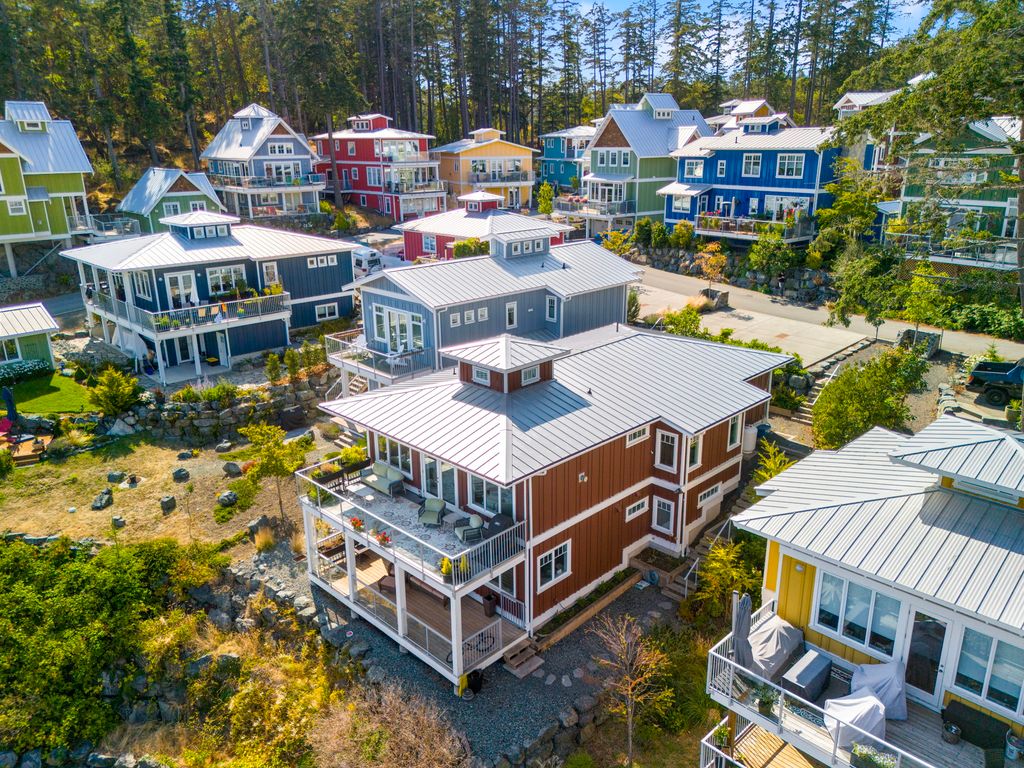
As realtors who have worked through hot cycles, slowdowns, and everything in between, we can confidently say that Greater Victoria is currently a balanced market. Not the runaway bidding wars of 2021-2022, and not the ultra-cautious environment immediately after the interest rate hikes. Instead, we’re in a middle ground where good properties sell, and buyers have room to think. Inventory and Sales Pressure The clearest indicator of balance is inventory relative to demand. At the end of October 2025, the Victoria Real Estate Board recorded 3,423 active listings across Greater Victoria. That’s well above the extremely low inventory levels of the pandemic boom, but it isn’t oversupply. It allows buyers to compare options without forcing sellers to slash prices. The sales-to-active-listings ratio sits around 18-20 percent. Industry standards consider roughly 12-16 percent a buyer’s market and 20-28 percent a seller’s market. The mid-to-high teens is the territory we call balanced. In practice, this means neither side has full leverage: buyers can negotiate, and sellers can still get fair results when priced correctly. What Prices Are Doing Prices in 2025 are steady overall, though the behavior varies by product type. The benchmark price for a single-family home in the Victoria core is approximately $1,276,500. That is down about 1.8 percent from 2024. The drop is far from a crash; it’s more of a normalization after years of outsized growth. Condominiums are holding firm. The benchmark condo price in the core is just over $551,000, up roughly 0.6 percent year-over-year. This segment benefits from affordability pressures and downsizers returning to the city. Townhomes sit in between. Average sales this year hover around $815,000, with a median around $794,500. They offer more space than a condo without the single-family price tag, and they remain attractive to young families. Across all property types, homes are selling close to listing price. Most transactions land in the 97-98 percent of asking range, which is another sign of equilibrium. When a market favors sellers, you see multiple offers and over-asking. In a soft market, homes sell well below list. Right now, neither extreme is dominant. How This Feels on the Ground If you’re a buyer, you can breathe. You’re no longer racing through 15-minute showings only to hear the home sold before you’ve reached your car. You can walk through several properties, compare finishes and layouts, and analyze monthly costs. You still need pre-approval and a strategic approach, but you have the luxury of choice. If you’re a seller, strategy matters more than ever. A well-priced home in a core neighbourhood like Fairfield, Oak Bay, or East Saanich still attracts strong attention. Listings that land above the comparable range or need too much work for today’s buyers will sit. Presentation, staging, and timing have become essential strategies again rather than optional add-ons. Why Balanced Markets Are Often the Best Balanced markets tend to be healthier and more sustainable. In an overheated market, buyers stretch beyond comfort, waive due diligence, and often regret the decisions that follow. In a weak market, sellers feel trapped or discouraged. Balance creates clarity. It allows everyone involved to act rationally, negotiate fairly, and make informed decisions. The Greater Victoria market is dynamic by nature. It reacts to interest rates, lifestyle migration, limited land supply, and the value people place on this region. But right now, the numbers and the day-to-day experience line up: this is not a market tilted heavily toward either party. It is one in which preparation and proper advice matter more than brute force. Justine Dancey, 5-Star Review, via Google “Cal and Scott treated us like family. We had only 5 days to find a home and Cal cleared his schedule to make himself available to us. Cal guided us in the purchase of our home, as if we were a member of his family asking for advice. I knew we could trust Cal. His service to us did not stop with the purchase of our home…he helped us find trades people and provided information about rental incomes in the area. We were new to the Island and I honestly felt that Cal adopted us and has made sure we had everything we needed. We did not just gain a realtor, but a friend. If you are looking for a realtor you can TRUST, and will look out for YOUR interests— then Cal and Scott are IT!!!” Faber Real Estate Group Royal LePage Coast Capital Realty 📞 250-244-3430 📧[email protected] ℹ️ Scott Faber Personal Real Estate Corporation ℹ️ Cal Faber Personal Real Estate Corporation Vanessa Wood & Zachary Parsons “Building Lasting Relationships, One Home at a Time.”
Read more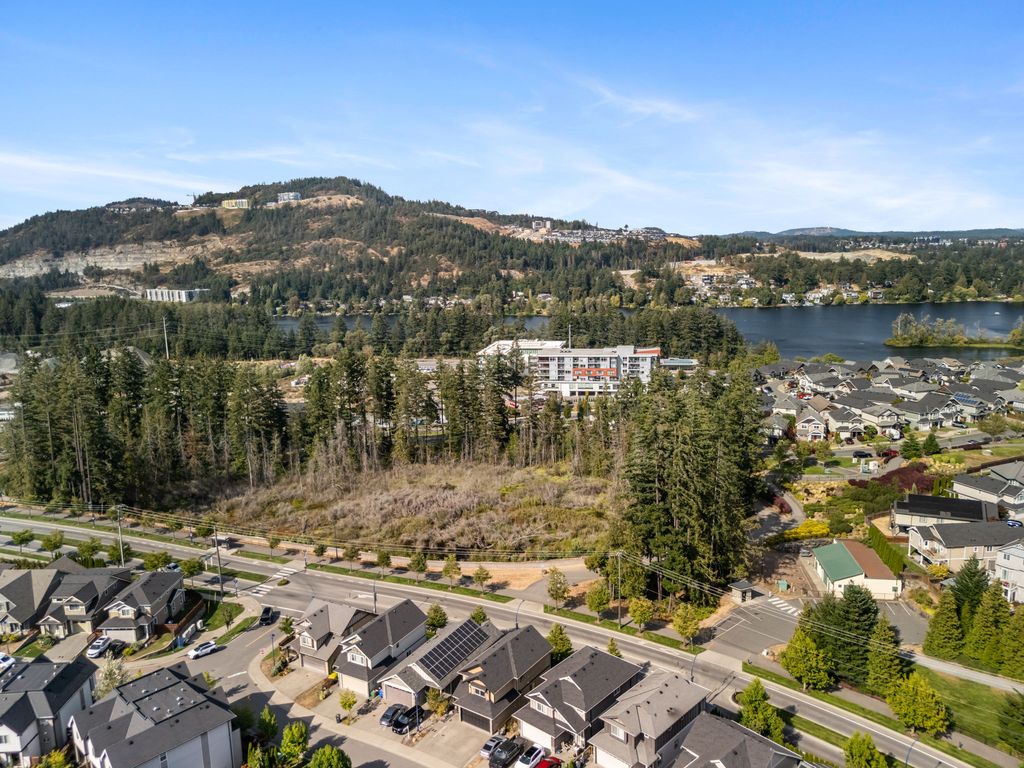
Langford has been one of Vancouver Island’s most talked-about real estate markets over the past decade. Known for its rapid development, modern amenities, and relative affordability compared to Victoria, the Westshore city has attracted investors, first-time buyers, and families alike. With market conditions shifting in 2025, many are asking whether Langford is still a smart place to invest. To answer that, it helps to look at how prices are trending, what rental demand looks like, and where long-term value may come from. Price Trends and Market Stability Langford’s appeal has traditionally been its competitive entry point into the Greater Victoria market. While the Victoria Core continues to see benchmark single-family prices in the $1.25–$1.3M range, Langford consistently sits lower, offering more attainable options without sacrificing lifestyle or amenities. Growth has continued, but it is no longer the explosive appreciation that characterized the early 2020s. Instead, prices have stabilized into a more sustainable pace. This means investors should think in terms of steady, long-term gains rather than quick flips or short-term speculation. New development remains active, and the variety of available housing such as condos, townhouses, and detached homes continue to draw a wide range of buyers. Cash Flow Potential in a Realistic Market Rental demand in Langford remains strong, driven by population growth, a young demographic, and continued migration from Victoria, other BC regions, and out-of-province buyers. Modern homes, proximity to amenities, and newer construction standards are attractive to tenants, which supports steady occupancy. That said, investors should approach cash flow expectations carefully. Rising interest rates and higher mortgage payments can make it challenging for smaller properties to generate monthly profit unless there is a larger down payment or preferred financing terms. Newer strata properties may come with higher fees due to amenities or building maintenance, which also affect returns. Investors who are conservative with financing, choose desirable locations, and understand realistic rental pricing tend to see the best outcomes. The Supply Question One of Langford’s unique features is its high level of development. This is both an opportunity and a risk. More supply generally means more options for buyers and renters, but rapid new construction can soften rental rates if absorption slows. Unlike smaller island communities, Langford’s ongoing expansion means rental units compete with newly built homes, pre-sale units, and purpose-built rental projects. Investors should be strategic, focusing on homes near transit corridors, schools, parks, and established amenities rather than speculative pockets waiting for infrastructure to catch up. Why Langford Still Works Long-Term Despite short-term fluctuations, several fundamentals maintain Langford’s investment appeal. The area remains more affordable than Victoria, which continues to push buyers westward. Amenities and services improve year after year, from retail and recreation to healthcare and schools. Geography also plays a role: Greater Victoria has a limited land base, and population growth places pressure on available housing. Langford offers newer homes, modern designs, and space that many buyers cannot access in central Victoria. This combination supports long-term value retention. Who Langford Suits Best Langford continues to be a strong option for investors who think in five-to-ten-year horizons rather than quick turnarounds. Owner-occupiers who plan to rent a secondary unit or move again later tend to fare especially well. Families and young professionals looking for lifestyle value and newer homes are excellent future buyers, which strengthens resale prospects. Investors aiming for strong monthly cash flow in the current interest environment will need to analyze expenses closely and purchase strategically, but patient investors often find Langford rewarding over time. Final Thoughts Langford is no longer the undervalued secret it once was, but it remains a compelling investment for the right buyer. Growth has matured, rental demand is driven by real population dynamics rather than speculation, and the city continues to develop thoughtful infrastructure. With realistic expectations and careful due diligence, Langford can still deliver meaningful returns, particularly for investors focused on steady appreciation, long-term tenants, and quality of life. Christopher Kong, 5-Star Review, via Google “We worked with Cal, Scott, and Zach and we would be honoured to work with them again in the future. As we are first-time buyers, these gentlemen patiently answered my myriad of 'beginner' questions and made me feel at ease with the whole process. And my my, buying a house IS a process. They were all so kind and knowledgeable! Look no further if you want to work with a team that thrives on providing excellent service and with a heart to see you find that 'perfect place to call home.’” Faber Real Estate Group Royal LePage Coast Capital Realty 📞 250-244-3430 📧[email protected] ℹ️ Scott Faber Personal Real Estate Corporation ℹ️ Cal Faber Personal Real Estate Corporation Vanessa Wood & Zachary Parsons “Building Lasting Relationships, One Home at a Time.”
Read more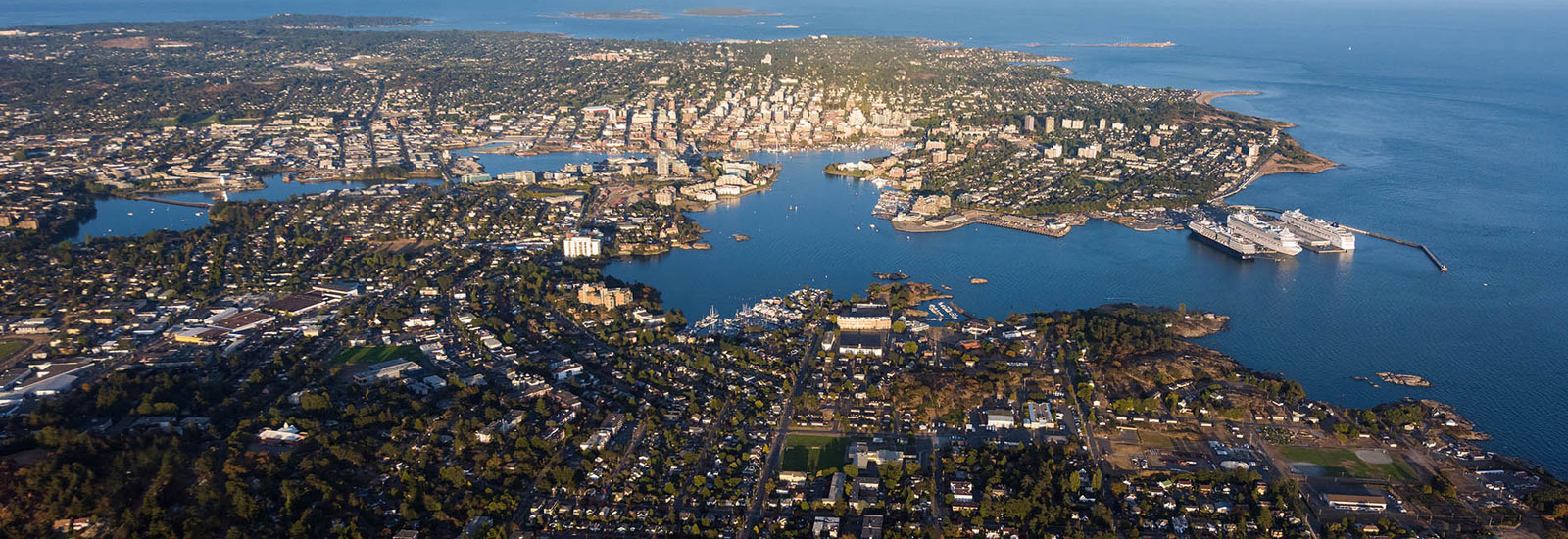
How Affordable Is Housing in Victoria? A Smart, Honest Look at Today’s Market When people talk about Victoria, they talk about charm: tree-lined neighborhoods, ocean breezes, heritage character, and a lifestyle that feels a little bit magical. But there’s another conversation happening just as often: Is housing in Victoria still affordable? As real estate professionals immersed in this market every day, our goal is to bring clarity to a topic that naturally sparks confusion, frustration, and sometimes hope. Housing affordability in Victoria isn’t a simple yes or no question. It’s a mix of economics, supply and demand, demographics, and long-term trends that shape how people live and invest here. Let’s break it down, intelligently and honestly. Understanding Victoria’s Affordability Problem: It Starts With Supply Victoria is small. Hemmed in by the ocean, strict zoning, and limited land, our region has one of the tightest supplies of housing in the country. Even when demand cools, the underlying shortage keeps prices resilient. A low supply doesn’t just mean fewer homes for sale, it also impacts rental inventory. Victoria’s rental vacancy rate typically sits well below 2%, which is far below the 3–5% considered “healthy.” A tight rental market naturally pushes people to consider buying sooner, which adds pressure to the ownership market as well. When supply is constrained, and demand remains steady or grows, prices stay elevated. That is exactly what we’ve seen over the last decade. Demand Isn’t Just Local Victoria isn’t a city that grows accidentally; people move here on purpose. The region attracts: Retirees seeking a mild climate Professionals relocating for government and tech jobs Nurses, remote workers, and families looking for balance Investors recognizing the stability of the Vancouver Island market This diverse demand base keeps competition strong across all housing types. Even when interest rates rise, Victoria typically sees delayed moderation because the local buyer pool is not the only buyer pool. For affordability, this means locals are not just competing with locals — they’re competing with national and sometimes international interests. Understanding these buyer dynamics is key to understanding why prices stay high. Is Victoria Affordable? It Depends on Who You Ask Here’s where the conversation becomes nuanced. For First-Time Buyers:Affordability is the biggest challenge. Detached homes often feel out of reach, which is why demand has surged for condos, townhomes, and “missing middle” housing. Creative solutions like shared ownership, entering the market with a condo first, or purchasing in emerging neighbourhoods have become essential strategies. For Move-Up Buyers:Those who already own property may find Victoria quite manageable, thanks to equity gains. Many homeowners are leveraging strong appreciation from the past five to ten years to move into their next property with confidence. For Investors:Victoria remains one of the most stable rental markets in Canada due to extremely low vacancy rates and strong tenant demand. From a cash-flow perspective, investors must run numbers carefully, but from a security standpoint, the market is very attractive. The Real Question: Is Victoria’s Market Sustainable? Affordability challenges don’t disappear overnight, but we are starting to see shifts: More inventory is coming online than we’ve seen in years The city’s housing strategy continues to push for higher-density and missing-middle projects Changing interest rates are moderating rapid price increases These factors work slowly, but they do work. Victoria is unlikely to become “cheap,” but there's a real possibility it will become more balanced, giving more people a fair opportunity to enter the market. Victoria May Be Expensive, But It’s Also Worth Understanding Affordability is a challenge, yes. But knowledge is power. When you understand why Victoria’s market looks the way it does, you can make smarter, more strategic decisions whether you’re buying, selling, investing, or simply planning ahead. Our role is to help you navigate this complex landscape with clarity, confidence, and a strategy that aligns with your goals. Victoria may not be the cheapest market in Canada, but with the right guidance, it can absolutely be one of the most rewarding. If you ever want to explore your options, compare neighbourhoods, or understand current trends, we’re always here to help you make the smartest move possible. Faber Real Estate Group Royal LePage Coast Capital Realty 📞 250-244-3430 📧[email protected] ℹ️ Scott Faber Personal Real Estate Corporation ℹ️ Cal Faber Personal Real Estate Corporation Vanessa Wood & Zachary Parsons "Building Lasting Relationships, One Home at a Time."
Read more