

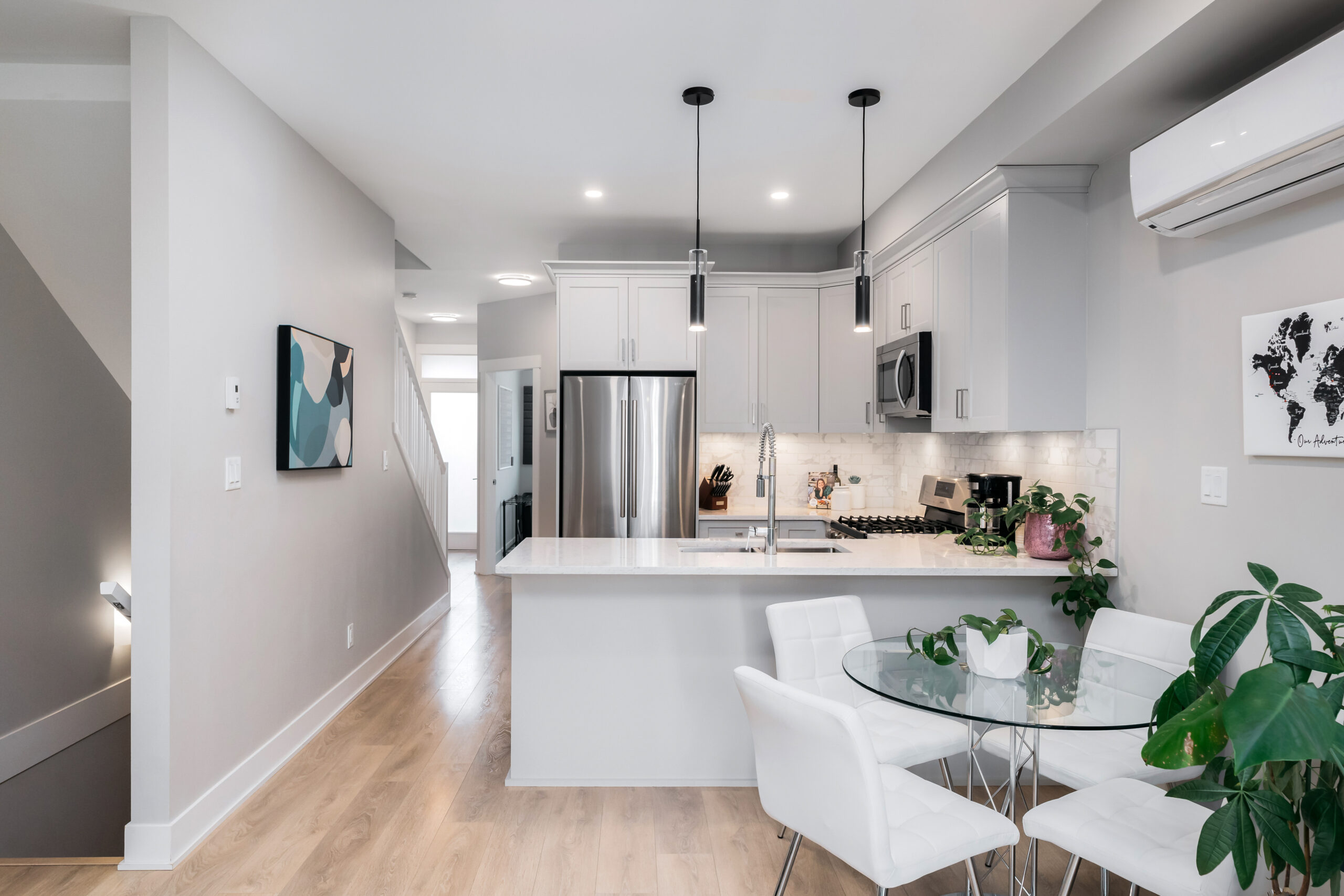
Low-maintenance living has become a growing priority for today’s home buyers. Whether driven by lifestyle changes, aging in place, or a desire for simplicity, more people are choosing homes that reduce upkeep and free up time. This shift is influencing both housing design and buying decisions across many markets. Why Buyers Are Prioritizing Low-Maintenance Living Many buyers want to spend less time on chores and more time on work, travel, family, or hobbies. Larger yards, older systems, and constant repairs no longer appeal to everyone. Instead, buyers are looking for homes that offer convenience, efficiency, and predictability in ongoing costs. Low-maintenance living is especially appealing to downsizers, busy professionals, and retirees. However, it is also gaining traction with younger buyers who value flexibility and a lock-and-leave lifestyle. Popular Low-Maintenance Housing Options Several property types support low-maintenance living. Condos and townhomes remain top choices due to exterior maintenance and landscaping often being handled by strata or homeowners’ associations. Newer builds also attract buyers because they typically include modern materials, updated systems, and energy-efficient features that require fewer repairs. Smaller single-family homes with compact yards are another option. These homes provide privacy without the burden of extensive outdoor maintenance. Design Features That Reduce Upkeep Homes designed for low-maintenance living often include durable flooring, simple landscaping, and energy-efficient windows and appliances. Open floor plans can also reduce cleaning time and make spaces easier to manage. As a result, functionality often takes priority over excess space. How This Trend Is Shaping the Market The demand for low maintenance living is influencing both developers and sellers. Builders are focusing on practical layouts and long-lasting materials, while sellers are highlighting ease of upkeep as a key selling feature. In competitive markets, low-maintenance living can give a property a clear advantage. Is Low Maintenance Living Right for You? Choosing low-maintenance living depends on your priorities and long-term plans. If flexibility, predictable expenses, and reduced responsibility matter to you, this lifestyle may be a strong fit. As housing preferences continue to evolve, low-maintenance living is likely to remain an important trend for buyers at every stage of life. Demetrios T., 5-Star Review, via Google “Scott and Cal Faber were exceptional to work with. They were professional, patient, and incredibly informative throughout the entire process. They took the time to walk me through every step, which made the typically stressful experience of moving so much easier. Their knowledge of real estate is second to none, and their guidance gave me complete confidence in my decisions. I highly recommend both Scott and Cal to anyone looking for trusted, knowledgeable, and supportive realtors.” Faber Real Estate Group Royal LePage Coast Capital Realty 📞 250-244-3430 📧[email protected] ℹ️ Scott Faber Personal Real Estate Corporation ℹ️ Cal Faber Personal Real Estate Corporation Vanessa Wood, Zachary Parsons, and Sophie Taylor “Building Lasting Relationships, One Home at a Time.”
Read more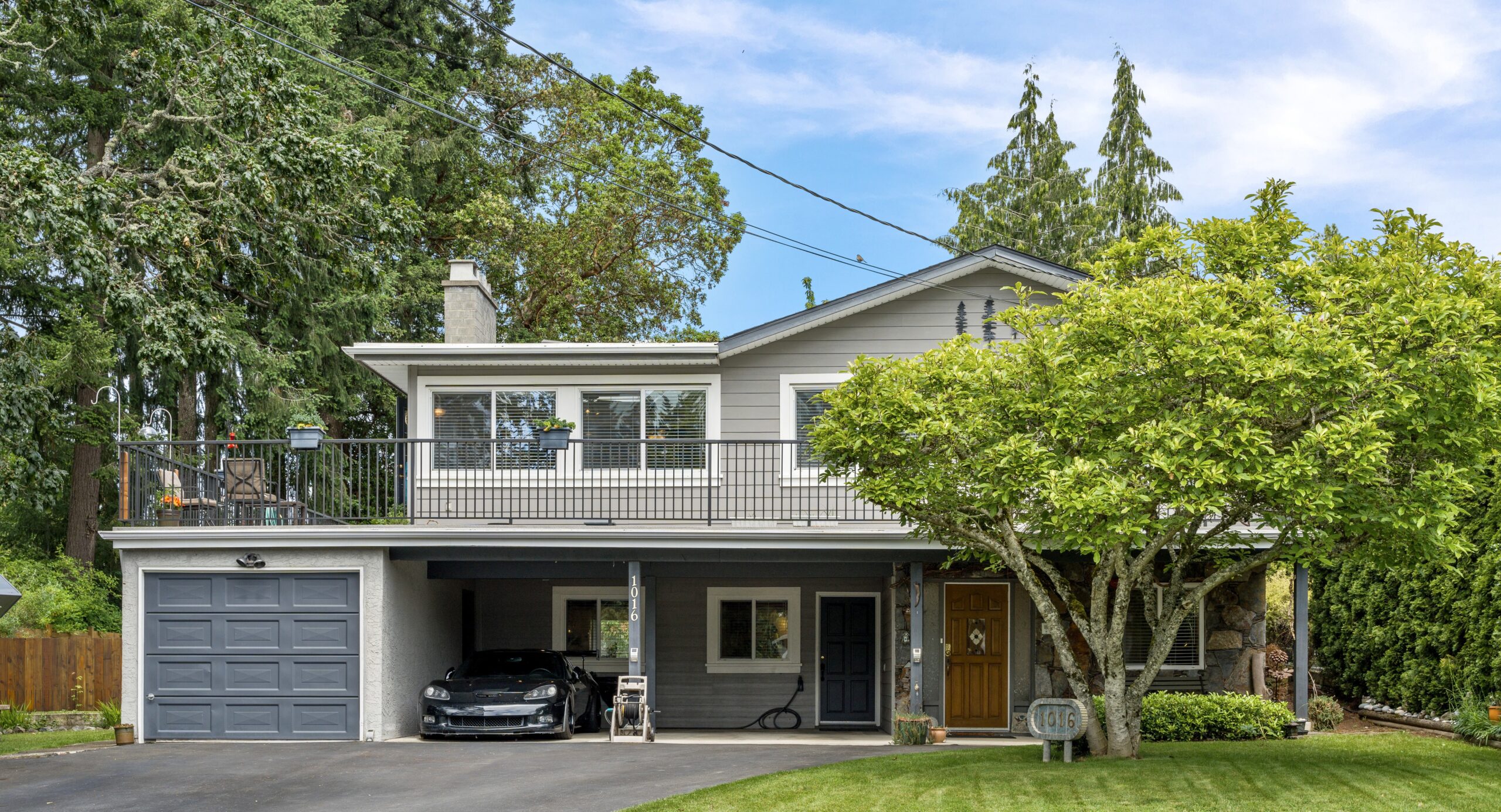
View Royal is experiencing a period of meaningful growth and change as the town responds to regional housing needs, evolving land-use planning, and distinct local priorities. This overview highlights key projects, planning frameworks, and development trends shaping View Royal’s future real estate landscape. Strategic Planning and Growth Framework The Town of View Royal is actively updating its Official Community Plan (OCP) through the View Royal 2050: Our Future View initiative. The updated plan will guide growth over the next two decades and establish policies for land use, housing, transportation, parks, environment, and economic opportunities. Public engagement efforts have gathered resident input on growth, housing needs, and land use scenarios to help inform the updated OCP, which will shape development decisions in the coming years. View Royal 2050 The updated community growth framework will also refine land-use designations in key areas such as the Western Gateway Community Corridor along Island Highway. This corridor is envisioned as an evolving mixed-use area that could support new housing options, improved multimodal connections, and commercial activity. Provincial Housing Targets and Policy Alignment Under the provincial Housing Supply Act, View Royal has been assigned a target to deliver 585 new homes over the next five years. The town is aligning zoning bylaws and development policies to support this direction while balancing environmental protection and community character. Recent progress has exceeded initial targets: provincial reporting indicates View Royal delivered more than double its first-year net-new housing target, reflecting active building and approvals in the town. Major Residential Developments Several notable housing developments are underway or moving through the planning and approval process, demonstrating a shift toward increased density and rental supply in key areas: Island Highway Rental Developments: Progress is underway on new mid-rise rental projects along Island Highway, an area targeted for higher density and mixed-use activity. Among these, an approved development will deliver approximately 238 rental suites across two six-storey buildings between the new fire hall and Prince Robert Drive, offering a range of unit sizes from studios to three-bedroom layouts. 94-Unit Development at 346 Island Highway: Plans submitted by GT Mann Contracting propose a 94-unit project at the western end of the former Fort Victoria RV Park site, including underground parking and resident amenities. The Grand and Fir Condominiums: A five-storey condominium project with 82 units known as The Grand and Fir is nearing completion, with move-in availability targeted for 2025, supporting both lifestyle demand and compact housing options. Large-Scale Rental Community Opposite Victoria General Hospital: A 336-unit purpose-built rental community has begun construction near Victoria General Hospital, representing one of the largest rental projects in the town to date and contributing significantly to rental housing supply. These projects signify a diversification of housing types, including condominiums, purpose-built rentals, and mixed-unit buildings, all contributing to View Royal’s broader growth objectives. Local Engagement and Infrastructure Planning Alongside housing projects, View Royal is progressing several infrastructure and community improvement initiatives that will support growth and quality of life. These include transportation master plan updates, pedestrian improvements along key corridors, and upgrades to utilities and park spaces. Balancing Growth with Community Character As View Royal grows, municipal planning emphasizes maintaining the town’s natural beauty and neighbourhood feel while accommodating new housing and mixed-use development. The OCP update process reflects careful consideration of resident values around growth, transportation, environmental stewardship, and local identity. Conclusion View Royal is transitioning from a primarily low-density suburb to a more diversified community that supports a broader range of housing options, including rental communities and multi-unit residential projects. Strategic planning through the View Royal 2050 process, alignment with provincial housing targets, and active development along key corridors are key drivers of this evolution. For buyers, sellers, and investors, these trends indicate a community positioning itself for sustainable growth while preserving its distinct character. Troy W., 5-Star Review, via Google “We moved to Victoria from Halifax. As our Realtor, Scott helped us find the right house in the right neighborhood for the right price. He was patient as we traveled from the east to look at homes over several months and cautioned us about making unreasonable offers when we fell too quickly for overpriced homes. In short, he was always on our side working to make our house purchase as simple and successful as possible. The best part about working with Scott was that he was always more focused on answering our questions, giving us good advice, and finding homes that met our needs than he was on closing a deal. We would recommend him to anyone. 5 Star service Scott, we look forward to using you again very shortly for an income rental in the new year. ” Faber Real Estate Group Royal LePage Coast Capital Realty 📞 250-244-3430 📧[email protected] ℹ️ Scott Faber Personal Real Estate Corporation ℹ️ Cal Faber Personal Real Estate Corporation Vanessa Wood, Zachary Parsons, and Sophie Taylor “Building Lasting Relationships, One Home at a Time.”
Read more
Across Canada multi‑generational living is becoming more than just a trend. Families are increasingly choosing homes that can accommodate multiple generations under one roof or on one property. This shift reflects both economic realities and evolving lifestyle preferences. What Is a Multi‑Generational Home? A multi‑generational home is a residence where two or more adult generations, such as grandparents, parents, and children live together. This arrangement can take the form of a single large dwelling, a main house with a secondary suite, or adjacent units like a laneway home or coach house, offering both shared and private spaces. Growing Numbers Across Canada Multigenerational households are among the fastest‑growing household types in Canada. According to census data, the number of multi‑generational households has risen significantly over recent decades, growing faster than other household types and reflecting an increase in families choosing to share living space. Why the Trend Is Taking Hold Several key factors are driving the rise of multi‑generational homes in Greater Victoria and beyond: Affordability and Shared Costs High home prices and rising costs in Greater Victoria make homeownership a challenge for many families, particularly younger buyers. Multi‑generational living allows families to pool financial resources, share mortgage costs, and spread living expenses across more adults. This shared approach can make it easier to own a quality home in the region. Supportive Family Networks Living together can strengthen family support systems. Grandparents can help with childcare, while adult children can assist aging parents. This arrangement can reduce the cost of external services like daycare or long‑term care and foster deeper family connections. Flexible Home Design and Zoning Changes British Columbia has introduced legislative changes that make it easier for municipalities to allow secondary suites, laneway homes, and other small‑scale multi‑unit housing on single‑family lots, supporting families seeking flexible living spaces. Cultural and Lifestyle Preferences Multi‑generational living is common in many cultures and offers social and emotional benefits. Families value the opportunity to maintain close bonds while having private areas within the home, a balance between independence and togetherness. What This Means for Greater Victoria’s Real Estate The demand for multi‑generational homes is influencing both renovations and new construction in the region: Renovations and Secondary Suites: Homeowners are increasingly renovating to add in‑law suites, separate entrances, and flexible living spaces that accommodate extended family members. Laneway and Backyard Homes: Property owners are exploring laneway or coach homes on their lots, creating nearby living space for adult children or older parents while maintaining a degree of independence. Larger Family Homes: Properties with additional bedrooms, separate living areas, or adaptable floor plans often attract multi‑generational buyers, which can influence pricing and demand in certain segments of the market. Looking Ahead As housing costs and family dynamics continue to shape how people live, multi‑generational homes are likely to remain a meaningful part of the Greater Victoria real estate landscape. Whether driven by financial strategy, caregiving needs, or a desire for close family connections, this trend supports diverse housing needs and reflects how families are adapting to today’s market conditions. If you are considering purchasing, renovating, or designing a home for multi‑generational living, consulting with a local real estate professional can help you understand options that meet your family’s needs and maximize long‑term comfort and investment value. Shandy B., 5-Star Review, via Google “Cal and Scott are exceptional realtors. We sold our beloved home with their help. They helped us price competitively and fairly, leading to a fast house sale in a slower market, as well as receiving more than we had hoped for the sale of our home. They were accommodating and respectful of our family needs, and helped us show our home in the best way possible. We felt like a priority every step of the way. The are honest and trustworthy! All the stars for the Faber group” Faber Real Estate Group Royal LePage Coast Capital Realty 📞 250-244-3430 📧[email protected] ℹ️ Scott Faber Personal Real Estate Corporation ℹ️ Cal Faber Personal Real Estate Corporation Vanessa Wood, Zachary Parsons, and Sophie Taylor “Building Lasting Relationships, One Home at a Time.”
Read more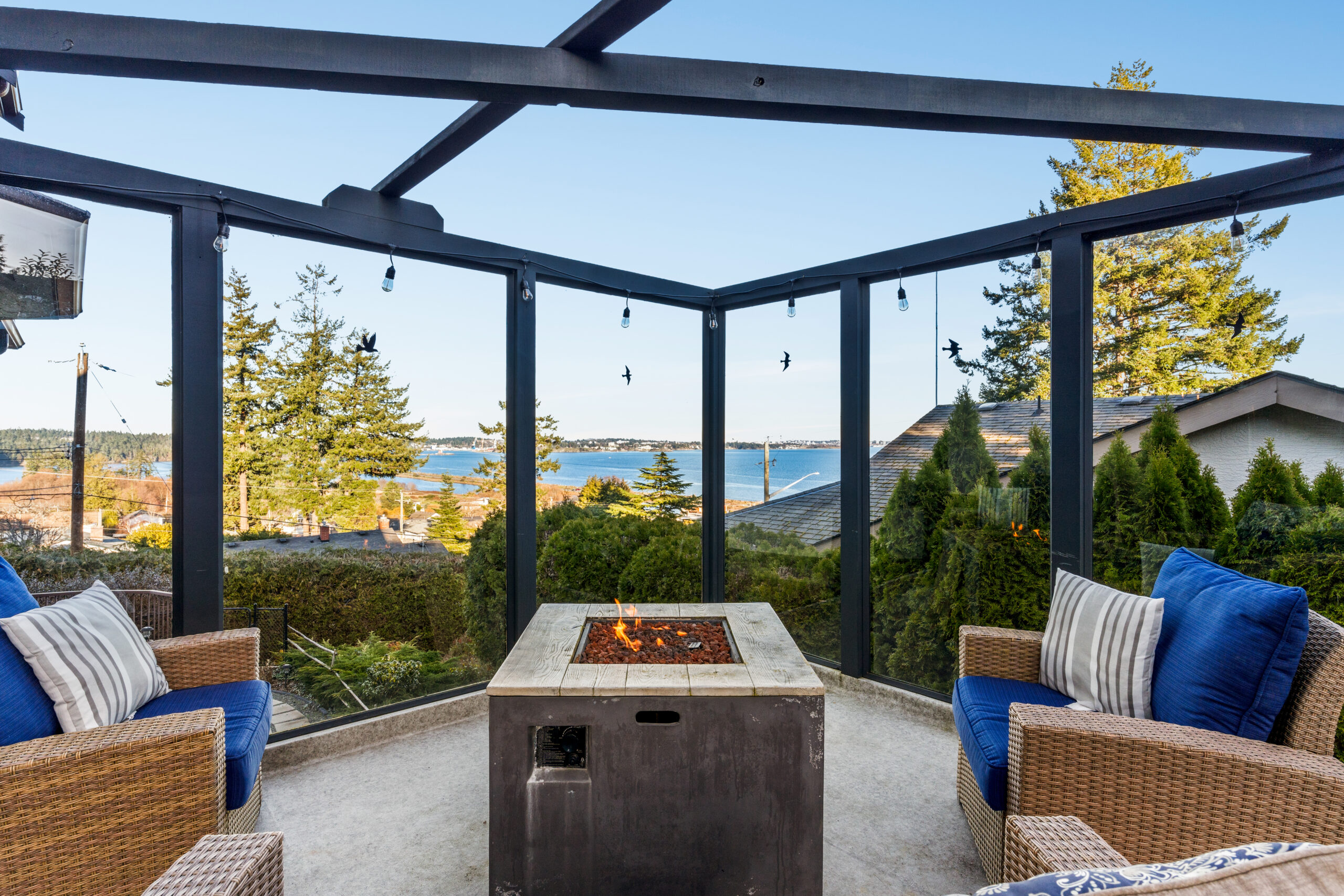
As we move into 2026, Greater Victoria’s real estate market is expected to shift into a more balanced and predictable phase. After several years of rapid change driven by interest rates, inventory constraints, and economic uncertainty, the coming year is shaping up to favour informed buyers and well-prepared sellers. Here is what homeowners and buyers should know heading into 2026. Market Conditions Are Expected to Stabilize Greater Victoria is anticipated to see a steadier market in 2026, with moderate price movement rather than sharp increases or declines. Buyer confidence is expected to improve as interest rates stabilize, encouraging more activity without the urgency seen in past boom cycles. This shift supports healthier negotiations and more balanced conditions across most property types. Price Growth Likely to Be Modest and Localized Overall price growth in 2026 is expected to remain modest, with performance varying by neighbourhood and housing type. Well-located single-family homes and townhomes with functional layouts are likely to remain in strong demand, while condominiums may experience more price sensitivity depending on strata fees, building age, and amenities. Inventory Levels Should Gradually Improve One of the biggest constraints in recent years has been limited housing supply. In 2026, inventory is expected to increase gradually as more homeowners feel comfortable listing. This will provide buyers with more choice while reducing extreme competition. However, desirable properties that are priced correctly are still expected to sell efficiently. Buyer Demand Will Continue to Be Driven by Lifestyle Greater Victoria’s lifestyle appeal continues to attract buyers from across British Columbia and other parts of Canada. Proximity to nature, walkable communities, and access to amenities remain top priorities. Homes that offer energy efficiency, flexible living spaces, and outdoor areas are expected to perform well in 2026. Sellers Will Need a Strategic Approach Unlike past years where nearly any listing attracted attention, 2026 will reward sellers who price realistically and invest in presentation. Staging, professional photography, and clear disclosure will matter more as buyers become selective. Overpricing may lead to longer days on market and price adjustments. What This Means for Buyers and Sellers For buyers, 2026 may present better opportunities to negotiate, particularly in segments with increased inventory. For sellers, understanding micro-market trends by neighbourhood and property type will be essential to achieving top value. Working with a local expert who understands these nuances will be more important than ever. Looking Ahead Greater Victoria’s real estate market remains fundamentally strong, supported by limited land supply, consistent demand, and long-term population growth. While the pace may slow compared to peak years, 2026 is shaping up to be a year of opportunity for those who plan ahead and stay informed. If you are considering buying or selling in 2026, understanding how these trends apply to your specific situation can make a significant difference. James C., 5-Star Review, via Google “Scott made the process of finding a good condo in Victoria as simple and straightforward as it can be. He was always very helpful, and quick to respond throughout the process from start to finish. Being new to BC I think the ordeal would have been pretty overwhelming otherwise. I'd definitely recommend Scott and his team to others in the future.” Faber Real Estate Group Royal LePage Coast Capital Realty 📞 250-244-3430 📧[email protected] ℹ️ Scott Faber Personal Real Estate Corporation ℹ️ Cal Faber Personal Real Estate Corporation Vanessa Wood & Zachary Parsons “Building Lasting Relationships, One Home at a Time.”
Read more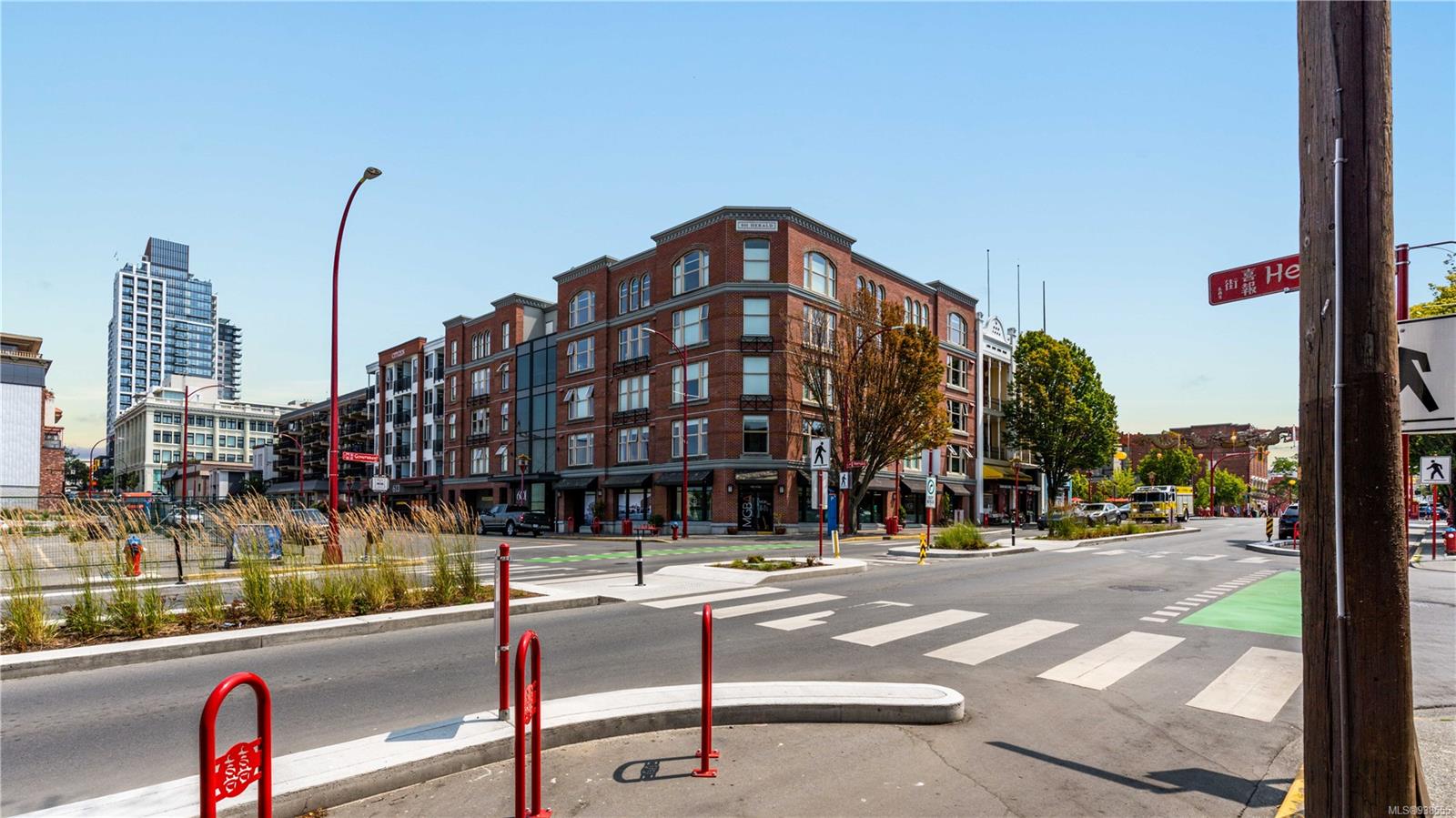
Days on Market, often referred to as DOM, measures how many days a property is listed for sale before it sells. The count typically starts on the day the listing becomes active and ends when an accepted offer is in place. For sellers, Days on Market is more than just a number. It is one of the most closely watched indicators of market performance and buyer demand in Greater Victoria. Why Days on Market Matters to Sellers Days on Market directly affects how buyers perceive your home. Properties that sell quickly are often seen as well-priced and desirable. Listings that remain on the market longer can raise questions, even if the home itself is well-maintained. Buyers may assume: The price is too high The home has issues The seller may be more flexible This perception can influence both the number of showings and the strength of offers received. How Days on Market Impacts Pricing Strategy Pricing and Days on Market are closely connected. Homes priced correctly for current market conditions tend to attract interest early, often within the first few weeks. When a listing stays on the market longer than average, sellers may face: Fewer showings Lower offers Pressure to reduce the price In contrast, a well-priced home that generates early activity can create urgency and stronger negotiating positions. Average Days on Market in Greater Victoria Days on Market can vary widely depending on location, property type, and market conditions. Single-family homes, condos, and townhomes often perform differently, and some neighbourhoods move faster than others. For example: Entry-level homes often sell more quickly Well-priced homes in high-demand areas attract faster offers Unique or higher-priced properties may take longer Understanding local averages is essential when setting expectations and strategy. What Longer Days on Market Can Signal A higher Days on Market number does not always mean a home will not sell. However, it can indicate a mismatch between price, condition, or buyer expectations. Common reasons a listing lingers include: Pricing above market value Limited exposure or poor presentation Market shifts during the listing period Addressing these factors early can help reset buyer interest. How Sellers Can Reduce Days on Market Sellers have more control over Days on Market than they may realize. Preparation and strategy play a key role. Steps that often help reduce Days on Market include: Pricing based on current comparable sales Professional photography and marketing Proper staging and presentation Flexible showing availability Working with an agent who understands neighbourhood-level data can make a meaningful difference. Final Thoughts Understanding Days on Market and why it matters allows sellers to make informed decisions and set realistic expectations. In Greater Victoria’s evolving real estate market, success is not just about selling, but about selling efficiently and at the right price. A thoughtful pricing and marketing strategy, paired with local market insight, can help minimize Days on Market and maximize results. Brandon Sharratt, 5-Star Review, via Google “My wife and I sold our condo in View Royal and bought a place in Esquimalt with the help of The Faber Group. Scott helped us to find and buy the perfect home for our growing family in a very competitive market. He got to know our wants and needs and worked within our schedule with a small baby. Once we found the perfect place Scott helped us to get it for under the asking price and sold our condo in one day on the market with multiple offers over asking! We are so grateful that Scott helped us through this process, answering our many questions and alleviating our concerns. Thank you for helping us sell our first home and buy a beautiful house for our family.” Faber Real Estate Group Royal LePage Coast Capital Realty 📞 250-244-3430 📧[email protected] ℹ️ Scott Faber Personal Real Estate Corporation ℹ️ Cal Faber Personal Real Estate Corporation Vanessa Wood & Zachary Parsons “Building Lasting Relationships, One Home at a Time.”
Read more
Monthly real estate headlines often focus on average prices or sales counts, but those numbers rarely tell the full story. When we look more closely at the Victoria Core vs Westshore real estate market, clear differences emerge in pricing, buyer behaviour, and overall momentum. November’s single-family home statistics highlight why understanding sub-markets matters more than ever for both buyers and sellers. Sales Activity: Two Markets Moving at Different Speeds In November, the Victoria Core continued to show steady but cautious activity. Single-family home sales remained consistent, supported by limited inventory and ongoing demand for established neighbourhoods close to downtown, schools, and employment centers. Buyers in this area tend to be move-up purchasers and long-term homeowners who are less sensitive to short-term rate fluctuations. The Westshore, by contrast, saw stronger sales momentum. Communities such as Langford, Colwood, and Sooke benefited from relative affordability and a growing supply of newer homes. First-time buyers and young families were more active here, particularly in neighbourhoods offering newer construction and flexible floor plans. Pricing Trends: Stability vs Opportunity Single-family home prices in the Victoria Core remained relatively stable through November. Limited supply continues to support values, even as buyers take more time to make decisions. Well located homes that are priced appropriately and presented well are still selling, but unrealistic pricing is being met with resistance. The Westshore continues to offer more pricing flexibility. While prices have increased over the long term, November data shows that buyers still have opportunities, particularly in areas with higher inventory levels. Sellers who understand current market conditions and price strategically are seeing solid results, while overpriced listings are taking longer to sell. Days on Market and Buyer Behaviour Days on market remain shorter in the Victoria Core compared to the Westshore, reflecting the ongoing demand for central locations. Buyers here are selective, often focusing on homes that require minimal work or offer unique lot value. In the Westshore, average days on market are slightly longer, giving buyers more negotiating power. Conditions, financing terms, and inspection clauses are more common, which is a notable shift from the peak market years. This environment rewards well-prepared sellers who address deferred maintenance and present homes clearly. Inventory Levels and What They Signal Inventory in the Victoria Core remains constrained, particularly for detached homes under common price thresholds. This continues to limit choice for buyers but supports price stability for sellers. The Westshore has seen a healthier level of new listings, especially in newer subdivisions. This added selection is helping balance the market and reduce pressure on buyers, while still maintaining steady overall activity. What This Means for Buyers and Sellers For buyers, November’s data reinforces the importance of location specific strategy. The Victoria Core requires decisiveness and preparation, while the Westshore allows for more comparison shopping and negotiation. For sellers, understanding your micro market is critical. A pricing strategy that works in Fairfield or Oak Bay may not translate directly to Langford or Colwood. Tailoring your approach to local conditions is key to achieving strong results.
Read more
Recent sales provide valuable insight into what buyers are actually willing to pay in your neighbourhood. While active listings show asking prices, sold properties reflect real market behaviour. Understanding this difference is key to making informed decisions as either a buyer or a seller. Looking at recent sales helps establish realistic expectations and provides context around current market conditions. Focus on Comparable Properties Not all sales are equal. The most useful comparisons are homes that are similar in size, style, age, and location. A detached home on a quiet street will not offer meaningful insight into the value of a townhome on a busy road. When reviewing recent sales, pay close attention to features such as lot size, number of bedrooms and bathrooms, parking, and overall condition. The closer the match, the more reliable the comparison. Consider Timing and Market Conditions The timing of a sale matters. A home that sold several months ago may not reflect current market conditions if inventory levels or buyer demand have changed. In a shifting market, even small time differences can impact price and negotiating power. Understanding whether the market was trending upward, stable, or softening at the time of sale adds important context. Look Beyond the Sale Price The final sale price tells only part of the story. Conditions, days on market, multiple offers, and seller concessions can all influence the outcome. A home that sold quickly with few conditions likely indicates strong demand, while a longer sale period may suggest pricing or presentation challenges. These details help explain why similar homes can sell for different amounts. Neighbourhood Specific Factors Micro location plays a significant role in property value. Proximity to schools, parks, transit, or commercial areas can increase demand, while busy roads or nearby development may affect buyer interest. Even within the same neighbourhood, values can vary from street to street. Understanding these nuances helps avoid misleading conclusions. Turning Data Into Better Decisions Interpreting recent sales is about more than numbers. It requires context, local knowledge, and an understanding of buyer behaviour. When reviewed carefully, recent sales can guide smarter pricing strategies, stronger offers, and more confident decisions in today’s real estate market. Shandy B., 5-Star Review, via Google “Cal and Scott are exceptional realtors. We sold our beloved home with their help. They helped us price competitively and fairly, leading to a fast house sale in a slower market, as well as receiving more than we had hoped for the sale of our home. They were accommodating and respectful of our family needs, and helped us show our home in the best way possible. We felt like a priority every step of the way. The are honest and trustworthy! All the stars for the Faber group .” Faber Real Estate Group Royal LePage Coast Capital Realty 📞 250-244-3430 📧[email protected] ℹ️ Scott Faber Personal Real Estate Corporation ℹ️ Cal Faber Personal Real Estate Corporation Vanessa Wood & Zachary Parsons “Building Lasting Relationships, One Home at a Time.”
Read more
Knowing when to list your home can make a meaningful difference in buyer interest, days on market, and final sale price. While you cannot control the broader economy, understanding local trends helps you position your home at the right moment. Watch the Key Market Indicators Several indicators can help you decide whether the market is leaning toward sellers, buyers, or a more balanced pace. Inventory levels. Low inventory usually leads to stronger demand and quicker sales. Rising inventory can signal more competition.Days on market. If homes in your neighbourhood are selling quickly, buyers are active and motivated.Sale to list ratio. Homes selling close to or above asking price reflect strong buyer confidence.Seasonal patterns. Spring and early fall often attract the highest number of buyers, but motivated buyers stay active year round. Understand Buyer Behaviour Buyer activity shifts throughout the year based on affordability, interest rates, and life changes. When buyers have more confidence, open houses are busier, showing activity increases, and well prepared homes receive stronger offers. When confidence shifts, buyers become more selective and negotiations take longer. Assess Your Personal Readiness The right time to list is not only about the market. It is also about your own timing. Consider your next move, your financing, and any preparations needed to present your home well. A polished, move in ready home performs better in every market. Work With Real Time Data The most accurate picture comes from month to month data in your specific neighbourhood. A detailed comparative market analysis can show how your property fits within recent sales, current competition, and pricing patterns. Positioning Your Home for the Perfect Launch Once the timing is right, preparation is essential. Thoughtful staging, professional marketing, and strategic pricing help your listing stand out. Even in slower markets, well presented homes attract the strongest offers. Don Wong. 5-Star Review, via Google “I would recommend them to anyone buying real estate on the Vancouver Island. The team is very knowledgeable, courteous and professional, adding a personal touch to building a strong relationship. ” Faber Real Estate Group Royal LePage Coast Capital Realty 📞 250-244-3430 📧[email protected] ℹ️ Scott Faber Personal Real Estate Corporation ℹ️ Cal Faber Personal Real Estate Corporation Vanessa Wood & Zachary Parsons “Building Lasting Relationships, One Home at a Time.”
Read more
Steady Population Growth Driving Demand The Westshore continues to benefit from steady population growth, which is supporting long-term demand for housing. Communities such as Langford, Colwood, and View Royal are attracting residents from across Greater Victoria as well as buyers relocating from other parts of the province. This consistent growth has helped create a stable foundation for real estate investment. Investors are increasingly focused on areas where employment, schools, and amenities are expanding together. The Westshore checks many of these boxes, making it an appealing choice for those looking to invest with a long term outlook. Strong Demand for Rental Properties Rental demand in the Westshore remains strong, particularly for condos, townhomes, and secondary suites. Many tenants are drawn to newer housing options, reasonable rents compared to central Victoria, and access to transit and major employment routes. Investors are paying close attention to layouts that appeal to renters, such as two-bedroom units, functional floor plans, and properties with parking. Homes that are move in ready and well located continue to perform best in the rental market. New Development and Infrastructure Investment Ongoing development plays a key role in shaping investment trends. Continued investment in transportation improvements, commercial centers, and recreational amenities has increased the overall desirability of the Westshore. As these projects are completed, surrounding neighbourhoods often see increased interest and stronger resale potential. Investors who focus on areas near growing amenities tend to benefit from both rental stability and appreciation over time. Condos and Townhomes Leading the Market Condos and townhomes remain popular investment choices in the Westshore due to lower entry prices and broad tenant appeal. These property types often offer more predictable maintenance and easier management compared to detached homes. Newer buildings with strong strata management are attracting investors who value long-term reliability and clear operating costs. A Long-Term Investment Perspective The most successful Westshore investors tend to take a long term approach. Rather than aiming for short term gains, they focus on consistent rental income, gradual appreciation, and growing demand driven by population and infrastructure growth. With its combination of value, growth, and livability, the Westshore continues to stand out as a compelling area for real estate investment within Greater Victoria. Annie Rodgers, 5-Star Review, via Google “Vanessa Wood is the best realtor I've ever worked with. We had an excellent accepted offer within 11 days of listing! Vanessa is a great communicator and salesperson, organized and very hard working. She's also warm and was incredibly helpful as I was selling the house in Victoria while living on the Sunshine Coast. She and the Faber Group team went the extra mile on more than one occasion! I highly recommend Vanessa and her team.” Faber Real Estate Group Royal LePage Coast Capital Realty 📞 250-244-3430 📧[email protected] ℹ️ Scott Faber Personal Real Estate Corporation ℹ️ Cal Faber Personal Real Estate Corporation Vanessa Wood & Zachary Parsons “Building Lasting Relationships, One Home at a Time.”
Read more
A Practical Option in a Competitive Market Condos are becoming a popular choice across Greater Victoria, especially for first-time buyers, downsizers, and investors. With limited land and rising home prices, many buyers are turning to condos as a practical and more affordable way to enter the market. Modern Living and Desirable Locations Newer condo buildings are seeing the strongest demand. Buyers are drawn to modern layouts, energy-efficient features, and convenient amenities. Neighbourhoods such as Downtown Victoria, Vic West, Langford, and Sidney continue to stand out for their walkability and easy access to shops, restaurants, and transit. Understanding Strata Fees Strata fees are an important factor when buying a condo, but buyers are becoming more informed and confident when reviewing them. Many now take time to understand what the fees include, how the building is managed, and whether there is a healthy contingency fund. Well-managed strata buildings continue to attract attention and hold their value over time. A Smart Step Into Homeownership Condos are also appealing to buyers who want to enter the market sooner rather than waiting for a detached home. For some, a condo is a first step into homeownership. For others, it offers a simpler lifestyle with less maintenance. In both cases, condos are proving to be a flexible and smart choice in today’s Greater Victoria real estate market. Gagandeep S., 5-Star Review, via Google “Scott and his team is a highly professional group . Scott is a very friendly person who cares for needs and requirements of his client . He makes sure that the property you are buying is your dream place and where you would like to see yourself staying forever . I'm glad that we found such a great realtor.” Faber Real Estate Group Royal LePage Coast Capital Realty 📞 250-244-3430 📧[email protected] ℹ️ Scott Faber Personal Real Estate Corporation ℹ️ Cal Faber Personal Real Estate Corporation Vanessa Wood & Zachary Parsons “Building Lasting Relationships, One Home at a Time.”
Read more