

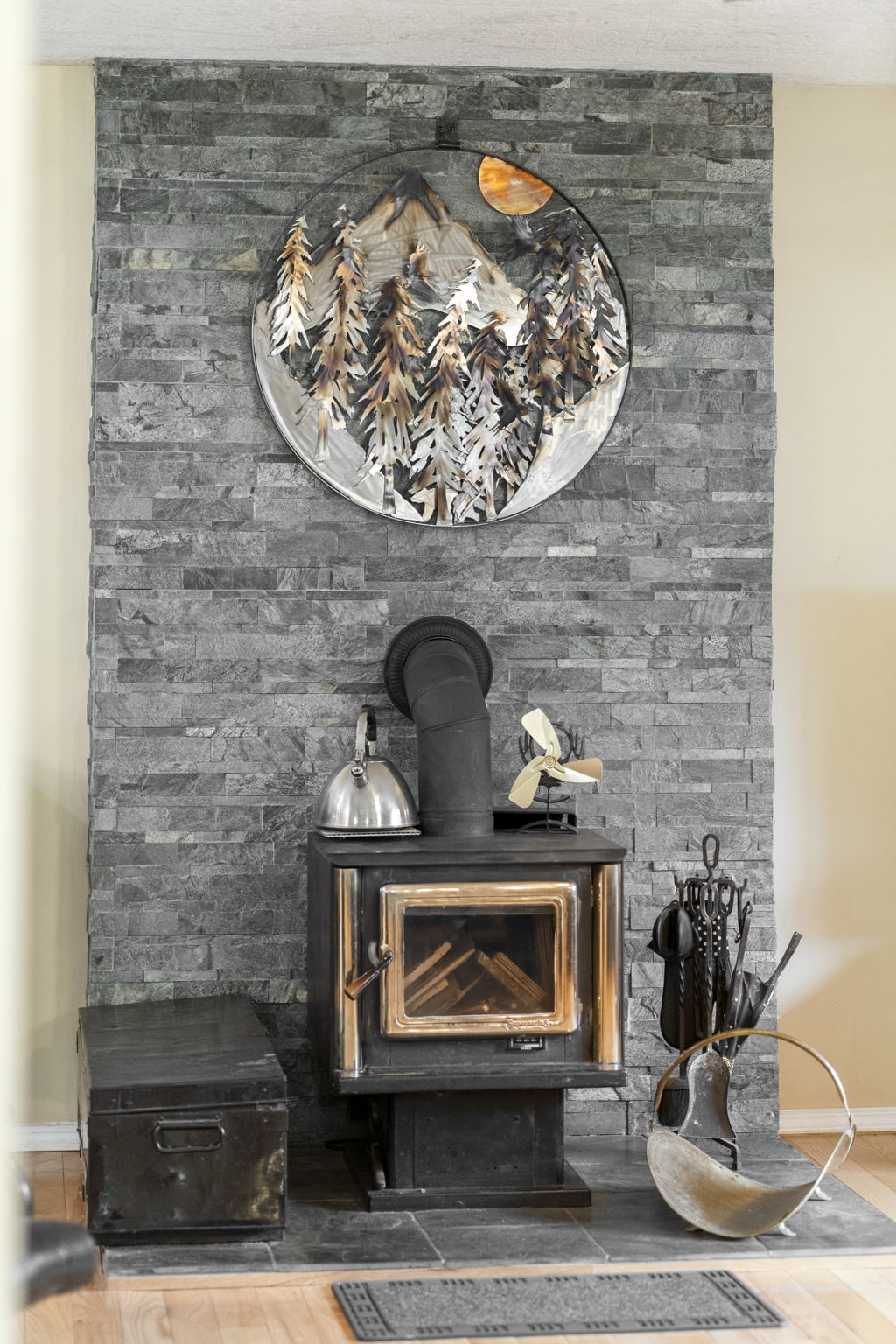
The Highlands is one of the West Shore’s most exclusive residential areas. Known for large acreages, forested surroundings, and limited development, The Highlands real estate appeals to buyers who prioritize privacy and lifestyle over proximity to downtown. In 2026, market conditions remain balanced across Greater Victoria. Higher inventory and modest price softening have created more opportunities for well-prepared buyers. As a result, The Highlands stands out as a quieter alternative to Oak Bay or central Victoria without sacrificing long-term value. Current Market Snapshot (Early 2026) The Highlands remains a low-inventory market, typically offering just a handful of active listings at any time. Key trends include: Typical single-family values around $1.23M, slightly below last year Listings ranging from the mid-$700,000s to over $3M for estate properties Median list prices near $1.2M, with higher pricing near Bear Mountain Because homes here appeal to a niche audience, days on market often run longer than urban areas. That dynamic can benefit patient buyers. What Makes The Highlands Unique Privacy and SpaceMost properties sit on one to five acres or more. Gated entries, long driveways, and natural buffers are common. Natural SurroundingsThe area borders Thetis Lake Regional Park and features extensive trail networks, wildlife, and forested views. Outdoor-focused buyers often see this as a major lifestyle upgrade. Nearby AmenitiesWhile The Highlands feels remote, Bear Mountain Resort, Langford shopping, and highway access are all within a short drive. Long-Term Value ProtectionZoning restrictions and limited land supply help preserve the rural-luxury character that defines The Highlands real estate. Types of Homes Available Buyers typically encounter three broad categories: Entry-level luxury ($775,000 to $1.2M): Older or updated homes on larger lots Mid-tier estates ($1.2M to $2M): Larger homes with modern finishes, pools, or guest suites High-end properties ($2M+): Custom builds, premium views, or Bear Mountain-adjacent homes Opportunities for expansion or multi-generational living are common. Is The Highlands Worth Considering in 2026? For buyers seeking space and seclusion, yes. Advantages More negotiating room than peak market years Better value compared to Oak Bay or Saanich estates A lifestyle focused on nature, privacy, and calm Considerations Commutes of 20 to 30 minutes to downtown Victoria Reliance on Langford or Colwood for services Higher maintenance costs for acreage properties Practical Tips for Buyers Secure pre-approval early, especially for rural properties Confirm servicing details such as wells or septic systems Review zoning carefully if future development is planned Work with an agent experienced in The Highlands real estate Final Thoughts The Highlands remains one of Greater Victoria’s most distinctive luxury markets. In a balanced 2026 environment, it offers a rare combination of privacy, natural beauty, and relative value. For buyers who value space and long-term lifestyle quality, The Highlands real estate deserves close consideration. Devon M., 5-Star Review, via Google “Scott was very patient with us as we started our family and took about a year to decide on place we thought would be fit for our home. He went above and beyond and still continues to this day to keep in touch and periodically checks in to see how we are doing. I highly recommend him to anyone looking for a realtor to either sell or buy their home.” Faber Real Estate Group Royal LePage Coast Capital Realty 📞 250-244-3430 📧[email protected] ℹ️ Scott Faber Personal Real Estate Corporation ℹ️ Cal Faber Personal Real Estate Corporation Vanessa Wood, Zachary Parsons, and Sophie Taylor “Building Lasting Relationships, One Home at a Time.”
Read more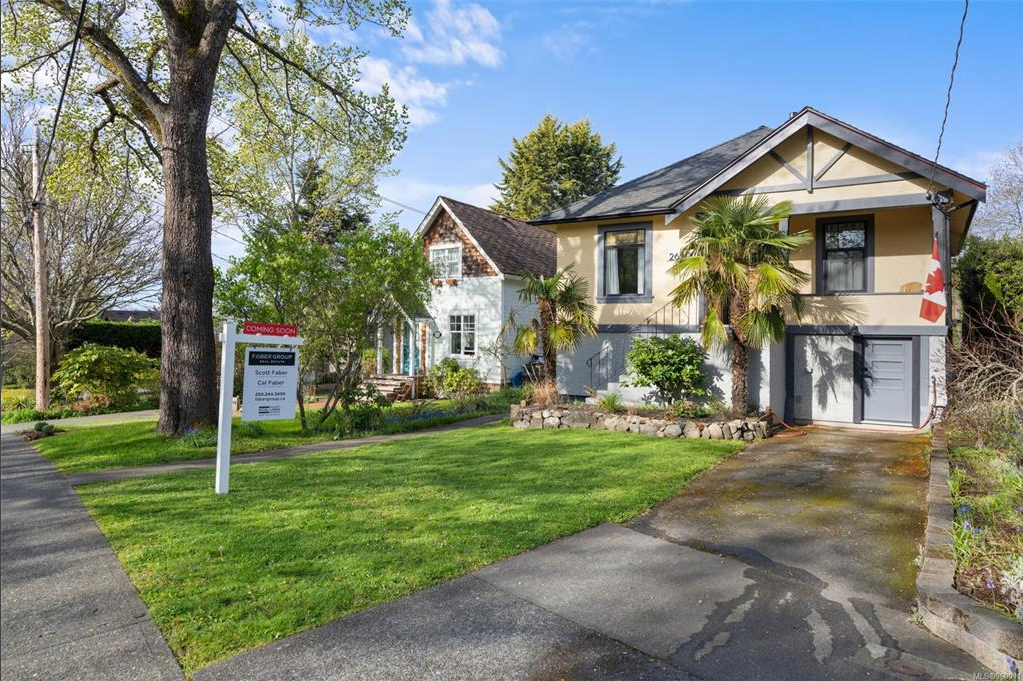
In Victoria's real estate market, school catchments play a key role in determining home value. These boundaries decide which public school your child attends based on your address. Families often prioritize strong schools, so homes in desirable catchments attract more buyers and command higher prices. Even in 2026, with balanced market conditions, this factor remains strong. Parents seek quality education, shorter commutes, and better resale potential. How Catchments Drive Property Prices Homes inside popular school catchments often sell for a premium. Demand rises when families compete for spots in high-performing or well-regarded schools. This creates tighter supply, faster sales, and upward pressure on values. In Greater Victoria, desirable catchments boost appeal. Properties in these zones frequently see stronger demand from family buyers. As a result, they hold value better during market shifts and often appreciate steadily. Local experts note that homes in strong catchments sell faster and at higher prices compared to similar homes nearby. Key School Districts and Catchment Areas Greater Victoria covers three main public school districts: SD61 (Greater Victoria): Covers core Victoria, Oak Bay, Esquimalt, and parts of Saanich and View Royal. Popular areas include neighbourhoods near top-rated schools. SD62 (Sooke): Serves western communities like Langford, Colwood, Sooke, and Metchosin. Growing areas here benefit from family-friendly schools. SD63 (Saanich): Includes much of the Saanich Peninsula, with suburban and rural zones. Catchment boundaries can shift slightly over time. Always use official tools like SD61's interactive School Locator for the latest maps. Top Areas and Their Value Impact Certain neighbourhoods stand out for family appeal due to school quality. Areas like Oak Bay, parts of Saanich East, and Fairfield often show stable appreciation. Homes near schools with strong programs (such as French Immersion or high academic performance) draw extra interest. Fraser Institute rankings and local feedback highlight consistent performers in these zones. Buyers pay more for access to these schools, which supports long-term home value. Tips for Buyers and Sellers Check catchments early in your search. Use official district tools rather than assumptions. Verify boundaries directly, as capacity issues can affect enrolment. For sellers, highlight catchment advantages in listings. This appeals to family buyers and can justify stronger pricing. If you lack school-aged children, catchments still matter. They widen your buyer pool for resale and add future-proof value. Final Thoughts School catchments in Victoria home value connections remain powerful in 2026. They influence demand, pricing, and resale ease, especially for families. If you plan to buy or sell in Victoria, prioritize this factor. Focus on family-friendly neighbourhoods like Oak Bay, Saanich, or the core. Contact a local realtor for current insights, listings, and catchment details. Making informed choices now supports both your lifestyle and investment goals. Don Wong. 5-Star Review, via Google “I would recommend them to anyone buying real estate on the Vancouver Island. The team is very knowledgeable, courteous and professional, adding a personal touch to building a strong relationship. ” Faber Real Estate Group Royal LePage Coast Capital Realty 📞 250-244-3430 📧[email protected] ℹ️ Scott Faber Personal Real Estate Corporation ℹ️ Cal Faber Personal Real Estate Corporation Vanessa Wood & Zachary Parsons “Building Lasting Relationships, One Home at a Time.”
Read more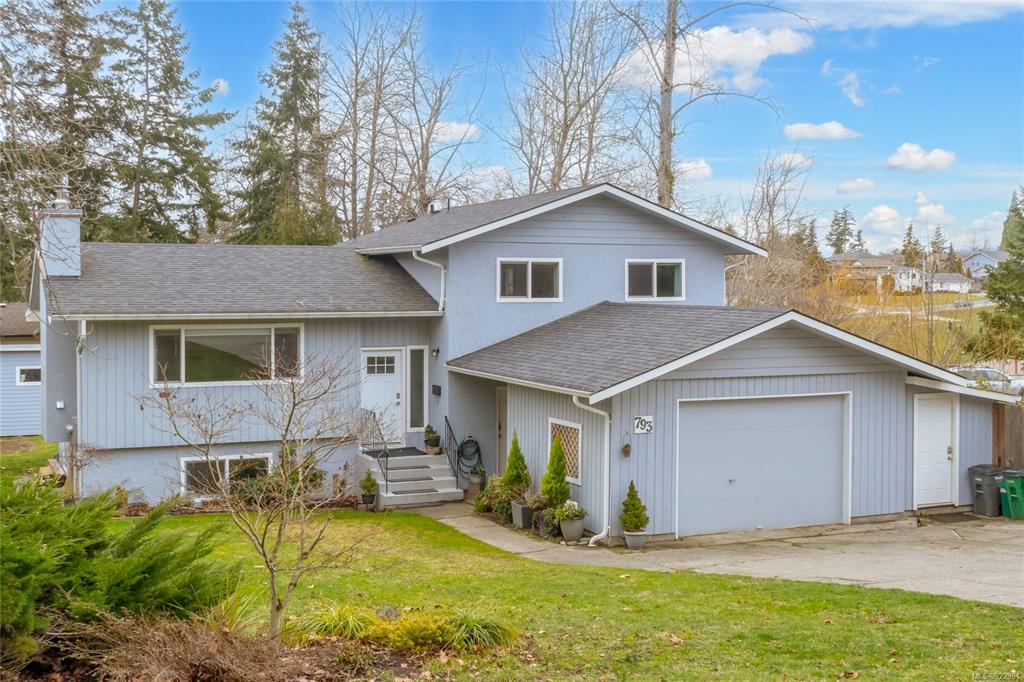
Home equity is the difference between your home’s market value and what you still owe on your mortgage. Understanding home equity is essential for buyers and homeowners because it plays a major role in long-term financial planning and wealth building. Simply put, the more of your home you own outright, the more equity you have. How Home Equity Builds Over Time Home equity typically grows in two ways: Paying down your mortgage with each monthly payment Property value increases over time due to market conditions or improvements For example, if your home is worth $800,000 and your mortgage balance is $500,000, you have $300,000 in home equity. Why Home Equity Matters Home equity provides flexibility and financial leverage. It can be used to: Help fund renovations or upgrades Support future home purchases Assist with major life expenses Increase long-term net worth In markets like Greater Victoria, where home prices have historically trended upward over the long term, equity can become a significant asset. Equity vs. Renting Rent payments build no equity. Once the payment is made, the money is gone. With homeownership, a portion of each mortgage payment contributes to building equity, even during stable or slower markets. This difference is one of the key reasons many buyers choose to purchase when they plan to stay put for several years. How Much Equity Do You Need? There is no universal benchmark, but more equity generally means: Better refinancing options Lower borrowing risk Greater financial security That said, equity takes time to build. It works best as a long-term strategy rather than a short-term gain. Final Thoughts Home equity is not just a number on paper. It represents ownership, stability, and long-term value. Whether you are a first-time buyer or a long-time homeowner, understanding how equity works can help you make more informed real estate decisions in Victoria’s market. If you are curious how much equity you may be able to build, reviewing your options early can make a meaningful difference. Dom L., 5-Star Review, via Google “After months of searching and giving us their honest advice, we finally bought a place while out of town. We only had a virtual tour of the site, but we felt very comfortable making an offer because they understood what we were looking for. I would recommend going to Faber group as they are knowledgeable, professional and resourceful.” Faber Real Estate Group Royal LePage Coast Capital Realty 📞 250-244-3430 📧[email protected] ℹ️ Scott Faber Personal Real Estate Corporation ℹ️ Cal Faber Personal Real Estate Corporation Vanessa Wood, Zachary Parsons, and Sophie Taylor “Building Lasting Relationships, One Home at a Time.”
Read more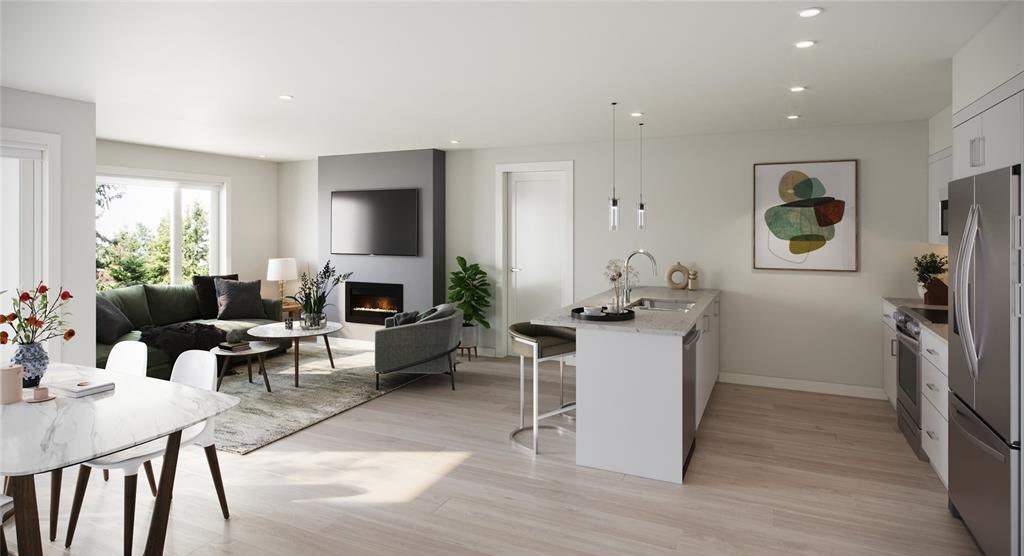
The Victoria spring real estate market 2026 is shaping up to be more balanced than the fast-paced years buyers remember. Spring remains the most active season locally, but conditions suggest a steadier, more strategic market ahead rather than rapid price surges. Buyers and sellers entering the market this spring should expect improved choice, realistic pricing, and a stronger emphasis on value and location. Inventory and Buyer Activity Inventory is expected to improve modestly across Greater Victoria. More homeowners appear willing to list as pricing stabilizes and borrowing costs level out. As a result, buyers will have slightly more selection than in recent spring markets. Demand should remain strongest in family-oriented neighbourhoods and entry-level price ranges. Well-located homes that show well will still attract attention, but bidding wars should be less common overall. Price Trends for Spring 2026 Home prices in Victoria are likely to remain relatively flat this spring, with modest gains in high-demand pockets. Condos and townhomes should continue to lead activity, especially among first-time buyers and downsizers. Single-family homes may see longer days on market unless priced accurately. Sellers who align with current market conditions will have the best results. Interest Rates and Buyer Confidence Interest rates remain a key factor shaping the Victoria spring real estate market 2026. While rates are higher than pandemic-era lows, improved predictability has restored some buyer confidence. Pre-approved buyers are returning with clearer budgets and a more disciplined approach. This supports steady sales without the volatility seen in previous cycles. Neighbourhoods to Watch This Spring The West Shore, including Langford and Colwood, is expected to stay active due to relative affordability. Vic West and View Royal should continue attracting buyers seeking proximity to downtown without core pricing. Established areas like Fairfield and Oak Bay remain resilient, though price sensitivity is higher than in past spring markets. What This Means for Buyers and Sellers For buyers, spring 2026 offers better negotiating conditions and more time to make informed decisions. Preparation and flexibility remain essential. For sellers, presentation, pricing, and timing matter more than ever. Homes that are well-prepared and competitively priced should still perform well during the spring surge. Final Thoughts The Victoria spring real estate market 2026 is expected to reward patience and strategy rather than speed. While spring activity will pick up as usual, balanced conditions favour informed buyers and realistic sellers. If you are planning to make a move this spring, understanding neighbourhood trends and current pricing will be key to success. Elel P., 5-Star Review, via Google “Months of looking then a listing came up to our liking. We were out of town so Scott did a virtual viewing for us. We gave an offer even without viewing it personally because of this crazy market we have. Offer got accepted a couple hours after!” Faber Real Estate Group Royal LePage Coast Capital Realty 📞 250-244-3430 📧[email protected] ℹ️ Scott Faber Personal Real Estate Corporation ℹ️ Cal Faber Personal Real Estate Corporation Vanessa Wood, Zachary Parsons, and Sophie Taylor “Building Lasting Relationships, One Home at a Time.”
Read more
Secondary suites and laneway homes remain a compelling investment in 2026, offering rental income and long-term value in a balanced market. In a more stable market, these additions offer predictable rental income, zoning advantages, and meaningful resale value across Greater Victoria. Reliable rental income in a balanced market As price growth normalizes, rental income plays a larger role in overall return. Secondary suites and laneway homes provide consistent cash flow that can offset mortgage costs or support long-term holding strategies. Demand remains strongest for well-designed, legal suites close to transit, employment hubs, and schools. Purpose-built laneway homes also appeal to downsizers, professionals, and long-term tenants seeking privacy without condo living. Zoning perks and increased flexibility Recent zoning changes across Victoria, Saanich, and the West Shore have made it easier to add secondary dwellings. Many neighbourhoods now allow suites or garden homes by right, reducing approval timelines and uncertainty. This flexibility supports multi-generational living, aging-in-place options, and future use changes. Buyers value properties that adapt over time rather than relying on a single use. Added value beyond monthly cash flow Homes with legal suites or laneway houses often command higher resale prices, even in balanced conditions. Buyers recognize the built-in income potential and future development options. Appraisers and lenders also tend to view legal secondary dwellings favourably, especially when permits, fire separation, and parking requirements are met. This can strengthen financing options and buyer confidence. What investors should evaluate in 2026 Not all secondary dwellings deliver equal returns. Before purchasing or building, consider lot size, servicing capacity, parking requirements, and neighbourhood rental demand. Construction costs remain a key factor, so long-term planning matters more than short-term yield. In many cases, the combined benefit of rental income, flexibility, and resale value outweighs pure cash flow calculations. Bottom line Secondary suites and laneway home investments remain a practical strategy in Greater Victoria. While rapid appreciation has cooled, these properties continue to offer stability, adaptability, and long-term value in a more balanced market. Maryann G., 5-Star Review, via Google “We recently sold our home through the Faber Real Estate Group. We received excellent service as we navigated our way through the sale of the house. I would recommend Cal and his sons as the realtor for your sale as they are so professional and gave good advice leading to a quick sale.” Faber Real Estate Group Royal LePage Coast Capital Realty 📞 250-244-3430 📧[email protected] ℹ️ Scott Faber Personal Real Estate Corporation ℹ️ Cal Faber Personal Real Estate Corporation Vanessa Wood, Zachary Parsons, and Sophie Taylor “Building Lasting Relationships, One Home at a Time.”
Read more
The Victoria rental market continues to play a major role in shaping real estate conditions across Greater Victoria. In 2026, limited rental supply, steady population growth, and affordability pressures are influencing buyer behaviour, pricing, and long-term market trends. Understanding the Victoria rental market helps both buyers and sellers make more informed decisions. Strong Rental Demand Supports Buyer Activity Rental demand in Victoria remains high, driven by job growth, students, and limited purpose-built rental inventory. As a result, rents continue to sit at historically elevated levels. For many renters, rising monthly payments make ownership more attractive, even in a balanced sales market. This dynamic supports ongoing demand for entry-level condos, townhomes, and smaller single-family homes. Impact on First-Time Buyers The Victoria rental market often accelerates first-time buyer decisions. High rents make saving challenging, yet comparable mortgage payments can appear more manageable Stable inventory in 2026 provides buyers with more choice and negotiating room Condos and townhomes remain the primary entry point for renters transitioning to ownership As rental costs rise, ownership becomes less about timing the market and more about long-term stability. Influence on Investors and Secondary Suites Investors continue to view Victoria real estate as a long-term hold, largely due to rental scarcity. Strong demand supports consistent occupancy Secondary suites and garden suites add value to single-family homes Purpose-built rental constraints keep pressure on resale housing While regulatory changes affect short-term rentals, long-term rental demand remains a key support for property values. Condo Market Effects The Victoria rental market has a direct impact on the condo segment. One- and two-bedroom units attract both renters and buyers, especially near employment centres, transit corridors, and post-secondary institutions. In 2026, balanced inventory has reduced bidding pressure, yet rental fundamentals continue to support pricing. Supply Constraints Shape Long-Term Trends Although new rental projects are underway, supply growth continues to lag demand. Zoning limitations, construction costs, and approval timelines slow meaningful expansion. As a result, rental pressure reinforces long-term housing demand across Greater Victoria. This dynamic supports price stability, even during periods of slower sales activity. What This Means for Sellers Sellers benefit from rental-driven demand in several ways: Strong interest in entry-level and income-generating properties Continued appeal of homes with suites or flexible layouts Stable buyer confidence despite market normalization Pricing still matters, but underlying demand remains intact. Final Thoughts The Victoria rental market remains a foundational driver of real estate activity in 2026. Limited supply, high rents, and steady demand continue to influence buyer decisions and support long-term values. For buyers, sellers, and investors alike, understanding rental market conditions provides valuable context when navigating Greater Victoria real estate. Lorraine P., 5-Star Review, via Google “I would not dream of ever using a realtor other than Cal. Apart from the fact that he is was exceptionally knowledgable and resourceful, he was also honest, truthful and always acted in my best interest while at the same time treating all parties with dignity and respect.”
Read more
Victoria real estate myths can mislead both buyers and sellers. As we move into 2026 in Victoria, British Columbia, market conditions have shifted from the frenzy of earlier years. Here, we address common misconceptions with up-to-date data and practical insights. Myth 1: Prices Always Rise A pervasive belief is that real estate prices in Victoria will only go up. While long-term demographic demand and limited land supply support overall value retention, benchmark prices have not consistently climbed in 2025. Data from late 2025 shows single-family home benchmark prices slightly down year-over-year in the Victoria core and sales slowing, even as detached values remain relatively high. This reflects a stable or mildly softening market rather than unchecked price growth. Pricing is now more balanced, influenced by interest rates, inventory levels and buyers’ ability to act. Expect modest movement rather than guaranteed annual increases in 2026. Myth 2: Condominiums Are Always a Bad Investment Another common idea is that condos are poor investments in Victoria. The condo market did experience significant sales declines in 2025, especially compared to detached homes, and some downtown inventory softened. However, benchmark condo prices have shown mild appreciation in late 2025. Market niche, building quality, location and rental demand all matter for investment outcomes. Victoria’s condo segment can still offer opportunities, particularly where rental returns and future demand align with investor goals. Myth 3: You’ll Always Get Multiple Offers The extreme multiple-offer situations of the early 2020s have largely vanished. In balanced conditions, competitive offers occur but are no longer the norm. Accurate pricing, presentation and a strategic listing approach now drive stronger outcomes — not simply list-and-watch offers flood in. Myth 4: Real Estate Agents Aren’t Needed Anymore With abundant online data, some believe professional representation is optional. In a balanced and nuanced market, expert guidance remains critical for pricing strategy, negotiation and risk management — particularly in Victoria where micro-market variations can be significant. Myth 5: Rental Demand Always Sustains Values The link between rental demand and investment value is not automatic. Broader Canadian trends show rents softening into late 2025 and early 2026, which can temper yield expectations for investors. Conclusion Victoria’s real estate landscape in 2026 is defined by stability and balance, not runaway growth or universal downturns. Dispelling myths with current data helps buyers and investors make informed decisions rather than relying on assumptions rooted in past market behaviour. Raman B., 5-Star Review, via Google “Faber group is a power house team with motivation, drive and a desire to exceed your needs. This family based business excels in the Victoria real estate market and goes to great lengths to find the perfect property that suits you. I would highly recommend them, 5 out of 5 stars!!” Faber Real Estate Group Royal LePage Coast Capital Realty 📞 250-244-3430 📧[email protected] ℹ️ Scott Faber Personal Real Estate Corporation ℹ️ Cal Faber Personal Real Estate Corporation Vanessa Wood, Zachary Parsons, and Sophie Taylor “Building Lasting Relationships, One Home at a Time.”
Read more
In Victoria's balanced 2026 real estate market, secondary suites offer a smart way to increase property value and attract buyers. These self-contained units provide steady rental income and extra appeal during steady times. Victoria's Housing Market Today The Victoria Real Estate Board reports that 2025 ended with stable sales and pricing. Single-family home values softened slightly in the core while the Westshore saw modest gains. Condo values stayed flat. Higher inventory in 2026 gives buyers more choice and keeps the market balanced with cautious optimism. Strong Rental Income Potential Rental demand remains solid for secondary suites in Victoria for 2026. Greater Victoria's vacancy rate reached 3.3% by late 2025 - the highest in over 25 years - yet demand continues from students, young professionals, and others. One-bedroom secondary suites typically rent for $1,500-$2,000 per month. Two-bedroom suites often reach $2,000-$2,500. This income helps cover mortgage payments, taxes, or utilities and makes ownership more affordable. Added Buyer Appeal Properties with legal secondary suites attract more interest. Buyers value them as: Mortgage helpers that ease financing Flexible space for multi-generational living or home offices Future rental or short-term rental options These features help homes sell faster and often at higher prices, especially when inventory rises. Provincial Support and Regulations British Columbia continues to encourage gentle density. Secondary suites remain allowed province-wide in single-family zones. Local governments must update bylaws by June 30, 2026 under recent legislation. Always verify that any suite meets city rules for size, separate entrance, egress, and parking. Final Thoughts In balanced market conditions, secondary suites deliver reliable income and long-term value. They stand out as a top feature for homeowners, buyers, and investors. If you are searching in Victoria feel free to reach out to our team for the latest listings and guidance. Secondary suites remain one of the strongest choices for smarter homeownership in 2026. Brandon S., 5-Star Review, via Google “My wife and I sold our condo in View Royal and bought a place in Esquimalt with the help of The Faber Group. Scott helped us to find and buy the perfect home for our growing family in a very competitive market. He got to know our wants and needs and worked within our schedule with a small baby. Once we found the perfect place Scott helped us to get it for under the asking price and sold our condo in one day on the market with multiple offers over asking! We are so grateful that Scott helped us through this process, answering our many questions and alleviating our concerns. Thank you for helping us sell our first home and buy a beautiful house for our family.” Faber Real Estate Group Royal LePage Coast Capital Realty 📞 250-244-3430 📧[email protected] ℹ️ Scott Faber Personal Real Estate Corporation ℹ️ Cal Faber Personal Real Estate Corporation Vanessa Wood, Zachary Parsons, and Sophie Taylor “Building Lasting Relationships, One Home at a Time.”
Read more
Central Saanich is planning for steady, managed growth that supports housing diversity, community services, and sustainable infrastructure. It's recent planning initiatives outline how the district will evolve over the next decade, guided by community input and provincial policy. The focus on future growth in Central Saanich centres on housing supply, village-core development, active transportation, and community amenities. Updated Official Community Plan Sets the Vision In 2023, Central Saanich adopted a new Official Community Plan (OCP) to guide long-term land use and growth. The OCP emphasizes protecting rural and agricultural lands while identifying select areas for gradual multi-unit development to support more housing options and workforce housing. The OCP also underscores climate action, collaboration with First Nations, and an urban containment boundary that directs most growth to established village nodes rather than rural areas. Housing Targets and Supply Expansion Central Saanich has been assigned provincial housing targets as part of British Columbia’s broader plan to increase housing supply. The district has taken steps to diversify its housing stock through updated infill and densification guidelines. A recent housing report shows the district needs to accommodate over 1,100 new units by 2029 to meet demand and provincial targets. Municipal efforts to streamline development approvals and adjust zoning aim to help meet this growth. Strategic Infrastructure and Community Projects Central Saanich’s 2024–2027 Strategic Plan includes investments that align with future growth priorities. This plan earmarks significant funding for active transportation improvements, such as new bike lanes, multi-use pathways, and infrastructure upgrades that support a growing population. One notable community project in planning is the district’s new municipal facilities building on Hovey Road, which will combine municipal hall, policing, fire services and a recreation centre. It is designed to be a community hub and is scheduled to start construction in late 2026. Village Core and Mixed-Use Development Central Saanich is engaging residents on the future of village core sites, including the four-acre municipal hall property on Mt. Newton Cross Road. Council envisions a walkable, mixed-use centre with housing, commercial space, community amenities and green space that supports local needs while maintaining village character. Balancing Growth with Rural Character While planning for future growth in Central Saanich, the district maintains strong protections for agricultural lands and rural areas. With over 60 per cent of land in the Agricultural Land Reserve, housing and commercial development are focused inside designated urban areas to preserve farming and natural spaces. What This Means for Residents and Investors As future growth in Central Saanich unfolds, residents can expect more housing variety, including infill, townhomes and multi-unit developments in established village cores and along key corridors. Investments in active transportation and community facilities will improve connectivity and local services. At the same time, the district’s planning framework aims to balance growth with environmental stewardship and agricultural preservation. For buyers, renters and investors monitoring Central Saanich, understanding changes to zoning, housing targets and community plans early can inform decisions and help identify emerging opportunities. Mark G., 5-Star Review, via Google “One of the best experiences I’ve had with a realtor. . Above all, it seems that i have gained a great relationship and i appreciate that more than feeling like just a transaction.. I will definitely be going back for my next big purchase!” Faber Real Estate Group Royal LePage Coast Capital Realty 📞 250-244-3430 📧[email protected] ℹ️ Scott Faber Personal Real Estate Corporation ℹ️ Cal Faber Personal Real Estate Corporation Vanessa Wood, Zachary Parsons, and Sophie Taylor “Building Lasting Relationships, One Home at a Time.”
Read more
Housing demand around the University of Victoria continues to grow, and new projects are reshaping how students, renters, and homeowners live near campus. Several existing and planned developments near UVic aim to increase housing supply, improve walkability, and support long-term community growth. On-Campus Housing Expansion at UVic UVic has prioritized adding more on-campus housing to address student demand. Recent residence projects have focused on higher-density buildings with modern amenities and strong sustainability standards. These residences help reduce pressure on nearby rental markets by keeping more students on campus. Looking ahead, UVic has announced plans for an additional large-scale student housing project that will add hundreds of new beds for upper-year and graduate students. This future development near UVic is designed to maximize land use while supporting transit access and campus services. University District and Long-Term Planning UVic is also planning a broader mixed-use area known as the University District. This long-term vision includes housing, commercial space, and community amenities on university-owned land near Gordon Head Road. While still in planning stages, this project signals a shift toward a more integrated campus-adjacent neighbourhood. Once complete, the University District could play a major role in expanding housing options near UVic while supporting local businesses and services. Off-Campus Developments Near UVic Several nearby developments are already changing the surrounding neighbourhoods: New rental and condo projects along Shelbourne Street and McKenzie Avenue are increasing density near key transit routes. Purpose-built rental buildings near UVic are providing alternatives to older secondary suites and student rentals. Affordable housing projects led by non-profit and public housing providers are helping diversify the local housing mix. These developments near UVic appeal not only to students but also to professionals, downsizers, and investors seeking proximity to the university and amenities. What This Means for Buyers and Renters As developments near UVic continue, buyers and renters can expect more housing choice over time. Condos and purpose-built rentals may improve affordability compared to older, high-demand rental stock. At the same time, increased density may bring changes to traffic, parking, and neighbourhood character. Checking zoning, development applications, and school catchments early remains important when considering property near the university. Final Thoughts Existing and upcoming developments near UVic reflect a broader push to address housing demand while supporting a growing academic community. For students, homeowners, and investors, these projects signal continued growth and long-term change in one of Victoria’s most sought-after areas. Leanne D, 5-Star Review, via Google “I would highly recommend the Faber Group this is the second time we have used them and have been over the top happy with their service. They are an honest group of men who all go above and beyond to make your experience perfect!” Faber Real Estate Group Royal LePage Coast Capital Realty 📞 250-244-3430 📧[email protected] ℹ️ Scott Faber Personal Real Estate Corporation ℹ️ Cal Faber Personal Real Estate Corporation Vanessa Wood, Zachary Parsons, and Sophie Taylor “Building Lasting Relationships, One Home at a Time.”
Read more