


Langford density has become one of the biggest real estate conversations on the Westshore. For some people, the growth feels exciting. More housing, more restaurants, more services, and more energy. For others, it feels like the city is changing faster than the roads, schools, parks, and infrastructure can keep up. The real answer is not simply yes or no. Langford is becoming denser. The better question is whether that density is being added in the right places, with enough planning to protect livability. That is the part buyers, sellers, and long-term homeowners should pay attention to. Langford Has Been Growing Quickly Langford has been one of the fastest-growing communities in British Columbia. Statistics Canada reported that Langford’s population reached 46,584 in the 2021 Census, up 31.8% from 2016. That made Langford the fastest-growing municipality in BC and one of the fastest-growing communities in Canada at the time. That level of growth changes a city. It affects traffic, schools, parks, parking, neighbourhood feel, housing types, and buyer expectations. A city that was once viewed mainly as a more affordable alternative to Victoria is now becoming a major urban centre in its own right. That shift creates opportunity, but it also creates tension. Why Density Is Happening Density is not happening by accident. Langford is responding to the same pressures seen across Greater Victoria: housing affordability, population growth, limited land, infrastructure costs, climate planning, and changing provincial housing policy. The City’s Official Community Plan refresh was designed around planning for a future population of 100,000 residents, while addressing affordability, housing, climate change, social equity, rising infrastructure costs, and transportation options. In simple terms, Langford is trying to grow up rather than only grow out. That means more condos, townhomes, mixed-use buildings, urban centres, and housing near services and transit routes. For buyers, this creates more options. For existing homeowners, it can feel like the character of certain areas is changing quickly. Both reactions are valid. Is More Density Automatically Bad? No. Good density can make a community stronger. It can support: More housing choice Better restaurants and local businesses More walkable areas Improved transit demand More efficient land use Greater housing affordability compared with large-lot-only development More options for first-time buyers, downsizers, and investors A city made only of detached homes can become difficult for many people to afford. It can also spread growth over a wider area, which often increases car dependence and infrastructure costs. Density, when planned well, can help create a more complete community. The issue is not density itself. The issue is poorly planned density. What Residents Are Worried About Many concerns around Langford density are practical, not political. People are asking fair questions: Can the roads handle more residents? Are schools keeping up? Is there enough parking? Are parks and public spaces growing with the population? Will traffic continue to get worse? Are neighbourhoods losing their character? Is new construction adding affordability or just more expensive units? Will infrastructure costs show up in property taxes? The City’s OCP engagement process acknowledged that some residents raised concerns about overcrowding, traffic congestion, limited green space, affordability, and financial impacts such as potential property tax increases. The City says those concerns were considered alongside technical analysis and expert recommendations. That is important because the debate should not be framed as growth versus no growth. The real issue is whether growth feels supported. Where Density Makes the Most Sense Density usually works best when it is placed near services, transit, shopping, employment areas, and existing infrastructure. Langford’s updated planning direction focuses growth toward the City Centre, Corridors, and Urban Centres, where infrastructure, transit, walking, rolling, and cycling options are considered more viable. That approach makes sense in theory. Higher density is easier to justify near: Downtown Langford Transit routes Shopping areas Schools and recreation Employment centres Areas already planned for mixed-use growth It becomes more controversial when density feels disconnected from infrastructure, parking, road capacity, or neighbourhood context. A six-storey building may make sense in one location and feel completely out of place in another. What the New Official Community Plan Signals Langford adopted a new Official Community Plan in June 2025, marking the first major update since 2008. The City described the new plan as a more predictable approach to growth, building height, and density. It also noted that while tall buildings remain possible in select strategic locations, the plan emphasizes more mid-rise and ground-oriented housing choices. That is a meaningful shift. It suggests Langford is trying to move away from a more reactive growth model and toward clearer rules about where density belongs. For homeowners and buyers, this matters because future value will depend partly on how well each neighbourhood absorbs growth. Some areas may benefit from new amenities and services. Others may feel pressure if growth arrives before infrastructure improves. How Density Affects Buyers For buyers, Langford density creates more choice. A buyer who may not be able to afford a detached home in Victoria or Saanich may find more options in Langford through condos, townhomes, duplexes, and newer communities. That can be positive. But buyers should still think carefully about location within Langford. Not all density is equal, and not every building or neighbourhood will perform the same over time. Buyers should ask: Is the home close to services or still car-dependent? Is the surrounding area still changing? Are there future development sites nearby? How much construction is planned around the property? Is parking adequate? Is the building well managed? Is the area becoming more walkable or simply busier? Will future supply compete with this property at resale? The right Langford property can be a smart purchase. But buyers should not assume all growth automatically means all properties benefit equally. How Density Affects Sellers For sellers, density can be both a benefit and a challenge. On one hand, growth can bring more buyer attention, more amenities, and stronger long-term demand. If your property is in a well-located area, increased density may support future value. On the other hand, more supply can create more competition. If a seller owns a condo or townhome in an area with many similar new units coming to market, buyers may have more choice. That means presentation, pricing, strata health, parking, layout, and building quality become even more important. For detached homeowners, density may create different questions: Is there redevelopment potential? Could zoning changes affect future value? Is the lot more valuable because of location? Are buyers paying for the home, the land, or future flexibility? Will nearby development affect privacy, traffic, or appeal? Sellers should not rely on broad Langford growth headlines. They need neighbourhood-specific pricing advice. The Difference Between Density and Livability A dense community can still be very livable. The best examples usually include: Good sidewalks Safe crossings Parks and trails Useful transit Local shops Schools and childcare Public gathering spaces Thoughtful building design Enough parking where needed A mix of housing types Density becomes frustrating when people experience more buildings without better daily life. If residents see more traffic but not better transit, more people but not more parks, or more construction but not more affordability, they understandably question the direction of growth. That is why Langford’s next chapter will be judged less by how many homes are built and more by whether the city feels easier or harder to live in. Is Langford Losing Its Character? This depends on the neighbourhood. Langford is not one single market. Bear Mountain, Happy Valley, Westhills, downtown Langford, Florence Lake, Thetis Heights, and South Langford all feel different. Some areas are designed around newer, denser growth. Others still have a more suburban or semi-rural feel. As density increases, buyers will become more selective about which version of Langford they want. Some will want walkability and newer buildings close to amenities. Others will want space, privacy, trails, and a quieter residential feel. That split may actually make Langford more segmented over time, with different neighbourhoods appealing to different lifestyles. What This Means for Long-Term Value Density can support long-term value when it creates a stronger, more convenient community. It can hurt perceived value when it creates congestion, uncertainty, or too much similar supply at once. For real estate, the strongest areas are often those that balance growth with livability. That means: Good access Strong amenities Thoughtful planning Housing variety Parks and recreation Reliable infrastructure A clear sense of neighbourhood identity Langford has many of these ingredients. The question is execution. If growth is well managed, Langford can continue to mature into a more complete urban centre. If growth feels faster than infrastructure, some buyers may become more cautious. So, Is Langford Becoming Too Dense? Langford is becoming denser, but that does not automatically mean it is becoming too dense. A better answer is this: some parts of Langford are absorbing density better than others. Density near services, transit, shops, schools, and recreation can make sense. Density that feels disconnected from infrastructure can create frustration. For buyers, the opportunity is to choose carefully. For sellers, the priority is to understand how your specific property fits into Langford’s changing market. The future of Langford will not be defined only by how many homes are built. It will be defined by whether those homes help create a community that still feels practical, connected, and livable. Final Thoughts Langford’s growth is not slowing down in the bigger picture. The city is planning for more people, more housing, and a more urban future. That creates real opportunity, especially for buyers who want newer homes, Westshore amenities, and relative value compared with Victoria’s core. But it also requires more thoughtful decision-making. If you are buying or selling in Langford, do not look at density as simply good or bad. Look at where it is happening, what infrastructure supports it, and how it affects the specific property you are considering. For advice on buying, selling, or understanding how Langford’s growth may affect your property value, contact Faber Real Estate Group for local guidance tailored to your goals. Thiago D., 5-Star Review, via Google “Their ready availability, communication, and support were key to getting our new place. I cannot recommend Scott and his team more.” Faber Real Estate GroupRoyal LePage Coast Capital Realty📞 250-244-3430📧 [email protected]ℹ️ Scott Faber Personal Real Estate Corporationℹ️ Cal Faber Personal Real Estate CorporationVanessa Wood, Zachary Parsons, and Sophie Taylor “Building Lasting Relationships, One Home at a Time.”
Read more
Buying a probate home can be a good opportunity, but it often requires more patience, more due diligence, and a clearer understanding of the legal timeline. In Greater Victoria, estate sales can include anything from well-maintained family homes to properties that have not been updated for decades. The opportunity may be real, but so are the extra layers of complexity. A probate or estate sale is not automatically a bargain. It is simply a different type of transaction. The key is knowing what makes the process different before you write an offer. What Is a Probate or Estate Sale? An estate sale happens when a property is being sold as part of someone’s estate after they have passed away. Probate is the legal process that may confirm the validity of a will and give the executor authority to deal with the estate. If there is no will, or no executor able to act, a grant of administration may be required instead. The Government of British Columbia explains that a grant of probate may be needed when there is a will, while a grant of administration may be needed when there is no will or no executor. For buyers, the main point is this: the person selling the home must have the proper legal authority to enter into and complete the sale. That is why legal advice matters in estate transactions. BCFSA notes that if a grant of probate or letters of administration have not been obtained, the executor or administrator may not have legal authority to sign a listing agreement or enter into a Contract of Purchase and Sale on behalf of the estate. Why Buyers Look at Estate Sales Estate properties can attract buyers for several reasons. Some buyers see potential in an older home that needs renovation. Others are looking for a larger lot, an established neighbourhood, or a property that has been held by the same family for many years. In Greater Victoria, estate sales may appeal to buyers looking for: Original homes in mature neighbourhoods Larger lots with long-term potential Renovation opportunities Homes in areas with limited turnover Properties that may not be heavily staged or modernized A chance to create value over time However, opportunity should not replace caution. An estate sale may come with less information, more unknowns, and a longer path to completion. The Timeline Can Be Less Predictable One of the biggest differences with buying a probate home is timing. In a typical resale purchase, the seller is usually alive, available, and able to sign documents directly. In an estate sale, the transaction may depend on court documents, executor authority, estate lawyers, beneficiaries, and the status of probate. This can affect: When an offer can be accepted Whether the sale can complete How long conditions should remain open Whether possession timing is realistic How quickly documents can be reviewed Whether delays are possible before closing A buyer may find a property they love, negotiate acceptable terms, and still need to wait for estate-related steps before the transaction can fully move forward. That does not mean buyers should avoid estate sales. It means they should build flexibility into the offer. The Seller May Not Know Everything About the Property In many estate sales, the executor may not have lived in the home. That matters because the seller may have limited knowledge of: Past renovations Permits Age of systems Water issues Electrical updates Foundation repairs Oil tanks Drainage history Roof age Insurance claims Neighbourhood issues This is not necessarily a red flag. It is simply a reason for stronger due diligence. A regular seller may be able to answer detailed questions about the home’s history. An executor may only be able to disclose what they know from records, family knowledge, or visible evidence. Buyers should not assume missing information means the property has a problem. They should assume missing information needs to be investigated. Inspections Matter Even More A home inspection is important in most purchases, but it becomes especially valuable during an estate sale. Many estate properties have been owned for a long time. Some have been carefully maintained. Others may have deferred maintenance that only becomes obvious once a buyer looks deeper. Buyers should pay close attention to: Roof condition Drainage and grading Foundation concerns Electrical systems Plumbing materials Heating systems Windows Insulation Moisture or mould Underground oil tank risk Decks, stairs, and exterior structures Signs of unpermitted work Depending on the property, buyers may also want additional inspections beyond a standard home inspection. That could include sewer scope, oil tank scan, structural review, septic inspection, or contractor estimates. The goal is not to scare yourself out of the property. The goal is to understand what you are actually buying. Estate Sales Are Often Sold “As Is, Where Is” Many estate properties are marketed with limited representations from the seller. That can mean the estate is not prepared to make repairs, provide detailed warranties, or negotiate around every small issue. This is why buyers need to separate cosmetic problems from material risk. Old carpet, dated kitchens, and wallpaper may be manageable. Knob-and-tube wiring, major drainage problems, failing retaining walls, or structural issues require a very different level of planning. A home can still be a good purchase with problems, but only if the price, terms, and buyer expectations reflect those problems. Financing Should Be Discussed Early If the property needs significant work, financing may become more complicated. A lender may have concerns if the home is not easily insurable, not fully habitable, or has major deficiencies. Buyers using insured financing may face different restrictions than buyers with larger down payments or renovation funds. Before writing an offer, buyers should speak with their mortgage broker or lender about: Property condition requirements Appraisal risk Insurance requirements Renovation financing options Completion timelines Whether lender approval depends on inspection results This is especially important if the buyer is planning a major renovation after completion. A property with potential is only a good fit if the financing can support the plan. Beneficiaries Can Add Complexity In some estate situations, there may be multiple beneficiaries. That does not always affect the buyer directly, but it can influence how the seller responds to offers, pricing, timelines, and negotiations. An executor may need to act in the best interest of the estate. That can make negotiations feel more formal or slower than a typical sale. The seller may be less emotionally attached to the property, but they may also have a responsibility to justify the sale price and process. For buyers, this means low offers are not always handled the same way they would be in a typical negotiation. If the estate needs to demonstrate fair market value, the seller may rely heavily on comparable sales, appraisal input, or market exposure before accepting an offer. Price Is Not Always the Only Winning Factor Buyers often assume estate sales are all about price. Price matters, but terms can matter just as much. A strong offer on a probate or estate property may include: Realistic dates Clear conditions Flexible completion timing A reasonable deposit Fewer unnecessary complications Proof of financing strength Patience around probate-related timing Respectful communication through the process Estate transactions can involve grief, family responsibility, and legal obligations. A clean, well-structured offer can be more attractive than an aggressive offer full of uncertainty. What Buyers Should Watch For Buying a probate home can be a smart move, but buyers should be careful with these common risks: Assuming the sale will be quick Ignoring probate or authority issues Skipping inspections because the home looks simple Underestimating renovation costs Assuming the executor knows the full property history Failing to confirm financing on an older or dated home Not checking permits or title details Overpaying because of perceived potential Forgetting that “as is” can limit post-sale options A good purchase is not just about finding a lower price. It is about understanding the property, the process, and the risk before committing. How to Make a Smart Offer When buying an estate or probate property, the offer should be written with care. Buyers should consider conditions that allow time for: Home inspection Financing approval Insurance confirmation Title review Property Disclosure Statement review, if available Oil tank scan, if appropriate Permit or municipal file review, if relevant Legal review, especially where probate timing is involved The right conditions depend on the property. A newer strata condo will need different due diligence than a 1950s detached home on a large lot. The key is to make the offer strong without making it careless. Is Buying a Probate Home Worth It? It can be. A probate or estate sale may offer access to a property that has not been available for many years. It may provide renovation potential, a good location, or a chance to buy into an established neighbourhood. But the value is not automatic. The best estate sale purchases usually happen when the buyer has three things: Patience with the timeline Clear due diligence A realistic budget for repairs or updates When those pieces are in place, buying a probate home can be a smart long-term decision. Final Thoughts Buying a probate home or estate sale property requires a different mindset. The process may move slower, the seller may have limited information, and the property may require more investigation before a buyer can feel confident. That does not make it a bad option. It simply means the buyer needs the right guidance, the right conditions, and the right expectations from the start. If you are considering buying a probate or estate sale property in Greater Victoria, contact Faber Real Estate Group for advice on how to assess the opportunity, protect your interests, and move forward with confidence. Grymyko J., 5-Star Review, via Google “Scott and Cal were a pleasure to work with. Thank you Guys for negotiating a good deal for us. We will definitely work with them again in the future!” Faber Real Estate GroupRoyal LePage Coast Capital Realty📞 250-244-3430📧 [email protected]ℹ️ Scott Faber Personal Real Estate Corporationℹ️ Cal Faber Personal Real Estate CorporationVanessa Wood, Zachary Parsons, and Sophie Taylor “Building Lasting Relationships, One Home at a Time.”
Read more
Waterfront and view properties are valued differently because buyers are not just paying for the home itself. They are paying for scarcity, exposure, privacy, outlook, lifestyle, and the emotional pull of a setting that cannot easily be recreated. In Greater Victoria, waterfront and view properties often attract strong attention, but their value depends on far more than whether a listing says “ocean view” or “waterfront.” Two homes can be similar in size, finish, and location, yet have very different market values because one looks directly over the water, one has a filtered seasonal glimpse, and another has actual usable shoreline. That difference matters. For sellers, this means pricing needs to be precise. For buyers, it means understanding what kind of premium is justified, and what might simply be marketing language. Waterfront Is Not the Same as a View The first mistake many people make is treating waterfront and view properties as the same category. They are related, but they are valued differently. A waterfront property has some form of direct relationship to the water. That may mean oceanfront, lakefront, inlet frontage, or a property bordering a beach, cove, or shoreline. A view property may have no direct access to the water at all, but offers a desirable outlook from the home or lot. That distinction matters because waterfront usually carries a land scarcity premium. There is only so much shoreline, and in many established Greater Victoria neighbourhoods, there is very little new supply being created. A view, on the other hand, can vary widely in quality and permanence. A protected panoramic ocean view is not valued the same way as a narrow view corridor between two neighbouring homes. BC Assessment notes that assessed value can consider unique property characteristics such as location, view, size, age, condition, and comparable sales, which reinforces why these features need to be analyzed with care rather than treated as simple add-ons. What Makes Waterfront More Valuable? Waterfront value is usually driven by a combination of lifestyle and scarcity. Buyers may pay more for: Direct water access Usable shoreline Beach access Dock potential Privacy from neighbouring properties Southern or western exposure Calm water versus exposed shoreline Level access from the home to the water Protection from wind, erosion, or storm exposure Proximity to town, marinas, parks, and services However, not all waterfront is equal. A rocky, steep, exposed shoreline may photograph beautifully but offer limited day-to-day use. A protected cove with easy access to the water may be far more functional, even if the home itself is more modest. This is why waterfront valuation is not just about being beside the water. It is about how the property interacts with the water. What Makes a View More Valuable? View properties are valued based on the quality, width, depth, and permanence of the outlook. A strong view may include: Unobstructed ocean views City, mountain, or harbour views South-facing light Sunset exposure Views from main living areas Views from outdoor spaces Privacy created by elevation A sense of openness or separation from neighbours The most valuable views are usually the ones that are visible from the spaces people use most: the kitchen, living room, primary bedroom, deck, patio, or main entertaining area. A view from one upstairs bedroom may help, but it will not carry the same weight as a broad view from the main living level. Permanence also matters. If a view could be blocked by future development, tree growth, or a neighbouring renovation, buyers may be more cautious. A protected view over parkland, ocean, or a lower-density area can feel more secure. Why Comparable Sales Are Harder to Use With more typical homes, pricing often starts with recent comparable sales. A three-bedroom home in one neighbourhood may be compared against other similar homes nearby. With waterfront and view properties, the comparison becomes harder. The appraiser or real estate advisor must consider: Is the view similar? Is the waterfront usable? Is the lot more private? Is the exposure better? Is the home newer or older? Is the property harder to insure or maintain? Is there development potential? Are there environmental or shoreline restrictions? Did the buyer pay a premium because of emotion, scarcity, or competition? This is where valuation becomes more of an art supported by data. Two waterfront homes in the same community may not be true comparables if one has calm beach access and the other sits high above a rocky shoreline. Two view homes may not compare well if one has a wide ocean outlook and the other has a partial view from one corner of the deck. Land Value Often Matters More Than the House With waterfront and view properties, the land can carry a larger share of the total value. A dated home on a rare waterfront lot may still attract strong interest because buyers see the long-term value in the setting. In some cases, buyers may renovate, expand, or rebuild to better capture the view or waterfront lifestyle. This is different from many standard homes, where the condition, layout, and updates may carry more of the buyer’s attention. For sellers, this means an older home should not automatically be discounted too aggressively if the land has rare characteristics. For buyers, it means the premium may be tied less to the current house and more to what the property represents over time. Condition Still Matters A great view does not erase poor maintenance. Buyers may love the setting, but they will still factor in: Roof age Window quality Drainage Seawall or shoreline condition Deck and balcony safety Heating and cooling Moisture concerns Retaining walls Septic or sewer connection Access and parking This is especially important for waterfront homes because exposure to wind, salt air, moisture, and storms can increase long-term maintenance needs. A beautiful waterfront property with deferred maintenance may still sell well, but buyers will usually account for the risk in their offer. Insurance, Zoning, and Environmental Factors Can Affect Value Waterfront properties often require more due diligence. Buyers may need to understand flood risk, erosion, setbacks, riparian or environmental rules, dock permissions, shoreline protection, and insurance considerations. These details can affect both value and marketability. A property that looks incredible online may become less attractive if the buyer discovers limited building flexibility, expensive shoreline maintenance, or restrictions on future improvements. This is why buyers should not evaluate waterfront solely through lifestyle appeal. The best waterfront purchase balances beauty with practical risk. The Emotional Premium Is Real Waterfront and view properties often sell on emotion. A buyer may remember the light coming through the windows, the sunset from the deck, the sound of the water, or the feeling of privacy. These features can create a stronger emotional response than square footage alone. That emotional premium can increase competition, especially when the property is rare, well-presented, and priced correctly. However, emotion is not unlimited. Buyers still compare value. If the price is too far above what the market can support, even a spectacular view can sit. This is where pricing discipline matters. What Sellers Should Know If you are selling a waterfront or view property, the goal is to help buyers understand the full value of the setting. That means your marketing should clearly communicate: What kind of view the property has Which rooms capture the view Whether the outlook is protected or potentially changeable The type of waterfront or shoreline Outdoor living areas Sun exposure Privacy Access to the water Recent maintenance and upgrades Any relevant property documents or permits Photography is especially important. Poor lighting, unclear angles, or failing to show the relationship between the home and the view can weaken the listing. For these properties, buyers need to feel the setting before they ever step through the door. What Buyers Should Know If you are buying a waterfront or view property, it helps to separate emotion from value. Ask yourself: How much of the price is tied to the home? How much is tied to the land? Is the view visible from the main living spaces? Is the waterfront usable or mostly visual? Are there maintenance or insurance concerns? Could the view change? Are there restrictions on future improvements? Are similar properties available, or is this truly rare? A strong property can still be a poor purchase if the premium is not supported by the long-term utility of the site. The best buyers look beyond the first impression and study the property’s practical strengths. Why Local Knowledge Matters Waterfront and view properties are highly local. A premium in Oak Bay may be valued differently than a premium in Sidney, Saanich, View Royal, or the Westshore. Even within the same neighbourhood, small differences in elevation, exposure, access, privacy, and shoreline quality can create meaningful pricing gaps. This is why a broad price-per-square-foot approach can be misleading. For unique properties, the better question is not, “What did the last nearby home sell for?” The better question is, “How similar was that property in the ways buyers actually value?” Final Thoughts Waterfront and view properties are valued differently because they combine real estate fundamentals with scarcity, lifestyle, emotion, and site-specific details. The right property can hold long-term appeal because the setting is difficult to replace. But the premium must still be supported by careful analysis, strong comparables, and a clear understanding of the risks and benefits. Whether you are buying or selling a waterfront or view property in Greater Victoria, the most important step is getting advice that looks beyond the view and studies the full picture. For guidance on pricing, buying, or selling waterfront and view properties in Greater Victoria, contact Faber Real Estate Group for local advice tailored to your goals. Marieke J., 5-Star Review, via Google “We had a fantastic experience with Cal and Scott. From the first meeting via Zoom until the moment we received the keys to our new home. They are very kind and warm people, and made us feel at home and welcome right away. Scott is very knowledgeable, easy to work with, professional, honest and quick to respond to questions. We felt in good hands and comfortable having him at our side in our buying process. When looking for a great realtor in the Victoria area, I would highly recommend Cal and Scott from Faber Real Estate Group..” Faber Real Estate GroupRoyal LePage Coast Capital Realty📞 250-244-3430📧 [email protected]ℹ️ Scott Faber Personal Real Estate Corporationℹ️ Cal Faber Personal Real Estate CorporationVanessa Wood, Zachary Parsons, and Sophie Taylor “Building Lasting Relationships, One Home at a Time.”
Read more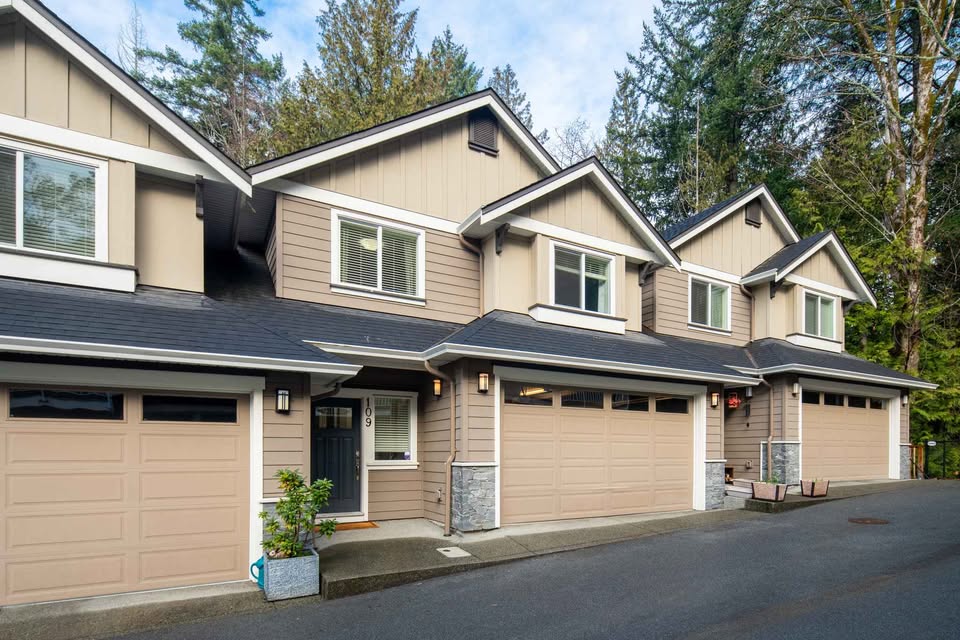
Moving from condo to house can feel like a natural next step. More space, more privacy, and more flexibility often sound like clear upgrades. However, condo to house is not just a square-footage decision. It is a lifestyle and cost decision that changes how you live, maintain your property, and plan your budget. For many Victoria homeowners, this move happens after a life change. A growing family, remote work, pets, storage needs, or simply wanting more room can all push the condo to start feeling too small. At the same time, moving into a house means taking on responsibilities that were once shared through strata living. Why this move appeals to so many owners There is a reason people think about leaving condo living behind. A detached house can offer: more indoor space a private yard fewer shared walls room for children, guests, or a home office more control over renovations and day-to-day use less concern about strata rules and restrictions That extra freedom is real. So is the extra responsibility. The biggest mindset shift: you become fully responsible In a condo, many major items are shared or managed through the strata. That does not mean condo ownership is simple, but it does mean certain responsibilities are spread out. In a house, they are yours. That includes: roof maintenance gutters and drainage exterior paint or siding yard care fencing plumbing and electrical repairs heating system upkeep windows, decks, and exterior wear For some buyers, this feels exciting. For others, it is the hidden cost of more freedom. Monthly costs change in a different way One of the most common mistakes buyers make when going from condo to house is comparing only the mortgage payment. A house may remove strata fees, but that does not automatically make ownership cheaper. Instead, the monthly cost structure shifts. Condo costs often include: strata fees shared building maintenance building insurance through the strata fewer direct exterior maintenance expenses House costs often add: higher utility bills property maintenance landscaping or yard tools separate home insurance repair reserves for major items potentially higher property taxes depending on area and value The lesson is simple: do not swap a strata fee for a false sense of savings. Maintenance is no longer somebody else’s problem This is often the biggest real-world adjustment. Many condo owners move into a house because they want more control. That is fair. Just remember that control comes with tasks. Before buying a house, ask yourself: Am I comfortable managing repairs? Do I want to spend weekends on upkeep? Do I have room in my budget for surprise costs? Would I rather maintain a yard or pay strata fees? How old are the roof, windows, furnace, and hot water system? A house can be a better fit. It just needs to be a fit for your time and energy too. Your search criteria need to expand Condo buyers often focus heavily on interior finish, building quality, strata documents, and monthly fees. House buyers still care about those things, but the checklist becomes broader. Now you also need to look at: lot size drainage age and condition of major systems foundation type attic and crawlspace issues neighbourhood fit school catchments if relevant commute and traffic patterns renovation potential long-term resale appeal In other words, the property becomes more complex. So does the due diligence. The emotional shift is bigger than many people expect A condo often offers simplicity. A house often offers possibility. That sounds positive, but it can also create pressure. Buyers moving into a house often start thinking: Should we stretch a little more for the better neighbourhood? Should we buy something move-in ready or something with upside? How much work are we willing to take on? Are we buying for today or for the next ten years? This is why upsizing can feel less straightforward than people expect. More options do not always create more confidence. In fact, Faber’s market strategy work highlights that in a market with more inventory and more choice, clients often need stronger decision support and more structured planning, not less. Selling your condo and buying a house requires coordination This move is often tied to two transactions, not one. That means you need a strategy for: pricing and selling the condo realistically understanding how quickly it may sell knowing your financing position for the house deciding whether to sell first or buy first planning possession dates and move timing A rushed decision on one side can create stress on the other side. For example, overpricing the condo may delay the sale and affect your house purchase plans. On the other hand, buying too quickly without understanding the real costs of house ownership can lead to regret after possession. What condo owners often underestimate about houses Outdoor upkeep A yard looks great in listing photos. It also needs mowing, trimming, weeding, cleanup, and seasonal maintenance. Ongoing repair budgeting In a condo, special assessments feel frustrating because they arrive all at once. In a house, repairs can show up one by one. The cost still arrives. Furnishing and space creep A larger home often needs more furniture, more storage solutions, and more ongoing upkeep inside too. Heating and utility use Detached homes often cost more to heat and cool. Older homes can increase that difference even more. Time This is the overlooked one. A house asks for more attention. Some buyers love that. Others miss the simplicity of condo living more than they expected. What to think about before making the jump 1. Why do you want a house? Make sure the answer is specific. More space is not enough on its own. What problem is the house solving? 2. What kind of house fits your life? Not every detached home offers the same experience. A newer small-lot home, an older character home, and a suburban family house all come with different workloads and benefits. 3. What is your real monthly comfort zone? Build a budget that includes repairs, utilities, insurance, and maintenance, not just mortgage qualification. 4. How much work do you want to take on? There is a big difference between wanting freedom and wanting projects. 5. What is your timing plan? If you need to sell the condo first, build that into the strategy early. If you buy first, understand the carrying risk. A practical framework for moving from condo to house Step 1: Review your current condo position Understand likely sale value, monthly ownership costs, and what equity you can bring forward. Step 2: Define your next-home priorities Separate must-haves from nice-to-haves. Space, yard, location, school area, and condition all need to be ranked. Step 3: Build a house budget properly Include more than mortgage and taxes. Add maintenance reserves, utilities, insurance, and move costs. Step 4: Study the property, not just the photos A house purchase needs stronger due diligence because there are more systems, more components, and more long-term costs. Step 5: Coordinate the move as one plan Treat the condo sale and house purchase as connected decisions, not separate events. Final thoughts Moving from condo to house can be a smart next step, but only when the decision is based on the full picture. More space and freedom can absolutely improve your lifestyle. The key is knowing what extra cost, responsibility, and planning come with that change before you commit. If you are thinking about moving from condo to house in Greater Victoria, contact Faber Real Estate Group for advice on timing, budgeting, and finding the right fit for your next chapter. Matt C., 5-Star Review, via Google “I would highly recommend not only the Faber group however specifically Scott. He treated us with the utmost respect and looked out for our best interests. Our selling and buying process were seemless with little stress due to Scott handling everything behind the scenes. Furthermore not only did Scott show us exactly what we were looking for he knew what location would best suit our lives.” Faber Real Estate Group Royal LePage Coast Capital Realty 📞 250-244-3430 📧[email protected] ℹ️ Scott Faber Personal Real Estate Corporation ℹ️ Cal Faber Personal Real Estate Corporation Vanessa Wood, Zachary Parsons, and Sophie Taylor “Building Lasting Relationships, One Home at a Time.”
Read more
What does a strong offer look like in a market with more inventory? In today’s Victoria market, it usually looks less like an aggressive overbid and more like a well-structured offer that gives the seller confidence you can actually complete the deal. With 3,261 active listings at the end of March 2026, up 7.9 per cent from a year earlier, buyers have more choice and more leverage than they did in tighter conditions. The Victoria Real Estate Board also noted that current conditions are allowing more time for both sides to make decisions and complete due diligence. That shift changes what “strong” means. A strong offer is no longer just the highest number on paper. It is the offer that balances price, terms, timing, and certainty in a way that makes the seller feel comfortable saying yes. A Strong Offer Starts With the Right Price, Not a Random Discount More inventory gives buyers room to negotiate, but that does not mean every low offer is a smart one. In a market with more listings, sellers are comparing not only price but also seriousness. If your offer is far below market without a clear reason, it often reads as noise rather than leverage. A strong offer is usually grounded in: recent comparable sales current competition in that property’s segment the home’s condition and presentation how long it has been on the market whether the asking price already reflects known issues In other words, strength comes from logic. Sellers are much more likely to respond to a fair, evidence-based offer than to one that feels careless or opportunistic. Clean Terms Matter More Than Many Buyers Realize When inventory is higher, sellers often expect more conditions than they would in a hot market. That is normal. However, they still want those conditions to feel manageable and focused. A strong offer usually has conditions that are: necessary specific time-limited realistic For example, subject to financing and subject to inspection are common and sensible. A long list of vague or open-ended conditions often feels less strong, even if the price is good. VREB’s current market commentary points to a lower-pressure environment with more time for due diligence. That supports thoughtful conditions, but it also means the cleanest serious offer often stands out. Strong Buyers Show They Can Perform In a market with more inventory, sellers still care about certainty. That means a strong offer often includes signs that the buyer is ready and able to move forward, such as: a solid deposit mortgage pre-approval where appropriate proof of funds when relevant a clear understanding of timelines a buyer who is not still sorting out basic logistics From a seller’s point of view, a slightly lower offer can still win if it feels more dependable. A high offer with fragile financing, messy timing, or unclear readiness may not feel like the best deal at all. Good Timing Can Strengthen an Offer A strong offer is not just about amount. It is also about fit. Some sellers care most about price. Others care about possession dates, rent-back options, minimal disruption, or certainty around closing. In a market with more choice, buyers who pay attention to those details can gain an edge without overpaying. A stronger offer might include: a possession date that suits the seller a prompt but realistic subject removal timeline flexibility around inclusions fewer unnecessary complications These are small details, but they can make a meaningful difference. Inspection and Document Review Are Still Part of a Smart Offer More inventory means buyers do not need to rush blindly. CREA’s Victoria market conditions data shows homes are taking longer to sell than they were a year ago, with median days on market in Q1 2026 at 26 for single-family homes, 31 for townhouses, and 30 for condominiums. That gives buyers more room to be careful. So a strong offer in this kind of market is not reckless. It is prepared. That means: reviewing disclosure documents early examining strata records carefully where applicable understanding likely repair or maintenance concerns knowing your financing limits before writing Confidence is attractive to sellers. So is competence. What Sellers Usually See as Weak Buyers often think a strong offer means being aggressive. In reality, sellers tend to see weakness in offers that are confusing, poorly timed, or unsupported. Weak offers often include: a price with no market logic behind it too many broad conditions long timelines without explanation obvious uncertainty about financing demands that feel one-sided no effort to understand the seller’s priorities In a balanced market, buyers gain leverage, but sellers still choose the offer that feels most likely to hold together. A Strong Offer Matches the Property Not every listing deserves the same strategy. A newly listed, well-priced home in a desirable area may still attract strong competition, even in a market with more inventory. A listing that has been sitting for several weeks may invite more negotiation. The smartest buyers do not use one formula for every property. They adjust based on: days on market current demand for that property type number of competing listings known issues or objections seller motivation, where that is understood That is what makes an offer strong. It fits the situation. What Strong Looks Like Right Now in Victoria In practical terms, a strong offer in today’s market often looks like this: fair and defensible price sensible conditions, not sloppy ones strong deposit clear financing plan respectful timelines flexibility where it matters to the seller confidence backed by preparation With more inventory available, buyers do not need to panic. However, they still need to be credible. Final Thought What does a strong offer look like in a market with more inventory? It looks prepared, well-reasoned, and easy for a seller to trust. In today’s Victoria market, buyers often win not by being the most aggressive, but by being the most credible. If you want help building an offer strategy that protects your downside without weakening your position, contact Faber Real Estate Group for practical guidance tailored to the property and the current market. Doug M., 5-Star Review, via Google “For us, selling our first home of 15 years brought up a lot of emotion and the process felt daunting. We had a challenging tenant and lived off island. In rode these 3 amigos, the Fabers, like knights on white horses! Always there, supporting, guiding every step of the way, connecting with confidence and kindness. Fluid communication and success on every level. Truly a God send, we can’t imagine having done it without them! A pleasure indeed.” Faber Real Estate Group Royal LePage Coast Capital Realty 📞 250-244-3430 📧[email protected] ℹ️ Scott Faber Personal Real Estate Corporation ℹ️ Cal Faber Personal Real Estate Corporation Vanessa Wood, Zachary Parsons, and Sophie Taylor “Building Lasting Relationships, One Home at a Time.”
Read more
Downsizing in Greater Victoria is often sold as a simple idea: sell the bigger home, buy something smaller, and enjoy less maintenance. In reality, downsizing in Greater Victoria is usually less about square footage and more about timing, emotions, and decision-making. For many homeowners, this is not just a move. It is a major life transition. You may be leaving a long-term family home, adjusting your monthly costs, changing neighbourhoods, or moving from detached living into a condo or townhouse. That is why the best downsizing plans are not rushed. They are structured. The good news is that downsizing does not have to feel overwhelming. With the right plan, it can feel lighter, clearer, and much more manageable. Start With the Reason, Not the Property A lot of people begin by browsing listings. That usually comes too early. Before you look at homes, get clear on why you want to downsize in the first place. Common reasons include: less upkeep fewer stairs lower monthly costs a simpler lifestyle being closer to family, amenities, or medical services unlocking equity for retirement or travel This step matters because “smaller” is not always the same as “better.” A move only works if it improves daily life. Define What You Still Need One of the biggest downsizing mistakes is focusing too much on what to cut and not enough on what still matters. Think about the features you use every week, not the ones that only sound good on paper. That may include: main-floor living a guest bedroom a garage or secure storage outdoor space pet-friendly rules walkability elevator access low-maintenance living room for hobbies, visiting family, or working from home Downsizing works best when it supports your next stage of life instead of forcing constant compromise. Decide Whether You Need to Sell First or Buy First This is one of the biggest strategic decisions in the entire process. Selling first can give you more clarity on budget and reduce financial pressure. Buying first can give you certainty on where you are going next, but it may add stress if your current home has not sold yet. The right answer depends on: your finances how much equity you have your comfort with carrying two properties the type of home you are trying to buy how flexible your timeline is This is where a clear step-by-step plan matters. The move itself is often less stressful than the uncertainty between the sale and the purchase. Build a Downsizing Timeline Early The homeowners who feel the most pressure are usually the ones trying to make every decision at once. A better approach is to break the move into stages. A practical downsizing timeline often looks like this: decide where you want to move and what type of home fits understand your likely sale price and net proceeds create a decluttering and sorting schedule plan any light updates or home prep before listing build a purchase strategy around your timing arrange movers, storage, and key support people well in advance This turns one large emotional project into a series of smaller, more manageable steps. Declutter Earlier Than You Think You Need To Most downsizers underestimate how long this part takes. Decluttering is not just a physical job. It is emotional. You are sorting through years, and sometimes decades, of belongings, paperwork, furniture, and family history. Start with the easiest categories first: duplicates expired items rarely used kitchenware old linens unused furniture storage areas and closets Leave sentimental items for later, once you have momentum. You do not need to make every decision in one weekend. Slow, steady progress usually works better than an all-at-once push. Measure the Financial Side Carefully Many homeowners assume downsizing automatically means spending less. That is not always true. A smaller home can still come with: strata fees property taxes moving costs legal fees renovations or furnishing changes storage expenses higher price points in certain neighbourhoods or building types That is why downsizing should be treated as a full financial strategy, not just a sale and purchase. The question is not only, “What can we sell for?” It is also, “What will the next home actually cost us to own and enjoy?” Think Beyond Price When Choosing the Next Home A lower-maintenance lifestyle sounds great until the layout does not work, the building rules are restrictive, or the location makes daily life harder. When comparing options, look at: layout efficiency storage future mobility needs parking guest access strata rules noise walkability ease of travel to appointments, shopping, and family The best downsizing move is often the one that makes life simpler every day, not just the one with the smallest floor plan. Get Help Before the Pressure Builds Downsizing tends to go much better when homeowners do not try to carry the whole process alone. That support may include: a REALTOR® family members a mover an organizer an estate sale company a lawyer or notary trusted trades for small home-prep items The earlier you build your support team, the less last-minute stress you create. Expect the Emotional Side This part often gets overlooked. Leaving a long-term home can bring relief, but it can also bring grief, doubt, and second-guessing. That is normal. Even when the move is the right one, it can still feel big. Give yourself room for that. A good downsizing plan creates space for practical decisions and emotional transitions at the same time. Final Thoughts Downsizing in Greater Victoria can be one of the smartest moves a homeowner makes, but it usually works best when it is planned with care. The goal is not just to move into a smaller property. The goal is to move into a home and lifestyle that feel easier to manage, more supportive, and better aligned with what comes next. If you are thinking about downsizing and want a clear plan before making any major decisions, contact Faber Real Estate Group for advice tailored to your timeline, budget, and next chapter. Lorraine P., 5-Star Review, via Google “I would not dream of ever using a realtor other than Cal. Apart from the fact that he is was exceptionally knowledgable and resourceful, he was also honest, truthful and always acted in my best interest while at the same time treating all parties with dignity and respect.” Faber Real Estate Group Royal LePage Coast Capital Realty 📞 250-244-3430 📧 [email protected] ℹ️ Scott Faber Personal Real Estate Corporation ℹ️ Cal Faber Personal Real Estate Corporation Vanessa Wood, Zachary Parsons, and Sophie Taylor “Building Lasting Relationships, One Home at a Time.”
Read more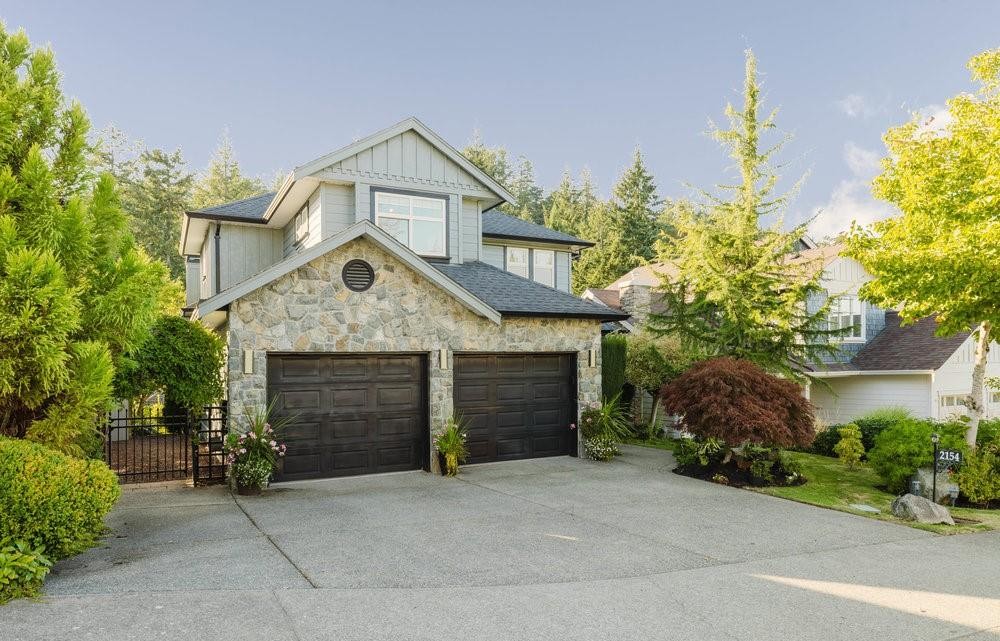
The Victoria luxury market at the $2 million price point offers far more than just a larger house. At this level, buyers are usually paying for a combination of location, land, design, privacy, views, and long-term lifestyle value. That means two homes with the same price tag can offer very different experiences depending on where they are and how they are positioned. In Greater Victoria, that is especially true. A $2 million budget may buy a beautifully renovated character home in one neighbourhood, a newer executive property in another, or a view-driven home where the setting carries as much value as the square footage. Why $2 million means different things in different parts of Victoria Luxury is not one category. It shifts based on the neighbourhood. At around $2 million, buyers may be choosing between: a premium address a larger lot newer construction strong ocean or city views architectural appeal privacy and outdoor living walkability and prestige future resale strength That is why luxury buyers need to look past the headline price and ask a better question: what kind of value am I actually buying here? In Victoria’s luxury market, location still leads At the high end, location often creates the biggest differences in what $2 million buys. For example, that budget may mean something different in: Oak Bay Fairfield Uplands-adjacent areas Gordon Head Broadmead Cordova Bay parts of Saanich East select Westshore luxury pockets waterfront or water-view locations In one area, $2 million may buy prestige and walkability close to the core. In another, it may buy more square footage, a newer build, or a more expansive lot. The lifestyle trade-off matters just as much as the property itself. What buyers often expect at this price point While every home is different, buyers in this range often expect a noticeable step up in quality and presence. That may include: 4 to 6 bedrooms 3 or more bathrooms higher-end kitchen and bath finishes better architectural detail larger lots or more usable outdoor space premium primary suites home offices or flex rooms triple exposure, natural light, or view corridors detached garages, workshops, or additional parking strong indoor-outdoor flow upgraded mechanical systems or more recent renovations In other words, $2 million should usually feel intentional, not just expensive. What the money often goes toward 1. The address In Victoria’s luxury market, part of the price is often tied to the neighbourhood’s reputation, access, and long-term desirability. 2. The land A larger lot, better privacy, stronger sun exposure, or a more usable outdoor setting can command a premium. 3. The view Ocean glimpses, full water views, city views, or mountain outlooks can significantly shape perceived value. 4. The finish level Luxury buyers usually expect more than basic updates. They want consistency, quality materials, and design choices that feel considered. 5. The lifestyle fit Walkability, proximity to top schools, golf, marinas, beaches, village shopping, and downtown access all influence what buyers are willing to pay. What $2 million may look like by property type Renovated character home In established neighbourhoods, this budget may buy a classic home with strong curb appeal, mature landscaping, and carefully updated interiors. The value here often comes from charm, location, and land. Newer executive home In newer or less central luxury pockets, $2 million may buy more modern design, larger square footage, better energy efficiency, and open-concept living. View property In some cases, the premium is tied less to the house itself and more to the setting. A view home may offer slightly different compromises on lot shape, layout, or age because the outlook carries so much weight. Multi-generational or flexible layout This price point can also open the door to homes with secondary accommodation, guest suites, or layouts that work well for extended family and long-term flexibility. What luxury buyers should watch carefully A higher price does not remove the need for discipline. In fact, it makes due diligence even more important. Luxury buyers should pay close attention to: quality of renovations layout function, not just visual impact true privacy traffic or road noise view protection over time lot usability future maintenance costs resale appeal within the specific neighbourhood over-improvement for the area insurance implications for older or waterfront properties The best luxury purchases are not always the most dramatic. They are often the homes that combine strong location, lasting appeal, and practical livability. Why lifestyle matters more at this level At entry-level price points, buyers often focus on compromise. At $2 million, buyers are usually making a more values-based choice. They are asking: Where do we want to spend our time? How private do we want the setting to feel? Do we care more about character or modern design? Are we buying for entertaining, family life, or future downsizing flexibility? Is this home about prestige, comfort, or both? That is why luxury real estate is never just about size. It is about alignment. The mistake buyers make in Victoria’s luxury market One common mistake is assuming that a bigger or newer home automatically represents better value. That is not always true. A slightly smaller home in a stronger location may outperform a larger one in a weaker location over time. Likewise, a beautifully finished house can still be the wrong fit if the lot, street, or layout does not match how you actually live. This is where market context matters. Faber’s strategic market analysis points out that clients in today’s environment need more decision support and clearer structure because more inventory and more choice do not automatically create more confidence. That applies even more at the luxury level, where mistakes are expensive and expectations are high. A smart way to evaluate a $2 million home Ask what the premium is for Is the price mainly about the location, the lot, the view, the finishings, or the house size? Compare within the right segment A luxury home should be judged against similar homes in the same micro-market, not just against all homes in Greater Victoria. Think about resale while buying Even when the home feels personal, future marketability still matters. Layout, parking, privacy, and setting all affect resale strength. Separate emotional impact from real value A dramatic kitchen or stunning staging can create urgency. A strategic review keeps the decision grounded. Final thoughts In Victoria’s luxury market, $2 million can buy a remarkable home, but what it buys depends entirely on where you look and what kind of lifestyle you value most. For some buyers, the right move is a prestigious address and timeless character. For others, it is modern design, more land, or a view that changes the way the home feels every day. If you are exploring the Victoria luxury market and want help comparing neighbourhoods, property types, and long-term value at the $2 million price point, contact Faber Real Estate Group for informed guidance tailored to your goals. Marc G., 5-Star Review, via Google “Scott is focused on providing his clients with a long-term positive experience, and he truly acts as a trusted advisor throughout the process. It's important to have someone you can trust for this kind of investment, and Scott has certainly earned my trust. For me, it's important that a realtor fits my values, is always responsive, professional, and goes above and beyond to ensure all my needs are met. I highly recommend Scott and Faber Real Estate for all your real estate needs.” Faber Real Estate Group Royal LePage Coast Capital Realty 📞 250-244-3430 📧[email protected] ℹ️ Scott Faber Personal Real Estate Corporation ℹ️ Cal Faber Personal Real Estate Corporation Vanessa Wood, Zachary Parsons, and Sophie Taylor “Building Lasting Relationships, One Home at a Time.”
Read more
Buying and selling a home at the same time can feel like trying to time two moving targets. The good news is that buy and sell at the same time does not have to mean feeling rushed, pressured, or forced into a bad decision. With the right strategy, the process becomes less about guesswork and more about sequencing, timing, and protecting your options. In Greater Victoria, that matters more than ever. Buyers often have more choice when inventory is higher, while sellers need to be realistic on pricing and timing in a more competitive market. That means the best move is rarely the fastest move. It is the one that gives you enough control to make clear decisions at each stage. Why this feels so stressful Most homeowners are not just making one decision. They are making several at once. How much can I realistically sell for? How quickly will my current home move? Do I buy first or sell first? What happens if one side moves faster than the other? How do I avoid carrying two homes or having nowhere to go? That pressure gets heavier when people think there is only one “right” order. In reality, there are a few workable paths. The right one depends on your finances, your flexibility, and how much risk you are comfortable carrying. The real goal is not perfect timing A lot of people think success means both transactions happen on the exact right day. That is not really the goal. The real goal is to create enough margin so you can make smart decisions without panic. That means planning for timing gaps, knowing your financial limits, and understanding what you will do if the market moves slower or faster than expected. This is especially important in a market where buyers may take longer to act and sellers face more competition. Faber’s own market positioning work notes that today’s clients need decision support, sequencing plans, and proactive communication because more choice does not automatically create more confidence. The three main ways to buy and sell at the same time 1. Sell first, then buy This is the most conservative option. You sell your current home first, know exactly what you have to work with, and then shop with a clear budget and less financial risk. This works well when: you need the sale proceeds to fund the next purchase you want to avoid carrying two properties you prefer certainty over speed you are downsizing or on a tighter budget The downside is that you may need temporary housing or a rent-back arrangement if you do not find the next home quickly. 2. Buy first, then sell This option can work when you have strong finances, access to bridge financing, or enough equity to handle a short overlap. This works well when: you have to secure the next home before letting go of the current one you are moving into a hard-to-find property type your income and financing flexibility can absorb some overlap you want to avoid feeling pressured to settle for the wrong home The risk is simple: if your current home takes longer to sell or sells for less than expected, the pressure shifts from emotional stress to financial stress. 3. Buy with a subject to sale strategy This means making an offer that depends on the sale of your current home. This can reduce risk, but it is not always competitive. Some sellers will accept it, especially if their property has been sitting or if the market gives buyers more negotiating room. Other sellers will pass in favour of a cleaner offer. This works best when: you are in a more balanced or buyer-favouring market the home you want is not attracting multiple offers your current property is likely to sell quickly both parties are realistic and flexible How to reduce the feeling of being rushed Start with your numbers, not the listings The fastest way to feel overwhelmed is to begin with open houses and online searches before you understand your real position. Before you look seriously, get clear on: your likely sale price range your mortgage qualification your cash available for closing costs and moving costs whether bridge financing is available to you the monthly carrying cost you can tolerate if there is overlap That clarity changes everything. Instead of reacting emotionally to each new listing, you can judge opportunities against a plan. Price your current home for movement, not hope When people are trying to buy and sell at the same time, overpricing creates a chain reaction. A home that sits too long delays the next purchase, weakens your negotiating position, and adds stress to every decision. In a market with more listings and more defined outcomes, sellers need clearer expectations on pricing and timelines rather than optimism alone. A strong pricing strategy gives you momentum. Momentum creates options. Know your backup plan before you need it This is where a lot of stress can be avoided. Ask these questions early: Could you stay with family for a short time? Would you consider a short-term rental? Can you negotiate a longer completion date on your sale? Can you ask for a rent-back after closing? Would bridge financing solve the gap if timing is close? The people who feel least rushed are usually the people with a Plan B. Focus on dates, not just price When clients buy and sell at the same time, price gets most of the attention. However, dates often matter just as much. A slightly lower sale price with better timing can be the better overall outcome. Likewise, a purchase with flexible possession may be more valuable than one that looks cheaper on paper but forces a rushed move. In other words, the cleanest transaction is not always the highest number. Sometimes it is the best fit. A practical way to think about the sequence Here is the simplest framework: Step 1: Prepare your current home as if you will list soon Even if you have not committed to listing yet, get the home market-ready. Declutter, handle small repairs, and understand what work is actually worth doing. Step 2: Get a realistic pricing and timing opinion You need to know not just what your home could sell for, but how long it may take in your specific area and property type. Step 3: Confirm financing for your next move Talk to your lender or broker about qualification, down payment timing, and whether bridge financing is an option. Step 4: Choose your risk tolerance Do you want maximum certainty, maximum flexibility, or a balance of both? This is where the sell-first versus buy-first decision becomes clearer. Step 5: Build your offer and listing strategy around timing This includes preferred possession dates, subject options, rent-back possibilities, and what you will do if one side moves faster than the other. Who should usually sell first Selling first is often the better path for: homeowners on a fixed budget downsizers who want less uncertainty anyone relying heavily on sale proceeds clients who would lose sleep carrying two homes There is nothing unstrategic about choosing certainty. In many cases, it is the move that protects both your finances and your peace of mind. Who may be better off buying first Buying first can make sense for: move-up buyers searching for a very specific home clients with strong income and equity households that can handle a temporary overlap people who would rather wait for the right purchase than rush into one after selling This path can work very well, but only when the numbers support it. The biggest mistake to avoid The biggest mistake is treating both transactions like separate events. They are connected. Your list price affects your buying power. Your purchase timeline affects your sale strategy. Your financing affects how aggressive or flexible you can be. When people look at each piece in isolation, they feel pulled in different directions. When they treat it as one coordinated plan, the process becomes much easier to manage. Final thoughts If you want to buy and sell at the same time without feeling rushed, the answer is not to move faster. It is to plan better. The right strategy creates breathing room, reduces emotional decisions, and keeps you in control even when the market feels uncertain. If you are trying to time your next move in Greater Victoria, contact Faber Real Estate Group for a clear step-by-step plan that fits your budget, timeline, and comfort level. Howard P., 5-Star Review, via Google “Cal and Scott Faber are authentic and trustworthy and give it to you straight up. They take the time and the attention to learn about your needs and then find the home that fits them. Our experience with Cal and Scott Faber was exceptional. They didn't just provide great service, they demonstrated a genuine concern for our best interests, making us feel truly valued. They will do their best to find the home that fits your lifestyle and needs. I heartily recommend Cal and Scott.” Faber Real Estate Group Royal LePage Coast Capital Realty 📞 250-244-3430 📧[email protected] ℹ️ Scott Faber Personal Real Estate Corporation ℹ️ Cal Faber Personal Real Estate Corporation Vanessa Wood, Zachary Parsons, and Sophie Taylor “Building Lasting Relationships, One Home at a Time.”
Read more
In competitive real estate markets, submitting an offer is about more than just the purchase price. Sellers often evaluate the overall strength of an offer, including certainty, flexibility, and buyer readiness. Understanding how to position your offer strategically can significantly improve your chances of success. Here are key tips to help make your offer stand out. Get Fully Prepared Before You Offer Preparation is one of the strongest advantages a buyer can have. Having mortgage pre-approval in place, understanding your budget, and reviewing comparable sales allows you to act quickly and confidently when the right property comes along. Understand the Seller’s Priorities Every seller’s situation is different. Some prioritize price, while others value flexibility on possession dates or fewer conditions. Understanding what matters most to the seller allows you to structure an offer that aligns with their goals, not just yours. Offer Strong Terms, Not Just a Strong Price Price matters, but clean terms often carry equal weight. Fewer conditions, reasonable timelines, and clear financing can make an offer more attractive. Sellers often favour offers that feel secure and straightforward, even if they are not the highest. Be Strategic With Conditions Conditions protect buyers, but unnecessary or overly broad conditions can weaken an offer. Where appropriate, tightening condition timelines or limiting conditions can improve competitiveness while still managing risk. Increase Your Deposit Where Possible A larger deposit demonstrates financial strength and commitment. While it does not change the purchase price, it can provide sellers with additional confidence that the buyer is serious and well-prepared. Remain Flexible on Possession Dates Flexibility can be a major advantage. Accommodating a seller’s preferred possession date or allowing rent-back arrangements, when appropriate, can make your offer more appealing without additional cost. Limit Unnecessary Requests Asking for excessive repairs, credits, or inclusions upfront can weaken an offer. In competitive situations, keeping the initial offer clean and reasonable can improve your position. Work With Local Market Knowledge Understanding current market conditions, recent sales, and buyer competition helps guide offer strategy. Local expertise ensures your offer is competitive without overreaching or missing opportunities. Be Ready to Act Quickly In active markets, timing matters. Buyers who are decisive and prepared are often more successful than those who hesitate. Having a plan in place allows you to move forward with confidence when the right opportunity arises. Why Strategy Matters A competitive offer balances strength with smart decision-making. The goal is not just to win the property, but to do so with terms that make sense for your situation. With the right preparation and guidance, buyers can submit offers that stand out while still protecting their long-term interests. Christina A. 5-Star Review, via Google “We had such a great experience working with Scott Faber during our recent home buying! From the start, Scott made everything super easy and was always there to answer our questions. Scott really listened to what we wanted and helped us find the perfect place. What we appreciated most was how down-to-earth and approachable he was. No matter what came up, Scott was on top of it and kept us in the loop the whole time. We felt like we were in great hands the entire process. ” Faber Real Estate Group Royal LePage Coast Capital Realty 📞 250-244-3430 📧[email protected] ℹ️ Scott Faber Personal Real Estate Corporation ℹ️ Cal Faber Personal Real Estate Corporation Vanessa Wood, Zachary Parsons, and Sophie Taylor “Building Lasting Relationships, One Home at a Time.”
Read more
Sidney vs Westshore for downsizers is not just a price conversation. It is a lifestyle decision. Both areas can make sense, but they serve very different versions of retirement, semi-retirement, or low-maintenance living. Sidney offers a compact, pedestrian-friendly coastal setting with quick access to the airport and ferry terminal, while the Westshore offers newer housing, major recreation options, and a more growth-oriented pace. If you are downsizing, the better question is not “Which one is better?” It is “Which one fits the way I want to live over the next 5 to 15 years?” Sidney Feels More Walkable and Self-Contained For many downsizers, Sidney’s biggest advantage is simplicity. The Town of Sidney describes itself as a pedestrian-friendly community with a vibrant downtown, and its waterfront walkway runs about 2.5 kilometres along the shore. It is the kind of place where daily life can feel more compact and manageable, especially for people who want shops, cafés, services, and the waterfront closer together. That changes more than convenience. It changes routine. In Sidney, downsizers often gain: easier day-to-day walking a calmer pace a more small-town feel quick access to local shops and services less dependence on long cross-town driving for basic errands For someone leaving a larger family home and wanting life to feel lighter, that matters. Westshore Feels More Active, Expansive, and Growth-Oriented The Westshore offers a different kind of downsizing move. Instead of a compact seaside town feel, it tends to appeal to downsizers who still want newer housing, bigger amenity hubs, more recreation, and a stronger sense of growth. West Shore Parks & Recreation offers major facilities including pools, fitness, ice rinks, golf, tennis, lawn bowling, and more, while Langford continues to invest in parks and outdoor recreation. That can be a better fit if your version of downsizing still includes: regular recreation and fitness hosting family easier access to newer developments feeling connected to a faster-growing part of the region keeping a bit more space without staying in a full-size detached home So while Sidney often feels quieter and more settled, Westshore can feel more dynamic and flexible. Your Driving Pattern Usually Changes This is one of the most overlooked parts of the decision. Sidney is especially attractive for people who value proximity to travel connections. The Town says it is about a 30-minute drive from downtown Victoria and just minutes from both Victoria International Airport and the Swartz Bay ferry terminal. That can make a big difference if you: visit family on the mainland often travel regularly want an easier in-and-out location like the idea of living near major transportation links without living in the city core Westshore, by contrast, may suit people whose life is more rooted in Greater Victoria and the local recreation network. Transit has improved as well, with BC Transit’s Blink RapidBus connecting the West Shore and downtown Victoria at roughly 7.5-minute peak service and 10 to 15 minutes off-peak. So the question becomes less about commute alone and more about where your life flows most often. The Housing Style Often Changes Too Even before price, the housing stock tends to push buyers in different directions. Sidney often appeals to downsizers looking for: condos close to shops and the waterfront lower-maintenance living in an established setting homes that support a lock-and-leave lifestyle Westshore often appeals to downsizers looking for: newer condos and townhomes more modern layouts easier access to parking, storage, and larger-format developments a transition that still feels spacious This matters because not every downsizer wants the same kind of “smaller.” Some want less square footage. Others want less maintenance but still want room for hobbies, guests, or grandkids. Community Feel Is Very Different This is where the decision often becomes emotional rather than financial. Sidney tends to feel more mature, coastal, and settled. Tourism Victoria describes it through waterfront strolls, boutique shops, and local cafés, which lines up with how many people experience the town day to day. Westshore tends to feel more energetic, recreational, and evolving. It has the advantage of broader recreation infrastructure and ongoing growth, but for some downsizers that same growth can feel busier than what they want at this stage. Neither is wrong. They simply answer different lifestyle goals. Future Fit Matters More Than Current Fit A lot of downsizers choose based on what feels good today. The better move is to ask what will still work well later. Think about: how much walking you want built into daily life whether you want to rely less on a car how often family visits whether travel access matters how important health, support, and convenience services may become over time whether you want quiet and compact, or active and evolving For example, Sidney has care-related services and seniors support options within the peninsula area, including Island Health services at the Peninsula Health Unit and residential care in Sidney. That does not automatically make it the better choice, but it may matter more later than buyers realize at the start. What Downsizers Usually Gain in Each Area Sidney more walkability easier ferry and airport access a calmer pace a stronger small-town coastal feel a more self-contained daily routine Westshore more recreation infrastructure more newer housing options a more active and expanding community feel improving transit to downtown more flexibility for buyers who still want a bit more space or newer construction The Best Choice Depends on What You Want More Of If downsizing means simplifying, walking more, travelling easily, and feeling close to the water, Sidney often rises to the top. If downsizing means reducing maintenance while staying active, keeping newer features, and living in a more amenity-rich growth area, Westshore may be the better fit. That is why this comparison should not stop at price. Final Thought Sidney vs Westshore for downsizers really comes down to how you want everyday life to feel after the move. The right answer is usually the one that supports your routine, your mobility, and your long-term comfort, not just your budget. If you are weighing both areas and want help comparing the lifestyle and housing options that fit your next chapter, contact Faber Real Estate Group for tailored guidance. Andy M., 5-Star Review, via Google “Thank you so much to Faber group for their amazing customer service. Cal and Scott were there for us every step of the way and we couldn’t be more pleased with our sale and purchase.” Faber Real Estate Group Royal LePage Coast Capital Realty 📞 250-244-3430 📧[email protected] ℹ️ Scott Faber Personal Real Estate Corporation ℹ️ Cal Faber Personal Real Estate Corporation Vanessa Wood, Zachary Parsons, and Sophie Taylor “Building Lasting Relationships, One Home at a Time.”
Read more