


Buying near future development can feel like a risk, an opportunity, or both. In Greater Victoria, where many neighbourhoods are adding density, new rentals, mixed-use buildings, and infill housing, buyers need to look beyond the home itself. The question is not only, “Do I like this property today?” It is also, “How could this area change over the next five to ten years?” Future development can bring better amenities, more housing options, improved walkability, and stronger long-term demand. However, it can also bring construction noise, traffic changes, loss of privacy, view impacts, and uncertainty. Future Development Is Not Always a Negative Many buyers hear “future development” and immediately think of disruption. That can happen, but development can also improve a neighbourhood. A new project nearby may bring: More shops and services Better sidewalks or streetscape improvements More transit use New rental or ownership housing Increased neighbourhood activity Stronger local business demand Better long-term convenience For some buyers, especially those who value walkability, future development can be part of the appeal. A quieter area today may become more useful, connected, and desirable over time. The key is understanding what kind of development is planned, how close it is, and how it may affect the property. Check the Municipality Before You Rely on Assumptions Buyers should not rely only on rumours, signs, or neighbourhood conversation. The best starting point is the local municipality. For example, the City of Victoria has a Development Tracker that allows people to search current and completed development applications by address, neighbourhood, or application type. The tracker also includes application details and submitted plans when available. Saanich also provides information on active development applications, including development permits, variances, subdivisions, and related applications arranged by neighbourhood. Langford’s Planning department manages development permits, rezonings, bylaw variances, and Official Community Plan amendments, which can help buyers understand how growth is being reviewed and managed. This research does not replace professional advice, but it can help buyers ask better questions before writing an offer. Understand the Difference Between Proposed, Approved, and Under Construction Not all future development carries the same level of certainty. A project may be: Only discussed informally Submitted as an application Under municipal review Going through rezoning Approved but not started Under construction Part of a long-term planning vision This distinction matters. A proposed development may change significantly or never move forward. An approved project is more concrete, but timelines can still shift. A project under construction is more immediate, but the main question becomes how long the disruption may last and what the finished result will look like. Buyers should avoid making decisions based on a single piece of information. Instead, they should look at the stage of the application, the type of development, and the broader direction of the neighbourhood. Views, Privacy, and Sunlight Can Change One of the biggest concerns when buying near future development is how the property may feel later. A nearby building could affect: Views Natural light Privacy Noise Parking Traffic Outdoor enjoyment The feeling of openness This matters most when a property’s appeal depends heavily on its outlook or privacy. A condo with a beautiful view across an underdeveloped lot may carry more uncertainty than a home facing a park, ocean, protected green space, or established low-density area. Buyers should ask what could be built nearby, not just what is there today. Construction Disruption Is Temporary, But It Can Still Matter Even if future development improves an area long term, construction can affect day-to-day life. Buyers should think about: Noise Dust Trucks and equipment Road closures Parking pressure Work hours Safety around sidewalks and streets Impact on tenants if the property is rented This is especially important for people who work from home, have young children, are sensitive to noise, or plan to rent the property out. A buyer may still choose the home, but they should go in with realistic expectations. Development Can Change the Lifestyle of a Neighbourhood Future development does not only change buildings. It can change how a neighbourhood feels. A quiet street near a growing village centre may become busier. A car-oriented area may become more walkable. A low-density pocket may begin to feel more urban. An area with limited services may become more convenient. None of these changes are automatically good or bad. They depend on what the buyer wants. For example, a buyer who values quiet and privacy may feel differently than a buyer who wants coffee shops, transit, and services nearby. The same development can feel like an improvement to one person and a drawback to another. Future Development May Support Long-Term Value In many cases, growth can support long-term demand. Areas with more amenities, transit, services, and housing variety can become more attractive over time. However, buyers should avoid assuming that all development increases value. The effect depends on location, project type, market conditions, property type, and buyer demand. A new mixed-use project may improve convenience. A large building that blocks views may reduce a specific property’s appeal. A growing area may attract more buyers, but it may also create more competition if many similar units are built nearby. The right question is not, “Will development help or hurt value?” The better question is, “How will this specific development affect this specific property?” Look at Zoning and Long-Term Plans Future development is not always limited to one active application. Buyers should also consider zoning and long-term planning. Municipal planning documents, zoning information, and development trackers can help buyers understand whether nearby properties may be likely to change in the future. Some areas are planned for more density, while others may have more limited redevelopment potential. This matters when buying beside older commercial buildings, large lots, underused land, surface parking, or properties along major corridors. A buyer does not need to become a planning expert, but they should understand whether the surrounding area is stable, transitional, or actively changing. Questions Buyers Should Ask Before Writing an Offer Before buying near future development, buyers should ask: What development applications exist nearby? Has anything been approved? What stage is the application in? Could the project affect views, light, or privacy? How close is the development site? What type of use is proposed? How long could construction last? Will parking, traffic, or access change? Is the area part of a broader growth plan? Does the property still make sense if the area changes? These questions help buyers move from guesswork to informed decision-making. Sellers Should Also Be Prepared This topic matters for sellers too. If a property is near future development, buyers may ask questions. Sellers should prepare clear, factual information and avoid making promises about what will or will not happen. The best approach is transparency. If development nearby may be a concern, strong marketing can still position the property properly by focusing on what buyers can verify: location, lifestyle, access, current condition, and available municipal information. Trying to ignore future development can create mistrust. Explaining the context clearly can help buyers feel more confident. The Bottom Line Buying near future development requires careful thought. It can bring better amenities, stronger walkability, and long-term neighbourhood improvement. It can also bring construction disruption, privacy concerns, view changes, and uncertainty. The right decision depends on the buyer’s goals, risk tolerance, lifestyle, and time horizon. For buyers in Greater Victoria, the most important step is to look beyond the listing. Review municipal information, understand the stage of nearby applications, and consider how the area may change over time. If you are considering buying near future development, contact Faber Real Estate Group for local guidance on what to review, what questions to ask, and how to make a confident decision. James C., 5-Star Review, via Google “Scott made the process of finding a good condo in Victoria as simple and straightforward as it can be. He was always very helpful, and quick to respond throughout the process from start to finish. Being new to BC I think the ordeal would have been pretty overwhelming otherwise. I'd definitely recommend Scott and his team to others in the future.” Faber Real Estate Group Royal LePage Coast Capital Realty 📞 250-244-3430 📧 [email protected] ℹ️ Scott Faber Personal Real Estate Corporation ℹ️ Cal Faber Personal Real Estate Corporation Vanessa Wood, Zachary Parsons, and Sophie Taylor “Building Lasting Relationships, One Home at a Time.”
Read more
Sun exposure when buying in Victoria matters more than many buyers expect. It can affect how bright a home feels, how warm it gets in summer, how comfortable it feels in winter, how gardens grow, and how much you enjoy patios, balconies, and outdoor spaces. In Greater Victoria, where lifestyle is such a big part of the buying decision, sun exposure is not just a technical detail. It can change how a home feels every single day. Start With How You Actually Live Many buyers ask whether a home is south-facing, but direction alone does not answer the full question. A better question is: when do you want the sun? Someone who works from home may value bright daytime light. A gardener may care about afternoon exposure. A downsizer may want a sunny patio without too much heat. A family may want evening sun in the backyard after school and work. Before judging a home’s orientation, think about your daily routine. Ask yourself: Do you want morning light in the kitchen? Do you want afternoon sun in the yard? Do you prefer cooler bedrooms? Do you work from home during the day? Do you garden or want raised beds? Do you use outdoor space mostly in the morning, afternoon, or evening? Do you want a bright living room in winter? The right sun exposure depends on the way you live, not just the direction on a compass. South-Facing Is Popular, But It Is Not Always Perfect South-facing homes and condos often attract attention because they can feel bright for much of the day. In Victoria, that can be especially appealing during grey winter months when natural light makes a home feel more comfortable. South exposure may be a strong fit if you want: Brighter living areas Better winter light Stronger garden potential A sunnier patio or balcony A warmer interior feel However, south-facing is not automatically better. Large south-facing windows can create more heat in summer, especially in condos, townhomes, and homes with limited shade. BC Hydro notes that more British Columbians now have air conditioning at home, with nearly 70 percent reporting they have it, partly reflecting growing demand for cooling and comfort. If you love a sunny home, also check ventilation, blinds, window quality, overhangs, trees, and whether the home has a heat pump or cooling system. East-Facing Light Works Well for Morning People East-facing exposure brings morning light. This can be a great fit for kitchens, breakfast areas, bedrooms, and patios used early in the day. East-facing homes or units often feel bright in the morning but cooler later in the afternoon. That can be helpful for buyers who want natural light without intense late-day heat. East exposure may work well if you: Like waking up with natural light Use outdoor space in the morning Want a cooler home later in the day Prefer softer afternoon conditions Work away from home during the day The tradeoff is that outdoor areas may feel shaded by late afternoon or evening. If you imagine hosting dinners on a sunny patio after work, east-facing space may not deliver that experience. West-Facing Exposure Can Be Beautiful, But Hot West-facing exposure often brings strong afternoon and evening sun. This can be beautiful, especially if the home has a patio, deck, or view. For some buyers, west-facing light is a major lifestyle feature. It can make evenings feel warmer and more inviting, especially in spring and summer. However, west exposure can also create heat. This matters most in homes with large windows, limited shade, or bedrooms facing west. BC Hydro recommends managing windows, blinds, and doors strategically during hot weather, including closing windows and coverings when outside air becomes warmer than inside air. West exposure may work well if you: Love evening sun Entertain outdoors after work Want sunset light Prefer a warmer patio or balcony It may be less ideal if you are sensitive to heat or if the main bedroom gets strong late-day sun. North-Facing Does Not Always Mean Dark North-facing exposure often gets judged too quickly. While it may not offer the same direct sun as south or west exposure, it can still work well depending on the layout, window size, ceiling height, surrounding trees, and reflected light. North-facing spaces may feel cooler and more consistent. That can suit buyers who prefer softer light, reduced glare, or better temperature control in summer. This can be especially useful for: Bedrooms Home offices Art spaces Buyers sensitive to heat Homes with large windows and open layouts The concern is winter light. A north-facing home with small windows, deep overhangs, or heavy tree cover may feel darker during the colder months. Trees, Hills, and Neighbouring Buildings Matter In Victoria, sun exposure is not only about direction. The surrounding environment can change everything. A south-facing home may still feel shaded if it sits below a hill or behind tall trees. A condo with good orientation may lose light if a nearby building blocks the sun. A backyard may look bright in summer but feel shaded in winter when the sun sits lower in the sky. Buyers should look at: Large trees Neighbouring homes Retaining walls Hillsides Future development nearby Roof overhangs Fence height Condo balcony depth Window placement A compass tells you direction. The property itself tells you the real experience. Think About Winter Sun, Not Just Summer Sun Many buyers view homes in spring or summer and fall in love with natural light. That same home may feel different in December or January. Victoria’s climate is mild compared with many parts of Canada, but winter light still matters. Shorter days, lower sun angles, and cloudy weather can make natural light an important comfort factor. A bright winter living room can make a home feel more inviting. A shaded ground-floor condo may feel cool or dark even if it looks fine on a sunny summer day. When possible, buyers should consider how the property may feel across seasons, not just during one showing. Sun Exposure Can Affect Gardens and Outdoor Living For many Greater Victoria buyers, outdoor space is a major part of the purchase decision. Sun exposure can affect how useful that space really feels. A sunny yard may support vegetable gardens, flowers, and outdoor seating. A shaded yard may feel cooler and more private, but it may limit what you can grow. For condos and townhomes, balcony exposure matters too. A sunny balcony can feel like an extra living area. A shaded balcony may still be useful, but it may not support the same plants or outdoor routine. Before buying, think about how you want to use the outdoor space: Gardening Morning coffee Evening dinners Entertaining Kids and pets Reading Shade and privacy Container plants Outdoor space has more value when it matches your lifestyle. Energy Use and Comfort Are Part of the Decision Sun exposure can also affect heating and cooling needs. A bright home may feel warmer in winter, while a heavily exposed home may need more cooling in summer. This does not mean buyers should avoid sunny homes. It means they should consider the full comfort picture. Look for: Window age and quality Blinds or window coverings Heat pump or cooling system Insulation Airflow Ceiling fans Tree shade Overhangs Patio doors and large glass areas A home with strong sun exposure and good comfort systems may offer the best of both worlds. A home with strong exposure but poor ventilation may feel less comfortable during hot periods. Condo Buyers Should Pay Extra Attention Sun exposure can matter even more in condos because windows and balconies often define how the home feels. A condo with large west-facing windows may feel bright and beautiful, but it may also heat up. A ground-floor north-facing unit may feel private and cool, but it may lack natural light. A south-facing unit may feel cheerful, but nearby buildings could change the actual light. Condo buyers should look beyond the listing description and ask: What direction does the main living area face? Does the balcony get usable sun? Are there buildings blocking light? Could future development affect exposure? Is there cooling or a heat pump? Do strata rules allow blinds, window coverings, or balcony changes? Does the unit feel bright without all the lights on? These details can affect everyday enjoyment and future resale appeal. The Bottom Line Sun exposure when buying in Victoria is about more than whether a home faces south. It affects light, comfort, gardens, outdoor living, energy use, and how the home feels across the seasons. The best exposure depends on the buyer. Some people want bright winter light. Others want cooler bedrooms, morning sun, evening patios, or garden-friendly outdoor space. Before writing an offer, pay attention to how the home feels at the time of day you will use it most. Look at the direction, but also look at trees, hills, buildings, window placement, and comfort systems. If you are comparing homes in Greater Victoria, contact Faber Real Estate Group for local guidance on how sun exposure, layout, and lifestyle fit should factor into your buying decision. Diana W., 5-Star Review, via Google “Excellent service and very efficient. Highly recommend. Very kind and helpful felt well looked after” Faber Real Estate Group Royal LePage Coast Capital Realty 📞 250-244-3430 📧 [email protected] ℹ️ Scott Faber Personal Real Estate Corporation ℹ️ Cal Faber Personal Real Estate Corporation Vanessa Wood, Zachary Parsons, and Sophie Taylor “Building Lasting Relationships, One Home at a Time.”
Read more
Walkability in Greater Victoria real estate no longer means one thing. For some buyers, it means walking to coffee, groceries, and restaurants. For others, it means being close to the ocean, parks, schools, transit, or a true village centre. That is why two neighbourhoods can both be “walkable” but feel completely different to live in. A home near Cook Street Village, a condo in Sidney, a townhouse near Royal Oak, and a newer home close to Langford’s core may all offer walkable convenience. However, the lifestyle, pace, housing style, and daily routine can vary significantly. Walkability Is More Than a Score Many buyers start with a simple question: can I walk to things? That question matters, but it does not go far enough. A more useful question is: what kind of life can I walk to? Walkability may include: Daily errands Coffee shops and restaurants Parks and beaches Schools Transit Community events Medical services Recreation centres Grocery stores Local shops Bike routes and trails The strongest walkable neighbourhood is not always the one with the most businesses nearby. It is the one that best matches how someone wants to live day to day. Cook Street Village: Walkable, Social, and Close to the Ocean Cook Street Village is one of Greater Victoria’s classic walkable neighbourhoods. It offers a strong mix of local businesses, cafes, restaurants, services, Beacon Hill Park, and access toward Dallas Road and the waterfront. The Cook Street Village Business Association describes the area as a thriving small business hub, which speaks to its village-style appeal. For buyers, the appeal is often lifestyle-driven. You can walk for coffee, meet friends, pick up essentials, and enjoy nearby green space without needing the car for every small task. The tradeoff is that this type of walkability often comes with higher demand, older housing stock, smaller spaces, and more competition for well-located properties. Best fit for: Buyers who want a strong village feel Downsizers who still want energy and convenience People who value parks, coffee, and ocean access Buyers comfortable with older homes, condos, or character conversions Fernwood: Walkable With Character and Community Fernwood offers a different version of walkability. It is less polished than some neighbourhoods, but that is part of its appeal. Fernwood Village is walking distance from many homes in the area and offers community gathering places, local businesses, and a distinct neighbourhood identity. For many buyers, Fernwood feels creative, social, and local. It is not simply about errands. It is about community energy. The tradeoff is that homes can vary widely in age, condition, parking, layout, and renovation needs. Buyers who love Fernwood often accept those differences because the area has personality. Best fit for: Buyers who want character and community People who like local cafes, events, and independent businesses Buyers who want proximity to downtown without living downtown Those comfortable with older homes and varied property conditions Sidney: Walkable, Calm, and Coastal Sidney offers one of the clearest examples of walkability serving a specific lifestyle. Its downtown core is centred around Beacon Avenue, local shops, services, restaurants, and the waterfront. The Sidney BIA describes the downtown district as the heart of the Saanich Peninsula, with locally owned storefronts, coffee shops, eateries, and year-round activity. This version of walkability feels calmer and more coastal. It appeals to buyers who want convenience without the busier pace of Victoria’s core. For downsizers, retirees, and buyers who want a smaller-town feel, Sidney can be very attractive. The tradeoff is distance from downtown Victoria and, in some cases, less variety in housing options depending on budget. Best fit for: Downsizers Retirees Buyers who want a quieter coastal lifestyle People who value shops, services, and waterfront walks nearby Royal Oak: Practical Walkability Royal Oak offers a more practical form of walkability. It may not have the same village atmosphere as Cook Street or Sidney, but it can be very functional. For many buyers, Royal Oak works because of access to shopping, transit, schools, parks, trails, and commuter routes. Saanich also highlights trail networks that connect neighbourhoods, parks, creeks, and commuter routes, which matters for buyers who value walking and cycling beyond a village centre. This type of walkability is less about strolling past cafes and more about making daily life easier. Best fit for: Families Downsizers who want services nearby Buyers who value shopping, transit, and accessibility People who want Saanich convenience without being downtown Langford’s Core: Walkability in Transition Langford’s core is one of the more interesting walkability stories in Greater Victoria. Historically, Langford was more car-oriented than Victoria’s older neighbourhoods. However, growth, density, new housing, and city centre planning continue to change how people live in and around the core. The City of Langford adopted a new Official Community Plan in 2025 designed to support a growing population and create a more sustainable, livable community. That matters because walkability in Langford is still evolving. For buyers, Langford’s core can offer access to restaurants, shopping, services, recreation, new construction, and transit connections. The tradeoff is that the pedestrian experience can vary by street, location, and distance from the core. Best fit for: Buyers who want newer housing options First-time buyers looking for more space or value People who want amenities and growth Buyers comfortable with a neighbourhood that is still changing Esquimalt: Urban Convenience With Waterfront Access Esquimalt has become more appealing to buyers who want access to downtown Victoria, parks, recreation, and waterfront areas without necessarily living in the downtown core. Its walkability depends heavily on the specific pocket. Some areas offer strong access to services, transit, schools, parks, and recreation. Other areas may feel more residential and require a car more often. For buyers, Esquimalt often offers a practical balance: close to downtown, close to the water, and still distinct from Victoria’s busier neighbourhoods. Best fit for: Buyers who want an urban feel outside downtown People who value transit and shorter commutes Buyers who like parks, waterfront access, and recreation Those comparing value between Victoria and nearby municipalities Cadboro Bay: Village Walkability With a Beach Lifestyle Cadboro Bay offers a very different version of walkability. It is not dense in the same way as Cook Street Village or downtown Sidney, but its village centre, beach access, and community feel create a strong lifestyle pull. Cadboro Bay Village describes the area as a seaside community with locally owned shops, restaurants, and services at its core. This is walkability for buyers who want a slower, coastal pace. It often appeals to families, UVic-connected buyers, and those who want a beach-oriented lifestyle without being far from the city. The tradeoff is price. Cadboro Bay is a desirable area, and homes close to the village or water can command a premium. Best fit for: Families Beach lifestyle buyers UVic-connected households Buyers who want village charm in Saanich East The Key Question Buyers Should Ask Instead of asking, “Is this neighbourhood walkable?” buyers should ask: “What will I actually walk to every week?” That answer will reveal more than a Walk Score ever could. A buyer who wants coffee, restaurants, and social energy may prefer Cook Street Village or Fernwood. A buyer who wants a quieter coastal routine may prefer Sidney or Cadboro Bay. A buyer who wants practical daily convenience may find Royal Oak or Langford’s core more suitable. A buyer who wants proximity to downtown with a slightly different pace may look closely at Esquimalt. The Bottom Line Walkability in Greater Victoria real estate is not one-size-fits-all. It depends on lifestyle, age, budget, commute, property type, and what “convenience” actually means to each buyer. For sellers, this also matters. A listing should not simply say “walkable location.” It should explain what kind of walkable lifestyle the home offers. For buyers, the right neighbourhood is not always the most walkable on paper. It is the one that supports the life you want to live once the moving boxes are unpacked. If you are comparing walkable neighbourhoods in Greater Victoria, contact Faber Real Estate Group for local guidance on which areas may best match your lifestyle, budget, and long-term plans. Hilary M., 5-Star Review, via Google “Scott and the rest of the team at the Faber Real Estate Group are fantastic! Scott went above and beyond to find us the perfect property that checked all the boxes. He was extremely attentive and professional and made the entire process very enjoyable. His extensive experience in the real estate industry helped us to choose a property that suited us and he was able to give us lots of helpful insight throughout our experience. Highly recommend to anyone in need of a trustworthy, knowledgeable real estate agent.” Faber Real Estate GroupRoyal LePage Coast Capital Realty📞 250-244-3430📧 [email protected]ℹ️ Scott Faber Personal Real Estate Corporationℹ️ Cal Faber Personal Real Estate CorporationVanessa Wood, Zachary Parsons, and Sophie Taylor“Building Lasting Relationships, One Home at a Time.”
Read more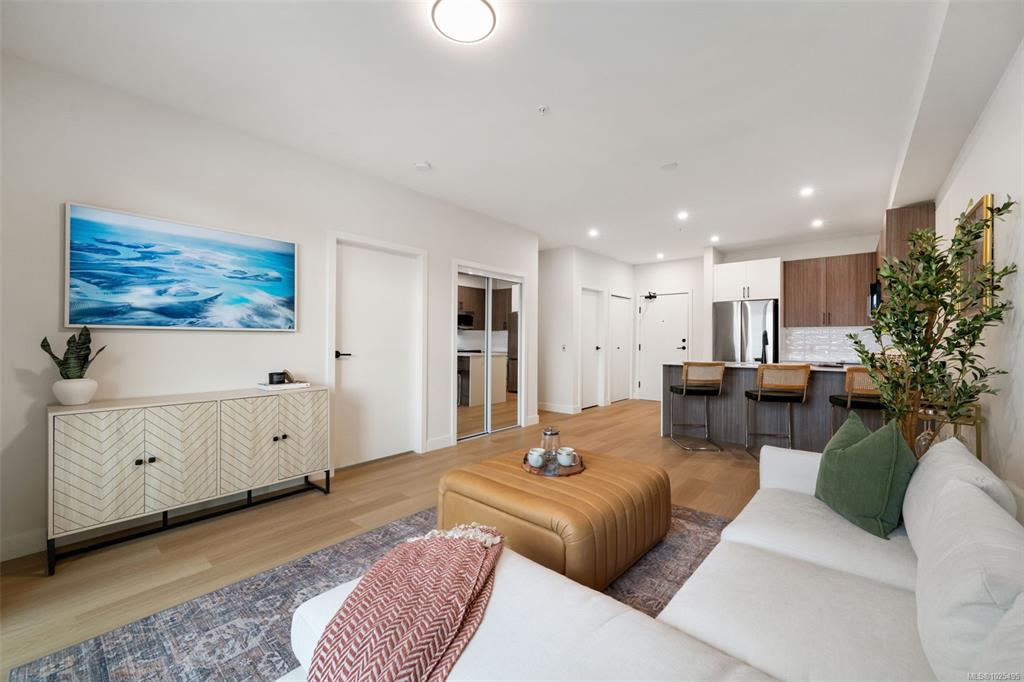
Learning how to make a small home feel more functional can change the way you live in the space. A smaller home does not always need more square footage. Often, it needs better flow, smarter storage, and clearer purpose in each room. This matters whether you are living in the home, preparing to sell, downsizing, or buying a condo, townhome, or compact detached home in Greater Victoria. A small home can feel comfortable, efficient, and calm when every part of it works with intention. Start With How You Actually Live Before buying storage bins or rearranging furniture, look at your daily habits. Ask yourself: Where does clutter usually collect? Which areas feel frustrating? What do you use every day? What furniture gets in the way? Which rooms are trying to do too much? A small home becomes harder to live in when every space has too many jobs. A dining table becomes an office, a storage area, a drop zone, and a place to eat. A bedroom becomes a closet overflow zone. A hallway becomes a holding area. The first step is not adding more. It is deciding what each space needs to do. Create Clear Zones A small home feels more functional when each area has a clear purpose. In an open-concept condo or smaller house, this may mean creating zones instead of relying on walls. For example: A rug can define the living area A small desk can create a work zone A bench and hooks can create an entry area A narrow console can separate dining from living space A shelving unit can divide a room without closing it in Clear zones help the home feel organized. They also make it easier for buyers to understand how the space works if you are preparing to sell. Choose Furniture That Fits the Room Oversized furniture is one of the fastest ways to make a small home feel cramped. A large sectional may be comfortable, but it can overwhelm a smaller living room. A bulky dining set may make everyday movement awkward. A king bed may leave little room for nightstands, storage, or walking space. Better choices often include: Apartment-sized sofas Round dining tables Storage ottomans Beds with drawers Nesting tables Wall-mounted desks Slim-profile chairs Expandable dining tables The goal is not to make the home feel empty. It is to make movement easy. If you have to squeeze around furniture every day, the layout is working against you. Use Vertical Space When floor space is limited, walls become more valuable. Vertical storage can help free up counters, closets, and corners. This is especially useful in condos, townhomes, and older homes with smaller rooms. Consider: Tall bookcases Floating shelves Wall hooks Over-the-door organizers Pegboards in utility areas High kitchen cabinets Closet systems that reach upward The key is balance. Too much wall storage can feel busy. However, thoughtful vertical storage can make a small home feel much more efficient. Improve the Entryway The entryway often sets the tone for the whole home. In a smaller home, even a tiny entrance can become more functional with the right setup. You do not need a large mudroom to create order. A practical entry area may include: Hooks for coats and bags A small bench Shoe storage A tray for keys A basket for everyday items A mirror to reflect light This keeps daily clutter from spreading into the main living space. It also helps the home feel calmer the moment you walk in. Make Storage Easier to Use Storage only works if it is easy to maintain. Deep closets, awkward cupboards, and overfilled drawers can make a home feel less functional even when there is technically enough storage. Focus on making storage simple: Group similar items together Keep daily-use items easy to reach Use clear bins or labels Add drawer dividers Use closet organizers Remove items you no longer need Keep seasonal items out of prime storage areas A smaller home should not require constant rearranging. Good storage should make daily life easier, not more complicated. Let Light Travel Through the Space Light can make a small home feel larger and more comfortable. Heavy window coverings, dark corners, and blocked sightlines can make rooms feel smaller than they are. Brighter spaces tend to feel more open, even when the square footage has not changed. Simple improvements include: Using lighter window coverings Keeping windows clear Adding floor or table lamps Using mirrors strategically Choosing lighter wall colours Avoiding overly bulky furniture near windows This is especially helpful in Greater Victoria, where winter light can be limited. A brighter home often feels more inviting throughout the year. Keep Surfaces Clear In a small home, surfaces matter. Kitchen counters, bathroom vanities, coffee tables, and desks can quickly become visual clutter zones. When every surface is full, the whole home feels tighter. A helpful rule is to keep daily-use items visible and store the rest. For example: Keep only essential appliances on the kitchen counter Use trays to group items Store paperwork in one location Keep bathroom products organized Avoid using dining tables as storage Clear surfaces make a small home feel more peaceful and more functional. Think Carefully About Multi-Use Rooms Small homes often need flexible spaces. A guest room may also work as an office. A den may become a workout space. A dining area may need to support remote work. The mistake is trying to make one room do everything at once. Instead, choose the top two uses and design around them. For example, a guest room and office can work well with: A Murphy bed A daybed A compact desk Closed storage Good lighting Minimal extra furniture When a multi-use room has clear priorities, it becomes useful instead of chaotic. Why Function Matters for Resale Function is not just about comfort. It can also affect how buyers feel during a showing. A smaller home that feels organized, bright, and easy to live in can often compete well against larger homes that feel awkward or cluttered. Buyers notice: Storage Furniture placement Natural light Flow between rooms Closet space Entryway function Kitchen usability Whether each room has a clear purpose When buyers can picture their life in the home, the space feels more valuable. This is why small-home preparation matters before listing. You are not just showing square footage. You are showing how well the home works. The Bottom Line Knowing how to make a small home feel more functional starts with intention. You do not need to fill every corner or add more furniture. In many cases, the best improvements come from simplifying, defining zones, improving storage, and making movement easier. A small home can still feel spacious, practical, and comfortable when each part of the space has a clear role. If you are buying, selling, or preparing a smaller home in Greater Victoria and want advice on how to make the space feel more functional, contact Faber Real Estate Group for local guidance before your next move. Vince R., 5-Star Review, via Google “Cal and Scott made our home selling experience very simple and easy, especially when you consider that we were in a different province and corresponding via our mobile devices. In less than 2 weeks we received and accepted an offer on our Condo. We would like to thank the both of them for listing our property and sharing all their expertise in properly listing our condo.” Faber Real Estate GroupRoyal LePage Coast Capital Realty📞 250-244-3430📧 [email protected]ℹ️ Scott Faber Personal Real Estate Corporationℹ️ Cal Faber Personal Real Estate CorporationVanessa Wood, Zachary Parsons, and Sophie Taylor“Building Lasting Relationships, One Home at a Time.”
Read more
Neighbourhood planning in Greater Victoria can have a major impact on what buyers should pay attention to before choosing a home. A property may look perfect today, but the surrounding area can change over time through new zoning, transportation improvements, density increases, commercial development, parks, schools, and infrastructure planning. Most buyers focus on the house first. That makes sense. Layout, condition, price, and location all matter. However, the smarter question is not just, “Do I like this home today?” It is also, “How could this neighbourhood change over the next five, ten, or twenty years?” What Is Neighbourhood Planning? Neighbourhood planning helps municipalities decide how areas should grow. It often connects to an Official Community Plan, zoning bylaws, housing strategies, transportation plans, and local area plans. In simple terms, these plans can influence: Where new homes may be built What types of housing may be allowed Where density may increase How streets, sidewalks, bike routes, and transit may improve Which areas may become more walkable Where new shops, services, and mixed-use buildings may appear How parks, public spaces, and community amenities may evolve For buyers, this matters because a neighbourhood is not frozen in time. The area around a home can become quieter, busier, more walkable, more urban, or more valuable depending on how planning decisions unfold. Why Buyers Should Look Beyond the Current Street A quiet street beside a major corridor may feel peaceful today. However, if the nearby road is identified for future density or transit-oriented growth, the surrounding feel could change. That does not automatically make it a bad purchase. In fact, some buyers may benefit from being near future services, shops, and improved transportation. The key is knowing what you are buying into. For example, Victoria’s long-term planning work looks at how the city will grow over the coming decades, including housing, climate, and community needs. Saanich has also updated its Official Community Plan and launched housing tools to track development activity across the municipality. Oak Bay adopted an updated Official Community Plan in late 2025 that includes policies for new townhouse, multi-unit, and mixed-use housing in strategic locations. These are not abstract policy documents. They can shape what future buyers, sellers, and homeowners experience on the ground. What Buyers Should Watch 1. Future Density Near the Property More housing choice is an important part of regional growth, but density changes can affect how a property feels. Buyers should pay attention to: Nearby lots that may allow redevelopment Transit corridors Village centres Commercial nodes Corner lots and larger parcels Areas close to schools, parks, and major amenities A single-family home near future townhomes or apartments may still be a great purchase. However, the buyer should understand how privacy, parking, traffic, sunlight, and construction activity could change over time. 2. Walkability and Mixed-Use Growth Neighbourhood planning often encourages more complete communities. That means more homes close to shops, services, parks, transit, and everyday amenities. For some buyers, this is a major advantage. A home that feels slightly less central today may become more desirable if the area gains better amenities over time. On the other hand, buyers who value quiet, low-traffic living may want to understand whether nearby commercial or mixed-use development could change the pace of the area. The best neighbourhood is not always the one with the most growth. It is the one where the future direction matches your lifestyle. 3. Transportation and Traffic Changes Road improvements, bike lanes, transit upgrades, and pedestrian infrastructure can all affect daily life. Buyers should ask: Is the area planned for improved transit? Are road changes expected? Could traffic increase near the home? Are there planned bike or pedestrian improvements? Will future growth make commuting easier or harder? A location that seems less convenient today may improve with better transportation planning. However, construction timelines and increased activity can also create short-term disruption. 4. Schools, Parks, and Community Amenities Planning changes can support new community amenities, but those amenities do not always arrive immediately. Buyers should be careful not to assume that every planned improvement will happen quickly. Municipal plans often guide long-term decisions, but timelines, funding, council priorities, and development activity can all affect what happens and when. This is especially important for families who are buying based on schools, parks, childcare, and recreation access. 5. Character Versus Change Some buyers choose areas like Oak Bay, Fairfield, Gordon Head, Cordova Bay, or parts of Saanich because of neighbourhood character. Others prefer the growth, convenience, and newer housing options found in areas like Langford, Colwood, and View Royal. Neither choice is wrong. The important part is understanding whether the area is likely to stay similar or shift over time. A character neighbourhood may still see gentle density. A suburban area may become more urban. A quiet pocket near a village centre may become more active. Good buying decisions come from matching the property, the plan, and the buyer’s comfort level with change. Why This Matters for Resale Neighbourhood planning in Greater Victoria can also affect long-term resale. Future buyers may place more value on: Walkability Transit access Nearby services Flexible housing options Proximity to employment areas Complete community design Lower car dependency At the same time, some buyers will continue to pay a premium for privacy, quiet streets, larger lots, mature landscaping, and established neighbourhood character. This is why planning context matters. It helps buyers understand not just what they are purchasing, but who may want that property in the future. What Buyers Should Do Before Writing an Offer Before making a decision, buyers should look at more than the listing details. A practical due diligence process may include: Reviewing the local Official Community Plan Checking nearby zoning and proposed zoning updates Looking at current and proposed development applications Reviewing municipal housing strategies Asking about nearby infrastructure projects Considering traffic, parking, and construction impacts Comparing the area’s current feel with its planned direction This does not mean buyers need to become planning experts. It simply means the neighbourhood deserves the same level of attention as the home itself. The Bottom Line A home is more than bedrooms, bathrooms, and square footage. It is part of a larger neighbourhood story. Neighbourhood planning in Greater Victoria can change how an area feels, how it functions, and how future buyers may value it. For some buyers, growth can create opportunity. For others, it can create concerns. The right move depends on your lifestyle, timeline, and comfort with change. Before choosing a home, take time to understand what is planned around it. The best purchase is not just the one that works today. It is the one that still makes sense as the neighbourhood evolves. If you are buying in Greater Victoria and want help understanding how neighbourhood planning could affect your decision, contact Faber Real Estate Group for local guidance before you make your next move. Scott L., 5-Star Review, via Google “Throughout the process, Cal and Scott were not only professional but also incredibly personable and supportive. They were responsive to all my questions and concerns, making the entire selling process smooth and low stress. I highly recommend the Faber Group to anyone looking to sell their home with confidence. Thank you, Cal and Scott, for your outstanding service!” Faber Real Estate GroupRoyal LePage Coast Capital Realty📞 250-244-3430📧 [email protected]ℹ️ Scott Faber Personal Real Estate Corporationℹ️ Cal Faber Personal Real Estate CorporationVanessa Wood, Zachary Parsons, and Sophie Taylor“Building Lasting Relationships, One Home at a Time.”
Read more
When people compare Sidney vs Oak Bay for downsizers, price is usually the first thing they look at. However, price is only part of the decision. The bigger question is how each community supports the next stage of daily life. For many downsizers, the goal is not simply to buy a smaller home. It is to reduce maintenance, simplify routines, stay connected, and choose a neighbourhood that feels comfortable long-term. Sidney and Oak Bay can both work well, but they offer very different versions of that lifestyle. Sidney Offers a Slower, More Practical Pace Sidney often appeals to downsizers who want convenience, ocean access, and a quieter pace without feeling isolated. The town centre is compact, walkable, and easy to understand. Groceries, cafés, pharmacies, restaurants, medical offices, the waterfront, and local shops are often close together. That can make day-to-day living feel simple. For downsizers, this matters because the right location can reduce dependence on driving and make errands easier. Sidney may appeal to buyers who want: A more relaxed small-town feel Walkable access to shops and services A strong waterfront lifestyle Easier day-to-day routines Condos, townhomes, and lower-maintenance options Proximity to the airport and BC Ferries A quieter setting outside Victoria’s core For many people, Sidney feels manageable. That can be a major advantage when the purpose of downsizing is to simplify life. Oak Bay Offers Character, Prestige, and Established Neighbourhoods Oak Bay often appeals to downsizers who want charm, mature streets, strong neighbourhood identity, and close proximity to Victoria. The area has a very different feel from Sidney. It is known for established homes, tree-lined streets, coastal pockets, village centres, golf, beaches, schools, and long-standing neighbourhood character. For downsizers coming from larger detached homes, Oak Bay can feel familiar. It often offers continuity rather than a major lifestyle shift. Oak Bay may appeal to buyers who want: Classic neighbourhood character A prestigious Greater Victoria address Mature landscaping and established streets Proximity to downtown Victoria Walkable village areas Oceanfront and near-ocean locations A strong sense of community history However, Oak Bay may not always reduce maintenance as much as some downsizers expect. Many homes are older, lots can require upkeep, and strata-style options may be more limited depending on the buyer’s needs. Housing Options Feel Different One of the biggest differences between Sidney and Oak Bay is housing style. Sidney often provides more obvious downsizing options. Buyers may find condos, townhomes, patio-style homes, and smaller properties that suit a lower-maintenance lifestyle. Oak Bay has more character homes, larger lots, and established properties. While there are condos and townhomes in some areas, many buyers are drawn to Oak Bay because of its traditional housing stock. That creates a key question for downsizers: Do you want a smaller version of a familiar lifestyle, or a more noticeable shift into easier living? Sidney may make the transition into lower maintenance feel more direct. Oak Bay may offer more emotional familiarity, but sometimes with more upkeep. Walkability Depends on the Exact Location Both Sidney and Oak Bay can be walkable, but the experience is different. In Sidney, walkability is often centred around Beacon Avenue, the waterfront, grocery stores, cafés, and everyday services. The town layout can feel practical and compact. In Oak Bay, walkability often depends on proximity to areas like Oak Bay Village, Estevan Village, or nearby coastal routes. It can be beautiful and enjoyable, but the convenience may vary more from street to street. For downsizers, walkability should be tested in real life. Consider: Can you walk to groceries? Can you walk to a pharmacy? Is the route flat and comfortable? Are sidewalks consistent? Would you still enjoy the walk in winter? How far are medical services? Can you manage daily errands without always using a car? A neighbourhood may look walkable on a map, but feel different in daily use. Sidney Can Feel Easier for Travel and Access Sidney has a practical advantage for buyers who travel often or want easy access off Vancouver Island. Its proximity to Victoria International Airport and BC Ferries can be a major benefit. For downsizers with family on the mainland, frequent travel plans, or seasonal getaways, that convenience may matter more than expected. Oak Bay, by contrast, offers closer access to downtown Victoria, cultural amenities, hospitals, restaurants, and the broader urban core. So the question becomes: Do you want easier access to travel routes, or closer access to Victoria’s central amenities? There is no universal answer. The right choice depends on how you actually spend your time. Maintenance Expectations Can Be Very Different Downsizing is often about reducing responsibility. This is where Sidney and Oak Bay can feel quite different. In Sidney, many downsizers are drawn to strata properties, newer buildings, smaller lots, and lock-and-leave options. These can reduce yard work and exterior maintenance. In Oak Bay, some buyers still choose detached homes because they love the neighbourhood character. However, older homes may require more attention, including roofs, drainage, windows, heating systems, landscaping, and ongoing repairs. That does not make Oak Bay a poor downsizing choice. It simply means buyers should be honest about what they want to maintain. A beautiful character home can still feel like work. Community Feel Matters Sidney and Oak Bay both offer strong community appeal, but the feeling is different. Sidney often feels like a self-contained seaside town. It can suit buyers who want a slower pace, familiar routines, and a more compact lifestyle. Oak Bay feels more like an established residential community connected to the broader Victoria area. It can suit buyers who want charm, history, and proximity to the city while still living in a quieter neighbourhood. For downsizers, the emotional side matters. You are not just choosing a property. You are choosing the rhythm of your days. Which Is Better for Downsizers? Sidney may be the better fit if you want: Lower-maintenance housing options A walkable town centre Easy access to the airport and ferries A quieter seaside lifestyle Simpler daily routines A practical move into condo or townhome living Oak Bay may be the better fit if you want: Established neighbourhood character Proximity to downtown Victoria Mature streets and classic homes Prestige and long-term community identity Village-style living within the city area A familiar residential feel The best choice depends less on which area is “better” and more on which area supports the life you want next. Final Thoughts Sidney vs Oak Bay for downsizers is not just a price comparison. It is a lifestyle comparison. Sidney often offers simplicity, convenience, and an easier move into lower-maintenance living. Oak Bay offers character, history, prestige, and proximity to Victoria’s core. Both can be excellent choices, but they serve different priorities. Before deciding, downsizers should think carefully about maintenance, walkability, transportation, housing type, healthcare access, community feel, and how they want daily life to look five or ten years from now. If you are comparing Sidney vs Oak Bay for downsizing in Greater Victoria, contact Faber Real Estate Group for local guidance on neighbourhood fit, housing options, and timing your next move with confidence. David M., 5-Star Review, via Google “Scott was a fantastic realtor—hardworking, knowledgeable, and truly dedicated to his clients. His expertise and great connections made the entire process smooth and stress-free. He went above and beyond to ensure everything was taken care of, and I couldn’t be happier with the results. I highly recommend Scott to anyone looking for a realtor.” Faber Real Estate GroupRoyal LePage Coast Capital Realty📞 250-244-3430📧 [email protected]ℹ️ Scott Faber Personal Real Estate Corporationℹ️ Cal Faber Personal Real Estate CorporationVanessa Wood, Zachary Parsons, and Sophie Taylor “Building Lasting Relationships, One Home at a Time.”
Read more
Outdoor space in Greater Victoria homes carries real value because it affects how people live, not just how a property looks. In a region where mild weather, gardens, ocean air, trails, and neighbourhood walkability are part of daily life, a usable outdoor area can make a home feel larger, calmer, and more complete. For buyers, outdoor space is often more than a bonus. It can become the place where kids play, pets roam, friends gather, vegetables grow, and quiet mornings begin. For sellers, that means outdoor areas should not be treated as an afterthought. Outdoor Space Extends the Home One reason outdoor space matters so much is simple: it adds usable living area. A patio, deck, balcony, garden, or fenced yard can make a home feel larger without changing the square footage. This is especially important in Greater Victoria, where many buyers compare smaller homes, townhomes, and condos against higher price points. A well-designed outdoor area can offer: A second dining space A quiet reading area A place for pets Room for children to play Garden space Entertaining space A stronger connection to nature Even a smaller patio can add value if it feels private, sunny, and functional. Greater Victoria Buyers Care About Lifestyle Buyers in Greater Victoria often choose the area for lifestyle as much as location. They may be drawn to the climate, parks, beaches, trails, gardens, and slower pace compared with larger urban centres. Because of that, outdoor space often supports the reason they want to live here in the first place. A buyer may not just see a backyard. They may imagine summer dinners, morning coffee, raised garden beds, family time, or a quiet place to unwind after work. That emotional connection can make a property more memorable. Privacy Matters More Than Size Outdoor space does not need to be large to be valuable. In many cases, privacy matters more than size. A small, well-screened patio can feel more appealing than a larger yard that feels exposed. Mature hedges, fencing, trees, thoughtful landscaping, and good orientation can all make an outdoor area feel more comfortable. Buyers often respond well to outdoor spaces that feel: Private Easy to maintain Sunny or well-positioned Quiet Safe for pets or children Connected to the main living area A usable space usually beats a large space that feels awkward or neglected. Outdoor Space Helps Different Buyer Groups Outdoor space appeals to buyers for different reasons. For families, a fenced yard can be a major priority. Parents often want space for children, pets, play equipment, gardening, or family gatherings. For downsizers, a smaller patio or garden can offer the enjoyment of outdoor living without the burden of maintaining a large property. For condo buyers, a balcony or ground-level patio can make a unit feel less confined, especially if it has light, privacy, and room for seating. For investors, outdoor space may help a rental stand out, particularly when tenants value fresh air, pets, and flexible living areas. The value depends on the buyer, but the appeal is broad. Low-Maintenance Outdoor Space Is Often More Attractive Not every buyer wants a large yard. In fact, some buyers see a high-maintenance property as a burden. This is especially true for busy professionals, retirees, and downsizers. They may want outdoor space, but they do not necessarily want constant upkeep. That is why simple, practical outdoor design can be so effective. Features that often appeal include: Easy-care landscaping Defined patio areas Durable decking Raised garden beds Irrigation Storage for tools or bikes Clean fencing Clear pathways Native or drought-tolerant plants The best outdoor spaces feel enjoyable, not overwhelming. Orientation and Light Can Change Everything In Greater Victoria, light and exposure can make a major difference. A south-facing patio, sunny garden, or bright balcony can carry strong appeal. Buyers often notice how natural light moves through both the home and the outdoor space. However, full sun is not always the only advantage. Some buyers may prefer partial shade, especially for outdoor dining or gardening comfort. What matters most is whether the space feels usable throughout the year. Sellers should help buyers understand: Where the sun lands during the day Which areas are best for seating How the garden changes seasonally Whether the space works for entertaining, pets, or quiet use Small details can help buyers picture themselves living there. Outdoor Space Can Support Resale Value Outdoor space in Greater Victoria homes can also support long-term resale appeal. A home with a functional yard, private patio, usable balcony, or garden area may attract a wider range of future buyers. This can matter when it is time to sell. That does not mean every outdoor upgrade creates equal return. A highly personal design may not appeal to everyone. However, clean, flexible, and well-maintained outdoor areas usually help a property show better. Good resale-friendly improvements may include: Improving privacy Cleaning up overgrown landscaping Creating a defined seating area Repairing decks or railings Adding simple lighting Improving drainage Making the yard safer and easier to use The goal is not to overbuild. The goal is to make the space feel easy to enjoy. Sellers Should Stage Outdoor Areas Too Many sellers focus on the inside of the home and forget the exterior. That can be a missed opportunity. Outdoor areas should be prepared with the same care as kitchens, living rooms, and entryways. Before listing, sellers should consider: Power washing patios and walkways Cleaning outdoor furniture Trimming hedges and shrubs Removing clutter Refreshing planters Mowing and edging lawns Repairing loose boards or railings Adding simple seating where appropriate Buyers should not have to work hard to understand how the space can be used. Final Thoughts Outdoor space in Greater Victoria homes carries value because it supports the way people want to live here. It offers more than extra room. It creates privacy, flexibility, comfort, and connection to the natural setting that makes this region so appealing. For buyers, the key is to look beyond size and consider usability, privacy, light, upkeep, and long-term fit. For sellers, the opportunity is to make outdoor space feel intentional, cared for, and easy to imagine using. If you are buying or selling a home in Greater Victoria and want advice on how outdoor space affects value, contact Faber Real Estate Group for local guidance. Annie R., 5-Star Review, via Google “Vanessa Wood is the best realtor I've ever worked with. We had an excellent accepted offer within 11 days of listing! Vanessa is a great communicator and salesperson, organized and very hard working. She's also warm and was incredibly helpful as I was selling the house in Victoria while living on the Sunshine Coast. She and the Faber Group team went the extra mile on more than one occasion! I highly recommend Vanessa and her team.” Faber Real Estate GroupRoyal LePage Coast Capital Realty📞 250-244-3430📧 [email protected]ℹ️ Scott Faber Personal Real Estate Corporationℹ️ Cal Faber Personal Real Estate CorporationVanessa Wood, Zachary Parsons, and Sophie Taylor “Building Lasting Relationships, One Home at a Time.”
Read more
Waiving conditions in real estate can make an offer look stronger, but it can also create serious risk for buyers. In a competitive market, buyers may feel pressure to remove subjects so their offer stands out. That may help win the home, but it can also leave less room to confirm financing, review documents, inspect the property, or walk away safely. A subject-free offer is not always a bad idea. However, it should never be treated casually. The better question is not, “Will waiving conditions help me win?” The better question is, “What risk am I accepting if I remove this protection?” What Does Waiving Conditions Mean? In a real estate offer, conditions are clauses that must be satisfied before the buyer becomes fully committed to completing the purchase. Common buyer conditions include: Financing approval Home inspection Insurance confirmation Strata document review Title review Sale of the buyer’s current home Legal review Property disclosure review Once a buyer waives conditions, or writes an offer with no subjects, the offer becomes firmer from the beginning. That can appeal to a seller because it reduces uncertainty. For the buyer, it may also reduce options if a problem appears later. Why Buyers Waive Conditions Buyers usually waive conditions because of competition. If several buyers want the same property, a seller may prefer a cleaner offer with fewer conditions, even if another offer is close in price. A subject-free offer can feel faster, simpler, and less likely to collapse. Buyers may consider waiving conditions when: The market is competitive There are multiple offers The property is rare Due diligence has already been completed Financing is strong The buyer understands the risk However, pressure is not the same as preparation. A buyer should not waive conditions simply because they are tired of losing offers. The Financing Risk The financing condition is one of the most important protections in an offer. A mortgage pre-approval is helpful, but it is not final approval for a specific property. Lenders still need to review the home, appraisal, borrower details, insurance, and other risk factors. If a buyer waives financing and the lender later declines the file, lowers the approved amount, or raises concerns about the property, the buyer may still be expected to complete the purchase. That can lead to: Losing the deposit Being sued for seller losses Needing emergency financing Paying higher borrowing costs Being unable to complete on time Before waiving a financing condition, buyers should speak with their mortgage broker or lender about the exact property and the full risk. The Inspection Risk A home inspection condition gives buyers time to understand the physical condition of the property. Without that condition, buyers may accept unknown issues. This matters because even well-presented homes can have hidden problems behind walls, below grade, or in older systems. Inspection concerns may include: Roof age Drainage issues Electrical concerns Plumbing problems Moisture or mould Heating system age Oil tank risk Structural issues Unpermitted renovations In Greater Victoria, many homes have been renovated, expanded, or updated over several decades. A home can look beautiful and still carry expensive repair risk. The Strata Document Risk For condos and townhomes, waiving conditions before reviewing strata documents can be risky. Strata documents can reveal issues that a showing cannot, including: Depreciation reports Insurance concerns Special levies Building repairs Bylaws Financial statements Contingency reserve fund levels Litigation or major building concerns Pet, rental, smoking, parking, and storage rules If buyers waive the strata document condition too early, they may later discover issues that affect affordability, lifestyle, or resale value. The Insurance Risk Insurance is easy to overlook, but it matters. Some properties may be harder or more expensive to insure because of age, condition, location, prior claims, building systems, or strata insurance issues. For detached homes, buyers may need to confirm coverage for older wiring, oil tanks, wood stoves, water damage history, roofing condition, or rural and waterfront exposure. For strata properties, buyers should understand both the strata corporation’s insurance and their own unit owner’s policy. If insurance cannot be secured, financing may also be affected. The Title and Legal Risk Title review helps buyers understand whether anything is registered against the property. These may include: Easements Covenants Rights of way Building schemes Encroachments Charges Access issues Some items may be minor. Others can affect future renovations, development plans, property use, or enjoyment of the home. The Home Buyer Rescission Period Is Not a Replacement for Conditions In BC, the Home Buyer Rescission Period gives buyers a limited right to rescind many residential purchase contracts within three business days after acceptance. However, it is not the same as having normal buyer conditions. If a buyer uses the rescission right, they must pay the seller a rescission fee equal to 0.25% of the purchase price. On a $900,000 purchase, that fee would be $2,250. The rescission period may provide limited time to reconsider, but it does not replace proper due diligence. It also may not apply to every type of transaction, so buyers should confirm the rules before relying on it. When Waiving Conditions May Be More Reasonable Waiving conditions may be less risky when the buyer has already completed meaningful preparation. For example: Financing has been reviewed in detail The lender understands the property type A pre-inspection has been completed Strata documents have already been reviewed Insurance has been confirmed Title has been checked The buyer has cash reserves The risks have been clearly discussed Even then, risk remains. The goal is not to eliminate risk completely. The goal is to avoid making a blind decision. When Buyers Should Be Very Cautious Waiving conditions can be especially risky when: The home is older There is visible deferred maintenance The buyer is close to their maximum budget Financing is high-ratio The property has unauthorized work The property is tenanted The home is rural, waterfront, or on septic There may be an oil tank Strata documents are not available The purchase depends on selling another property Winning the property is not the same as making a smart purchase. Strong Offers Do Not Always Mean No Conditions A buyer can still write a strong offer with conditions. Strength can also come from: A fair price A larger deposit Short but realistic condition dates Flexible completion and possession dates Clear communication Pre-approved financing A clean contract Strong supporting documentation Sometimes the best strategy is not to waive everything. It is to keep the right conditions and make the rest of the offer as clean as possible. Questions to Ask Before Waiving Conditions Before writing a subject-free offer, buyers should ask: Have we spoken with our mortgage broker about this exact property? Do we understand the appraisal risk? Have we reviewed the strata documents? Have we confirmed insurance availability? Do we understand the likely repair risks? Have we reviewed title or key documents? Do we have enough cash if something unexpected appears? Can we still complete if financing changes? Are we making this decision because it is smart, or because we feel pressured? If the answer is unclear, the buyer may not be ready to waive conditions. Final Thoughts Waiving conditions in real estate can help a buyer compete, but it should never be treated as a simple offer tactic. Conditions exist for a reason. They give buyers time to confirm that the property, financing, documents, insurance, and legal details are acceptable before becoming fully committed. The goal is not just to win the home. The goal is to win the right home on terms you understand. If you are thinking about waiving conditions or writing a competitive offer in Greater Victoria, contact Faber Real Estate Group for guidance before you take on unnecessary risk. Lena N., 5-Star Review, via Google “I have worked with Scott and Zach on my listing and it has been a pleasure to work with both diligent and professional agents. They have been communicative and friendly. Hope to do more collaboration and deals with you both in the near future!” Faber Real Estate GroupRoyal LePage Coast Capital Realty📞 250-244-3430📧 [email protected]ℹ️ Scott Faber Personal Real Estate Corporationℹ️ Cal Faber Personal Real Estate CorporationVanessa Wood, Zachary Parsons, and Sophie Taylor “Building Lasting Relationships, One Home at a Time.”
Read more
Comparable sales in real estate are one of the most common tools used to estimate value. Buyers use them to decide what to offer. Sellers use them to decide how to price. Appraisers, lenders, and REALTORS® also rely on them to understand what similar homes have recently sold for. However, comparable sales in real estate can also be misleading when they are used too quickly or without enough context. A sold price tells you what one buyer was willing to pay for one property at one moment in time. It does not automatically tell you what your home is worth, what another buyer should offer, or how today’s market will respond to a new listing. That is where the real analysis begins. Not Every Similar Home Is Truly Comparable At first glance, two homes may seem almost identical. They may be in the same neighbourhood, have similar square footage, and offer the same number of bedrooms. But small differences can create very different values. Important differences may include: Lot size and usable yard space Sun exposure and privacy Renovation quality Deferred maintenance Layout and flow Suite potential Parking Street noise Views Strata condition Age of major systems Proximity to schools, parks, or busy roads A home on a quiet cul-de-sac may sell differently than a similar home on a busier street. A renovated kitchen may help, but if the roof, perimeter drains, or windows need attention, buyers may still discount the price. The details matter because buyers do not purchase square footage alone. They buy the full experience of the property. Sold Prices Reflect the Market Conditions at That Time Comparable sales are historical data. That means they are useful, but they are always looking backward. A sale from three months ago may not reflect today’s buyer activity, inventory levels, interest rate environment, or local competition. In a fast-moving market, even a sale from a few weeks ago can lose some relevance. This matters for both buyers and sellers. For sellers, relying too heavily on older high sales can lead to overpricing. For buyers, relying too heavily on older lower sales can lead to offers that do not compete. The better question is not simply, “What did similar homes sell for?” It is, “What has changed since those homes sold?” Condition Can Change the Entire Conversation Condition is one of the biggest reasons comparable sales can mislead people. Two homes may look similar online, but one may be move-in ready while the other needs major updates. Photos can hide a lot. A home may photograph beautifully but still have concerns with moisture, electrical, plumbing, roofing, windows, or overall maintenance. On the other hand, a home that looks dated may be extremely well cared for and structurally strong. This is why condition needs to be reviewed carefully, not assumed from listing photos. Buyers should avoid thinking, “That home sold for less, so this one should too,” without asking why. Sellers should avoid thinking, “My neighbour got that price, so I should too,” without comparing condition honestly. The Best Comparable May Not Be the Closest One Many people assume the best comparable sale is the one closest to the property. Sometimes it is. But proximity alone does not make a sale useful. In Greater Victoria, small location differences can change buyer demand quickly. A few blocks can affect walkability, school catchments, views, noise, lot usability, and overall appeal. A better comparable might be farther away but more similar in style, size, condition, and buyer profile. For example, a well-maintained 1970s family home in one part of Saanich may compare better with a similar home in another nearby pocket than with a brand-new build down the street. The goal is not to find the nearest sale. The goal is to find the most relevant sale. List Price and Sold Price Tell Different Stories A sold price matters, but the story behind it matters too. A home may sell over asking because it was intentionally priced low to attract multiple offers. Another home may sell under asking because it started too high and sat on the market. A third home may sell quickly at full price because it was priced accurately from the start. Without context, the numbers can create the wrong impression. Buyers may think every home is overpriced because they see price reductions. Sellers may think every home should attract competing offers because they saw one sale go over asking. Both can be wrong. The better analysis looks at: Original list price Final list price Sold price Days on market Price reductions Number of competing listings Property condition Buyer activity Offer terms The price is only one part of the story. Unique Properties Are Harder to Compare Some homes are easier to price than others. A standard condo in a large building with several recent sales may have clear comparable data. A custom home, acreage, waterfront property, view property, character home, or rural property is much harder to compare. Unique properties require more interpretation because there may not be a perfect match. In these cases, value often depends on buyer depth. How many buyers are looking for that specific type of property? How often do similar homes become available? How much are buyers willing to pay for rare features? This is why unusual homes need a more careful pricing strategy. The wrong comparable can create the wrong expectation. Buyers Can Use Comparables Too Aggressively Buyers sometimes use comparable sales as a negotiation weapon. They may find the lowest recent sale and treat it as the only number that matters. But if that sale had poor condition, an awkward layout, a motivated seller, or a less desirable location, it may not support a lower offer on a better property. A strong buyer strategy is not about forcing every home to fit the cheapest comparable. It is about understanding fair value, then deciding what the property is worth to you based on condition, competition, and long-term fit. The best buyers stay disciplined without ignoring context. Sellers Can Use Comparables Too Optimistically Sellers can make the opposite mistake. They may focus on the highest sale in the area and assume their home should match or exceed it. But the highest sale may have had better renovations, better timing, stronger presentation, a larger lot, or more motivated buyers. This can lead to a pricing problem. When a home starts too high, it can lose early momentum. Buyers may compare it to better-priced alternatives and move on. Over time, the listing may need a price adjustment, and the final result may be weaker than if it had launched with a sharper strategy. A good pricing conversation should include both the best-case sale and the realistic competition. Active Listings Matter Too Comparable sales show what has already happened. Active listings show what buyers can choose from right now. This is especially important in a market where buyers have more selection. A seller may feel confident because a similar home sold well last month, but if several competing homes are now available, buyers may have more leverage. For buyers, active listings help explain why one home may still attract strong interest. If the property is the best option in its price range, older comparable sales may not fully capture current demand. Pricing should consider both past sales and present competition. The Most Useful Comparables Need Adjustment A comparable sale is rarely perfect. That is why adjustments matter. A REALTOR® may look at a comparable and adjust for differences such as: Larger or smaller lot Better or worse condition Renovations Basement suite Garage or parking View Location Strata fees Building condition Outdoor space Timing of the sale The goal is not to make the numbers look exact. The goal is to understand the range of reasonable value. Real estate pricing is part data, part interpretation, and part buyer psychology. What Buyers Should Ask Before relying on a comparable sale, buyers should ask: How similar is the property really? Was the condition better or worse? Did it sell in a different market environment? Was it priced low to create competition? How many similar homes are available now? Would today’s buyers view this home as better or worse? These questions help buyers avoid overpaying or losing a good property because they relied on the wrong sale. What Sellers Should Ask Before using a comparable to set a price, sellers should ask: Is my home honestly in similar condition? Does my home have the same buyer appeal? Was the other sale an outlier? What competition will buyers compare us against? Are we pricing for attention or testing the market? What happens if we do not receive strong activity in the first two weeks? These questions help sellers build a pricing strategy instead of chasing a number. Final Thoughts Comparable sales in real estate are useful, but they are not automatic answers. They need context, adjustment, and honest interpretation. For buyers, comparables can help you understand value and avoid emotional overpaying. For sellers, they can help you price with confidence and avoid unrealistic expectations. But in both cases, the best results come from looking beyond the sold price and understanding the full story behind the sale. If you are buying or selling in Greater Victoria and want help understanding what comparable sales really mean for your next move, contact Faber Real Estate Group for clear, local advice. Tatiana S., 5-Star Review, via Google “Absolutely phenomenal service from start to finish! Scott took the time to really get to know us and understand our likes and dislikes, what were dealbreakers and what really sold us in finding our perfect first home! Being first time homebuyers, he was extremely patient with all of our questions and very thorough when it came down to the finer details. Without a doubt, I would recommend him to everyone!” Faber Real Estate GroupRoyal LePage Coast Capital Realty📞 250-244-3430📧 [email protected]ℹ️ Scott Faber Personal Real Estate Corporationℹ️ Cal Faber Personal Real Estate CorporationVanessa Wood, Zachary Parsons, and Sophie Taylor “Building Lasting Relationships, One Home at a Time.”
Read more
Spring in Greater Victoria has a way of changing what buyers notice. The longer days, blooming gardens, and brighter natural light all bring certain features to the front. This year, Greater Victoria home trends are less about flashy upgrades and more about comfort, function, and spaces that make everyday life feel easier. Buyers are still paying attention to finishes, layout, and location. However, many are also looking closely at how a home supports real life. They want useful storage, flexible rooms, outdoor space, efficient systems, and homes that feel calm rather than overdone. Outdoor Living Is Still a Major Selling Feature In Greater Victoria, outdoor space carries real emotional weight. A patio, balcony, deck, garden, or sunny sitting area can help a home feel larger and more livable. Buyers are not always looking for a huge yard. In many cases, they want outdoor space that feels easy to use and simple to maintain. Some of the outdoor features buyers are noticing this spring include: Private patios or decks South-facing outdoor areas Low-maintenance landscaping Space for a BBQ or outdoor dining Raised garden beds Fenced yards for pets or children Covered areas that work in more than one season The key is usability. A small, well-planned patio can often feel more valuable than a large yard that looks like a lot of work. Flexible Rooms Are More Important Than Formal Rooms Many buyers are thinking beyond traditional layouts. A formal dining room may still appeal to some people, but flexible space often gets more attention now. Buyers want rooms that can change with their lifestyle. A den, spare bedroom, finished lower level, or loft area can serve different needs over time. A flexible space may work as: A home office A guest room A workout area A nursery A media room A hobby space Storage for seasonal items This trend is especially noticeable with first-time buyers, families, downsizers, and people who work from home part-time. The more adaptable a home feels, the easier it is for buyers to imagine staying there longer. Natural Light Is a Quiet Deal-Maker Spring makes natural light hard to ignore. Buyers often respond quickly to homes that feel bright, warm, and open. Large windows, skylights, light paint colours, and clean window coverings can all help a home feel more inviting. This does not mean every home needs to be fully renovated. Sometimes simple changes make the biggest difference. Cleaning windows, trimming overgrown landscaping, replacing heavy curtains, and using softer interior colours can help light move through the space more naturally. A bright home often feels better before a buyer can explain why. Low-Maintenance Living Is Gaining Appeal More buyers are paying attention to the work a home will require after possession. This is especially true for busy professionals, downsizers, and buyers moving from condos into detached homes. They may love the idea of more space, but they are also thinking carefully about upkeep. Low-maintenance features that can stand out include: Updated windows Durable flooring Clean exterior siding Simple landscaping Newer roofing Efficient heating and cooling Well-organized storage Updated appliances A home does not need to be brand new to feel low-maintenance. It simply needs to feel cared for, practical, and easy to manage. Warm, Natural Finishes Are Replacing Cold Minimalism Buyers are still drawn to clean design, but overly cold spaces can feel less inviting. In many Greater Victoria homes, warmer finishes are becoming more appealing. Wood tones, soft neutrals, textured fabrics, natural stone, and layered lighting can make a space feel comfortable without feeling dated. The current look is less about perfection and more about livability. Think: Soft white or warm neutral walls Natural wood accents Matte finishes Simple cabinetry Comfortable lighting Calm, uncluttered rooms Organic materials where possible This works especially well in Victoria, where homes often blend indoor comfort with West Coast surroundings. Energy Efficiency Is Becoming Part of the Conversation Energy efficiency is no longer only a bonus feature. More buyers are asking practical questions about comfort and operating costs. They may want to know about heating systems, insulation, windows, hot water tanks, heat pumps, and utility bills. Even if a buyer does not lead with energy efficiency, it can influence how confident they feel about the home. Features that may help include: Heat pumps Updated insulation Energy-efficient windows Smart thermostats Modern appliances Electric vehicle charging Well-maintained heating systems For sellers, this means documentation matters. If you have completed upgrades, keeping receipts, permits, manuals, and warranty information organized can help buyers understand the value. Storage Is Getting More Attention Storage is one of those features buyers notice quickly when it is missing. In condos, townhomes, and character homes, smart storage can make a major difference. Buyers want places for bikes, paddleboards, tools, holiday decor, sports equipment, pantry items, and everyday clutter. Helpful storage features include: Built-in shelving Garage storage Pantry space Mudrooms Organized closets Crawlspace storage Bike rooms or secure lockers Laundry room cabinetry A home that feels organized often feels larger, even if the square footage has not changed. Buyers Are Looking for Homes That Feel Ready, Not Perfect One of the clearest Greater Victoria home trends this spring is the shift toward practical readiness. Buyers do not necessarily expect every home to be fully renovated. However, they are paying close attention to whether the home feels clean, maintained, and easy to move into. Before listing, sellers should focus on the details that shape first impressions: Fresh paint where needed Clean windows Tidy landscaping Repaired trim or doors Updated light bulbs Decluttered rooms Clean patios, decks, and balconies Clear maintenance records Small improvements can help buyers focus on the home instead of the to-do list. What This Means for Sellers For sellers, spring is a good time to think about how your home feels, not just how it looks. A buyer may forget the exact countertop material, but they will remember how the kitchen felt in the morning light. They may not need a perfect backyard, but they will notice whether the outdoor space feels peaceful and usable. The best preparation often comes down to three questions: Does the home feel bright? Does it feel easy to live in? Does it feel well cared for? If the answer is yes, buyers are more likely to connect with the property. What This Means for Buyers For buyers, trends can be helpful, but they should not replace good judgment. A stylish home is appealing, but function matters more over time. Before getting caught up in finishes, look closely at layout, storage, maintenance, natural light, outdoor space, and long-term usability. The best home is not always the trendiest one. It is the one that fits your life now and gives you room to grow. Final Thoughts Spring home trends in Greater Victoria are pointing toward comfort, flexibility, outdoor living, and lower-maintenance ownership. Buyers are looking for homes that feel calm, practical, and ready for real life. For sellers, that means preparation should focus on clarity, cleanliness, light, and livability. For buyers, it means looking beyond surface finishes and thinking carefully about how a home will support your day-to-day life. If you are preparing to buy or sell this spring, contact Faber Real Estate Group for local guidance, practical advice, and a clear plan for your next move. Courtenay C., 5-Star Review, via Google “Scott and the team are exceptional to work with! They are knowledgeable, professional, and go above and beyond for their clients :) Scott made our move easy all around. Highly recommend!” Faber Real Estate GroupRoyal LePage Coast Capital Realty📞 250-244-3430📧 [email protected]ℹ️ Scott Faber Personal Real Estate Corporationℹ️ Cal Faber Personal Real Estate CorporationVanessa Wood, Zachary Parsons, and Sophie Taylor “Building Lasting Relationships, One Home at a Time.”
Read more