

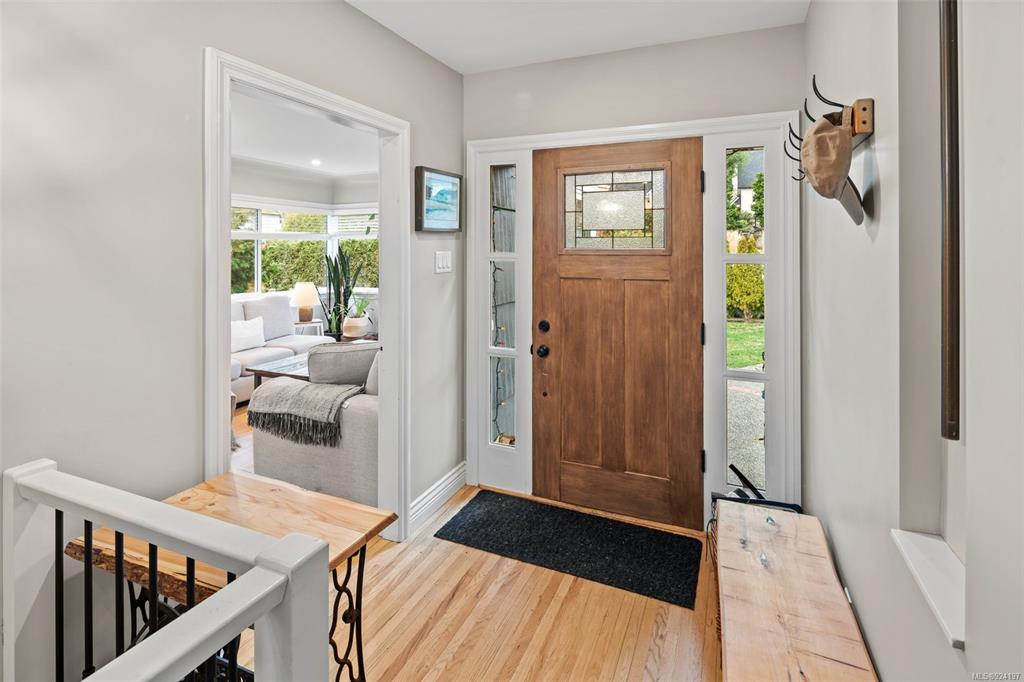
Knowing how to identify red flags during a home showing can protect buyers from unexpected repair costs and long-term maintenance issues. In Victoria’s competitive but balanced market, buyers often have more time to evaluate properties carefully. While many homes show beautifully, some warning signs can indicate hidden problems beneath the surface. Learning what to watch for helps buyers make informed, confident decisions. Unusual Odours Can Signal Hidden Problems Strong air fresheners, candles, or recently opened windows during a showing can sometimes mask underlying issues. Persistent musty smells may indicate moisture intrusion, mould growth, or ventilation problems. Sewer-like odours can point to plumbing or drainage concerns. While not every smell indicates a major defect, consistent or overpowering scents should prompt further investigation. Signs of Water Damage or Moisture Intrusion Water damage remains one of the most expensive issues homeowners face. Buyers should look for staining on ceilings, bubbling paint, warped flooring, or soft drywall. Basements and crawl spaces deserve extra attention, especially in Victoria’s coastal climate where moisture management is critical. Spotting these red flags during a home showing early can help buyers avoid costly remediation later. Fresh Cosmetic Updates That Seem Strategic New paint and updated flooring can enhance a home’s appeal, but buyers should look closely at why renovations were completed. Fresh paint covering only one wall or section of ceiling may conceal past leaks or repairs. Quick cosmetic upgrades without addressing structural or mechanical systems may suggest deferred maintenance. Structural Warning Signs Cracks in walls, uneven floors, or doors that do not close properly can indicate structural movement. Minor settling is normal in many homes, especially older Victoria properties, but large horizontal cracks or significant floor sloping should raise concerns. Structural repairs can be expensive and may require professional evaluation before moving forward. Electrical and Plumbing Irregularities Outdated electrical panels, exposed wiring, or a lack of grounded outlets can signal safety and insurance challenges. Buyers should also check water pressure, drainage speed, and signs of pipe corrosion. These issues are common in older homes and do not automatically eliminate a property from consideration, but they should factor into negotiations and budgeting. Poor Exterior Maintenance The exterior often reveals how well a home has been maintained overall. Peeling paint, damaged roofing, deteriorating siding, or failing gutters can indicate broader upkeep issues. In Victoria’s climate, proper drainage and roof condition play major roles in preventing moisture intrusion. Exterior neglect can suggest future repair costs beyond cosmetic fixes. Neighbourhood and Location Concerns A showing should include evaluating the surrounding area. Excessive traffic noise, nearby commercial activity, or poorly maintained neighbouring properties can impact long-term enjoyment and resale value. Buyers should visit at different times of day to gain a full perspective of the property and community environment. Documentation and Disclosure Gaps Incomplete disclosure statements, missing renovation permits, or unclear strata documentation can be major warning signs. Buyers should review available records carefully and ask questions about past repairs, upgrades, and building maintenance. Proper documentation supports transparency and reduces legal or financial risk. Why Professional Inspections Still Matter Even experienced buyers can miss hidden defects. Home inspections, strata document reviews, and specialist evaluations provide objective assessments of property condition. Identifying red flags during a home showing helps buyers decide whether to proceed, negotiate, or request further inspections before finalising a purchase. Making Smart and Confident Buying Decisions Every property has minor imperfections, but recognising major warning signs helps buyers separate manageable maintenance from serious risk. Victoria’s housing market offers diverse property options, and careful evaluation ensures buyers choose homes that align with both lifestyle goals and financial comfort. Past performance does not dictate future results, but informed due diligence consistently leads to stronger real estate outcomes. If you are planning to view homes in Greater Victoria, reach out to our team to help you evaluate properties, identify potential concerns, and confidently navigate your home search. Matt, 5-Star Review, via Google Professional, knowledgeable and just stand up guys. Would recommend for all your real estate needs! Faber Real Estate Group Royal LePage Coast Capital Realty 📞 250-244-3430 📧[email protected] ℹ️ Scott Faber Personal Real Estate Corporation ℹ️ Cal Faber Personal Real Estate Corporation Vanessa Wood, Zachary Parsons, and Sophie Taylor “Building Lasting Relationships, One Home at a Time.”
Read more
Inflation in Canada has eased significantly from the highs people were dealing with in earlier years. Statistics Canada reported that the Consumer Price Index rose 1.8 percent year over year in February 2026, down from 2.3 percent in January. On a seasonally adjusted monthly basis, CPI rose 0.1 percent in February. The Bank of Canada continues to target 2 percent inflation over time, so current inflation is much closer to that normal range than it was during the more volatile period buyers remember. That does not mean everything feels cheap. Many households are still feeling the cumulative effect of higher prices, especially for food, insurance, and everyday living costs. But from a policy and planning perspective, inflation is much calmer than it was when uncertainty was peaking. What about interest rates? The Bank of Canada held its policy rate at 2.25 percent on March 18, 2026. In that same announcement, it said inflation is expected to remain near the 2 percent target, while also noting that global risks, including conflict in the Middle East and energy-price volatility, are adding uncertainty to the outlook. For buyers, that means rates are no longer in the same shock phase they were in when borrowing costs were rising rapidly. That is helpful. But it does not mean the economy is fully predictable, and it likely never will be. The market is still adjusting, and buyers still need to make decisions based on their own affordability rather than on the hope that the perfect rate environment is just around the corner. What is happening in the Greater Victoria market? Locally, the market is giving buyers more room than it did in tighter years. The Victoria Real Estate Board reported 579 sales in March 2026, up 24.5 percent from February, with 3,261 active listings at month end, up 12.3 percent month over month and 7.9 percent year over year. VREB described the market as offering good supply and reasonable demand, creating opportunities for both buyers and sellers. That matters because a more balanced market can reduce one kind of risk. Buyers often have more time to compare properties, review documents carefully, and make decisions with less pressure. BCREA has also said inventory across BC is near its highest level in more than a decade and expects markets to remain broadly balanced in 2026, with supply helping keep price growth more tempered. So, should you wait until things are more certain? For most buyers, waiting for full certainty is not a real strategy. It is a way of postponing a hard decision. There are always reasons to wait: inflation could change rates could shift prices could soften the economy could strengthen the economy could weaken The problem is that certainty usually becomes visible only after the best window has already passed. Markets move before confidence returns. That does not mean you should rush. It means waiting should be based on something specific, not on a vague hope that the world will suddenly feel simple again. When waiting may make sense Waiting can be reasonable if: your job or income feels unstable your down payment is not yet where it needs to be your monthly payment would feel too stretched you may need to move again in the short term you are not clear on what you want to buy or where In those situations, waiting is not fear-based. It is strategic. Buying a home should support your life, not strain it beyond what feels manageable. When buying now may make sense Buying now may make sense if: your employment and income are stable you have your down payment ready you can comfortably handle today’s payment you plan to stay in the home for several years you are buying based on lifestyle and long-term goals, not short-term headlines In a more balanced market, buyers often have something valuable that disappears in hotter conditions: time. Time to compare. Time to negotiate. Time to think more clearly. That can be a meaningful advantage, especially if you are prepared. The bigger risk is often buying the wrong way, not buying at the wrong time A lot of buyers worry about whether now is the perfect time to buy. In practice, the bigger issue is often whether they buy the right property, at a payment they can handle, with a strategy that matches their goals. That is a more useful standard than trying to predict the exact next move in inflation or rates. The strongest buyers in uncertain markets are usually not the ones who feel no concern. They are the ones who prepare well, understand their numbers, and act when the property and the plan both make sense. What inflation means for buyers in practical terms If inflation stays closer to target, that can help support a more stable borrowing and planning environment. If inflation rises again, that could put renewed pressure on rates and affordability. Right now, the signal is calmer than it was before, but not completely risk-free. That is why buyers should focus less on guessing the economy and more on stress-testing their own budget. A good question to ask is not just, “Can I qualify?” It is, “Will this still feel manageable if my costs rise, my plans change, or the economy stays uneven for longer than expected?” Final thought Buying a home in the current economy does not require perfect certainty. It requires a clear understanding of your finances, your timeline, and what today’s market is actually offering. Inflation in Canada has cooled closer to normal levels, the Bank of Canada is holding its policy rate at 2.25 percent, and Greater Victoria buyers currently have more choice than they did in tighter markets. That does not make the decision automatic, but it does mean buyers can make more deliberate decisions than they could in more rushed conditions. If you are trying to decide whether now is the right time to buy in Greater Victoria, contact Faber Real Estate Group for advice that looks at your budget, goals, and today’s market conditions in a practical way. Ola A., 5-Star Review, via Google “We had a great experience working with Scott from Faber real estate group to purchase our new home. Scott was professional, knowledgeable, and responsive. He had an impressive expertise in the local market and always made us feel like a top priority. His negotiation skills were outstanding, and he took care of every detail, from arranging inspections to researching potential issues with the property. Throughout the process, Scott was patient, understanding, and went above and beyond to provide us with extra resources and options.” Faber Real Estate Group Royal LePage Coast Capital Realty 📞 250-244-3430 📧[email protected] ℹ️ Scott Faber Personal Real Estate Corporation ℹ️ Cal Faber Personal Real Estate Corporation Vanessa Wood, Zachary Parsons, and Sophie Taylor “Building Lasting Relationships, One Home at a Time.”
Read more
Buying in a market with more inventory can feel like a relief, especially after years of hearing about bidding wars, rushed decisions, and limited options. In Greater Victoria, buyers have had more selection this spring. The Victoria Real Estate Board reported 3,261 active listings at the end of March 2026, up 12.3 percent from February and 7.9 percent from March 2025, while March sales rose to 579, up 24.5 percent month-over-month. VREB said current conditions are creating good opportunities for both buyers and sellers, with solid supply and reasonable demand. That sounds positive, and it is, but more choice does not automatically make buying easy. It changes the strategy. When buyers have more options, the advantage is not just having more homes to look at. The real advantage is having more room to compare, think clearly, and make better decisions. More choice is only helpful if you use it well When inventory is tight, buyers often feel pressure to act quickly and compromise more. When inventory expands, the risk shifts. Instead of feeling rushed, some buyers become overwhelmed, second-guess themselves, or keep waiting for a perfect property that may never come. This is why how to buy a home when inventory gives you more choice is really about staying focused. More listings should create better decision-making, not more confusion. Start with your criteria before you start touring More inventory only helps if you know what matters most to you. Before touring homes, get clear on: Your budget and monthly comfort level Your preferred areas Property type Non-negotiables versus nice-to-haves Renovation tolerance Timeline for moving Without that clarity, extra inventory can become a distraction. Buyers start looking at everything instead of looking at the right things. Compare homes more strategically A market with more selection gives you something buyers do not always have in tighter conditions: context. Instead of asking, “Do I like this home?” ask: How does this compare to similar options in the same price range? Does this property offer better value than competing listings? What trade-offs am I making here? If I pass on this one, how easy is it to find something similar? That shift matters. Good buying decisions usually come from comparison, not emotion alone. Do not mistake more inventory for unlimited negotiating power This is where some buyers get off track. More listings can create better negotiating conditions in some segments, but that does not mean every seller is desperate or every home is overpriced. Well-presented properties in desirable locations can still attract strong interest, especially if they are priced properly. More choice gives you leverage to be selective. It does not guarantee you can write low offers on every property and expect success. Look more carefully at why a home has not sold When inventory increases, some listings sit longer. That can create opportunity, but it can also create false confidence. A home that has been on the market for a while might be: Overpriced Poorly presented In a weaker location Burdened by strata, condition, or layout concerns Simply overlooked and worth a second look Longer days on market can be useful information, but not all stale listings are bargains. Some are opportunities. Some are warnings. Use the extra time for better due diligence This is one of the biggest advantages buyers have in a market with more choice. When the pace is more balanced, you may have more time to: Review strata documents properly Compare recent sales more carefully Understand neighbourhood differences Ask better questions about condition and upgrades Revisit a property before writing an offer That is where better buying decisions happen. More time should not be wasted. It should be used to reduce regret. Focus on value, not just price A lot of buyers assume that if inventory rises, the goal is simply to get the cheapest deal possible. That is not always the right move. The better goal is to find strong value. That could mean: Better location for the same price Better layout than competing homes Lower future maintenance risk Stronger resale appeal More flexibility for your next stage of life The best purchase is not always the one with the biggest discount. It is often the one that fits your needs well and still makes sense long-term. Be patient, but not passive A market with more choice rewards patience. It does not reward indecision. There is a difference between waiting for the right property and avoiding commitment altogether. If you are prepared, understand your criteria, and find a home that compares well against the current options, hesitation can cost you just as much as rushing. More inventory gives you room to think. It should not keep you stuck. Why guidance matters even more in this kind of market Some buyers assume they need less help when the market is less competitive. In reality, more choice often means more analysis, more comparison, and more nuanced strategy. That is where good guidance helps. Not by pushing you to move faster, but by helping you sort through options, understand value, and know when a property is worth acting on. Final thought Understanding how to buy a home when inventory gives you more choice is really about turning more selection into better decisions. In a market like Greater Victoria, where supply has improved and buyers have more room to compare options, the smartest buyers stay clear on their goals, do better due diligence, and focus on value instead of noise. If you are planning to buy and want help evaluating your options with a clear strategy, contact Faber Real Estate Group for advice tailored to your budget, goals, and target areas. Gigi S., 5-Star Review, via Google Scott and his team is highly professional group . Scott is a very friendly person ,care for needs and requirements of his client . He makes sure that the property you are buying is your dream place and where you would like to see yourself staying forever . I'm glad that we found such a great realtor. Faber Real Estate Group Royal LePage Coast Capital Realty 📞 250-244-3430 📧[email protected] ℹ️ Scott Faber Personal Real Estate Corporation ℹ️ Cal Faber Personal Real Estate Corporation Vanessa Wood, Zachary Parsons, and Sophie Taylor “Building Lasting Relationships, One Home at a Time.”
Read more
As growth planning evolves across Greater Victoria, more attention is shifting toward key corridors where municipalities want to see additional housing, mixed-use development, and more walkable urban form. That is what makes land assembly opportunities in growing corridors an increasingly important topic for property owners, builders, and investors watching the region closely. In Saanich, the 2024 Official Community Plan directs most housing and employment growth toward Centres, Corridors, and Villages, while current planning work includes the Quadra McKenzie Plan, the Shelbourne Valley Plan update, the Tillicum Burnside Plan, and the Uptown Douglas Corridor Plan. Victoria’s newly adopted Victoria 2050 Official Community Plan is also intended to guide the city’s growth over the coming decades. For owners, this creates a strategic shift. A property that once looked like a standard holding may now sit in an area where future land use policy supports greater density or a broader mix of uses. That does not automatically create redevelopment value, but it can change the conversation significantly. The key is understanding where corridor planning is moving, what form of growth is being encouraged, and whether a single site or group of adjacent properties could eventually support a stronger redevelopment opportunity. What a Land Assembly Actually Means A land assembly is when two or more neighbouring properties are brought together to create a site large enough to support a development that would not be feasible on a single parcel alone. In growing corridors, that often matters because municipalities are planning for more housing near major transportation routes, commercial nodes, and daily amenities. Saanich’s corridor planning documents specifically describe corridors as places intended to support additional housing in locations with strong access to active transportation networks and frequent transit. This is why land assembly can become relevant even for owners who were not originally thinking about redevelopment. The opportunity may not come from the current use of the property. It may come from the site’s position within a future growth area. Why Growing Corridors Matter Not all redevelopment potential is equal. Corridor growth areas tend to attract more interest because municipalities often want them to absorb a meaningful share of future housing growth while supporting better transportation choices and more complete communities. Saanich’s Centre, Corridor and Village planning work is explicitly intended to implement the Official Community Plan vision of directing most housing and employment growth to those areas. That matters because value in a land assembly is rarely just about today’s house or building. It is about future use, future density, site dimensions, frontage, access, servicing, and policy support. When those elements begin to align, corridor properties can become much more strategically important than they first appear. Where These Conversations Are Happening In Greater Victoria, some of the most relevant conversations are happening in municipalities that are actively updating corridor and growth-area plans. Saanich Saanich has been especially active, with current or recent planning work tied to: Quadra McKenzie Shelbourne Valley Tillicum Burnside Uptown Douglas Corridor The draft Quadra McKenzie Plan describes multiple Centres, Corridors, and Villages within the plan area, including the McKenzie Corridor and Quadra Corridor. The Uptown Douglas Corridor plan is also being advanced as a long-term framework to guide change over the next 30 years. Victoria Victoria’s 2025 Official Community Plan update, Victoria 2050, sets the broader long-term growth framework for the city. That does not mean every site is a redevelopment play, but it does reinforce the importance of understanding which areas are positioned for more change over time. The takeaway is simple: if a property sits along or near a corridor where municipalities are planning for increased housing intensity, broader redevelopment interest may follow. What Makes a Corridor Property More Interesting A corridor property becomes more compelling when several factors start working together: strong frontage or depth adjacency to other parcels that could be assembled location near frequent transit proximity to commercial services or village centres supportive land use designations or draft planning direction site geometry that improves development efficiency This is where many owners miss the bigger picture. A single property may not appear remarkable on its own, but when combined with neighbouring lots, the redevelopment potential can change substantially. That is often where land assembly value begins. Why Owners Should Be Careful Not to Over-Assume This is also where caution matters. Being in or near a growing corridor does not automatically mean a property is ready for redevelopment today, nor does it guarantee a specific future value. Policy direction, servicing, lot configuration, setbacks, urban design requirements, market timing, and municipal approvals all shape what is actually possible. The right question is not whether a property is in a growth area alone. The better question is whether the site has realistic redevelopment potential within the policy framework that is emerging. That is why owners should avoid making decisions based only on rumours, marketing language, or assumptions about what a developer might someday pay. What Buyers and Investors Should Ask For buyers considering assembly-oriented properties, a few questions matter early: What does the current Official Community Plan say about this area? Is there an active local plan, corridor plan, or village plan underway? Are neighbouring sites likely to cooperate in an assembly? What type of density or use appears to be supported? Is the opportunity immediate, medium-term, or highly speculative? How does current holding cost compare with likely redevelopment timing? The strongest land assembly strategies are usually built on patience, planning context, and realistic timelines rather than excitement alone. Why Timing Is So Important Corridor opportunities can take years to mature. Municipal planning may move ahead of market demand, or market demand may outpace the pace of approvals. Either way, land assembly is rarely a quick transaction story. It is more often a strategy story. That is particularly true in areas where plans are still being refined or updated, because draft direction can be informative but is not the same as final zoning or approved development rights. This is where good advice matters. Owners need to understand whether they should hold, sell, or begin conversations with neighbours. Buyers need to know whether they are purchasing real potential or simply paying a premium for a story that may take too long to materialize. Final Thoughts Land assembly opportunities in growing corridors are becoming more relevant across Greater Victoria as municipalities continue to direct growth toward transit-supportive, walkable areas. For some property owners, that may create meaningful future opportunity. For others, it may simply mean their asset deserves a closer strategic review than it did a few years ago. The key is to separate possibility from certainty. Corridor growth planning can create opportunity, but the best decisions still come from understanding policy, timing, site context, and market reality. If you want help evaluating whether a property may have land assembly potential in a growing Greater Victoria corridor, contact Faber Real Estate Group for clear, strategic guidance. Don S., 5-Star Review, via Google “I would recommend them to anyone buying real estate on the Vancouver Island. The team is very knowledgeable, courteous and professional, adding a personal touch to building a strong relationship.” Faber Real Estate Group Royal LePage Coast Capital Realty 📞 250-244-3430 📧[email protected] ℹ️ Scott Faber Personal Real Estate Corporation ℹ️ Cal Faber Personal Real Estate Corporation Vanessa Wood, Zachary Parsons, and Sophie Taylor “Building Lasting Relationships, One Home at a Time.”
Read more
Walking into a new construction presentation centre can feel exciting. The displays are polished, the finishings look great, and the marketing makes the project feel like an easy yes. But knowing what to ask at a new construction presentation centre can make the difference between buying with confidence and missing important details that affect value, timing, and long-term satisfaction. The goal is not just to be impressed. The goal is to understand exactly what you are buying, what is included, what can change, and how the builder’s process will affect your timeline and budget. Buyers who ask the right questions early usually make better decisions later. Start With the Developer and Track Record Before focusing on floorplans and upgrades, ask about the developer’s experience. Questions to ask: What other projects has the developer completed? Are there local examples I can view? Has the builder delivered projects on time in the past? What is their reputation for quality and warranty service? This matters because the brochure tells you what is planned. The builder’s track record gives you a better sense of what is likely to be delivered. Clarify Exactly What Is Included One of the most important parts of what to ask at a new construction presentation centre is understanding what comes standard and what costs extra. Questions to ask: Which finishings, appliances, and features are standard? Which items shown in the showroom are upgrades? Are parking and storage included? Are air conditioning, blinds, or appliance packages extra? What are the estimated strata fees? Presentation centres are designed to showcase the best version of the product. That does not always mean every feature you see is included in the base price. Understand the Deposit Structure Many buyers focus on purchase price but do not dig into deposit timing. Questions to ask: What is the total deposit required? When are deposit instalments due? Are deposits held in trust? Are there any circumstances where the deposit structure can change? This is especially important for buyers balancing savings, existing home equity, or a future sale. A project may look affordable on paper but still create cash flow pressure depending on the deposit schedule. Ask About Estimated Completion and Delays Completion dates in new construction are often estimates, not guarantees. Questions to ask: What is the current estimated completion window? How often is construction updated to buyers? What happens if the project is delayed? When is the buyer expected to complete? This helps set realistic expectations. New construction can be a strong option, but timing flexibility matters, especially if you need to coordinate a move, sale, financing, or tenancy notice. Review the Disclosure Statement Carefully In British Columbia, the disclosure statement is one of the most important documents in a pre-sale purchase. Questions to ask: Can I review the disclosure statement before writing? Have there been any amendments? Are there material changes buyers should know about? What rights does the buyer have if there are changes? The presentation centre may feel like a sales environment, but the disclosure documents are where the real protection and details live. Buyers should never rely only on verbal answers. Ask About Assignment Rights and Restrictions Not every buyer asks this, but they should. Questions to ask: Are assignments allowed? If so, are there assignment fees? Does the developer have to approve the assignment? Are there restrictions on marketing or timing? Even if you plan to complete, life can change. Understanding assignment rules gives you more clarity on your options later. Understand GST, Closing Costs, and Other Extras The list price is not always the full cost. Questions to ask: Is GST included in the purchase price? What closing costs should I expect? Are there development levies, utility hookup fees, or adjustment costs? Is there an estimated property tax amount? This is where buyers can get caught off guard. A home that feels within budget can become more expensive once GST, legal fees, strata adjustments, and other closing costs are added. Ask About Floorplans, Measurements, and Changes Floorplans can shift during construction, and that matters. Questions to ask: Are room dimensions approximate? Can the layout change during construction? What is the method used to calculate square footage? What happens if the finished size differs from the plan? A smart buyer does not just ask how big the home looks. They ask how the size is measured and what flexibility the developer has to make changes. Look Beyond the Unit and Ask About the Building A great suite in an underwhelming building can still be a poor fit. Questions to ask: What amenities are planned? Are there restrictions on rentals or pets? How many parking stalls are available for owners and visitors? What type of heating and cooling system is being used? What sound attenuation and construction methods are planned? These questions give you a better picture of day-to-day livability, future resale appeal, and operating costs. Ask About Warranty and Service After Completion This is one of the most overlooked parts of what to ask at a new construction presentation centre. Questions to ask: What warranty coverage applies? How are deficiencies reported after possession? Is there a formal walkthrough before completion? Who handles post-completion service? The handoff process matters. Even strong projects can have deficiencies, and buyers should know how issues are handled once they move in. Know the Neighbourhood Plan, Not Just the Building The project itself is only part of the decision. Questions to ask: What future phases are planned nearby? Will additional buildings affect views, privacy, or sunlight? What commercial or community features are expected in the area? How is the neighbourhood expected to grow? This is especially relevant in fast-changing areas where early buyers may benefit from growth, but also need to understand construction, density, and future surroundings. Bring Your Own Professionals Into the Process Presentation centre staff are there to sell the project. That is their role. Your role is to verify, compare, and protect your interests. Before moving forward, buyers should consider: having their REALTOR® review the opportunity asking a lawyer to review key documents confirming financing strategy early comparing the project against resale alternatives The smartest buyers do not just ask good questions. They ask the right people to help interpret the answers. Final Thoughts Knowing what to ask at a new construction presentation centre helps buyers move past the marketing and focus on what really matters: value, risk, timing, and fit. The right questions can uncover hidden costs, clarify expectations, and help you compare a pre-sale opportunity against other options in the market. If you are considering new construction in Greater Victoria and want help evaluating a project before you commit, contact Faber Real Estate Group for clear advice and a strategy built around your goals. Brandon S., 5-Star Review, via Google “My wife and I sold our condo in View Royal and bought a place in Esquimalt with the help of The Faber Group. Scott helped us to find and buy the perfect home for our growing family in a very competitive market. He got to know our wants and needs and worked within our schedule with a small baby. Once we found the perfect place Scott helped us to get it for under the asking price and sold our condo in one day on the market with multiple offers over asking! We are so grateful that Scott helped us through this process, answering our many questions and alleviating our concerns. Thank you for helping us sell our first home and buy a beautiful house for our family.” Faber Real Estate Group Royal LePage Coast Capital Realty 📞 250-244-3430 📧[email protected] ℹ️ Scott Faber Personal Real Estate Corporation ℹ️ Cal Faber Personal Real Estate Corporation Vanessa Wood, Zachary Parsons, and Sophie Taylor “Building Lasting Relationships, One Home at a Time.”
Read more
Trying to compete as a buyer without overpaying can feel difficult, especially when a well-presented home attracts fast attention. But in Greater Victoria right now, buyers are not operating in the same kind of extreme panic market seen in past years. The Victoria Real Estate Board reported 579 sales in March 2026 and 3,261 active listings at month end, with active listings up 12.3 per cent from February and 7.9 per cent from March 2025. VREB described current conditions as offering plentiful opportunity for both buyers and sellers, with fewer high-pressure transactions and more time for due diligence. That matters because it gives buyers more room to think, compare, and negotiate. That is the first mindset shift: being competitive does not mean being reckless. In a market with healthier supply and more balanced conditions, the strongest buyers are usually the ones who are prepared, clear, and disciplined. Start by Understanding What “Overpaying” Actually Means A lot of buyers think overpaying means offering above asking price. That is not always true. Sometimes a buyer offers over asking and still makes a sound decision because: the asking price was intentionally low the property is rare for the area recent comparable sales support the number the home solves a long-term need better than alternatives On the other hand, a buyer can also overpay below asking if the property was overpriced to begin with. The real question is not, “Am I over list price?” It is, “Am I paying more than this home is worth to me and more than the market reasonably supports?” Preparation Is What Makes Buyers Competitive The strongest buyers usually win before the offer is written. That means having: mortgage approval in place down payment fully organized deposit funds ready a lawyer or notary identified a clear maximum purchase range a short list of non-negotiables versus preferences This matters because speed without preparation often leads to emotional decisions. Speed with preparation creates confidence. There is also a financing reason to be disciplined. The Bank of Canada held its policy rate at 2.25 per cent on March 18, 2026, maintaining improved borrowing conditions compared with peak-rate periods, but affordability still needs to be tested against your real monthly comfort zone, not just the maximum a lender will approve. Focus on Value, Not Hype In a competitive situation, buyers can get distracted by presentation, staging, or the fear that someone else will grab the home first. A better approach is to evaluate each property through three lenses: 1. Market value What do recent comparable sales suggest? 2. Personal value How well does the home fit your actual lifestyle, location needs, and long-term plans? 3. Risk value What repairs, strata issues, layout compromises, or resale limitations could affect the decision later? A home that scores well in all three categories is usually worth competing for. A home that only wins on emotion is where buyers often drift into overpaying. Strong Offer Structure Beats Blind Aggression Many buyers assume the strongest offer is simply the highest price. In reality, sellers usually look at the full package. A competitive offer can be strengthened by: a clean deposit structure fewer unnecessary complications flexible dates that suit the seller strong financing preparation concise and professional paperwork confidence in decision-making before the offer goes in That means you do not always need to win with price alone. Sometimes the better move is to make your offer easier to accept rather than just more expensive. Do Your Due Diligence Before the Pressure Peaks One of the best ways to avoid overpaying is to do as much homework as possible before offer night. That may include: reviewing comparable sales reading strata documents early, where applicable checking zoning or future land-use factors understanding insurability or financing concerns identifying major maintenance items in advance The buyer who learns these things early is much less likely to make a panic offer later. This is especially important in a market like Greater Victoria today, where buyers have more inventory to choose from. VREB reported 3,261 active listings at the end of March 2026, while the Victoria Core single-family benchmark rose to $1,330,200 from $1,307,400 in February, though it remained 1.1 per cent below March 2025. That points to a market with some spring momentum, but not runaway pricing. The Victoria Core condominium benchmark was $553,800 in March 2026, up from $545,600 in February and down 0.8 per cent year over year. Set a Walk-Away Number Before You Fall in Love This is one of the most important rules. Before you write, decide: your ideal number your competitive number your absolute walk-away number Then stick to it. Why? Because buyers rarely make poor decisions from lack of information alone. They make poor decisions when emotion changes the rules mid-process. A home can be a great fit and still not be worth chasing past your limit. Missing one property is frustrating. Overcommitting to the wrong one can affect your finances and flexibility for years. Look for Opportunity Where Others Are Hesitating The most competitive buyers are not always the ones chasing the most obvious listing. Sometimes the better strategy is to target homes that: have been on the market a bit longer were initially overpriced and may now be more negotiable show less perfectly but have strong fundamentals need cosmetic updates rather than structural work are overshadowed by more polished competing listings This is where value often lives. In a market with stronger inventory and less pressure, patience can be a real advantage. Buyers who look beyond the most emotionally crowded listings often find better negotiating conditions and less pressure to stretch. Do Not Confuse Urgency With Scarcity A listing can feel urgent without actually being scarce. That distinction matters. Scarcity means the property is genuinely rare for the location, price point, or feature set. Urgency often just means the marketing is strong, the home shows well, or the first weekend is busy. Those are not the same thing. VREB’s March 2026 report said the current environment is giving both buyers and sellers time to make decisions and complete due diligence, which is very different from a true panic market. Work With a Strategy, Not Just a Search The buyers who avoid overpaying usually have a plan for how they will compete, not just a list of homes to see. That strategy often includes: identifying target neighbourhoods and backup areas knowing which compromises are acceptable understanding where they can move quickly and where they should slow down recognizing when a listing is priced for attention versus priced for sale being willing to walk away from the wrong fit That is what keeps a buyer both competitive and protected. Final Thoughts To compete as a buyer without overpaying, you need more than enthusiasm. You need preparation, market context, and a clear ceiling before emotions take over. In Greater Victoria’s current market, buyers often have more choice, more time, and more negotiating room than they assume, which means strong decisions come from discipline, not desperation. If you want help building a buying strategy that keeps you competitive without stretching beyond what makes sense, contact Faber Real Estate Group for clear guidance tailored to your goals and price range. Leanne D, 5-Star Review, via Google “I would highly recommend the Faber Group this is the second time we have used them and have been over the top happy with their service. They are an honest group of men who all go above and beyond to make your experience perfect!” Faber Real Estate Group Royal LePage Coast Capital Realty 📞 250-244-3430 📧[email protected] ℹ️ Scott Faber Personal Real Estate Corporation ℹ️ Cal Faber Personal Real Estate Corporation Vanessa Wood, Zachary Parsons, and Sophie Taylor “Building Lasting Relationships, One Home at a Time.”
Read more
The UVic influence on Cadboro Bay property is significant. Proximity to the University of Victoria affects rental demand, property values, redevelopment potential, and long-term investment strategy. In short, being near UVic increases both rental desirability and long-term appreciation stability in Cadboro Bay. Where UVic Sits in Relation to Cadboro Bay University of Victoria is located directly adjacent to Cadboro Bay, making the neighbourhood one of the closest residential areas to campus. Cadboro Bay offers: Walking distance access to UVic Direct transit connections Beaches and village-style amenities Established residential streets This unique combination creates steady demand from students, faculty, and professional families. Rental Demand Driven by UVic UVic consistently brings thousands of domestic and international students to Greater Victoria each year. As a result, housing demand in nearby neighbourhoods remains strong. In Cadboro Bay, this often translates to: High demand for shared rental homes Stable occupancy rates Premium rents for proximity Strong demand for basement suites Properties with legal suites or flexible layouts tend to attract investor interest. However, buyers must understand local tenancy regulations and occupancy rules before purchasing for rental purposes. Impact on Property Values The UVic influence on Cadboro Bay property values is generally positive. University-adjacent neighbourhoods often experience: Consistent buyer interest Resilience during market slowdowns Appeal to both investors and end-users In addition, Cadboro Bay’s waterfront and village appeal differentiate it from purely student-driven areas. Many buyers are professional families seeking long-term stability rather than short-term rental yield. Investor Opportunities and Risks Cadboro Bay can work well for investors, but the strategy matters. Potential advantages: Strong rental pool Multi-bedroom home demand Potential suite income Long-term appreciation Risks to consider: Student turnover Wear and tear on larger rental homes Financing constraints if relying heavily on rental income Zoning and occupancy restrictions Investors should analyze not only rental income but also exit strategy and resale appeal to non-investor buyers. Family Demand vs Student Demand One misconception is that Cadboro Bay is “only” a student neighbourhood. In reality, it remains one of the more desirable family areas in Saanich. Families are drawn to: Beach access Established detached homes Quiet streets Strong school catchments This dual demand base provides a floor of stability for property values. Zoning Considerations Cadboro Bay falls within Saanich municipal jurisdiction. Zoning rules determine: Whether suites are permitted Maximum occupancy limits Subdivision potential Redevelopment flexibility With small scale multi unit housing policies evolving across the region, some properties may see increased long-term redevelopment potential. However, site-specific verification is essential. Long-Term Appreciation Outlook University-adjacent properties tend to perform well over long periods due to consistent demand drivers. The UVic influence on Cadboro Bay property creates: A built-in tenant base Faculty and staff buyer demand International student housing needs Ongoing infrastructure support Combined with waterfront proximity, this supports strong long-term desirability. Frequently Asked Questions Does being near UVic increase home value? Generally, yes. Proximity to major institutions often stabilizes demand and supports resale liquidity. Is Cadboro Bay good for student rentals? It can be, especially for multi-bedroom homes. However, investors must follow tenancy laws and zoning regulations. Do families avoid UVic-adjacent areas? Not in Cadboro Bay. The neighbourhood attracts both families and academic professionals. Is cash flow strong in Cadboro Bay? Cash flow depends on purchase price and financing structure. Many investors prioritize appreciation over high cap rates. Final Thoughts The UVic influence on Cadboro Bay property is a powerful market driver. Proximity to the University of Victoria supports rental demand, stabilizes values, and enhances long-term investment potential. However, successful buying in Cadboro Bay requires balancing rental strategy, lifestyle appeal, and zoning awareness. Whether you are investing or purchasing for family use, understanding the university’s impact helps you make a more informed decision. Devon M., 5-Star Review, via Google “Scott was very patient with us as we started our family and took about a year to decide on place we thought would be fit for our home. He went above and beyond and still continues to this day to keep in touch and periodically checks in to see how we are doing. I highly recommend him to anyone looking for a realtor to either sell or buy their home.” Faber Real Estate Group Royal LePage Coast Capital Realty 📞 250-244-3430 📧[email protected] ℹ️ Scott Faber Personal Real Estate Corporation ℹ️ Cal Faber Personal Real Estate Corporation Vanessa Wood, Zachary Parsons, and Sophie Taylor “Building Lasting Relationships, One Home at a Time.”
Read more
Many buyers walk into a developer’s sales centre and ask the same question: can I buy a new build condo without a realtor? The short answer is yes. In most cases, developers allow buyers to purchase directly without representation. However, deciding to buy a new build condo without a realtor is a strategic choice that comes with trade-offs. While some buyers believe skipping representation might save money, the reality of new construction purchases in British Columbia is more nuanced. Understanding how developers structure sales, incentives, and pricing can help buyers make a confident decision before signing a contract. How New Construction Condos Are Typically Sold New build and presale condos are usually sold directly through a developer’s sales team. These teams operate out of presentation centres and are responsible for selling units in the building. The typical process looks like this: Buyers visit a sales centre or register online The developer presents floor plans, pricing, and incentives Buyers select a unit and sign a purchase agreement Deposits are paid according to the developer’s schedule Construction proceeds until completion Because developers control the entire sales process, buyers often assume representation is unnecessary. However, the developer’s sales team represents the developer’s interests, not the buyer’s. Why Some Buyers Choose to Purchase Unrepresented There are several reasons buyers sometimes decide to buy a new build condo without a realtor. 1. They Already Found the Property Many buyers discover presale developments through marketing, social media, or word of mouth. By the time they visit the sales centre, they may already know which building they want. 2. They Believe It Will Save Money Some buyers assume that if a realtor is not involved, the developer will reduce the price or provide a discount. In most cases, this is not how developer pricing works. Developers typically set pricing across the entire project regardless of representation. 3. They Want a Simpler Process Developers design sales centres to make the buying process straightforward. For experienced buyers or investors, dealing directly with the developer can feel efficient. That said, simplicity does not always mean fewer risks. What Buyers Should Understand Before Buying Unrepresented New construction purchases are different from resale homes. The contracts, timelines, and financial considerations can be significantly more complex. Here are a few important considerations. Developer Contracts Are Written for the Developer Presale purchase agreements are typically long and detailed. They outline construction timelines, potential delays, deposit structures, assignment rules, and completion adjustments. Having someone review these terms can help buyers understand what they are committing to. Pricing Is Usually the Same In most presale projects, the developer has already built marketing and commission costs into the project budget. Whether a buyer has representation or not, the price of the unit usually remains the same. In other words, buying without a realtor rarely creates a price advantage. Incentives and Unit Selection Can Vary Realtors who regularly work with new construction developments often have early information about: New project launches VIP or priority unit access Incentive programs Assignment policies For buyers trying to secure the best floor plan or price tier, timing and information can make a difference. Risks Buyers Should Be Aware Of Buying a new build condo without a realtor is legal and common, but it does shift more responsibility onto the buyer. Some of the risks include: Misunderstanding construction timelines Limited negotiation on upgrades or incentives Uncertainty around resale or assignment rules Overlooking strata or development details Presale purchases can also take several years to complete, which introduces market and financing variables that buyers need to plan for. The Value of Independent Advice In British Columbia, the real estate transaction process includes regulatory protections designed to help buyers make informed decisions. For example, the Home Buyer Rescission Period allows buyers to rescind an accepted offer within three business days, subject to a fee. Elevating Faber Real Estate Gro… Even with these protections, buyers still benefit from understanding the structure of a presale purchase before committing. Independent advice can help clarify: Whether the building suits your long-term goals How deposit schedules work What resale or rental rules may apply What happens if construction timelines change These questions are often easier to evaluate with someone who works with developments regularly. When Buying Without a Realtor Might Make Sense In some situations, purchasing unrepresented can work well. For example: An experienced investor familiar with presale contracts A buyer who has purchased from the same developer before Someone working closely with a real estate lawyer from the start Even in these situations, buyers typically ensure they have professional advice before finalizing the purchase. Final Thoughts Buying a new build condo without a realtor is possible, but it should be a deliberate decision rather than an assumption. Presale contracts, timelines, and developer policies can vary widely between projects, and understanding the details upfront can prevent surprises later. If you are considering a new construction or presale condo in Greater Victoria, Faber Real Estate Group can help you understand the process, review the opportunities, and decide whether buying directly from a developer is the right move for you. Noel A., 5-Star Review, via Google “My partner and I had a great experience with Scott and the Fabers with our first home purchase. Scott answered all questions we had and helped guide us to make the right purchase that fit our lifestyle. Would highly recommend the Fabers!” Faber Real Estate Group Royal LePage Coast Capital Realty 📞 250-244-3430 📧[email protected] ℹ️ Scott Faber Personal Real Estate Corporation ℹ️ Cal Faber Personal Real Estate Corporation Vanessa Wood, Zachary Parsons, and Sophie Taylor “Building Lasting Relationships, One Home at a Time.”
Read more
When you buy a strata property, you are not just buying the unit. You are also buying into how the building is governed, how decisions are made, and how problems are handled over time. That is why learning how to evaluate a strata council and meeting minutes is such an important part of due diligence. In BC, strata corporations must prepare records including minutes of annual and special general meetings and council meetings, and owners are entitled to access key strata information. What the strata council actually does The strata council is responsible for carrying out the duties and affairs of the strata corporation between general meetings. In simple terms, that means the council is often making the day-to-day decisions that affect budgets, repairs, rule enforcement, communication, and overall building management. In BC, council meeting minutes must be taken, and owners must be informed of those minutes within two weeks of the meeting. What documents buyers should review If possible, buyers should review more than just a Form B and the latest budget. A stronger review usually includes: Strata council meeting minutes AGM and SGM minutes Financial statements and budgets Bylaws and rules Information about repairs, maintenance, and insurance Depreciation report, if available Any evidence of upcoming special levies or major projects BC’s guidance for strata buyers and sellers notes that owners are entitled to receive information including council minutes, AGM and SGM minutes, bylaws and rules, financial statements, and information related to repairs and maintenance. The province also notes that owners should keep themselves informed by reviewing council minutes, budgets, and financial statements. How to read meeting minutes the right way A common mistake is reading minutes like a checklist. A better approach is to read them like a pattern. One complaint about noise is not always a problem. One plumbing repair is not always a red flag. What matters is repetition, tone, and whether the council seems organized, proactive, and financially realistic. As you review minutes, ask yourself: What issues keep coming up? How quickly are they addressed? Is the council documenting decisions clearly? Are owners being informed properly? Do the discussions suggest planning, or constant reaction? Because BC requires minutes to record decisions and votes, well-kept minutes should help show whether the strata is organized and accountable. Green flags in strata minutes Strong strata minutes often show signs of a council that is paying attention before problems become expensive. Look for patterns like: Regular meetings and consistent records Clear follow-up on repairs and maintenance Budget discussions that feel realistic Evidence of planning for future projects Professional communication with owners Attention to financial controls and documentation The province’s financial best practices for stratas emphasizes due diligence by owners, councils, and managers, and encourages review of council minutes, budgets, and financial statements. That is a good reminder that solid governance usually leaves a paper trail. Red flags buyers should not ignore Some strata issues are obvious. Others are easy to miss until they become expensive after completion. Watch carefully for: Repeated water penetration, leaks, mould, or envelope concerns Frequent conflict between owners and council Deferral of repairs without a clear plan Cash-flow stress or unusual concern about paying invoices Discussion of special levies without clear preparation Insurance challenges or claims history Rule enforcement that appears inconsistent or chaotic Legal disputes, threats of lawsuits, or major unresolved complaints Not every red flag means you should walk away. But several red flags appearing again and again can signal weak governance, poor financial planning, or a building carrying hidden stress. How to evaluate the council itself You are rarely going to know every council member personally before buying, so the goal is not to judge personalities. The goal is to judge governance. A strong council usually looks: Organized rather than reactive Consistent rather than erratic Transparent rather than vague Practical rather than overly political Focused on the building as a whole, not individual agendas BC notes that the strata council governs on behalf of all owners between general meetings. That matters because buyers are not just evaluating a document package. They are evaluating whether the people running the corporation appear to understand that responsibility. Pay close attention to money language Some of the biggest clues in strata minutes are financial, not dramatic. Watch for phrases or themes such as: Postponing work due to cost Getting multiple quotes for overdue repairs Concern about contingency reserve fund levels Discussion of borrowing or special levies Projects that keep being deferred Unexpected maintenance becoming a regular issue Even if the building looks clean and well run on showing day, the minutes and financial records may tell a different story. BC requires strata corporations to keep budgets, financial statements, and records of spending for at least six years, which is part of why these documents can reveal the building’s real operating habits. Why AGM and SGM minutes matter so much Council minutes show the ongoing operational story. AGM and SGM minutes often show the bigger turning points. These minutes can reveal: Owner approval or rejection of spending Election results and governance changes Bylaw changes Voting patterns around major repairs Whether the ownership group tends to support long-term planning or resist costs In BC, annual general meetings must be held every year no later than two months after the fiscal year end unless properly waived, and minutes from these meetings are among the records strata corporations must keep. What this means for Greater Victoria buyers This is especially important in Greater Victoria because so many buyers are considering condos, townhomes, and other strata properties as part of their entry point, downsizing plan, or move within the market. In these purchases, the quality of the strata can affect not only your day-to-day ownership experience, but also future resale appeal, financing comfort, and confidence around upcoming costs. A well-run strata does not need to be perfect. Most buildings have issues. What buyers want to see is whether the council is dealing with those issues in a thoughtful, timely, and financially responsible way. The bottom line Knowing how to evaluate a strata council and meeting minutes can help you avoid buying into avoidable problems. The goal is not to find a flawless building. The goal is to understand how the building handles stress, money, maintenance, and decision-making. A strata document package tells a story. The key is knowing how to read it before you become part of it. If you are considering a condo or townhome purchase in Greater Victoria and want help reviewing the bigger picture behind the strata documents, contact Faber Real Estate Group for guidance tailored to your move. Raman B., 5-Star Review, via Google “Faber group is a power house team with motivation, drive and a desire to exceed your needs. This family based business excels in the Victoria real estate market and goes to great lengths to find the perfect property that suits you. I would highly recommend them, 5 out of 5 stars!!” Faber Real Estate Group Royal LePage Coast Capital Realty 📞 250-244-3430 📧[email protected] ℹ️ Scott Faber Personal Real Estate Corporation ℹ️ Cal Faber Personal Real Estate Corporation Vanessa Wood, Zachary Parsons, and Sophie Taylor “Building Lasting Relationships, One Home at a Time.”
Read more
The spring market in Victoria, BC is now taking shape, and this year it looks more balanced, more selective, and less rushed than the fast-moving markets many people still remember. March 2026 sales in the Victoria Real Estate Board region rose to 579 properties, up 24.5 per cent from February, while active listings climbed to 3,261. VREB described this as a fairly typical spring pattern that usually builds toward May or June. More Listings Means More Choice One of the clearest themes this spring is inventory. Buyers are seeing more options than they did in many recent spring markets, and that changes the tone of the market. At the end of March 2026, active listings were up 12.3 per cent from February and 7.9 per cent from March 2025. That matters because more selection usually gives buyers more time to compare properties, review documents carefully, and make decisions with less pressure. This trend was already building in February. VREB reported 2,903 active listings at the end of that month, up 10.6 per cent from January and 10.4 per cent from the year before. In other words, spring did not suddenly appear in March. It has been building in stages, with supply steadily improving as more sellers prepare to list. Buyers Should Expect Better Conditions Than Recent Years For buyers, this spring should feel more manageable than the highly competitive conditions of past years. VREB noted that current conditions are creating fewer high-pressure transactions and allowing more time for due diligence. That does not mean every home will sit or every seller will negotiate heavily. Well-priced homes in strong locations can still move quickly. It does mean buyers have a better chance to compare options and make decisions with a plan rather than panic. That fits the broader provincial picture as well. BCREA says inventory across BC is running near its highest level in more than a decade, and it expects markets to remain broadly balanced in 2026, with price growth tempered by higher supply. Sellers Should Expect More Competition For sellers, the spring market still offers opportunity, but not in the same way it did in ultra-tight markets. More listings mean more competition. Buyers have more homes to compare, so pricing, presentation, and strategy matter more. A property that is well prepared and priced in line with today’s market can still attract strong attention. A property that is overpriced or poorly presented may sit longer than expected. This is where many sellers can get caught off guard. Spring brings more buyer activity, but it also brings more competing listings. More activity does not automatically mean more leverage for every seller. In a balanced market, the homes that stand out usually do so because the strategy behind them is stronger, not because the season alone carries them. This matches the current reality that VREB describes as offering opportunities for both buyers and sellers rather than strongly favouring one side. Prices Are Showing Stability More Than Acceleration If you are wondering whether spring 2026 will bring a sharp jump in prices, the current data suggests a steadier pattern. In the Victoria Core, the MLS HPI benchmark for a single-family home was $1,330,200 in March 2026, down 1.1 per cent from March 2025 but up from February 2026. The benchmark for a condo was $553,800, down 0.8 per cent year over year and also up month over month. That tells an important story. Prices are not showing the kind of fast upward pressure that buyers feared in past spring markets, but they are also not collapsing. Instead, we are seeing a market where values are relatively stable, with modest month-to-month improvement as spring demand builds. What This Means for Buyers If you are buying this spring, expect more choice, more time to think, and more room to be strategic. That said, do not confuse a more balanced market with an easy market. Good homes can still attract competition, especially if they are priced well and show well. The advantage for buyers this year is not unlimited negotiating power. It is the ability to be more deliberate. A smart buyer strategy this spring is to get clear on your budget, target neighbourhoods, and must-haves before the right property appears. When the right fit does come up, preparation still matters. The buyers who do best in a balanced spring market are often the ones who are patient first and decisive second. What This Means for Sellers If you are selling this spring, expect buyers to notice value gaps more quickly. They have more listings to compare, and that makes strong pricing and strong presentation more important. Spring can still be an excellent time to list, but it is no longer enough to rely on seasonal momentum alone. Sellers who are realistic from the start often put themselves in a stronger position than those who test the market too high and hope conditions will do the work for them. In this market, preparation, marketing quality, and pricing discipline are what create leverage. The Bottom Line on This Year’s Spring Market The spring market in Victoria, BC looks active, but measured. Sales are rising seasonally, inventory is improving, and the market is giving both buyers and sellers room to make better decisions. That is a healthier environment than the rushed conditions many people associate with spring real estate. It also means strategy matters more than ever. If you are planning to buy or sell this spring, the best next step is not to guess where the market is going. It is to understand how your specific property type, price point, and area fit into today’s conditions. If you want help building the right plan for this spring market, contact Faber Real Estate Group for advice tailored to your move. Leanne D, 5-Star Review, via Google “I would highly recommend the Faber Group this is the second time we have used them and have been over the top happy with their service. They are an honest group of men who all go above and beyond to make your experience perfect!” Faber Real Estate Group Royal LePage Coast Capital Realty 📞 250-244-3430 📧[email protected] ℹ️ Scott Faber Personal Real Estate Corporation ℹ️ Cal Faber Personal Real Estate Corporation Vanessa Wood, Zachary Parsons, and Sophie Taylor “Building Lasting Relationships, One Home at a Time.”
Read more