


Metchosin living offers a quieter, more rural alternative to urban Westshore communities. Known for its open landscapes, farmland, and coastal scenery, Metchosin attracts buyers seeking space, privacy, and a slower pace of life. Before purchasing a rural property, however, there are several important factors to understand. Property Types and Zoning Most homes in Metchosin sit on larger lots, ranging from small acreages to multi-acre parcels. Zoning often supports agricultural use, hobby farming, or limited livestock. Buyers should review zoning bylaws carefully, especially if future plans include additional structures, home-based businesses, or land subdivision. Water, Septic, and Utilities Unlike urban areas, many rural properties rely on wells and septic systems for their water and waste management needs. Well quality, flow rate, and septic condition should always be professionally evaluated. Internet and cell service can vary by location, so confirming connectivity is essential for remote work or modern household needs. Maintenance and Ongoing Costs Acreage living comes with added responsibility. Larger properties require regular maintenance, including fencing, drainage, tree management, and access roads. While property taxes may be lower than city homes, maintenance costs and insurance considerations can be higher. Lifestyle and Location Metchosin acreage living appeals to buyers who value privacy, outdoor space, and a strong connection to nature. At the same time, amenities are limited compared to nearby Langford or Colwood. Most errands require a short drive, which is an important lifestyle consideration. Is Metchosin Right for You? For the right buyer, rural living in Metchosin offers a unique balance of space, natural beauty, and community character. Understanding land use, infrastructure, and long term costs helps ensure your acreage purchase aligns with both your lifestyle and investment goals. Vince Reda, 5-Star Review, via Google “Cal and Scott made our home selling experience very simple and easy, especially when you consider that we were in a different province and corresponding via our mobile devices. In less than 2 weeks we received and accepted an offer on our Condo. We would like to thank the both of them for listing our property and sharing all their expertise in properly listing our condo.” Faber Real Estate Group Royal LePage Coast Capital Realty 📞 250-244-3430 📧[email protected] ℹ️ Scott Faber Personal Real Estate Corporation ℹ️ Cal Faber Personal Real Estate Corporation Vanessa Wood, Zachary Parsons, and Sophie Taylor “Building Lasting Relationships, One Home at a Time.”
Read more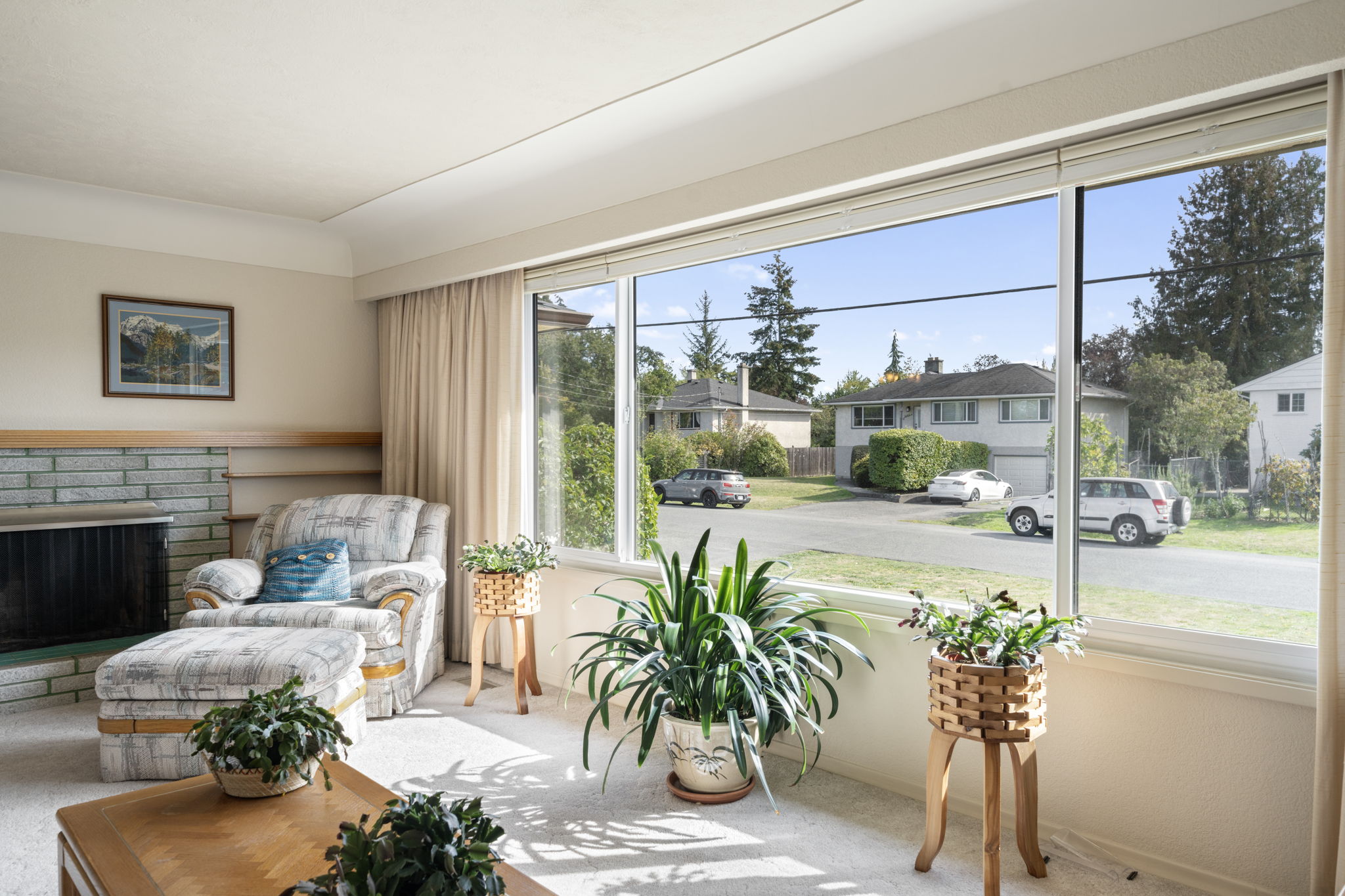
Heritage homes are a defining part of Victoria’s character, offering charm, craftsmanship, and a strong sense of history. From grand early-1900s residences to modest character homes, these properties appeal to buyers who value architectural detail and timeless design. However, owning a heritage home comes with unique responsibilities and considerations. Here is what to know before deciding if a heritage home is the right fit for you. What Is Considered a Heritage Home A heritage home is typically a property that has been recognized for its historical, architectural, or cultural significance. In Greater Victoria, this may include homes listed on a municipal heritage register or protected by a heritage designation. Not all older homes are formally designated, so it is important to understand a property’s specific status. The Appeal of Heritage Homes in Victoria Heritage homes often feature craftsmanship that is difficult to replicate today, including original millwork, wood floors, stained glass, and detailed facades. Many are located in established neighbourhoods close to downtown, parks, and amenities. For buyers who appreciate character and individuality, these homes offer a distinct lifestyle. Restrictions and Renovation Considerations One of the biggest differences with heritage homes is the level of restriction on alterations. Depending on the designation, changes to the exterior and sometimes interior may require special approvals. Renovations must often preserve original features, which can impact timelines and costs. Buyers should review local guidelines carefully before planning updates. Maintenance and Ongoing Costs Older homes generally require more maintenance. Roofing, plumbing, electrical systems, and foundations may need updating or ongoing care. While many heritage homes have been modernized, buyers should budget for higher maintenance costs and invest in thorough inspections before purchasing. Potential Incentives and Tax Benefits Some municipalities offer incentives to help offset the cost of maintaining heritage properties. These may include grants, tax incentives, or flexible zoning options. Availability varies by location, so it is worth exploring what programs may apply to a specific property. Insurance and Financing Factors Insurance premiums for heritage homes can be higher due to replacement costs and specialized materials. Financing may also require additional documentation or inspections. Working with lenders and insurers familiar with heritage properties can make the process smoother. Resale Value and Long-Term Appeal Well-maintained heritage homes often hold strong long-term appeal, especially in character-rich neighbourhoods. While the buyer pool may be more niche, these homes can attract passionate buyers who value history and design, which can support resale value when the home has been properly cared for. Is a Heritage Home Right for You Buying a heritage home is as much a lifestyle choice as a real estate decision. If you value history, are comfortable with ongoing maintenance, and are willing to navigate renovation guidelines, a heritage home can be incredibly rewarding. If flexibility and low maintenance are top priorities, a newer home may be a better fit. Understanding the responsibilities and benefits ahead of time can help you make a confident, informed decision. Annie R., 5-Star Review, via Google “Vanessa Wood is the best realtor I've ever worked with. We had an excellent accepted offer within 11 days of listing! Vanessa is a great communicator and salesperson, organized and very hard working. She's also warm and was incredibly helpful as I was selling the house in Victoria while living on the Sunshine Coast. She and the Faber Group team went the extra mile on more than one occasion! I highly recommend Vanessa and her team.” Faber Real Estate Group Royal LePage Coast Capital Realty 📞 250-244-3430 📧[email protected] ℹ️ Scott Faber Personal Real Estate Corporation ℹ️ Cal Faber Personal Real Estate Corporation Vanessa Wood, Zachary Parsons, and Sophie Taylor “Building Lasting Relationships, One Home at a Time.”
Read more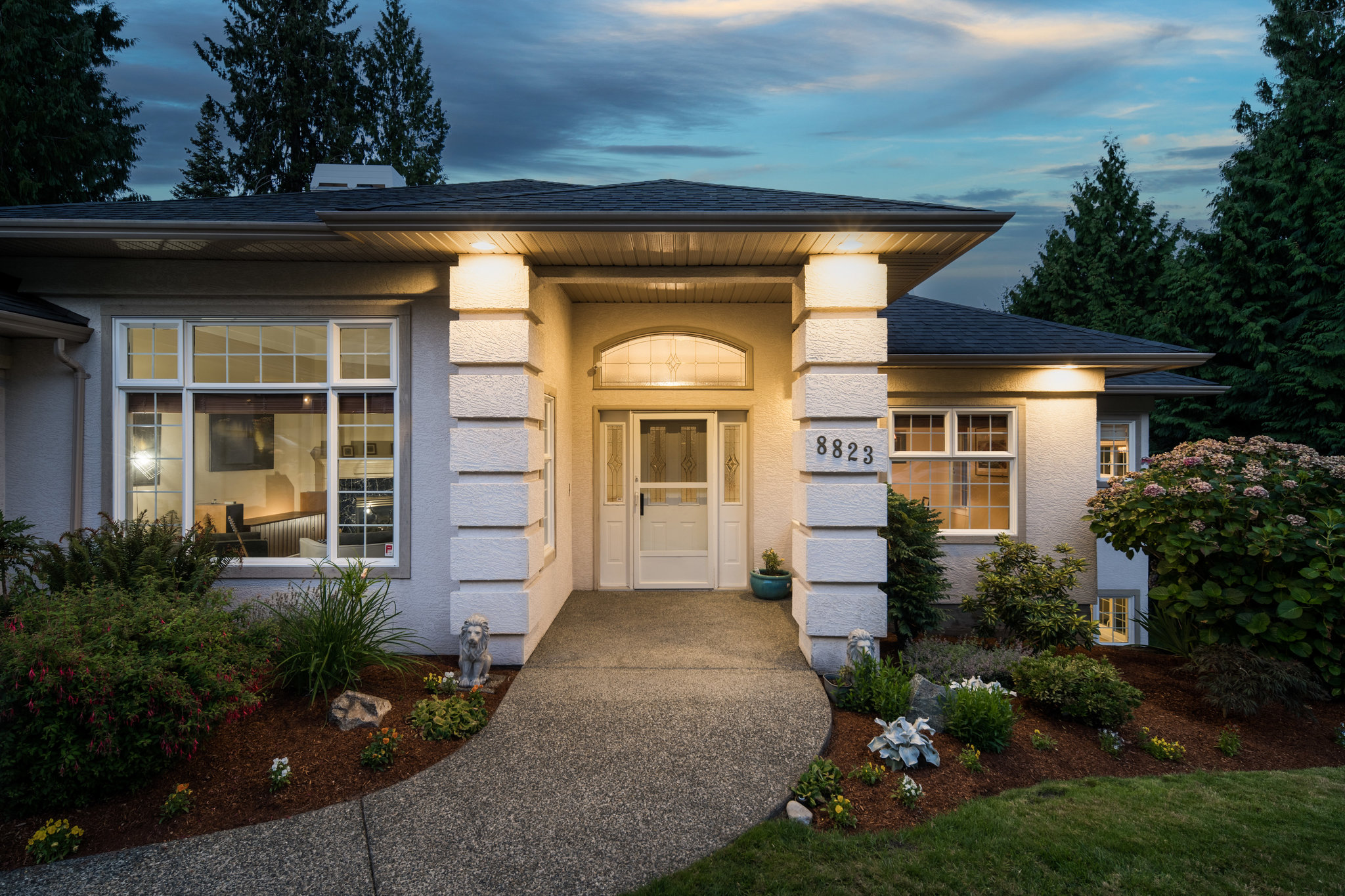
Perimeter drains, also known as foundation drains, are a critical part of a home’s waterproofing system. They direct water away from your foundation and help prevent basement flooding, water damage, and long-term structural issues. For homeowners in Victoria, BC, regular perimeter drain inspections are essential, especially given the region’s wet winters. Why Perimeter Drains Matter A functioning perimeter drain system protects your home’s foundation from excessive moisture. Without proper drainage, water can accumulate around the foundation, leading to leaks, mould growth, and even structural damage. Older homes, or those with heavy rainfall exposure, are particularly at risk. Signs You Might Need an Inspection Damp or wet basement walls Musty or mouldy odours in lower levels Soil erosion near the foundation Previous history of basement flooding Even if your home shows no visible signs of water intrusion, periodic inspections can catch early problems before they become costly repairs. What Happens During an Inspection Certified contractors inspect the condition of the perimeter drain system, checking for blockages, crushed pipes, or silt buildup. They may also test the slope of the soil around the foundation and examine sump pump function to ensure water is being directed properly away from the home. Benefits of Regular Inspections Prevent Costly Damage: Early detection of blockages or pipe deterioration avoids expensive basement repairs. Maintain Property Value: A dry, well-maintained basement increases buyer confidence and resale appeal. Peace of Mind: Knowing your drainage system is working protects your home from seasonal water issues. Maintenance Tips Ensure downspouts direct water at least 1.5–2 metres from the foundation Keep landscaping slopes away from the home Schedule professional perimeter drain inspections every 5–10 years, or sooner if you notice water issues Professional Help Perimeter drain inspection and maintenance are not DIY tasks. Licensed contractors in Victoria have the tools and experience to identify issues accurately and recommend effective solutions. If you’re unsure of your system’s condition, don’t hesitate to reach out for professional guidance. Final Thoughts For homeowners in Greater Victoria, perimeter drains are an often-overlooked part of maintaining a safe and dry home. Regular inspections and proper maintenance protect your foundation, prevent water damage, and preserve your home’s value — making them a smart investment for any property owner. Darcie R., 5-Star Review, via Google “We had the best experience with Scott and the Faber Group team helping us buy our first house! From start to finish it was a positive experience, & Scott went the extra mile every chance he could. Based on our search parameters, we didn’t even come across this house, but using his expertise, he was able to find us our dream home that matched all of our criteria! We are so beyond happy and would absolutely recommend reaching out to Scott if you are looking to buy an amazing home.” Faber Real Estate Group Royal LePage Coast Capital Realty 📞 250-244-3430 📧[email protected] ℹ️ Scott Faber Personal Real Estate Corporation ℹ️ Cal Faber Personal Real Estate Corporation Vanessa Wood, Zachary Parsons, and Sophie Taylor “Building Lasting Relationships, One Home at a Time.”
Read more
Vic West is one of Victoria’s most dynamic waterfront communities, offering a blend of urban convenience, historic character, and modern development. This Vic West neighbourhood guide highlights what makes the area appealing, from walkable amenities to its evolving housing landscape. Location and Community Feel Located just west of Downtown Victoria, Vic West sits along the Upper Harbour and Gorge Waterway. Residents enjoy quick access to the city core while still benefiting from a slightly quieter, community focused atmosphere. The neighbourhood attracts professionals, families, and downsizers who value proximity to downtown without the intensity of living directly in it. Waterfront Lifestyle Waterfront living is a major draw in Vic West. The Galloping Goose and E&N trails connect residents to scenic walking and cycling routes, while parks like Banfield Park and Songhees Walkway provide outdoor space with harbour views. Kayaking, paddleboarding, and evening walks along the water are part of everyday life for many locals. Housing and Development Housing options in Vic West are diverse. You will find modern condos, townhomes, character houses, and new mixed use developments. Ongoing urban growth has added density near the waterfront and transit corridors, creating more housing while supporting local businesses. This balance of growth and livability continues to shape the neighbourhood’s future. Shops, Dining, and Amenities Vic West offers convenient access to daily essentials, cafes, and local restaurants. The area is also minutes from Downtown Victoria, Esquimalt, and major transit routes, making commuting straightforward. Community amenities, schools, and recreational facilities further support a comfortable, connected lifestyle. Why Buyers Choose Vic West Buyers are drawn to Vic West for its waterfront setting, strong sense of community, and long-term growth potential. The neighbourhood continues to evolve, making it attractive for both homeowners and investors looking for a well-located Victoria address. If you are considering a move, this Vic West neighbourhood guide shows why waterfront living paired with thoughtful urban growth makes this area one of Victoria’s most desirable places to call home. James C., 5-Star Review, via Google “Scott made the process of finding a good condo in Victoria as simple and straightforward as it can be. He was always very helpful, and quick to respond throughout the process from start to finish. Being new to BC I think the ordeal would have been pretty overwhelming otherwise. I'd definitely recommend Scott and his team to others in the future.” Faber Real Estate Group Royal LePage Coast Capital Realty 📞 250-244-3430 📧[email protected] ℹ️ Scott Faber Personal Real Estate Corporation ℹ️ Cal Faber Personal Real Estate Corporation Vanessa Wood, Zachary Parsons, and Sophie Taylor
Read more
Downtown Victoria condo living continues to attract buyers looking for convenience, walkability, and a low-maintenance lifestyle. With shops, restaurants, the Inner Harbour, and cultural amenities close at hand, downtown condos offer a lifestyle that appeals to a wide range of buyers. However, this type of housing also comes with trade-offs that are important to understand before purchasing. Pros of Downtown Victoria Condo Living One of the biggest advantages of Downtown Victoria condo living is location. Many residents can walk to work, dining, entertainment, and daily services, reducing reliance on a car. This convenience is a major draw for professionals, downsizers, and part-time residents. Low-maintenance living is another key benefit. Exterior upkeep, landscaping, and building maintenance are typically handled by the strata, which can be appealing for buyers who want fewer responsibilities. Condos also often include secure entry, elevators, and shared amenities that add comfort and ease. Downtown condos can also offer strong long-term appeal. Demand for central locations tends to remain consistent, which can support resale value over time. Cons to Consider Before Buying While Downtown Victoria condo living offers many benefits, there are also limitations. Space is often more compact compared to single-family homes, which may not suit buyers who need extra storage or room to grow. Strata fees are another important factor. These fees cover maintenance and amenities but add to monthly housing costs. Buyers should review strata documents carefully to understand what is included and assess the financial health of the building. Noise and activity levels can also be higher downtown. Proximity to nightlife, traffic, and events may be a downside for buyers seeking a quieter environment. Key Buyer Considerations When evaluating Downtown Victoria condo living, building age and management matter. Newer buildings may offer modern finishes and energy efficiency, while older buildings can provide larger floor plans but may require higher maintenance contributions. Buyers should also consider parking, storage, and pet policies, as these can vary significantly between buildings. Understanding strata rules early can help avoid surprises later. Is Downtown Condo Living the Right Fit? Downtown Victoria condo living suits buyers who value location, simplicity, and an active urban lifestyle. For those comfortable with shared spaces and strata living, it can be a practical and rewarding choice. Taking the time to weigh the pros, cons, and buyer considerations will help ensure this lifestyle aligns with your long-term goals. Michael F., 5-Star Review, via Google “Cal and Scott exceeded our expectations in every way. They were always available to answer our questions and address any concerns immediately, providing exceptional support throughout the entire process. Their dedication and expertise made the selling and buying experience seamless and stress-free. ” Faber Real Estate Group Royal LePage Coast Capital Realty 📞 250-244-3430 📧[email protected] ℹ️ Scott Faber Personal Real Estate Corporation ℹ️ Cal Faber Personal Real Estate Corporation Vanessa Wood, Zachary Parsons, and Sophie Taylor “Building Lasting Relationships, One Home at a Time.”
Read more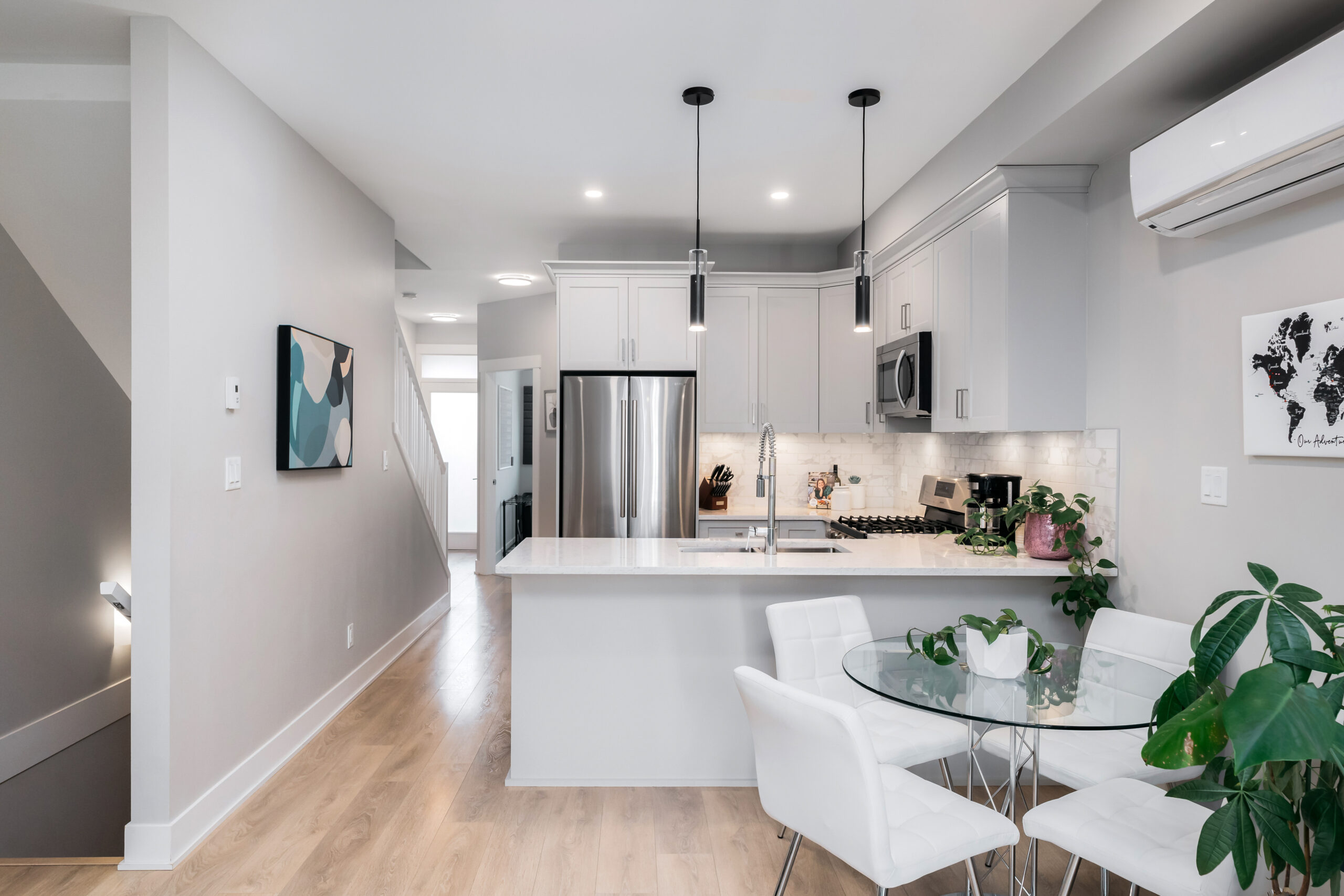
Low-maintenance living has become a growing priority for today’s home buyers. Whether driven by lifestyle changes, aging in place, or a desire for simplicity, more people are choosing homes that reduce upkeep and free up time. This shift is influencing both housing design and buying decisions across many markets. Why Buyers Are Prioritizing Low-Maintenance Living Many buyers want to spend less time on chores and more time on work, travel, family, or hobbies. Larger yards, older systems, and constant repairs no longer appeal to everyone. Instead, buyers are looking for homes that offer convenience, efficiency, and predictability in ongoing costs. Low-maintenance living is especially appealing to downsizers, busy professionals, and retirees. However, it is also gaining traction with younger buyers who value flexibility and a lock-and-leave lifestyle. Popular Low-Maintenance Housing Options Several property types support low-maintenance living. Condos and townhomes remain top choices due to exterior maintenance and landscaping often being handled by strata or homeowners’ associations. Newer builds also attract buyers because they typically include modern materials, updated systems, and energy-efficient features that require fewer repairs. Smaller single-family homes with compact yards are another option. These homes provide privacy without the burden of extensive outdoor maintenance. Design Features That Reduce Upkeep Homes designed for low-maintenance living often include durable flooring, simple landscaping, and energy-efficient windows and appliances. Open floor plans can also reduce cleaning time and make spaces easier to manage. As a result, functionality often takes priority over excess space. How This Trend Is Shaping the Market The demand for low maintenance living is influencing both developers and sellers. Builders are focusing on practical layouts and long-lasting materials, while sellers are highlighting ease of upkeep as a key selling feature. In competitive markets, low-maintenance living can give a property a clear advantage. Is Low Maintenance Living Right for You? Choosing low-maintenance living depends on your priorities and long-term plans. If flexibility, predictable expenses, and reduced responsibility matter to you, this lifestyle may be a strong fit. As housing preferences continue to evolve, low-maintenance living is likely to remain an important trend for buyers at every stage of life. Demetrios T., 5-Star Review, via Google “Scott and Cal Faber were exceptional to work with. They were professional, patient, and incredibly informative throughout the entire process. They took the time to walk me through every step, which made the typically stressful experience of moving so much easier. Their knowledge of real estate is second to none, and their guidance gave me complete confidence in my decisions. I highly recommend both Scott and Cal to anyone looking for trusted, knowledgeable, and supportive realtors.” Faber Real Estate Group Royal LePage Coast Capital Realty 📞 250-244-3430 📧[email protected] ℹ️ Scott Faber Personal Real Estate Corporation ℹ️ Cal Faber Personal Real Estate Corporation Vanessa Wood, Zachary Parsons, and Sophie Taylor “Building Lasting Relationships, One Home at a Time.”
Read more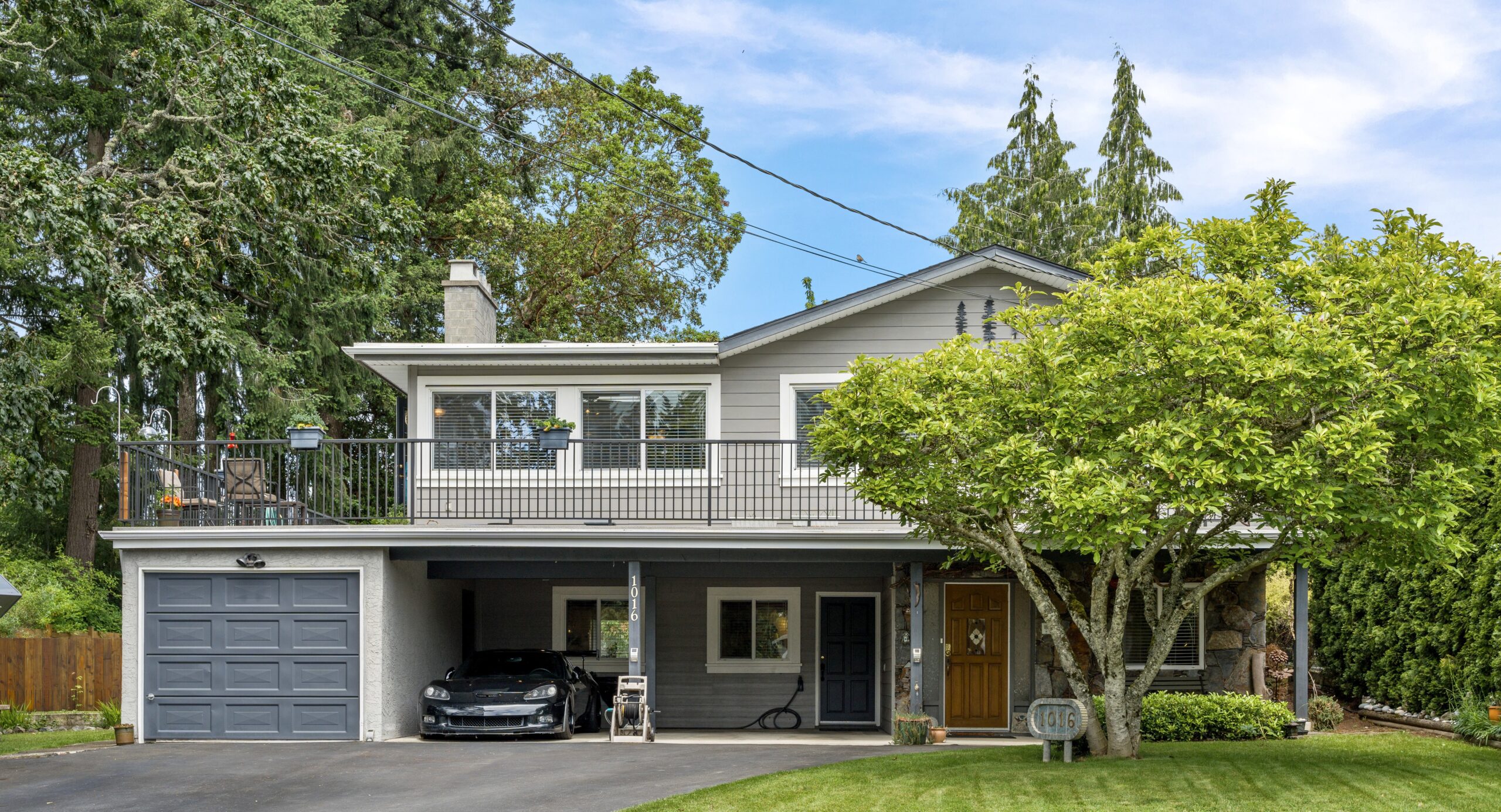
View Royal is experiencing a period of meaningful growth and change as the town responds to regional housing needs, evolving land-use planning, and distinct local priorities. This overview highlights key projects, planning frameworks, and development trends shaping View Royal’s future real estate landscape. Strategic Planning and Growth Framework The Town of View Royal is actively updating its Official Community Plan (OCP) through the View Royal 2050: Our Future View initiative. The updated plan will guide growth over the next two decades and establish policies for land use, housing, transportation, parks, environment, and economic opportunities. Public engagement efforts have gathered resident input on growth, housing needs, and land use scenarios to help inform the updated OCP, which will shape development decisions in the coming years. View Royal 2050 The updated community growth framework will also refine land-use designations in key areas such as the Western Gateway Community Corridor along Island Highway. This corridor is envisioned as an evolving mixed-use area that could support new housing options, improved multimodal connections, and commercial activity. Provincial Housing Targets and Policy Alignment Under the provincial Housing Supply Act, View Royal has been assigned a target to deliver 585 new homes over the next five years. The town is aligning zoning bylaws and development policies to support this direction while balancing environmental protection and community character. Recent progress has exceeded initial targets: provincial reporting indicates View Royal delivered more than double its first-year net-new housing target, reflecting active building and approvals in the town. Major Residential Developments Several notable housing developments are underway or moving through the planning and approval process, demonstrating a shift toward increased density and rental supply in key areas: Island Highway Rental Developments: Progress is underway on new mid-rise rental projects along Island Highway, an area targeted for higher density and mixed-use activity. Among these, an approved development will deliver approximately 238 rental suites across two six-storey buildings between the new fire hall and Prince Robert Drive, offering a range of unit sizes from studios to three-bedroom layouts. 94-Unit Development at 346 Island Highway: Plans submitted by GT Mann Contracting propose a 94-unit project at the western end of the former Fort Victoria RV Park site, including underground parking and resident amenities. The Grand and Fir Condominiums: A five-storey condominium project with 82 units known as The Grand and Fir is nearing completion, with move-in availability targeted for 2025, supporting both lifestyle demand and compact housing options. Large-Scale Rental Community Opposite Victoria General Hospital: A 336-unit purpose-built rental community has begun construction near Victoria General Hospital, representing one of the largest rental projects in the town to date and contributing significantly to rental housing supply. These projects signify a diversification of housing types, including condominiums, purpose-built rentals, and mixed-unit buildings, all contributing to View Royal’s broader growth objectives. Local Engagement and Infrastructure Planning Alongside housing projects, View Royal is progressing several infrastructure and community improvement initiatives that will support growth and quality of life. These include transportation master plan updates, pedestrian improvements along key corridors, and upgrades to utilities and park spaces. Balancing Growth with Community Character As View Royal grows, municipal planning emphasizes maintaining the town’s natural beauty and neighbourhood feel while accommodating new housing and mixed-use development. The OCP update process reflects careful consideration of resident values around growth, transportation, environmental stewardship, and local identity. Conclusion View Royal is transitioning from a primarily low-density suburb to a more diversified community that supports a broader range of housing options, including rental communities and multi-unit residential projects. Strategic planning through the View Royal 2050 process, alignment with provincial housing targets, and active development along key corridors are key drivers of this evolution. For buyers, sellers, and investors, these trends indicate a community positioning itself for sustainable growth while preserving its distinct character. Troy W., 5-Star Review, via Google “We moved to Victoria from Halifax. As our Realtor, Scott helped us find the right house in the right neighborhood for the right price. He was patient as we traveled from the east to look at homes over several months and cautioned us about making unreasonable offers when we fell too quickly for overpriced homes. In short, he was always on our side working to make our house purchase as simple and successful as possible. The best part about working with Scott was that he was always more focused on answering our questions, giving us good advice, and finding homes that met our needs than he was on closing a deal. We would recommend him to anyone. 5 Star service Scott, we look forward to using you again very shortly for an income rental in the new year. ” Faber Real Estate Group Royal LePage Coast Capital Realty 📞 250-244-3430 📧[email protected] ℹ️ Scott Faber Personal Real Estate Corporation ℹ️ Cal Faber Personal Real Estate Corporation Vanessa Wood, Zachary Parsons, and Sophie Taylor “Building Lasting Relationships, One Home at a Time.”
Read more
If you are buying real estate in British Columbia, Property Transfer Tax is a cost that often catches buyers by surprise. By understanding how it works, how much you may owe, and whether exemptions apply, you can plan more confidently and avoid last-minute issues. What Is Property Transfer Tax in BC? Property transfer tax in BC is a provincial tax you pay when you register a property purchase at the Land Title Office. You pay this tax at closing, and it is based on the property’s fair market value on the registration date, unless you qualify for an exemption. How Property Transfer Tax Is Calculated In most situations, the tax follows a tiered structure: 1% on the first $200,000 of the property value 2% on the portion between $200,000 and $2,000,000 3% on the portion above $2,000,000 An additional 2% on the residential portion over $3,000,000 Importantly, the province bases the tax on fair market value. This may differ from the purchase price if the sale did not occur on the open market. Example:If a home is valued at $650,000, the property transfer tax totals $11,000. This includes $2,000 on the first $200,000 and $9,000 on the remaining $450,000. Exemptions That May Reduce Your Tax In some cases, exemptions can reduce or eliminate property transfer tax. However, eligibility depends on specific criteria. First-Time Home Buyers’ Program If you qualify as a first-time buyer, you may receive a full or partial exemption. Currently, buyers can receive a full exemption on the first $500,000 of a property’s value and a reduced exemption on homes priced up to $860,000. To qualify, you must meet residency requirements, hold Canadian citizenship or permanent residency, and have never owned a principal residence. In addition, you must intend to live in the home as your primary residence. Newly Built Home Exemption Buyers purchasing a newly built home may also qualify for a property transfer tax exemption. Recent changes increased the price threshold to approximately $1.1 million. As a result, this exemption can significantly reduce closing costs for eligible buyers. Other Exemptions Additional exemptions may apply in specific situations. These include certain transfers between spouses or common-law partners, family transfers, and transactions related to estate planning or court orders. Because these rules vary, you should always confirm eligibility with a legal professional. Why Property Transfer Tax Matters Property transfer tax often represents a significant portion of closing costs. This is especially true in higher-priced markets like Greater Victoria. Therefore, knowing the amount owed and confirming exemptions early can affect affordability and overall purchasing decisions. Should You Seek Professional Advice? Property transfer tax rules can change, and eligibility criteria are often detailed. For that reason, speaking with both a real estate professional and a legal advisor can help ensure accuracy and avoid costly mistakes. If you plan to buy property in British Columbia, understanding how property transfer tax applies to your purchase can make the process smoother and more predictable from the start. Noel A., 5-Star Review, via Google “My partner and I had a great experience with Scott and the Fabers with our first home purchase. Scott answered all questions we had and helped guide us to make the right purchase that fit our lifestyle. Would highly recommend the Fabers!” Faber Real Estate Group Royal LePage Coast Capital Realty 📞 250-244-3430 📧[email protected] ℹ️ Scott Faber Personal Real Estate Corporation ℹ️ Cal Faber Personal Real Estate Corporation Vanessa Wood, Zachary Parsons, and Sophie Taylor “Building Lasting Relationships, One Home at a Time.”
Read more
Designed as a connected seaside neighbourhood, Royal Bay offers residents a mix of convenience, outdoor living, and daily necessities within walking distance of home. Royal Bay’s walkable lifestyle and amenities are central to what makes this Westshore community stand out. Walkable Design and Outdoor Connectivity Royal Bay’s layout prioritizes pedestrians and cyclists. Streets are designed to be safe and accessible, linking homes to parks, trails, beaches, and neighbourhood services without needing a car. Protected bike lanes, interconnected pathways, and easy access to the Galloping Goose regional trail reflect this focus on active transportation and walkability. Nature is woven into the community with over 10 kilometres of trails, playgrounds, and green spaces. Scenic seaside paths, forested walkways, and parks like the new Quarry Park create everyday opportunities for walking, running, or cycling close to home. Everyday Amenities at Your Doorstep Royal Bay’s mixed-use village, known as The Commons, anchors local amenities. This retail hub offers essential services and shops, including liquor stores, pharmacy services, and banking, all conveniently located within walking distance for residents. Dining options and local favourites, including bakeries and coffee shops, further enhance the pedestrian-friendly character of the area. Schools, Recreation, and Community Services Royal Bay is family-oriented with schools situated within the community and plenty of outdoor recreation. Trails, sports fields, and playgrounds make it effortless to walk to activities, while parks and green spaces provide daily outdoor destinations. Upcoming Amenity and Infrastructure Plans Several significant amenity projects are shaping the future of walkability and daily life in Royal Bay: Royal BC Museum Collections and Research BuildingA major cultural facility that will house research and public exhibits is coming to Royal Bay, with an expected opening in 2026. This landmark will add cultural destination appeal within walking distance of homes. Transit Exchange and Connectivity EnhancementsPlans include a Royal Bay Transit Exchange to improve public transit access across the Westshore and beyond, supporting walkable travel without dependence on a car. Quarry Park ExpansionQuarry Park’s new playground is open, and future walking trails, pump tracks, and open green spaces are scheduled to open in summer, along with planned sports fields, washrooms, and a potential community centre. New Residential and Mixed-Use DevelopmentProjects such as Bella Park condominiums will include extensive resident amenities like fitness spaces, social areas, green spaces, and co-working lounges, enhancing local walkable experiences and community engagement. Construction is expected to proceed through 2025–2027. What This Means for Residents The emphasis on walkability and amenities in Royal Bay makes living in this community distinct among Westshore neighbourhoods. Daily needs, recreation, culture, and connectivity are thoughtfully integrated so residents can walk to essential services, enjoy outdoor spaces, and participate in community life without long drives. Christina A. 5-Star Review, via Google “We had such a great experience working with Scott Faber during our recent home buying! From the start, Scott made everything super easy and was always there to answer our questions. Scott really listened to what we wanted and helped us find the perfect place.What we appreciated most was how down-to-earth and approachable he was. No matter what came up, Scott was on top of it and kept us in the loop the whole time. We felt like we were in great hands the entire process. ” Faber Real Estate Group Royal LePage Coast Capital Realty 📞 250-244-3430 📧[email protected] ℹ️ Scott Faber Personal Real Estate Corporation ℹ️ Cal Faber Personal Real Estate Corporation Vanessa Wood, Zachary Parsons, and Sophie Taylor “Building Lasting Relationships, One Home at a Time.”
Read more
When buying a home in Greater Victoria, many buyers must decide between a new build and a resale home. Each option offers unique benefits, depending on your budget, lifestyle, and timeline. Price and Ongoing Costs New build homes often come with a higher purchase price, particularly in growing areas like Langford and Colwood. While they include modern finishes and energy efficiency, buyers should budget for extras such as landscaping and window coverings. Resale homes may have a lower upfront cost, especially in established neighbourhoods. However, older homes may require updates or repairs, making a home inspection essential. Location and Neighbourhood New builds are typically located in developing communities, often farther from downtown Victoria. These areas offer newer infrastructure and planned layouts but may take time to fully mature. Resale homes are common in established neighbourhoods like Fairfield, Oak Bay, and Gordon Head, where amenities, schools, and transit are already in place. Customization and Condition New builds allow for modern layouts and, in some cases, finish selections. They also meet current building codes and include new systems, which can reduce early maintenance. Resale homes offer character and established lots. While updates may be needed, renovations can be done gradually and tailored to your preferences. Timelines and Warranties New builds often require flexible timelines due to construction schedules but come with the protection of BC’s 2-5-10 home warranty. Resale homes typically offer quicker possession and more predictable closing dates, though they do not include warranties. Which Option Is Right for You A new build may suit buyers looking for modern features and low initial maintenance, while a resale home may appeal to those prioritizing location and neighbourhood character. In Greater Victoria’s competitive market, the right choice depends on your long-term goals and lifestyle needs. Helen M, 5-Star Review, via Google “Cal and Scott are the best. They made it happen and made the entire process of securing my condo smooth and stress free. They were always supportive, responsive, and clearly committed to getting the right result. I am very grateful for their hard work and would highly recommend them to anyone looking for reliable, dedicated realtors.” Faber Real Estate Group Royal LePage Coast Capital Realty 📞 250-244-3430 📧[email protected] ℹ️ Scott Faber Personal Real Estate Corporation ℹ️ Cal Faber Personal Real Estate Corporation Vanessa Wood, Zachary Parsons, and Sophie Taylor “Building Lasting Relationships, One Home at a Time.”
Read more