


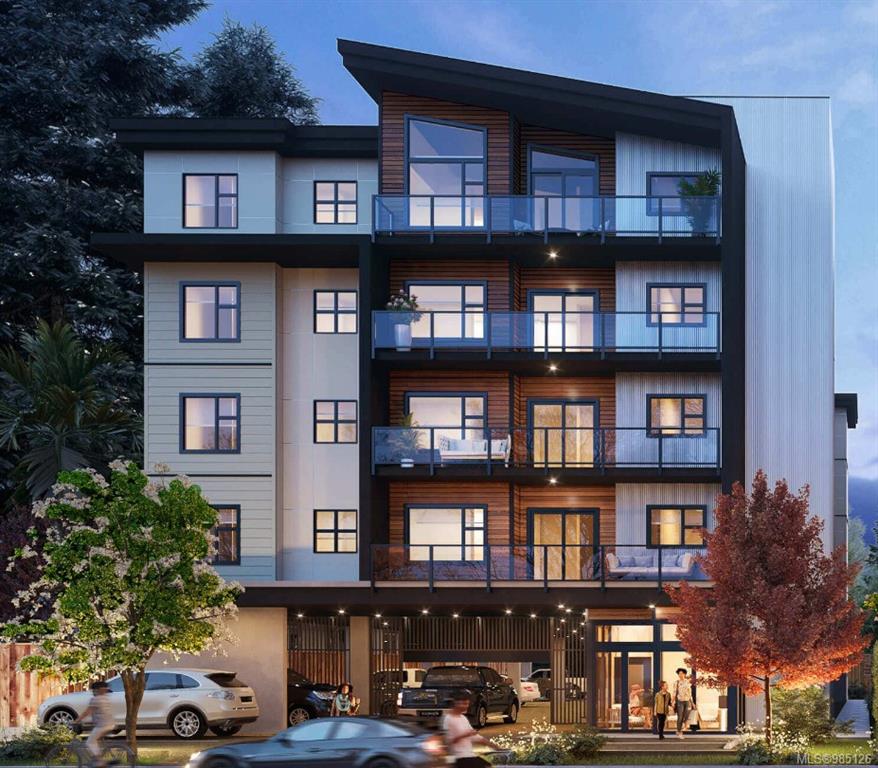
Buying near future development can feel like a risk, an opportunity, or both. In Greater Victoria, where many neighbourhoods are adding density, new rentals, mixed-use buildings, and infill housing, buyers need to look beyond the home itself.
The question is not only, “Do I like this property today?”
It is also, “How could this area change over the next five to ten years?”
Future development can bring better amenities, more housing options, improved walkability, and stronger long-term demand. However, it can also bring construction noise, traffic changes, loss of privacy, view impacts, and uncertainty.
Future Development Is Not Always a Negative
Many buyers hear “future development” and immediately think of disruption. That can happen, but development can also improve a neighbourhood.
A new project nearby may bring:
- More shops and services
- Better sidewalks or streetscape improvements
- More transit use
- New rental or ownership housing
- Increased neighbourhood activity
- Stronger local business demand
- Better long-term convenience
For some buyers, especially those who value walkability, future development can be part of the appeal. A quieter area today may become more useful, connected, and desirable over time.
The key is understanding what kind of development is planned, how close it is, and how it may affect the property.
Check the Municipality Before You Rely on Assumptions
Buyers should not rely only on rumours, signs, or neighbourhood conversation. The best starting point is the local municipality.
For example, the City of Victoria has a Development Tracker that allows people to search current and completed development applications by address, neighbourhood, or application type. The tracker also includes application details and submitted plans when available.
Saanich also provides information on active development applications, including development permits, variances, subdivisions, and related applications arranged by neighbourhood.
Langford’s Planning department manages development permits, rezonings, bylaw variances, and Official Community Plan amendments, which can help buyers understand how growth is being reviewed and managed.
This research does not replace professional advice, but it can help buyers ask better questions before writing an offer.
Understand the Difference Between Proposed, Approved, and Under Construction
Not all future development carries the same level of certainty.
A project may be:
- Only discussed informally
- Submitted as an application
- Under municipal review
- Going through rezoning
- Approved but not started
- Under construction
- Part of a long-term planning vision
This distinction matters.
A proposed development may change significantly or never move forward. An approved project is more concrete, but timelines can still shift. A project under construction is more immediate, but the main question becomes how long the disruption may last and what the finished result will look like.
Buyers should avoid making decisions based on a single piece of information. Instead, they should look at the stage of the application, the type of development, and the broader direction of the neighbourhood.
Views, Privacy, and Sunlight Can Change
One of the biggest concerns when buying near future development is how the property may feel later.
A nearby building could affect:
- Views
- Natural light
- Privacy
- Noise
- Parking
- Traffic
- Outdoor enjoyment
- The feeling of openness
This matters most when a property’s appeal depends heavily on its outlook or privacy. A condo with a beautiful view across an underdeveloped lot may carry more uncertainty than a home facing a park, ocean, protected green space, or established low-density area.
Buyers should ask what could be built nearby, not just what is there today.
Construction Disruption Is Temporary, But It Can Still Matter
Even if future development improves an area long term, construction can affect day-to-day life.
Buyers should think about:
- Noise
- Dust
- Trucks and equipment
- Road closures
- Parking pressure
- Work hours
- Safety around sidewalks and streets
- Impact on tenants if the property is rented
This is especially important for people who work from home, have young children, are sensitive to noise, or plan to rent the property out.
A buyer may still choose the home, but they should go in with realistic expectations.
Development Can Change the Lifestyle of a Neighbourhood
Future development does not only change buildings. It can change how a neighbourhood feels.
A quiet street near a growing village centre may become busier. A car-oriented area may become more walkable. A low-density pocket may begin to feel more urban. An area with limited services may become more convenient.
None of these changes are automatically good or bad. They depend on what the buyer wants.
For example, a buyer who values quiet and privacy may feel differently than a buyer who wants coffee shops, transit, and services nearby. The same development can feel like an improvement to one person and a drawback to another.
Future Development May Support Long-Term Value
In many cases, growth can support long-term demand. Areas with more amenities, transit, services, and housing variety can become more attractive over time.
However, buyers should avoid assuming that all development increases value. The effect depends on location, project type, market conditions, property type, and buyer demand.
A new mixed-use project may improve convenience. A large building that blocks views may reduce a specific property’s appeal. A growing area may attract more buyers, but it may also create more competition if many similar units are built nearby.
The right question is not, “Will development help or hurt value?”
The better question is, “How will this specific development affect this specific property?”
Look at Zoning and Long-Term Plans
Future development is not always limited to one active application. Buyers should also consider zoning and long-term planning.
Municipal planning documents, zoning information, and development trackers can help buyers understand whether nearby properties may be likely to change in the future. Some areas are planned for more density, while others may have more limited redevelopment potential.
This matters when buying beside older commercial buildings, large lots, underused land, surface parking, or properties along major corridors.
A buyer does not need to become a planning expert, but they should understand whether the surrounding area is stable, transitional, or actively changing.
Questions Buyers Should Ask Before Writing an Offer
Before buying near future development, buyers should ask:
- What development applications exist nearby?
- Has anything been approved?
- What stage is the application in?
- Could the project affect views, light, or privacy?
- How close is the development site?
- What type of use is proposed?
- How long could construction last?
- Will parking, traffic, or access change?
- Is the area part of a broader growth plan?
- Does the property still make sense if the area changes?
These questions help buyers move from guesswork to informed decision-making.
Sellers Should Also Be Prepared
This topic matters for sellers too.
If a property is near future development, buyers may ask questions. Sellers should prepare clear, factual information and avoid making promises about what will or will not happen.
The best approach is transparency. If development nearby may be a concern, strong marketing can still position the property properly by focusing on what buyers can verify: location, lifestyle, access, current condition, and available municipal information.
Trying to ignore future development can create mistrust. Explaining the context clearly can help buyers feel more confident.
The Bottom Line
Buying near future development requires careful thought. It can bring better amenities, stronger walkability, and long-term neighbourhood improvement. It can also bring construction disruption, privacy concerns, view changes, and uncertainty.
The right decision depends on the buyer’s goals, risk tolerance, lifestyle, and time horizon.
For buyers in Greater Victoria, the most important step is to look beyond the listing. Review municipal information, understand the stage of nearby applications, and consider how the area may change over time.
If you are considering buying near future development, contact Faber Real Estate Group for local guidance on what to review, what questions to ask, and how to make a confident decision.
James C., 5-Star Review, via Google
“Scott made the process of finding a good condo in Victoria as simple and straightforward as it can be. He was always very helpful, and quick to respond throughout the process from start to finish.
Being new to BC I think the ordeal would have been pretty overwhelming otherwise. I’d definitely recommend Scott and his team to others in the future.”
Faber Real Estate Group
Royal LePage Coast Capital Realty
📞 250-244-3430
📧 scott@fabergroup.ca
ℹ️ Scott Faber Personal Real Estate Corporation
ℹ️ Cal Faber Personal Real Estate Corporation
Vanessa Wood, Zachary Parsons, and Sophie Taylor
“Building Lasting Relationships, One Home at a Time.”


