
Posts Tagged ‘real estate buyer tips’

The emotional side of buying a home is often stronger than buyers expect. The emotional side of buying a home can show up as excitement, fear, pressure, comparison, frustration, or second-guessing, sometimes all in the same week. That is normal. Buying a home is not just a financial decision. It is personal. You are thinking about your lifestyle, your future, your family, your monthly payments, and whether the home in front of you is the right one. In a market like Greater Victoria, where price, location, and property type can vary widely, it is easy for emotions to take the lead. The goal is not to remove emotion from the process. The goal is to stay grounded enough to make a clear decision. Why Buying a Home Feels So Emotional A home represents more than walls and square footage. For many buyers, it connects to security, independence, family plans, lifestyle goals, and long-term financial stability. That is why a showing can feel exciting one moment and overwhelming the next. Buyers are often asking themselves: Can I really afford this? Am I making the right decision? What if something better comes up? What if I wait and prices rise? What if I buy and regret it? What if there are hidden problems? What if I lose the home to another buyer? These questions are not signs that something is wrong. They are signs that the decision matters. Excitement Can Make You Move Too Quickly Excitement is part of the process. When a home feels right, it can be tempting to rush. Maybe the layout works. Maybe the light is better than expected. Maybe the location feels right. Maybe you can already picture your furniture, your morning routine, or your first summer in the backyard. That emotional connection matters, but it should not replace due diligence. Before moving forward, buyers should still review: Recent comparable sales Monthly carrying costs Inspection concerns Strata documents, if applicable Property condition Neighbourhood fit Resale considerations Offer terms Financing comfort A home can feel right and still need careful review. Fear Can Make You Freeze Fear can push buyers in the opposite direction. Some buyers hesitate even when a home fits their needs. They worry about interest rates, market timing, repairs, resale value, or whether they are overpaying. In some cases, fear protects buyers from a poor decision. In other cases, it causes them to miss a good opportunity. The key is to separate useful caution from decision paralysis. Useful caution sounds like: “Let’s review the documents before we decide.” Decision paralysis sounds like: “I need certainty before I do anything.” Real estate rarely offers perfect certainty. A grounded buyer learns how to make a decision with enough information, not perfect information. Comparison Can Create Confusion The more homes you see, the easier it becomes to compare everything. One home has the better kitchen. Another has more parking. Another has a better yard. Another has lower strata fees. Another is closer to work. Soon, every option starts to feel incomplete. This is where buyers can lose focus. Before viewing too many homes, it helps to separate needs from preferences. Needs may include: Budget Location range Number of bedrooms Parking Accessibility Pet rules Commute Financing requirements Preferences may include: Finish style Paint colours Flooring Yard size View Extra storage Renovation level Specific street or building When buyers are clear on the difference, it becomes easier to make decisions. Your Budget Should Be a Boundary, Not a Suggestion One of the best ways to stay grounded is to know your real budget before falling in love with a property. That means understanding more than your pre-approval amount. A lender may approve you for one number, but your comfort level may be lower. Buyers should consider: Mortgage payment Property taxes Insurance Utilities Strata fees, if applicable Repairs and maintenance Moving costs Furniture or appliances Emergency savings Lifestyle costs after moving A home should not only be affordable on paper. It should still allow you to live your life. For more on this, you may find our post on from rent payments to mortgage payments: is buying right for you? helpful. Do Not Let One Showing Control the Whole Decision A strong first impression can be powerful. So can a weak one. Some buyers dismiss homes too quickly because of paint, furniture, clutter, lighting, or staging. Others overlook serious concerns because the home feels warm and inviting. Try to look at each property in layers. First, ask whether the home fits your life. Then ask whether the numbers work. Then ask what needs to be investigated. Then ask whether the concerns are manageable or deal-breaking. This approach slows the emotional swing and gives you a clearer way to evaluate each property. Be Careful With Outside Opinions Friends and family often want to help. Their input can be valuable, especially if they know construction, financing, or the neighbourhood. However, too many opinions can make the process harder. Someone who is not buying the home may focus on different priorities. They may compare the property to a market from years ago, a different city, or their own personal preferences. Outside opinions should support your decision, not replace it. A good question to ask is: “Does this feedback relate to my goals, my budget, and this market?” If not, it may be noise. Understand Your Risk Tolerance Every buyer has a different comfort level. Some buyers are comfortable renovating. Others want move-in ready. Some are open to older homes. Others prefer newer construction. Some are willing to stretch for location. Others value monthly comfort more than anything else. There is no universal right answer. The best purchase is the one that fits your actual tolerance for risk, cost, work, and uncertainty. Before writing an offer, ask yourself: Can I handle repairs if they come up? Am I comfortable with this monthly payment? Do I understand the trade-offs? Would I still want this home if another buyer was not interested? Am I making this decision from clarity or pressure? The answers can help you slow down and think clearly. Have a Clear Offer Strategy Emotions often rise when it is time to write an offer. This is where preparation matters. A strong offer strategy should consider the property, the seller’s position, comparable sales, market activity, competing interest, conditions, deposit, dates, and your own comfort level. The goal is not always to win at any cost. The goal is to write an offer you can stand behind. A grounded buyer knows: Their maximum price Their preferred terms Their walk-away point Their required conditions Their financing comfort Their reason for choosing the home This makes the offer process less reactive. You may also want to read our post on how to tell if a seller might consider a lower offer for more negotiation context. Give Yourself Time to Process, But Not Forever Buying a home requires both patience and decisiveness. You should have enough time to think, ask questions, and review the details. But waiting too long can create its own pressure, especially if the right home is well priced and other buyers are interested. A helpful rule is to process with structure. After a showing, ask: Does this home fit my needs? What are the trade-offs? What questions do I still have? What would I need to confirm before offering? Would I be disappointed if someone else bought it? These questions help move the decision from emotion to clarity. Work With People Who Keep You Grounded The right support matters. A good REALTOR® should not push you into a decision. They should help you understand the market, compare options, review risks, and make a clear plan. The same is true for your mortgage broker, inspector, lawyer, and other professionals involved in the process. A grounded process includes: Clear expectations Honest market context Strong property research Budget discipline Calm offer strategy Careful document review Practical next steps Buying a home will always carry emotion. Good guidance helps make sure emotion does not take over. Final Thoughts The emotional side of buying a home is real. Excitement, fear, doubt, pressure, and comparison can all shape how buyers feel during the process. The key is not to ignore those emotions. The key is to recognize them, slow the decision down, and return to the facts: budget, needs, location, condition, risk, and long-term fit. A grounded buyer is not emotionless. A grounded buyer is prepared. If you are thinking about buying a home in Greater Victoria and want a clear, steady approach, contact Faber Real Estate Group for local advice, current market insight, and a strategy that helps you move forward with confidence. Raman B., 5-Star Review, via Google “Faber group is a power house team with motivation, drive and a desire to exceed your needs. This family based business excels in the Victoria real estate market and goes to great lengths to find the perfect property that suits you. I would highly recommend them, 5 out of 5 stars!!” Faber Real Estate Group Royal LePage Coast Capital Realty 📞 250-244-3430 📧 [email protected] ℹ️ Scott Faber Personal Real Estate Corporation ℹ️ Cal Faber Personal Real Estate Corporation Vanessa Wood, Zachary Parsons, and Sophie Taylor “Building Lasting Relationships, One Home at a Time.”
Read more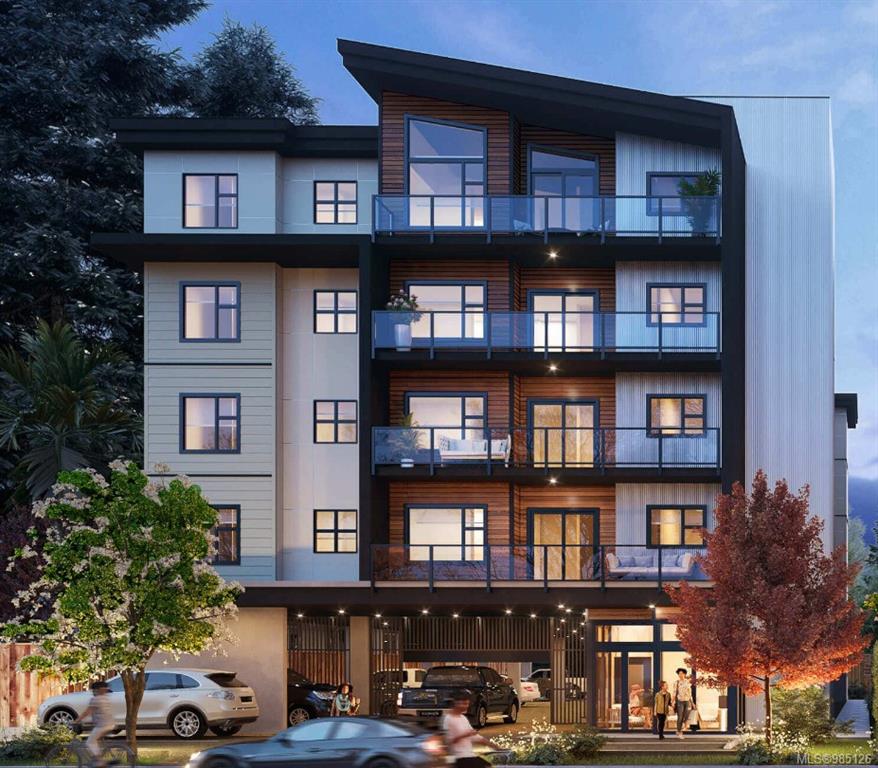
Buying near future development can feel like a risk, an opportunity, or both. In Greater Victoria, where many neighbourhoods are adding density, new rentals, mixed-use buildings, and infill housing, buyers need to look beyond the home itself. The question is not only, “Do I like this property today?” It is also, “How could this area change over the next five to ten years?” Future development can bring better amenities, more housing options, improved walkability, and stronger long-term demand. However, it can also bring construction noise, traffic changes, loss of privacy, view impacts, and uncertainty. Future Development Is Not Always a Negative Many buyers hear “future development” and immediately think of disruption. That can happen, but development can also improve a neighbourhood. A new project nearby may bring: More shops and services Better sidewalks or streetscape improvements More transit use New rental or ownership housing Increased neighbourhood activity Stronger local business demand Better long-term convenience For some buyers, especially those who value walkability, future development can be part of the appeal. A quieter area today may become more useful, connected, and desirable over time. The key is understanding what kind of development is planned, how close it is, and how it may affect the property. Check the Municipality Before You Rely on Assumptions Buyers should not rely only on rumours, signs, or neighbourhood conversation. The best starting point is the local municipality. For example, the City of Victoria has a Development Tracker that allows people to search current and completed development applications by address, neighbourhood, or application type. The tracker also includes application details and submitted plans when available. Saanich also provides information on active development applications, including development permits, variances, subdivisions, and related applications arranged by neighbourhood. Langford’s Planning department manages development permits, rezonings, bylaw variances, and Official Community Plan amendments, which can help buyers understand how growth is being reviewed and managed. This research does not replace professional advice, but it can help buyers ask better questions before writing an offer. Understand the Difference Between Proposed, Approved, and Under Construction Not all future development carries the same level of certainty. A project may be: Only discussed informally Submitted as an application Under municipal review Going through rezoning Approved but not started Under construction Part of a long-term planning vision This distinction matters. A proposed development may change significantly or never move forward. An approved project is more concrete, but timelines can still shift. A project under construction is more immediate, but the main question becomes how long the disruption may last and what the finished result will look like. Buyers should avoid making decisions based on a single piece of information. Instead, they should look at the stage of the application, the type of development, and the broader direction of the neighbourhood. Views, Privacy, and Sunlight Can Change One of the biggest concerns when buying near future development is how the property may feel later. A nearby building could affect: Views Natural light Privacy Noise Parking Traffic Outdoor enjoyment The feeling of openness This matters most when a property’s appeal depends heavily on its outlook or privacy. A condo with a beautiful view across an underdeveloped lot may carry more uncertainty than a home facing a park, ocean, protected green space, or established low-density area. Buyers should ask what could be built nearby, not just what is there today. Construction Disruption Is Temporary, But It Can Still Matter Even if future development improves an area long term, construction can affect day-to-day life. Buyers should think about: Noise Dust Trucks and equipment Road closures Parking pressure Work hours Safety around sidewalks and streets Impact on tenants if the property is rented This is especially important for people who work from home, have young children, are sensitive to noise, or plan to rent the property out. A buyer may still choose the home, but they should go in with realistic expectations. Development Can Change the Lifestyle of a Neighbourhood Future development does not only change buildings. It can change how a neighbourhood feels. A quiet street near a growing village centre may become busier. A car-oriented area may become more walkable. A low-density pocket may begin to feel more urban. An area with limited services may become more convenient. None of these changes are automatically good or bad. They depend on what the buyer wants. For example, a buyer who values quiet and privacy may feel differently than a buyer who wants coffee shops, transit, and services nearby. The same development can feel like an improvement to one person and a drawback to another. Future Development May Support Long-Term Value In many cases, growth can support long-term demand. Areas with more amenities, transit, services, and housing variety can become more attractive over time. However, buyers should avoid assuming that all development increases value. The effect depends on location, project type, market conditions, property type, and buyer demand. A new mixed-use project may improve convenience. A large building that blocks views may reduce a specific property’s appeal. A growing area may attract more buyers, but it may also create more competition if many similar units are built nearby. The right question is not, “Will development help or hurt value?” The better question is, “How will this specific development affect this specific property?” Look at Zoning and Long-Term Plans Future development is not always limited to one active application. Buyers should also consider zoning and long-term planning. Municipal planning documents, zoning information, and development trackers can help buyers understand whether nearby properties may be likely to change in the future. Some areas are planned for more density, while others may have more limited redevelopment potential. This matters when buying beside older commercial buildings, large lots, underused land, surface parking, or properties along major corridors. A buyer does not need to become a planning expert, but they should understand whether the surrounding area is stable, transitional, or actively changing. Questions Buyers Should Ask Before Writing an Offer Before buying near future development, buyers should ask: What development applications exist nearby? Has anything been approved? What stage is the application in? Could the project affect views, light, or privacy? How close is the development site? What type of use is proposed? How long could construction last? Will parking, traffic, or access change? Is the area part of a broader growth plan? Does the property still make sense if the area changes? These questions help buyers move from guesswork to informed decision-making. Sellers Should Also Be Prepared This topic matters for sellers too. If a property is near future development, buyers may ask questions. Sellers should prepare clear, factual information and avoid making promises about what will or will not happen. The best approach is transparency. If development nearby may be a concern, strong marketing can still position the property properly by focusing on what buyers can verify: location, lifestyle, access, current condition, and available municipal information. Trying to ignore future development can create mistrust. Explaining the context clearly can help buyers feel more confident. The Bottom Line Buying near future development requires careful thought. It can bring better amenities, stronger walkability, and long-term neighbourhood improvement. It can also bring construction disruption, privacy concerns, view changes, and uncertainty. The right decision depends on the buyer’s goals, risk tolerance, lifestyle, and time horizon. For buyers in Greater Victoria, the most important step is to look beyond the listing. Review municipal information, understand the stage of nearby applications, and consider how the area may change over time. If you are considering buying near future development, contact Faber Real Estate Group for local guidance on what to review, what questions to ask, and how to make a confident decision. James C., 5-Star Review, via Google “Scott made the process of finding a good condo in Victoria as simple and straightforward as it can be. He was always very helpful, and quick to respond throughout the process from start to finish. Being new to BC I think the ordeal would have been pretty overwhelming otherwise. I'd definitely recommend Scott and his team to others in the future.” Faber Real Estate Group Royal LePage Coast Capital Realty 📞 250-244-3430 📧 [email protected] ℹ️ Scott Faber Personal Real Estate Corporation ℹ️ Cal Faber Personal Real Estate Corporation Vanessa Wood, Zachary Parsons, and Sophie Taylor “Building Lasting Relationships, One Home at a Time.”
Read more
Buying a tenanted property in Victoria, BC comes with unique opportunities and challenges. Unlike vacant homes, properties with tenants already in place require careful consideration of existing leases, tenant rights, and local regulations. For investors or buyers looking to occupy the property in the future, understanding these factors is critical to avoid legal complications, protect your investment, and make an informed decision in today’s competitive Victoria real estate market. Tenancy Rules Apply to the New Owner When you purchase a tenanted property in Victoria BC, the tenancy does not automatically end. Under British Columbia tenancy rules, the buyer assumes the existing tenancy, including the current rent, terms, and conditions. This means you step into the role of landlord immediately upon completion. Understanding this from the outset is critical, especially if you plan to move into the property or make changes after purchase. Ending a Tenancy Has Specific Requirements A tenancy can only be ended for permitted reasons and with proper notice. In many cases, a new owner may only end a tenancy if they or an immediate family member intend to occupy the property. Specific notice periods and documentation are required, and the rules must be followed carefully. Buyers should understand that possession timelines can be longer than expected when purchasing a tenanted home. Rent May Be Below Market Value Many tenanted properties have rents that are below current market rates, particularly if the tenant has been in place for several years. Rent increases are regulated in British Columbia, so buyers should not assume they can adjust rent to market levels right away. Evaluating the existing rent against current expenses helps buyers determine whether the property aligns with their financial goals. Access and Showings Are Regulated Tenant rights include rules around access to the property. Proper notice must be given for showings, inspections, or repairs, and tenants have the right to quiet enjoyment. This can affect how easily a buyer can view the property before purchase. From a practical standpoint, this can also influence how the property is marketed and presented. Due Diligence Is Especially Important When buying a tenanted property, buyers should review the tenancy agreement, rent history, and any communication related to the tenancy. Understanding who pays utilities, how maintenance is handled, and whether there are any outstanding disputes is essential. This due diligence helps avoid unexpected issues after possession. Planning Ahead Makes a Difference Buying a tenanted property can be a strong long term opportunity, but it requires careful planning. Whether the goal is investment, future personal use, or both, understanding local tenancy regulations and timelines is key. Working with professionals who understand both real estate and tenancy rules helps ensure a smooth and compliant transaction in Victoria’s market. Marc E., 5-Star Review, via Google “Scott is focused on providing his clients with a long-term positive experience, and he truly acts as a trusted advisor throughout the process. It's important to have someone you can trust for this kind of investment, and Scott has certainly earned my trust. For me, it's important that a realtor fits my values, is always responsive, professional, and goes above and beyond to ensure all my needs are met. I highly recommend Scott and Faber Real Estate for all your real estate needs.” Faber Real Estate Group Royal LePage Coast Capital Realty 📞 250-244-3430 📧[email protected] ℹ️ Scott Faber Personal Real Estate Corporation ℹ️ Cal Faber Personal Real Estate Corporation Vanessa Wood & Zachary Parsons “Building Lasting Relationships, One Home at a Time.”
Read more