
Posts Tagged ‘Victoria BC real estate’

Walkability in Greater Victoria real estate no longer means one thing. For some buyers, it means walking to coffee, groceries, and restaurants. For others, it means being close to the ocean, parks, schools, transit, or a true village centre. That is why two neighbourhoods can both be “walkable” but feel completely different to live in. A home near Cook Street Village, a condo in Sidney, a townhouse near Royal Oak, and a newer home close to Langford’s core may all offer walkable convenience. However, the lifestyle, pace, housing style, and daily routine can vary significantly. Walkability Is More Than a Score Many buyers start with a simple question: can I walk to things? That question matters, but it does not go far enough. A more useful question is: what kind of life can I walk to? Walkability may include: Daily errands Coffee shops and restaurants Parks and beaches Schools Transit Community events Medical services Recreation centres Grocery stores Local shops Bike routes and trails The strongest walkable neighbourhood is not always the one with the most businesses nearby. It is the one that best matches how someone wants to live day to day. Cook Street Village: Walkable, Social, and Close to the Ocean Cook Street Village is one of Greater Victoria’s classic walkable neighbourhoods. It offers a strong mix of local businesses, cafes, restaurants, services, Beacon Hill Park, and access toward Dallas Road and the waterfront. The Cook Street Village Business Association describes the area as a thriving small business hub, which speaks to its village-style appeal. For buyers, the appeal is often lifestyle-driven. You can walk for coffee, meet friends, pick up essentials, and enjoy nearby green space without needing the car for every small task. The tradeoff is that this type of walkability often comes with higher demand, older housing stock, smaller spaces, and more competition for well-located properties. Best fit for: Buyers who want a strong village feel Downsizers who still want energy and convenience People who value parks, coffee, and ocean access Buyers comfortable with older homes, condos, or character conversions Fernwood: Walkable With Character and Community Fernwood offers a different version of walkability. It is less polished than some neighbourhoods, but that is part of its appeal. Fernwood Village is walking distance from many homes in the area and offers community gathering places, local businesses, and a distinct neighbourhood identity. For many buyers, Fernwood feels creative, social, and local. It is not simply about errands. It is about community energy. The tradeoff is that homes can vary widely in age, condition, parking, layout, and renovation needs. Buyers who love Fernwood often accept those differences because the area has personality. Best fit for: Buyers who want character and community People who like local cafes, events, and independent businesses Buyers who want proximity to downtown without living downtown Those comfortable with older homes and varied property conditions Sidney: Walkable, Calm, and Coastal Sidney offers one of the clearest examples of walkability serving a specific lifestyle. Its downtown core is centred around Beacon Avenue, local shops, services, restaurants, and the waterfront. The Sidney BIA describes the downtown district as the heart of the Saanich Peninsula, with locally owned storefronts, coffee shops, eateries, and year-round activity. This version of walkability feels calmer and more coastal. It appeals to buyers who want convenience without the busier pace of Victoria’s core. For downsizers, retirees, and buyers who want a smaller-town feel, Sidney can be very attractive. The tradeoff is distance from downtown Victoria and, in some cases, less variety in housing options depending on budget. Best fit for: Downsizers Retirees Buyers who want a quieter coastal lifestyle People who value shops, services, and waterfront walks nearby Royal Oak: Practical Walkability Royal Oak offers a more practical form of walkability. It may not have the same village atmosphere as Cook Street or Sidney, but it can be very functional. For many buyers, Royal Oak works because of access to shopping, transit, schools, parks, trails, and commuter routes. Saanich also highlights trail networks that connect neighbourhoods, parks, creeks, and commuter routes, which matters for buyers who value walking and cycling beyond a village centre. This type of walkability is less about strolling past cafes and more about making daily life easier. Best fit for: Families Downsizers who want services nearby Buyers who value shopping, transit, and accessibility People who want Saanich convenience without being downtown Langford’s Core: Walkability in Transition Langford’s core is one of the more interesting walkability stories in Greater Victoria. Historically, Langford was more car-oriented than Victoria’s older neighbourhoods. However, growth, density, new housing, and city centre planning continue to change how people live in and around the core. The City of Langford adopted a new Official Community Plan in 2025 designed to support a growing population and create a more sustainable, livable community. That matters because walkability in Langford is still evolving. For buyers, Langford’s core can offer access to restaurants, shopping, services, recreation, new construction, and transit connections. The tradeoff is that the pedestrian experience can vary by street, location, and distance from the core. Best fit for: Buyers who want newer housing options First-time buyers looking for more space or value People who want amenities and growth Buyers comfortable with a neighbourhood that is still changing Esquimalt: Urban Convenience With Waterfront Access Esquimalt has become more appealing to buyers who want access to downtown Victoria, parks, recreation, and waterfront areas without necessarily living in the downtown core. Its walkability depends heavily on the specific pocket. Some areas offer strong access to services, transit, schools, parks, and recreation. Other areas may feel more residential and require a car more often. For buyers, Esquimalt often offers a practical balance: close to downtown, close to the water, and still distinct from Victoria’s busier neighbourhoods. Best fit for: Buyers who want an urban feel outside downtown People who value transit and shorter commutes Buyers who like parks, waterfront access, and recreation Those comparing value between Victoria and nearby municipalities Cadboro Bay: Village Walkability With a Beach Lifestyle Cadboro Bay offers a very different version of walkability. It is not dense in the same way as Cook Street Village or downtown Sidney, but its village centre, beach access, and community feel create a strong lifestyle pull. Cadboro Bay Village describes the area as a seaside community with locally owned shops, restaurants, and services at its core. This is walkability for buyers who want a slower, coastal pace. It often appeals to families, UVic-connected buyers, and those who want a beach-oriented lifestyle without being far from the city. The tradeoff is price. Cadboro Bay is a desirable area, and homes close to the village or water can command a premium. Best fit for: Families Beach lifestyle buyers UVic-connected households Buyers who want village charm in Saanich East The Key Question Buyers Should Ask Instead of asking, “Is this neighbourhood walkable?” buyers should ask: “What will I actually walk to every week?” That answer will reveal more than a Walk Score ever could. A buyer who wants coffee, restaurants, and social energy may prefer Cook Street Village or Fernwood. A buyer who wants a quieter coastal routine may prefer Sidney or Cadboro Bay. A buyer who wants practical daily convenience may find Royal Oak or Langford’s core more suitable. A buyer who wants proximity to downtown with a slightly different pace may look closely at Esquimalt. The Bottom Line Walkability in Greater Victoria real estate is not one-size-fits-all. It depends on lifestyle, age, budget, commute, property type, and what “convenience” actually means to each buyer. For sellers, this also matters. A listing should not simply say “walkable location.” It should explain what kind of walkable lifestyle the home offers. For buyers, the right neighbourhood is not always the most walkable on paper. It is the one that supports the life you want to live once the moving boxes are unpacked. If you are comparing walkable neighbourhoods in Greater Victoria, contact Faber Real Estate Group for local guidance on which areas may best match your lifestyle, budget, and long-term plans. Hilary M., 5-Star Review, via Google “Scott and the rest of the team at the Faber Real Estate Group are fantastic! Scott went above and beyond to find us the perfect property that checked all the boxes. He was extremely attentive and professional and made the entire process very enjoyable. His extensive experience in the real estate industry helped us to choose a property that suited us and he was able to give us lots of helpful insight throughout our experience. Highly recommend to anyone in need of a trustworthy, knowledgeable real estate agent.” Faber Real Estate GroupRoyal LePage Coast Capital Realty📞 250-244-3430📧 [email protected]ℹ️ Scott Faber Personal Real Estate Corporationℹ️ Cal Faber Personal Real Estate CorporationVanessa Wood, Zachary Parsons, and Sophie Taylor“Building Lasting Relationships, One Home at a Time.”
Read more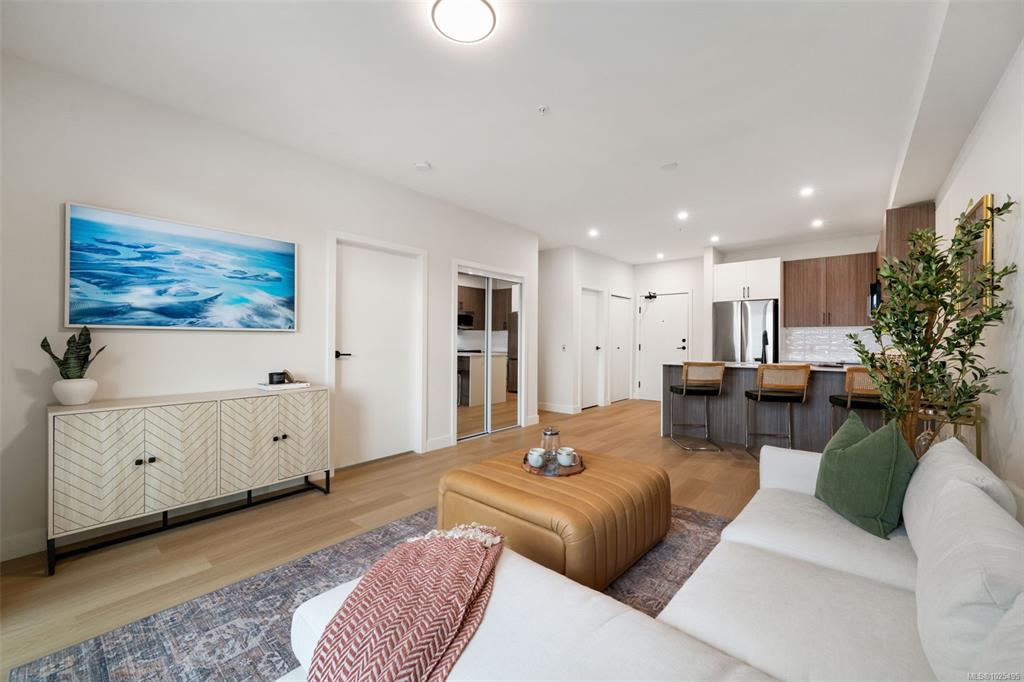
Learning how to make a small home feel more functional can change the way you live in the space. A smaller home does not always need more square footage. Often, it needs better flow, smarter storage, and clearer purpose in each room. This matters whether you are living in the home, preparing to sell, downsizing, or buying a condo, townhome, or compact detached home in Greater Victoria. A small home can feel comfortable, efficient, and calm when every part of it works with intention. Start With How You Actually Live Before buying storage bins or rearranging furniture, look at your daily habits. Ask yourself: Where does clutter usually collect? Which areas feel frustrating? What do you use every day? What furniture gets in the way? Which rooms are trying to do too much? A small home becomes harder to live in when every space has too many jobs. A dining table becomes an office, a storage area, a drop zone, and a place to eat. A bedroom becomes a closet overflow zone. A hallway becomes a holding area. The first step is not adding more. It is deciding what each space needs to do. Create Clear Zones A small home feels more functional when each area has a clear purpose. In an open-concept condo or smaller house, this may mean creating zones instead of relying on walls. For example: A rug can define the living area A small desk can create a work zone A bench and hooks can create an entry area A narrow console can separate dining from living space A shelving unit can divide a room without closing it in Clear zones help the home feel organized. They also make it easier for buyers to understand how the space works if you are preparing to sell. Choose Furniture That Fits the Room Oversized furniture is one of the fastest ways to make a small home feel cramped. A large sectional may be comfortable, but it can overwhelm a smaller living room. A bulky dining set may make everyday movement awkward. A king bed may leave little room for nightstands, storage, or walking space. Better choices often include: Apartment-sized sofas Round dining tables Storage ottomans Beds with drawers Nesting tables Wall-mounted desks Slim-profile chairs Expandable dining tables The goal is not to make the home feel empty. It is to make movement easy. If you have to squeeze around furniture every day, the layout is working against you. Use Vertical Space When floor space is limited, walls become more valuable. Vertical storage can help free up counters, closets, and corners. This is especially useful in condos, townhomes, and older homes with smaller rooms. Consider: Tall bookcases Floating shelves Wall hooks Over-the-door organizers Pegboards in utility areas High kitchen cabinets Closet systems that reach upward The key is balance. Too much wall storage can feel busy. However, thoughtful vertical storage can make a small home feel much more efficient. Improve the Entryway The entryway often sets the tone for the whole home. In a smaller home, even a tiny entrance can become more functional with the right setup. You do not need a large mudroom to create order. A practical entry area may include: Hooks for coats and bags A small bench Shoe storage A tray for keys A basket for everyday items A mirror to reflect light This keeps daily clutter from spreading into the main living space. It also helps the home feel calmer the moment you walk in. Make Storage Easier to Use Storage only works if it is easy to maintain. Deep closets, awkward cupboards, and overfilled drawers can make a home feel less functional even when there is technically enough storage. Focus on making storage simple: Group similar items together Keep daily-use items easy to reach Use clear bins or labels Add drawer dividers Use closet organizers Remove items you no longer need Keep seasonal items out of prime storage areas A smaller home should not require constant rearranging. Good storage should make daily life easier, not more complicated. Let Light Travel Through the Space Light can make a small home feel larger and more comfortable. Heavy window coverings, dark corners, and blocked sightlines can make rooms feel smaller than they are. Brighter spaces tend to feel more open, even when the square footage has not changed. Simple improvements include: Using lighter window coverings Keeping windows clear Adding floor or table lamps Using mirrors strategically Choosing lighter wall colours Avoiding overly bulky furniture near windows This is especially helpful in Greater Victoria, where winter light can be limited. A brighter home often feels more inviting throughout the year. Keep Surfaces Clear In a small home, surfaces matter. Kitchen counters, bathroom vanities, coffee tables, and desks can quickly become visual clutter zones. When every surface is full, the whole home feels tighter. A helpful rule is to keep daily-use items visible and store the rest. For example: Keep only essential appliances on the kitchen counter Use trays to group items Store paperwork in one location Keep bathroom products organized Avoid using dining tables as storage Clear surfaces make a small home feel more peaceful and more functional. Think Carefully About Multi-Use Rooms Small homes often need flexible spaces. A guest room may also work as an office. A den may become a workout space. A dining area may need to support remote work. The mistake is trying to make one room do everything at once. Instead, choose the top two uses and design around them. For example, a guest room and office can work well with: A Murphy bed A daybed A compact desk Closed storage Good lighting Minimal extra furniture When a multi-use room has clear priorities, it becomes useful instead of chaotic. Why Function Matters for Resale Function is not just about comfort. It can also affect how buyers feel during a showing. A smaller home that feels organized, bright, and easy to live in can often compete well against larger homes that feel awkward or cluttered. Buyers notice: Storage Furniture placement Natural light Flow between rooms Closet space Entryway function Kitchen usability Whether each room has a clear purpose When buyers can picture their life in the home, the space feels more valuable. This is why small-home preparation matters before listing. You are not just showing square footage. You are showing how well the home works. The Bottom Line Knowing how to make a small home feel more functional starts with intention. You do not need to fill every corner or add more furniture. In many cases, the best improvements come from simplifying, defining zones, improving storage, and making movement easier. A small home can still feel spacious, practical, and comfortable when each part of the space has a clear role. If you are buying, selling, or preparing a smaller home in Greater Victoria and want advice on how to make the space feel more functional, contact Faber Real Estate Group for local guidance before your next move. Vince R., 5-Star Review, via Google “Cal and Scott made our home selling experience very simple and easy, especially when you consider that we were in a different province and corresponding via our mobile devices. In less than 2 weeks we received and accepted an offer on our Condo. We would like to thank the both of them for listing our property and sharing all their expertise in properly listing our condo.” Faber Real Estate GroupRoyal LePage Coast Capital Realty📞 250-244-3430📧 [email protected]ℹ️ Scott Faber Personal Real Estate Corporationℹ️ Cal Faber Personal Real Estate CorporationVanessa Wood, Zachary Parsons, and Sophie Taylor“Building Lasting Relationships, One Home at a Time.”
Read more
Neighbourhood planning in Greater Victoria can have a major impact on what buyers should pay attention to before choosing a home. A property may look perfect today, but the surrounding area can change over time through new zoning, transportation improvements, density increases, commercial development, parks, schools, and infrastructure planning. Most buyers focus on the house first. That makes sense. Layout, condition, price, and location all matter. However, the smarter question is not just, “Do I like this home today?” It is also, “How could this neighbourhood change over the next five, ten, or twenty years?” What Is Neighbourhood Planning? Neighbourhood planning helps municipalities decide how areas should grow. It often connects to an Official Community Plan, zoning bylaws, housing strategies, transportation plans, and local area plans. In simple terms, these plans can influence: Where new homes may be built What types of housing may be allowed Where density may increase How streets, sidewalks, bike routes, and transit may improve Which areas may become more walkable Where new shops, services, and mixed-use buildings may appear How parks, public spaces, and community amenities may evolve For buyers, this matters because a neighbourhood is not frozen in time. The area around a home can become quieter, busier, more walkable, more urban, or more valuable depending on how planning decisions unfold. Why Buyers Should Look Beyond the Current Street A quiet street beside a major corridor may feel peaceful today. However, if the nearby road is identified for future density or transit-oriented growth, the surrounding feel could change. That does not automatically make it a bad purchase. In fact, some buyers may benefit from being near future services, shops, and improved transportation. The key is knowing what you are buying into. For example, Victoria’s long-term planning work looks at how the city will grow over the coming decades, including housing, climate, and community needs. Saanich has also updated its Official Community Plan and launched housing tools to track development activity across the municipality. Oak Bay adopted an updated Official Community Plan in late 2025 that includes policies for new townhouse, multi-unit, and mixed-use housing in strategic locations. These are not abstract policy documents. They can shape what future buyers, sellers, and homeowners experience on the ground. What Buyers Should Watch 1. Future Density Near the Property More housing choice is an important part of regional growth, but density changes can affect how a property feels. Buyers should pay attention to: Nearby lots that may allow redevelopment Transit corridors Village centres Commercial nodes Corner lots and larger parcels Areas close to schools, parks, and major amenities A single-family home near future townhomes or apartments may still be a great purchase. However, the buyer should understand how privacy, parking, traffic, sunlight, and construction activity could change over time. 2. Walkability and Mixed-Use Growth Neighbourhood planning often encourages more complete communities. That means more homes close to shops, services, parks, transit, and everyday amenities. For some buyers, this is a major advantage. A home that feels slightly less central today may become more desirable if the area gains better amenities over time. On the other hand, buyers who value quiet, low-traffic living may want to understand whether nearby commercial or mixed-use development could change the pace of the area. The best neighbourhood is not always the one with the most growth. It is the one where the future direction matches your lifestyle. 3. Transportation and Traffic Changes Road improvements, bike lanes, transit upgrades, and pedestrian infrastructure can all affect daily life. Buyers should ask: Is the area planned for improved transit? Are road changes expected? Could traffic increase near the home? Are there planned bike or pedestrian improvements? Will future growth make commuting easier or harder? A location that seems less convenient today may improve with better transportation planning. However, construction timelines and increased activity can also create short-term disruption. 4. Schools, Parks, and Community Amenities Planning changes can support new community amenities, but those amenities do not always arrive immediately. Buyers should be careful not to assume that every planned improvement will happen quickly. Municipal plans often guide long-term decisions, but timelines, funding, council priorities, and development activity can all affect what happens and when. This is especially important for families who are buying based on schools, parks, childcare, and recreation access. 5. Character Versus Change Some buyers choose areas like Oak Bay, Fairfield, Gordon Head, Cordova Bay, or parts of Saanich because of neighbourhood character. Others prefer the growth, convenience, and newer housing options found in areas like Langford, Colwood, and View Royal. Neither choice is wrong. The important part is understanding whether the area is likely to stay similar or shift over time. A character neighbourhood may still see gentle density. A suburban area may become more urban. A quiet pocket near a village centre may become more active. Good buying decisions come from matching the property, the plan, and the buyer’s comfort level with change. Why This Matters for Resale Neighbourhood planning in Greater Victoria can also affect long-term resale. Future buyers may place more value on: Walkability Transit access Nearby services Flexible housing options Proximity to employment areas Complete community design Lower car dependency At the same time, some buyers will continue to pay a premium for privacy, quiet streets, larger lots, mature landscaping, and established neighbourhood character. This is why planning context matters. It helps buyers understand not just what they are purchasing, but who may want that property in the future. What Buyers Should Do Before Writing an Offer Before making a decision, buyers should look at more than the listing details. A practical due diligence process may include: Reviewing the local Official Community Plan Checking nearby zoning and proposed zoning updates Looking at current and proposed development applications Reviewing municipal housing strategies Asking about nearby infrastructure projects Considering traffic, parking, and construction impacts Comparing the area’s current feel with its planned direction This does not mean buyers need to become planning experts. It simply means the neighbourhood deserves the same level of attention as the home itself. The Bottom Line A home is more than bedrooms, bathrooms, and square footage. It is part of a larger neighbourhood story. Neighbourhood planning in Greater Victoria can change how an area feels, how it functions, and how future buyers may value it. For some buyers, growth can create opportunity. For others, it can create concerns. The right move depends on your lifestyle, timeline, and comfort with change. Before choosing a home, take time to understand what is planned around it. The best purchase is not just the one that works today. It is the one that still makes sense as the neighbourhood evolves. If you are buying in Greater Victoria and want help understanding how neighbourhood planning could affect your decision, contact Faber Real Estate Group for local guidance before you make your next move. Scott L., 5-Star Review, via Google “Throughout the process, Cal and Scott were not only professional but also incredibly personable and supportive. They were responsive to all my questions and concerns, making the entire selling process smooth and low stress. I highly recommend the Faber Group to anyone looking to sell their home with confidence. Thank you, Cal and Scott, for your outstanding service!” Faber Real Estate GroupRoyal LePage Coast Capital Realty📞 250-244-3430📧 [email protected]ℹ️ Scott Faber Personal Real Estate Corporationℹ️ Cal Faber Personal Real Estate CorporationVanessa Wood, Zachary Parsons, and Sophie Taylor“Building Lasting Relationships, One Home at a Time.”
Read more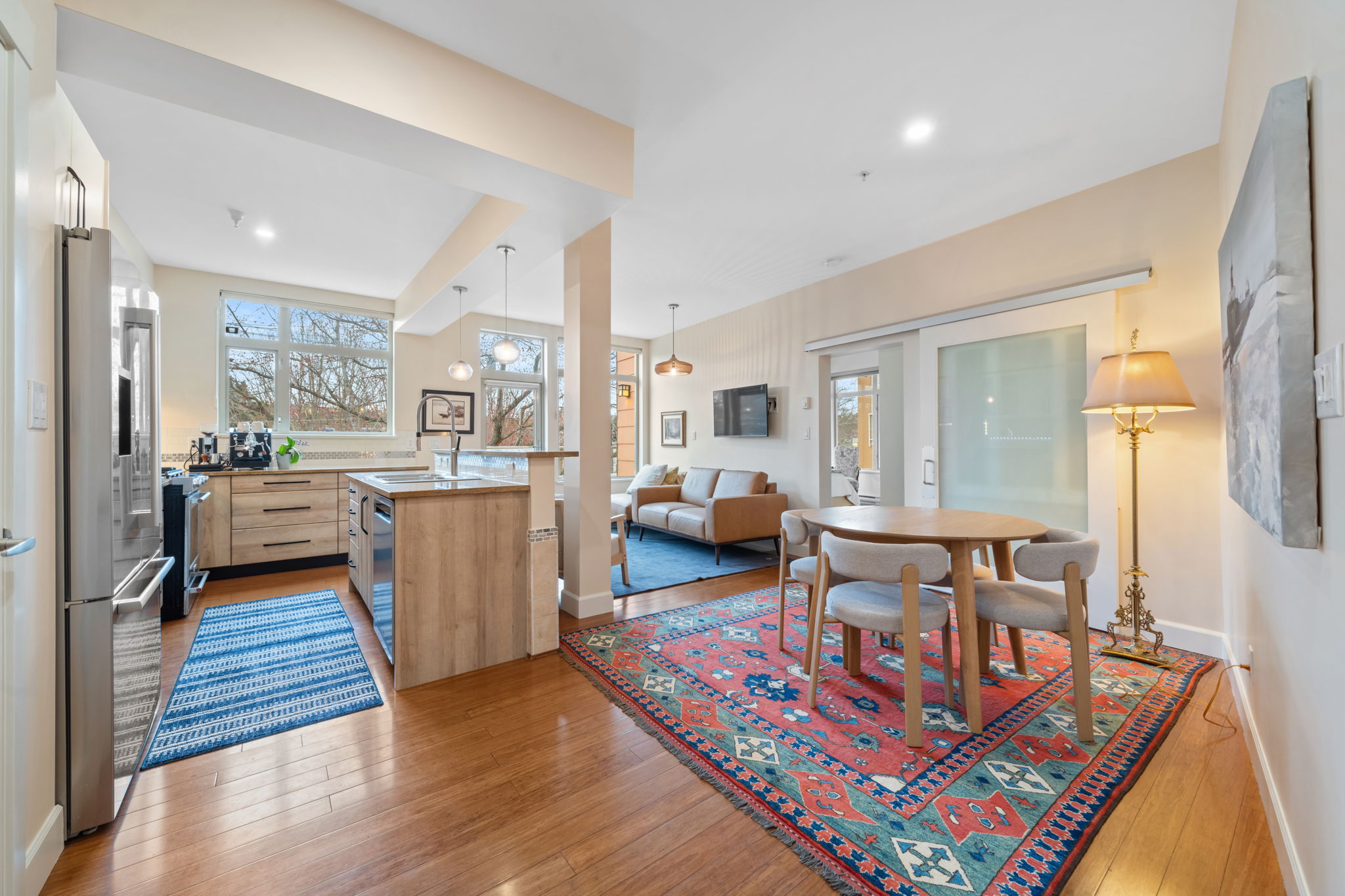
Staging vs decluttering is an important distinction for sellers preparing a home for the market. Both can help a property show better, but they serve different purposes. Decluttering removes distractions. Staging creates direction. Decluttering helps buyers see the space more clearly. Staging helps buyers understand how the space can feel, function, and support their lifestyle. A clean, organized home is a great start. However, a decluttered room can still feel empty, awkward, cold, or forgettable. Staging adds intention so each space feels useful, balanced, and easy to connect with. What Decluttering Really Does Decluttering is the process of removing excess items from a home before photos, showings, and open houses. This may include: Clearing countertops Reducing personal items Removing extra furniture Organizing closets Tidying storage areas Packing away seasonal decor Simplifying shelves and surfaces Creating cleaner sightlines The goal is to reduce visual noise. When there is too much to look at, buyers can struggle to focus on the home itself. Instead of noticing natural light, layout, storage, and room size, they may focus on personal belongings or crowded furniture. Decluttering gives the home room to breathe. What Staging Really Does Staging goes a step further. It is not only about taking things away. It is about deciding what should remain, what should be added, and how each room should be presented. Good staging helps answer key buyer questions: Where would the sofa go? Can this bedroom fit a queen bed? Is this dining area usable? Could this den work as a home office? Does the home feel bright and welcoming? Does the layout make sense? Staging helps buyers imagine how they would live in the home. It creates emotional clarity, not just visual cleanliness. Decluttering Is About Less. Staging Is About Better. This is the simplest way to understand the difference. Decluttering asks, “What should we remove?” Staging asks, “What story should this room tell?” For example, a spare room might be decluttered by removing boxes and extra furniture. But if the room is left empty, buyers may still wonder how useful it is. Staging might turn that same room into a home office, guest room, nursery, or reading space. Suddenly, buyers understand the value of the room. That is the difference. Decluttering clears space. Staging gives it purpose. Why Decluttering Alone May Not Be Enough Decluttering is helpful, but it does not always solve presentation issues. A home can be very clean and still feel: Too sparse Too dark Poorly arranged Dated Unbalanced Hard to photograph Emotionally flat For example, removing too much furniture from a living room can make it feel cold or oddly shaped. Clearing a bedroom too aggressively can make it difficult for buyers to understand scale. Empty rooms often look smaller in photos than people expect. This is where staging can make a difference. It brings structure back into the space. Why Staging Is Especially Useful in Photos Most buyers see a home online before they ever visit in person. That means photos matter. Decluttering helps photos look cleaner. Staging helps photos feel more compelling. A staged room can guide the eye, highlight natural light, show scale, and create a stronger first impression. In a competitive listing environment, that first impression can influence whether a buyer decides to book a showing. This does not mean every home needs full professional staging. Sometimes light styling, furniture rearrangement, fresh linens, improved lighting, and small decor changes can make a major difference. When Decluttering Is the Priority Some homes do not need much staging. They simply need to be edited. Decluttering may be the main priority when: The home is already well furnished Rooms have clear purpose Furniture fits the space Decor is neutral and current The layout photographs well Storage areas are tidy The home already feels warm and inviting In these cases, the best move may be to remove distractions and let the home speak for itself. A good listing preparation plan does not add work for the sake of it. It focuses on what will actually improve the buyer experience. When Staging Becomes More Important Staging becomes more important when buyers may struggle to understand the home. This can happen when: The home is vacant Rooms are unusually shaped Furniture is too large or too small The layout feels unclear The home feels dark The decor is very personal Rooms lack a clear purpose The property needs stronger emotional appeal Staging can also help when the target buyer is different from the current owner. For example, a family home, downsizer-friendly condo, or investment property may need to be presented in a way that matches the most likely buyer profile. Staging Does Not Have to Mean Overdecorating One common misconception is that staging makes a home feel fake or overly styled. Good staging should do the opposite. The best staging feels natural, simple, and supportive. It should help buyers notice the home, not the furniture. The goal is not to create a magazine spread. The goal is to make the property feel clear, comfortable, and easy to understand. A well-staged home often feels: Bright Balanced Functional Calm Warm Spacious Easy to move through That feeling matters because buying a home is both practical and emotional. Small Staging Adjustments Can Have a Big Effect Staging does not always require renting furniture or redesigning the entire home. Sometimes the most effective changes are simple: Repositioning furniture Removing heavy window coverings Adding brighter bulbs Updating bedding Using fresh towels Simplifying artwork Adding a mirror Creating a clear office area Improving patio furniture placement Setting up a small dining space These details help buyers understand how each area can be used. In Greater Victoria, outdoor spaces also deserve attention. A clean patio with a small seating area can help buyers see lifestyle value, even if the space is modest. How Sellers Should Think About Both The strongest listing preparation often uses both decluttering and staging. A good process usually looks like this: First, declutter to remove distractions Then, clean and repair obvious issues Next, assess layout and furniture placement Then, stage or style key areas Finally, prepare the home for photos and showings Decluttering creates the foundation. Staging creates the impression. Together, they help buyers focus on the best parts of the property. Final Thoughts Staging vs decluttering is not about choosing one or the other. It is about understanding what each one does. Decluttering helps buyers see the home clearly. Staging helps them understand how it lives. One removes distraction. The other creates connection. For sellers, the right approach depends on the property, the target buyer, and the condition of the home. Some homes only need a thoughtful edit. Others need more strategic presentation to help buyers see the full potential. If you are preparing to sell in Greater Victoria and want advice on what your home needs before listing, contact Faber Real Estate Group for practical guidance and a clear preparation plan. Faber Real Estate GroupRoyal LePage Coast Capital Realty📞 250-244-3430📧 [email protected]ℹ️ Scott Faber Personal Real Estate Corporationℹ️ Cal Faber Personal Real Estate CorporationVanessa Wood, Zachary Parsons, and Sophie Taylor“Building Lasting Relationships, One Home at a Time.”
Read more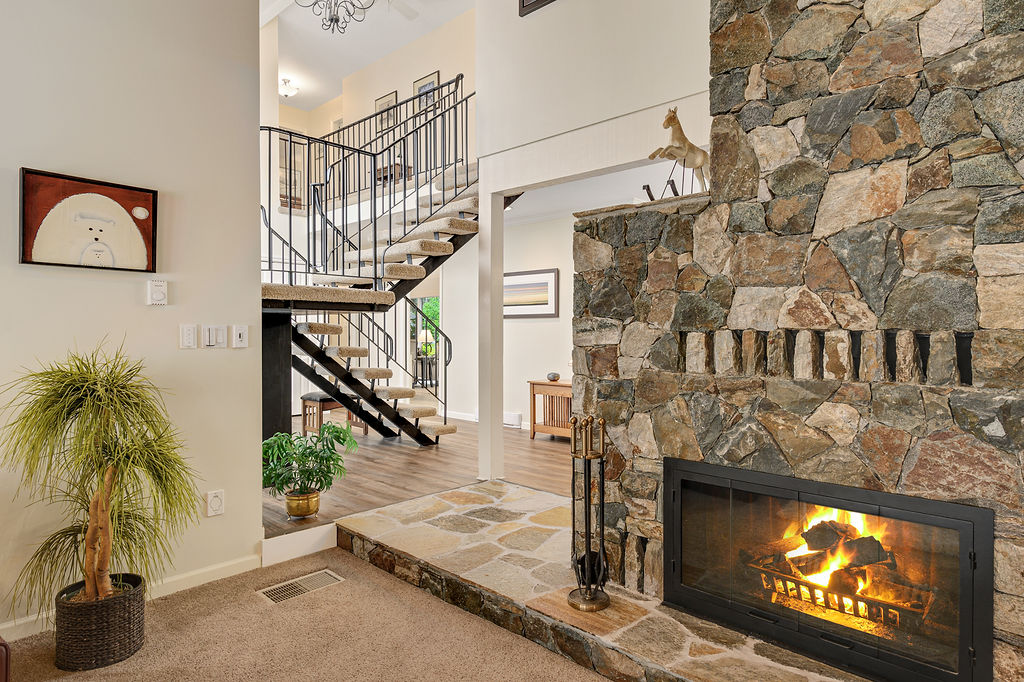
Comparable sales in real estate are one of the most common tools used to estimate value. Buyers use them to decide what to offer. Sellers use them to decide how to price. Appraisers, lenders, and REALTORS® also rely on them to understand what similar homes have recently sold for. However, comparable sales in real estate can also be misleading when they are used too quickly or without enough context. A sold price tells you what one buyer was willing to pay for one property at one moment in time. It does not automatically tell you what your home is worth, what another buyer should offer, or how today’s market will respond to a new listing. That is where the real analysis begins. Not Every Similar Home Is Truly Comparable At first glance, two homes may seem almost identical. They may be in the same neighbourhood, have similar square footage, and offer the same number of bedrooms. But small differences can create very different values. Important differences may include: Lot size and usable yard space Sun exposure and privacy Renovation quality Deferred maintenance Layout and flow Suite potential Parking Street noise Views Strata condition Age of major systems Proximity to schools, parks, or busy roads A home on a quiet cul-de-sac may sell differently than a similar home on a busier street. A renovated kitchen may help, but if the roof, perimeter drains, or windows need attention, buyers may still discount the price. The details matter because buyers do not purchase square footage alone. They buy the full experience of the property. Sold Prices Reflect the Market Conditions at That Time Comparable sales are historical data. That means they are useful, but they are always looking backward. A sale from three months ago may not reflect today’s buyer activity, inventory levels, interest rate environment, or local competition. In a fast-moving market, even a sale from a few weeks ago can lose some relevance. This matters for both buyers and sellers. For sellers, relying too heavily on older high sales can lead to overpricing. For buyers, relying too heavily on older lower sales can lead to offers that do not compete. The better question is not simply, “What did similar homes sell for?” It is, “What has changed since those homes sold?” Condition Can Change the Entire Conversation Condition is one of the biggest reasons comparable sales can mislead people. Two homes may look similar online, but one may be move-in ready while the other needs major updates. Photos can hide a lot. A home may photograph beautifully but still have concerns with moisture, electrical, plumbing, roofing, windows, or overall maintenance. On the other hand, a home that looks dated may be extremely well cared for and structurally strong. This is why condition needs to be reviewed carefully, not assumed from listing photos. Buyers should avoid thinking, “That home sold for less, so this one should too,” without asking why. Sellers should avoid thinking, “My neighbour got that price, so I should too,” without comparing condition honestly. The Best Comparable May Not Be the Closest One Many people assume the best comparable sale is the one closest to the property. Sometimes it is. But proximity alone does not make a sale useful. In Greater Victoria, small location differences can change buyer demand quickly. A few blocks can affect walkability, school catchments, views, noise, lot usability, and overall appeal. A better comparable might be farther away but more similar in style, size, condition, and buyer profile. For example, a well-maintained 1970s family home in one part of Saanich may compare better with a similar home in another nearby pocket than with a brand-new build down the street. The goal is not to find the nearest sale. The goal is to find the most relevant sale. List Price and Sold Price Tell Different Stories A sold price matters, but the story behind it matters too. A home may sell over asking because it was intentionally priced low to attract multiple offers. Another home may sell under asking because it started too high and sat on the market. A third home may sell quickly at full price because it was priced accurately from the start. Without context, the numbers can create the wrong impression. Buyers may think every home is overpriced because they see price reductions. Sellers may think every home should attract competing offers because they saw one sale go over asking. Both can be wrong. The better analysis looks at: Original list price Final list price Sold price Days on market Price reductions Number of competing listings Property condition Buyer activity Offer terms The price is only one part of the story. Unique Properties Are Harder to Compare Some homes are easier to price than others. A standard condo in a large building with several recent sales may have clear comparable data. A custom home, acreage, waterfront property, view property, character home, or rural property is much harder to compare. Unique properties require more interpretation because there may not be a perfect match. In these cases, value often depends on buyer depth. How many buyers are looking for that specific type of property? How often do similar homes become available? How much are buyers willing to pay for rare features? This is why unusual homes need a more careful pricing strategy. The wrong comparable can create the wrong expectation. Buyers Can Use Comparables Too Aggressively Buyers sometimes use comparable sales as a negotiation weapon. They may find the lowest recent sale and treat it as the only number that matters. But if that sale had poor condition, an awkward layout, a motivated seller, or a less desirable location, it may not support a lower offer on a better property. A strong buyer strategy is not about forcing every home to fit the cheapest comparable. It is about understanding fair value, then deciding what the property is worth to you based on condition, competition, and long-term fit. The best buyers stay disciplined without ignoring context. Sellers Can Use Comparables Too Optimistically Sellers can make the opposite mistake. They may focus on the highest sale in the area and assume their home should match or exceed it. But the highest sale may have had better renovations, better timing, stronger presentation, a larger lot, or more motivated buyers. This can lead to a pricing problem. When a home starts too high, it can lose early momentum. Buyers may compare it to better-priced alternatives and move on. Over time, the listing may need a price adjustment, and the final result may be weaker than if it had launched with a sharper strategy. A good pricing conversation should include both the best-case sale and the realistic competition. Active Listings Matter Too Comparable sales show what has already happened. Active listings show what buyers can choose from right now. This is especially important in a market where buyers have more selection. A seller may feel confident because a similar home sold well last month, but if several competing homes are now available, buyers may have more leverage. For buyers, active listings help explain why one home may still attract strong interest. If the property is the best option in its price range, older comparable sales may not fully capture current demand. Pricing should consider both past sales and present competition. The Most Useful Comparables Need Adjustment A comparable sale is rarely perfect. That is why adjustments matter. A REALTOR® may look at a comparable and adjust for differences such as: Larger or smaller lot Better or worse condition Renovations Basement suite Garage or parking View Location Strata fees Building condition Outdoor space Timing of the sale The goal is not to make the numbers look exact. The goal is to understand the range of reasonable value. Real estate pricing is part data, part interpretation, and part buyer psychology. What Buyers Should Ask Before relying on a comparable sale, buyers should ask: How similar is the property really? Was the condition better or worse? Did it sell in a different market environment? Was it priced low to create competition? How many similar homes are available now? Would today’s buyers view this home as better or worse? These questions help buyers avoid overpaying or losing a good property because they relied on the wrong sale. What Sellers Should Ask Before using a comparable to set a price, sellers should ask: Is my home honestly in similar condition? Does my home have the same buyer appeal? Was the other sale an outlier? What competition will buyers compare us against? Are we pricing for attention or testing the market? What happens if we do not receive strong activity in the first two weeks? These questions help sellers build a pricing strategy instead of chasing a number. Final Thoughts Comparable sales in real estate are useful, but they are not automatic answers. They need context, adjustment, and honest interpretation. For buyers, comparables can help you understand value and avoid emotional overpaying. For sellers, they can help you price with confidence and avoid unrealistic expectations. But in both cases, the best results come from looking beyond the sold price and understanding the full story behind the sale. If you are buying or selling in Greater Victoria and want help understanding what comparable sales really mean for your next move, contact Faber Real Estate Group for clear, local advice. Tatiana S., 5-Star Review, via Google “Absolutely phenomenal service from start to finish! Scott took the time to really get to know us and understand our likes and dislikes, what were dealbreakers and what really sold us in finding our perfect first home! Being first time homebuyers, he was extremely patient with all of our questions and very thorough when it came down to the finer details. Without a doubt, I would recommend him to everyone!” Faber Real Estate GroupRoyal LePage Coast Capital Realty📞 250-244-3430📧 [email protected]ℹ️ Scott Faber Personal Real Estate Corporationℹ️ Cal Faber Personal Real Estate CorporationVanessa Wood, Zachary Parsons, and Sophie Taylor “Building Lasting Relationships, One Home at a Time.”
Read more
Spring in Greater Victoria has a way of changing what buyers notice. The longer days, blooming gardens, and brighter natural light all bring certain features to the front. This year, Greater Victoria home trends are less about flashy upgrades and more about comfort, function, and spaces that make everyday life feel easier. Buyers are still paying attention to finishes, layout, and location. However, many are also looking closely at how a home supports real life. They want useful storage, flexible rooms, outdoor space, efficient systems, and homes that feel calm rather than overdone. Outdoor Living Is Still a Major Selling Feature In Greater Victoria, outdoor space carries real emotional weight. A patio, balcony, deck, garden, or sunny sitting area can help a home feel larger and more livable. Buyers are not always looking for a huge yard. In many cases, they want outdoor space that feels easy to use and simple to maintain. Some of the outdoor features buyers are noticing this spring include: Private patios or decks South-facing outdoor areas Low-maintenance landscaping Space for a BBQ or outdoor dining Raised garden beds Fenced yards for pets or children Covered areas that work in more than one season The key is usability. A small, well-planned patio can often feel more valuable than a large yard that looks like a lot of work. Flexible Rooms Are More Important Than Formal Rooms Many buyers are thinking beyond traditional layouts. A formal dining room may still appeal to some people, but flexible space often gets more attention now. Buyers want rooms that can change with their lifestyle. A den, spare bedroom, finished lower level, or loft area can serve different needs over time. A flexible space may work as: A home office A guest room A workout area A nursery A media room A hobby space Storage for seasonal items This trend is especially noticeable with first-time buyers, families, downsizers, and people who work from home part-time. The more adaptable a home feels, the easier it is for buyers to imagine staying there longer. Natural Light Is a Quiet Deal-Maker Spring makes natural light hard to ignore. Buyers often respond quickly to homes that feel bright, warm, and open. Large windows, skylights, light paint colours, and clean window coverings can all help a home feel more inviting. This does not mean every home needs to be fully renovated. Sometimes simple changes make the biggest difference. Cleaning windows, trimming overgrown landscaping, replacing heavy curtains, and using softer interior colours can help light move through the space more naturally. A bright home often feels better before a buyer can explain why. Low-Maintenance Living Is Gaining Appeal More buyers are paying attention to the work a home will require after possession. This is especially true for busy professionals, downsizers, and buyers moving from condos into detached homes. They may love the idea of more space, but they are also thinking carefully about upkeep. Low-maintenance features that can stand out include: Updated windows Durable flooring Clean exterior siding Simple landscaping Newer roofing Efficient heating and cooling Well-organized storage Updated appliances A home does not need to be brand new to feel low-maintenance. It simply needs to feel cared for, practical, and easy to manage. Warm, Natural Finishes Are Replacing Cold Minimalism Buyers are still drawn to clean design, but overly cold spaces can feel less inviting. In many Greater Victoria homes, warmer finishes are becoming more appealing. Wood tones, soft neutrals, textured fabrics, natural stone, and layered lighting can make a space feel comfortable without feeling dated. The current look is less about perfection and more about livability. Think: Soft white or warm neutral walls Natural wood accents Matte finishes Simple cabinetry Comfortable lighting Calm, uncluttered rooms Organic materials where possible This works especially well in Victoria, where homes often blend indoor comfort with West Coast surroundings. Energy Efficiency Is Becoming Part of the Conversation Energy efficiency is no longer only a bonus feature. More buyers are asking practical questions about comfort and operating costs. They may want to know about heating systems, insulation, windows, hot water tanks, heat pumps, and utility bills. Even if a buyer does not lead with energy efficiency, it can influence how confident they feel about the home. Features that may help include: Heat pumps Updated insulation Energy-efficient windows Smart thermostats Modern appliances Electric vehicle charging Well-maintained heating systems For sellers, this means documentation matters. If you have completed upgrades, keeping receipts, permits, manuals, and warranty information organized can help buyers understand the value. Storage Is Getting More Attention Storage is one of those features buyers notice quickly when it is missing. In condos, townhomes, and character homes, smart storage can make a major difference. Buyers want places for bikes, paddleboards, tools, holiday decor, sports equipment, pantry items, and everyday clutter. Helpful storage features include: Built-in shelving Garage storage Pantry space Mudrooms Organized closets Crawlspace storage Bike rooms or secure lockers Laundry room cabinetry A home that feels organized often feels larger, even if the square footage has not changed. Buyers Are Looking for Homes That Feel Ready, Not Perfect One of the clearest Greater Victoria home trends this spring is the shift toward practical readiness. Buyers do not necessarily expect every home to be fully renovated. However, they are paying close attention to whether the home feels clean, maintained, and easy to move into. Before listing, sellers should focus on the details that shape first impressions: Fresh paint where needed Clean windows Tidy landscaping Repaired trim or doors Updated light bulbs Decluttered rooms Clean patios, decks, and balconies Clear maintenance records Small improvements can help buyers focus on the home instead of the to-do list. What This Means for Sellers For sellers, spring is a good time to think about how your home feels, not just how it looks. A buyer may forget the exact countertop material, but they will remember how the kitchen felt in the morning light. They may not need a perfect backyard, but they will notice whether the outdoor space feels peaceful and usable. The best preparation often comes down to three questions: Does the home feel bright? Does it feel easy to live in? Does it feel well cared for? If the answer is yes, buyers are more likely to connect with the property. What This Means for Buyers For buyers, trends can be helpful, but they should not replace good judgment. A stylish home is appealing, but function matters more over time. Before getting caught up in finishes, look closely at layout, storage, maintenance, natural light, outdoor space, and long-term usability. The best home is not always the trendiest one. It is the one that fits your life now and gives you room to grow. Final Thoughts Spring home trends in Greater Victoria are pointing toward comfort, flexibility, outdoor living, and lower-maintenance ownership. Buyers are looking for homes that feel calm, practical, and ready for real life. For sellers, that means preparation should focus on clarity, cleanliness, light, and livability. For buyers, it means looking beyond surface finishes and thinking carefully about how a home will support your day-to-day life. If you are preparing to buy or sell this spring, contact Faber Real Estate Group for local guidance, practical advice, and a clear plan for your next move. Courtenay C., 5-Star Review, via Google “Scott and the team are exceptional to work with! They are knowledgeable, professional, and go above and beyond for their clients :) Scott made our move easy all around. Highly recommend!” Faber Real Estate GroupRoyal LePage Coast Capital Realty📞 250-244-3430📧 [email protected]ℹ️ Scott Faber Personal Real Estate Corporationℹ️ Cal Faber Personal Real Estate CorporationVanessa Wood, Zachary Parsons, and Sophie Taylor “Building Lasting Relationships, One Home at a Time.”
Read more
Trying to sell a home with unpermitted work can feel uncomfortable, especially if the renovation was completed years ago or by a previous owner. In many cases, sellers are not trying to hide anything. They simply discover during the listing process that a finished basement, bathroom, deck, suite, wall removal, or electrical upgrade may not have the proper permits. The good news is that unpermitted work does not automatically mean a home cannot be sold. However, it does mean the sale needs to be handled carefully, honestly, and strategically. What Is Unpermitted Work? Unpermitted work refers to renovations, additions, or alterations that may have required approval from the local municipality but were completed without the proper permit. Common examples include: Basement finishing Secondary suites Bathroom additions Decks or additions Structural wall changes Electrical or plumbing upgrades Garage conversions Enclosed patios Major kitchen renovations involving plumbing, gas, or electrical changes Not every improvement requires a permit. Painting, flooring, cabinets, counters, and many cosmetic updates usually do not create the same concern. The issue usually comes up when work affects safety, structure, plumbing, electrical systems, occupancy, zoning, or insurance. Why Unpermitted Work Matters to Buyers Buyers care about unpermitted work because it creates uncertainty. Even if the renovation looks good, buyers may wonder whether the work was completed safely, whether it meets current standards, and whether the municipality could require changes later. It can also affect: Financing confidence Insurance questions Appraisal concerns Buyer due diligence Renovation plans after completion Future resale value A buyer may still proceed, but they will usually want more information. The more prepared the seller is, the easier it becomes to keep the conversation calm and practical. Disclosure Matters In BC, sellers have duties around disclosure, especially when an issue may qualify as a material latent defect. BCFSA explains that a material latent defect is a defect that cannot be discovered through a reasonable inspection and may make the property dangerous, unfit for habitation, or unfit for the buyer’s intended purpose. BCFSA also states that once a real estate professional becomes aware of a material latent defect that must be disclosed, it must be disclosed in writing before an agreement to purchase is entered into. This does not mean every permit issue is automatically a material latent defect. However, it does mean sellers should avoid guessing, minimizing, or hiding known issues. When in doubt, it is best to get proper advice before listing. Step One: Find Out What Exists on Record Before going to market, sellers should try to understand what permits exist. This may involve checking municipal records or asking the local municipality about the property history. BCREA notes that best practice is to pull building permits before listing so any work completed without required permits is known and can be addressed properly. This step can help answer key questions: Was the work actually unpermitted? Was a permit opened but never closed? Was final inspection completed? Does the municipality show approved plans? Is there a record of the suite, deck, addition, or renovation? Could the work be legalized retroactively? Sometimes sellers assume there is a problem when there is not. Other times, permit history reveals issues that should be addressed before buyers find them during due diligence. Step Two: Decide Whether to Fix, Permit, or Disclose Once the facts are clearer, sellers usually have three broad options. Option 1: Legalize the Work Before Listing This may involve hiring qualified professionals, applying for retroactive permits, opening walls or ceilings for inspection, upgrading work to current code, or correcting deficiencies. This can be the strongest option when the work affects safety, structure, electrical, plumbing, or a secondary suite. It may reduce buyer hesitation and support a cleaner sale. However, it can also take time and money. In some cases, legalizing older work may require more upgrades than expected. Option 2: Sell As-Is With Clear Disclosure Some sellers choose to disclose the unpermitted work and let buyers decide whether they are comfortable proceeding. This may make sense if: The work is minor The seller does not have time to complete repairs The cost to legalize is too high The property is being sold for land value, redevelopment, or renovation potential Buyers in that segment are likely to renovate anyway The key is clarity. Buyers do not need every answer, but they do need honest information. Option 3: Adjust the Pricing Strategy Unpermitted work can affect perceived value. If buyers see risk, they may factor that risk into their offer. This does not always mean a major price reduction. It means the pricing strategy should reflect the property as it actually exists, not as it might appear in photos. For example, an unauthorized suite may look like a strong income feature. However, if it is not legal or permitted, it should be marketed carefully and priced with that reality in mind. Be Careful With Marketing Language This is one of the biggest mistakes sellers can make. If a basement suite is not legal, it should not be marketed as though it is a fully authorized suite. If finished space was completed without permits, the listing should avoid language that overstates certainty. A better approach is to be accurate and measured. For example: “Lower-level accommodation” “Additional finished space” “Buyer to verify intended use with the municipality” “Permit history available upon request” “Seller discloses that certain improvements may have been completed without permits” The goal is not to scare buyers away. The goal is to avoid creating confusion or liability. What Buyers May Ask For When unpermitted work is disclosed, buyers may respond in several ways. They may ask for: Permit records Contractor invoices Inspection reports Electrical or plumbing review Engineering letters Price adjustment Seller repairs before completion Holdbacks Longer subject conditions Confirmation from the municipality Insurance review Not every request is reasonable, but sellers should be prepared. A strong listing strategy anticipates these questions before the first offer arrives. Should You Get a Pre-Listing Inspection? A pre-listing inspection can be helpful, especially if the home has older renovations or if the seller is unsure what buyers may flag. It can help identify visible concerns before the home goes live. It may also give the seller time to fix smaller issues so buyers do not assume every imperfection is connected to the unpermitted work. However, a home inspection does not replace permits, engineering review, or municipal approval. It is one tool, not a full solution. How Unpermitted Work Can Affect Negotiations Unpermitted work changes the negotiation from emotion to risk. A buyer may love the home but worry about what they are inheriting. A seller may feel the work has added value, while the buyer may see future cost. This is where preparation matters. Sellers who can provide clear records, contractor details, inspection reports, and accurate disclosure are usually in a stronger position than sellers who say, “We do not know.” The less uncertainty a buyer feels, the less likely they are to use the issue as leverage. The Best Strategy Is Honesty Before Pressure Unpermitted work becomes more stressful when it is discovered late. If a buyer uncovers it after writing an offer, it can create distrust. If they discover it after inspection, they may renegotiate aggressively. If it comes out near subject removal, the deal may fall apart. When the issue is handled early, the seller controls more of the conversation. A clear plan may include: Reviewing municipal permit history before listing Speaking with qualified trades if needed Confirming whether work can be legalized Preparing written disclosure Pricing with the issue in mind Using careful listing language Keeping supporting documents ready for buyers Final Thoughts You can sell a home with unpermitted work, but it should not be treated like a small detail. The right strategy depends on the type of work, the condition of the home, the municipality, the buyer pool, and how the issue affects safety, use, insurance, or future resale. For some sellers, the best move is to correct the issue before listing. For others, clear disclosure and smart pricing may be enough. Either way, the goal is the same: reduce surprises, protect the sale, and help buyers make an informed decision. If you are preparing to sell a home with unpermitted work in Greater Victoria, contact Faber Real Estate Group for guidance on disclosure, pricing, and the best listing strategy for your situation. Gerry L., 5-Star Review, via Google “It was a true pleasure working with Cal. We could not have asked more from Cal in how he looked after us from showing to closing. He made the whole process as easy as possible for us, and it was obvious that he cares about his clients and looking after them. The communication from both Cal and Scott was clear, fast and professional. We would absolutely recommend the Faber Real Estate Group!” Faber Real Estate GroupRoyal LePage Coast Capital Realty📞 250-244-3430📧 [email protected]ℹ️ Scott Faber Personal Real Estate Corporationℹ️ Cal Faber Personal Real Estate CorporationVanessa Wood, Zachary Parsons, and Sophie Taylor“Building Lasting Relationships, One Home at a Time.”
Read more
Moving from Vancouver to Victoria often starts as a lifestyle decision, but it quickly becomes a real estate decision. Buyers may come for the slower pace, ocean access, shorter commutes, and community feel, yet the first few home tours usually reveal a more practical truth: Victoria is not simply a smaller version of Vancouver. The housing stock feels different. The neighbourhoods behave differently. The pace is calmer in some ways, but the market still rewards buyers who understand value, location, and timing. The Pace Feels Different One of the first things Vancouver buyers notice is the pace of daily life. Victoria still has traffic, busy corridors, and competitive neighbourhoods, but the rhythm feels more manageable. For many buyers, this is the emotional draw. The idea of reclaiming time matters. A shorter commute, easier access to parks, and the ability to cross town without planning your entire day around traffic can change how a home feels. However, slower does not mean simple. Victoria has many small micro-markets. A home in Fairfield, Oak Bay, Saanich, Langford, Sidney, or View Royal may attract a very different buyer pool. That is why local context matters so much when comparing options. Detached Homes May Feel More Within Reach Many buyers moving from Vancouver to Victoria notice the price difference first. Victoria is still an expensive market, but compared with Metro Vancouver, some buyers find more realistic detached, townhome, or larger condo options. For example, Greater Vancouver REALTORS® reported a March 2026 detached benchmark price of $1,854,800, while the Victoria Real Estate Board reported an April 2026 Victoria Core single family benchmark value of $1,339,100. Condo values also differ, with Metro Vancouver apartments at $706,700 in March 2026 compared with Victoria Core condominiums at $558,300 in April 2026. That difference does not mean every Victoria home is a deal. Instead, it means buyers may have different tradeoffs. Some can shift from a condo search to a townhome search. Others can move from a busy urban setting to a quieter residential street. The key is understanding what the price difference actually buys. The Homes Often Have More Character Victoria’s housing stock can feel very different from Vancouver’s. Buyers often notice older homes, unique layouts, mature gardens, smaller character properties, and neighbourhoods with a less uniform feel. That can be a strength, but it also requires a careful eye. Character homes may come with older plumbing, electrical updates, oil tanks, perimeter drain considerations, or renovation history that needs proper review. For buyers used to newer condo towers or denser urban development, Victoria homes may feel warmer and more personal. They may also require more due diligence. Neighbourhood Choice Matters More Than Expected Vancouver buyers often arrive with a clear idea of price and property type. Then they start touring and realize lifestyle can matter just as much as square footage. A buyer looking for walkability may prefer Fairfield, James Bay, Fernwood, Oak Bay, or parts of Saanich. A buyer focused on space and newer construction may look closer at Langford, Colwood, View Royal, or Sooke. A buyer planning for retirement or a quieter coastal lifestyle may consider Sidney, North Saanich, or Central Saanich. Victoria rewards buyers who compare neighbourhoods by lifestyle, not just price. The right area depends on how you want to live day to day. Condos and Strata Documents Need Attention Many Vancouver buyers already understand strata living, but Victoria’s condo and townhome market still needs careful review. Strata fees, depreciation reports, insurance, bylaws, rental rules, pet rules, parking, storage, and upcoming projects can affect long-term value. This is especially important for buyers moving from a larger city who may assume all strata buildings operate in a similar way. They do not. A well-run strata can offer comfort and predictability. A poorly planned one can create stress, special levies, and resale challenges. The Market Can Feel Balanced, But Local Conditions Still Vary Victoria’s spring 2026 market has offered buyers more choice. VREB reported 3,710 active listings at the end of April 2026, up 8.3% from April 2025, while describing the overall market as balanced. That balance gives buyers room to think, compare, and complete due diligence. Still, strong properties in desirable areas can move quickly. Buyers should not assume more inventory means every seller will negotiate heavily. The better approach is to understand each listing on its own terms: price, condition, location, competition, days on market, and seller motivation. The Lifestyle Shift Is Real For many buyers, moving from Vancouver to Victoria is not just about the home. It is about weekends, work-life balance, outdoor access, and a different relationship with the city. Victoria offers oceanfront walks, established neighbourhoods, local shops, cycling routes, parks, beaches, marinas, schools, and community hubs within a relatively compact region. That can make daily life feel more connected. The tradeoff is that Victoria is still a smaller city. Buyers should think carefully about employment, ferry travel, airport access, specialized amenities, and family logistics before choosing a neighbourhood. What Buyers Should Do Before Making the Move Before moving from Vancouver to Victoria, buyers should spend time comparing areas in person. Online research helps, but it cannot replace walking the neighbourhood, driving the commute, visiting local shops, and seeing how different areas feel at different times of day. A smart plan includes: Comparing lifestyle first, then price Reviewing local market data by area and property type Understanding strata documents before removing conditions Budgeting for moving costs, property transfer tax, insurance, and maintenance Working with a local real estate team that understands Greater Victoria’s micro-markets Moving from Vancouver to Victoria can be an excellent step, but the best decisions come from clarity. When buyers understand the differences early, they can move with more confidence and fewer surprises. For guidance on neighbourhoods, property types, and what your Vancouver budget may look like in Greater Victoria, contact Faber Real Estate Group for advice before you start your search. Darlene S., 5-Star Review, via Google “Great team! Scott and Cal were extremely helpful in navigating a difficult sale. Their knowledge and strategies brought a quick offer to the table. I truly appreciated their on-going communications and generosity. Have already recommended them to friends and neighbours.” Faber Real Estate GroupRoyal LePage Coast Capital Realty📞 250-244-3430📧 [email protected]ℹ️ Scott Faber Personal Real Estate Corporationℹ️ Cal Faber Personal Real Estate CorporationVanessa Wood, Zachary Parsons, and Sophie Taylor “Building Lasting Relationships, One Home at a Time.”
Read more
Home maintenance vs modern finishes is one of the most important things buyers should understand before choosing a property. A home with new countertops, fresh paint, and updated lighting can make a great first impression. However, if the roof, drainage, heating system, windows, plumbing, or structure have been ignored, the home may come with bigger costs than buyers expect. Modern finishes can make a home feel newer. Good maintenance can make a home perform better. That difference matters. Finishes Are Easy to See Most buyers notice finishes first. They see: Quartz countertops New flooring Updated cabinets Fresh paint Modern light fixtures Stylish tile Stainless steel appliances Staged furniture These details shape the emotional reaction. They help buyers picture themselves living in the home, and they can make a property feel more move-in ready. That matters, especially when buyers are comparing several homes in a short period of time. However, finishes are only one layer of the home. Maintenance Tells a Deeper Story Maintenance shows how the property has been cared for over time. A well-maintained home may not always look trendy, but it often gives buyers more confidence. It suggests the owner has paid attention to the systems that protect the home and support everyday living. Important maintenance items may include: Roof age and condition Gutters and drainage Perimeter drains Foundation condition Attic ventilation Electrical system Plumbing updates Heating and cooling systems Windows and exterior envelope Siding, decks, and railings Crawlspace or basement condition Chimneys, fireplaces, and wood stoves These features are less exciting than a new kitchen, but they can have a much larger financial impact. A Stylish Home Can Still Have Expensive Problems One of the biggest mistakes buyers make is assuming a home is in good condition because it looks updated. A renovated kitchen does not tell you whether the attic has moisture issues. New floors do not confirm that the perimeter drains are functioning. Fresh paint does not prove the electrical system is current. In some cases, cosmetic updates may even distract buyers from deferred maintenance. That is why buyers should look beyond what feels new and ask what has actually been maintained, repaired, or replaced. Maintenance Can Affect Your True Cost of Ownership The purchase price is only one part of the cost of owning a home. If major maintenance items are coming due, buyers may need to budget for large expenses after possession. For example: A roof replacement can be a major cost Drainage problems can lead to water damage Older windows may affect comfort and efficiency Aging heating systems may need replacement Poor exterior maintenance can lead to rot or envelope issues Outdated electrical or plumbing can limit renovation plans A home with dated finishes but strong maintenance may be less stressful than a home that looks beautiful but needs expensive system work. Buyers Should Ask Better Questions When viewing a home, buyers should look past the surface and ask questions that reveal the property’s condition. Helpful questions include: How old is the roof? Have the perimeter drains been serviced or replaced? What type of heating system does the home have? Has the electrical been updated? Are there records for major repairs? Have windows, siding, or decks been replaced? Are there signs of moisture, rot, or settlement? Has regular maintenance been documented? These questions help buyers understand whether the home has been cared for properly. They also help separate cosmetic appeal from long-term value. Home Inspections Matter A home inspection can help buyers identify visible issues and better understand the condition of the property. An inspection does not guarantee there are no problems. However, it can help buyers make a more informed decision, plan for future costs, and decide whether the home still fits their comfort level. For older homes in Greater Victoria, this can be especially important. Many properties have been renovated over time, and not all updates are equal. Some homes have a strong mix of character, thoughtful upgrades, and proper maintenance. Others may have cosmetic improvements layered over older systems. The difference is not always obvious during a showing. Sellers Should Not Ignore Maintenance Before Listing For sellers, modern finishes can help attract attention online, but maintenance builds confidence during the buying process. A buyer may fall in love with the photos, but the deal can become fragile if the inspection reveals preventable issues. Before listing, sellers should consider addressing obvious maintenance concerns such as: Cleaning gutters Servicing the furnace or heat pump Repairing leaks Replacing damaged caulking Fixing loose railings Addressing exterior rot Trimming vegetation away from the home Organizing receipts and service records Completing small repairs that signal care These steps may not look dramatic in photos, but they can reduce buyer hesitation. Maintenance Records Can Build Trust Documentation matters. If a seller can show receipts, permits, warranties, service records, and maintenance history, buyers often feel more comfortable. It shows the home has been cared for and helps reduce uncertainty. This can be especially useful when a home is older or has had major updates over time. Buyers do not expect every home to be perfect. However, they do want clarity. Modern Finishes Still Matter This does not mean finishes are unimportant. A well-presented home often sells better because buyers respond to spaces that feel clean, current, and easy to imagine living in. The strongest homes usually have both: Solid maintenance Thoughtful presentation However, if buyers must choose between the two, maintenance usually deserves more weight. Finishes can often be changed over time. Major repairs can be much harder, more expensive, and more urgent. Final Thoughts Home maintenance vs modern finishes is really a question of short-term appeal versus long-term confidence. Modern finishes may make a home look better today, but maintenance often determines how the home performs tomorrow. For buyers, this means looking beyond the photos and asking what has been cared for behind the scenes. For sellers, it means understanding that a well-maintained home can be just as powerful as a beautifully styled one. The best homes do not simply look good. They give buyers confidence. For advice on preparing your home for sale or evaluating a property before you buy, contact Faber Real Estate Group for clear guidance in Greater Victoria. Helen M., 5-Star Review, via Google “Cal and Scott are the best. They made it happen and made the entire process of securing my condo smooth and stress free. They were always supportive, responsive, and clearly committed to getting the right result. I am very grateful for their hard work and would highly recommend them to anyone looking for reliable, dedicated realtors.” Faber Real Estate GroupRoyal LePage Coast Capital Realty📞 250-244-3430📧 [email protected]ℹ️ Scott Faber Personal Real Estate Corporationℹ️ Cal Faber Personal Real Estate CorporationVanessa Wood, Zachary Parsons, and Sophie Taylor“Building Lasting Relationships, One Home at a Time.”
Read more
Walkability in Victoria neighbourhoods is not just about being close to a coffee shop. It affects how people live day to day, how much they rely on a car, how connected they feel to their community, and how future buyers may value the home. In Greater Victoria, two homes can look similar on paper but feel completely different once you consider what is nearby. A home close to groceries, schools, parks, transit, medical services, restaurants, and waterfront paths may offer a very different lifestyle than a larger home where every errand requires driving. That is why walkability in Victoria neighbourhoods matters more in some areas than others. Walkability Changes Daily Life A walkable neighbourhood can make ordinary routines easier. Instead of planning every errand around traffic and parking, residents can walk to the grocery store, meet a friend for coffee, take the dog out, or get to a bus stop without much effort. This matters for many types of buyers: First-time buyers who want convenience and lower transportation costs Downsizers who want less driving and easier access to services Families who value parks, schools, and recreation nearby Retirees who want long-term independence Professionals who want an easier commute Investors who want locations with broad rental appeal The City of Victoria notes that walking, rolling, cycling, and public transit all support a more vibrant and sustainable city. As of 2022, 32% of trips by residents in the region to, from, and within the City were made by walking, cycling, or rolling, up from 26% in 2017. That tells us something important. Many buyers are not just shopping for a house. They are shopping for a daily routine. Walkability Matters More in Urban Neighbourhoods In neighbourhoods such as James Bay, Fairfield, Fernwood, Downtown, Vic West, Cook Street Village, and parts of Oak Bay, walkability is often part of the value. Buyers in these areas may expect to walk to cafes, parks, schools, shopping, transit, and community amenities. In these locations, a less walkable property may feel like it is missing one of the main reasons people choose the area in the first place. For example, a buyer looking in James Bay may place high value on being close to the Inner Harbour, Beacon Hill Park, grocery options, restaurants, and downtown. A buyer looking in Fairfield may care about Cook Street Village, Dallas Road, schools, parks, and the ability to live with less reliance on a car. In these neighbourhoods, walkability is not a bonus. It is often part of the lifestyle promise. Walkability May Matter Less When Buyers Prioritize Space In other parts of Greater Victoria, buyers may place more weight on lot size, square footage, garage space, privacy, newer construction, or affordability. Areas of Langford, Colwood, View Royal, Saanich, Central Saanich, and Sooke may attract buyers who are willing to drive more if they can get a larger home, a newer property, more outdoor space, or better value for their budget. That does not mean walkability does not matter. It simply means buyers may weigh it differently. A family buying in the Westshore may care more about: Bedroom count Yard space School catchment Parking Recreation access Newer construction Suite potential Commuting routes However, even in more car-oriented areas, pockets with better access to schools, trails, shops, transit, and recreation often stand out. The Best Neighbourhoods Balance Convenience and Comfort Walkability is not only about distance. It is also about comfort. A home may technically be close to services, but the route may feel unpleasant if it involves busy roads, poor sidewalks, steep hills, limited crossings, or heavy traffic. Good walkability usually includes: Safe sidewalks Comfortable crossings Nearby parks or trails Access to daily services Transit options Lower-traffic residential streets A sense of connection between homes and amenities The City of Victoria describes its transportation vision as “clean, seamless mobility for everyone” and notes that the city is working to provide safe, comfortable, and reliable transportation options for a growing number of residents, visitors, and workers. That is why buyers should think beyond a map search. A five-minute walk on a quiet tree-lined street feels very different from a five-minute walk beside fast-moving traffic. Walkability Can Affect Resale Demand When a property appeals to more people, it often has stronger long-term demand. Walkable homes can attract a wider buyer pool because they work for different stages of life. A young professional, a downsizer, a retiree, or a small family may all see value in being close to daily amenities. This is especially important in Victoria, where many buyers are lifestyle-driven. They are not only comparing bedrooms and bathrooms. They are asking: Can I walk to coffee? Can I get to the ocean or a park easily? Can I live here as I age? Will this location still appeal to future buyers? Can I reduce how often I use my car? Does this neighbourhood feel connected? The stronger the answer, the easier it can be for buyers to understand the value. Walkability Can Also Reduce Hidden Costs A less walkable home may offer more space or a lower purchase price, but buyers should consider the full lifestyle cost. More driving can mean: Higher fuel costs More vehicle wear More parking needs Longer commute times Less convenience Greater dependence on multiple vehicles For some households, those tradeoffs are worth it. For others, they slowly become a frustration. This is especially important for buyers comparing a smaller home in a central location against a larger home farther from services. The larger home may win on space, but the central home may win on time, convenience, and future flexibility. Sellers Should Understand Their Walkability Advantage For sellers, walkability should be part of the marketing story when it is a real strength. Instead of only listing nearby amenities, strong marketing should explain how those amenities improve daily life. For example: “Walk to Cook Street Village for coffee, groceries, and dining.” “Steps from parks, schools, and transit.” “Close to downtown without needing to live in the downtown core.” “Easy access to trails, recreation, and daily services.” “A practical location for buyers wanting less car dependency.” The goal is not to exaggerate. The goal is to help buyers picture the lifestyle. Buyers Should Match Walkability to Their Real Routine Before choosing a neighbourhood, buyers should think carefully about how they actually live. Ask: Where do I go every week? Do I want to walk to groceries, coffee, parks, or the ocean? How often do I commute? Will this location still work in five or ten years? Do I want more space, or more convenience? Would I rather have a larger home or an easier daily routine? The right answer is personal. Some buyers feel happiest in a central, walkable neighbourhood. Others prefer a quieter area with more space and do not mind driving. The mistake is assuming one is always better than the other. Final Thoughts Walkability matters more in some Victoria neighbourhoods because it is tied directly to lifestyle, convenience, resale demand, and long-term flexibility. In central areas, walkability often forms a major part of the neighbourhood’s appeal. In more suburban areas, buyers may prioritize space, privacy, and value, but walkable pockets can still stand out. The best choice is not always the most walkable home. It is the home where location, lifestyle, budget, and future resale value work together. For advice on comparing Victoria neighbourhoods and choosing the right location for your lifestyle, contact Faber Real Estate Group for local guidance before you buy or sell. Rosabianca Q., 5-Star Review, via Google “Zach is awesome, he is very patient and helpful with us. He walked us through the whole processing time. We are grateful with this group. Thank you” Faber Real Estate GroupRoyal LePage Coast Capital Realty📞 250-244-3430📧 [email protected]ℹ️ Scott Faber Personal Real Estate Corporationℹ️ Cal Faber Personal Real Estate CorporationVanessa Wood, Zachary Parsons, and Sophie Taylor“Building Lasting Relationships, One Home at a Time.”
Read more