
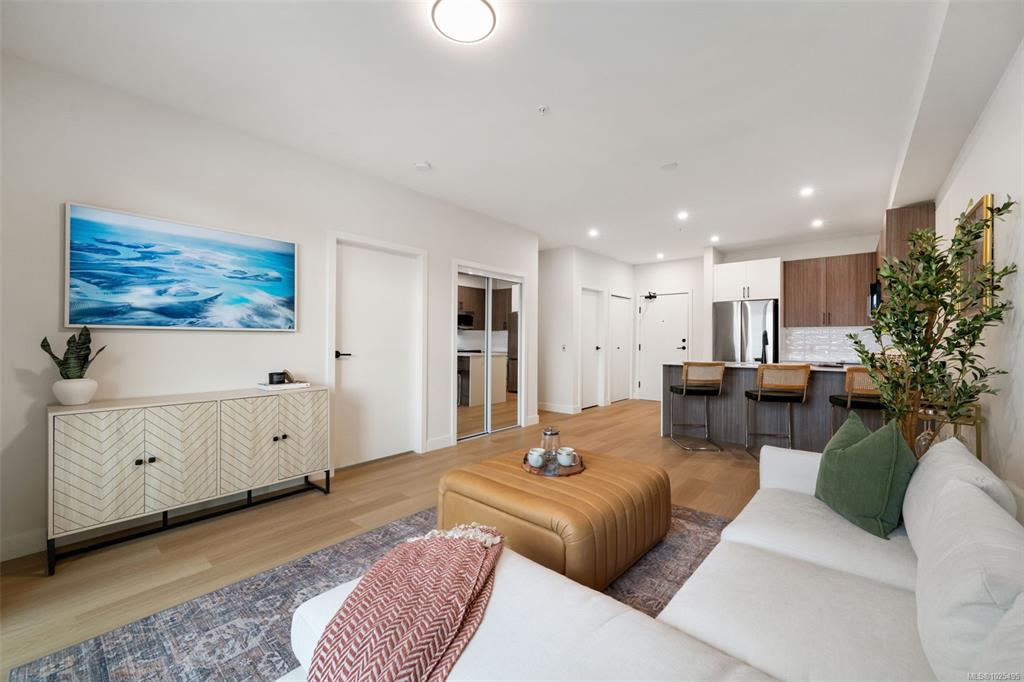
Learning how to make a small home feel more functional can change the way you live in the space. A smaller home does not always need more square footage. Often, it needs better flow, smarter storage, and clearer purpose in each room.
This matters whether you are living in the home, preparing to sell, downsizing, or buying a condo, townhome, or compact detached home in Greater Victoria.
A small home can feel comfortable, efficient, and calm when every part of it works with intention.
Start With How You Actually Live
Before buying storage bins or rearranging furniture, look at your daily habits.
Ask yourself:
- Where does clutter usually collect?
- Which areas feel frustrating?
- What do you use every day?
- What furniture gets in the way?
- Which rooms are trying to do too much?
A small home becomes harder to live in when every space has too many jobs. A dining table becomes an office, a storage area, a drop zone, and a place to eat. A bedroom becomes a closet overflow zone. A hallway becomes a holding area.
The first step is not adding more. It is deciding what each space needs to do.
Create Clear Zones
A small home feels more functional when each area has a clear purpose.
In an open-concept condo or smaller house, this may mean creating zones instead of relying on walls.
For example:
- A rug can define the living area
- A small desk can create a work zone
- A bench and hooks can create an entry area
- A narrow console can separate dining from living space
- A shelving unit can divide a room without closing it in
Clear zones help the home feel organized. They also make it easier for buyers to understand how the space works if you are preparing to sell.
Choose Furniture That Fits the Room
Oversized furniture is one of the fastest ways to make a small home feel cramped.
A large sectional may be comfortable, but it can overwhelm a smaller living room. A bulky dining set may make everyday movement awkward. A king bed may leave little room for nightstands, storage, or walking space.
Better choices often include:
- Apartment-sized sofas
- Round dining tables
- Storage ottomans
- Beds with drawers
- Nesting tables
- Wall-mounted desks
- Slim-profile chairs
- Expandable dining tables
The goal is not to make the home feel empty. It is to make movement easy.
If you have to squeeze around furniture every day, the layout is working against you.
Use Vertical Space
When floor space is limited, walls become more valuable.
Vertical storage can help free up counters, closets, and corners. This is especially useful in condos, townhomes, and older homes with smaller rooms.
Consider:
- Tall bookcases
- Floating shelves
- Wall hooks
- Over-the-door organizers
- Pegboards in utility areas
- High kitchen cabinets
- Closet systems that reach upward
The key is balance. Too much wall storage can feel busy. However, thoughtful vertical storage can make a small home feel much more efficient.
Improve the Entryway
The entryway often sets the tone for the whole home.
In a smaller home, even a tiny entrance can become more functional with the right setup. You do not need a large mudroom to create order.
A practical entry area may include:
- Hooks for coats and bags
- A small bench
- Shoe storage
- A tray for keys
- A basket for everyday items
- A mirror to reflect light
This keeps daily clutter from spreading into the main living space. It also helps the home feel calmer the moment you walk in.
Make Storage Easier to Use
Storage only works if it is easy to maintain.
Deep closets, awkward cupboards, and overfilled drawers can make a home feel less functional even when there is technically enough storage.
Focus on making storage simple:
- Group similar items together
- Keep daily-use items easy to reach
- Use clear bins or labels
- Add drawer dividers
- Use closet organizers
- Remove items you no longer need
- Keep seasonal items out of prime storage areas
A smaller home should not require constant rearranging. Good storage should make daily life easier, not more complicated.
Let Light Travel Through the Space
Light can make a small home feel larger and more comfortable.
Heavy window coverings, dark corners, and blocked sightlines can make rooms feel smaller than they are. Brighter spaces tend to feel more open, even when the square footage has not changed.
Simple improvements include:
- Using lighter window coverings
- Keeping windows clear
- Adding floor or table lamps
- Using mirrors strategically
- Choosing lighter wall colours
- Avoiding overly bulky furniture near windows
This is especially helpful in Greater Victoria, where winter light can be limited. A brighter home often feels more inviting throughout the year.
Keep Surfaces Clear
In a small home, surfaces matter.
Kitchen counters, bathroom vanities, coffee tables, and desks can quickly become visual clutter zones. When every surface is full, the whole home feels tighter.
A helpful rule is to keep daily-use items visible and store the rest.
For example:
- Keep only essential appliances on the kitchen counter
- Use trays to group items
- Store paperwork in one location
- Keep bathroom products organized
- Avoid using dining tables as storage
Clear surfaces make a small home feel more peaceful and more functional.
Think Carefully About Multi-Use Rooms
Small homes often need flexible spaces.
A guest room may also work as an office. A den may become a workout space. A dining area may need to support remote work.
The mistake is trying to make one room do everything at once.
Instead, choose the top two uses and design around them.
For example, a guest room and office can work well with:
- A Murphy bed
- A daybed
- A compact desk
- Closed storage
- Good lighting
- Minimal extra furniture
When a multi-use room has clear priorities, it becomes useful instead of chaotic.
Why Function Matters for Resale
Function is not just about comfort. It can also affect how buyers feel during a showing.
A smaller home that feels organized, bright, and easy to live in can often compete well against larger homes that feel awkward or cluttered.
Buyers notice:
- Storage
- Furniture placement
- Natural light
- Flow between rooms
- Closet space
- Entryway function
- Kitchen usability
- Whether each room has a clear purpose
When buyers can picture their life in the home, the space feels more valuable.
This is why small-home preparation matters before listing. You are not just showing square footage. You are showing how well the home works.
The Bottom Line
Knowing how to make a small home feel more functional starts with intention.
You do not need to fill every corner or add more furniture. In many cases, the best improvements come from simplifying, defining zones, improving storage, and making movement easier.
A small home can still feel spacious, practical, and comfortable when each part of the space has a clear role.
If you are buying, selling, or preparing a smaller home in Greater Victoria and want advice on how to make the space feel more functional, contact Faber Real Estate Group for local guidance before your next move.
Vince R., 5-Star Review, via Google
“Cal and Scott made our home selling experience very simple and easy, especially when you consider that we were in a different province and corresponding via our mobile devices.
In less than 2 weeks we received and accepted an offer on our Condo.
We would like to thank the both of them for listing our property and sharing all their expertise in properly listing our condo.”
Faber Real Estate Group
Royal LePage Coast Capital Realty
📞 250-244-3430
📧 [email protected]
ℹ️ Scott Faber Personal Real Estate Corporation
ℹ️ Cal Faber Personal Real Estate Corporation
Vanessa Wood, Zachary Parsons, and Sophie Taylor
“Building Lasting Relationships, One Home at a Time.”