
Posts Tagged ‘Greater Victoria real estate’
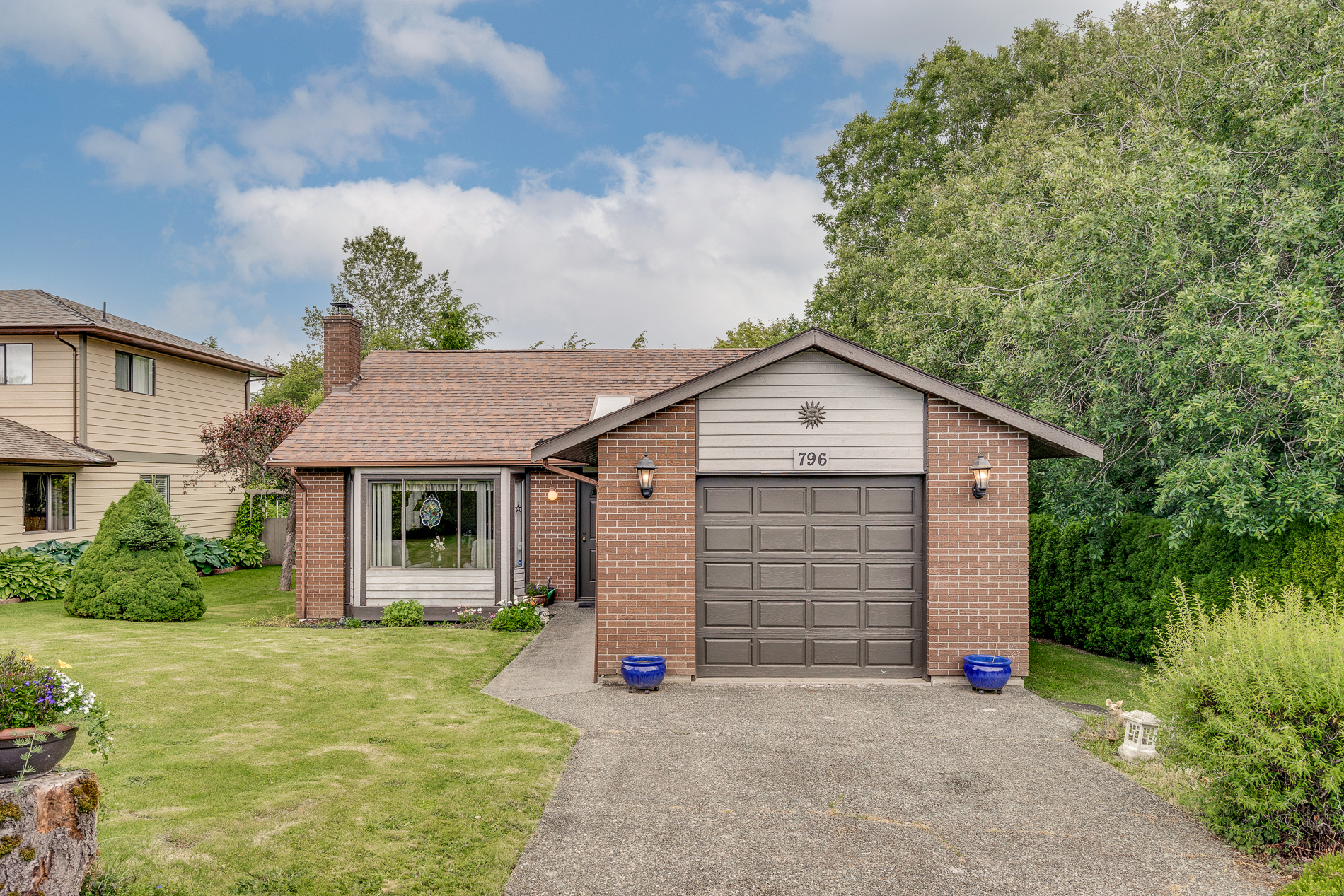
When you’re evaluating where to buy in the Greater Victoria, Saanich, or Westshore markets, understanding municipal property tax differences is an often-overlooked but highly relevant financial factor. Two homes with identical assessed values can lead to noticeably different tax bills year-to-year depending on the municipality — so knowing how rates stack up can influence both your upfront cost estimates and your long-term ownership costs. How Property Taxes Work in BC In British Columbia, municipal property taxes are calculated by multiplying the assessed value of your home by the municipal tax rate (mill rate). The assessment comes from BC Assessment and reflects market value as of July 1 prior to the tax year. Your total tax bill isn’t just the municipal share — it also includes levies collected for: Provincial school tax Capital Regional District (CRD) services Hospital district Transit Other local bodies Municipal budget decisions — such as infrastructure spending or service levels — directly influence the mill rate required to generate revenue. If assessments rise faster than the municipal budget, mill rates can stay stable or even decrease; if budgets grow faster than total assessed value, mill rates must increase. A municipality’s tax strategy often reflects local priorities and spending choices. Greater Victoria Municipal Property Tax Rates: A Snapshot Not all municipalities in Greater Victoria tax at the same rate. Based on available comparative data: Tax Rate Rankings (2022–2024 era) Lower tax rate municipalities: North Saanich generally sits near the lower end of regional property tax rates. View Royal often has lower mill rates compared with urban centres. Mid-range: Colwood and Langford in the Westshore tend to have moderate local municipal tax rates, but totals depend on other levies and assessment levels. Higher tax rate municipalities: Victoria and Central Saanich have among the higher municipal property tax rates within the region. Saanich typically shows a comparatively high effective tax burden. Differences matter: in a sample compiled by a brokerage, a $1 million home in Victoria would yield roughly $174 more in taxes than the same value home in Saanich, and a home in Colwood would pay about $645 more than in View Royal — purely based on rate spreads. (Note: precise current rates change annually with budgets and assessments. Always check municipal tax rate bylaws or use online tax calculators for exact figures for a given year.) Recent Trends: Rate Increases & Budget Pressures Municipalities across Greater Victoria have grappled with tax increases over recent years, driven by rising costs for core services, infrastructure renewals, and public safety: Saanich approved property tax increases near 8% in 2025, adding hundreds of dollars to the average homeowner bill. Langford has proposed significant tax hikes in multi-year financial plans to support rapid growth and expanding service demand. Regional increases by the Capital Regional District (CRD) also factor into total bills, with projected increases varying across municipalities depending on the services used (e.g., 4.1% for Victoria vs 7.7% for Langford for CRD requisitions in 2025). These upward pressures mean that even if a municipality historically had a lower tax rate, the year-to-year changes can shift relative burden across communities. Why These Differences Matter for Buyers 1. Annual Carrying Cost If you’re budgeting for homeownership, property taxes are a predictable recurring cost tied directly to your assessment and municipal priorities. A difference of a few hundred to a few thousand dollars annually can impact: Mortgage affordability Monthly cash flow Long-term cost projections for investment or retirement planning 2. Comparing Similar Homes Across Municipalities Two homes with equal market value — one in Saanich and one in Langford or Colwood — could result in: Different quarterly tax bills Different services received for that tax dollar (e.g., recreation, policing, parks) This can be a tiebreaker for buyers evaluating multiple locations in the region. 3. Growth and Future Tax Outlook Municipalities at different stages of development (e.g., fast-growing Langford vs more established Saanich or Victoria) may adopt differing strategies on whether to keep taxes low for growth incentives or invest in services and infrastructure. Howard P., 5-Star Review, via Google “Cal and Scott Faber are authentic and trustworthy and give it to you straight up. They take the time and the attention to learn about your needs and then find the home that fits them. Our experience with Cal and Scott Faber was exceptional. They didn't just provide great service, they demonstrated a genuine concern for our best interests, making us feel truly valued. They will do their best to find the home that fits your lifestyle and needs. I heartily recommend Cal and Scott.” Faber Real Estate Group Royal LePage Coast Capital Realty 📞 250-244-3430 📧[email protected] ℹ️ Scott Faber Personal Real Estate Corporation ℹ️ Cal Faber Personal Real Estate Corporation Vanessa Wood, Zachary Parsons, and Sophie Taylor “Building Lasting Relationships, One Home at a Time.”
Read more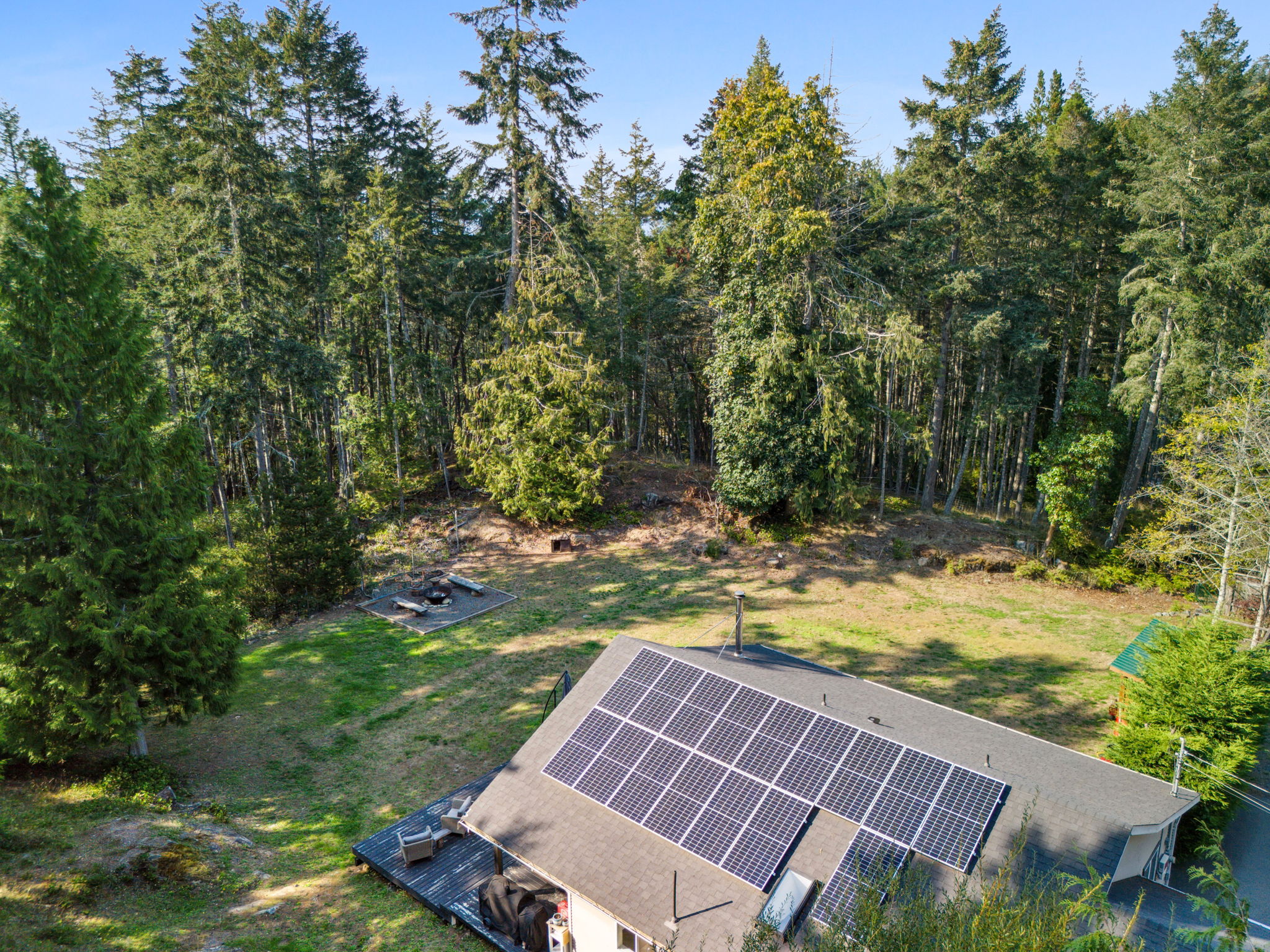
Winter in Greater Victoria brings shorter days, cooler temperatures, and higher energy usage. Homeowners can improve comfort, reduce energy bills, and even increase property value by investing in energy efficiency upgrades. Buyers are increasingly looking for homes that are not only stylish but also cost-effective to run and environmentally responsible. Upgrade Insulation and Weatherproofing Adding insulation to attics, walls, and crawl spaces helps maintain indoor warmth during winter. Sealing drafts around doors, windows, and vents can prevent heat loss, reduce energy bills, and improve indoor comfort. Homes with well-maintained insulation are more attractive to buyers who value efficiency. Replace Windows and Doors Energy-efficient windows and doors prevent heat loss and reduce condensation. Upgrading to double or triple-glazed windows can significantly improve comfort and decrease heating costs, which adds perceived and actual value to your home. Modern Heating Systems High-efficiency furnaces, boilers, or heat pumps are strong selling points in winter. Modern systems not only provide consistent warmth but also use less energy, which appeals to cost-conscious buyers. Regular maintenance of existing systems also boosts efficiency and ensures reliable operation. Smart Home and Thermostat Upgrades Smart thermostats allow homeowners to control heating remotely and schedule energy use efficiently. Buyers increasingly value these upgrades for convenience and savings. Pairing smart thermostats with zoned heating systems can further enhance comfort and efficiency. Water Heating Efficiency Tankless or high-efficiency water heaters save energy and space. Insulating older water heaters and pipes can also reduce heat loss, making the home more efficient and lowering utility costs. Solar Panels and Renewable Options Although less common in Greater Victoria homes, solar panels or solar water heating systems can attract buyers interested in sustainability. Even partial solar adoption can boost market appeal and long-term savings. Lighting and Appliances Upgrading to LED lighting and energy-efficient appliances reduces electricity usage and improves your home’s eco-friendly credentials. Buyers are often willing to pay a premium for homes with modern, efficient appliances. The Value Proposition Energy-efficient upgrades not only make winter living more comfortable but also increase resale value. Homes that are cost-effective, environmentally responsible, and easy to maintain appeal to a broader range of buyers, making them stand out in Greater Victoria’s competitive market. Professional Help If you’re considering upgrades but aren’t sure where to start, reaching out to trusted local professionals can make a big difference. Energy auditors, HVAC specialists, and certified contractors can assess your home and recommend cost-effective improvements that add the most value. Please reach out to us if you need any referrals. Michael F., 5-Star Review, via Google “Cal and Scott exceeded our expectations in every way. They were always available to answer our questions and address any concerns immediately, providing exceptional support throughout the entire process. Their dedication and expertise made the selling and buying experience seamless and stress-free. ” Faber Real Estate Group Royal LePage Coast Capital Realty 📞 250-244-3430 📧[email protected] ℹ️ Scott Faber Personal Real Estate Corporation ℹ️ Cal Faber Personal Real Estate Corporation Vanessa Wood, Zachary Parsons, and Sophie Taylor “Building Lasting Relationships, One Home at a Time.”
Read more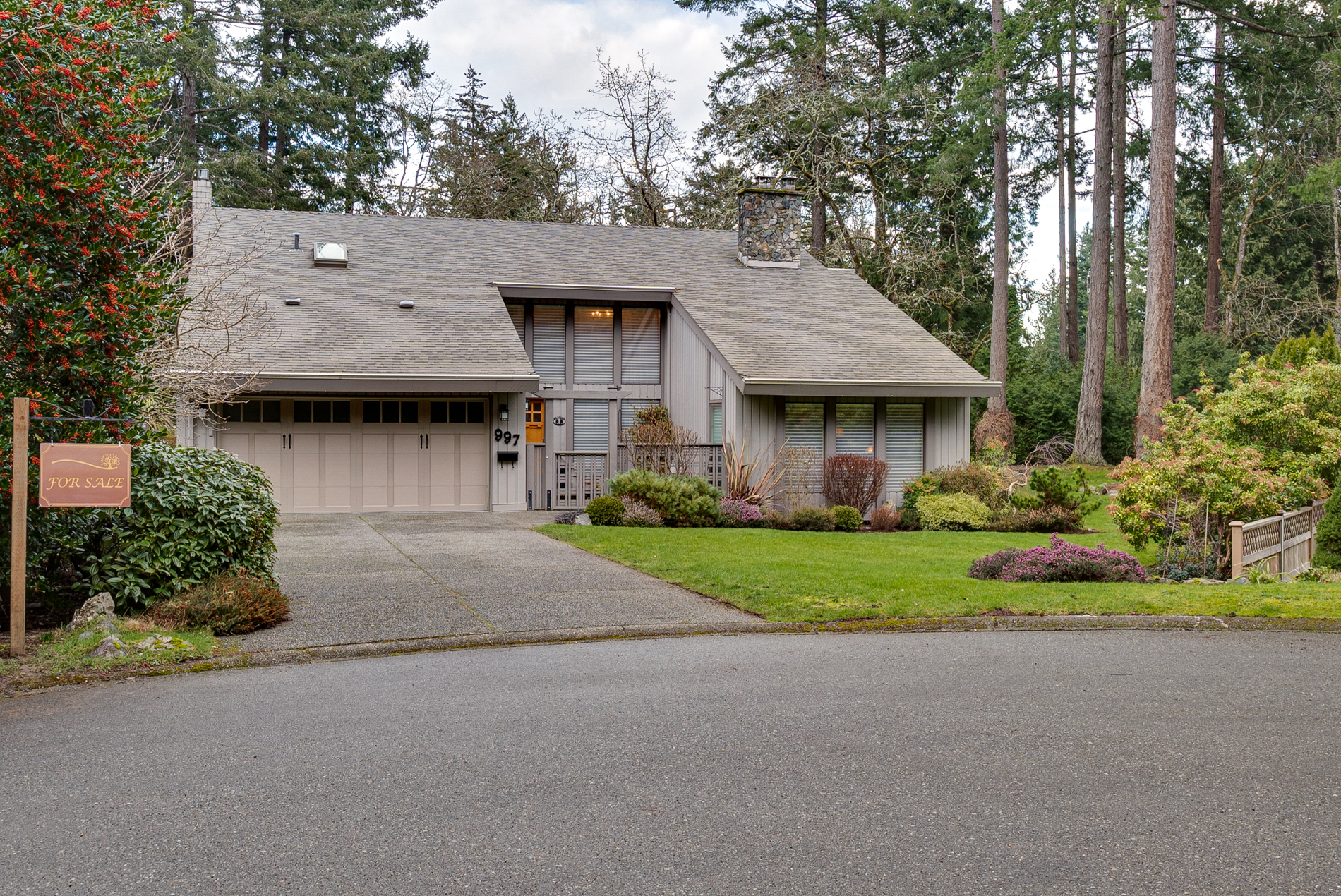
Buyers researching Broadmead real estate often look for privacy, mature landscaping, and stable long-term property value. Located within one of the most established residential areas in Greater Victoria, Broadmead attracts buyers who prioritize quiet surroundings and spacious homes. The neighbourhood continues to stand out for its peaceful setting and consistent buyer demand. A Neighbourhood Designed for Privacy and Space in Broadmead Broadmead was developed with thoughtful planning that emphasizes curved roads, cul-de-sacs, and preserved natural landscapes. Many streets limit through traffic, which helps create a quieter residential atmosphere. Large lots and mature trees provide natural privacy between homes. Buyers often choose Broadmead because it offers suburban living while remaining close to major shopping, schools, and commuter routes. Established Homes With Lasting Appeal Broadmead real estate mainly features detached houses built between the 1980s and early 2000s. Many properties offer: Generous square footage Functional family-friendly layouts Large yards and landscaped gardens Quality construction typical of established neighbourhoods Some homes have undergone extensive renovations, while others attract buyers interested in updating properties to suit modern design preferences. This variety creates flexibility for different budgets and renovation goals. Lifestyle Convenience Without Urban Density Residents enjoy a balance between peaceful residential living and everyday convenience. Broadmead offers quick access to major shopping centres, recreation facilities, parks, and schools. The neighbourhood appeals strongly to families and professionals who want larger homes without moving far from employment hubs. Its central location also supports efficient commuting to downtown Victoria and surrounding communities. Long-Term Investment Stability Established neighbourhoods often show steady demand, and Broadmead real estate continues to demonstrate long-term appeal. Buyers frequently value: Larger lot sizes that are harder to find in newer developments Consistent neighbourhood character Strong resale interest from move-up and downsizing buyers While market conditions can change, well-established communities with limited new supply often maintain strong buyer attention. Who Broadmead Typically Attracts Broadmead appeals to several buyer groups, including: Growing families seeking quiet residential streets Professionals looking for larger executive-style homes Downsizers wanting single-family living with reduced urban density Buyers prioritizing long-term neighbourhood stability The area’s combination of privacy, location, and established housing stock supports wide buyer interest across different life stages. Why Broadmead Continues to Stand Out Broadmead remains one of the region’s most recognized established neighbourhoods. Quiet streets, mature landscaping, and spacious homes continue to attract buyers who value long-term livability over high-density development. For many purchasers, Broadmead offers a rare balance of space, convenience, and community character. If you are considering buying or selling in Broadmead, reach out to our team to discuss current market opportunities and neighbourhood insights tailored to your home search. Scott L., 5-Star Review, via Google “I had the pleasure of working with the Faber Group to sell my house, and I couldn't be more pleased with the experience. Cal and Scott from the Faber Group provided exceptional service from start to finish. Their expertise and guidance were instrumental in preparing my home for sale, ensuring it was presented in the best possible light for maximum return on investment. They demonstrated a deep understanding of the market, strategically timing the listing to attract the right buyers. Faber Real Estate Group Royal LePage Coast Capital Realty 📞 250-244-3430 📧[email protected] ℹ️ Scott Faber Personal Real Estate Corporation ℹ️ Cal Faber Personal Real Estate Corporation Vanessa Wood, Zachary Parsons, and Sophie Taylor “Building Lasting Relationships, One Home at a Time.”
Read more
Many buyers choose to live in Greater Victoria communities because of the region’s year-round access to nature, trails, beaches, and parks. Buyers who prioritize active living often focus their home search on neighbourhoods that provide immediate access to hiking, biking, waterfront activities, and green space. Several communities stand out for offering exceptional outdoor lifestyles alongside strong real estate appeal. Langford – Trail Networks and Lakeside Living Langford continues to attract buyers who want convenient access to hiking trails, lakes, and recreation facilities. The area offers quick connections to Mount Finlayson, Goldstream Provincial Park, and numerous biking routes throughout the Westshore. Popular neighbourhoods such as Westhills and Bear Mountain appeal to buyers who value outdoor recreation. Westhills offers walkable community planning with access to parks and lakes, while Bear Mountain provides golf, trail systems, and resort-style amenities. These features make Langford one of the most popular Greater Victoria outdoor recreation communities for families and active professionals. Sooke – Oceanfront and Rugged Nature Access Sooke attracts buyers looking for direct access to Vancouver Island’s rugged coastline and wilderness. Residents enjoy kayaking, fishing, hiking, and beach exploration, with popular destinations like East Sooke Regional Park and the Sooke Potholes nearby. Sooke appeals to buyers seeking a quieter lifestyle surrounded by nature. Detached homes and waterfront properties remain common, which attracts outdoor enthusiasts who prioritise space and natural surroundings. Sidney – Walkable Waterfront Recreation Sidney offers a unique balance of seaside living and walkable convenience. Residents enjoy waterfront trails, cycling routes, marinas, and easy beach access throughout the community. The town attracts downsizers, retirees, and buyers seeking a slower pace of life while maintaining strong outdoor recreation opportunities. Sidney’s flat terrain and compact layout make it especially appealing to residents who enjoy walking and cycling daily. Saanich – Diverse Parks and Regional Trail Access Saanich provides some of the most diverse outdoor recreation opportunities in the region. Residents benefit from quick access to Mount Douglas Park, Elk and Beaver Lake Regional Park, and extensive cycling routes. Neighbourhoods in Saanich often appeal to buyers who want suburban living with immediate access to green space. The variety of housing styles also attracts a wide range of buyers, from young families to long-term homeowners. Oak Bay – Coastal Recreation and Scenic Shorelines Oak Bay is known for its coastal walking paths, waterfront parks, and ocean recreation. Residents enjoy kayaking, paddleboarding, and scenic shoreline trails, including popular destinations like Willows Beach and the Oak Bay Marina area. Oak Bay attracts buyers looking for established neighbourhood charm combined with premium access to waterfront outdoor activities. The area often appeals to buyers prioritizing long-term property value and lifestyle quality. Choosing the Right Outdoor-Focused Community Buyers comparing Greater Victoria outdoor recreation communities should consider daily lifestyle priorities, commute needs, and housing preferences. Some areas offer rugged wilderness access, while others focus on waterfront living or family-friendly trail systems. Communities such as Langford and Sooke often appeal to buyers seeking hiking and adventure-focused recreation. Sidney and Oak Bay typically attract buyers prioritizing ocean access and walkable outdoor activities. Saanich offers a balanced option with diverse park systems and suburban convenience. Outdoor Lifestyle and Long-Term Real Estate Appeal Access to recreation continues to influence buyer demand across Greater Victoria. Communities with strong outdoor amenities often maintain steady resale value because lifestyle-driven buyers remain highly active in the market. While past performance does not guarantee future results, outdoor-focused neighbourhoods consistently attract long-term interest. If you are exploring Greater Victoria outdoor recreation communities, contact our team to discuss neighbourhood options and find a home that matches your lifestyle goals. Marieke J., 5-Star Review, via Google “We had a fantastic experience with Cal and Scott. From the first meeting via Zoom until the moment we received the keys to our new home. They are very kind and warm people, and made us feel at home and welcome right away. Scott is very knowledgeable, easy to work with, professional, honest and quick to respond to questions. We felt in good hands and comfortable having him at our side in our buying process. When looking for a great realtor in the Victoria area, I would highly recommend Cal and Scott from Faber Real Estate Group..” Faber Real Estate Group Royal LePage Coast Capital Realty 📞 250-244-3430 📧[email protected] ℹ️ Scott Faber Personal Real Estate Corporation ℹ️ Cal Faber Personal Real Estate Corporation Vanessa Wood, Zachary Parsons, and Sophie Taylor “Building Lasting Relationships, One Home at a Time.”
Read more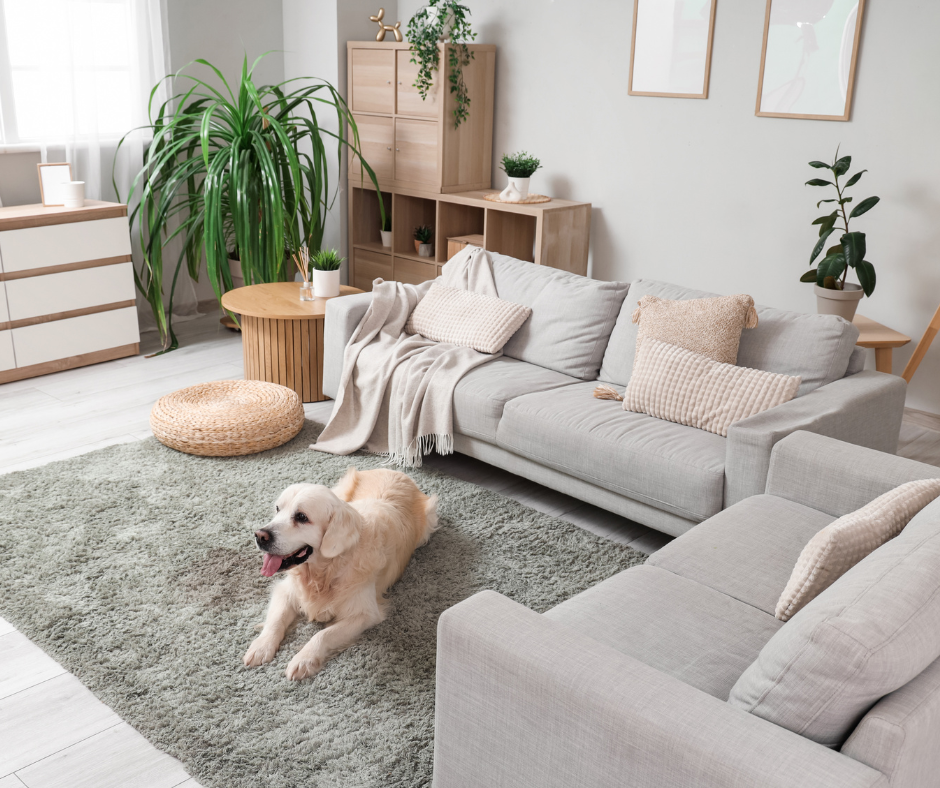
Pets play a bigger role in homebuying than ever, especially in pet-friendly communities like Victoria, BC. In 2026, many buyers are no longer shopping just for themselves. They are also prioritizing the needs of their dogs, cats, and other companions when choosing where and what to buy. With pet ownership remaining high across Canada, homes that support a pet-friendly lifestyle continue to stand out in a balanced market. From neighbourhood selection to home features, pets are shaping buyer decisions in meaningful ways. Why Pets Matter More to Buyers Today For many households, pets are family. Buyers are increasingly willing to pass on otherwise ideal homes if they do not work for their animals. This shift has influenced everything from location choices to floor plans, particularly in Greater Victoria, where access to outdoor space is highly valued. In 2026, buyers are taking advantage of higher inventory levels in areas like the Westshore to be more selective. That often means holding out for homes that offer better layouts, outdoor access, or nearby trails that support an active lifestyle for both people and pets. Neighbourhood Choices Driven by Pet Needs Location is one of the biggest decision points for pet owners. Buyers often look for neighbourhoods with nearby walking trails, parks, and green space. In Victoria, access to areas like the Galloping Goose Trail, Beacon Hill Park, and local dog parks can heavily influence where buyers focus their search. Strata and HOA rules also play a major role. Restrictions on pet size, number, or breed can be deal-breakers, particularly for condo and townhome buyers. As a result, some pet owners gravitate toward freehold homes or newer developments with more flexible pet policies. Home Features Pet Owners Prioritize Pets often push buyers toward homes with more functional space. Common must-haves include fenced yards, easy outdoor access, and durable flooring that can handle wear and tear. Mudrooms, lower-level entries, and layouts that allow pets to move easily through the home are also appealing. In markets like Saanich, Langford, and Oak Bay, homes with usable yards or proximity to parks tend to attract strong interest from pet owners. Even smaller homes can appeal if the layout works well and outdoor amenities are close by. Budget and Long-Term Planning Pets also influence budgeting decisions. Buyers may factor in ongoing pet-related expenses when determining their comfort level with monthly payments. In a buyer-friendly 2026 market, this can work to their advantage, allowing more room to negotiate on homes that already meet their needs rather than budgeting for renovations later. That said, buyers still remain cautious. Signs of past pet damage can raise concerns, making inspections especially important for both pet owners and non-pet owners alike. Tips for Buying a Home With Pets in Mind If pets are part of your household, start by identifying your non-negotiables, whether that is yard space, trail access, or flexible pet rules. Work with a local agent who understands which neighbourhoods and property types tend to be more pet-friendly. Always review strata bylaws carefully and include inspections to check for potential issues. Pets are no longer an afterthought in the homebuying process. In Victoria’s 2026 market, aligning your home search with your pet’s needs can make a significant difference in long-term comfort and satisfaction. Ready to find a home that works for you and your pet? Contact us to discuss pet-friendly options and how to tailor your search across Greater Victoria. Nicholas D., 5-Star Review, via Google “Scott is an awesome realtor and real estate advisor. He got me all the information I needed incredibly quick and helped me make an informed buying decision. Couldn’t have done it without him and 10/10 will be recommending him to my friends and family! There are thousands of realtors on the island, but Scott and his team are by far the best” Faber Real Estate Group Royal LePage Coast Capital Realty 📞 250-244-3430 📧[email protected] ℹ️ Scott Faber Personal Real Estate Corporation ℹ️ Cal Faber Personal Real Estate Corporation Vanessa Wood, Zachary Parsons, and Sophie Taylor “Building Lasting Relationships, One Home at a Time.”
Read more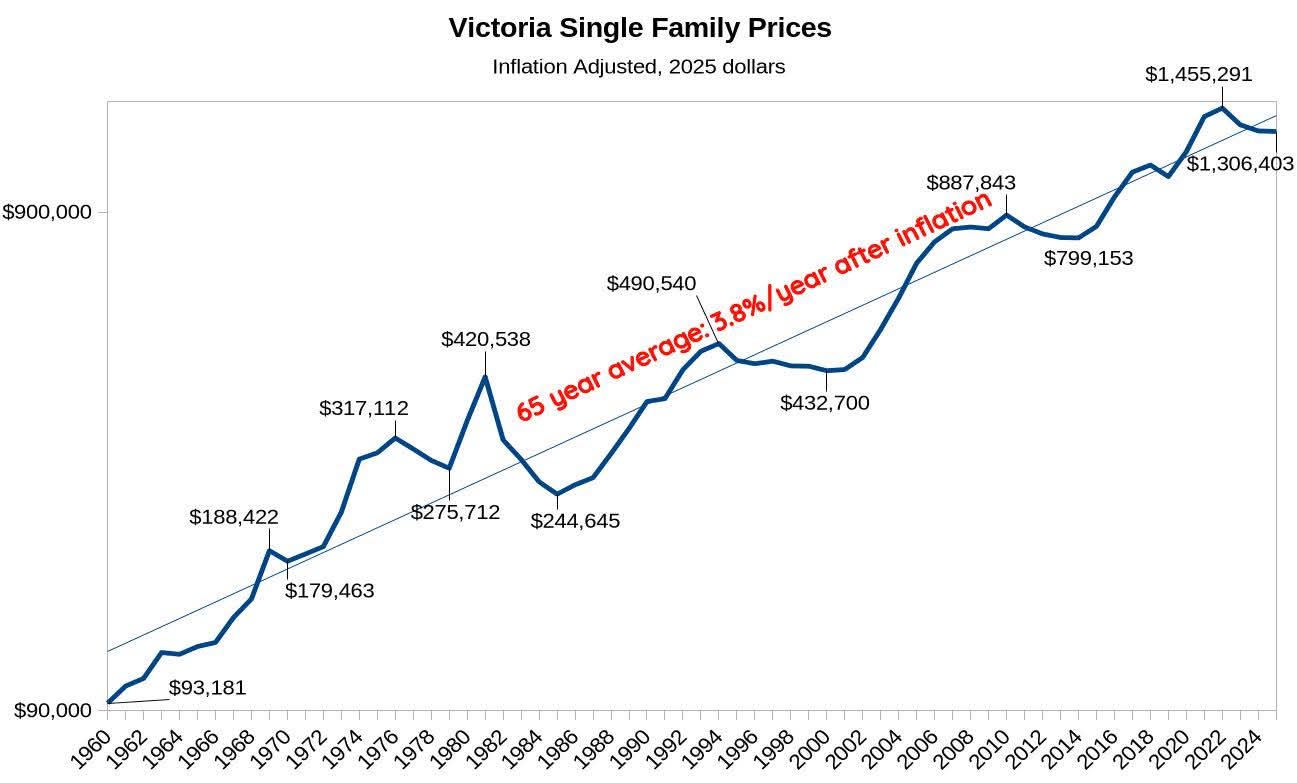
When we look at Victoria BC single-family home price inflation over the last five decades, the long-term trend shows steady growth in nominal prices that outpaces general inflation. While many narratives focus on the recent past, such as COVID, immigration, low interest rates, or specific crises, the evidence shows price inflation has been building over decades. Past performance does not dictate future results, and no single factor exclusively explains this trend. Early Growth: The 1970s and 1980s In the 1970s and early 1980s, Victoria’s housing market began a pattern of rising prices as the region’s economy grew, buoyed by stable government and service sector employment. Through the high interest rates of the early 1980s and the recession of the early 1990s, prices dipped at times but continued a long-term upward trajectory. Stabilization and Expansion: Mid-1990s to Early 2000s From the mid-1990s into the 2000s, demand increased with economic stability, limited developable land on the Peninsula, and relatively modest new supply. Nominal prices continued to rise gradually during this period. The 2008 global financial crisis slowed markets briefly, but there was no prolonged collapse as investors and local buyers still saw Victoria as a desirable place to live. Acceleration During the 2010s Entering the 2010s, prices accelerated markedly. Some attribute rapid price inflation solely to post-COVID dynamics or spikes in immigration. However, while these factors can influence short-term demand, the pattern of rising home values predates them by decades. Low interest rates after the 2008 crisis, provincial and national tax policies, and persistent supply constraints played roles, but none in isolation fully explain the long-term Victoria BC single family home price inflation. The COVID-19 Market Surge During and after the COVID-19 pandemic, many markets, including Victoria’s, saw sharper short-term increases. Still, this represents an amplification of pre-existing trends, not the beginning of them. Factors such as remote work and changing lifestyle preferences likely contributed to near-term demand swings, but research consistently shows that long-term price trends are influenced by multiple factors rather than a single event or policy. Multiple Forces Driving Long-Term Price Growth In reviewing 50 years of data, it is clear that demographics, economics, land supply, local planning policy, and broader macroeconomic conditions all interact. Narratives that claim the market rapidly escalated only after one event, such as COVID, high immigration, low rates, or a past financial crisis, are not fully supported by the evidence. These events influence the market, but long-term price inflation has been ongoing. Understanding Long-Term Housing Market Complexity Understanding Victoria BC single family home price inflation requires acknowledging the complexity of housing markets. While past performance does not dictate future results, long horizons help illustrate that price trends emerge from structural and cyclical influences over time. Lou N., 5-Star Review, via Google “Scott is a knowledgeable, professional, dedicated and thorough expert in his field. Excellent at what he does and we couldn't have found a better realtor to guide us through one of the most important decisions in our lives.” Faber Real Estate Group Royal LePage Coast Capital Realty 📞 250-244-3430 📧[email protected] ℹ️ Scott Faber Personal Real Estate Corporation ℹ️ Cal Faber Personal Real Estate Corporation Vanessa Wood, Zachary Parsons, and Sophie Taylor “Building Lasting Relationships, One Home at a Time.”
Read more
As realtors working in Greater Victoria, we often get asked by buyers which types of homes offer the best value right now. Whether you are looking at condos, townhomes, detached houses, or properties in suburban neighbourhoods, the right choice depends on your lifestyle, budget, and long-term goals. Condos Condos remain a popular choice for first-time buyers, downsizers, and people seeking a low-maintenance lifestyle. In Greater Victoria, many condos are located near downtown or along transit corridors, making them convenient for work, shopping, and entertainment. Prices for condos have been relatively stable, and some buildings offer amenities such as gyms, pools, and concierge services. Condos are ideal if you want a smaller footprint and less responsibility for maintenance, though strata fees should be factored into your budget. Townhomes Townhomes are a great middle ground. They offer more space and privacy than a condo but are generally more affordable than detached homes. In areas like Langford, Saanich, and Oak Bay, townhomes are attractive to young families or buyers looking for more room without a full yard to maintain. Many townhome communities also have shared amenities and strong community appeal. Townhomes are a good option if you want a balance of affordability, space, and convenience. Detached Houses Detached houses offer the most flexibility, space, and privacy. They are perfect for growing families or anyone wanting a backyard, garage, or room to expand. Prices for detached homes in Greater Victoria are higher, especially in core areas like Fairfield, Oak Bay, and Fernwood. While the investment is larger, detached homes tend to hold their value well and offer long-term stability. If you can manage the budget, a detached home in a desirable neighbourhood is often the best long-term investment. Suburban Neighbourhoods Suburban homes, particularly in Langford, View Royal, and Sooke, have become increasingly popular. These areas offer more space for the price, larger lots, and newer construction. Suburban living may mean a longer commute for some, but it also provides access to parks, schools, and a quieter lifestyle. Suburbs are often the best buy for buyers seeking value, modern homes, and room to grow. The Bottom Line There is no one-size-fits-all answer when it comes to the best home type in Greater Victoria. Condos are great for convenience and low maintenance, townhomes offer a balance of space and cost, detached homes provide long-term investment potential, and suburban properties give more room for the price. The best choice depends on your priorities, budget, and lifestyle. As realtors in Greater Victoria, we help buyers navigate these options, evaluate the market, and find the right fit for their needs. The key is to understand the trade-offs and make a choice that works for your life today and in the future. Wilson, 5-Star Review, via Google “Amazing people there! They will help you through the entire process and will always make you feel like family. For those first time home buyers, don't be intimidated entering the market because they will explain every process and guide you through.” Faber Real Estate Group Royal LePage Coast Capital Realty 📞 250-244-3430 📧[email protected] ℹ️ Scott Faber Personal Real Estate Corporation ℹ️ Cal Faber Personal Real Estate Corporation Vanessa Wood, Zachary Parsons, and Sophie Taylor “Building Lasting Relationships, One Home at a Time.”
Read more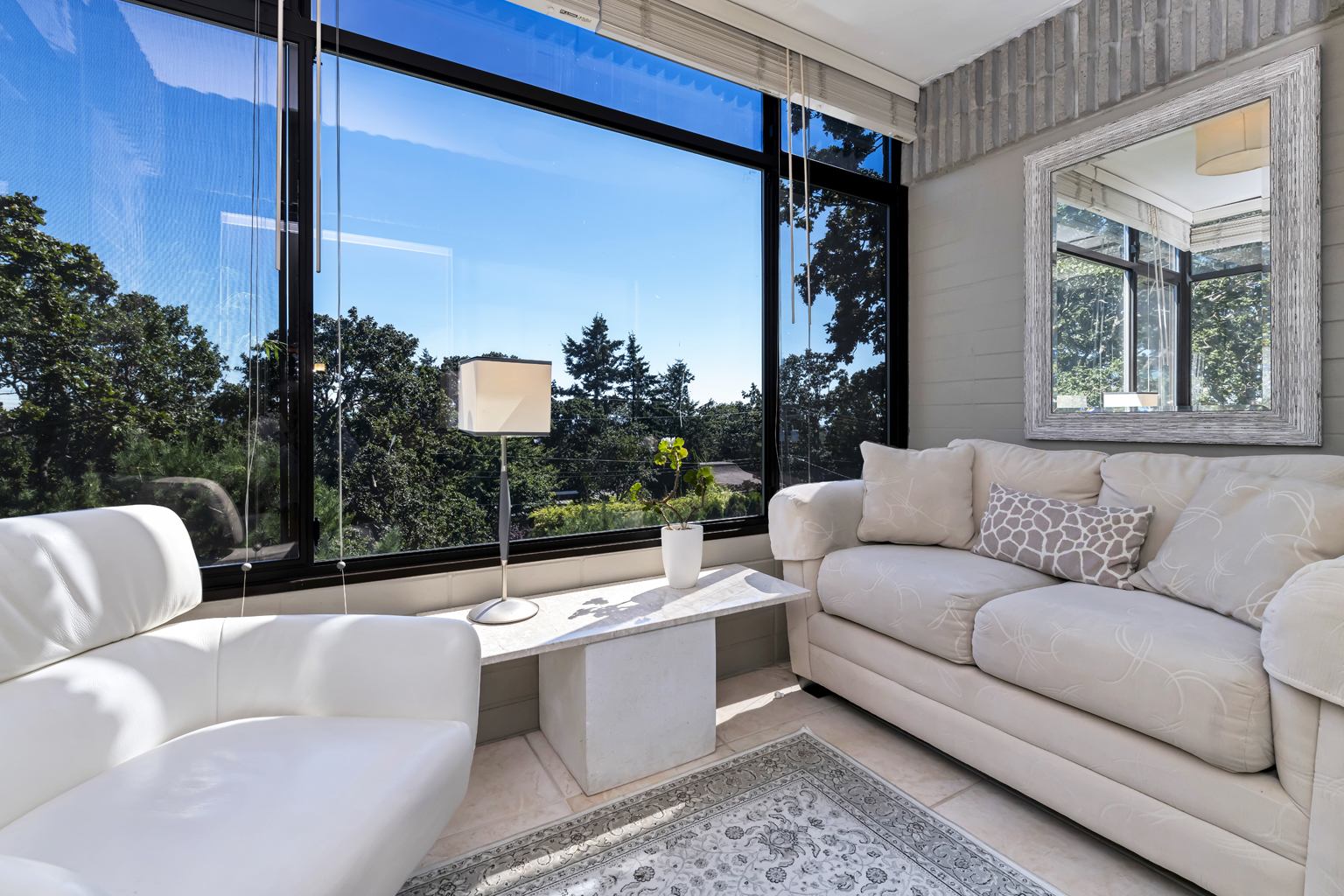
Buyer’s remorse is a common concern for homebuyers, especially in a market like Victoria, BC where prices remain high even in a balanced 2026 environment. Learning how to avoid buyer’s remorse in Victoria, BC starts with preparation, realistic expectations, and the right guidance. With more inventory available across the Westshore, Oak Bay, and Saanich, buyers now have the opportunity to make confident, well-considered decisions. Get Clear on Your Budget Before You Shop Financial stress is one of the biggest causes of buyer’s remorse. A mortgage pre-approval helps define your true price range and accounts for the stress test. It also locks in your rate for up to 120 days. To stay comfortable long-term: Shop 10 to 20 percent below your maximum approval Budget 1 to 4 percent of the home’s value annually for maintenance Plan for closing costs, which typically run 1.5 to 4 percent in Victoria This buffer gives you flexibility and peace of mind after possession day. Separate Must-Haves From Nice-to-Haves Emotion can creep in quickly during showings. Creating a clear list keeps decisions grounded. Focus on: Bedrooms and layout that fit your lifestyle Commute times and access to schools or transit Outdoor space, storage, or work-from-home needs Features like high-end finishes are appealing, but they should not outweigh long-term functionality. Research the Neighbourhood, Not Just the House Even a great home can lead to regret if the location does not fit your lifestyle. Visit the neighbourhood at different times of day and on weekends. Pay attention to noise, traffic, parking, and overall activity. In Victoria, each area offers a different feel. Fairfield, Langford, Colwood, and Oak Bay all appeal to different buyers. Understanding that difference helps you avoid buyer’s remorse after you move in. Never Skip the Inspection or Rush the Process A home inspection is essential, even in a competitive market. It can uncover issues that affect both your budget and your comfort in the home. Take time to: View the property more than once Ask detailed questions Bring in specialists for older or character homes when needed Rushing often leads to overlooked details and later regret. Work With Experienced Local Professionals A knowledgeable local REALTOR helps you spot red flags, understand value, and negotiate effectively. A good mortgage broker and real estate lawyer also play a critical role in reducing surprises. In a buyer-friendly 2026 market, you can afford to slow down and compare options. If something does not feel right, it is okay to walk away. Quick Tips to Avoid Buyer’s Remorse Get pre-approved early and respect your budget Prioritize needs over cosmetic upgrades Research neighbourhoods thoroughly Always complete a home inspection Take your time and trust the process Avoiding buyer’s remorse in Victoria, BC comes down to clarity, patience, and the right advice. Ready to buy with confidence? Contact us to discuss how these strategies can support your home search and help you feel good about your decision long after you move in. Wilson, 5-Star Review, via Google “Amazing people there! They will help you through the entire process and will always make you feel like family. For those first time home buyers, don't be intimidated entering the market because they will explain every process and guide you through.” Faber Real Estate Group Royal LePage Coast Capital Realty 📞 250-244-3430 📧[email protected] ℹ️ Scott Faber Personal Real Estate Corporation ℹ️ Cal Faber Personal Real Estate Corporation Vanessa Wood, Zachary Parsons, and Sophie Taylor “Building Lasting Relationships, One Home at a Time.”
Read more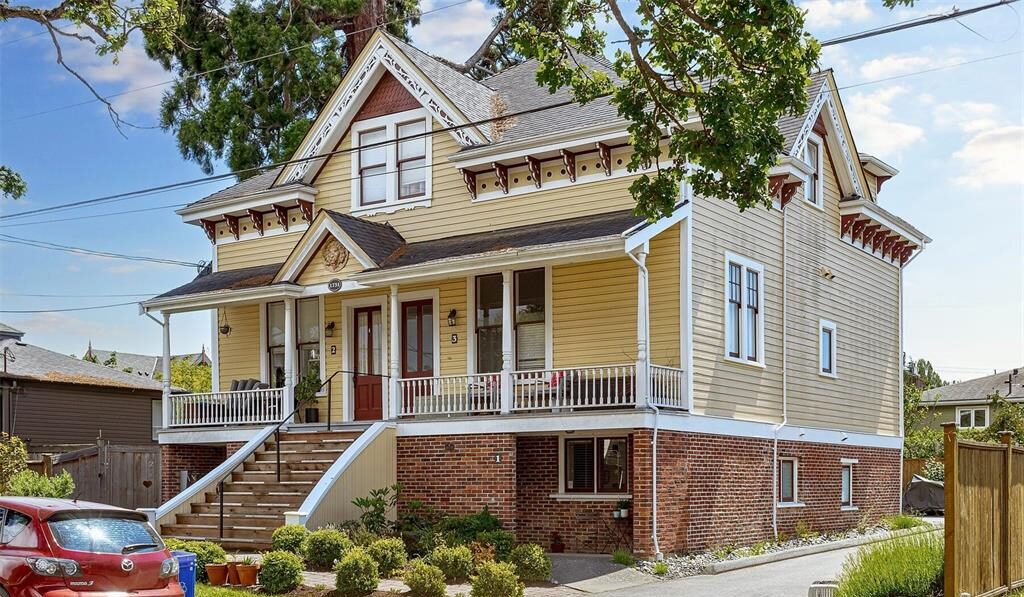
Vancouver Island assessed property values are now available, and many homeowners are asking what the numbers really mean. While assessments influence property taxes, they do not directly reflect current market value. Understanding how BC Assessment works helps put these figures into context. How BC Assessment Determines Value BC Assessment estimates property values annually based on a July 1 valuation date from the prior year. They analyze recent sales, property characteristics, location, and zoning. The goal is fairness across similar properties, not predicting today’s selling price. Why Total Assessed Values Reached $399 Billion Across British Columbia, total assessed property values climbed to approximately $399 billion. This increase reflects long-term population growth, limited housing supply in many areas, and steady demand over several years. Even in a more balanced market, past price gains still influence assessed values. Regional Differences Across Vancouver Island Changes were not uniform. In Greater Victoria, assessments rose by about 1 percent, signalling a cooler and more stable market compared to prior years. In contrast, parts of the North Island saw increases of up to 7 percent, driven by relative affordability, lifestyle demand, and fewer listings. These differences matter. Property taxes are based on your home’s value relative to others in your municipality, not just whether your assessment went up or down. What This Means for Homeowners in 2026 A higher assessment does not automatically mean higher taxes. If your property value increased less than the local average, your tax bill may rise only modestly. For buyers and sellers, assessed values remain a reference point, but market conditions, pricing strategy, and timing still matter more. If you believe your assessment does not reflect your property accurately, you can review comparable sales and file an appeal within the stated deadline. Bottom Line Vancouver Island assessed property values 2026 show a market that is stabilizing in some regions and still adjusting in others. Understanding the assessment process helps homeowners make informed decisions without overreacting to the headline number. Cindy H., 5-Star Review, via Google “The Faber team go above and beyond! Scott is wonderful to deal with and has a great attitude. I definitely recommend.” Faber Real Estate Group Royal LePage Coast Capital Realty 📞 250-244-3430 📧[email protected] ℹ️ Scott Faber Personal Real Estate Corporation ℹ️ Cal Faber Personal Real Estate Corporation Vanessa Wood, Zachary Parsons, and Sophie Taylor “Building Lasting Relationships, One Home at a Time.”
Read more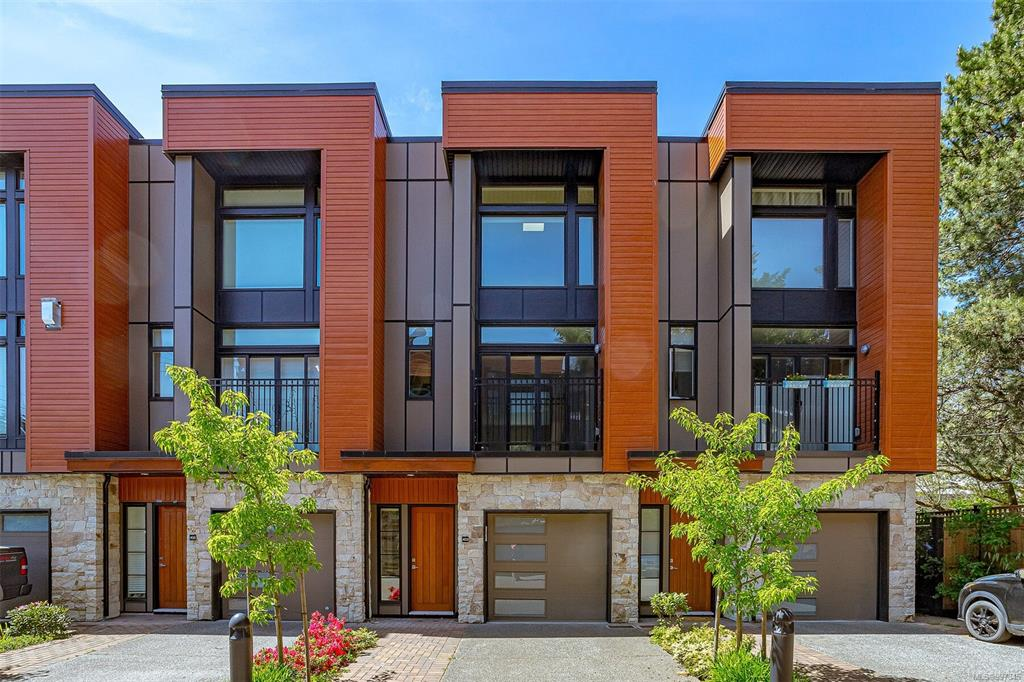
Greater Victoria continues to evolve as population growth, housing demand, and infrastructure investment shape how the region develops. Understanding where future growth is planned can help buyers, homeowners, and investors make informed long term decisions. Westshore Communities The Westshore remains one of the primary growth areas in Greater Victoria. Langford and Colwood continue to see new residential communities, mixed use developments, and commercial expansion. Planned infrastructure improvements, additional schools, and expanding amenities support continued population growth while improving livability. These areas attract buyers seeking newer housing options, relative affordability, and access to both urban convenience and outdoor recreation. Urban Core and Transit Oriented Growth In the City of Victoria and surrounding core municipalities, growth is increasingly focused on higher density development near major transit routes and employment centres. Condos, purpose built rentals, and mixed use projects are planned to support housing demand while limiting urban sprawl. Transit oriented growth helps improve walkability, reduce commute times, and create complete communities where residents can access daily needs without relying heavily on vehicles. Saanich and Established Neighbourhood Intensification Saanich plays a key role in Greater Victoria’s future growth through targeted intensification rather than large scale expansion. Development is often focused along major corridors, village centres, and underutilized commercial areas. This approach allows established neighbourhoods to evolve gradually while preserving community character and improving access to housing close to schools, services, and parks. Infrastructure and Employment Hubs Future growth is closely tied to infrastructure investment and employment centres. Improvements to transportation networks, health care facilities, post secondary institutions, and commercial districts influence where housing demand will remain strong. Areas that combine residential growth with nearby employment opportunities tend to offer stronger long term stability and reduced commuting pressure. Long Term Planning and Livability Across Greater Victoria, growth is guided by official community plans that emphasize sustainability, housing diversity, and livability. Green space preservation, improved transportation options, and community amenities are key priorities as municipalities plan for the future. Understanding these long term plans helps buyers choose areas that align with both lifestyle goals and future value. Brett Hayward, 5-Star Review, via Google “I can’t suggest how to make Fabers better at being good realtors. They’re already congenial, trustworthy, informed, experienced, and thorough. Cal listened and advised, and somewhere in the middle he said what the condo would sell for and he was right on. Thanks!” Faber Real Estate Group Royal LePage Coast Capital Realty 📞 250-244-3430 📧[email protected] ℹ️ Scott Faber Personal Real Estate Corporation ℹ️ Cal Faber Personal Real Estate Corporation Vanessa Wood & Zachary Parsons “Building Lasting Relationships, One Home at a Time.”
Read more