
Posts Tagged ‘Greater Victoria real estate’

When comparing homes, buyers naturally look at square footage. However, floor plan matters more than square footage when the goal is finding a home that actually works for everyday life. Two homes can have nearly identical square footage and feel completely different. One may have open living areas, useful storage, well-sized bedrooms, and very little wasted space. Meanwhile, the other may lose valuable square footage to hallways, awkward corners, oversized entrances, or rooms that are difficult to furnish. Square footage tells you how much space exists. The floor plan tells you how useful that space actually is. The Short Answer A well-designed smaller home can feel more functional than a larger home with an inefficient layout. When comparing floor plans, consider: How much space is actually usable Bedroom size and placement Storage Hallways and circulation space Kitchen functionality Furniture placement Natural light Privacy between rooms Flexibility for future needs Resale appeal Instead of asking only, “How many square feet is it?” ask, “How well does this home use the square footage it has?” Not All Square Footage Works the Same Imagine two condos that are both 900 square feet. The first has an open kitchen and living area, two well-proportioned bedrooms, a walk-in closet, useful entry storage, and a compact hallway. The second has a long entrance corridor, awkward corners, limited closets, and a large primary bedroom that leaves the living room feeling tight. On paper, they are the same size. In practice, they may feel completely different. That difference becomes especially important with condos and townhomes, where every square foot has to work harder. Watch for Wasted Space Some floor plans dedicate a surprising amount of space to areas that have limited everyday use. Long hallways are one example. Oversized entryways, unusual angles, dead corners, and poorly positioned doors can also reduce how much of the home feels usable. Of course, circulation space is necessary. The goal is not to eliminate hallways entirely. Instead, look at how efficiently the home connects one area to another. A 750-square-foot condo with an efficient layout may offer more practical living space than an 850-square-foot condo with significant wasted space. Room Dimensions Matter A floor plan can also reveal something the total square footage cannot: where the space actually went. For example, a larger condo may have most of its additional square footage concentrated in the primary bedroom or entrance. That extra space may not help a buyer who wants a larger living room or home office. Therefore, look beyond the total. Consider whether individual rooms can comfortably accommodate the furniture you already own or expect to use. Ask yourself: Can the bedroom fit a queen or king bed comfortably? Is there space for bedside tables? Can the living room accommodate a sofa without blocking doors? Is there a practical place for a dining table? Can a desk fit somewhere without taking over another room? These details often determine whether the home feels comfortable after move-in. Furniture Placement Can Change Everything Staging can make a home look functional. Your furniture may tell a different story. Windows, doors, fireplaces, kitchen islands, baseboard heaters, and patio entrances all affect where furniture can go. As a result, a large living room may provide surprisingly few options for placing a sofa and television. Meanwhile, a smaller rectangular living room may be much easier to furnish. Before buying, imagine the room empty. Then think about how your furniture would actually fit. Measurements can be far more useful than relying on how large a room appears during a showing. Storage Is Part of the Floor Plan Storage does not always receive enough attention during a home search. Yet storage can dramatically change how spacious a home feels. A slightly smaller property with a proper entry closet, pantry, bedroom closets, linen storage, in-suite storage, or a dedicated locker may function better than a larger home where everyday belongings need to occupy living space. This becomes even more important when moving from a detached home into a condo or townhome. The question is not simply how much space you have. It is where everything will go. Bedroom Placement Affects Privacy The location of rooms matters too. For instance, bedrooms positioned on opposite sides of a condo may work well for roommates, guests, or someone working from home. Alternatively, families with young children may prefer bedrooms closer together. Similarly, a bedroom directly beside a living room or kitchen may experience more noise than one located down a hallway. Neither arrangement is automatically better. However, the layout should fit the way you plan to use the home. Natural Light Can Change How Large a Home Feels Square footage measures floor area, but it does not measure how a room feels. Natural light can make a smaller space feel brighter and more open. Window placement, ceiling height, exposure, and sightlines through the home can all influence that feeling. By comparison, a larger home with limited windows or darker interior rooms may feel more confined. Therefore, buyers should consider both measurable space and perceived space. Both affect how enjoyable the home may be to live in. Open Concept Is Not Always Better Open layouts remain popular, but openness should not automatically be confused with functionality. An open kitchen and living room may create better flow and make a smaller home feel larger. However, some buyers value separation. A dedicated office, defined dining space, separate kitchen, or second living area may be more useful depending on the household. The better floor plan is not necessarily the most open. It is the one that creates the right balance between connection and separation for the people living there. Think About How Your Needs Could Change A good floor plan should work today. Ideally, it also offers some flexibility for tomorrow. A den might become an office, nursery, guest room, or additional storage space. Likewise, a second bedroom might serve several purposes over the years. Flexible space can become particularly valuable when moving again would be expensive or inconvenient. As a result, buyers should consider whether the home can adapt as work, family, hobbies, or lifestyle needs change. A Bigger Home Can Still Feel Smaller This is why floor plan matters more than square footage in many buying decisions. More square footage can be valuable, but only when that additional space improves how the home functions. If another 100 square feet consists mostly of hallways, oversized rooms you do not need, or awkward areas you cannot use, it may provide less value than expected. At the same time, buyers should consider the full cost of that additional space. A larger home may mean a higher purchase price, larger strata fees, more furniture, higher utilities, or increased maintenance. Our article on Why Your Monthly Payment Matters More Than the Purchase Price looks at why the overall cost of ownership deserves as much attention as the price itself. Floor Plan Can Affect Resale Too Eventually, future buyers will evaluate the layout as well. Functional floor plans tend to appeal to a broader range of people because they make everyday use easier. Common considerations include: Practical bedroom sizes Useful storage Good natural light Limited wasted space Clear furniture placement Separation between private and living areas Flexible rooms Easy access to outdoor space Buyer preferences will vary. Still, a practical layout is often easier to understand and use than one that requires compromises from the moment someone walks through the door. Compare How the Homes Live, Not Just Their Numbers When deciding between two properties, try comparing them without looking at the total square footage first. Where Would We Spend Most of Our Time? Is enough space allocated to those rooms? Where Does Everything Go? Are storage and closets adequate? Can We Furnish It Properly? Do room dimensions and wall locations work? Does the Layout Fit Our Lifestyle? Consider privacy, entertaining, working from home, children, pets, and guests. Could It Still Work in Five Years? Look for flexibility rather than only today’s needs. Once you have answered those questions, the square footage number has much more context. Final Thoughts Square footage is useful, but it should not decide which home is better. A thoughtful floor plan can make a smaller property feel comfortable, practical, and surprisingly spacious. On the other hand, inefficient design can make a larger home feel tighter than expected. That is why buyers should compare how each home actually functions. Look at the room sizes. Consider furniture placement. Check the storage. Think about natural light, privacy, and flexibility. The best home is not necessarily the one with the most square footage. It is the one that uses its space in a way that fits your life. Comparing homes with similar square footage but very different layouts? Faber Real Estate Group can help you look beyond the numbers and compare functionality, location, monthly costs, resale considerations, and the trade-offs that may matter most over the years you own the home. Nilo M., 5-Star Review, via Google “This group have a high level of commitment to help and to put thier client’s need ahead of their personal gain. They deal and engage with integrity and wisdom on how it will work for both the seller and the clients. I experienced it first hand in this crazy and difficult season. We just bought a home at Glanford area, and they are always there for us, every step of the way. They are real and can be trusted.” Faber Real Estate Group Royal LePage Coast Capital Realty 📞 250-244-3430 📧 [email protected] ℹ️ Scott Faber Personal Real Estate Corporation ℹ️ Cal Faber Personal Real Estate Corporation Vanessa Wood, Zachary Parsons, and Sophie Taylor “Building Lasting Relationships, One Home at a Time.”
Read more
Investing in a growing neighbourhood can look attractive for obvious reasons. New housing is being built. Businesses are opening. Infrastructure may be improving, and more people are choosing to live in the area. However, growth alone does not make a property a good investment. The real question is whether that growth is creating lasting demand without adding so much new supply that rental income and resale potential become harder to predict. The Short Answer A growing neighbourhood can make sense for investors when several factors support each other: Population and household growth Employment and transportation access Strong rental demand Useful infrastructure and amenities A reasonable balance between housing supply and demand Purchase prices that make sense relative to income Manageable ownership costs A property type future buyers are likely to want In other words, investors should look beyond the growth story and understand what is actually driving it. Start With Why the Neighbourhood Is Growing The first question is simple: Why are more people choosing this area? Growth driven by employment, affordability, transportation, schools, recreation, and daily services may create stronger long-term demand. By comparison, an area growing mainly because large amounts of new housing are being built requires a closer look. New development can be positive. It can bring shops, services, parks, transit, and additional investment into a community. At the same time, development also creates competition. Therefore, investors need to understand whether demand is increasing fast enough to absorb the new housing being added. Look for Real Demand, Not Just Construction Cranes are visible. Demand is not always as obvious. A neighbourhood may have several new condo buildings and townhouse projects underway, but that does not automatically mean every property will perform well. Instead, think about who is actually moving there. Are they: First-time buyers? Families? Professionals? Retirees? Students? Military personnel? Commuters? Different groups want different types of housing. For example, a family-oriented area may create stronger demand for townhomes and homes with extra bedrooms. Meanwhile, a walkable employment centre may support more demand for smaller condos. This is one reason Greater Victoria real estate is so micro-market specific. Even within the same municipality, demand can vary significantly by neighbourhood and property type. Understand How Much New Supply Is Coming Growth often means more construction. For investors, the amount and type of new supply matters. Suppose you buy a two-bedroom condo today, and several hundred similar units are planned nearby. When you eventually rent or sell, those properties may compete directly with yours. On the other hand, a housing type with limited future supply may hold a stronger position. That does not mean investors should avoid areas with development. Instead, compare demand with the amount of competing housing likely to enter the market. Growth is more attractive when demand expands alongside supply. Infrastructure Can Support Long-Term Demand Infrastructure can make a neighbourhood easier and more desirable to live in. That may include: Transit Roads and cycling routes Schools Parks Recreation facilities Shopping Healthcare Employment centres As these services improve, the area may appeal to a wider range of renters and buyers. Still, proposed infrastructure should not be treated the same as completed infrastructure. Plans change. Timelines move. A property should make sense based on what exists today, while future improvements can be treated as potential upside rather than something the investment depends on. Rental Demand Needs to Match the Property A strong neighbourhood does not guarantee strong rental demand for every home. Investors should think about the likely tenant before purchasing. Ask: Who would rent this property? Why would they choose it? How much similar rental inventory is nearby? Would the property remain competitive if more housing were built? A three-bedroom townhouse and a studio condo may sit within the same neighbourhood but serve completely different rental markets. Therefore, neighbourhood analysis and property analysis need to happen together. For investors comparing income-producing properties, Cap Rates in Greater Victoria Explained provides another way to assess the numbers. The Purchase Price Still Has to Work A strong location can still be a poor investment at the wrong price. Investors sometimes pay more because they expect future appreciation to make up the difference. However, future price growth is never guaranteed. Instead, test the property using realistic numbers today. Consider: Rental income Mortgage payments Property taxes Insurance Strata fees Utilities Maintenance Vacancy Repairs and future capital expenses If the investment only works when rents rise quickly or property values increase significantly, the margin for error becomes much smaller. Watch the Cost of Ownership Purchase price gets most of the attention. Ongoing expenses can matter just as much. Two similarly priced properties may produce very different results because one has higher strata fees, insurance costs, maintenance requirements, or property taxes. For strata properties, building condition and financial planning also matter. A lower monthly fee may look attractive, but investors should still understand what the strata is collecting, what major work may be ahead, and how future costs could affect owners. The investment should be evaluated based on the full cost of ownership, not simply the mortgage payment. Think About the Property Without the Growth Story One of the best tests is to remove the excitement around the neighbourhood. Would you still buy the property? Does it have: A useful layout? Parking? Storage? Outdoor space? Reasonable monthly costs? Good access to transportation and services? Broad appeal to future buyers? If the answer is yes, growth may strengthen an already solid investment. If the property only seems attractive because the neighbourhood is expected to become more valuable, the investment may depend too heavily on future assumptions. Consider Your Exit Strategy Before Buying Rental income matters while you own the property. Resale demand matters when you leave. Before purchasing, consider who might buy the home from you later. A property that appeals to investors, first-time buyers, downsizers, or owner-occupiers may offer more flexibility than one designed for a very narrow buyer group. Features such as parking, storage, practical layouts, manageable fees, and access to amenities can become particularly important when several listings compete for attention. Your exit strategy should be part of the purchase decision from the beginning. Be Careful With "Up-and-Coming" Areas The phrase “up-and-coming” is often used to describe areas expected to improve or become more desirable. However, the label alone does not tell investors much. Instead, look for evidence. Has transportation improved? Are new services opening? Is employment access getting better? Are more people choosing the area? Is rental demand strengthening? How much new housing is planned? Most importantly, have buyers already paid a significant premium because they expect future growth? Sometimes the opportunity is still developing. Other times, much of the expected upside may already be reflected in current prices. A Simple Way to Compare Growing Areas When investing in a growing neighbourhood, compare five areas. Demand Who wants to live there, and why? Supply How much similar housing exists now, and how much is coming? Economics Do realistic income and expenses support the purchase price? Liveability Are transportation, services, employment, and amenities supporting the neighbourhood? Resale Who is likely to buy the property from you in the future? No neighbourhood will be perfect across every category. However, looking at these factors together gives investors a better foundation than relying on growth alone. Final Thoughts Investing in a growing neighbourhood can create opportunity, but growth should never be the entire investment thesis. The strongest opportunities are often found where increasing demand, useful infrastructure, reasonable supply, manageable ownership costs, and long-term resale appeal work together. At the same time, the property itself still needs to make sense. A good investment is not simply located somewhere that is changing. It is a property you can justify based on the numbers, the demand, and the long-term fundamentals. Considering an investment property in one of Greater Victoria's growing communities? Faber Real Estate Group can help you compare neighbourhood demand, competing inventory, recent sales, property types, ownership costs, and resale considerations before you decide where the opportunity makes the most sense. Shauna S., 5-Star Review, via Google “Both Scott and Cal assisted us in selling and purchasing. It was a big move for us but they both assisted us in getting more than we initially expected and getting us into a really great property. They helped us work through some issues on both ends and were very professional and helpful! We recommend them to our friends and family who need an agent.” Faber Real Estate Group Royal LePage Coast Capital Realty 📞 250-244-3430 📧 [email protected] ℹ️ Scott Faber Personal Real Estate Corporation ℹ️ Cal Faber Personal Real Estate Corporation Vanessa Wood, Zachary Parsons, and Sophie Taylor “Building Lasting Relationships, One Home at a Time.”
Read more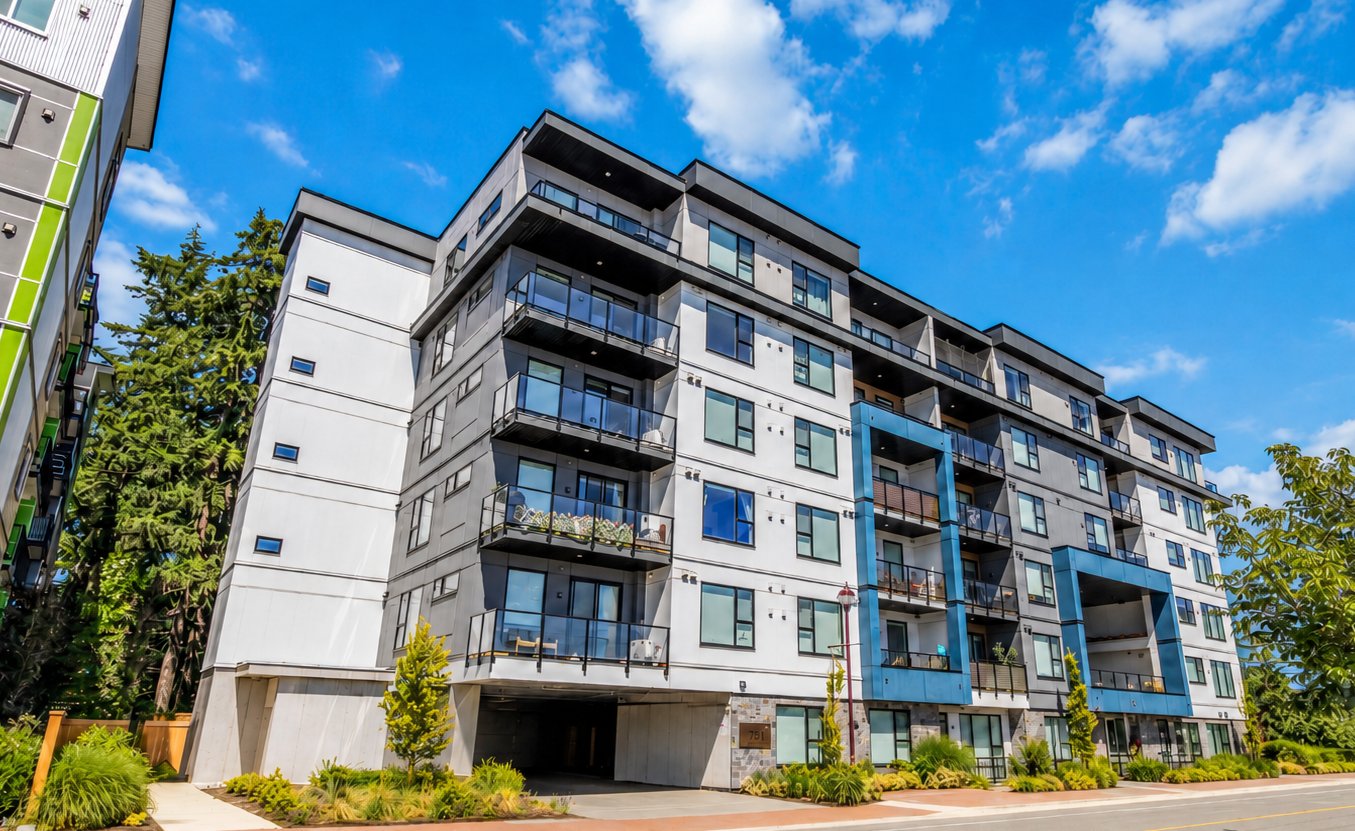
When you compare condo buildings before you buy, it is easy to focus mostly on the units themselves. One has a better kitchen. Another has a larger balcony. One has newer flooring, while the other has a better view. Those differences matter. But when two condos are reasonably close in price and location, the better purchase may have less to do with the countertops and more to do with the building behind them. A condo purchase includes the suite, the strata corporation, shared property, future maintenance obligations, rules, finances, insurance, parking, storage, and the way the building may appeal to future buyers. The Short Answer When comparing two condo buildings, look beyond which unit shows better. Compare: Strata finances and contingency reserve funds Depreciation reports and upcoming work Meeting minutes and maintenance history Strata fees and what they actually cover Insurance Bylaws and rules Parking and storage Building age, construction, and systems Amenities and their ongoing cost Location and resale appeal The strongest condo is not always the newest building or the one with the lowest strata fee. It is the one where the overall package makes sense. Start With How the Buildings Are Managed A well-managed building often leaves clues. Look through council meeting minutes and annual general meeting records. You are trying to understand how the strata responds when problems arise. Does maintenance happen proactively? Are repairs repeatedly delayed? Do the same issues appear month after month? Are owners regularly debating unexpected costs? No building will have perfect minutes. Repairs, complaints, and maintenance are normal parts of shared ownership. The bigger question is whether the strata appears organized and willing to deal with issues before they become more expensive. Compare the Financial Position, Not Just the Strata Fee Buyers often assume the building with the lower monthly fee is better value. That can be misleading. A lower fee may be perfectly reasonable if the building is simpler to operate. It may have fewer amenities, newer systems, or lower operating costs. But low fees can also mean less money is being collected for future expenses. Compare the contingency reserve fund, annual budget, recent spending, planned projects, and how the building intends to fund larger repairs. A higher monthly fee can sometimes provide more predictability if it supports proper maintenance and long-term planning. The question is not: “Which building has cheaper strata fees?” It is: “What am I getting for the fee, and is the building financially prepared for what comes next?” Read the Depreciation Report With the Building’s History A depreciation report can help identify major building components, expected replacement timelines, projected costs, and possible funding approaches. But do not read it by itself. Compare it against the meeting minutes and completed work. If a report identified window replacement several years ago, has anything happened since? If the roof was expected to need attention, was it repaired, replaced, or deferred? If major projects are approaching, how does the strata plan to pay for them? Two buildings of the same age can have very different financial outlooks depending on what has already been completed and what remains ahead. Look at Maintenance, Not Just Age Newer does not automatically mean better. Older does not automatically mean risky. An older building that has consistently replaced roofs, elevators, plumbing, windows, balconies, or other major components may compare favourably with a newer building that has delayed maintenance. The age of the building gives you context. The maintenance history tells you more. This is one reason buyers should avoid making decisions based simply on the year built. Compare What the Strata Fees Include Two buildings may have similar fees but very different operating structures. One may include: Hot water Heating Gas Building insurance Caretaker services Landscaping Fitness facilities Guest suites Pool or recreation areas Another building may offer very few shared services. Neither is automatically better. Buyers should compare the full monthly cost and decide whether they are actually getting value from what the building provides. This also connects to Why Your Monthly Payment Matters More Than the Purchase Price. The purchase price is only one part of what a home costs to own. Amenities Have a Cost A rooftop patio, swimming pool, gym, guest suite, concierge, landscaped courtyard, or multiple elevators can add lifestyle value. They also need to be maintained. Ask yourself whether you will actually use the amenities and whether they strengthen the building's appeal enough to justify their ongoing cost. A simpler building with fewer amenities may suit a buyer who values lower operating complexity. Another buyer may happily pay more for a building that provides amenities they will use every week. Value depends on how the building fits your lifestyle. Compare the Rules Before You Fall in Love With the Unit Bylaws can make two similar condos function very differently. Check rules relating to: Pets Rentals Smoking Renovations Flooring Barbecues Parking Storage EV charging Move-in procedures Use of balconies and common areas A condo can be beautiful and still be the wrong home if the building's rules conflict with how you plan to live. Understanding the bylaws before removing conditions is much easier than discovering restrictions after possession. Parking and Storage Can Separate Two Similar Buildings Parking and storage sometimes look like secondary features during the search. They often become much more important over time. Consider whether parking is secure, underground, EV-ready, easy to access, and clearly associated with the unit. Then look at storage. Is there a locker? Bike storage? Space for outdoor equipment? Enough room for the lifestyle you actually have? Our guide to Why Parking and Storage Matter When Buying a Condo looks more closely at why these practical features can also influence resale appeal. Think About Insurance and Future Costs Insurance deserves attention because the strata's coverage, deductible structure, and claims history can affect owners. Buyers should understand the building's insurance information and speak with their own insurance provider about coverage for the individual unit. The goal is not to find a building with zero risk. It is to understand the risk before making the purchase. That same thinking applies when deciding whether something is a reasonable compromise or a concern that deserves more attention. Our Buyer Compromises vs Red Flags guide can help put those trade-offs into perspective. Look at the Building Through a Future Buyer's Eyes You may love both units today. But eventually, another buyer may be comparing them too. Consider: Building reputation Location Parking availability Storage Pet rules Layouts Exterior condition Common areas Strata fees Amenities Maintenance history Upcoming capital projects A well-located, well-run building with practical features can appeal to a broad buyer pool even if the individual unit is not the most renovated one on the market. Cosmetic finishes can change. The building is much harder to change. Do Not Automatically Choose the Prettier Condo Imagine two units at a similar price. Condo A has a renovated kitchen and newer flooring, but the building has upcoming major work, limited reserves, higher operating complexity, and unclear maintenance planning. Condo B has an older kitchen, but the building has a strong maintenance history, clear financial planning, secure parking, useful storage, and recent major upgrades. Condo A may photograph better. Condo B may deserve the closer look. That does not mean Condo B is automatically the right choice. It means buyers should separate cosmetic value from building-level value. Build a Simple Comparison When you compare condo buildings before you buy, score each one across five areas. 1. Financial Health Is the strata preparing for future costs? 2. Building Condition What has already been completed, and what may be coming? 3. Lifestyle Fit Do the bylaws, amenities, parking, storage, and location work for you? 4. Monthly Cost What will ownership actually cost beyond the mortgage? 5. Resale Flexibility Would the building appeal to a reasonably broad group of future buyers? This type of comparison can make the decision much clearer than simply choosing the unit with the nicer finishes. Final Thoughts Comparing condos means comparing much more than bedrooms, square footage, and finishes. The better building may have stronger finances, clearer maintenance planning, more useful features, better rules for your lifestyle, or greater resale flexibility. Sometimes that means choosing the unit with the nicer kitchen. Sometimes it means choosing the slightly less impressive unit in the building you would rather own for the next ten years. Good condo buying is not about finding a building with no problems. It is about understanding the differences well enough to decide which set of trade-offs you are comfortable owning. Comparing two condos and unsure which building is actually the stronger choice? Faber Real Estate Group can help you compare the strata documents, financial position, maintenance history, practical features, and recent sales so you can look beyond the suite and understand what you would really be buying. Debbie N., 5-Star Review, via Google “From start to finish, Scott and Cal were amazing to work with. I hadn’t moved in nearly 22 years and going from a house to a condo was a very difficult decision, but they were amazingly patient and responsive to my needs. This team doesn’t just say that they care, they actually do. I couldn’t have done this without them. I would recommend them to anyone. You will be in the best hands. Thank you Faber Group!!!” Faber Real Estate Group Royal LePage Coast Capital Realty 📞 250-244-3430 📧 [email protected] ℹ️ Scott Faber Personal Real Estate Corporation ℹ️ Cal Faber Personal Real Estate Corporation Vanessa Wood, Zachary Parsons, and Sophie Taylor “Building Lasting Relationships, One Home at a Time.”
Read more
Should you buy now or wait until fall in Victoria? It is a reasonable question, especially when buyers are seeing more listings, hearing mixed opinions about interest rates, and wondering whether better opportunities could appear later in the year. The problem is that waiting only works when something specific is expected to improve. Fall may bring different listings and changing market conditions, but it does not guarantee lower prices, lower mortgage payments, or less competition. The Short Answer Buyers who are financially prepared, understand their monthly costs, and find the right property may have good reasons to act now. Buyers who need more time to strengthen their finances, sell another property, or clarify what they need may benefit from waiting. The decision should depend less on predicting the fall market and more on whether waiting creates a measurable advantage. What the Victoria Market Looks Like Right Now The Greater Victoria market is offering buyers more selection than it did during the low-inventory years. In June 2026: 719 properties sold across the Victoria Real Estate Board region Sales were 5.5% lower than in June 2025 There were 4,054 active listings at the end of the month Active inventory was 7.3% higher than one year earlier VREB described the market as active and balanced, with buyers generally having more time and more options to compare properties. Prices have also varied by property type. In the Victoria Core, the June benchmark was approximately $1,326,500 for a single-family home and $549,200 for a condominium. Both were slightly lower than their June 2025 benchmarks. This does not mean every property is negotiable or that prices are falling evenly across the region. Well-priced homes in desirable locations can still attract strong interest. Why Buying Now May Make Sense You Have More Properties to Compare Higher inventory can give buyers more opportunities to compare: Condition Location Layout Strata fees Parking and storage Renovation requirements Monthly ownership costs Seller motivation More listings do not automatically mean lower prices, but they can reduce the pressure to make a rushed decision. You May Have More Negotiating Room Negotiation is not limited to the purchase price. Depending on the property and seller, buyers may be able to negotiate: Subject conditions Completion and possession dates Included items Repairs Credits or adjustments Deposit timing A price that reflects the home’s condition Properties that have been sitting on the market or competing with several similar listings may give buyers more room to structure favourable terms. The Right Property Is Available Now A home that fits your budget, location, layout, and long-term plans may be more valuable than a hypothetical fall opportunity. Waiting may produce a lower-priced listing. It may also mean losing a home that is unusually well suited to your needs. The goal is not to buy quickly. It is to recognize when the right combination of property, price, and terms becomes available. Why Waiting Until Fall May Make Sense Waiting can be a smart strategy when the extra time improves your position. That may include: Increasing your down payment Paying down debt Improving your credit Confirming employment or income Selling your current home Receiving a clearer mortgage approval Narrowing your preferred neighbourhoods Building a stronger emergency fund In these situations, waiting is not an attempt to time the market. It is a way to become a more prepared buyer. Do Not Assume Mortgage Rates Will Be Lower The Bank of Canada held its policy rate at 2.25% on July 15, 2026. Its next scheduled rate announcement is September 2, 2026. The Bank also emphasized that economic and inflation uncertainty remains elevated. That means buyers should avoid building their plans around an assumed fall rate reduction. BCREA’s June mortgage outlook expected the Bank of Canada to hold its policy rate through the remainder of 2026, while noting that fixed mortgage rates remain sensitive to bond markets and global economic conditions. Rates could improve, remain similar, or move higher. A lower rate could also bring more buyers back into the market, increasing competition for desirable homes. The better approach is to calculate what you can comfortably afford under current conditions and treat any future improvement as a benefit rather than a requirement. Victoria Is Not One Real Estate Market Market timing can look very different depending on what you are buying. A downtown condo does not compete in the same market as a detached home in Saanich. A Langford townhome may face different supply and demand than a character home in Fairfield or a waterfront property on the Peninsula. Your decision should consider: Property type Price range Municipality Strata or freehold ownership Condition New construction versus resale Number of competing listings Recent comparable sales Broader statistics provide context, but the best timing decision comes from studying the specific micro-market where you plan to buy. Four Questions to Ask Before Waiting Before postponing your search until fall, ask: 1. What exactly do I expect to improve? Identify whether you are waiting for better finances, more suitable inventory, lower rates, or lower prices. 2. Is that improvement within my control? Saving more money is within your control. Predicting where home prices or mortgage rates will be in October is not. 3. What happens if conditions do not improve? Consider whether you would still buy in the fall if prices, rates, and inventory remained similar. 4. Would the right home today change my decision? If the answer is yes, it may make sense to remain active while keeping strict criteria rather than pausing your search completely. The Bottom Line Deciding whether to buy now or wait until fall in Victoria is not about choosing the perfect month. Buying now may make sense when: Your finances are ready Your monthly payment is comfortable You expect to remain in the home long enough The right property is available The price and terms reflect the current market Waiting may make sense when: Your financial position will clearly improve Your timeline is flexible Current inventory does not meet your needs You are still uncertain about location or property type Buying now would place too much pressure on your budget A strong buying decision is based on preparation, property-specific value, and personal timing - not the hope that the next season will automatically offer a better deal. Compare Buying Now With Waiting Until Fall If you are unsure whether to act now or pause your search, Faber Real Estate Group can compare current listings, recent sales, monthly ownership costs, and competition within your preferred Victoria neighbourhoods. The goal is not to push your timeline forward. It is to help you understand what waiting could improve, what it could cost, and whether the right opportunity is already available. Douha E., 5-Star Review, via Google “Finding a home can be stressful, but Scott made it easy. He was so patient with us, answered all our questions, and gave us honest advice that helped us find the perfect home. We’re thrilled with the outcome and would 100% recommend Scott to anyone looking to buy. He’s great!” Faber Real Estate Group Royal LePage Coast Capital Realty 📞 250-244-3430 📧 [email protected] ℹ️ Scott Faber Personal Real Estate Corporation ℹ️ Cal Faber Personal Real Estate Corporation Vanessa Wood, Zachary Parsons, and Sophie Taylor “Building Lasting Relationships, One Home at a Time.”
Read more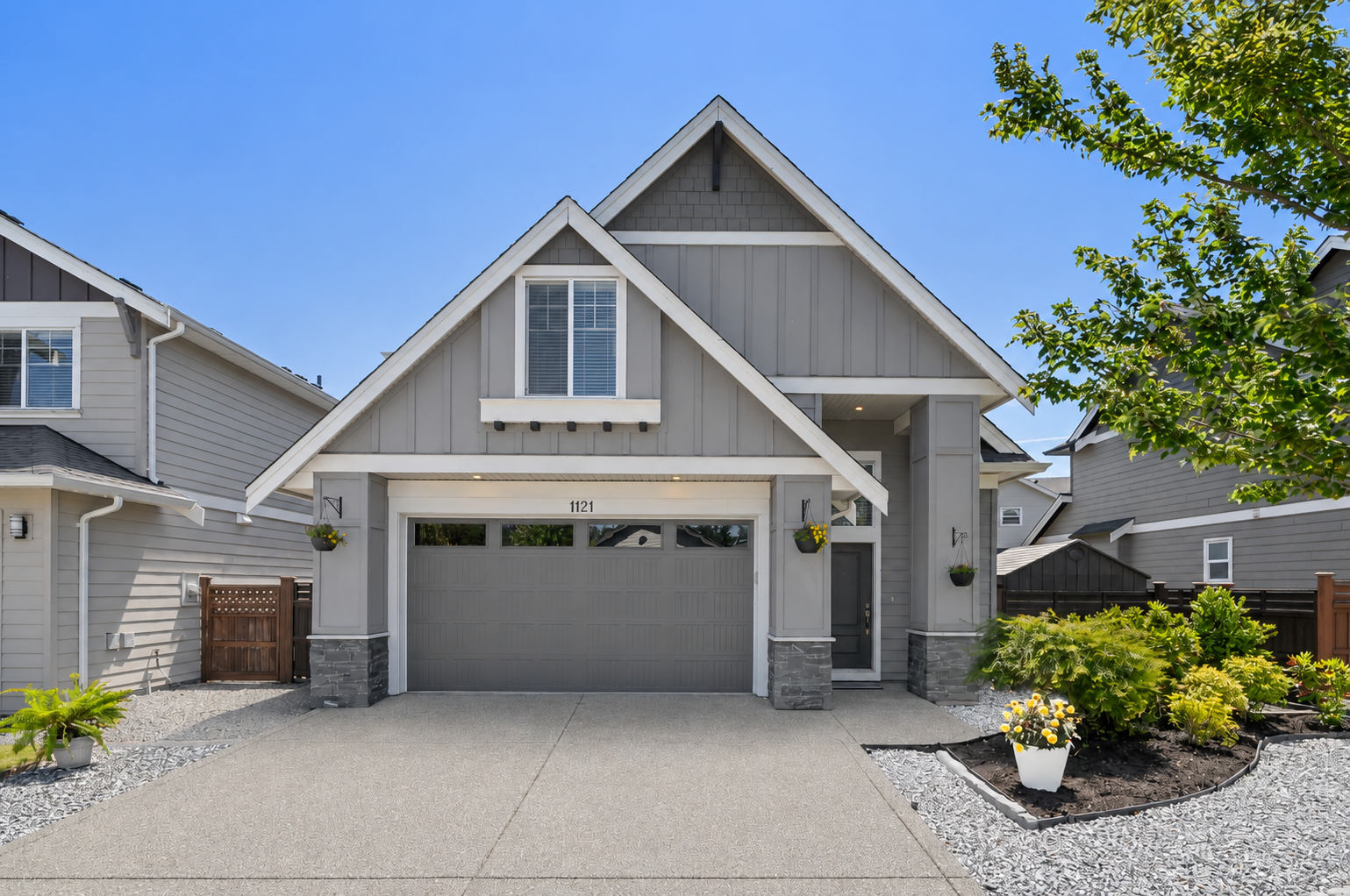
What buyers should negotiate beyond the purchase price can be just as important as the price itself. A strong offer is not simply a dollar amount. It is a complete set of terms that determines how much time you have for due diligence, when you receive possession, what stays with the home, and what must happen before the purchase becomes firm. Sometimes a slightly higher price with poor terms creates more risk than a well-structured offer at the same price. The Short Answer Beyond the purchase price, buyers may need to negotiate: Deposit amount and timing Subject conditions Due diligence timelines Completion and possession dates Included and excluded items Repairs or property condition Vacant possession Access before possession Strata fees, levies, or other adjustments Seller representations and supporting documents The right priorities depend on the property, your financing, the seller’s plans, and the amount of competition. Deposit Amount and Timing The deposit shows the buyer’s commitment and forms part of the funds used toward the purchase. Buyers may negotiate: The deposit amount When it must be paid Who will hold it in trust Whether it is due after acceptance or subject removal A larger or faster deposit may make an offer appear stronger, but it must remain realistic. Buyers should confirm that the funds are available within the written timeline. BCFSA advises buyers to understand how the deposit will be held and the circumstances under which it may be released. Failing to complete a firm purchase can also carry serious legal and financial consequences. Subject Conditions Subjects give buyers time to investigate the property and confirm they can safely complete the purchase. Common subjects may include: Financing approval Home inspection Property insurance Title review Property Disclosure Statement review Strata document review Septic, well, or oil tank review Sale of the buyer’s current home BCFSA explains that an accepted offer becomes legally binding when signed by both parties, even when it contains subjects. The subjects set out conditions that must be fulfilled before the sale proceeds. Subject dates should allow enough time to complete meaningful due diligence. Removing an important condition simply to make an offer look stronger may create far more risk than the possible negotiating advantage. B.C.’s Home Buyer Rescission Period may apply to certain residential purchases, but it is not a replacement for financing, inspection, insurance, or document-review subjects. Rescinding an eligible purchase generally requires payment of 0.25% of the purchase price. For a plain-language explanation of subjects, deposits, completion, and other contract terms, read Common Real Estate Terms Explained. Completion, Adjustment, and Possession Dates Dates can carry real value. A seller may want more time to move, coordinate another purchase, or avoid temporary accommodation. A buyer may need possession before a lease ends, school begins, or a rate hold expires. The main dates include: Completion date: Legal ownership transfers to the buyer. Adjustment date: Shared expenses are divided between the buyer and seller. Possession date: The buyer receives access to the property. Completion and possession do not always occur on the same day. Flexible dates can sometimes help a buyer compete without increasing the price. However, the dates still need to work with the buyer’s lender, lawyer or notary, insurance provider, movers, and current housing arrangements. Included and Excluded Items Buyers should never assume that an item will remain with the home. The contract should clearly identify items such as: Appliances Window coverings Wall-mounted televisions or brackets Shelving and storage systems Outdoor structures Hot tubs Security equipment EV charging equipment Garage cabinets Freezers or additional refrigerators For strata properties, buyers should also confirm the legal use or allocation of parking stalls, storage lockers, patios, and other limited common property. Clear wording helps prevent disagreements during the final walkthrough or possession. Repairs and Property Condition An inspection may reveal an issue that affects cost, safety, insurance, or future maintenance. Depending on the contract and the concern, a buyer may request: A repair before completion Further inspection by a specialist Supporting invoices or permits A price adjustment Another agreed amendment Additional time for investigation The seller does not have to agree to a new request simply because an inspection identified a concern. Repair requests should be specific. The contract or amendment may need to state who completes the work, what standard applies, whether permits are required, and when proof of completion must be provided. Any financial credit or adjustment should also be reviewed with the buyer’s lender and legal representative before it is included. For help separating manageable trade-offs from more serious concerns, read Buyer Compromises vs Red Flags. Access Before Possession Buyers may want access before possession for: Measurements Renovation estimates Contractor appointments Appliance planning A final walkthrough This access is not automatic. It should be requested and agreed to in writing. A final walkthrough can help confirm that the property remains in substantially the expected condition and that included items are still present. It is not a new home inspection or an opportunity to reopen every part of the agreement. Vacant Possession and Tenanted Properties When purchasing a tenanted property, buyers should clearly understand whether they are assuming the tenancy or requesting vacant possession. Vacant possession depends on proper contract wording, lawful notice requirements, timing, and the specific reason the buyer needs the property. Buyers should obtain professional advice before assuming that a tenant can simply be required to leave by possession day. The completion and possession dates must provide enough time for the required process. Not Every Term Needs to Become a Battle Effective negotiation is not about asking for everything. Too many small requests can distract from the terms that genuinely protect your finances, timing, and intended use of the home. Before writing an offer, decide: What do you need? What would be helpful? What are you willing to trade? Which risks are unacceptable? Which terms may matter most to the seller? This creates a more focused offer and makes it easier to respond if the seller counters. Why the Best Offer Is Not Always the Highest A seller may care about certainty, timing, subjects, deposit strength, included items, or the ease of their move. That means buyers can sometimes improve an offer without simply increasing the price. The goal is not to make the offer as aggressive as possible. The goal is to create the strongest offer you can comfortably and responsibly complete. Before viewing homes, it also helps to build a clear plan around your budget, preferred areas, trade-offs, and risk tolerance. Read Before You View Homes: Build a Better Search Plan for a practical starting point. Final Thoughts Understanding what buyers should negotiate beyond the purchase price creates a clearer picture of the entire agreement. Price matters, but so do the conditions that protect your financing, the dates that control your move, the items that remain with the home, and the wording that defines each party’s responsibilities. A good negotiation should improve the overall purchase, not simply reduce the number on the first page. Build an Offer Around More Than Price Before focusing only on how much to offer, speak with our team about the complete agreement. We can help you compare the property, competition, due diligence needs, dates, inclusions, and seller priorities so your offer protects what matters while remaining competitive in the Greater Victoria market. Lynn L, 5-Star Review, via Google “Purchasing our home with Faber Real Estate Group has been nothing short of fantastic. Scott Faber's attention to detail and personal service is outstanding. His professionalism and friendly personality went a long way for us. We are more than pleased we chose Scott and Faber Real Estate Group as our agent. We wish to extend our heartfelt "Thank You" to Scott and his team. We highly recommend them!” Faber Real Estate Group Royal LePage Coast Capital Realty 📞 250-244-3430 📧 [email protected] ℹ️ Scott Faber Personal Real Estate Corporation ℹ️ Cal Faber Personal Real Estate Corporation Vanessa Wood, Zachary Parsons, and Sophie Taylor “Building Lasting Relationships, One Home at a Time.”
Read more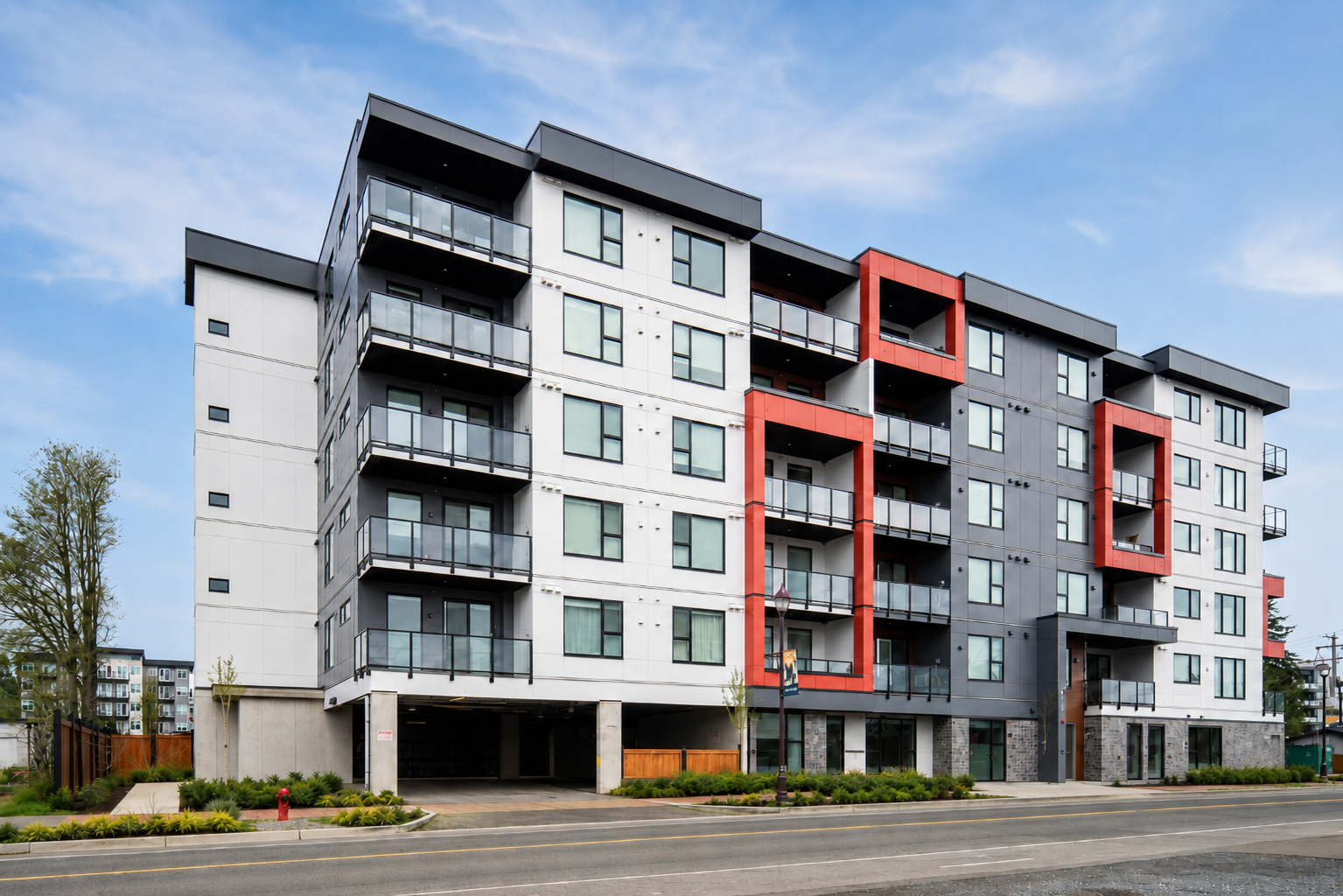
Victoria condo market competition has increased because buyers have more properties to compare, condo sales have slowed, and similar listings are often competing for the same price-sensitive buyer. This does not mean every condo is difficult to sell. Well-priced homes in desirable buildings can still attract strong interest. It does mean buyers are looking more carefully at the complete package before deciding which condo offers the best value. The Short Answer Victoria condos are facing more competition because: Overall housing inventory has increased Condo sales have slowed more than detached home sales Buyers have more time to compare similar units Monthly strata costs affect affordability Building condition matters more when choices are available Newer and resale condos may compete for the same buyers In June 2026, 182 condominiums sold across the Victoria Real Estate Board region, a 26.9% decrease from June 2025. Overall active listings reached 4,054, up 7.3% year over year. The Victoria Core condo benchmark was $549,200, down 1.9% from the previous June. More Inventory Changes How Buyers Make Decisions When inventory is limited, buyers may need to decide quickly because another suitable option may not appear soon. When more listings are available, buyers can compare several condos before writing an offer. They may look at: Price and monthly payment Strata fees Parking and storage Floor plan and natural light Building age and maintenance Depreciation reports Contingency reserve funds Insurance deductibles Pet and rental bylaws Upcoming repairs or assessments This creates direct competition between listings that might not appear identical at first glance. A buyer may compare an older, larger condo in Victoria with a smaller unit in a newer building. Another may compare a walkable downtown location with a newer Westshore property offering parking, storage, and lower maintenance concerns. As explained in Why Greater Victoria Real Estate Is So Micro-Market Specific, property type, price range, location, and buyer profile can all create different market conditions within the same region. Condos Often Compete Within Narrow Price Ranges Many condo buyers are shopping within firm monthly affordability limits. A difference of $25,000 in purchase price may seem manageable, but the calculation changes when buyers add: Mortgage payments Strata fees Property taxes Insurance Utilities Parking costs Potential assessments This means a condo with a lower asking price does not automatically offer better value. A slightly more expensive unit may compete successfully if it includes secure parking, storage, a heat pump, better building maintenance, or lower expected repair costs. Practical features can become especially important when several listings offer similar square footage and finishes. Read Why Parking and Storage Matter When Buying a Condo for a closer look at how these features affect everyday use and resale appeal. The Building Matters as Much as the Unit A renovated kitchen may help a condo make a strong first impression, but buyers are also assessing the building behind it. They want to understand whether the strata has planned responsibly for future expenses. Two similar units can receive very different reactions when one building has: A healthy contingency reserve fund Clear maintenance planning A current depreciation report Reasonable strata fees Completed major projects Organized strata records The other may have deferred maintenance, unclear financial planning, or a possible special assessment. When buyers have several choices, uncertainty can quickly become a reason to move on to another listing. Resale Condos May Also Compete With Newer Homes Depending on the neighbourhood and price range, buyers may compare a resale condo with recently completed or move-in-ready new construction. Newer condos may offer modern heating and cooling, updated building systems, home warranty coverage, contemporary finishes, or electric vehicle infrastructure. Resale properties can still compete well, especially when they offer larger floor plans, established neighbourhoods, stronger walkability, lower purchase prices, or a proven strata history. The goal is not to make every condo look new. It is to clearly explain why that specific property offers value. What This Means for Condo Sellers Condo sellers need to price and position their home against what buyers can purchase today, not what a similar unit sold for during a tighter market. A strong strategy should consider: Active competing listings Recent comparable sales Price reductions in the building or neighbourhood Current days on market Strata fees and upcoming projects Parking and storage Condition and presentation The most likely buyer profile Good presentation still matters, but presentation cannot correct a price that ignores the current competition. Buyers should be able to understand the condo’s strongest advantages quickly. These might include walkability, views, outdoor space, quiet exposure, building management, recent upgrades, parking, storage, or a functional floor plan. What This Means for Condo Buyers More competition between listings can create better conditions for buyers. You may have more time to review documents, compare monthly costs, request conditions, and negotiate terms. However, not every listing will offer the same amount of flexibility. The strongest condos can still attract interest when they are: Priced accurately Located in desirable areas Well maintained Supported by strong strata records Difficult to replace within their price range The opportunity is not simply finding the lowest price. It is finding the best balance of location, condition, building quality, monthly cost, and future resale appeal. For more guidance, read Market Trends: What Buyers Should Watch in Greater Victoria. The Bottom Line Victoria condos are facing more competition because buyers have more choice and are taking more time to compare value. For sellers, this market rewards accurate pricing, strong presentation, organized strata information, and clear positioning. For buyers, it creates room to be selective and complete careful due diligence. Victoria condo market competition is not affecting every building equally. The condos that stand out are usually the ones that offer a clear reason to choose them over the alternatives. Thinking About Buying or Selling a Condo in Victoria? Whether you are preparing to list or comparing available condos, understanding the competition within the building, neighbourhood, and price range can shape a better decision. Contact Faber Real Estate Group for a condo-specific market analysis and a clear strategy based on current listings, recent sales, building quality, and the features buyers are prioritizing right now. Nicholas D., 5-Star Review, via Google “Scott is an awesome realtor and real estate advisor. He got me all the information I needed incredibly quick and helped me make an informed buying decision. Couldn’t have done it without him and 10/10 will be recommending him to my friends and family! There are thousands of realtors on the island, but Scott and his team are by far the best” Faber Real Estate Group Royal LePage Coast Capital Realty 📞 250-244-3430 📧 [email protected] ℹ️ Scott Faber Personal Real Estate Corporation ℹ️ Cal Faber Personal Real Estate Corporation Vanessa Wood, Zachary Parsons, and Sophie Taylor “Building Lasting Relationships, One Home at a Time.”
Read more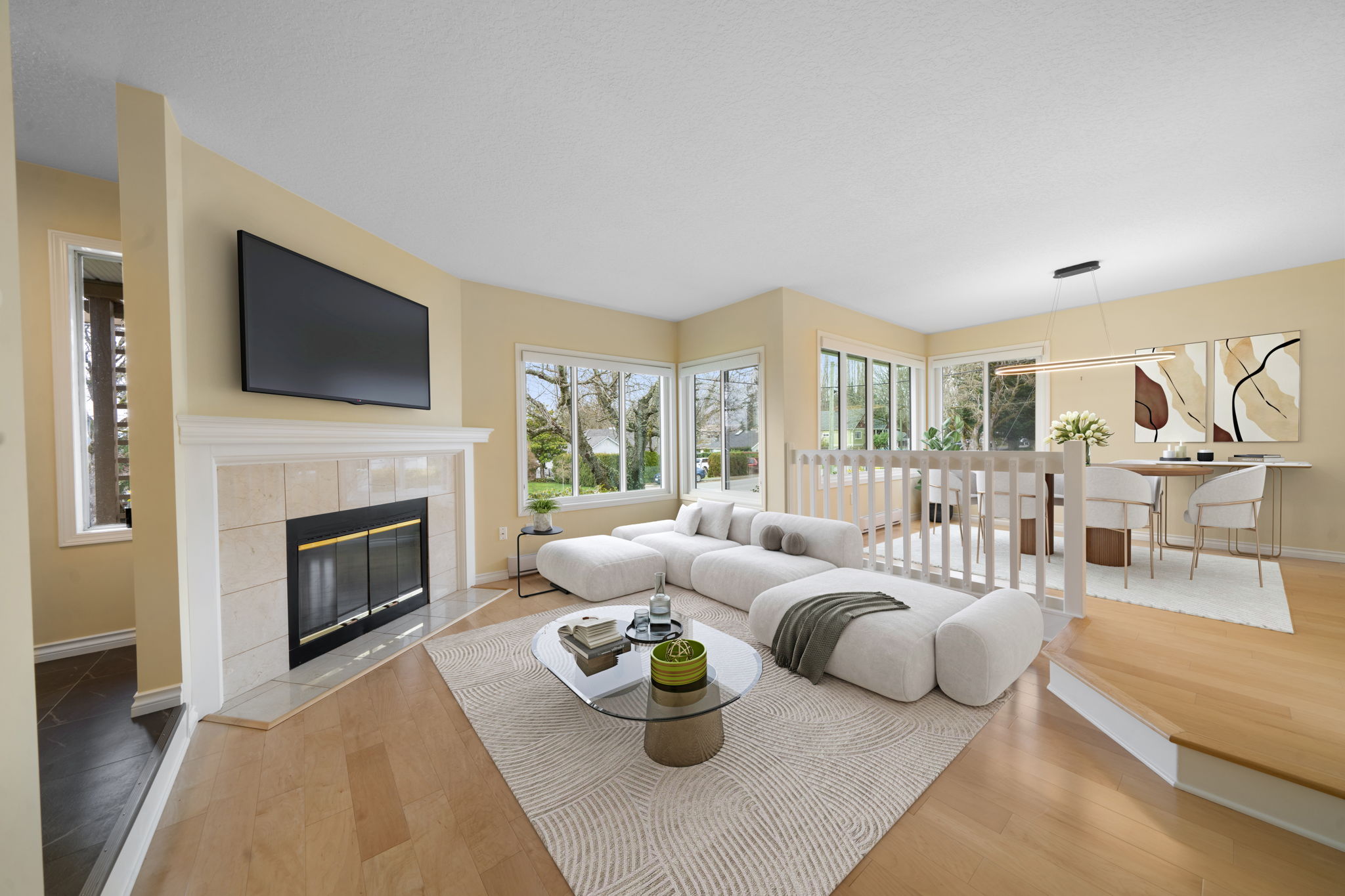
For many buyers, monthly payment matters more than purchase price because the purchase price does not show how comfortably a home will fit into everyday life. A home may fall within your approved price range and still place too much pressure on your monthly budget. Another home may cost slightly more but have lower strata fees, better energy efficiency, fewer immediate repairs, or features that reduce other household expenses. The better question is not simply, “How much can I buy?” It is, “What will this home cost me each month, and does that payment leave enough room for the rest of my life?” The Short Answer The purchase price tells you what the home costs to buy. The monthly payment tells you what it costs to own and live in. A realistic home-buying budget should consider: Mortgage principal and interest Property taxes Home insurance Strata fees, when applicable Utilities Maintenance and repairs Parking or storage costs Transportation and commuting expenses Looking at these costs together gives you a much clearer picture of affordability. Your Mortgage Approval Is Not Your Budget A lender may approve you for a certain mortgage amount, but that does not mean you need to spend the full amount. Your approval is based on financial qualification standards. It does not fully account for your preferred lifestyle, savings goals, travel plans, childcare expenses, renovations, hobbies, or how much financial breathing room helps you feel comfortable. Before setting your search range, decide what monthly housing payment feels manageable. This can help you avoid becoming house-poor - owning a home you technically qualify for while having little room left for savings, emergencies, or everyday enjoyment. Our guide on building a better home search plan can help you define your budget and priorities before viewing properties. A Lower Purchase Price Does Not Always Mean a Lower Monthly Cost Consider two condominiums. The first is priced $30,000 lower but has a monthly strata fee that is $300 higher. The second costs more upfront but has lower strata fees and includes parking, storage, hot water, or other services. That additional $300 per month equals $3,600 per year. Over five years, that is $18,000 before accounting for future fee increases. The lower-priced home may still be the better choice, but the list price alone does not provide enough information. Buyers should compare the full monthly ownership cost and understand what each expense includes. This is especially important when comparing older and newer strata properties, where fees, maintenance expectations, insurance costs, amenities, and upcoming building work can vary significantly. Interest Rates Can Change the Math The same purchase price can produce a very different mortgage payment depending on: Your down payment The mortgage rate The amortization period Whether the mortgage is fixed or variable The length of the mortgage term A small change in the interest rate can affect your monthly payment more than a modest change in purchase price. Your mortgage professional can help you compare payment scenarios before you begin viewing homes. Asking for several examples - rather than one maximum approval amount - can help you set a more comfortable search range. It is also worth considering how the payment could change when the mortgage comes up for renewal. Include the Costs That Do Not Appear in the Listing Price Two similarly priced homes can create very different monthly budgets. For example, one property may require: A longer daily commute Higher heating costs Immediate repairs or upgrades Separate parking expenses More regular exterior maintenance Higher insurance premiums Another home may have a higher price but include efficient heating, newer systems, lower maintenance needs, or a location that reduces transportation costs. Affordability is not only about the mortgage. It is about the complete cost of the lifestyle connected to the property. When comparing neighbourhoods, our guide to what $800,000 may buy across Greater Victoria explains how property type, location, space, and trade-offs can change within the same general budget. Leave Room for Ownership A comfortable monthly payment should leave room for more than the basic bills. Homeowners also need to prepare for: Routine maintenance Appliance replacement Insurance deductibles Strata fee increases Special assessments Property tax increases Unexpected repairs Buying at the top of your approval range can make these expenses more stressful. A slightly lower monthly payment can provide flexibility to build savings, make improvements, handle repairs, or adjust when other household costs rise. Comfort Matters More Than Maximum Buying Power The most expensive home you can qualify for is not automatically the best home for you. A better purchase is one that supports your priorities without placing unnecessary pressure on your finances. That may mean choosing a different neighbourhood, buying a smaller property, increasing your down payment, or reconsidering features that add significant monthly costs. Some compromises are practical. Others may create ongoing frustration or financial strain. Our post on buyer compromises versus red flags can help you tell the difference. Build Your Search Around the Monthly Number When monthly payment matters more than purchase price, your property search becomes more focused. Instead of viewing every home near your maximum approval, you can compare properties based on: Total estimated monthly cost Future maintenance requirements Included services and amenities Location-related expenses Long-term flexibility How the payment fits your actual lifestyle The goal is not simply to buy a home. It is to buy a home you can enjoy without feeling that every other part of your budget has been stretched too far. For help creating a Greater Victoria home search based on your preferred monthly budget, priorities, and long-term plans, learn more about how we support buyers through our Buy With Us page. Mark G., 5-Star Review, via Google “One of the best experiences I’ve had with a realtor. Above all, it seems that i have gained a great relationship and i appreciate that more than feeling like just a transaction. I will definitely be going back for my next big purchase!” Faber Real Estate Group Royal LePage Coast Capital Realty 📞 250-244-3430 📧 [email protected] ℹ️ Scott Faber Personal Real Estate Corporation ℹ️ Cal Faber Personal Real Estate Corporation Vanessa Wood, Zachary Parsons, and Sophie Taylor “Building Lasting Relationships, One Home at a Time.”
Read more
Summer can be a practical time to make a move in Greater Victoria. The days are longer, homes often show well, families may be trying to move before the school year starts, and buyers tend to have more flexibility for showings and open houses. But summer is not automatically easier. The summer real estate market Greater Victoria buyers and sellers are entering still requires preparation, realistic expectations, and a clear understanding of how your specific property type, price range, and neighbourhood are performing. According to the Victoria Real Estate Board, 719 properties sold in the region in June 2026, down 5.5% from June 2025 and slightly up from May 2026. Active listings reached 4,054 at the end of June, a 7.3% increase from the same time last year. VREB described the market as active and balanced, with more choice for buyers than in the low-inventory years. That means buyers may have more room to compare options, while sellers need to be more thoughtful about pricing, presentation, and strategy. For Buyers: More Choice Does Not Mean No Competition More listings can be helpful, but it does not mean every buyer suddenly has an easy path. The right homes can still attract strong interest, especially when they are well-priced, well-presented, and located in desirable areas. Buyers should avoid assuming that more inventory means they can move slowly on every property. Before viewing homes, it helps to be clear on: Your budget beyond the pre-approval Your preferred areas and commute Your must-haves versus nice-to-haves Your comfort level with strata fees, insurance, maintenance, or renovation work Your ideal possession timeline Your offer strategy if the right home comes up A stronger summer buying plan starts before the first showing. If you are still refining your search, our post on building a better home search plan is a helpful place to start. For Sellers: Presentation and Pricing Matter More Than Season Summer can help a listing feel bright, welcoming, and easy to imagine living in. Gardens are fuller. Natural light is stronger. Outdoor spaces are easier to enjoy. For many homes, this creates a valuable first impression. But good weather does not replace good strategy. In a market with more active listings, buyers have options. They are comparing price, condition, layout, location, parking, storage, strata documents, future costs, and lifestyle fit. A home that is priced too far ahead of the market can sit, even during a strong seasonal window. Sellers should focus on: Pricing based on current competing listings, not only past sales Clean, simple presentation Strong photography and marketing Easy showing access where possible Clear communication around timelines A realistic plan if feedback points to price resistance If you are preparing to list, our post on why sellers should not ignore competing listings is especially relevant. Summer Timelines Can Move Quickly Summer can create timing pressure. Buyers may want to move before September. Sellers may be balancing vacations, family plans, showings, and moving logistics. Contractors, inspectors, lawyers, mortgage brokers, and strata managers may also have busier schedules or holiday availability to consider. That makes preparation important. For buyers, this means having financing conversations early, understanding deposit requirements, and knowing what subjects you may need before writing an offer. For sellers, this means preparing documents, completing small repairs, organizing the home before photos, and having a clear plan for showings while still enjoying your summer. The goal is not to rush. The goal is to remove avoidable delays before they become stressful. Neighbourhoods and Property Types Will Not All Behave the Same Way There is no single Greater Victoria market. A condo in downtown Victoria may face different buyer behaviour than a townhome in Langford, a family home in Saanich, or an acreage near Metchosin or the Highlands. Even within the same city, price range and property type can change the strategy. For example: Entry-level condos may attract first-time buyers watching monthly affordability closely Well-located townhomes may appeal to buyers who need more space without moving too far out Detached homes may depend heavily on condition, suite potential, schools, parking, and lot usability Newer homes and pre-sales may attract buyers who value lower maintenance and modern features This is why broad market headlines can only tell part of the story. Your decision should be based on the micro-market that applies to your home, your search, and your timeline. What Buyers Should Watch This Summer Buyers should pay attention to value, not just price. A lower-priced home is not always the better buy if it comes with higher repair costs, weaker resale appeal, poor layout, or strata concerns. At the same time, a well-priced home may still be worth acting on quickly if it fits your needs and avoids major red flags. Before writing an offer, ask: Does this home fit the way I actually live? Are there future costs I need to understand? How does this property compare with recent sales and active listings? Am I reacting to pressure, or making a clear decision? Would I still want this home if another buyer was not interested? Buying well in the summer real estate market Greater Victoria often comes down to patience, preparation, and knowing when a property truly fits. What Sellers Should Watch This Summer Sellers should pay attention to buyer feedback early. If showings are happening but offers are not coming in, the market may be telling you something. It could be price, presentation, access, condition, layout, or competition from similar homes. A good listing strategy is not just about launching the property. It is about reviewing the response and adjusting when needed. That may include: Improving presentation Updating photos if the home changes seasonally Adjusting showing access Repositioning the listing description Revisiting price based on current activity Comparing new competing listings each week In summer, momentum matters. The first few weeks can shape how buyers perceive the listing. The Bottom Line Summer can be a smart time to buy or sell in Greater Victoria, but the best results still come from a clear plan. Buyers should use the extra choice to compare carefully, stay prepared, and avoid getting distracted by homes that do not fit their long-term needs. Sellers should focus on pricing, presentation, and current competition, not just the assumption that summer will bring stronger demand on its own. Whether you are planning a move now or simply watching the market, the right strategy depends on your neighbourhood, property type, price range, and timeline. If you are thinking about buying or selling this summer, our team is here to help you make a confident, informed decision. Hendri E., 5-Star Review, via Google “We had a fantastic experience working with Cal and Scott. They provided a truly personalized service, taking the time to understand exactly what our needs were and guiding us through every step of the process. What really stood out was how they went above and beyond—we felt fully supported from start to finish. Highly recommended!” Faber Real Estate Group Royal LePage Coast Capital Realty 📞 250-244-3430 📧 [email protected] ℹ️ Scott Faber Personal Real Estate Corporation ℹ️ Cal Faber Personal Real Estate Corporation Vanessa Wood, Zachary Parsons, and Sophie Taylor “Building Lasting Relationships, One Home at a Time.”
Read more
Buying or selling a home can feel easier when common real estate terms explained in plain language are part of the conversation from the start. Real estate comes with many words that sound familiar but carry specific meaning. Terms like subjects, deposit, completion, possession, strata fees, title, and market value can affect your timeline, your costs, and your confidence. Here is a simple guide to help you understand the language before you make a move. Why Real Estate Terms Matter Real estate decisions move quickly. When you understand the key terms, you can ask better questions, compare options more clearly, and feel more prepared before signing documents. This is especially helpful for first-time buyers, sellers who have not moved in years, and anyone comparing different property types in Greater Victoria. For more buyer guidance, visit: https://www.fabergroup.ca/buy-with-us/ MLS MLS stands for Multiple Listing Service. It is the system REALTORS® use to list and share properties for sale. MLS listings usually include the price, property details, photos, room measurements, taxes, strata information if applicable, and showing instructions. List Price The list price is the asking price set by the seller. It is not always the final sale price. A home may sell below, at, or above the list price depending on market conditions, buyer demand, property condition, pricing strategy, and negotiation. Offer An offer is a written proposal from a buyer to purchase a property. It usually includes: Purchase price Deposit amount Subject conditions Completion date Possession date Included items Terms and timelines Once signed and accepted, the offer becomes a contract. Subjects Subjects are conditions that must be satisfied before the buyer is fully committed to the purchase. Common subjects may include: Financing Home inspection Insurance Title review Property disclosure review Strata document review Sale of the buyer’s current home Subjects give the buyer time to complete due diligence before moving forward. Subject Removal Subject removal is the point when the buyer removes their conditions in writing. Once subjects are removed, the contract becomes firm. This is an important step. Before removing subjects, buyers should feel comfortable with their financing, inspection, documents, insurance, and any other important review items. Deposit A deposit is money the buyer provides after an accepted offer, usually within the timeline written into the contract. The deposit shows commitment to the purchase and is typically held in trust. If the sale completes, the deposit forms part of the buyer’s purchase funds. If the buyer does not complete after the contract is firm, there may be serious legal and financial consequences. Completion Date The completion date is the day legal ownership transfers from the seller to the buyer. This is also when the seller is paid and the buyer’s mortgage funds are advanced. In most cases, the buyer does not receive keys on the exact moment of completion. That usually happens on possession. Possession Date The possession date is when the buyer gets access to the home. This is the exciting day most people think of as moving day. Completion and possession can happen on the same day, but they are often scheduled separately. Adjustment Date The adjustment date is used to calculate shared costs between the buyer and seller. These may include property taxes, strata fees, utilities, rent, or other prepaid expenses. For example, if the seller has already paid property taxes for the year, the buyer may reimburse the seller for the portion that applies after completion. Title Title refers to legal ownership of the property. A title search can show important details such as ownership, legal description, registered mortgages, easements, covenants, rights of way, or other charges. Reviewing title helps buyers understand what is registered against the property before completing the purchase. Property Disclosure Statement The Property Disclosure Statement, often called the PDS, is a form completed by the seller. It provides information about the property based on the seller’s knowledge. Buyers should review it carefully, but it should not replace inspections, document review, or professional advice where needed. Appraisal An appraisal is an estimate of a property’s value, often requested by a lender. The lender may want to confirm the home supports the mortgage amount being requested. An appraisal is different from a home inspection. It is focused on value, not the physical condition of every part of the home. Home Inspection A home inspection is a visual review of the property’s condition. The inspector may review major systems such as the roof, foundation, plumbing, electrical, heating, exterior, attic, and interior components. The goal is not to find a perfect home. The goal is to understand what you are buying. Strata A strata property is a form of ownership often used for condos, townhomes, and some duplex-style homes. When you buy a strata property, you own your individual unit and share responsibility for common property. This may include hallways, elevators, roofs, landscaping, parking areas, exterior walls, or shared amenities. Strata Fees Strata fees are monthly payments made by owners in a strata corporation. These fees help cover shared costs such as insurance, maintenance, landscaping, management, repairs, utilities, and contributions to the contingency reserve fund. Lower strata fees are not always better. The key is whether the strata is collecting enough money to maintain the building properly. Contingency Reserve Fund The contingency reserve fund is money set aside by the strata for future repairs and major expenses. A stronger reserve fund can help reduce the risk of sudden costs, but it should always be reviewed alongside the building’s age, maintenance history, depreciation report, and upcoming projects. Special Levy A special levy is an extra amount owners may need to pay for a specific expense. This can happen when the strata needs to fund a major repair, upgrade, or shortfall. Special levies are not always a red flag, but buyers should understand why the levy exists, how much it costs, and whether more costs may be coming. Depreciation Report A depreciation report is a planning document for strata properties. It helps estimate future repair and replacement costs for common property items. This may include roofs, windows, elevators, parkades, siding, plumbing systems, and other shared components. It helps buyers understand the longer-term health of the building. Market Value Market value is what a buyer is willing to pay and a seller is willing to accept in the current market. It is influenced by recent comparable sales, property condition, location, inventory, buyer demand, interest rates, and timing. Market value is not always the same as assessed value. Assessed Value Assessed value is the value assigned by BC Assessment for property tax purposes. It can be helpful context, but it does not always reflect current market value. A property can sell above or below assessed value depending on recent sales and current buyer demand. Closing Costs Closing costs are the extra costs buyers should prepare for beyond the purchase price. These may include: Property Transfer Tax, if applicable Legal fees Title insurance Home inspection Insurance Appraisal fee, if required Adjustments Moving costs Before writing an offer, buyers should understand their full budget, not just the down payment. Pre-Approval A mortgage pre-approval gives buyers an early idea of what they may be able to borrow. However, it is not a final mortgage approval. Final approval usually depends on the property, lender review, appraisal if required, income verification, debt levels, and other financial details. Firm Sale A firm sale means all conditions have been removed or there were no conditions in the offer. At that point, both sides are expected to complete according to the contract. This is why due diligence before subject removal is so important. Why Clear Language Helps Real estate should not feel confusing. When real estate terms explained clearly become part of the process, buyers and sellers can make better decisions with less stress. The right guidance helps you understand what each step means, what questions to ask, and what needs attention before you move forward. For seller guidance, visit: https://www.fabergroup.ca/sell-with-us/ Final Thoughts You do not need to know every real estate term before buying or selling. However, you do need the right people helping you understand what matters when it matters. A clear process can make the experience feel less rushed and more manageable. If you are buying or selling in Greater Victoria and want plain-language guidance from start to finish, our team is here to help. Michael B., 5-Star Review, via Google “Excellent experience with Faber group! Zach is an amazing young professional, he is very knowledgeable and explained everything to me (a first time buyer) very well. Towards the end I got to work with Cal as well who was also very kind and professional. I would certainly recommend Faber group.” Faber Real Estate Group Royal LePage Coast Capital Realty 📞 250-244-3430 📧 [email protected] ℹ️ Scott Faber Personal RealEstate Corporation ℹ️ Cal Faber Personal Real Estate Corporation Vanessa Wood, Zachary Parsons, and Sophie Taylor “Building Lasting Relationships, One Home at a Time.”
Read more
Understanding compromise vs red flag ,swhen buying a home can help you make a calmer, clearer decision before you write an offer. Most buyers will not find a home that checks every box. That does not mean they are settling. It means they are choosing which trade-offs make sense and which concerns need a closer look. A compromise is usually something you can live with, change, or plan around. A red flag is a warning sign that could affect safety, cost, resale, financing, or peace of mind. The difference matters. What Is a Reasonable Compromise? A compromise is a trade-off between what you want and what still works. For example, you may choose: A smaller yard to stay in your preferred neighbourhood An older kitchen because the layout works well A longer commute for more space A condo instead of a townhouse to stay within budget A home that needs cosmetic updates over time These are not always problems. In fact, most smart buyers make some form of compromise. The key is knowing whether the trade-off supports your lifestyle, budget, and long-term plan. Questions to Ask Before Accepting a Compromise Before you move forward, ask yourself a few clear questions. Can I live with this every day? Paint colour is easy to change. A layout that does not work for your family is harder to ignore. Focus on the parts of the home that affect daily life, such as storage, parking, noise, stairs, natural light, and commute. Can I fix this within my budget? Some updates can happen slowly. Others may cost more than expected. Before accepting a compromise, think about the true cost of changing it. A dated bathroom may be manageable. Old wiring, drainage issues, or a failing roof may need more care. Will this affect resale? You do not need to buy a home that works for everyone. However, resale still matters. Limited parking, an unusual layout, poor access, or a difficult location can reduce the number of future buyers. That does not mean you should walk away. It simply means you should understand the trade-off before you buy. What Is a Red Flag? A red flag is not always a dealbreaker. However, it is a reason to slow down and ask better questions. When thinking about compromise vs red flag when buying a home, look at whether the issue creates risk beyond simple preference. Common red flags may include: Water damage or moisture concerns Foundation or drainage issues Old electrical or plumbing systems A roof near the end of its life Signs of mould or poor ventilation Unpermitted renovations Missing or unclear documents Strata financial concerns Repeated special levies A purchase that stretches your monthly budget too far These concerns need proper review before you decide what to do next. Why the Home Inspection Matters A home inspection helps you understand what you are buying. It is not about finding a perfect home. It is about spotting visible concerns, future repairs, and maintenance priorities. For example, an older roof may be acceptable if the price reflects it. However, active leaks or repeated moisture problems may point to a larger issue. Good information helps you make a better decision. It also gives you room to negotiate, ask questions, or walk away if needed. Strata Homes Need Extra Review If you are buying a condo or townhouse, the unit is only one part of the decision. The building matters too. A beautiful condo may still carry risk if the strata has weak financials, ongoing repairs, insurance concerns, or poor maintenance history. Before buying a strata property, review: Form B Strata minutes Budget Bylaws Insurance documents Depreciation report Contingency reserve fund Any upcoming levies or major repairs This review can help you understand whether the home is a smart fit or just looks good on the surface. For more buyer guidance, visit: https://www.fabergroup.ca/buy-with-us/ Budget Red Flags Matter Too Not every red flag shows up during a walkthrough. Sometimes the biggest risk is the monthly cost. A home may fit your pre-approval but still feel too tight once you include taxes, strata fees, insurance, utilities, repairs, and moving costs. Before writing an offer, ask: What will this home cost each month? Do I have room for repairs? Will I still feel comfortable after closing? Am I relying on everything going perfectly? Does this home support the life I want? A good home should fit your life, not just your approval amount. A Simple Way to Decide When a concern comes up, place it into one of three categories. Preference This is something you wanted but do not truly need. Examples include paint colours, cabinet style, flooring, or light fixtures. These are often manageable compromises. Practical Concern This affects how the home works. Examples include parking, storage, layout, noise, commute, or renovation needs. These deserve more thought. Risk Factor This could affect cost, safety, financing, resale, or legal clarity. Examples include water damage, structural concerns, strata issues, unpermitted work, or an uncomfortable budget. These need deeper review before you move forward. Why Local Guidance Helps Greater Victoria has many different property types, and each one comes with its own trade-offs. Older homes may offer charm but need more maintenance. Condos may offer convenience but require careful strata review. Townhomes may provide more space but come with bylaws and monthly fees. Rural properties may involve wells, septic systems, access, zoning, and insurance considerations. That is why local guidance matters. The right advice can help you compare the home, the risks, the neighbourhood, and the numbers together. You can also start exploring current listings here: https://www.fabergroup.ca/search-homes/ Final Thoughts A compromise is not a failure. It is often part of buying the right home. A red flag is different. It is a signal to pause, ask questions, and protect your future self. The goal is not to find a flawless property. The goal is to understand what you are accepting before you say yes. When you can tell the difference between a reasonable compromise and a serious concern, you can buy with more clarity and fewer regrets. If you are buying in Greater Victoria and want help reviewing a property, comparing trade-offs, or understanding what concerns deserve a closer look, our team is here to help. Maryann G., 5-Star Review, via Google “We recently sold our home through the Faber Real Estate Group. We received excellent service as we navigated our way through the sale of the house. I would recommend, they are so professional and gave good advice leading to a quick sale.” Faber Real Estate Group Royal LePage Coast Capital Realty 📞 250-244-3430 📧 [email protected] ℹ️ Scott Faber Personal Real Estate Corporation ℹ️ Cal Faber Personal Real Estate Corporation Vanessa Wood, Zachary Parsons, and Sophie Taylor “Building Lasting Relationships, One Home at a Time.”
Read more