


Cap rates in Greater Victoria are a key metric for investors evaluating rental property performance. Whether you are purchasing a condo in the urban core or a suited home in the Westshore, understanding capitalization rates helps you assess risk, return, and pricing discipline. If you are analyzing investment property, cap rates in Greater Victoria provide a fast way to compare opportunities across neighbourhoods. What Is a Cap Rate? The capitalization rate measures a property’s return based on its net operating income. Formula: Cap Rate = Net Operating Income ÷ Purchase Price Net operating income includes rental income minus operating expenses such as: Property taxes Insurance Maintenance Property management Strata fees It does not include mortgage payments. Cap rate evaluates the property itself, not your financing structure. Typical Cap Rates in Greater Victoria Cap rates in Greater Victoria are generally lower than many Canadian markets. This reflects: Strong long-term appreciation High demand and limited land supply Stable government and institutional employment As of recent market cycles, investors often see approximate ranges such as: 3% to 4% for prime core areas 4% to 5% in select Westshore submarkets Higher returns possible in properties requiring renovation or repositioning For example, a condo in downtown Victoria may trade at a lower cap rate due to high demand and limited vacancy. Meanwhile, a suited property in Langford could offer a slightly stronger yield with higher rental flexibility. Why Are Cap Rates Lower Here? Several structural factors influence cap rates in Greater Victoria: Constrained housing supply due to geography Consistent in-migration to Vancouver Island Low vacancy rates Strong rental demand from students at University of Victoria Government and military employment stability Because investors anticipate appreciation, they accept lower immediate yield in exchange for long-term equity growth. What Is a “Good” Cap Rate? A good cap rate depends on your investment strategy. If you prioritize: Cash flow → You may target higher cap rates in emerging areas. Appreciation → You may accept lower cap rates in established neighbourhoods. Risk mitigation → You may focus on strong tenant demand and stable buildings. In Greater Victoria, many investors prioritize stability and appreciation over aggressive yield. Cap Rate vs Cash Flow It is important not to confuse cap rate with cash flow. A property can have: A strong cap rate but negative cash flow due to high interest rates A lower cap rate but stable long-term equity growth Financing conditions significantly affect actual monthly performance. Therefore, investors must analyze both cap rate and debt servicing. How to Use Cap Rates Effectively Cap rates in Greater Victoria work best as a comparison tool. They allow you to: Compare neighbourhoods objectively Evaluate pricing relative to income Identify overvalued or underperforming assets Screen properties quickly before deeper due diligence However, cap rates alone do not capture future development potential, zoning changes, or suite opportunities. A full underwriting analysis remains essential. Final Thoughts Cap rates in Greater Victoria remain compressed compared to many markets, but they reflect a stable, supply-constrained region with consistent demand. For investors focused on long-term growth and risk-adjusted returns, this market continues to offer compelling fundamentals. If you are considering an investment purchase and want help analyzing cap rates and projected returns, reach out anytime to review current opportunities and run the numbers together. Grymyko J., 5-Star Review, via Google “Scott and Cal were a pleasure to work with, thank you Guys for negotiating a good deal for us, will definitely work with them again in the future!” Faber Real Estate Group Royal LePage Coast Capital Realty 📞 250-244-3430 📧[email protected] ℹ️ Scott Faber Personal Real Estate Corporation ℹ️ Cal Faber Personal Real Estate Corporation Vanessa Wood, Zachary Parsons, and Sophie Taylor “Building Lasting Relationships, One Home at a Time.”
Read more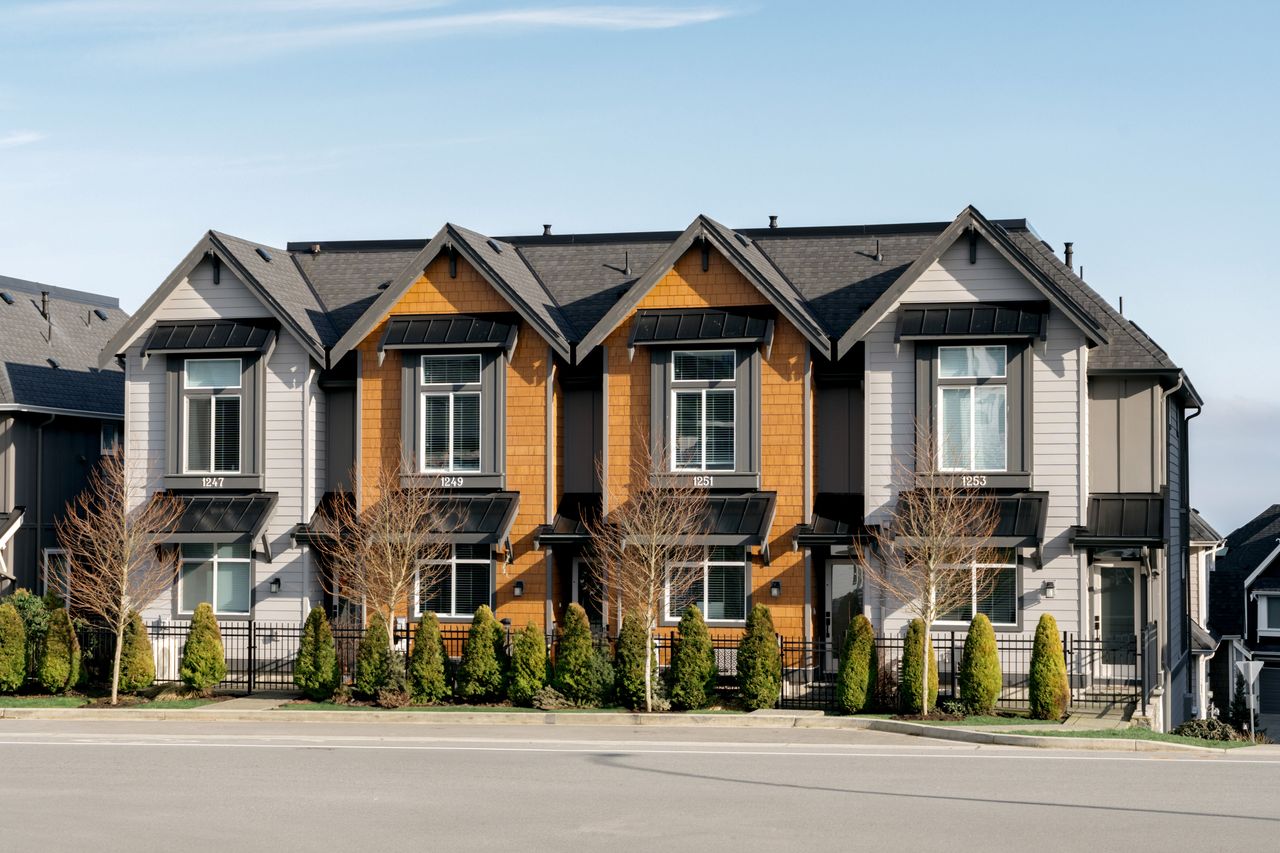
If you are wondering what $800,000 buys you in Victoria, the answer depends heavily on location, property type, and neighbourhood demand. In today’s Greater Victoria market, $800,000 sits in the entry-to-mid range for many areas. However, purchasing power shifts significantly between core Victoria and the Westshore. Here is a realistic look at what $800,000 buys you in Victoria across several popular neighbourhoods. Langford (Westshore) In Langford, $800,000 typically buys: A newer 2 to 3-bedroom townhome A small detached home on a compact lot A large, modern condo with amenities Langford continues to attract buyers seeking newer construction and strong long-term growth. Many developments offer energy-efficient builds and family-oriented layouts. For buyers priced out of central Victoria, Langford provides value per square foot that is difficult to match. This price point works well for first-time buyers, young families, and investors targeting rental demand. Gordon Head (Saanich East) In Gordon Head, $800,000 usually buys: An older townhome A smaller detached home in original condition A condo near the university Proximity to University of Victoria supports steady rental demand and long-term appreciation. Detached homes in this area often exceed this budget unless they require renovation. Buyers here pay a premium for location, schools, and proximity to beaches. For investors, properties with suite potential can create stronger cash flow. Fairfield Fairfield is known for character homes and walkability. At $800,000, buyers can expect: A smaller condo or garden suite A leasehold property A townhome in select buildings Detached character homes in Fairfield generally trade well above this range. Buyers at this price point gain access to one of Victoria’s most desirable lifestyle locations, close to parks and oceanfront paths. James Bay In James Bay, $800,000 commonly buys: A spacious condo with water or city views A renovated two-bedroom unit in a concrete building A townhome in select complexes This neighbourhood appeals to downsizers and professionals who value walkability to downtown. Concrete buildings with strong strata management often hold value well over time. Saanich East Saanich East offers a balance between suburban space and central convenience. At $800,000, buyers may find: An older detached home requiring updates A well-appointed townhome A larger condo in a low-rise building School catchments and quiet residential streets drive consistent demand here. What Influences Value at $800,000? Several factors determine what $800,000 buys you in Victoria: Lot size and zoning potential Age and condition of the property Proximity to schools, parks, and transit Strata fees and building quality Rental or suite potential Neighbourhood supply also matters. Westshore areas tend to offer more inventory at this price point, while core Victoria remains constrained. Is $800,000 a Good Budget in Victoria? For townhomes and condos, $800,000 remains a strong budget across many neighbourhoods. For detached homes, expectations must adjust depending on location and condition. Buyers prioritizing space often look west, while buyers prioritizing lifestyle choose central neighbourhoods and accept smaller footprints. Understanding what $800,000 buys you in Victoria allows you to align your purchase with long-term goals rather than short-term emotion. If you are considering buying and want a tailored breakdown of options in your target neighbourhood, reach out anytime to discuss your goals and explore available opportunities. Justine D., 5-Star Review, via Google “If you are looking for a realtor you can TRUST, and will look out for YOUR interests— then Cal and Scott are IT!!! I would recommend them to anyone looking to buy a home on the Island. I should also mention that Cal negotiated an amazing price on the purchase of our home and made sure if something was not right when we took possession that it would be taken care of. Cal and Scott and realtors with integrity and kindness..” Faber Real Estate Group Royal LePage Coast Capital Realty 📞 250-244-3430 📧[email protected] ℹ️ Scott Faber Personal Real Estate Corporation ℹ️ Cal Faber Personal Real Estate Corporation Vanessa Wood, Zachary Parsons, and Sophie Taylor “Building Lasting Relationships, One Home at a Time.”
Read more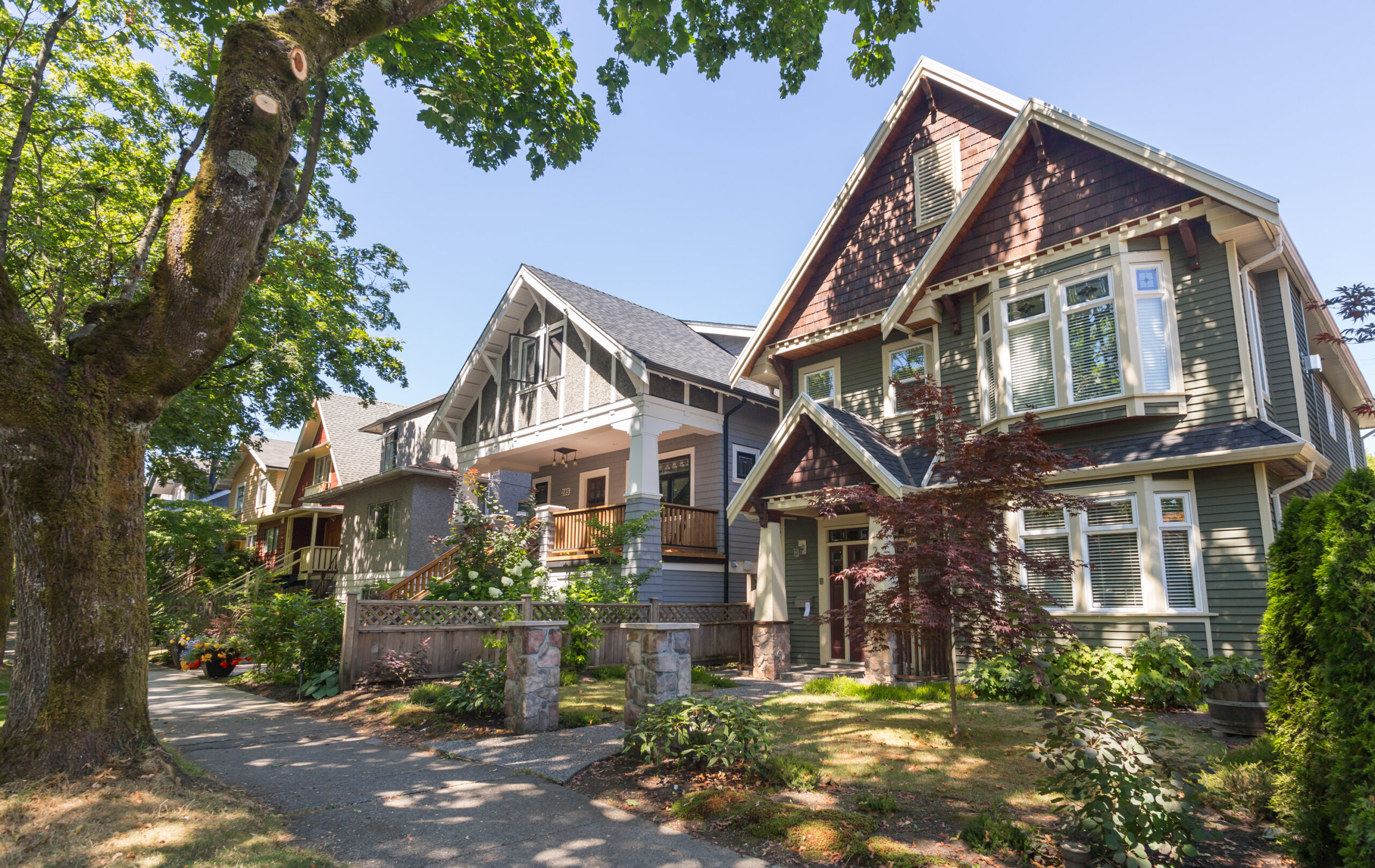
Victoria, BC home maintenance and value are closely linked. In a market where buyers expect well-kept homes, ongoing upkeep is not just about comfort. It plays a direct role in protecting resale value and long-term equity. From James Bay character homes to newer properties in Langford, maintenance signals how a home has been cared for over time. Buyers and appraisers notice. What Counts as Home Maintenance Home maintenance includes routine tasks and planned repairs that prevent deterioration. This covers roof upkeep, plumbing and electrical updates, HVAC servicing, exterior paint, and drainage management. When maintenance is deferred, small issues often turn into expensive problems. This can reduce appraised value and limit buyer interest, especially in competitive Victoria neighbourhoods. How Maintenance Supports Long-Term Value Well-maintained homes tend to sell faster and closer to asking price. They also appraise more consistently. Key value drivers include: Curb appeal Clean exteriors, tidy landscaping, and fresh paint improve first impressions. In Victoria, a neglected exterior often raises concerns about moisture or structural issues. Prevention of major repairs Fixing minor problems early helps avoid larger failures. This matters in Victoria’s wet climate, where roof leaks, poor drainage, and moisture intrusion are common red flags. Energy efficiency Updated windows, insulation, and electrical systems appeal to buyers and reduce operating costs. Energy-efficient homes also align with current buyer expectations in BC. Structural condition Roofing, foundations, and plumbing directly affect value. Older homes in Victoria require consistent attention to avoid depreciation tied to outdated systems. Victoria BC home maintenance and value trends show that condition often matters more than cosmetic upgrades alone. Victoria-Specific Maintenance Considerations Coastal exposure increases wear from moisture and salt air. Annual maintenance budgets often fall around 1 percent of building value, not including land. In established areas like Oak Bay and Fairfield, buyers expect turnkey condition. Deferred maintenance can reduce buyer confidence and negotiation strength. Over-improving can also backfire. Upgrades should match neighbourhood expectations and buyer demand. Practical Maintenance Tips for Homeowners Create an annual maintenance checklist focused on roofs, drainage, and ventilation Prioritize kitchens, bathrooms, and exterior condition Budget 1 to 2 percent of home value annually for upkeep Schedule professional inspections, especially for older homes Keep records of repairs and upgrades for resale and appraisals For sellers, documented maintenance supports pricing. For buyers, well-maintained homes reduce future costs. Bottom Line Victoria BC home maintenance and value go hand in hand. Proactive upkeep protects equity, supports resale pricing, and reduces surprises. In a stable but selective market, condition remains one of the strongest drivers of long-term home value. This content is for educational purposes only. Always consult local professionals and municipal guidelines for property-specific advice. Matt C., 5-Star Review, via Google “I would highly recommend not only the Faber group however specifically Scott. He treated us with the utmost respect and looked out for our best interests. Our selling and buying process were seemless with little stress due to Scott handling everything behind the scenes. Furthermore not only did Scott show us exactly what we were looking for he knew what location would best suit our lives.” Faber Real Estate Group Royal LePage Coast Capital Realty 📞 250-244-3430 📧[email protected] ℹ️ Scott Faber Personal Real Estate Corporation ℹ️ Cal Faber Personal Real Estate Corporation Vanessa Wood, Zachary Parsons, and Sophie Taylor “Building Lasting Relationships, One Home at a Time.”
Read more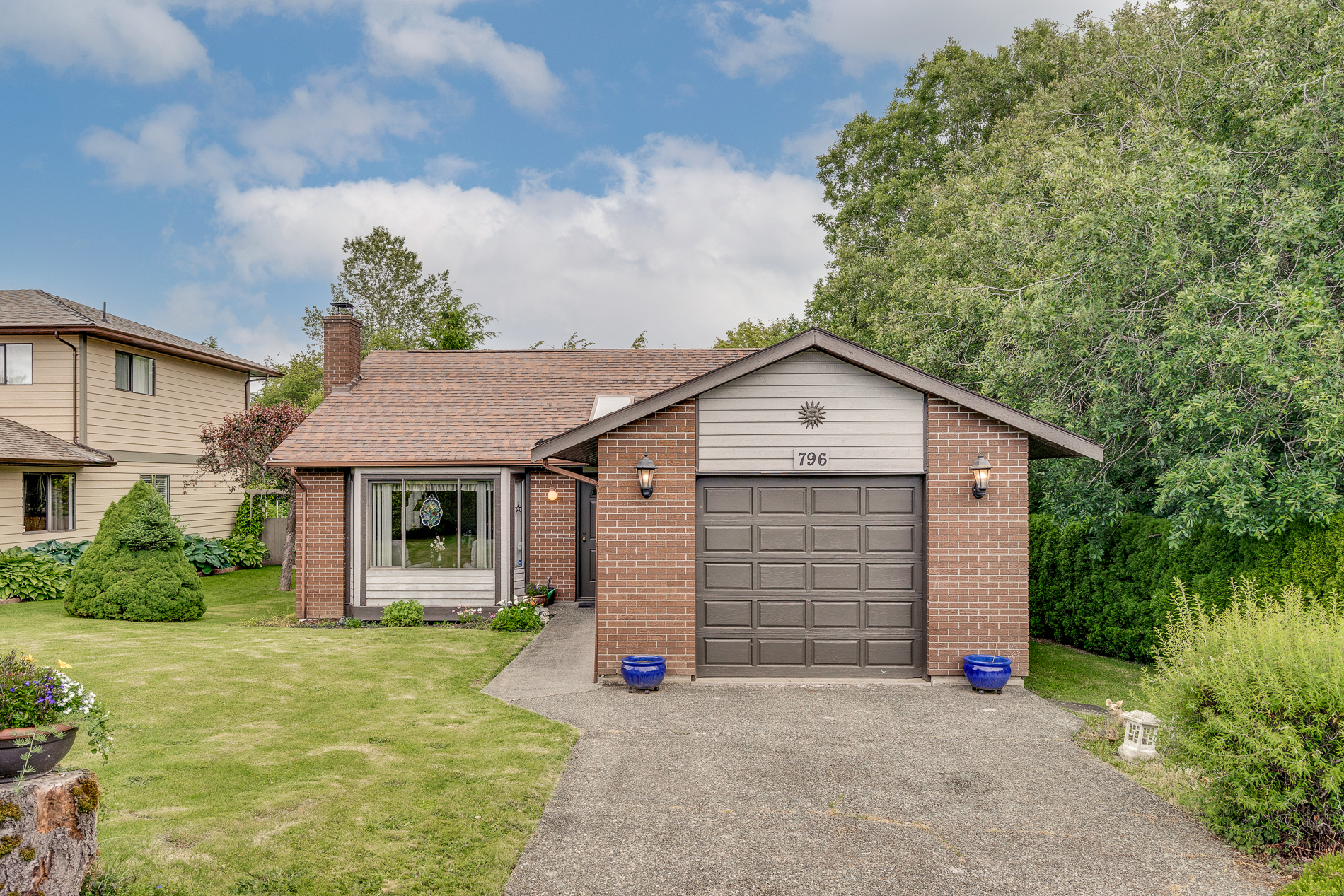
When you’re evaluating where to buy in the Greater Victoria, Saanich, or Westshore markets, understanding municipal property tax differences is an often-overlooked but highly relevant financial factor. Two homes with identical assessed values can lead to noticeably different tax bills year-to-year depending on the municipality — so knowing how rates stack up can influence both your upfront cost estimates and your long-term ownership costs. How Property Taxes Work in BC In British Columbia, municipal property taxes are calculated by multiplying the assessed value of your home by the municipal tax rate (mill rate). The assessment comes from BC Assessment and reflects market value as of July 1 prior to the tax year. Your total tax bill isn’t just the municipal share — it also includes levies collected for: Provincial school tax Capital Regional District (CRD) services Hospital district Transit Other local bodies Municipal budget decisions — such as infrastructure spending or service levels — directly influence the mill rate required to generate revenue. If assessments rise faster than the municipal budget, mill rates can stay stable or even decrease; if budgets grow faster than total assessed value, mill rates must increase. A municipality’s tax strategy often reflects local priorities and spending choices. Greater Victoria Municipal Property Tax Rates: A Snapshot Not all municipalities in Greater Victoria tax at the same rate. Based on available comparative data: Tax Rate Rankings (2022–2024 era) Lower tax rate municipalities: North Saanich generally sits near the lower end of regional property tax rates. View Royal often has lower mill rates compared with urban centres. Mid-range: Colwood and Langford in the Westshore tend to have moderate local municipal tax rates, but totals depend on other levies and assessment levels. Higher tax rate municipalities: Victoria and Central Saanich have among the higher municipal property tax rates within the region. Saanich typically shows a comparatively high effective tax burden. Differences matter: in a sample compiled by a brokerage, a $1 million home in Victoria would yield roughly $174 more in taxes than the same value home in Saanich, and a home in Colwood would pay about $645 more than in View Royal — purely based on rate spreads. (Note: precise current rates change annually with budgets and assessments. Always check municipal tax rate bylaws or use online tax calculators for exact figures for a given year.) Recent Trends: Rate Increases & Budget Pressures Municipalities across Greater Victoria have grappled with tax increases over recent years, driven by rising costs for core services, infrastructure renewals, and public safety: Saanich approved property tax increases near 8% in 2025, adding hundreds of dollars to the average homeowner bill. Langford has proposed significant tax hikes in multi-year financial plans to support rapid growth and expanding service demand. Regional increases by the Capital Regional District (CRD) also factor into total bills, with projected increases varying across municipalities depending on the services used (e.g., 4.1% for Victoria vs 7.7% for Langford for CRD requisitions in 2025). These upward pressures mean that even if a municipality historically had a lower tax rate, the year-to-year changes can shift relative burden across communities. Why These Differences Matter for Buyers 1. Annual Carrying Cost If you’re budgeting for homeownership, property taxes are a predictable recurring cost tied directly to your assessment and municipal priorities. A difference of a few hundred to a few thousand dollars annually can impact: Mortgage affordability Monthly cash flow Long-term cost projections for investment or retirement planning 2. Comparing Similar Homes Across Municipalities Two homes with equal market value — one in Saanich and one in Langford or Colwood — could result in: Different quarterly tax bills Different services received for that tax dollar (e.g., recreation, policing, parks) This can be a tiebreaker for buyers evaluating multiple locations in the region. 3. Growth and Future Tax Outlook Municipalities at different stages of development (e.g., fast-growing Langford vs more established Saanich or Victoria) may adopt differing strategies on whether to keep taxes low for growth incentives or invest in services and infrastructure. Howard P., 5-Star Review, via Google “Cal and Scott Faber are authentic and trustworthy and give it to you straight up. They take the time and the attention to learn about your needs and then find the home that fits them. Our experience with Cal and Scott Faber was exceptional. They didn't just provide great service, they demonstrated a genuine concern for our best interests, making us feel truly valued. They will do their best to find the home that fits your lifestyle and needs. I heartily recommend Cal and Scott.” Faber Real Estate Group Royal LePage Coast Capital Realty 📞 250-244-3430 📧[email protected] ℹ️ Scott Faber Personal Real Estate Corporation ℹ️ Cal Faber Personal Real Estate Corporation Vanessa Wood, Zachary Parsons, and Sophie Taylor “Building Lasting Relationships, One Home at a Time.”
Read more
Victoria rental market vacancy rates are trending higher across several submarkets. While still low by national standards, this shift is beginning to influence rents, investor behaviour, and even resale activity in Victoria, Sidney, and the Westshore. Why Vacancy Rates Are Rising New rental supply, slower population inflows, and affordability pressures are easing demand. Purpose-built rentals, secondary suites, and condos returning to the long-term market have all contributed to increased choice for tenants. Victoria: More Balance, Less Urgency In core Victoria, rising vacancy rates are reducing upward pressure on rents. Landlords are offering incentives more often, and tenants have slightly more negotiating room. For investors, cash flow margins are tightening, which may cool demand for entry-level rental condos. Sidney: Stability With Mild Softening Sidney’s rental market remains relatively stable, supported by downsizers and long-term tenants. However, increased availability means units are taking longer to lease. This may encourage some small investors to reassess holding costs versus resale value. Westshore: Supply Is Catching Up Langford and Colwood are seeing the most noticeable shift. New construction and purpose-built rentals have pushed vacancy rates higher than recent years. As rents stabilize, some investors may pivot away from short-term appreciation strategies toward longer-term holds. Ripple Effects on Home Sales As rental returns soften, fewer investors may compete with end-user buyers. This can reduce pressure on condo prices and entry-level homes. In some cases, rental properties may return to the resale market, increasing inventory modestly. How Investors Are Adapting Investors in 2026 are prioritizing strong locations, flexible layouts, and long-term tenant appeal. Secondary suites and adaptable properties remain attractive, but expectations are shifting from rapid gains to steady, sustainable returns. Final Thoughts Victoria rental market vacancy rates 2026 signal a more balanced rental landscape. While not a downturn, rising vacancies are reshaping investor strategies and easing some pressure on home prices across Victoria, Sidney, and the Westshore. Marc G., 5-Star Review, via Google “Scott is focused on providing his clients with a long-term positive experience, and he truly acts as a trusted advisor throughout the process. It's important to have someone you can trust for this kind of investment, and Scott has certainly earned my trust. For me, it's important that a realtor fits my values, is always responsive, professional, and goes above and beyond to ensure all my needs are met. I highly recommend Scott and Faber Real Estate for all your real estate needs.” Faber Real Estate Group Royal LePage Coast Capital Realty 📞 250-244-3430 📧[email protected] ℹ️ Scott Faber Personal Real Estate Corporation ℹ️ Cal Faber Personal Real Estate Corporation Vanessa Wood, Zachary Parsons, and Sophie Taylor “Building Lasting Relationships, One Home at a Time.”
Read more
The BC luxury real estate market 2026 is showing resilience, even as broader economic conditions continue to adjust. In Vancouver, premium properties are not immune to change, but they often behave differently than entry-level homes. Why Luxury Homes React Differently High-end buyers tend to rely less on financing and more on long-term asset strategies. As a result, luxury segments usually see fewer forced sales. Instead, activity slows through longer listing times and more selective buyers, not sharp price drops. Vancouver’s Premium Neighbourhoods Hold Value Established luxury areas continue to attract demand due to limited supply, strong international interest, and lifestyle appeal. Waterfront homes, architect-designed properties, and homes in legacy neighbourhoods remain especially sought after, even during market transitions. Pricing Adjustments, Not Pullbacks In 2026, sellers in the luxury space are pricing more strategically. Overpricing is corrected faster, while well-positioned homes still command attention. Buyers expect quality, privacy, and turnkey condition, which places pressure on sellers to prepare homes carefully. What This Means for Buyers and Sellers For buyers, economic shifts can create opportunities through improved selection and negotiation room. For sellers, success depends on accurate pricing, presentation, and patience. Timing matters, but preparation matters more. Bottom Line The BC luxury real estate market 2026 remains stable rather than speculative. While activity may feel quieter, Vancouver’s high-end homes continue to act as long-term value assets during periods of economic transition. Nilo M., 5-Star Review, via Google “This group has a high level of commitment to help and to put their client’s need ahead of their personal gain. They deal and engage with integrity and wisdom on how it will work for both the seller and the clients. I experienced it first hand in this crazy and difficult season. We just bought a home at Glanford area, and they are always there for us, every step of the way. They are real and can be trusted.” Faber Real Estate Group Royal LePage Coast Capital Realty 📞 250-244-3430 📧[email protected] ℹ️ Scott Faber Personal Real Estate Corporation ℹ️ Cal Faber Personal Real Estate Corporation Vanessa Wood, Zachary Parsons, and Sophie Taylor “Building Lasting Relationships, One Home at a Time.”
Read more
Understanding how inventory levels affect your buying power is essential when purchasing a home in Greater Victoria. Inventory refers to the number of properties available for sale at any given time. When inventory shifts, buyer leverage, pricing trends, and competition levels often shift with it. Learning how these market changes influence negotiating strength helps buyers make more strategic decisions. What Inventory Levels Mean in Real Estate Inventory levels measure supply relative to buyer demand. When listings increase, buyers typically gain more choice and flexibility. When listings decrease, competition often rises and sellers gain more control. Recognizing how inventory levels affect your buying power allows buyers to time their purchase and adjust expectations accordingly. Higher Inventory Usually Strengthens Buyer Leverage When inventory rises, buyers often benefit from increased negotiating power. More available listings reduce urgency and allow buyers to compare homes carefully. Sellers may become more open to price adjustments, condition negotiations, or flexible closing dates. Higher inventory can also reduce the likelihood of multiple offer situations, helping buyers maintain stronger financial and emotional control. Lower Inventory Often Creates Competitive Pressure Limited inventory typically leads to higher competition. Buyers may face multiple offer scenarios, faster decision timelines, and fewer negotiation opportunities. In tighter markets, well priced homes often attract strong interest quickly. Buyers may need to act decisively and ensure financing, inspections, and deposit readiness to remain competitive. Balanced Markets Provide Strategic Opportunities Greater Victoria occasionally experiences balanced market conditions where supply and demand remain relatively aligned. In these environments, buyers benefit from stable pricing and reasonable selection while sellers still attract qualified interest. Balanced markets often allow buyers to perform due diligence without rushing while maintaining confidence in long term value stability. Inventory Impacts Pricing Trends Inventory levels influence pricing behaviour over time. Rising supply can slow price growth and create more stable values. Declining supply can increase upward price pressure as buyers compete for limited options. While price movement depends on multiple economic factors, inventory remains one of the most direct indicators of market momentum. Property Type Inventory Matters Too Inventory changes do not affect every property segment equally. Condominiums, townhomes, and single family homes often experience different supply cycles. For example, higher condo inventory may create entry level opportunities, while limited single family supply can maintain strong demand for detached homes. Buyers who remain flexible across property types often improve their overall purchasing options. Seasonal Inventory Patterns Influence Timing Real estate inventory often increases during spring and early summer when more sellers list their homes. Winter months typically show lower supply and reduced activity. Buyers who understand seasonal patterns can prepare financing and search criteria ahead of peak listing periods to gain an advantage when new inventory enters the market. Financing and Confidence Move With Inventory Higher inventory can improve buyer confidence by reducing pressure to waive conditions or stretch budgets. Buyers often feel more comfortable negotiating when they know alternative options exist. Lower inventory can create urgency, which sometimes leads buyers to make faster or more aggressive purchasing decisions. Making Smart Decisions in Changing Markets Monitoring inventory trends helps buyers align strategy with current market conditions. Working with local real estate professionals provides insight into micro market supply levels, neighbourhood specific trends, and property type availability. While past performance does not dictate future results, understanding supply patterns helps buyers navigate market changes with greater clarity. If you are considering purchasing a home in Greater Victoria, contact our team to review current inventory trends and develop a strategy tailored to your home search goals. Andy M., 5-Star Review, via Google “Thank you so much to Faber group for their amazing customer service. Cal and Scott were there for us every step of the way and we couldn’t be more pleased with our sale and purchase.” Faber Real Estate Group Royal LePage Coast Capital Realty 📞 250-244-3430 📧[email protected] ℹ️ Scott Faber Personal Real Estate Corporation ℹ️ Cal Faber Personal Real Estate Corporation Vanessa Wood, Zachary Parsons, and Sophie Taylor “Building Lasting Relationships, One Home at a Time.”
Read more
In late 2025, the Victoria condo market showed a significant divergence between condominium activity and other housing segments. Sales of condos in the Victoria Real Estate Board region were down 21.5 per cent year-over-year in December 2025, while single family home sales dipped just 2.6 per cent and overall market sales remained relatively stable. For buyers unsure whether to enter the market, understanding the forces behind this lag and what it signals for 2026 can help shape smart decisions. A Noticeable Slowdown in Condo Transactions December 2025 data showed only 106 condominiums sold, against a backdrop of broader market stability. This contrasts sharply with earlier segments of the market and highlights a notable trend: condos slowed more meaningfully than detached homes as year-end activity tapered. Part of this pattern reflects typical seasonal slowdown, as buyers often delay decisions during winter holidays. However, the depth of the condo decline — over 20 percent year-over-year — suggests other dynamics at play. Why Condos Lagged More Than Detached Homes A few factors contributed to the relative weakness in the condo segment: Increased Inventory and Buyer Choice Inventory levels in late 2025 were healthier than in previous tight-market years, with active listings up notably year-over-year. More choice gives buyers time to compare options and reduces urgency, particularly in slower market segments like condos. Buyer Preferences Shift Many buyers prioritize space, outdoor access, and layout features that are often easier to find in townhomes and detached homes. This preference can dampen condo demand when interest rates and financing costs remain higher than in prior low-rate periods. Lifestyle and Hybrid Work Patterns Remote and hybrid work has kept interest strong for larger homes, which can reduce pressure on small urban condos as primary residences. Instead, condos may appeal more to downsizers, investors, or niche buyers, moderating sales volume. Prices Flat But Not Falling Despite slower activity, condo prices in the Victoria Core were largely stable in late 2025. The MLS® Home Price Index showed benchmark condo values slightly higher year-over-year — approximately $549,900 in December 2025 compared with $546,100 in December 2024 — but effectively flat month-to-month. Flat values in the face of lower sales can be a positive sign: it indicates underlying demand remains, even if buyers are taking more time to transact. Prices holding steady — rather than declining sharply — suggests a balanced market rather than a distressed segment. What This Means for 2026 Buyers For buyers considering condos in 2026, the late 2025 patterns point to opportunity and patience: Opportunity in Negotiation Slower sales often translate into less competition and more room for negotiation. Well-priced condos in desirable buildings or locations may attract strong interest, but buyers are not facing multiple offers at peak premiums. Balanced Market Dynamics With prices relatively stable and inventory higher than in recent tight markets, buyers can take time for thorough due diligence without rushing. This is a marked contrast to earlier periods of extreme competition. Segment-Specific Strategy Matters Not all condos are the same: walkable urban core units with strong rental appeal or features that meet modern lifestyle preferences (like flexible workspaces) remain attractive. Buyers looking for lifestyle value — not just entry-level ownership — may find compelling options without paying a steep premium. Timing and Seasonal Trends Entrants in early 2026 can benefit from usually quieter winter and early spring activity before peak buying season arrives. Education, financial readiness, and clear criteria will position buyers to act when good value appears. Final Thoughts The 21.5 per cent year-over-year drop in condo sales late in 2025 reflects a mix of seasonal patterns, broader buyer preferences, and improved inventory levels. Meanwhile, flat condo values suggest that underlying demand has not evaporated — it’s just evolving. For 2026 buyers, this environment offers more choice, time to negotiate, and opportunities to find good value in the condo segment, especially for those prioritising urban lifestyle, rental potential, or long-term ownership goals. If you’re considering a condo purchase in Victoria this year, contact our team to review current options and develop a strategy tailored to today’s market realities. Andy M., 5-Star Review, via Google “Thank you so much to Faber group for their amazing customer service. Cal and Scott were there for us every step of the way and we couldn’t be more pleased with our sale and purchase.” Faber Real Estate Group Royal LePage Coast Capital Realty 📞 250-244-3430 📧[email protected] ℹ️ Scott Faber Personal Real Estate Corporation ℹ️ Cal Faber Personal Real Estate Corporation Vanessa Wood, Zachary Parsons, and Sophie Taylor “Building Lasting Relationships, One Home at a Time.”
Read more
Pets play a bigger role in homebuying than ever, especially in pet-friendly communities like Victoria, BC. In 2026, many buyers are no longer shopping just for themselves. They are also prioritizing the needs of their dogs, cats, and other companions when choosing where and what to buy. With pet ownership remaining high across Canada, homes that support a pet-friendly lifestyle continue to stand out in a balanced market. From neighbourhood selection to home features, pets are shaping buyer decisions in meaningful ways. Why Pets Matter More to Buyers Today For many households, pets are family. Buyers are increasingly willing to pass on otherwise ideal homes if they do not work for their animals. This shift has influenced everything from location choices to floor plans, particularly in Greater Victoria, where access to outdoor space is highly valued. In 2026, buyers are taking advantage of higher inventory levels in areas like the Westshore to be more selective. That often means holding out for homes that offer better layouts, outdoor access, or nearby trails that support an active lifestyle for both people and pets. Neighbourhood Choices Driven by Pet Needs Location is one of the biggest decision points for pet owners. Buyers often look for neighbourhoods with nearby walking trails, parks, and green space. In Victoria, access to areas like the Galloping Goose Trail, Beacon Hill Park, and local dog parks can heavily influence where buyers focus their search. Strata and HOA rules also play a major role. Restrictions on pet size, number, or breed can be deal-breakers, particularly for condo and townhome buyers. As a result, some pet owners gravitate toward freehold homes or newer developments with more flexible pet policies. Home Features Pet Owners Prioritize Pets often push buyers toward homes with more functional space. Common must-haves include fenced yards, easy outdoor access, and durable flooring that can handle wear and tear. Mudrooms, lower-level entries, and layouts that allow pets to move easily through the home are also appealing. In markets like Saanich, Langford, and Oak Bay, homes with usable yards or proximity to parks tend to attract strong interest from pet owners. Even smaller homes can appeal if the layout works well and outdoor amenities are close by. Budget and Long-Term Planning Pets also influence budgeting decisions. Buyers may factor in ongoing pet-related expenses when determining their comfort level with monthly payments. In a buyer-friendly 2026 market, this can work to their advantage, allowing more room to negotiate on homes that already meet their needs rather than budgeting for renovations later. That said, buyers still remain cautious. Signs of past pet damage can raise concerns, making inspections especially important for both pet owners and non-pet owners alike. Tips for Buying a Home With Pets in Mind If pets are part of your household, start by identifying your non-negotiables, whether that is yard space, trail access, or flexible pet rules. Work with a local agent who understands which neighbourhoods and property types tend to be more pet-friendly. Always review strata bylaws carefully and include inspections to check for potential issues. Pets are no longer an afterthought in the homebuying process. In Victoria’s 2026 market, aligning your home search with your pet’s needs can make a significant difference in long-term comfort and satisfaction. Ready to find a home that works for you and your pet? Contact us to discuss pet-friendly options and how to tailor your search across Greater Victoria. Nicholas D., 5-Star Review, via Google “Scott is an awesome realtor and real estate advisor. He got me all the information I needed incredibly quick and helped me make an informed buying decision. Couldn’t have done it without him and 10/10 will be recommending him to my friends and family! There are thousands of realtors on the island, but Scott and his team are by far the best” Faber Real Estate Group Royal LePage Coast Capital Realty 📞 250-244-3430 📧[email protected] ℹ️ Scott Faber Personal Real Estate Corporation ℹ️ Cal Faber Personal Real Estate Corporation Vanessa Wood, Zachary Parsons, and Sophie Taylor “Building Lasting Relationships, One Home at a Time.”
Read more
The Short-Term Rental Accommodations Act Victoria BC introduced major regulatory changes on May 1, 2024, with the goal of increasing long term housing supply. Since implementation, the legislation has influenced investment strategies, rental inventory, and buyer behaviour across Greater Victoria. From a local real estate perspective, the effects are measurable, but they are also part of a broader housing market shift rather than a single defining factor. What the Legislation Changed for Victoria Homeowners and Investors The Short-Term Rental Accommodations Act Victoria BC limits most short-term rentals to a property owner’s principal residence. In many cases, owners can only operate short-term rentals within their main home or a secondary suite or accessory dwelling on the same property. For investors who previously relied on non-owner-occupied vacation rentals, this created a significant shift. Some owners transitioned their properties into long-term rentals, while others chose to sell investment units that no longer aligned with their income goals. Increase in Long-Term Rental Supply Since the Act’s introduction, Victoria has seen signs of increased long-term rental availability. Some previously short-term rental properties have returned to the traditional rental pool. This change has contributed to slightly higher vacancy rates compared to the extremely tight rental conditions seen prior to 2024. From a realtor’s perspective, this shift has created new opportunities for tenants searching for stable housing. Buyers who plan to hold properties as long-term rentals are also seeing more available inventory in certain condominium segments. Changing Investment Buyer Behaviour The Short-Term Rental Accommodations Act Victoria BC has reshaped investor demand. Before 2024, many buyers targeted properties that allowed flexible short-term rental use. Since the regulation took effect, investors are focusing more on: Properties with legal secondary suites • Principal residence plus rental configurations • Long-term rental income stability • Properties located in municipalities or strata buildings that still permit short-term rentals This shift has created a more cautious investment environment. Buyers are spending more time reviewing zoning, strata bylaws, and municipal regulations before making purchase decisions. Impact on Condominium and Downtown Markets In Victoria’s downtown core, where short-term rental activity was historically concentrated, the Act contributed to a modest increase in resale listings during parts of 2024 and early 2025. Some investor-owned units entered the resale market after short-term rental restrictions reduced projected revenue. While this added inventory temporarily increased buyer choice, pricing impacts have varied depending on building type, location, and rental flexibility. Well-managed buildings with strong long-term rental demand continue to perform steadily. Limited Impact on Detached Housing Demand Detached homes in Victoria have generally experienced less direct impact from the Short-Term Rental Accommodations Act Victoria BC. Many single family homes were already owner-occupied or operated with legal suites that remain compliant under current rules. Demand for detached homes remains driven by lifestyle, school catchments, and neighbourhood appeal rather than short-term rental income potential. Market Stability and Long-Term Outlook Early patterns suggest the legislation has helped shift some housing units back toward long-term residential use. However, housing supply, interest rates, population growth, and construction levels continue to play major roles in overall market conditions. From a local real estate perspective, Victoria remains a supply-constrained market. While the Act has influenced investor activity, it represents one component of a complex housing system rather than a single solution to affordability challenges. What Buyers and Sellers Should Consider Moving Forward Buyers considering rental or investment properties should carefully review municipal regulations, provincial registration requirements, and strata bylaws. Sellers who previously marketed properties based on short-term rental income may need to adjust pricing and marketing strategies to reflect current regulations. The Short-Term Rental Accommodations Act Victoria BC continues to shape investment planning and housing availability. As enforcement and registration requirements evolve, market patterns may continue to adjust. If you are considering buying, selling, or investing in Victoria real estate, contact our team to discuss how current regulations may influence your options and long-term strategy. Brett H., 5-Star Review, via Google “I can’t suggest how to make Fabers better at being good realtors. They’re already congenial, trustworthy, informed, experienced, and thorough. Cal listened and advised, and somewhere in the middle he said what the condo would sell for and he was right on. Thanks!” Faber Real Estate Group Royal LePage Coast Capital Realty 📞 250-244-3430 📧[email protected] ℹ️ Scott Faber Personal Real Estate Corporation ℹ️ Cal Faber Personal Real Estate Corporation Vanessa Wood, Zachary Parsons, and Sophie Taylor “Building Lasting Relationships, One Home at a Time.”
Read more