

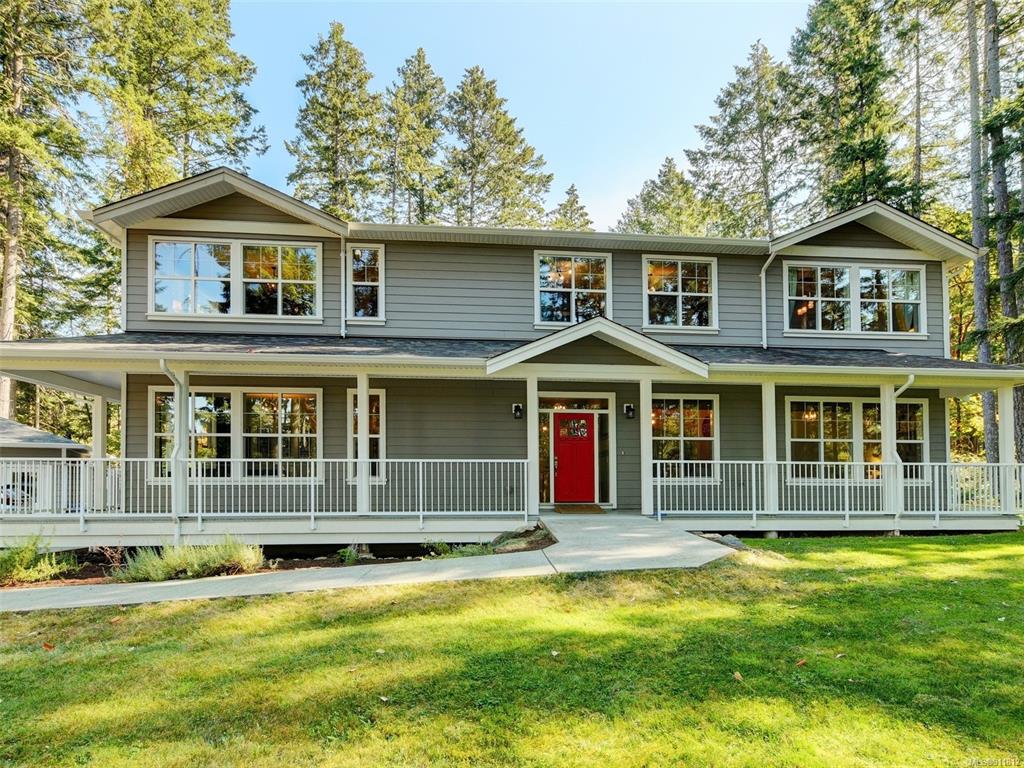
Living in Duncan BC appeals to buyers who want more space, more lifestyle, and stronger long-term value. Many start their search after comparing prices in Victoria or the Westshore. Then they realize Duncan offers a different balance. You gain access to the Cowichan Valley lifestyle. At the same time, you often secure more square footage for your budget. That trade-off drives demand. Location and Connectivity Duncan sits between Victoria and Nanaimo. As a result, residents stay connected to larger centres while enjoying a quieter daily routine. However, commute time matters. If you drive to Victoria daily, the highway becomes part of your cost calculation. On the other hand, if you work remotely or commute occasionally, the distance feels manageable. Therefore, your work structure should guide your decision. What Your Budget Buys One of the strongest advantages of living in Duncan BC is relative affordability compared to southern Vancouver Island markets. Buyers often find: Detached homes at lower price points than Victoria Larger lots with usable outdoor space Rural or semi-rural properties minutes from town Flexible housing options for families Consequently, many buyers upgrade lifestyle rather than stretch finances. Still, you must weigh convenience against value. Duncan offers space. Victoria offers proximity. The right choice depends on priorities. Lifestyle and Community Duncan attracts lifestyle-driven buyers. The Cowichan River supports swimming, fishing, and summer tubing. Mount Prevost offers hiking and scenic views. In addition, local markets and wineries reinforce the region’s agricultural roots. Because the community is smaller, residents often build stronger local connections. Schools, sports programs, and neighbourhood events feel accessible rather than overwhelming. For families and retirees, that environment often matters more than nightlife. Who Thrives in Duncan Living in Duncan BC suits buyers who value rhythm over rush. Families benefit from yard space and community focus. Retirees appreciate a slower pace and lower daily stress. Remote professionals enjoy larger homes that support work-from-home needs. However, buyers seeking dense urban energy may prefer Victoria. Therefore, clarity about lifestyle goals reduces second-guessing later. Neighbourhood Differences Not all areas of Duncan feel the same. Some neighbourhoods sit closer to downtown. Others offer acreage and privacy. Before choosing a property, consider: Do you want walkability or land? Is highway access important? Are schools a deciding factor? Do you plan to hold the property long-term? Clear answers guide stronger decisions. Long-Term Perspective Duncan attracts buyers focused on stability rather than speculation. Ownership periods tend to be longer. As a result, neighbourhoods often feel consistent and community-driven. If your goal is a quick resale, evaluate carefully. If your goal is lifestyle alignment over five to ten years, Duncan often makes sense. Final Thoughts Living in Duncan BC is a strategic lifestyle decision. You gain space, nature, and community. In return, you accept longer drives and fewer urban conveniences. Before moving, compare commute tolerance, property type goals, and long-term plans. Then evaluate listings side by side. When lifestyle leads the decision, Duncan frequently stands out. Michael B., 5-Star Review, via Google “Excellent experience with Faber group! Zach is an amazing young professional, he is very knowledgeable and explained everything to me (a first time buyer) very well. Towards the end I got to work with Cal as well who was also very kind and professional. I would certainly recommend Faber group.” Faber Real Estate Group Royal LePage Coast Capital Realty 📞 250-244-3430 📧[email protected] ℹ️ Scott Faber Personal Real Estate Corporation ℹ️ Cal Faber Personal Real Estate Corporation Vanessa Wood, Zachary Parsons, and Sophie Taylor “Building Lasting Relationships, One Home at a Time.”
Read more
Pets shape how people live in a home. They influence everything from flooring and yard design to storage, cleaning routines, and even neighbourhood choice. That is why pet-friendly home tips matter whether you are buying your next property or preparing to sell your current one. In Greater Victoria, many buyers are not just looking for a home for themselves. They are also thinking about where their dog will run, where the litter box will go, how easy the floors are to clean, and whether the outdoor space is secure. A home that works well for pets often works better for people too. Why Pet-Friendly Features Matter A pet-friendly home is not only about convenience. It can also reduce daily stress and make the property more functional. For buyers, the right features can make a home feel like a better long-term fit. For sellers, showing that a property supports pet-friendly living can widen its appeal, especially for young families, active couples, and downsizers with companion animals. The key is to think beyond simply allowing pets. The real question is whether the home helps people live well with them. Best Pet-Friendly Features to Look For When Buying If you are house hunting, these pet-friendly home tips can help you focus on what really matters. Durable flooring Pets can be hard on floors. Scratches, water spills, mud, and shedding all add wear over time. Look for surfaces that are easier to maintain, such as: Luxury vinyl plank Tile Quality laminate Sealed hardwood in good condition Carpet may feel comfortable, but it can trap odours, fur, and stains more easily. Secure outdoor space A fenced yard is one of the most obvious features pet owners look for, but it is not just about having a fence. Pay attention to: Fence height Gaps under gates Steep slopes Toxic plants Safe places for pets to rest in shade Even a smaller yard can work well if it is private, secure, and easy to supervise. Mudroom or easy-clean entry This is one of the most underrated pet-friendly home tips. A home with a mudroom, laundry area, or defined entry space makes a big difference after rainy walks or beach outings. In Victoria, that matters for much of the year. A practical entry area helps with: Towel storage Leashes and harnesses Paw cleaning Keeping dirt out of the main living space Storage for pet supplies Food bins, toys, bedding, crates, litter supplies, and grooming items all take up room. Homes with better storage often feel more manageable for pet owners. Look for: Pantry space Built-in storage Garage shelving Laundry room cabinets Under-stair storage Nearby walking areas and parks The home matters, but so does the area around it. A great property can lose appeal if daily walks feel inconvenient. Consider: Sidewalk access Nearby trails Neighbourhood green space Distance to dog parks Traffic levels on surrounding roads For many buyers, lifestyle outside the front door matters just as much as the layout inside. Pet-Friendly Tips for Sellers Before Listing If you are selling, pet-friendly home tips should be used carefully. The goal is not to market the property as a “pet house.” The goal is to show a clean, well-maintained home that also feels practical for buyers with pets. Remove signs of pet wear Buyers notice smell and condition quickly. Before listing, focus on: Deep cleaning floors Washing baseboards and doors Removing pet hair Cleaning upholstery Addressing stains Neutralizing odours, not masking them This step is critical. Even buyers who love animals may react negatively if the home feels like pets have taken over it. Repair minor damage Small issues can create an impression of larger neglect. Check for: Scratched doors Worn trim Chewed corners Damaged screens Torn grass areas Loose fence boards These are usually modest fixes, but they can improve how the home shows. Keep pet areas simple and tidy Food stations, litter boxes, dog beds, and crates are part of daily life, but they can distract during showings. Simplify these spaces as much as possible. A clean, organized setup signals that the home is functional. A cluttered one can make rooms feel smaller. Highlight practical upgrades Some pet-friendly features can be worth mentioning in your marketing if they are presented properly. For example: Fully fenced yard Easy-clean flooring Durable landscaping Built-in storage Mudroom entry Nearby walking trails These details appeal to pet owners without turning off buyers who do not have animals. Pet-Friendly Renovation Ideas That Add Everyday Value Many of the best pet-friendly home tips overlap with smart everyday design. If you are making updates, focus on features that help both resale and daily living. Choose low-maintenance materials Low-maintenance finishes are attractive to a wide range of buyers. Scratch-resistant floors, washable paint, and simple landscaping all reduce upkeep. Create a flexible nook A small area under stairs, in a laundry room, or beside kitchen cabinetry can work as a pet station without dominating the home. Improve yard function You do not need a huge yard to make it usable. Even small changes help, such as: Better drainage A secure gate latch Defined gravel or turf area Shade coverage Cleaner pathways Think about noise and separation In multi-level homes or homes with open layouts, having a room or corner where a pet can rest quietly is helpful. This matters for both daily life and resale appeal. Condo and Townhome Buyers Need to Check the Rules For condo and townhome buyers, one of the most important pet-friendly home tips is to verify strata bylaws early. Do not assume a building is pet-friendly just because someone says it is. Review the bylaws for: Number of pets allowed Size restrictions Breed restrictions Rental-related pet rules Rules around common areas This is a practical step that can save time and frustration. Final Thoughts Pet-friendly home tips are really about thoughtful living. Buyers want homes that fit their routines, and sellers do better when they present a property that feels clean, functional, and easy to enjoy. A home that works well for pets often signals something bigger. It usually means the space has been designed with real life in mind. That is what buyers respond to. If you are buying or selling and want advice on finding or presenting a home that works for both people and pets, contact Faber Real Estate Group for local guidance tailored to your next move. Annie R., 5-Star Review, via Google “Vanessa Wood is the best realtor I've ever worked with. We had an excellent accepted offer within 11 days of listing! Vanessa is a great communicator and salesperson, organized and very hard working. She's also warm and was incredibly helpful as I was selling the house in Victoria while living on the Sunshine Coast. She and the Faber Group team went the extra mile on more than one occasion! I highly recommend Vanessa and her team.” Faber Real Estate Group Royal LePage Coast Capital Realty 📞 250-244-3430 📧[email protected] ℹ️ Scott Faber Personal Real Estate Corporation ℹ️ Cal Faber Personal Real Estate Corporation Vanessa Wood, Zachary Parsons, and Sophie Taylor “Building Lasting Relationships, One Home at a Time.”
Read more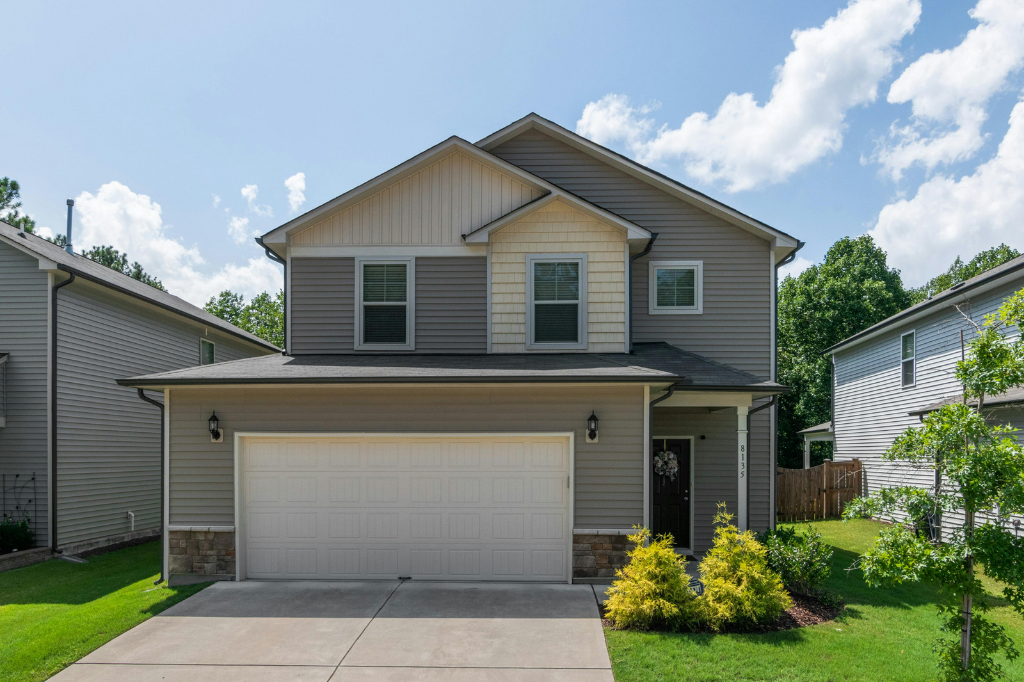
If you need to purchase a home remotely, you are not alone. Relocations, military postings, job transfers, and lifestyle moves have made long-distance buying more common than ever. The good news is that in British Columbia, the process can be completed smoothly with the right preparation and professional guidance. Here is how to do it properly. Step 1: Secure Financing First Before viewing properties, obtain a full mortgage pre-approval. Remote purchases move quickly when financing is confirmed upfront. Your lender can handle documentation digitally, and most major institutions support secure online verification. Clear financing reduces risk, especially when you cannot attend showings in person. Step 2: Choose the Right Local Realtor When you purchase a home remotely, your Realtor becomes your eyes and ears on the ground. Choose someone who: Knows neighbourhood trends • Provides honest property assessments • Is comfortable with video walkthroughs • Communicates clearly and quickly A strong local advisor will flag concerns you may not see on camera, such as traffic noise, slope of the lot, or deferred maintenance. Step 3: Use Virtual Tours Strategically Technology now makes it easier to evaluate homes from anywhere. Tools include: Live video showings via FaceTime or Zoom • Detailed video walkthroughs • 3D Matterport tours • Drone footage for surrounding context Ask for close-up views of mechanical systems, ceilings, flooring transitions, and exterior grading. Remote buyers should request more detail than in-person buyers. Step 4: Analyze the Neighbourhood When you purchase a home remotely, the property is only part of the decision. Research: School catchments • Proximity to amenities • Traffic patterns • Future development plans Your Realtor can provide insight into micro-locations within Greater Victoria, since street-by-street differences matter. Step 5: Include Protective Subjects In British Columbia, offers typically include subjects such as: Financing • Home inspection • Insurance approval • Strata document review if applicable Even when buying remotely, never skip inspections. Your inspector can provide a detailed report and often walk you through findings by phone or video. Step 6: Sign Documents Electronically Most contracts are signed electronically using secure platforms. This allows you to submit offers and remove subjects without being physically present. For closing, you will work with a lawyer or notary. In many cases, documents can be signed remotely or coordinated through a local lawyer in your current city. Step 7: Plan Possession Logistics If you cannot attend possession day, arrange: Key pickup by your Realtor • Professional cleaning if needed • Utility transfers • Moving company coordination Many remote buyers schedule possession a few days before they arrive to allow flexibility. Risks to Avoid When you purchase a home remotely, avoid: Rushing without proper due diligence • Waiving inspections without expert advice • Relying solely on listing photos • Ignoring neighbourhood research Preparation reduces surprises. The Bottom Line It is entirely possible to purchase a home remotely in today’s market. With strong financing, detailed virtual evaluations, thorough inspections, and trusted local representation, buyers can complete transactions confidently from anywhere. If you are planning a move to Greater Victoria and need guidance on how to purchase a home remotely, reach out to discuss your timeline and strategy. I would be happy to help you plan your next move. Justin V., 5-Star Review, via Google “Scott and Cal were absolutely phenomenal! From the moment we met them, we knew we were in good hands. Their in-depth knowledge of the Victoria market was impressive, and they guided us through the entire home selling and buying process with expertise and patience. They were always available to answer our questions, and their negotiation skills were top-notch. Thanks to their hard work, we found our dream home! We highly recommend The Faber Group to anyone looking to buy or sell a property.” Faber Real Estate Group Royal LePage Coast Capital Realty 📞 250-244-3430 📧[email protected] ℹ️ Scott Faber Personal Real Estate Corporation ℹ️ Cal Faber Personal Real Estate Corporation Vanessa Wood, Zachary Parsons, and Sophie Taylor “Building Lasting Relationships, One Home at a Time.”
Read more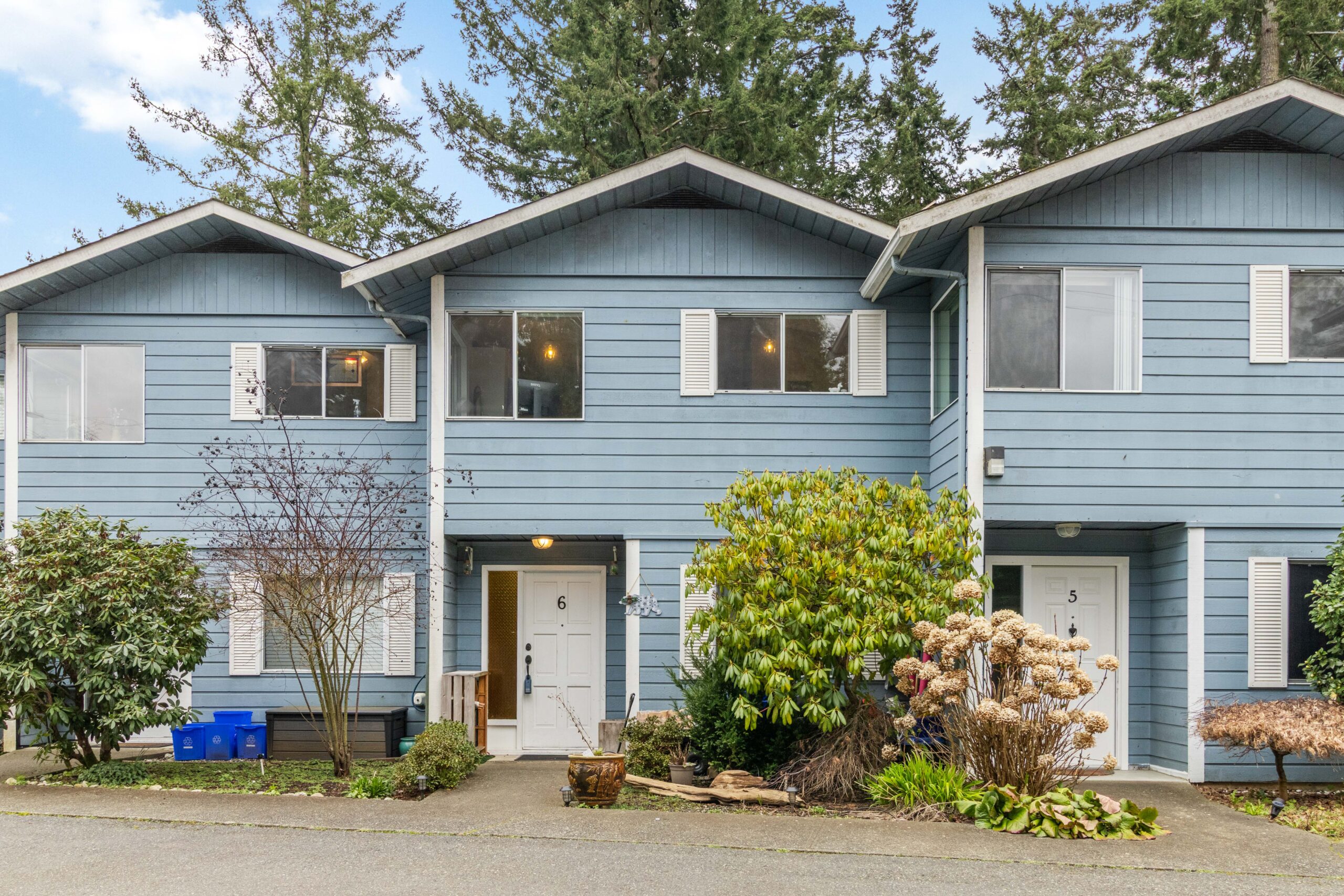
Small scale multi-unit housing refers to modest-density housing that sits between single family homes and large apartment buildings. These housing types are often called “missing middle housing” because they provide options that historically existed in many neighbourhoods but became restricted by zoning over time. Examples of small scale multi-unit housing include: Duplexes Triplexes Fourplexes Townhomes Courtyard housing Homes with secondary or garden suites Instead of building large apartment towers, these housing forms add homes gradually while keeping neighbourhood character largely intact. For cities like Victoria, this approach has become an important strategy for increasing housing supply while maintaining established communities. Why Small Scale Multi-Unit Housing Is Increasing Across British Columbia, housing supply has struggled to keep pace with population growth and demand. As a result, municipalities have begun exploring ways to increase housing options without dramatically altering neighbourhoods. Small scale multi-unit housing helps address several housing challenges. Increasing housing supply More homes can be built on land that previously supported only one house. Existing neighbourhoods can add housing without large redevelopment projects. Improving affordability Smaller units generally cost less than detached homes. Land costs are shared among multiple homes. Supporting community growth Increased density supports local businesses and transit. More residents can live close to employment centres and services. Because of these advantages, many municipalities throughout BC have begun adjusting zoning rules to allow more housing types on residential land. What This Means for Victoria Neighbourhoods In Greater Victoria, many neighbourhoods were historically dominated by single family homes. With limited land available, adding gentle density has become an important planning tool. Small scale multi-unit housing Victoria BC allows for changes such as: Redeveloping older homes into duplex or fourplex properties Building additional homes on larger residential lots Creating small infill developments in established neighbourhoods These types of developments typically blend into neighbourhoods more easily than larger apartment projects. Over time, this gradual increase in housing density can help accommodate population growth while preserving community character. Opportunities for Home Buyers For buyers, small scale multi-unit housing Victoria BC creates more opportunities in a market where detached homes can be difficult to afford. Potential advantages include: More attainable ownership Duplex or townhouse units are often priced below detached homes. Flexible living arrangements Some properties include secondary suites or separate living areas. Mortgage support through rental income Buyers may rent part of a property to offset mortgage costs. These housing options can provide a path to home ownership for buyers who might otherwise be priced out of traditional single family homes. Opportunities for Real Estate Investors Small scale multi-unit housing also presents interesting opportunities for real estate investors. Common strategies include: Redevelopment of existing lots Older homes may be replaced with duplex or multi-unit properties. Suite-based rental income Many homes now include legal secondary suites. Multi-unit rental investments Duplexes and fourplexes can provide steady long-term rental income. Investors should carefully evaluate zoning regulations, construction costs, financing requirements, and rental demand before pursuing these opportunities. Considerations Before Buying or Developing While small scale multi-unit housing creates opportunities, it also introduces important considerations. Buyers and investors should evaluate: Municipal zoning regulations Development and permitting timelines Construction costs and feasibility Property taxes and operating expenses Rental market demand Because these factors can vary widely between neighbourhoods, understanding local policies is essential before making decisions. The Future of Small Scale Multi-Unit Housing in Victoria Small scale multi-unit housing Victoria BC represents a shift in how cities approach growth. Instead of relying only on detached homes or high-rise condos, municipalities are encouraging housing types that sit in the middle. Over time, this approach can help: Increase housing supply Provide more ownership opportunities Create more diverse neighbourhoods For buyers, sellers, and investors, understanding how small scale multi-unit housing is evolving can reveal new opportunities in the Victoria real estate market. If you are considering buying, selling, or investing in properties affected by small scale multi-unit housing Victoria BC, the team at Faber Real Estate Group would be happy to help you understand your options and the opportunities available in today’s market. Laura T., 5-Star Review, via Google “Scott has been a pleasure. He is informative, kind, friendly and he has been there to answer all my questions, even when I had to bother him on the weekend. If you're looking for a Realtor, I would highly recommend Scott. He's the best out there!” Faber Real Estate Group Royal LePage Coast Capital Realty 📞 250-244-3430 📧[email protected] ℹ️ Scott Faber Personal Real Estate Corporation ℹ️ Cal Faber Personal Real Estate Corporation Vanessa Wood, Zachary Parsons, and Sophie Taylor “Building Lasting Relationships, One Home at a Time.”
Read more
Deciding between renting vs buying in Victoria BC is a major choice for many residents. Victoria’s housing market is moving in two directions at once: rents have been easing, while ownership prices (especially for single family homes) have stayed relatively firm. Using current numbers can help you make a decision based on reality, not headlines. Current Rental Market: Prices and Trends Victoria remains one of the pricier rental markets in Canada, but recent data shows rents have been trending down. Average asking rent (Victoria): about $2,224 across unit types (January 2026). One-bedroom: about $1,942 (January 2026), down 6.7% year-over-year. Two-bedroom: about $2,605 (January 2026), down 5.1% year-over-year. On supply, Greater Victoria is seeing more breathing room than recent years: Greater Victoria vacancy rate: about 3.3% (CMHC 2025 Rental Market Report, cited by the Province). What this means in plain terms: more choice, a bit more leverage for renters, and fewer situations where tenants feel forced to accept the first available unit. Buying in Victoria: Prices and Ownership Landscape On the ownership side, a helpful “apples-to-apples” metric is the MLS HPI benchmark (it tracks a typical home over time, rather than averages that can swing with the mix of what sold). From the Victoria Real Estate Board’s February 2026 market report (Victoria Core): Single family home benchmark: $1,307,400 (February 2026). Condominium benchmark: $545,600 (February 2026). Inventory has been healthier than the tightest years, with 2,903 active listings across the VREB region at the end of February 2026. That usually translates into more selection and a less frantic pace, but affordability still matters because the entry point remains high. Pros and Cons of Renting in Victoria Pros of Renting Lower upfront cost (no down payment or closing costs) Flexibility to relocate without selling No responsibility for major repairs and maintenance Recent rent softening and higher vacancy can improve negotiating position Cons of Renting Monthly payments do not build equity Rent is still expensive relative to local incomes Less control over the home and potential future rent increases Pros and Cons of Buying in Victoria Pros of Buying Builds equity over time More stability and control over your space Predictable payments if you choose a fixed-rate mortgage Cons of Buying High upfront costs (down payment, closing costs, property transfer tax, legal fees) Ongoing costs (maintenance, insurance, property taxes, condo fees if applicable) Market conditions vary by segment, and pricing is not guaranteed to rise year-to-year Making the Decision: What to Consider Your choice between renting vs buying in Victoria BC should match three things: Time horizon: Are you staying put for 3+ years, or is life still in motion? Cash position: Down payment, closing costs, and an emergency fund for ownership surprises Monthly reality: Compare rent to the true cost of ownership (mortgage, taxes, insurance, maintenance, and strata fees) A useful takeaway from the 2026 data is this: renting has become slightly less punishing than it was, while buying still requires a clear financial plan because benchmarks remain high. Final Thoughts Rents are easing and vacancy is up, while benchmark ownership prices in the Victoria Core have stayed relatively steady. That combination can create a “pause-and-plan” moment where renters gain options and buyers gain breathing room. If you want, we can run a simple rent vs buy comparison using your target neighbourhood, down payment, and comfort level with monthly costs, so your decision is grounded in real numbers. David M., 5-Star Review, via Google “Scott was a fantastic realtor—hardworking, knowledgeable, and truly dedicated to his clients. His expertise and great connections made the entire process smooth and stress-free. He went above and beyond to ensure everything was taken care of, and I couldn’t be happier with the results. I highly recommend Scott to anyone looking for a realtor.” Faber Real Estate Group Royal LePage Coast Capital Realty 📞 250-244-3430 📧[email protected] ℹ️ Scott Faber Personal Real Estate Corporation ℹ️ Cal Faber Personal Real Estate Corporation Vanessa Wood, Zachary Parsons, and Sophie Taylor “Building Lasting Relationships, One Home at a Time.”
Read more
For any aspiring home buyer in Victoria BC, 2026 presents a more balanced and manageable market. With higher inventory and steadier pricing, buyers have more choice and less pressure than in recent years. That said, preparation still matters. Whether you are considering a condo in Langford or a family home in Oak Bay, the right planning can help you avoid common mistakes and make confident decisions. Build a Strong Financial Foundation Every successful purchase starts with finances. Begin by reviewing your credit score and outstanding debt. A score of 680 or higher typically improves access to better mortgage rates and terms. Next, plan your down payment. In Canada, minimum requirements range from 5 percent for lower-priced homes to 20 percent for higher-value properties. Tools like the First Home Savings Account allow buyers to save efficiently, while the RRSP Home Buyers’ Plan can help supplement funds when used carefully. Mortgage pre-approval should follow. This step confirms your budget, accounts for the stress test, and shows sellers you are serious. In a market like Victoria, pre-approval helps you focus on homes that truly fit your price range. Understand the Market and Set Clear Goals With more listings available in 2026, buyers benefit from taking time to research neighbourhoods and pricing trends. Different seasons also bring different opportunities, with quieter months often offering more negotiation room. As you search, separate must-haves from nice-to-haves. Location, commute time, and long-term livability should come before cosmetic features. It is also important to budget for ongoing costs such as property taxes, insurance, and maintenance. Work With the Right Professionals Buying a home is not a solo effort. A local real estate agent can help you interpret market data, navigate negotiations, and manage timelines. A mortgage broker can compare lenders and structure financing that fits your situation. Home inspections are also critical. Identifying issues early protects you from unexpected repair costs and strengthens your negotiating position. Follow a Clear Buying Process A structured approach helps reduce stress and avoid missed steps. Start with pre-approval, then focus on properties that meet your criteria. When making an offer, include appropriate conditions for financing and inspection. Once an offer is accepted, complete due diligence, review documents carefully, and prepare for closing costs, which typically range from 1.5 to 4 percent of the purchase price. Common Mistakes to Avoid Avoid stretching your budget beyond what feels comfortable. Skipping inspections or underestimating closing and moving costs can quickly create regret. In a balanced market, there is also no need to rush. Taking time to compare options often leads to better outcomes. Bottom Line For an aspiring home buyer in Victoria BC, 2026 offers opportunity paired with choice. With strong preparation, realistic expectations, and the right guidance, buying a home can feel far more manageable than in past years. Ready to take the next step toward homeownership? Contact us to discuss how these tips apply to your home search and what opportunities may fit your goals. David M., 5-Star Review, via Google “Scott was a fantastic realtor—hardworking, knowledgeable, and truly dedicated to his clients. His expertise and great connections made the entire process smooth and stress-free. He went above and beyond to ensure everything was taken care of, and I couldn’t be happier with the results. I highly recommend Scott to anyone looking for a realtor.” Faber Real Estate Group Royal LePage Coast Capital Realty 📞 250-244-3430 📧[email protected] ℹ️ Scott Faber Personal Real Estate Corporation ℹ️ Cal Faber Personal Real Estate Corporation Vanessa Wood, Zachary Parsons, and Sophie Taylor “Building Lasting Relationships, One Home at a Time.”
Read more
Living in Sidney BC appeals to buyers who want ocean views, walkability, and a strong community feel. Located on the Saanich Peninsula just north of Victoria, Sidney offers small-town charm with essential amenities close at hand. Many buyers consider Sidney after comparing central Victoria or North Saanich. Then they realize Sidney delivers something unique. You gain coastal access, a pedestrian-friendly downtown, and a quieter pace of life. For retirees and downsizers in particular, that balance stands out. Location and Connectivity Sidney sits minutes from Victoria International Airport and the BC Ferries terminal. As a result, travel becomes easier for residents who visit family or split time seasonally. Downtown Victoria is roughly a 30 to 40 minute drive, depending on traffic. Therefore, commuting remains manageable for some professionals, although many Sidney buyers are semi-retired or fully retired. Because the town is compact, many daily errands require no car at all. What Your Budget Buys in Sidney One major advantage of living in Sidney BC is property variety within a small footprint. Buyers typically find: Oceanfront condominiums Townhomes within walking distance to Beacon Avenue Detached homes on quiet residential streets Age-friendly housing options Compared to some Victoria neighbourhoods, Sidney often commands a premium for waterfront properties. However, maintenance-friendly condos and townhouses provide accessible entry points. If your goal is downsizing without sacrificing lifestyle, Sidney remains a strong contender. Lifestyle and Community Sidney is known for its waterfront pathway, marinas, and bookshops. The downtown core offers independent shops, cafes, and essential services within a few blocks. Because the community skews older, amenities often reflect convenience and accessibility. Healthcare services, grocery stores, and recreation centres sit close together. In addition, ocean access shapes daily life. Residents walk along the water, kayak, and enjoy year-round coastal scenery. Living in Sidney BC often means prioritizing calm over congestion. Who Thrives in Sidney Sidney attracts: Retirees seeking walkability and low maintenance Downsizers transitioning from larger family homes Buyers who value ocean proximity Seasonal residents Families and younger professionals do live in Sidney, although the demographic leans older compared to other Greater Victoria municipalities. Therefore, lifestyle alignment matters more than square footage alone. Neighbourhood Considerations Before buying, clarify: Do you want true waterfront or simply proximity to the ocean? Is elevator access important for long-term mobility? How important is walkability to downtown? Are strata rules aligned with your lifestyle? Condominium bylaws, age restrictions, and pet policies require careful review. Clear understanding prevents future frustration. Long-Term Perspective Sidney benefits from limited land supply and strong retirement demand. As a result, well-located properties often maintain steady interest. However, buyers should remain practical. Waterfront premiums fluctuate. Condo markets respond differently than detached homes. Long-term ownership typically rewards those who prioritize lifestyle first and appreciation second. Final Thoughts Living in Sidney BC offers ocean access, community connection, and daily convenience within a compact coastal setting. If you are considering downsizing, relocating, or investing in Sidney, contact Faber Real Estate Group to review current listings, compare neighbourhood options, and determine whether Sidney aligns with your long-term goals. Hendri E., 5-Star Review, via Google “We had a fantastic experience working with Cal and Scott. They provided a truly personalized service, taking the time to understand exactly what our needs were and guiding us through every step of the process. What really stood out was how they went above and beyond—we felt fully supported from start to finish. Highly recommended!” Faber Real Estate Group Royal LePage Coast Capital Realty 📞 250-244-3430 📧[email protected] ℹ️ Scott Faber Personal Real Estate Corporation ℹ️ Cal Faber Personal Real Estate Corporation Vanessa Wood, Zachary Parsons, and Sophie Taylor “Building Lasting Relationships, One Home at a Time.”
Read more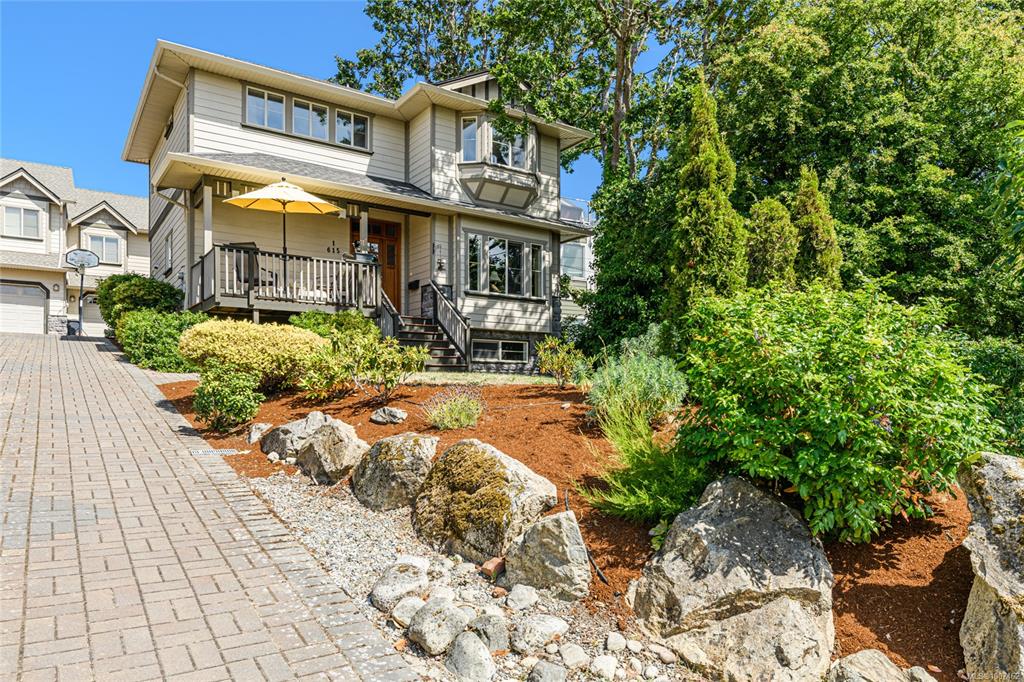
Investment opportunities in Victoria remain strong because the city combines lifestyle demand with long-term housing pressure. Buyers are not just purchasing property. They are building income flexibility and future security. Victoria benefits from government employment, post-secondary institutions, and steady in-migration. As a result, rental demand stays consistent even when sales volume shifts. Therefore, investors who focus on structure and cash flow often find durable returns. Secondary Suites: Built-In Income One of the most practical investment opportunities in Victoria is purchasing a home with a legal or conforming secondary suite. Suites offer: Mortgage support through rental income Higher qualification potential with lender-recognized income Flexibility for future family use Strong tenant demand However, zoning and municipal compliance matter. Before purchasing, confirm suite legality, ceiling height, fire separation, and parking requirements. In addition, review operating costs carefully. Insurance, utilities, and maintenance influence net return more than gross rent alone. Purpose Rentals and Long-Term Tenancies Some buyers focus strictly on rental property. Victoria’s rental market has experienced tight vacancy conditions for years. Although vacancy rates fluctuate, demand remains steady due to limited land supply and strong population stability. Investors typically consider: Condominiums near employment centres Townhomes appealing to families Detached homes with multiple rental streams Cash flow depends on purchase price, down payment, and financing structure. Therefore, investors should evaluate cap rate, maintenance reserves, and long-term appreciation potential before committing. A strong rental strategy balances income today with growth tomorrow. Multi-Generational Homes: Strategic Flexibility Another growing segment of investment opportunities in Victoria involves multi-generational homes. These properties support: Parents and adult children living together Shared mortgage responsibility Reduced childcare costs Long-term estate planning Unlike traditional rental models, multi-generational purchases often prioritize flexibility over maximum yield. Buyers may convert space later into a suite or separate living quarters. Because housing affordability remains a challenge in Greater Victoria, shared living arrangements continue to increase. As a result, homes with separate entrances, additional kitchens, or carriage-house potential often command strong interest. Key Considerations Before Investing Before pursuing investment opportunities in Victoria, ask: Is your priority cash flow or appreciation? Are you comfortable managing tenants? How stable is your financing structure if rates shift? Does the property allow future adaptability? Investing without a defined objective creates unnecessary risk. Clear strategy reduces emotional decisions. Long-Term Outlook Victoria remains land-constrained. Ocean boundaries and protected green space limit outward expansion. Consequently, supply growth stays measured. That constraint supports long-term value retention. However, investors must remain realistic. Short-term appreciation cycles vary. Rental regulations evolve. Financing costs shift. Successful investors plan for ten years, not twelve months. Final Thoughts Investment opportunities in Victoria extend beyond traditional rental condos. Suites, income properties, and multi-generational homes create layered strategies that combine lifestyle and financial planning. If you are evaluating an income property, start with a written objective. Then run realistic cash flow projections. Finally, compare long-term flexibility across property types. When strategy leads the purchase, Victoria continues to present compelling options. Doug F., 5-Star Review, via Google “I want to be honest with this evaluation: The way the sale/transaction/personal service of this Firm is 100%. They returned calls promptly, got me information when asked and even helped me move heavy furniture with a smile.” Faber Real Estate Group Royal LePage Coast Capital Realty 📞 250-244-3430 📧[email protected] ℹ️ Scott Faber Personal Real Estate Corporation ℹ️ Cal Faber Personal Real Estate Corporation Vanessa Wood, Zachary Parsons, and Sophie Taylor “Building Lasting Relationships, One Home at a Time.”
Read more
If you are buying a home in British Columbia, you may wonder what does a real estate lawyer do and why their role is essential. While your Realtor negotiates the contract and your lender arranges financing, your lawyer handles the legal transfer of ownership and ensures the transaction closes properly. Here is a clear breakdown of their role in the home buying process. Reviewing the Contract Once you have an accepted offer, your lawyer reviews the Contract of Purchase and Sale. They confirm key details such as: • Legal property description• Purchase price and deposit• Completion and possession dates• Included and excluded items If something does not align legally or financially, they flag it early. Conducting a Title Search One of the most important answers to what does a real estate lawyer do is this: they protect you from hidden legal issues. Your lawyer conducts a title search through the Land Title Office to confirm: • The seller has legal ownership• There are no unexpected liens or judgments• Registered charges, easements, or covenants are disclosed This ensures you receive clear title on completion. Coordinating With Your Lender Your mortgage lender sends instructions directly to your lawyer. The lawyer: • Prepares mortgage documents• Registers the lender’s charge on title• Ensures funds are transferred correctly Without this coordination, the lender will not release mortgage funds. Preparing Closing Documents Before completion, you will meet with your lawyer or notary to sign documents. These include: • Property transfer forms• Mortgage documents• Tax declarations• Adjustments statements Your lawyer calculates adjustments for property taxes, strata fees if applicable, and utilities. This ensures each party pays their fair share as of the completion date. Registering the Transfer On completion day, your lawyer: • Transfers purchase funds to the seller’s lawyer• Registers the property in your name• Registers the mortgage on title Only after registration is complete does ownership officially transfer. Explaining Closing Costs Your lawyer provides a detailed statement of adjustments outlining: • Property Transfer Tax• Legal fees• Title registration fees• Disbursements They ensure you understand the financial breakdown before closing. Lawyer vs Notary in BC In British Columbia, both real estate lawyers and notaries can handle standard residential closings. Lawyers may be preferable if the transaction involves: • Estate sales• Complex title issues• Divorce or separation matters• Corporate ownership structures For straightforward purchases, either professional can complete the process efficiently. Why Their Role Matters Understanding what a real estate lawyer does helps buyers appreciate how much legal protection is built into the process. They safeguard your funds, verify ownership, register your title, and ensure compliance with provincial requirements. Without this step, the transaction cannot legally close. The Bottom Line A real estate lawyer ensures your purchase is legally sound, financially accurate, and properly registered. Their work happens mostly behind the scenes, but it is critical to protecting one of your largest investments. If you are preparing to buy in Greater Victoria and want recommendations for trusted real estate lawyers or notaries, reach out anytime and we would be happy to connect you with experienced professionals. Lena N., 5-Star Review, via Google “I have worked with Scott and Zach on my listing and it has been a pleasure to work with both diligent and professional agents. They have been communicative and friendly as buyers agents. Hope to do more collaboration and deals with you both in the near future!” Faber Real Estate Group Royal LePage Coast Capital Realty 📞 250-244-3430 📧[email protected] ℹ️ Scott Faber Personal Real Estate Corporation ℹ️ Cal Faber Personal Real Estate Corporation Vanessa Wood, Zachary Parsons, and Sophie Taylor “Building Lasting Relationships, One Home at a Time.”
Read more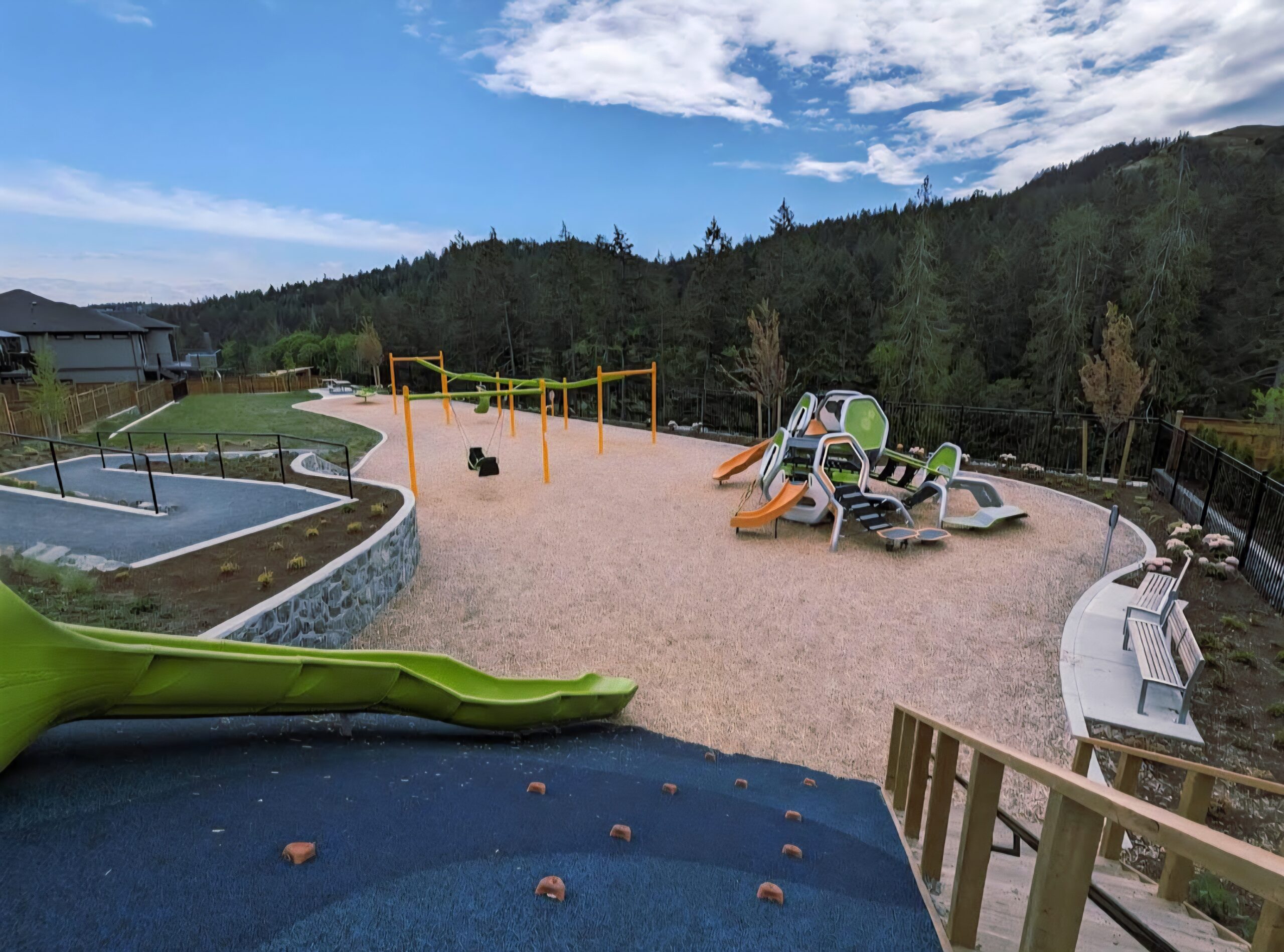
Families searching for the right property often focus on specific family home features that support daily routines, education, and long-term comfort. With strong population growth and many new developments, areas like Florence Lake, Langford, Colwood, and View Royal continue to attract buyers looking for space, convenience, and family-friendly amenities. Access to Quality Schools School proximity remains one of the most important priorities for families buying in the Westshore. Easy access to reputable schools simplifies daily schedules and supports long-term property value. Buyers often look for: Homes within walking or short driving distance to elementary and secondary schools Access to French immersion or specialized education programs Safe and well-established school catchment areas Florence Lake is especially appealing because it offers convenient access to several well-regarded schools while maintaining a quieter residential setting. Parks, Playgrounds, and Outdoor Space Outdoor recreation strongly influences purchasing decisions. Families often prefer neighbourhoods that encourage active lifestyles and provide safe places for children to play. Desirable outdoor features include: Nearby playgrounds and community parks Walking trails and lake access Larger yards or nearby green space Florence Lake stands out for its combination of natural beauty and accessibility. The lake itself, along with surrounding trails and parks, offers year-round recreation opportunities for families. Safe and Community-Focused Neighbourhoods Safety and community atmosphere play a major role when evaluating family home features in the Westshore. Buyers often prioritize neighbourhoods where children can safely play and residents feel connected. Families typically look for: Quiet residential streets with limited through traffic Well-lit sidewalks and pedestrian pathways Active community associations and family-oriented events Many Westshore neighbourhoods, including Florence Lake, have experienced thoughtful development that balances growth with livability. Functional Interior Layouts Inside the home, layout and functionality often matter more than total square footage. Families need flexible spaces that adapt to changing routines. Highly sought-after layout features include: Multiple bedrooms on the same level Open living areas that allow supervision of children Dedicated home office or homework space Mudrooms or entry storage for busy households Modern Westshore homes often incorporate these design elements, making them especially appealing to young and growing families. Storage and Practical Living Features Storage quickly becomes essential for families managing sports equipment, seasonal gear, and daily household items. Buyers often prioritize homes that offer practical organization solutions. Key storage features include: Garages with additional storage space Large closets and pantry storage Crawl spaces or basements for long-term storage Homes with strong storage solutions often feel more functional and maintain better resale appeal. Proximity to Everyday Amenities Convenience supports busy family schedules. Westshore communities continue to grow, offering strong access to shopping, recreation, and healthcare services. Families often prioritize homes near: Grocery stores and retail centres Recreation facilities and sports programs Medical clinics and childcare services Florence Lake provides a balance between peaceful residential living and quick access to Langford’s expanding commercial and recreational amenities. Long-Term Neighbourhood Growth Many buyers also consider future neighbourhood development when evaluating Westshore listings. Expanding infrastructure, new schools, and community investment can positively influence long-term property value. The Westshore continues to evolve as one of Greater Victoria’s fastest-growing regions, making it an attractive option for families planning to stay long term. Final Thoughts Finding the right property involves balancing lifestyle needs with long-term investment potential. Understanding key family home features can help families confidently narrow their search and focus on neighbourhoods like Florence Lake that offer strong community, recreation, and school access. If you are considering buying or selling a family home in the Westshore, reach out anytime to discuss your options and explore homes that fit your family’s needs. Marc G., 5-Star Review, via Google “Scott is focused on providing his clients with a long-term positive experience, and he truly acts as a trusted advisor throughout the process. It's important to have someone you can trust for this kind of investment, and Scott has certainly earned my trust. For me, it's important that a realtor fits my values, is always responsive, professional, and goes above and beyond to ensure all my needs are met. I highly recommend Scott and Faber Real Estate for all your real estate needs.” Faber Real Estate Group Royal LePage Coast Capital Realty 📞 250-244-3430 📧[email protected] ℹ️ Scott Faber Personal Real Estate Corporation ℹ️ Cal Faber Personal Real Estate Corporation Vanessa Wood, Zachary Parsons, and Sophie Taylor “Building Lasting Relationships, One Home at a Time.”
Read more