
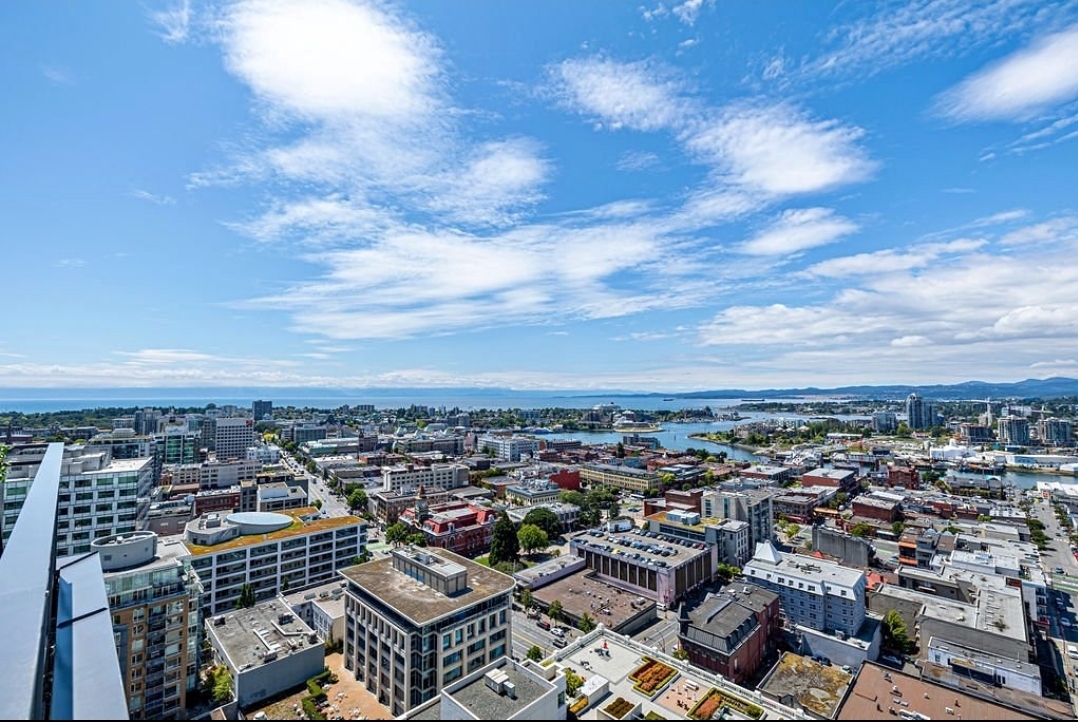
If you are wondering where people are moving in 2026, the answer depends on affordability, lifestyle priorities, and infrastructure growth. In Greater Victoria and the Westshore, migration patterns are showing a clear shift toward value-driven and lifestyle-focused communities.
In short, buyers in 2026 are prioritizing space, long-term value, and neighbourhood amenities over pure proximity to downtown.
Why Migration Patterns Matter
Understanding where people are moving in 2026 helps buyers and sellers anticipate:
- Price pressure zones
- Emerging neighbourhood demand
- Investment potential
- Infrastructure-driven growth
Migration trends often lead market shifts by 12 to 24 months.
The Westshore Continues to Attract Growth
Communities like Langford and Colwood remain strong magnets for buyers.
Why?
- Relative affordability compared to core Victoria
- New construction inventory
- Family-oriented neighbourhood planning
- Access to nature and trails
Langford continues to draw young families and first-time buyers, while Colwood, particularly Royal Bay, attracts move-up buyers seeking newer homes and ocean proximity.
View Royal and Royal Oak Gaining Attention
View Royal is increasingly viewed as an underrated alternative.
Buyers moving to View Royal are often seeking:
- Central positioning between downtown and Westshore
- Waterfront access
- Townhome and condo options
- Lower price points than core Victoria
Similarly, Saanich neighbourhoods like Royal Oak continue to attract downsizers and retirees due to walkability and established amenities.
Sidney and Peninsula Stability
Sidney remains a consistent draw for retirees and lifestyle-focused buyers.
Migration into Sidney in 2026 is driven by:
- Coastal walkability
- Proximity to the airport and ferries
- Low-density living
- Condo inventory suited to downsizers
Peninsula communities tend to show stable, steady demand rather than rapid spikes.
Acreage and Rural Appeal
Interest in rural living remains present, particularly in:
- Metchosin
- Sooke
Buyers relocating from higher-cost provinces or larger urban centres often seek:
- Larger lots
- Privacy
- Ocean or mountain views
- Long-term lifestyle change
However, commute considerations remain a limiting factor for some.
Downtown Victoria: Selective Movement
Victoria core continues to attract:
- Investors
- Short-term rental owners
- Professionals wanting walkability
That said, some buyers are choosing neighbourhoods slightly outside the core for better value per square foot.
The trend in 2026 shows more selective downtown purchasing rather than broad migration spikes.
What Is Driving Movement in 2026?
Several factors influence where people are moving in 2026:
- Affordability pressure
- Interest rate stability
- Remote and hybrid work flexibility
- Desire for lifestyle-oriented living
- Infrastructure improvements
Buyers are increasingly value-conscious. They compare price per square foot, school catchments, and long-term appreciation potential before committing.
Who Is Moving?
The most active movers in 2026 include:
- First-time buyers entering Westshore markets
- Downsizers relocating to peninsula condos
- Interprovincial buyers from Alberta and Ontario
- Investors targeting duplex and multi-unit opportunities
Demographic shifts are not random. They reflect affordability bands and life-stage transitions.
Frequently Asked Questions
Are more people moving to the Westshore in 2026?
Yes. The Westshore continues to capture strong buyer activity due to relative affordability and new inventory.
Is downtown Victoria losing demand?
Not necessarily. Demand remains, but buyers are more selective and price-sensitive.
Are rural communities still attractive?
Yes. Lifestyle-driven buyers continue to explore acreage markets like Metchosin and Sooke.
Is 2026 a growth year for Greater Victoria?
Movement suggests steady growth rather than explosive expansion. Balanced conditions appear more common than extreme cycles.
Final Thoughts
Where are people moving in 2026? In Greater Victoria, the answer points toward value-oriented growth areas, lifestyle-driven peninsula communities, and continued Westshore expansion.
Migration patterns show that buyers are strategic. They are weighing commute times, price per square foot, and long-term livability more carefully than ever.
For sellers and investors, understanding these patterns provides a competitive edge. Markets shift gradually. Recognizing direction early allows you to position yourself ahead of the curve.
Diana W., 5-Star Review, via Google
“Excellent service and very efficient. Highly recommend. Very kind and helpful felt well looked after”
Faber Real Estate Group
Royal LePage Coast Capital Realty
📞 250-244-3430
📧[email protected]
ℹ️ Scott Faber Personal Real Estate Corporation
ℹ️ Cal Faber Personal Real Estate Corporation
Vanessa Wood, Zachary Parsons, and Sophie Taylor
“Building Lasting Relationships, One Home at a Time.”