
Posts Tagged ‘Victoria BC homes’

Victoria housing needs will likely shape far more than new construction. They will influence buyer expectations, seller strategy, neighbourhood growth, affordability pressure, and the types of homes that become more common across the region. The City of Victoria’s 2024 Interim Housing Needs Report estimates the city will need about 8,254 new homes over the next 20 years, while Langford has projected a 20-year need of about 17,000 new homes as it plans for major population growth. That means the next decade will not only be about building more homes. It will be about building the right mix of homes in the right locations. Housing Demand Is No Longer One Simple Problem For years, the conversation around housing was often reduced to one idea: Victoria needs more homes. That is still true. However, the next phase is more complex. Greater Victoria needs more rental housing, more family-sized options, more attainable ownership opportunities, more downsizer-friendly homes, more accessible housing, and more homes close to transit, services, and employment. This matters because different buyers need different solutions. A first-time buyer may need a well-priced condo near transit. A growing family may need a townhouse with storage and outdoor space. A downsizer may want a low-maintenance strata home close to shops and medical services. A senior may need accessible living without leaving their community. If the region does not add enough variety, buyers will continue competing for the same limited options. More Density Will Likely Become Normal Over the next 10 years, many Victoria neighbourhoods may see more townhomes, multiplexes, small apartment buildings, infill housing, and purpose-built rentals. This does not mean every street will change overnight. However, the direction is clear. Provincial housing targets are pushing municipalities to increase supply, and Saanich has been given a mandated five-year target of 4,610 net new completed homes. For homeowners, this creates both opportunity and uncertainty. More density may bring: New housing choices More rental options Better support for local businesses Stronger demand near transit and amenities Changes to neighbourhood character More construction activity New questions around parking, infrastructure, and public space For buyers, it means location research will become even more important. A quiet street today may look different in five or 10 years depending on zoning, transportation planning, and nearby redevelopment potential. Affordability Will Keep Driving Buyer Behaviour Even if more homes are built, affordability will likely remain one of Victoria’s biggest challenges. Higher construction costs, land values, interest rates, municipal fees, and limited land supply all affect what gets built and what buyers can afford. More supply can help, but it does not automatically make every home affordable. This is why buyers may continue to make trade-offs between: Size and location Age and efficiency Outdoor space and walkability Condo convenience and detached-home privacy Core neighbourhoods and Westshore affordability Move-in-ready homes and renovation potential The next decade may reward buyers who are flexible. Instead of searching for the perfect home, many will need to focus on the best long-term fit. Purpose-Built Rentals Could Change the Ownership Market Victoria has already seen more attention on purpose-built rental housing. The City of Victoria reported that purpose-built rentals had exceeded its 1,900-unit target as part of its housing strategy milestones, contributing to the city’s highest vacancy rate in more than a decade. This could affect the ownership market in several ways. More rental supply may give some renters more time before buying. It may also reduce pressure on some entry-level ownership options if renters have more stable choices. However, if ownership remains expensive, many households may rent longer than previous generations did. For investors, this could mean stronger competition from newer rental buildings. Older rental-style condos or secondary suites may need to stand out through location, condition, layout, or pricing. Sellers Will Need to Think More Strategically In a market with more housing choice, sellers cannot assume that limited supply will do all the work. As inventory grows, buyers compare more carefully. In April 2026, the Victoria Real Estate Board reported 3,710 active listings at month-end, up 8.3% from April 2025 and up 13.8% from March 2026. That kind of choice changes seller strategy. Sellers may need to focus more on: Accurate pricing Strong presentation Maintenance records Energy efficiency Flexible showing access Clear strata documents Neighbourhood positioning Transparent upgrade history If more new or newer homes come to market over time, older homes will need to compete on more than location alone. Condition, layout, livability, and future costs will matter. Neighbourhood Identity May Shift Housing needs will not affect every area equally. Langford may continue to absorb a large share of regional growth because of land availability, development patterns, and infrastructure planning. The City of Langford has stated it is planning for a population of 100,000 residents, nearly double its current population of about 58,000. Meanwhile, Victoria, Saanich, Esquimalt, View Royal, Colwood, Sidney, and Oak Bay will each face different pressures. Some neighbourhoods may become more walkable. Others may become denser around transit corridors. Some may see more infill. Others may hold value because they offer larger lots, established streets, or limited redevelopment potential. For buyers, this means the question is not just, “Do I like this neighbourhood today?” The better question is, “How might this neighbourhood change over the next 10 years?” What Buyers Should Watch Buyers should pay attention to more than current listings and recent sales. Over the next decade, smart buying decisions may depend on: Local zoning changes Transit access Nearby development applications School capacity Infrastructure upgrades Walkability Strata fees and building age Energy efficiency Long-term maintenance costs Resale demand by property type A home can be a good fit today and still face future trade-offs. The more buyers understand those trade-offs early, the more confident their decisions become. What Sellers Should Watch Sellers should think about how future housing supply may affect their property’s position in the market. A well-maintained detached home in a walkable area may continue to attract strong interest. A dated condo may face more competition if newer rental or condo supply gives buyers better alternatives. A townhouse with family-friendly space may stand out if demand grows for homes between condos and detached houses. Sellers should ask: What makes this home hard to replace? What buyer problem does it solve? How does it compare to newer options? What future costs might buyers notice? Which improvements would matter most before listing? In a changing market, the best listings will make the value clear. The Bigger Picture Victoria’s housing needs will shape the next 10 years through density, affordability, infrastructure, rental supply, and changing lifestyle expectations. For buyers, the opportunity is to think beyond today’s price and focus on long-term livability. For sellers, the opportunity is to understand where their home fits as more choice enters the market. Housing growth will not remove every challenge. However, it will change the way people compare homes, evaluate neighbourhoods, and plan their next move. For local guidance on how Victoria housing needs could affect your buying or selling strategy, contact Faber Real Estate Group for advice before making your next real estate decision. Demetrios T., 5-Star Review, via Google “Scott and Cal Faber were exceptional to work with. They were professional, patient, and incredibly informative throughout the entire process. They took the time to walk me through every step, which made the typically stressful experience of moving so much easier. Their knowledge of real estate is second to none, and their guidance gave me complete confidence in my decisions. I highly recommend both Scott and Cal to anyone looking for trusted, knowledgeable, and supportive realtors.” Faber Real Estate GroupRoyal LePage Coast Capital Realty📞 250-244-3430📧 [email protected]ℹ️ Scott Faber Personal Real Estate Corporationℹ️ Cal Faber Personal Real Estate CorporationVanessa Wood, Zachary Parsons, and Sophie Taylor“Building Lasting Relationships, One Home at a Time.”
Read more
Maintenance records for home buyers can make a major difference during the decision-making process. When buyers review a home, they are not only looking at the layout, finishes, and location. They are also trying to understand how well the property has been cared for and what costs may be coming next. A home can show beautifully, but buyers still want proof. Receipts, invoices, warranties, permits, service records, and upgrade timelines help turn a seller’s word into something more concrete. In a market where buyers have more choice, that level of clarity can help a property stand out. Buyers Want Confidence, Not Guesswork Most buyers understand that every home requires maintenance. What creates concern is uncertainty. If a roof looks older, buyers want to know when it was replaced. If there is a heat pump, they want to know whether it has been serviced. If windows, plumbing, drainage, appliances, or electrical work have been updated, they want to see what was done and when. Good records help answer important questions: Has the home been cared for consistently? Were repairs done professionally? Are warranties still available? What major expenses may be coming soon? Has the seller kept track of important work? The more information a buyer has, the easier it becomes for them to make a confident decision. Records Can Reduce Buyer Anxiety Buying a home is a large financial commitment. Even experienced buyers can feel nervous about hidden issues, future repairs, or surprises after possession. Maintenance records help reduce that anxiety because they show a history of care. They tell the buyer that the seller paid attention, addressed issues, and understood the responsibility of ownership. This can be especially helpful for: Older character homes Rural properties Homes with septic systems or wells Condos and townhomes with mechanical upgrades Properties with major renovations Homes with newer systems that may still be under warranty A buyer may still order an inspection, but strong records can make the inspection process feel less uncertain. Maintenance Records Can Support Value Buyers often compare homes quickly. Two homes may have similar size, location, and finishes, but the one with clearer documentation may feel like the safer choice. For example, a seller may say the roof is newer. However, an invoice showing the date, contractor, materials, and warranty gives that claim more weight. The same applies to heat pumps, perimeter drains, hot water tanks, decks, electrical work, and window replacements. That documentation can help buyers understand why one home may be priced higher than another. It does not guarantee a higher sale price. However, it can support the value story and reduce friction during negotiations. Buyers Notice When Records Are Missing Missing records do not always mean something is wrong. Many homeowners simply do not keep organized files. However, from a buyer’s perspective, missing information can create doubt. When buyers cannot verify work, they may: Build in a larger risk cushion Ask more questions Request further inspections Negotiate more aggressively Choose another home with clearer documentation In other words, poor record-keeping can make a well-maintained home feel less certain than it actually is. Records Matter More in a Balanced Market When inventory is tight, buyers may accept more unknowns because they have fewer choices. In a more balanced market, buyers often compare properties more carefully. That means maintenance records for home buyers can become part of the seller’s marketing advantage. They help answer questions before they become objections. Clear records can also help keep a transaction moving after an offer is accepted. If buyers ask for documentation during subject removal, the seller can respond quickly instead of scrambling to find receipts or confirm details. What Sellers Should Keep Sellers do not need a perfect binder, but they should gather the most important records before listing. Useful documents may include: Roof replacement invoices Heating and cooling service records Hot water tank installation details Appliance warranties and manuals Renovation invoices Electrical or plumbing permits Window and door receipts Septic or well records, if applicable Strata documents, depreciation reports, and meeting minutes for strata properties Contractor information for major work Even a simple digital folder can help. The goal is not to overwhelm buyers. The goal is to make the home easier to understand. Presentation Matters A pile of random receipts is better than nothing, but organized records are much more useful. Before listing, sellers can sort documents by category: Exterior and roof Heating and cooling Plumbing and electrical Appliances Renovations Strata or property systems Warranties and manuals This makes it easier for the listing agent, buyer’s agent, inspector, and buyer to find relevant information quickly. It also sends a subtle message: this home has been managed with care. A Well-Documented Home Feels Safer Buyers are not only buying the visible parts of a property. They are also buying its history. Maintenance records help tell that history in a way buyers can trust. They show care, reduce uncertainty, and support the overall value of the home. For sellers, they can make the property feel more transparent and easier to buy. For buyers, they can turn hesitation into confidence. In real estate, trust often comes from clarity. Maintenance records are one of the simplest ways to create it. For help preparing your home for market and organizing the details buyers care about most, contact Faber Real Estate Group for practical, local guidance before you list. Yen-Shang W., 5-Star Review, via Google “As a first-time homebuyer, I honestly had no idea what to expect. But Zach walked me through everything with patience and clarity. He took care of all the little things I wouldn’t have thought of and made what could have been a stressful process feel surprisingly smooth and easy. I’m really grateful for his guidance and professionalism—and most of all, for helping me find a place I can now call home. Thank you so much, Zach!” Faber Real Estate GroupRoyal LePage Coast Capital Realty📞 250-244-3430📧 [email protected]ℹ️ Scott Faber Personal Real Estate Corporationℹ️ Cal Faber Personal Real Estate CorporationVanessa Wood, Zachary Parsons, and Sophie Taylor“Building Lasting Relationships, One Home at a Time.”
Read more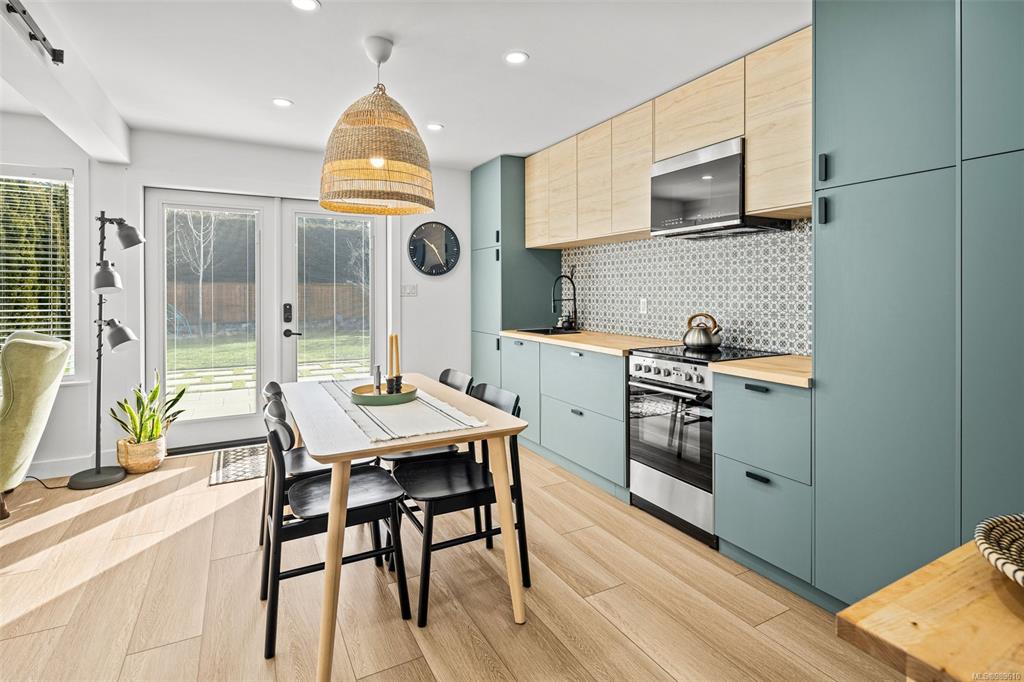
Buying a home is not just about what works today. It is also about whether the home will continue to support your lifestyle, budget, comfort, and future plans. Long-term livability in a home matters because the right property should feel practical not only on possession day, but years after you move in. A beautiful kitchen or fresh paint can catch your attention quickly. However, livability often comes down to quieter details. Layout, storage, maintenance, parking, noise, stairs, natural light, and neighbourhood access can have a much bigger effect on daily life than finishes alone. Start With the Layout A home with good long-term livability usually has a layout that works without constant compromise. Ask yourself: Are the main living areas easy to use? Is there enough separation between bedrooms and busy spaces? Can furniture fit comfortably? Is there space to work from home, host family, or adapt over time? Are there awkward rooms that may limit future use? A home does not need to be large to live well. In fact, a smaller home with a smart layout can often feel more functional than a larger home with wasted space. Think About Stairs, Access, and Aging Needs Many buyers focus on what they need now. However, long-term livability means thinking ahead. Stairs may not feel like an issue today, but they can matter later. This is especially true for downsizers, young families, buyers with aging parents, or anyone planning to stay in the home for many years. Consider: Is there a bedroom and bathroom on the main level? Is the entry easy to access? Are laundry and daily essentials conveniently located? Could the home work if mobility needs changed? Is the driveway, parking, or walkway steep? You do not need to plan for every possible future scenario. Still, the more flexible a home is, the easier it is to stay comfortable over time. Look Closely at Storage Storage is one of the most underrated parts of livability. A home can look clean and spacious during a showing because it has been staged or carefully prepared. Once real life moves in, the question becomes: where does everything go? Look for: Coat closets near the entry Pantry space Linen storage Garage or shed space Bike and recreational storage Seasonal storage Bedroom closet size This matters even more in condos and townhomes, where storage lockers, bike rooms, and parking arrangements can affect daily convenience. Pay Attention to Maintenance Long-term livability is not only about comfort. It is also about how easy and affordable the home is to maintain. A home with charming features may still be a great choice, but buyers should understand what upkeep may be required. Roof age, windows, drainage, exterior materials, heating systems, decks, fences, and landscaping all affect future cost and effort. Before buying, ask: What major systems may need replacement soon? Are the exterior materials low-maintenance? Is the yard manageable? Are there signs of deferred maintenance? Has the home been cared for consistently? A home that feels easy to live in should also feel realistic to own. Consider Natural Light and Exposure Natural light can change how a home feels every day. In Greater Victoria, where winter months can feel darker and wetter, light exposure can have a real effect on comfort. Think about: Which rooms get the best light? Is the main living area bright? Does the home feel dark even during the day? Are neighbouring buildings or trees blocking light? Does the patio or yard get usable sun? South and west exposure can be appealing, but there are tradeoffs. More sun can mean more warmth in summer. Less sun may mean a cooler home, but also a darker feel. The best choice depends on how you live. Test the Neighbourhood Fit A home’s livability does not stop at the property line. The surrounding area affects your daily routine, resale appeal, commute, and lifestyle. A home may look perfect inside, but if the location makes everyday life harder, the novelty can wear off quickly. Consider: Commute time during real traffic hours Access to groceries, cafés, parks, schools, and transit Walkability Noise from roads, construction, or nearby commercial uses Future development nearby Parking pressure on the street Neighbourhood feel at different times of day In Greater Victoria, different neighbourhoods offer very different versions of convenience. A walkable home in Cook Street Village will not feel the same as a quiet acreage property, a Langford townhome, or a Sidney condo. Each can work well, but only if it matches the way you actually live. Think About Flexibility A home with strong long-term livability can adapt as life changes. That may mean room for a growing family, space for guests, an office, a suite, a hobby area, or easier downsizing later. It may also mean choosing a property that appeals to future buyers when it is time to sell. Good flexibility can include: A den or spare room Multiple bathrooms A practical parking setup A usable outdoor space A layout that works for different life stages A location with broad buyer appeal The more adaptable a home is, the less likely you are to outgrow it quickly. Do Not Let Finishes Distract You Fresh renovations can be appealing, but they do not always equal better livability. A new kitchen may photograph well, but if the home has poor storage, limited parking, a difficult layout, or expensive maintenance ahead, the shine can fade quickly. On the other hand, a home with older finishes may still be an excellent long-term choice if the structure, layout, location, and ownership costs make sense. When comparing homes, separate cosmetic appeal from functional value. Ask yourself: What can be easily changed? What would be expensive or impossible to change? Does the home solve daily problems? Will this still work five or ten years from now? Paint, flooring, and fixtures can often be updated. Layout, exposure, location, and land constraints are much harder to change. The Best Homes Make Daily Life Easier Long-term livability in a home is about more than square footage or style. It is about how well the property supports real life. A good home should help your routines feel easier. It should fit your lifestyle, reduce unnecessary friction, and give you room to adjust as your needs change. Before buying, look beyond the excitement of the showing and picture a normal Tuesday morning, a rainy winter weekend, and a busy season of life. That is often where the right choice becomes clearer. For help evaluating whether a home fits your lifestyle now and in the future, contact Faber Real Estate Group for practical, local guidance before you make your next move. Elel P., 5-Star Review, via Google “Months of looking then a listing came up to our liking. We were out of town so Scott did a virtual viewing for us. We gave an offer even without viewing it personally because of this crazy market we have. Offer got accepted a couple hours after!” Faber Real Estate GroupRoyal LePage Coast Capital Realty📞 250-244-3430📧 [email protected]ℹ️ Scott Faber Personal Real Estate Corporationℹ️ Cal Faber Personal Real Estate CorporationVanessa Wood, Zachary Parsons, and Sophie Taylor“Building Lasting Relationships, One Home at a Time.”
Read more
Outdoor space in Greater Victoria homes carries real value because it affects how people live, not just how a property looks. In a region where mild weather, gardens, ocean air, trails, and neighbourhood walkability are part of daily life, a usable outdoor area can make a home feel larger, calmer, and more complete. For buyers, outdoor space is often more than a bonus. It can become the place where kids play, pets roam, friends gather, vegetables grow, and quiet mornings begin. For sellers, that means outdoor areas should not be treated as an afterthought. Outdoor Space Extends the Home One reason outdoor space matters so much is simple: it adds usable living area. A patio, deck, balcony, garden, or fenced yard can make a home feel larger without changing the square footage. This is especially important in Greater Victoria, where many buyers compare smaller homes, townhomes, and condos against higher price points. A well-designed outdoor area can offer: A second dining space A quiet reading area A place for pets Room for children to play Garden space Entertaining space A stronger connection to nature Even a smaller patio can add value if it feels private, sunny, and functional. Greater Victoria Buyers Care About Lifestyle Buyers in Greater Victoria often choose the area for lifestyle as much as location. They may be drawn to the climate, parks, beaches, trails, gardens, and slower pace compared with larger urban centres. Because of that, outdoor space often supports the reason they want to live here in the first place. A buyer may not just see a backyard. They may imagine summer dinners, morning coffee, raised garden beds, family time, or a quiet place to unwind after work. That emotional connection can make a property more memorable. Privacy Matters More Than Size Outdoor space does not need to be large to be valuable. In many cases, privacy matters more than size. A small, well-screened patio can feel more appealing than a larger yard that feels exposed. Mature hedges, fencing, trees, thoughtful landscaping, and good orientation can all make an outdoor area feel more comfortable. Buyers often respond well to outdoor spaces that feel: Private Easy to maintain Sunny or well-positioned Quiet Safe for pets or children Connected to the main living area A usable space usually beats a large space that feels awkward or neglected. Outdoor Space Helps Different Buyer Groups Outdoor space appeals to buyers for different reasons. For families, a fenced yard can be a major priority. Parents often want space for children, pets, play equipment, gardening, or family gatherings. For downsizers, a smaller patio or garden can offer the enjoyment of outdoor living without the burden of maintaining a large property. For condo buyers, a balcony or ground-level patio can make a unit feel less confined, especially if it has light, privacy, and room for seating. For investors, outdoor space may help a rental stand out, particularly when tenants value fresh air, pets, and flexible living areas. The value depends on the buyer, but the appeal is broad. Low-Maintenance Outdoor Space Is Often More Attractive Not every buyer wants a large yard. In fact, some buyers see a high-maintenance property as a burden. This is especially true for busy professionals, retirees, and downsizers. They may want outdoor space, but they do not necessarily want constant upkeep. That is why simple, practical outdoor design can be so effective. Features that often appeal include: Easy-care landscaping Defined patio areas Durable decking Raised garden beds Irrigation Storage for tools or bikes Clean fencing Clear pathways Native or drought-tolerant plants The best outdoor spaces feel enjoyable, not overwhelming. Orientation and Light Can Change Everything In Greater Victoria, light and exposure can make a major difference. A south-facing patio, sunny garden, or bright balcony can carry strong appeal. Buyers often notice how natural light moves through both the home and the outdoor space. However, full sun is not always the only advantage. Some buyers may prefer partial shade, especially for outdoor dining or gardening comfort. What matters most is whether the space feels usable throughout the year. Sellers should help buyers understand: Where the sun lands during the day Which areas are best for seating How the garden changes seasonally Whether the space works for entertaining, pets, or quiet use Small details can help buyers picture themselves living there. Outdoor Space Can Support Resale Value Outdoor space in Greater Victoria homes can also support long-term resale appeal. A home with a functional yard, private patio, usable balcony, or garden area may attract a wider range of future buyers. This can matter when it is time to sell. That does not mean every outdoor upgrade creates equal return. A highly personal design may not appeal to everyone. However, clean, flexible, and well-maintained outdoor areas usually help a property show better. Good resale-friendly improvements may include: Improving privacy Cleaning up overgrown landscaping Creating a defined seating area Repairing decks or railings Adding simple lighting Improving drainage Making the yard safer and easier to use The goal is not to overbuild. The goal is to make the space feel easy to enjoy. Sellers Should Stage Outdoor Areas Too Many sellers focus on the inside of the home and forget the exterior. That can be a missed opportunity. Outdoor areas should be prepared with the same care as kitchens, living rooms, and entryways. Before listing, sellers should consider: Power washing patios and walkways Cleaning outdoor furniture Trimming hedges and shrubs Removing clutter Refreshing planters Mowing and edging lawns Repairing loose boards or railings Adding simple seating where appropriate Buyers should not have to work hard to understand how the space can be used. Final Thoughts Outdoor space in Greater Victoria homes carries value because it supports the way people want to live here. It offers more than extra room. It creates privacy, flexibility, comfort, and connection to the natural setting that makes this region so appealing. For buyers, the key is to look beyond size and consider usability, privacy, light, upkeep, and long-term fit. For sellers, the opportunity is to make outdoor space feel intentional, cared for, and easy to imagine using. If you are buying or selling a home in Greater Victoria and want advice on how outdoor space affects value, contact Faber Real Estate Group for local guidance. Annie R., 5-Star Review, via Google “Vanessa Wood is the best realtor I've ever worked with. We had an excellent accepted offer within 11 days of listing! Vanessa is a great communicator and salesperson, organized and very hard working. She's also warm and was incredibly helpful as I was selling the house in Victoria while living on the Sunshine Coast. She and the Faber Group team went the extra mile on more than one occasion! I highly recommend Vanessa and her team.” Faber Real Estate GroupRoyal LePage Coast Capital Realty📞 250-244-3430📧 [email protected]ℹ️ Scott Faber Personal Real Estate Corporationℹ️ Cal Faber Personal Real Estate CorporationVanessa Wood, Zachary Parsons, and Sophie Taylor “Building Lasting Relationships, One Home at a Time.”
Read more
Spring in Greater Victoria has a way of changing what buyers notice. The longer days, blooming gardens, and brighter natural light all bring certain features to the front. This year, Greater Victoria home trends are less about flashy upgrades and more about comfort, function, and spaces that make everyday life feel easier. Buyers are still paying attention to finishes, layout, and location. However, many are also looking closely at how a home supports real life. They want useful storage, flexible rooms, outdoor space, efficient systems, and homes that feel calm rather than overdone. Outdoor Living Is Still a Major Selling Feature In Greater Victoria, outdoor space carries real emotional weight. A patio, balcony, deck, garden, or sunny sitting area can help a home feel larger and more livable. Buyers are not always looking for a huge yard. In many cases, they want outdoor space that feels easy to use and simple to maintain. Some of the outdoor features buyers are noticing this spring include: Private patios or decks South-facing outdoor areas Low-maintenance landscaping Space for a BBQ or outdoor dining Raised garden beds Fenced yards for pets or children Covered areas that work in more than one season The key is usability. A small, well-planned patio can often feel more valuable than a large yard that looks like a lot of work. Flexible Rooms Are More Important Than Formal Rooms Many buyers are thinking beyond traditional layouts. A formal dining room may still appeal to some people, but flexible space often gets more attention now. Buyers want rooms that can change with their lifestyle. A den, spare bedroom, finished lower level, or loft area can serve different needs over time. A flexible space may work as: A home office A guest room A workout area A nursery A media room A hobby space Storage for seasonal items This trend is especially noticeable with first-time buyers, families, downsizers, and people who work from home part-time. The more adaptable a home feels, the easier it is for buyers to imagine staying there longer. Natural Light Is a Quiet Deal-Maker Spring makes natural light hard to ignore. Buyers often respond quickly to homes that feel bright, warm, and open. Large windows, skylights, light paint colours, and clean window coverings can all help a home feel more inviting. This does not mean every home needs to be fully renovated. Sometimes simple changes make the biggest difference. Cleaning windows, trimming overgrown landscaping, replacing heavy curtains, and using softer interior colours can help light move through the space more naturally. A bright home often feels better before a buyer can explain why. Low-Maintenance Living Is Gaining Appeal More buyers are paying attention to the work a home will require after possession. This is especially true for busy professionals, downsizers, and buyers moving from condos into detached homes. They may love the idea of more space, but they are also thinking carefully about upkeep. Low-maintenance features that can stand out include: Updated windows Durable flooring Clean exterior siding Simple landscaping Newer roofing Efficient heating and cooling Well-organized storage Updated appliances A home does not need to be brand new to feel low-maintenance. It simply needs to feel cared for, practical, and easy to manage. Warm, Natural Finishes Are Replacing Cold Minimalism Buyers are still drawn to clean design, but overly cold spaces can feel less inviting. In many Greater Victoria homes, warmer finishes are becoming more appealing. Wood tones, soft neutrals, textured fabrics, natural stone, and layered lighting can make a space feel comfortable without feeling dated. The current look is less about perfection and more about livability. Think: Soft white or warm neutral walls Natural wood accents Matte finishes Simple cabinetry Comfortable lighting Calm, uncluttered rooms Organic materials where possible This works especially well in Victoria, where homes often blend indoor comfort with West Coast surroundings. Energy Efficiency Is Becoming Part of the Conversation Energy efficiency is no longer only a bonus feature. More buyers are asking practical questions about comfort and operating costs. They may want to know about heating systems, insulation, windows, hot water tanks, heat pumps, and utility bills. Even if a buyer does not lead with energy efficiency, it can influence how confident they feel about the home. Features that may help include: Heat pumps Updated insulation Energy-efficient windows Smart thermostats Modern appliances Electric vehicle charging Well-maintained heating systems For sellers, this means documentation matters. If you have completed upgrades, keeping receipts, permits, manuals, and warranty information organized can help buyers understand the value. Storage Is Getting More Attention Storage is one of those features buyers notice quickly when it is missing. In condos, townhomes, and character homes, smart storage can make a major difference. Buyers want places for bikes, paddleboards, tools, holiday decor, sports equipment, pantry items, and everyday clutter. Helpful storage features include: Built-in shelving Garage storage Pantry space Mudrooms Organized closets Crawlspace storage Bike rooms or secure lockers Laundry room cabinetry A home that feels organized often feels larger, even if the square footage has not changed. Buyers Are Looking for Homes That Feel Ready, Not Perfect One of the clearest Greater Victoria home trends this spring is the shift toward practical readiness. Buyers do not necessarily expect every home to be fully renovated. However, they are paying close attention to whether the home feels clean, maintained, and easy to move into. Before listing, sellers should focus on the details that shape first impressions: Fresh paint where needed Clean windows Tidy landscaping Repaired trim or doors Updated light bulbs Decluttered rooms Clean patios, decks, and balconies Clear maintenance records Small improvements can help buyers focus on the home instead of the to-do list. What This Means for Sellers For sellers, spring is a good time to think about how your home feels, not just how it looks. A buyer may forget the exact countertop material, but they will remember how the kitchen felt in the morning light. They may not need a perfect backyard, but they will notice whether the outdoor space feels peaceful and usable. The best preparation often comes down to three questions: Does the home feel bright? Does it feel easy to live in? Does it feel well cared for? If the answer is yes, buyers are more likely to connect with the property. What This Means for Buyers For buyers, trends can be helpful, but they should not replace good judgment. A stylish home is appealing, but function matters more over time. Before getting caught up in finishes, look closely at layout, storage, maintenance, natural light, outdoor space, and long-term usability. The best home is not always the trendiest one. It is the one that fits your life now and gives you room to grow. Final Thoughts Spring home trends in Greater Victoria are pointing toward comfort, flexibility, outdoor living, and lower-maintenance ownership. Buyers are looking for homes that feel calm, practical, and ready for real life. For sellers, that means preparation should focus on clarity, cleanliness, light, and livability. For buyers, it means looking beyond surface finishes and thinking carefully about how a home will support your day-to-day life. If you are preparing to buy or sell this spring, contact Faber Real Estate Group for local guidance, practical advice, and a clear plan for your next move. Courtenay C., 5-Star Review, via Google “Scott and the team are exceptional to work with! They are knowledgeable, professional, and go above and beyond for their clients :) Scott made our move easy all around. Highly recommend!” Faber Real Estate GroupRoyal LePage Coast Capital Realty📞 250-244-3430📧 [email protected]ℹ️ Scott Faber Personal Real Estate Corporationℹ️ Cal Faber Personal Real Estate CorporationVanessa Wood, Zachary Parsons, and Sophie Taylor “Building Lasting Relationships, One Home at a Time.”
Read more
Resale value when buying a home matters because life can change faster than expected. Even if you plan to stay for years, your future needs may look different. Jobs change. Families grow. Interest rates move. Renovation plans shift. A home that works today should also give you options later. Thinking about resale does not mean you are planning to leave. It means you are buying with your future in mind. In Greater Victoria, where affordability is tight and every purchase needs careful thought, resale value when buying a home should be part of the decision from the beginning. Resale Is About Flexibility Many buyers focus on whether a home works for their current life. That matters. However, the strongest purchase decisions also consider how the home may appeal to future buyers. A home with strong resale value may be easier to: Sell Rent Refinance Renovate strategically Hold long-term Adapt as life changes A home with limited resale appeal may still be worth buying. However, the price should reflect that risk. The goal is not to find a perfect property. The goal is to understand how easy or difficult the property may be to move on from later. Most Buyers Do Not Know Their Exact Timeline It is common for buyers to say, “We will be here for at least ten years.” Sometimes that happens. Sometimes it does not. Plans can change because of: Job relocation Growing family needs Downsizing Health changes School priorities Relationship changes Financial pressure Renovation fatigue A better opportunity elsewhere This is why resale matters, even when your intentions are long-term. A home should work for today, but it should not limit your options tomorrow. Location Still Carries the Most Weight Location is one of the biggest drivers of resale value. You can update paint, flooring, appliances, lighting, and landscaping. You cannot change where the property sits. Strong resale locations often have: Good access to amenities Reasonable commute options Nearby schools Parks and trails Transit access Walkability Lower noise exposure Consistent buyer demand In Greater Victoria, location can change block by block. A few minutes can affect walkability, views, traffic noise, school access, and long-term appeal. That is why buyers should avoid choosing a home based only on price, square footage, or bedroom count. Layout Matters More Than Buyers Realize A home’s layout can have a major impact on resale. Some homes look great online but feel awkward in person. Others may not photograph perfectly, yet they live very well. Future buyers usually respond well to: Functional main living areas Good natural light Practical bedroom placement Useful storage Clear entry space Indoor-outdoor flow A workable kitchen layout Enough bathrooms for the home size Flexible space for work, guests, or hobbies Choppy layouts, small bedrooms, steep stairs, low ceilings, and awkward additions can shrink the buyer pool later. A strange layout is not always a deal-breaker. Still, it should be reflected in the price. Avoid Buying Only for Your Current Lifestyle It is easy to fall in love with a home that fits one specific season of life. That could be: A downtown condo with no parking A rural property with a long commute A home with too many stairs A steep driveway A tiny yard A layout that only works for one lifestyle These homes can still be the right choice. However, buyers should understand how future buyers may view the same features. Before buying, ask: Who else would want this home? Would a young family consider it? Would downsizers consider it? Would first-time buyers consider it? Would investors consider it? Would future buyers see the same benefits I see? A broader buyer pool usually supports stronger resale. Condition Affects Future Value A home does not need to be fully renovated to have good resale appeal. In fact, a dated home can be a great purchase if the fundamentals are strong. However, buyers should be careful with major condition concerns. Pay attention to: Roof age Drainage Foundation concerns Windows Heating system Electrical updates Plumbing Moisture concerns Exterior maintenance Decks and retaining walls Signs of unpermitted work Cosmetic issues may create opportunity. Major unresolved problems can make the home harder to sell later. Condos and Townhomes Need Resale Review Too Condo and townhome buyers should think about resale just as carefully as detached home buyers. Future value depends on more than the unit itself. Buyers should review: Building reputation Strata fee levels Contingency reserve fund health Depreciation report planning Insurance history Special levy risk Pet bylaws Rental bylaws Parking Storage Noise transfer Natural light Unit layout A cheaper condo may not be the better long-term purchase if the building has weak planning, high fees, or poor resale demand. On the other hand, a well-run building with a practical layout can hold strong appeal, even if the finishes are not brand new. Future Supply Can Affect Resale Buyers should also think about what may be built nearby. This matters in growing areas such as Langford, Colwood, Saanich, and parts of Victoria. New supply can be positive. It can bring more amenities, better services, and more neighbourhood energy. However, it can also create competition if many similar homes come to market at the same time. For condos, ask: How many similar units are nearby? Are more buildings planned? Is this unit meaningfully different? Does it have better parking, views, layout, or outdoor space? Would future buyers choose this resale unit over new construction? When future supply is high, uniqueness matters more. Resale Should Influence What You Pay A property with weaker resale appeal may still be worth buying at the right price. The problem happens when buyers pay a premium for a home with limited future demand. Resale concerns may include: Busy road exposure Poor layout Limited parking Weak natural light High strata fees Special levy concerns Awkward access Too many stairs Unusual design choices Over-improvement for the neighbourhood A limited buyer pool None of these issues automatically make a home a bad purchase. They simply mean the buyer should price the risk properly. The Best Homes Give You Options A strong purchase gives you choices. It may allow you to: Stay long-term Sell without major difficulty Rent the property if needed Renovate over time Refinance with confidence Appeal to multiple future buyer groups That is the real reason resale matters. You are not just buying a place to live. You are buying flexibility. Questions to Ask Before Writing an Offer Before committing to a home, ask: Who is the likely future buyer for this property? What features will help it stand out later? What features may limit demand? Is the location likely to remain desirable? Is the layout broadly functional? Are there future repairs that may affect resale? Is the price fair given the resale strengths and weaknesses? Is there too much similar supply nearby? Could this home still work if my plans change? These questions do not remove emotion from the process. Instead, they help balance emotion with strategy. Final Thoughts Thinking about resale before you buy is not negative. It is responsible. The right home should work for your life today while still giving you options in the future. In Greater Victoria, where pricing, neighbourhoods, inventory, and buyer demand can vary widely, resale should be part of every serious purchase decision. A home does not need to be perfect to be a good buy. However, buyers should understand what will help or hurt future demand before they write an offer. If you are trying to decide whether a property is a strong long-term fit, contact Faber Real Estate Group for local advice before you make your next move. Ana V., 5-Star Review, via Google “Working with Scott to find a home has been a positive experience. He took the time to understand what I was looking for and was always patient and responsive navigating through the process. He was always available to answer questions, provide honest insights, and guide me through every step. I highly recommend Scott to anyone looking for a dedicated and reliable realtor.” Faber Real Estate Group Royal LePage Coast Capital Realty 📞 250-244-3430 📧 [email protected] ℹ️ Scott Faber Personal Real Estate Corporation ℹ️ Cal Faber Personal Real Estate Corporation Vanessa Wood, Zachary Parsons, and Sophie Taylor “Building Lasting Relationships, One Home at a Time.”
Read more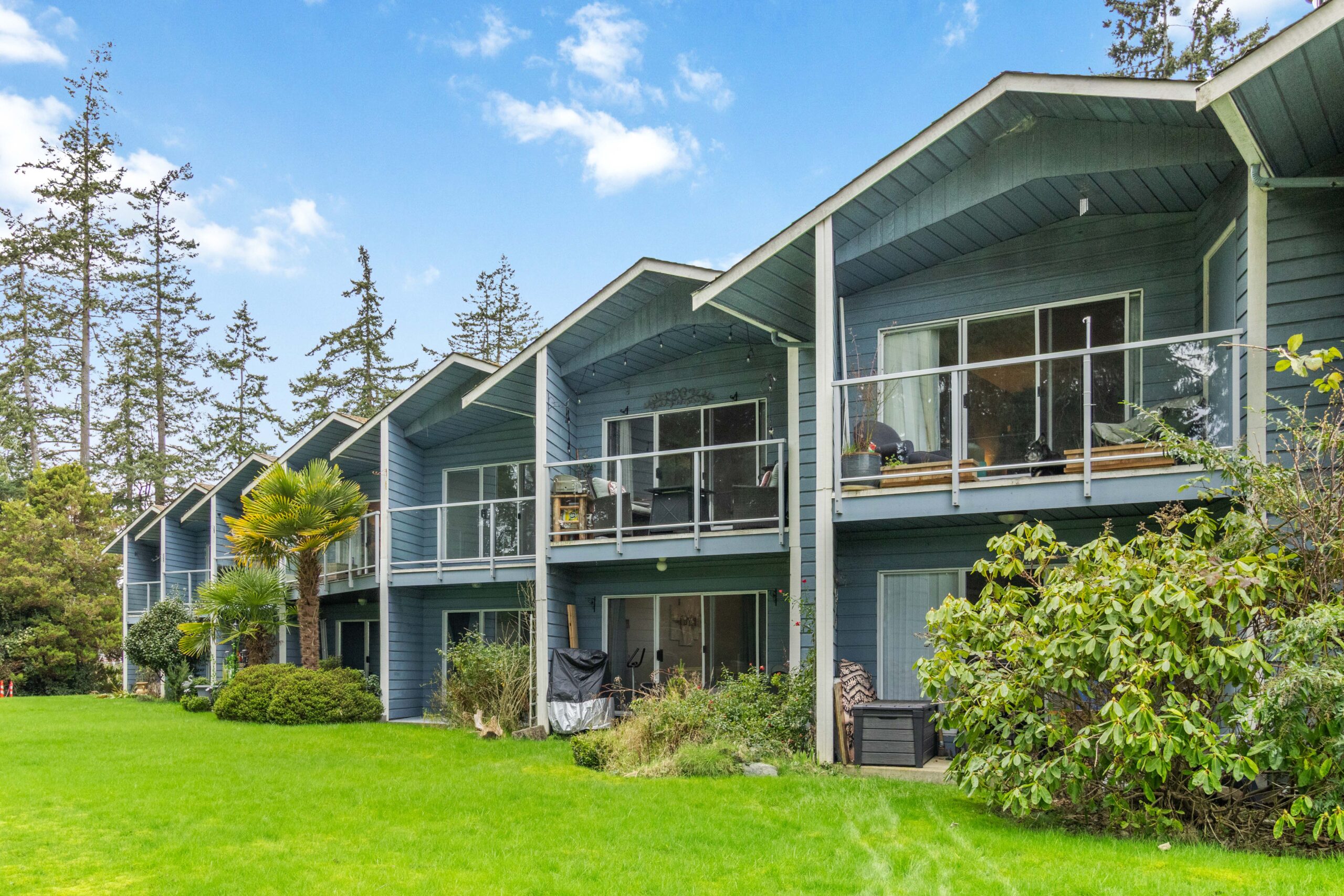
A good deal vs cheap house can look similar at first. Both may have a lower price, attract attention, and feel like an opportunity. However, in real estate, the cheapest home is not always the smartest buy. For buyers in Greater Victoria, this difference matters. A lower price can help with affordability, but it can also hide risk. Before you move forward, you need to understand the full picture. The goal is not to buy the cheapest home. The goal is to buy the right home at the right price. A Cheap House Starts With Price A cheap house usually stands out because it costs less than similar homes. That may happen because of: Major repairs An awkward layout A weaker location Deferred maintenance Limited parking Financing concerns Insurance concerns Low buyer demand Sometimes, a cheap house is a real opportunity. Other times, the price simply reflects the risk. So, before assuming it is a bargain, ask why the property is cheaper. A Good Deal Starts With Value A good deal is different. A good deal means the home offers strong value for the price and risk involved. It may not be perfect, but the trade-offs should be clear and manageable. A good deal may include: A fair or below-market price A strong location Manageable repairs Good resale appeal A practical layout Solid building fundamentals Less buyer competition This is where the good deal vs cheap house distinction becomes important. A low price gets attention. Strong value protects you. Cheap Can Become Expensive A lower purchase price can feel like a win. However, major repairs can quickly change the numbers. Buyers should look closely at: Roof age Drainage Plumbing Electrical systems Foundation concerns Oil tank risk Water ingress Strata documents Upcoming special levies For example, saving money on the purchase price may not help if the home needs expensive repairs right away. This is especially true with older homes in Greater Victoria. Some have been well maintained. Others may need more work than buyers expect. Location Still Matters A cheaper home in the wrong location may not be the better deal. Location affects: Resale demand Walkability Commute times School access Noise Rental appeal Future buyer interest You can update flooring, paint, and cabinets. You cannot move a home away from a busy road, poor exposure, or limited access. As a result, a well-priced home in a stronger location can be a better long-term decision than a cheaper home with location challenges. Potential Is Not the Same as Value Many buyers see a dated home and think, “This has potential.” Sometimes, that is true. Cosmetic issues can create an opportunity if the home has good bones. However, cosmetic work is very different from serious risk. Be careful with homes that may have: Structural issues Moisture problems Poor renovations Old wiring Plumbing concerns Permit issues Building envelope problems A good deal has problems you can understand and price properly. A cheap house often has problems buyers underestimate. The Home Still Needs to Fit Your Life A home can be affordable and still be the wrong fit. Before buying, ask: Will the commute work? Does the layout fit your lifestyle? Can you afford the repairs? Do you have time for renovations? Will the home still work in five years? Are you choosing it because it is right, or because it is cheaper? A cheap house can become stressful if it forces too many compromises. Therefore, the right deal should support your life, not just your budget. Inspections Help Clarify Risk A home inspection does not make a property good or bad. Instead, it helps you understand what you are buying. After inspection, separate issues into three groups: Normal maintenance Negotiation items Serious risks Normal maintenance may include small repairs or aging finishes. Negotiation items may affect price or terms. Serious risks may involve safety, financing, insurance, structure, or moisture. If the issues are manageable, the home may still be a good deal. If the repair list grows quickly, the cheap price may not tell the full story. Strata Buyers Need Extra Caution For condos and townhomes, price can be misleading. A lower-priced strata property may come with: High strata fees Weak contingency planning Upcoming special levies Insurance concerns Rental restrictions Pet restrictions Deferred maintenance Poor resale appeal Because of this, a cheap condo is not automatically a good entry point into the market. A strong condo deal should include a fair price, sound building management, reasonable fees, a practical floor plan, and healthy resale demand. Final Thoughts The difference between a good deal and a cheap house is simple. A cheap house has a low price. A good deal has strong value. Before writing an offer, look beyond the list price. Consider the location, condition, repair costs, financing, lifestyle fit, and resale potential. That is how buyers make better decisions in Greater Victoria’s real estate market. If you are trying to decide whether a home is a true opportunity or just a cheaper property with hidden problems, contact Faber Real Estate Group for advice before you write an offer. Michael B., 5-Star Review, via Google “Excellent experience with Faber group! Zach is an amazing young professional, he is very knowledgeable and explained everything to me (a first time buyer) very well. Towards the end I got to work with Cal as well who was also very kind and professional. I would certainly recommend Faber group.” Faber Real Estate GroupRoyal LePage Coast Capital Realty📞 250-244-3430📧 [email protected]ℹ️ Scott Faber Personal Real Estate Corporationℹ️ Cal Faber Personal Real Estate CorporationVanessa Wood, Zachary Parsons, and Sophie Taylor“Building Lasting Relationships, One Home at a Time.”
Read more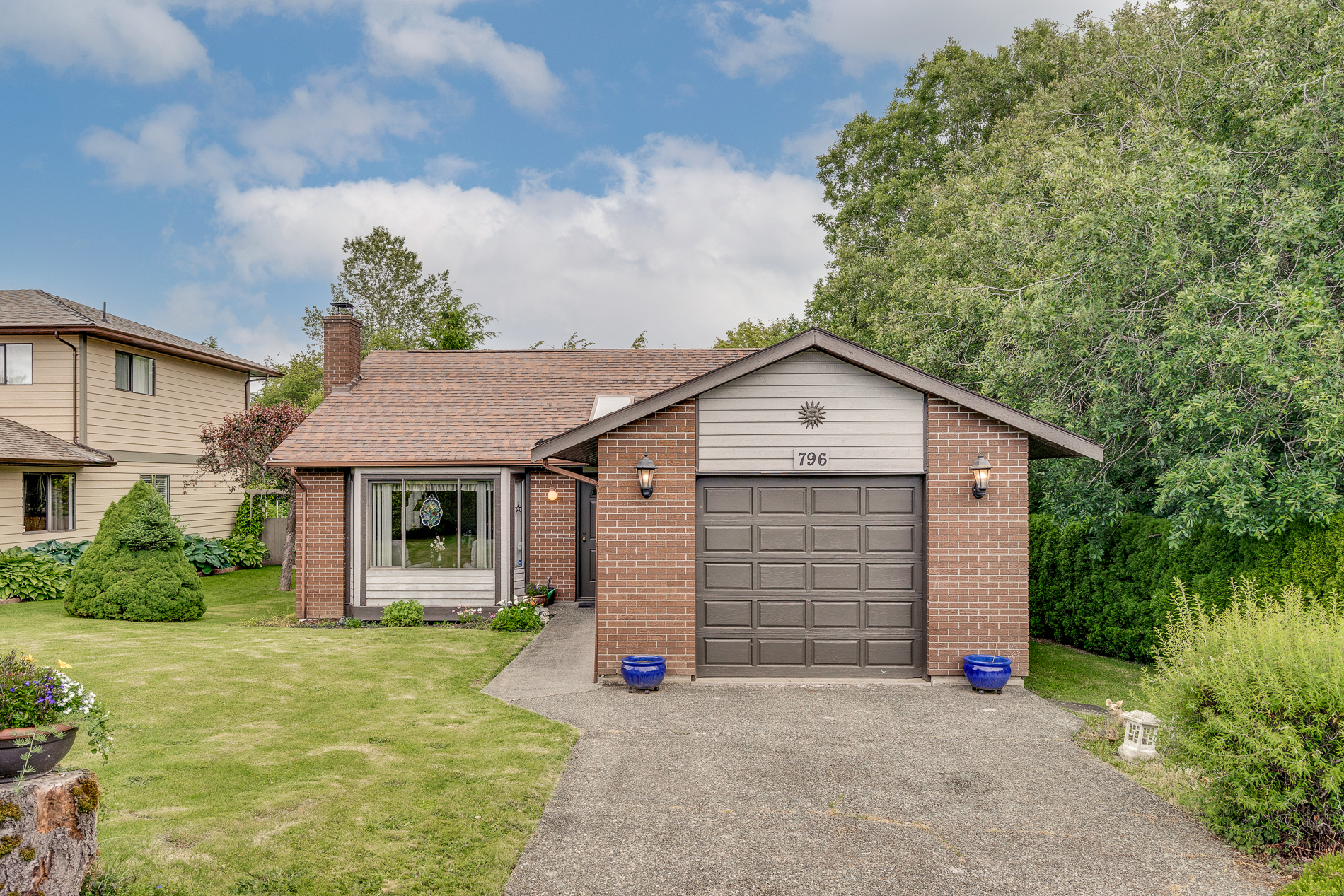
When you’re evaluating where to buy in the Greater Victoria, Saanich, or Westshore markets, understanding municipal property tax differences is an often-overlooked but highly relevant financial factor. Two homes with identical assessed values can lead to noticeably different tax bills year-to-year depending on the municipality — so knowing how rates stack up can influence both your upfront cost estimates and your long-term ownership costs. How Property Taxes Work in BC In British Columbia, municipal property taxes are calculated by multiplying the assessed value of your home by the municipal tax rate (mill rate). The assessment comes from BC Assessment and reflects market value as of July 1 prior to the tax year. Your total tax bill isn’t just the municipal share — it also includes levies collected for: Provincial school tax Capital Regional District (CRD) services Hospital district Transit Other local bodies Municipal budget decisions — such as infrastructure spending or service levels — directly influence the mill rate required to generate revenue. If assessments rise faster than the municipal budget, mill rates can stay stable or even decrease; if budgets grow faster than total assessed value, mill rates must increase. A municipality’s tax strategy often reflects local priorities and spending choices. Greater Victoria Municipal Property Tax Rates: A Snapshot Not all municipalities in Greater Victoria tax at the same rate. Based on available comparative data: Tax Rate Rankings (2022–2024 era) Lower tax rate municipalities: North Saanich generally sits near the lower end of regional property tax rates. View Royal often has lower mill rates compared with urban centres. Mid-range: Colwood and Langford in the Westshore tend to have moderate local municipal tax rates, but totals depend on other levies and assessment levels. Higher tax rate municipalities: Victoria and Central Saanich have among the higher municipal property tax rates within the region. Saanich typically shows a comparatively high effective tax burden. Differences matter: in a sample compiled by a brokerage, a $1 million home in Victoria would yield roughly $174 more in taxes than the same value home in Saanich, and a home in Colwood would pay about $645 more than in View Royal — purely based on rate spreads. (Note: precise current rates change annually with budgets and assessments. Always check municipal tax rate bylaws or use online tax calculators for exact figures for a given year.) Recent Trends: Rate Increases & Budget Pressures Municipalities across Greater Victoria have grappled with tax increases over recent years, driven by rising costs for core services, infrastructure renewals, and public safety: Saanich approved property tax increases near 8% in 2025, adding hundreds of dollars to the average homeowner bill. Langford has proposed significant tax hikes in multi-year financial plans to support rapid growth and expanding service demand. Regional increases by the Capital Regional District (CRD) also factor into total bills, with projected increases varying across municipalities depending on the services used (e.g., 4.1% for Victoria vs 7.7% for Langford for CRD requisitions in 2025). These upward pressures mean that even if a municipality historically had a lower tax rate, the year-to-year changes can shift relative burden across communities. Why These Differences Matter for Buyers 1. Annual Carrying Cost If you’re budgeting for homeownership, property taxes are a predictable recurring cost tied directly to your assessment and municipal priorities. A difference of a few hundred to a few thousand dollars annually can impact: Mortgage affordability Monthly cash flow Long-term cost projections for investment or retirement planning 2. Comparing Similar Homes Across Municipalities Two homes with equal market value — one in Saanich and one in Langford or Colwood — could result in: Different quarterly tax bills Different services received for that tax dollar (e.g., recreation, policing, parks) This can be a tiebreaker for buyers evaluating multiple locations in the region. 3. Growth and Future Tax Outlook Municipalities at different stages of development (e.g., fast-growing Langford vs more established Saanich or Victoria) may adopt differing strategies on whether to keep taxes low for growth incentives or invest in services and infrastructure. Howard P., 5-Star Review, via Google “Cal and Scott Faber are authentic and trustworthy and give it to you straight up. They take the time and the attention to learn about your needs and then find the home that fits them. Our experience with Cal and Scott Faber was exceptional. They didn't just provide great service, they demonstrated a genuine concern for our best interests, making us feel truly valued. They will do their best to find the home that fits your lifestyle and needs. I heartily recommend Cal and Scott.” Faber Real Estate Group Royal LePage Coast Capital Realty 📞 250-244-3430 📧[email protected] ℹ️ Scott Faber Personal Real Estate Corporation ℹ️ Cal Faber Personal Real Estate Corporation Vanessa Wood, Zachary Parsons, and Sophie Taylor “Building Lasting Relationships, One Home at a Time.”
Read more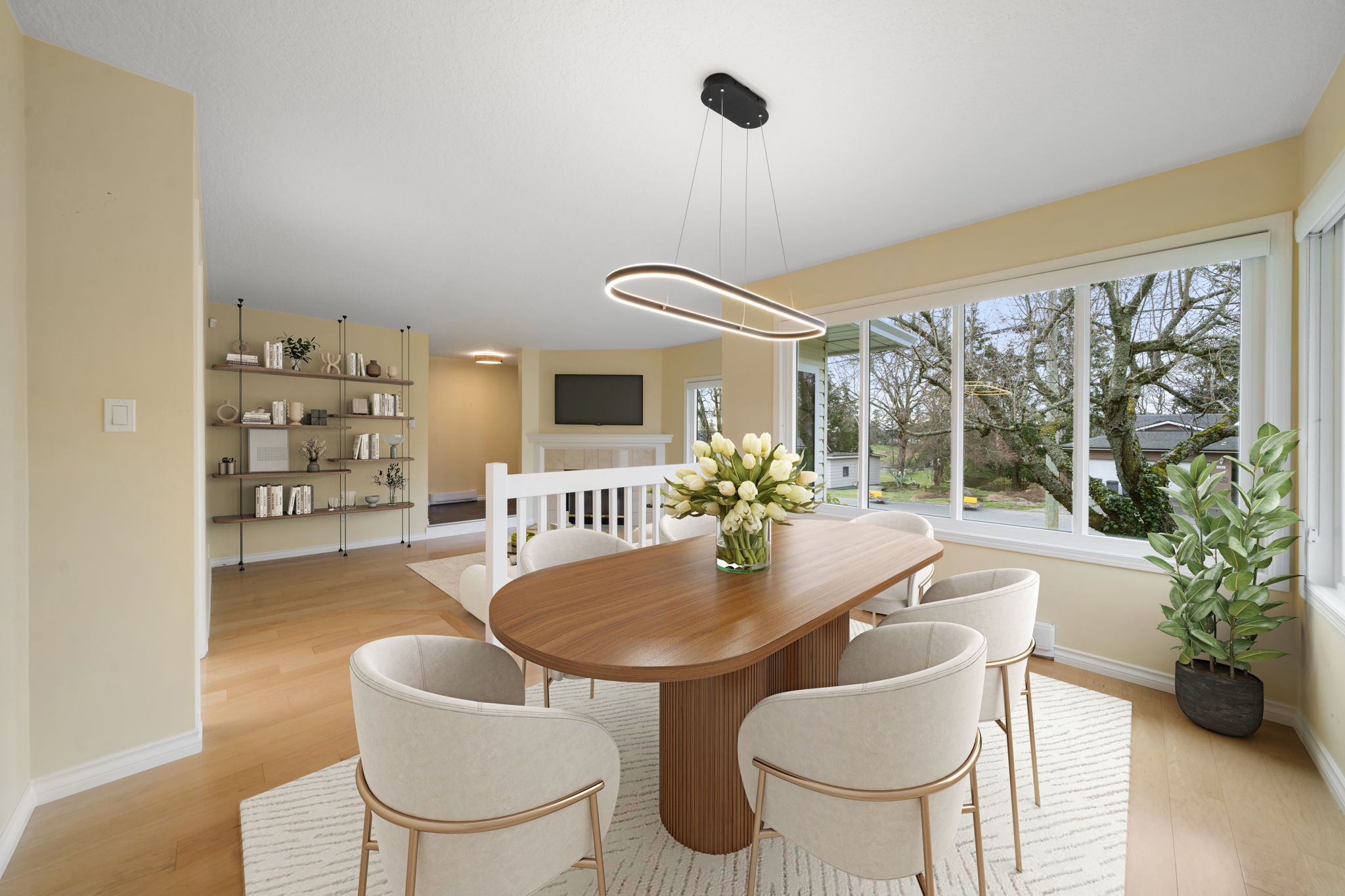
When sellers ask which renovations will boost their home’s value, they often expect expensive upgrades like full kitchen remodels or high-end flooring. The truth is simpler. As experienced realtors, we see buyers respond most to updates that reduce future work, improve functionality, and create a clean, move-in-ready feel. Fresh paint, modern fixtures, updated hardware, and tidy landscaping often do more for resale than costly design experiments. Kitchen and Bathroom Upgrades Kitchen and bathroom updates can add value, but full renovations rarely guarantee a dollar-for-dollar return. Buyers notice modern surfaces like new countertops, refreshed cabinets, updated faucets, and newer appliances. Small changes can refresh a space without a full remodel and make the home feel move-in ready. Flooring Matters More Than Luxury Consistency matters more than luxury. Homes with multiple flooring types feel disjointed. Installing a single, mid-range floor or replacing worn carpet can modernize a home instantly and create flow. Buyers want to see a home that won’t require immediate work. Avoid Highly Personal Upgrades Expensive, niche renovations often miss the mark. Built-in wine cellars, specialty media rooms, or custom outdoor spaces may appeal to few buyers. Unless you plan to stay long-term, these projects are better as lifestyle upgrades rather than investments. Maintenance Protects Value Repairs like new roofs, windows, plumbing, or heat pumps don’t add emotional value but prevent price reductions or failed negotiations. Maintenance is about protecting value, not creating it. The Move-In Ready Advantage Buyers pay a premium for move-in ready homes. They want confidence, not imagined work. Focus on improvements they will notice immediately: fresh paint, updated lighting, new faucets, consistent flooring, and a tidy front yard. Every property is different. The smartest renovations make your home easier to fall in love with while protecting its value. Small, practical updates often deliver the best results. Gerry Lenz, 5-Star Review, via Google “It was a true pleasure working with Cal. We could not have asked more from Cal in how he looked after us from showing to closing. He made the whole process as easy as possible for us, and it was obvious that he cares about his clients and looking after them. The communication from both Cal and Scott was clear, fast and professional. We would absolutely recommend the Faber Real Estate Group!” Faber Real Estate Group Royal LePage Coast Capital Realty 📞 250-244-3430 📧[email protected] ℹ️ Scott Faber Personal Real Estate Corporation ℹ️ Cal Faber Personal Real Estate Corporation Vanessa Wood & Zachary Parsons “Building Lasting Relationships, One Home at a Time.”
Read more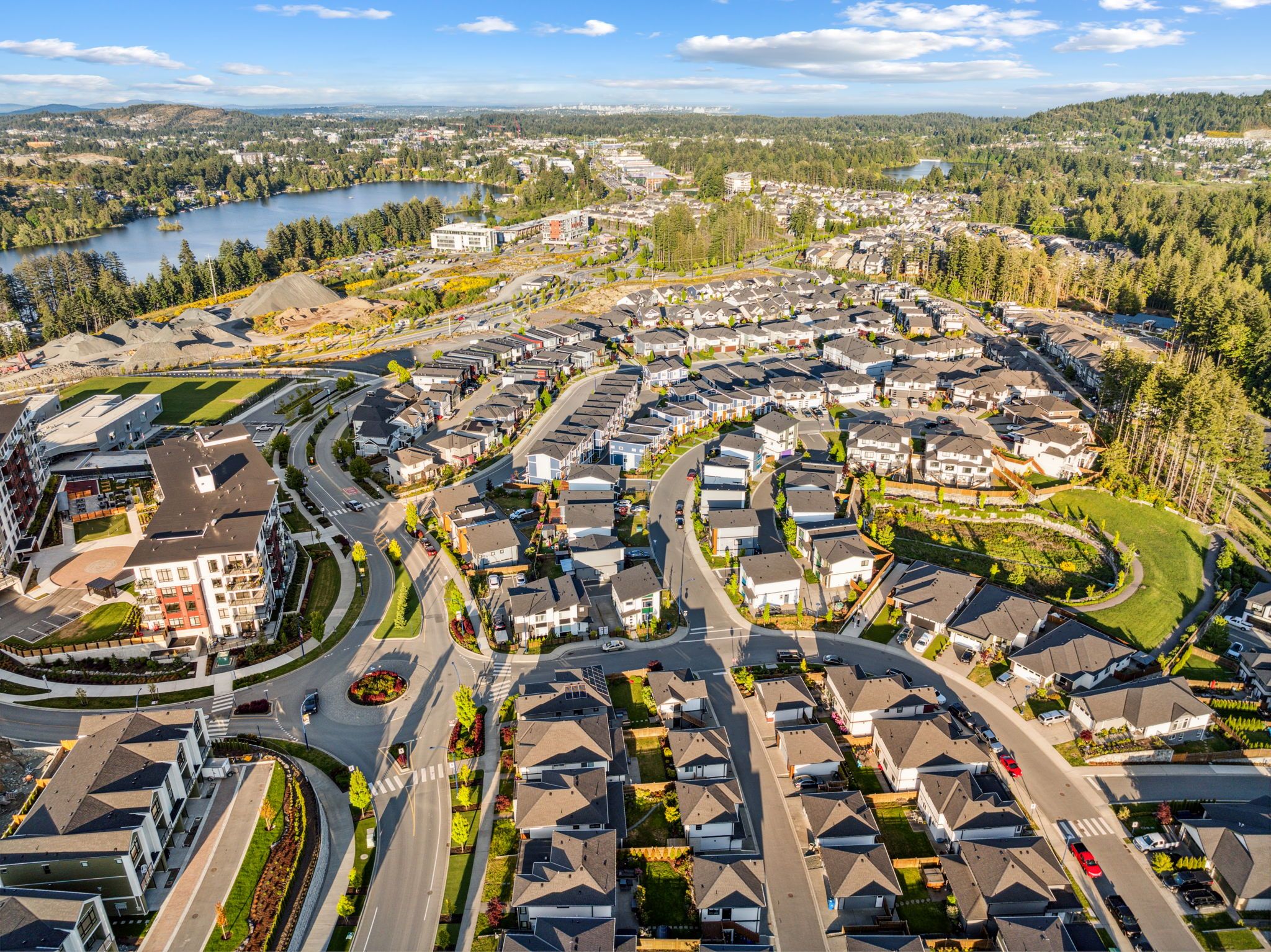
Langford vs. Colwood: Which West Shore Community Should You Choose? Choosing where to live in Greater Victoria isn’t just about picking a location, it’s about understanding the long-term trajectory of that community, how it aligns with your lifestyle, and how your investment will perform over time. This choice becomes especially interesting in the West Shore, where Langford and Colwood sit side by side but offer very different opportunities. As a team that studies this market daily and advises clients at every stage of their real estate journey, we can tell you this: There is no one-size-fits-all answer, but there is a smart answer for you. Langford: Dynamic, Ambitious, and Rapidly Evolving If Greater Victoria had a “future skyline,” it would be Langford. This is the region’s fastest-growing area, and it’s not by accident. Langford’s city planning is bold, aggressive, and intentionally growth-focused. The result? An environment where development is encouraged, housing variety is immense, and amenities are expanding at lightning speed. What Langford Offers: A huge variety of housing: condos, townhomes, duplexes, modern single-family homes, and estate-style living on Bear Mountain. Newer infrastructure: schools, parks, sports facilities, and commercial hubs built with today’s families in mind. A younger demographic that brings energy, innovation, and demand for modern conveniences. Ongoing investment potential as density increases and demand continues year after year. Langford is ideal for people who want to be at the center of growth and buyers who understand that where a city is going matters more than where it has been. Colwood: Scenic, Established, and Quietly Prestigious Colwood, on the other hand, offers a completely different tone. It’s more mature, more settled, and more focused on preserving quality of life than pushing rapid development. With beaches, forested neighbourhoods, and iconic landmarks like Hatley Castle, Colwood has a character that feels both timeless and grounded. Why Colwood Appeals: Stable, high homeownership: neighbourhoods where people put down roots. Spacious suburban living with larger lots and quieter streets. A strong family-friendly identity, ideal for long-term planning. Beautiful natural environments, including trails, waterfront access, and green space. Colwood is not trying to be the next big city, it’s trying to be an exceptional place to live. For many buyers, that’s exactly what they want. The Commute Reality Let’s be honest: if you’re commuting downtown daily, the “Colwood Crawl” is real. Langford and Colwood both feel the impact, but Langford’s infrastructure investments and more central positioning within the West Shore give it a slight edge for mobility and access. If you work from home or don’t commute often, both cities are great options. If daily commuting is part of your life, the slight differences may matter. Lifestyle Comparison: Which City Fits Your Personality? Think of it like this: Choose Langford if you want: Modern amenities Rapid growth and rising long-term value A mix of housing types A vibrant, youthful energy Walkable urban-style pockets blended with nature Choose Colwood if you want: Peaceful, established neighbourhoods Scenic beauty front and center More space and privacy Stability and long-term community A slower, more relaxed pace Investment Outlook From an investment perspective, this is where expertise truly matters. Langford offers strong appreciation potential due to ongoing development, increasing density, and continuous buyer demand. Colwood offers long-term stability, strong community appeal, and the kind of neighbourhood consistency that supports sustained property value. If you’re thinking like an investor, Langford is the growth play.If you’re thinking like a long-term resident, Colwood is the lifestyle play. Both are smart, but the right one depends on your goals. The Best Choice Is the One That Matches Your Future Moving isn’t just a financial decision, it’s a lifestyle decision. The smartest choice happens when you understand not only what a community is today, but where it’s going tomorrow. That’s where we come in. If you’re deciding between Langford and Colwood, we can help you read the trends, understand the neighbourhoods, and choose the location that positions you for the life and investment you want. When you’re ready, we’ll show you exactly where your next smart move should be. Faber Real Estate Group Royal LePage Coast Capital Realty 📞 250-244-3430 📧[email protected] ℹ️ Scott Faber Personal Real Estate Corporation ℹ️ Cal Faber Personal Real Estate Corporation Vanessa Wood & Zachary Parsons "Building Lasting Relationships, One Home at a Time."
Read more- 1
- 2