
Posts Tagged ‘Victoria BC homes’
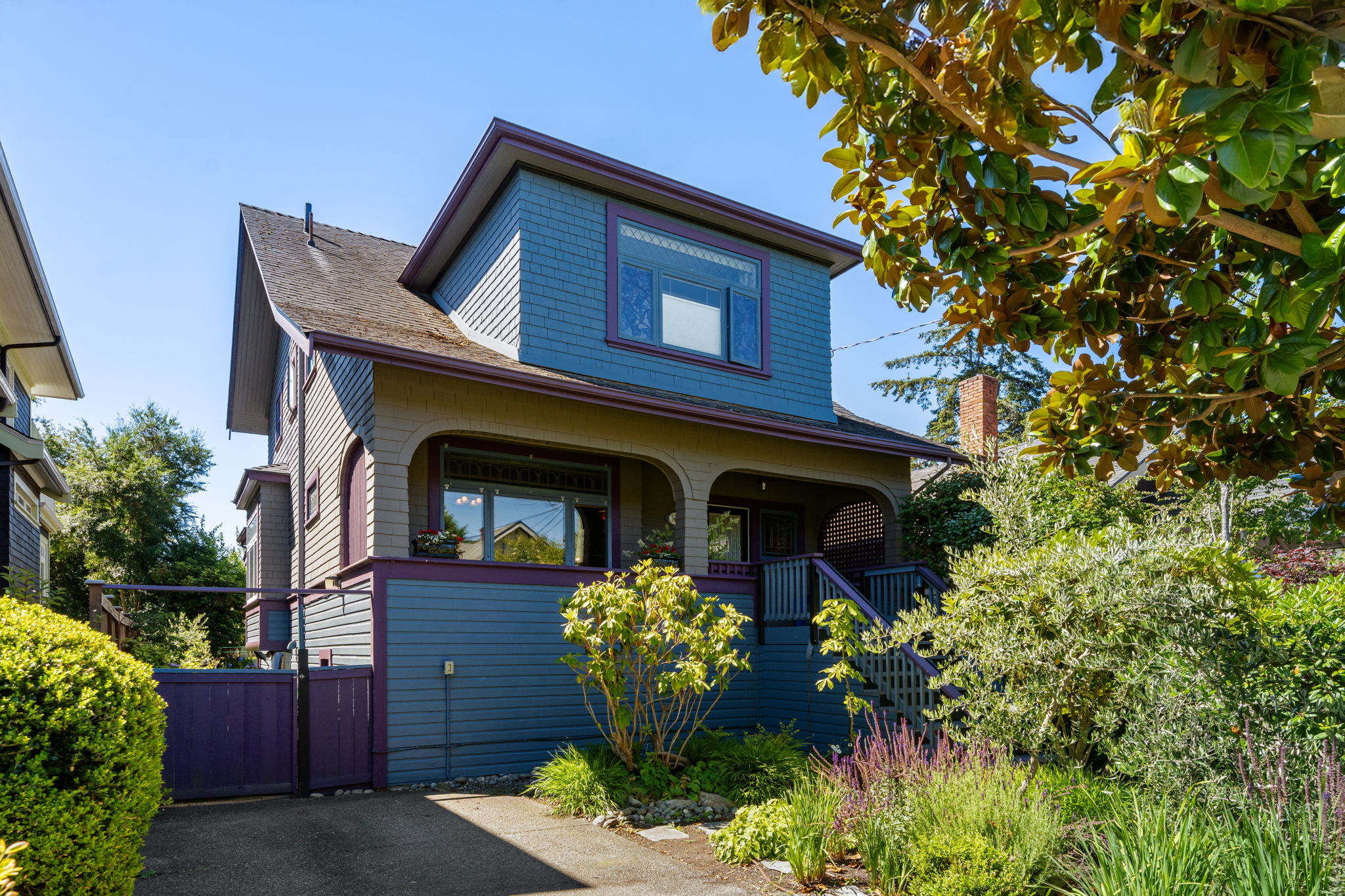
If you are wondering how much income you need to buy a home in Victoria, BC, the short answer is that a household income of roughly $105,000 could support a $550,000 condo, while a $1 million home may require closer to $180,000 in household income under the assumptions used below. However, income is only one part of mortgage qualification. Your down payment, existing debt, credit, property taxes, strata fees, mortgage rate and amortization can all change how much you qualify to borrow. How Much Income Do You Need to Buy a Home in Victoria? Here is a useful starting point. These examples assume: 20% down payment 25-year amortization No significant additional monthly debt An illustrative 4.09% mortgage rate Qualification at approximately 6.09% under Canada's mortgage stress test Property taxes and heating costs included 50% of estimated strata fees included where applicable Purchase Price Example Property Type Approx. Household Income Needed $550,000 Condo $105,000 to $110,000 $750,000 Townhouse $135,000 to $145,000 $1,000,000 Detached or larger townhouse $175,000 to $185,000 $1,311,000 Victoria Core benchmark detached home Approximately $230,000 These are illustrative estimates, not mortgage pre-approvals. A lender or mortgage broker needs to review your individual financial situation. Why These Price Points Matter in Victoria The Victoria Real Estate Board reported that the July 2026 benchmark price for a condominium in the Victoria Core was $548,600. For a single-family home in the Victoria Core, the benchmark was considerably higher at $1,311,000. That creates a large affordability gap between property types. A buyer who qualifies comfortably for a condo may need significantly more household income, a larger down payment or additional equity to move into a detached home in the Victoria Core. It is also why looking outside the Core can change the equation. Langford, Colwood, View Royal, Sooke and other Greater Victoria communities may provide different property types at the same budget. How Does the Mortgage Stress Test Affect What You Can Afford? Canadian buyers generally cannot qualify based only on the mortgage rate they will actually pay. Federally regulated lenders use a mortgage stress test. The qualifying rate is currently the greater of: Your mortgage contract rate plus 2% 5.25% For example, if your mortgage rate were 4.09%, you could be required to qualify as though the rate were approximately 6.09%. That difference can significantly affect purchasing power. At the time of writing in August 2026, advertised five-year fixed mortgage rates in BC were available around 4.09%, although the rate available to an individual borrower can be different. How Much of Your Income Can Go Toward Housing? Mortgage lenders look closely at debt-service ratios. The Financial Consumer Agency of Canada explains that total monthly housing costs generally should not exceed 39% of gross household income. Housing costs can include: Mortgage principal and interest Property taxes Heating 50% of condominium fees, when applicable Your overall debt load generally should not exceed 44% of gross income. That calculation can also include car payments, credit cards, lines of credit, student loans and other obligations. This is why two households earning $150,000 per year may qualify for very different mortgage amounts. How Much Income Might You Need for a $550,000 Condo in Victoria? With 20% down, a $550,000 condo would leave an approximately $440,000 mortgage. Using the assumptions above, a household may need roughly $105,000 to $110,000 in gross annual income. However, strata fees matter. A condo with a $350 monthly strata fee will affect qualification differently from a similar condo with a $750 fee because lenders generally include 50% of the strata fee in the housing-cost calculation. That is one reason purchase price alone does not tell you which condo is actually more affordable. Related: Why Monthly Payment Matters More Than Purchase Price How Much Income Might You Need for a $750,000 Home? At $750,000 with 20% down, the mortgage would be approximately $600,000. Under our example assumptions, a household income around $135,000 to $145,000 could be required. At this price point, buyers may be comparing: Townhouses in Victoria or Saanich Newer townhomes in the Westshore Older detached homes in some Greater Victoria areas Larger condos in central locations The important question becomes less about your maximum approval and more about where that budget creates the best combination of home, location and monthly cost. How Much Income Might You Need for a $1 Million Home in Victoria? With a 20% down payment, a $1 million purchase leaves an $800,000 mortgage. Using our assumptions, the approximate household income requirement rises to around $175,000 to $185,000. Existing debt can push that number considerably higher. For example, a car payment or large line-of-credit balance reduces the amount of income available for housing under a lender's debt-service calculation. On the other hand, a larger down payment can reduce the mortgage and therefore reduce the income needed to qualify. How Much Income Do You Need for the Benchmark Victoria Detached Home? The July 2026 MLS® HPI benchmark value for a single-family home in the Victoria Core was $1,311,000. With 20% down, that would mean a mortgage of approximately $1.05 million before other considerations. Under the same illustrative assumptions, household income could need to be around $230,000 per year. That number helps explain why many Greater Victoria buyers are adjusting one or more parts of their search: Looking farther from the Victoria Core Choosing a townhouse instead of detached Increasing their down payment Buying with a partner Considering a property with a secondary suite Choosing a smaller or older home Prioritizing monthly affordability over maximum purchase price Does a Bigger Down Payment Reduce the Income You Need? Yes. The less money you borrow, the smaller the mortgage payment used in your debt-service calculation. For example, a buyer purchasing an $800,000 property with $300,000 down has a very different qualification profile from someone purchasing the same property with $100,000 down. A larger down payment can therefore be just as important as household income when determining purchasing power. It is also important to remember that 20% is not always the minimum required down payment. For insured mortgages, Canada's minimum down payment rules currently start at 5% on the first $500,000 and 10% on the portion between $500,000 and $1.5 million. Homes priced at $1.5 million or more require at least 20% down. Can Two Buyers Combine Their Income? Yes. Mortgage qualification generally considers the combined qualifying income of the borrowers applying for the mortgage. This is why household income is often more useful than individual income when discussing Victoria affordability. A couple earning $90,000 each has a household income of $180,000, but their actual buying power will still depend on debts, credit, down payment and the specific property. Does Buying a Home With a Suite Help You Qualify? Potentially. Depending on the property and lender, some rental income from a legal or eligible secondary suite may be considered during mortgage qualification. CMHC provides methods for incorporating rental income into debt-service calculations, although the amount and treatment depend on the mortgage and property. This can make suite properties particularly important for some Greater Victoria buyers. However, buyers should confirm the suite's status and speak with their mortgage professional before assuming a certain amount of rent will be included. Pre-Approval and Comfortable Budget Are Not the Same Thing There is another number buyers should calculate: How much do you actually want to spend each month? A lender may approve you for a certain purchase price. That does not automatically mean spending the maximum will fit comfortably with your lifestyle. Remember to account for costs beyond the mortgage, including: Property taxes Home insurance Strata fees Utilities Maintenance Repairs Parking Property Transfer Tax Legal fees Moving costs Our guide to Beyond the Mortgage: Hidden Costs Buyers Forget to Budget For looks more closely at these expenses. The income needed to buy a home in Victoria is therefore only the first question. The better question is: What purchase price allows you to own the right home while still feeling comfortable financially? Frequently Asked Questions Can you buy a home in Victoria with a $100,000 household income? Potentially. Depending on your down payment, debt and other expenses, a household earning around $100,000 may be able to qualify for some condos or lower-priced properties in Greater Victoria. A mortgage pre-approval will provide a more accurate budget. Is $150,000 household income enough to buy in Victoria? It can be. Under the assumptions used in this article, a household earning around $150,000 could potentially consider properties around the mid-$700,000 range or higher, depending heavily on down payment, debt and property expenses. How much income do you need for a $1 million home in Victoria? With 20% down, no significant debt and the assumptions used above, approximately $175,000 to $185,000 in household income may be required. Do strata fees affect mortgage qualification? Yes. Lenders generally include 50% of condo fees when calculating housing costs for debt-service purposes. Find Out What Your Budget Actually Buys in Greater Victoria A pre-approval tells you how much you may be able to borrow. The next step is understanding what that budget buys in Victoria, Saanich, Langford, Colwood, View Royal and the surrounding communities. If you know your approximate purchase price, we can compare current listings and recent sales across Greater Victoria to show you where your budget goes further, which property types fit and what compromises may actually be worth making. Liam Grigg, 5-Star Review, via Google “The real estate market felt daunting, especially when it was our first time entering it. But, working with Scott made the whole process so much easier. He was really excellent at asking questions, showing us a variety of places, and helping us narrow down exactly what we were looking for. Scott was flexible, never pushy, and I really felt supported by him throughout! He made a big difference in helping us find THE place and we couldn’t do it without him. I can’t wait to work with Scott again in the future.” Faber Real Estate Group Royal LePage Coast Capital Realty 📞 250-244-3430 📧 [email protected] ℹ️ Scott Faber Personal Real Estate Corporation ℹ️ Cal Faber Personal Real Estate Corporation Vanessa Wood, Zachary Parsons, and Sophie Taylor “Building Lasting Relationships, One Home at a Time.” The mortgage and income examples in this article are for general educational purposes only and are not financial or lending advice. Mortgage qualification varies by lender, borrower and property. Speak with a qualified mortgage professional for advice specific to your circumstances.
Read more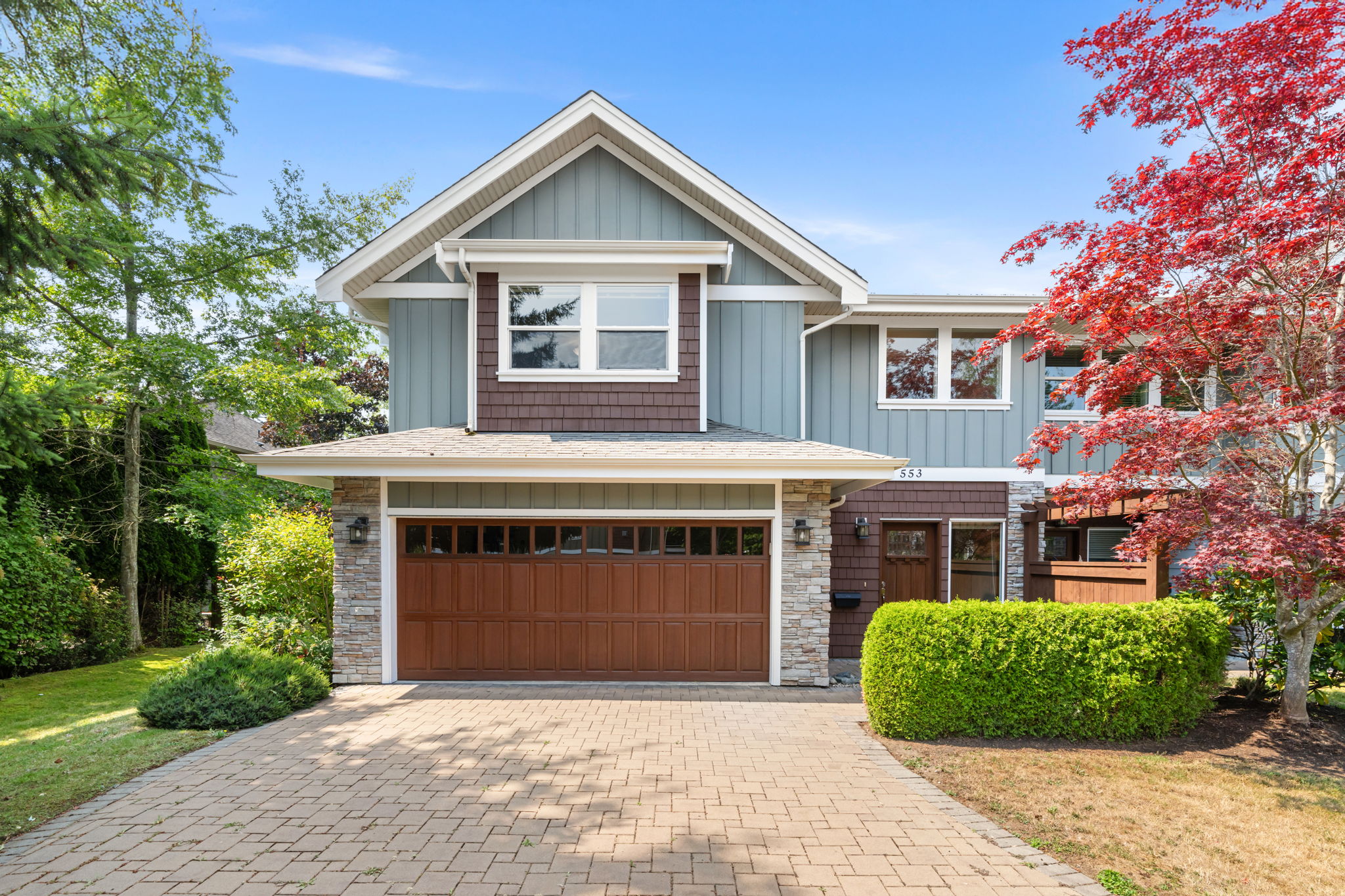
The Victoria real estate market in August 2026 is entering the second half of summer with plenty of inventory, steady buyer activity, and more room for negotiation in certain parts of the market. July gave us a useful starting point. A total of 673 properties sold across the Victoria Real Estate Board region, while 3,847 active listings remained available at the end of the month. Sales slowed slightly from June, but buyers remained active. So, what could August bring? The most likely scenario is not a dramatic market shift. Instead, we expect many of the trends seen through early summer to continue: buyers remaining selective, inventory gradually tightening, and properly priced homes continuing to outperform listings that miss the market. August Market Outlook at a Glance Based on July's market conditions, August could bring: Slightly fewer new listings as summer continues Continued selection for buyers across many property types More negotiation opportunities on homes that have been sitting Stronger activity around well-priced and well-presented properties Continued competition among condo sellers Relatively stable financing conditions heading into September August is also likely to remain highly dependent on the individual neighbourhood, property type, and price range. Inventory Could Begin to Tighten One number worth watching closely is inventory. Greater Victoria ended July with 3,847 active listings, down from the 4,054 listings available at the end of June. That does not mean buyers are suddenly running out of options. However, it may signal the beginning of the normal late-summer shift as fewer homeowners choose to launch listings during vacation season. If new listings slow while buyers remain active, some of the best properties could face stronger competition. For buyers waiting for significantly more selection later in August, there is no guarantee that will happen. Buyers May Continue to Have Negotiating Room More inventory has changed the way many buyers approach the market. Rather than feeling pressure to make an offer simply because a suitable home becomes available, buyers can often compare multiple properties and determine where the strongest value exists. That can create opportunities to negotiate beyond the purchase price, including: Possession dates Included items Repairs Subject periods Deposits Closing timelines However, negotiation power depends heavily on the property. A home that has been sitting for several weeks with limited activity may offer considerably more flexibility than a well-priced property that has just reached the market. Internal link: What Buyers Should Negotiate Beyond the Purchase Price The Best Homes Could Still Sell Quickly More inventory does not automatically mean every home will sit on the market. One of the clearest patterns we continue to see is the difference between properties that are positioned properly and those that are not. Buyers have more choices, which means they can quickly compare price, condition, location, layout, and overall value. Homes that check several of those boxes can still generate strong interest. Meanwhile, an overpriced property may sit even when similar homes nearby are selling. Condo Sellers May Face More Competition The condo market remains one area worth watching closely in August. July saw 209 condo sales, down 7.1% from July 2025. By comparison, single-family home sales increased year over year. That difference does not mean condos are performing poorly everywhere. Instead, buyers often have more comparable options available within the same building, neighbourhood, or price range. For condo sellers, small differences can matter. Floor plan, orientation, parking, storage, strata condition, fees, building reputation, and asking price can all influence which unit a buyer chooses. Internal link: Why Condos Are Facing More Competition in Victoria Right Now Prices Are Likely to Remain Relatively Stable The Victoria Core benchmark price for a single-family home was $1,311,000 in July, down from $1,326,500 in June. The benchmark condo price reached $548,600, compared with $549,200 in June. Those movements point toward a market experiencing some price pressure rather than a sharp correction. For August, buyers and sellers should pay more attention to recent comparable sales than broad regional headlines. Greater Victoria is made up of many smaller markets. A detached home in Saanich East can behave differently from a condo in downtown Victoria or a townhouse in Langford. Interest Rates Should Provide Some Stability Financing will continue to influence buyer confidence. The Bank of Canada held its policy interest rate at 2.25% on July 15, and there is no scheduled rate announcement during August. The next decision is scheduled for September 2, 2026. That does not mean mortgage rates cannot change during August, since fixed mortgage rates are influenced by bond markets rather than directly following the Bank of Canada overnight rate. Still, the absence of a Bank of Canada decision during the month removes one potential source of uncertainty for buyers actively shopping now. What August Means for Buyers August could be a useful window for buyers who are prepared but patient. There is still enough inventory in many parts of Greater Victoria to compare options, while some sellers who listed earlier in the summer may become more open to negotiating. The key is separating a genuine opportunity from a property that is simply priced poorly. Before making an offer, look at: Recent comparable sales Current competing listings Days on market Previous price adjustments Property condition Monthly ownership costs Potential upcoming repairs Long-term resale considerations The goal is not simply to get a discount. It is to buy the right property at terms that make sense. What August Means for Sellers For sellers, August is less about waiting for the market to do the work and more about positioning your property correctly. Buyers currently have enough selection to recognize when something feels overpriced. A strong August listing strategy should consider the homes currently competing for the same buyer, not simply what similar properties sold for several months ago. Presentation also matters. When buyers have choices, photography, condition, floor plan, maintenance, staging, and pricing all contribute to the first impression. Should You Buy or Sell in August? There is no universal answer. August may make sense for a buyer who finds the right property and has room to negotiate. It may also be a strong time for a seller whose home faces limited direct competition. For someone with flexibility, waiting for the fall market may offer different opportunities as more buyers and sellers return after summer. The better question is not whether August is a good month for real estate. It is whether current conditions are favourable for your particular property, price range, neighbourhood, and goals. Internal link: Should Victoria Buyers Act Now or Wait for the Fall Market? Planning a Move This August? If you are considering buying or selling in Greater Victoria this month, we can look beyond the regional numbers and break down what is happening in your specific market. Whether you are comparing listings, deciding when to make an offer, or trying to determine how your home should be positioned against current competition, having current neighbourhood-level information can make the decision much clearer. Darcy M., 5-Star Review, via Google ⭐⭐⭐⭐⭐ “I highly recommend the Faber Group and particularly Zach Parsons to anyone looking to buy or sell a home in the Victoria area. Over the past year, Zach has helped my wife and I purchase two homes, and both experiences were exceptional from start to finish. Zach is obviously knowledgeable about the Greater Victoria area, and his knowledge of the Victoria real estate market is a testament to dedication to his job and his clients." Faber Real Estate Group Royal LePage Coast Capital Realty 📞 250-244-3430 📧 [email protected] ℹ️ Scott Faber Personal Real Estate Corporation ℹ️ Cal Faber Personal Real Estate Corporation Vanessa Wood, Zachary Parsons, and Sophie Taylor “Building Lasting Relationships, One Home at a Time.”
Read more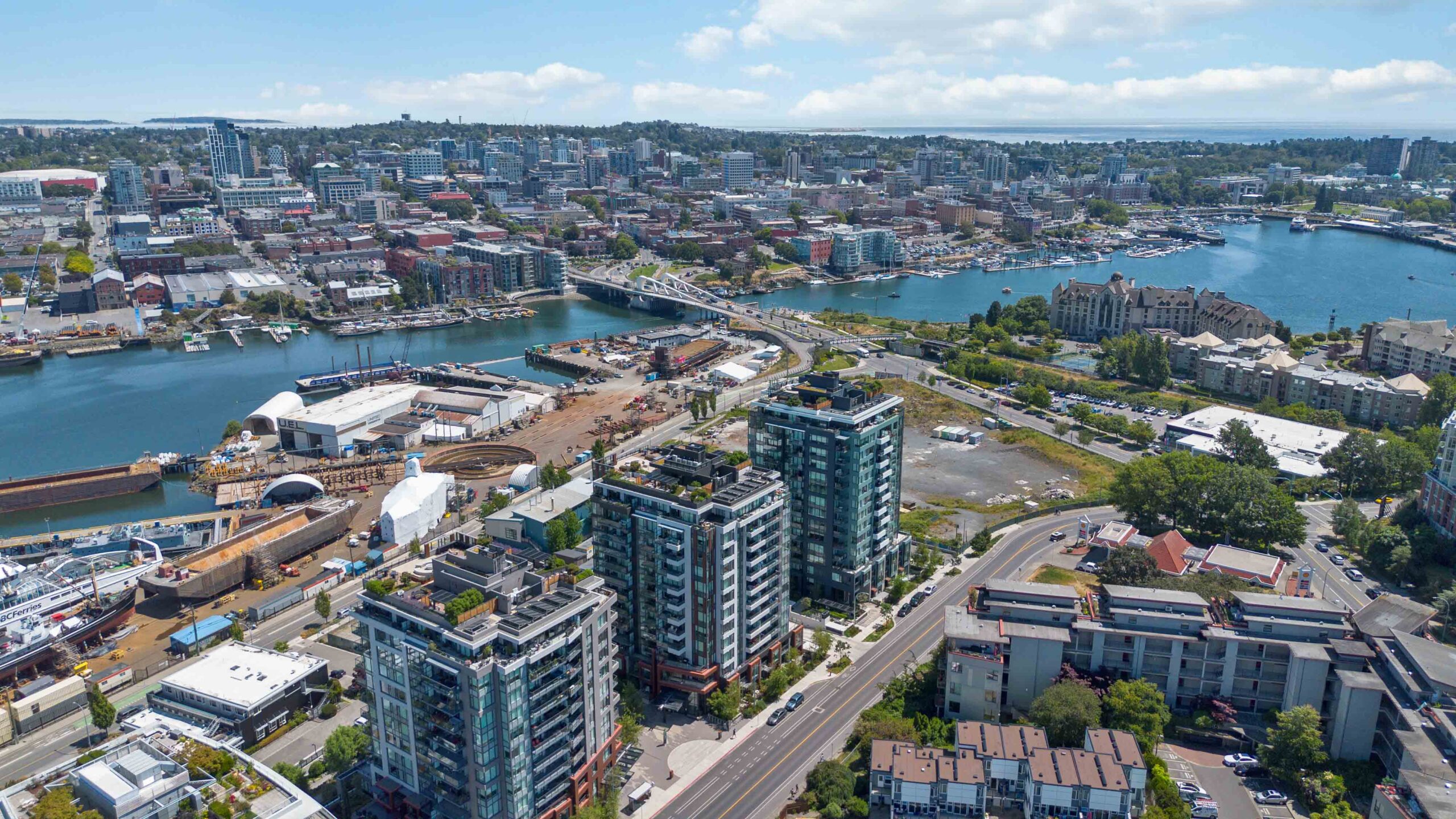
The Victoria real estate market in July 2026 continued to give buyers plenty of choice while still producing a solid level of sales activity. A total of 673 properties sold across the Victoria Real Estate Board region in July, just 1% fewer than July 2025 and 6.4% fewer than June. At the same time, 3,847 active listings remained on the market at month-end - 3.9% more than one year earlier. (Victoria Real Estate Board) The takeaway is not that Greater Victoria has suddenly become a slow market. Instead, buyers have more options, sellers have more competition, and individual properties are behaving very differently depending on location, property type, condition, and price. July 2026 Market at a Glance According to the Victoria Real Estate Board: 673 total sales - down 1% year over year 331 single-family home sales - up 4.1% year over year 209 condo sales - down 7.1% year over year 82 townhouse sales - down 15.5% year over year 3,847 active listings - up 3.9% year over year, but down 5.1% from June Victoria Core single-family benchmark: $1,311,000 Victoria Core condo benchmark: $548,600 Victoria Core townhouse benchmark: $857,300 VREB also noted that July sales finished above the five-year average for the month, despite the greater amount of inventory available to buyers. (Victoria Real Estate Board) More Choice Is Changing Buyer Behaviour The biggest story continues to be selection. While active inventory eased from June, buyers still had more properties available than they did at the same point last year. That gives many buyers more time to compare homes rather than feeling pressured to act immediately. However, more inventory does not mean every seller is highly negotiable. Well-priced homes in desirable locations can still attract attention quickly. The difference is that buyers now have more alternatives when a property feels overpriced, needs substantial work, or does not compare favourably with competing listings. This is especially noticeable in the condo market. Condo sales fell 7.1% from July 2025, while detached home sales actually increased 4.1%. That difference reinforces why looking at Greater Victoria as one single market can be misleading. (Victoria Real Estate Board) For a closer look at this segment, read Why Condos Are Facing More Competition in Victoria Right Now. Read the condo market article Prices Continued to Soften in the Victoria Core The MLS® HPI benchmark for a single-family home in the Victoria Core reached $1,311,000 in July, down 2.8% from $1,348,400 one year earlier and down from $1,326,500 in June. For condos, the July benchmark was $548,600, down 2.2% year over year and only slightly below June's $549,200 benchmark. (Victoria Real Estate Board) These numbers suggest some price pressure, but they should not be interpreted as meaning every home has dropped by the same amount. A renovated family home in Saanich, a downtown condo, an Oak Bay character home, and a newer Langford townhouse can all face very different levels of competition. That is why understanding your specific micro-market matters more than relying on one regional number. Why Greater Victoria Real Estate Is So Micro-Market Specific What July's Market Means for Buyers For buyers, the Victoria real estate market in July 2026 offered something valuable: time to compare. In many segments, buyers can look more closely at: Recent comparable sales Competing active listings Property condition and upcoming maintenance Strata documents and financials Monthly ownership costs Days on market Price reductions Offer terms and possession dates Long-term resale potential The opportunity is not simply to negotiate the lowest price. It is to use the additional selection to find the property offering the strongest combination of price, condition, location, and long-term fit. What July's Market Means for Sellers For sellers, additional inventory means your home needs a clear reason for buyers to choose it. Pricing based solely on what a neighbour sold for six months ago can create problems. Today's buyers are comparing your property with what else they can purchase right now. Strong results are still possible, but three factors matter considerably: 1. Pricing Your asking price needs to reflect current competing inventory and recent sales. 2. Presentation When buyers have several options, condition, photography, maintenance, layout, cleanliness, and overall presentation can influence which homes make the shortlist. 3. Positioning Every property has different strengths. The goal is to understand which buyer is most likely to value those strengths and build the marketing strategy around them. The Bottom Line July was not an inactive month. 673 sales and activity above the five-year July average show that buyers are still making moves. What has changed is how much choice they have while making those decisions. (Victoria Real Estate Board) For buyers, that can create better opportunities to compare, complete due diligence, and make thoughtful decisions. For sellers, it raises the importance of competitive pricing and strong presentation from the moment the property reaches the market. Most importantly, Greater Victoria remains a collection of individual micro-markets. Whether conditions favour you depends far more on your neighbourhood, property type, price range, and competition than on a single regional headline. Wondering What July's Market Means for Your Move? If you are considering buying or selling in Greater Victoria, we can break the July numbers down to the level that actually matters - your neighbourhood, property type, price range, and current competition. Contact Faber Real Estate Group for a current market analysis and a strategy based on the homes buyers and sellers are competing with today. Nicholas D., 5-Star Review, via Google ⭐⭐⭐⭐⭐ “Scott is an awesome realtor and real estate advisor. He got me all the information I needed incredibly quick and helped me make an informed buying decision. Couldn’t have done it without him and 10/10 will be recommending him to my friends and family! There are thousands of realtors on the island, but Scott and his team are by far the best” Faber Real Estate Group Royal LePage Coast Capital Realty 📞 250-244-3430 📧 [email protected] ℹ️ Scott Faber Personal Real Estate Corporation ℹ️ Cal Faber Personal Real Estate Corporation Vanessa Wood, Zachary Parsons, and Sophie Taylor “Building Lasting Relationships, One Home at a Time.” Market statistics sourced from the Victoria Real Estate Board's August 4, 2026 July market report. VREB cautions that market statistics show broader trends and do not establish the value of an individual property. (Victoria Real Estate Board)
Read more
Should you buy now or wait until fall in Victoria? It is a reasonable question, especially when buyers are seeing more listings, hearing mixed opinions about interest rates, and wondering whether better opportunities could appear later in the year. The problem is that waiting only works when something specific is expected to improve. Fall may bring different listings and changing market conditions, but it does not guarantee lower prices, lower mortgage payments, or less competition. The Short Answer Buyers who are financially prepared, understand their monthly costs, and find the right property may have good reasons to act now. Buyers who need more time to strengthen their finances, sell another property, or clarify what they need may benefit from waiting. The decision should depend less on predicting the fall market and more on whether waiting creates a measurable advantage. What the Victoria Market Looks Like Right Now The Greater Victoria market is offering buyers more selection than it did during the low-inventory years. In June 2026: 719 properties sold across the Victoria Real Estate Board region Sales were 5.5% lower than in June 2025 There were 4,054 active listings at the end of the month Active inventory was 7.3% higher than one year earlier VREB described the market as active and balanced, with buyers generally having more time and more options to compare properties. Prices have also varied by property type. In the Victoria Core, the June benchmark was approximately $1,326,500 for a single-family home and $549,200 for a condominium. Both were slightly lower than their June 2025 benchmarks. This does not mean every property is negotiable or that prices are falling evenly across the region. Well-priced homes in desirable locations can still attract strong interest. Why Buying Now May Make Sense You Have More Properties to Compare Higher inventory can give buyers more opportunities to compare: Condition Location Layout Strata fees Parking and storage Renovation requirements Monthly ownership costs Seller motivation More listings do not automatically mean lower prices, but they can reduce the pressure to make a rushed decision. You May Have More Negotiating Room Negotiation is not limited to the purchase price. Depending on the property and seller, buyers may be able to negotiate: Subject conditions Completion and possession dates Included items Repairs Credits or adjustments Deposit timing A price that reflects the home’s condition Properties that have been sitting on the market or competing with several similar listings may give buyers more room to structure favourable terms. The Right Property Is Available Now A home that fits your budget, location, layout, and long-term plans may be more valuable than a hypothetical fall opportunity. Waiting may produce a lower-priced listing. It may also mean losing a home that is unusually well suited to your needs. The goal is not to buy quickly. It is to recognize when the right combination of property, price, and terms becomes available. Why Waiting Until Fall May Make Sense Waiting can be a smart strategy when the extra time improves your position. That may include: Increasing your down payment Paying down debt Improving your credit Confirming employment or income Selling your current home Receiving a clearer mortgage approval Narrowing your preferred neighbourhoods Building a stronger emergency fund In these situations, waiting is not an attempt to time the market. It is a way to become a more prepared buyer. Do Not Assume Mortgage Rates Will Be Lower The Bank of Canada held its policy rate at 2.25% on July 15, 2026. Its next scheduled rate announcement is September 2, 2026. The Bank also emphasized that economic and inflation uncertainty remains elevated. That means buyers should avoid building their plans around an assumed fall rate reduction. BCREA’s June mortgage outlook expected the Bank of Canada to hold its policy rate through the remainder of 2026, while noting that fixed mortgage rates remain sensitive to bond markets and global economic conditions. Rates could improve, remain similar, or move higher. A lower rate could also bring more buyers back into the market, increasing competition for desirable homes. The better approach is to calculate what you can comfortably afford under current conditions and treat any future improvement as a benefit rather than a requirement. Victoria Is Not One Real Estate Market Market timing can look very different depending on what you are buying. A downtown condo does not compete in the same market as a detached home in Saanich. A Langford townhome may face different supply and demand than a character home in Fairfield or a waterfront property on the Peninsula. Your decision should consider: Property type Price range Municipality Strata or freehold ownership Condition New construction versus resale Number of competing listings Recent comparable sales Broader statistics provide context, but the best timing decision comes from studying the specific micro-market where you plan to buy. Four Questions to Ask Before Waiting Before postponing your search until fall, ask: 1. What exactly do I expect to improve? Identify whether you are waiting for better finances, more suitable inventory, lower rates, or lower prices. 2. Is that improvement within my control? Saving more money is within your control. Predicting where home prices or mortgage rates will be in October is not. 3. What happens if conditions do not improve? Consider whether you would still buy in the fall if prices, rates, and inventory remained similar. 4. Would the right home today change my decision? If the answer is yes, it may make sense to remain active while keeping strict criteria rather than pausing your search completely. The Bottom Line Deciding whether to buy now or wait until fall in Victoria is not about choosing the perfect month. Buying now may make sense when: Your finances are ready Your monthly payment is comfortable You expect to remain in the home long enough The right property is available The price and terms reflect the current market Waiting may make sense when: Your financial position will clearly improve Your timeline is flexible Current inventory does not meet your needs You are still uncertain about location or property type Buying now would place too much pressure on your budget A strong buying decision is based on preparation, property-specific value, and personal timing - not the hope that the next season will automatically offer a better deal. Compare Buying Now With Waiting Until Fall If you are unsure whether to act now or pause your search, Faber Real Estate Group can compare current listings, recent sales, monthly ownership costs, and competition within your preferred Victoria neighbourhoods. The goal is not to push your timeline forward. It is to help you understand what waiting could improve, what it could cost, and whether the right opportunity is already available. Douha E., 5-Star Review, via Google “Finding a home can be stressful, but Scott made it easy. He was so patient with us, answered all our questions, and gave us honest advice that helped us find the perfect home. We’re thrilled with the outcome and would 100% recommend Scott to anyone looking to buy. He’s great!” Faber Real Estate Group Royal LePage Coast Capital Realty 📞 250-244-3430 📧 [email protected] ℹ️ Scott Faber Personal Real Estate Corporation ℹ️ Cal Faber Personal Real Estate Corporation Vanessa Wood, Zachary Parsons, and Sophie Taylor “Building Lasting Relationships, One Home at a Time.”
Read more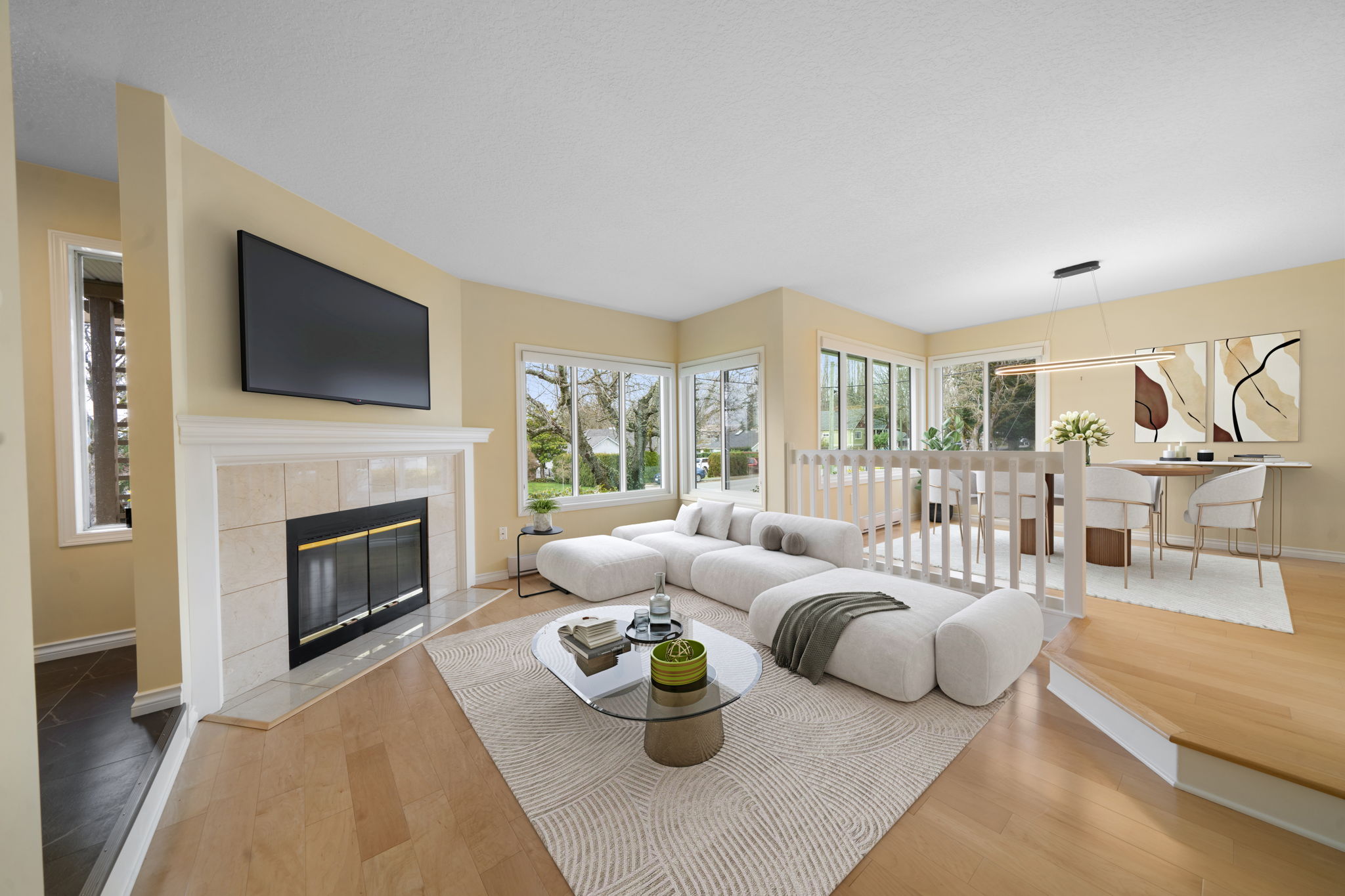
For many buyers, monthly payment matters more than purchase price because the purchase price does not show how comfortably a home will fit into everyday life. A home may fall within your approved price range and still place too much pressure on your monthly budget. Another home may cost slightly more but have lower strata fees, better energy efficiency, fewer immediate repairs, or features that reduce other household expenses. The better question is not simply, “How much can I buy?” It is, “What will this home cost me each month, and does that payment leave enough room for the rest of my life?” The Short Answer The purchase price tells you what the home costs to buy. The monthly payment tells you what it costs to own and live in. A realistic home-buying budget should consider: Mortgage principal and interest Property taxes Home insurance Strata fees, when applicable Utilities Maintenance and repairs Parking or storage costs Transportation and commuting expenses Looking at these costs together gives you a much clearer picture of affordability. Your Mortgage Approval Is Not Your Budget A lender may approve you for a certain mortgage amount, but that does not mean you need to spend the full amount. Your approval is based on financial qualification standards. It does not fully account for your preferred lifestyle, savings goals, travel plans, childcare expenses, renovations, hobbies, or how much financial breathing room helps you feel comfortable. Before setting your search range, decide what monthly housing payment feels manageable. This can help you avoid becoming house-poor - owning a home you technically qualify for while having little room left for savings, emergencies, or everyday enjoyment. Our guide on building a better home search plan can help you define your budget and priorities before viewing properties. A Lower Purchase Price Does Not Always Mean a Lower Monthly Cost Consider two condominiums. The first is priced $30,000 lower but has a monthly strata fee that is $300 higher. The second costs more upfront but has lower strata fees and includes parking, storage, hot water, or other services. That additional $300 per month equals $3,600 per year. Over five years, that is $18,000 before accounting for future fee increases. The lower-priced home may still be the better choice, but the list price alone does not provide enough information. Buyers should compare the full monthly ownership cost and understand what each expense includes. This is especially important when comparing older and newer strata properties, where fees, maintenance expectations, insurance costs, amenities, and upcoming building work can vary significantly. Interest Rates Can Change the Math The same purchase price can produce a very different mortgage payment depending on: Your down payment The mortgage rate The amortization period Whether the mortgage is fixed or variable The length of the mortgage term A small change in the interest rate can affect your monthly payment more than a modest change in purchase price. Your mortgage professional can help you compare payment scenarios before you begin viewing homes. Asking for several examples - rather than one maximum approval amount - can help you set a more comfortable search range. It is also worth considering how the payment could change when the mortgage comes up for renewal. Include the Costs That Do Not Appear in the Listing Price Two similarly priced homes can create very different monthly budgets. For example, one property may require: A longer daily commute Higher heating costs Immediate repairs or upgrades Separate parking expenses More regular exterior maintenance Higher insurance premiums Another home may have a higher price but include efficient heating, newer systems, lower maintenance needs, or a location that reduces transportation costs. Affordability is not only about the mortgage. It is about the complete cost of the lifestyle connected to the property. When comparing neighbourhoods, our guide to what $800,000 may buy across Greater Victoria explains how property type, location, space, and trade-offs can change within the same general budget. Leave Room for Ownership A comfortable monthly payment should leave room for more than the basic bills. Homeowners also need to prepare for: Routine maintenance Appliance replacement Insurance deductibles Strata fee increases Special assessments Property tax increases Unexpected repairs Buying at the top of your approval range can make these expenses more stressful. A slightly lower monthly payment can provide flexibility to build savings, make improvements, handle repairs, or adjust when other household costs rise. Comfort Matters More Than Maximum Buying Power The most expensive home you can qualify for is not automatically the best home for you. A better purchase is one that supports your priorities without placing unnecessary pressure on your finances. That may mean choosing a different neighbourhood, buying a smaller property, increasing your down payment, or reconsidering features that add significant monthly costs. Some compromises are practical. Others may create ongoing frustration or financial strain. Our post on buyer compromises versus red flags can help you tell the difference. Build Your Search Around the Monthly Number When monthly payment matters more than purchase price, your property search becomes more focused. Instead of viewing every home near your maximum approval, you can compare properties based on: Total estimated monthly cost Future maintenance requirements Included services and amenities Location-related expenses Long-term flexibility How the payment fits your actual lifestyle The goal is not simply to buy a home. It is to buy a home you can enjoy without feeling that every other part of your budget has been stretched too far. For help creating a Greater Victoria home search based on your preferred monthly budget, priorities, and long-term plans, learn more about how we support buyers through our Buy With Us page. Mark G., 5-Star Review, via Google “One of the best experiences I’ve had with a realtor. Above all, it seems that i have gained a great relationship and i appreciate that more than feeling like just a transaction. I will definitely be going back for my next big purchase!” Faber Real Estate Group Royal LePage Coast Capital Realty 📞 250-244-3430 📧 [email protected] ℹ️ Scott Faber Personal Real Estate Corporation ℹ️ Cal Faber Personal Real Estate Corporation Vanessa Wood, Zachary Parsons, and Sophie Taylor “Building Lasting Relationships, One Home at a Time.”
Read more
Summer can be a practical time to make a move in Greater Victoria. The days are longer, homes often show well, families may be trying to move before the school year starts, and buyers tend to have more flexibility for showings and open houses. But summer is not automatically easier. The summer real estate market Greater Victoria buyers and sellers are entering still requires preparation, realistic expectations, and a clear understanding of how your specific property type, price range, and neighbourhood are performing. According to the Victoria Real Estate Board, 719 properties sold in the region in June 2026, down 5.5% from June 2025 and slightly up from May 2026. Active listings reached 4,054 at the end of June, a 7.3% increase from the same time last year. VREB described the market as active and balanced, with more choice for buyers than in the low-inventory years. That means buyers may have more room to compare options, while sellers need to be more thoughtful about pricing, presentation, and strategy. For Buyers: More Choice Does Not Mean No Competition More listings can be helpful, but it does not mean every buyer suddenly has an easy path. The right homes can still attract strong interest, especially when they are well-priced, well-presented, and located in desirable areas. Buyers should avoid assuming that more inventory means they can move slowly on every property. Before viewing homes, it helps to be clear on: Your budget beyond the pre-approval Your preferred areas and commute Your must-haves versus nice-to-haves Your comfort level with strata fees, insurance, maintenance, or renovation work Your ideal possession timeline Your offer strategy if the right home comes up A stronger summer buying plan starts before the first showing. If you are still refining your search, our post on building a better home search plan is a helpful place to start. For Sellers: Presentation and Pricing Matter More Than Season Summer can help a listing feel bright, welcoming, and easy to imagine living in. Gardens are fuller. Natural light is stronger. Outdoor spaces are easier to enjoy. For many homes, this creates a valuable first impression. But good weather does not replace good strategy. In a market with more active listings, buyers have options. They are comparing price, condition, layout, location, parking, storage, strata documents, future costs, and lifestyle fit. A home that is priced too far ahead of the market can sit, even during a strong seasonal window. Sellers should focus on: Pricing based on current competing listings, not only past sales Clean, simple presentation Strong photography and marketing Easy showing access where possible Clear communication around timelines A realistic plan if feedback points to price resistance If you are preparing to list, our post on why sellers should not ignore competing listings is especially relevant. Summer Timelines Can Move Quickly Summer can create timing pressure. Buyers may want to move before September. Sellers may be balancing vacations, family plans, showings, and moving logistics. Contractors, inspectors, lawyers, mortgage brokers, and strata managers may also have busier schedules or holiday availability to consider. That makes preparation important. For buyers, this means having financing conversations early, understanding deposit requirements, and knowing what subjects you may need before writing an offer. For sellers, this means preparing documents, completing small repairs, organizing the home before photos, and having a clear plan for showings while still enjoying your summer. The goal is not to rush. The goal is to remove avoidable delays before they become stressful. Neighbourhoods and Property Types Will Not All Behave the Same Way There is no single Greater Victoria market. A condo in downtown Victoria may face different buyer behaviour than a townhome in Langford, a family home in Saanich, or an acreage near Metchosin or the Highlands. Even within the same city, price range and property type can change the strategy. For example: Entry-level condos may attract first-time buyers watching monthly affordability closely Well-located townhomes may appeal to buyers who need more space without moving too far out Detached homes may depend heavily on condition, suite potential, schools, parking, and lot usability Newer homes and pre-sales may attract buyers who value lower maintenance and modern features This is why broad market headlines can only tell part of the story. Your decision should be based on the micro-market that applies to your home, your search, and your timeline. What Buyers Should Watch This Summer Buyers should pay attention to value, not just price. A lower-priced home is not always the better buy if it comes with higher repair costs, weaker resale appeal, poor layout, or strata concerns. At the same time, a well-priced home may still be worth acting on quickly if it fits your needs and avoids major red flags. Before writing an offer, ask: Does this home fit the way I actually live? Are there future costs I need to understand? How does this property compare with recent sales and active listings? Am I reacting to pressure, or making a clear decision? Would I still want this home if another buyer was not interested? Buying well in the summer real estate market Greater Victoria often comes down to patience, preparation, and knowing when a property truly fits. What Sellers Should Watch This Summer Sellers should pay attention to buyer feedback early. If showings are happening but offers are not coming in, the market may be telling you something. It could be price, presentation, access, condition, layout, or competition from similar homes. A good listing strategy is not just about launching the property. It is about reviewing the response and adjusting when needed. That may include: Improving presentation Updating photos if the home changes seasonally Adjusting showing access Repositioning the listing description Revisiting price based on current activity Comparing new competing listings each week In summer, momentum matters. The first few weeks can shape how buyers perceive the listing. The Bottom Line Summer can be a smart time to buy or sell in Greater Victoria, but the best results still come from a clear plan. Buyers should use the extra choice to compare carefully, stay prepared, and avoid getting distracted by homes that do not fit their long-term needs. Sellers should focus on pricing, presentation, and current competition, not just the assumption that summer will bring stronger demand on its own. Whether you are planning a move now or simply watching the market, the right strategy depends on your neighbourhood, property type, price range, and timeline. If you are thinking about buying or selling this summer, our team is here to help you make a confident, informed decision. Hendri E., 5-Star Review, via Google “We had a fantastic experience working with Cal and Scott. They provided a truly personalized service, taking the time to understand exactly what our needs were and guiding us through every step of the process. What really stood out was how they went above and beyond—we felt fully supported from start to finish. Highly recommended!” Faber Real Estate Group Royal LePage Coast Capital Realty 📞 250-244-3430 📧 [email protected] ℹ️ Scott Faber Personal Real Estate Corporation ℹ️ Cal Faber Personal Real Estate Corporation Vanessa Wood, Zachary Parsons, and Sophie Taylor “Building Lasting Relationships, One Home at a Time.”
Read more
Understanding compromise vs red flag ,swhen buying a home can help you make a calmer, clearer decision before you write an offer. Most buyers will not find a home that checks every box. That does not mean they are settling. It means they are choosing which trade-offs make sense and which concerns need a closer look. A compromise is usually something you can live with, change, or plan around. A red flag is a warning sign that could affect safety, cost, resale, financing, or peace of mind. The difference matters. What Is a Reasonable Compromise? A compromise is a trade-off between what you want and what still works. For example, you may choose: A smaller yard to stay in your preferred neighbourhood An older kitchen because the layout works well A longer commute for more space A condo instead of a townhouse to stay within budget A home that needs cosmetic updates over time These are not always problems. In fact, most smart buyers make some form of compromise. The key is knowing whether the trade-off supports your lifestyle, budget, and long-term plan. Questions to Ask Before Accepting a Compromise Before you move forward, ask yourself a few clear questions. Can I live with this every day? Paint colour is easy to change. A layout that does not work for your family is harder to ignore. Focus on the parts of the home that affect daily life, such as storage, parking, noise, stairs, natural light, and commute. Can I fix this within my budget? Some updates can happen slowly. Others may cost more than expected. Before accepting a compromise, think about the true cost of changing it. A dated bathroom may be manageable. Old wiring, drainage issues, or a failing roof may need more care. Will this affect resale? You do not need to buy a home that works for everyone. However, resale still matters. Limited parking, an unusual layout, poor access, or a difficult location can reduce the number of future buyers. That does not mean you should walk away. It simply means you should understand the trade-off before you buy. What Is a Red Flag? A red flag is not always a dealbreaker. However, it is a reason to slow down and ask better questions. When thinking about compromise vs red flag when buying a home, look at whether the issue creates risk beyond simple preference. Common red flags may include: Water damage or moisture concerns Foundation or drainage issues Old electrical or plumbing systems A roof near the end of its life Signs of mould or poor ventilation Unpermitted renovations Missing or unclear documents Strata financial concerns Repeated special levies A purchase that stretches your monthly budget too far These concerns need proper review before you decide what to do next. Why the Home Inspection Matters A home inspection helps you understand what you are buying. It is not about finding a perfect home. It is about spotting visible concerns, future repairs, and maintenance priorities. For example, an older roof may be acceptable if the price reflects it. However, active leaks or repeated moisture problems may point to a larger issue. Good information helps you make a better decision. It also gives you room to negotiate, ask questions, or walk away if needed. Strata Homes Need Extra Review If you are buying a condo or townhouse, the unit is only one part of the decision. The building matters too. A beautiful condo may still carry risk if the strata has weak financials, ongoing repairs, insurance concerns, or poor maintenance history. Before buying a strata property, review: Form B Strata minutes Budget Bylaws Insurance documents Depreciation report Contingency reserve fund Any upcoming levies or major repairs This review can help you understand whether the home is a smart fit or just looks good on the surface. For more buyer guidance, visit: https://www.fabergroup.ca/buy-with-us/ Budget Red Flags Matter Too Not every red flag shows up during a walkthrough. Sometimes the biggest risk is the monthly cost. A home may fit your pre-approval but still feel too tight once you include taxes, strata fees, insurance, utilities, repairs, and moving costs. Before writing an offer, ask: What will this home cost each month? Do I have room for repairs? Will I still feel comfortable after closing? Am I relying on everything going perfectly? Does this home support the life I want? A good home should fit your life, not just your approval amount. A Simple Way to Decide When a concern comes up, place it into one of three categories. Preference This is something you wanted but do not truly need. Examples include paint colours, cabinet style, flooring, or light fixtures. These are often manageable compromises. Practical Concern This affects how the home works. Examples include parking, storage, layout, noise, commute, or renovation needs. These deserve more thought. Risk Factor This could affect cost, safety, financing, resale, or legal clarity. Examples include water damage, structural concerns, strata issues, unpermitted work, or an uncomfortable budget. These need deeper review before you move forward. Why Local Guidance Helps Greater Victoria has many different property types, and each one comes with its own trade-offs. Older homes may offer charm but need more maintenance. Condos may offer convenience but require careful strata review. Townhomes may provide more space but come with bylaws and monthly fees. Rural properties may involve wells, septic systems, access, zoning, and insurance considerations. That is why local guidance matters. The right advice can help you compare the home, the risks, the neighbourhood, and the numbers together. You can also start exploring current listings here: https://www.fabergroup.ca/search-homes/ Final Thoughts A compromise is not a failure. It is often part of buying the right home. A red flag is different. It is a signal to pause, ask questions, and protect your future self. The goal is not to find a flawless property. The goal is to understand what you are accepting before you say yes. When you can tell the difference between a reasonable compromise and a serious concern, you can buy with more clarity and fewer regrets. If you are buying in Greater Victoria and want help reviewing a property, comparing trade-offs, or understanding what concerns deserve a closer look, our team is here to help. Maryann G., 5-Star Review, via Google “We recently sold our home through the Faber Real Estate Group. We received excellent service as we navigated our way through the sale of the house. I would recommend, they are so professional and gave good advice leading to a quick sale.” Faber Real Estate Group Royal LePage Coast Capital Realty 📞 250-244-3430 📧 [email protected] ℹ️ Scott Faber Personal Real Estate Corporation ℹ️ Cal Faber Personal Real Estate Corporation Vanessa Wood, Zachary Parsons, and Sophie Taylor “Building Lasting Relationships, One Home at a Time.”
Read more
More space without leaving Greater Victoria is one of the most common goals for buyers whose current home no longer fits. That may mean an extra bedroom, a larger yard, a garage, a home office, suite potential, or simply a layout that feels easier to live in. For many buyers, the challenge is not wanting to leave the region. They still want access to work, schools, family, recreation, and the lifestyle that makes Greater Victoria such a desirable place to call home. The good news is that there are still practical options. The key is understanding where your budget goes further, what trade-offs each area involves, and what type of space actually matters most to your lifestyle. Why Buyers Start Looking for More Space Most people do not wake up one day and suddenly decide they need a bigger home. Usually, the need builds slowly. A condo starts to feel tight. A townhouse no longer has enough storage. A growing family needs another bedroom. Remote work makes a proper office more important. Pets, kids, hobbies, tools, bikes, guests, or extended family can all change how a home functions. At that point, the question becomes less about wanting more square footage and more about wanting a home that supports daily life better. That is where a thoughtful move-up strategy matters. The First Question Is Not Size. It Is Trade-Off. When buyers start searching for more space, they often focus on square footage first. That makes sense, but it is not the only thing that matters. In Greater Victoria, more space usually comes from one of three trade-offs: Moving farther from the downtown core Choosing an older home with more potential Prioritizing land, layout, or suite flexibility over newer finishes A newer home in Langford may offer more bedrooms, a garage, and a functional family layout. An older home in Saanich West may offer a larger lot, renovation potential, and a more central location. A property in Sooke may offer land, privacy, and outdoor space that would be difficult to find closer to town. None of these options are automatically better. The right choice depends on what problem you are trying to solve. Langford Langford is often one of the first areas buyers consider when they want more space without leaving Greater Victoria. The appeal is practical. Buyers can often find newer single-family homes, townhomes, duplexes, and family-oriented communities with more interior space than they may find in Victoria, Oak Bay, or central Saanich at a similar price point. Langford also offers strong everyday convenience. Shopping, restaurants, recreation, schools, trails, lakes, and transit connections have made it one of the most active move-up markets in the region. For many buyers, Langford offers a useful balance between space, amenities, and long-term livability. Colwood Colwood can be a strong option for buyers who want more space with a quieter residential feel. Areas around Royal Bay, Olympic View, Wishart, and Lagoon offer a mix of newer homes, established neighbourhoods, schools, parks, and access to the ocean. Buyers who value outdoor space, community planning, and proximity to beaches may find Colwood especially appealing. Compared with some core neighbourhoods, Colwood may offer more flexibility for families looking for an extra bedroom, a garage, a yard, or a more functional layout. View Royal View Royal is worth considering for buyers who want more space but do not want to feel too far removed from Victoria. Its location between the core and the Westshore makes it a strong middle-ground option. Buyers have access to Thetis Lake, the Galloping Goose Trail, Victoria General Hospital, shopping, schools, and major commuter routes. View Royal includes a mix of older single-family homes, townhomes, strata communities, and larger properties depending on the neighbourhood. For buyers who want both space and convenience, it can be a smart area to watch. Saanich West Saanich West is often overlooked by buyers who are focused on either central Victoria or the Westshore. That can create opportunity. Neighbourhoods around Tillicum, Glanford, Strawberry Vale, Royal Oak, Interurban, and Carey may offer single-family homes, larger lots, established streets, parks, and convenient access to town. Some homes may need updating, but that can be part of the long-term value. For buyers who are open to improving a home over time, Saanich West can offer more flexibility than trying to buy a fully renovated property in a more expensive neighbourhood. Sooke Sooke is a strong option for buyers who want more land, more privacy, or more access to nature. The trade-off is usually commute time. For buyers working in downtown Victoria, Saanich, or even parts of Langford, that can be a major consideration. But for those who work remotely, have flexible schedules, or value lifestyle space more than central convenience, Sooke can be a practical fit. Buyers may find larger lots, newer homes, suite options, ocean views, rural settings, and access to trails and beaches. For the right person, Sooke offers a kind of space that is difficult to replicate closer to town. Metchosin and the Highlands Metchosin and the Highlands offer a different version of space. These areas appeal to buyers looking for privacy, acreage, workshops, gardens, rural character, or a quieter lifestyle. They are not always the easiest fit for every buyer because larger properties can come with more maintenance, wells, septic systems, and unique home styles. For buyers who want land and separation, these communities can offer something rare within Greater Victoria. The key is to look beyond the appeal of acreage and understand the responsibility that comes with it. More land can be an incredible lifestyle choice, but it should be matched with the right budget, time, and expectations. The Peninsula Central Saanich, North Saanich, and Sidney can also be worth exploring for buyers who want more space without leaving Greater Victoria. Central Saanich and North Saanich may appeal to buyers looking for larger lots, rural surroundings, established homes, and a calmer pace. Sidney offers more walkability, services, restaurants, shops, and waterfront access, although larger detached homes can come at a premium. The Peninsula works well for buyers who want to stay connected to Greater Victoria but prefer a quieter setting outside the busier urban core. Older Homes Can Be a Smart Path to More Space More space does not always mean buying the newest home. In many established neighbourhoods, older homes may offer larger lots, better renovation potential, suite possibilities, mature landscaping, and more flexible layouts. They may also come with maintenance needs, so it is important to understand the roof, windows, perimeter drains, electrical, plumbing, heating, and overall condition. For buyers with a longer-term mindset, an older home in the right location can be a strategic move. You may not get every finish you want on day one, but you may gain land, layout, and future flexibility. Layout Matters More Than Square Footage A bigger home is not always a better home. A well-designed 1,900 square foot home can feel more functional than a poorly laid out 2,400 square foot home. Before focusing only on size, it helps to define what kind of space you actually need. Ask yourself: Do you need more bedrooms? Do you need a second living room? Do you need a proper office? Do you need storage? Do you need a garage or workshop? Do you need a yard for kids or pets? Do you need suite potential? Do you need separation for teenagers, guests, or extended family? The clearer you are on the real need, the easier it becomes to compare homes properly. A large home with the wrong layout may not solve your problem. A slightly smaller home with the right layout might. Do Not Forget the Cost of the Move When moving up, the purchase price is only one part of the decision. Buyers should also consider: Property transfer tax Legal fees Moving costs Renovations or repairs Utility costs Insurance Commuting costs Strata fees, if applicable Long-term maintenance A home that looks more affordable on paper may become less affordable if it requires major work. On the other hand, a slightly more expensive home with better systems, layout, and condition may be easier to manage over time. This is where strategy matters. The goal is not just to buy more space. The goal is to buy more usable space without creating unnecessary financial pressure. Final Thoughts Finding more space without leaving Greater Victoria is possible, but it often requires a flexible mindset. For some buyers, the right move may be Langford, Colwood, View Royal, or Sooke. For others, it may be Saanich West, the Peninsula, Metchosin, the Highlands, or an older home with more potential. The best choice is not always the biggest home or the newest home. It is the home that gives you the right balance of space, location, lifestyle, budget, and long-term value. If your current home no longer fits, it may be time to look at your options with a clear plan. A thoughtful move-up strategy can help you understand where your budget goes further, which areas fit your lifestyle, and what trade-offs are actually worth making. Devon M., 5-Star Review, via Google “Scott was very patient with us as we started our family and took about a year to decide on place we thought would be fit for our home. He went above and beyond and still continues to this day to keep in touch and periodically checks in to see how we are doing. I highly recommend him to anyone looking for a realtor to either sell or buy their home.” Faber Real Estate Group Royal LePage Coast Capital Realty 📞 250-244-3430 📧 [email protected] ℹ️ Scott Faber Personal Real Estate Corporation ℹ️ Cal Faber Personal Real Estate Corporation Vanessa Wood, Zachary Parsons, and Sophie Taylor “Building Lasting Relationships, One Home at a Time.”
Read more
Greater Victoria real estate micro-markets can feel confusing because the region does not move as one single market. A condo in downtown Victoria, a family home in Gordon Head, a townhome in Langford, and a character home in Oak Bay can all respond differently to the same interest rate environment, inventory level, or buyer mood. That is why broad market headlines can only tell part of the story. According to the Victoria Real Estate Board, there were 3,710 active listings on the MLS® at the end of April 2026, up 8.3% from April 2025. The Board also described the overall market as balanced, while noting that buyer and seller experiences can vary depending on property type and location. That last point matters most. A Balanced Market Does Not Mean Every Area Feels Balanced When people hear that the market is balanced, they often assume every neighbourhood is moving at the same pace. That is rarely true. One area may have strong demand for detached homes because families want school access, yard space, and long-term livability. Another area may have slower condo activity because buyers have more choice, higher strata scrutiny, or stronger price sensitivity. A balanced regional market can still contain: Competitive pockets Slower-moving property types Price-sensitive segments High-demand neighbourhoods Listings that need sharper pricing to stand out This is why Greater Victoria real estate micro-markets require more than a regional average. Property Type Changes Everything A detached home, townhouse, condo, acreage property, and new-build unit can all behave differently. For example, buyers comparing condos may focus on strata fees, depreciation reports, insurance, amenities, parking, and building age. Buyers looking at detached homes may care more about lot size, renovation history, suite potential, roof condition, schools, and outdoor space. Even within the same neighbourhood, two property types can have very different buyer pools. A well-priced townhouse in a walkable area may attract strong interest, while a nearby condo with high strata fees may move more slowly. A dated detached home may sit if it needs major work, while a well-maintained home nearby may sell quickly because buyers value certainty. Neighbourhood Lifestyle Drives Buyer Demand Greater Victoria is not just a collection of price points. It is a collection of lifestyles. Buyers are often choosing between very different versions of daily life: Walkability in Fairfield, James Bay, Cook Street Village, or Fernwood Space and newer homes in Langford, Colwood, or View Royal Quiet residential streets in Gordon Head, Cordova Bay, or Oak Bay Waterfront access in Sidney, Saanich Peninsula, or Esquimalt Rural privacy in Metchosin, Central Saanich, or parts of Highlands These choices are emotional as much as financial. A buyer who wants cafés, transit, and walkability may accept less square footage. A buyer who wants a garage, yard, and newer construction may look further from the core. A downsizer may prioritize elevator access, storage, and a quiet building over a larger floor plan. That is why two homes at the same price can feel completely different in value. Price Brackets Create Their Own Markets Price point is another reason local real estate behaves differently. A home listed around a first-time buyer budget may attract a very different buyer group than a home listed above $1.5 million. Financing, affordability, insurance, strata fees, renovation costs, and property transfer tax considerations can all influence how active buyers feel at each level. In some price ranges, buyers may move quickly because quality options are limited. In others, they may compare more carefully because there are more listings to choose from. For sellers, this means pricing cannot rely only on what the neighbour sold for. It needs to consider: The current competition Buyer affordability at that price point Days on market for similar homes Recent comparable sales Property condition How much choice buyers have today The right pricing strategy depends on the specific buyer pool, not just the address. Condition Matters More When Buyers Have Choice When inventory rises, buyers tend to become more selective. In April 2026, Greater Victoria had more active listings than the previous year, giving buyers more options across many parts of the region. That does not mean every buyer has endless choice, but it does mean sellers need to understand how their home compares in real time. In a market with more selection, buyers often look closely at: Roof age Windows Heating systems Strata documents Depreciation reports Drainage Electrical updates Renovation quality Storage and parking Long-term maintenance costs A home does not need to be perfect. It needs to be clearly positioned. A well-maintained home gives buyers confidence. A home with unclear maintenance history may create hesitation, even if the price seems reasonable. Buyers and Sellers Need Local Context, Not Just Market Averages Averages can help explain the direction of the market. They do not tell you what to offer on one specific home or how to price one specific listing. For buyers, local context helps answer better questions: Is this home priced fairly for this neighbourhood? How much competition is there for this property type? Are buyers moving quickly here or taking their time? Is this location likely to support long-term resale demand? What trade-offs are normal at this price point? For sellers, local context helps avoid two common mistakes: Overpricing based on old market momentum Underestimating buyer demand in a strong pocket Good strategy starts with the micro-market, not the headline. What This Means If You Are Buying When buying in Greater Victoria, it helps to compare homes by lifestyle, property type, and long-term fit rather than price alone. A condo in the core may offer walkability and convenience. A townhouse in the Westshore may offer more space and newer construction. A detached home in Saanich may offer long-term flexibility, but may also come with higher maintenance needs. The better question is not simply, “Is this a good deal?” A better question is, “Is this the right trade-off for the way I want to live, the budget I have, and the resale value I want to protect?” What This Means If You Are Selling When selling, the goal is not to price for the entire region. The goal is to price for the buyers most likely to choose your home. That means looking closely at: Your neighbourhood Your property type Your condition level Your competition Your timing Your likely buyer profile A strong listing strategy should explain why your home makes sense in its specific market. That may mean highlighting walkability, updates, outdoor space, suite potential, strata strength, school proximity, or lifestyle convenience. The more specific the positioning, the easier it is for the right buyer to understand the value. The Bottom Line Greater Victoria real estate micro-markets matter because buyers are not shopping the region in one uniform way. They are comparing neighbourhoods, lifestyles, building types, costs, risks, and long-term fit. That is why the best advice is rarely generic. Whether you are buying or selling, the real value comes from understanding the specific market you are in, not just the market everyone is talking about. For advice on how your neighbourhood, property type, or price range is performing in today’s Greater Victoria real estate market, contact Faber Real Estate Group. Darren L., 5-Star Review, via Google “Fabulous job from Cal, Scott and Vanessa. They were professional, have strong negotiating skills and had a proactive strategy as the house sold very quickly (within a day the offer was accepted) and for the asking price. We were at ease with Cal and the team once we decided to go with them after interviewing other realty groups. It was definitely a smooth experience to say the least. Highly recommending the Faber Group if you’re buy or selling. Truly a group that is there to put the client first and foremost.” Faber Real Estate Group Royal LePage Coast Capital Realty 📞 250-244-3430 📧 [email protected] ℹ️ Scott Faber Personal Real Estate Corporation ℹ️ Cal Faber Personal Real Estate Corporation Vanessa Wood, Zachary Parsons, and Sophie Taylor “Building Lasting Relationships, One Home at a Time.”
Read more
Cook Street Village Victoria has a kind of staying power that many neighbourhoods try to create but few manage to hold. It is not flashy, oversized, or built around one major attraction. Instead, Cook Street Village Victoria works because it combines daily convenience, neighbourhood character, green space, and access to the ocean in a way that feels natural. For buyers, that matters. A great neighbourhood is not only about what is nearby. It is about how easily those places fit into everyday life. It Feels Like a Village Without Feeling Disconnected One of the biggest reasons Cook Street Village continues to appeal to buyers is its balance. You can walk to coffee, groceries, restaurants, bakeries, services, and local shops without feeling like you are living in the middle of downtown. At the same time, downtown Victoria is still close enough for work, dining, shopping, and events. That balance is hard to duplicate. Many buyers want walkability, but they do not always want noise, density, or the constant movement of a busier urban core. Cook Street Village offers a softer version of city living. It feels connected, but still personal. Beacon Hill Park Adds Long-Term Lifestyle Value Proximity to Beacon Hill Park is one of the neighbourhood’s strongest advantages. For buyers, parks are more than a nice extra. They shape lifestyle. They affect how people spend mornings, weekends, dog walks, family time, and quiet moments outside the home. Having Beacon Hill Park nearby gives residents access to: Walking paths Open green space Play areas Gardens Recreation space A natural connection toward Dallas Road and the waterfront This is one of the reasons the area appeals across different buyer groups. First-time buyers, downsizers, families, retirees, and professionals may all value the neighbourhood for different reasons, but green space is a common thread. The Ocean Is Part of the Everyday Experience Cook Street Village also benefits from its connection to Dallas Road and the waterfront. For many Victoria buyers, ocean access is not only about views. It is about lifestyle. Being able to walk toward the water after dinner, take a morning route along Dallas Road, or spend time near the shoreline adds emotional value to the area. That kind of value does not always show up in a feature list, but buyers feel it quickly. A home may have the right number of bedrooms, an updated kitchen, and enough parking, but the neighbourhood experience often becomes the deciding factor. Cook Street Village has that experience built in. The Housing Mix Gives Buyers Options Another reason the area stays appealing is the variety of housing nearby. Around Cook Street Village and Fairfield, buyers may find a mix of: Character homes Heritage-style conversions Condos Townhomes Duplexes Smaller strata properties Larger single-family homes in nearby pockets This variety helps the area remain relevant to different stages of life. A buyer may start with a condo, later look for a townhome, or eventually seek a character home nearby. Downsizers may also be drawn to the area because they can reduce home maintenance without giving up a highly walkable lifestyle. That flexibility supports long-term demand. Character Still Matters Here Some neighbourhoods feel appealing because they are new. Cook Street Village feels appealing because it has depth. The surrounding streets offer mature landscaping, older homes, unique architecture, and a sense of place that does not feel manufactured. For many buyers, that character is part of the draw. This does not mean every buyer wants an older home. In fact, some buyers may prefer a newer condo or updated strata property nearby. But even those buyers often still benefit from the character of the surrounding neighbourhood. The setting helps create the feeling. It Works for Daily Life, Not Just Weekends Some neighbourhoods are enjoyable to visit but harder to live in. Cook Street Village is different because the appeal is practical. The area offers a strong everyday rhythm: Coffee in the morning Groceries nearby Walks through Beacon Hill Park Easy access to the waterfront Local restaurants and services A short trip to downtown Victoria A neighbourhood feel that still supports urban convenience This is where buyers often make a deeper connection. The neighbourhood is not only attractive on a sunny Saturday afternoon. It also works on a regular Tuesday. What Buyers Should Watch For The consistent appeal of Cook Street Village does not mean every property nearby is the right fit. Buyers should still look carefully at the details. Key considerations include: Parking availability Street activity and traffic patterns Strata documents for condos and townhomes Renovation quality in older homes Noise exposure depending on location Storage and outdoor space Long-term maintenance needs Walkability versus privacy In high-demand neighbourhoods, buyers can sometimes focus too much on location and not enough on the property itself. The best purchase balances both. What Sellers Should Understand For sellers near Cook Street Village, the neighbourhood can be a strong part of the marketing story. However, strong location does not replace preparation, pricing, and presentation. Buyers may already understand that the area is desirable, but they still need to see why a specific home is worth choosing. Effective marketing should connect the property to the lifestyle: Morning coffee within walking distance Beacon Hill Park nearby Dallas Road and the ocean close by Downtown access without downtown intensity Character, convenience, and long-term livability The goal is not just to say the home is near Cook Street Village. The goal is to help buyers picture what life there could feel like. Why Cook Street Village Holds Its Appeal Cook Street Village remains consistently appealing because it offers something simple and difficult to recreate: a complete lifestyle in a compact, human-scaled neighbourhood. It has parks, shops, restaurants, character, ocean access, and proximity to downtown. More importantly, these features work together. That is what gives the area its long-term strength. For buyers, it offers convenience without losing warmth. For sellers, it provides a location story that remains easy to understand. For Victoria real estate, it is a reminder that the best neighbourhoods are not always the newest or loudest. Sometimes, they are the ones that make daily life feel easier. If you are considering buying or selling near Cook Street Village, Faber Real Estate Group can help you understand how location, property condition, pricing, and lifestyle value all work together in today’s Victoria market. Grace C., 5-Star Review, via Google “Zach is very pleasant and professional at all times. He's great to work with. He helped us find a great home for our family. Thank you.” Faber Real Estate Group Royal LePage Coast Capital Realty 📞 250-244-3430 📧 [email protected] ℹ️ Scott Faber Personal Real Estate Corporation ℹ️ Cal Faber Personal Real Estate Corporation Vanessa Wood, Zachary Parsons, and Sophie Taylor “Building Lasting Relationships, One Home at a Time.”
Read more- 1
- 2