
Posts Tagged ‘Saanich condos’
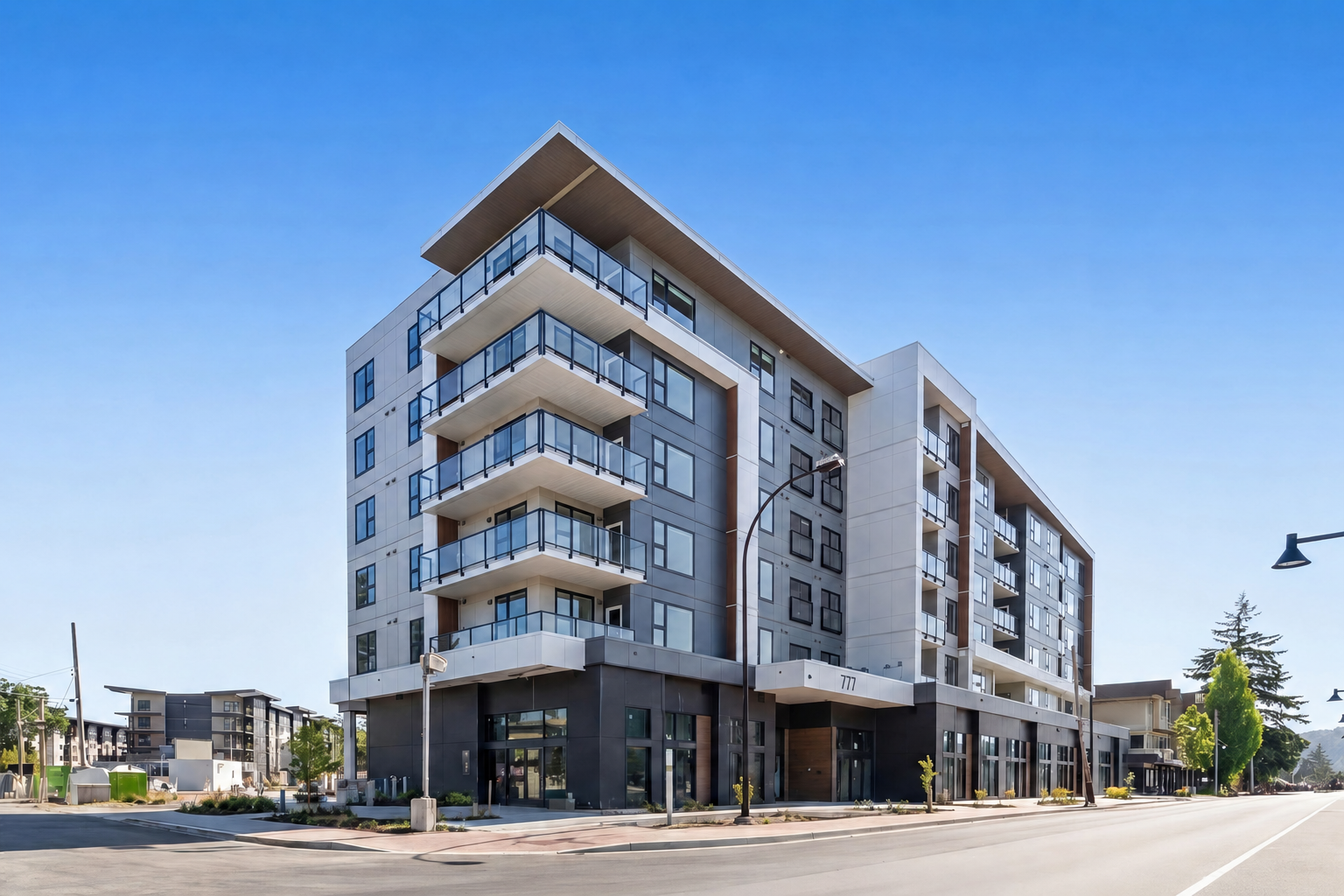
When you compare condo buildings, it is easy to focus only on the unit. The floor plan, finishes, view, parking, and natural light all matter. However, when you compare condo buildings, the bigger question is often what you are buying into beyond the front door. A beautiful condo in a poorly managed building can become stressful over time. On the other hand, a slightly simpler unit in a well-run building may offer better long-term comfort, predictability, and resale confidence. Before choosing between two condo options, here are the building-level details worth reviewing. Look at the Strata Fees Strata fees are not just a monthly cost. They are a sign of how the building operates. Lower fees may look attractive, especially for first-time buyers or downsizers trying to manage monthly payments. However, very low fees can sometimes mean the building is not setting aside enough money for future repairs. When comparing two condo buildings, ask: What do the strata fees include? Are utilities, hot water, garbage, insurance, or amenities included? Have fees increased recently? Are future increases expected? Does one building offer better value for the monthly cost? A higher strata fee is not always a bad thing. It may reflect stronger maintenance planning, better amenities, or a healthier reserve fund. Review the Contingency Reserve Fund The contingency reserve fund is one of the most important parts of condo due diligence. This fund helps pay for larger repairs and replacements, such as roofing, windows, elevators, parkades, balconies, exterior work, and mechanical systems. A strong reserve fund can reduce the chance of surprise special levies. When comparing buildings, do not only look at the total amount in the fund. Consider the age of the building, upcoming repairs, and whether the reserve fund matches the building’s future needs. A newer building with a modest fund may be normal. An older building with a low fund and major work coming up may deserve closer attention. Read the Depreciation Report A depreciation report gives buyers a clearer picture of the building’s long-term repair and replacement schedule. It can help identify major building components, estimated timelines, and projected costs. This is especially helpful when comparing an older building to a newer one, or when choosing between two buildings with different maintenance histories. Look for items such as: Roof replacement timelines Elevator maintenance or replacement Window and exterior envelope condition Plumbing or mechanical updates Parkade repairs Balcony or deck work Funding recommendations The goal is not to find a perfect building. Every building needs maintenance. The goal is to understand whether the building is planning ahead. Compare Building Age and Construction Type A building’s age does not automatically make it better or worse. However, it does affect what you should review. Older buildings may offer larger floor plans, established locations, and stronger concrete construction in some cases. They may also require more maintenance, updates, and capital planning. Newer buildings may offer modern systems, efficient layouts, better windows, improved soundproofing, and more current building standards. However, buyers should still review warranty details, strata minutes, bylaws, and early maintenance history. Construction type also matters. Wood frame, steel and concrete, low-rise, high-rise, and mixed-use buildings can all feel very different in terms of sound transfer, maintenance, insurance, and long-term value. Pay Attention to the Strata Minutes Strata minutes can tell you more about a building than the listing description ever will. They help reveal how the building is managed, what issues come up often, and whether the strata council is proactive or reactive. As you compare condo buildings, look for repeated discussions about: Water ingress Noise complaints Insurance claims Elevator issues Parking concerns Building repairs Bylaw enforcement Short-term rental concerns Pet issues Budget pressure One issue in the minutes does not necessarily mean the building is a problem. Repeated unresolved issues are what deserve a closer look. Consider the Insurance Deductibles Strata insurance has become a major topic in many condo buildings. When comparing buildings, review the insurance summary carefully. Pay close attention to deductibles for water damage, sewer backup, earthquake, and other major risks. Higher deductibles can affect your own insurance needs as an owner. Your personal condo insurance should be reviewed with an insurance professional so you understand what coverage you need. A well-run building will usually have clear documentation, current insurance details, and owners who understand the importance of proper coverage. Compare Amenities Carefully Amenities can add lifestyle value, but they also add cost. A gym, rooftop patio, guest suite, common room, workshop, bike storage, dog area, or secure underground parking may improve day-to-day living. However, those amenities also need to be maintained, cleaned, repaired, and insured. When comparing two buildings, ask whether the amenities are useful to you. If one building has higher strata fees because of amenities you will never use, the value may not be as strong for your lifestyle. If another building has fewer amenities but better location, storage, parking, or construction quality, it may be the better fit. Look at Parking, Storage, and Bike Access Parking and storage can have a major impact on both lifestyle and resale value. Before choosing between two buildings, compare: Is parking included? Is the parking stall assigned, common property, or limited common property? Is there EV charging or EV-ready infrastructure? Is visitor parking available? Is bike storage secure and practical? Is a storage locker included? Are there restrictions on storage use? These details may not feel exciting during the showing, but they often matter once you live in the building. Think About Location Beyond the Address Two condo buildings may be in the same general area but offer very different day-to-day convenience. Look beyond the map pin. Consider walkability, transit access, nearby trails, grocery stores, cafés, restaurants, parks, schools, medical services, and road noise. For buyers in Greater Victoria, a few blocks can make a meaningful difference. One building may be closer to daily amenities. Another may be quieter, easier to park near, or better connected to trails and transit. The better choice depends on how you actually live. Compare the Building’s Resale Appeal Even if you plan to stay long-term, resale value still matters. A strong condo building often has a few common traits: Practical floor plans Healthy financial planning Clear maintenance history Reasonable strata fees Good insurance history Useful amenities Strong location Owner pride Consistent demand from buyers A unit can be beautifully staged and still sit in a building that raises concerns. That is why buyers should compare the unit and the building together. Watch for Special Levies A special levy is not always a red flag. Sometimes it means the building is taking care of necessary repairs. However, buyers should understand why the levy exists, how much it costs, what work it covers, and whether more levies may be coming. When comparing two buildings, ask whether one has upcoming major expenses that are not yet fully funded. This can affect your budget and your comfort level with the purchase. Review the Bylaws Bylaws can affect how well a condo fits your life. Before choosing a building, review rules around: Pets Rentals Age restrictions, if applicable Smoking BBQs Renovations Flooring Move-in fees Short-term accommodations Parking and storage use A building may look perfect until you discover the bylaws do not match your needs. The Better Condo Is Not Always the Prettier Unit When buyers compare condos, the more updated unit often gets the first reaction. Fresh paint, new counters, modern flooring, and good staging can make a strong impression. However, finishes can be changed. The building is much harder to change. A slightly less updated condo in a stronger building may be a better long-term choice than a renovated unit in a building with poor planning, high risk, or unclear maintenance history. The best decision balances emotion with due diligence. Final Thoughts When you compare condo buildings, look beyond the unit itself. The floor plan, view, and finishes matter, but the building’s financial health, maintenance planning, insurance, bylaws, amenities, and location all shape the ownership experience. A good condo purchase is not only about finding a space that feels right today. It is about choosing a building that still feels like a smart decision years from now. If you are comparing condos in Greater Victoria and want help reviewing the full picture, Faber Real Estate Group can guide you through the unit, the building, and the details that matter before you make your decision. Tyler F., 5-Star Review, via Google “I have worked with Scott a few times now, always great communication, respectful and punctual. Look forward to working with him in the future” Faber Real Estate Group Royal LePage Coast Capital Realty 📞 250-244-3430 📧 [email protected] ℹ️ Scott Faber Personal Real Estate Corporation ℹ️ Cal Faber Personal Real Estate Corporation Vanessa Wood, Zachary Parsons, and Sophie Taylor “Building Lasting Relationships, One Home at a Time.”
Read more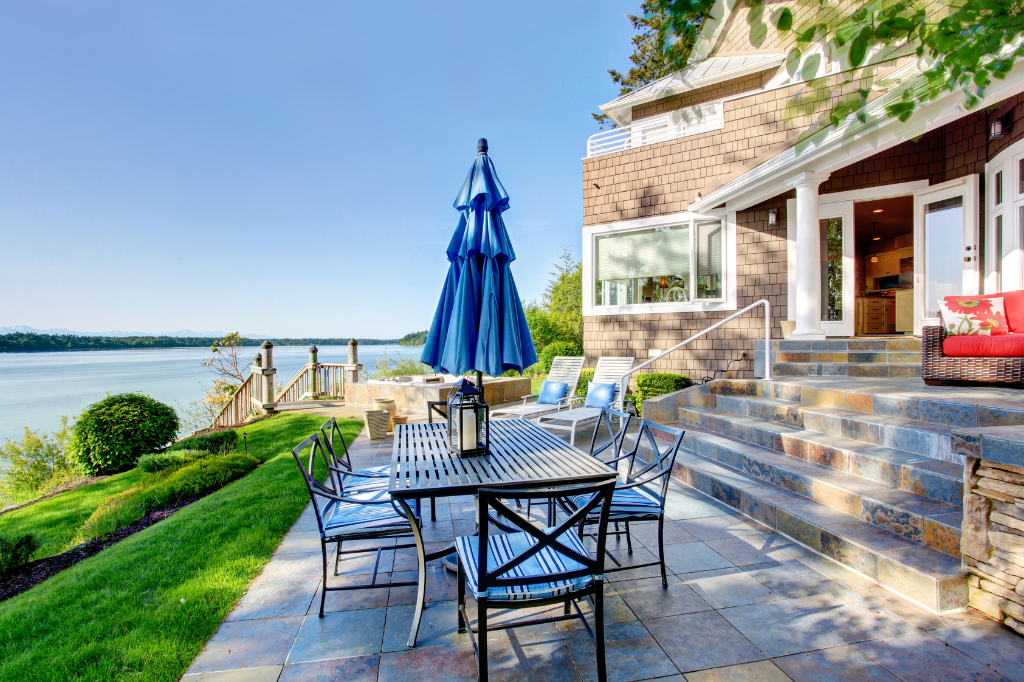
For many Saanich real estate buyers, the appeal is not about one single feature. It is the combination of location, housing variety, amenities, schools, parks, and long-term livability. Saanich may not always feel as trendy as some smaller neighbourhood pockets in Greater Victoria, but that is part of its strength. It works for a wide range of buyers because it offers practical options for different stages of life. Saanich is one of those areas where buyers can often solve more than one problem at once. A family may want space, school access, and parks nearby. A downsizer may want a quieter setting without feeling cut off from services. A professional may want a reasonable commute to downtown Victoria, UVic, Camosun, Royal Oak, Uptown, or the hospital area. That flexibility is a major reason Saanich continues to hold buyer interest. Saanich Offers More Than One Type of Lifestyle One of the biggest advantages of Saanich is that it does not feel like one single market. Some areas feel suburban and family-oriented. Others feel more established, quiet, or semi-rural. In certain pockets, buyers can be close to beaches, trails, shopping, recreation, or major commuter routes. That variety gives Saanich real estate buyers more room to compare lifestyle, budget, and long-term needs. For example, Gordon Head may appeal to buyers who want schools, UVic access, and established residential streets. Broadmead often attracts buyers looking for larger homes, privacy, and a quieter setting. Royal Oak offers strong convenience with shopping, transit, and access to both the Peninsula and downtown Victoria. Cordova Bay brings a coastal feel, while Lakehill, Glanford, and the Quadra area can offer practical central access. The key is that Saanich gives buyers choices without forcing them into one narrow lifestyle category. Location Is a Major Practical Advantage Saanich sits in a useful position within Greater Victoria. Depending on the neighbourhood, buyers can be close to downtown Victoria, UVic, Camosun College, Royal Oak, Uptown, Mount Douglas, Cadboro Bay, Swan Lake, or the Pat Bay Highway. That matters because daily life often has more influence on satisfaction than square footage alone. A home may look great on paper, but buyers also need to think about: Commute patterns School and daycare access Grocery and pharmacy options Transit routes Recreation centres Trail and park access Future resale appeal Saanich performs well because many neighbourhoods balance residential comfort with daily convenience. That balance can make ownership feel easier over time. Parks and Outdoor Access Add Everyday Value Saanich has more than 170 parks, more than 100 kilometres of trails, over 8.25 square kilometres of parkland, 62 sports fields, 56 playgrounds, and 37 beach accesses, according to the District of Saanich. That is not just a lifestyle bonus. It affects how people live day to day. For families, parks and playgrounds can make a neighbourhood feel more usable. For pet owners, nearby trails can be a major factor. For downsizers, walkable green space can help support a more active, connected lifestyle. For long-term owners, proximity to parks and recreation can also support resale appeal. PKOLS, also known as Mount Douglas Park, is one of Saanich’s strongest examples. The District of Saanich notes that the park covers 188 hectares and includes more than 21 kilometres of trails. That kind of access is hard to recreate in newer, more densely built areas. Housing Variety Gives Buyers More Ways to Enter the Market Saanich includes detached homes, townhomes, condos, duplexes, older character homes, renovated family homes, larger lots, and strata options. This matters because not every buyer wants the same ownership experience. Some buyers are looking for a long-term family home. Others want lower maintenance. Some want suite potential. Others want a condo close to services. Saanich can often support several of those goals within the same municipality, although price points and availability vary significantly by neighbourhood. In the current Greater Victoria market, choice matters. The Victoria Real Estate Board reported 3,710 active listings at the end of April 2026, up 8.3% from April 2025. More inventory gives buyers more room to compare options, but it also makes local guidance more important. Saanich is not one market. A detached home in Cordova Bay is not competing with the same buyer as a condo near Uptown or a family home in Glanford. Buyers need to understand the micro-market before deciding what value really means. Practical Does Not Mean Boring Sometimes buyers overlook practical areas because they are searching for a certain feeling. They may want charm, walkability, views, a larger yard, or a newer finish. Those things matter. However, practical value often shows up after move-in. It appears when the commute is manageable. It appears when errands are close. It appears when the home still works after a family grows, work changes, or retirement plans shift. It appears when a buyer realizes the location gives them options instead of limitations. That is where Saanich continues to stand out. It may not always be the flashiest choice, but it can be one of the most durable choices. What Buyers Should Watch Before Choosing a Saanich Home Saanich offers strong long-term appeal, but buyers still need to compare homes carefully. Neighbourhood, condition, zoning, strata rules, drainage, sun exposure, parking, suite potential, and future maintenance can all affect value. Before buying in Saanich, it is worth asking: Does this location fit your daily routine? Is the home priced fairly for its specific neighbourhood? Are there upcoming repairs or upgrades to consider? Does the floor plan support your next five to ten years? How does this property compare to similar homes nearby? Will the location still appeal to future buyers? A practical purchase is not just about buying in a strong municipality. It is about choosing the right home within the right pocket of that municipality. Final Thoughts Saanich remains a practical choice for many buyers because it offers a rare mix of convenience, outdoor access, housing variety, and long-term livability. It gives buyers options without pushing them too far from the core of Greater Victoria. For Saanich real estate buyers, the best decision is not always the biggest home, the newest finish, or the lowest price. The better question is whether the home supports real life over time. In many cases, Saanich continues to do exactly that. If you are thinking about buying in Saanich or comparing neighbourhoods across Greater Victoria, contact Faber Real Estate Group for local advice, current market insight, and a clear strategy before you make your next move. Shannon R., 5-Star Review, via Google It was a pleasure to work with Scott Faber and Faber Real Estate Group. When I started looking for my first home in August 2021, I had some pretty specific requirements. Scott is a really knowledgeable Agent who also took the time to understand what I was looking for. I never felt pressured into making a decision that wasn't my own, but always valued his honest opinion and guidance when needed. It took close to 9 months, but we found a great place that checked all the boxes, that I'm excited to call home. I appreciate the whole team's effort, support and patience throughout this journey and as a first time home buyer I could not be happier with my experience with Faber Real Estate Group.” Faber Real Estate GroupRoyal LePage Coast Capital Realty📞 250-244-3430📧 [email protected]ℹ️ Scott Faber Personal Real Estate Corporationℹ️ Cal Faber Personal Real Estate CorporationVanessa Wood, Zachary Parsons, and Sophie Taylor“Building Lasting Relationships, One Home at a Time.”
Read more