
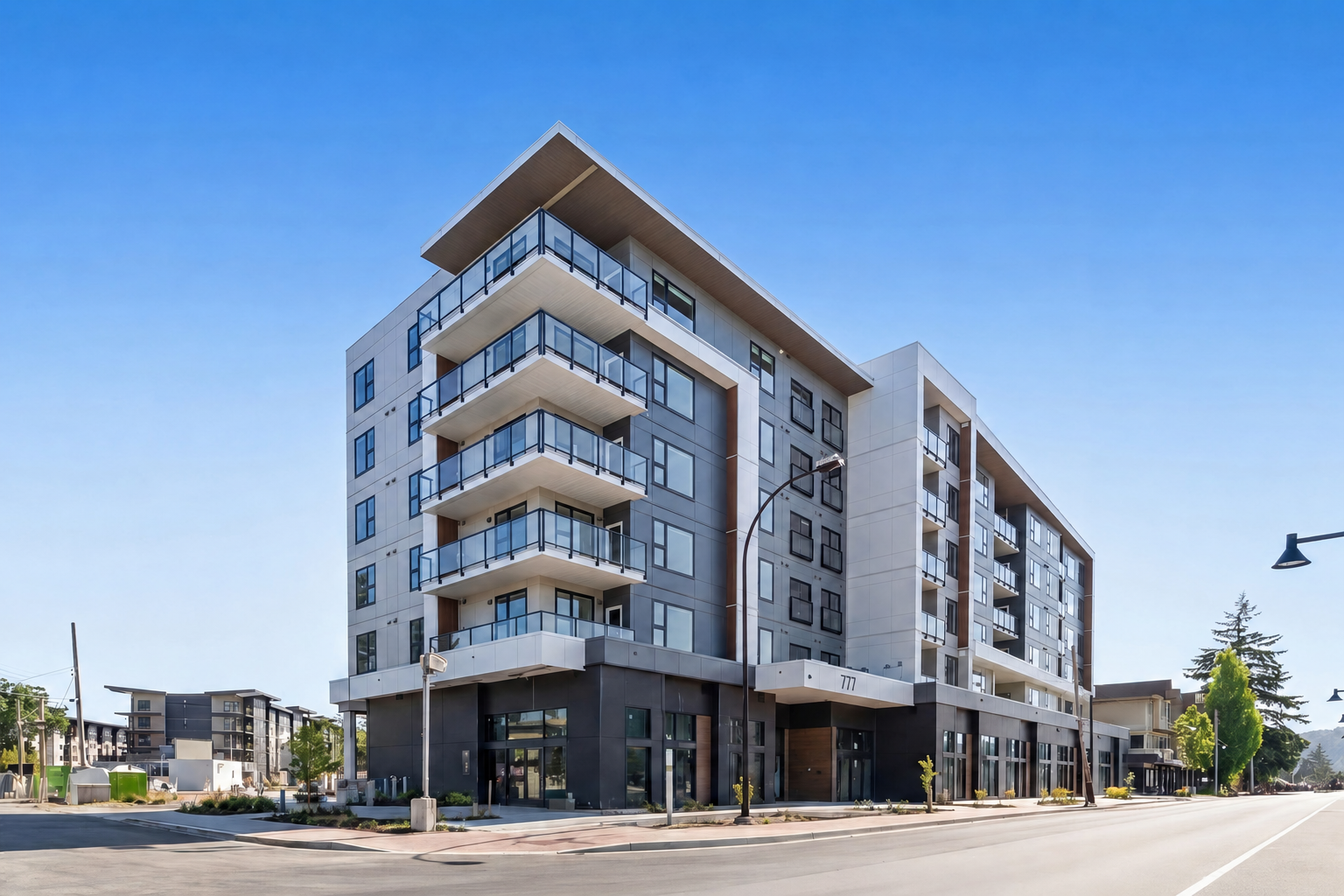
When you compare condo buildings, it is easy to focus only on the unit. The floor plan, finishes, view, parking, and natural light all matter. However, when you compare condo buildings, the bigger question is often what you are buying into beyond the front door.
A beautiful condo in a poorly managed building can become stressful over time. On the other hand, a slightly simpler unit in a well-run building may offer better long-term comfort, predictability, and resale confidence.
Before choosing between two condo options, here are the building-level details worth reviewing.
Look at the Strata Fees
Strata fees are not just a monthly cost. They are a sign of how the building operates.
Lower fees may look attractive, especially for first-time buyers or downsizers trying to manage monthly payments. However, very low fees can sometimes mean the building is not setting aside enough money for future repairs.
When comparing two condo buildings, ask:
- What do the strata fees include?
- Are utilities, hot water, garbage, insurance, or amenities included?
- Have fees increased recently?
- Are future increases expected?
- Does one building offer better value for the monthly cost?
A higher strata fee is not always a bad thing. It may reflect stronger maintenance planning, better amenities, or a healthier reserve fund.
Review the Contingency Reserve Fund
The contingency reserve fund is one of the most important parts of condo due diligence.
This fund helps pay for larger repairs and replacements, such as roofing, windows, elevators, parkades, balconies, exterior work, and mechanical systems. A strong reserve fund can reduce the chance of surprise special levies.
When comparing buildings, do not only look at the total amount in the fund. Consider the age of the building, upcoming repairs, and whether the reserve fund matches the building’s future needs.
A newer building with a modest fund may be normal. An older building with a low fund and major work coming up may deserve closer attention.
Read the Depreciation Report
A depreciation report gives buyers a clearer picture of the building’s long-term repair and replacement schedule.
It can help identify major building components, estimated timelines, and projected costs. This is especially helpful when comparing an older building to a newer one, or when choosing between two buildings with different maintenance histories.
Look for items such as:
- Roof replacement timelines
- Elevator maintenance or replacement
- Window and exterior envelope condition
- Plumbing or mechanical updates
- Parkade repairs
- Balcony or deck work
- Funding recommendations
The goal is not to find a perfect building. Every building needs maintenance. The goal is to understand whether the building is planning ahead.
Compare Building Age and Construction Type
A building’s age does not automatically make it better or worse. However, it does affect what you should review.
Older buildings may offer larger floor plans, established locations, and stronger concrete construction in some cases. They may also require more maintenance, updates, and capital planning.
Newer buildings may offer modern systems, efficient layouts, better windows, improved soundproofing, and more current building standards. However, buyers should still review warranty details, strata minutes, bylaws, and early maintenance history.
Construction type also matters. Wood frame, steel and concrete, low-rise, high-rise, and mixed-use buildings can all feel very different in terms of sound transfer, maintenance, insurance, and long-term value.
Pay Attention to the Strata Minutes
Strata minutes can tell you more about a building than the listing description ever will.
They help reveal how the building is managed, what issues come up often, and whether the strata council is proactive or reactive.
As you compare condo buildings, look for repeated discussions about:
- Water ingress
- Noise complaints
- Insurance claims
- Elevator issues
- Parking concerns
- Building repairs
- Bylaw enforcement
- Short-term rental concerns
- Pet issues
- Budget pressure
One issue in the minutes does not necessarily mean the building is a problem. Repeated unresolved issues are what deserve a closer look.
Consider the Insurance Deductibles
Strata insurance has become a major topic in many condo buildings.
When comparing buildings, review the insurance summary carefully. Pay close attention to deductibles for water damage, sewer backup, earthquake, and other major risks.
Higher deductibles can affect your own insurance needs as an owner. Your personal condo insurance should be reviewed with an insurance professional so you understand what coverage you need.
A well-run building will usually have clear documentation, current insurance details, and owners who understand the importance of proper coverage.
Compare Amenities Carefully
Amenities can add lifestyle value, but they also add cost.
A gym, rooftop patio, guest suite, common room, workshop, bike storage, dog area, or secure underground parking may improve day-to-day living. However, those amenities also need to be maintained, cleaned, repaired, and insured.
When comparing two buildings, ask whether the amenities are useful to you.
If one building has higher strata fees because of amenities you will never use, the value may not be as strong for your lifestyle. If another building has fewer amenities but better location, storage, parking, or construction quality, it may be the better fit.
Look at Parking, Storage, and Bike Access
Parking and storage can have a major impact on both lifestyle and resale value.
Before choosing between two buildings, compare:
- Is parking included?
- Is the parking stall assigned, common property, or limited common property?
- Is there EV charging or EV-ready infrastructure?
- Is visitor parking available?
- Is bike storage secure and practical?
- Is a storage locker included?
- Are there restrictions on storage use?
These details may not feel exciting during the showing, but they often matter once you live in the building.
Think About Location Beyond the Address
Two condo buildings may be in the same general area but offer very different day-to-day convenience.
Look beyond the map pin. Consider walkability, transit access, nearby trails, grocery stores, cafés, restaurants, parks, schools, medical services, and road noise.
For buyers in Greater Victoria, a few blocks can make a meaningful difference. One building may be closer to daily amenities. Another may be quieter, easier to park near, or better connected to trails and transit.
The better choice depends on how you actually live.
Compare the Building’s Resale Appeal
Even if you plan to stay long-term, resale value still matters.
A strong condo building often has a few common traits:
- Practical floor plans
- Healthy financial planning
- Clear maintenance history
- Reasonable strata fees
- Good insurance history
- Useful amenities
- Strong location
- Owner pride
- Consistent demand from buyers
A unit can be beautifully staged and still sit in a building that raises concerns. That is why buyers should compare the unit and the building together.
Watch for Special Levies
A special levy is not always a red flag. Sometimes it means the building is taking care of necessary repairs.
However, buyers should understand why the levy exists, how much it costs, what work it covers, and whether more levies may be coming.
When comparing two buildings, ask whether one has upcoming major expenses that are not yet fully funded. This can affect your budget and your comfort level with the purchase.
Review the Bylaws
Bylaws can affect how well a condo fits your life.
Before choosing a building, review rules around:
- Pets
- Rentals
- Age restrictions, if applicable
- Smoking
- BBQs
- Renovations
- Flooring
- Move-in fees
- Short-term accommodations
- Parking and storage use
A building may look perfect until you discover the bylaws do not match your needs.
The Better Condo Is Not Always the Prettier Unit
When buyers compare condos, the more updated unit often gets the first reaction. Fresh paint, new counters, modern flooring, and good staging can make a strong impression.
However, finishes can be changed. The building is much harder to change.
A slightly less updated condo in a stronger building may be a better long-term choice than a renovated unit in a building with poor planning, high risk, or unclear maintenance history.
The best decision balances emotion with due diligence.
Final Thoughts
When you compare condo buildings, look beyond the unit itself. The floor plan, view, and finishes matter, but the building’s financial health, maintenance planning, insurance, bylaws, amenities, and location all shape the ownership experience.
A good condo purchase is not only about finding a space that feels right today. It is about choosing a building that still feels like a smart decision years from now.
If you are comparing condos in Greater Victoria and want help reviewing the full picture, Faber Real Estate Group can guide you through the unit, the building, and the details that matter before you make your decision.
Tyler F., 5-Star Review, via Google
“I have worked with Scott a few times now, always great communication, respectful and punctual. Look forward to working with him in the future”
Faber Real Estate Group
Royal LePage Coast Capital Realty
📞 250-244-3430
📧 [email protected]
ℹ️ Scott Faber Personal Real Estate Corporation
ℹ️ Cal Faber Personal Real Estate Corporation
Vanessa Wood, Zachary Parsons, and Sophie Taylor
“Building Lasting Relationships, One Home at a Time.”