
Posts Tagged ‘real estate advice Victoria BC’
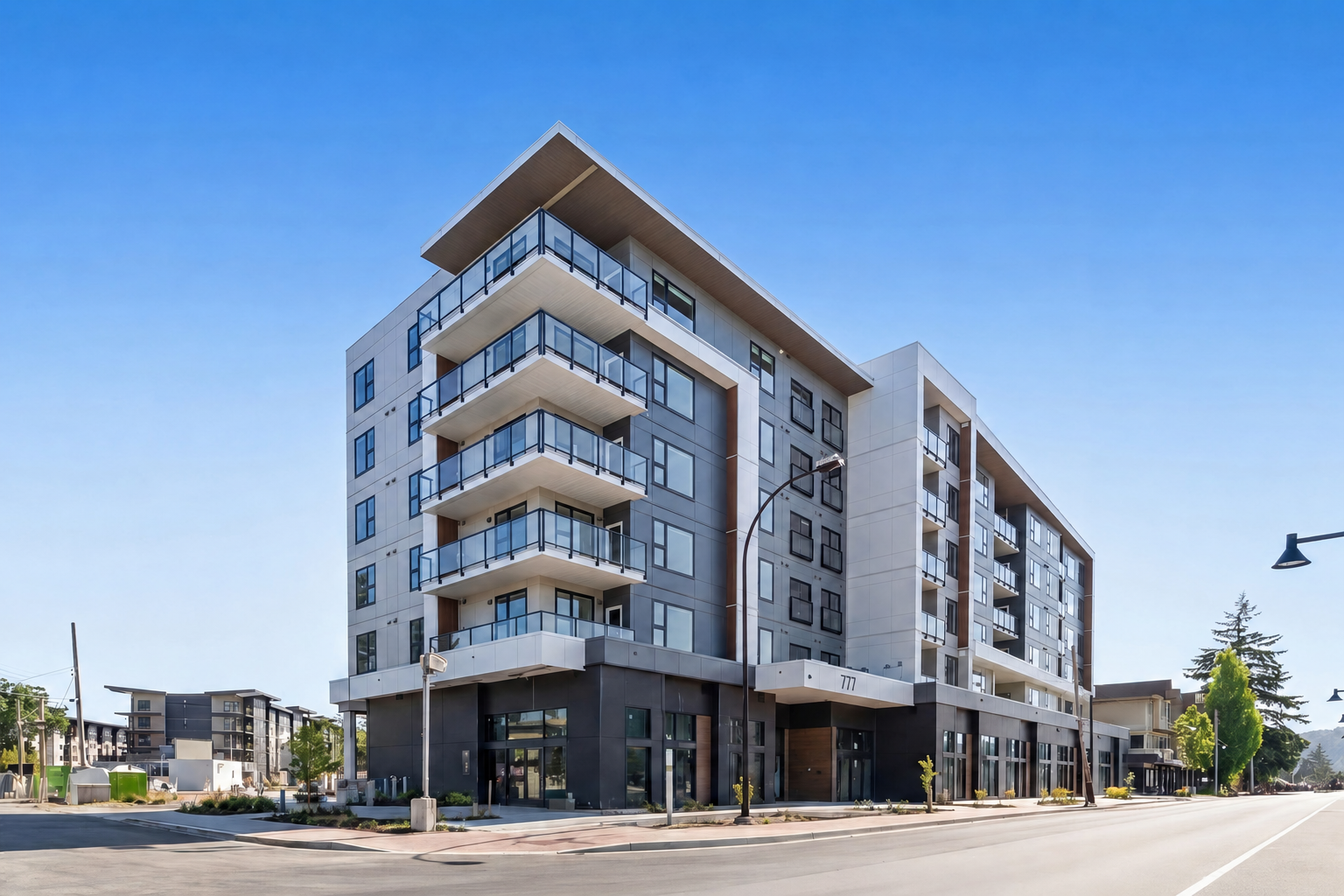
When you compare condo buildings, it is easy to focus only on the unit. The floor plan, finishes, view, parking, and natural light all matter. However, when you compare condo buildings, the bigger question is often what you are buying into beyond the front door. A beautiful condo in a poorly managed building can become stressful over time. On the other hand, a slightly simpler unit in a well-run building may offer better long-term comfort, predictability, and resale confidence. Before choosing between two condo options, here are the building-level details worth reviewing. Look at the Strata Fees Strata fees are not just a monthly cost. They are a sign of how the building operates. Lower fees may look attractive, especially for first-time buyers or downsizers trying to manage monthly payments. However, very low fees can sometimes mean the building is not setting aside enough money for future repairs. When comparing two condo buildings, ask: What do the strata fees include? Are utilities, hot water, garbage, insurance, or amenities included? Have fees increased recently? Are future increases expected? Does one building offer better value for the monthly cost? A higher strata fee is not always a bad thing. It may reflect stronger maintenance planning, better amenities, or a healthier reserve fund. Review the Contingency Reserve Fund The contingency reserve fund is one of the most important parts of condo due diligence. This fund helps pay for larger repairs and replacements, such as roofing, windows, elevators, parkades, balconies, exterior work, and mechanical systems. A strong reserve fund can reduce the chance of surprise special levies. When comparing buildings, do not only look at the total amount in the fund. Consider the age of the building, upcoming repairs, and whether the reserve fund matches the building’s future needs. A newer building with a modest fund may be normal. An older building with a low fund and major work coming up may deserve closer attention. Read the Depreciation Report A depreciation report gives buyers a clearer picture of the building’s long-term repair and replacement schedule. It can help identify major building components, estimated timelines, and projected costs. This is especially helpful when comparing an older building to a newer one, or when choosing between two buildings with different maintenance histories. Look for items such as: Roof replacement timelines Elevator maintenance or replacement Window and exterior envelope condition Plumbing or mechanical updates Parkade repairs Balcony or deck work Funding recommendations The goal is not to find a perfect building. Every building needs maintenance. The goal is to understand whether the building is planning ahead. Compare Building Age and Construction Type A building’s age does not automatically make it better or worse. However, it does affect what you should review. Older buildings may offer larger floor plans, established locations, and stronger concrete construction in some cases. They may also require more maintenance, updates, and capital planning. Newer buildings may offer modern systems, efficient layouts, better windows, improved soundproofing, and more current building standards. However, buyers should still review warranty details, strata minutes, bylaws, and early maintenance history. Construction type also matters. Wood frame, steel and concrete, low-rise, high-rise, and mixed-use buildings can all feel very different in terms of sound transfer, maintenance, insurance, and long-term value. Pay Attention to the Strata Minutes Strata minutes can tell you more about a building than the listing description ever will. They help reveal how the building is managed, what issues come up often, and whether the strata council is proactive or reactive. As you compare condo buildings, look for repeated discussions about: Water ingress Noise complaints Insurance claims Elevator issues Parking concerns Building repairs Bylaw enforcement Short-term rental concerns Pet issues Budget pressure One issue in the minutes does not necessarily mean the building is a problem. Repeated unresolved issues are what deserve a closer look. Consider the Insurance Deductibles Strata insurance has become a major topic in many condo buildings. When comparing buildings, review the insurance summary carefully. Pay close attention to deductibles for water damage, sewer backup, earthquake, and other major risks. Higher deductibles can affect your own insurance needs as an owner. Your personal condo insurance should be reviewed with an insurance professional so you understand what coverage you need. A well-run building will usually have clear documentation, current insurance details, and owners who understand the importance of proper coverage. Compare Amenities Carefully Amenities can add lifestyle value, but they also add cost. A gym, rooftop patio, guest suite, common room, workshop, bike storage, dog area, or secure underground parking may improve day-to-day living. However, those amenities also need to be maintained, cleaned, repaired, and insured. When comparing two buildings, ask whether the amenities are useful to you. If one building has higher strata fees because of amenities you will never use, the value may not be as strong for your lifestyle. If another building has fewer amenities but better location, storage, parking, or construction quality, it may be the better fit. Look at Parking, Storage, and Bike Access Parking and storage can have a major impact on both lifestyle and resale value. Before choosing between two buildings, compare: Is parking included? Is the parking stall assigned, common property, or limited common property? Is there EV charging or EV-ready infrastructure? Is visitor parking available? Is bike storage secure and practical? Is a storage locker included? Are there restrictions on storage use? These details may not feel exciting during the showing, but they often matter once you live in the building. Think About Location Beyond the Address Two condo buildings may be in the same general area but offer very different day-to-day convenience. Look beyond the map pin. Consider walkability, transit access, nearby trails, grocery stores, cafés, restaurants, parks, schools, medical services, and road noise. For buyers in Greater Victoria, a few blocks can make a meaningful difference. One building may be closer to daily amenities. Another may be quieter, easier to park near, or better connected to trails and transit. The better choice depends on how you actually live. Compare the Building’s Resale Appeal Even if you plan to stay long-term, resale value still matters. A strong condo building often has a few common traits: Practical floor plans Healthy financial planning Clear maintenance history Reasonable strata fees Good insurance history Useful amenities Strong location Owner pride Consistent demand from buyers A unit can be beautifully staged and still sit in a building that raises concerns. That is why buyers should compare the unit and the building together. Watch for Special Levies A special levy is not always a red flag. Sometimes it means the building is taking care of necessary repairs. However, buyers should understand why the levy exists, how much it costs, what work it covers, and whether more levies may be coming. When comparing two buildings, ask whether one has upcoming major expenses that are not yet fully funded. This can affect your budget and your comfort level with the purchase. Review the Bylaws Bylaws can affect how well a condo fits your life. Before choosing a building, review rules around: Pets Rentals Age restrictions, if applicable Smoking BBQs Renovations Flooring Move-in fees Short-term accommodations Parking and storage use A building may look perfect until you discover the bylaws do not match your needs. The Better Condo Is Not Always the Prettier Unit When buyers compare condos, the more updated unit often gets the first reaction. Fresh paint, new counters, modern flooring, and good staging can make a strong impression. However, finishes can be changed. The building is much harder to change. A slightly less updated condo in a stronger building may be a better long-term choice than a renovated unit in a building with poor planning, high risk, or unclear maintenance history. The best decision balances emotion with due diligence. Final Thoughts When you compare condo buildings, look beyond the unit itself. The floor plan, view, and finishes matter, but the building’s financial health, maintenance planning, insurance, bylaws, amenities, and location all shape the ownership experience. A good condo purchase is not only about finding a space that feels right today. It is about choosing a building that still feels like a smart decision years from now. If you are comparing condos in Greater Victoria and want help reviewing the full picture, Faber Real Estate Group can guide you through the unit, the building, and the details that matter before you make your decision. Tyler F., 5-Star Review, via Google “I have worked with Scott a few times now, always great communication, respectful and punctual. Look forward to working with him in the future” Faber Real Estate Group Royal LePage Coast Capital Realty 📞 250-244-3430 📧 [email protected] ℹ️ Scott Faber Personal Real Estate Corporation ℹ️ Cal Faber Personal Real Estate Corporation Vanessa Wood, Zachary Parsons, and Sophie Taylor “Building Lasting Relationships, One Home at a Time.”
Read more
When people compare Sidney vs Oak Bay for downsizers, price is usually the first thing they look at. However, price is only part of the decision. The bigger question is how each community supports the next stage of daily life. For many downsizers, the goal is not simply to buy a smaller home. It is to reduce maintenance, simplify routines, stay connected, and choose a neighbourhood that feels comfortable long-term. Sidney and Oak Bay can both work well, but they offer very different versions of that lifestyle. Sidney Offers a Slower, More Practical Pace Sidney often appeals to downsizers who want convenience, ocean access, and a quieter pace without feeling isolated. The town centre is compact, walkable, and easy to understand. Groceries, cafés, pharmacies, restaurants, medical offices, the waterfront, and local shops are often close together. That can make day-to-day living feel simple. For downsizers, this matters because the right location can reduce dependence on driving and make errands easier. Sidney may appeal to buyers who want: A more relaxed small-town feel Walkable access to shops and services A strong waterfront lifestyle Easier day-to-day routines Condos, townhomes, and lower-maintenance options Proximity to the airport and BC Ferries A quieter setting outside Victoria’s core For many people, Sidney feels manageable. That can be a major advantage when the purpose of downsizing is to simplify life. Oak Bay Offers Character, Prestige, and Established Neighbourhoods Oak Bay often appeals to downsizers who want charm, mature streets, strong neighbourhood identity, and close proximity to Victoria. The area has a very different feel from Sidney. It is known for established homes, tree-lined streets, coastal pockets, village centres, golf, beaches, schools, and long-standing neighbourhood character. For downsizers coming from larger detached homes, Oak Bay can feel familiar. It often offers continuity rather than a major lifestyle shift. Oak Bay may appeal to buyers who want: Classic neighbourhood character A prestigious Greater Victoria address Mature landscaping and established streets Proximity to downtown Victoria Walkable village areas Oceanfront and near-ocean locations A strong sense of community history However, Oak Bay may not always reduce maintenance as much as some downsizers expect. Many homes are older, lots can require upkeep, and strata-style options may be more limited depending on the buyer’s needs. Housing Options Feel Different One of the biggest differences between Sidney and Oak Bay is housing style. Sidney often provides more obvious downsizing options. Buyers may find condos, townhomes, patio-style homes, and smaller properties that suit a lower-maintenance lifestyle. Oak Bay has more character homes, larger lots, and established properties. While there are condos and townhomes in some areas, many buyers are drawn to Oak Bay because of its traditional housing stock. That creates a key question for downsizers: Do you want a smaller version of a familiar lifestyle, or a more noticeable shift into easier living? Sidney may make the transition into lower maintenance feel more direct. Oak Bay may offer more emotional familiarity, but sometimes with more upkeep. Walkability Depends on the Exact Location Both Sidney and Oak Bay can be walkable, but the experience is different. In Sidney, walkability is often centred around Beacon Avenue, the waterfront, grocery stores, cafés, and everyday services. The town layout can feel practical and compact. In Oak Bay, walkability often depends on proximity to areas like Oak Bay Village, Estevan Village, or nearby coastal routes. It can be beautiful and enjoyable, but the convenience may vary more from street to street. For downsizers, walkability should be tested in real life. Consider: Can you walk to groceries? Can you walk to a pharmacy? Is the route flat and comfortable? Are sidewalks consistent? Would you still enjoy the walk in winter? How far are medical services? Can you manage daily errands without always using a car? A neighbourhood may look walkable on a map, but feel different in daily use. Sidney Can Feel Easier for Travel and Access Sidney has a practical advantage for buyers who travel often or want easy access off Vancouver Island. Its proximity to Victoria International Airport and BC Ferries can be a major benefit. For downsizers with family on the mainland, frequent travel plans, or seasonal getaways, that convenience may matter more than expected. Oak Bay, by contrast, offers closer access to downtown Victoria, cultural amenities, hospitals, restaurants, and the broader urban core. So the question becomes: Do you want easier access to travel routes, or closer access to Victoria’s central amenities? There is no universal answer. The right choice depends on how you actually spend your time. Maintenance Expectations Can Be Very Different Downsizing is often about reducing responsibility. This is where Sidney and Oak Bay can feel quite different. In Sidney, many downsizers are drawn to strata properties, newer buildings, smaller lots, and lock-and-leave options. These can reduce yard work and exterior maintenance. In Oak Bay, some buyers still choose detached homes because they love the neighbourhood character. However, older homes may require more attention, including roofs, drainage, windows, heating systems, landscaping, and ongoing repairs. That does not make Oak Bay a poor downsizing choice. It simply means buyers should be honest about what they want to maintain. A beautiful character home can still feel like work. Community Feel Matters Sidney and Oak Bay both offer strong community appeal, but the feeling is different. Sidney often feels like a self-contained seaside town. It can suit buyers who want a slower pace, familiar routines, and a more compact lifestyle. Oak Bay feels more like an established residential community connected to the broader Victoria area. It can suit buyers who want charm, history, and proximity to the city while still living in a quieter neighbourhood. For downsizers, the emotional side matters. You are not just choosing a property. You are choosing the rhythm of your days. Which Is Better for Downsizers? Sidney may be the better fit if you want: Lower-maintenance housing options A walkable town centre Easy access to the airport and ferries A quieter seaside lifestyle Simpler daily routines A practical move into condo or townhome living Oak Bay may be the better fit if you want: Established neighbourhood character Proximity to downtown Victoria Mature streets and classic homes Prestige and long-term community identity Village-style living within the city area A familiar residential feel The best choice depends less on which area is “better” and more on which area supports the life you want next. Final Thoughts Sidney vs Oak Bay for downsizers is not just a price comparison. It is a lifestyle comparison. Sidney often offers simplicity, convenience, and an easier move into lower-maintenance living. Oak Bay offers character, history, prestige, and proximity to Victoria’s core. Both can be excellent choices, but they serve different priorities. Before deciding, downsizers should think carefully about maintenance, walkability, transportation, housing type, healthcare access, community feel, and how they want daily life to look five or ten years from now. If you are comparing Sidney vs Oak Bay for downsizing in Greater Victoria, contact Faber Real Estate Group for local guidance on neighbourhood fit, housing options, and timing your next move with confidence. David M., 5-Star Review, via Google “Scott was a fantastic realtor—hardworking, knowledgeable, and truly dedicated to his clients. His expertise and great connections made the entire process smooth and stress-free. He went above and beyond to ensure everything was taken care of, and I couldn’t be happier with the results. I highly recommend Scott to anyone looking for a realtor.” Faber Real Estate GroupRoyal LePage Coast Capital Realty📞 250-244-3430📧 [email protected]ℹ️ Scott Faber Personal Real Estate Corporationℹ️ Cal Faber Personal Real Estate CorporationVanessa Wood, Zachary Parsons, and Sophie Taylor “Building Lasting Relationships, One Home at a Time.”
Read more
Outdoor space in Greater Victoria homes carries real value because it affects how people live, not just how a property looks. In a region where mild weather, gardens, ocean air, trails, and neighbourhood walkability are part of daily life, a usable outdoor area can make a home feel larger, calmer, and more complete. For buyers, outdoor space is often more than a bonus. It can become the place where kids play, pets roam, friends gather, vegetables grow, and quiet mornings begin. For sellers, that means outdoor areas should not be treated as an afterthought. Outdoor Space Extends the Home One reason outdoor space matters so much is simple: it adds usable living area. A patio, deck, balcony, garden, or fenced yard can make a home feel larger without changing the square footage. This is especially important in Greater Victoria, where many buyers compare smaller homes, townhomes, and condos against higher price points. A well-designed outdoor area can offer: A second dining space A quiet reading area A place for pets Room for children to play Garden space Entertaining space A stronger connection to nature Even a smaller patio can add value if it feels private, sunny, and functional. Greater Victoria Buyers Care About Lifestyle Buyers in Greater Victoria often choose the area for lifestyle as much as location. They may be drawn to the climate, parks, beaches, trails, gardens, and slower pace compared with larger urban centres. Because of that, outdoor space often supports the reason they want to live here in the first place. A buyer may not just see a backyard. They may imagine summer dinners, morning coffee, raised garden beds, family time, or a quiet place to unwind after work. That emotional connection can make a property more memorable. Privacy Matters More Than Size Outdoor space does not need to be large to be valuable. In many cases, privacy matters more than size. A small, well-screened patio can feel more appealing than a larger yard that feels exposed. Mature hedges, fencing, trees, thoughtful landscaping, and good orientation can all make an outdoor area feel more comfortable. Buyers often respond well to outdoor spaces that feel: Private Easy to maintain Sunny or well-positioned Quiet Safe for pets or children Connected to the main living area A usable space usually beats a large space that feels awkward or neglected. Outdoor Space Helps Different Buyer Groups Outdoor space appeals to buyers for different reasons. For families, a fenced yard can be a major priority. Parents often want space for children, pets, play equipment, gardening, or family gatherings. For downsizers, a smaller patio or garden can offer the enjoyment of outdoor living without the burden of maintaining a large property. For condo buyers, a balcony or ground-level patio can make a unit feel less confined, especially if it has light, privacy, and room for seating. For investors, outdoor space may help a rental stand out, particularly when tenants value fresh air, pets, and flexible living areas. The value depends on the buyer, but the appeal is broad. Low-Maintenance Outdoor Space Is Often More Attractive Not every buyer wants a large yard. In fact, some buyers see a high-maintenance property as a burden. This is especially true for busy professionals, retirees, and downsizers. They may want outdoor space, but they do not necessarily want constant upkeep. That is why simple, practical outdoor design can be so effective. Features that often appeal include: Easy-care landscaping Defined patio areas Durable decking Raised garden beds Irrigation Storage for tools or bikes Clean fencing Clear pathways Native or drought-tolerant plants The best outdoor spaces feel enjoyable, not overwhelming. Orientation and Light Can Change Everything In Greater Victoria, light and exposure can make a major difference. A south-facing patio, sunny garden, or bright balcony can carry strong appeal. Buyers often notice how natural light moves through both the home and the outdoor space. However, full sun is not always the only advantage. Some buyers may prefer partial shade, especially for outdoor dining or gardening comfort. What matters most is whether the space feels usable throughout the year. Sellers should help buyers understand: Where the sun lands during the day Which areas are best for seating How the garden changes seasonally Whether the space works for entertaining, pets, or quiet use Small details can help buyers picture themselves living there. Outdoor Space Can Support Resale Value Outdoor space in Greater Victoria homes can also support long-term resale appeal. A home with a functional yard, private patio, usable balcony, or garden area may attract a wider range of future buyers. This can matter when it is time to sell. That does not mean every outdoor upgrade creates equal return. A highly personal design may not appeal to everyone. However, clean, flexible, and well-maintained outdoor areas usually help a property show better. Good resale-friendly improvements may include: Improving privacy Cleaning up overgrown landscaping Creating a defined seating area Repairing decks or railings Adding simple lighting Improving drainage Making the yard safer and easier to use The goal is not to overbuild. The goal is to make the space feel easy to enjoy. Sellers Should Stage Outdoor Areas Too Many sellers focus on the inside of the home and forget the exterior. That can be a missed opportunity. Outdoor areas should be prepared with the same care as kitchens, living rooms, and entryways. Before listing, sellers should consider: Power washing patios and walkways Cleaning outdoor furniture Trimming hedges and shrubs Removing clutter Refreshing planters Mowing and edging lawns Repairing loose boards or railings Adding simple seating where appropriate Buyers should not have to work hard to understand how the space can be used. Final Thoughts Outdoor space in Greater Victoria homes carries value because it supports the way people want to live here. It offers more than extra room. It creates privacy, flexibility, comfort, and connection to the natural setting that makes this region so appealing. For buyers, the key is to look beyond size and consider usability, privacy, light, upkeep, and long-term fit. For sellers, the opportunity is to make outdoor space feel intentional, cared for, and easy to imagine using. If you are buying or selling a home in Greater Victoria and want advice on how outdoor space affects value, contact Faber Real Estate Group for local guidance. Annie R., 5-Star Review, via Google “Vanessa Wood is the best realtor I've ever worked with. We had an excellent accepted offer within 11 days of listing! Vanessa is a great communicator and salesperson, organized and very hard working. She's also warm and was incredibly helpful as I was selling the house in Victoria while living on the Sunshine Coast. She and the Faber Group team went the extra mile on more than one occasion! I highly recommend Vanessa and her team.” Faber Real Estate GroupRoyal LePage Coast Capital Realty📞 250-244-3430📧 [email protected]ℹ️ Scott Faber Personal Real Estate Corporationℹ️ Cal Faber Personal Real Estate CorporationVanessa Wood, Zachary Parsons, and Sophie Taylor “Building Lasting Relationships, One Home at a Time.”
Read more
Deciding between renting vs buying in Victoria BC is a major choice for many residents. Victoria’s housing market is moving in two directions at once: rents have been easing, while ownership prices (especially for single family homes) have stayed relatively firm. Using current numbers can help you make a decision based on reality, not headlines. Current Rental Market: Prices and Trends Victoria remains one of the pricier rental markets in Canada, but recent data shows rents have been trending down. Average asking rent (Victoria): about $2,224 across unit types (January 2026). One-bedroom: about $1,942 (January 2026), down 6.7% year-over-year. Two-bedroom: about $2,605 (January 2026), down 5.1% year-over-year. On supply, Greater Victoria is seeing more breathing room than recent years: Greater Victoria vacancy rate: about 3.3% (CMHC 2025 Rental Market Report, cited by the Province). What this means in plain terms: more choice, a bit more leverage for renters, and fewer situations where tenants feel forced to accept the first available unit. Buying in Victoria: Prices and Ownership Landscape On the ownership side, a helpful “apples-to-apples” metric is the MLS HPI benchmark (it tracks a typical home over time, rather than averages that can swing with the mix of what sold). From the Victoria Real Estate Board’s February 2026 market report (Victoria Core): Single family home benchmark: $1,307,400 (February 2026). Condominium benchmark: $545,600 (February 2026). Inventory has been healthier than the tightest years, with 2,903 active listings across the VREB region at the end of February 2026. That usually translates into more selection and a less frantic pace, but affordability still matters because the entry point remains high. Pros and Cons of Renting in Victoria Pros of Renting Lower upfront cost (no down payment or closing costs) Flexibility to relocate without selling No responsibility for major repairs and maintenance Recent rent softening and higher vacancy can improve negotiating position Cons of Renting Monthly payments do not build equity Rent is still expensive relative to local incomes Less control over the home and potential future rent increases Pros and Cons of Buying in Victoria Pros of Buying Builds equity over time More stability and control over your space Predictable payments if you choose a fixed-rate mortgage Cons of Buying High upfront costs (down payment, closing costs, property transfer tax, legal fees) Ongoing costs (maintenance, insurance, property taxes, condo fees if applicable) Market conditions vary by segment, and pricing is not guaranteed to rise year-to-year Making the Decision: What to Consider Your choice between renting vs buying in Victoria BC should match three things: Time horizon: Are you staying put for 3+ years, or is life still in motion? Cash position: Down payment, closing costs, and an emergency fund for ownership surprises Monthly reality: Compare rent to the true cost of ownership (mortgage, taxes, insurance, maintenance, and strata fees) A useful takeaway from the 2026 data is this: renting has become slightly less punishing than it was, while buying still requires a clear financial plan because benchmarks remain high. Final Thoughts Rents are easing and vacancy is up, while benchmark ownership prices in the Victoria Core have stayed relatively steady. That combination can create a “pause-and-plan” moment where renters gain options and buyers gain breathing room. If you want, we can run a simple rent vs buy comparison using your target neighbourhood, down payment, and comfort level with monthly costs, so your decision is grounded in real numbers. David M., 5-Star Review, via Google “Scott was a fantastic realtor—hardworking, knowledgeable, and truly dedicated to his clients. His expertise and great connections made the entire process smooth and stress-free. He went above and beyond to ensure everything was taken care of, and I couldn’t be happier with the results. I highly recommend Scott to anyone looking for a realtor.” Faber Real Estate Group Royal LePage Coast Capital Realty 📞 250-244-3430 📧[email protected] ℹ️ Scott Faber Personal Real Estate Corporation ℹ️ Cal Faber Personal Real Estate Corporation Vanessa Wood, Zachary Parsons, and Sophie Taylor “Building Lasting Relationships, One Home at a Time.”
Read more