
Posts Tagged ‘Greater Victoria real estate’

The Spring 2026 Greater Victoria real estate market is teaching buyers and sellers the same lesson from different angles: more choice does not remove the need for strategy. Buyers have more room to compare. Sellers have more competition. But the market has not become simple. Good homes still attract attention, overpriced listings still struggle, and broad headlines still miss the details that matter most. In April 2026, the Victoria Real Estate Board reported 643 property sales, almost unchanged from 642 sales in April 2025, and up 11.1% from March 2026. Active listings reached 3,710 at month-end, up 13.8% from March and 8.3% from April 2025. More Listings Are Giving Buyers Breathing Room The biggest shift this spring is choice. Buyers are seeing more homes come to market, which can reduce some of the pressure that comes with rushed decisions. Instead of feeling forced to act on every suitable listing, buyers can compare more carefully. That extra choice can help buyers: Review condition more thoughtfully Compare neighbourhoods more clearly Ask better questions Include appropriate conditions Think through long-term costs Avoid panic-based decisions This does not mean every buyer has strong negotiating power. It means buyers have more room to make informed decisions, especially in property segments with more available inventory. Stable Demand Still Matters More listings do not automatically mean prices fall quickly. Spring 2026 has shown that buyer demand is still present. Sales increased from March to April, and April sales were almost identical to the same month last year. That suggests buyers have not disappeared. They are simply being more selective. This is important for both sides. Buyers should not assume every seller will accept a major discount. Sellers should not assume that demand alone will carry an overpriced listing. The market is active, but more careful. Prices Are Moving Differently by Segment The Spring 2026 Greater Victoria real estate market also shows why local details matter. In the Victoria Core, the single-family benchmark price was $1,339,100 in April 2026, down 1.2% from April 2025 but up from March 2026. The condo benchmark was $558,300, down 0.8% year-over-year. Those are not dramatic year-over-year changes. They point to a market where pricing has softened in some areas, but not collapsed. This is why buyers and sellers should be careful with broad statements like “prices are dropping” or “the market is strong.” Both can be true in different pockets. Buyers Are Learning to Be Patient, Not Passive Spring 2026 is teaching buyers that patience can be useful, but passivity can be costly. A buyer who waits thoughtfully may avoid overpaying or choosing the wrong home. But a buyer who assumes better options will always appear may miss a property that fits their budget, lifestyle, and long-term needs. The better approach is to be prepared. Buyers should know: Their financing range Their ideal neighbourhoods Their non-negotiables Their flexible items Their comfort level with repairs Their monthly carrying costs Their offer strategy before the right home appears More choice helps most when buyers already know what they are looking for. Sellers Are Learning That Presentation Matters When buyers have more options, listing presentation becomes more important. A home that is clean, well-prepared, properly priced, and easy to understand has a better chance of standing out. A home with poor photos, unclear value, deferred maintenance, or an ambitious price may sit longer. Spring 2026 is reminding sellers that the launch matters. Before listing, sellers should think carefully about: Pricing strategy Competing listings Showing condition Repairs and touch-ups Professional photography Listing copy Floor plans Storage and decluttering Curb appeal Buyer objections Presentation is not about pretending a home is perfect. It is about reducing buyer hesitation. Sellers Are Also Learning to Listen Faster In a market with more listings, feedback becomes more valuable. If showings are low, the market may be rejecting the price, presentation, or marketing. If showings are strong but offers are not coming, buyers may like the home but see risk, condition issues, or better value elsewhere. Sellers do not need to react emotionally to every comment. But they should look for patterns. Useful questions include: Are buyers comparing this home to stronger options? Is the price aligned with current competition? Are the photos creating enough interest? Are showings producing consistent objections? Is the home easy to access? Does the property feel move-in ready for the price? The faster sellers understand the feedback, the easier it is to adjust strategically. Micro-Markets Still Matter Most Greater Victoria is not one market. A condo in downtown Victoria, a family home in Saanich, a townhouse in Langford, a downsizer property in Sidney, and a character home near Cook Street Village can all behave differently in the same season. Spring 2026 is reinforcing that buyers and sellers need property-specific advice, not just market headlines. The right strategy depends on: Municipality Neighbourhood Property type Price range Condition Strata health Lot size Walkability School catchment Buyer pool This is where broad statistics become a starting point, not the final answer. What Buyers Should Take From Spring 2026 For buyers, the lesson is simple: use the extra choice well. That means slowing down enough to compare, but staying ready enough to act when the right home appears. A strong buyer strategy includes: Reviewing new listings regularly Understanding fair market value Comparing total monthly costs Reading strata and title details carefully Keeping financing up to date Avoiding emotional overreaction Writing offers that match the property and market The best buyers this spring are not necessarily the most aggressive. They are the most prepared. What Sellers Should Take From Spring 2026 For sellers, the lesson is equally clear: the market will reward clarity. A listing needs to make sense from the first online impression through the showing and negotiation process. A strong seller strategy includes: Pricing with current competition in mind Preparing the home before launch Removing unnecessary buyer objections Marketing the property clearly Tracking showing activity Responding to feedback Adjusting before the listing feels stale Sellers can still do well in this market. But strategy matters more when buyers have options. The Bottom Line The Spring 2026 Greater Victoria real estate market is balanced, active, and more selective. Buyers have more choice, but not unlimited leverage. Sellers still have opportunity, but they need stronger pricing, preparation, and presentation. This spring is not teaching buyers and sellers to wait on the sidelines. It is teaching them to make better decisions. For advice on buying or selling in Greater Victoria’s current market, contact Faber Real Estate Group for clear, local guidance before making your next move. Gigi S., 5-Star Review, via Google Scott and his team are a highly professional group . Scott is a very friendly person , cares for needs and requirements of his client . He makes sure that the property you are buying is your dream place and where you would like to see yourself staying forever. I'm glad that we found such a great realtor. Faber Real Estate Group Royal LePage Coast Capital Realty 📞 250-244-3430 📧 [email protected] ℹ️ Scott Faber Personal Real Estate Corporation ℹ️ Cal Faber Personal Real Estate Corporation Vanessa Wood, Zachary Parsons, and Sophie Taylor “Building Lasting Relationships, One Home at a Time.”
Read more
Rockland Victoria real estate has a different feeling from many other neighbourhoods in the city. It is close to downtown, Cook Street Village, Fairfield, Oak Bay, and the Inner Harbour, yet it often feels quieter, older, and more established than its central location suggests. For buyers, Rockland offers character, mature streetscapes, heritage architecture, and a strong sense of place. For sellers, it offers something equally important: scarcity. There are many neighbourhoods in Victoria with convenience, but fewer with Rockland’s combination of history, privacy, scale, and location. Where Is Rockland? Rockland sits just east of downtown Victoria and north of Fairfield, with Oak Bay nearby to the east. It is one of the city’s most historic residential areas and is closely associated with landmarks such as Government House and Craigdarroch Castle. Government House is located in the heart of Rockland and serves as the office and official residence of British Columbia’s Lieutenant Governor. Craigdarroch Castle, a National Historic Site, is another defining landmark in the area and remains one of Victoria’s best-known heritage properties. That setting gives Rockland a distinct identity. It is not simply a place to live near downtown. It is a neighbourhood shaped by architecture, gardens, history, and long-standing residential character. What Makes Rockland Appealing? Rockland appeals to buyers who value atmosphere as much as square footage. Many streets feel established and quiet, with mature trees, larger lots, stone walls, heritage details, and homes that reflect different chapters of Victoria’s growth. The Rockland Neighbourhood Association describes the area’s walking tour as passing through stately mansions, Garry oak parkland, Government House, Craigdarroch Castle, and the Art Gallery of Greater Victoria. That mix of residential charm, green space, and cultural landmarks is a major part of the neighbourhood’s lasting appeal. For many buyers, Rockland works because it offers: A central Victoria location without a dense downtown feel Character homes and heritage properties Mature landscaping and established streets Proximity to Fairfield, Oak Bay, downtown, and Cook Street Village A quieter residential feel close to major amenities Strong long-term lifestyle appeal It is not the right fit for every buyer, but for those who value history, location, and architectural character, Rockland can be hard to replace. The Housing Style in Rockland Rockland is best known for heritage homes, character properties, elegant older residences, and distinctive architecture. Some homes are grand and historic, while others are smaller character properties, strata conversions, townhomes, or condominium residences tucked into the area. This variety matters. Buyers sometimes assume Rockland is only for large estate-style homes, but the neighbourhood can offer more range than expected. That said, the supply of homes is limited compared with larger areas of Greater Victoria, and unique properties may not come up often. Because many homes are older, buyers should look carefully at: Building age and past updates Electrical, plumbing, roof, and perimeter drainage Heritage designation or character-related restrictions Renovation history and permits Energy efficiency and heating systems Long-term maintenance expectations Lot slope, retaining walls, and landscaping needs A beautiful character home can be a strong long-term purchase, but it needs proper due diligence. In Rockland Victoria real estate, charm should be balanced with a clear understanding of upkeep, renovation limits, and future resale considerations. Why Buyers Are Drawn to Rockland Rockland tends to attract buyers who are not only comparing bedrooms, bathrooms, and price per square foot. They are often comparing lifestyle. They may want to be close to downtown without living in a busier urban setting. They may want a home with history rather than a newer subdivision feel. They may want walkability, privacy, mature gardens, and proximity to schools, parks, restaurants, and cultural amenities. That emotional appeal is powerful. Rockland feels established because it is established. Buyers who connect with the area often do so quickly because the neighbourhood has a clear identity. However, that emotional response should still be paired with practical questions: Does the home fit your daily routine? Are the maintenance expectations realistic? Is the layout functional for your stage of life? Are future renovations possible? How does the property compare with nearby Fairfield, Oak Bay, Fernwood, and downtown options? Are you paying for location, architecture, land value, or all three? The best Rockland purchase is not just the most beautiful home. It is the one that fits your lifestyle, budget, and long-term ownership plan. What Sellers Should Know About Rockland Selling in Rockland requires a different strategy than selling a more typical suburban home. Buyers are often responding to story, setting, architecture, and scarcity. That means presentation matters. A strong Rockland listing should explain more than the number of rooms. It should help buyers understand the home’s character, the setting, the street, the updates, and the lifestyle. For sellers, the most important strategy points are: Highlight architectural features without overstating them Be clear about updates, maintenance, and improvements Use professional photography that captures light, gardens, and setting Prepare documentation for renovations, permits, and major systems Price based on comparable value, not just neighbourhood prestige Make the home feel cared for, not just historic In a neighbourhood like Rockland, buyers may forgive age, but they are less likely to forgive uncertainty. Clear information can reduce hesitation and help serious buyers move forward with more confidence. How Rockland Fits the Current Victoria Market Greater Victoria continues to be a market where neighbourhood conditions matter. The Victoria Real Estate Board reported 643 total property sales in April 2026, nearly unchanged from April 2025, while overall market activity increased from March 2026. This reflects a spring market with activity, but also one where buyers continue to compare options carefully. That matters in Rockland because buyers are selective at higher price points and with older homes. They are not only asking whether they like the property. They are asking whether the price, condition, location, and long-term costs all make sense. For buyers, this means preparation matters. For sellers, it means the listing needs to compete on clarity, value, and presentation. Is Rockland Right for You? Rockland may be a strong fit if you value character, centrality, mature streets, and a quieter residential setting close to Victoria’s core. It may not be the best fit if you want newer construction, large modern floor plans, lower-maintenance housing, or a more suburban layout. The key is to compare Rockland honestly against nearby alternatives. Fairfield may offer stronger access to the ocean and village lifestyle. Oak Bay may offer a different school and community feel. Fernwood may offer a more eclectic energy. Downtown may offer more condo convenience. Rockland’s strength is its balance. It offers history, location, privacy, and beauty in a way that few Victoria neighbourhoods can match. Final Thoughts Rockland Victoria real estate stands apart because it offers more than housing. It offers a sense of permanence, character, and connection to Victoria’s history. For buyers, that can make the neighbourhood deeply appealing. For sellers, it creates a valuable opportunity when the property is positioned properly. The best decisions in Rockland come from balancing emotion with due diligence. A home may feel timeless, but the strategy behind buying or selling it still needs to be current, careful, and grounded in local market knowledge. If you are thinking about buying or selling in Rockland, Faber Real Estate Group can help you understand the neighbourhood, compare your options, and make a confident decision based on your goals. Shannon R., 5-Star Review, via Google It was a pleasure to work with Scott Faber and Faber Real Estate Group. When I started looking for my first home in August 2021, I had some pretty specific requirements. Scott is a really knowledgeable Agent who also took the time to understand what I was looking for. I never felt pressured into making a decision that wasn't my own, but always valued his honest opinion and guidance when needed. It took close to 9 months, but we found a great place that checked all the boxes, that I'm excited to call home.I appreciate the whole team's effort, support and patience throughout this journey and as a first time home buyer I could not be happier with my experience with Faber Real Estate Group.” Faber Real Estate GroupRoyal LePage Coast Capital Realty📞 250-244-3430📧 [email protected]ℹ️ Scott Faber Personal Real Estate Corporationℹ️ Cal Faber Personal Real Estate CorporationVanessa Wood, Zachary Parsons, and Sophie Taylor“Building Lasting Relationships, One Home at a Time.”
Read more
More Housing Choice in Victoria is becoming a bigger part of the local real estate conversation. For buyers, it may create more options between a condo and a detached house. For sellers, it may change how some properties are viewed, especially when the land, location, and zoning support future flexibility. The idea is simple. Instead of only having detached homes on one end and larger apartment buildings on the other, more housing choice allows for smaller-scale homes in between. This can include duplexes, townhomes, houseplexes, garden suites, secondary suites, and other forms of small-scale multi-unit housing. In a city where affordability, location, and lifestyle all matter, that middle ground is becoming more important. Why More Housing Choice Matters For many Victoria buyers, the jump from a condo to a detached house has become difficult. Prices, maintenance costs, insurance, property taxes, and renovation expenses all shape what feels realistic. More housing choice gives buyers another path. Instead of choosing only between a condo or a full detached home, buyers may be able to consider homes that offer: More space than a typical condo Less maintenance than a detached house A private entrance Some outdoor space A family-friendly layout A location in an established neighbourhood Better access to parks, schools, transit, and shops This does not mean every option will be affordable. But it can create more variety in neighbourhoods where housing choice has been limited. What This Means for Buyers For buyers, more housing choice can open up neighbourhoods that may have felt out of reach. A buyer who cannot afford a detached home in a central area may still be able to consider a townhome, duplex, or houseplex-style property nearby. A downsizer may be able to stay close to the community they know without carrying the work of a full-size house. A young family may find a layout that works better than a condo but costs less than a traditional detached home. The main benefit is flexibility. Buyers should think about how a home supports everyday life, not just what property category it fits into. A well-designed smaller-scale home can sometimes offer a better lifestyle than a larger home in a less practical location. What Buyers Should Watch For More housing choice does not automatically mean better value. Buyers still need to look closely at the details. Important questions include: Is the layout practical? Is there enough storage? How does parking work? Is there useful outdoor space? Are there strata fees or shared maintenance costs? How private does the home feel? Is noise transfer a concern? What are the long-term maintenance responsibilities? How easy will the home be to resell? These details matter because smaller-scale housing often depends on smart design. A good floor plan, functional storage, natural light, and private outdoor space can make a big difference. What This Means for Sellers For sellers, more housing choice may influence how a property is valued. Some buyers will look at the existing home. Others may look at the future potential of the land. This is especially true for properties with strong location, larger lots, corner exposure, lane access, or proximity to transit, parks, schools, and village centres. That said, sellers should be careful not to assume that zoning flexibility always creates a major price premium. A property may have future potential, but the numbers still need to work. Construction costs, design rules, site constraints, servicing, financing, trees, parking, and resale values all affect what a builder or buyer may be willing to pay. Potential does not always equal profit. Zoning Flexibility Is Only One Part of Value This is where many homeowners can get caught off guard. A property may allow more housing options on paper, but that does not mean redevelopment is simple or financially attractive. Buyers who are considering future use will usually ask: What can actually be built? How much would it cost? How long would approvals take? Are there servicing or site constraints? Are there tree, parking, or design limitations? What would the finished homes sell for? Is there enough margin to justify the risk? If those answers are unclear, the market may value the home more traditionally. For sellers, the best approach is to understand both the current value and the possible future value before deciding how to price or market the property. How It Could Affect Neighbourhoods More housing choice may gradually change parts of Victoria and Greater Victoria, especially in areas close to amenities. Over time, buyers may see more: Duplexes Townhomes Houseplex-style homes Garden suites Secondary suites Small strata developments Newer homes in established neighbourhoods This change will likely be gradual. Not every homeowner will redevelop. Not every lot will make sense. Many people will continue to live in and maintain their homes as they are. The bigger shift is that neighbourhoods may offer more variety. That can help different types of buyers live in areas where the options used to be more limited. What It Means for Detached Homes Detached homes will likely remain highly desirable in many Victoria neighbourhoods. In fact, some detached properties may become even more interesting if they offer both current livability and long-term flexibility. A well-kept character home may appeal to lifestyle buyers. A tired home on a strong lot may appeal to renovators or builders. A property with suite potential may attract buyers looking for income support or multi-generational living. The key is understanding which buyer group is most likely to see value. Possible buyer groups include: Families Downsizers Builders Investors Renovators Multi-generational households Buyers looking for suite potential Buyers who want land flexibility Each group will look at the same property differently. What It Means for Condos and Townhomes More housing choice may also change how buyers compare property types. Some buyers who once focused only on condos may consider a small-scale home if it offers better separation, outdoor space, or a more residential feel. Others may still prefer condos because they want lower maintenance, elevators, secure parking, or a lower price point. Townhomes and smaller multi-unit homes may become especially appealing for buyers who want a balance between space, location, and manageable upkeep. This is where lifestyle matters just as much as price. The Opportunity for Sellers For sellers, the opportunity is to tell a clearer property story. If a home has future flexibility, strong land value, or location advantages, that should be communicated carefully. The listing should not overpromise, but it should help buyers understand the possibilities. A strong marketing strategy may highlight: Current livability Lot size and configuration Walkability Suite potential Lane or corner access Proximity to services Future flexibility Appeal to multiple buyer groups The goal is not to label every property as a redevelopment opportunity. The goal is to identify what makes the property valuable to the right buyer. The Opportunity for Buyers For buyers, more housing choice means it may be worth expanding the search. Instead of asking, “Can I afford a detached house in this neighbourhood?” a better question may be, “What type of home gives me the best balance of location, space, cost, and lifestyle?” That shift can open up better options. A smaller home in a better location may offer more long-term satisfaction than a larger home that creates a difficult commute or higher carrying costs. A duplex or townhome may provide enough space without the full responsibility of a detached property. A house with a suite may help support affordability. The right choice depends on the buyer’s priorities. More Housing Choice Is About Flexibility More Housing Choice Victoria will not solve every housing challenge, and it will not make every property affordable. It also will not turn every lot into a development site. But it does change the way buyers and sellers should think. For buyers, it may create more ways to live in desirable neighbourhoods. For sellers, it may add another layer to how certain properties are valued. For communities, it may create more variety in areas where housing options have been limited. The most important thing is to separate possibility from certainty. Zoning, land use, design, market demand, construction costs, and property condition all work together. Good advice helps make sense of those pieces before making a decision. If you are buying or selling in Greater Victoria and want to understand how more housing choice may affect your property, neighbourhood, or search, Faber Real Estate Group can help you look at the details with clarity and strategy. Cameron H., 5-Star Review, via Google “Friendly, knowledgeable, reliable and experienced. Cal and his team helped make our search and purchase of a new home both interesting and fun. It was a fantastic experience and we are happy to give them our full endorsement! Thank you team Faber” Faber Real Estate Group Royal LePage Coast Capital Realty 📞 250-244-3430 📧 [email protected] ℹ️ Scott Faber Personal Real Estate Corporation ℹ️ Cal Faber Personal Real Estate Corporation Vanessa Wood, Zachary Parsons, and Sophie Taylor “Building Lasting Relationships, One Home at a Time.”
Read more
Storage when buying a home is easy to overlook. Buyers often focus on bedrooms, bathrooms, finishes, views, and location first. Those details matter, but storage can shape how well a home works once daily life begins. A home can look beautiful during a showing and still feel frustrating six months later if there is nowhere practical to put coats, bikes, tools, seasonal items, sports gear, cleaning supplies, or family keepsakes. Storage is not just a convenience. It is part of long-term livability. Storage Affects How a Home Feels Day to Day Good storage helps a home feel calm, organized, and easier to live in. Poor storage can make even a larger home feel cluttered. Buyers should think beyond square footage and ask how the space will actually function. Important areas to check include: Entry closet or mudroom space Bedroom closets Pantry storage Linen closets Laundry storage Garage or carport space Crawlspace or attic access Bike storage Outdoor storage Strata storage locker Room for tools, hobbies, or sports equipment A home does not need endless storage. It needs the right storage for how you live. Square Footage Does Not Tell the Full Story Two homes can have the same square footage but feel completely different. One may have smart closets, built-ins, a garage, and a practical laundry area. Another may have larger rooms but very little usable storage. On paper, they look similar. In real life, they function very differently. This is especially important in Greater Victoria, where buyers may compare condos, townhomes, older character homes, and newer detached homes. Each property type handles storage differently. Condo Buyers Should Pay Close Attention For condo buyers, storage can be a major part of the ownership experience. Some condos include a separate storage locker. Others have limited in-suite storage. Some buildings offer bike rooms, kayak storage, workshop areas, or extra rentable lockers. Others do not. Before buying a condo, buyers should confirm: Whether a storage locker is included Whether the locker is assigned, limited common property, or separately titled Whether bike storage is available Whether storage areas are secure Whether there are rules about what can be stored Whether extra lockers can be rented or purchased Whether parking stalls include any additional storage options These details matter because storage in a condo building is not always flexible after purchase. Storage Matters More for Downsizers Downsizers often focus on reducing space, but storage can make or break the transition. Moving from a detached home to a condo or townhome may mean losing a garage, basement, shed, crawlspace, or spare room. Even when the new home feels large enough, the storage difference can be significant. This does not mean downsizing is a bad move. It means buyers should plan carefully. The best downsizing properties often offer a balance between simpler living and enough storage to keep important belongings accessible. Families Need Flexible Storage For families, storage needs change over time. Young children may need space for strollers, toys, bikes, sports equipment, and seasonal clothing. Teenagers may need gear for school, hobbies, and activities. Parents may need room for tools, holiday items, extra food storage, or outdoor equipment. A home that works today should also work through the next stage of life. When viewing family homes, buyers should ask: Where will everyday items go? Is there space near the entry for shoes, coats, and bags? Can seasonal items be stored easily? Is the garage functional or already full? Is there room for bikes, tools, and outdoor gear? Will this storage still work in three to five years? A layout that supports real life often has more value than one that only looks good online. Lack of Storage Can Affect Resale Storage can also influence future resale. Buyers notice when a home feels functional. They also notice when every closet is full, the garage is overloaded, or there is no obvious place for practical items. A lack of storage may not stop every buyer, but it can create hesitation. It may make the home feel smaller, less practical, or harder to grow into. Strong storage can support resale because it helps the home feel easier to live in. Storage Should Be Compared With Your Lifestyle The right amount of storage depends on the buyer. A minimalist condo buyer may need very little. A family with bikes, skis, tools, and camping gear may need much more. A downsizer may need fewer rooms but better storage design. Before buying, it helps to make a simple list of what needs to be stored: Daily items Seasonal items Sports and recreation gear Tools and maintenance supplies Holiday decorations Sentimental items Kids’ items Work-from-home supplies Outdoor furniture or gardening equipment Then compare that list to the home. This makes the decision more practical and less emotional. The Bottom Line for Buyers Storage should be part of your buying decision because it affects how a home functions long after the excitement of the purchase fades. Good storage supports comfort, organization, flexibility, and long-term livability. When comparing homes in Greater Victoria, do not only ask whether the home has enough bedrooms or the right finishes. Ask whether it has enough practical space for real life. A home that stores your life well often feels better to live in, easier to maintain, and more comfortable over time. For advice on buying a home in Greater Victoria and evaluating long-term livability, contact Faber Real Estate Group for clear, local guidance before making your next move. Tyler F., 5-Star Review, via Google “I have worked with Scott a few times now, always great communication, respectful and punctual. Look forward to working with him in the future” Faber Real Estate Group Royal LePage Coast Capital Realty 📞 250-244-3430 📧 [email protected] ℹ️ Scott Faber Personal Real Estate Corporation ℹ️ Cal Faber Personal Real Estate Corporation Vanessa Wood, Zachary Parsons, and Sophie Taylor “Building Lasting Relationships, One Home at a Time.”
Read more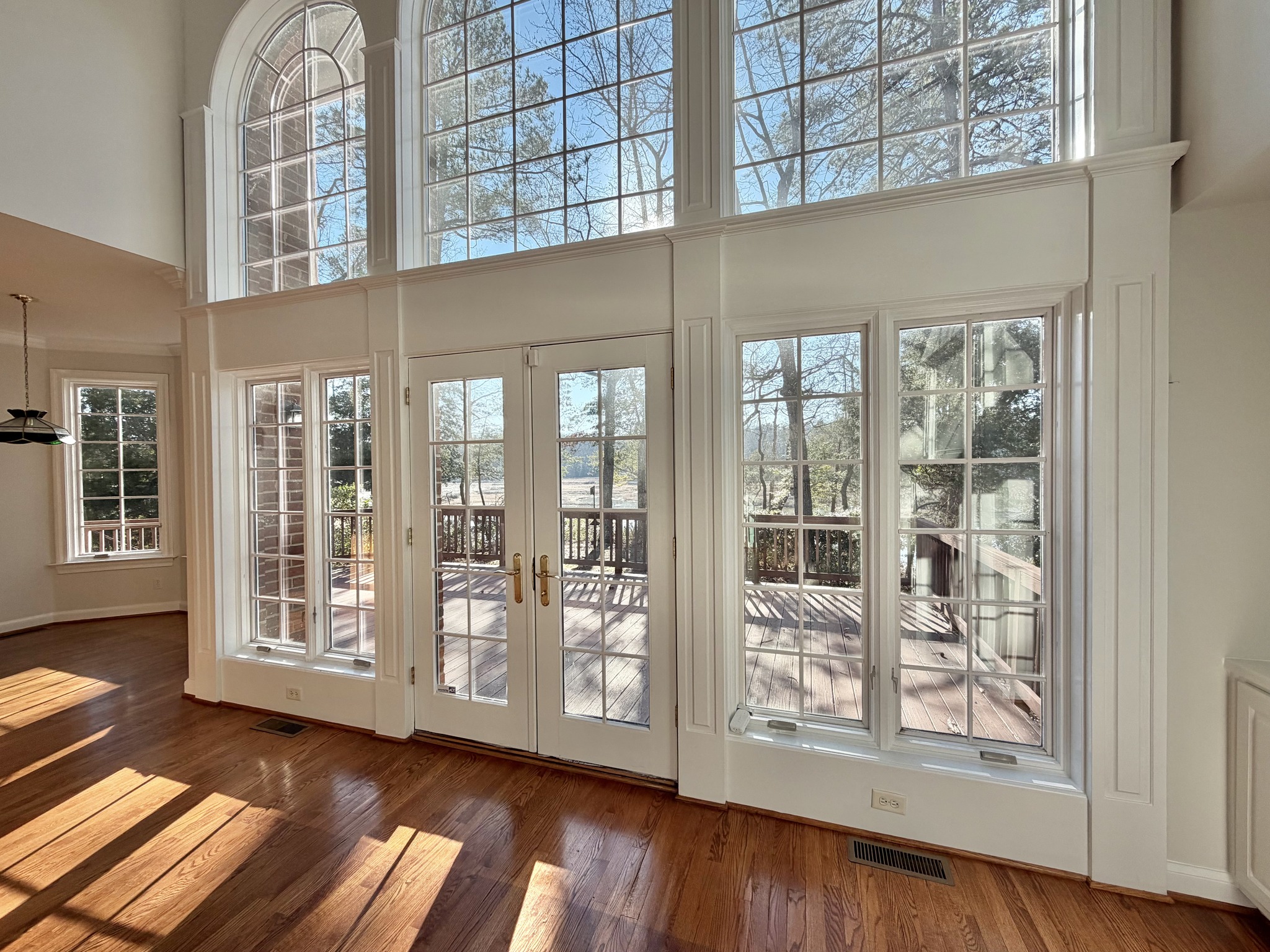
Subject Removal BC is one of the most important steps in the home buying process. It is the point where a buyer decides whether they are comfortable removing the conditions in their offer and moving forward with the purchase. That can feel exciting, but it can also feel stressful. Buyers are often reviewing financing, inspections, insurance, title, strata documents, and other details within a short period of time. The good news is that subject removal does not have to feel rushed. With the right preparation, buyers can make clearer decisions and avoid leaving important questions until the last day. What Subject Removal Means When a buyer makes an offer with subjects, those subjects are conditions that must be satisfied before the buyer fully commits to completing the purchase. Common buyer subjects may include: Financing approval Home inspection Insurance review Title review Property Disclosure Statement review Strata document review Sale of the buyer’s current home Lawyer or conveyancer review, where applicable BCFSA explains that buyers with subject clauses are expected to use every reasonable effort to satisfy those conditions. Once the conditions are fulfilled, written notice should be given that the buyer is removing the subject clauses. If the buyer cannot meet the conditions after reasonable effort, the contract can end with no legal obligation to complete. In simple terms, subject removal is not just a deadline. It is a decision point. Why Subject Removal Can Feel Stressful Most buyers feel pressure because several things happen at once. You may be waiting for your lender, reviewing inspection findings, reading strata documents, checking insurance, asking follow-up questions, and thinking about whether the home still feels right. That is a lot to process. The stress usually comes from uncertainty, not the process itself. When buyers do not know what still needs to be done, every update can feel urgent. A calm subject removal process starts with a clear checklist. Start With the Deadline The first step is knowing the exact subject removal date and time. Do not keep it as a vague note in your head. Put it in your calendar. Then work backward. A simple timeline may look like this: Book the inspection immediately after acceptance Send documents to your lender right away Request insurance quotes early Review title and property documents Read strata documents as soon as they are available Write down questions as they come up Leave time for follow-up before the deadline The mistake many buyers make is treating the deadline as the day to start deciding. It should be the day to confirm a decision you have already been preparing for. Confirm Financing Early Financing is often one of the biggest subject conditions. Even if you were pre-approved, your lender still needs to review the specific property, purchase price, contract, appraisal requirements, income documents, down payment, and debt ratios. A pre-approval does not automatically mean final approval. To avoid last-minute stress, buyers should send everything to their mortgage broker or lender as soon as possible. This may include: Accepted contract MLS listing Property Disclosure Statement Strata documents, if applicable Income documents Down payment confirmation Employment information Any lender-requested updates The earlier your financing team has the full package, the more time you have to solve issues if something comes up. Book the Inspection Quickly If your offer includes a home inspection subject, book the inspection as early as possible. Inspection results do not always mean a buyer should walk away. Many findings are normal maintenance items. The value of the inspection is that it helps you understand what you are buying. After the inspection, focus on: Safety concerns Moisture or structural issues Roof, drainage, plumbing, and electrical systems Heating and cooling systems Signs of deferred maintenance Costs that may affect your comfort with the purchase Items that require specialist review Try not to treat every small deficiency as a deal breaker. The better question is whether the findings change your understanding of the home, your budget, or your willingness to proceed. Review Strata Documents Carefully For condos and townhomes, strata review can be one of the most important parts of subject removal. Buyers should review documents such as: Form B Depreciation report Council meeting minutes Annual general meeting minutes Special general meeting minutes Financial statements Budget Bylaws and rules Insurance summary Engineering or building reports, if available The goal is to understand the building, not just the unit. Look for patterns. Are there repeated maintenance concerns? Are fees likely to increase? Are there major projects being discussed? Are there rental, pet, smoking, parking, or age restrictions that affect your plans? A beautiful unit can still come with building-level risks. Strata review helps you see the bigger picture. Check Insurance Before the Deadline Insurance can be easy to forget until late in the process, but buyers should confirm it early. For detached homes, insurers may ask about the roof, plumbing, electrical, heating, oil tanks, age of the home, past claims, or proximity to certain risks. For strata properties, buyers may need to review the strata corporation’s insurance coverage and confirm their own unit insurance. Do not assume insurance will be simple. Confirm before subject removal so there is time to respond if questions come up. Ask Questions as You Go A common reason buyers feel rushed is that they save all their questions for the final day. Instead, create a running list as soon as the offer is accepted. Divide questions into categories: Financing Inspection Insurance Strata Legal or title Closing costs Timelines Repairs or maintenance Neighbourhood or property details This makes the process feel more manageable. It also helps your real estate professional, mortgage broker, inspector, lawyer, and insurer respond more clearly. Good decisions come from organized questions. Understand the Difference Between Concerns and Deal Breakers Not every concern should stop a purchase. Not every issue should be ignored. Before subject removal, buyers should separate concerns into three groups: Things you can accept Things you need clarified Things that could change your decision This helps reduce emotional decision-making. For example, an older roof may not be a deal breaker if the price reflects it and you have budgeted for replacement. A large upcoming strata expense may be more serious if it changes your affordability. A minor repair may be manageable, while an unresolved moisture issue may require more caution. The question is not whether the home is perfect. The question is whether you understand the risks and feel comfortable moving forward. Know How the Rescission Period Fits In In British Columbia, the Home Buyer Rescission Period gives buyers the right to rescind a residential real estate contract within three business days after the offer is accepted, subject to certain rules and a rescission fee. BCFSA states that the period excludes weekends and holidays, and only buyers can use this right. This is separate from subject removal. Subjects are negotiated conditions in the contract. The rescission period is a statutory right that applies in many residential transactions. Buyers should understand both, because timelines can overlap and the consequences are different. If you are unsure how these timelines apply to your situation, ask your real estate professional and seek legal advice where needed. Do Not Wait Until the Last Hour Subject removal should not feel like a last-minute scramble. By the final day, buyers should ideally already know: Financing status Inspection results Insurance availability Strata review concerns Closing cost expectations Outstanding questions Whether they are comfortable proceeding The final step should be confirmation, not discovery. If something important remains unresolved, speak up early. It may be possible to ask for an extension, request clarification, or decide not to proceed if the subject conditions cannot be satisfied. The right response depends on the contract, the seller’s position, and the specific concern. What Sellers Should Understand Subject removal can also be stressful for sellers. Until subjects are removed, the sale is not firm. Sellers may be waiting while the buyer completes inspections, financing, insurance, and document review. BCFSA notes that sellers may still consider other offers while a buyer is working through subject conditions, depending on the contract terms. For sellers, preparation helps too. Before listing, sellers can reduce subject removal friction by having key information ready, such as: Property Disclosure Statement Utility information Permit history, if available Strata documents, where applicable Maintenance records Recent invoices Improvement details Known issue disclosures The easier it is for buyers to complete their due diligence, the smoother the process can feel for everyone. A Calm Subject Removal Process Comes From Preparation Subject Removal BC does not need to feel rushed. The process feels easier when buyers understand the timeline, gather documents early, ask questions as they come up, and make decisions based on facts instead of pressure. A good subject removal period gives buyers time to confirm whether the home, the price, the financing, and the risks still make sense. That is the real purpose of due diligence. It is not about creating fear. It is about creating confidence. If you are buying or selling in Greater Victoria and want to understand how subject removal works, Faber Real Estate Group can help you prepare, stay organized, and move through the process with clarity. Troy W., 5-Star Review, via Google “We moved to Victoria from Halifax. As our Realtor, Scott helped us find the right house in the right neighborhood for the right price. He was patient as we traveled from the east to look at homes over several months and cautioned us about making unreasonable offers when we fell too quickly for overpriced homes. In short, he was always on our side working to make our house purchase as simple and successful as possible. The best part about working with Scott was that he was always more focused on answering our questions, giving us good advice, and finding homes that met our needs than he was on closing a deal. We would recommend him to anyone. 5 Star service Scott, we look forward to using you again very shortly for an income rental in the new year.” Faber Real Estate Group Royal LePage Coast Capital Realty 📞 250-244-3430 📧 [email protected] ℹ️ Scott Faber Personal Real Estate Corporation ℹ️ Cal Faber Personal Real Estate Corporation Vanessa Wood, Zachary Parsons, and Sophie Taylor “Building Lasting Relationships, One Home at a Time.”
Read more
Sellers need to compete on value when buyers have more options. Price matters, but it is not the only thing buyers compare. They also look at condition, presentation, location, maintenance, layout, documents, flexibility, and how confident the home makes them feel. A lower price can attract attention, but it does not always solve buyer hesitation. In many cases, sellers get better results by making the home easier to understand, easier to trust, and easier to choose. Buyers Do Not Only Ask, “Is It Cheap?” Most buyers are not looking for the lowest-priced home at any cost. They are looking for the best fit within their budget. That means they are often asking: Does this home feel well cared for? Does the price match the condition? Will this home need expensive repairs? Is the layout practical? Are the documents clear? Are there future costs I should worry about? Does this home feel better than the alternatives? When buyers have more listings to compare, value becomes more important than price alone. Price Gets Attention, But Value Builds Confidence A price reduction may bring more eyes to a listing. But once buyers are inside the home, they still need to feel confident. Value comes from the full picture. That can include: A realistic asking price Clean presentation Good photography Strong maintenance records Clear disclosure Practical improvements Organized documents Flexible possession options Strong curb appeal A home that feels easy to live in The best listing strategy is not simply “price lower.” It is to help buyers see why the home makes sense. Presentation Is Part of Value Presentation has a direct effect on perceived value. A clean, bright, well-organized home often feels more cared for. Buyers may not consciously assign a dollar amount to fresh paint, clean windows, tidy landscaping, or thoughtful staging, but those details affect how they feel. Poor presentation can make buyers question the price, even if the price is fair. Sellers should focus on: Decluttering Deep cleaning Improving lighting Touching up paint Fixing small repairs Making storage areas look functional Tidying outdoor spaces Creating clear room purpose These steps do not change the legal size of the home, but they can change how buyers experience it. Condition Can Matter More Than a Small Discount Some buyers would rather pay a fair price for a well-maintained home than chase a cheaper listing with uncertainty. If a home has deferred maintenance, buyers may mentally subtract more than the actual repair cost. They may also worry about the time, stress, and risk involved. This is why condition matters. A seller may create more value by addressing obvious concerns before listing, such as: Minor leaks Damaged trim Burnt-out lights Loose handles Dirty carpets Overgrown landscaping Peeling paint Poor odours Missing documentation Unclear repair history Small issues can create larger doubt. Reducing doubt can protect value. Buyers Compare the Total Cost of Ownership The purchase price is only one part of the decision. Buyers also think about: Mortgage payment Property taxes Insurance Strata fees Utilities Repairs Renovations Maintenance Commuting costs Future resale A home may be priced lower but still feel expensive if it needs work or has unclear future costs. A slightly higher-priced home may feel like better value if it is clean, efficient, well-maintained, and easy to move into. For sellers, the goal is to show why the property is worth choosing, not just why it is worth viewing. Documents and Transparency Add Value Buyers become more confident when they can understand the property clearly. For detached homes, this may include permits, receipts, maintenance records, renovation details, surveys, title information, or inspection history. For strata properties, buyers may review meeting minutes, depreciation reports, Form B, budgets, bylaws, insurance summaries, and contingency reserve fund details. Organized information helps reduce uncertainty. It can also make the transaction feel smoother. A seller who is prepared often feels more credible than a seller who is reactive. Flexibility Can Create Value Value is not always physical. Sometimes it comes from terms. Depending on the buyer, flexibility around possession dates, inclusions, subjects, or access for due diligence can make the home more attractive. For example, a buyer may value: A possession date that matches their move Clear communication Easy showing access A reasonable subject timeline Included appliances or fixtures Early access for measurements or trades A seller who responds quickly Terms do not replace price, but they can make an offer easier to write. Competing on Value Helps Avoid a Race to the Bottom If sellers focus only on price, the strategy can become reactive. One nearby listing reduces, then another follows, and suddenly sellers are competing mainly by discount. That may be necessary in some cases, especially if the original price was too high. But it should not be the only strategy. A better question is: How can this home become the most compelling option in its category? That may involve price, but it may also involve better preparation, better marketing, clearer information, stronger presentation, and fewer buyer objections. The Bottom Line for Sellers Sellers need to compete on value because buyers are comparing more than asking prices. They are comparing confidence, condition, presentation, total cost, risk, and lifestyle fit. A strong listing does not rely on one lever. It brings pricing, preparation, marketing, and negotiation together so buyers understand why the home is worth serious consideration. In Greater Victoria, where every neighbourhood and property type can behave differently, the best strategy is not simply to be cheaper. It is to be clearer, stronger, and easier to choose. For advice on preparing, pricing, and positioning your home for sale in Greater Victoria, contact Faber Real Estate Group for clear, local guidance before making your next move. Dom L., 5-Star Review, via Google “After months of searching and giving us their honest advice, we finally bought a place while out of town. We only had a virtual tour of the site, but we felt very comfortable making an offer because they understood what we were looking for. I would recommend going to Faber group as they are knowledgeable, professional and resourceful.” Faber Real Estate Group Royal LePage Coast Capital Realty 📞 250-244-3430 📧 [email protected] ℹ️ Scott Faber Personal Real Estate Corporation ℹ️ Cal Faber Personal Real Estate Corporation Vanessa Wood, Zachary Parsons, and Sophie Taylor “Building Lasting Relationships, One Home at a Time.”
Read more
Condo fees can feel like an extra monthly cost, especially for buyers trying to keep their budget under control. But condo fees are not always a bad thing. In many cases, they help protect the building, reduce surprise expenses, and make ownership more predictable. The key is not to avoid condo fees altogether. The key is to understand what they cover, how well the strata is managed, and whether the monthly amount matches the condition and services of the building. What Condo Fees Usually Cover Condo fees, also known as strata fees in British Columbia, help pay for the shared costs of the property. These may include: Building insurance Landscaping Garbage and recycling Common area electricity Elevator maintenance Building cleaning Property management Repairs and maintenance Contributions to the contingency reserve fund Amenities such as gyms, guest suites, bike rooms, or lounges In a detached home, many of these costs still exist. They just arrive differently. Instead of paying a monthly strata fee, the owner pays directly when repairs, insurance, landscaping, or maintenance come due. Predictable Costs Can Be a Strength For many buyers, especially first-time buyers and downsizers, predictability matters. A well-managed condo building can turn irregular ownership costs into a more stable monthly expense. That does not mean every fee is good or every building is well-run. It means the fee itself is not the problem. The real question is whether the money is being used responsibly. A lower fee can look attractive at first, but it may also mean the strata is underfunding maintenance. That can lead to larger special levies later. Low Condo Fees Are Not Always Better Buyers often compare condo fees the same way they compare mortgage payments. Lower feels better. But in strata ownership, lower is not always safer. A very low monthly fee may mean: The building has fewer services Maintenance is being delayed The contingency reserve fund may be weak Owners may face larger costs later The building may not be planning ahead A higher fee may be reasonable if the building includes strong services, proper maintenance, good insurance coverage, and healthy reserve fund contributions. The best value is not always the lowest fee. It is the fee that makes sense for the building. What Buyers Should Review Before Judging the Fee Before deciding whether condo fees are reasonable, buyers should look at the larger picture. Important documents may include: Strata minutes Depreciation report Budget Form B Contingency reserve fund balance Insurance summary Bylaws and rules History of special levies Maintenance plans These documents can show whether the strata is proactive, reactive, or falling behind. A building with slightly higher condo fees but strong planning may offer more peace of mind than a building with low fees and repeated emergency repairs. Condo Fees Can Support Long-Term Resale Value Well-maintained buildings tend to feel more secure to buyers. Clean common areas, updated systems, healthy records, and steady maintenance all help build confidence. When a future buyer reviews the strata documents, they are not just looking at the unit. They are looking at the building’s financial health, maintenance habits, and risk level. A condo with responsible fees may be easier to explain, easier to finance, and easier for buyers to trust. When Condo Fees Should Raise Concern Condo fees deserve closer attention when they feel out of step with the building. Warning signs may include: Fees that are unusually high without clear value Fees that are unusually low for an older building Repeated special levies Poor meeting minutes Deferred maintenance Large insurance increases Weak reserve fund contributions Frequent owner disputes Unclear repair planning The fee amount matters, but the story behind the fee matters more. The Bottom Line for Buyers Condo fees are not just an added cost. They are part of how the building operates. A good buyer strategy is to ask three questions: What does the fee cover? Is the building being properly maintained? Does the fee reduce risk or hide future risk? Condo fees are not always a bad thing when they support good management, predictable ownership, and long-term building care. For buyers in Greater Victoria, the goal is not to find the cheapest strata fee. The goal is to find a building where the monthly cost makes sense, the records are clear, and the ownership experience feels sustainable. For advice on buying, selling, or evaluating a condo in Greater Victoria, contact Faber Real Estate Group for clear, local guidance before making your next move. Sue S., 5-Star Review, via Google “I would recommend Cal and Scott, an amazing duo team to sell or purchase any Real Estate.They even came and brought a mirror in to finish off one of the bathrooms in my mom's house. They totally cared and they go above and beyond. nIf you are looking to buy or sell your home give Cal and Scott a call, you will not be disappointed.” Faber Real Estate Group Royal LePage Coast Capital Realty 📞 250-244-3430 📧 [email protected] ℹ️ Scott Faber Personal Real Estate Corporation ℹ️ Cal Faber Personal Real Estate Corporation Vanessa Wood, Zachary Parsons, and Sophie Taylor “Building Lasting Relationships, One Home at a Time.”
Read more
Cook Street Village Victoria has a kind of staying power that many neighbourhoods try to create but few manage to hold. It is not flashy, oversized, or built around one major attraction. Instead, Cook Street Village Victoria works because it combines daily convenience, neighbourhood character, green space, and access to the ocean in a way that feels natural. For buyers, that matters. A great neighbourhood is not only about what is nearby. It is about how easily those places fit into everyday life. It Feels Like a Village Without Feeling Disconnected One of the biggest reasons Cook Street Village continues to appeal to buyers is its balance. You can walk to coffee, groceries, restaurants, bakeries, services, and local shops without feeling like you are living in the middle of downtown. At the same time, downtown Victoria is still close enough for work, dining, shopping, and events. That balance is hard to duplicate. Many buyers want walkability, but they do not always want noise, density, or the constant movement of a busier urban core. Cook Street Village offers a softer version of city living. It feels connected, but still personal. Beacon Hill Park Adds Long-Term Lifestyle Value Proximity to Beacon Hill Park is one of the neighbourhood’s strongest advantages. For buyers, parks are more than a nice extra. They shape lifestyle. They affect how people spend mornings, weekends, dog walks, family time, and quiet moments outside the home. Having Beacon Hill Park nearby gives residents access to: Walking paths Open green space Play areas Gardens Recreation space A natural connection toward Dallas Road and the waterfront This is one of the reasons the area appeals across different buyer groups. First-time buyers, downsizers, families, retirees, and professionals may all value the neighbourhood for different reasons, but green space is a common thread. The Ocean Is Part of the Everyday Experience Cook Street Village also benefits from its connection to Dallas Road and the waterfront. For many Victoria buyers, ocean access is not only about views. It is about lifestyle. Being able to walk toward the water after dinner, take a morning route along Dallas Road, or spend time near the shoreline adds emotional value to the area. That kind of value does not always show up in a feature list, but buyers feel it quickly. A home may have the right number of bedrooms, an updated kitchen, and enough parking, but the neighbourhood experience often becomes the deciding factor. Cook Street Village has that experience built in. The Housing Mix Gives Buyers Options Another reason the area stays appealing is the variety of housing nearby. Around Cook Street Village and Fairfield, buyers may find a mix of: Character homes Heritage-style conversions Condos Townhomes Duplexes Smaller strata properties Larger single-family homes in nearby pockets This variety helps the area remain relevant to different stages of life. A buyer may start with a condo, later look for a townhome, or eventually seek a character home nearby. Downsizers may also be drawn to the area because they can reduce home maintenance without giving up a highly walkable lifestyle. That flexibility supports long-term demand. Character Still Matters Here Some neighbourhoods feel appealing because they are new. Cook Street Village feels appealing because it has depth. The surrounding streets offer mature landscaping, older homes, unique architecture, and a sense of place that does not feel manufactured. For many buyers, that character is part of the draw. This does not mean every buyer wants an older home. In fact, some buyers may prefer a newer condo or updated strata property nearby. But even those buyers often still benefit from the character of the surrounding neighbourhood. The setting helps create the feeling. It Works for Daily Life, Not Just Weekends Some neighbourhoods are enjoyable to visit but harder to live in. Cook Street Village is different because the appeal is practical. The area offers a strong everyday rhythm: Coffee in the morning Groceries nearby Walks through Beacon Hill Park Easy access to the waterfront Local restaurants and services A short trip to downtown Victoria A neighbourhood feel that still supports urban convenience This is where buyers often make a deeper connection. The neighbourhood is not only attractive on a sunny Saturday afternoon. It also works on a regular Tuesday. What Buyers Should Watch For The consistent appeal of Cook Street Village does not mean every property nearby is the right fit. Buyers should still look carefully at the details. Key considerations include: Parking availability Street activity and traffic patterns Strata documents for condos and townhomes Renovation quality in older homes Noise exposure depending on location Storage and outdoor space Long-term maintenance needs Walkability versus privacy In high-demand neighbourhoods, buyers can sometimes focus too much on location and not enough on the property itself. The best purchase balances both. What Sellers Should Understand For sellers near Cook Street Village, the neighbourhood can be a strong part of the marketing story. However, strong location does not replace preparation, pricing, and presentation. Buyers may already understand that the area is desirable, but they still need to see why a specific home is worth choosing. Effective marketing should connect the property to the lifestyle: Morning coffee within walking distance Beacon Hill Park nearby Dallas Road and the ocean close by Downtown access without downtown intensity Character, convenience, and long-term livability The goal is not just to say the home is near Cook Street Village. The goal is to help buyers picture what life there could feel like. Why Cook Street Village Holds Its Appeal Cook Street Village remains consistently appealing because it offers something simple and difficult to recreate: a complete lifestyle in a compact, human-scaled neighbourhood. It has parks, shops, restaurants, character, ocean access, and proximity to downtown. More importantly, these features work together. That is what gives the area its long-term strength. For buyers, it offers convenience without losing warmth. For sellers, it provides a location story that remains easy to understand. For Victoria real estate, it is a reminder that the best neighbourhoods are not always the newest or loudest. Sometimes, they are the ones that make daily life feel easier. If you are considering buying or selling near Cook Street Village, Faber Real Estate Group can help you understand how location, property condition, pricing, and lifestyle value all work together in today’s Victoria market. Grace C., 5-Star Review, via Google “Zach is very pleasant and professional at all times. He's great to work with. He helped us find a great home for our family. Thank you.” Faber Real Estate Group Royal LePage Coast Capital Realty 📞 250-244-3430 📧 [email protected] ℹ️ Scott Faber Personal Real Estate Corporation ℹ️ Cal Faber Personal Real Estate Corporation Vanessa Wood, Zachary Parsons, and Sophie Taylor “Building Lasting Relationships, One Home at a Time.”
Read more
More listings do not always mean lower prices. It can feel that way at first because buyers suddenly have more choice, homes may take longer to sell, and sellers may need to compete harder for attention. But inventory is only one part of the pricing picture. In Greater Victoria, price movement depends on the relationship between supply, demand, property type, location, condition, and seller motivation. More listings can create more balance, but they do not automatically create a falling market. According to the Victoria Real Estate Board, active listings have increased in recent months, while benchmark prices have shown only modest year-over-year changes depending on property type and area. In April 2026, the Victoria Core single-family benchmark was down 1.2% year-over-year, while the condo benchmark was down 0.8% year-over-year. Inventory Gives Buyers More Choice When more homes come to market, buyers usually gain more breathing room. They may have: More properties to compare More time to make decisions More room to negotiate on terms Less pressure to compete on every listing More confidence walking away from homes that do not fit This matters. A market with more listings often feels different from a tight inventory market. Buyers may become more selective, and sellers may need stronger pricing, preparation, and presentation. But more choice does not always mean buyers suddenly have more purchasing power. Demand Still Matters Prices tend to soften when supply rises and demand weakens at the same time. If more listings come to market but buyer demand remains steady, prices may hold. If desirable homes are still limited in certain areas, buyers may continue to compete for the best options. A market can have more total listings while still having limited supply for specific buyer needs, such as: Detached homes in walkable neighbourhoods Well-maintained townhomes Family homes near schools Updated condos in strong buildings One-level homes for downsizers Properties with suites or income potential This is why broad inventory numbers can be misleading. The market may look well supplied overall, while certain segments still feel tight. Not All Listings Compete With Each Other A luxury waterfront home, a downtown condo, a Langford townhome, and a Saanich family home do not all compete for the same buyer. More listings in one category do not automatically affect prices in another. If condo inventory rises, that may not change demand for detached homes in Oak Bay. If rural properties take longer to sell, that does not necessarily mean entry-level townhomes will drop. Greater Victoria is made up of many smaller markets. Price behaviour can change by: Municipality Neighbourhood Property type Price range Condition School catchment Walkability Strata health Renovation level Lot size or development potential This is why local context matters more than the headline number. Sellers Adjust Before Prices Drop When listings increase, the first change is often not price. It is seller behaviour. Sellers may need to: Price more realistically Prepare the home more carefully Improve photos and presentation Respond faster to feedback Be more flexible with dates or terms Adjust expectations around days on market Some sellers will reduce their price if they overshoot the market. Others may hold firm if their property is well-positioned, properly priced, and in a category where demand remains strong. More listings can create pressure. But pressure is not the same as a price drop across the board. Buyers Still Care About Quality In a market with more choice, buyers do not simply buy the cheapest home. They often become more careful. They compare condition, layout, building records, neighbourhood, future maintenance, and resale potential. A well-presented home can still stand out, even when there are more listings available. For sellers, this means preparation matters. A home that feels clean, cared for, and easy to understand may attract stronger interest than a similar home that feels tired or overpriced. For buyers, this means patience helps, but waiting for prices to fall may not be the best strategy if the right home appears and the numbers work. More Listings Can Create a Healthier Market A market with more listings is not always bad news. In many cases, it creates a healthier environment. Buyers can make decisions with less pressure. Sellers get more realistic feedback. Negotiations may become more balanced. Conditional offers may become more common. Everyone has a little more room to think. That can be a positive shift, especially after years where low inventory made the process feel rushed. The Bottom Line More listings do not always mean lower prices because real estate is not one single market. Inventory matters, but it must be weighed against demand, location, property type, condition, price range, and buyer motivation. For buyers, more listings can mean better choice and stronger negotiating conditions. For sellers, it means strategy matters more than assumption. The best results usually come from reading the specific micro-market, not reacting to broad headlines. For advice on buying or selling in Greater Victoria’s current market, contact Faber Real Estate Group for clear, local guidance before making your next move. Raymond S., 5-Star Review, via Google “Cal and his team at the Faber Real Estate Group went above and beyond in helping us to find a home that would meet our criteria. We always felt as though we were their most important clients. Cal and Scott's negotiating skills helped us to stay within our budget and still fulfill all of our requirements. Besides the teams professionalism and knowledge, we also appreciated their honesty and high standards regarding moral values. Cal and the team helped make buying a home a pleasant experience.” Faber Real Estate Group Royal LePage Coast Capital Realty 📞 250-244-3430 📧 [email protected] ℹ️ Scott Faber Personal Real Estate Corporation ℹ️ Cal Faber Personal Real Estate Corporation Vanessa Wood, Zachary Parsons, and Sophie Taylor “Building Lasting Relationships, One Home at a Time.”
Read more
Victoria housing needs will likely shape far more than new construction. They will influence buyer expectations, seller strategy, neighbourhood growth, affordability pressure, and the types of homes that become more common across the region. The City of Victoria’s 2024 Interim Housing Needs Report estimates the city will need about 8,254 new homes over the next 20 years, while Langford has projected a 20-year need of about 17,000 new homes as it plans for major population growth. That means the next decade will not only be about building more homes. It will be about building the right mix of homes in the right locations. Housing Demand Is No Longer One Simple Problem For years, the conversation around housing was often reduced to one idea: Victoria needs more homes. That is still true. However, the next phase is more complex. Greater Victoria needs more rental housing, more family-sized options, more attainable ownership opportunities, more downsizer-friendly homes, more accessible housing, and more homes close to transit, services, and employment. This matters because different buyers need different solutions. A first-time buyer may need a well-priced condo near transit. A growing family may need a townhouse with storage and outdoor space. A downsizer may want a low-maintenance strata home close to shops and medical services. A senior may need accessible living without leaving their community. If the region does not add enough variety, buyers will continue competing for the same limited options. More Density Will Likely Become Normal Over the next 10 years, many Victoria neighbourhoods may see more townhomes, multiplexes, small apartment buildings, infill housing, and purpose-built rentals. This does not mean every street will change overnight. However, the direction is clear. Provincial housing targets are pushing municipalities to increase supply, and Saanich has been given a mandated five-year target of 4,610 net new completed homes. For homeowners, this creates both opportunity and uncertainty. More density may bring: New housing choices More rental options Better support for local businesses Stronger demand near transit and amenities Changes to neighbourhood character More construction activity New questions around parking, infrastructure, and public space For buyers, it means location research will become even more important. A quiet street today may look different in five or 10 years depending on zoning, transportation planning, and nearby redevelopment potential. Affordability Will Keep Driving Buyer Behaviour Even if more homes are built, affordability will likely remain one of Victoria’s biggest challenges. Higher construction costs, land values, interest rates, municipal fees, and limited land supply all affect what gets built and what buyers can afford. More supply can help, but it does not automatically make every home affordable. This is why buyers may continue to make trade-offs between: Size and location Age and efficiency Outdoor space and walkability Condo convenience and detached-home privacy Core neighbourhoods and Westshore affordability Move-in-ready homes and renovation potential The next decade may reward buyers who are flexible. Instead of searching for the perfect home, many will need to focus on the best long-term fit. Purpose-Built Rentals Could Change the Ownership Market Victoria has already seen more attention on purpose-built rental housing. The City of Victoria reported that purpose-built rentals had exceeded its 1,900-unit target as part of its housing strategy milestones, contributing to the city’s highest vacancy rate in more than a decade. This could affect the ownership market in several ways. More rental supply may give some renters more time before buying. It may also reduce pressure on some entry-level ownership options if renters have more stable choices. However, if ownership remains expensive, many households may rent longer than previous generations did. For investors, this could mean stronger competition from newer rental buildings. Older rental-style condos or secondary suites may need to stand out through location, condition, layout, or pricing. Sellers Will Need to Think More Strategically In a market with more housing choice, sellers cannot assume that limited supply will do all the work. As inventory grows, buyers compare more carefully. In April 2026, the Victoria Real Estate Board reported 3,710 active listings at month-end, up 8.3% from April 2025 and up 13.8% from March 2026. That kind of choice changes seller strategy. Sellers may need to focus more on: Accurate pricing Strong presentation Maintenance records Energy efficiency Flexible showing access Clear strata documents Neighbourhood positioning Transparent upgrade history If more new or newer homes come to market over time, older homes will need to compete on more than location alone. Condition, layout, livability, and future costs will matter. Neighbourhood Identity May Shift Housing needs will not affect every area equally. Langford may continue to absorb a large share of regional growth because of land availability, development patterns, and infrastructure planning. The City of Langford has stated it is planning for a population of 100,000 residents, nearly double its current population of about 58,000. Meanwhile, Victoria, Saanich, Esquimalt, View Royal, Colwood, Sidney, and Oak Bay will each face different pressures. Some neighbourhoods may become more walkable. Others may become denser around transit corridors. Some may see more infill. Others may hold value because they offer larger lots, established streets, or limited redevelopment potential. For buyers, this means the question is not just, “Do I like this neighbourhood today?” The better question is, “How might this neighbourhood change over the next 10 years?” What Buyers Should Watch Buyers should pay attention to more than current listings and recent sales. Over the next decade, smart buying decisions may depend on: Local zoning changes Transit access Nearby development applications School capacity Infrastructure upgrades Walkability Strata fees and building age Energy efficiency Long-term maintenance costs Resale demand by property type A home can be a good fit today and still face future trade-offs. The more buyers understand those trade-offs early, the more confident their decisions become. What Sellers Should Watch Sellers should think about how future housing supply may affect their property’s position in the market. A well-maintained detached home in a walkable area may continue to attract strong interest. A dated condo may face more competition if newer rental or condo supply gives buyers better alternatives. A townhouse with family-friendly space may stand out if demand grows for homes between condos and detached houses. Sellers should ask: What makes this home hard to replace? What buyer problem does it solve? How does it compare to newer options? What future costs might buyers notice? Which improvements would matter most before listing? In a changing market, the best listings will make the value clear. The Bigger Picture Victoria’s housing needs will shape the next 10 years through density, affordability, infrastructure, rental supply, and changing lifestyle expectations. For buyers, the opportunity is to think beyond today’s price and focus on long-term livability. For sellers, the opportunity is to understand where their home fits as more choice enters the market. Housing growth will not remove every challenge. However, it will change the way people compare homes, evaluate neighbourhoods, and plan their next move. For local guidance on how Victoria housing needs could affect your buying or selling strategy, contact Faber Real Estate Group for advice before making your next real estate decision. Demetrios T., 5-Star Review, via Google “Scott and Cal Faber were exceptional to work with. They were professional, patient, and incredibly informative throughout the entire process. They took the time to walk me through every step, which made the typically stressful experience of moving so much easier. Their knowledge of real estate is second to none, and their guidance gave me complete confidence in my decisions. I highly recommend both Scott and Cal to anyone looking for trusted, knowledgeable, and supportive realtors.” Faber Real Estate GroupRoyal LePage Coast Capital Realty📞 250-244-3430📧 [email protected]ℹ️ Scott Faber Personal Real Estate Corporationℹ️ Cal Faber Personal Real Estate CorporationVanessa Wood, Zachary Parsons, and Sophie Taylor“Building Lasting Relationships, One Home at a Time.”
Read more