
Posts Tagged ‘first time buyers Victoria BC’
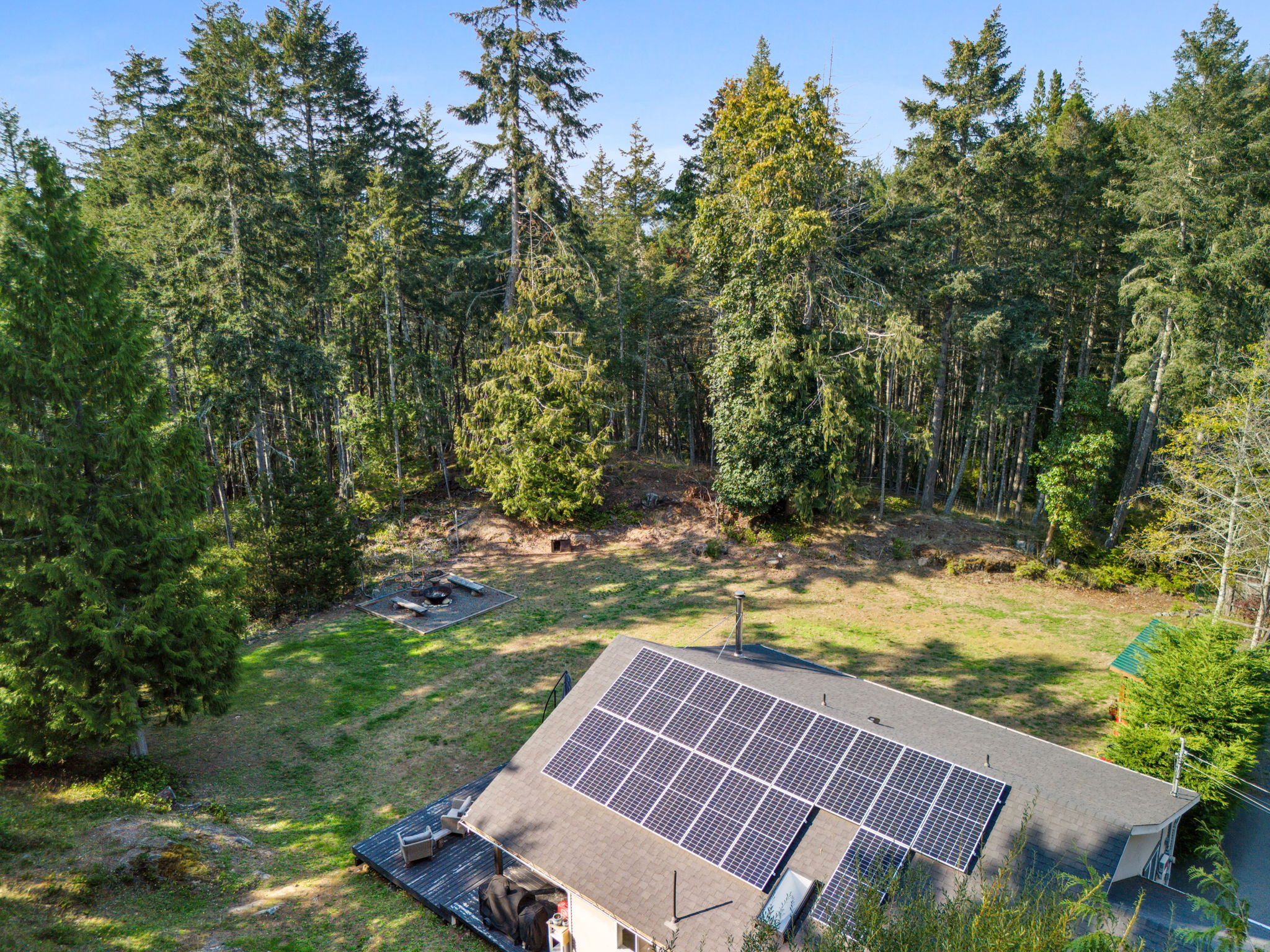
More space without leaving Greater Victoria is one of the most common goals for buyers whose current home no longer fits. That may mean an extra bedroom, a larger yard, a garage, a home office, suite potential, or simply a layout that feels easier to live in. For many buyers, the challenge is not wanting to leave the region. They still want access to work, schools, family, recreation, and the lifestyle that makes Greater Victoria such a desirable place to call home. The good news is that there are still practical options. The key is understanding where your budget goes further, what trade-offs each area involves, and what type of space actually matters most to your lifestyle. Why Buyers Start Looking for More Space Most people do not wake up one day and suddenly decide they need a bigger home. Usually, the need builds slowly. A condo starts to feel tight. A townhouse no longer has enough storage. A growing family needs another bedroom. Remote work makes a proper office more important. Pets, kids, hobbies, tools, bikes, guests, or extended family can all change how a home functions. At that point, the question becomes less about wanting more square footage and more about wanting a home that supports daily life better. That is where a thoughtful move-up strategy matters. The First Question Is Not Size. It Is Trade-Off. When buyers start searching for more space, they often focus on square footage first. That makes sense, but it is not the only thing that matters. In Greater Victoria, more space usually comes from one of three trade-offs: Moving farther from the downtown core Choosing an older home with more potential Prioritizing land, layout, or suite flexibility over newer finishes A newer home in Langford may offer more bedrooms, a garage, and a functional family layout. An older home in Saanich West may offer a larger lot, renovation potential, and a more central location. A property in Sooke may offer land, privacy, and outdoor space that would be difficult to find closer to town. None of these options are automatically better. The right choice depends on what problem you are trying to solve. Langford Langford is often one of the first areas buyers consider when they want more space without leaving Greater Victoria. The appeal is practical. Buyers can often find newer single-family homes, townhomes, duplexes, and family-oriented communities with more interior space than they may find in Victoria, Oak Bay, or central Saanich at a similar price point. Langford also offers strong everyday convenience. Shopping, restaurants, recreation, schools, trails, lakes, and transit connections have made it one of the most active move-up markets in the region. For many buyers, Langford offers a useful balance between space, amenities, and long-term livability. Colwood Colwood can be a strong option for buyers who want more space with a quieter residential feel. Areas around Royal Bay, Olympic View, Wishart, and Lagoon offer a mix of newer homes, established neighbourhoods, schools, parks, and access to the ocean. Buyers who value outdoor space, community planning, and proximity to beaches may find Colwood especially appealing. Compared with some core neighbourhoods, Colwood may offer more flexibility for families looking for an extra bedroom, a garage, a yard, or a more functional layout. View Royal View Royal is worth considering for buyers who want more space but do not want to feel too far removed from Victoria. Its location between the core and the Westshore makes it a strong middle-ground option. Buyers have access to Thetis Lake, the Galloping Goose Trail, Victoria General Hospital, shopping, schools, and major commuter routes. View Royal includes a mix of older single-family homes, townhomes, strata communities, and larger properties depending on the neighbourhood. For buyers who want both space and convenience, it can be a smart area to watch. Saanich West Saanich West is often overlooked by buyers who are focused on either central Victoria or the Westshore. That can create opportunity. Neighbourhoods around Tillicum, Glanford, Strawberry Vale, Royal Oak, Interurban, and Carey may offer single-family homes, larger lots, established streets, parks, and convenient access to town. Some homes may need updating, but that can be part of the long-term value. For buyers who are open to improving a home over time, Saanich West can offer more flexibility than trying to buy a fully renovated property in a more expensive neighbourhood. Sooke Sooke is a strong option for buyers who want more land, more privacy, or more access to nature. The trade-off is usually commute time. For buyers working in downtown Victoria, Saanich, or even parts of Langford, that can be a major consideration. But for those who work remotely, have flexible schedules, or value lifestyle space more than central convenience, Sooke can be a practical fit. Buyers may find larger lots, newer homes, suite options, ocean views, rural settings, and access to trails and beaches. For the right person, Sooke offers a kind of space that is difficult to replicate closer to town. Metchosin and the Highlands Metchosin and the Highlands offer a different version of space. These areas appeal to buyers looking for privacy, acreage, workshops, gardens, rural character, or a quieter lifestyle. They are not always the easiest fit for every buyer because larger properties can come with more maintenance, wells, septic systems, and unique home styles. For buyers who want land and separation, these communities can offer something rare within Greater Victoria. The key is to look beyond the appeal of acreage and understand the responsibility that comes with it. More land can be an incredible lifestyle choice, but it should be matched with the right budget, time, and expectations. The Peninsula Central Saanich, North Saanich, and Sidney can also be worth exploring for buyers who want more space without leaving Greater Victoria. Central Saanich and North Saanich may appeal to buyers looking for larger lots, rural surroundings, established homes, and a calmer pace. Sidney offers more walkability, services, restaurants, shops, and waterfront access, although larger detached homes can come at a premium. The Peninsula works well for buyers who want to stay connected to Greater Victoria but prefer a quieter setting outside the busier urban core. Older Homes Can Be a Smart Path to More Space More space does not always mean buying the newest home. In many established neighbourhoods, older homes may offer larger lots, better renovation potential, suite possibilities, mature landscaping, and more flexible layouts. They may also come with maintenance needs, so it is important to understand the roof, windows, perimeter drains, electrical, plumbing, heating, and overall condition. For buyers with a longer-term mindset, an older home in the right location can be a strategic move. You may not get every finish you want on day one, but you may gain land, layout, and future flexibility. Layout Matters More Than Square Footage A bigger home is not always a better home. A well-designed 1,900 square foot home can feel more functional than a poorly laid out 2,400 square foot home. Before focusing only on size, it helps to define what kind of space you actually need. Ask yourself: Do you need more bedrooms? Do you need a second living room? Do you need a proper office? Do you need storage? Do you need a garage or workshop? Do you need a yard for kids or pets? Do you need suite potential? Do you need separation for teenagers, guests, or extended family? The clearer you are on the real need, the easier it becomes to compare homes properly. A large home with the wrong layout may not solve your problem. A slightly smaller home with the right layout might. Do Not Forget the Cost of the Move When moving up, the purchase price is only one part of the decision. Buyers should also consider: Property transfer tax Legal fees Moving costs Renovations or repairs Utility costs Insurance Commuting costs Strata fees, if applicable Long-term maintenance A home that looks more affordable on paper may become less affordable if it requires major work. On the other hand, a slightly more expensive home with better systems, layout, and condition may be easier to manage over time. This is where strategy matters. The goal is not just to buy more space. The goal is to buy more usable space without creating unnecessary financial pressure. Final Thoughts Finding more space without leaving Greater Victoria is possible, but it often requires a flexible mindset. For some buyers, the right move may be Langford, Colwood, View Royal, or Sooke. For others, it may be Saanich West, the Peninsula, Metchosin, the Highlands, or an older home with more potential. The best choice is not always the biggest home or the newest home. It is the home that gives you the right balance of space, location, lifestyle, budget, and long-term value. If your current home no longer fits, it may be time to look at your options with a clear plan. A thoughtful move-up strategy can help you understand where your budget goes further, which areas fit your lifestyle, and what trade-offs are actually worth making. Devon M., 5-Star Review, via Google “Scott was very patient with us as we started our family and took about a year to decide on place we thought would be fit for our home. He went above and beyond and still continues to this day to keep in touch and periodically checks in to see how we are doing. I highly recommend him to anyone looking for a realtor to either sell or buy their home.” Faber Real Estate Group Royal LePage Coast Capital Realty 📞 250-244-3430 📧 [email protected] ℹ️ Scott Faber Personal Real Estate Corporation ℹ️ Cal Faber Personal Real Estate Corporation Vanessa Wood, Zachary Parsons, and Sophie Taylor “Building Lasting Relationships, One Home at a Time.”
Read more
Walkability in Greater Victoria can add real value, but it does not mean the same thing in every neighbourhood. In some areas, walkability means being steps from coffee shops, restaurants, and daily errands. In others, it means easy access to trails, parks, schools, or the waterfront. That difference matters for buyers and sellers. A walkable home is not valuable simply because it has sidewalks nearby. It becomes more valuable when the walkability matches what buyers in that neighbourhood actually want. Walkability Is Not One-Size-Fits-All Many buyers say they want a walkable neighbourhood, but they may mean very different things. For one buyer, walkability means being able to leave the car parked and walk to groceries, restaurants, and services. For another, it means walking the dog on quiet streets, reaching a school safely, or being close to beaches and parks. This is why walkability in Greater Victoria needs local context. A home near Cook Street Village offers a different kind of walkable lifestyle than a home near Royal Oak, Sidney, Fernwood, Esquimalt, or central Langford. Each area creates value in a different way. Urban Walkability Adds Convenience Value In more urban neighbourhoods, walkability often supports daily convenience. Areas close to village centres, downtown amenities, cafés, transit, fitness studios, and restaurants can appeal to buyers who want a lifestyle with less driving. This can be especially attractive to first-time buyers, downsizers, professionals, and people who value access over square footage. In these areas, buyers may pay more for location because the neighbourhood becomes part of the living space. A smaller home or condo can feel more functional when daily life extends beyond the front door. Village Walkability Adds Lifestyle Value Neighbourhoods with village-style walkability often create emotional value. Places like Cook Street Village, Fernwood, Oak Bay Village, Cadboro Bay, and Sidney can feel established, social, and easy to enjoy. Buyers are not only looking at the home. They are imagining morning coffee, evening walks, local shops, parks, and a stronger sense of community. That lifestyle can create strong buyer interest, especially when the home itself has character, natural light, outdoor space, or an easy-care layout. For sellers, this means the marketing should not only describe the property. It should describe how daily life feels in that location. Family Walkability Looks Different For families, walkability often means safety and practicality. Proximity to schools, playgrounds, parks, sports fields, recreation centres, and quieter streets can matter more than restaurants or nightlife. In neighbourhoods such as Gordon Head, Lakehill, Royal Oak, and parts of the Westshore, buyers may care more about the ease of daily routines than the ability to walk to dinner. This kind of walkability can still affect value, but it is usually tied to function. Can children walk to school? Is there a park nearby? Are errands manageable? Is the route safe and comfortable? Those details can make a home feel more livable. Trail and Nature Walkability Can Be a Major Advantage In some neighbourhoods, walkability is less about shops and more about nature. Access to the Galloping Goose, the E&N Rail Trail, Thetis Lake, the Gorge Waterway, Dallas Road, beaches, parks, and waterfront paths can be a major selling feature. Buyers may value the ability to walk, run, cycle, or spend time outside without needing to drive. This type of walkability often appeals to active buyers, pet owners, downsizers, and people moving to Greater Victoria for lifestyle reasons. It may not show up the same way on a simple map score, but it can strongly influence buyer emotion. Walkability Can Offset Smaller Space In some neighbourhoods, buyers may accept less interior space if the location gives them more lifestyle outside the home. This is common with condos, townhomes, and smaller detached homes near village centres or strong amenity corridors. A smaller kitchen, limited yard, or compact floor plan may feel more acceptable if the buyer can walk to coffee, groceries, parks, restaurants, and transit. That does not mean space no longer matters. It means the buyer is weighing space against convenience. For sellers, this is important. If the home is smaller but the location is highly usable, the listing should clearly explain the lifestyle benefit. Walkability Can Also Create Trade-Offs Walkability is not always a simple positive. Some highly walkable areas may come with more traffic, less parking, smaller lots, more noise, or higher density. Buyers may love the access but still hesitate if the property feels too exposed, too busy, or too difficult for day-to-day parking. In quieter neighbourhoods, buyers may trade walkability for privacy, yard space, or a larger home. The key is to understand which trade-off fits the buyer profile for that area. Sellers Should Market Walkability With Specifics A vague phrase like “close to amenities” does not say enough. Stronger marketing explains what is actually nearby and why it matters. For example: Walk to coffee, groceries, and restaurants Minutes to parks, schools, and recreation Easy access to bike trails and transit Close to the waterfront or beach paths Daily errands without relying on the car Quiet streets with practical family routes The more specific the walkability story, the easier it is for buyers to picture themselves living there. Buyers Should Ask What Kind of Walkability They Want Before paying a premium for location, buyers should think carefully about what walkability means to them. Helpful questions include: Do I want to walk for errands or recreation? Do I need schools, parks, or transit nearby? Am I comfortable with more density or traffic? Will I still need a car for most daily routines? Does the neighbourhood feel walkable year-round? Will this location appeal to future buyers? A walkable location is only valuable if it fits the way you actually live. The Bottom Line Walkability in Greater Victoria affects value differently from one neighbourhood to the next. In some areas, it creates convenience. In others, it creates lifestyle, family function, outdoor access, or long-term resale appeal. The strongest locations are not always the ones with the highest walk scores. They are the ones where the walkability matches the buyer’s needs and the neighbourhood’s identity. For sellers, walkability should be marketed with clarity. For buyers, it should be evaluated with real daily life in mind. For advice on how walkability affects value in your Greater Victoria neighbourhood, contact Faber Real Estate Group for local guidance before you buy or sell. Don S., 5-Star Review, via Google “I would recommend them to anyone buying real estate on the Vancouver Island. The team is very knowledgeable, courteous and professional, adding a personal touch to building a strong relationship.” Faber Real Estate Group Royal LePage Coast Capital Realty 📞 250-244-3430 📧 [email protected] ℹ️ Scott Faber Personal Real Estate Corporation ℹ️ Cal Faber Personal Real Estate Corporation Vanessa Wood, Zachary Parsons, and Sophie Taylor “Building Lasting Relationships, One Home at a Time.
Read more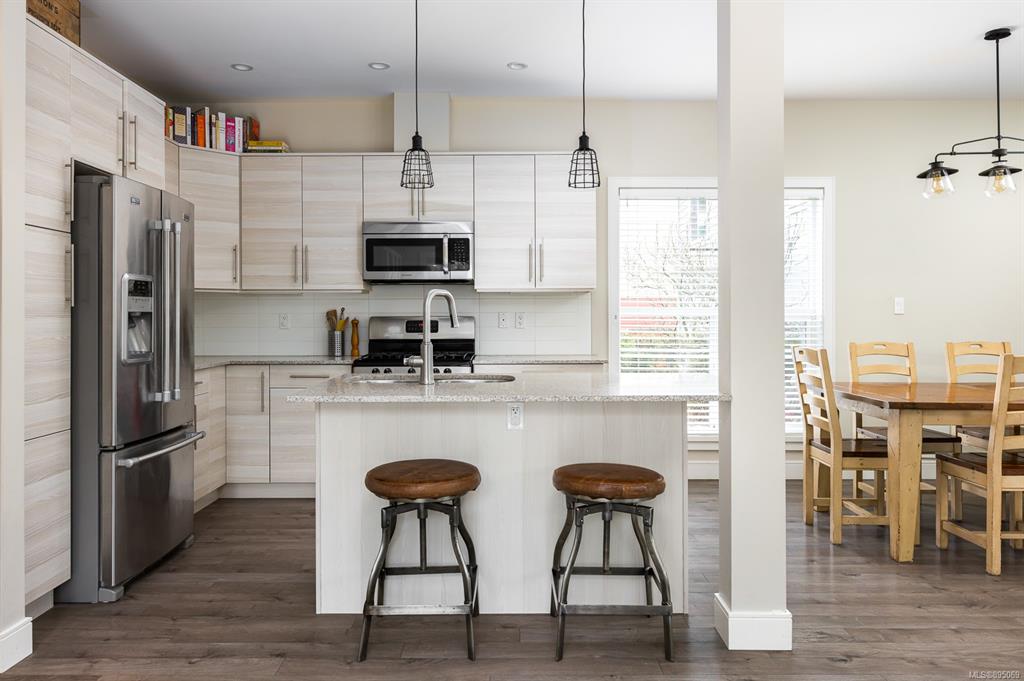
The $800K to $1M range feels competitive in Greater Victoria because it attracts several buyer groups at once. First-time buyers stretching their budget, move-up buyers looking for more space, downsizers wanting comfort, and investors watching long-term value can all end up looking at similar properties. That does not mean every home in this price range receives multiple offers. It means the best homes often attract focused attention quickly, especially when they are well priced, well located, and easy to move into. Why This Price Range Matters In Greater Victoria, the $800K to $1M range can represent very different options depending on the neighbourhood. In some areas, it may mean a larger condo or townhome. In others, it may open the door to an older detached home, a smaller family home, or a property that needs updates. This is why buyers in this price range often feel like they are comparing very different trade-offs. They may be asking: Do we choose location or more space? Do we buy newer and smaller, or older with more potential? Should we stay closer to Victoria, or look further into the Westshore? Is it better to accept renovation work, or pay more for move-in-ready condition? Those questions create competition because many buyers are trying to solve the same affordability problem in different ways. More Inventory Does Not Mean Every Home Is Easy to Buy Greater Victoria has offered buyers more choice recently, but that does not remove competition from every segment. A balanced market can still feel competitive when many buyers focus on the same price band. This is especially true for homes that check the most common boxes. Buyers tend to respond quickly when a home offers a good layout, practical parking, manageable maintenance, strong location, outdoor space, and a price that feels fair compared to recent sales. That type of property is easier to understand. It also feels easier to justify. The Best Homes Still Stand Out Buyers today are more selective, but they are not inactive. When a home feels fairly priced and does not require a long list of compromises, it can still move quickly. In the $800K to $1M range, competition often comes down to quality. A home with good presentation, a functional floor plan, and fewer obvious future costs can stand out against properties that feel dated, awkward, or overpriced. This explains why some listings sit while others receive strong interest right away. The market is not treating every property the same. Detached Homes Create Extra Pressure For many buyers, this price range is where detached home ownership may still feel possible in parts of Greater Victoria. That makes the segment more emotional and more competitive. A buyer may not be comparing one detached home to another. They may be comparing several different lifestyles at once. Common options include: A detached home farther from town A townhome in a more central location A larger condo with lower maintenance An older home with renovation potential A newer home with less outdoor space When detached inventory appears in this price range, buyers often look closely. There may not be many options that fit both their budget and lifestyle goals. Townhomes Can Be Just as Competitive Townhomes in this range often appeal to a wide group of buyers. They can offer more space than a condo, less upkeep than a detached home, and a layout that works for families, downsizers, and professionals. That broad appeal creates demand. A well-located townhome with parking, storage, outdoor space, and reasonable strata fees can attract buyers from several directions. Some may be priced out of detached homes. Others may prefer lower maintenance without giving up too much space. This overlap is one reason the $800K to $1M range can feel tighter than the overall market suggests. Buyers Are Competing on Certainty, Not Just Price In a competitive segment, the highest offer does not always win by price alone. Sellers also look at confidence, timing, conditions, deposit strength, and how clean the offer is. That does not mean buyers should waive important protections without understanding the risk. It means preparation matters. Before writing an offer, buyers should be clear on: Financing comfort Deposit availability Inspection strategy Subject removal timeline Recent comparable sales The property’s likely resale appeal What they are willing to compromise on Strong preparation helps buyers move with confidence instead of reacting under pressure. Sellers Still Need to Be Careful For sellers, the $800K to $1M range can be a strong segment, but success is not automatic. Buyers have more information, more listings to compare, and less patience for ambitious pricing. A seller who assumes competition will solve everything can miss the mark. Presentation, pricing, and condition still matter. The strongest results often come from making the home easy to understand, easy to view, and easy to compare against recent sales. When buyers can quickly see the value, they are more likely to act. The Bottom Line The $800K to $1M range feels competitive because it captures many of the most practical buyer needs in Greater Victoria. It is where lifestyle, affordability, space, and long-term value often meet. For buyers, the key is preparation. For sellers, the key is positioning. In both cases, success comes from understanding the micro-market, not relying on broad headlines. If you are buying or selling in this price range, contact Faber Real Estate Group for advice on pricing, strategy, and how to make confident decisions in the Greater Victoria market. Justine D., 5-Star Review, via Google “Cal and Scott treated us like family. We had only 5 days to find a home and Cal cleared his schedule to make himself available to us. Cal guided us in the purchase of our home, as if we were a member of his family asking for advice. I knew we could trust Cal. His service to us did not stop with the purchase of our home…he helped us find trades people and provided information about rental incomes in the area. We were new to the Island and I honestly felt that Cal adopted us and has made sure we had everything we needed. We did not just gain a realtor, but a friend. If you are looking for a realtor you can TRUST, and will look out for YOUR interests— then Cal and Scott are IT!!! I would recommend them to anyone looking to buy a home on the Island. I should also mention that Cal negotiated an amazing price on the purchase of our home and made sure if something was not right when we took possession that it would be taken care of. Cal and Scott and realtors with integrity and kindness..” Faber Real Estate Group Royal LePage Coast Capital Realty 📞 250-244-3430 📧 [email protected] ℹ️ Scott Faber Personal Real Estate Corporation ℹ️ Cal Faber Personal Real Estate Corporation Vanessa Wood, Zachary Parsons, and Sophie Taylor “Building Lasting Relationships, One Home at a Time.”
Read more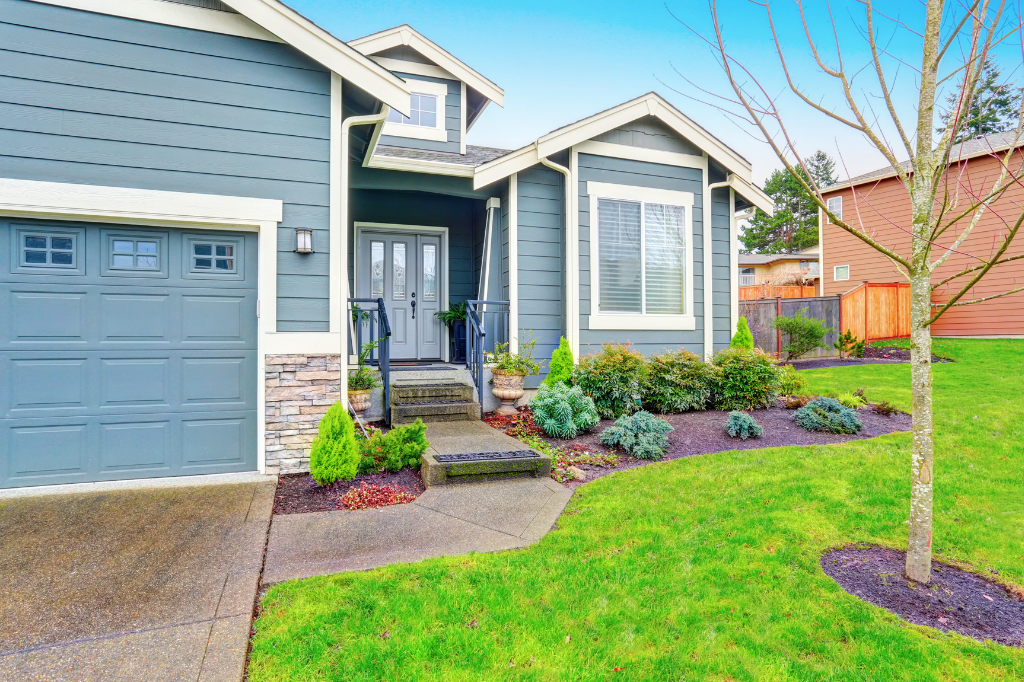
The GST rebate on new homes can make a meaningful difference for eligible first-time buyers, especially when comparing new condos, townhomes, and detached homes in Greater Victoria. The key is not just whether a property qualifies. It is where the rebate has the greatest practical impact on affordability, monthly comfort, and long-term fit. For eligible first-time buyers, the First-Time Home Buyers’ GST/HST Rebate can remove the federal GST on qualifying new homes valued up to $1 million, with a reduced rebate available between $1 million and $1.5 million. The maximum potential federal GST savings is $50,000. Canada’s Bill C-4 received Royal Assent on March 12, 2026, and the CRA notes that qualifying purchase agreements generally need to be entered into with the builder on or after March 20, 2025, and before 2031. Why the Rebate Changes the New Construction Conversation Buying new construction often feels different from buying resale. The price may include GST, the completion timeline may be months away, and buyers need to understand deposits, strata fees, warranty coverage, and what is included in the purchase price. The GST rebate on new homes matters because it can reduce one of the biggest added costs of buying new. For some buyers, that may improve the budget enough to stay in a preferred location. For others, it may help them choose a better floorplan, add parking, or keep more cash available after completion. Still, the rebate should not be the only reason to buy. A lower tax cost helps, but the right property still needs to fit your lifestyle, budget, and resale outlook. Where It Helps Most: New Condos For many first-time buyers in Greater Victoria, new condos may see the clearest benefit from the GST rebate. That is because condos are more likely to fall within the price range where the full rebate can apply. In a market where many buyers are trying to balance affordability with location, the rebate may help make a new condo more competitive against a resale option. New condos may be especially appealing when buyers want: Lower maintenance responsibilities A more walkable location Newer building systems Warranty protection Predictable finishes and modern layouts Access to entry-level ownership without taking on a larger detached home budget The trade-off is space. A condo may offer the strongest tax benefit, but buyers still need to think carefully about storage, parking, strata fees, rental bylaws, pet rules, and long-term livability. Where It Helps Differently: New Townhomes Townhomes often sit in the middle of the conversation. They may offer more space than a condo, but still avoid some of the cost and upkeep of a detached home. This is where the rebate can be useful, but buyers need to watch the price point closely. In some Greater Victoria neighbourhoods, new townhomes may fall under the $1 million mark. In others, they may move into the phase-out range, where the rebate becomes smaller. A new townhome may be a strong fit for buyers who want: More bedrooms or flexible work-from-home space Direct outdoor space A family-friendly layout Less maintenance than a detached home A longer ownership runway For many buyers, this is where the GST rebate can support a better lifestyle choice. The rebate may not always be as clean or complete as it is on a lower-priced condo, but it can still help reduce the gap between “we can afford it” and “this actually works for our next stage of life.” Where It Helps Least: New Detached Homes New detached homes can still benefit from the GST rebate, but this is often where the math becomes more limited. In Greater Victoria, new detached homes are more likely to exceed the $1 million threshold. Once the price moves between $1 million and $1.5 million, the rebate starts to phase out. At $1.5 million and above, the First-Time Home Buyers’ GST/HST Rebate no longer applies. That does not mean new detached homes are the wrong choice. It simply means the rebate may have less influence on the decision. A new detached home may still make sense for buyers who value: More land More privacy Long-term family space Suite potential, where permitted Fewer shared property decisions A longer-term ownership plan The key is to avoid overvaluing the rebate. If the home is already above the strongest rebate range, the decision should lean more on location, carrying costs, future flexibility, and resale strength. A Simple Way to Compare the Three Options The rebate helps most when the home price stays within the strongest eligibility range and the property still meets the buyer’s real needs. In practical terms: New condos may offer the clearest affordability boost. New townhomes may offer the best balance of space and savings. New detached homes may offer the most lifestyle flexibility, but often receive less rebate benefit due to higher pricing. That makes the “best” choice less about property type and more about fit. A condo with the full GST rebate may still be the wrong purchase if it feels too small within two years. A townhome with a partial rebate may be the smarter long-term move if it prevents an early resale. A detached home with little or no rebate may still be the right choice if the buyer has the budget and wants long-term stability. What Buyers Should Confirm Before Relying on the Rebate Before making a decision, buyers should confirm the details carefully with the builder, accountant, mortgage broker, and legal advisor where appropriate. Important questions include: Is GST included in the advertised purchase price? Will the rebate be credited by the builder or claimed after completion? Does the buyer meet the first-time buyer eligibility rules? Is the home intended as a primary residence? Does the agreement date qualify? Is the price within the full rebate, partial rebate, or no rebate range? How does the rebate affect the deposit, mortgage approval, and completion funds? The CRA notes that the rebate can apply in addition to the existing GST/HST new housing rebate where both apply, with the First-Time Home Buyers’ GST/HST Rebate acting as a top-up. The Bigger Picture for Greater Victoria Buyers The GST rebate on new homes can be valuable, but it should support the buying decision, not lead it. For first-time buyers in Greater Victoria, the bigger question is usually this: Does the home still make sense without the rebate? If the answer is yes, the rebate can be a helpful bonus. If the answer is no, the savings may be covering up a poor fit. Buyers still need to think about monthly payments, strata fees, closing costs, commute patterns, lifestyle needs, and how long the home is likely to work for them. The strongest purchase is not always the one with the biggest rebate. It is the one that balances savings, suitability, and long-term confidence. For buyers comparing new condos, townhomes, or detached homes in Greater Victoria, Faber Real Estate Group can help you understand where the GST rebate may help, how each property type compares, and what questions to ask before committing to a new construction purchase. Christina A., 5-Star Review, via Google “We had such a great experience working with Scott Faber during our recent home buying! From the start, Scott made everything super easy and was always there to answer our questions. Scott really listened to what we wanted and helped us find the perfect place. What we appreciated most was how down-to-earth and approachable he was. No matter what came up, Scott was on top of it and kept us in the loop the whole time. We felt like we were in great hands the entire process.” Faber Real Estate Group Royal LePage Coast Capital Realty 📞 250-244-3430 📧 [email protected] ℹ️ Scott Faber Personal Real Estate Corporation ℹ️ Cal Faber Personal Real Estate Corporation Vanessa Wood, Zachary Parsons, and Sophie Taylor “Building Lasting Relationships, One Home at a Time.”
Read more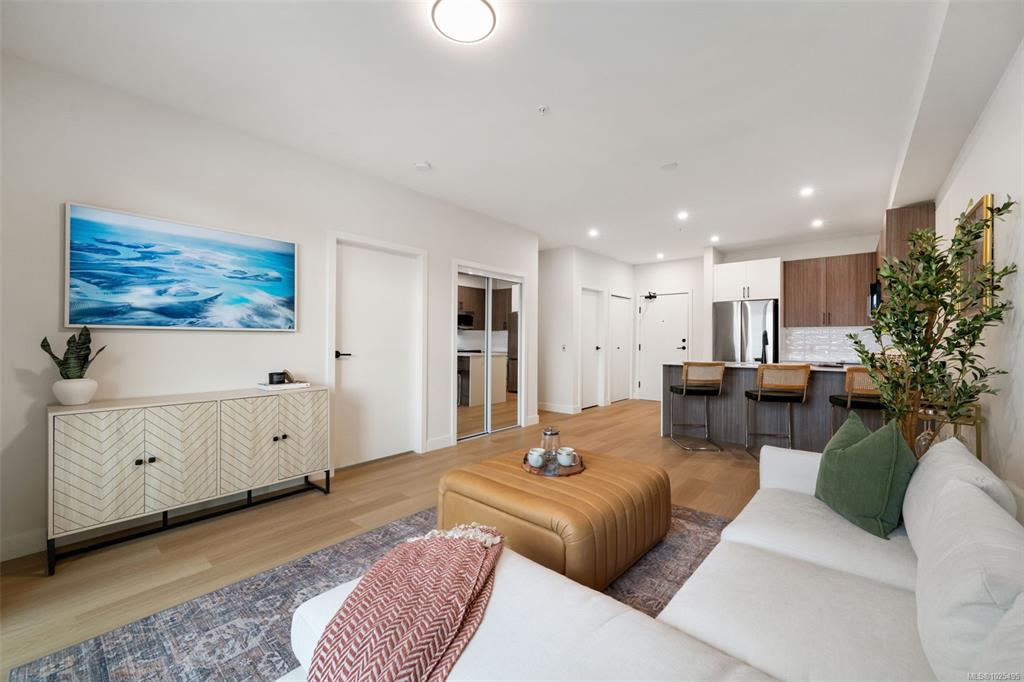
Learning how to make a small home feel more functional can change the way you live in the space. A smaller home does not always need more square footage. Often, it needs better flow, smarter storage, and clearer purpose in each room. This matters whether you are living in the home, preparing to sell, downsizing, or buying a condo, townhome, or compact detached home in Greater Victoria. A small home can feel comfortable, efficient, and calm when every part of it works with intention. Start With How You Actually Live Before buying storage bins or rearranging furniture, look at your daily habits. Ask yourself: Where does clutter usually collect? Which areas feel frustrating? What do you use every day? What furniture gets in the way? Which rooms are trying to do too much? A small home becomes harder to live in when every space has too many jobs. A dining table becomes an office, a storage area, a drop zone, and a place to eat. A bedroom becomes a closet overflow zone. A hallway becomes a holding area. The first step is not adding more. It is deciding what each space needs to do. Create Clear Zones A small home feels more functional when each area has a clear purpose. In an open-concept condo or smaller house, this may mean creating zones instead of relying on walls. For example: A rug can define the living area A small desk can create a work zone A bench and hooks can create an entry area A narrow console can separate dining from living space A shelving unit can divide a room without closing it in Clear zones help the home feel organized. They also make it easier for buyers to understand how the space works if you are preparing to sell. Choose Furniture That Fits the Room Oversized furniture is one of the fastest ways to make a small home feel cramped. A large sectional may be comfortable, but it can overwhelm a smaller living room. A bulky dining set may make everyday movement awkward. A king bed may leave little room for nightstands, storage, or walking space. Better choices often include: Apartment-sized sofas Round dining tables Storage ottomans Beds with drawers Nesting tables Wall-mounted desks Slim-profile chairs Expandable dining tables The goal is not to make the home feel empty. It is to make movement easy. If you have to squeeze around furniture every day, the layout is working against you. Use Vertical Space When floor space is limited, walls become more valuable. Vertical storage can help free up counters, closets, and corners. This is especially useful in condos, townhomes, and older homes with smaller rooms. Consider: Tall bookcases Floating shelves Wall hooks Over-the-door organizers Pegboards in utility areas High kitchen cabinets Closet systems that reach upward The key is balance. Too much wall storage can feel busy. However, thoughtful vertical storage can make a small home feel much more efficient. Improve the Entryway The entryway often sets the tone for the whole home. In a smaller home, even a tiny entrance can become more functional with the right setup. You do not need a large mudroom to create order. A practical entry area may include: Hooks for coats and bags A small bench Shoe storage A tray for keys A basket for everyday items A mirror to reflect light This keeps daily clutter from spreading into the main living space. It also helps the home feel calmer the moment you walk in. Make Storage Easier to Use Storage only works if it is easy to maintain. Deep closets, awkward cupboards, and overfilled drawers can make a home feel less functional even when there is technically enough storage. Focus on making storage simple: Group similar items together Keep daily-use items easy to reach Use clear bins or labels Add drawer dividers Use closet organizers Remove items you no longer need Keep seasonal items out of prime storage areas A smaller home should not require constant rearranging. Good storage should make daily life easier, not more complicated. Let Light Travel Through the Space Light can make a small home feel larger and more comfortable. Heavy window coverings, dark corners, and blocked sightlines can make rooms feel smaller than they are. Brighter spaces tend to feel more open, even when the square footage has not changed. Simple improvements include: Using lighter window coverings Keeping windows clear Adding floor or table lamps Using mirrors strategically Choosing lighter wall colours Avoiding overly bulky furniture near windows This is especially helpful in Greater Victoria, where winter light can be limited. A brighter home often feels more inviting throughout the year. Keep Surfaces Clear In a small home, surfaces matter. Kitchen counters, bathroom vanities, coffee tables, and desks can quickly become visual clutter zones. When every surface is full, the whole home feels tighter. A helpful rule is to keep daily-use items visible and store the rest. For example: Keep only essential appliances on the kitchen counter Use trays to group items Store paperwork in one location Keep bathroom products organized Avoid using dining tables as storage Clear surfaces make a small home feel more peaceful and more functional. Think Carefully About Multi-Use Rooms Small homes often need flexible spaces. A guest room may also work as an office. A den may become a workout space. A dining area may need to support remote work. The mistake is trying to make one room do everything at once. Instead, choose the top two uses and design around them. For example, a guest room and office can work well with: A Murphy bed A daybed A compact desk Closed storage Good lighting Minimal extra furniture When a multi-use room has clear priorities, it becomes useful instead of chaotic. Why Function Matters for Resale Function is not just about comfort. It can also affect how buyers feel during a showing. A smaller home that feels organized, bright, and easy to live in can often compete well against larger homes that feel awkward or cluttered. Buyers notice: Storage Furniture placement Natural light Flow between rooms Closet space Entryway function Kitchen usability Whether each room has a clear purpose When buyers can picture their life in the home, the space feels more valuable. This is why small-home preparation matters before listing. You are not just showing square footage. You are showing how well the home works. The Bottom Line Knowing how to make a small home feel more functional starts with intention. You do not need to fill every corner or add more furniture. In many cases, the best improvements come from simplifying, defining zones, improving storage, and making movement easier. A small home can still feel spacious, practical, and comfortable when each part of the space has a clear role. If you are buying, selling, or preparing a smaller home in Greater Victoria and want advice on how to make the space feel more functional, contact Faber Real Estate Group for local guidance before your next move. Vince R., 5-Star Review, via Google “Cal and Scott made our home selling experience very simple and easy, especially when you consider that we were in a different province and corresponding via our mobile devices. In less than 2 weeks we received and accepted an offer on our Condo. We would like to thank the both of them for listing our property and sharing all their expertise in properly listing our condo.” Faber Real Estate GroupRoyal LePage Coast Capital Realty📞 250-244-3430📧 [email protected]ℹ️ Scott Faber Personal Real Estate Corporationℹ️ Cal Faber Personal Real Estate CorporationVanessa Wood, Zachary Parsons, and Sophie Taylor“Building Lasting Relationships, One Home at a Time.”
Read more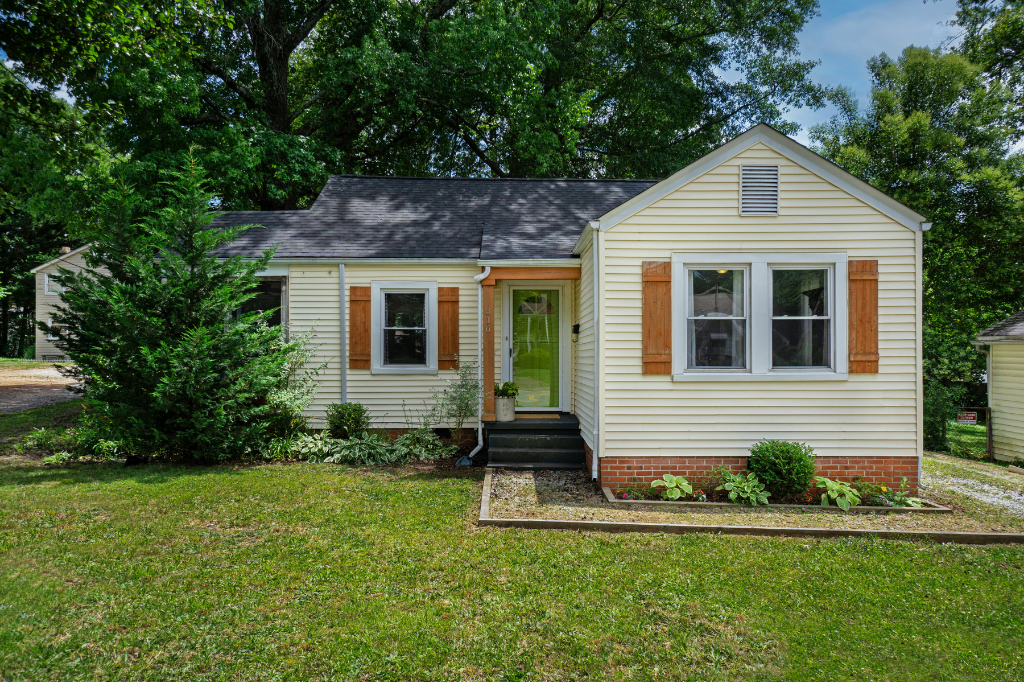
The biggest mistakes first-time buyers make in Victoria usually do not come from one huge decision. They come from several small assumptions that add up. In today’s market, buyers have more room to think than they did in tighter years, but that does not mean mistakes disappear. In March 2026, the Victoria Real Estate Board reported 3,261 active listings, up 7.9 per cent from a year earlier, and noted that current conditions are giving buyers more time for due diligence. That is helpful, but only if buyers use that time well. A lot of first-time buyers assume the hardest part is getting an accepted offer. In reality, many of the biggest mistakes happen before that stage, especially around budgeting, property type, strata review, and understanding the true cost of ownership. Mistake 1: Budgeting Only for the Down Payment This is one of the biggest first-time buyer mistakes in Victoria. Many buyers focus on saving for the down payment but forget about closing costs, adjustments, inspection costs, legal fees, property transfer tax, and moving expenses. In Canada, insured purchases can still start with as little as 5 per cent down, depending on price, but that does not mean the total cash needed is small. CMHC says the minimum down payment is 5 per cent up to $500,000, then 10 per cent on the portion above that, and homes at $1.5 million or more require at least 20 per cent down. In BC, many first-time buyers also misunderstand the Property Transfer Tax exemption. The Province says qualifying first-time buyers may be exempt on the first $500,000 of the purchase price if the fair market value is $835,000 or less, with a partial exemption up to $860,000. The lesson is simple: a purchase budget is not the same as a showing budget. Mistake 2: Shopping by Monthly Payment Alone A lot of buyers begin with, “What can I afford per month?” That is a useful starting point, but it is not enough. In Victoria, ownership costs can vary significantly depending on property type. A condo may have lower purchase price but higher strata fees. A detached home may offer more control but larger maintenance exposure. A townhouse may sit somewhere in between. Buyers who focus only on mortgage payment often miss the full carrying cost picture. The better question is: what is my all-in monthly cost? what level still feels comfortable if rates, insurance, or strata fees change? how much room do I have left after ownership costs? That is where smart first-time buyer planning starts. Mistake 3: Underestimating the Importance of Strata Documents This is a major one in Victoria because condos and townhomes make up such a meaningful part of the entry-level market. Many first-time buyers fall in love with the unit and ignore the corporation behind it. That is risky. Meeting minutes, bylaws, rules, financial statements, depreciation reports, and contingency reserves often reveal things the photos never will. Buyers should be asking: are there upcoming special assessments? are there ongoing building issues? are rentals and pets allowed? are the rules compatible with how I want to live? is the strata proactive or reactive? The wrong strata can turn an affordable purchase into an expensive lesson. Mistake 4: Assuming More Inventory Means Every Buyer Has Huge Leverage Victoria’s current market gives buyers more choice, but that does not mean every property is soft or every seller is desperate. CREA’s Victoria market conditions data for Q1 2026 shows median days on market at 26 for single-family homes, 31 for townhouses, and 30 for condominiums. That means buyers generally have more breathing room than in a frenzy market, but good listings can still attract strong interest. First-time buyers make mistakes when they go too far in either direction: panicking and overpaying because they assume everything will get away from them lowballing every listing because they assume the market is weak across the board A smarter approach is to adjust offer strategy based on the property, the competition, the days on market, and the seller’s position. Mistake 5: Treating the Rescission Period Like a Planning Tool BC’s Home Buyer Rescission Period gives buyers the right to rescind an accepted residential offer within three business days, excluding weekends and holidays. However, BCFSA makes clear that if the buyer rescinds, they must pay a rescission fee of 0.25 per cent of the purchase price to the seller. This is where first-time buyers get confused. The rescission period is not a replacement for preparation. It is a consumer protection tool. Buyers who write offers before understanding financing, reviewing available documents, or speaking with the right professionals are creating stress that often could have been avoided. Mistake 6: Buying for Today Only A first home does not need to be a forever home. However, it should still work for more than six months. Some buyers focus so heavily on “getting in” that they ignore how the property fits their likely next chapter. That can lead to buying a home that becomes too small, too restrictive, too expensive to keep, or too hard to resell. Before buying, first-time buyers should think about: likely time horizon commute and routine storage and parking needs pet or rental restrictions whether the layout will still work in a few years A first purchase should create options, not just solve urgency. Mistake 7: Not Building the Right Team Early This mistake is easy to overlook because it feels less urgent than browsing listings. Still, first-time buyers often wait too long to line up a mortgage broker, real estate lawyer or notary, home inspector, and trusted agent. That delay creates rushed decisions later. A better process is to get the support structure in place before you fall in love with a home. That way, when the right property appears, you can move with confidence instead of scrambling. Mistake 8: Letting Headlines Drive the Entire Decision Buyers often swing between two extremes: “I need to buy now before it gets worse” “I should wait because everything feels uncertain” Neither reaction is a strategy. Victoria’s current market is more balanced than it was in high-pressure periods, but it is not one uniform story. VREB’s March 2026 update showed lower year-over-year sales, higher inventory, and a more measured environment for buyers and sellers. That does not automatically mean “buy now” or “wait.” It means first-time buyers need to make decisions based on their budget, timeline, and property fit, not just emotion. (vreb.org) What First-Time Buyers Should Do Instead The strongest first-time buyers in Victoria usually do five things well: they understand their full budget they compare property types honestly they review strata or property documents carefully they tailor offer strategy to the listing they make decisions based on fit, not panic That does not eliminate uncertainty. It reduces avoidable mistakes. Final Thought The biggest mistakes first-time buyers make in Victoria are usually preventable. They happen when buyers rush the wrong parts, ignore the fine print, or confuse market noise with strategy. If you are planning your first purchase and want grounded advice on budget, property type, and offer strategy, contact Faber Real Estate Group for practical guidance built around the current Victoria market. Wilson, 5-Star Review, via Google “Amazing people there! They will help you through the entire process and will always make you feel like family. For those first time home buyers, don't be intimidated entering the market because they will explain every process and guide you through.” Faber Real Estate Group Royal LePage Coast Capital Realty 📞 250-244-3430 📧[email protected] ℹ️ Scott Faber Personal Real Estate Corporation ℹ️ Cal Faber Personal Real Estate Corporation Vanessa Wood, Zachary Parsons, and Sophie Taylor “Building Lasting Relationships, One Home at a Time.”
Read more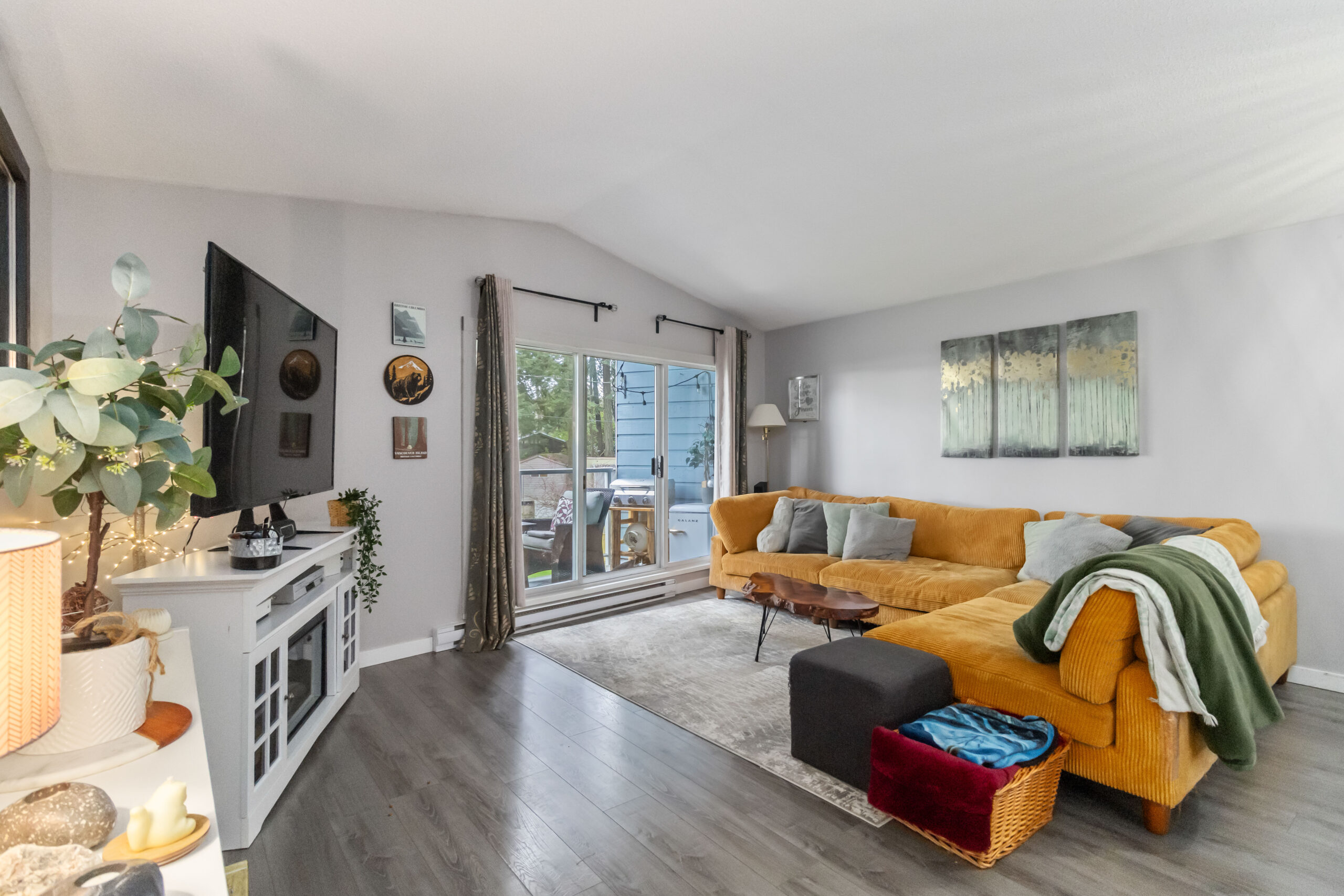
Trying to compete as a buyer without overpaying can feel difficult, especially when a well-presented home attracts fast attention. But in Greater Victoria right now, buyers are not operating in the same kind of extreme panic market seen in past years. The Victoria Real Estate Board reported 579 sales in March 2026 and 3,261 active listings at month end, with active listings up 12.3 per cent from February and 7.9 per cent from March 2025. VREB described current conditions as offering plentiful opportunity for both buyers and sellers, with fewer high-pressure transactions and more time for due diligence. That matters because it gives buyers more room to think, compare, and negotiate. That is the first mindset shift: being competitive does not mean being reckless. In a market with healthier supply and more balanced conditions, the strongest buyers are usually the ones who are prepared, clear, and disciplined. Start by Understanding What “Overpaying” Actually Means A lot of buyers think overpaying means offering above asking price. That is not always true. Sometimes a buyer offers over asking and still makes a sound decision because: the asking price was intentionally low the property is rare for the area recent comparable sales support the number the home solves a long-term need better than alternatives On the other hand, a buyer can also overpay below asking if the property was overpriced to begin with. The real question is not, “Am I over list price?” It is, “Am I paying more than this home is worth to me and more than the market reasonably supports?” Preparation Is What Makes Buyers Competitive The strongest buyers usually win before the offer is written. That means having: mortgage approval in place down payment fully organized deposit funds ready a lawyer or notary identified a clear maximum purchase range a short list of non-negotiables versus preferences This matters because speed without preparation often leads to emotional decisions. Speed with preparation creates confidence. There is also a financing reason to be disciplined. The Bank of Canada held its policy rate at 2.25 per cent on March 18, 2026, maintaining improved borrowing conditions compared with peak-rate periods, but affordability still needs to be tested against your real monthly comfort zone, not just the maximum a lender will approve. Focus on Value, Not Hype In a competitive situation, buyers can get distracted by presentation, staging, or the fear that someone else will grab the home first. A better approach is to evaluate each property through three lenses: 1. Market value What do recent comparable sales suggest? 2. Personal value How well does the home fit your actual lifestyle, location needs, and long-term plans? 3. Risk value What repairs, strata issues, layout compromises, or resale limitations could affect the decision later? A home that scores well in all three categories is usually worth competing for. A home that only wins on emotion is where buyers often drift into overpaying. Strong Offer Structure Beats Blind Aggression Many buyers assume the strongest offer is simply the highest price. In reality, sellers usually look at the full package. A competitive offer can be strengthened by: a clean deposit structure fewer unnecessary complications flexible dates that suit the seller strong financing preparation concise and professional paperwork confidence in decision-making before the offer goes in That means you do not always need to win with price alone. Sometimes the better move is to make your offer easier to accept rather than just more expensive. Do Your Due Diligence Before the Pressure Peaks One of the best ways to avoid overpaying is to do as much homework as possible before offer night. That may include: reviewing comparable sales reading strata documents early, where applicable checking zoning or future land-use factors understanding insurability or financing concerns identifying major maintenance items in advance The buyer who learns these things early is much less likely to make a panic offer later. This is especially important in a market like Greater Victoria today, where buyers have more inventory to choose from. VREB reported 3,261 active listings at the end of March 2026, while the Victoria Core single-family benchmark rose to $1,330,200 from $1,307,400 in February, though it remained 1.1 per cent below March 2025. That points to a market with some spring momentum, but not runaway pricing. The Victoria Core condominium benchmark was $553,800 in March 2026, up from $545,600 in February and down 0.8 per cent year over year. Set a Walk-Away Number Before You Fall in Love This is one of the most important rules. Before you write, decide: your ideal number your competitive number your absolute walk-away number Then stick to it. Why? Because buyers rarely make poor decisions from lack of information alone. They make poor decisions when emotion changes the rules mid-process. A home can be a great fit and still not be worth chasing past your limit. Missing one property is frustrating. Overcommitting to the wrong one can affect your finances and flexibility for years. Look for Opportunity Where Others Are Hesitating The most competitive buyers are not always the ones chasing the most obvious listing. Sometimes the better strategy is to target homes that: have been on the market a bit longer were initially overpriced and may now be more negotiable show less perfectly but have strong fundamentals need cosmetic updates rather than structural work are overshadowed by more polished competing listings This is where value often lives. In a market with stronger inventory and less pressure, patience can be a real advantage. Buyers who look beyond the most emotionally crowded listings often find better negotiating conditions and less pressure to stretch. Do Not Confuse Urgency With Scarcity A listing can feel urgent without actually being scarce. That distinction matters. Scarcity means the property is genuinely rare for the location, price point, or feature set. Urgency often just means the marketing is strong, the home shows well, or the first weekend is busy. Those are not the same thing. VREB’s March 2026 report said the current environment is giving both buyers and sellers time to make decisions and complete due diligence, which is very different from a true panic market. Work With a Strategy, Not Just a Search The buyers who avoid overpaying usually have a plan for how they will compete, not just a list of homes to see. That strategy often includes: identifying target neighbourhoods and backup areas knowing which compromises are acceptable understanding where they can move quickly and where they should slow down recognizing when a listing is priced for attention versus priced for sale being willing to walk away from the wrong fit That is what keeps a buyer both competitive and protected. Final Thoughts To compete as a buyer without overpaying, you need more than enthusiasm. You need preparation, market context, and a clear ceiling before emotions take over. In Greater Victoria’s current market, buyers often have more choice, more time, and more negotiating room than they assume, which means strong decisions come from discipline, not desperation. If you want help building a buying strategy that keeps you competitive without stretching beyond what makes sense, contact Faber Real Estate Group for clear guidance tailored to your goals and price range. Leanne D, 5-Star Review, via Google “I would highly recommend the Faber Group this is the second time we have used them and have been over the top happy with their service. They are an honest group of men who all go above and beyond to make your experience perfect!” Faber Real Estate Group Royal LePage Coast Capital Realty 📞 250-244-3430 📧[email protected] ℹ️ Scott Faber Personal Real Estate Corporation ℹ️ Cal Faber Personal Real Estate Corporation Vanessa Wood, Zachary Parsons, and Sophie Taylor “Building Lasting Relationships, One Home at a Time.”
Read more
A Practical Option in a Competitive Market Condos are becoming a popular choice across Greater Victoria, especially for first-time buyers, downsizers, and investors. With limited land and rising home prices, many buyers are turning to condos as a practical and more affordable way to enter the market. Modern Living and Desirable Locations Newer condo buildings are seeing the strongest demand. Buyers are drawn to modern layouts, energy-efficient features, and convenient amenities. Neighbourhoods such as Downtown Victoria, Vic West, Langford, and Sidney continue to stand out for their walkability and easy access to shops, restaurants, and transit. Understanding Strata Fees Strata fees are an important factor when buying a condo, but buyers are becoming more informed and confident when reviewing them. Many now take time to understand what the fees include, how the building is managed, and whether there is a healthy contingency fund. Well-managed strata buildings continue to attract attention and hold their value over time. A Smart Step Into Homeownership Condos are also appealing to buyers who want to enter the market sooner rather than waiting for a detached home. For some, a condo is a first step into homeownership. For others, it offers a simpler lifestyle with less maintenance. In both cases, condos are proving to be a flexible and smart choice in today’s Greater Victoria real estate market. Gagandeep S., 5-Star Review, via Google “Scott and his team is a highly professional group . Scott is a very friendly person who cares for needs and requirements of his client . He makes sure that the property you are buying is your dream place and where you would like to see yourself staying forever . I'm glad that we found such a great realtor.” Faber Real Estate Group Royal LePage Coast Capital Realty 📞 250-244-3430 📧[email protected] ℹ️ Scott Faber Personal Real Estate Corporation ℹ️ Cal Faber Personal Real Estate Corporation Vanessa Wood & Zachary Parsons “Building Lasting Relationships, One Home at a Time.”
Read more