
Posts Tagged ‘downsizing Victoria BC’
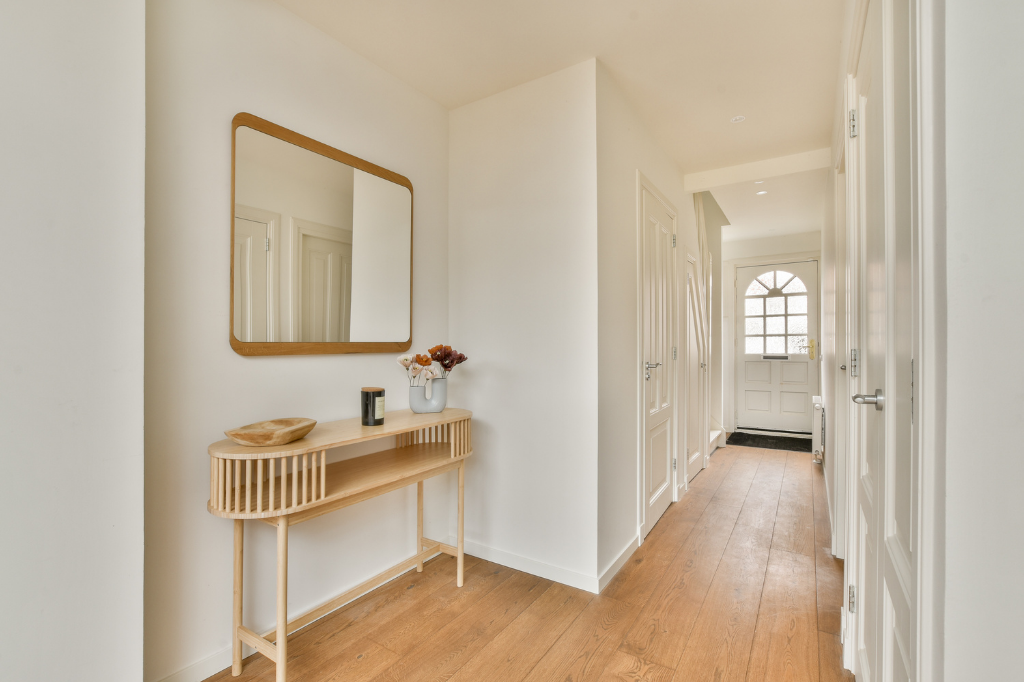
Storage when buying a home is easy to overlook. Buyers often focus on bedrooms, bathrooms, finishes, views, and location first. Those details matter, but storage can shape how well a home works once daily life begins. A home can look beautiful during a showing and still feel frustrating six months later if there is nowhere practical to put coats, bikes, tools, seasonal items, sports gear, cleaning supplies, or family keepsakes. Storage is not just a convenience. It is part of long-term livability. Storage Affects How a Home Feels Day to Day Good storage helps a home feel calm, organized, and easier to live in. Poor storage can make even a larger home feel cluttered. Buyers should think beyond square footage and ask how the space will actually function. Important areas to check include: Entry closet or mudroom space Bedroom closets Pantry storage Linen closets Laundry storage Garage or carport space Crawlspace or attic access Bike storage Outdoor storage Strata storage locker Room for tools, hobbies, or sports equipment A home does not need endless storage. It needs the right storage for how you live. Square Footage Does Not Tell the Full Story Two homes can have the same square footage but feel completely different. One may have smart closets, built-ins, a garage, and a practical laundry area. Another may have larger rooms but very little usable storage. On paper, they look similar. In real life, they function very differently. This is especially important in Greater Victoria, where buyers may compare condos, townhomes, older character homes, and newer detached homes. Each property type handles storage differently. Condo Buyers Should Pay Close Attention For condo buyers, storage can be a major part of the ownership experience. Some condos include a separate storage locker. Others have limited in-suite storage. Some buildings offer bike rooms, kayak storage, workshop areas, or extra rentable lockers. Others do not. Before buying a condo, buyers should confirm: Whether a storage locker is included Whether the locker is assigned, limited common property, or separately titled Whether bike storage is available Whether storage areas are secure Whether there are rules about what can be stored Whether extra lockers can be rented or purchased Whether parking stalls include any additional storage options These details matter because storage in a condo building is not always flexible after purchase. Storage Matters More for Downsizers Downsizers often focus on reducing space, but storage can make or break the transition. Moving from a detached home to a condo or townhome may mean losing a garage, basement, shed, crawlspace, or spare room. Even when the new home feels large enough, the storage difference can be significant. This does not mean downsizing is a bad move. It means buyers should plan carefully. The best downsizing properties often offer a balance between simpler living and enough storage to keep important belongings accessible. Families Need Flexible Storage For families, storage needs change over time. Young children may need space for strollers, toys, bikes, sports equipment, and seasonal clothing. Teenagers may need gear for school, hobbies, and activities. Parents may need room for tools, holiday items, extra food storage, or outdoor equipment. A home that works today should also work through the next stage of life. When viewing family homes, buyers should ask: Where will everyday items go? Is there space near the entry for shoes, coats, and bags? Can seasonal items be stored easily? Is the garage functional or already full? Is there room for bikes, tools, and outdoor gear? Will this storage still work in three to five years? A layout that supports real life often has more value than one that only looks good online. Lack of Storage Can Affect Resale Storage can also influence future resale. Buyers notice when a home feels functional. They also notice when every closet is full, the garage is overloaded, or there is no obvious place for practical items. A lack of storage may not stop every buyer, but it can create hesitation. It may make the home feel smaller, less practical, or harder to grow into. Strong storage can support resale because it helps the home feel easier to live in. Storage Should Be Compared With Your Lifestyle The right amount of storage depends on the buyer. A minimalist condo buyer may need very little. A family with bikes, skis, tools, and camping gear may need much more. A downsizer may need fewer rooms but better storage design. Before buying, it helps to make a simple list of what needs to be stored: Daily items Seasonal items Sports and recreation gear Tools and maintenance supplies Holiday decorations Sentimental items Kids’ items Work-from-home supplies Outdoor furniture or gardening equipment Then compare that list to the home. This makes the decision more practical and less emotional. The Bottom Line for Buyers Storage should be part of your buying decision because it affects how a home functions long after the excitement of the purchase fades. Good storage supports comfort, organization, flexibility, and long-term livability. When comparing homes in Greater Victoria, do not only ask whether the home has enough bedrooms or the right finishes. Ask whether it has enough practical space for real life. A home that stores your life well often feels better to live in, easier to maintain, and more comfortable over time. For advice on buying a home in Greater Victoria and evaluating long-term livability, contact Faber Real Estate Group for clear, local guidance before making your next move. Tyler F., 5-Star Review, via Google “I have worked with Scott a few times now, always great communication, respectful and punctual. Look forward to working with him in the future” Faber Real Estate Group Royal LePage Coast Capital Realty 📞 250-244-3430 📧 [email protected] ℹ️ Scott Faber Personal Real Estate Corporation ℹ️ Cal Faber Personal Real Estate Corporation Vanessa Wood, Zachary Parsons, and Sophie Taylor “Building Lasting Relationships, One Home at a Time.”
Read more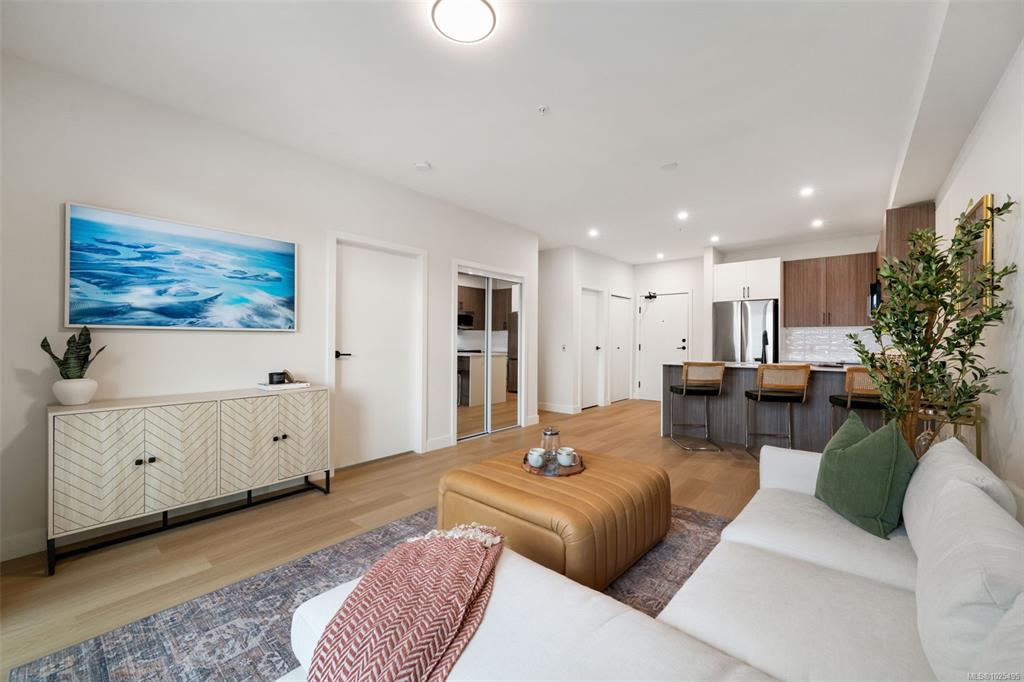
Learning how to make a small home feel more functional can change the way you live in the space. A smaller home does not always need more square footage. Often, it needs better flow, smarter storage, and clearer purpose in each room. This matters whether you are living in the home, preparing to sell, downsizing, or buying a condo, townhome, or compact detached home in Greater Victoria. A small home can feel comfortable, efficient, and calm when every part of it works with intention. Start With How You Actually Live Before buying storage bins or rearranging furniture, look at your daily habits. Ask yourself: Where does clutter usually collect? Which areas feel frustrating? What do you use every day? What furniture gets in the way? Which rooms are trying to do too much? A small home becomes harder to live in when every space has too many jobs. A dining table becomes an office, a storage area, a drop zone, and a place to eat. A bedroom becomes a closet overflow zone. A hallway becomes a holding area. The first step is not adding more. It is deciding what each space needs to do. Create Clear Zones A small home feels more functional when each area has a clear purpose. In an open-concept condo or smaller house, this may mean creating zones instead of relying on walls. For example: A rug can define the living area A small desk can create a work zone A bench and hooks can create an entry area A narrow console can separate dining from living space A shelving unit can divide a room without closing it in Clear zones help the home feel organized. They also make it easier for buyers to understand how the space works if you are preparing to sell. Choose Furniture That Fits the Room Oversized furniture is one of the fastest ways to make a small home feel cramped. A large sectional may be comfortable, but it can overwhelm a smaller living room. A bulky dining set may make everyday movement awkward. A king bed may leave little room for nightstands, storage, or walking space. Better choices often include: Apartment-sized sofas Round dining tables Storage ottomans Beds with drawers Nesting tables Wall-mounted desks Slim-profile chairs Expandable dining tables The goal is not to make the home feel empty. It is to make movement easy. If you have to squeeze around furniture every day, the layout is working against you. Use Vertical Space When floor space is limited, walls become more valuable. Vertical storage can help free up counters, closets, and corners. This is especially useful in condos, townhomes, and older homes with smaller rooms. Consider: Tall bookcases Floating shelves Wall hooks Over-the-door organizers Pegboards in utility areas High kitchen cabinets Closet systems that reach upward The key is balance. Too much wall storage can feel busy. However, thoughtful vertical storage can make a small home feel much more efficient. Improve the Entryway The entryway often sets the tone for the whole home. In a smaller home, even a tiny entrance can become more functional with the right setup. You do not need a large mudroom to create order. A practical entry area may include: Hooks for coats and bags A small bench Shoe storage A tray for keys A basket for everyday items A mirror to reflect light This keeps daily clutter from spreading into the main living space. It also helps the home feel calmer the moment you walk in. Make Storage Easier to Use Storage only works if it is easy to maintain. Deep closets, awkward cupboards, and overfilled drawers can make a home feel less functional even when there is technically enough storage. Focus on making storage simple: Group similar items together Keep daily-use items easy to reach Use clear bins or labels Add drawer dividers Use closet organizers Remove items you no longer need Keep seasonal items out of prime storage areas A smaller home should not require constant rearranging. Good storage should make daily life easier, not more complicated. Let Light Travel Through the Space Light can make a small home feel larger and more comfortable. Heavy window coverings, dark corners, and blocked sightlines can make rooms feel smaller than they are. Brighter spaces tend to feel more open, even when the square footage has not changed. Simple improvements include: Using lighter window coverings Keeping windows clear Adding floor or table lamps Using mirrors strategically Choosing lighter wall colours Avoiding overly bulky furniture near windows This is especially helpful in Greater Victoria, where winter light can be limited. A brighter home often feels more inviting throughout the year. Keep Surfaces Clear In a small home, surfaces matter. Kitchen counters, bathroom vanities, coffee tables, and desks can quickly become visual clutter zones. When every surface is full, the whole home feels tighter. A helpful rule is to keep daily-use items visible and store the rest. For example: Keep only essential appliances on the kitchen counter Use trays to group items Store paperwork in one location Keep bathroom products organized Avoid using dining tables as storage Clear surfaces make a small home feel more peaceful and more functional. Think Carefully About Multi-Use Rooms Small homes often need flexible spaces. A guest room may also work as an office. A den may become a workout space. A dining area may need to support remote work. The mistake is trying to make one room do everything at once. Instead, choose the top two uses and design around them. For example, a guest room and office can work well with: A Murphy bed A daybed A compact desk Closed storage Good lighting Minimal extra furniture When a multi-use room has clear priorities, it becomes useful instead of chaotic. Why Function Matters for Resale Function is not just about comfort. It can also affect how buyers feel during a showing. A smaller home that feels organized, bright, and easy to live in can often compete well against larger homes that feel awkward or cluttered. Buyers notice: Storage Furniture placement Natural light Flow between rooms Closet space Entryway function Kitchen usability Whether each room has a clear purpose When buyers can picture their life in the home, the space feels more valuable. This is why small-home preparation matters before listing. You are not just showing square footage. You are showing how well the home works. The Bottom Line Knowing how to make a small home feel more functional starts with intention. You do not need to fill every corner or add more furniture. In many cases, the best improvements come from simplifying, defining zones, improving storage, and making movement easier. A small home can still feel spacious, practical, and comfortable when each part of the space has a clear role. If you are buying, selling, or preparing a smaller home in Greater Victoria and want advice on how to make the space feel more functional, contact Faber Real Estate Group for local guidance before your next move. Vince R., 5-Star Review, via Google “Cal and Scott made our home selling experience very simple and easy, especially when you consider that we were in a different province and corresponding via our mobile devices. In less than 2 weeks we received and accepted an offer on our Condo. We would like to thank the both of them for listing our property and sharing all their expertise in properly listing our condo.” Faber Real Estate GroupRoyal LePage Coast Capital Realty📞 250-244-3430📧 [email protected]ℹ️ Scott Faber Personal Real Estate Corporationℹ️ Cal Faber Personal Real Estate CorporationVanessa Wood, Zachary Parsons, and Sophie Taylor“Building Lasting Relationships, One Home at a Time.”
Read more
When people compare Sidney vs Oak Bay for downsizers, price is usually the first thing they look at. However, price is only part of the decision. The bigger question is how each community supports the next stage of daily life. For many downsizers, the goal is not simply to buy a smaller home. It is to reduce maintenance, simplify routines, stay connected, and choose a neighbourhood that feels comfortable long-term. Sidney and Oak Bay can both work well, but they offer very different versions of that lifestyle. Sidney Offers a Slower, More Practical Pace Sidney often appeals to downsizers who want convenience, ocean access, and a quieter pace without feeling isolated. The town centre is compact, walkable, and easy to understand. Groceries, cafés, pharmacies, restaurants, medical offices, the waterfront, and local shops are often close together. That can make day-to-day living feel simple. For downsizers, this matters because the right location can reduce dependence on driving and make errands easier. Sidney may appeal to buyers who want: A more relaxed small-town feel Walkable access to shops and services A strong waterfront lifestyle Easier day-to-day routines Condos, townhomes, and lower-maintenance options Proximity to the airport and BC Ferries A quieter setting outside Victoria’s core For many people, Sidney feels manageable. That can be a major advantage when the purpose of downsizing is to simplify life. Oak Bay Offers Character, Prestige, and Established Neighbourhoods Oak Bay often appeals to downsizers who want charm, mature streets, strong neighbourhood identity, and close proximity to Victoria. The area has a very different feel from Sidney. It is known for established homes, tree-lined streets, coastal pockets, village centres, golf, beaches, schools, and long-standing neighbourhood character. For downsizers coming from larger detached homes, Oak Bay can feel familiar. It often offers continuity rather than a major lifestyle shift. Oak Bay may appeal to buyers who want: Classic neighbourhood character A prestigious Greater Victoria address Mature landscaping and established streets Proximity to downtown Victoria Walkable village areas Oceanfront and near-ocean locations A strong sense of community history However, Oak Bay may not always reduce maintenance as much as some downsizers expect. Many homes are older, lots can require upkeep, and strata-style options may be more limited depending on the buyer’s needs. Housing Options Feel Different One of the biggest differences between Sidney and Oak Bay is housing style. Sidney often provides more obvious downsizing options. Buyers may find condos, townhomes, patio-style homes, and smaller properties that suit a lower-maintenance lifestyle. Oak Bay has more character homes, larger lots, and established properties. While there are condos and townhomes in some areas, many buyers are drawn to Oak Bay because of its traditional housing stock. That creates a key question for downsizers: Do you want a smaller version of a familiar lifestyle, or a more noticeable shift into easier living? Sidney may make the transition into lower maintenance feel more direct. Oak Bay may offer more emotional familiarity, but sometimes with more upkeep. Walkability Depends on the Exact Location Both Sidney and Oak Bay can be walkable, but the experience is different. In Sidney, walkability is often centred around Beacon Avenue, the waterfront, grocery stores, cafés, and everyday services. The town layout can feel practical and compact. In Oak Bay, walkability often depends on proximity to areas like Oak Bay Village, Estevan Village, or nearby coastal routes. It can be beautiful and enjoyable, but the convenience may vary more from street to street. For downsizers, walkability should be tested in real life. Consider: Can you walk to groceries? Can you walk to a pharmacy? Is the route flat and comfortable? Are sidewalks consistent? Would you still enjoy the walk in winter? How far are medical services? Can you manage daily errands without always using a car? A neighbourhood may look walkable on a map, but feel different in daily use. Sidney Can Feel Easier for Travel and Access Sidney has a practical advantage for buyers who travel often or want easy access off Vancouver Island. Its proximity to Victoria International Airport and BC Ferries can be a major benefit. For downsizers with family on the mainland, frequent travel plans, or seasonal getaways, that convenience may matter more than expected. Oak Bay, by contrast, offers closer access to downtown Victoria, cultural amenities, hospitals, restaurants, and the broader urban core. So the question becomes: Do you want easier access to travel routes, or closer access to Victoria’s central amenities? There is no universal answer. The right choice depends on how you actually spend your time. Maintenance Expectations Can Be Very Different Downsizing is often about reducing responsibility. This is where Sidney and Oak Bay can feel quite different. In Sidney, many downsizers are drawn to strata properties, newer buildings, smaller lots, and lock-and-leave options. These can reduce yard work and exterior maintenance. In Oak Bay, some buyers still choose detached homes because they love the neighbourhood character. However, older homes may require more attention, including roofs, drainage, windows, heating systems, landscaping, and ongoing repairs. That does not make Oak Bay a poor downsizing choice. It simply means buyers should be honest about what they want to maintain. A beautiful character home can still feel like work. Community Feel Matters Sidney and Oak Bay both offer strong community appeal, but the feeling is different. Sidney often feels like a self-contained seaside town. It can suit buyers who want a slower pace, familiar routines, and a more compact lifestyle. Oak Bay feels more like an established residential community connected to the broader Victoria area. It can suit buyers who want charm, history, and proximity to the city while still living in a quieter neighbourhood. For downsizers, the emotional side matters. You are not just choosing a property. You are choosing the rhythm of your days. Which Is Better for Downsizers? Sidney may be the better fit if you want: Lower-maintenance housing options A walkable town centre Easy access to the airport and ferries A quieter seaside lifestyle Simpler daily routines A practical move into condo or townhome living Oak Bay may be the better fit if you want: Established neighbourhood character Proximity to downtown Victoria Mature streets and classic homes Prestige and long-term community identity Village-style living within the city area A familiar residential feel The best choice depends less on which area is “better” and more on which area supports the life you want next. Final Thoughts Sidney vs Oak Bay for downsizers is not just a price comparison. It is a lifestyle comparison. Sidney often offers simplicity, convenience, and an easier move into lower-maintenance living. Oak Bay offers character, history, prestige, and proximity to Victoria’s core. Both can be excellent choices, but they serve different priorities. Before deciding, downsizers should think carefully about maintenance, walkability, transportation, housing type, healthcare access, community feel, and how they want daily life to look five or ten years from now. If you are comparing Sidney vs Oak Bay for downsizing in Greater Victoria, contact Faber Real Estate Group for local guidance on neighbourhood fit, housing options, and timing your next move with confidence. David M., 5-Star Review, via Google “Scott was a fantastic realtor—hardworking, knowledgeable, and truly dedicated to his clients. His expertise and great connections made the entire process smooth and stress-free. He went above and beyond to ensure everything was taken care of, and I couldn’t be happier with the results. I highly recommend Scott to anyone looking for a realtor.” Faber Real Estate GroupRoyal LePage Coast Capital Realty📞 250-244-3430📧 [email protected]ℹ️ Scott Faber Personal Real Estate Corporationℹ️ Cal Faber Personal Real Estate CorporationVanessa Wood, Zachary Parsons, and Sophie Taylor “Building Lasting Relationships, One Home at a Time.”
Read more
Outdoor space in Greater Victoria homes carries real value because it affects how people live, not just how a property looks. In a region where mild weather, gardens, ocean air, trails, and neighbourhood walkability are part of daily life, a usable outdoor area can make a home feel larger, calmer, and more complete. For buyers, outdoor space is often more than a bonus. It can become the place where kids play, pets roam, friends gather, vegetables grow, and quiet mornings begin. For sellers, that means outdoor areas should not be treated as an afterthought. Outdoor Space Extends the Home One reason outdoor space matters so much is simple: it adds usable living area. A patio, deck, balcony, garden, or fenced yard can make a home feel larger without changing the square footage. This is especially important in Greater Victoria, where many buyers compare smaller homes, townhomes, and condos against higher price points. A well-designed outdoor area can offer: A second dining space A quiet reading area A place for pets Room for children to play Garden space Entertaining space A stronger connection to nature Even a smaller patio can add value if it feels private, sunny, and functional. Greater Victoria Buyers Care About Lifestyle Buyers in Greater Victoria often choose the area for lifestyle as much as location. They may be drawn to the climate, parks, beaches, trails, gardens, and slower pace compared with larger urban centres. Because of that, outdoor space often supports the reason they want to live here in the first place. A buyer may not just see a backyard. They may imagine summer dinners, morning coffee, raised garden beds, family time, or a quiet place to unwind after work. That emotional connection can make a property more memorable. Privacy Matters More Than Size Outdoor space does not need to be large to be valuable. In many cases, privacy matters more than size. A small, well-screened patio can feel more appealing than a larger yard that feels exposed. Mature hedges, fencing, trees, thoughtful landscaping, and good orientation can all make an outdoor area feel more comfortable. Buyers often respond well to outdoor spaces that feel: Private Easy to maintain Sunny or well-positioned Quiet Safe for pets or children Connected to the main living area A usable space usually beats a large space that feels awkward or neglected. Outdoor Space Helps Different Buyer Groups Outdoor space appeals to buyers for different reasons. For families, a fenced yard can be a major priority. Parents often want space for children, pets, play equipment, gardening, or family gatherings. For downsizers, a smaller patio or garden can offer the enjoyment of outdoor living without the burden of maintaining a large property. For condo buyers, a balcony or ground-level patio can make a unit feel less confined, especially if it has light, privacy, and room for seating. For investors, outdoor space may help a rental stand out, particularly when tenants value fresh air, pets, and flexible living areas. The value depends on the buyer, but the appeal is broad. Low-Maintenance Outdoor Space Is Often More Attractive Not every buyer wants a large yard. In fact, some buyers see a high-maintenance property as a burden. This is especially true for busy professionals, retirees, and downsizers. They may want outdoor space, but they do not necessarily want constant upkeep. That is why simple, practical outdoor design can be so effective. Features that often appeal include: Easy-care landscaping Defined patio areas Durable decking Raised garden beds Irrigation Storage for tools or bikes Clean fencing Clear pathways Native or drought-tolerant plants The best outdoor spaces feel enjoyable, not overwhelming. Orientation and Light Can Change Everything In Greater Victoria, light and exposure can make a major difference. A south-facing patio, sunny garden, or bright balcony can carry strong appeal. Buyers often notice how natural light moves through both the home and the outdoor space. However, full sun is not always the only advantage. Some buyers may prefer partial shade, especially for outdoor dining or gardening comfort. What matters most is whether the space feels usable throughout the year. Sellers should help buyers understand: Where the sun lands during the day Which areas are best for seating How the garden changes seasonally Whether the space works for entertaining, pets, or quiet use Small details can help buyers picture themselves living there. Outdoor Space Can Support Resale Value Outdoor space in Greater Victoria homes can also support long-term resale appeal. A home with a functional yard, private patio, usable balcony, or garden area may attract a wider range of future buyers. This can matter when it is time to sell. That does not mean every outdoor upgrade creates equal return. A highly personal design may not appeal to everyone. However, clean, flexible, and well-maintained outdoor areas usually help a property show better. Good resale-friendly improvements may include: Improving privacy Cleaning up overgrown landscaping Creating a defined seating area Repairing decks or railings Adding simple lighting Improving drainage Making the yard safer and easier to use The goal is not to overbuild. The goal is to make the space feel easy to enjoy. Sellers Should Stage Outdoor Areas Too Many sellers focus on the inside of the home and forget the exterior. That can be a missed opportunity. Outdoor areas should be prepared with the same care as kitchens, living rooms, and entryways. Before listing, sellers should consider: Power washing patios and walkways Cleaning outdoor furniture Trimming hedges and shrubs Removing clutter Refreshing planters Mowing and edging lawns Repairing loose boards or railings Adding simple seating where appropriate Buyers should not have to work hard to understand how the space can be used. Final Thoughts Outdoor space in Greater Victoria homes carries value because it supports the way people want to live here. It offers more than extra room. It creates privacy, flexibility, comfort, and connection to the natural setting that makes this region so appealing. For buyers, the key is to look beyond size and consider usability, privacy, light, upkeep, and long-term fit. For sellers, the opportunity is to make outdoor space feel intentional, cared for, and easy to imagine using. If you are buying or selling a home in Greater Victoria and want advice on how outdoor space affects value, contact Faber Real Estate Group for local guidance. Annie R., 5-Star Review, via Google “Vanessa Wood is the best realtor I've ever worked with. We had an excellent accepted offer within 11 days of listing! Vanessa is a great communicator and salesperson, organized and very hard working. She's also warm and was incredibly helpful as I was selling the house in Victoria while living on the Sunshine Coast. She and the Faber Group team went the extra mile on more than one occasion! I highly recommend Vanessa and her team.” Faber Real Estate GroupRoyal LePage Coast Capital Realty📞 250-244-3430📧 [email protected]ℹ️ Scott Faber Personal Real Estate Corporationℹ️ Cal Faber Personal Real Estate CorporationVanessa Wood, Zachary Parsons, and Sophie Taylor “Building Lasting Relationships, One Home at a Time.”
Read more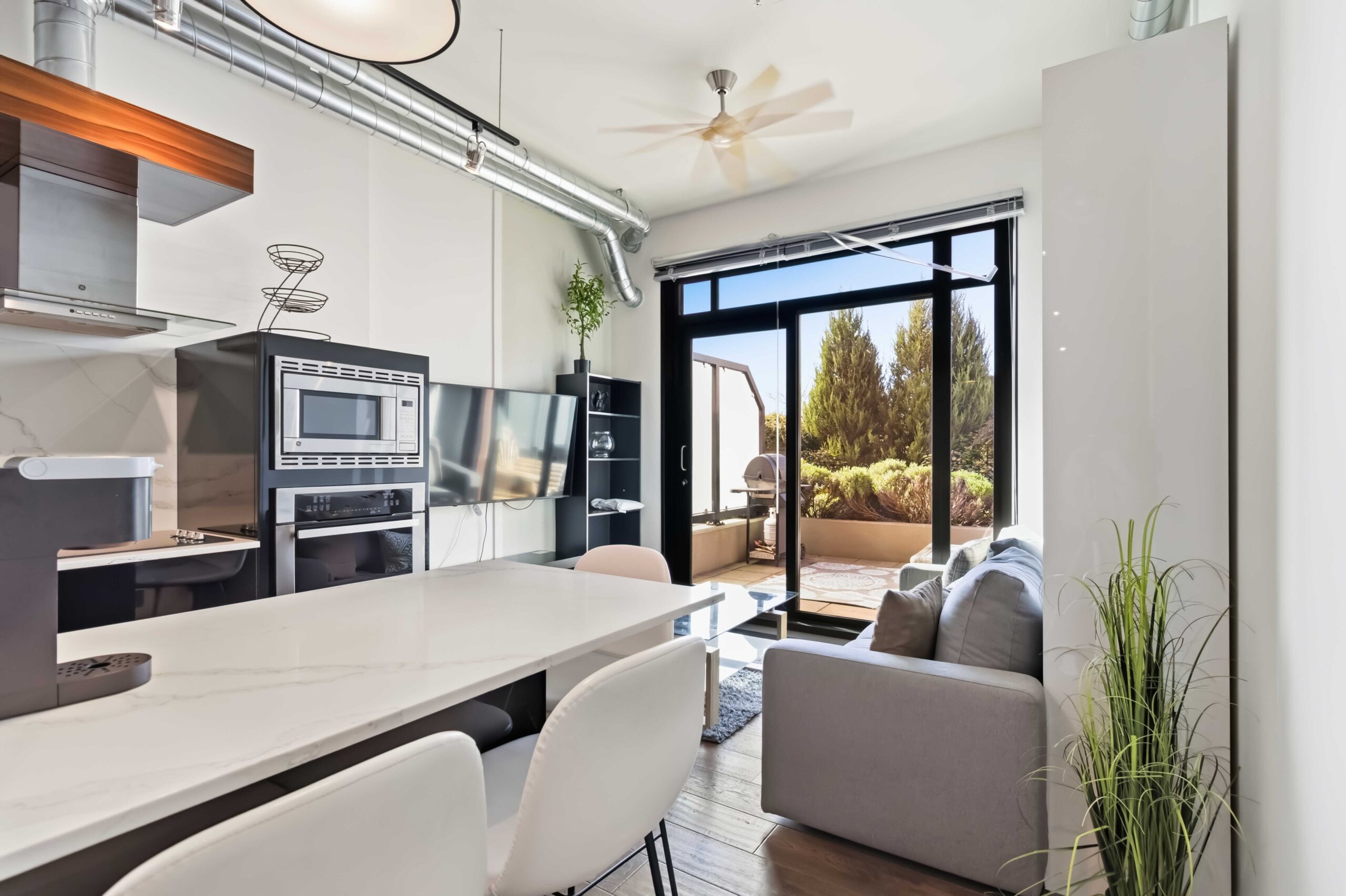
Downsizing in Victoria is rarely just about moving into a smaller home. For most homeowners, it is a bigger life transition that includes timing, finances, lifestyle changes, and a lot of emotion. That is why downsizing in Victoria works best when it is planned strategically, not rushed at the last minute. In Greater Victoria, this conversation matters for a growing share of homeowners. The region has an older population profile, and that makes downsizing a practical next step for many households who want less maintenance, more flexibility, and a home that fits the next season of life more comfortably. Why downsizing feels bigger than people expect On paper, downsizing can sound simple. Sell the current home, buy something smaller, and move on. In real life, it often includes questions like: Should we sell first or buy first? Are we moving to a condo, townhome, or smaller detached home? What happens to all the things we have collected over the years? How much equity will we actually free up? Will the new home make life easier, or just different? That is why downsizing decisions are rarely only financial. They are practical and emotional at the same time. Start with the reason behind the move Before looking at listings, get clear on why you want to downsize now. For some homeowners, the reason is maintenance. A large yard, stairs, or ongoing repairs no longer feel worth it. For others, it is financial clarity, a desire to travel more, or a plan to simplify daily life. Your reason matters because it shapes the type of home you should buy next. For example: If you want less work, a well-run strata may make sense. If you want privacy and flexibility, a smaller detached home may still be the better fit. If you want walkability, your location may matter more than square footage. If you want to unlock equity, budget and monthly costs need closer attention than style. A smart downsizing plan starts with the lifestyle goal, not just the floor plan. Understand what you are giving up and what you are gaining A lot of people focus only on what they are losing when they downsize. Less space. Less storage. Less yard. Fewer rooms. That is only half the story. Strategic downsizing can also mean: less cleaning and upkeep lower utility and maintenance costs fewer physical demands more lock-and-leave freedom a better location for the way you live now more accessible day-to-day living The move feels much more positive when you measure what improves, not just what shrinks. Know your numbers before you make decisions This is where strategy matters most. Before you commit to a move, understand: what your current home could realistically sell for what type of property fits your next stage what your total closing and moving costs will be whether monthly strata fees change the equation how much equity you want to keep available after the move In Victoria, affordability pressure remains high, even when market conditions become more balanced. That means downsizers still need clear, realistic numbers rather than broad assumptions. More inventory may create more choice, but it does not remove the need for disciplined planning. Decide whether to sell first or buy first This is one of the biggest choices in the downsizing process. Selling first may make more sense if: you want certainty on budget you do not want to carry two homes you are comfortable with temporary housing if needed you want less financial pressure while shopping Buying first may make more sense if: you need a very specific type of home you have enough flexibility to manage overlap you want to avoid feeling rushed after selling you have financing options that support the transition There is no one-size-fits-all answer. The right order depends on your finances, your flexibility, and how quickly suitable replacement properties come up in your preferred areas. Choose the next home based on future fit A common downsizing mistake is choosing a smaller version of the current home instead of choosing a home that better fits the next chapter. That means asking better questions: Will this home still work in five to ten years? How many stairs are involved? Is the layout comfortable for everyday living? How close are groceries, health care, and daily errands? If it is a strata, how healthy is the building and council? Does the home support convenience, not just appearance? The best downsizing move is not always the prettiest one. It is the one that feels easier to live in. Give yourself more time than you think you need Downsizing almost always takes longer than homeowners expect. That is not because the real estate side must move slowly. It is because sorting possessions, making decisions, and adjusting emotionally takes time. Build room for: decluttering donations and disposal conversations with family repair decisions before listing viewing homes without pressure legal and financial planning move logistics The people who feel most in control during a downsizing move are usually the ones who started earlier than they thought necessary. Be realistic about what to keep One of the hardest parts of downsizing is not selling the home. It is deciding what comes with you. A strategic way to handle that is to sort items into four groups: essential for the next home meaningful and worth keeping useful but replaceable ready to donate, gift, or discard This helps turn an emotional process into a practical one. It also makes home preparation easier. A decluttered home usually shows better, feels larger, and creates a smoother move later. Pay attention to strata and monthly lifestyle costs For many downsizers in Victoria, the next move involves a condo or townhome. That can be a smart shift, but it changes the cost structure. Instead of just looking at purchase price, review: strata fees insurance differences parking and storage special assessment risk pet rules rental restrictions if flexibility matters depreciation reports and meeting minutes A lower-maintenance home is only truly lower stress if the building itself is well managed. Think of downsizing as a transition plan, not a transaction This is where many moves either feel smooth or feel chaotic. A good downsizing plan coordinates: sale timing purchase timing financial planning move support decluttering timeline possession dates backup plans if one side moves faster than the other When these pieces are handled separately, the move feels heavy. When they are built into one clear plan, the process feels much more manageable. A simple strategic downsizing framework Step 1: Define the goal Know why you are moving and what you want life to feel like afterward. Step 2: Review the financial picture Understand sale value, purchase range, carrying costs, and net proceeds. Step 3: Choose the next-home criteria Focus on lifestyle fit, location, layout, and long-term ease. Step 4: Prepare the current home early Declutter, simplify, and decide what improvements are actually worth doing. Step 5: Build the timing plan Map out sell-first versus buy-first, possession dates, and fallback options. Step 6: Move with margin Give yourself enough time so decisions stay thoughtful, not reactive. Final thoughts Downsizing in Victoria should not feel like a forced step backward. Done well, it is a strategic move toward a home that fits your life better, lowers your stress, and gives you more control over what comes next. If you are thinking about downsizing and want a plan built around timing, lifestyle, and the realities of the Victoria market, contact Faber Real Estate Group for clear advice on your next move. Laura T., 5-Star Review, via Google “Scott has been a pleasure. He is informative, kind, friendly and he has been there to answer all my questions, even when I had to bother him on the weekend. If you're looking for a Realtor, I would highly recommend Scott. He's the best out there!” Faber Real Estate Group Royal LePage Coast Capital Realty 📞 250-244-3430 📧[email protected] ℹ️ Scott Faber Personal Real Estate Corporation ℹ️ Cal Faber Personal Real Estate Corporation Vanessa Wood, Zachary Parsons, and Sophie Taylor “Building Lasting Relationships, One Home at a Time.”
Read more
Downsizing in Greater Victoria is often sold as a simple idea: sell the bigger home, buy something smaller, and enjoy less maintenance. In reality, downsizing in Greater Victoria is usually less about square footage and more about timing, emotions, and decision-making. For many homeowners, this is not just a move. It is a major life transition. You may be leaving a long-term family home, adjusting your monthly costs, changing neighbourhoods, or moving from detached living into a condo or townhouse. That is why the best downsizing plans are not rushed. They are structured. The good news is that downsizing does not have to feel overwhelming. With the right plan, it can feel lighter, clearer, and much more manageable. Start With the Reason, Not the Property A lot of people begin by browsing listings. That usually comes too early. Before you look at homes, get clear on why you want to downsize in the first place. Common reasons include: less upkeep fewer stairs lower monthly costs a simpler lifestyle being closer to family, amenities, or medical services unlocking equity for retirement or travel This step matters because “smaller” is not always the same as “better.” A move only works if it improves daily life. Define What You Still Need One of the biggest downsizing mistakes is focusing too much on what to cut and not enough on what still matters. Think about the features you use every week, not the ones that only sound good on paper. That may include: main-floor living a guest bedroom a garage or secure storage outdoor space pet-friendly rules walkability elevator access low-maintenance living room for hobbies, visiting family, or working from home Downsizing works best when it supports your next stage of life instead of forcing constant compromise. Decide Whether You Need to Sell First or Buy First This is one of the biggest strategic decisions in the entire process. Selling first can give you more clarity on budget and reduce financial pressure. Buying first can give you certainty on where you are going next, but it may add stress if your current home has not sold yet. The right answer depends on: your finances how much equity you have your comfort with carrying two properties the type of home you are trying to buy how flexible your timeline is This is where a clear step-by-step plan matters. The move itself is often less stressful than the uncertainty between the sale and the purchase. Build a Downsizing Timeline Early The homeowners who feel the most pressure are usually the ones trying to make every decision at once. A better approach is to break the move into stages. A practical downsizing timeline often looks like this: decide where you want to move and what type of home fits understand your likely sale price and net proceeds create a decluttering and sorting schedule plan any light updates or home prep before listing build a purchase strategy around your timing arrange movers, storage, and key support people well in advance This turns one large emotional project into a series of smaller, more manageable steps. Declutter Earlier Than You Think You Need To Most downsizers underestimate how long this part takes. Decluttering is not just a physical job. It is emotional. You are sorting through years, and sometimes decades, of belongings, paperwork, furniture, and family history. Start with the easiest categories first: duplicates expired items rarely used kitchenware old linens unused furniture storage areas and closets Leave sentimental items for later, once you have momentum. You do not need to make every decision in one weekend. Slow, steady progress usually works better than an all-at-once push. Measure the Financial Side Carefully Many homeowners assume downsizing automatically means spending less. That is not always true. A smaller home can still come with: strata fees property taxes moving costs legal fees renovations or furnishing changes storage expenses higher price points in certain neighbourhoods or building types That is why downsizing should be treated as a full financial strategy, not just a sale and purchase. The question is not only, “What can we sell for?” It is also, “What will the next home actually cost us to own and enjoy?” Think Beyond Price When Choosing the Next Home A lower-maintenance lifestyle sounds great until the layout does not work, the building rules are restrictive, or the location makes daily life harder. When comparing options, look at: layout efficiency storage future mobility needs parking guest access strata rules noise walkability ease of travel to appointments, shopping, and family The best downsizing move is often the one that makes life simpler every day, not just the one with the smallest floor plan. Get Help Before the Pressure Builds Downsizing tends to go much better when homeowners do not try to carry the whole process alone. That support may include: a REALTOR® family members a mover an organizer an estate sale company a lawyer or notary trusted trades for small home-prep items The earlier you build your support team, the less last-minute stress you create. Expect the Emotional Side This part often gets overlooked. Leaving a long-term home can bring relief, but it can also bring grief, doubt, and second-guessing. That is normal. Even when the move is the right one, it can still feel big. Give yourself room for that. A good downsizing plan creates space for practical decisions and emotional transitions at the same time. Final Thoughts Downsizing in Greater Victoria can be one of the smartest moves a homeowner makes, but it usually works best when it is planned with care. The goal is not just to move into a smaller property. The goal is to move into a home and lifestyle that feel easier to manage, more supportive, and better aligned with what comes next. If you are thinking about downsizing and want a clear plan before making any major decisions, contact Faber Real Estate Group for advice tailored to your timeline, budget, and next chapter. Lorraine P., 5-Star Review, via Google “I would not dream of ever using a realtor other than Cal. Apart from the fact that he is was exceptionally knowledgable and resourceful, he was also honest, truthful and always acted in my best interest while at the same time treating all parties with dignity and respect.” Faber Real Estate Group Royal LePage Coast Capital Realty 📞 250-244-3430 📧 [email protected] ℹ️ Scott Faber Personal Real Estate Corporation ℹ️ Cal Faber Personal Real Estate Corporation Vanessa Wood, Zachary Parsons, and Sophie Taylor “Building Lasting Relationships, One Home at a Time.”
Read more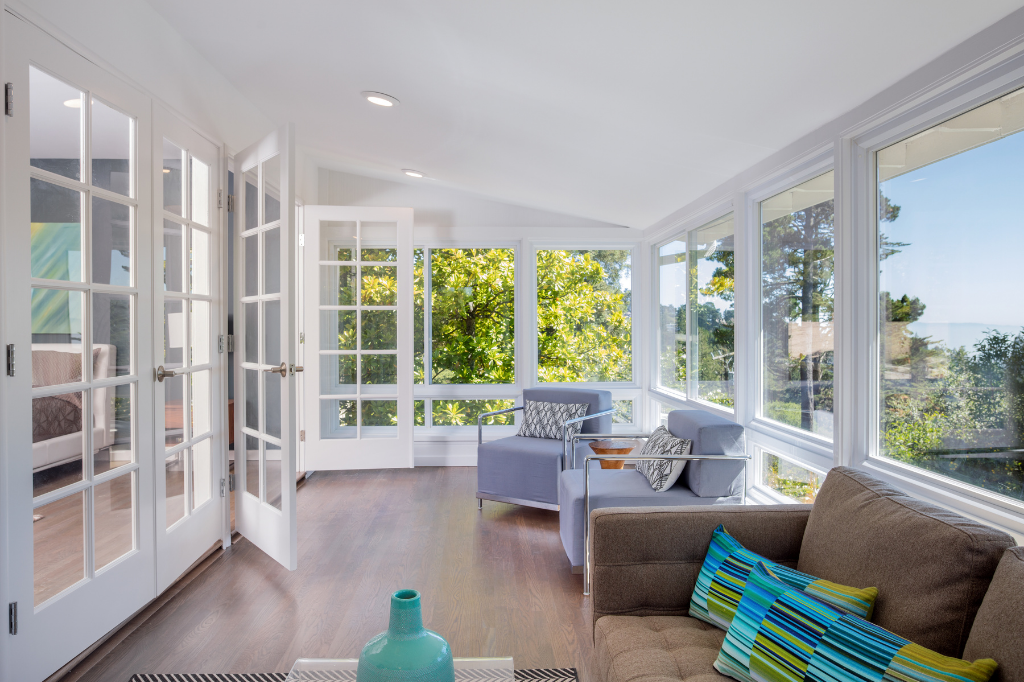
Buying and selling a home at the same time can feel like trying to time two moving targets. The good news is that buy and sell at the same time does not have to mean feeling rushed, pressured, or forced into a bad decision. With the right strategy, the process becomes less about guesswork and more about sequencing, timing, and protecting your options. In Greater Victoria, that matters more than ever. Buyers often have more choice when inventory is higher, while sellers need to be realistic on pricing and timing in a more competitive market. That means the best move is rarely the fastest move. It is the one that gives you enough control to make clear decisions at each stage. Why this feels so stressful Most homeowners are not just making one decision. They are making several at once. How much can I realistically sell for? How quickly will my current home move? Do I buy first or sell first? What happens if one side moves faster than the other? How do I avoid carrying two homes or having nowhere to go? That pressure gets heavier when people think there is only one “right” order. In reality, there are a few workable paths. The right one depends on your finances, your flexibility, and how much risk you are comfortable carrying. The real goal is not perfect timing A lot of people think success means both transactions happen on the exact right day. That is not really the goal. The real goal is to create enough margin so you can make smart decisions without panic. That means planning for timing gaps, knowing your financial limits, and understanding what you will do if the market moves slower or faster than expected. This is especially important in a market where buyers may take longer to act and sellers face more competition. Faber’s own market positioning work notes that today’s clients need decision support, sequencing plans, and proactive communication because more choice does not automatically create more confidence. The three main ways to buy and sell at the same time 1. Sell first, then buy This is the most conservative option. You sell your current home first, know exactly what you have to work with, and then shop with a clear budget and less financial risk. This works well when: you need the sale proceeds to fund the next purchase you want to avoid carrying two properties you prefer certainty over speed you are downsizing or on a tighter budget The downside is that you may need temporary housing or a rent-back arrangement if you do not find the next home quickly. 2. Buy first, then sell This option can work when you have strong finances, access to bridge financing, or enough equity to handle a short overlap. This works well when: you have to secure the next home before letting go of the current one you are moving into a hard-to-find property type your income and financing flexibility can absorb some overlap you want to avoid feeling pressured to settle for the wrong home The risk is simple: if your current home takes longer to sell or sells for less than expected, the pressure shifts from emotional stress to financial stress. 3. Buy with a subject to sale strategy This means making an offer that depends on the sale of your current home. This can reduce risk, but it is not always competitive. Some sellers will accept it, especially if their property has been sitting or if the market gives buyers more negotiating room. Other sellers will pass in favour of a cleaner offer. This works best when: you are in a more balanced or buyer-favouring market the home you want is not attracting multiple offers your current property is likely to sell quickly both parties are realistic and flexible How to reduce the feeling of being rushed Start with your numbers, not the listings The fastest way to feel overwhelmed is to begin with open houses and online searches before you understand your real position. Before you look seriously, get clear on: your likely sale price range your mortgage qualification your cash available for closing costs and moving costs whether bridge financing is available to you the monthly carrying cost you can tolerate if there is overlap That clarity changes everything. Instead of reacting emotionally to each new listing, you can judge opportunities against a plan. Price your current home for movement, not hope When people are trying to buy and sell at the same time, overpricing creates a chain reaction. A home that sits too long delays the next purchase, weakens your negotiating position, and adds stress to every decision. In a market with more listings and more defined outcomes, sellers need clearer expectations on pricing and timelines rather than optimism alone. A strong pricing strategy gives you momentum. Momentum creates options. Know your backup plan before you need it This is where a lot of stress can be avoided. Ask these questions early: Could you stay with family for a short time? Would you consider a short-term rental? Can you negotiate a longer completion date on your sale? Can you ask for a rent-back after closing? Would bridge financing solve the gap if timing is close? The people who feel least rushed are usually the people with a Plan B. Focus on dates, not just price When clients buy and sell at the same time, price gets most of the attention. However, dates often matter just as much. A slightly lower sale price with better timing can be the better overall outcome. Likewise, a purchase with flexible possession may be more valuable than one that looks cheaper on paper but forces a rushed move. In other words, the cleanest transaction is not always the highest number. Sometimes it is the best fit. A practical way to think about the sequence Here is the simplest framework: Step 1: Prepare your current home as if you will list soon Even if you have not committed to listing yet, get the home market-ready. Declutter, handle small repairs, and understand what work is actually worth doing. Step 2: Get a realistic pricing and timing opinion You need to know not just what your home could sell for, but how long it may take in your specific area and property type. Step 3: Confirm financing for your next move Talk to your lender or broker about qualification, down payment timing, and whether bridge financing is an option. Step 4: Choose your risk tolerance Do you want maximum certainty, maximum flexibility, or a balance of both? This is where the sell-first versus buy-first decision becomes clearer. Step 5: Build your offer and listing strategy around timing This includes preferred possession dates, subject options, rent-back possibilities, and what you will do if one side moves faster than the other. Who should usually sell first Selling first is often the better path for: homeowners on a fixed budget downsizers who want less uncertainty anyone relying heavily on sale proceeds clients who would lose sleep carrying two homes There is nothing unstrategic about choosing certainty. In many cases, it is the move that protects both your finances and your peace of mind. Who may be better off buying first Buying first can make sense for: move-up buyers searching for a very specific home clients with strong income and equity households that can handle a temporary overlap people who would rather wait for the right purchase than rush into one after selling This path can work very well, but only when the numbers support it. The biggest mistake to avoid The biggest mistake is treating both transactions like separate events. They are connected. Your list price affects your buying power. Your purchase timeline affects your sale strategy. Your financing affects how aggressive or flexible you can be. When people look at each piece in isolation, they feel pulled in different directions. When they treat it as one coordinated plan, the process becomes much easier to manage. Final thoughts If you want to buy and sell at the same time without feeling rushed, the answer is not to move faster. It is to plan better. The right strategy creates breathing room, reduces emotional decisions, and keeps you in control even when the market feels uncertain. If you are trying to time your next move in Greater Victoria, contact Faber Real Estate Group for a clear step-by-step plan that fits your budget, timeline, and comfort level. Howard P., 5-Star Review, via Google “Cal and Scott Faber are authentic and trustworthy and give it to you straight up. They take the time and the attention to learn about your needs and then find the home that fits them. Our experience with Cal and Scott Faber was exceptional. They didn't just provide great service, they demonstrated a genuine concern for our best interests, making us feel truly valued. They will do their best to find the home that fits your lifestyle and needs. I heartily recommend Cal and Scott.” Faber Real Estate Group Royal LePage Coast Capital Realty 📞 250-244-3430 📧[email protected] ℹ️ Scott Faber Personal Real Estate Corporation ℹ️ Cal Faber Personal Real Estate Corporation Vanessa Wood, Zachary Parsons, and Sophie Taylor “Building Lasting Relationships, One Home at a Time.”
Read more
Deciding between selling first vs buying first in Victoria BC is one of the biggest strategy questions homeowners face. The right answer depends on your finances, your risk tolerance, and the type of property you are moving into. In Greater Victoria, that decision matters even more right now because the market is giving buyers more choice, while sellers still need to price carefully and plan well. As of March 2026, the Victoria Real Estate Board reported 3,261 active listings, up 12.3% from February and 7.9% from March 2025, while 579 properties sold, up 24.5% month over month but still 5.5% below last year. That points to a market with more inventory and more room for due diligence than the high-pressure conditions many sellers remember. Why This Question Matters More Now In a fast-moving seller’s market, some homeowners buy first because they expect their current home to sell quickly. In a more balanced market, that approach can create stress if the sale takes longer than expected or sells for less than hoped. BCREA notes that the sales-to-active listings ratio is a useful way to judge market balance, with roughly 15% to 25% generally considered balanced across BC markets. Victoria’s March 2026 ratio works out to about 17.8% using 579 sales and 3,261 active listings, which fits that balanced range. In plain English, that means homes are still selling, but buyers usually have more options and more time to compare. When Selling First Usually Makes More Sense For many homeowners in Victoria, selling first is the safer route. Selling first may be the better move if: You need the equity from your current home for the next down payment You want a firm budget before shopping You are moving into a higher price bracket You would feel stressed carrying two properties at once Your current home may take time to sell because of pricing, condition, or competition This strategy reduces uncertainty. You know what your home actually sold for, what closing date you are working with, and how much you can comfortably spend on the next purchase. That matters in today’s market because inventory is up, but sellers still face more competition than they did when supply was tighter. The Victoria Real Estate Board said current conditions are creating “fewer high-pressure transactions” and allowing more time for decisions and due diligence. That is good for buyers, but it also means sellers should not assume a quick sale at top dollar. The trade-off The downside is obvious: once you sell, you may feel pressure to buy. If the right property does not come up quickly, you may need temporary housing, storage, or a flexible completion plan. When Buying First Can Be the Better Strategy There are also times when buying first makes more sense. Buying first may be the better move if: You are financially strong enough to carry both properties for a period You have substantial equity and easy access to financing You are searching for a very specific property that may be hard to replace You are downsizing and moving into a lower price bracket You want to avoid the stress of selling and then rushing into a purchase This can work especially well for homeowners moving from a detached home into a condo or townhome, where the next purchase may cost less than the home being sold. Victoria Core benchmark prices help explain this. In March 2026, the benchmark price was $1,330,200 for a single-family home, $848,500 for a townhome, and $553,800 for a condo. For an owner selling a higher-value detached home and moving into a lower-priced property type, buying first may be more manageable than it would be for someone moving up. The risk The main risk is carrying costs. If your current home does not sell quickly, you may end up covering two mortgages, two sets of property taxes, insurance, utilities, and moving costs at the same time. Even if you qualify on paper, that can create pressure you do not want. A Simple Way to Think About It Instead of asking, “What is better?” ask, “Where is the risk for me?” Sell first if your biggest concern is: Budget certainty Monthly cash flow Avoiding financial strain Not wanting to guess what your home will sell for Buy first if your biggest concern is: Finding the right replacement property Avoiding a rushed purchase Securing a rare home when it becomes available Having enough financial flexibility to handle overlap Common Victoria BC Scenarios Move-up buyers If you are moving from a condo or townhome into a detached home, selling first is often the cleaner strategy. Detached homes in the Victoria Core remain far more expensive than other property types, so knowing your exact sale proceeds matters. Downsizers If you are selling a detached home and moving into a condo or townhome, buying first may be realistic if financing allows. This can help you lock in the right location, layout, or building rather than buying whatever is left once your sale is firm. Buyers in highly specific segments If you only want a certain school catchment, waterfront area, building type, or one-level layout, buying first can sometimes protect you from settling. The rarer the target property, the more this matters. Tools That Can Help Depending on your situation, the strategy can sometimes be improved with the right structure. Options to consider: Longer closing dates to give yourself more time between transactions Subject-to-sale offers in some situations, though these can be less competitive Bridge financing when the gap between purchase and sale is short and financing is approved Rent-back agreements if a buyer allows you to stay in the home temporarily after closing These tools do not remove risk, but they can make the timing more workable. Final Thoughts The best answer to selling first vs buying first in Victoria BC is usually not emotional. It is financial and strategic. In today’s Greater Victoria market, buyers have more choice and less urgency than in past years, while sellers need to be realistic about pricing and timing. That tends to make selling first the safer default for many homeowners, while buying first can work well for those with strong equity, flexible financing, and a very clear plan. If you want help deciding which order makes the most sense for your move, contact Faber Real Estate Group for advice tailored to your timeline, budget, and property type in today’s Victoria market. Lisa S., 5-Star Review, via Google “Scott went above and beyond for us in both finding our dream home and selling our condo. He listened to us and provided professional advice for each circumstance. Would highly recommend!” Faber Real Estate Group Royal LePage Coast Capital Realty 📞 250-244-3430 📧[email protected] ℹ️ Scott Faber Personal Real Estate Corporation ℹ️ Cal Faber Personal Real Estate Corporation Vanessa Wood, Zachary Parsons, and Sophie Taylor “Building Lasting Relationships, One Home at a Time.”
Read more