
Posts Tagged ‘condo resale value’
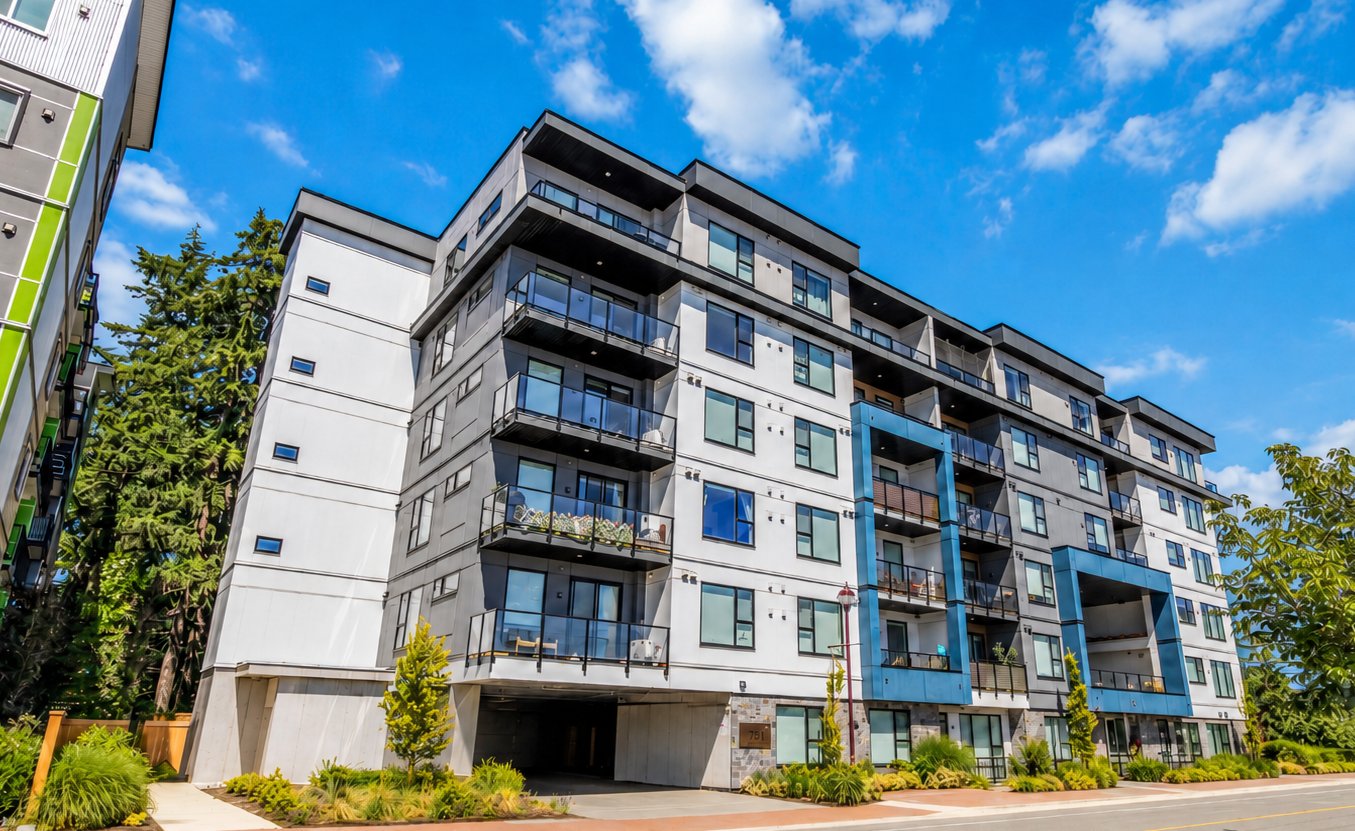
When you compare condo buildings before you buy, it is easy to focus mostly on the units themselves. One has a better kitchen. Another has a larger balcony. One has newer flooring, while the other has a better view. Those differences matter. But when two condos are reasonably close in price and location, the better purchase may have less to do with the countertops and more to do with the building behind them. A condo purchase includes the suite, the strata corporation, shared property, future maintenance obligations, rules, finances, insurance, parking, storage, and the way the building may appeal to future buyers. The Short Answer When comparing two condo buildings, look beyond which unit shows better. Compare: Strata finances and contingency reserve funds Depreciation reports and upcoming work Meeting minutes and maintenance history Strata fees and what they actually cover Insurance Bylaws and rules Parking and storage Building age, construction, and systems Amenities and their ongoing cost Location and resale appeal The strongest condo is not always the newest building or the one with the lowest strata fee. It is the one where the overall package makes sense. Start With How the Buildings Are Managed A well-managed building often leaves clues. Look through council meeting minutes and annual general meeting records. You are trying to understand how the strata responds when problems arise. Does maintenance happen proactively? Are repairs repeatedly delayed? Do the same issues appear month after month? Are owners regularly debating unexpected costs? No building will have perfect minutes. Repairs, complaints, and maintenance are normal parts of shared ownership. The bigger question is whether the strata appears organized and willing to deal with issues before they become more expensive. Compare the Financial Position, Not Just the Strata Fee Buyers often assume the building with the lower monthly fee is better value. That can be misleading. A lower fee may be perfectly reasonable if the building is simpler to operate. It may have fewer amenities, newer systems, or lower operating costs. But low fees can also mean less money is being collected for future expenses. Compare the contingency reserve fund, annual budget, recent spending, planned projects, and how the building intends to fund larger repairs. A higher monthly fee can sometimes provide more predictability if it supports proper maintenance and long-term planning. The question is not: “Which building has cheaper strata fees?” It is: “What am I getting for the fee, and is the building financially prepared for what comes next?” Read the Depreciation Report With the Building’s History A depreciation report can help identify major building components, expected replacement timelines, projected costs, and possible funding approaches. But do not read it by itself. Compare it against the meeting minutes and completed work. If a report identified window replacement several years ago, has anything happened since? If the roof was expected to need attention, was it repaired, replaced, or deferred? If major projects are approaching, how does the strata plan to pay for them? Two buildings of the same age can have very different financial outlooks depending on what has already been completed and what remains ahead. Look at Maintenance, Not Just Age Newer does not automatically mean better. Older does not automatically mean risky. An older building that has consistently replaced roofs, elevators, plumbing, windows, balconies, or other major components may compare favourably with a newer building that has delayed maintenance. The age of the building gives you context. The maintenance history tells you more. This is one reason buyers should avoid making decisions based simply on the year built. Compare What the Strata Fees Include Two buildings may have similar fees but very different operating structures. One may include: Hot water Heating Gas Building insurance Caretaker services Landscaping Fitness facilities Guest suites Pool or recreation areas Another building may offer very few shared services. Neither is automatically better. Buyers should compare the full monthly cost and decide whether they are actually getting value from what the building provides. This also connects to Why Your Monthly Payment Matters More Than the Purchase Price. The purchase price is only one part of what a home costs to own. Amenities Have a Cost A rooftop patio, swimming pool, gym, guest suite, concierge, landscaped courtyard, or multiple elevators can add lifestyle value. They also need to be maintained. Ask yourself whether you will actually use the amenities and whether they strengthen the building's appeal enough to justify their ongoing cost. A simpler building with fewer amenities may suit a buyer who values lower operating complexity. Another buyer may happily pay more for a building that provides amenities they will use every week. Value depends on how the building fits your lifestyle. Compare the Rules Before You Fall in Love With the Unit Bylaws can make two similar condos function very differently. Check rules relating to: Pets Rentals Smoking Renovations Flooring Barbecues Parking Storage EV charging Move-in procedures Use of balconies and common areas A condo can be beautiful and still be the wrong home if the building's rules conflict with how you plan to live. Understanding the bylaws before removing conditions is much easier than discovering restrictions after possession. Parking and Storage Can Separate Two Similar Buildings Parking and storage sometimes look like secondary features during the search. They often become much more important over time. Consider whether parking is secure, underground, EV-ready, easy to access, and clearly associated with the unit. Then look at storage. Is there a locker? Bike storage? Space for outdoor equipment? Enough room for the lifestyle you actually have? Our guide to Why Parking and Storage Matter When Buying a Condo looks more closely at why these practical features can also influence resale appeal. Think About Insurance and Future Costs Insurance deserves attention because the strata's coverage, deductible structure, and claims history can affect owners. Buyers should understand the building's insurance information and speak with their own insurance provider about coverage for the individual unit. The goal is not to find a building with zero risk. It is to understand the risk before making the purchase. That same thinking applies when deciding whether something is a reasonable compromise or a concern that deserves more attention. Our Buyer Compromises vs Red Flags guide can help put those trade-offs into perspective. Look at the Building Through a Future Buyer's Eyes You may love both units today. But eventually, another buyer may be comparing them too. Consider: Building reputation Location Parking availability Storage Pet rules Layouts Exterior condition Common areas Strata fees Amenities Maintenance history Upcoming capital projects A well-located, well-run building with practical features can appeal to a broad buyer pool even if the individual unit is not the most renovated one on the market. Cosmetic finishes can change. The building is much harder to change. Do Not Automatically Choose the Prettier Condo Imagine two units at a similar price. Condo A has a renovated kitchen and newer flooring, but the building has upcoming major work, limited reserves, higher operating complexity, and unclear maintenance planning. Condo B has an older kitchen, but the building has a strong maintenance history, clear financial planning, secure parking, useful storage, and recent major upgrades. Condo A may photograph better. Condo B may deserve the closer look. That does not mean Condo B is automatically the right choice. It means buyers should separate cosmetic value from building-level value. Build a Simple Comparison When you compare condo buildings before you buy, score each one across five areas. 1. Financial Health Is the strata preparing for future costs? 2. Building Condition What has already been completed, and what may be coming? 3. Lifestyle Fit Do the bylaws, amenities, parking, storage, and location work for you? 4. Monthly Cost What will ownership actually cost beyond the mortgage? 5. Resale Flexibility Would the building appeal to a reasonably broad group of future buyers? This type of comparison can make the decision much clearer than simply choosing the unit with the nicer finishes. Final Thoughts Comparing condos means comparing much more than bedrooms, square footage, and finishes. The better building may have stronger finances, clearer maintenance planning, more useful features, better rules for your lifestyle, or greater resale flexibility. Sometimes that means choosing the unit with the nicer kitchen. Sometimes it means choosing the slightly less impressive unit in the building you would rather own for the next ten years. Good condo buying is not about finding a building with no problems. It is about understanding the differences well enough to decide which set of trade-offs you are comfortable owning. Comparing two condos and unsure which building is actually the stronger choice? Faber Real Estate Group can help you compare the strata documents, financial position, maintenance history, practical features, and recent sales so you can look beyond the suite and understand what you would really be buying. Debbie N., 5-Star Review, via Google “From start to finish, Scott and Cal were amazing to work with. I hadn’t moved in nearly 22 years and going from a house to a condo was a very difficult decision, but they were amazingly patient and responsive to my needs. This team doesn’t just say that they care, they actually do. I couldn’t have done this without them. I would recommend them to anyone. You will be in the best hands. Thank you Faber Group!!!” Faber Real Estate Group Royal LePage Coast Capital Realty 📞 250-244-3430 📧 [email protected] ℹ️ Scott Faber Personal Real Estate Corporation ℹ️ Cal Faber Personal Real Estate Corporation Vanessa Wood, Zachary Parsons, and Sophie Taylor “Building Lasting Relationships, One Home at a Time.”
Read more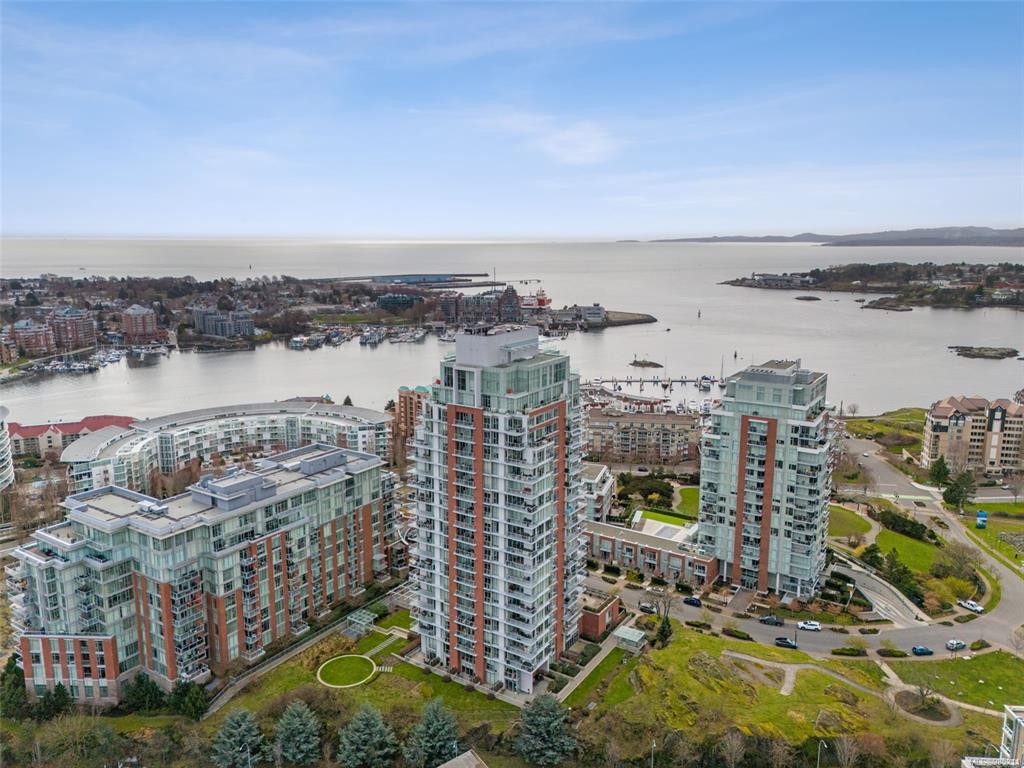
Some condo buildings hold value better than others because buyers are not only purchasing an individual unit. They are also buying into the building’s location, finances, maintenance history, bylaws, amenities, insurance position, and reputation. Two similar condos can perform very differently over time, even when they have comparable square footage and finishes. The difference is often the building itself. The Short Answer Condo buildings tend to hold their value when buyers feel confident about the property. That confidence usually comes from: A desirable and convenient location Responsible strata management Healthy contingency reserves Proactive building maintenance Reasonable and predictable strata fees Useful parking, storage, and amenities Bylaws that appeal to a broad group of buyers Consistent demand when units are listed for sale A beautiful unit may attract attention, but a well-run building creates lasting buyer confidence. Location Still Sets the Foundation Location remains one of the strongest influences on condo value. Buildings near employment centres, shopping, parks, transit, waterfront areas, universities, and everyday services often appeal to a larger group of buyers. Walkability can also become more valuable as buyers look for ways to reduce transportation costs and simplify their routines. However, location is not only about being downtown. A well-positioned building in Langford, View Royal, Saanich, Esquimalt, or Sidney may attract strong demand because it offers convenient access, newer construction, quieter surroundings, or better value for the space. The strongest locations usually offer something buyers will continue to want. Strong Strata Finances Build Buyer Confidence A condo building is easier to resell when its financial records suggest that the strata corporation is prepared for future expenses. Buyers and their advisors may review: The contingency reserve fund Annual budgets and financial statements Recent meeting minutes Planned repairs and projects Past or proposed special assessments The depreciation report Insurance coverage and deductibles A large contingency fund does not guarantee that a building is problem-free. However, consistent financial planning can reduce uncertainty and make future costs easier to understand. The opposite can also be true. Very low strata fees may look attractive at first but could indicate that the building is not saving enough for long-term repairs. Proactive Maintenance Protects the Building Every condo building requires ongoing maintenance. The buildings that tend to inspire more confidence are often the ones that address issues before they become larger and more expensive. This may include maintaining or replacing: Roofs Windows and exterior cladding Elevators Plumbing systems Balconies Parkades Building envelopes Heating and ventilation systems Older buildings are not automatically poor investments. A well-maintained older building may be more attractive than a newer building with unresolved deficiencies or weak financial planning. What matters is how the property has been cared for. Strata Fees Need Context Lower strata fees do not always mean better value. Buyers should understand what the monthly fee includes and whether it reflects the building’s actual operating needs. A higher fee may include hot water, heating, insurance, maintenance, landscaping, amenities, or contributions to the contingency reserve fund. A lower fee may cover less or leave the strata more exposed to future increases and assessments. The better question is not, “Are the fees low?” It is, “Are the fees reasonable for this building, and is the money being managed responsibly?” Parking and Storage Expand the Buyer Pool Parking and storage can have a meaningful effect on condo resale demand, particularly in Greater Victoria. A secure parking stall may be especially important in areas where street parking is limited. Storage lockers also appeal to buyers who need room for bicycles, outdoor equipment, seasonal items, or downsizing belongings. These features may not seem essential during the initial search, but they can make a condo easier to live in and easier to sell. Read more about why parking and storage matter when buying a condo. Useful Amenities Can Support Value Amenities can help a building stand out, but only when buyers see them as useful. Features such as secure bicycle storage, rooftop patios, fitness rooms, guest suites, EV charging, dog-washing areas, and shared lounges may improve the ownership experience. However, expensive or underused amenities can also increase strata fees. The strongest amenities usually solve practical problems without placing unnecessary pressure on the operating budget. Bylaws Affect Who Can Buy Strata bylaws can either expand or reduce the number of potential buyers. Rules involving pets, rentals, smoking, age restrictions, renovations, barbecue use, and move-in procedures can all affect demand. For example, pet-friendly buildings may appeal to a larger buyer pool. Buildings with highly restrictive rules may work well for some residents but become harder to sell when fewer buyers qualify. Buyers should review bylaws based on both their current needs and future resale considerations. Insurance and Building History Matter Insurance has become an important part of condo due diligence. Buyers should understand the building’s coverage, deductibles, claims history, and whether the unit can be properly insured. Buildings with repeated claims or unusually high deductibles may create additional cost or financing concerns. Past problems do not automatically make a building a poor choice. The response matters. A building that identified an issue, completed proper repairs, documented the work, and improved its planning may be easier to evaluate than one with limited records or unresolved concerns. Some Buildings Develop Stronger Reputations Over time, certain condo buildings become known for good layouts, sound construction, responsive management, useful amenities, or desirable locations. That reputation can influence buyer interest. When units rarely become available, buyers may watch the building and act quickly when a suitable property is listed. Other buildings may experience frequent listings, repeated price reductions, or longer selling periods. Reviewing previous sales within the building can help reveal how buyers have responded to it over time. The Unit Still Matters A strong building cannot make every unit equally desirable. Resale value can still be influenced by: Floor level Exposure and natural light Views Noise Layout Outdoor space Parking location Storage Renovations Monthly fees Position within the building A well-located unit with a functional floor plan may outperform a larger unit with poor light, excessive noise, or an awkward layout. The goal is to evaluate the unit and the building together. How Buyers Can Compare Condo Buildings Before purchasing, compare more than finishes and listing prices. Review the strata documents, financial position, insurance, maintenance history, bylaws, fees, and recent sales. Consider whether the building will continue to appeal to future buyers, not only whether the unit works for you today. It is also helpful to separate acceptable compromises from concerns that could affect your finances or future resale. Our guide to buyer compromises versus red flags offers a useful framework. Final Thoughts The condo with the newest kitchen is not always the one that will hold its value best. Buildings tend to perform well when they combine desirable locations, responsible management, realistic budgets, proactive maintenance, practical features, and steady buyer demand. That is why buying a condo requires two decisions: Is this the right unit? And is this a building other buyers are likely to trust in the future? For help reviewing condo options across Greater Victoria, learn more about how we support buyers through our Buy With Us page or search current homes for sale. Lindsay R., 5-Star Review, via Google “Scott has been an awesome help finding my condo. He always knew my needs and gave me the right advice every step of the way. Would 10/10 recommend !” Faber Real Estate Group Royal LePage Coast Capital Realty 📞 250-244-3430 📧 [email protected] ℹ️ Scott Faber Personal Real Estate Corporation ℹ️ Cal Faber Personal Real Estate Corporation Vanessa Wood, Zachary Parsons, and Sophie Taylor “Building Lasting Relationships, One Home at a Time.”
Read more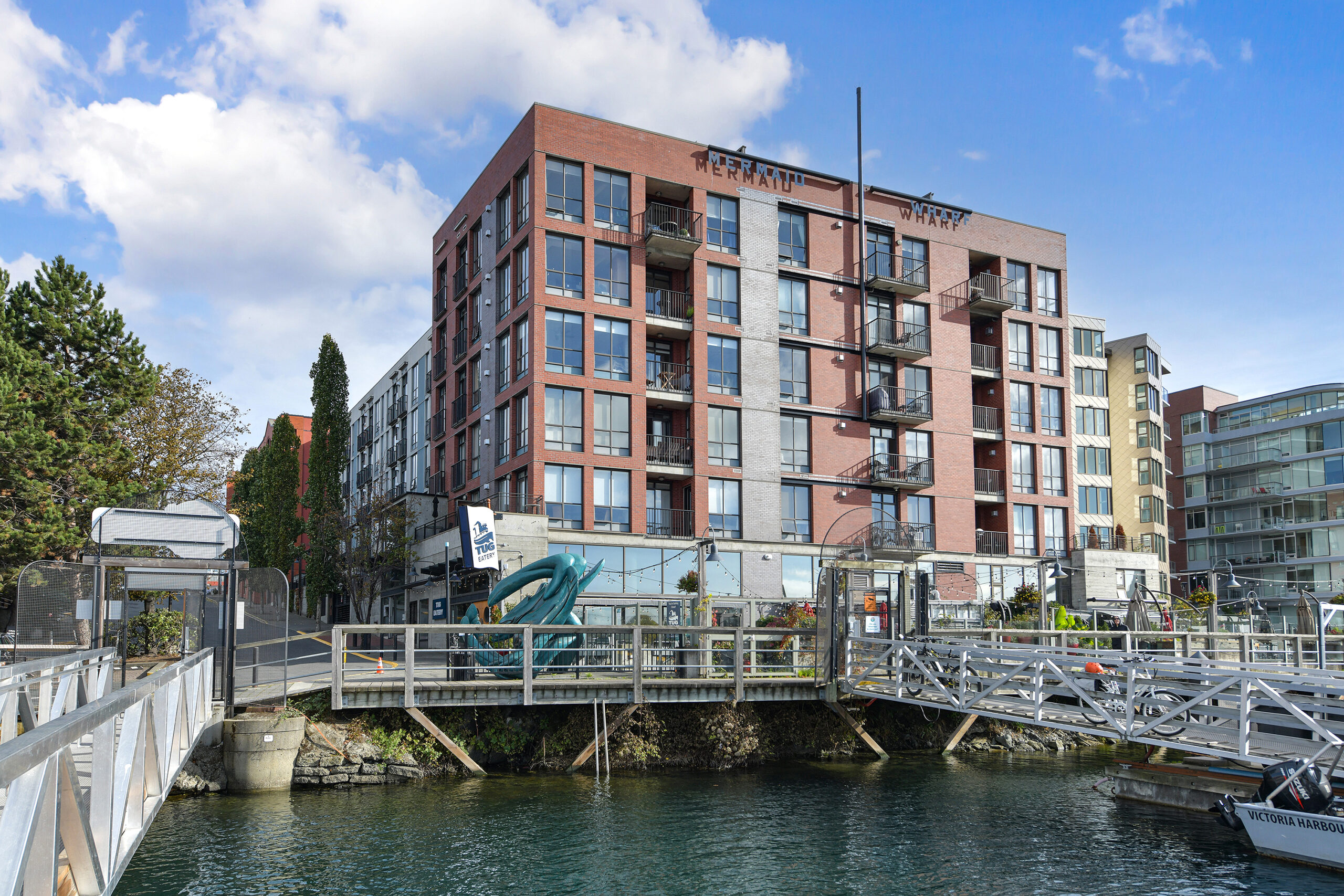
When buying a condo in Victoria, parking and storage are more than small extras. They can affect your daily convenience, future resale appeal, and how well the property fits your lifestyle over time. When buyers first look at condos, they often focus on the obvious things. Price. Location. Layout. Finishes. View. Building amenities. Monthly strata fees. Those details matter, but parking and storage still deserve careful attention. In Greater Victoria, where many buyers are comparing condos in walkable urban areas, newer Westshore buildings, older strata properties, and downsizer-friendly communities, the practical features can make a big difference. A condo without proper parking or storage may still be the right home. But buyers should understand what they are accepting before they write an offer. Why Parking Still Matters Some buyers assume parking is becoming less important because more people are walking, biking, taking transit, or working from home. For some lifestyles, that may be true. But in Greater Victoria, parking still matters for many condo buyers. Even if you do not drive every day, a secure parking stall can support your lifestyle, protect resale appeal, and make the home easier to use. Parking can matter if you: Commute to work Have children or family nearby Travel between municipalities Own recreational gear Work shifts or irregular hours Need reliable access to a vehicle Plan to rent or resell the condo in the future Want better convenience during poor weather Have visitors, caregivers, or service providers coming to the building A condo in a highly walkable area may still appeal without parking. But the buyer pool can become smaller. That is the key point. Parking may not matter equally to every buyer, but it often matters to enough buyers that it should be part of the value discussion. Storage Is More Important Than Many Buyers Expect Storage is one of those things buyers often underestimate until they move in. A condo can feel spacious during a showing, especially if it is professionally staged or lightly furnished. Once real life enters the space, storage becomes more noticeable. Where do the bikes go? What about seasonal decorations, luggage, golf clubs, paddleboards, tools, camping gear, files, winter tires, sports equipment, or extra household items? For downsizers, storage can be even more important. Moving from a detached home into a condo often means adjusting from a garage, crawlspace, shed, spare bedroom, or basement into a smaller living footprint. A storage locker can help make that transition easier. It can also help keep the suite itself feeling calm and functional. Parking and Storage Can Affect Resale Appeal Resale value is not only about what you like. It is also about what the next buyer may need. A condo with secure parking and a storage locker may appeal to a wider group of buyers than a similar unit without them. This can matter when it is time to sell, especially if competing listings offer more complete packages. In a market where buyers have more choice, practical features can help a property stand out. The Victoria Real Estate Board reported 4,054 active listings at the end of June 2026, up 7.3% from June 2025, giving buyers more options across the region. More choice does not mean every buyer will demand parking and storage. It does mean buyers may compare the full package more carefully. Two condos may look similar online, but if one includes secure underground parking and a storage locker while the other does not, that difference can affect how buyers perceive value. Not All Parking and Storage Are the Same One of the most important things condo buyers should understand is that parking and storage can be allocated in different ways. They may be: Part of the strata lot Limited common property Common property assigned for use Leased or licensed Allocated by the developer Controlled by strata council These differences matter because they can affect your right to use the stall or locker, whether it transfers on resale, and how secure that arrangement is. The Province of British Columbia explains that parking and storage areas are often designated as limited common property for the exclusive use of a particular strata lot. The owner may have exclusive use, but the area itself is still common property owned by the strata corporation. BCFSA also notes that when parking or storage is common property, it is generally within the control of the strata council unless other legal arrangements apply. This is why buyers should not rely only on a listing description. A listing may say “parking included” or “storage locker included,” but the documents should confirm what that actually means. What Buyers Should Review Before removing subjects on a condo purchase, buyers should review the documents carefully. For parking and storage, this may include: Form B Information Certificate Strata plan Bylaws and rules Parking assignments Storage locker assignments Developer disclosure statement, if applicable Lease or licence agreements, if applicable Council meeting minutes Annual general meeting minutes Any correspondence related to parking or storage changes The Form B is especially important because it should identify parking stalls and storage lockers associated with the strata lot. Realtylink notes that buyers can review the Form B and the strata plan to understand whether parking and storage are part of the strata lot, limited common property, or common property. This review helps buyers avoid assumptions. It also helps clarify whether the parking stall or locker is truly connected to the unit in a way that will matter on resale. Questions to Ask Before Buying a Condo Before writing an offer or removing subjects, buyers should ask clear questions. Parking Questions Is parking included? Is the stall assigned, titled, leased, or limited common property? Does the stall transfer with the unit on resale? Is the stall secure and underground? Is visitor parking available? Are EV chargers installed or permitted? Are there rules around renting out a stall? Is the stall large enough for your vehicle? Is the stall close to the elevator? Are there any known parking shortages in the building? Storage Questions Is a storage locker included? Is the locker assigned or legally tied to the unit? Where is the locker located? How large is it? Is it secure? Is it dry and accessible? Are there restrictions on what can be stored? Does it transfer with the unit on resale? Are bike rooms or other shared storage areas available? These may seem like small details. They are not small when they affect daily life. When a Condo Without Parking Can Still Make Sense A condo without parking is not automatically a poor choice. For some buyers, it may make a lot of sense. It may work well if: The building is in a highly walkable location You do not own a vehicle Transit access is strong Car-share options are nearby You prefer lower purchase costs You are buying primarily for lifestyle or location You understand the resale trade-off The key is being honest about how you live now and how your needs could change. A buyer who does not drive today may still want flexibility later. A future partner, job change, family need, or lifestyle shift could make parking more valuable. That does not mean every buyer should pay more for parking. It means the decision should be intentional. When Storage Should Be a Priority Storage may matter more if you are: Downsizing from a larger home Buying a smaller condo Working from home Keeping sports or outdoor equipment Planning to stay long term Sharing the space with another person Buying with pets or children Moving from a property with a garage or basement Trying to keep the suite uncluttered In Greater Victoria, lifestyle often includes outdoor activity. Bikes, paddleboards, golf clubs, camping gear, hiking equipment, and seasonal items all need space. If a condo does not have a storage locker, buyers should think carefully about whether the unit itself has enough closets and built-in storage to function well. Parking, Storage, and Newer Condos Newer condo buildings may offer more thoughtful storage solutions, secure bike rooms, EV-ready parking, underground stalls, parcel rooms, and improved building amenities. That can be a major benefit. However, buyers should still review what is included with the specific unit. In some buildings, parking or storage may be included. In others, it may be purchased separately, rented, assigned, or limited depending on the development. For pre-sale and new construction buyers, it is important to understand: Whether parking is included in the purchase price Whether storage is included Whether the parking stall is assigned before completion Whether EV infrastructure is available Whether storage lockers are limited in number Whether commercial parking or visitor parking affects availability How the disclosure statement explains parking and storage Do not assume every unit in the same building has the same package. Parking, Storage, and Older Condos Older condo buildings can offer larger floorplans, established locations, and strong value, but parking and storage arrangements may vary. Some older buildings have excellent storage. Others may have limited parking, waitlists, outdoor stalls, shared bike rooms, or older allocation systems that require careful review. Buyers should pay close attention to: Whether parking has changed over time Whether stalls are assigned by strata council Whether lockers are clearly documented Whether there are waitlists Whether parking is indoor, outdoor, covered, or uncovered Whether storage areas are secure and well maintained Whether past minutes mention disputes or shortages Older buildings are not automatically a concern. They simply require thoughtful due diligence. How Parking and Storage Fit Into Offer Strategy Parking and storage can also affect offer strategy. If a condo includes secure parking and a storage locker in a building where not every unit has both, that may support stronger value. If the unit does not include either, that may affect how the offer should be positioned. Before writing, buyers should compare: Similar units with parking Similar units without parking Similar units with storage Similar units without storage Recent sales in the same building Active competing listings Building location and walkability Buyer demand for that property type A downtown condo without parking may still be attractive if the location is strong. A suburban condo without parking may face a different buyer reaction. Context matters. The Bigger Lesson for Condo Buyers Parking and storage are not just checkboxes. They are part of how a condo functions. They affect convenience, flexibility, future resale appeal, and the way the home supports your lifestyle. They can also involve legal and strata-related details that need to be reviewed before a buyer feels confident moving forward. A strong condo purchase is not only about finding a unit that looks good. It is about understanding the full package. That includes the suite, the building, the strata, the neighbourhood, the parking, the storage, and how all of those pieces work together. Final Thoughts When buying a condo in Greater Victoria, parking and storage still matter. They may not be the most exciting features, but they are often among the most practical. A great layout can feel less functional without enough storage. A beautiful unit can become harder to resell if future buyers need parking and the unit does not offer it. The best approach is simple. Know what is included. Confirm it in the documents. Understand how it affects your lifestyle. Compare it against similar listings. Then decide whether the trade-off makes sense for your goals. If you are thinking about buying a condo in Greater Victoria, Faber Real Estate Group can help you compare buildings, review key details, and understand what matters before you write an offer. Debbie N., 5-Star Review, via Google “From start to finish, Scott and Cal were amazing to work with. I hadn't moved in nearly 22 years and going from a house to a condo was a very difficult decision, but they were amazingly patient and responsive to my needs. This team doesn't just say that they care, they actually do. I couldn't have done this without them. I would recommend them to anyone. You will be in the best hands. Thank you Faber Group!!!” Faber Real Estate Group Royal LePage Coast Capital Realty 📞 250-244-3430 📧 [email protected] ℹ️ Scott Faber Personal Real Estate Corporation ℹ️ Cal Faber Personal Real Estate Corporation Vanessa Wood, Zachary Parsons, and Sophie Taylor “Building Lasting Relationships, One Home at a Time.”
Read more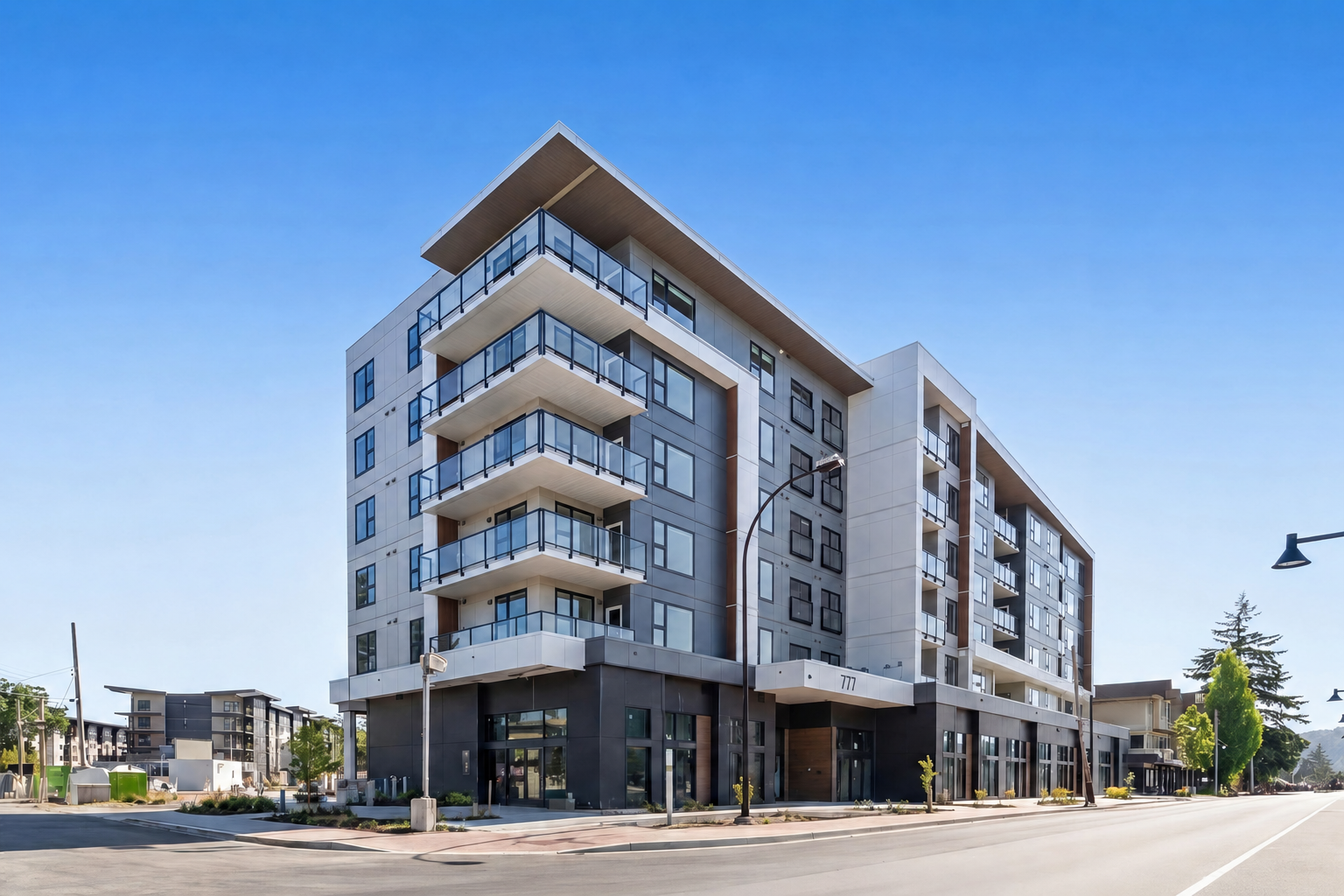
When you compare condo buildings, it is easy to focus only on the unit. The floor plan, finishes, view, parking, and natural light all matter. However, when you compare condo buildings, the bigger question is often what you are buying into beyond the front door. A beautiful condo in a poorly managed building can become stressful over time. On the other hand, a slightly simpler unit in a well-run building may offer better long-term comfort, predictability, and resale confidence. Before choosing between two condo options, here are the building-level details worth reviewing. Look at the Strata Fees Strata fees are not just a monthly cost. They are a sign of how the building operates. Lower fees may look attractive, especially for first-time buyers or downsizers trying to manage monthly payments. However, very low fees can sometimes mean the building is not setting aside enough money for future repairs. When comparing two condo buildings, ask: What do the strata fees include? Are utilities, hot water, garbage, insurance, or amenities included? Have fees increased recently? Are future increases expected? Does one building offer better value for the monthly cost? A higher strata fee is not always a bad thing. It may reflect stronger maintenance planning, better amenities, or a healthier reserve fund. Review the Contingency Reserve Fund The contingency reserve fund is one of the most important parts of condo due diligence. This fund helps pay for larger repairs and replacements, such as roofing, windows, elevators, parkades, balconies, exterior work, and mechanical systems. A strong reserve fund can reduce the chance of surprise special levies. When comparing buildings, do not only look at the total amount in the fund. Consider the age of the building, upcoming repairs, and whether the reserve fund matches the building’s future needs. A newer building with a modest fund may be normal. An older building with a low fund and major work coming up may deserve closer attention. Read the Depreciation Report A depreciation report gives buyers a clearer picture of the building’s long-term repair and replacement schedule. It can help identify major building components, estimated timelines, and projected costs. This is especially helpful when comparing an older building to a newer one, or when choosing between two buildings with different maintenance histories. Look for items such as: Roof replacement timelines Elevator maintenance or replacement Window and exterior envelope condition Plumbing or mechanical updates Parkade repairs Balcony or deck work Funding recommendations The goal is not to find a perfect building. Every building needs maintenance. The goal is to understand whether the building is planning ahead. Compare Building Age and Construction Type A building’s age does not automatically make it better or worse. However, it does affect what you should review. Older buildings may offer larger floor plans, established locations, and stronger concrete construction in some cases. They may also require more maintenance, updates, and capital planning. Newer buildings may offer modern systems, efficient layouts, better windows, improved soundproofing, and more current building standards. However, buyers should still review warranty details, strata minutes, bylaws, and early maintenance history. Construction type also matters. Wood frame, steel and concrete, low-rise, high-rise, and mixed-use buildings can all feel very different in terms of sound transfer, maintenance, insurance, and long-term value. Pay Attention to the Strata Minutes Strata minutes can tell you more about a building than the listing description ever will. They help reveal how the building is managed, what issues come up often, and whether the strata council is proactive or reactive. As you compare condo buildings, look for repeated discussions about: Water ingress Noise complaints Insurance claims Elevator issues Parking concerns Building repairs Bylaw enforcement Short-term rental concerns Pet issues Budget pressure One issue in the minutes does not necessarily mean the building is a problem. Repeated unresolved issues are what deserve a closer look. Consider the Insurance Deductibles Strata insurance has become a major topic in many condo buildings. When comparing buildings, review the insurance summary carefully. Pay close attention to deductibles for water damage, sewer backup, earthquake, and other major risks. Higher deductibles can affect your own insurance needs as an owner. Your personal condo insurance should be reviewed with an insurance professional so you understand what coverage you need. A well-run building will usually have clear documentation, current insurance details, and owners who understand the importance of proper coverage. Compare Amenities Carefully Amenities can add lifestyle value, but they also add cost. A gym, rooftop patio, guest suite, common room, workshop, bike storage, dog area, or secure underground parking may improve day-to-day living. However, those amenities also need to be maintained, cleaned, repaired, and insured. When comparing two buildings, ask whether the amenities are useful to you. If one building has higher strata fees because of amenities you will never use, the value may not be as strong for your lifestyle. If another building has fewer amenities but better location, storage, parking, or construction quality, it may be the better fit. Look at Parking, Storage, and Bike Access Parking and storage can have a major impact on both lifestyle and resale value. Before choosing between two buildings, compare: Is parking included? Is the parking stall assigned, common property, or limited common property? Is there EV charging or EV-ready infrastructure? Is visitor parking available? Is bike storage secure and practical? Is a storage locker included? Are there restrictions on storage use? These details may not feel exciting during the showing, but they often matter once you live in the building. Think About Location Beyond the Address Two condo buildings may be in the same general area but offer very different day-to-day convenience. Look beyond the map pin. Consider walkability, transit access, nearby trails, grocery stores, cafés, restaurants, parks, schools, medical services, and road noise. For buyers in Greater Victoria, a few blocks can make a meaningful difference. One building may be closer to daily amenities. Another may be quieter, easier to park near, or better connected to trails and transit. The better choice depends on how you actually live. Compare the Building’s Resale Appeal Even if you plan to stay long-term, resale value still matters. A strong condo building often has a few common traits: Practical floor plans Healthy financial planning Clear maintenance history Reasonable strata fees Good insurance history Useful amenities Strong location Owner pride Consistent demand from buyers A unit can be beautifully staged and still sit in a building that raises concerns. That is why buyers should compare the unit and the building together. Watch for Special Levies A special levy is not always a red flag. Sometimes it means the building is taking care of necessary repairs. However, buyers should understand why the levy exists, how much it costs, what work it covers, and whether more levies may be coming. When comparing two buildings, ask whether one has upcoming major expenses that are not yet fully funded. This can affect your budget and your comfort level with the purchase. Review the Bylaws Bylaws can affect how well a condo fits your life. Before choosing a building, review rules around: Pets Rentals Age restrictions, if applicable Smoking BBQs Renovations Flooring Move-in fees Short-term accommodations Parking and storage use A building may look perfect until you discover the bylaws do not match your needs. The Better Condo Is Not Always the Prettier Unit When buyers compare condos, the more updated unit often gets the first reaction. Fresh paint, new counters, modern flooring, and good staging can make a strong impression. However, finishes can be changed. The building is much harder to change. A slightly less updated condo in a stronger building may be a better long-term choice than a renovated unit in a building with poor planning, high risk, or unclear maintenance history. The best decision balances emotion with due diligence. Final Thoughts When you compare condo buildings, look beyond the unit itself. The floor plan, view, and finishes matter, but the building’s financial health, maintenance planning, insurance, bylaws, amenities, and location all shape the ownership experience. A good condo purchase is not only about finding a space that feels right today. It is about choosing a building that still feels like a smart decision years from now. If you are comparing condos in Greater Victoria and want help reviewing the full picture, Faber Real Estate Group can guide you through the unit, the building, and the details that matter before you make your decision. Tyler F., 5-Star Review, via Google “I have worked with Scott a few times now, always great communication, respectful and punctual. Look forward to working with him in the future” Faber Real Estate Group Royal LePage Coast Capital Realty 📞 250-244-3430 📧 [email protected] ℹ️ Scott Faber Personal Real Estate Corporation ℹ️ Cal Faber Personal Real Estate Corporation Vanessa Wood, Zachary Parsons, and Sophie Taylor “Building Lasting Relationships, One Home at a Time.”
Read more
A safer condo building is not always the newest, flashiest, or most expensive option. Often, a safer condo building is one that feels well-managed, financially prepared, and clear about future maintenance. For buyers, that sense of safety comes from confidence. You want to know the building has been cared for, the strata has a plan, and there are fewer surprises hiding behind the monthly fee. Good Strata Documents Tell a Clear Story When buying a condo, the strata documents matter as much as the unit itself. Minutes, financial statements, bylaws, insurance documents, the Form B, and the depreciation report can reveal how the building is being managed. They can also show whether owners are dealing with recurring issues, upcoming repairs, or financial pressure. A well-run building usually has documents that feel organized and consistent. The records do not need to be perfect, but they should help buyers understand what has happened, what is being discussed, and what may be coming next. A Healthy Contingency Reserve Fund Builds Confidence The contingency reserve fund, often called the CRF, is one of the key areas buyers should review. This fund helps pay for larger common expenses, repairs, and future building needs. A stronger reserve can give buyers more confidence that the strata has prepared for long-term costs. A low reserve does not automatically mean a building is a bad purchase. However, it may mean buyers need to ask better questions. Has the strata recently completed major work? Are owners keeping fees low at the expense of future planning? Are special levies likely? The answer matters more than the number alone. A Depreciation Report Helps Buyers See Ahead A depreciation report is useful because it looks beyond today. It helps identify major building components, estimated repair timelines, and long-term funding needs. This may include items such as the roof, windows, balconies, plumbing, exterior finishes, parkade areas, elevators, or mechanical systems. For buyers, the depreciation report can help answer one of the most important condo questions: What could this building need in the next few years? A building feels safer when the strata has a clear report, takes it seriously, and appears to plan around it. Consistent Maintenance Is Better Than Deferred Problems A condo building does not need to be flawless to be a good buy. In fact, every building needs maintenance over time. What matters is how the strata responds. Buyers should look for signs that repairs are being handled thoughtfully. Regular maintenance, timely follow-up, and clear communication can be more reassuring than a building that appears problem-free but has little documentation. Deferred maintenance can create uncertainty. When small issues pile up, they can become larger costs later. Insurance Should Not Be Ignored Insurance has become an important part of condo buying. Buyers should review the strata’s insurance coverage, deductible amounts, and any notes related to claims history. High deductibles or repeated claims may affect how buyers think about risk and ownership costs. This does not mean buyers should avoid a building automatically. It means insurance should be part of the full review, not an afterthought. Clear Bylaws Reduce Future Friction A condo can feel safer when the rules are easy to understand. Bylaws can affect pets, rentals, smoking, renovations, parking, storage, short-term accommodation, and use of common areas. These rules shape day-to-day living and future resale appeal. Buyers should make sure the building’s bylaws fit their lifestyle before removing conditions. A great unit in the wrong building can still become a frustrating purchase. Strong Communication Shows Good Governance A well-managed strata usually communicates clearly. Council minutes should show thoughtful discussion, not constant conflict. Owners may disagree from time to time, but repeated tension, unresolved complaints, or unclear decision-making can be warning signs. Good governance does not mean everyone agrees. It means the building has a process, keeps records, and makes decisions in a way buyers can understand. The Monthly Fee Should Make Sense Some buyers focus only on keeping strata fees low. That can be a mistake. A lower fee is not always better if the building is underfunded or delaying repairs. A higher fee is not always bad if it supports good maintenance, insurance, amenities, and long-term planning. The better question is: Does the monthly fee match what the building needs? A safer condo building usually has fees that feel realistic, not artificially low. Resale Confidence Matters Too A condo purchase is not only about living there today. It is also about how future buyers may view the building. Buildings with clear documents, steady maintenance, reasonable fees, strong insurance, and good governance often feel easier to explain when it is time to sell. That matters because future buyers will review many of the same documents you are reviewing now. The Bottom Line A condo building feels safer to buy when the risk is easier to understand. Buyers should look beyond the unit and review how the building is managed, funded, maintained, and governed. A beautiful condo can lose appeal if the building creates uncertainty. A simpler unit in a well-run building may offer stronger long-term confidence. The goal is not to find a perfect building. The goal is to understand the building clearly before making a decision. For advice on buying a condo or reviewing strata documents in Greater Victoria, contact Faber Real Estate Group for local guidance before you move forward. Dione S., 5-Star Review, via Google “We made a MAJOR purchase and his expertise gave us the confidence to make OUR own decision in this crazy market! We are HAPPY ! Would not change a thing! Thank you Faber team!!” Faber Real Estate Group Royal LePage Coast Capital Realty 📞 250-244-3430 📧 [email protected] ℹ️ Scott Faber Personal Real Estate Corporation ℹ️ Cal Faber Personal Real Estate Corporation Vanessa Wood, Zachary Parsons, and Sophie Taylor “Building Lasting Relationships, One Home at a Time.”
Read more
Resale value when buying a home matters because life can change faster than expected. Even if you plan to stay for years, your future needs may look different. Jobs change. Families grow. Interest rates move. Renovation plans shift. A home that works today should also give you options later. Thinking about resale does not mean you are planning to leave. It means you are buying with your future in mind. In Greater Victoria, where affordability is tight and every purchase needs careful thought, resale value when buying a home should be part of the decision from the beginning. Resale Is About Flexibility Many buyers focus on whether a home works for their current life. That matters. However, the strongest purchase decisions also consider how the home may appeal to future buyers. A home with strong resale value may be easier to: Sell Rent Refinance Renovate strategically Hold long-term Adapt as life changes A home with limited resale appeal may still be worth buying. However, the price should reflect that risk. The goal is not to find a perfect property. The goal is to understand how easy or difficult the property may be to move on from later. Most Buyers Do Not Know Their Exact Timeline It is common for buyers to say, “We will be here for at least ten years.” Sometimes that happens. Sometimes it does not. Plans can change because of: Job relocation Growing family needs Downsizing Health changes School priorities Relationship changes Financial pressure Renovation fatigue A better opportunity elsewhere This is why resale matters, even when your intentions are long-term. A home should work for today, but it should not limit your options tomorrow. Location Still Carries the Most Weight Location is one of the biggest drivers of resale value. You can update paint, flooring, appliances, lighting, and landscaping. You cannot change where the property sits. Strong resale locations often have: Good access to amenities Reasonable commute options Nearby schools Parks and trails Transit access Walkability Lower noise exposure Consistent buyer demand In Greater Victoria, location can change block by block. A few minutes can affect walkability, views, traffic noise, school access, and long-term appeal. That is why buyers should avoid choosing a home based only on price, square footage, or bedroom count. Layout Matters More Than Buyers Realize A home’s layout can have a major impact on resale. Some homes look great online but feel awkward in person. Others may not photograph perfectly, yet they live very well. Future buyers usually respond well to: Functional main living areas Good natural light Practical bedroom placement Useful storage Clear entry space Indoor-outdoor flow A workable kitchen layout Enough bathrooms for the home size Flexible space for work, guests, or hobbies Choppy layouts, small bedrooms, steep stairs, low ceilings, and awkward additions can shrink the buyer pool later. A strange layout is not always a deal-breaker. Still, it should be reflected in the price. Avoid Buying Only for Your Current Lifestyle It is easy to fall in love with a home that fits one specific season of life. That could be: A downtown condo with no parking A rural property with a long commute A home with too many stairs A steep driveway A tiny yard A layout that only works for one lifestyle These homes can still be the right choice. However, buyers should understand how future buyers may view the same features. Before buying, ask: Who else would want this home? Would a young family consider it? Would downsizers consider it? Would first-time buyers consider it? Would investors consider it? Would future buyers see the same benefits I see? A broader buyer pool usually supports stronger resale. Condition Affects Future Value A home does not need to be fully renovated to have good resale appeal. In fact, a dated home can be a great purchase if the fundamentals are strong. However, buyers should be careful with major condition concerns. Pay attention to: Roof age Drainage Foundation concerns Windows Heating system Electrical updates Plumbing Moisture concerns Exterior maintenance Decks and retaining walls Signs of unpermitted work Cosmetic issues may create opportunity. Major unresolved problems can make the home harder to sell later. Condos and Townhomes Need Resale Review Too Condo and townhome buyers should think about resale just as carefully as detached home buyers. Future value depends on more than the unit itself. Buyers should review: Building reputation Strata fee levels Contingency reserve fund health Depreciation report planning Insurance history Special levy risk Pet bylaws Rental bylaws Parking Storage Noise transfer Natural light Unit layout A cheaper condo may not be the better long-term purchase if the building has weak planning, high fees, or poor resale demand. On the other hand, a well-run building with a practical layout can hold strong appeal, even if the finishes are not brand new. Future Supply Can Affect Resale Buyers should also think about what may be built nearby. This matters in growing areas such as Langford, Colwood, Saanich, and parts of Victoria. New supply can be positive. It can bring more amenities, better services, and more neighbourhood energy. However, it can also create competition if many similar homes come to market at the same time. For condos, ask: How many similar units are nearby? Are more buildings planned? Is this unit meaningfully different? Does it have better parking, views, layout, or outdoor space? Would future buyers choose this resale unit over new construction? When future supply is high, uniqueness matters more. Resale Should Influence What You Pay A property with weaker resale appeal may still be worth buying at the right price. The problem happens when buyers pay a premium for a home with limited future demand. Resale concerns may include: Busy road exposure Poor layout Limited parking Weak natural light High strata fees Special levy concerns Awkward access Too many stairs Unusual design choices Over-improvement for the neighbourhood A limited buyer pool None of these issues automatically make a home a bad purchase. They simply mean the buyer should price the risk properly. The Best Homes Give You Options A strong purchase gives you choices. It may allow you to: Stay long-term Sell without major difficulty Rent the property if needed Renovate over time Refinance with confidence Appeal to multiple future buyer groups That is the real reason resale matters. You are not just buying a place to live. You are buying flexibility. Questions to Ask Before Writing an Offer Before committing to a home, ask: Who is the likely future buyer for this property? What features will help it stand out later? What features may limit demand? Is the location likely to remain desirable? Is the layout broadly functional? Are there future repairs that may affect resale? Is the price fair given the resale strengths and weaknesses? Is there too much similar supply nearby? Could this home still work if my plans change? These questions do not remove emotion from the process. Instead, they help balance emotion with strategy. Final Thoughts Thinking about resale before you buy is not negative. It is responsible. The right home should work for your life today while still giving you options in the future. In Greater Victoria, where pricing, neighbourhoods, inventory, and buyer demand can vary widely, resale should be part of every serious purchase decision. A home does not need to be perfect to be a good buy. However, buyers should understand what will help or hurt future demand before they write an offer. If you are trying to decide whether a property is a strong long-term fit, contact Faber Real Estate Group for local advice before you make your next move. Ana V., 5-Star Review, via Google “Working with Scott to find a home has been a positive experience. He took the time to understand what I was looking for and was always patient and responsive navigating through the process. He was always available to answer questions, provide honest insights, and guide me through every step. I highly recommend Scott to anyone looking for a dedicated and reliable realtor.” Faber Real Estate Group Royal LePage Coast Capital Realty 📞 250-244-3430 📧 [email protected] ℹ️ Scott Faber Personal Real Estate Corporation ℹ️ Cal Faber Personal Real Estate Corporation Vanessa Wood, Zachary Parsons, and Sophie Taylor “Building Lasting Relationships, One Home at a Time.”
Read more