
Posts Tagged ‘can’t sell home’

Cosmetic updates before selling can have a bigger impact than many homeowners expect. Buyers often decide how they feel about a home within the first few minutes, and those early impressions usually come from what they can see, touch, and understand quickly. That does not always mean a seller needs to take on a major renovation. In many cases, smaller updates can make a home feel cleaner, brighter, better cared for, and easier to imagine living in. Buyers React to Condition First Most buyers are not walking through a home with a contractor’s mindset. They are trying to answer a simpler question: Can I see myself living here? Cosmetic details help shape that answer. Fresh paint, clean flooring, updated lighting, tidy landscaping, and simple hardware changes can make a home feel more inviting without changing the floor plan or structure. A large renovation may improve value, but it can also be expensive, time-consuming, and risky if the design choices do not match what buyers want. Big Renovations Do Not Always Return Dollar for Dollar Major renovations can be worthwhile when a home has serious functional issues. But not every renovation produces a strong return when selling. A seller might spend heavily on a kitchen, bathroom, or flooring project, only to find that buyers still want to make their own changes. Personal taste matters. What feels modern to one person may feel too specific to another. Cosmetic updates tend to work because they reduce friction. They do not ask buyers to pay a premium for someone else’s dream renovation. They simply help the home feel move-in ready. Small Changes Can Make a Home Feel Better Maintained Buyers often use visible condition as a clue for overall care. Peeling paint, dated light fixtures, worn trim, stained carpet, or cluttered rooms can make buyers wonder what else has been neglected. Simple updates can send a better message. Helpful cosmetic improvements may include: Fresh interior paint in neutral colours Updated light fixtures New cabinet hardware Clean carpets Pressure washing exterior surfaces Fresh mulch or tidy garden beds Touch-ups on trim, doors, and baseboards Decluttering and simplifying furniture Replacing worn blinds or curtains Improving entryway presentation These updates are not about making a home look perfect. They are about helping buyers feel comfortable. Presentation Supports Better Marketing Most buyers see a home online before they ever book a showing. That means photos, video, and first impressions carry a lot of weight. Cosmetic updates can help a listing photograph better. Brighter rooms, cleaner lines, and fewer visual distractions make it easier for buyers to understand the space. This matters because strong presentation can increase showing interest, especially when buyers have more choice. A home does not need to be fully renovated to stand out. It needs to feel clear, cared for, and easy to evaluate. When Bigger Renovations May Not Make Sense Before starting a major project, sellers should ask a few practical questions: Will this renovation clearly increase market value? Will buyers in this price range expect this upgrade? Can the work be completed professionally before listing? Will the renovation delay the sale too long? Could a buyer prefer to renovate in their own style? Is there a simpler update that solves the same concern? Sometimes the smartest move is restraint. A clean, well-presented home with honest pricing can outperform a home with expensive upgrades that miss the mark. The Best Strategy Depends on the Home Cosmetic updates before selling are not a one-size-fits-all solution. A newer condo, an older character home, and a family property in the Westshore may all need different preparation. The right strategy depends on: Property type Age and condition Buyer expectations Neighbourhood competition Price point Timeline Budget Current market conditions The goal is not to spend the most. The goal is to spend where buyers will notice. The Bottom Line for Sellers Cosmetic updates can matter more than big renovations because they improve the way buyers experience the home. They can reduce objections, support stronger listing photos, and make a property feel better maintained without creating the cost or risk of a major project. Before renovating, sellers should focus on what will help buyers feel confident. Often, the best pre-listing improvements are simple, visible, and strategic. For advice on preparing your home for sale in Greater Victoria, contact Faber Real Estate Group for clear, local guidance before deciding which updates are worth your time and money. Randy S., 5-Star Review, via Google “Working with Cal is an absolute pleasure! His communication is very clear and proactive. Cal is very patient and understanding and very knowledgeable with his work. He is also a skilled negotiator! Cal and his team are very professional, honest, and will go the extra mile to meet all your needs! If you are looking to buy or sell your home, I would without hesitation recommend the Faber Group!” Faber Real Estate Group Royal LePage Coast Capital Realty 📞 250-244-3430 📧 [email protected] ℹ️ Scott Faber Personal Real Estate Corporation ℹ️ Cal Faber Personal Real Estate Corporation Vanessa Wood, Zachary Parsons, and Sophie Taylor “Building Lasting Relationships, One Home at a Time.”
Read more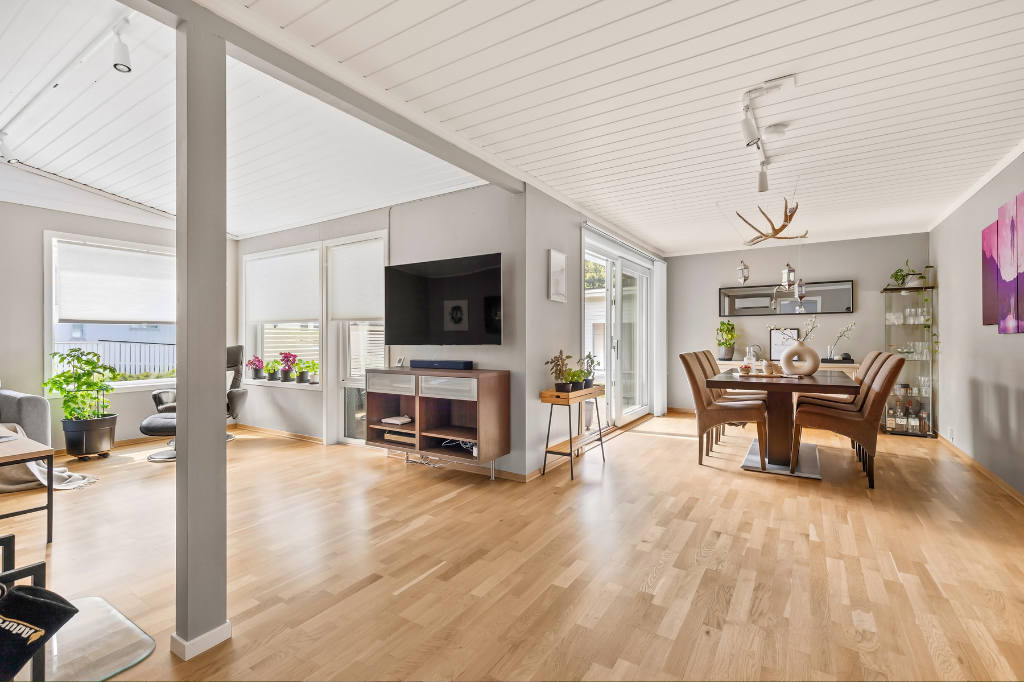
When selling a home, competing listings can tell you almost as much as recent sales. Sold properties show what buyers have already accepted. Active listings show what buyers are comparing your home against right now. That distinction matters. A seller may have a strong property, a fair price, and good marketing. However, if nearby homes offer more space, better presentation, stronger updates, or a sharper price, buyers will notice. They may not say it out loud, but they are comparing options in real time. Buyers Do Not View Your Home in Isolation Most buyers are not looking at one home. They are looking at a group of homes within a price range, neighbourhood, property type, and lifestyle need. That means your home is judged against: Similar homes currently for sale Recent price reductions Properties with better presentation Homes with stronger layouts or updates Listings that appear to offer better value Even if your home is priced based on past sales, competing listings can change how buyers respond today. Active Listings Show Current Buyer Choice Recent comparable sales are useful, but they are historical. They tell you what happened under a specific set of conditions. Active listings show the current choice buyers have. If there are only a few similar homes available, your property may stand out more easily. If there are many similar homes on the market, buyers may take longer, compare more carefully, and negotiate harder. This does not always mean a seller needs to lower the price. It does mean the listing strategy needs to be realistic. Presentation Can Shift the Comparison Competing listings are not only about price. Presentation plays a major role. A home that is clean, bright, well photographed, and easy to understand online can often create more interest than a similar home that feels cluttered or poorly presented. Buyers compare photos before they book a showing. They compare layouts before they walk through the door. They compare condition, finishes, outdoor space, storage, parking, and maintenance concerns. Small improvements can help your listing compete more strongly, especially when buyers have options. Price Adjustments Often Start With Competition When a listing is not getting enough showings or interest, sellers often look first at the price. That is fair, but the better question is: What else can buyers choose instead? If a nearby property is priced lower, recently reduced, better staged, or offering more useful space, that listing becomes part of the decision. Your home may still be worth the asking price, but buyers need to clearly understand why. This is where strategy matters. Sometimes the answer is a price adjustment. Sometimes it is improved photos, better wording, stronger feature emphasis, or a clearer explanation of the home’s value. Competing Listings Help Sellers Stay Objective Selling a home can feel personal. For many homeowners, the property carries years of memories, improvements, and emotional value. Buyers see it differently. They are trying to decide which home gives them the best fit, value, and confidence. Looking honestly at competing listings helps sellers step outside their own attachment and see the home through a buyer’s eyes. That perspective can make the difference between waiting and adjusting with purpose. What Sellers Should Review Before Listing Before going live, sellers should review the current competition with their real estate team. Key questions include: How many similar homes are currently for sale? Which listings are getting attention? Which homes have reduced their price? How does our presentation compare? What does our home offer that others do not? Where might buyers hesitate? Is our pricing strategy clear and defensible? These questions help shape a stronger launch. The Bottom Line Competing listings are not something sellers should fear. They are information. They help sellers understand buyer choice, pricing pressure, presentation standards, and market positioning. The goal is not to copy the competition. The goal is to know where your home fits, where it stands out, and where strategy may need to change. In a market where buyers compare carefully, sellers who understand competing listings are better prepared to price, present, and adjust with confidence. For advice on how your home compares to competing listings in Greater Victoria, contact Faber Real Estate Group for a clear, local selling strategy. Doug M., 5-Star Review, via Google “For us, selling our first home of 15 years brought up a lot of emotion and the process felt daunting. We had a challenging tenant and lived off island. In rode the Fabers, like knights on white horses! Always there, supporting, guiding every step of the way, connecting with confidence and kindness. Fluid communication and success on every level. Truly a God send, we can’t imagine having done it without them! A pleasure indeed.” Faber Real Estate Group Royal LePage Coast Capital Realty 📞 250-244-3430 📧 [email protected] ℹ️ Scott Faber Personal Real Estate Corporation ℹ️ Cal Faber Personal Real Estate Corporation Vanessa Wood, Zachary Parsons, and Sophie Taylor “Building Lasting Relationships, One Home at a Time.”
Read more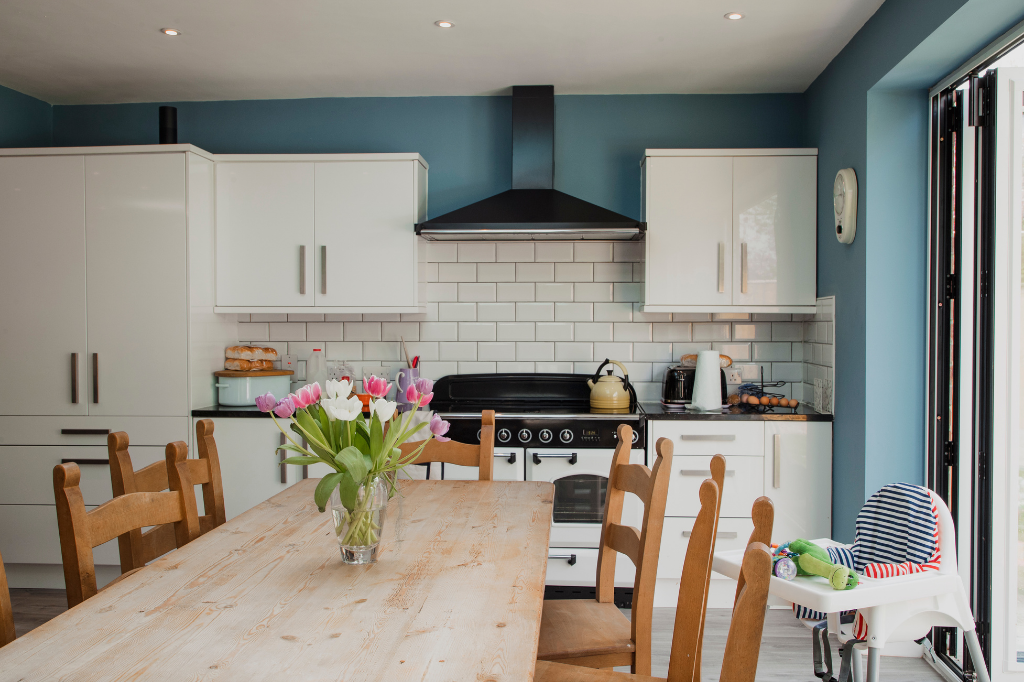
The Spring 2026 Greater Victoria real estate market is teaching buyers and sellers the same lesson from different angles: more choice does not remove the need for strategy. Buyers have more room to compare. Sellers have more competition. But the market has not become simple. Good homes still attract attention, overpriced listings still struggle, and broad headlines still miss the details that matter most. In April 2026, the Victoria Real Estate Board reported 643 property sales, almost unchanged from 642 sales in April 2025, and up 11.1% from March 2026. Active listings reached 3,710 at month-end, up 13.8% from March and 8.3% from April 2025. More Listings Are Giving Buyers Breathing Room The biggest shift this spring is choice. Buyers are seeing more homes come to market, which can reduce some of the pressure that comes with rushed decisions. Instead of feeling forced to act on every suitable listing, buyers can compare more carefully. That extra choice can help buyers: Review condition more thoughtfully Compare neighbourhoods more clearly Ask better questions Include appropriate conditions Think through long-term costs Avoid panic-based decisions This does not mean every buyer has strong negotiating power. It means buyers have more room to make informed decisions, especially in property segments with more available inventory. Stable Demand Still Matters More listings do not automatically mean prices fall quickly. Spring 2026 has shown that buyer demand is still present. Sales increased from March to April, and April sales were almost identical to the same month last year. That suggests buyers have not disappeared. They are simply being more selective. This is important for both sides. Buyers should not assume every seller will accept a major discount. Sellers should not assume that demand alone will carry an overpriced listing. The market is active, but more careful. Prices Are Moving Differently by Segment The Spring 2026 Greater Victoria real estate market also shows why local details matter. In the Victoria Core, the single-family benchmark price was $1,339,100 in April 2026, down 1.2% from April 2025 but up from March 2026. The condo benchmark was $558,300, down 0.8% year-over-year. Those are not dramatic year-over-year changes. They point to a market where pricing has softened in some areas, but not collapsed. This is why buyers and sellers should be careful with broad statements like “prices are dropping” or “the market is strong.” Both can be true in different pockets. Buyers Are Learning to Be Patient, Not Passive Spring 2026 is teaching buyers that patience can be useful, but passivity can be costly. A buyer who waits thoughtfully may avoid overpaying or choosing the wrong home. But a buyer who assumes better options will always appear may miss a property that fits their budget, lifestyle, and long-term needs. The better approach is to be prepared. Buyers should know: Their financing range Their ideal neighbourhoods Their non-negotiables Their flexible items Their comfort level with repairs Their monthly carrying costs Their offer strategy before the right home appears More choice helps most when buyers already know what they are looking for. Sellers Are Learning That Presentation Matters When buyers have more options, listing presentation becomes more important. A home that is clean, well-prepared, properly priced, and easy to understand has a better chance of standing out. A home with poor photos, unclear value, deferred maintenance, or an ambitious price may sit longer. Spring 2026 is reminding sellers that the launch matters. Before listing, sellers should think carefully about: Pricing strategy Competing listings Showing condition Repairs and touch-ups Professional photography Listing copy Floor plans Storage and decluttering Curb appeal Buyer objections Presentation is not about pretending a home is perfect. It is about reducing buyer hesitation. Sellers Are Also Learning to Listen Faster In a market with more listings, feedback becomes more valuable. If showings are low, the market may be rejecting the price, presentation, or marketing. If showings are strong but offers are not coming, buyers may like the home but see risk, condition issues, or better value elsewhere. Sellers do not need to react emotionally to every comment. But they should look for patterns. Useful questions include: Are buyers comparing this home to stronger options? Is the price aligned with current competition? Are the photos creating enough interest? Are showings producing consistent objections? Is the home easy to access? Does the property feel move-in ready for the price? The faster sellers understand the feedback, the easier it is to adjust strategically. Micro-Markets Still Matter Most Greater Victoria is not one market. A condo in downtown Victoria, a family home in Saanich, a townhouse in Langford, a downsizer property in Sidney, and a character home near Cook Street Village can all behave differently in the same season. Spring 2026 is reinforcing that buyers and sellers need property-specific advice, not just market headlines. The right strategy depends on: Municipality Neighbourhood Property type Price range Condition Strata health Lot size Walkability School catchment Buyer pool This is where broad statistics become a starting point, not the final answer. What Buyers Should Take From Spring 2026 For buyers, the lesson is simple: use the extra choice well. That means slowing down enough to compare, but staying ready enough to act when the right home appears. A strong buyer strategy includes: Reviewing new listings regularly Understanding fair market value Comparing total monthly costs Reading strata and title details carefully Keeping financing up to date Avoiding emotional overreaction Writing offers that match the property and market The best buyers this spring are not necessarily the most aggressive. They are the most prepared. What Sellers Should Take From Spring 2026 For sellers, the lesson is equally clear: the market will reward clarity. A listing needs to make sense from the first online impression through the showing and negotiation process. A strong seller strategy includes: Pricing with current competition in mind Preparing the home before launch Removing unnecessary buyer objections Marketing the property clearly Tracking showing activity Responding to feedback Adjusting before the listing feels stale Sellers can still do well in this market. But strategy matters more when buyers have options. The Bottom Line The Spring 2026 Greater Victoria real estate market is balanced, active, and more selective. Buyers have more choice, but not unlimited leverage. Sellers still have opportunity, but they need stronger pricing, preparation, and presentation. This spring is not teaching buyers and sellers to wait on the sidelines. It is teaching them to make better decisions. For advice on buying or selling in Greater Victoria’s current market, contact Faber Real Estate Group for clear, local guidance before making your next move. Gigi S., 5-Star Review, via Google Scott and his team are a highly professional group . Scott is a very friendly person , cares for needs and requirements of his client . He makes sure that the property you are buying is your dream place and where you would like to see yourself staying forever. I'm glad that we found such a great realtor. Faber Real Estate Group Royal LePage Coast Capital Realty 📞 250-244-3430 📧 [email protected] ℹ️ Scott Faber Personal Real Estate Corporation ℹ️ Cal Faber Personal Real Estate Corporation Vanessa Wood, Zachary Parsons, and Sophie Taylor “Building Lasting Relationships, One Home at a Time.”
Read more
Sellers need to compete on value when buyers have more options. Price matters, but it is not the only thing buyers compare. They also look at condition, presentation, location, maintenance, layout, documents, flexibility, and how confident the home makes them feel. A lower price can attract attention, but it does not always solve buyer hesitation. In many cases, sellers get better results by making the home easier to understand, easier to trust, and easier to choose. Buyers Do Not Only Ask, “Is It Cheap?” Most buyers are not looking for the lowest-priced home at any cost. They are looking for the best fit within their budget. That means they are often asking: Does this home feel well cared for? Does the price match the condition? Will this home need expensive repairs? Is the layout practical? Are the documents clear? Are there future costs I should worry about? Does this home feel better than the alternatives? When buyers have more listings to compare, value becomes more important than price alone. Price Gets Attention, But Value Builds Confidence A price reduction may bring more eyes to a listing. But once buyers are inside the home, they still need to feel confident. Value comes from the full picture. That can include: A realistic asking price Clean presentation Good photography Strong maintenance records Clear disclosure Practical improvements Organized documents Flexible possession options Strong curb appeal A home that feels easy to live in The best listing strategy is not simply “price lower.” It is to help buyers see why the home makes sense. Presentation Is Part of Value Presentation has a direct effect on perceived value. A clean, bright, well-organized home often feels more cared for. Buyers may not consciously assign a dollar amount to fresh paint, clean windows, tidy landscaping, or thoughtful staging, but those details affect how they feel. Poor presentation can make buyers question the price, even if the price is fair. Sellers should focus on: Decluttering Deep cleaning Improving lighting Touching up paint Fixing small repairs Making storage areas look functional Tidying outdoor spaces Creating clear room purpose These steps do not change the legal size of the home, but they can change how buyers experience it. Condition Can Matter More Than a Small Discount Some buyers would rather pay a fair price for a well-maintained home than chase a cheaper listing with uncertainty. If a home has deferred maintenance, buyers may mentally subtract more than the actual repair cost. They may also worry about the time, stress, and risk involved. This is why condition matters. A seller may create more value by addressing obvious concerns before listing, such as: Minor leaks Damaged trim Burnt-out lights Loose handles Dirty carpets Overgrown landscaping Peeling paint Poor odours Missing documentation Unclear repair history Small issues can create larger doubt. Reducing doubt can protect value. Buyers Compare the Total Cost of Ownership The purchase price is only one part of the decision. Buyers also think about: Mortgage payment Property taxes Insurance Strata fees Utilities Repairs Renovations Maintenance Commuting costs Future resale A home may be priced lower but still feel expensive if it needs work or has unclear future costs. A slightly higher-priced home may feel like better value if it is clean, efficient, well-maintained, and easy to move into. For sellers, the goal is to show why the property is worth choosing, not just why it is worth viewing. Documents and Transparency Add Value Buyers become more confident when they can understand the property clearly. For detached homes, this may include permits, receipts, maintenance records, renovation details, surveys, title information, or inspection history. For strata properties, buyers may review meeting minutes, depreciation reports, Form B, budgets, bylaws, insurance summaries, and contingency reserve fund details. Organized information helps reduce uncertainty. It can also make the transaction feel smoother. A seller who is prepared often feels more credible than a seller who is reactive. Flexibility Can Create Value Value is not always physical. Sometimes it comes from terms. Depending on the buyer, flexibility around possession dates, inclusions, subjects, or access for due diligence can make the home more attractive. For example, a buyer may value: A possession date that matches their move Clear communication Easy showing access A reasonable subject timeline Included appliances or fixtures Early access for measurements or trades A seller who responds quickly Terms do not replace price, but they can make an offer easier to write. Competing on Value Helps Avoid a Race to the Bottom If sellers focus only on price, the strategy can become reactive. One nearby listing reduces, then another follows, and suddenly sellers are competing mainly by discount. That may be necessary in some cases, especially if the original price was too high. But it should not be the only strategy. A better question is: How can this home become the most compelling option in its category? That may involve price, but it may also involve better preparation, better marketing, clearer information, stronger presentation, and fewer buyer objections. The Bottom Line for Sellers Sellers need to compete on value because buyers are comparing more than asking prices. They are comparing confidence, condition, presentation, total cost, risk, and lifestyle fit. A strong listing does not rely on one lever. It brings pricing, preparation, marketing, and negotiation together so buyers understand why the home is worth serious consideration. In Greater Victoria, where every neighbourhood and property type can behave differently, the best strategy is not simply to be cheaper. It is to be clearer, stronger, and easier to choose. For advice on preparing, pricing, and positioning your home for sale in Greater Victoria, contact Faber Real Estate Group for clear, local guidance before making your next move. Dom L., 5-Star Review, via Google “After months of searching and giving us their honest advice, we finally bought a place while out of town. We only had a virtual tour of the site, but we felt very comfortable making an offer because they understood what we were looking for. I would recommend going to Faber group as they are knowledgeable, professional and resourceful.” Faber Real Estate Group Royal LePage Coast Capital Realty 📞 250-244-3430 📧 [email protected] ℹ️ Scott Faber Personal Real Estate Corporation ℹ️ Cal Faber Personal Real Estate Corporation Vanessa Wood, Zachary Parsons, and Sophie Taylor “Building Lasting Relationships, One Home at a Time.”
Read more
Maintenance records for home buyers can make a major difference during the decision-making process. When buyers review a home, they are not only looking at the layout, finishes, and location. They are also trying to understand how well the property has been cared for and what costs may be coming next. A home can show beautifully, but buyers still want proof. Receipts, invoices, warranties, permits, service records, and upgrade timelines help turn a seller’s word into something more concrete. In a market where buyers have more choice, that level of clarity can help a property stand out. Buyers Want Confidence, Not Guesswork Most buyers understand that every home requires maintenance. What creates concern is uncertainty. If a roof looks older, buyers want to know when it was replaced. If there is a heat pump, they want to know whether it has been serviced. If windows, plumbing, drainage, appliances, or electrical work have been updated, they want to see what was done and when. Good records help answer important questions: Has the home been cared for consistently? Were repairs done professionally? Are warranties still available? What major expenses may be coming soon? Has the seller kept track of important work? The more information a buyer has, the easier it becomes for them to make a confident decision. Records Can Reduce Buyer Anxiety Buying a home is a large financial commitment. Even experienced buyers can feel nervous about hidden issues, future repairs, or surprises after possession. Maintenance records help reduce that anxiety because they show a history of care. They tell the buyer that the seller paid attention, addressed issues, and understood the responsibility of ownership. This can be especially helpful for: Older character homes Rural properties Homes with septic systems or wells Condos and townhomes with mechanical upgrades Properties with major renovations Homes with newer systems that may still be under warranty A buyer may still order an inspection, but strong records can make the inspection process feel less uncertain. Maintenance Records Can Support Value Buyers often compare homes quickly. Two homes may have similar size, location, and finishes, but the one with clearer documentation may feel like the safer choice. For example, a seller may say the roof is newer. However, an invoice showing the date, contractor, materials, and warranty gives that claim more weight. The same applies to heat pumps, perimeter drains, hot water tanks, decks, electrical work, and window replacements. That documentation can help buyers understand why one home may be priced higher than another. It does not guarantee a higher sale price. However, it can support the value story and reduce friction during negotiations. Buyers Notice When Records Are Missing Missing records do not always mean something is wrong. Many homeowners simply do not keep organized files. However, from a buyer’s perspective, missing information can create doubt. When buyers cannot verify work, they may: Build in a larger risk cushion Ask more questions Request further inspections Negotiate more aggressively Choose another home with clearer documentation In other words, poor record-keeping can make a well-maintained home feel less certain than it actually is. Records Matter More in a Balanced Market When inventory is tight, buyers may accept more unknowns because they have fewer choices. In a more balanced market, buyers often compare properties more carefully. That means maintenance records for home buyers can become part of the seller’s marketing advantage. They help answer questions before they become objections. Clear records can also help keep a transaction moving after an offer is accepted. If buyers ask for documentation during subject removal, the seller can respond quickly instead of scrambling to find receipts or confirm details. What Sellers Should Keep Sellers do not need a perfect binder, but they should gather the most important records before listing. Useful documents may include: Roof replacement invoices Heating and cooling service records Hot water tank installation details Appliance warranties and manuals Renovation invoices Electrical or plumbing permits Window and door receipts Septic or well records, if applicable Strata documents, depreciation reports, and meeting minutes for strata properties Contractor information for major work Even a simple digital folder can help. The goal is not to overwhelm buyers. The goal is to make the home easier to understand. Presentation Matters A pile of random receipts is better than nothing, but organized records are much more useful. Before listing, sellers can sort documents by category: Exterior and roof Heating and cooling Plumbing and electrical Appliances Renovations Strata or property systems Warranties and manuals This makes it easier for the listing agent, buyer’s agent, inspector, and buyer to find relevant information quickly. It also sends a subtle message: this home has been managed with care. A Well-Documented Home Feels Safer Buyers are not only buying the visible parts of a property. They are also buying its history. Maintenance records help tell that history in a way buyers can trust. They show care, reduce uncertainty, and support the overall value of the home. For sellers, they can make the property feel more transparent and easier to buy. For buyers, they can turn hesitation into confidence. In real estate, trust often comes from clarity. Maintenance records are one of the simplest ways to create it. For help preparing your home for market and organizing the details buyers care about most, contact Faber Real Estate Group for practical, local guidance before you list. Yen-Shang W., 5-Star Review, via Google “As a first-time homebuyer, I honestly had no idea what to expect. But Zach walked me through everything with patience and clarity. He took care of all the little things I wouldn’t have thought of and made what could have been a stressful process feel surprisingly smooth and easy. I’m really grateful for his guidance and professionalism—and most of all, for helping me find a place I can now call home. Thank you so much, Zach!” Faber Real Estate GroupRoyal LePage Coast Capital Realty📞 250-244-3430📧 [email protected]ℹ️ Scott Faber Personal Real Estate Corporationℹ️ Cal Faber Personal Real Estate CorporationVanessa Wood, Zachary Parsons, and Sophie Taylor“Building Lasting Relationships, One Home at a Time.”
Read more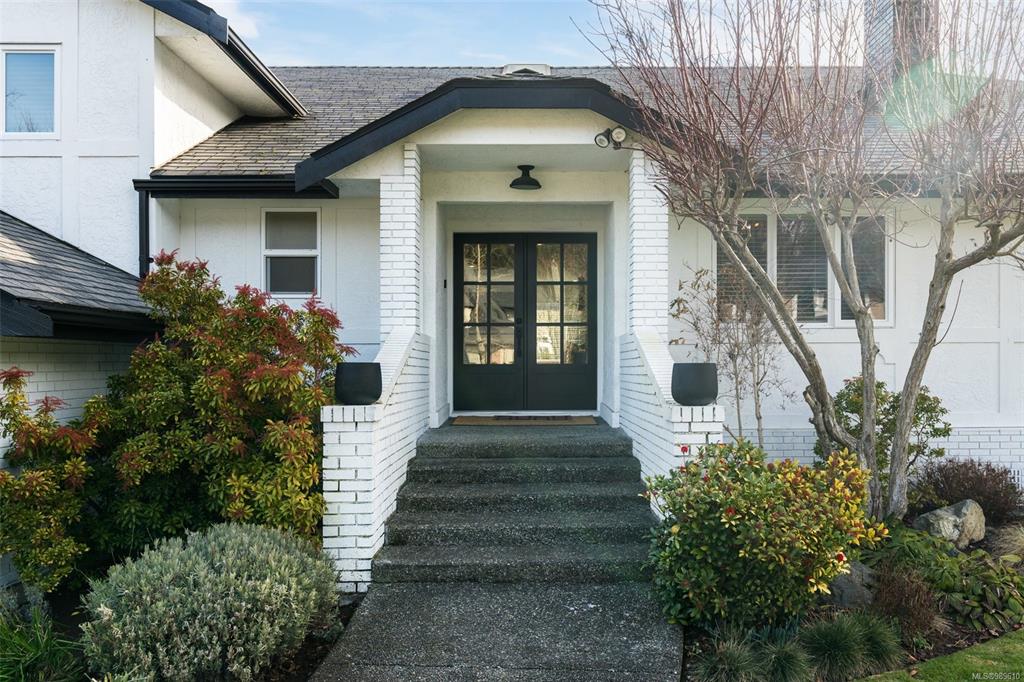
Buyer hesitation after a showing is one of the most frustrating parts of selling a home. A buyer books a showing, walks through the property, seems interested, and then nothing happens. No offer. No second showing. Sometimes, not even detailed feedback. For sellers, this can feel confusing. However, buyers rarely hesitate for no reason. In most cases, something during the showing created doubt, uncertainty, or a sense that the home may not be worth pursuing at the current price. Buyers Are Often Looking for Reasons to Say No When buyers walk into a home, they may want to love it. However, they are also protecting themselves. They are thinking about their budget, future repairs, monthly costs, resale value, layout, lifestyle fit, and whether another property may be better. Even buyers who are emotionally drawn to a home may slow down if something feels unclear. That is why buyer hesitation after a showing is often about more than the home itself. It is about confidence. If buyers feel confident, they move closer to an offer. If they feel uncertain, they usually step back. The Price Does Not Match the Experience One of the biggest reasons buyers hesitate is a gap between the asking price and what they experience in person. Online, the home may look polished. In person, buyers may notice wear, dated finishes, layout challenges, noise, maintenance issues, or smaller rooms than expected. When that happens, buyers may still like the home, but not at the listed price. This is especially important in a market where buyers have more choice. If several homes are available in the same price range, buyers will compare condition, location, updates, and overall value very closely. Deferred Maintenance Creates Doubt Buyers can usually accept cosmetic imperfections. What worries them more is the feeling that maintenance has been delayed. Common concerns include: An older roof Worn exterior paint or siding Foggy windows Old heating systems Moisture concerns Cracked walkways or drainage issues Tired decks or fencing Unfinished repairs Poorly maintained landscaping These items may not stop every buyer, but they create questions. How much will this cost? What else has been overlooked? Will insurance be an issue? Will we need to spend money right away? Once buyers start building a mental repair list, hesitation grows quickly. The Layout Does Not Fit Their Real Life Sometimes a home shows well but does not function the way buyers need it to. A buyer may like the kitchen, the location, or the yard, but still hesitate because the layout creates friction. Maybe there is no proper mudroom. Maybe the bedrooms are too close together. Maybe the office space is awkward. Maybe the dining area feels too small. Layout concerns are personal, but they matter because buyers imagine daily routines during a showing. They are asking: Where do we put coats, shoes, and bags? Can we host family here? Is there enough storage? Does the home work for kids, pets, guests, or working from home? Will this still work in five years? If the home does not answer those questions clearly, buyers may keep looking. The Home Feels Too Personal A home should feel warm, but not so personal that buyers struggle to picture themselves living there. Too many family photos, strong paint colours, heavy decor, specific collections, or crowded rooms can make it harder for buyers to connect with the space. This does not mean a home needs to feel empty. In fact, a completely empty home can sometimes feel cold. The goal is balance. Buyers should feel like the home has been cared for, while still being able to imagine their own furniture, routines, and future. The Showing Experience Feels Distracting The smallest distractions can shift a buyer’s attention away from the strengths of the home. Examples include: Strong odours Poor lighting Cluttered counters Pets at the showing Sellers being home Rooms that feel too warm or too cold Loud appliances or background noise Hard-to-access areas Locked rooms or blocked storage spaces A buyer may not say, “The home felt distracting.” Instead, they may simply leave feeling unsure. Good showing preparation removes friction. The easier it is for buyers to focus, the more likely they are to connect with the property. The Neighbourhood Fit Is Unclear A buyer may like the home but hesitate because they are unsure about the neighbourhood. They may wonder about traffic, parking, schools, walkability, transit, future development, noise, or commute times. Sometimes they view the home first, then research the area afterward. If the neighbourhood does not match their expectations, interest can fade. This is where strong marketing helps. Sellers should not rely only on the home itself. The listing should explain the lifestyle around the home, including nearby parks, shops, schools, recreation, trails, beaches, transit, or community features. A buyer needs to understand not just the property, but the life it supports. Buyers Are Unsure About Future Resale Many buyers are thinking ahead, even if they are buying for themselves. They may ask: Will this home appeal to future buyers? Is the layout too unusual? Is the location too specific? Will the strata fees become a concern? Is there enough parking? Will future repairs affect value? Is the home over-improved for the area? If buyers worry that a home may be difficult to sell later, they may hesitate even if they personally like it. This is especially true for first-time buyers, downsizers, and anyone stretching their budget. They want to feel that the home is not only enjoyable, but also a sound long-term decision. The Listing Raised Expectations Too High Great marketing should attract buyers, but it should also be accurate. If photos, descriptions, or staging create expectations that the home cannot meet in person, buyers may feel disappointed. That disappointment can be hard to recover from. This is why strong real estate marketing should highlight the best features while still preparing buyers for the real experience of the home. The goal is not to oversell. The goal is to create trust before the showing even begins. How Sellers Can Reduce Buyer Hesitation Sellers cannot control every buyer’s needs, budget, or personal taste. However, they can reduce unnecessary doubt. Before listing, sellers should consider: Completing small repairs Decluttering key rooms Improving lighting Cleaning windows and exterior areas Organizing closets, storage rooms, and garages Gathering maintenance records Making the entry feel welcoming Removing strong odours Preparing the yard or balcony Pricing in line with condition and competition These steps help buyers focus on the home’s strengths instead of searching for problems. Feedback Matters, But Patterns Matter More One piece of buyer feedback may not tell the full story. However, repeated feedback should be taken seriously. If several buyers mention price, layout, condition, smell, lighting, or maintenance, that pattern matters. It may point to an adjustment in preparation, marketing, or pricing strategy. Sellers should avoid reacting emotionally to every comment, but they should stay open to what the market is saying. The market does not always speak through offers. Sometimes, it speaks through silence. The Bottom Line Buyer hesitation after a showing usually comes from uncertainty. Buyers may like a home, but if they are unsure about price, condition, layout, maintenance, neighbourhood fit, or resale value, they may pause instead of writing an offer. For sellers, the goal is to remove as much doubt as possible before buyers walk through the door. A well-prepared home, clear marketing, realistic pricing, and strong presentation can help turn interest into confidence. If your home is getting showings but not offers, contact Faber Real Estate Group for advice on what buyers may be noticing and how to strengthen your selling strategy. Michael F., 5-Star Review, via Google “We recently had the pleasure of working with Cal and Scott Faber, a remarkable father-son real estate team, to sell our premium family home and purchase a smaller, downsized property in an awesome neighbourhood. Their experience and guidance were invaluable in both pricing and strategizing the timing of our sale. The professionalism of their photography and marketing video team was unparalleled, making us feel like celebrities on an episode of MTV Cribs, they showcased our home in the best possible light at different times of the day. This attention to detail truly highlighted the features we loved about our home and revealed the value to our buyers..” Faber Real Estate Group Royal LePage Coast Capital Realty 📞 250-244-3430 📧 [email protected] ℹ️ Scott Faber Personal Real Estate Corporation ℹ️ Cal Faber Personal Real Estate Corporation Vanessa Wood, Zachary Parsons, and Sophie Taylor “Building Lasting Relationships, One Home at a Time.”
Read more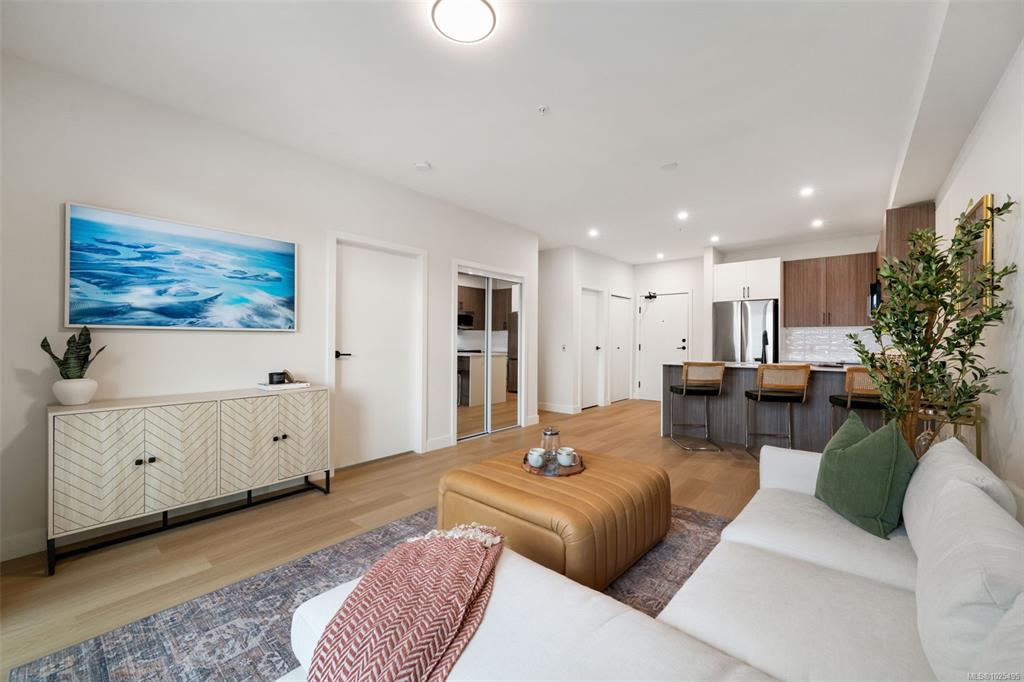
Learning how to make a small home feel more functional can change the way you live in the space. A smaller home does not always need more square footage. Often, it needs better flow, smarter storage, and clearer purpose in each room. This matters whether you are living in the home, preparing to sell, downsizing, or buying a condo, townhome, or compact detached home in Greater Victoria. A small home can feel comfortable, efficient, and calm when every part of it works with intention. Start With How You Actually Live Before buying storage bins or rearranging furniture, look at your daily habits. Ask yourself: Where does clutter usually collect? Which areas feel frustrating? What do you use every day? What furniture gets in the way? Which rooms are trying to do too much? A small home becomes harder to live in when every space has too many jobs. A dining table becomes an office, a storage area, a drop zone, and a place to eat. A bedroom becomes a closet overflow zone. A hallway becomes a holding area. The first step is not adding more. It is deciding what each space needs to do. Create Clear Zones A small home feels more functional when each area has a clear purpose. In an open-concept condo or smaller house, this may mean creating zones instead of relying on walls. For example: A rug can define the living area A small desk can create a work zone A bench and hooks can create an entry area A narrow console can separate dining from living space A shelving unit can divide a room without closing it in Clear zones help the home feel organized. They also make it easier for buyers to understand how the space works if you are preparing to sell. Choose Furniture That Fits the Room Oversized furniture is one of the fastest ways to make a small home feel cramped. A large sectional may be comfortable, but it can overwhelm a smaller living room. A bulky dining set may make everyday movement awkward. A king bed may leave little room for nightstands, storage, or walking space. Better choices often include: Apartment-sized sofas Round dining tables Storage ottomans Beds with drawers Nesting tables Wall-mounted desks Slim-profile chairs Expandable dining tables The goal is not to make the home feel empty. It is to make movement easy. If you have to squeeze around furniture every day, the layout is working against you. Use Vertical Space When floor space is limited, walls become more valuable. Vertical storage can help free up counters, closets, and corners. This is especially useful in condos, townhomes, and older homes with smaller rooms. Consider: Tall bookcases Floating shelves Wall hooks Over-the-door organizers Pegboards in utility areas High kitchen cabinets Closet systems that reach upward The key is balance. Too much wall storage can feel busy. However, thoughtful vertical storage can make a small home feel much more efficient. Improve the Entryway The entryway often sets the tone for the whole home. In a smaller home, even a tiny entrance can become more functional with the right setup. You do not need a large mudroom to create order. A practical entry area may include: Hooks for coats and bags A small bench Shoe storage A tray for keys A basket for everyday items A mirror to reflect light This keeps daily clutter from spreading into the main living space. It also helps the home feel calmer the moment you walk in. Make Storage Easier to Use Storage only works if it is easy to maintain. Deep closets, awkward cupboards, and overfilled drawers can make a home feel less functional even when there is technically enough storage. Focus on making storage simple: Group similar items together Keep daily-use items easy to reach Use clear bins or labels Add drawer dividers Use closet organizers Remove items you no longer need Keep seasonal items out of prime storage areas A smaller home should not require constant rearranging. Good storage should make daily life easier, not more complicated. Let Light Travel Through the Space Light can make a small home feel larger and more comfortable. Heavy window coverings, dark corners, and blocked sightlines can make rooms feel smaller than they are. Brighter spaces tend to feel more open, even when the square footage has not changed. Simple improvements include: Using lighter window coverings Keeping windows clear Adding floor or table lamps Using mirrors strategically Choosing lighter wall colours Avoiding overly bulky furniture near windows This is especially helpful in Greater Victoria, where winter light can be limited. A brighter home often feels more inviting throughout the year. Keep Surfaces Clear In a small home, surfaces matter. Kitchen counters, bathroom vanities, coffee tables, and desks can quickly become visual clutter zones. When every surface is full, the whole home feels tighter. A helpful rule is to keep daily-use items visible and store the rest. For example: Keep only essential appliances on the kitchen counter Use trays to group items Store paperwork in one location Keep bathroom products organized Avoid using dining tables as storage Clear surfaces make a small home feel more peaceful and more functional. Think Carefully About Multi-Use Rooms Small homes often need flexible spaces. A guest room may also work as an office. A den may become a workout space. A dining area may need to support remote work. The mistake is trying to make one room do everything at once. Instead, choose the top two uses and design around them. For example, a guest room and office can work well with: A Murphy bed A daybed A compact desk Closed storage Good lighting Minimal extra furniture When a multi-use room has clear priorities, it becomes useful instead of chaotic. Why Function Matters for Resale Function is not just about comfort. It can also affect how buyers feel during a showing. A smaller home that feels organized, bright, and easy to live in can often compete well against larger homes that feel awkward or cluttered. Buyers notice: Storage Furniture placement Natural light Flow between rooms Closet space Entryway function Kitchen usability Whether each room has a clear purpose When buyers can picture their life in the home, the space feels more valuable. This is why small-home preparation matters before listing. You are not just showing square footage. You are showing how well the home works. The Bottom Line Knowing how to make a small home feel more functional starts with intention. You do not need to fill every corner or add more furniture. In many cases, the best improvements come from simplifying, defining zones, improving storage, and making movement easier. A small home can still feel spacious, practical, and comfortable when each part of the space has a clear role. If you are buying, selling, or preparing a smaller home in Greater Victoria and want advice on how to make the space feel more functional, contact Faber Real Estate Group for local guidance before your next move. Vince R., 5-Star Review, via Google “Cal and Scott made our home selling experience very simple and easy, especially when you consider that we were in a different province and corresponding via our mobile devices. In less than 2 weeks we received and accepted an offer on our Condo. We would like to thank the both of them for listing our property and sharing all their expertise in properly listing our condo.” Faber Real Estate GroupRoyal LePage Coast Capital Realty📞 250-244-3430📧 [email protected]ℹ️ Scott Faber Personal Real Estate Corporationℹ️ Cal Faber Personal Real Estate CorporationVanessa Wood, Zachary Parsons, and Sophie Taylor“Building Lasting Relationships, One Home at a Time.”
Read more
Custom homes can be harder to price because they do not always fit neatly into the market around them. Unlike a standard subdivision home, a custom-built property may have a unique layout, higher-end materials, unusual design choices, special views, extra land value, or features that only appeal to a smaller group of buyers. That does not mean custom homes are worth less. In many cases, they can command a premium. However, pricing them requires more judgement because the value is not always obvious from recent sales alone. Comparable Sales Are Not Always Perfect Most home pricing starts with comparable sales. A REALTOR® looks at similar properties that recently sold in the same area and compares size, condition, location, lot, age, and features. With custom homes, this process gets harder. Two homes may look similar on paper but feel completely different in person. For example: One may have a high-end kitchen, custom millwork, and premium windows. Another may have the same square footage but a dated layout. One may sit on a private, usable lot. Another may have steep land, limited parking, or awkward outdoor space. Because of this, the value of a custom home often comes from the full package, not just the number of bedrooms, bathrooms, or square feet. Design Choices Can Help or Hurt Value Custom homes often reflect the taste and lifestyle of the original owner. That can be a strength, but it can also narrow the buyer pool. A home with timeless design, thoughtful storage, natural light, and strong indoor-outdoor flow may attract broad interest. However, a home with highly specific finishes, unusual room layouts, or bold architectural choices may appeal to fewer buyers. This is where sellers need to be careful. The cost to build something is not always the same as the resale value. A feature may have been expensive, but buyers may not assign the same value to it if it does not fit how they want to live. Replacement Cost Does Not Equal Market Value Many sellers look at what it would cost to rebuild their home today and assume that should set the price. Replacement cost matters, especially with rising construction costs, but buyers still compare the property to other options available on the market. A buyer may ask: What else can I buy in this price range? Is this home move-in ready? Does the layout work for my family? Is the land usable? Are the finishes current? Will this be easy to resell later? A custom home may be expensive to recreate, but market value depends on what buyers are willing to pay now. Location Still Carries the Most Weight Custom features can add value, but location remains one of the biggest pricing factors. A beautifully built home in a less convenient location may not attract the same demand as a simpler home in a highly desirable neighbourhood. In Greater Victoria, buyers often weigh: Proximity to schools, parks, beaches, and trails Commute times to Victoria, UVic, CFB Esquimalt, or the Westshore Walkability and access to amenities Privacy, outlook, and sun exposure Neighbourhood consistency and resale confidence The best custom home pricing strategy considers both the home and the setting around it. Buyers May Need More Education A standard home is easier for buyers to understand quickly. A custom home often needs more explanation. For example, buyers may not immediately recognize the value of: Structural upgrades Energy-efficient systems Custom cabinetry High-quality windows and doors Radiant heating Superior insulation Site preparation Drainage work Architectural planning Landscaping and outdoor living spaces This is why marketing matters. A custom home should not be listed with generic descriptions and basic photos. The listing needs to explain what makes the home different and why those differences matter. Appraisals Can Be More Complicated Custom homes can also create challenges during financing. If there are limited comparable sales nearby, an appraiser may need to make larger adjustments. That can create a gap between the seller’s expected value, the buyer’s offer price, and the lender’s appraised value. This is another reason pricing should be grounded in evidence. A strong pricing strategy should include comparable sales, current competition, replacement-cost context, buyer demand, and a clear explanation of the home’s unique features. Overpricing a Custom Home Can Be Risky Because custom homes are unique, some sellers assume they should “test the market” at a higher price. That can work in rare cases, but it can also backfire. If the price is too high, buyers may not engage. The home can sit, showings may slow, and the listing can start to feel stale. Once that happens, even strong properties can lose momentum. A better approach is to price within a realistic range, then let the marketing tell the story. The goal is not just to prove the home is special. The goal is to create enough buyer confidence to generate action. How to Price a Custom Home Strategically A strong pricing process should look at more than the last few sales. It should include: Recent comparable sales, even if imperfect Active competition Buyer behaviour in the current market Lot quality and privacy Build quality and finish level Layout and functionality Replacement-cost context Resale appeal Neighbourhood demand Current inventory levels Custom homes are harder to price because they require both data and judgement. The numbers matter, but so does understanding how buyers will experience the home. Final Thoughts When pricing a custom home, the question is not only, “What did it cost to build?” The better question is, “How will today’s buyers compare this home to every other option they have?” That is where strategy matters. A custom home needs the right price, the right positioning, and the right explanation. When those pieces work together, buyers can better understand the value and sellers can make more confident decisions. For guidance on pricing a custom-built or unique property in Greater Victoria, contact Faber Real Estate Group for a thoughtful, market-informed strategy. Faber Real Estate GroupRoyal LePage Coast Capital Realty📞 250-244-3430📧 [email protected]ℹ️ Scott Faber Personal Real Estate Corporationℹ️ Cal Faber Personal Real Estate CorporationVanessa Wood, Zachary Parsons, and Sophie Taylor“Building Lasting Relationships, One Home at a Time.”
Read more
Buying and selling a home at the same time can feel like trying to time two moving targets. The good news is that buy and sell at the same time does not have to mean feeling rushed, pressured, or forced into a bad decision. With the right strategy, the process becomes less about guesswork and more about sequencing, timing, and protecting your options. In Greater Victoria, that matters more than ever. Buyers often have more choice when inventory is higher, while sellers need to be realistic on pricing and timing in a more competitive market. That means the best move is rarely the fastest move. It is the one that gives you enough control to make clear decisions at each stage. Why this feels so stressful Most homeowners are not just making one decision. They are making several at once. How much can I realistically sell for? How quickly will my current home move? Do I buy first or sell first? What happens if one side moves faster than the other? How do I avoid carrying two homes or having nowhere to go? That pressure gets heavier when people think there is only one “right” order. In reality, there are a few workable paths. The right one depends on your finances, your flexibility, and how much risk you are comfortable carrying. The real goal is not perfect timing A lot of people think success means both transactions happen on the exact right day. That is not really the goal. The real goal is to create enough margin so you can make smart decisions without panic. That means planning for timing gaps, knowing your financial limits, and understanding what you will do if the market moves slower or faster than expected. This is especially important in a market where buyers may take longer to act and sellers face more competition. Faber’s own market positioning work notes that today’s clients need decision support, sequencing plans, and proactive communication because more choice does not automatically create more confidence. The three main ways to buy and sell at the same time 1. Sell first, then buy This is the most conservative option. You sell your current home first, know exactly what you have to work with, and then shop with a clear budget and less financial risk. This works well when: you need the sale proceeds to fund the next purchase you want to avoid carrying two properties you prefer certainty over speed you are downsizing or on a tighter budget The downside is that you may need temporary housing or a rent-back arrangement if you do not find the next home quickly. 2. Buy first, then sell This option can work when you have strong finances, access to bridge financing, or enough equity to handle a short overlap. This works well when: you have to secure the next home before letting go of the current one you are moving into a hard-to-find property type your income and financing flexibility can absorb some overlap you want to avoid feeling pressured to settle for the wrong home The risk is simple: if your current home takes longer to sell or sells for less than expected, the pressure shifts from emotional stress to financial stress. 3. Buy with a subject to sale strategy This means making an offer that depends on the sale of your current home. This can reduce risk, but it is not always competitive. Some sellers will accept it, especially if their property has been sitting or if the market gives buyers more negotiating room. Other sellers will pass in favour of a cleaner offer. This works best when: you are in a more balanced or buyer-favouring market the home you want is not attracting multiple offers your current property is likely to sell quickly both parties are realistic and flexible How to reduce the feeling of being rushed Start with your numbers, not the listings The fastest way to feel overwhelmed is to begin with open houses and online searches before you understand your real position. Before you look seriously, get clear on: your likely sale price range your mortgage qualification your cash available for closing costs and moving costs whether bridge financing is available to you the monthly carrying cost you can tolerate if there is overlap That clarity changes everything. Instead of reacting emotionally to each new listing, you can judge opportunities against a plan. Price your current home for movement, not hope When people are trying to buy and sell at the same time, overpricing creates a chain reaction. A home that sits too long delays the next purchase, weakens your negotiating position, and adds stress to every decision. In a market with more listings and more defined outcomes, sellers need clearer expectations on pricing and timelines rather than optimism alone. A strong pricing strategy gives you momentum. Momentum creates options. Know your backup plan before you need it This is where a lot of stress can be avoided. Ask these questions early: Could you stay with family for a short time? Would you consider a short-term rental? Can you negotiate a longer completion date on your sale? Can you ask for a rent-back after closing? Would bridge financing solve the gap if timing is close? The people who feel least rushed are usually the people with a Plan B. Focus on dates, not just price When clients buy and sell at the same time, price gets most of the attention. However, dates often matter just as much. A slightly lower sale price with better timing can be the better overall outcome. Likewise, a purchase with flexible possession may be more valuable than one that looks cheaper on paper but forces a rushed move. In other words, the cleanest transaction is not always the highest number. Sometimes it is the best fit. A practical way to think about the sequence Here is the simplest framework: Step 1: Prepare your current home as if you will list soon Even if you have not committed to listing yet, get the home market-ready. Declutter, handle small repairs, and understand what work is actually worth doing. Step 2: Get a realistic pricing and timing opinion You need to know not just what your home could sell for, but how long it may take in your specific area and property type. Step 3: Confirm financing for your next move Talk to your lender or broker about qualification, down payment timing, and whether bridge financing is an option. Step 4: Choose your risk tolerance Do you want maximum certainty, maximum flexibility, or a balance of both? This is where the sell-first versus buy-first decision becomes clearer. Step 5: Build your offer and listing strategy around timing This includes preferred possession dates, subject options, rent-back possibilities, and what you will do if one side moves faster than the other. Who should usually sell first Selling first is often the better path for: homeowners on a fixed budget downsizers who want less uncertainty anyone relying heavily on sale proceeds clients who would lose sleep carrying two homes There is nothing unstrategic about choosing certainty. In many cases, it is the move that protects both your finances and your peace of mind. Who may be better off buying first Buying first can make sense for: move-up buyers searching for a very specific home clients with strong income and equity households that can handle a temporary overlap people who would rather wait for the right purchase than rush into one after selling This path can work very well, but only when the numbers support it. The biggest mistake to avoid The biggest mistake is treating both transactions like separate events. They are connected. Your list price affects your buying power. Your purchase timeline affects your sale strategy. Your financing affects how aggressive or flexible you can be. When people look at each piece in isolation, they feel pulled in different directions. When they treat it as one coordinated plan, the process becomes much easier to manage. Final thoughts If you want to buy and sell at the same time without feeling rushed, the answer is not to move faster. It is to plan better. The right strategy creates breathing room, reduces emotional decisions, and keeps you in control even when the market feels uncertain. If you are trying to time your next move in Greater Victoria, contact Faber Real Estate Group for a clear step-by-step plan that fits your budget, timeline, and comfort level. Howard P., 5-Star Review, via Google “Cal and Scott Faber are authentic and trustworthy and give it to you straight up. They take the time and the attention to learn about your needs and then find the home that fits them. Our experience with Cal and Scott Faber was exceptional. They didn't just provide great service, they demonstrated a genuine concern for our best interests, making us feel truly valued. They will do their best to find the home that fits your lifestyle and needs. I heartily recommend Cal and Scott.” Faber Real Estate Group Royal LePage Coast Capital Realty 📞 250-244-3430 📧[email protected] ℹ️ Scott Faber Personal Real Estate Corporation ℹ️ Cal Faber Personal Real Estate Corporation Vanessa Wood, Zachary Parsons, and Sophie Taylor “Building Lasting Relationships, One Home at a Time.”
Read more
If you are wondering whether to relist or wait if your home is not selling, you are not alone. In today’s Greater Victoria market, many sellers are asking whether they should relist or wait if your home is not selling after showings slow down, feedback turns vague, or the listing simply sits. The real answer is that neither option fixes the problem on its own. In most cases, the issue is not the listing date. It is the strategy behind the listing. That matters even more in the current market. The Victoria Real Estate Board reported 579 sales in March 2026, down 5.5% from March 2025, while active listings rose to 3,261, up 7.9% year over year. VREB also described current conditions as a market with good supply and reasonable demand, which means buyers have options and sellers face more competition. The Real Problem Usually Is Not Time When a home does not sell, sellers often blame the clock. They think: maybe we need to take it off the market maybe buyers are ignoring it because it has been listed too long maybe a fresh MLS number will solve it Sometimes a relist can help at the margins. Most of the time, though, it does not change the reason buyers passed in the first place. A home usually sits for one of five reasons: the price does not match current buyer expectations the presentation is not strong enough online the property is reaching the wrong audience the condition or showing experience creates hesitation the seller’s expectations have not adjusted to current competition In a market with more inventory, buyers compare harder, hesitate longer, and negotiate more confidently. VREB’s March 2026 update said both sales and listings increased from the previous month in a typical spring pattern, but inventory remains elevated. That means a listing has to feel well-positioned, not just available. When Relisting Can Make Sense Relisting can be the right move, but only when something meaningful has changed. That could include: a clear price correction new photos or much better marketing repairs, staging, or decluttering that change buyer perception a different launch strategy a shift in market timing after a quieter period In other words, relisting works best when it reflects a new offer to the market, not just a new start date. A relist without a real change often backfires. Buyers may still recognize the property, especially in neighbourhoods where they are watching closely. If the same home comes back with the same price, same presentation, and same issues, the market usually reads that as a seller trying to reset the optics rather than improve the value. When Waiting Might Make Sense Waiting can make sense too, but only for the right reason. It may be worth pausing if: you know you are entering a better seasonal window for your property type you need time to improve condition or presentation there is a personal timing reason that makes selling now too rushed your next move depends on better preparation, not blind patience What usually does not work is waiting in the hope that buyers will suddenly become less selective. Right now, Greater Victoria is not suffering from a lack of choice. Active listings were up 12.3% from February to March 2026 and up 7.9% year over year, giving buyers more selection. In that kind of environment, a seller who waits without improving strategy can come back to the market facing the same challenge again. What a Sitting Listing Is Actually Telling You A listing that is sitting is feedback. Not emotional feedback. Market feedback. Here is how to read it: No showings This often points to price, photos, headline appeal, or early online presentation. Buyers are screening you out before they ever visit. Showings but no offers This usually means the home is creating interest but not confidence. The issue may be layout, condition, odour, light, deferred maintenance, or value relative to competing homes. Offers far below expectations This often means the market sees the home differently than the seller does. It can also mean buyers are building in room for updates, risk, or soft demand. Positive comments but no action This is one of the clearest signs the home is not winning the comparison test. Buyers may like it, but they do not like it enough at that price. A Better Question Than “Relist or Wait?” The smarter question is this: What needs to change for the next buyer to say yes? That shift matters. Because once you ask that, the plan becomes more practical: review competing active listings, not just past solds assess whether the current price still makes sense evaluate photos, copy, floor plan flow, and first impression study buyer feedback for patterns decide whether the home needs repositioning, not just more time This is especially important in a market where benchmark values have been relatively soft. In March 2026, the Victoria Core benchmark for a single-family home was $1,330,200, down 1.1% from March 2025, while the benchmark for a Victoria Core condominium was down 0.8% year over year. What We Usually Recommend Instead In many cases, the best strategy is neither “just relist” nor “just wait.” It is to reposition. That can mean: adjusting price to where today’s buyers see value improving staging, light, and photo quality rewriting the listing to match the real buyer profile tightening showing readiness relaunching with a clearer plan once the product is stronger The market rarely rewards stubbornness. It usually rewards clarity. A stale listing is not always a bad home. Often, it is simply a good home that met the market with the wrong strategy. Final Thought If your home is sitting, do not assume a relist will save it, and do not assume waiting will fix it. The better move is to find out why buyers are passing, then make a strategic decision based on price, presentation, competition, and timing. If you are trying to decide whether to relist, wait, or reposition your sale, contact Faber Real Estate Group for honest advice on what your listing is really telling the market and what to do next. Shandy B., 5-Star Review, via Google “Cal and Scott are exceptional realtors. We sold our beloved home with their help. They helped us price competitively and fairly, leading to a fast house sale in a slower market, as well as receiving more than we had hoped for the sale of our home. They were accommodating and respectful of our family needs, and helped us show our home in the best way possible. We felt like a priority every step of the way. The are honest and trustworthy! All the stars for the Faber group” Faber Real Estate Group Royal LePage Coast Capital Realty 📞 250-244-3430 📧[email protected] ℹ️ Scott Faber Personal Real Estate Corporation ℹ️ Cal Faber Personal Real Estate Corporation Vanessa Wood, Zachary Parsons, and Sophie Taylor “Building Lasting Relationships, One Home at a Time.”
Read more