

Latest News
Stay up to date with the latest and most exclusive insights from our blog on the Victoria real estate market. Each week, Faber Real Estate Group with Royal LePage Coast Capital Realty shares fresh tips and emerging trends for buyers, sellers, and investors across Greater Victoria. From expert advice on preparing your home for sale to timely snapshots of local market conditions, this is your go-to source for everything happening in Victoria, BC real estate.
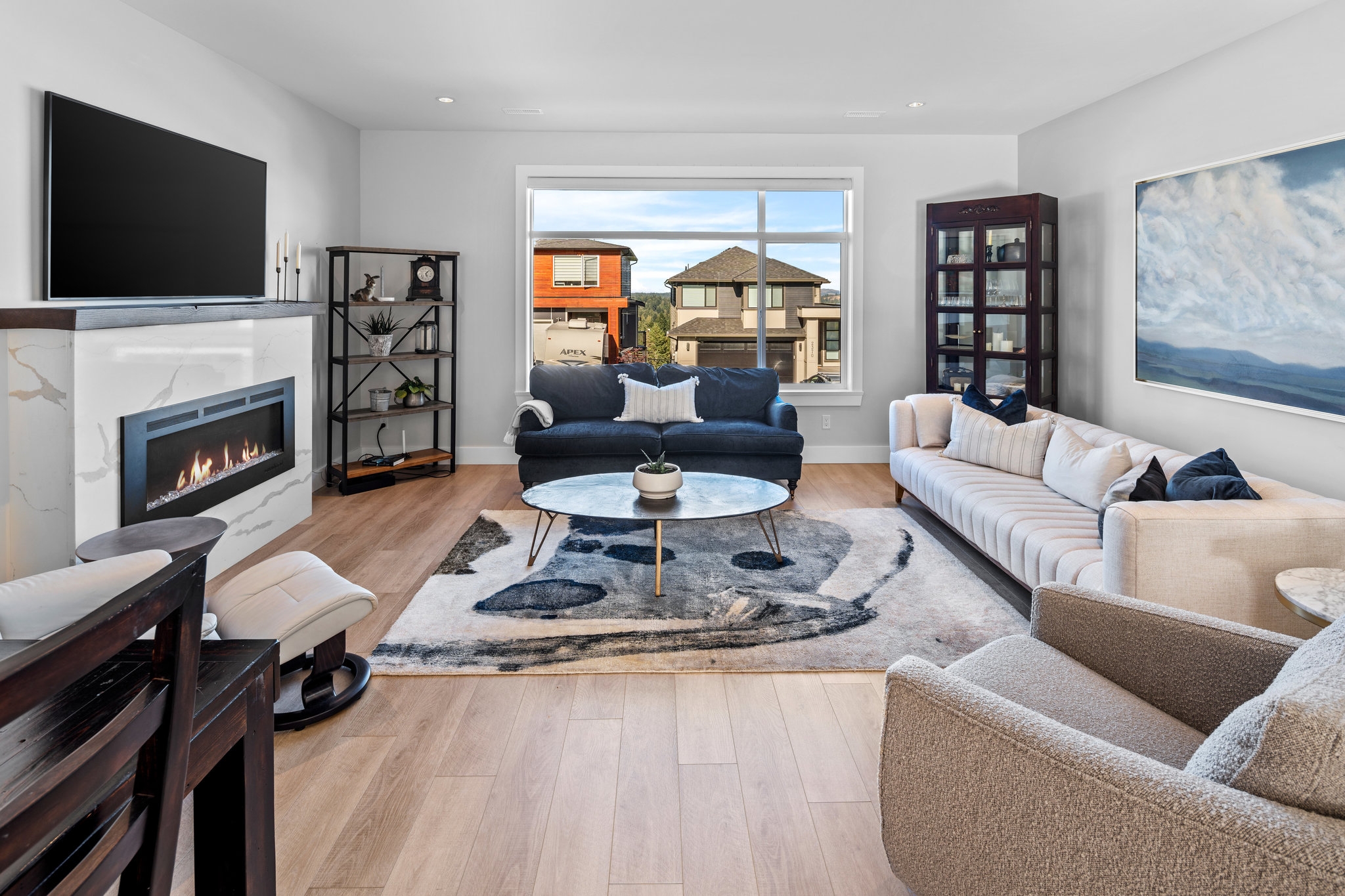
Detached homes in Westshore: renovate or buy new? For many buyers, that question is becoming more relevant as Langford, Colwood, and the broader Westshore continue to offer a mix of older detached homes with renovation potential and newer construction competing for attention. In early 2026, Greater Victoria market conditions have been relatively balanced, active listings were up year over year, and spring inventory was building, which gives buyers more room to compare options carefully rather than rush into the first house that appears workable. The better answer usually is not purely financial. It depends on how much uncertainty you can tolerate, how quickly you need the home to function well, and whether you value customization more than convenience. In Westshore especially, that trade-off matters because buyers are often comparing established resale homes against polished new-build communities that come with cleaner finishes, fewer immediate repairs, and stronger first impressions. Why This Decision Matters More in Westshore Westshore has been shaped by growth for years, but the choice today is sharper because new construction has changed buyer expectations. Developers in Langford and Colwood are not just selling square footage. They are selling ease, presentation, incentives, and a move-in-ready experience. That creates pressure on older detached homes to justify why a buyer should take on renovation risk instead. At the same time, Canada’s supply story has been uneven. CMHC reports that while housing starts rose nationally in 2025, ownership-oriented construction weakened overall, cautious buyers remained a factor, and elevated construction costs continued shaping supply decisions. That matters for Westshore buyers because a renovation plan on paper can still become more expensive and slower than expected once quotes, permits, and contractor timelines enter the picture. When Renovating an Older Detached Home Can Make Sense Renovating can be the smarter path when the property gives you something difficult to recreate in a new build. That could include: a larger lot a more established street or neighbourhood feel a better yard for kids, pets, or long-term outdoor use more separation from neighbours stronger future suite potential, depending on the property the chance to improve the home over time instead of paying for every upgrade upfront In many cases, older Westshore detached homes offer more land and a more mature setting than newer subdivisions. If the house is structurally sound and the needed work is cosmetic or phased, renovation can allow buyers to create value gradually while tailoring the home to their actual priorities. This path often works best for buyers who: can live through some disruption have cash reserves beyond the purchase price are realistic about timelines do not need every finish completed immediately can see potential without needing perfection on day one When Buying New Can Make More Sense Buying new usually appeals to buyers who want simplicity, predictability, and lower maintenance in the near term. A newer detached home may offer: modern layouts and open-concept design better energy performance and insulation newer roofs, windows, plumbing, and electrical systems less immediate repair risk a more polished move-in-ready feel lower short-term maintenance demands That convenience has real value. It is easy to underestimate how much time, decision fatigue, and unexpected cost can come with renovations. For busy families, professionals, and buyers moving on a tight timeline, a new home can reduce friction dramatically. This option often fits buyers who: want a cleaner, faster move prefer predictable monthly costs do not want to manage trades or renovation decisions need functional space right away are comparing total lifestyle cost, not just purchase price The Real Trade-Off: Control Versus Certainty At its core, this is usually a choice between control and certainty. With renovation, you may get more control over the finished product. You can choose materials, improve function, and potentially create value in a more intentional way. With new construction, you usually get more certainty. The home is already finished or close to it, and you have a clearer idea of what your next year will look like. Neither path is automatically better. The mistake is assuming one is always more affordable. A cheaper purchase price on an older home can disappear quickly if the property needs major work such as: roofing drainage windows electrical upgrades plumbing replacement building-envelope repairs significant interior remodelling Meanwhile, a new home may cost more upfront, but it can reduce surprise expenses in the first several years. What Buyers Should Look at Before Choosing Before deciding whether to renovate or buy new, it helps to compare more than the list price. 1. Total Cost, Not Just Purchase Cost Look at the full number, including: purchase price closing costs immediate repairs or upgrades contractor estimates contingency funds carrying costs during renovation landscaping, fencing, blinds, appliances, or GST considerations where applicable The better decision is often revealed only after all of these costs are laid side by side. 2. Timeline Risk A new home can still involve delays, but renovation timelines are often harder to control. Permits, trade availability, hidden issues, and product lead times can all shift the budget and completion date. Elevated construction costs and financing pressure remain part of the broader Canadian housing environment, which is one reason buyers should build in margin rather than rely on best-case assumptions. 3. Neighbourhood Value Some buyers focus so heavily on the house that they underweight the lot and location. A well-located older home in an established pocket may outperform a newer home in a less ideal micro-location for that buyer’s lifestyle. The opposite can also be true. 4. Future Resale Position Ask which option will be easier to resell in your likely time horizon. In Westshore, resale homes are competing not only with each other but with developer inventory and professionally marketed new construction. That means an older home needs either strong pricing, strong land value, strong character, or a clear functional advantage to stand out. A Simple Way to Frame the Decision A practical way to think about it is this: Renovate if you are buying opportunity.That usually means you see long-term value in the lot, location, or structure and you have the patience and budget to unlock it. Buy new if you are buying ease.That usually means you want a more predictable first few years, cleaner finishes, and less operational stress after possession. What Many Buyers Get Wrong Many buyers compare an older detached home to a new one as though they are buying the same thing in different packaging. Usually, they are not. They are choosing between two different lifestyles: one is more hands-on and flexible the other is more streamlined and turnkey That is why the best choice is rarely about granite counters versus quartz, or old flooring versus new flooring. It is about whether you want to spend the next few years managing projects or simply living in the home. Final Thoughts Detached homes in Westshore renovate or buy new is not a question with one universal answer. In a market with more inventory, measured pricing, and continued competition from new construction, buyers have a better chance to compare these options carefully and choose based on fit rather than urgency. If you are weighing detached-home options in Langford, Colwood, or the broader Westshore and want help comparing renovation potential against newer inventory, contact Faber Real Estate Group for practical advice on value, trade-offs, and which path fits your budget and lifestyle best. Liam G., 5-Star Review, via Google “The real estate market felt daunting, especially when it was our first time entering it. But, working with Scott made the whole process so much easier. He was really excellent at asking questions, showing us a variety of places, and helping us narrow down exactly what we were looking for. Scott was flexible, never pushy, and I really felt supported by him throughout! He made a big difference in helping us find THE place and we couldn’t do it without him. I can’t wait to work with Scott again in the future!” Faber Real Estate Group Royal LePage Coast Capital Realty 📞 250-244-3430 📧[email protected] ℹ️ Scott Faber Personal Real Estate Corporation ℹ️ Cal Faber Personal Real Estate Corporation Vanessa Wood, Zachary Parsons, and Sophie Taylor “Building Lasting Relationships, One Home at a Time.”
Read more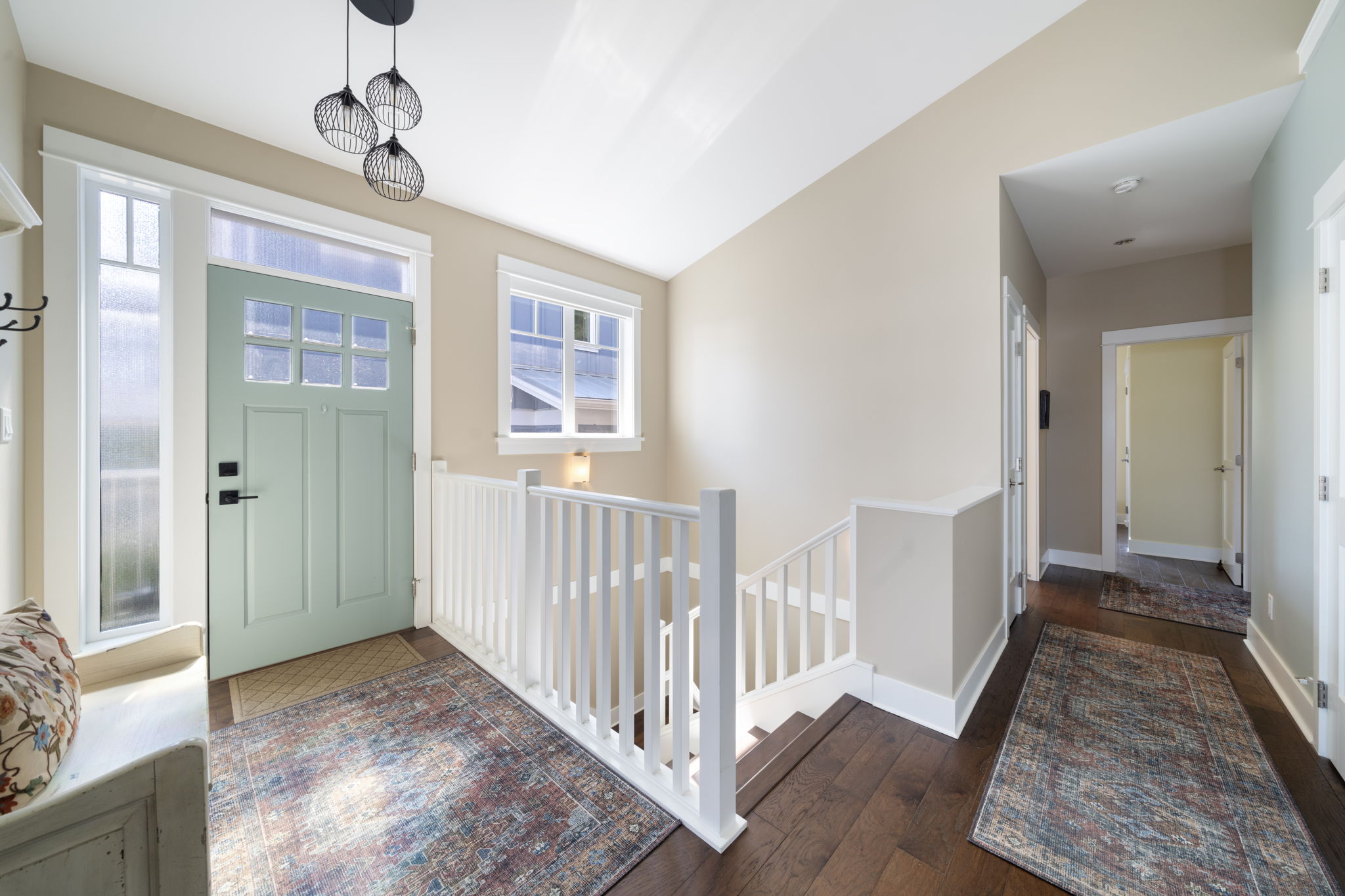
How long should you live in a home before selling? There is no one rule that fits every homeowner. Some people sell after a year because life changes quickly. Others stay for five, ten, or twenty years. The better question is whether selling now makes financial and practical sense for your situation. That is because timing a sale is not just about how long you have owned the property. It is also about costs, equity, market conditions, and what comes next. In many cases, the smartest move is not simply waiting longer. It is understanding whether your home still fits your needs and whether selling supports your bigger goals. There Is No Magic Number, But Time Does Matter Many homeowners hear that they should stay in a property for at least five years. That guideline exists for a reason. Buying and selling come with costs. When you purchase a home, you may pay legal fees, inspection costs, moving expenses, and other closing expenses. When you sell, there are typically real estate fees, legal costs, staging expenses, preparation costs, and moving costs again. If you sell too soon, those costs can take a larger bite out of your equity. That does not mean selling earlier is always a mistake. It simply means the shorter your ownership period, the more carefully you should run the numbers. Why Five Years Often Gets Mentioned The five-year idea is not a strict rule. It is more of a practical benchmark. Over a longer ownership period, homeowners often have more time to: build equity through mortgage paydown benefit from market appreciation, if values rise spread out buying and selling costs over more years make improvements that increase appeal and function avoid making a rushed move based on a short-term frustration Still, real life does not always follow a perfect timeline. Job changes, family needs, divorce, estate matters, health issues, and lifestyle shifts can all create valid reasons to sell sooner. When Selling Sooner Can Still Make Sense Sometimes the best decision is to move even if you have not been in the home very long. That can happen when: your household has outgrown the space the layout no longer works for your needs you need to relocate for work monthly costs feel too high the home needs more upkeep than expected you want to move closer to family, schools, or support systems the property was always meant to be short-term In those cases, the real question is not whether you have owned the home long enough. It is whether staying longer solves the problem or only delays a necessary decision. The Financial Side to Review Before Selling Before listing, it helps to step back and look at the numbers clearly. 1. Your Current Equity Position How much do you still owe on the mortgage, and how much could the home likely sell for in today’s market? That gap matters. A home sale may look strong on paper, but the real number is what remains after mortgage payout, fees, and closing costs. 2. Your Selling Costs Sellers should account for: real estate fees legal fees moving costs staging or preparation costs mortgage penalty, if applicable These costs affect whether selling now feels worthwhile. 3. Your Next-Step Costs Selling is only one side of the decision. You also need to consider what comes after. Ask yourself: Will you be buying again in the same market? Will your next monthly payment be higher? Are you moving into a more expensive property type or area? Would renting temporarily make sense? Sometimes a sale looks attractive until the replacement cost is considered. Lifestyle Matters Just As Much As the Numbers A home decision is never purely financial. A property may still work on paper but no longer feel right in daily life. That could mean the commute is too long, the yard is too much work, the home feels too small, or the neighbourhood no longer fits your priorities. On the other hand, some homeowners think about selling because of a temporary frustration that may not justify the cost and disruption of moving. That is why it helps to separate short-term stress from long-term misalignment. Questions to Ask Before You Sell If you are unsure whether it is too soon to move, start with these questions: Is this a need-based move or a want-based move? Does the home still fit our lifestyle over the next two to three years? Have we built enough equity to make the move worthwhile? What would our next housing option realistically cost? Are we reacting to a temporary challenge or a lasting change? These questions often bring more clarity than focusing on an arbitrary ownership timeline. Market Timing Should Be a Factor, Not the Only Factor Some sellers delay a move because they are waiting for the perfect market. Others rush because they think they must sell before conditions change. In reality, the best timing usually balances both personal readiness and market opportunity. A strong market can help. So can low competition in your property segment. But even a favourable market does not automatically make selling the right move. The best outcome often comes when your personal goals and market conditions align, not when you chase headlines. A Better Way to Think About Timing Instead of asking, "How long should I live in a home before selling?" it may be more useful to ask: Have I stayed long enough for the move to make sense financially? Does selling now improve my lifestyle, flexibility, or long-term plans? Am I clear on both the cost of leaving and the cost of what comes next? That framing leads to better decisions because it focuses on outcomes, not rules of thumb. Final Thoughts How long should you live in a home before selling? Long enough for the move to make sense for your finances, your lifestyle, and your next chapter. For some homeowners, that may be a short stay. For others, it may be many years. The key is making a decision based on your full picture, not just a general guideline. If you are weighing whether now is the right time to move, contact Faber Real Estate Group for clear, practical advice on your home’s value, your likely selling costs, and whether selling now supports your bigger real estate goals. Leanne D, 5-Star Review, via Google “I would highly recommend the Faber Group this is the second time we have used them and have been over the top happy with their service. They are an honest group who all go above and beyond to make your experience perfect!” Faber Real Estate Group Royal LePage Coast Capital Realty 📞 250-244-3430 📧[email protected] ℹ️ Scott Faber Personal Real Estate Corporation ℹ️ Cal Faber Personal Real Estate Corporation Vanessa Wood, Zachary Parsons, and Sophie Taylor “Building Lasting Relationships, One Home at a Time.”
Read more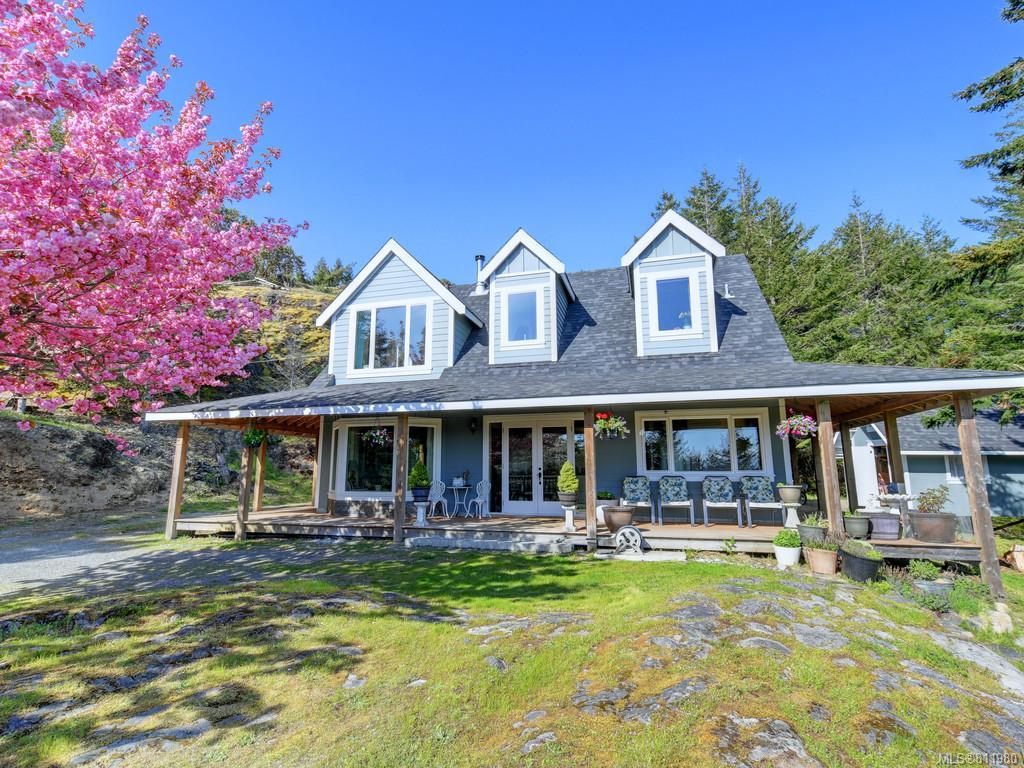
What makes a listing feel premium without luxury pricing? It usually is not one expensive renovation or a long list of flashy upgrades. More often, it is the feeling buyers get when a home appears well cared for, thoughtfully presented, and easy to understand from the moment they see it. That matters in every price range. Buyers notice when a property feels elevated. They also notice when a home feels cluttered, rushed, or confusing. The good news is that creating a premium impression does not always require a luxury budget. In many cases, it comes down to better choices, not bigger spending. Premium Does Not Mean Expensive A premium listing feels intentional. It tells buyers that the seller has taken the time to prepare the home properly and present it in a way that respects both the property and the buyer experience. That can come through in simple ways: clean, bright, well-lit rooms fresh paint in the right areas consistent hardware and finishes tidy landscaping and strong curb appeal professional photography that captures the home clearly a layout and marketing strategy that make the home easy to understand Luxury pricing often depends on location, lot, size, views, finish level, and market conditions. But a premium feel is different. It is about presentation, polish, and confidence. Buyers Are Responding to More Than Features Many sellers focus only on what the home has. Buyers also focus on how the home feels. Two homes can have similar square footage, bedroom count, and location, yet one creates much more excitement. Often, the difference is not the product itself. It is the way the product is prepared and introduced to the market. A premium-feeling listing usually gives buyers three things: clarity about what makes the home special confidence that the property has been cared for emotion that helps them picture themselves living there That is where strong listing strategy starts to separate itself from basic marketing. The Small Details That Create a Premium Feel You do not need a full luxury renovation to raise the perceived quality of a home. Often, the best return comes from details that improve the overall impression. 1. Cleanliness That Feels Obvious A spotless home does more than look nice. It signals pride of ownership. Buyers tend to assume that a clean home has also been better maintained. Deep-cleaning kitchens, bathrooms, baseboards, windows, floors, and entry areas can make a major difference. 2. Consistency Over Flash A premium listing often feels cohesive. That means finishes, colours, lighting, and décor work together rather than compete for attention. A home does not need designer materials everywhere. It just needs fewer distractions. 3. Better Light Natural light changes how a home is perceived. Clean windows, lighter paint, updated light fixtures, and proper lamp placement can make spaces feel larger and more welcoming. Even simple adjustments like opening blinds, trimming exterior greenery, or switching dated bulbs can improve the mood of a room. 4. Thoughtful Styling Staging does not need to feel dramatic to be effective. In fact, the most successful styling often feels subtle. Good styling helps buyers understand: how the space functions where furniture should go how rooms connect how the home could support their lifestyle That is especially important in smaller homes, condos, townhomes, and properties with unusual layouts. 5. Strong Photography and Marketing A premium listing experience often begins online. If the photos are dark, crooked, or incomplete, buyers may never book a showing. Professional photography, compelling remarks, floor plans when possible, and a clear pricing strategy help a home feel more serious and better positioned in the market. Where Sellers Often Overspend One of the biggest mistakes sellers make is assuming they need to spend heavily to compete. That is not always true. Before investing in large upgrades, it helps to ask whether the spending will actually improve buyer perception or simply satisfy personal taste. New countertops, designer fixtures, or major remodelling can be worthwhile in some cases, but many homes benefit more from: paint decluttering minor repairs updated lighting landscaping touch-ups better furniture placement pre-listing preparation A premium listing without luxury pricing is usually built through discipline and prioritization, not overspending. Premium Presentation Builds Buyer Confidence When buyers walk into a home that feels ready, they tend to respond more positively. They are less distracted by small issues. They can focus more clearly on the home’s strengths. They are also more likely to remember the property after the showing. That matters because buyer decisions are rarely based on numbers alone. They are shaped by trust, comfort, and comparison. If your listing feels more polished than competing homes in a similar price range, that can improve: showing activity perceived value buyer engagement offer confidence It does not guarantee a sale, but it can put the property in a stronger position. The Goal Is Not to Fake Luxury The goal is not to make an average home pretend to be something it is not. The goal is to present the home at its best so buyers see its value clearly. That means identifying what already works, improving what weakens the first impression, and building a strategy around the buyers most likely to connect with the property. A premium feel comes from preparation, not exaggeration. Final Thoughts A premium listing without luxury pricing is possible when sellers focus on the details that shape perception most. Cleanliness, consistency, lighting, styling, and strong marketing often do more to elevate a listing than expensive upgrades that do not match the market. If you are preparing to sell and want to know which improvements will actually help your home stand out, contact Faber Real Estate Group for advice on creating a polished, buyer-friendly listing strategy that fits your property and price point. Sue S., 5-Star Review, via Google “I was so impressed with Cal and Scott, a father and son team. They make you feel so cared for. They went out of their way to help get my moms house ready to sell. It was hard to let the family home go but Cal and Scott helped to make the process go smooth. They sold my mom's house in 2 days for over the listing price. Faber Real Estate Group Royal LePage Coast Capital Realty 📞 250-244-3430 📧[email protected] ℹ️ Scott Faber Personal Real Estate Corporation ℹ️ Cal Faber Personal Real Estate Corporation Vanessa Wood, Zachary Parsons, and Sophie Taylor “Building Lasting Relationships, One Home at a Time.”
Read more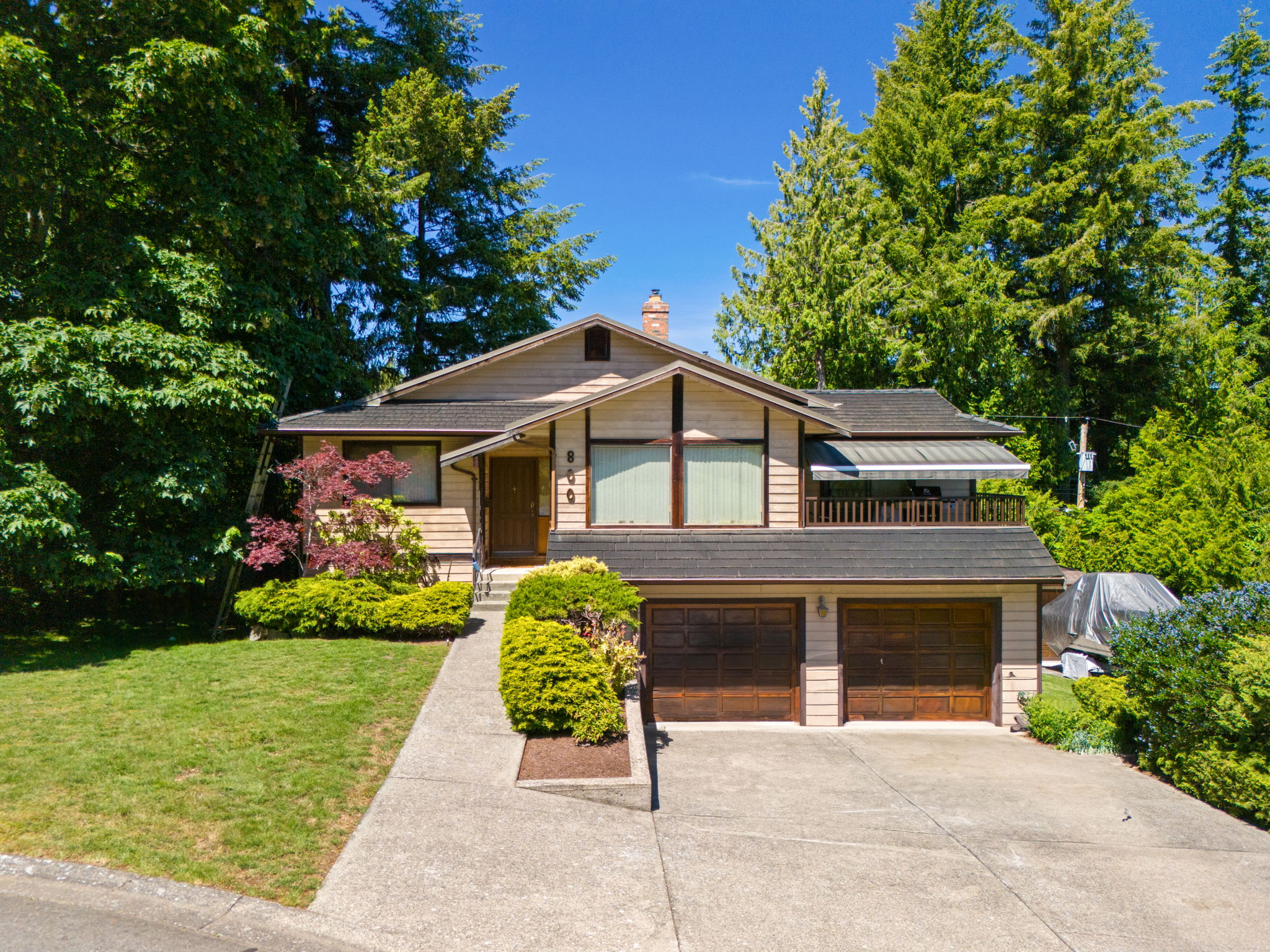
Should you accept the first offer on your home? Many sellers ask this because it feels risky to accept quickly, but it can also feel risky to wait. The truth is that whether you should accept the first offer on your home depends less on timing and more on the quality of the offer, current market conditions, and your overall goals. Many sellers assume the first offer must be low. That is not always true. In fact, the first offer is often one of the strongest because serious buyers are watching new listings closely and are ready to act when the right property appears. Why the First Offer Can Be Strong When a home first hits the market, it gets the most attention. New listings create urgency. Buyers who have been waiting for the right fit often book showings quickly and move fast if the property matches what they want. These buyers are usually well prepared. They may already have financing lined up, understand values in the area, and know they need to act before competition grows. That means the first offer is not always a lowball offer. Sometimes it is the market giving you a direct answer right away. When It Makes Sense to Accept the First Offer The offer is at or near market value If the offer is strong relative to recent comparable sales, it deserves serious attention. Sellers can get into trouble when they reject a very good offer simply because it came too soon. A strong first offer often means: The buyer understands the market Your pricing strategy was effective Your home made a strong first impression If the price and terms align with your goals, waiting just for the sake of waiting may not improve the outcome. The terms are clean and favourable Price is important, but terms matter too. A first offer may be worth accepting if it includes: A solid deposit Reasonable dates Fewer conditions A buyer who appears motivated and qualified Sometimes the best offer is not the highest number. A slightly lower offer with better terms can create a smoother and more certain sale. The market is balanced or slower In a market where buyers have more choice, a strong early offer can be especially valuable. If there are many competing listings, passing on a good offer can mean sitting on the market longer and losing momentum. The longer a listing sits, the more buyers start asking why. Your goals favour certainty Some sellers prioritize predictability over squeezing out every possible dollar. You may want to accept the first offer if: You need to line up another purchase You have a specific move date You want to reduce stress and uncertainty You prefer a clean transaction over extended negotiation In these cases, certainty can be just as valuable as price. When It Makes Sense to Wait Showing activity is strong If you have multiple showings booked, strong open house traffic, or positive feedback right away, there may be reason to hold off briefly and see if more interest turns into stronger offers. This is especially true if the home is newly listed and buyers have not yet had enough time to view it. The offer is clearly below market expectations If the first offer is noticeably below what comparable sales support, waiting may make sense. This is often the case when a buyer is trying to secure the property before other buyers see it. That does not mean you should reject it without thought. It may still be worth countering. However, a weak first offer does not mean it is your best opportunity. Your home is likely to attract competition Some homes naturally generate more demand: Well priced properties Move-in ready homes Properties in sought-after neighbourhoods Homes with unique features or strong presentation If your home fits that description, your agent may recommend setting an offer review date rather than responding immediately. Your pricing strategy was designed to drive urgency Sometimes sellers intentionally list at a sharp, competitive price to attract attention and increase traffic. If that is the strategy, then waiting a short period for broader market response may be part of the plan from the start. In that situation, the first offer is only one part of the bigger picture. Signs the First Offer Deserves Serious Respect Sellers often regret dismissing the first offer too quickly. Here are a few signs that the first offer may actually be your best one: It comes quickly after listing It is close to asking price or above The buyer appears informed and motivated The terms are favourable There is no clear evidence that stronger offers are coming A good offer early on usually means your home connected with the right buyer at the right time. The Risk of Waiting Too Long Waiting can work, but it also has a cost. When a home sits on the market longer than expected, buyers can start to assume: The home is overpriced The seller is difficult Something is wrong with the property There is room to negotiate more aggressively This is why momentum matters. The first week or two on market is often when your listing has the most energy, attention, and leverage. Rejecting a strong first offer without a clear reason can weaken your position later. The Right Question to Ask Instead of asking, “Is it too soon to accept?” the better question is, “How does this offer compare to what the market is likely to deliver?” That shift matters. A strong selling strategy is not built around emotion or timing myths. It is built around: Current comparable sales Level of buyer demand Listing activity in your price range Strength of price and terms Your own timing and priorities Final Thought There is no rule that says you should always accept the first offer, and there is no rule that says you should always wait. The best decision depends on the strength of the offer and the context around it. Sometimes the first offer is the best offer. Sometimes patience pays off. The key is knowing the difference before emotion takes over. If you are planning to sell and want help deciding when to accept the first offer on your home and when to wait, contact Faber Real Estate Group for strategic advice tailored to your property and goals. Thiago D., 5-Star Review, via Google “Their ready availability, communication, and support were key to getting our new place. I cannot recommend Scott and his team more.” Faber Real Estate Group Royal LePage Coast Capital Realty 📞 250-244-3430 📧[email protected] ℹ️ Scott Faber Personal Real Estate Corporation ℹ️ Cal Faber Personal Real Estate Corporation Vanessa Wood, Zachary Parsons, and Sophie Taylor “Building Lasting Relationships, One Home at a Time.”
Read more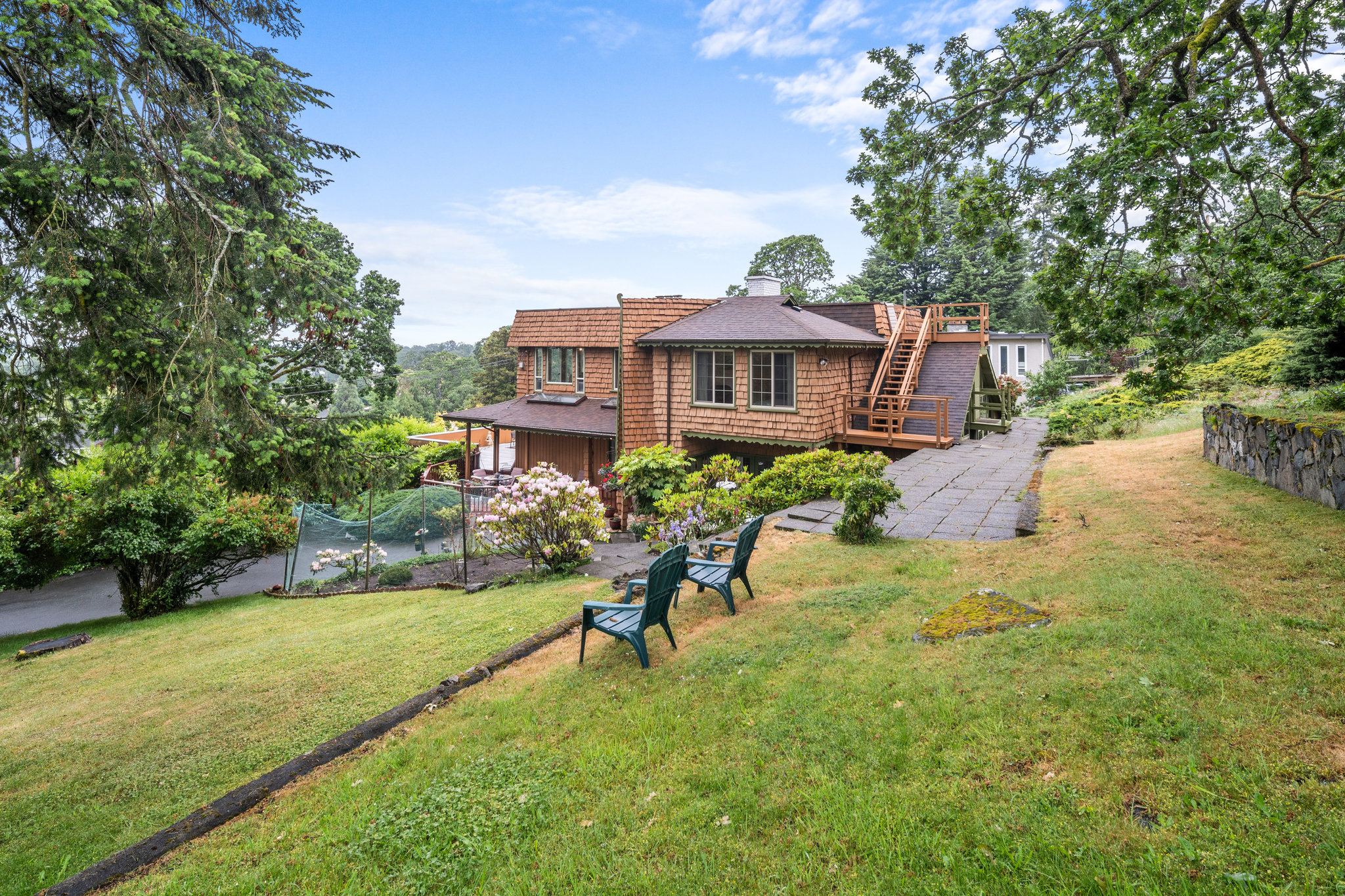
Every year, the spring real estate market brings a noticeable increase in activity. New listings rise, more buyers begin touring homes, and conversations about moving seem to happen everywhere at once. While homes sell throughout the year, spring has historically been the busiest season in real estate. Many buyers and sellers intentionally wait for this period because it tends to offer more opportunity, visibility, and confidence compared with other times of the year. Understanding why this seasonal pattern exists can help you decide whether waiting for spring is the right strategy or if moving earlier could give you an advantage. Why Sellers Often Wait for the Spring Real Estate Market For homeowners considering selling, the spring real estate market offers several advantages that can make the process feel more favourable. 1. More Buyers Are Actively Searching Spring is when many buyers begin their serious home search. Several factors contribute to this surge in activity: Warmer weather makes viewing homes easier and more enjoyable. Families planning a move often want to complete a purchase before the next school year. Buyers who paused their search during the winter holidays return to the market. When more buyers are looking at the same time, sellers often feel more confident listing their property. 2. Homes Tend to Show Better Spring can also make a property look more appealing. Gardens and landscaping begin to bloom. Natural light improves interior spaces. Outdoor areas such as patios and yards become more inviting. First impressions matter in real estate. When a home shows well both inside and outside, it can attract more interest and stronger offers. 3. Perception of Higher Sale Prices Many homeowners believe the spring real estate market brings stronger prices. In active years, increased buyer demand can create competitive situations. While pricing always depends on local supply and demand, spring often delivers: Higher showing activity More comparable sales for pricing guidance A perception of market momentum These factors can encourage sellers to list when they believe the market is most active. Why Buyers Also Wait for the Spring Real Estate Market Interestingly, the same factors that motivate sellers also influence buyers. 1. More Listings to Choose From Inventory typically increases in the spring. After a slower winter period, many homeowners decide to list their properties once the weather improves. For buyers, this means: More neighbourhood options More property types available Less pressure to buy the first home they see Having more selection can make the buying process feel more comfortable. 2. Easier Scheduling for Showings and Moving Weather plays a practical role in real estate decisions. Spring makes it easier to: Attend open houses Schedule property tours Move without worrying about winter conditions For families relocating or coordinating multiple schedules, this can be a significant factor. 3. Financial Planning After the New Year Many buyers spend the early part of the year reviewing finances. By spring, they may have: Completed mortgage pre-approvals Filed tax returns Saved additional down payment funds This preparation often leads to a surge in serious buyers entering the market between March and June. The Reality: Spring Is Competitive While the spring real estate market offers advantages, it also comes with increased competition. Buyers may face: Multiple-offer situations Faster decision timelines More competition for desirable homes Sellers, on the other hand, may find that more listings appear at the same time, which means their property must stand out. Market timing alone does not guarantee success. Pricing strategy, preparation, and marketing remain the most important factors. Why Some People Move Before Spring Interestingly, some of the best opportunities can occur just before the spring rush. For example: Buyers may face less competition in late winter. Sellers who list early can capture motivated buyers who are already searching. Serious buyers often start their search months before the peak season. In markets like Greater Victoria, conditions can shift quickly depending on inventory levels and interest rates. Recent data from the Victoria Real Estate Board shows that inventory and buyer activity fluctuate throughout the year, meaning opportunities exist in every season. This is why strategic timing, rather than simply waiting for spring, often leads to the best results. The Takeaway The spring real estate market remains the most active time of year because it brings together motivated buyers, increased listings, and favourable weather conditions. These factors create a sense of momentum that encourages many people to make their move. However, waiting for spring is not always the best strategy. In some cases, entering the market earlier can mean less competition and stronger negotiating power. If you are considering buying or selling in Greater Victoria and want to understand how seasonal timing could affect your plans, reach out to Faber Real Estate Group for guidance tailored to your goals and the current market. David M., 5-Star Review, via Google “Scott was a fantastic realtor—hardworking, knowledgeable, and truly dedicated to his clients. His expertise and great connections made the entire process smooth and stress-free. He went above and beyond to ensure everything was taken care of, and I couldn’t be happier with the results. I highly recommend Scott to anyone looking for a realtor.” Faber Real Estate Group Royal LePage Coast Capital Realty 📞 250-244-3430 📧[email protected] ℹ️ Scott Faber Personal Real Estate Corporation ℹ️ Cal Faber Personal Real Estate Corporation Vanessa Wood, Zachary Parsons, and Sophie Taylor “Building Lasting Relationships, One Home at a Time.”
Read more
If you are wondering where people are moving in 2026, the answer depends on affordability, lifestyle priorities, and infrastructure growth. In Greater Victoria and the Westshore, migration patterns are showing a clear shift toward value-driven and lifestyle-focused communities. In short, buyers in 2026 are prioritizing space, long-term value, and neighbourhood amenities over pure proximity to downtown. Why Migration Patterns Matter Understanding where people are moving in 2026 helps buyers and sellers anticipate: Price pressure zones Emerging neighbourhood demand Investment potential Infrastructure-driven growth Migration trends often lead market shifts by 12 to 24 months. The Westshore Continues to Attract Growth Communities like Langford and Colwood remain strong magnets for buyers. Why? Relative affordability compared to core Victoria New construction inventory Family-oriented neighbourhood planning Access to nature and trails Langford continues to draw young families and first-time buyers, while Colwood, particularly Royal Bay, attracts move-up buyers seeking newer homes and ocean proximity. View Royal and Royal Oak Gaining Attention View Royal is increasingly viewed as an underrated alternative. Buyers moving to View Royal are often seeking: Central positioning between downtown and Westshore Waterfront access Townhome and condo options Lower price points than core Victoria Similarly, Saanich neighbourhoods like Royal Oak continue to attract downsizers and retirees due to walkability and established amenities. Sidney and Peninsula Stability Sidney remains a consistent draw for retirees and lifestyle-focused buyers. Migration into Sidney in 2026 is driven by: Coastal walkability Proximity to the airport and ferries Low-density living Condo inventory suited to downsizers Peninsula communities tend to show stable, steady demand rather than rapid spikes. Acreage and Rural Appeal Interest in rural living remains present, particularly in: Metchosin Sooke Buyers relocating from higher-cost provinces or larger urban centres often seek: Larger lots Privacy Ocean or mountain views Long-term lifestyle change However, commute considerations remain a limiting factor for some. Downtown Victoria: Selective Movement Victoria core continues to attract: Investors Short-term rental owners Professionals wanting walkability That said, some buyers are choosing neighbourhoods slightly outside the core for better value per square foot. The trend in 2026 shows more selective downtown purchasing rather than broad migration spikes. What Is Driving Movement in 2026? Several factors influence where people are moving in 2026: Affordability pressure Interest rate stability Remote and hybrid work flexibility Desire for lifestyle-oriented living Infrastructure improvements Buyers are increasingly value-conscious. They compare price per square foot, school catchments, and long-term appreciation potential before committing. Who Is Moving? The most active movers in 2026 include: First-time buyers entering Westshore markets Downsizers relocating to peninsula condos Interprovincial buyers from Alberta and Ontario Investors targeting duplex and multi-unit opportunities Demographic shifts are not random. They reflect affordability bands and life-stage transitions. Frequently Asked Questions Are more people moving to the Westshore in 2026? Yes. The Westshore continues to capture strong buyer activity due to relative affordability and new inventory. Is downtown Victoria losing demand? Not necessarily. Demand remains, but buyers are more selective and price-sensitive. Are rural communities still attractive? Yes. Lifestyle-driven buyers continue to explore acreage markets like Metchosin and Sooke. Is 2026 a growth year for Greater Victoria? Movement suggests steady growth rather than explosive expansion. Balanced conditions appear more common than extreme cycles. Final Thoughts Where are people moving in 2026? In Greater Victoria, the answer points toward value-oriented growth areas, lifestyle-driven peninsula communities, and continued Westshore expansion. Migration patterns show that buyers are strategic. They are weighing commute times, price per square foot, and long-term livability more carefully than ever. For sellers and investors, understanding these patterns provides a competitive edge. Markets shift gradually. Recognizing direction early allows you to position yourself ahead of the curve. Diana W., 5-Star Review, via Google “Excellent service and very efficient. Highly recommend. Very kind and helpful felt well looked after” Faber Real Estate Group Royal LePage Coast Capital Realty 📞 250-244-3430 📧[email protected] ℹ️ Scott Faber Personal Real Estate Corporation ℹ️ Cal Faber Personal Real Estate Corporation Vanessa Wood, Zachary Parsons, and Sophie Taylor “Building Lasting Relationships, One Home at a Time.”
Read more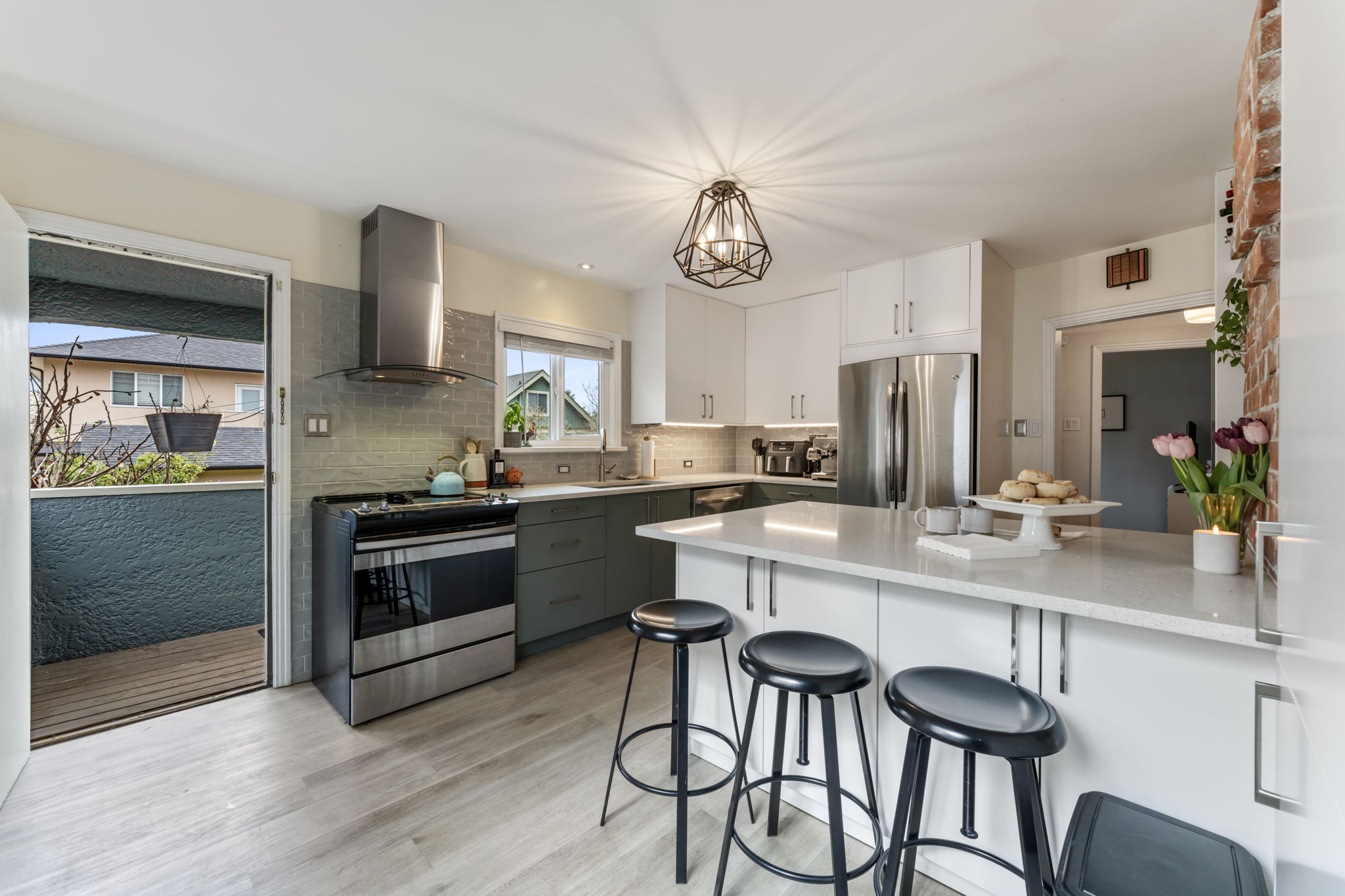
Student rentals in Gordon Head remain one of the most discussed investment strategies in Greater Victoria. Located next to the University of Victoria, Gordon Head attracts consistent rental demand from students, faculty, and young professionals. In simple terms, strong rental demand exists. However, investors must understand zoning rules, tenancy laws, financing realities, and long-term exit strategy before purchasing. Why Gordon Head Attracts Student Renters Gordon Head sits directly adjacent to University of Victoria. Because of this proximity, many properties offer: Walking or biking access to campus Reliable year-over-year student demand Larger homes with multiple bedrooms Established rental patterns When university enrolment remains stable, rental demand typically follows. Rental Income Potential Student rentals in Gordon Head often perform best when structured as room-by-room rentals rather than single-family leases. For example: 6-bedroom home $1,000 per room $6,000 gross monthly income However, gross rent must be balanced against: Higher maintenance Increased turnover Property management needs Vacancy risk during summer Always verify realistic market rents through comparable listings rather than relying on optimistic projections. Zoning and Occupancy Rules Gordon Head falls under the jurisdiction of Saanich. Zoning regulations determine: Legal suite permissions Maximum unrelated occupants Parking requirements Secondary dwelling eligibility Over-occupancy can lead to enforcement issues. Therefore, investors must confirm zoning compliance before structuring a rental model. Financing Considerations Lenders often evaluate student rentals conservatively. Key factors include: Owner-occupied vs non-owner-occupied Rental income qualification Down payment requirements Appraised value vs purchase price Some lenders may not recognize room-by-room income at full value, which affects debt servicing ratios. Investors should consult a mortgage broker early in the process. Maintenance and Management Reality Student rentals require active oversight. Common challenges include: Higher wear and tear Frequent tenant turnover Noise complaints Shared utility disputes Professional property management can reduce stress, but it also reduces net income. An investor must factor realistic maintenance reserves into projections. Exit Strategy Matters Not all buyers want a student rental property. When selling, your buyer pool may include: Other investors Parents buying for children Families converting the home back to owner-occupancy Homes that are well-maintained and legally compliant will have stronger resale liquidity. Properties that were heavily modified or poorly maintained may narrow your buyer pool. Appreciation vs Cash Flow In many cases, student rentals in Gordon Head generate moderate to strong gross income but limited cash flow once financing is applied. Investors often rely on: Long-term appreciation Mortgage principal paydown Strong resale demand Victoria’s constrained land supply historically supports long-term value. However, cash flow projections must remain conservative. Risks to Consider Before investing, evaluate: BC tenancy laws Rent increase restrictions Notice requirements Property tax levels Future zoning changes Student-focused properties can perform well, but they are not passive investments. Frequently Asked Questions Is Gordon Head a good area for student rentals? Yes. Proximity to the University of Victoria creates consistent tenant demand. Are student rentals legal in Gordon Head? They can be, but zoning and occupancy rules must be followed carefully. Do student rentals cash flow in Victoria? It depends on purchase price, financing structure, and rental model. Many rely on appreciation rather than high yield. Is summer vacancy a problem? It can be. Some investors structure 12-month leases to reduce turnover risk. Final Thoughts Student rentals in Gordon Head can offer strong demand stability due to university proximity. However, investors must approach this strategy with realistic numbers, legal compliance, and long-term planning. The opportunity is not simply about gross rent. It is about managing risk, understanding zoning, and protecting resale value. With disciplined analysis and proper oversight, Gordon Head remains one of the more consistent student-driven rental markets in Greater Victoria. Hendri E., 5-Star Review, via Google “We had a fantastic experience working with Cal and Scott. They provided a truly personalized service, taking the time to understand exactly what our needs were and guiding us through every step of the process. What really stood out was how they went above and beyond—we felt fully supported from start to finish. Highly recommended!” Faber Real Estate Group Royal LePage Coast Capital Realty 📞 250-244-3430 📧[email protected] ℹ️ Scott Faber Personal Real Estate Corporation ℹ️ Cal Faber Personal Real Estate Corporation Vanessa Wood, Zachary Parsons, and Sophie Taylor “Building Lasting Relationships, One Home at a Time.”
Read more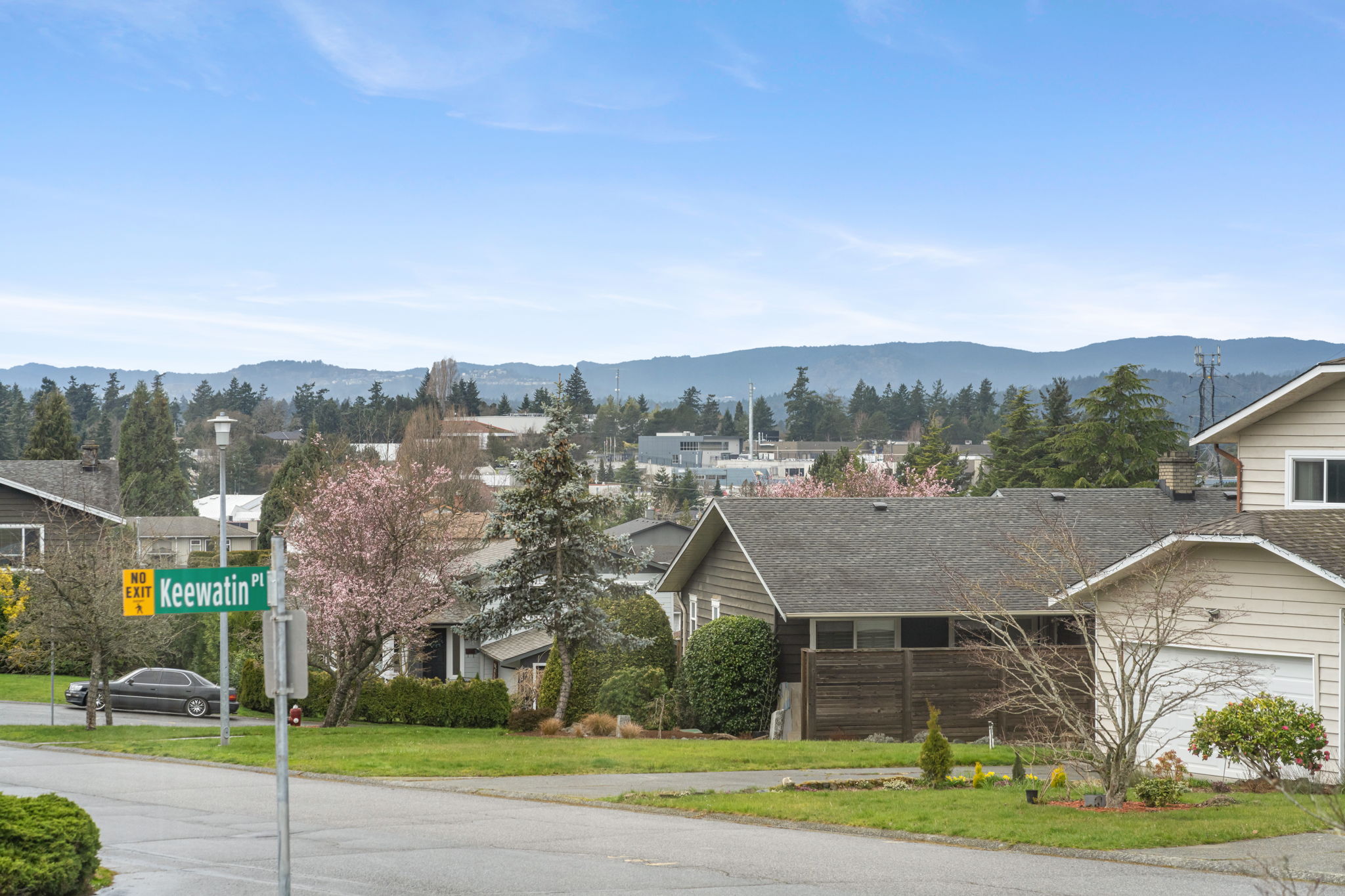
For Saanich house buyers, the biggest story is not one single rule. It is the combination of planning changes, density rules, buyer tax thresholds, and transit-focused growth that could change what is available, where new housing appears, and how buyers think about value in 2026. Saanich is already working under an updated Official Community Plan adopted on May 7, 2024, and the municipality is now moving through more detailed housing and growth implementation steps. The practical takeaway is simple: if you are planning to buy a detached home in Saanich, you now need to think about more than the house itself. You also need to think about the lot, the zoning, proximity to major transit, redevelopment potential nearby, and whether your purchase still fits within current tax exemption thresholds. Those details can affect both your competition today and your resale position later. Why This Matters More in 2026 Saanich has been given a provincial housing target of 4,610 net new completed homes over five years, and the municipality says that target includes tripling permit volume over that period. At the same time, Saanich’s Housing Strategy now runs with a 10-year framework, and its 2026-2028 Priorities Plan lays out the next phase of actions to improve housing outcomes. That means buyers should expect continued pressure for more housing supply, faster approvals, and more change in established neighbourhoods than they may have seen in the past. For buyers, that does not automatically mean lower prices. What it often means first is more variation. One street may still feel mostly unchanged, while another nearby could see townhomes, houseplexes, or higher-density projects become part of the long-term picture. 1) Small-Scale Multi-Unit Housing Is Changing What a “House Lot” Means One of the biggest shifts is B.C.’s small-scale multi-unit housing framework. The Province requires local governments to allow at least: 3 units on parcels 280 m2 or smaller 4 units on parcels larger than 280 m2 6 units on qualifying larger lots near frequent bus service These requirements apply in single-family and duplex zones unless the zone already allows three or more units. For Saanich house buyers, this matters in a few ways: Some detached homes will become more attractive because of future infill potential Nearby lots may hold redevelopment value even if the current home looks modest Buyers may start paying more attention to frontage, lot size, servicing, access, and transit proximity Traditional “single-family feel” may change over time in some areas This does not mean every Saanich block is suddenly turning into a townhouse corridor. It does mean the value of land and the value of a house are separating more clearly in certain pockets. A buyer who understands that distinction can make a much stronger decision than one who shops on cosmetics alone. 2) Transit-Oriented Areas Could Reshape Some Saanich Locations Faster Saanich’s Transit-Oriented Area rules are already in effect. The municipality identifies four provincial transit-oriented areas in Saanich: Uptown exchange, Royal Oak exchange, UVic exchange, and VGH exchange. Within these areas, provincial legislation governs density, height, and residential parking rules. The key details are important: Lands within 200 m and 400 m of prescribed transit stations must be designated as TOAs Within these TOAs, the Province sets minimum density and height requirements Within 400 m, local governments cannot require minimum off-street residential parking, except accessible parking In Saanich, zoning bylaw amendments reflecting these parking changes were adopted on June 10, 2024 For buyers, this could affect value in two opposite ways. First, homes near these areas may benefit from stronger long-term land value and improved convenience. Second, buyers who want a quieter, lower-density setting may need to be more selective about where they buy and how close they are to a transit exchange. A detached house near a major transit node may become more desirable to one buyer and less desirable to another. That is why location analysis in Saanich is becoming more nuanced, not less. 3) The Shelbourne Valley Plan Could Change Buyer Expectations in That Corridor One of the most active planning conversations right now is the Shelbourne Valley Plan. On March 2, 2026, Saanich confirmed that the proposed updated plan is moving to a public hearing later this year. Council moved it forward with three amendments: changing the “Shelbourne Valley Centre” designation to Shelbourne Valley Village reducing the maximum building height in that area from 12 storeys to 6 storeys extending the northern boundary to designate selected properties as Urban Townhomes between Shelbourne Street and Lambrick Park Secondary School strengthening watershed-related guidance and measurable outcomes For buyers looking in or near Shelbourne, Cedar Hill, or UVic-adjacent pockets, this matters because it speaks to where future growth may go and what form that growth may take. In plain terms, the corridor is still moving toward more housing, but the shape of that growth is being refined. Buyers who want to be ahead of change should watch this area closely, especially if they care about future walkability, transit access, redevelopment potential, or neighbourhood character. 4) First-Time Buyer Tax Rules Still Matter, Especially in Saanich Price Ranges Many buyers focus heavily on mortgage rates and monthly payments, but the property transfer tax still matters. In B.C., the first-time home buyers’ exemption currently works like this: if the fair market value is $500,000 or less, an eligible buyer can claim a full exemption equal to the full amount of property transfer tax from over $500,000 to $835,000, the exemption amount is $8,000 from over $835,000 to under $860,000, the exemption is reduced proportionally That matters in Saanich because many detached homes trade well above those thresholds. For some buyers, that means the first-time buyer tax break may be more realistic on a condo, townhome, or smaller entry-level property than on a detached house. In other words, government thresholds can quietly shape what “smart entry point” means. There is also a separate newly built home exemption in B.C. with a full exemption up to $1,100,000 and a phase-out to $1,150,000 for qualifying purchasers. That can make certain new-build options more competitive than buyers assume at first glance. 5) The Home Buyer Rescission Period Still Changes Offer Strategy The Home Buyer Rescission Period is not new in 2026, but it remains an important part of how buyers should approach offers in Saanich and across B.C. BCFSA states that buyers have up to three business days after acceptance to rescind an offer on a home, excluding weekends and holidays. If they rescind, they must pay the seller a fee. This affects buyer behaviour because it changes the psychology of writing an offer. Some buyers feel more protected. Others underestimate the financial consequence of changing course. A rushed decision can still be expensive. In a market where inventory has improved and buyers often have more choice than they did a few years ago, disciplined due diligence still matters more than impulse. 6) Saanich’s Broader Housing Push Could Affect Competition and Opportunity Saanich’s housing work is not just about rezoning. The municipality has also tied its strategy to implementation tools such as the Housing Accelerator Fund. Saanich says it received nearly $15 million over four years through the federal Housing Accelerator Fund and is aiming to permit 1,727 new homes through the program period. That matters because faster approvals and more housing forms can gradually create more choice. For buyers, more choice can mean: less pressure to overreact better ability to compare neighbourhoods and product types more alternatives between condo and detached more emphasis on long-term suitability instead of short-term panic At the same time, added supply rarely arrives all at once. The likely reality is uneven change: some buyers will find better options, while others will still face competition for well-priced detached homes in established Saanich neighbourhoods. 7) Investors and Second-Home Buyers Should Also Watch Tax Changes For investors or buyers considering underused property, the speculation and vacancy tax is another factor to watch. The Province states that for 2026 and subsequent years, the rate is 3% for foreign owners and untaxed worldwide earners, and 1% for Canadian citizens or permanent residents who are not untaxed worldwide earners, where the tax applies. This will not affect every Saanich house buyer. But it can affect some ownership decisions, especially for buyers thinking about part-time use, empty homes, or more complex ownership structures. That matters because rules aimed at unused housing can influence both carrying costs and investment behaviour. What Saanich House Buyers Should Do Now The biggest mistake buyers can make is treating all of Saanich as if it is moving in one direction. It is not. Some pockets are more affected by transit-oriented growth. Some are more exposed to infill change. Others may remain relatively stable in character while still benefiting from broader supply improvements. A stronger approach is to ask five better questions before you buy: Is this property mainly a home value play, a land value play, or both? Is it near a transit-oriented area or frequent bus service that could change future density? Would nearby redevelopment improve convenience or change the feel of the street in ways that matter to me? Am I relying on a tax exemption that may not apply to the property type or price range I want? If I buy here, will this location still make sense for me in five to ten years as Saanich continues to grow? That is the real shift in 2026. Buyers are no longer just choosing between house A and house B. They are choosing between different planning contexts, different long-term neighbourhood trajectories, and different financial trade-offs. Final Thoughts For Saanich house buyers, the upcoming changes are less about one dramatic moment and more about a steady reset in how housing, land, and neighbourhood value will be understood. Provincial density rules, transit-area growth, evolving local plans, and tax thresholds are all shaping the next version of Saanich. Buyers who understand those layers will be in a much better position to buy with confidence instead of reacting late. Hilary M., 5-Star Review, via Google “Scott and the rest of the team at the Faber Real Estate Group are fantastic! Scott went above and beyond to find us the perfect property that checked all the boxes. He was extremely attentive and professional and made the entire process very enjoyable. His extensive experience in the real estate industry helped us to choose a property that suited us and he was able to give us lots of helpful insight throughout our experience. Highly recommend to anyone in need of a trustworthy, knowledgeable real estate agent.” Faber Real Estate Group Royal LePage Coast Capital Realty 📞 250-244-3430 📧[email protected] ℹ️ Scott Faber Personal Real Estate Corporation ℹ️ Cal Faber Personal Real Estate Corporation Vanessa Wood, Zachary Parsons, and Sophie Taylor “Building Lasting Relationships, One Home at a Time.”
Read more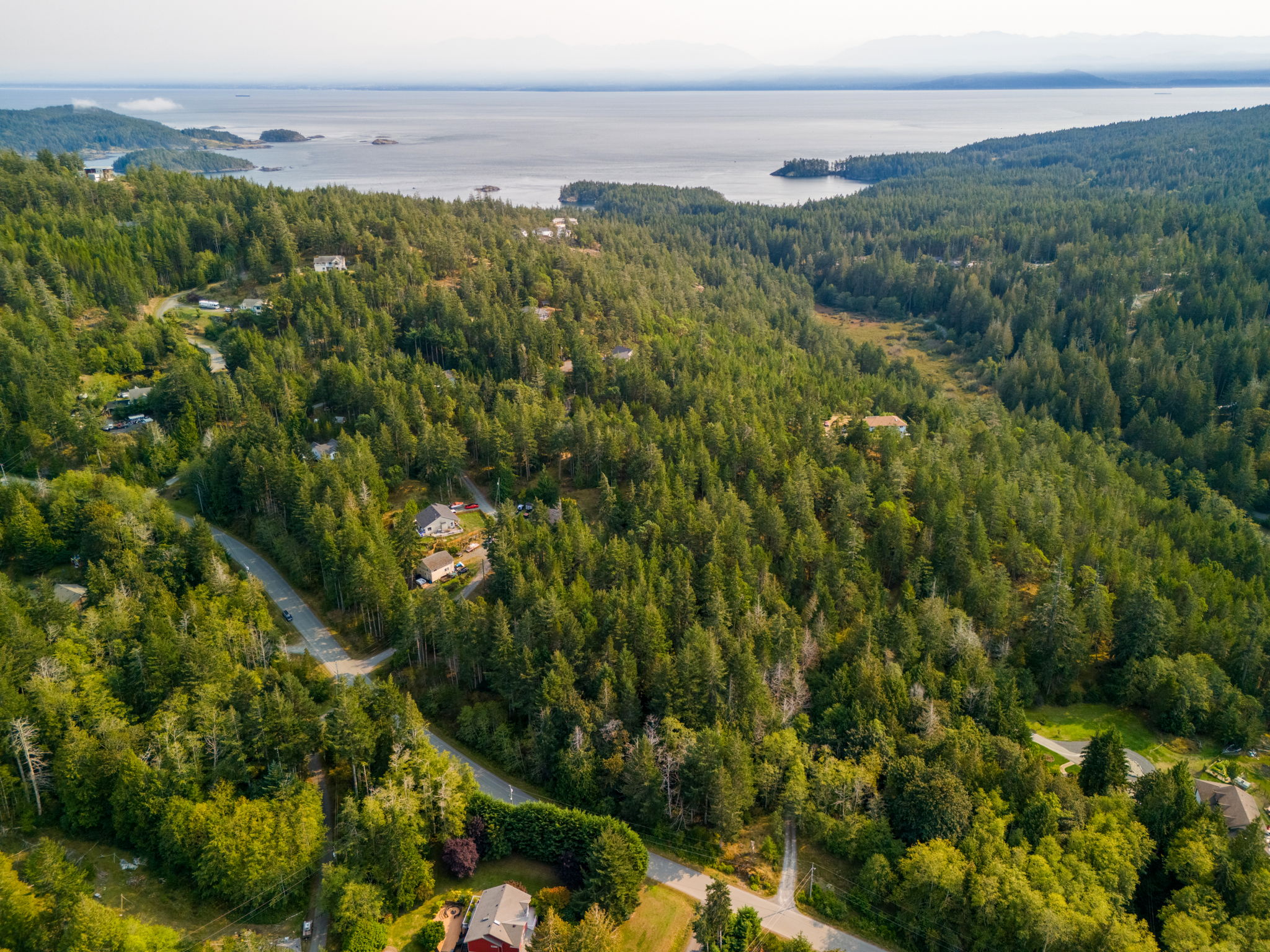
Large lots in Greater Victoria are most commonly found in rural and semi-rural municipalities such as Metchosin, North Saanich, Highlands, and parts of Sooke. If you are looking for acreage, privacy, or estate-style properties, these areas consistently offer the best options. In short, the further you move from the urban core of Victoria, the more land becomes available. However, each municipality has different zoning, servicing, and price considerations. Why Large Lots Are Rare in the Core In central areas like Victoria, Oak Bay, and Esquimalt, most residential lots were subdivided decades ago. As a result: Typical lot sizes range from 4,000 to 7,500 square feet Acreage properties are extremely rare Land values reflect density, walkability, and proximity to amenities If you want half an acre or more, you generally need to expand your search outward. Metchosin – True Rural Living Metchosin is one of the best places to find large lots in Greater Victoria. What to expect: 1 to 5 acre properties are common Agricultural Land Reserve parcels Ocean views and pastoral settings Septic systems and well water Metchosin offers privacy and space, yet remains within commuting distance to Langford and Colwood. However, services are limited, so buyers must be comfortable with a rural lifestyle. North Saanich – Estate Properties and Ocean Views North Saanich is known for estate-style homes and large, landscaped properties. Typical features: Half-acre to multi-acre parcels Executive homes Water views and waterfront access Close proximity to the airport and ferries North Saanich appeals to downsizers seeking privacy, as well as move-up buyers wanting space without leaving the peninsula. Highlands – Forested Acreage Close to the City Highlands offers a unique balance between seclusion and accessibility. Here you will find: 2 to 10 acre parcels Forested and natural terrain Custom-built homes Strict environmental zoning Highlands attracts buyers who want large lots in Greater Victoria without moving too far from amenities in Langford or downtown Victoria. Sooke – Waterfront and Expansive Parcels Sooke continues to provide some of the most accessible acreage options in the region. Key advantages: Larger waterfront parcels More affordable price per acre Mix of rural and suburban neighbourhoods However, commute times into Victoria are longer. Therefore, Sooke suits buyers prioritizing space over proximity. Central Saanich and Saanich Peninsula Options Central Saanich also offers larger lots, particularly in agricultural and semi-rural pockets. You may find: 0.5 to 2 acre parcels Hobby farms Gently sloped land ideal for gardening The peninsula provides a quieter pace while maintaining access to Sidney and Victoria. What to Consider Before Buying a Large Lot Large lots in Greater Victoria come with different due diligence requirements. Before purchasing, review: Zoning and subdivision potential Agricultural Land Reserve restrictions Septic and well inspections Topography and driveway access Development permit areas In addition, confirm servicing costs and future development plans in surrounding areas. Are Large Lots a Good Investment? Land scarcity supports long-term value in Greater Victoria. However, appreciation depends on: Location relative to growth corridors Infrastructure expansion Zoning flexibility Buyer demand trends Rural properties can appreciate steadily, but liquidity may be lower compared to urban homes. Therefore, investment goals should align with lifestyle priorities. Frequently Asked Questions What is considered a large lot in Greater Victoria? Typically, anything over 10,000 square feet is considered large in the core. In rural municipalities, large often means 1 acre or more. Are large lots more expensive? Price per acre varies significantly. North Saanich and waterfront parcels command premium pricing, while Sooke may offer more affordable acreage. Can you subdivide large lots? Subdivision depends on municipal zoning, servicing, and minimum lot size requirements. Always verify with the municipality before assuming redevelopment potential. Which area offers the best balance of space and commute? Highlands and parts of Metchosin often provide the best compromise between acreage and access to Langford amenities. Final Thoughts If you are searching for large lots in Greater Victoria, your best opportunities exist in Metchosin, North Saanich, Highlands, Sooke, and Central Saanich. Each municipality offers distinct advantages depending on your priorities. Understanding zoning, infrastructure, and long-term growth patterns is essential. With proper guidance, acreage properties can provide privacy, flexibility, and strong long-term value in the Greater Victoria region. Justin V., 5-Star Review, via Google “Scott and Cal were absolutely phenomenal! From the moment we met them, we knew we were in good hands. Their in-depth knowledge of the Victoria market was impressive, and they guided us through the entire home selling and buying process with expertise and patience. They were always available to answer our questions, and their negotiation skills were top-notch. Thanks to their hard work, we found our dream home! We highly recommend The Faber Group to anyone looking to buy or sell a property.” Faber Real Estate Group Royal LePage Coast Capital Realty 📞 250-244-3430 📧[email protected] ℹ️ Scott Faber Personal Real Estate Corporation ℹ️ Cal Faber Personal Real Estate Corporation Vanessa Wood, Zachary Parsons, and Sophie Taylor “Building Lasting Relationships, One Home at a Time.”
Read more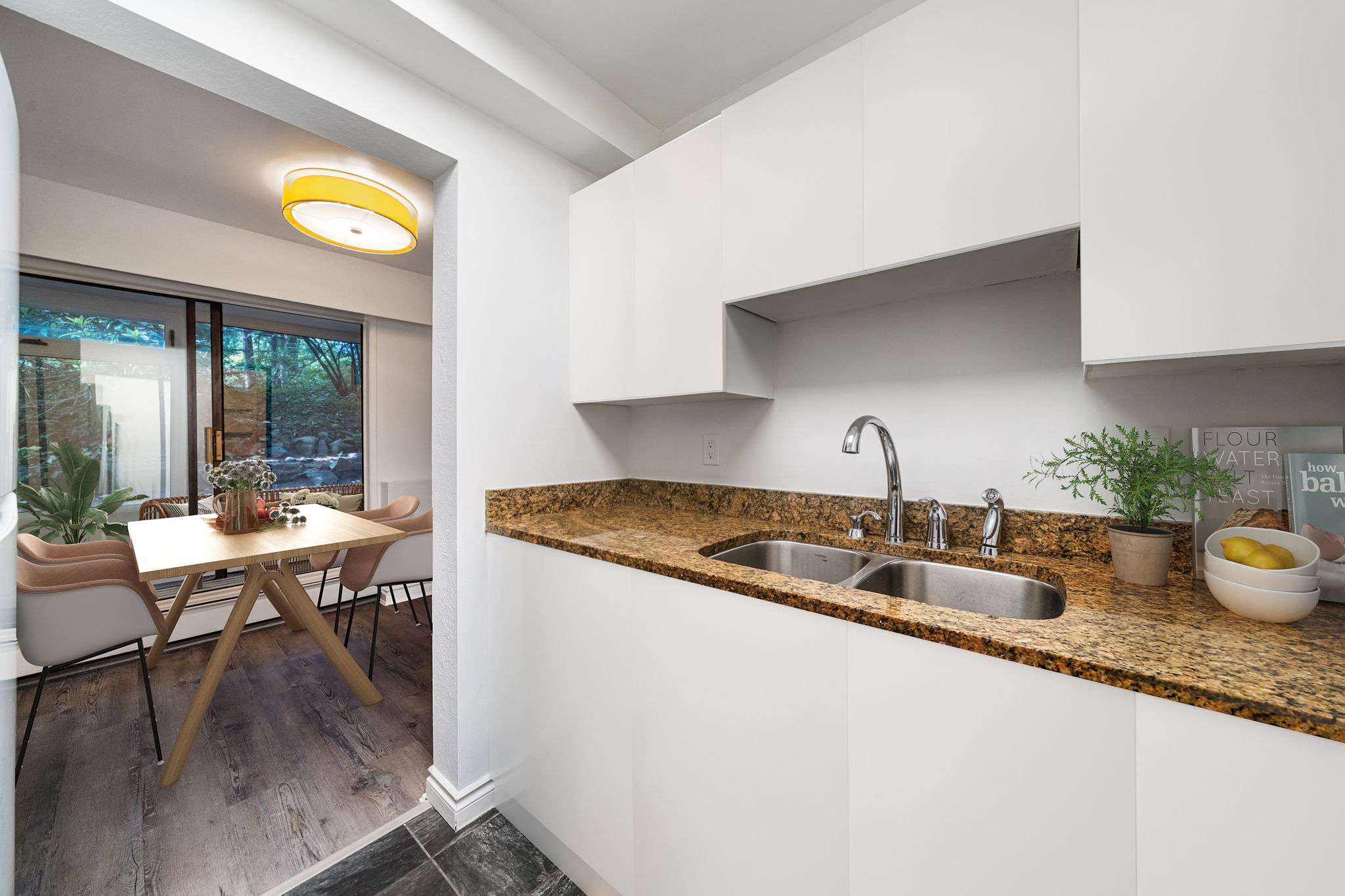
Improving your home does not have to mean a full renovation or major expense. In fact, some of the most budget-friendly ways to boost your property value focus on small, strategic upgrades that create a strong first impression and improve everyday functionality. In a balanced 2026 market across Greater Victoria, these improvements can help your home stand out while keeping costs under control. Start With Curb Appeal First impressions matter. Simple exterior updates often deliver one of the best returns on investment. Low-cost upgrades include: Fresh paint on the front door Updated house numbers and exterior lighting Trimmed landscaping and clean pathways Power washing siding, decks, and driveways These changes are affordable, quick, and immediately noticeable to buyers. Refresh Paint and Lighting Indoors A fresh coat of paint is one of the easiest ways to add value. Stick to neutral tones that appeal to a wide range of buyers and make spaces feel larger and brighter. Pair this with updated lighting: Replace outdated fixtures Use warm LED bulbs for consistency Add lighting to darker hallways or corners Well-lit homes feel cleaner, newer, and more inviting. Make Small Kitchen and Bathroom Updates Full renovations are expensive, but smaller updates still make a big impact. Budget-friendly options include: Updating cabinet hardware Installing a new faucet Replacing dated light fixtures Re-caulking tubs and backsplashes These improvements signal that the home has been well maintained, which builds buyer confidence. Improve Storage and Functionality Buyers value homes that feel organized and efficient. Simple ideas: Add shelving in closets or garages Install hooks or organizers in entryways Declutter to show usable space In Victoria condos and smaller homes, smart storage solutions can significantly improve perceived value. Address Minor Repairs Before They Grow Unfinished repairs can raise red flags for buyers. Fixing them early protects your value and avoids future negotiation issues. Focus on: Leaky faucets Loose handles or railings Squeaky doors Cracked tiles or trim These small fixes reassure buyers that the home has been cared for. Enhance Energy Efficiency on a Budget Energy-conscious buyers continue to prioritize efficiency. Cost-effective upgrades include: Weather stripping doors and windows Installing a smart thermostat Switching to LED lighting throughout the home These improvements reduce operating costs and add modern appeal. Focus on Cleanliness and Presentation Sometimes the biggest value boost costs almost nothing. Before listing or re-evaluating your home: Deep clean all surfaces Remove excess furniture Neutralize strong odours A clean, well-presented home always shows better and feels more valuable. Final Thoughts The easiest budget-friendly ways to boost your property value focus on presentation, maintenance, and smart upgrades rather than major renovations. In the 2026 Greater Victoria market, these improvements can help protect your investment and attract stronger interest from buyers. Ready to increase your home’s value without overspending? Contact us to discuss which upgrades make the most sense for your property and long-term goals. Andy Moore, 5-Star Review, via Google “Thank you so much to Faber group for their amazing customer service. Cal and Scott were there for us every step of the way and we couldn’t be more pleased with our sale and purchase.” Faber Real Estate Group Royal LePage Coast Capital Realty 📞 250-244-3430 📧[email protected] ℹ️ Scott Faber Personal Real Estate Corporation ℹ️ Cal Faber Personal Real Estate Corporation Vanessa Wood & Zachary Parsons “Building Lasting Relationships, One Home at a Time.”
Read more