

Latest News
Stay up to date with the latest and most exclusive insights from our blog on the Victoria real estate market. Each week, Faber Real Estate Group with Royal LePage Coast Capital Realty shares fresh tips and emerging trends for buyers, sellers, and investors across Greater Victoria. From expert advice on preparing your home for sale to timely snapshots of local market conditions, this is your go-to source for everything happening in Victoria, BC real estate.

The spring market in Victoria, BC is now taking shape, and this year it looks more balanced, more selective, and less rushed than the fast-moving markets many people still remember. March 2026 sales in the Victoria Real Estate Board region rose to 579 properties, up 24.5 per cent from February, while active listings climbed to 3,261. VREB described this as a fairly typical spring pattern that usually builds toward May or June. More Listings Means More Choice One of the clearest themes this spring is inventory. Buyers are seeing more options than they did in many recent spring markets, and that changes the tone of the market. At the end of March 2026, active listings were up 12.3 per cent from February and 7.9 per cent from March 2025. That matters because more selection usually gives buyers more time to compare properties, review documents carefully, and make decisions with less pressure. This trend was already building in February. VREB reported 2,903 active listings at the end of that month, up 10.6 per cent from January and 10.4 per cent from the year before. In other words, spring did not suddenly appear in March. It has been building in stages, with supply steadily improving as more sellers prepare to list. Buyers Should Expect Better Conditions Than Recent Years For buyers, this spring should feel more manageable than the highly competitive conditions of past years. VREB noted that current conditions are creating fewer high-pressure transactions and allowing more time for due diligence. That does not mean every home will sit or every seller will negotiate heavily. Well-priced homes in strong locations can still move quickly. It does mean buyers have a better chance to compare options and make decisions with a plan rather than panic. That fits the broader provincial picture as well. BCREA says inventory across BC is running near its highest level in more than a decade, and it expects markets to remain broadly balanced in 2026, with price growth tempered by higher supply. Sellers Should Expect More Competition For sellers, the spring market still offers opportunity, but not in the same way it did in ultra-tight markets. More listings mean more competition. Buyers have more homes to compare, so pricing, presentation, and strategy matter more. A property that is well prepared and priced in line with today’s market can still attract strong attention. A property that is overpriced or poorly presented may sit longer than expected. This is where many sellers can get caught off guard. Spring brings more buyer activity, but it also brings more competing listings. More activity does not automatically mean more leverage for every seller. In a balanced market, the homes that stand out usually do so because the strategy behind them is stronger, not because the season alone carries them. This matches the current reality that VREB describes as offering opportunities for both buyers and sellers rather than strongly favouring one side. Prices Are Showing Stability More Than Acceleration If you are wondering whether spring 2026 will bring a sharp jump in prices, the current data suggests a steadier pattern. In the Victoria Core, the MLS HPI benchmark for a single-family home was $1,330,200 in March 2026, down 1.1 per cent from March 2025 but up from February 2026. The benchmark for a condo was $553,800, down 0.8 per cent year over year and also up month over month. That tells an important story. Prices are not showing the kind of fast upward pressure that buyers feared in past spring markets, but they are also not collapsing. Instead, we are seeing a market where values are relatively stable, with modest month-to-month improvement as spring demand builds. What This Means for Buyers If you are buying this spring, expect more choice, more time to think, and more room to be strategic. That said, do not confuse a more balanced market with an easy market. Good homes can still attract competition, especially if they are priced well and show well. The advantage for buyers this year is not unlimited negotiating power. It is the ability to be more deliberate. A smart buyer strategy this spring is to get clear on your budget, target neighbourhoods, and must-haves before the right property appears. When the right fit does come up, preparation still matters. The buyers who do best in a balanced spring market are often the ones who are patient first and decisive second. What This Means for Sellers If you are selling this spring, expect buyers to notice value gaps more quickly. They have more listings to compare, and that makes strong pricing and strong presentation more important. Spring can still be an excellent time to list, but it is no longer enough to rely on seasonal momentum alone. Sellers who are realistic from the start often put themselves in a stronger position than those who test the market too high and hope conditions will do the work for them. In this market, preparation, marketing quality, and pricing discipline are what create leverage. The Bottom Line on This Year’s Spring Market The spring market in Victoria, BC looks active, but measured. Sales are rising seasonally, inventory is improving, and the market is giving both buyers and sellers room to make better decisions. That is a healthier environment than the rushed conditions many people associate with spring real estate. It also means strategy matters more than ever. If you are planning to buy or sell this spring, the best next step is not to guess where the market is going. It is to understand how your specific property type, price point, and area fit into today’s conditions. If you want help building the right plan for this spring market, contact Faber Real Estate Group for advice tailored to your move. Leanne D, 5-Star Review, via Google “I would highly recommend the Faber Group this is the second time we have used them and have been over the top happy with their service. They are an honest group of men who all go above and beyond to make your experience perfect!” Faber Real Estate Group Royal LePage Coast Capital Realty 📞 250-244-3430 📧[email protected] ℹ️ Scott Faber Personal Real Estate Corporation ℹ️ Cal Faber Personal Real Estate Corporation Vanessa Wood, Zachary Parsons, and Sophie Taylor “Building Lasting Relationships, One Home at a Time.”
Read more
Selling a tenanted home in BC can be done successfully, but it requires a different strategy than selling a vacant property. If you are selling a tenanted home in BC, you need to balance marketability, legal compliance, tenant rights, and buyer expectations from the start. One of the biggest mistakes sellers make is assuming they can simply ask the tenant to leave once they decide to list. In British Columbia, that is not how it works. A tenancy usually continues when a property is listed for sale, and a landlord cannot end a tenancy just because they want to sell. The First Thing Sellers Need to Understand A tenant in place does not prevent a sale. What it changes is the process. In many cases, the property can still appeal to: investors who want rental income from day one buyers who are flexible on possession timing buyers who plan to move in later, once the legal process allows it That said, the buyer pool is often narrower than it would be for a vacant home. Some owner-occupiers will hesitate if they need immediate possession, and some buyers will be cautious if they are unsure about notice periods, showing access, or the condition of the tenancy. This is where pricing and presentation matter more. A tenanted home usually needs stronger expectation-setting, cleaner communication, and a marketing plan built around the reality of tenant occupancy, not around an ideal vacant-show-home scenario. You Usually Cannot End the Tenancy Just Because You Want to Sell This is the rule many sellers misunderstand. In BC, the tenancy continues while the home is being marketed. The landlord cannot end the tenancy simply because the property is going on the market. That means the home may be sold: with the tenant staying in place with the buyer taking over as the new landlord or, in some cases, with notice given later for purchaser occupancy if the legal requirements are met When Can a Tenant Be Given Notice for Purchaser Occupancy? A seller may be able to end the tenancy for purchaser occupancy, but only in a specific situation. There must be a genuine accepted sale, and the purchaser must intend in good faith to occupy the property. BC now uses a Three Month Notice to End Tenancy for Purchaser’s Use process for qualifying situations, and the approved RTB form must be generated through the Residential Tenancy Branch web portal. The landlord must give three months’ notice for purchaser occupancy, and the tenant has 21 days to dispute the notice. The tenant is also entitled to one month’s rent as compensation, which must be paid on or before the effective date, or the landlord can allow the tenant to withhold the final month’s rent instead. This is why timing matters so much. If a buyer wants vacant possession for personal use, the transaction timeline, contract terms, and notice process all need to be handled carefully. Bad-Faith Risk Is Real Sellers and buyers both need to take purchaser-occupancy notices seriously. If a tenancy is ended for landlord or purchaser use, the stated reason must be genuine. BC guidance says the person moving in must actually follow through, and if the unit is not used for the stated purpose within a reasonable period, compensation may be owed. Province guidance also says the person moving in must occupy the home for a minimum of 12 months, and bad-faith evictions can lead to compensation equal to 12 months’ rent. For sellers, this means you should never market “vacant possession” casually unless the legal path is clear. Showings Need to Be Handled Properly Another major issue when selling a tenanted home in BC is access. Tenants have a legal right to quiet enjoyment while the tenancy continues. Ideally, the landlord and tenant agree in writing on a showing schedule. If there is no written agreement, the landlord must generally give 24 hours written notice for each showing. Entry notice must be between 8 a.m. and 9 p.m., and the notice must state the date, time, and reason for entry. This matters for marketing strategy because: last-minute showings become harder open access is less realistic repeated disruptions can create friction presentation may be less consistent than in a vacant listing In other words, the home can still sell well, but the plan has to respect both the law and the tenant relationship. Why Tenant Cooperation Can Change the Outcome A cooperative tenant can make a tenanted sale much smoother. An uncooperative one can affect: showing volume buyer impressions photography timing condition during visits overall sale momentum That does not mean a seller is powerless. It means the approach needs to be proactive. Good practice often includes: explaining the sale process clearly giving as much notice as possible grouping showings where reasonable keeping communication respectful and documented considering whether a cleaning, gift card, or other lawful gesture may help cooperation Often, the result of a tenanted sale is shaped less by the tenancy itself and more by how the relationship is managed during the listing period. Should You Sell to an Investor or an Owner-Occupier? This is one of the most important strategy questions. If the tenancy is stable, rent is attractive, and the property suits an income buyer, selling to an investor may be the simplest path. The tenancy stays in place, the buyer inherits the rental relationship, and the transition can be more straightforward. If the best likely buyer is an owner-occupier, then possession timing becomes central. The sale strategy needs to account for notice periods, compensation, and the buyer’s real move-in timeline. The wrong move is trying to market to everyone with vague promises. The better move is deciding early which buyer profile is most realistic and building the pricing, terms, and messaging around that. What Sellers Often Miss Many sellers focus only on the legal side and forget the market side. A tenanted property can lose leverage when: photos are rushed or limited buyers are unclear on possession showings are difficult to book tenant communication breaks down the home is priced like a vacant, fully accessible listing The right approach is to price with context, disclose clearly, and remove uncertainty wherever possible. Buyers do not always walk away because a home has tenants. They often walk away because the process feels unclear. A Practical Way to Approach the Sale If you are selling a tenant-occupied property, think in this order: understand the current tenancy and documents confirm the most likely buyer type build a showing plan that complies with BC rules set realistic expectations around possession avoid promising vacancy unless the legal path is clear work with an agent who understands both the market and the tenancy framework That approach protects the seller, respects the tenant, and gives buyers more confidence. Final Thoughts Selling a home with tenants in place is absolutely possible, but it is rarely a standard sale. It requires better communication, more precise timing, and a strategy built around the facts of the tenancy rather than assumptions. When handled properly, a tenanted property can still sell efficiently and at a strong price. If you are planning on selling a tenanted home in BC and want help building the right pricing, notice, and marketing strategy, contact Faber Real Estate Group for guidance tailored to your property and situation. Mark G., 5-Star Review, via Google “One of the best experiences I’ve had with a realtor. . Above all, it seems that i have gained a great relationship and i appreciate that more than feeling like just a transaction.. I will definitely be going back for my next big purchase!” Faber Real Estate Group Royal LePage Coast Capital Realty 📞 250-244-3430 📧[email protected] ℹ️ Scott Faber Personal Real Estate Corporation ℹ️ Cal Faber Personal Real Estate Corporation Vanessa Wood, Zachary Parsons, and Sophie Taylor “Building Lasting Relationships, One Home at a Time.”
Read more
For many homeowners, upsizing in Victoria BC is not really about buying “more house.” It is about buying a better fit for the life you are living now. Maybe the family has grown. Maybe you need a better layout, more privacy, a yard, a home office, or a suite option for long-term flexibility. The best strategy for upsizing in Victoria BC is usually not to rush into the next purchase first. It is to build a plan that protects your equity, keeps your financing realistic, and gives you enough flexibility to move when the right home appears. In today’s Greater Victoria market, where inventory has improved and benchmark pricing has been relatively stable, disciplined sequencing matters more than guesswork. The Victoria Real Estate Board reported the Victoria Core single-family benchmark at $1,307,400 in February 2026, up from $1,265,500 in January 2026 and only 0.9 percent below February 2025, which points to a market with movement but not extreme volatility. Start With the Real Constraint, Not the Dream Home Most homeowners begin by browsing listings. That is understandable, but it is usually the wrong first move. The real starting point is this question: What can you comfortably carry after you sell, close, move, and reset your monthly costs? That means reviewing: your estimated sale proceeds mortgage payout penalties, if any property transfer tax on the purchase legal fees, moving costs, and immediate improvement costs the payment range that still feels comfortable in real life This matters even more in 2026 because borrowing conditions are better than they were at the peak of the rate cycle, but affordability still needs to be handled carefully. The Bank of Canada’s policy rate has been 2.25% since January 28, 2026, and CMHC says variable mortgage rates have fallen over the last two years while fixed rates are more exposed to higher bond yields. In Most Cases, Sell First or Prepare to Sell First For most move-up buyers in Victoria, the safest strategy is one of these two paths: sell first, then buy prepare the home for sale first, then buy only when the sale path is clear Why? Because upsizing magnifies risk. If you buy first without a firm plan, you can end up dealing with: pressure to accept less for your current home carrying two properties at once rushed financing decisions emotional overbidding because you feel committed to the next purchase That does not mean buying first is always wrong. It can work for homeowners with significant equity, strong income, or access to bridge financing and a comfortable financial cushion. But for many households, selling first creates clarity and negotiating discipline. The Best Upsizing Strategy Is Usually a Three-Part Plan 1. Prepare your current home to sell like a product, not just a possession Before you even seriously shop, get your current home market-ready. That means: tackling obvious maintenance items decluttering and depersonalizing improving lighting and flow getting staging advice where appropriate understanding where your home sits against current competition This step matters because your current home is the engine that powers the next move. The cleaner and clearer your sale, the easier your upgrade becomes. 2. Get financing fully reviewed before writing offers Do not rely on a rough online estimate. A proper financing review should cover: your likely sale proceeds maximum purchase price payment comfort zone down payment structure bridge financing options what happens if your sale takes longer than expected The goal is not just to know your ceiling. It is to know your safe range. 3. Shop with strict priorities When people upsize, they can accidentally overpay for the wrong kind of “more.” More square footage is not always better if the location worsens, the lot is awkward, or the layout still does not solve the real problem. Focus on the upgrades that materially change daily life, such as: one more true bedroom a more functional family layout a usable yard better school or commute positioning suite potential less deferred maintenance a neighbourhood that fits the next five to ten years In Victoria, Timing Matters, But Sequence Matters More Many homeowners worry about “the perfect time” to upsize. In reality, sequence is usually more important than trying to outguess the market by a month or two. That said, current Victoria conditions do support a more strategic move-up approach. VREB reported balanced market conditions in February 2026, with 465 sales and 2,823 active listings at month-end. That was a 10.6 percent increase in active listings from January, giving buyers more choice than a tighter market would. For upsizers, that balance can help in two ways: you may have more selection on the purchase side you may face less frenzy than in a fully overheated market But balance does not remove the need for sharp pricing. If your current home is overpriced, the entire plan can stall. Avoid the Trap of Over-Improving Before You Sell A common mistake is spending too much getting the current home “perfect” before listing. Most of the time, upsizers do not need perfection. They need traction. That means focusing on improvements that help buyers feel confidence quickly: paint touch-ups repairs buyers will notice immediately cleaner presentation curb appeal better furniture layout pre-listing organization Expensive renovations with weak payback can delay your next move and reduce flexibility. The question is not “How do we maximize every dollar of value?” It is often “How do we improve saleability without overcapitalizing?” Have a Backup Plan Before You Need One The strongest move-up strategies include a backup plan early. That might include: temporary rent-back after your sale bridge financing if purchase and sale dates do not line up a short list of acceptable interim housing options a smaller geographic search expansion if inventory is thin in your top neighbourhood This is what reduces panic decisions. The move-up buyer who has a backup plan usually negotiates better than the buyer who feels cornered. What Homeowners in Victoria Should Do Right Now If you are thinking about upsizing this year, the best next move is usually: determine your likely sale range with current comparables review mortgage and equity numbers in detail prepare your current home before actively shopping define your non-negotiables for the next home be ready to act when the right property appears, not just any larger property That is the difference between moving up strategically and simply moving sideways at a higher cost. Final Thoughts The best strategy for homeowners in Victoria who want to upsize is to treat the move as a coordinated two-property decision, not just a home search. Your sale, your financing, your timing, and your purchase criteria all need to support each other. In a market with more choice and relatively steady benchmark pricing, the real advantage comes from preparation, not prediction. If you are thinking about upsizing in Greater Victoria and want help building a move-up plan that fits your equity, timing, and next-home goals, contact Faber Real Estate Group for tailored advice on your best next step. Brett Hayward, 5-Star Review, via Google “I can’t suggest how to make Fabers better at being good realtors. They’re already congenial, trustworthy, informed, experienced, and thorough. Cal listened and advised, and somewhere in the middle he said what the condo would sell for and he was right on. Thanks!” Faber Real Estate Group Royal LePage Coast Capital Realty 📞 250-244-3430 📧[email protected] ℹ️ Scott Faber Personal Real Estate Corporation ℹ️ Cal Faber Personal Real Estate Corporation Vanessa Wood, Zachary Parsons, and Sophie Taylor “Building Lasting Relationships, One Home at a Time.”
Read more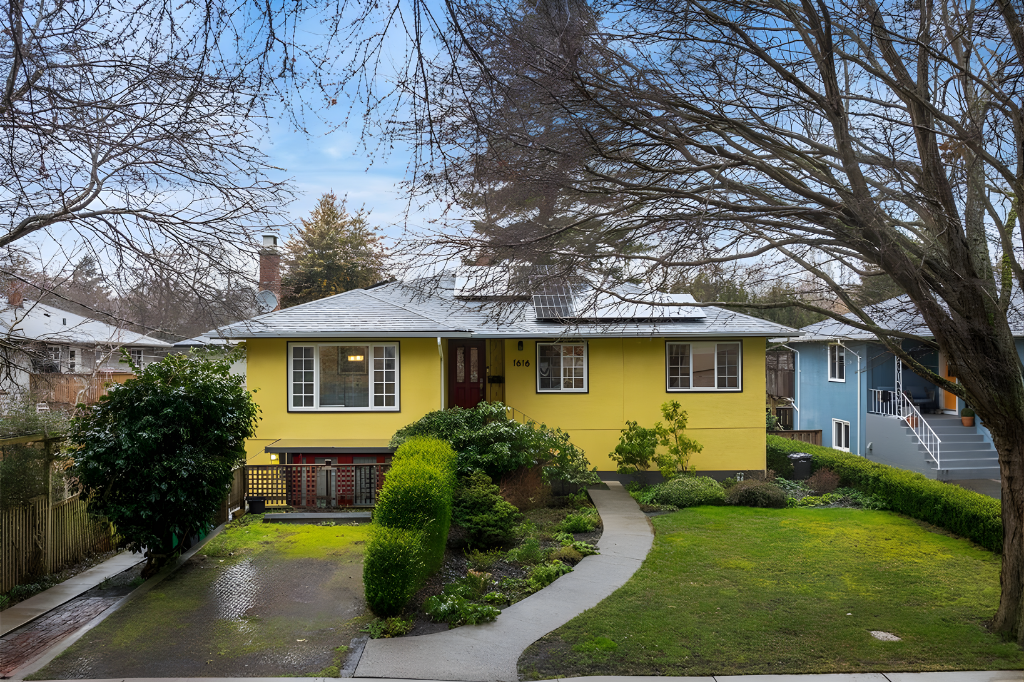
When buyers compare Fernwood vs Fairfield Victoria BC, they are usually not choosing between a good area and a bad one. They are choosing between two strong neighbourhoods that offer very different versions of Victoria living. Both are established, desirable, and close to the urban core, but the day-to-day feel is not the same. The City of Victoria identifies both as distinct neighbourhoods within the city, and both have active community associations and established planning frameworks that shape how they evolve. The real difference is not price alone A lot of buyers start with price, but that usually is not the best first filter. The better question is this: Do you want a neighbourhood that feels a little more eclectic and community-driven, or one that feels more polished, coastal, and traditionally residential? That is where the Fernwood versus Fairfield decision usually becomes clearer. Why Fernwood appeals to so many buyers Fernwood tends to attract buyers who want character, creativity, and a stronger sense of neighbourhood identity. The City-approved Fernwood neighbourhood plan was adopted in July 2022, and the planning work around Fernwood emphasizes housing choice, sustainable transportation, and the role of Fernwood Village as a local centre. The City also describes Fernwood Village as a cluster of well-maintained, intact, and regionally significant heritage buildings centred on Fernwood Avenue and Gladstone Avenue. In practical terms, Fernwood often appeals to buyers who value: heritage character local independent-business energy a community-oriented atmosphere a more urban, artsy, lived-in feel housing with personality rather than polish alone Fernwood also has a strong community identity beyond real estate. Fernwood NRG describes itself as a neighbourhood house run by and for Fernwood residents, which reinforces the area’s reputation for grassroots community involvement. Why Fairfield draws a different type of buyer Fairfield usually attracts buyers who want a quieter residential setting with a more classic Victoria feel. City planning documents for Fairfield identify village nodes such as Fairfield Plaza Village, Five Points Village, and Moss Street Village, and the broader area is closely tied to major outdoor amenities and shoreline access. The City describes Beacon Hill Park as the crowning jewel in Victoria’s park system, with roughly 740,000 square metres of parkland, while Dallas Road Beach is identified by the City as offering beach access, water views, and trails and paths. That usually makes Fairfield attractive to buyers who value: a more established residential feel access to major parks and shoreline walking a quieter streetscape in many pockets a classic South Victoria lifestyle a neighbourhood that often feels more traditional and tucked in Fairfield is often less about edge and more about ease. How the housing feel differs This is where the comparison becomes more useful for serious buyers. Fernwood Fernwood often feels more varied. Buyers will notice a mix of older character homes, smaller lots, converted properties, and a broader blend of housing types as the neighbourhood evolves. Because the neighbourhood plan focuses on housing choice and village-centred growth, Fernwood can feel more dynamic and more layered block to block. Fairfield Fairfield often feels more consistently residential. Even as housing policy changes continue across Victoria, Fairfield has long been associated with traditional residential form, and planning documents continue to frame parts of the area around village nodes within a largely established neighbourhood fabric. That difference matters because some buyers want variety and evolution, while others want consistency and predictability. Lifestyle fit: which one feels more like you? This is usually the fastest way to narrow it down. Fernwood may be the better fit if you want: more character and neighbourhood personality a stronger arts and community vibe a less polished, more organic streetscape easier comfort with mixed housing forms and gradual change a neighbourhood that feels creative and active Fairfield may be the better fit if you want: a calmer, more residential atmosphere close access to major green space and waterfront walking a classic Victoria setting a neighbourhood that feels established and timeless a more traditionally residential day-to-day experience Neither choice is more “correct.” They just serve different buyer priorities. What buyers often miss in this comparison The biggest mistake is assuming the choice is only about prestige or popularity. It is not. The better choice usually comes down to how you want to live Monday through Friday, not just how the area feels on a sunny Saturday afternoon. For example: If you want a neighbourhood with a little more texture and community energy, Fernwood may feel more natural. If you want a calmer residential setting with easier access to landmark outdoor spaces, Fairfield may feel stronger. If you are buying for long-term lifestyle stability, street-by-street fit matters more than broad reputation. That is especially true in Victoria, where neighbourhood transitions can happen quickly over only a few blocks. Which neighbourhood is better for resale? Both can hold strong appeal, but for different reasons. Fernwood often attracts buyers who are drawn to character, walkability, and community identity. Fairfield often attracts buyers who prioritize location stability, park access, and a classic South Victoria feel. In other words, both have strong demand drivers, but the buyer pools are not always identical. This is why resale strength is often more about matching the right property to the right neighbourhood expectation than trying to declare one area universally better. That conclusion is an informed market inference based on the neighbourhood characteristics and planning context above. The bottom line Fernwood and Fairfield are both excellent Victoria neighbourhoods, but they appeal to different instincts. Fernwood tends to suit buyers who want character, culture, and a stronger neighbourhood pulse. Fairfield tends to suit buyers who want a quieter residential setting, classic Victoria appeal, and close access to park and waterfront amenities. The best choice is usually not the one with the strongest reputation. It is the one that fits the way you actually want to live. If you are deciding between Fernwood and Fairfield, contact Faber Real Estate Group for local guidance on which neighbourhood better fits your budget, lifestyle, and long-term goals. Grace C., 5-Star Review, via Google “Zach is very pleasant and professional at all times. He's great to work with. He helped us find a great home for our family. Thank you.” Faber Real Estate Group Royal LePage Coast Capital Realty 📞 250-244-3430 📧[email protected] ℹ️ Scott Faber Personal Real Estate Corporation ℹ️ Cal Faber Personal Real Estate Corporation Vanessa Wood, Zachary Parsons, and Sophie Taylor “Building Lasting Relationships, One Home at a Time.”
Read more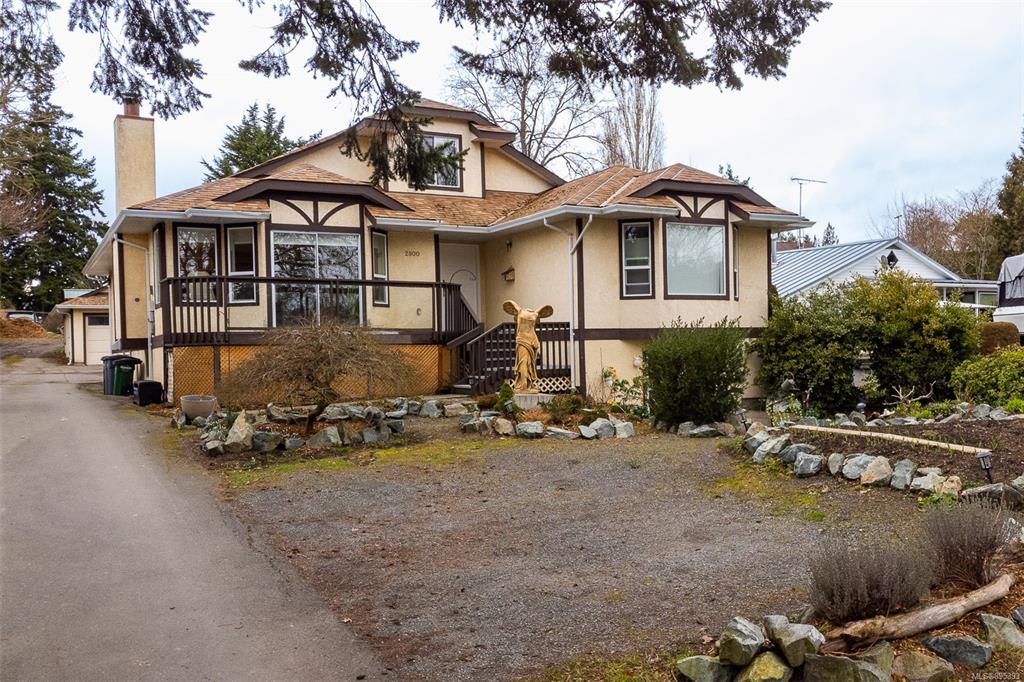
Deciding whether to sell before you buy Victoria BC is one of the biggest strategy questions homeowners face. It sounds simple on the surface, but the right answer depends on your equity, risk tolerance, financing options, and the type of market you are moving through. In Greater Victoria, that decision matters even more right now because inventory has been stronger while sales activity has been more measured, creating conditions that are closer to balanced, and in some segments near the threshold of a buyer’s market. The Victoria Real Estate Board reported 465 sales in February 2026, down 11.9 per cent from February 2025, while benchmark prices in the Victoria Core were relatively steady year-over-year, with single family homes at $1,307,400 and condos at $545,600. Why this decision matters so much Many sellers assume the only goal is to avoid being homeless or carrying two homes at once. That is part of it, but there is a bigger issue underneath: sequence creates leverage or pressure. When you sell first, you usually gain clarity. You know your sale price, your equity position, and your financing range. When you buy first, you may gain convenience, but you also take on more uncertainty if your current home does not sell as quickly or as strongly as expected. That is why this is not just a timing question. It is really a risk-management question. When selling before buying makes sense For many homeowners, selling first is the safer and more strategic move. It often makes sense when: you need the equity from your current home for the next down payment your finances do not comfortably support owning two properties at once you are moving up in price and want a firm budget before shopping your current property may take time to sell you want stronger negotiating clarity on your next purchase In a market with more choice for buyers, selling first can reduce the chance of being forced into a rushed price reduction later. VREB noted that January 2026 sat near the threshold between balanced and a buyer’s market due to stronger inventory and fewer sales, which is exactly the kind of environment where overconfidence can cost sellers leverage. The biggest advantage of selling first The biggest benefit is control. Once your home is sold firm, you are no longer guessing: how much equity you will walk away with whether your buyer will complete what mortgage amount you can comfortably carry how aggressively you need to negotiate on your next purchase That clarity often leads to better decision-making. Sellers who know their numbers tend to shop more confidently and avoid stretching just because a property feels emotionally right. When selling before buying may not make sense Selling first is not always the best option. It may not make sense when: you are in a very tight segment with limited replacement inventory you have strong finances and flexibility you are highly specific about location, school catchment, or property type you would rather secure the right home first and manage the overlap temporary housing would create too much disruption This is especially true for downsizers or buyers looking for a very specific product, such as a one-level townhome, a certain condo building, or a rare neighbourhood fit. In those cases, finding the next home can be harder than selling the current one. So while selling first reduces financial risk, it can increase lifestyle uncertainty if the replacement options are limited. When buying first can make sense Buying first can work well when the next home is harder to find than the current home is to sell. It may make sense when: you have substantial equity and strong financing you can qualify without relying fully on your current home sale the home you want is uncommon and worth locking in you have access to bridge financing or other short-term liquidity your current home is in a highly marketable price range and condition This strategy can also reduce pressure on your move. Instead of racing to line up dates, you may have time to renovate, pack gradually, and prepare your existing home properly for market. The trade-off is obvious: convenience can come with cost and risk. The role of subject to sale offers Some buyers try to split the difference by writing an offer that is conditional on the sale of their current home. In BC, this is commonly handled through a subject to sale clause. BCFSA’s clause guidance explains that a buyer can make their purchase conditional on entering into a sale contract for their existing property, or on that contract becoming unconditional by a certain date. BCFSA also notes that sellers often protect themselves by continuing to market the property and using time-clause language where appropriate. This approach can make sense, but it is not always competitive. In practical terms: it can protect the buyer from owning two homes it can help a seller buy without fully selling first it is usually less attractive to the seller on the other side it can be harder to win in a desirable or competitive segment So yes, subject to sale can be useful, but it should not be treated like a magic solution. It is simply one tool, and it works best when the property you are pursuing has less competition or has been on the market longer. Risks sellers often underestimate The real problem is not choosing one sequence or the other. The real problem is underestimating the downside of the wrong fit. If you sell first, the risks are: feeling rushed to buy settling for a home that is only “good enough” needing temporary housing or storage facing rising prices in the segment you want next If you buy first, the risks are: carrying two homes longer than expected accepting a weaker offer on your current property due to time pressure increasing debt and stress during the transition discovering your lender or budget is tighter than expected This is why generic advice rarely helps. The right strategy depends on what kind of move you are making, not just what the market is doing overall. A better way to think about the decision Instead of asking, “Should I sell first or buy first?” ask these questions: Is my current home easier to sell than my next home is to find? Do I need my sale proceeds to complete the next purchase? Could I comfortably carry overlap if my home took longer to sell? Am I moving because I want a better fit, or because I need a strict timeline? How much stress am I willing to absorb to gain flexibility? Those questions usually lead to a better answer than broad market opinions. What this often looks like in real life A move-up buyer with limited cash flexibility usually benefits from selling first. A downsizer targeting one specific building may prefer to buy first. A family relocating within the Westshore may choose whichever option creates the least disruption to school, work, and childcare. An investor or highly liquid homeowner may be able to be more opportunistic. The strategy should match the household, not just the headlines. The bottom line Selling before buying makes sense when financial clarity matters more than convenience. Buying before selling can make sense when securing the right replacement property is the harder part of the move. Neither path is automatically right. The best choice is the one that protects your downside while still giving you enough flexibility to make a smart move. If you are weighing whether to sell first or buy first in Greater Victoria, contact Faber Real Estate Group for advice tailored to your property, your price range, and the kind of move you want to make next. Helen M., 5-Star Review, via Google “Cal and Scott are the best. They made it happen and made the entire process of securing my condo smooth and stress free. They were always supportive, responsive, and clearly committed to getting the right result. I am very grateful for their hard work and would highly recommend them to anyone looking for reliable, dedicated realtors.” Faber Real Estate Group Royal LePage Coast Capital Realty 📞 250-244-3430 📧[email protected] ℹ️ Scott Faber Personal Real Estate Corporation ℹ️ Cal Faber Personal Real Estate Corporation Vanessa Wood, Zachary Parsons, and Sophie Taylor “Building Lasting Relationships, One Home at a Time.”
Read more
The demand for condos remains strong, and understanding the popular condo features in Greater Victoria helps buyers narrow their options among many new and resale developments. With increased inventory and diverse building styles across the region, buyers now focus more on lifestyle, efficiency, and long-term value when choosing a condo. Open Layouts and Functional Floor Plans Buyers consistently prioritize layouts that maximize usable space. Open-concept living areas create better flow, allow more natural light, and make smaller units feel larger. Additionally, buyers value: Flexible spaces for home offices or guest areas Bedrooms positioned away from main living spaces Efficient storage solutions within the unit As remote and hybrid work remains common, functional floor plans continue to rank among the most popular condo features. Outdoor Living Spaces Private outdoor areas strongly influence purchasing decisions. Even compact balconies add valuable living space and improve resale appeal. Buyers often look for: Covered patios or balconies usable year-round South or west-facing exposure for sunlight Space for seating, plants, or small entertaining setups In a region known for its mild climate and scenic views, outdoor access significantly increases buyer interest. Modern Kitchens and Quality Finishes Kitchens remain a central selling feature. Buyers prefer clean, modern finishes that require minimal upgrades after purchase. Highly desirable kitchen features include: Quartz or stone countertops Full-size stainless steel appliances Soft-close cabinetry Kitchen islands or breakfast bars Quality finishes signal durability and reduce immediate renovation costs, which appeals to both first-time buyers and downsizers. In-Suite Laundry and Storage Convenience plays a major role in condo selection. In-suite laundry is now considered essential rather than optional. Buyers also seek adequate internal storage, including closets, pantries, and utility spaces. Separate storage lockers and secure bike storage further increase building appeal, especially for active Greater Victoria residents. Parking and EV Charging Parking availability remains a key factor, particularly outside downtown Victoria. Buyers often prioritize: Assigned or secure underground parking Visitor parking availability Electric vehicle charging infrastructure As EV ownership rises across Vancouver Island, buildings that offer charging options often attract more interest. Building Amenities That Support Lifestyle Amenities vary widely between developments, but buyers tend to favour practical features over luxury extras. Popular amenities include: Fitness centres Secure package delivery systems Resident lounges or shared workspaces Pet-friendly policies and dog washing stations These amenities enhance day-to-day living while strengthening long-term resale value. Energy Efficiency and New Building Technology Sustainability continues to influence buyer decisions. Energy-efficient buildings reduce operating costs and align with environmental values common among Greater Victoria residents. Buyers increasingly look for: Energy-efficient windows and heating systems Heat pumps or modern HVAC systems Smart home features such as digital entry and thermostat control Developments that incorporate these technologies often stand out in competitive markets. Location and Walkability Beyond the unit itself, buyers focus heavily on surrounding neighbourhood features. Proximity to amenities improves convenience and lifestyle quality. Top location priorities include: Walkable access to groceries, cafes, and services Access to transit and major commuter routes Proximity to waterfront trails and parks Downtown Victoria, Vic West, the Westshore, and Saanich developments each attract buyers for different lifestyle reasons, making location one of the strongest value drivers. Final Thoughts With numerous developments available, buyers are carefully comparing options and prioritizing comfort, convenience, and long-term investment potential. Understanding the most popular condo features can help buyers identify units that align with their lifestyle while protecting resale value. If you are considering buying or selling a condo in Greater Victoria, contact us anytime to discuss your options and current market opportunities. Florenda S., 5-Star Review, via Google “We worked with Cal & Scott selling our home recently. The effort they put into the sale was amazing with the photo virtual walk through set, the video, the night shots and open houses. Our house sold very quickly even in a slowdown in the market.” Faber Real Estate Group Royal LePage Coast Capital Realty 📞 250-244-3430 📧[email protected] ℹ️ Scott Faber Personal Real Estate Corporation ℹ️ Cal Faber Personal Real Estate Corporation Vanessa Wood, Zachary Parsons, and Sophie Taylor “Building Lasting Relationships, One Home at a Time.”
Read more
Living in Shawnigan Lake BC appeals to buyers who want a quieter lifestyle, more space, and stronger connection to nature without being completely cut off from Victoria or the Cowichan Valley. Living in Shawnigan Lake BC can be a strong fit for people who value recreation, privacy, and a more relaxed pace, but it is not the right match for every buyer. That is the key with Shawnigan Lake. It is easy to be drawn in by the lake lifestyle and wooded setting, but the best purchase usually comes from understanding how the area functions day to day, not just how it looks on a sunny weekend. The Lifestyle Is a Big Part of the Draw Shawnigan Lake is known for outdoor living. West Shawnigan Lake Park offers beach access, swimming, picnic areas, trails, and other day-use amenities, while the broader lake area is known for boating, paddling, and family recreation. The Shawnigan Lake Community Centre also adds local programming, childcare, events, and recreation space that help support year-round community life. For many buyers, that lifestyle is the reason to look there in the first place. The area tends to suit people who want: more land and privacy than many urban neighbourhoods offer access to outdoor recreation close to home a less dense, more rural-feeling setting a community-oriented environment rather than a fully urban one That said, buyers should look beyond the lifestyle branding and ask what their weekly routine would actually feel like in Shawnigan Lake during workdays, school days, and winter months. It Offers a Different Kind of Convenience Shawnigan Lake is not designed around the same kind of convenience as central Victoria, Langford, or even some parts of the Westshore. Buyers often trade quick access to a larger retail and service base for space, setting, and lifestyle. That is not a flaw. It is simply a different value proposition. For some households, that trade-off feels worth it immediately. For others, the commute, driving time, and day-to-day logistics can become more noticeable after the move. Buyers should think carefully about: how often they need to commute south toward Greater Victoria how often they rely on nearby shopping and services whether they are comfortable with a more car-dependent routine how important immediate access to schools, activities, and appointments is for their household Schools and Family Planning Matter Families considering Shawnigan Lake should verify school catchments directly, but public school options in the Cowichan Valley School District include Discovery Elementary in Shawnigan Lake and Frances Kelsey Secondary in nearby Mill Bay, with the district providing a school locator and registration tools. This matters because many buyers focus first on the home and only later on how school routes, extracurriculars, and pick-up logistics will work in practice. In more semi-rural communities, those details can shape daily life more than buyers expect. Property Types Can Vary More Than Buyers Assume One of Shawnigan Lake’s strengths is variety. Depending on budget and location, buyers may find modest cottages, family homes on larger lots, rural properties, and lake-area homes with very different levels of privacy, access, and utility servicing. That variety is attractive, but it also means buyers need to compare carefully. Two homes in the same broad area can feel very different in terms of: road access slope and usability of land privacy and sun exposure water access or lake proximity septic, well, or servicing considerations renovation needs and long-term maintenance In areas like Shawnigan Lake, the land is often part of the purchase decision, not just the house itself. Planning and Land Use Should Be Part of Due Diligence The Cowichan Valley Regional District adopted its Official Community Plan for the electoral areas in late 2025, and local area planning continues to shape how growth, land use, and community character are managed in places like Shawnigan Lake. For buyers, that means it is smart to look beyond the listing brochure and understand: current zoning permitted uses any development or subdivision limitations environmental or servicing constraints how future planning may affect the area This is especially important for buyers who are hoping for suite potential, future expansion, hobby use, or longer-term redevelopment options. Buyers Should Not Confuse Assessments With Market Value BC Assessment’s 2026 update said Vancouver Island property values were generally flatter this year, and assessments reflect value as of July 1, 2025, for tax purposes. That can be useful context, but it is not the same thing as current market value for a specific home in Shawnigan Lake. This matters because buyers sometimes use assessed value as a shortcut. In a location like Shawnigan Lake, that can be misleading. Waterfront influence, lot usability, home updates, privacy, and outbuilding value can all create meaningful differences between assessment figures and real market appeal. The Broader Island Market Is Giving Buyers More Time Than Before The Vancouver Island Real Estate Board reported 388 unit sales across all property types in January 2026, down 10 per cent year over year, while active listings were up six per cent. That points to a market with more choice and somewhat less urgency than the tightest periods buyers experienced in prior years. For Shawnigan Lake buyers, that can be helpful. It can create more room to: inspect carefully compare properties more thoroughly assess long-term fit instead of rushing negotiate where pricing or presentation is off That does not mean every good property will sit. It means buyers have a better chance to be thoughtful, which is especially important in a location where property characteristics can vary so widely. Who Shawnigan Lake Often Fits Best Shawnigan Lake often suits buyers who want a property that supports lifestyle first and convenience second. That could include: families wanting more indoor and outdoor space buyers leaving denser urban areas remote or hybrid workers households prioritizing recreation and privacy buyers comfortable with a more rural rhythm It may be less ideal for buyers who want walkability, short errand times, or fast access to a full range of urban amenities every day. Final Thoughts Living in Shawnigan Lake BC can be a great choice for buyers who want space, recreation, and a community with a more relaxed pace. The lifestyle is a real advantage, but the best decisions usually come from balancing that appeal with practical due diligence around commute, schools, land use, servicing, and long-term fit. If you are thinking about living in Shawnigan Lake BC and want help comparing properties, understanding the trade-offs, or narrowing down the right fit for your goals, contact Faber Real Estate Group for clear local guidance tailored to your next move. Shauna S., 5-Star Review, via Google “Both Scott and Cal assisted us in selling and purchasing. It was a big move for us but they both assisted us in getting more than we initially expected and getting us into a really great property. They helped us work through some issues on both ends and were very professional and helpful! We recommend them to our friends and family who need an agent.” Faber Real Estate Group Royal LePage Coast Capital Realty 📞 250-244-3430 📧[email protected] ℹ️ Scott Faber Personal Real Estate Corporation ℹ️ Cal Faber Personal Real Estate Corporation Vanessa Wood, Zachary Parsons, and Sophie Taylor “Building Lasting Relationships, One Home at a Time.”
Read more
Current Vancouver Island real estate trends are showing a market that is more balanced, more selective, and more nuanced than many buyers and sellers expected. Current Vancouver Island real estate trends point to a spring market with healthier inventory, softer year-over-year sales in some regions, and pricing that is holding relatively steady rather than swinging sharply in either direction. That matters because “Vancouver Island” is not one single market. Greater Victoria follows its own board statistics, while many other Island communities fall under the Vancouver Island Real Estate Board. Still, the broader pattern is becoming clearer: inventory has improved, buyers have more choice, and homes that are priced and presented well are still attracting attention. Inventory Is Giving Buyers More Breathing Room One of the biggest current shifts is selection. In the Victoria Real Estate Board region, active listings reached 2,903 at the end of February 2026, up 10.6 per cent from January and 10.4 per cent from February 2025. VREB described conditions as moving into a more balanced market as sales activity improved through February. Outside Greater Victoria, the Vancouver Island Real Estate Board reported that February 2026 sales picked up from January while active listings rose about five per cent year over year. That does not mean every area is slow. It means buyers are no longer dealing with the same level of scarcity that defined earlier markets. For buyers, this creates more room to compare properties, review strata documents carefully, and negotiate more strategically. For sellers, it means the market is still workable, but stronger competition is back. Sales Activity Is Improving Month to Month, Even if Year-Over-Year Comparisons Look Softer A common mistake is to look only at year-over-year sales and assume demand is weak everywhere. The more useful story right now is that activity is improving as spring approaches. In Greater Victoria, total February 2026 sales were up 37.2 per cent from January, even though they were down 11.9 per cent from February 2025. VREB’s chair noted that the spring market will be worth watching closely because February showed a meaningful pickup from the slower start to the year. VIREB also reported a February rebound as spring approached, with 465 unit sales across all property types, down three per cent from a year earlier but stronger than January. The practical takeaway is simple. Demand has not disappeared. It has become more cautious, more price-sensitive, and more dependent on value. Pricing Is Looking More Stable Than Dramatic Current Vancouver Island real estate trends also show that prices are not moving in one extreme direction. In Greater Victoria, the benchmark value for a single-family home in the Victoria Core was $1,307,400 in February 2026, down 0.9 per cent from February 2025 but up from January 2026. The benchmark value for a condominium in the Victoria Core was $545,600, down 0.7 per cent year over year and also up from January. At the provincial level, BCREA reported that the average MLS® residential price in BC in February 2026 was $932,243, down 2.9 per cent from February 2025. BCREA also said overall activity remains below historical norms, with February unit sales sitting 32.87 per cent below the ten-year average for the month. This points to a market that is not collapsing, but also not rewarding overconfidence. Sellers who reach too high may sit. Buyers waiting for a major price drop may find that the actual story is steadier pricing combined with better choice. Balanced Conditions Are Changing Negotiation Strategy A balanced market changes behaviour on both sides. Buyers often have: more time for due diligence more options within the same budget better leverage when a listing is stale or poorly positioned Sellers still have opportunity, but the old “list and wait for a bidding war” mindset is less reliable. In this kind of market, pricing strategy, property preparation, and strong marketing matter more because buyers can compare more inventory side by side. This is especially important on Vancouver Island because local submarkets behave differently. A well-priced home in a desirable Victoria neighbourhood may move very differently than a larger home in a slower-moving secondary market. The Island is active, but it is not uniform. Interest Rates and Confidence Are Still Part of the Story BCREA has signalled that improved affordability conditions and stable rates could help bring more buyers back into the market through 2026. In a separate 2026 outlook, BCREA said economists were forecasting a provincial sales rebound, with sales expected to rise 12.8 per cent to 81,700 units as buyers re-engage. That does not guarantee a surge everywhere, but it does support the idea that today’s market may be an early-stage transition rather than a flat year from start to finish. For buyers, that can mean opportunity before confidence broadens. For sellers, it can mean getting ahead of more competing listings if they are planning to come to market in spring or early summer. What This Means for Buyers Right Now For buyers, the current Vancouver Island real estate trends suggest a market where patience and preparation can finally work together. That means: getting pre-approved before spring activity builds further comparing neighbourhoods rather than chasing only one pocket focusing on long-term suitability, not just short-term discount hunting watching days on market and price adjustment patterns closely In a more balanced market, the best opportunities are often not the newest listing. They are the homes where timing, presentation, and seller expectations have created room for a more thoughtful deal. What This Means for Sellers Right Now For sellers, the message is not negative. It is strategic. Homes can still sell well in this environment, but they usually need: accurate pricing from day one polished presentation and strong photography a clear value story compared with nearby competition realistic expectations about negotiation When inventory rises, buyers become better at comparison shopping. That means sellers need to remove uncertainty, not add to it. Final Thoughts The clearest reading of current Vancouver Island real estate trends is this: the market is active, more balanced than before, and increasingly driven by strategy rather than momentum alone. Inventory has improved, sales have started to rebound month to month, and prices appear relatively stable rather than sharply volatile. For buyers, that creates more choice and better decision-making conditions. For sellers, it creates a market where preparation and pricing discipline matter more than ever. If you want help interpreting what these trends mean for your area, your property type, or your timing, contact Faber Real Estate Group for clear local guidance tailored to your next move. Christina A., 5-Star Review, via Google “We had such a great experience working with Scott Faber during our recent home buying! From the start, Scott made everything super easy and was always there to answer our questions. Scott really listened to what we wanted and helped us find the perfect place. What we appreciated most was how down-to-earth and approachable he was. No matter what came up, Scott was on top of it and kept us in the loop the whole time. We felt like we were in great hands the entire process. I’d definitely recommend Scott to anyone looking for a real estate pro who truly cares and knows their stuff!” Faber Real Estate Group Royal LePage Coast Capital Realty 📞 250-244-3430 📧[email protected] ℹ️ Scott Faber Personal Real Estate Corporation ℹ️ Cal Faber Personal Real Estate Corporation Vanessa Wood, Zachary Parsons, and Sophie Taylor “Building Lasting Relationships, One Home at a Time.”
Read more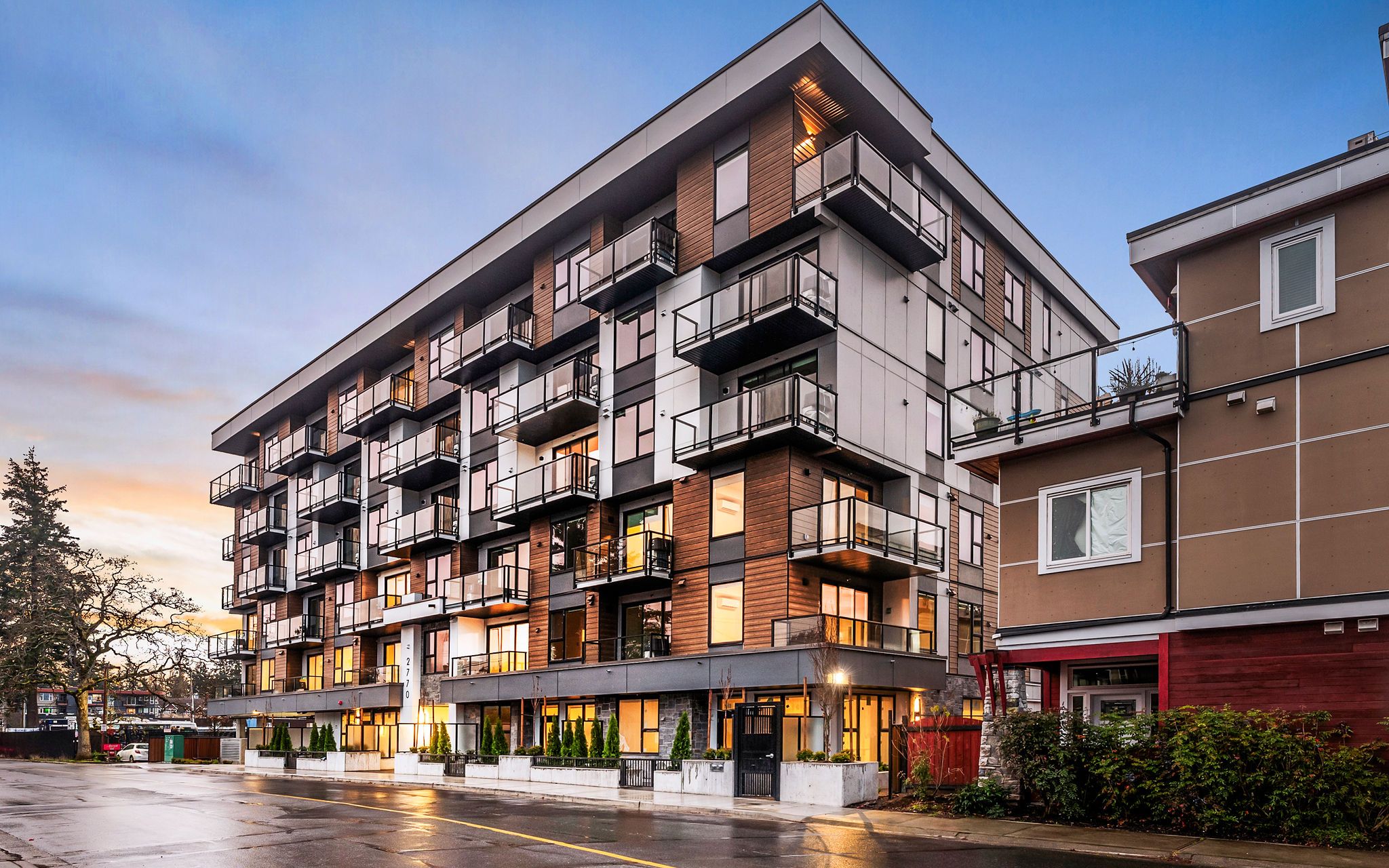
Buying your first home in BC is already a big financial and emotional decision. The new federal GST rebate has created real opportunity for first-time buyers, but it also creates room for confusion. That is where costly assumptions can happen. For many buyers, the headline is exciting: eligible first-time buyers can recover up to 100% of the GST on new homes priced at or below $1 million, with a reduced rebate available between $1 million and $1.5 million, and no rebate at $1.5 million or more. The legislation received Royal Assent on March 12, 2026, and the CRA has now published application guidance. The problem is simple. Many buyers hear “GST rebate” and assume it applies automatically, applies to every property type, or applies no matter how the purchase is structured. It does not. Here are some of the most common mistakes first-time buyers could make with the GST rebate in BC. 1. Assuming the rebate applies to every home purchase This is one of the biggest misunderstandings. The first-time home buyers’ GST rebate is aimed at new homes, substantially renovated homes, some owner-built homes, and certain co-op purchases. It is not a blanket rebate for resale homes. In BC, that matters because many first-time buyers are comparing older condos, resale townhomes, and presale or newly built units at the same time. If a buyer assumes the rebate applies across the board, they could miscalculate affordability by tens of thousands of dollars. 2. Thinking “first-time buyer” just means buying your first property The eligibility test is more specific than many buyers expect. The CRA says a person must generally be at least 18, be a Canadian citizen or permanent resident, and not have lived in a home they or their spouse or common-law partner owned in the current calendar year or the previous four calendar years. That means a buyer can be new to the market emotionally, but still not qualify legally. This is especially important for: buyers who previously owned with a former partner buyers who lived in a spouse’s owned property buyers returning to the market after a past purchase parents helping structure a purchase 3. Forgetting the price threshold is strict At or below $1 million, the rebate can be up to $50,000. Between $1 million and $1.5 million, the rebate is phased down. At $1.5 million or above, there is no rebate. The CRA even gives a sample where a $1.25 million home could qualify for 50% of the maximum rebate. That creates a practical mistake: buyers may stretch just beyond a key threshold without realizing the financial trade-off. In higher-priced BC markets, this matters. A buyer who focuses only on monthly payments may overlook the fact that a slightly higher purchase price could sharply reduce or eliminate rebate value. That can affect deposit planning, closing costs, and total cash required. 4. Assuming the rebate will always be built into the transaction automatically Some buyers think the builder, lawyer, or accountant will automatically handle everything. Sometimes parts of the process are streamlined, but the CRA has published formal application routes and forms depending on the purchase type. For homes purchased from a builder, there is a specific process, and for some files, the buyer may need to apply directly. Buyers should not treat this as “someone else’s problem.” A missed form, a missed signature, or a missed filing deadline can turn a valuable rebate into a lost opportunity. 5. Missing the application deadline The CRA says there is generally a two-year time limit to apply, usually from the date ownership is transferred or construction is substantially completed. That sounds generous, but in real life it is easy to lose track once the move is done, the furniture is in, and life gets busy. Buyers who assume they can “deal with it later” may leave money on the table. 6. Not understanding that the home must be a primary place of residence The rebate is tied to a home intended for use as the buyer’s primary place of residence. The CRA repeats this across its guidance for the first-time buyers’ rebate and the existing new housing rebate. That creates risk for buyers who are: purchasing with mixed personal and investment motives planning to assign a presale buying for a family member without meeting the actual criteria expecting to use the property mainly as a rental This does not mean every future life change creates a problem. It does mean the purchase should be structured honestly and carefully from the start. 7. Confusing the new rebate with the existing new housing rebate The new first-time buyers’ GST rebate does not simply replace every older rebate program. According to the CRA, where both rebates apply, the first-time buyers’ rebate can act as a top-up to the existing GST/HST new housing rebate. That is good news, but it is also where confusion grows. Buyers may: assume they can only claim one assume they automatically receive the full amount misunderstand which form applies to which rebate rely on outdated rules they heard before Royal Assent This is exactly why first-time buyers should review the current CRA guidance rather than relying on summaries shared months ago. The program moved from proposal stage to enacted legislation on March 12, 2026. 8. Believing every agreement date qualifies Timing matters. Government guidance states that the rebate generally applies to agreements of purchase and sale entered into on or after March 20, 2025 and before 2031, with additional timing rules for construction completion. That means buyers should not assume that every presale or every recently completed new home qualifies. The contract date, completion timeline, and transaction structure all matter. 9. Keeping weak records The CRA says buyers should keep documents such as completed applications, purchase agreements, invoices for owner-built homes, and proof of occupancy for six years. This sounds administrative, but it is important. Missing paperwork can slow processing, create stress, and make it harder to support a claim if questions come up later. 10. Making a buying decision based only on the rebate A rebate can improve affordability, but it should not be the reason a buyer chooses the wrong property, overextends on budget, or rushes into a purchase that does not suit their lifestyle. In practice, the best use of the GST rebate is strategic. It can help reduce upfront tax cost, improve cash flow at closing, and expand options in the right purchase. It should not replace due diligence on location, strata, future resale appeal, or monthly carrying costs. A Smarter Way to Approach the GST Rebate in BC For first-time buyers in BC, the real opportunity is not just saving tax. It is making a more informed decision. Before you buy, it helps to ask: Is this property actually eligible? Do I clearly meet the first-time buyer test? What happens to the rebate at this exact price point? Who is responsible for the paperwork? How does this affect my real closing costs, not just the purchase price? Those questions can prevent expensive surprises. Final Thoughts The GST rebate is a meaningful opportunity for eligible first-time buyers, but only when the details are understood early. In BC, where price points, presales, and new construction decisions can move quickly, small misunderstandings can become expensive mistakes. If you are weighing a new home, presale, or first purchase strategy and want help thinking through the numbers, eligibility considerations, and property fit, contact Faber Real Estate Group for clear guidance tailored to your goals. Chris, 5-Star Review, via Google “We are so thankful for the team at Faber Group! From the moment we started looking for a new place to call home, the team was understanding, attentive, and driven to find us the perfect place. We worked with Cal, Scott, and Zach and we would be honoured to work with them again in the future. As we are first-time buyers, these gentlemen patiently answered my myriad of 'beginner' questions and made me feel at ease with the whole process. And my my, buying a house IS a process. They were all so kind and knowledgeable! Look no further if you want to work with a team that thrives on providing excellent service and with a heart to see you find that 'perfect place to call home.'” Faber Real Estate Group Royal LePage Coast Capital Realty 📞 250-244-3430 📧[email protected] ℹ️ Scott Faber Personal Real Estate Corporation ℹ️ Cal Faber Personal Real Estate Corporation Vanessa Wood, Zachary Parsons, and Sophie Taylor “Building Lasting Relationships, One Home at a Time.”
Read more
If you want to prepare your home for listing photos properly, the goal is not perfection. The goal is clarity. Great listing photos help buyers understand the home, picture themselves living there, and decide whether your property is worth seeing in person. Poor photos can do the opposite, even when the home itself is strong. In today’s market, buyers usually see your photos before they read the full description, book a showing, or ask a question. That means your photos are often your first showing, not just a marketing extra. When a home looks clean, bright, and well-prepared online, it creates stronger first impressions and can increase both interest and confidence. Why listing photos matter so much Most buyers begin their search online. They scroll quickly, compare homes side by side, and make decisions in seconds. If the photos feel dark, cluttered, cramped, or inconsistent, many buyers move on before ever learning the property’s real value. Strong photos matter because they help: Increase click-throughs from MLS and listing websites Create better first impressions before a showing Make the home feel more spacious, bright, and cared for Attract more qualified buyers who already like what they see Support stronger marketing across social media, email, and brochures Good real estate photography does not just document the home. It positions it. The biggest mistake sellers make Many sellers assume the photographer will make everything look better. A skilled photographer absolutely helps, but photography cannot fully fix clutter, poor lighting, visible damage, crowded surfaces, or rooms that feel too personal. Photos work best when the home is already showing well in real life. Think of photography as the amplifier. It will amplify what is good, but it can also amplify what feels distracting. What buyers notice in listing photos Buyers may not say it this way, but they are usually asking themselves three questions while looking at photos: 1. Does this home feel well cared for? Visible mess, stains, crowded countertops, and burnt-out bulbs can make buyers assume there are deeper maintenance issues. 2. Does this home feel spacious and functional? Too much furniture, poor room layout, or overloaded shelves can make even a decent room feel smaller than it is. 3. Can I picture myself here? Highly personal items, too many family photos, bold niche décor, and visual clutter can make it harder for buyers to connect emotionally. This is why photo preparation matters. It helps buyers focus on the home, not the distractions. How to prepare your home for listing photos Start with a full clean A clean home always photographs better. Dust, smudges, streaks, pet hair, soap scum, and dirty floors often stand out more in photos than they do in person. Focus on: windows and mirrors kitchen counters and appliances bathroom sinks, tubs, and faucets baseboards and flooring light fixtures and glass surfaces A home does not need to feel sterile, but it should feel fresh. Declutter every room Clutter competes with the features of the home. Buyers should notice the space, layout, and light, not cords, piles, baskets, or too many decorative items. Try to remove: extra items from countertops papers, chargers, and cords oversized or excess furniture laundry hampers and floor mats personal toiletries fridge magnets and notes visible pet items Less visual noise usually makes a room feel larger and calmer. Depersonalise the space You are not trying to remove all warmth. You are trying to create room for the buyer’s imagination. Pack away or reduce: family photos children’s artwork on walls or fridges highly specific collections personalized signs bold or polarizing décor The more universal the space feels, the easier it is for buyers to picture their own life in it. Let in as much light as possible Natural light helps a home feel more open and inviting. Before photos, open blinds and curtains, replace burnt-out bulbs, and make sure every light fixture works. Good lighting can make a major difference in: room size perception colour balance overall mood buyer confidence in the condition of the home Dark rooms often feel smaller online than they do in person. Simplify the kitchen and bathrooms These are two of the most important spaces in listing photos. They should feel clean, functional, and easy to maintain. For kitchens: clear counters as much as possible hide dish soap, sponges, and drying racks remove most small appliances keep only a few simple finishing touches For bathrooms: remove toothbrushes, razors, and products close toilet lids hang fresh, simple towels clear shower shelves and tub edges These rooms tend to show every detail. Make beds and soften bedrooms Bedrooms should feel restful, not busy. Use simple bedding, smooth out wrinkles, and remove extra items from nightstands and dressers. A tidy bedroom helps buyers read the space more clearly and makes the home feel more put together overall. Improve curb appeal for exterior photos Exterior photos often come first in the listing gallery. If the outside feels neglected, it affects how buyers interpret everything that follows. Before exterior photography: sweep walkways and porches move bins and hoses out of sight park vehicles away from the front mow the lawn trim overgrowth remove dead plants clean the front door and entry area You do not need luxury landscaping. You need a tidy and welcoming first impression. Room-by-room photo checklist Entryway remove shoes, jackets, and bags clear the floor keep décor minimal Living room reduce furniture if the room feels tight hide remotes and cords straighten pillows and rugs Kitchen clear counters hide garbage cans if possible polish stainless steel remove clutter from the top of the fridge Dining area keep the table simple remove extra chairs if crowded centre the room visually Bathrooms clear all personal products use clean towels wipe mirrors and glass hide toilet brushes and bins if possible Bedrooms make beds neatly clear surfaces remove bulky storage items from view Laundry room put away detergent and baskets clear machine tops keep it simple and clean Yard and patio tidy furniture remove toys and tools sweep surfaces keep outdoor spaces usable and inviting Why this preparation can affect results Homes that photograph well often create stronger momentum. More clicks can lead to more showings. More showings can lead to better offers and stronger negotiating position. This does not mean photos alone sell the home. Price, condition, timing, and marketing strategy still matter. But photography plays a major role in whether buyers give your home a real chance. Preparation also signals something deeper. It tells buyers the home has been cared for and presented with intention. That can shape how they view value before they ever step through the door. What not to do before listing photos Avoid these common mistakes: leaving too many items on counters and surfaces forgetting to replace burnt-out bulbs keeping curtains closed leaving pet bowls, litter boxes, or beds visible using heavily patterned bedding or towels overdecorating rooms assuming editing will fix everything later The best listing photos usually come from simple preparation, not digital correction. Final thoughts To prepare your home for listing photos, focus on cleanliness, light, simplicity, and removing distractions. Buyers do not need a perfect home. They need a clear, appealing first impression that helps them see the home’s potential. If you want advice on getting your property photo-ready before it hits the market, contact Faber Real Estate Group for practical guidance tailored to your home and selling strategy. Sue S., 5-Star Review, via Google “I loved how they did virtual staging. I didn't have to find furniture etc. to stage the house. Cal and Scott got amazing pictures and made my moms house look like a cozy, beautiful home by placing the furiture etc. into the pictures of the rooms with their furniture. When the house was shown it was empty but Cal and Scott had their computer running so people going through the home could visualize how it could look. I would recommend Cal and Scott, an amazing duo team to sell or purchase any Real Estate.They even came and brought a mirror in to finish off one of the bathrooms in my mom's house. They totally cared and they go above and beyond. If you are looking to buy or sell your home give Cal and Scott a call, you will not be disappointed.” Faber Real Estate Group Royal LePage Coast Capital Realty 📞 250-244-3430 📧[email protected] ℹ️ Scott Faber Personal Real Estate Corporation ℹ️ Cal Faber Personal Real Estate Corporation Vanessa Wood, Zachary Parsons, and Sophie Taylor “Building Lasting Relationships, One Home at a Time.”
Read more