


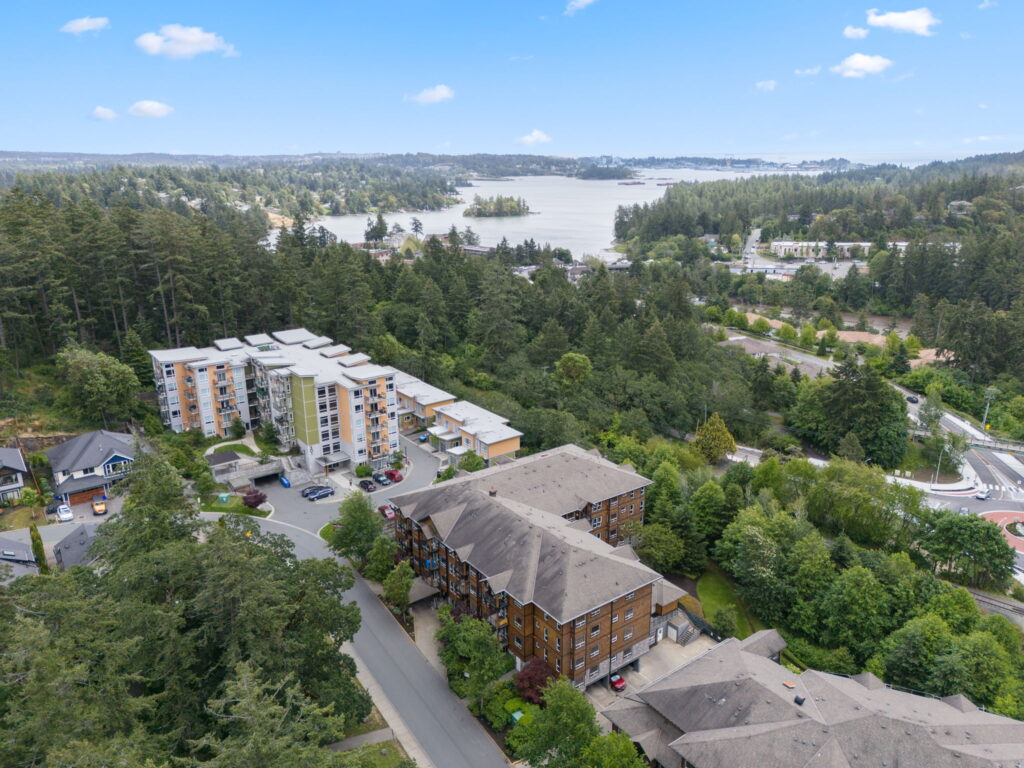
The CRD water infrastructure fee is a newly approved charge that will affect new development across parts of Greater Victoria. Approved by the Capital Regional District Water Commission, the fee is designed to help fund major upgrades to the regional water system as population growth continues.
For buyers, sellers, and builders, understanding this fee matters. While it does not apply directly to existing homeowners, it can influence future housing costs and development decisions in Victoria and the Westshore.
Why the CRD Approved a New Water Fee
The CRD manages the regional water supply, which serves a growing population across Victoria and surrounding communities. Much of the existing infrastructure was built decades ago and now requires significant upgrades to remain reliable and resilient.
The newly approved fee is intended to help pay for large-scale water infrastructure projects. These include improvements to treatment facilities, distribution systems, and long-term supply capacity. Rather than placing the full cost on current ratepayers, the CRD has adopted a growth-pays-for-growth approach.
How the Fee Works
The CRD water infrastructure fee applies to new residential and commercial development. It functions similarly to other development cost charges, helping offset the capital cost of expanding water infrastructure needed to support new housing and population growth.
The fee is typically paid by developers at the building or subdivision stage. While buyers do not pay the charge directly, it can be reflected in overall development costs and, eventually, home prices.
What This Means for Buyers
For buyers entering the market in 2026, the fee is unlikely to affect resale homes in the short term. However, it may influence pricing on new construction and multi-unit projects as builders adjust to higher upfront costs.
Over time, these types of fees can contribute to higher replacement costs for housing, which can support long-term property values. At the same time, improved infrastructure helps ensure reliable water service, which is a critical factor in regional growth and livability.
Impact on the 2026 Market
In a balanced 2026 market with higher inventory and stable pricing, infrastructure fees are one of many factors shaping development decisions. While the new CRD water infrastructure fee may add pressure to construction costs, it also supports the systems needed to accommodate future housing supply.
For buyers focused on long-term ownership, strong infrastructure investment is generally seen as a positive, even if it creates short-term cost considerations for new builds.
Bottom Line
The CRD water infrastructure fee reflects a broader effort to prepare Greater Victoria for continued growth. While it primarily affects new development, its impact can extend to buyers through pricing, supply, and long-term value.
If you are considering a new build or want to understand how infrastructure changes may influence your options, it is worth factoring this into your decision-making.
Ready to understand how this new CRD fee could impact your home search or future plans? Contact us to discuss how these changes may affect your buying or selling strategy.
Colin C., 5-Star Review, via Google
“Given our unique situation with issues around the timing of our move, Cal went far beyond the call of duty to protect our property and help us as well as make us feel at home and welcome in Victoria.
We have no hesitations in highly recommending the Faber team as realtors!”
Faber Real Estate Group
Royal LePage Coast Capital Realty
📞 250-244-3430
📧scott@fabergroup.ca
ℹ️ Scott Faber Personal Real Estate Corporation
ℹ️ Cal Faber Personal Real Estate Corporation
Vanessa Wood, Zachary Parsons, and Sophie Taylor
“Building Lasting Relationships, One Home at a Time.”


