
Posts Tagged ‘Westshore housing market’

How Much House Can I Afford in Victoria BC? Income & Mortgage Examples (2026) How much house can you afford in Victoria, BC, on your current income? It's one of the first questions buyers should answer before searching for properties. The challenge is that mortgage approval and comfortable homeownership aren't necessarily the same thing. You might qualify for an $800,000 property, but that doesn't automatically mean the monthly expenses will fit your lifestyle. Between mortgage payments, property taxes, strata fees, insurance and everyday living costs, your actual budget deserves more attention than your maximum borrowing limit. The short answer: A household earning approximately $100,000 to $110,000 per year might qualify for a $500,000 condo, while a household earning $180,000 to $195,000 could potentially qualify for a $1 million home, assuming a 20% down payment, limited existing debt and the mortgage conditions outlined below. These are illustrative estimates, not guaranteed mortgage approvals. Here's how income, down payments and mortgage qualification affect what you can afford in Greater Victoria in 2026. How Much House Can You Afford Based on Your Income in Victoria? Your household income plays a significant role in determining how much you can borrow, but lenders also consider your down payment, debt obligations, credit history and the ongoing expenses associated with the property. The following table provides a starting point for buyers exploring Greater Victoria. Victoria BC Home Affordability by Household Income Gross household income Illustrative home price $90,000 Around $400,000–$450,000 $110,000 Around $500,000–$550,000 $130,000 Around $600,000–$650,000 $150,000 Around $750,000–$800,000 $180,000 Around $900,000–$1,000,000 $220,000 Around $1,100,000–$1,250,000 These are broad planning estimates assuming approximately 20% down, a 25-year amortization, an illustrative 4.5% mortgage rate, qualification at 6.5%, reasonable property expenses and minimal additional debt. Individual borrowing capacity may differ substantially. Higher strata fees, property taxes or debt payments can reduce affordability. These figures illustrate why two buyers with similar incomes may have very different purchasing power. Someone earning $130,000 annually with no debts and a substantial down payment may qualify for considerably more than someone with the same income but significant vehicle and loan payments. Before looking at individual properties, it helps to understand how lenders calculate affordability. 1. How Do Mortgage Lenders Calculate What You Can Afford in BC? Canadian mortgage lenders generally use two debt-service ratios to assess whether you can afford a mortgage. These calculations compare your monthly expenses with your gross household income, meaning income before taxes. Gross Debt Service Ratio (GDS) The Gross Debt Service ratio measures how much of your income goes toward housing-related expenses. These generally include: Mortgage principal and interest. Property taxes. Heating expenses. 50% of condominium or strata fees, when applicable. For insured mortgage qualification, the standard GDS limit is generally 39% of gross household income. For example, a household earning $120,000 annually has gross monthly income of $10,000. At a 39% GDS ratio, approximately $3,900 per month may be available for qualifying housing expenses. Importantly, this is a lender qualification calculation, not necessarily a comfortable personal spending target. Total Debt Service Ratio (TDS) The Total Debt Service ratio includes housing expenses plus other debt obligations. These can include: Vehicle loans and leases. Credit card payments. Student loans. Personal loans. Lines of credit. For insured mortgage qualification, the standard TDS limit is generally 44%. That means a household earning $120,000 annually would typically have a maximum qualifying monthly debt allowance of approximately $4,400 under the 44% calculation. If that household already has $800 per month in other debt payments, less room remains for mortgage-related expenses. Lender requirements may differ for uninsured mortgages and certain borrowing situations. You can explore your own figures using the CMHC Debt Service Calculator. 2. What Is the Mortgage Stress Test in Canada in 2026? Canada's mortgage stress test requires borrowers at federally regulated lenders to demonstrate that they can afford mortgage payments at a higher interest rate than the rate they may actually receive. The qualifying interest rate is generally the higher of: Your mortgage contract rate plus 2 percentage points. 5.25%. For example, if you obtain a mortgage rate of 4.5%, the lender generally qualifies you at 6.5%. That doesn't mean you're actually paying 6.5% interest. It means the lender uses the higher rate when assessing your borrowing capacity. The stress test helps determine whether your finances could support higher payments. It also explains why a mortgage payment that appears affordable on paper may not translate into approval for the full purchase price. Use the Government of Canada's Mortgage Qualifier Tool to estimate how mortgage qualification works. 3. How Much Are Mortgage Payments in Victoria, BC? Let's compare monthly mortgage payments at several common Greater Victoria purchase prices. For consistency, these examples assume: A 20% down payment. A 25-year amortization. A hypothetical 4.5% fixed mortgage rate. Monthly principal and interest payments. No mortgage default insurance premium. Monthly Mortgage Payments by Home Price Purchase price Down payment (20%) Mortgage amount Approx. monthly payment $450,000 $90,000 $360,000 $1,993 $550,000 $110,000 $440,000 $2,435 $650,000 $130,000 $520,000 $2,878 $800,000 $160,000 $640,000 $3,542 $1,000,000 $200,000 $800,000 $4,428 $1,200,000 $240,000 $960,000 $5,314 Payments are rounded estimates using a 4.5% annual mortgage rate with Canadian semi-annual compounding. These are payment examples, not lender quotes or stress-test qualification payments. Property taxes, insurance, strata fees, utilities and maintenance are additional expenses. The difference between purchasing a $550,000 condo and an $800,000 townhome is approximately $1,107 per month in mortgage payments under these assumptions. However, that doesn't tell the entire story. A condo with higher strata fees may have ownership costs closer to those of a more expensive property with lower monthly operating expenses. A home's affordability depends on the total monthly cost of ownership, not just the mortgage payment. 4. How Much Income Do You Need to Buy a $550,000 Condo in Victoria? For a $550,000 condo with 20% down, the mortgage amount would be approximately $440,000. At an illustrative 4.5% mortgage rate, your monthly mortgage payment would be approximately $2,435. However, your lender would generally assess affordability using the higher 6.5% qualifying rate. When estimated property taxes, heating and 50% of strata fees are included, a household may need approximately $105,000 to $115,000 in annual gross income to qualify, assuming minimal additional debt. A $550,000 purchase is relevant because it is close to the Victoria Core condominium benchmark. According to the Victoria Real Estate Board, the benchmark price for a condominium in the Victoria Core was $547,800 in September 2026. That provides a useful reference point for buyers comparing condos in Victoria, Esquimalt, Saanich and the Westshore. 5. How Much Income Do You Need to Buy an $800,000 Home in Victoria? An $800,000 purchase with 20% down requires a $160,000 down payment. That leaves a $640,000 mortgage. At our illustrative 4.5% mortgage rate, the monthly payment would be approximately $3,542 before property expenses. Using the stress-test rate and reasonable allowances for property taxes, heating and potential strata fees, a household may need approximately $145,000 to $155,000 in gross annual income. At this price point, Greater Victoria buyers may be considering a variety of options, including: Townhomes in Langford or Colwood. Condominiums in established Victoria neighbourhoods. Townhomes in Saanich or View Royal. Smaller or older detached homes in certain outlying communities. The type of property available will depend on current inventory, condition and location. For a neighbourhood-by-neighbourhood comparison, read our article on What $800K Buys You in Victoria. 6. How Much Income Do You Need to Buy a $1 Million House in Victoria? With a 20% down payment, a $1 million purchase requires $200,000 upfront and leaves an $800,000 mortgage. At an illustrative 4.5% interest rate and 25-year amortization, the principal and interest payment would be approximately $4,428 per month. Under the 6.5% qualifying rate, the assessed payment would be higher. After allowing for property taxes and heating, a household may require approximately $180,000 to $195,000 in gross annual income, assuming minimal other debt and no major additional qualification expenses. Buyers should also consider that a detached home typically requires a separate maintenance budget for roofing, heating systems, landscaping and other repairs. For households purchasing a property with a secondary suite, some lenders may consider qualifying rental income. The amount and method used depend on the lender, loan structure and the property's eligibility. Rental income should never be assumed to guarantee a larger mortgage approval. 7. How Much Down Payment Do You Need to Buy a Home in Victoria? Your down payment directly affects your mortgage amount and the income needed to qualify. In Canada, the minimum down payment generally depends on the purchase price. Purchase price Minimum down payment $500,000 or less 5% More than $500,000 but below $1.5 million 5% of the first $500,000 plus 10% of the remainder $1.5 million or more 20% For example, a $600,000 home requires a minimum down payment of $35,000 under the standard rules. An $800,000 purchase requires at least $55,000. However, buyers putting down less than 20% generally require mortgage default insurance, subject to insurer eligibility. That insurance can increase the total amount borrowed. A larger down payment reduces the mortgage balance and may allow a buyer to qualify with less income. Review the Government of Canada's down payment requirements for further details. 8. How Does Your Down Payment Change What You Can Afford? Consider two buyers purchasing the same $800,000 property. Buyer A has a $160,000 down payment. Buyer B has a $300,000 down payment. Buyer A Buyer B Purchase price $800,000 $800,000 Down payment $160,000 $300,000 Mortgage $640,000 $500,000 Monthly payment at 4.5% $3,542 $2,767 Buyer B has a monthly mortgage payment approximately $775 lower because they are borrowing $140,000 less. That also reduces the mortgage payment used in the lender's affordability calculation. This is particularly relevant for buyers who are selling an existing home and using accumulated equity toward their next purchase. It can also help first-time buyers understand why additional down payment savings may have a meaningful effect on affordability. 9. What Other Costs Should You Include When Calculating Home Affordability? A mortgage pre-approval helps establish a potential purchase price, but homeownership involves ongoing expenses that deserve equal attention. Property Taxes Annual property taxes differ by municipality, property assessment and eligibility for applicable grants. A property in Victoria may have a different annual tax bill from a similarly priced home in Langford, Oak Bay or Saanich. You can learn more in our Municipal Property Tax Comparisons in Greater Victoria. Strata Fees Condo and townhome owners may pay monthly strata fees covering shared maintenance, building insurance, utilities and contributions to the contingency reserve fund. These fees vary by building, amenities and financial requirements. Although lenders may include only 50% of strata fees in their qualification calculation, owners remain responsible for paying the full amount. Insurance and Maintenance Insurance premiums depend on property type, location and coverage. Detached homeowners should also budget for ongoing repairs and replacement of major components. Older homes may require more immediate maintenance than newer properties, although new construction isn't entirely free from unexpected costs. Closing Costs Buyers also need sufficient funds for property transfer tax, legal fees, inspections and adjustments. Some buyers qualify for property transfer tax exemptions or GST rebates on eligible new construction. Review our Greater Victoria real estate resources to learn more about the home-buying process and related expenses. 10. Is It Cheaper to Buy in Langford Than Victoria? In many cases, Langford and the surrounding Westshore offer different housing options at lower purchase prices than comparable properties in the Victoria Core. However, the difference depends on property type, age, size and neighbourhood. A condominium in downtown Langford may provide more interior space than a similarly priced property in central Victoria. A townhome in Colwood may also offer a different combination of living space, parking and outdoor areas than a central Victoria condo. That said, price isn't the only consideration. Buyers should also account for commuting costs, property taxes, strata fees and proximity to employment. For someone working in downtown Victoria five days a week, transportation costs may change the financial comparison. For someone working remotely or employed in Langford, purchasing in the Westshore may offer both convenience and additional housing options. Read our guide to Hidden Gem Neighbourhoods in Langford, Colwood and View Royal. 11. Is 2026 a Good Time to Buy in Victoria? Greater Victoria's housing market has experienced changing conditions throughout 2026. According to the Victoria Real Estate Board's September 2026 statistics: 463 properties sold during September. Sales decreased 16.4% compared with September 2025. Active inventory reached 3,811 listings. The Victoria Core detached home benchmark was $1,280,100. The Victoria Core condo benchmark was $547,800. The Board described September's market conditions as entering buyer's market territory, while cautioning that one month does not necessarily indicate a long-term trend. For qualified buyers, additional inventory can mean more properties to compare and potentially greater negotiating flexibility. However, mortgage affordability remains a separate issue. A buyer may have more choices in the market but still face borrowing limitations due to income, interest rates or debt obligations. The better question isn't simply whether it's a good time to buy. It's whether the property, monthly expenses and purchase terms make sense for your financial situation. 12. Should You Buy at Your Maximum Mortgage Approval? Just because a lender approves you for a certain purchase price doesn't mean you should spend that amount. Mortgage qualification is based on financial criteria, but it doesn't fully account for every lifestyle choice or future financial goal. Before purchasing at your maximum budget, consider: How much you want to save each month. Whether you expect major life changes. Your current and future transportation costs. Whether you plan to have children or change employment. The maintenance requirements of the property. Your comfort level if mortgage rates increase at renewal. For example, a household approved for an $850,000 property may prefer buying at $700,000. That difference could provide more financial flexibility for travel, savings, retirement contributions or unexpected expenses. A comfortable ownership experience often begins with choosing a purchase price below your absolute borrowing limit. Frequently Asked Questions About Home Affordability in Victoria, BC Can I afford a house in Victoria on a $100,000 salary? A household earning $100,000 annually may qualify for a home around $450,000 to $500,000 under certain assumptions, including a 20% down payment, limited debt and manageable property expenses. Actual approval depends on the lender and individual finances. How much mortgage can I qualify for with a $150,000 income in BC? With strong credit, minimal existing debt and a suitable down payment, a $150,000 household income might support a purchase around $750,000 to $800,000. Mortgage qualification also depends on the stress test, property taxes, heating and strata fees. How much income do you need for a $1 million home in Victoria? With 20% down and limited existing debt, a household may need approximately $180,000 to $195,000 annually under the assumptions used in this article. A larger down payment may reduce the income required. Do car payments affect mortgage qualification in BC? Yes. Car loans and leases count toward your total debt-service calculation. A significant monthly vehicle payment can reduce how much mortgage debt a lender will approve. Can I buy a house in Victoria with less than 20% down? Yes, eligible buyers can purchase qualifying properties with less than 20% down. Mortgage default insurance is generally required, and the minimum down payment depends on the purchase price. Does buying with a partner increase mortgage affordability? Potentially. A joint application may combine eligible household income, allowing buyers to qualify for a larger mortgage. However, lenders also consider both applicants' debts, credit histories and financial obligations. Is it better to get pre-approved before looking at homes in Victoria? Yes. Mortgage pre-approval helps establish a realistic price range and provides an opportunity to identify potential financing issues before making an offer. However, pre-approval is not a guarantee of final mortgage funding. How Much House Should You Actually Buy in Victoria? Knowing how much a lender may approve is useful, but understanding how much you can comfortably afford is what matters most. Your income establishes part of the equation. Your down payment, existing debts, monthly expenses and long-term priorities determine the rest. For some buyers, that means choosing a condo near downtown Victoria. Others may find better value in a Langford townhome or an established property in Saanich. There isn't one property type or price point that works for everyone. The goal is to purchase a home that fits your needs without putting unnecessary pressure on your finances. At Faber Real Estate Group, we help buyers understand Greater Victoria's neighbourhoods, compare property options and make informed decisions based on their individual circumstances. Whether you're buying your first home, relocating to Victoria or planning your next move, our team can help you connect your budget with realistic opportunities in the local market. Contact Faber Real Estate Group to discuss what you can afford in Greater Victoria. Jordan Z., 5-Star Review, via Google “Working with Zach Parsons and the Faber Real Estate Group made buying our first home a great experience from start to finish. As first-time buyers, we had a lot to learn, but Zach was there every step of the way. He was always quick to answer questions, explain the process, and offer honest guidance without ever making us feel rushed or pressured into a decision. I highly recommend Zach Parsons and the Faber Real Estate Group to anyone looking to buy or sell a home. If you're looking for a realtor who truly puts his clients first, you won't be disappointed. Thanks again for helping us find our first home!” Faber Real Estate Group Royal LePage Coast Capital Realty 📞 250-244-3430 📧 [email protected] ℹ️ Scott Faber PREC ℹ️ Cal Faber PREC Vanessa Wood, Zachary Parsons, Sophie Taylor Building Lasting Relationships, One Home at a Time. Information updated October 8, 2026. Mortgage payments and income ranges are illustrative estimates, not financing offers or pre-approvals. Actual eligibility depends on lender policies, credit, debt, down payment and property-related expenses. Consult a qualified mortgage professional for personalized financing advice.
Read more
Pets aren’t just companions - they’re part of the family. For many homebuyers in the Westshore, especially in family-oriented areas like Bear Mountain and Langford, access to pet-friendly spaces and amenities can be a deciding factor in where they choose to live. In this guide, we spotlight new and upcoming developments that prioritize pets, making it easier to find a home that suits both you and your four-legged friend. Why Pets Matter in Westshore Real Estate Westshore communities are built around outdoor living, with trails, parks, and green space at every turn. Buyers with dogs or other pets increasingly seek developments that: Include on-site dog parks or pet play areas Offer easy access to trails and off-leash areas Provide wash stations, grooming rooms, or pet care services Nestle close to vet clinics, pet stores, and open community space In Bear Mountain, for example, the abundance of trails and outdoor activities makes the area naturally appealing to active pet owners. Developers here often incorporate dedicated pet spaces into site plans, acknowledging the strong influence pets have on purchase decisions. Noteworthy Pet-Friendly Developments Several new and planned Westshore developments have responded to buyer demand for pet-centric features: Pavilion Langford (Langford City Centre) - Has no size limits or breed restrictions. Close to dog parks and trails. Trailside Residences (Bear Mountain) – Close to miles of off-leash trails, with community dog runs integrated into green spaces. The Grove (Langford City Centre) – Includes enclosed pet play areas and easy pathway access to parks. Harbour Living (Colwood) – Offers waterfront strolls and pet stations along scenic walking paths. Tips for Pet-Friendly Buying When evaluating properties, consider these factors: Pet policy and fees: Some condos have size limits, breed restrictions, or extra deposits — verify before committing. Amenity accessibility: Look for developments where dog parks or pet facilities are truly convenient rather than peripheral. Walkability: Proximity to parks, beaches, and trails enhances daily life for pets and owners alike. Final Thoughts As the Westshore continues to grow, pet-friendly developments are becoming a key segment of the market. Whether it’s a dedicated dog park, close access to trails, or pet-focused building amenities like those at Pavilion Langford, these features can significantly enhance lifestyle and resale appeal. For buyers who prioritize their pets, this guide offers a starting point in finding the right fit in Westshore real estate. If you’d like personalized recommendations based on your pet’s needs and your home search criteria, I can help you explore options and compare features that matter most. Justine D., 5-Star Review, via Google “Cal and Scott treated us like family. We had only 5 days to find a home and Cal cleared his schedule to make himself available to us. Cal guided us in the purchase of our home, as if we were a member of his family asking for advice. I knew we could trust Cal. His service to us did not stop with the purchase of our home…he helped us find trades people and provided information about rental incomes in the area. We were new to the Island and I honestly felt that Cal adopted us and has made sure we had everything we needed. We did not just gain a realtor, but a friend. If you are looking for a realtor you can TRUST, and will look out for YOUR interests— then Cal and Scott are IT!!! Faber Real Estate Group Royal LePage Coast Capital Realty 📞 250-244-3430 📧[email protected] ℹ️ Scott Faber Personal Real Estate Corporation ℹ️ Cal Faber Personal Real Estate Corporation Vanessa Wood, Zachary Parsons, and Sophie Taylor “Building Lasting Relationships, One Home at a Time.”
Read more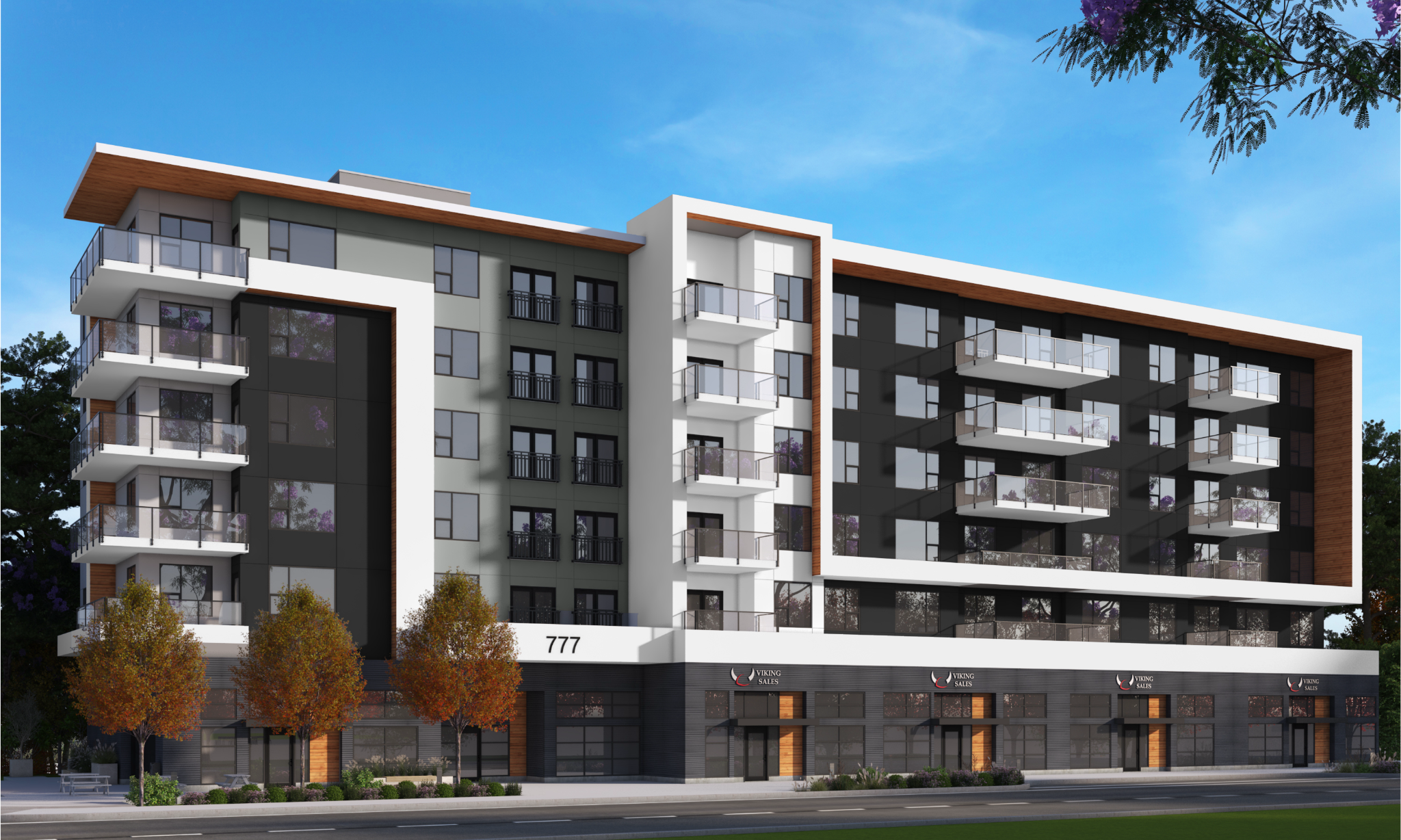
Langford’s real estate market is gaining attention in 2026 as new developments driving Westshore appeal continue reshaping the community. A growing number of condo, townhome, and mixed use projects are improving livability, expanding amenities, and supporting long term property value. Buyers continue to choose the Westshore for its balance of attainable housing, modern design, and easy access to outdoor recreation. With higher inventory and stable pricing, many buyers are exploring new construction to secure energy efficient homes, contemporary layouts, and warranty backed peace of mind. Several projects stand out, including Pavilion One, which is helping redefine urban living in Langford. Pavilion One Leading Langford’s New Development Wave One of the most anticipated new developments driving Westshore appeal is Pavilion One, located in Langford’s rapidly growing South Centre neighbourhood. Positioned near Westshore Town Centre, Belmont Market, and major recreation facilities, Pavilion One offers a highly walkable lifestyle that continues attracting buyers to this area. Pavilion One is designed as the first phase of a multi building master planned community that blends residential living with retail and service amenities. The project features a collection of one, two, and three bedroom condo homes designed to maximize functionality and everyday comfort. Open concept floorplans, large windows for natural light, and private outdoor spaces create flexible living environments suited for first time buyers, downsizers, and investors. The development places strong emphasis on energy efficiency and modern building performance. Homes include heating and cooling through efficient heat pump systems, contemporary building envelope standards, and durable finish selections intended to reduce long term maintenance costs. Secure underground parking, bike storage, and EV charging capabilities reflect evolving buyer priorities and support sustainable transportation options. Community focused amenities are another key feature of Pavilion One. Planned shared spaces encourage social connection while supporting a convenient urban lifestyle. The location places residents within walking distance of shopping, dining, entertainment, parks, and major transit routes, reducing reliance on vehicles and increasing everyday convenience. Other Notable Langford Developments Adding Momentum Several additional projects are contributing to the strong momentum created by new developments driving Westshore appeal, offering diverse housing options across the market. The Ridge at Vista Point (Bear Mountain)This development offers elevated condo and townhome living with panoramic views, high end finishes, and direct access to golf and recreation amenities. It continues to attract lifestyle focused buyers and move up purchasers. Fairway GardensFairway Gardens offers contemporary townhome living with rooftop patios and open concept layouts. Its location near commuter routes and recreation facilities appeals to young families and professionals. Lakeside WestLocated near Langford Lake, Lakeside West features Scandinavian inspired condo homes emphasizing natural light, simplicity, and functional design. Close proximity to trails and water recreation remains a major draw for active buyers. The BoardwalkThe Boardwalk delivers modern condo living near Belmont Market and Westshore Town Centre. Residents benefit from walkable access to shopping, dining, and essential services. Westhills Master Planned CommunityWesthills remains one of Langford’s most established neighbourhoods. With schools, parks, lakes, and commercial amenities, it continues to support sustained residential growth and long term community planning. Green Design and Infrastructure Supporting Long Term Value Sustainability and infrastructure investment remain central factors behind new developments driving Westshore appeal. Many new projects incorporate energy efficient heating and cooling systems, enhanced insulation standards, and environmentally responsible building materials that align with modern buyer expectations. Langford also continues expanding transportation networks, pedestrian pathways, cycling routes, and community amenities. Improved connectivity to Greater Victoria employment centres, combined with expanding local services, is transforming the Westshore into a more self sufficient urban hub. What This Means for Buyers and Investors The continued growth of new construction is expanding housing choice while strengthening market stability. Buyers benefit from improved building standards, reduced operating costs, and modern design features. Investors remain attracted to the Westshore’s population growth, infrastructure investment, and strong rental demand. Projects like Pavilion One highlight how Langford continues evolving into a community that blends convenience, sustainability, and lifestyle driven planning. As these developments progress, they will continue shaping both the character and long term value of Westshore real estate. If you are considering Pavilion One or want to explore other Westshore developments, reach out to our team to discuss your options and home search goals. Shannon R., 5-Star Review, via Google It was a pleasure to work with Scott Faber and Faber Real Estate Group. When I started looking for my first home in August 2021, I had some pretty specific requirements. Scott is a really knowledgeable Agent who also took the time to understand what I was looking for. I never felt pressured into making a decision that wasn't my own, but always valued his honest opinion and guidance when needed. It took close to 9 months, but we found a great place that checked all the boxes, that I'm excited to call home.. I appreciate the whole team's effort, support and patience throughout this journey and as a first time home buyer I could not be happier with my experience with Faber Real Estate Group.” Faber Real Estate Group Royal LePage Coast Capital Realty 📞 250-244-3430 📧[email protected] ℹ️ Scott Faber Personal Real Estate Corporation ℹ️ Cal Faber Personal Real Estate Corporation Vanessa Wood, Zachary Parsons, and Sophie Taylor “Building Lasting Relationships, One Home at a Time.”
Read more
The Westshore vs Saanich East debate is becoming more common as buyers explore Greater Victoria’s suburban options. Both areas offer strong lifestyle benefits, established amenities, and access to nature, but they appeal to different priorities and budgets. Understanding how Colwood and the broader Westshore compare to Saanich East can help buyers make confident real estate decisions. Lifestyle and Community Feel When comparing Westshore vs Saanich East, lifestyle is often the biggest deciding factor. The Westshore, including Colwood, Langford, and View Royal, tends to offer a newer suburban feel. Many neighbourhoods feature modern developments, growing commercial hubs, and easy access to parks, lakes, and oceanfront spaces. Communities like Royal Bay and Olympic View emphasize outdoor living, family-friendly planning, and newer infrastructure. The Westshore is especially attractive to buyers looking for newer homes, expanding amenities, and a slightly more relaxed suburban atmosphere. Saanich East offers a more established and mature neighbourhood experience. Areas such as Gordon Head, Cadboro Bay, and Mt. Douglas feature tree-lined streets, established schools, and proximity to the University of Victoria. Many buyers are drawn to Saanich East for its strong sense of community, long-standing neighbourhood character, and central location within Greater Victoria. Housing Prices and Property Types Housing costs remain a major factor in the Westshore vs Saanich East comparison. The Westshore generally provides more attainable entry points into the market. Buyers often find newer condos, townhomes, and detached houses at lower average price points compared to Saanich East. Larger homes, newer construction, and family-oriented developments are often more accessible in Colwood and Langford, making the Westshore popular with first-time buyers and move-up families. Saanich East typically commands higher price points due to its established neighbourhoods, proximity to downtown Victoria, and strong school catchments. Many homes in Saanich East are older but situated on larger, mature lots. Buyers often choose Saanich East for long-term stability, central convenience, and neighbourhood prestige. Amenities and Convenience Amenities play a significant role when evaluating Westshore vs Saanich East living. The Westshore continues to expand its commercial and recreation offerings. Belmont Market, Westshore Town Centre, and the Royal Bay Commons development provide growing retail, dining, and service options. Recreation opportunities are abundant, including hiking, beaches, golf courses, and lakes. The Westshore is also seeing increased mixed-use developments that integrate housing with everyday amenities. Saanich East benefits from long-established infrastructure and highly regarded public services. Residents enjoy close access to the University of Victoria, Camosun College, and several major recreation centres. Cadboro Bay Village and Broadmead Village provide boutique shopping and community-focused services. Saanich East also offers quicker access to downtown Victoria and Oak Bay, which appeals to buyers prioritizing central convenience. Commute and Accessibility Commute time is another major consideration in the Westshore vs Saanich East decision. Westshore residents commuting into downtown Victoria or Saanich East typically face longer travel times, particularly during peak traffic hours. However, continued road improvements and expanding local employment opportunities are helping reduce reliance on commuting for many residents. Saanich East offers shorter and more predictable commute times to downtown Victoria, major employment centres, and post-secondary institutions. This central positioning is often a major advantage for professionals and university staff or students. Long-Term Investment and Market Trends Both regions offer strong long-term real estate potential. The Westshore continues to benefit from population growth, new construction, and expanding infrastructure. These factors support steady demand and long-term appreciation potential. Saanich East remains one of Greater Victoria’s most stable and consistently desirable housing markets. Limited land availability and strong neighbourhood reputation help support property values and long-term resale strength. Which Suburb Is Right for You? Choosing between The Westshore vs Saanich East debate is becoming more common as buyers explore Greater Victoria’s suburban options. Both areas offer strong lifestyle benefits, established amenities, and access to nature, but they appeal to different priorities and budgets. Understanding how Colwood and the broader Westshore compare to Saanich East can help buyers make confident real estate decisions. Lifestyle and Community Feel When comparing Westshore vs Saanich East, lifestyle is often the biggest deciding factor. The Westshore, including Colwood, Langford, and View Royal, tends to offer a newer suburban feel. Many neighbourhoods feature modern developments, growing commercial hubs, and easy access to parks, lakes, and oceanfront spaces. Communities like Royal Bay and Olympic View emphasize outdoor living, family-friendly planning, and newer infrastructure. The Westshore is especially attractive to buyers looking for newer homes, expanding amenities, and a slightly more relaxed suburban atmosphere. Saanich East offers a more established and mature neighbourhood experience. Areas such as Gordon Head, Cadboro Bay, and Mt. Douglas feature tree-lined streets, established schools, and proximity to the University of Victoria. Many buyers are drawn to Saanich East for its strong sense of community, long-standing neighbourhood character, and central location within Greater Victoria. Housing Prices and Property Types Housing costs remain a major factor in the Westshore vs Saanich East comparison. The Westshore generally provides more attainable entry points into the market. Buyers often find newer condos, townhomes, and detached houses at lower average price points compared to Saanich East. Larger homes, newer construction, and family-oriented developments are often more accessible in Colwood and Langford, making the Westshore popular with first-time buyers and move-up families. Saanich East typically commands higher price points due to its established neighbourhoods, proximity to downtown Victoria, and strong school catchments. Many homes in Saanich East are older but situated on larger, mature lots. Buyers often choose Saanich East for long-term stability, central convenience, and neighbourhood prestige. Amenities and Convenience Amenities play a significant role when evaluating Westshore vs Saanich East living. The Westshore continues to expand its commercial and recreation offerings. Belmont Market, Westshore Town Centre, and the Royal Bay Commons development provide growing retail, dining, and service options. Recreation opportunities are abundant, including hiking, beaches, golf courses, and lakes. The Westshore is also seeing increased mixed-use developments that integrate housing with everyday amenities. Saanich East benefits from long-established infrastructure and highly regarded public services. Residents enjoy close access to the University of Victoria, Camosun College, and several major recreation centres. Cadboro Bay Village and Broadmead Village provide boutique shopping and community-focused services. Saanich East also offers quicker access to downtown Victoria and Oak Bay, which appeals to buyers prioritizing central convenience. Commute and Accessibility Commute time is another major consideration in the Westshore vs Saanich East decision. Westshore residents commuting into downtown Victoria or Saanich East typically face longer travel times, particularly during peak traffic hours. However, continued road improvements and expanding local employment opportunities are helping reduce reliance on commuting for many residents. Saanich East offers shorter and more predictable commute times to downtown Victoria, major employment centres, and post-secondary institutions. This central positioning is often a major advantage for professionals and university staff or students. Long-Term Investment and Market Trends Both regions offer strong long-term real estate potential. The Westshore continues to benefit from population growth, new construction, and expanding infrastructure. These factors support steady demand and long-term appreciation potential. Saanich East remains one of Greater Victoria’s most stable and consistently desirable housing markets. Limited land availability and strong neighbourhood reputation help support property values and long-term resale strength. Which Suburb Is Right for You? Choosing between Westshore vs Saanich East ultimately depends on your priorities. Buyers seeking newer homes, family-focused planning, and more attainable pricing often gravitate toward Colwood and the Westshore. Buyers prioritizing central location, established neighbourhoods, and long-term neighbourhood stability often prefer Saanich East. Both communities offer exceptional lifestyle benefits and strong real estate fundamentals. The right choice comes down to how you balance commute, budget, home style, and neighbourhood character. If you are considering buying in either the Westshore or Saanich East, contact us to discuss your options and find the neighbourhood that best fits your lifestyle and home search goals. Shannon R., 5-Star Review, via Google It was a pleasure to work with Scott Faber and Faber Real Estate Group. When I started looking for my first home in August 2021, I had some pretty specific requirements. Scott is a really knowledgeable Agent who also took the time to understand what I was looking for. I never felt pressured into making a decision that wasn't my own, but always valued his honest opinion and guidance when needed. It took close to 9 months, but we found a great place that checked all the boxes, that I'm excited to call home.. I appreciate the whole team's effort, support and patience throughout this journey and as a first time home buyer I could not be happier with my experience with Faber Real Estate Group.” Faber Real Estate Group Royal LePage Coast Capital Realty 📞 250-244-3430 📧[email protected] ℹ️ Scott Faber Personal Real Estate Corporation ℹ️ Cal Faber Personal Real Estate Corporation Vanessa Wood, Zachary Parsons, and Sophie Taylor “Building Lasting Relationships, One Home at a Time.”
Read more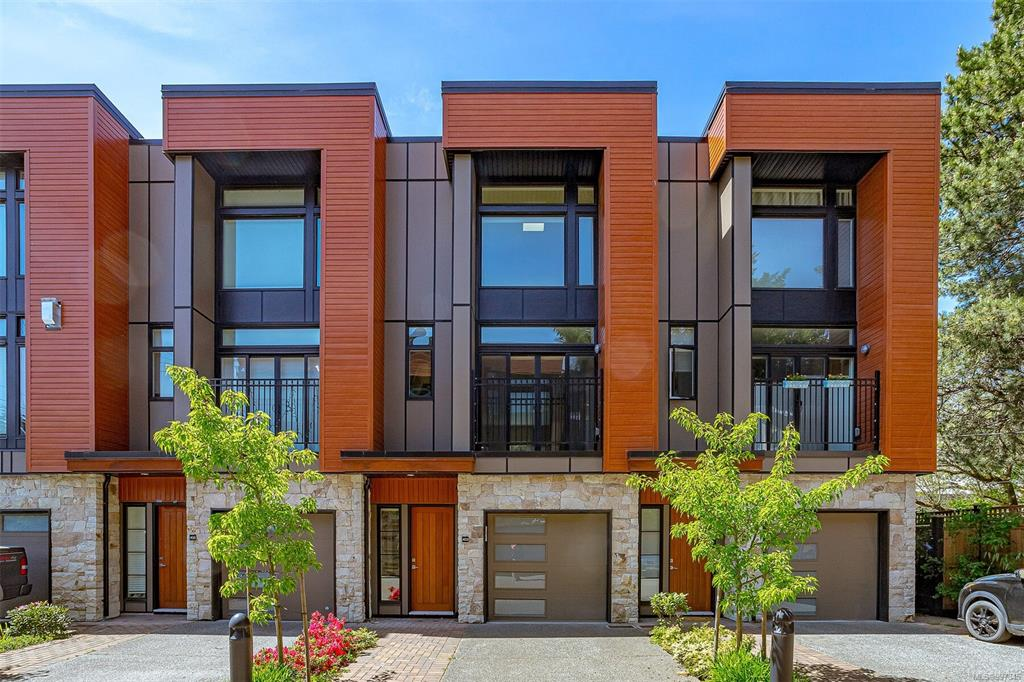
Greater Victoria continues to evolve as population growth, housing demand, and infrastructure investment shape how the region develops. Understanding where future growth is planned can help buyers, homeowners, and investors make informed long term decisions. Westshore Communities The Westshore remains one of the primary growth areas in Greater Victoria. Langford and Colwood continue to see new residential communities, mixed use developments, and commercial expansion. Planned infrastructure improvements, additional schools, and expanding amenities support continued population growth while improving livability. These areas attract buyers seeking newer housing options, relative affordability, and access to both urban convenience and outdoor recreation. Urban Core and Transit Oriented Growth In the City of Victoria and surrounding core municipalities, growth is increasingly focused on higher density development near major transit routes and employment centres. Condos, purpose built rentals, and mixed use projects are planned to support housing demand while limiting urban sprawl. Transit oriented growth helps improve walkability, reduce commute times, and create complete communities where residents can access daily needs without relying heavily on vehicles. Saanich and Established Neighbourhood Intensification Saanich plays a key role in Greater Victoria’s future growth through targeted intensification rather than large scale expansion. Development is often focused along major corridors, village centres, and underutilized commercial areas. This approach allows established neighbourhoods to evolve gradually while preserving community character and improving access to housing close to schools, services, and parks. Infrastructure and Employment Hubs Future growth is closely tied to infrastructure investment and employment centres. Improvements to transportation networks, health care facilities, post secondary institutions, and commercial districts influence where housing demand will remain strong. Areas that combine residential growth with nearby employment opportunities tend to offer stronger long term stability and reduced commuting pressure. Long Term Planning and Livability Across Greater Victoria, growth is guided by official community plans that emphasize sustainability, housing diversity, and livability. Green space preservation, improved transportation options, and community amenities are key priorities as municipalities plan for the future. Understanding these long term plans helps buyers choose areas that align with both lifestyle goals and future value. Brett Hayward, 5-Star Review, via Google “I can’t suggest how to make Fabers better at being good realtors. They’re already congenial, trustworthy, informed, experienced, and thorough. Cal listened and advised, and somewhere in the middle he said what the condo would sell for and he was right on. Thanks!” Faber Real Estate Group Royal LePage Coast Capital Realty 📞 250-244-3430 📧[email protected] ℹ️ Scott Faber Personal Real Estate Corporation ℹ️ Cal Faber Personal Real Estate Corporation Vanessa Wood & Zachary Parsons “Building Lasting Relationships, One Home at a Time.”
Read more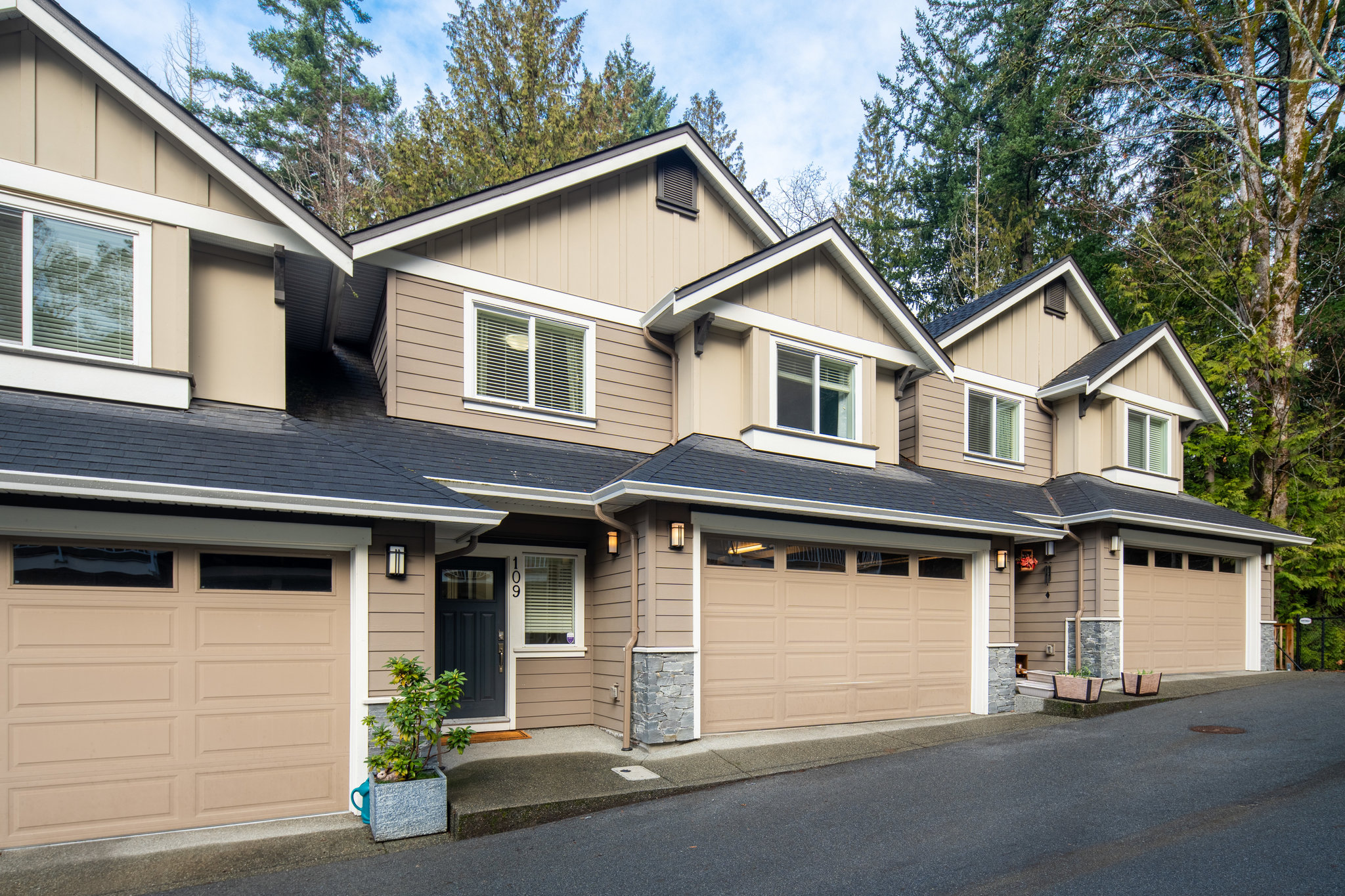
For buyers considering Langford, Colwood, or View Royal, one question comes up again and again: is the Westshore commute worth it? The Westshore continues to attract buyers with more attainable pricing, larger homes, and access to nature. In a balanced 2026 market with higher inventory and stable prices, many buyers are weighing commute time against lifestyle benefits. The answer depends largely on how you work, travel, and spend your time. Traffic Reality in 2026 For those commuting by car, traffic remains the biggest drawback. Highway 1 is the main route into downtown Victoria, and congestion during peak hours can significantly extend drive times. What should be a short commute can stretch to 45 minutes or more on busy mornings. Growth in the Westshore has outpaced infrastructure, creating bottlenecks that are still being addressed. While improvements such as bridge upgrades and dedicated bus lanes have helped, traffic remains inconsistent. Buyers who drive daily need to factor this into their routine, especially if they work standard office hours. That said, proximity matters. Homes closer to Highway 1 or transit corridors in Colwood and View Royal can offer slightly more predictable travel times. Public Transit as an Alternative For buyers looking to avoid driving, public transit continues to improve. BC Transit’s Blink RapidBus provides frequent service between the Westshore and downtown, using dedicated lanes to reduce delays. During peak hours, buses arrive often enough to support daily commuting. Transit works especially well for students, downtown workers, and households with flexible schedules. However, some routes can still feel crowded, and transit times may not suit everyone. While transit is a viable option, it works best when paired with realistic expectations. Remote and Hybrid Work Changes the Equation Work-from-home and hybrid schedules have reshaped the Westshore commute conversation. In 2026, many buyers no longer travel five days a week. Even commuting two or three days instead of five significantly reduces the impact of traffic. This shift has made the Westshore more appealing for professionals in tech, government, and remote-friendly roles. For buyers with flexible work arrangements, the commute often becomes a manageable trade-off rather than a daily frustration. Space, Value, and Lifestyle Benefits What the Westshore lacks in proximity to downtown, it makes up for in space and value. Buyers typically get larger homes, newer construction, and better value per square foot compared to Victoria’s core neighbourhoods. Communities like Westhills and Bear Mountain offer planned developments with parks, trails, and amenities built in. Access to nature is a major draw, with nearby options like the Galloping Goose Trail, Goldstream Park, and Florence Lake supporting an active lifestyle year-round. For families and outdoor-focused buyers, these lifestyle benefits often outweigh longer travel times. Pros and Cons at a Glance Pros More affordable homes with larger layouts Strong access to parks, trails, and outdoor recreation Improved transit options and remote work flexibility High inventory and buyer leverage in 2026 Cons Traffic congestion during peak hours Longer drives to downtown amenities Ongoing infrastructure pressure as the area grows Bottom Line So, is the Westshore commute worth it? For buyers prioritizing space, affordability, and lifestyle, the answer is often yes, especially with hybrid or remote work. For those who value short commutes and walkable urban living, the trade-offs may feel more significant. In a 2026 market that favours buyers, the Westshore offers real value if the commute fits your routine. If you are considering Langford or Colwood, understanding how these factors align with your lifestyle is key to making the right move. Ready to explore options in Langford or Colwood? Contact us to discuss how these factors play into your home search. Don S., 5-Star Review, via Google “I would recommend them to anyone buying real estate on the Vancouver Island. The team is very knowledgeable, courteous and professional, adding a personal touch to building a strong relationship.” Faber Real Estate Group Royal LePage Coast Capital Realty 📞 250-244-3430 📧[email protected] ℹ️ Scott Faber Personal Real Estate Corporation ℹ️ Cal Faber Personal Real Estate Corporation Vanessa Wood, Zachary Parsons, and Sophie Taylor “Building Lasting Relationships, One Home at a Time.”
Read more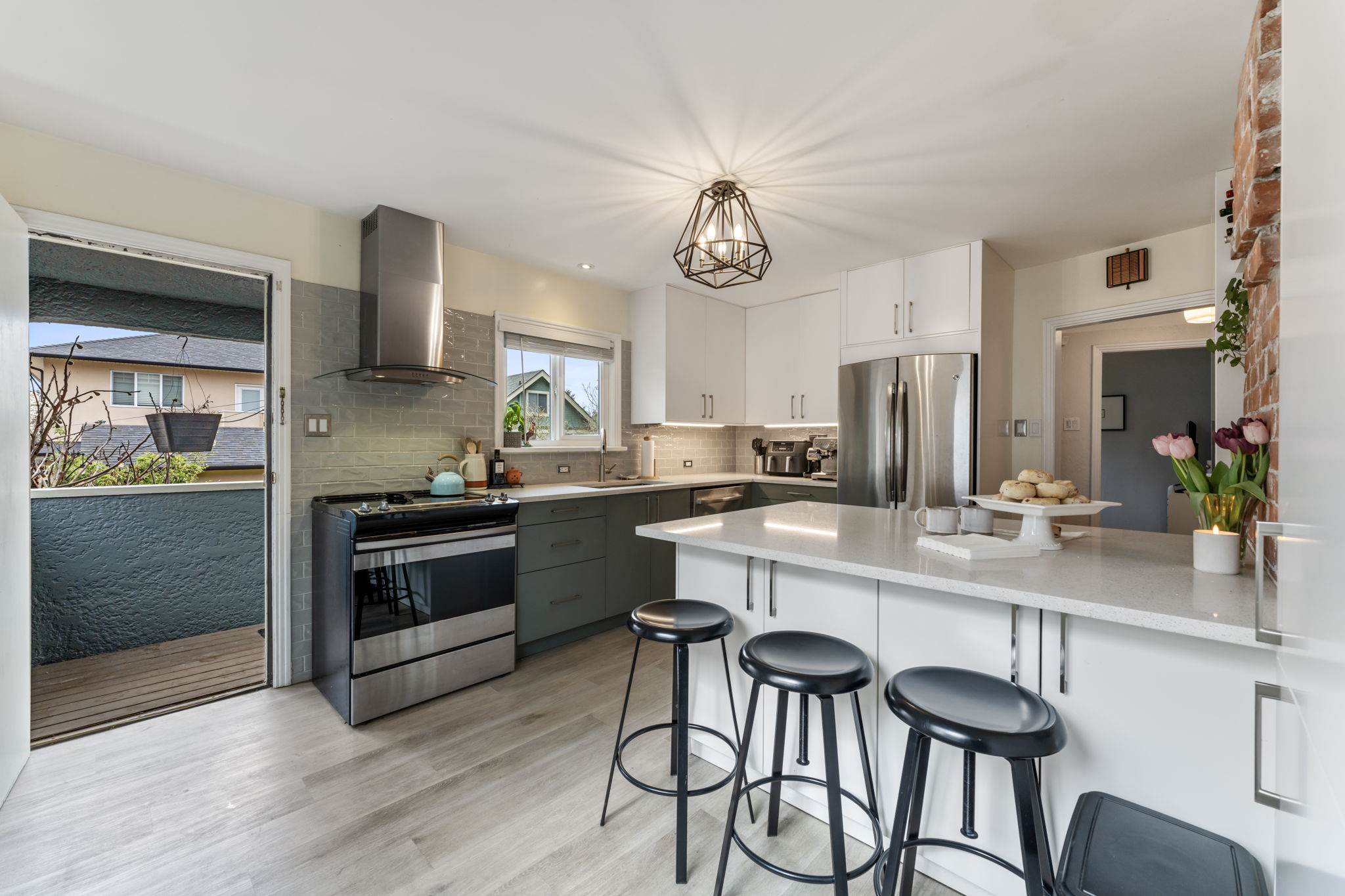
Happy Valley is one of the Westshore’s most distinctive neighbourhoods, blending rural character with easy access to shops, schools, trails, and everyday conveniences. Located in south Langford near the Metchosin border, Happy Valley has historically been known for its agricultural roots, open spaces, and family‑friendly vibe, and today it continues to evolve while retaining its welcoming atmosphere. Community Character and Location Happy Valley is a mix of agricultural land and residential developments, offering a laid‑back, country‑inspired lifestyle while still being close to Westshore amenities. It borders Royal Bay to the east and provides a quieter alternative to busier urban nodes, with homes set among green spaces and fields. Nearby Shopping and Everyday Amenities While Happy Valley itself is primarily residential, essential shopping and services are just a short drive away. Residents often visit Westshore Town Centre, Millstream Village, and Goldstream Village for grocery stores, cafes, restaurants, personal services, and weekend errands. A major retail centre is also being developed at Happy Valley Road and Latoria Road that will bring even more shops, services, and dining options closer to home. Schools and Family Services Families are well served here. Happy Valley Elementary School sits within the neighbourhood and is a focal point for families with young children. Because of the family‑friendly nature of the area, playgrounds and parks are integrated into the community fabric, with spaces like Honeycrisp Park Playground providing safe places for kids to play and neighbours to connect. Parks, Trails and Outdoor Access Happy Valley’s location supports an active, outdoor lifestyle. The neighbourhood has easy access to nature and recreational pathways, including sections of the Galloping Goose Regional Trail that run nearby for walking, cycling, and longer recreational outings. These trails connect Happy Valley to broader Westshore and Victoria areas while offering residents great opportunities for daily outdoor activity. Housing and Real Estate Trends The housing stock in Happy Valley reflects its growth from a rural enclave into a residential community. Many homes are single‑family properties, from newer builds to updated family homes, with options ranging from around mid‑$700,000 to higher‑end properties depending on size and location. Townhome developments have also appeared along Happy Valley Road, expanding housing choices for buyers seeking a lower‑maintenance property. . Why Happy Valley Appeals to Homebuyers Happy Valley attracts a diverse range of buyers: families drawn by the schools and parks, couples and professionals seeking space and community, and those who value proximity to nature without sacrificing everyday convenience. Its combination of quiet residential streets, agricultural charm, and proximity to Westshore amenities makes it an appealing choice for many homebuyers in the Greater Victoria area. Getting to Know Happy Valley As Langford continues to grow, Happy Valley maintains its unique identity. It offers a blend of open green space, community‑centric living, and emerging amenities that support both a relaxed daily lifestyle and convenient access to the rest of the Westshore. Helen M., 5-Star Review, via Google “Cal and Scott are the best. They made it happen and made the entire process of securing my condo smooth and stress free. They were always supportive, responsive, and clearly committed to getting the right result. I am very grateful for their hard work and would highly recommend them to anyone looking for reliable, dedicated realtors.” Faber Real Estate Group Royal LePage Coast Capital Realty 📞 250-244-3430 📧[email protected] ℹ️ Scott Faber Personal Real Estate Corporation ℹ️ Cal Faber Personal Real Estate Corporation Vanessa Wood, Zachary Parsons, and Sophie Taylor “Building Lasting Relationships, One Home at a Time.”
Read more
Spring is one of the busiest and most competitive times of year in the real estate market. Buyers are active, inventory increases, and well-prepared homes tend to stand out. If you are thinking about selling this spring, taking the right steps early can make a meaningful difference in both timing and final sale results. Here are the key steps to take if you want to sell your home this spring. Start Planning Early Preparation is critical for a successful spring sale. Begin planning several months in advance to allow time for repairs, cleaning, and professional guidance. Early planning helps avoid rushed decisions and ensures your home is ready when buyer activity peaks. Get a Professional Market Evaluation Understanding your home’s current market value is essential. A professional evaluation provides insight into pricing, recent comparable sales, and local demand. Pricing accurately from the start can attract more interest and reduce the risk of extended time on market. Declutter and Depersonalize Buyers want to envision themselves living in the space. Decluttering creates a sense of openness, while depersonalizing helps buyers focus on the home rather than the current owner. This includes clearing countertops, reducing furniture, and organizing storage areas. Complete Minor Repairs and Updates Small issues can leave a lasting impression on buyers. Addressing minor repairs such as leaky faucets, chipped paint, loose fixtures, and worn caulking can improve overall presentation. Simple updates often deliver a strong return by making the home feel well cared for. Focus on Curb Appeal First impressions start before buyers walk through the door. Refresh landscaping, clean walkways, and ensure the exterior looks tidy and inviting. Spring buyers are especially attentive to outdoor spaces, so highlighting these areas is important. Prepare for Professional Photography and Marketing High-quality photography and marketing are essential in today’s market. A clean, well-lit, and staged home photographs better and attracts more online interest. Strategic marketing ensures your home reaches the right buyers at the right time. Plan Your Timing Strategically The timing of your listing can impact exposure and competition. Understanding local market trends and seasonal patterns can help determine the best moment to list. Strategic timing can lead to stronger interest and smoother negotiations. Be Ready for Showings Once your home is listed, flexibility is key. Keeping the home show-ready and accommodating viewing requests increases the chances of attracting serious buyers. A well-prepared home that is easy to show often sells more efficiently. Work With a Trusted Real Estate Professional Navigating a spring sale requires local market knowledge, strong negotiation skills, and effective marketing. Working with an experienced real estate professional helps ensure every step is handled strategically, from preparation to closing. Selling your home in the spring can be a rewarding experience when approached with the right plan. Preparation, presentation, and professional guidance all play a role in achieving the best possible outcome. Don Wong. 5-Star Review, via Google “I would recommend them to anyone buying real estate on the Vancouver Island. The team is very knowledgeable, courteous and professional, adding a personal touch to building a strong relationship. ” Faber Real Estate Group Royal LePage Coast Capital Realty 📞 250-244-3430 📧[email protected] ℹ️ Scott Faber Personal Real Estate Corporation ℹ️ Cal Faber Personal Real Estate Corporation Vanessa Wood, Zachary Parsons, and Sophie Taylor “Building Lasting Relationships, One Home at a Time.”
Read more
Older homes have a character that is difficult to replicate in newer construction. From solid craftsmanship to unique architectural details, these properties offer a sense of warmth and individuality. With thoughtful renovation, homeowners can honour that charm while creating a space that reflects their personal style and modern lifestyle. Why Older Homes Have Enduring Appeal Many older homes were built with materials and techniques that stand the test of time. Features such as hardwood floors, detailed trim, plaster walls, and distinctive layouts contribute to a sense of history and personality. These elements give homeowners a strong foundation to build upon when renovating. Blending Character With Modern Comfort One of the greatest advantages of renovating an older home is the ability to combine classic features with modern updates. Opened sightlines, updated kitchens, improved insulation, and energy-efficient systems can be introduced without sacrificing the home’s original charm. The result is a space that feels both timeless and functional. Renovation as a Form of Personal Expression Renovating allows homeowners to tailor their space to suit their lifestyle and design preferences. Whether that means restoring original details, introducing contemporary finishes, or creating a balance of old and new, renovations offer an opportunity to make the home truly your own. Respecting the Home’s Original Features Successful renovations often start with identifying which elements should be preserved. Original woodwork, fireplaces, and architectural details can serve as focal points. Highlighting these features adds authenticity and helps maintain the home’s character while supporting thoughtful design choices elsewhere. Planning for Practical Upgrades Beyond aesthetics, older homes often benefit from essential updates. Electrical systems, plumbing, roofing, and heating may need attention to meet modern standards. Addressing these improvements early ensures the home is safe, efficient, and comfortable for years to come. Balancing Budget and Vision Renovations can be staged over time, allowing homeowners to prioritize projects based on budget and lifestyle needs. A clear renovation plan helps balance creative vision with practical considerations and avoids costly surprises. Why Renovated Older Homes Remain Highly Desirable Homes that successfully blend original charm with modern updates often appeal strongly to buyers. Renovated older homes offer uniqueness, established neighbourhoods, and thoughtful design that can stand out in the market. Embracing the Process Renovating an older home is as much a journey as it is an investment. With the right planning and professional guidance, it can be a rewarding way to create a space that reflects your style while honouring the past. Rose, 5-Star Review, via Google “Terrific team. Cal and Vanessa were knowledgeable, patient, and listened to what our needs and concerns were. Vanessa was a ray of sunshine in an often grey winter house hunt.” Faber Real Estate Group Royal LePage Coast Capital Realty 📞 250-244-3430 📧[email protected] ℹ️ Scott Faber Personal Real Estate Corporation ℹ️ Cal Faber Personal Real Estate Corporation Vanessa Wood, Zachary Parsons, and Sophie Taylor “Building Lasting Relationships, One Home at a Time.”
Read more
The Westshore continues to attract strong interest from real estate investors looking for long-term growth within Greater Victoria. With ongoing development, expanding amenities, and relatively better affordability compared to the core, the Westshore remains a strategic choice for both local and out-of-area investors. Why the Westshore Investors are drawn to the Westshore for its steady population growth, improving infrastructure, and consistent rental demand. The area offers opportunities that are increasingly limited in central Victoria, making it appealing for those focused on long-term value rather than short-term gains. Langford Langford remains a top choice for investors due to its rapid growth and strong demand for rental housing. Townhomes, condos, and newer single-family homes are especially attractive, offering modern layouts and lower maintenance costs. Colwood Colwood is gaining attention for its balance of established neighbourhoods and future growth potential. Properties with secondary suites and homes near transit routes are particularly appealing to investors seeking flexible income options. View Royal View Royal stands out for its central location and limited inventory. Investors often focus on properties with suite potential, benefiting from strong demand and long-term appreciation tied to its proximity to both the Westshore and downtown Victoria. What Investors Are Buying Across the Westshore, investors are prioritizing properties with flexibility, including homes with secondary suites, townhomes, and well-managed condos. Energy efficiency, functional layouts, and proximity to amenities continue to influence investment decisions. Final Thoughts The Westshore remains a key area for real estate investment in Greater Victoria. With strong demand and long-term growth drivers, Langford, Colwood, and View Royal each offer unique opportunities depending on investment goals and timelines. Justin V., 5-Star Review, via Google “Scott and Cal were absolutely phenomenal! From the moment we met them, we knew we were in good hands. Their in-depth knowledge of the Victoria market was impressive, and they guided us through the entire home selling and buying process with expertise and patience. They were always available to answer our questions, and their negotiation skills were top-notch. Thanks to their hard work, we found our dream home! We highly recommend The Faber Group to anyone looking to buy or sell a property. ” Faber Real Estate Group Royal LePage Coast Capital Realty 📞 250-244-3430 📧[email protected] ℹ️ Scott Faber Personal Real Estate Corporation ℹ️ Cal Faber Personal Real Estate Corporation Vanessa Wood, Zachary Parsons, and Sophie Taylor “Building Lasting Relationships, One Home at a Time.”
Read more- 1
- 2