
Posts Tagged ‘Westshore detached homes’
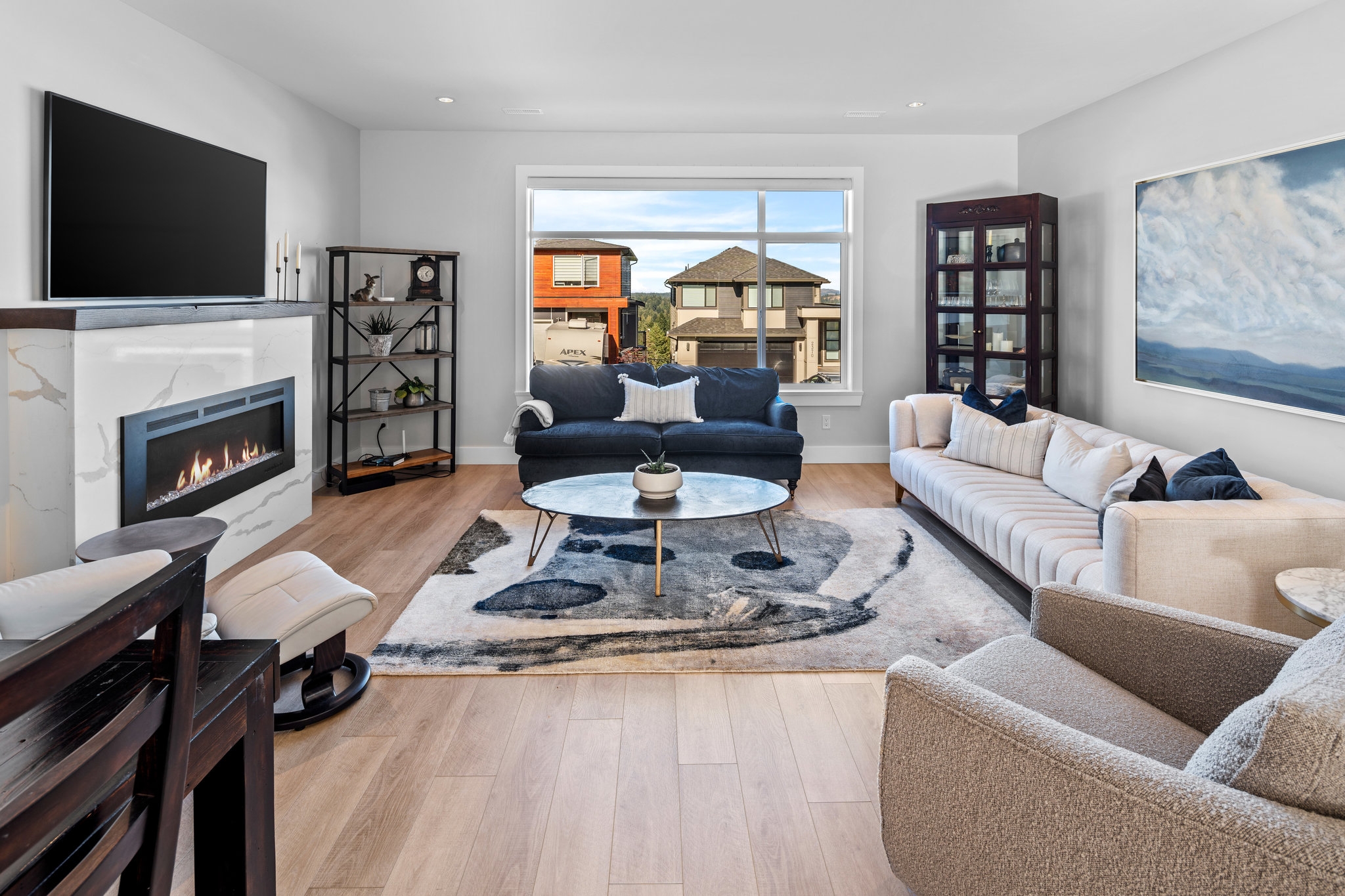
Detached homes in Westshore: renovate or buy new? For many buyers, that question is becoming more relevant as Langford, Colwood, and the broader Westshore continue to offer a mix of older detached homes with renovation potential and newer construction competing for attention. In early 2026, Greater Victoria market conditions have been relatively balanced, active listings were up year over year, and spring inventory was building, which gives buyers more room to compare options carefully rather than rush into the first house that appears workable. The better answer usually is not purely financial. It depends on how much uncertainty you can tolerate, how quickly you need the home to function well, and whether you value customization more than convenience. In Westshore especially, that trade-off matters because buyers are often comparing established resale homes against polished new-build communities that come with cleaner finishes, fewer immediate repairs, and stronger first impressions. Why This Decision Matters More in Westshore Westshore has been shaped by growth for years, but the choice today is sharper because new construction has changed buyer expectations. Developers in Langford and Colwood are not just selling square footage. They are selling ease, presentation, incentives, and a move-in-ready experience. That creates pressure on older detached homes to justify why a buyer should take on renovation risk instead. At the same time, Canada’s supply story has been uneven. CMHC reports that while housing starts rose nationally in 2025, ownership-oriented construction weakened overall, cautious buyers remained a factor, and elevated construction costs continued shaping supply decisions. That matters for Westshore buyers because a renovation plan on paper can still become more expensive and slower than expected once quotes, permits, and contractor timelines enter the picture. When Renovating an Older Detached Home Can Make Sense Renovating can be the smarter path when the property gives you something difficult to recreate in a new build. That could include: a larger lot a more established street or neighbourhood feel a better yard for kids, pets, or long-term outdoor use more separation from neighbours stronger future suite potential, depending on the property the chance to improve the home over time instead of paying for every upgrade upfront In many cases, older Westshore detached homes offer more land and a more mature setting than newer subdivisions. If the house is structurally sound and the needed work is cosmetic or phased, renovation can allow buyers to create value gradually while tailoring the home to their actual priorities. This path often works best for buyers who: can live through some disruption have cash reserves beyond the purchase price are realistic about timelines do not need every finish completed immediately can see potential without needing perfection on day one When Buying New Can Make More Sense Buying new usually appeals to buyers who want simplicity, predictability, and lower maintenance in the near term. A newer detached home may offer: modern layouts and open-concept design better energy performance and insulation newer roofs, windows, plumbing, and electrical systems less immediate repair risk a more polished move-in-ready feel lower short-term maintenance demands That convenience has real value. It is easy to underestimate how much time, decision fatigue, and unexpected cost can come with renovations. For busy families, professionals, and buyers moving on a tight timeline, a new home can reduce friction dramatically. This option often fits buyers who: want a cleaner, faster move prefer predictable monthly costs do not want to manage trades or renovation decisions need functional space right away are comparing total lifestyle cost, not just purchase price The Real Trade-Off: Control Versus Certainty At its core, this is usually a choice between control and certainty. With renovation, you may get more control over the finished product. You can choose materials, improve function, and potentially create value in a more intentional way. With new construction, you usually get more certainty. The home is already finished or close to it, and you have a clearer idea of what your next year will look like. Neither path is automatically better. The mistake is assuming one is always more affordable. A cheaper purchase price on an older home can disappear quickly if the property needs major work such as: roofing drainage windows electrical upgrades plumbing replacement building-envelope repairs significant interior remodelling Meanwhile, a new home may cost more upfront, but it can reduce surprise expenses in the first several years. What Buyers Should Look at Before Choosing Before deciding whether to renovate or buy new, it helps to compare more than the list price. 1. Total Cost, Not Just Purchase Cost Look at the full number, including: purchase price closing costs immediate repairs or upgrades contractor estimates contingency funds carrying costs during renovation landscaping, fencing, blinds, appliances, or GST considerations where applicable The better decision is often revealed only after all of these costs are laid side by side. 2. Timeline Risk A new home can still involve delays, but renovation timelines are often harder to control. Permits, trade availability, hidden issues, and product lead times can all shift the budget and completion date. Elevated construction costs and financing pressure remain part of the broader Canadian housing environment, which is one reason buyers should build in margin rather than rely on best-case assumptions. 3. Neighbourhood Value Some buyers focus so heavily on the house that they underweight the lot and location. A well-located older home in an established pocket may outperform a newer home in a less ideal micro-location for that buyer’s lifestyle. The opposite can also be true. 4. Future Resale Position Ask which option will be easier to resell in your likely time horizon. In Westshore, resale homes are competing not only with each other but with developer inventory and professionally marketed new construction. That means an older home needs either strong pricing, strong land value, strong character, or a clear functional advantage to stand out. A Simple Way to Frame the Decision A practical way to think about it is this: Renovate if you are buying opportunity.That usually means you see long-term value in the lot, location, or structure and you have the patience and budget to unlock it. Buy new if you are buying ease.That usually means you want a more predictable first few years, cleaner finishes, and less operational stress after possession. What Many Buyers Get Wrong Many buyers compare an older detached home to a new one as though they are buying the same thing in different packaging. Usually, they are not. They are choosing between two different lifestyles: one is more hands-on and flexible the other is more streamlined and turnkey That is why the best choice is rarely about granite counters versus quartz, or old flooring versus new flooring. It is about whether you want to spend the next few years managing projects or simply living in the home. Final Thoughts Detached homes in Westshore renovate or buy new is not a question with one universal answer. In a market with more inventory, measured pricing, and continued competition from new construction, buyers have a better chance to compare these options carefully and choose based on fit rather than urgency. If you are weighing detached-home options in Langford, Colwood, or the broader Westshore and want help comparing renovation potential against newer inventory, contact Faber Real Estate Group for practical advice on value, trade-offs, and which path fits your budget and lifestyle best. Liam G., 5-Star Review, via Google “The real estate market felt daunting, especially when it was our first time entering it. But, working with Scott made the whole process so much easier. He was really excellent at asking questions, showing us a variety of places, and helping us narrow down exactly what we were looking for. Scott was flexible, never pushy, and I really felt supported by him throughout! He made a big difference in helping us find THE place and we couldn’t do it without him. I can’t wait to work with Scott again in the future!” Faber Real Estate Group Royal LePage Coast Capital Realty 📞 250-244-3430 📧[email protected] ℹ️ Scott Faber Personal Real Estate Corporation ℹ️ Cal Faber Personal Real Estate Corporation Vanessa Wood, Zachary Parsons, and Sophie Taylor “Building Lasting Relationships, One Home at a Time.”
Read more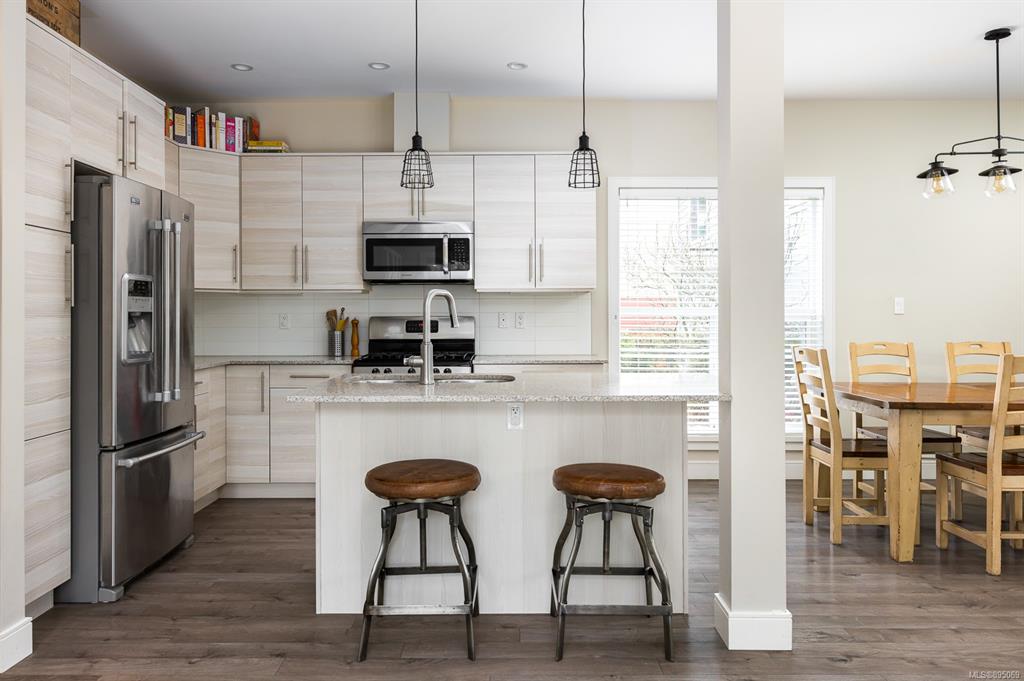
If you are trying to make sense of the Westshore real estate market overview 2026, here is the simple truth: inventory across Greater Victoria is higher, activity picked up in February, and pricing is holding steady enough that strategy matters more than speed. Sales are up month over month, which helped shift conditions back toward balance. Active listings rose to 2,903 across the Victoria Real Estate Board region at the end of February 2026. In the Westshore, pricing depends heavily on community and home type, so one headline number rarely tells the full story. What “Westshore” means in real terms When locals say “Westshore,” they are usually talking about the west side of Greater Victoria, including: Langford Colwood View Royal Metchosin Highlands Sooke These markets behave differently from one another. In 2026, that micro-market reality matters more than ever because buyers have more choice and sellers need cleaner pricing and presentation to stand out. The 2026 story so far: more choice, more thinking time February 2026 showed a noticeable pickup in sales compared with January, while inventory stayed healthy. The Victoria Real Estate Board reported 465 total properties sold in February (up 37.2% from January), with 2,903 active listings at month end. Why that matters in the Westshore Buyers: more listings usually means more leverage, but it also increases decision fatigue. Sellers: the “just list it and it sells” era is not the baseline. Pricing and preparation are doing more of the heavy lifting. Westshore benchmark prices: what a “typical” home costs in February 2026 VREB’s MLS Home Price Index (HPI) benchmark is useful because it tracks a typical home rather than swinging with whatever mix sold that month. Single family benchmark prices (February 2026) Langford: $1,029,300 Colwood: $1,077,800 Sooke: $803,000 Metchosin: $1,304,600 Highlands: $1,598,000 Townhome benchmark prices (February 2026) Langford: $714,300 Colwood: $737,800 Sooke: $666,200 Condo benchmark prices (February 2026) Langford: $512,200 Colwood: $494,000 Sooke: $499,000 How to read this quickly Westshore is not “cheap Victoria.” It is a range of sub-markets with different price bands. Highlands and Metchosin often behave like lifestyle acreage markets. Langford and Colwood carry a lot of the region’s growth, new supply, and townhome activity. What buyers should do differently in 2026 In a more balanced environment, the winning buyer move is not “move faster.” It is “get clearer.” Practical buyer strategy Choose your tradeoff first: space, schools, commute, or price point. The right answer changes the neighbourhood shortlist. Use the benchmark ranges to set expectations: if you are shopping detached, Langford vs Sooke vs Highlands is not a small adjustment. Be ready to act when the right home shows up: balance does not mean every listing sits, especially the ones priced properly and showing well. A smart question to ask yourself If you found the right home in Langford today, would you rather win on price, conditions, or possession date? Pick one before you write. What sellers should do differently in 2026 When inventory is higher, buyers compare more homes and notice flaws faster. Practical seller strategy Price for your competition, not your memory: the benchmark tells you the direction; your micro-market comps set the number. Presentation is a pricing tool: strong photos, clean prep, and clear showing access can reduce days on market. Plan for negotiation: balanced markets often include more back-and-forth, especially when buyers have options. A smart question to ask yourself If your home sits for 21 days, what is your plan: improve presentation, adjust price, or change terms? The bigger BC context: supply is higher across the province BCREA has noted provincial inventory running near the highest level in over a decade, with just over 40,000 homes for sale and expectations for broadly balanced conditions in 2026. That supports what we are seeing locally: more choice, fewer rushed decisions, and stronger results for people who plan. Dawson H., 5-Star Review, via Google “Working with Scott and Zach made the entire condo purchase process incredibly smooth, even while I was traveling in another country. Their communication was clear, timely, and efficient, which made it easy to navigate every step without feeling stressed or overwhelmed. They handled details behind the scenes with confidence, giving me peace of mind knowing everything was in good hands.” Faber Real Estate Group Royal LePage Coast Capital Realty 📞 250-244-3430 📧[email protected] ℹ️ Scott Faber Personal Real Estate Corporation ℹ️ Cal Faber Personal Real Estate Corporation Vanessa Wood, Zachary Parsons, and Sophie Taylor “Building Lasting Relationships, One Home at a Time.”
Read more
Westshore real estate selling strategy matters more in 2026 because resale homes are no longer competing only with the home down the street. In Langford and Colwood, you are also competing with developers, staged showhomes, polished marketing campaigns, and incentive packages. Westshore inventory is being shaped by volume. Condos, townhomes, and detached homes are being delivered at scale. If you ignore that reality, you risk longer days on market and price reductions. If you work with it, you can still sell quickly and confidently. Developers Are Setting Buyer Expectations Langford continues to see one of the highest volumes of new construction in Greater Victoria. Projects often launch with coordinated marketing, presentation centres, and incentives that make buyers feel they are getting a “complete package.” Developers can offer: Deposit structures spread over time Appliance or upgrade packages Completion flexibility GST inclusions or credits in certain cases Professionally staged model units That becomes the benchmark. When buyers tour resale homes afterward, they compare immediately. That comparison shapes your pricing power and your negotiation leverage. How This Impacts Each Property Type Condos in the Westshore New towers can create psychological price ceilings. Even if your condo is well maintained, buyers often ask: How old is the building? Is there depreciation report risk? Are there upcoming special assessments? When a new project offers warranties and new amenities, resale condos must compete on value and clarity, not hope. The tactical move: Price decisively from day one Highlight upgrades clearly (flooring, appliances, fixtures, storage) Emphasize move-in readiness Provide strata documents early and proactively Townhomes Townhomes remain a sweet spot for many first-time buyers in the Westshore. The challenge is that pre-sale townhome communities often launch with modern finishes and buyer-friendly deposit structures. Resale townhome sellers need to compete on: Timing: you can offer immediate possession Certainty: buyers can see the finished product Layout advantages: larger rooms, better parking, better yard space, or better storage (when applicable) If a new phase is launching nearby, “testing the market” is rarely effective. Detached Homes Detached homes face a different comparison set. Buyers now weigh older detached homes against: New detached builds (where available) High-end townhomes with newer finishes and lower maintenance Common buyer questions include: What upgrades have been completed? Is the home energy efficient? Are there insurance or inspection concerns? If your home needs updates, the price must reflect that quickly. Buyers calculate renovation costs fast in this environment. Why Some Westshore Homes Still Sell in 7 to 14 Days Even during heavy new construction cycles, resale homes can sell quickly when they: Price correctly at launch Show better than competing resale inventory Position clearly against nearby developments Market to a defined buyer, not everyone Homes that struggle usually: Start high “to see what happens” Ignore new inventory nearby Assume last year’s value still applies Westshore real estate rewards decisiveness right now. The Tactical Seller Playbook for 2026 If you are considering selling in Langford or Colwood, this is a simple framework that holds up in today’s market. 1) Identify Your True Competition Ask what is coming next, not what sold last. A new condo building two blocks away A townhome phase launching next month A detached subdivision completing soon We map the competition before pricing. 2) Position, Then Price Price alone is not the strategy. Positioning is. We define: Who your buyer is Why they would choose resale over new What your timing advantage is (possession, condition, certainty) Then we price with urgency. 3) Launch Strong In a developer-influenced market, first impressions carry more weight. That means: Professional photography Clear feature sheets that explain the value Transparent documentation (especially strata) Immediate showing availability Delayed momentum is expensive. What This Means for Westshore Sellers New construction is not a threat. It is a variable. When handled correctly, resale homes can benefit from the attention new projects bring to the region. Buyers who get priced out of new builds often pivot to resale quickly, but only if the resale option is positioned properly. The key is to price with forward awareness, not backward attachment. A Westshore real estate selling strategy that accounts for nearby development competition is one of the simplest ways to protect your timeline and your outcome. If you are thinking about selling in the Westshore this year, contact Faber Real Estate Group to map your competition and build a pricing and launch plan that fits today’s market. Debbie N., 5-Star Review, via Google “From start to finish, Scott and Cal were amazing to work with. I hadn't moved in nearly 22 years and going from a house to a condo was a very difficult decision, but they were amazingly patient and responsive to my needs. This team doesn't just say that they care, they actually do. I couldn't have done this without them. I would recommend them to anyone. You will be in the best hands. Thank you Faber Group!!!” Faber Real Estate Group Royal LePage Coast Capital Realty 📞 250-244-3430 📧[email protected] ℹ️ Scott Faber Personal Real Estate Corporation ℹ️ Cal Faber Personal Real Estate Corporation Vanessa Wood, Zachary Parsons, and Sophie Taylor “Building Lasting Relationships, One Home at a Time.”
Read more