
Posts Tagged ‘west-facing home’
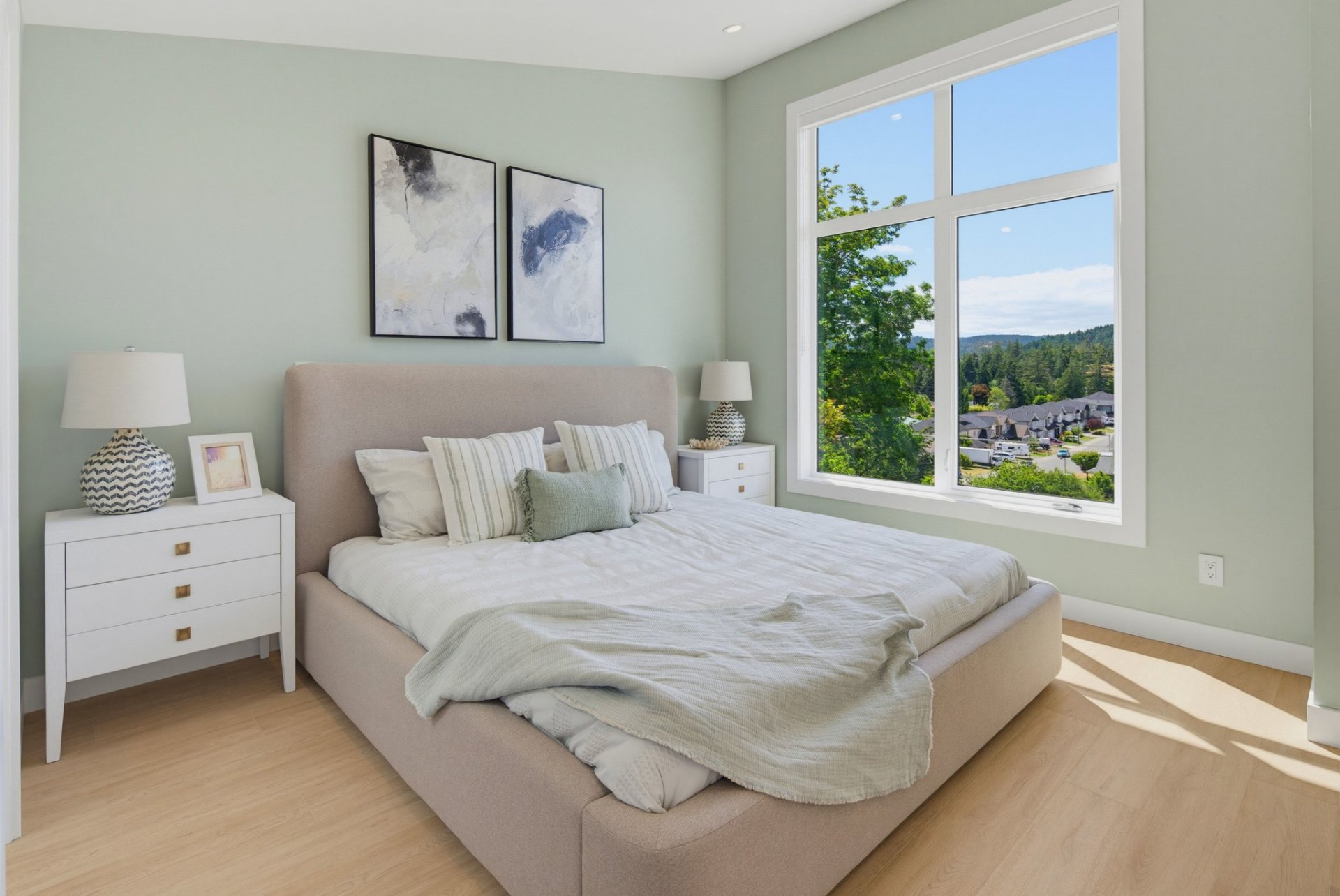
When buyers compare homes, they usually focus on price, location, square footage, and condition. However, home orientation matters more than many buyers realize because it can affect natural light, indoor temperature, outdoor space, privacy, and how the home feels throughout the day. Two nearly identical homes can offer very different living experiences simply because one faces a different direction. Orientation is not necessarily something buyers should rank above every other feature. Still, understanding it can help explain why one home feels brighter, cooler, warmer, or more inviting than another. The Short Answer Home orientation affects how sunlight moves through a property throughout the day. Generally: East-facing spaces receive more morning sun West-facing spaces receive stronger afternoon and evening sun South-facing spaces tend to receive more direct sunlight throughout the day North-facing spaces often receive softer, more indirect light However, orientation is only part of the picture. Trees, neighbouring buildings, floor level, window placement, balconies, roof overhangs, and surrounding terrain can all change how much sunlight actually reaches a home. South-Facing Does Not Automatically Mean Better South-facing exposure is often treated as a premium feature because it can provide strong natural light for much of the day. For some buyers, that is exactly what they want. A bright living room can feel more open, while a sunny patio or backyard may become more usable during cooler months. However, more sunlight can also mean more heat during the summer. Large south-facing windows may increase indoor temperatures, particularly if the home has limited shading or no air conditioning. Therefore, the better question is not whether south-facing is best. It is whether that exposure fits the way you want to live. East-Facing Homes Can Be Great for Morning Light East-facing rooms receive their strongest light earlier in the day. That can work particularly well for kitchens, breakfast areas, bedrooms, or patios used in the morning. By afternoon, those spaces may become cooler and more shaded. As a result, east exposure can appeal to buyers who enjoy bright mornings but prefer less intense afternoon heat. On the other hand, someone who spends most of the day away from home may rarely enjoy the strongest natural light the property receives. Lifestyle matters just as much as direction. West-Facing Exposure Can Change the Evening Experience West-facing homes receive more afternoon and evening sun. For buyers who spend evenings on a balcony, patio, or deck, that can be a significant lifestyle benefit. It can also make living spaces feel brighter later in the day. However, west exposure may bring more heat during summer afternoons, especially in condos with large glass walls or limited airflow. Before deciding whether that is a positive or negative, consider how the space will be used and whether the home has blinds, air conditioning, exterior shading, or good ventilation. North-Facing Does Not Mean Dark North-facing properties are sometimes dismissed too quickly. Although they may receive less direct sunlight, they can still have excellent natural light. Large windows, higher ceilings, an open layout, lighter interior finishes, and fewer obstructions can make a north-facing home feel bright. Meanwhile, the softer light can also reduce glare and overheating. This is particularly useful for home offices, artwork, or rooms where consistent light is more desirable than strong direct sun. In other words, direction alone does not determine whether a home feels bright. Orientation Matters Even More in Condos For condo buyers, orientation can have an outsized effect because the unit may only have windows on one or two sides. A corner unit with exposure in multiple directions can receive light at different times of day. By comparison, an interior unit may depend almost entirely on one exposure. Floor level matters too. A south-facing condo on a lower floor could receive less sunlight if another building sits directly across from it. Meanwhile, a north-facing unit higher in the building may have wide-open views and excellent natural light. That is why buyers should evaluate the actual unit rather than relying on the compass direction alone. Our article on Why Floor Plan Matters More Than Square Footage looks at another factor that can dramatically change how a condo or home feels despite what the listing specifications say. Think About Outdoor Space Too Orientation matters outside the home as well. A backyard, balcony, patio, or deck can feel completely different depending on when it receives sunlight. Consider when you expect to use the space. Morning coffee might make east exposure appealing. Evening dinners may make west exposure more attractive. Meanwhile, buyers who enjoy gardening may care about how much direct sunlight reaches different parts of the property throughout the day. A large outdoor space is valuable, but its orientation can determine how often you actually want to use it. Trees and Nearby Buildings Can Matter More Than Direction Compass direction should never be considered in isolation. A south-facing backyard surrounded by mature trees may receive less direct sunlight than expected. Similarly, a condo facing west could have most of its afternoon sun blocked by another tower. Before buying, look at: Nearby buildings Mature trees Hills and terrain Balcony overhangs Window size Floor level Seasonal sun angles Future development nearby These details can have just as much impact as the direction listed on a floor plan. Consider Future Development Today's view and sunlight may not always remain the same. A vacant lot, surface parking area, or low-rise building nearby could eventually be redeveloped. For condo buyers in particular, future construction could affect views, privacy, natural light, and the feel of an outdoor space. That does not mean buyers should avoid areas experiencing development. Instead, it is another reason to understand the surroundings before making a decision. Orientation Can Affect Privacy Windows and outdoor spaces do more than bring in sunlight. They also determine what you look toward. A balcony facing an open park may feel very different from one facing directly into another building. Likewise, bedroom windows that overlook neighbouring homes may require blinds more often, reducing some of the natural light buyers expected to enjoy. Therefore, orientation should be considered alongside sightlines and privacy. Visit at Different Times of Day When Possible A home can feel very different at 10:00 a.m. than it does at 5:00 p.m. If orientation is important to you, a second viewing at another time of day can provide useful information. Notice: Which rooms receive direct sunlight Where glare appears Whether the home feels warm How bright interior rooms are How much privacy you have Whether the patio or balcony feels comfortable Photos and listing descriptions cannot always capture those differences. Seeing the property at another time can. Could Orientation Affect Resale? Orientation can influence resale, but it should not be viewed as a simple formula. Some buyers actively seek south-facing outdoor space or west-facing views. Others prioritize cooler rooms, privacy, or morning light. As a result, desirable orientation depends partly on the property itself and the buyer pool. A strong view, functional layout, useful outdoor space, natural light, and privacy can all strengthen appeal. Orientation contributes to those features, but rarely acts alone. Compare How the Home Actually Feels When home orientation matters to your decision, use the compass direction as a starting point rather than the conclusion. Ask: When Will We Be Home? Morning, daytime, and evening routines can change which exposure feels best. Which Rooms Receive the Best Light? A sunny secondary bedroom may matter less if the living room stays dark all day. Will the Home Get Too Warm? Think about glazing, shading, airflow, and cooling. Does the Outdoor Space Work When We Would Use It? A patio's size only tells part of the story. What Surrounds the Property? Nearby buildings, trees, and future development may alter light and privacy. Final Thoughts Home orientation may seem like a minor detail when you first start looking at properties. In reality, it can influence how the home feels every day. Natural light, temperature, outdoor usability, privacy, and even furniture placement can all be affected by exposure. Still, there is no single direction that works best for every buyer. The right orientation depends on the property, the surroundings, and the way you plan to live in the home. When comparing two otherwise similar properties, paying attention to where the sun comes from may reveal a difference that square footage and listing photos never will. Considering two homes with different exposures? Faber Real Estate Group can help you compare orientation, layout, surroundings, future development, and the practical details that can affect how each property feels long after the showing is over. Michael F., 5-Star Review, via Google “Cal and Scott exceeded our expectations in every way. They were always available to answer our questions and address any concerns immediately, providing exceptional support throughout the entire process. Their dedication and expertise made the selling and buying experience seamless and stress-free.” Faber Real Estate Group Royal LePage Coast Capital Realty 📞 250-244-3430 📧 [email protected] ℹ️ Scott Faber Personal Real Estate Corporation ℹ️ Cal Faber Personal Real Estate Corporation Vanessa Wood, Zachary Parsons, and Sophie Taylor “Building Lasting Relationships, One Home at a Time.”
Read more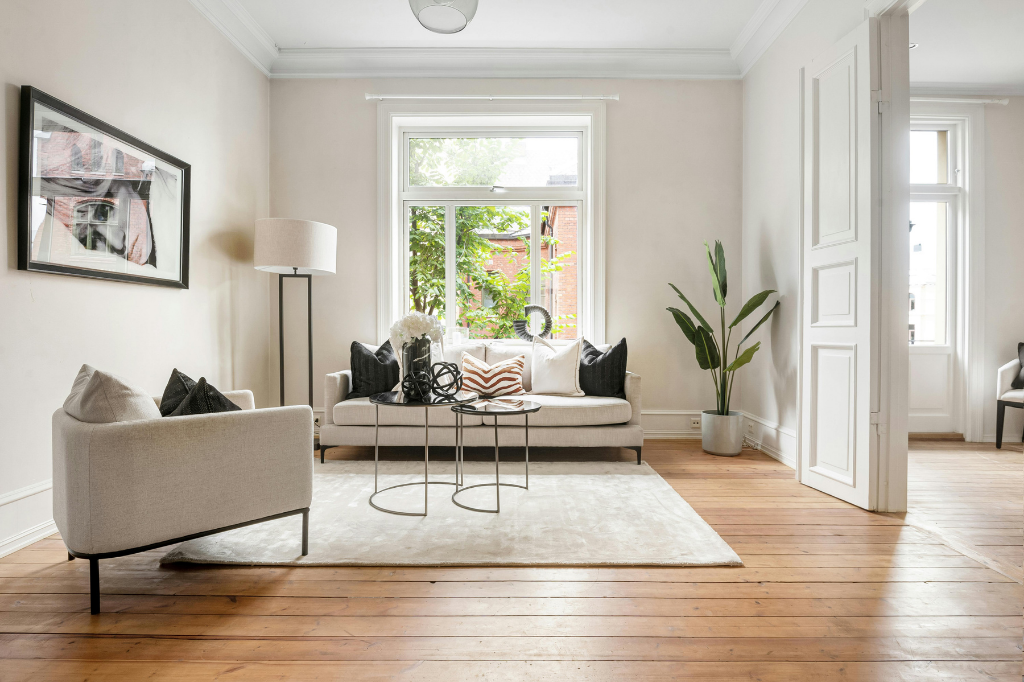
Sun exposure when buying in Victoria matters more than many buyers expect. It can affect how bright a home feels, how warm it gets in summer, how comfortable it feels in winter, how gardens grow, and how much you enjoy patios, balconies, and outdoor spaces. In Greater Victoria, where lifestyle is such a big part of the buying decision, sun exposure is not just a technical detail. It can change how a home feels every single day. Start With How You Actually Live Many buyers ask whether a home is south-facing, but direction alone does not answer the full question. A better question is: when do you want the sun? Someone who works from home may value bright daytime light. A gardener may care about afternoon exposure. A downsizer may want a sunny patio without too much heat. A family may want evening sun in the backyard after school and work. Before judging a home’s orientation, think about your daily routine. Ask yourself: Do you want morning light in the kitchen? Do you want afternoon sun in the yard? Do you prefer cooler bedrooms? Do you work from home during the day? Do you garden or want raised beds? Do you use outdoor space mostly in the morning, afternoon, or evening? Do you want a bright living room in winter? The right sun exposure depends on the way you live, not just the direction on a compass. South-Facing Is Popular, But It Is Not Always Perfect South-facing homes and condos often attract attention because they can feel bright for much of the day. In Victoria, that can be especially appealing during grey winter months when natural light makes a home feel more comfortable. South exposure may be a strong fit if you want: Brighter living areas Better winter light Stronger garden potential A sunnier patio or balcony A warmer interior feel However, south-facing is not automatically better. Large south-facing windows can create more heat in summer, especially in condos, townhomes, and homes with limited shade. BC Hydro notes that more British Columbians now have air conditioning at home, with nearly 70 percent reporting they have it, partly reflecting growing demand for cooling and comfort. If you love a sunny home, also check ventilation, blinds, window quality, overhangs, trees, and whether the home has a heat pump or cooling system. East-Facing Light Works Well for Morning People East-facing exposure brings morning light. This can be a great fit for kitchens, breakfast areas, bedrooms, and patios used early in the day. East-facing homes or units often feel bright in the morning but cooler later in the afternoon. That can be helpful for buyers who want natural light without intense late-day heat. East exposure may work well if you: Like waking up with natural light Use outdoor space in the morning Want a cooler home later in the day Prefer softer afternoon conditions Work away from home during the day The tradeoff is that outdoor areas may feel shaded by late afternoon or evening. If you imagine hosting dinners on a sunny patio after work, east-facing space may not deliver that experience. West-Facing Exposure Can Be Beautiful, But Hot West-facing exposure often brings strong afternoon and evening sun. This can be beautiful, especially if the home has a patio, deck, or view. For some buyers, west-facing light is a major lifestyle feature. It can make evenings feel warmer and more inviting, especially in spring and summer. However, west exposure can also create heat. This matters most in homes with large windows, limited shade, or bedrooms facing west. BC Hydro recommends managing windows, blinds, and doors strategically during hot weather, including closing windows and coverings when outside air becomes warmer than inside air. West exposure may work well if you: Love evening sun Entertain outdoors after work Want sunset light Prefer a warmer patio or balcony It may be less ideal if you are sensitive to heat or if the main bedroom gets strong late-day sun. North-Facing Does Not Always Mean Dark North-facing exposure often gets judged too quickly. While it may not offer the same direct sun as south or west exposure, it can still work well depending on the layout, window size, ceiling height, surrounding trees, and reflected light. North-facing spaces may feel cooler and more consistent. That can suit buyers who prefer softer light, reduced glare, or better temperature control in summer. This can be especially useful for: Bedrooms Home offices Art spaces Buyers sensitive to heat Homes with large windows and open layouts The concern is winter light. A north-facing home with small windows, deep overhangs, or heavy tree cover may feel darker during the colder months. Trees, Hills, and Neighbouring Buildings Matter In Victoria, sun exposure is not only about direction. The surrounding environment can change everything. A south-facing home may still feel shaded if it sits below a hill or behind tall trees. A condo with good orientation may lose light if a nearby building blocks the sun. A backyard may look bright in summer but feel shaded in winter when the sun sits lower in the sky. Buyers should look at: Large trees Neighbouring homes Retaining walls Hillsides Future development nearby Roof overhangs Fence height Condo balcony depth Window placement A compass tells you direction. The property itself tells you the real experience. Think About Winter Sun, Not Just Summer Sun Many buyers view homes in spring or summer and fall in love with natural light. That same home may feel different in December or January. Victoria’s climate is mild compared with many parts of Canada, but winter light still matters. Shorter days, lower sun angles, and cloudy weather can make natural light an important comfort factor. A bright winter living room can make a home feel more inviting. A shaded ground-floor condo may feel cool or dark even if it looks fine on a sunny summer day. When possible, buyers should consider how the property may feel across seasons, not just during one showing. Sun Exposure Can Affect Gardens and Outdoor Living For many Greater Victoria buyers, outdoor space is a major part of the purchase decision. Sun exposure can affect how useful that space really feels. A sunny yard may support vegetable gardens, flowers, and outdoor seating. A shaded yard may feel cooler and more private, but it may limit what you can grow. For condos and townhomes, balcony exposure matters too. A sunny balcony can feel like an extra living area. A shaded balcony may still be useful, but it may not support the same plants or outdoor routine. Before buying, think about how you want to use the outdoor space: Gardening Morning coffee Evening dinners Entertaining Kids and pets Reading Shade and privacy Container plants Outdoor space has more value when it matches your lifestyle. Energy Use and Comfort Are Part of the Decision Sun exposure can also affect heating and cooling needs. A bright home may feel warmer in winter, while a heavily exposed home may need more cooling in summer. This does not mean buyers should avoid sunny homes. It means they should consider the full comfort picture. Look for: Window age and quality Blinds or window coverings Heat pump or cooling system Insulation Airflow Ceiling fans Tree shade Overhangs Patio doors and large glass areas A home with strong sun exposure and good comfort systems may offer the best of both worlds. A home with strong exposure but poor ventilation may feel less comfortable during hot periods. Condo Buyers Should Pay Extra Attention Sun exposure can matter even more in condos because windows and balconies often define how the home feels. A condo with large west-facing windows may feel bright and beautiful, but it may also heat up. A ground-floor north-facing unit may feel private and cool, but it may lack natural light. A south-facing unit may feel cheerful, but nearby buildings could change the actual light. Condo buyers should look beyond the listing description and ask: What direction does the main living area face? Does the balcony get usable sun? Are there buildings blocking light? Could future development affect exposure? Is there cooling or a heat pump? Do strata rules allow blinds, window coverings, or balcony changes? Does the unit feel bright without all the lights on? These details can affect everyday enjoyment and future resale appeal. The Bottom Line Sun exposure when buying in Victoria is about more than whether a home faces south. It affects light, comfort, gardens, outdoor living, energy use, and how the home feels across the seasons. The best exposure depends on the buyer. Some people want bright winter light. Others want cooler bedrooms, morning sun, evening patios, or garden-friendly outdoor space. Before writing an offer, pay attention to how the home feels at the time of day you will use it most. Look at the direction, but also look at trees, hills, buildings, window placement, and comfort systems. If you are comparing homes in Greater Victoria, contact Faber Real Estate Group for local guidance on how sun exposure, layout, and lifestyle fit should factor into your buying decision. Diana W., 5-Star Review, via Google “Excellent service and very efficient. Highly recommend. Very kind and helpful felt well looked after” Faber Real Estate Group Royal LePage Coast Capital Realty 📞 250-244-3430 📧 [email protected] ℹ️ Scott Faber Personal Real Estate Corporation ℹ️ Cal Faber Personal Real Estate Corporation Vanessa Wood, Zachary Parsons, and Sophie Taylor “Building Lasting Relationships, One Home at a Time.”
Read more