
Posts Tagged ‘VREB February 2026’
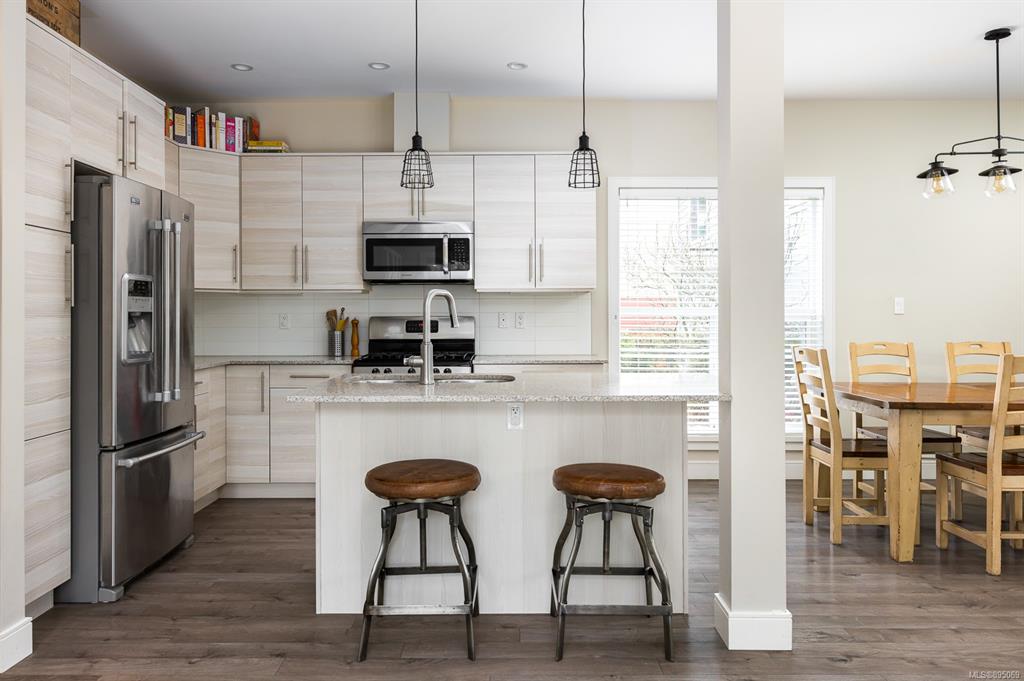
If you are trying to make sense of the Westshore real estate market overview 2026, here is the simple truth: inventory across Greater Victoria is higher, activity picked up in February, and pricing is holding steady enough that strategy matters more than speed. Sales are up month over month, which helped shift conditions back toward balance. Active listings rose to 2,903 across the Victoria Real Estate Board region at the end of February 2026. In the Westshore, pricing depends heavily on community and home type, so one headline number rarely tells the full story. What “Westshore” means in real terms When locals say “Westshore,” they are usually talking about the west side of Greater Victoria, including: Langford Colwood View Royal Metchosin Highlands Sooke These markets behave differently from one another. In 2026, that micro-market reality matters more than ever because buyers have more choice and sellers need cleaner pricing and presentation to stand out. The 2026 story so far: more choice, more thinking time February 2026 showed a noticeable pickup in sales compared with January, while inventory stayed healthy. The Victoria Real Estate Board reported 465 total properties sold in February (up 37.2% from January), with 2,903 active listings at month end. Why that matters in the Westshore Buyers: more listings usually means more leverage, but it also increases decision fatigue. Sellers: the “just list it and it sells” era is not the baseline. Pricing and preparation are doing more of the heavy lifting. Westshore benchmark prices: what a “typical” home costs in February 2026 VREB’s MLS Home Price Index (HPI) benchmark is useful because it tracks a typical home rather than swinging with whatever mix sold that month. Single family benchmark prices (February 2026) Langford: $1,029,300 Colwood: $1,077,800 Sooke: $803,000 Metchosin: $1,304,600 Highlands: $1,598,000 Townhome benchmark prices (February 2026) Langford: $714,300 Colwood: $737,800 Sooke: $666,200 Condo benchmark prices (February 2026) Langford: $512,200 Colwood: $494,000 Sooke: $499,000 How to read this quickly Westshore is not “cheap Victoria.” It is a range of sub-markets with different price bands. Highlands and Metchosin often behave like lifestyle acreage markets. Langford and Colwood carry a lot of the region’s growth, new supply, and townhome activity. What buyers should do differently in 2026 In a more balanced environment, the winning buyer move is not “move faster.” It is “get clearer.” Practical buyer strategy Choose your tradeoff first: space, schools, commute, or price point. The right answer changes the neighbourhood shortlist. Use the benchmark ranges to set expectations: if you are shopping detached, Langford vs Sooke vs Highlands is not a small adjustment. Be ready to act when the right home shows up: balance does not mean every listing sits, especially the ones priced properly and showing well. A smart question to ask yourself If you found the right home in Langford today, would you rather win on price, conditions, or possession date? Pick one before you write. What sellers should do differently in 2026 When inventory is higher, buyers compare more homes and notice flaws faster. Practical seller strategy Price for your competition, not your memory: the benchmark tells you the direction; your micro-market comps set the number. Presentation is a pricing tool: strong photos, clean prep, and clear showing access can reduce days on market. Plan for negotiation: balanced markets often include more back-and-forth, especially when buyers have options. A smart question to ask yourself If your home sits for 21 days, what is your plan: improve presentation, adjust price, or change terms? The bigger BC context: supply is higher across the province BCREA has noted provincial inventory running near the highest level in over a decade, with just over 40,000 homes for sale and expectations for broadly balanced conditions in 2026. That supports what we are seeing locally: more choice, fewer rushed decisions, and stronger results for people who plan. Dawson H., 5-Star Review, via Google “Working with Scott and Zach made the entire condo purchase process incredibly smooth, even while I was traveling in another country. Their communication was clear, timely, and efficient, which made it easy to navigate every step without feeling stressed or overwhelmed. They handled details behind the scenes with confidence, giving me peace of mind knowing everything was in good hands.” Faber Real Estate Group Royal LePage Coast Capital Realty 📞 250-244-3430 📧[email protected] ℹ️ Scott Faber Personal Real Estate Corporation ℹ️ Cal Faber Personal Real Estate Corporation Vanessa Wood, Zachary Parsons, and Sophie Taylor “Building Lasting Relationships, One Home at a Time.”
Read more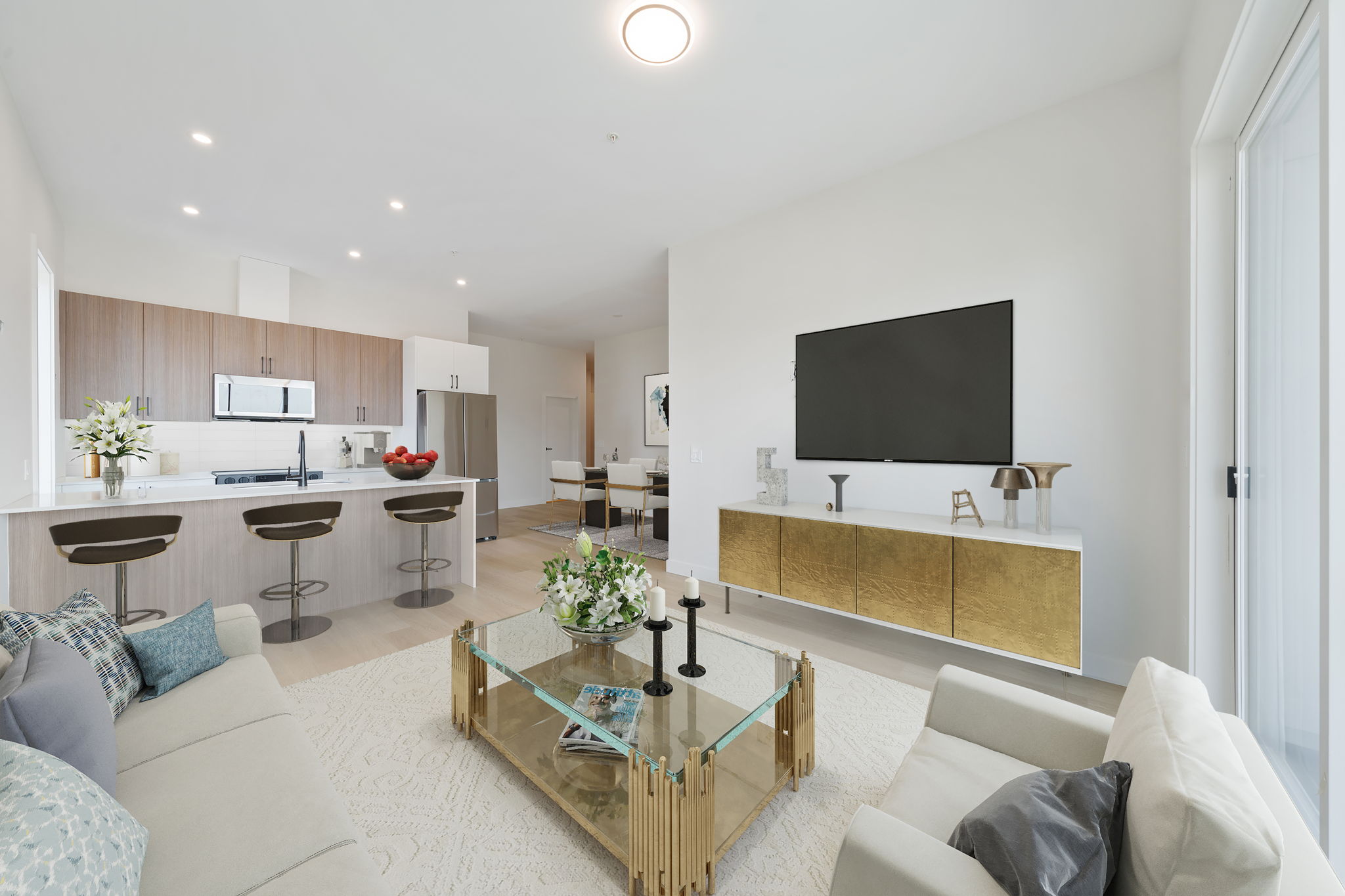
Deciding between renting vs buying in Victoria BC is a major choice for many residents. Victoria’s housing market is moving in two directions at once: rents have been easing, while ownership prices (especially for single family homes) have stayed relatively firm. Using current numbers can help you make a decision based on reality, not headlines. Current Rental Market: Prices and Trends Victoria remains one of the pricier rental markets in Canada, but recent data shows rents have been trending down. Average asking rent (Victoria): about $2,224 across unit types (January 2026). One-bedroom: about $1,942 (January 2026), down 6.7% year-over-year. Two-bedroom: about $2,605 (January 2026), down 5.1% year-over-year. On supply, Greater Victoria is seeing more breathing room than recent years: Greater Victoria vacancy rate: about 3.3% (CMHC 2025 Rental Market Report, cited by the Province). What this means in plain terms: more choice, a bit more leverage for renters, and fewer situations where tenants feel forced to accept the first available unit. Buying in Victoria: Prices and Ownership Landscape On the ownership side, a helpful “apples-to-apples” metric is the MLS HPI benchmark (it tracks a typical home over time, rather than averages that can swing with the mix of what sold). From the Victoria Real Estate Board’s February 2026 market report (Victoria Core): Single family home benchmark: $1,307,400 (February 2026). Condominium benchmark: $545,600 (February 2026). Inventory has been healthier than the tightest years, with 2,903 active listings across the VREB region at the end of February 2026. That usually translates into more selection and a less frantic pace, but affordability still matters because the entry point remains high. Pros and Cons of Renting in Victoria Pros of Renting Lower upfront cost (no down payment or closing costs) Flexibility to relocate without selling No responsibility for major repairs and maintenance Recent rent softening and higher vacancy can improve negotiating position Cons of Renting Monthly payments do not build equity Rent is still expensive relative to local incomes Less control over the home and potential future rent increases Pros and Cons of Buying in Victoria Pros of Buying Builds equity over time More stability and control over your space Predictable payments if you choose a fixed-rate mortgage Cons of Buying High upfront costs (down payment, closing costs, property transfer tax, legal fees) Ongoing costs (maintenance, insurance, property taxes, condo fees if applicable) Market conditions vary by segment, and pricing is not guaranteed to rise year-to-year Making the Decision: What to Consider Your choice between renting vs buying in Victoria BC should match three things: Time horizon: Are you staying put for 3+ years, or is life still in motion? Cash position: Down payment, closing costs, and an emergency fund for ownership surprises Monthly reality: Compare rent to the true cost of ownership (mortgage, taxes, insurance, maintenance, and strata fees) A useful takeaway from the 2026 data is this: renting has become slightly less punishing than it was, while buying still requires a clear financial plan because benchmarks remain high. Final Thoughts Rents are easing and vacancy is up, while benchmark ownership prices in the Victoria Core have stayed relatively steady. That combination can create a “pause-and-plan” moment where renters gain options and buyers gain breathing room. If you want, we can run a simple rent vs buy comparison using your target neighbourhood, down payment, and comfort level with monthly costs, so your decision is grounded in real numbers. David M., 5-Star Review, via Google “Scott was a fantastic realtor—hardworking, knowledgeable, and truly dedicated to his clients. His expertise and great connections made the entire process smooth and stress-free. He went above and beyond to ensure everything was taken care of, and I couldn’t be happier with the results. I highly recommend Scott to anyone looking for a realtor.” Faber Real Estate Group Royal LePage Coast Capital Realty 📞 250-244-3430 📧[email protected] ℹ️ Scott Faber Personal Real Estate Corporation ℹ️ Cal Faber Personal Real Estate Corporation Vanessa Wood, Zachary Parsons, and Sophie Taylor “Building Lasting Relationships, One Home at a Time.”
Read more