
Posts Tagged ‘Victoria real estate’

Moving to Victoria BC means choosing more than a home. You are also choosing a neighbourhood, commute, lifestyle, housing type, and monthly cost structure. Greater Victoria is made up of several distinct communities, and understanding those differences before you start viewing homes can make your search considerably easier. What Should You Know Before Moving to Victoria? Before buying, focus on five things: Where you need to commute How much space you actually need Whether you prioritize walkability or a larger property The age and type of home you are comfortable owning How far your budget goes in different parts of Greater Victoria The best neighbourhood is not necessarily the most expensive or best known. It is the one that works for your day-to-day life. What Areas Are Included in Greater Victoria? One of the first things relocating buyers should understand is that "Victoria" often refers to a much larger region than the City of Victoria itself. Greater Victoria includes communities such as: Victoria Saanich Oak Bay Esquimalt View Royal Langford Colwood Sidney Central Saanich North Saanich Sooke Each offers a different mix of housing, amenities, recreation, schools, transportation, and price points. Buyers who prioritize walkability and proximity to downtown may focus on neighbourhoods such as James Bay, Fairfield, Fernwood, or Vic West. Meanwhile, buyers looking for additional space may expand into Saanich, View Royal, Langford, Colwood, or farther west. Our guide to Hidden Gem Neighbourhoods in Langford, Colwood, and View Royal is a good starting point if you are considering the Westshore. What Can Your Budget Buy in Victoria? Your purchasing power can change considerably depending on location. The same budget may buy a condo closer to downtown, a townhome farther from the core, or potentially provide access to a detached home in another community. Instead of focusing only on price, decide which features deserve more of your budget. For example: More living space A larger yard Walkability A shorter commute Newer construction Suite potential Schools Recreation Lower maintenance Our Comparing Victoria Neighbourhoods at the $800K Price Point guide shows how dramatically housing options can change from one part of Greater Victoria to another. How Important Is Your Commute in Victoria? Distance on a map does not always tell the full story. Traffic patterns can make commute times between the Westshore and Victoria, Saanich, or Esquimalt different depending on when you travel. If you expect to commute regularly, test the route during the hours you would normally be driving. However, a longer commute can also create opportunities. An additional 15 or 20 minutes of travel may allow you to buy a newer property, gain another bedroom, add a garage, or have more outdoor space. For some buyers, that trade-off makes sense. For others, being able to walk or cycle to work matters more. Should You Buy an Older Home in Victoria? Greater Victoria has many established neighbourhoods with older homes, particularly closer to the core. Older homes can offer character, mature landscaping, larger lots, and locations that are difficult to recreate with newer construction. However, they can also require additional due diligence. Depending on the property's age and history, consider investigating: Electrical systems Plumbing Drainage Roofing Foundations Insulation Heating systems Previous renovations Underground oil tanks A renovated kitchen or updated flooring does not necessarily tell you the condition of the major systems behind the walls. A thorough inspection becomes particularly important when purchasing an older property. What Should You Know About Buying a Condo or Townhome? Condos and townhomes are an important part of the Greater Victoria market. When you purchase a strata property, you are evaluating both the individual home and the financial health and management of the strata corporation. Important information can include: Strata meeting minutes Financial statements Depreciation reports Insurance Bylaws Special assessments Contingency reserve fund information You should also confirm parking, storage, pet rules, and any other restrictions that could affect your lifestyle. The quality of the building and strata management can matter just as much as the condition of the unit itself. Should You Consider Langford and the Westshore? For many people moving to Victoria BC, the Westshore deserves serious consideration. Langford, Colwood, and View Royal can provide access to newer condos, townhomes, detached homes, and new construction. Depending on your budget, buyers may also find more living space compared with neighbourhoods closer to downtown Victoria. Langford has also grown into a major centre for shopping, dining, recreation, schools, trails, and everyday services. The trade-off is often commute versus space. Understanding which matters more to you can quickly narrow your search. What BC Home-Buying Rules Should Relocating Buyers Know? If you are moving from another province, some parts of the BC buying process may be unfamiliar. For many residential purchases, BC's Home Buyer Rescission Period gives buyers three business days after an accepted offer to rescind the contract. If used, the buyer generally pays the seller 0.25% of the purchase price. Property Transfer Tax should also be considered when calculating closing costs. First-time buyers who meet the eligibility requirements may qualify for BC's First Time Home Buyers' Program. If you are considering new construction or a pre-sale, GST, deposit structures, completion timelines, and developer disclosure documents may also affect your purchase. You can also explore our current Victoria and Vancouver Island developments if newer construction is part of your search. Can You Buy Before You Move to Victoria? Yes. Many relocating buyers begin their search before arriving in Greater Victoria. Video walkthroughs, virtual meetings, electronic documents, and local inspections can make remote purchases possible. However, buyers should narrow down their preferred areas before relying heavily on online listings. A home may look perfect in photos, but photos do not always show: Street traffic Neighbouring properties Hills and terrain Nearby construction Noise Walkability The actual feel of the neighbourhood Local context becomes especially valuable when you cannot attend every showing yourself. Start With Your Lifestyle Before Choosing the Home A common mistake is finding a house online first and then trying to make the neighbourhood fit. Reverse the process. Ask yourself: Where will you work? How often will you commute? How much space do you need? Do you want to walk to restaurants and shops? Are schools important? Do you prefer an established neighbourhood or newer construction? Once those priorities are clear, your home search becomes much more focused. You can also search homes throughout Greater Victoria to compare current options across different communities and property types. Planning a Move to Victoria? If you are relocating to Greater Victoria, we can help you compare neighbourhoods, understand what your budget buys in different areas, and narrow your search before you spend time viewing homes that do not fit. Our Buy With Us page is a good place to start, or contact our team to build a relocation strategy around your budget, commute, preferred property type, and timeline. The goal is not simply to find a home in Victoria. It is to find the part of Greater Victoria that still feels like the right decision once you are living here. Trent M., 5-Star Review, via Google “Faber Group is awesome, they were looking out for our best interests from day one. Super knowledgable about the area, great to work with and very personable. They took their time with us too, we never felt rushed through the process. Would highly recommend!” Faber Real Estate Group Royal LePage Coast Capital Realty 📞 250-244-3430 📧 [email protected] ℹ️ Scott Faber Personal Real Estate Corporation ℹ️ Cal Faber Personal Real Estate Corporation Vanessa Wood, Zachary Parsons, and Sophie Taylor “Building Lasting Relationships, One Home at a Time.”
Read more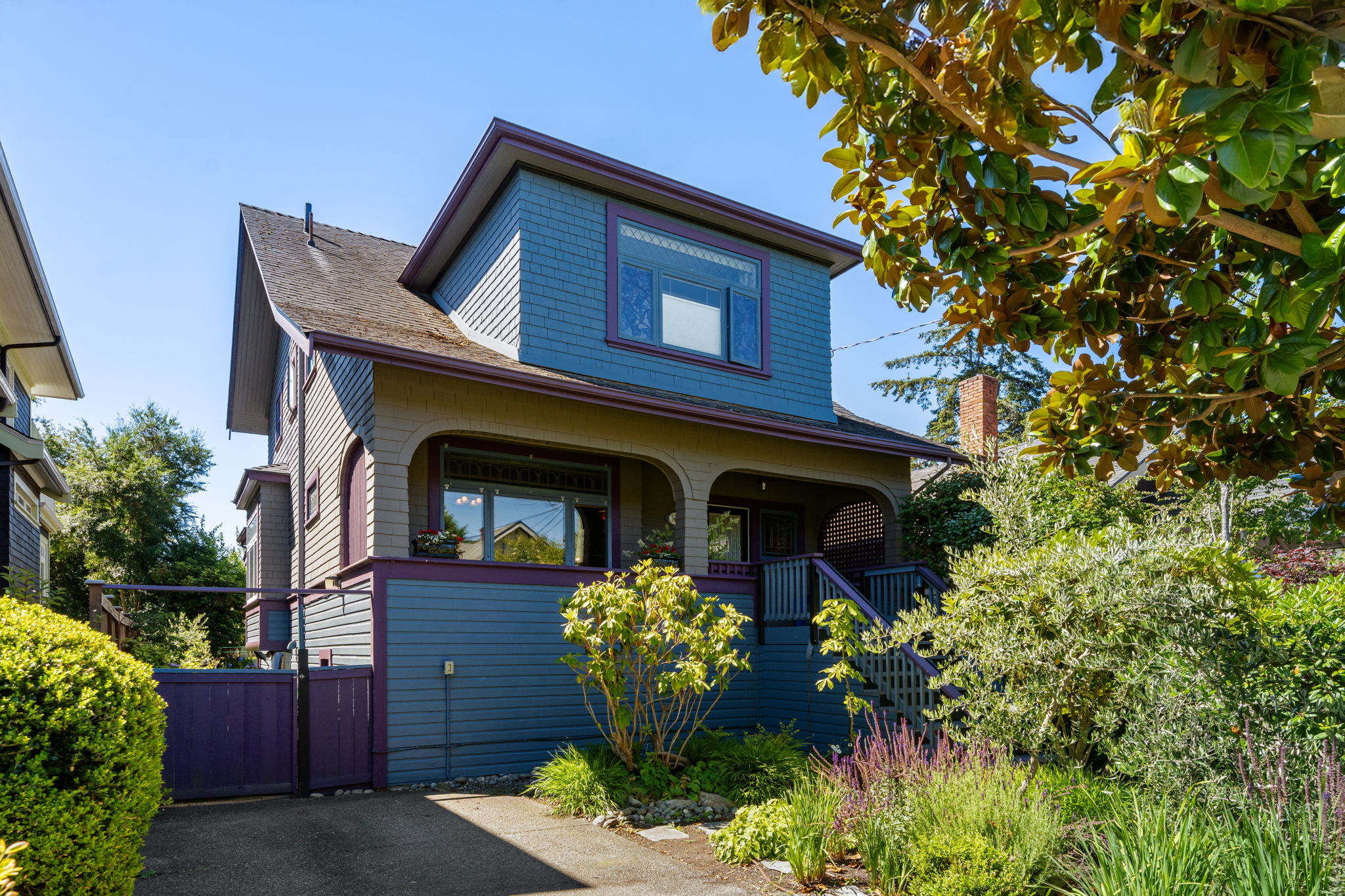
If you are wondering how much income you need to buy a home in Victoria, BC, the short answer is that a household income of roughly $105,000 could support a $550,000 condo, while a $1 million home may require closer to $180,000 in household income under the assumptions used below. However, income is only one part of mortgage qualification. Your down payment, existing debt, credit, property taxes, strata fees, mortgage rate and amortization can all change how much you qualify to borrow. How Much Income Do You Need to Buy a Home in Victoria? Here is a useful starting point. These examples assume: 20% down payment 25-year amortization No significant additional monthly debt An illustrative 4.09% mortgage rate Qualification at approximately 6.09% under Canada's mortgage stress test Property taxes and heating costs included 50% of estimated strata fees included where applicable Purchase Price Example Property Type Approx. Household Income Needed $550,000 Condo $105,000 to $110,000 $750,000 Townhouse $135,000 to $145,000 $1,000,000 Detached or larger townhouse $175,000 to $185,000 $1,311,000 Victoria Core benchmark detached home Approximately $230,000 These are illustrative estimates, not mortgage pre-approvals. A lender or mortgage broker needs to review your individual financial situation. Why These Price Points Matter in Victoria The Victoria Real Estate Board reported that the July 2026 benchmark price for a condominium in the Victoria Core was $548,600. For a single-family home in the Victoria Core, the benchmark was considerably higher at $1,311,000. That creates a large affordability gap between property types. A buyer who qualifies comfortably for a condo may need significantly more household income, a larger down payment or additional equity to move into a detached home in the Victoria Core. It is also why looking outside the Core can change the equation. Langford, Colwood, View Royal, Sooke and other Greater Victoria communities may provide different property types at the same budget. How Does the Mortgage Stress Test Affect What You Can Afford? Canadian buyers generally cannot qualify based only on the mortgage rate they will actually pay. Federally regulated lenders use a mortgage stress test. The qualifying rate is currently the greater of: Your mortgage contract rate plus 2% 5.25% For example, if your mortgage rate were 4.09%, you could be required to qualify as though the rate were approximately 6.09%. That difference can significantly affect purchasing power. At the time of writing in August 2026, advertised five-year fixed mortgage rates in BC were available around 4.09%, although the rate available to an individual borrower can be different. How Much of Your Income Can Go Toward Housing? Mortgage lenders look closely at debt-service ratios. The Financial Consumer Agency of Canada explains that total monthly housing costs generally should not exceed 39% of gross household income. Housing costs can include: Mortgage principal and interest Property taxes Heating 50% of condominium fees, when applicable Your overall debt load generally should not exceed 44% of gross income. That calculation can also include car payments, credit cards, lines of credit, student loans and other obligations. This is why two households earning $150,000 per year may qualify for very different mortgage amounts. How Much Income Might You Need for a $550,000 Condo in Victoria? With 20% down, a $550,000 condo would leave an approximately $440,000 mortgage. Using the assumptions above, a household may need roughly $105,000 to $110,000 in gross annual income. However, strata fees matter. A condo with a $350 monthly strata fee will affect qualification differently from a similar condo with a $750 fee because lenders generally include 50% of the strata fee in the housing-cost calculation. That is one reason purchase price alone does not tell you which condo is actually more affordable. Related: Why Monthly Payment Matters More Than Purchase Price How Much Income Might You Need for a $750,000 Home? At $750,000 with 20% down, the mortgage would be approximately $600,000. Under our example assumptions, a household income around $135,000 to $145,000 could be required. At this price point, buyers may be comparing: Townhouses in Victoria or Saanich Newer townhomes in the Westshore Older detached homes in some Greater Victoria areas Larger condos in central locations The important question becomes less about your maximum approval and more about where that budget creates the best combination of home, location and monthly cost. How Much Income Might You Need for a $1 Million Home in Victoria? With a 20% down payment, a $1 million purchase leaves an $800,000 mortgage. Using our assumptions, the approximate household income requirement rises to around $175,000 to $185,000. Existing debt can push that number considerably higher. For example, a car payment or large line-of-credit balance reduces the amount of income available for housing under a lender's debt-service calculation. On the other hand, a larger down payment can reduce the mortgage and therefore reduce the income needed to qualify. How Much Income Do You Need for the Benchmark Victoria Detached Home? The July 2026 MLS® HPI benchmark value for a single-family home in the Victoria Core was $1,311,000. With 20% down, that would mean a mortgage of approximately $1.05 million before other considerations. Under the same illustrative assumptions, household income could need to be around $230,000 per year. That number helps explain why many Greater Victoria buyers are adjusting one or more parts of their search: Looking farther from the Victoria Core Choosing a townhouse instead of detached Increasing their down payment Buying with a partner Considering a property with a secondary suite Choosing a smaller or older home Prioritizing monthly affordability over maximum purchase price Does a Bigger Down Payment Reduce the Income You Need? Yes. The less money you borrow, the smaller the mortgage payment used in your debt-service calculation. For example, a buyer purchasing an $800,000 property with $300,000 down has a very different qualification profile from someone purchasing the same property with $100,000 down. A larger down payment can therefore be just as important as household income when determining purchasing power. It is also important to remember that 20% is not always the minimum required down payment. For insured mortgages, Canada's minimum down payment rules currently start at 5% on the first $500,000 and 10% on the portion between $500,000 and $1.5 million. Homes priced at $1.5 million or more require at least 20% down. Can Two Buyers Combine Their Income? Yes. Mortgage qualification generally considers the combined qualifying income of the borrowers applying for the mortgage. This is why household income is often more useful than individual income when discussing Victoria affordability. A couple earning $90,000 each has a household income of $180,000, but their actual buying power will still depend on debts, credit, down payment and the specific property. Does Buying a Home With a Suite Help You Qualify? Potentially. Depending on the property and lender, some rental income from a legal or eligible secondary suite may be considered during mortgage qualification. CMHC provides methods for incorporating rental income into debt-service calculations, although the amount and treatment depend on the mortgage and property. This can make suite properties particularly important for some Greater Victoria buyers. However, buyers should confirm the suite's status and speak with their mortgage professional before assuming a certain amount of rent will be included. Pre-Approval and Comfortable Budget Are Not the Same Thing There is another number buyers should calculate: How much do you actually want to spend each month? A lender may approve you for a certain purchase price. That does not automatically mean spending the maximum will fit comfortably with your lifestyle. Remember to account for costs beyond the mortgage, including: Property taxes Home insurance Strata fees Utilities Maintenance Repairs Parking Property Transfer Tax Legal fees Moving costs Our guide to Beyond the Mortgage: Hidden Costs Buyers Forget to Budget For looks more closely at these expenses. The income needed to buy a home in Victoria is therefore only the first question. The better question is: What purchase price allows you to own the right home while still feeling comfortable financially? Frequently Asked Questions Can you buy a home in Victoria with a $100,000 household income? Potentially. Depending on your down payment, debt and other expenses, a household earning around $100,000 may be able to qualify for some condos or lower-priced properties in Greater Victoria. A mortgage pre-approval will provide a more accurate budget. Is $150,000 household income enough to buy in Victoria? It can be. Under the assumptions used in this article, a household earning around $150,000 could potentially consider properties around the mid-$700,000 range or higher, depending heavily on down payment, debt and property expenses. How much income do you need for a $1 million home in Victoria? With 20% down, no significant debt and the assumptions used above, approximately $175,000 to $185,000 in household income may be required. Do strata fees affect mortgage qualification? Yes. Lenders generally include 50% of condo fees when calculating housing costs for debt-service purposes. Find Out What Your Budget Actually Buys in Greater Victoria A pre-approval tells you how much you may be able to borrow. The next step is understanding what that budget buys in Victoria, Saanich, Langford, Colwood, View Royal and the surrounding communities. If you know your approximate purchase price, we can compare current listings and recent sales across Greater Victoria to show you where your budget goes further, which property types fit and what compromises may actually be worth making. Liam Grigg, 5-Star Review, via Google “The real estate market felt daunting, especially when it was our first time entering it. But, working with Scott made the whole process so much easier. He was really excellent at asking questions, showing us a variety of places, and helping us narrow down exactly what we were looking for. Scott was flexible, never pushy, and I really felt supported by him throughout! He made a big difference in helping us find THE place and we couldn’t do it without him. I can’t wait to work with Scott again in the future.” Faber Real Estate Group Royal LePage Coast Capital Realty 📞 250-244-3430 📧 [email protected] ℹ️ Scott Faber Personal Real Estate Corporation ℹ️ Cal Faber Personal Real Estate Corporation Vanessa Wood, Zachary Parsons, and Sophie Taylor “Building Lasting Relationships, One Home at a Time.” The mortgage and income examples in this article are for general educational purposes only and are not financial or lending advice. Mortgage qualification varies by lender, borrower and property. Speak with a qualified mortgage professional for advice specific to your circumstances.
Read more
Becoming a Landlord in Victoria: What New Homeowners Should Know in 2026 Becoming a landlord in Victoria can be an effective way to offset homeownership costs, build long-term equity, or turn an existing property into an income-producing asset. However, the rental market has shifted, which means new landlords need to approach pricing and planning differently than they may have a year ago. Current rental data shows that Victoria's median rent has fallen to approximately $2,092 per month, down 12.7% year over year. That is roughly $419 less per month than renters were paying during the higher-priced rental environment of 2025. For homeowners considering renting out a condo, secondary suite, or entire property, those numbers highlight an important point: becoming a landlord in Victoria is still an opportunity, but realistic expectations matter. Victoria Rents Have Cooled Victoria remains one of Canada's more expensive rental markets. At approximately $2,092 per month, the city's median rent is around 7.8% higher than the national median of $1,940. However, the direction of the market matters just as much as the headline rent. After rents reached approximately $2,500 per month during the 2025 peak, tenants now appear to have somewhat more negotiating power and choice. New landlords therefore cannot necessarily assume that a property will rent immediately simply because it is located in Victoria. Pricing, condition, location, parking, storage, pet policies, utilities, and overall presentation can all influence how quickly a rental attracts a qualified tenant. What Are Different Properties Renting For? Current median asking rents provide a useful starting point: Studio: approximately $1,719/month 1 bedroom: approximately $1,986/month 2 bedroom: approximately $2,650/month 4+ bedrooms: approximately $5,750/month Apartments account for roughly 91.5% of the rentals represented in the current data, giving renters significant choice within the condo and apartment market. That competition matters for anyone purchasing a condo with plans to rent it out. Two similar one-bedroom condos may generate very different levels of tenant interest depending on whether one includes parking, storage, air conditioning, a balcony, in-suite laundry, or a better location. Don't Base Your Mortgage Decision on the Highest Rent You See Online One of the biggest mistakes a first-time landlord can make is building their financial plan around an optimistic rental number. Seeing another unit advertised for $2,300 per month does not necessarily mean your property will achieve the same result. Instead, look at several comparable rentals and consider: Location and neighbourhood Bedroom and bathroom count Square footage and floor plan Parking Storage In-suite laundry Outdoor space Building age and amenities Pet restrictions Utilities included Overall condition and finishes It may be better financially to secure a strong tenant at a competitive rent than to leave a property vacant for several weeks while trying to achieve an additional $100 or $150 per month. For example, losing one month of $2,000 rent while holding out for another $100 per month would take roughly 20 months of the higher rent just to recover that vacancy. Rental Income Is Not the Same as Rental Profit A property renting for $2,100 per month does not automatically generate $2,100 of monthly profit. New landlords should account for expenses such as: Mortgage payments Property taxes Strata fees Home insurance Landlord insurance Repairs and maintenance Property management Utilities, when included Periods of vacancy Appliance replacement Unexpected repairs Creating a reserve fund can make owning a rental property considerably less stressful. Eventually, something will need replacing or repairing. Planning for those expenses before they occur is much easier than dealing with them unexpectedly. Condo Owners Need to Look Beyond the Unit For condo owners, becoming a landlord involves more than simply finding a tenant. The building itself matters. Before purchasing a condo that may eventually become a rental, review the strata documents carefully and understand any applicable rental, pet, parking, move-in, and insurance requirements. It is also important to consider whether the building will appeal to renters. A well-designed one-bedroom condo near transit, employment, shopping, recreation, and everyday services may perform differently from a larger property that requires tenants to drive everywhere. Convenience often carries significant value in the rental market. Consider Your Tenant When Buying the Property Investors sometimes focus almost entirely on what they personally like about a home. A better question is: Who would realistically rent this property? A studio near downtown may appeal to students or young professionals. A two-bedroom condo with parking could appeal to couples, roommates, or small families. A home with a legal or secondary suite may allow an owner to live upstairs while using rental income from the suite to offset monthly ownership costs. Understanding the likely tenant helps you evaluate whether the property's layout, location, amenities, and price make sense as an investment. A Softer Rental Market Can Reward Better Landlords Falling rents do not necessarily mean owning rental property is a poor investment. Instead, they can shift the advantage toward landlords who offer well-maintained properties at realistic prices. When tenants have more options, the properties that stand out are often the ones that are: Clean and well maintained Professionally presented Competitively priced Conveniently located Clearly advertised Managed responsibly Good tenants are also evaluating landlords. A professional rental experience can encourage longer tenancies, fewer vacancies, and a healthier landlord-tenant relationship. Think Long Term For many homeowners, rental income is only one component of the investment. A property may also provide: Mortgage principal repayment Long-term property appreciation Flexibility to move while retaining the property Rental income Potential future redevelopment or renovation opportunities That is why buying solely based on today's rental income can be shortsighted. The stronger question is whether the property makes sense financially today while still fitting your longer-term real estate strategy. Thinking About Becoming a Landlord in Victoria? Before buying a property specifically for rental purposes, it helps to understand both sides of the equation: what the property is likely to cost and what tenants are realistically willing to pay. With Victoria's median rent currently around $2,092 per month and rents down approximately 12.7% compared with last year, conservative planning is especially important. We can help you compare properties based not only on purchase price, but also expected rental demand, layout, location, strata considerations, resale potential, and long-term value. Sometimes the best rental property is not the one with the highest advertised rent. It is the one that gives you the strongest combination of consistent demand, manageable ownership costs, and long-term flexibility. Ready to Explore Rental Property Options? If you are considering purchasing your first investment property, buying a home with a secondary suite, or turning your current property into a rental, we can help you look at the numbers before making the decision. Darren L. 5-Star Review, via Google “Fabulous job from Cal, Scott and Vanessa. They were professional, have strong negotiating skills and had a proactive strategy as the house sold very quickly (within a day the offer was accepted) and for the asking price. Highly recommending the Faber Group if you’re buy or selling. Truly a group that is there to put the client first and foremost.” Faber Real Estate Group Royal LePage Coast Capital Realty 📞 250-244-3430 📧 [email protected] Scott Faber PREC Cal Faber PREC Vanessa Wood, Zachary Parsons, Sophie Taylor Building Lasting Relationships, One Home at a Time.
Read more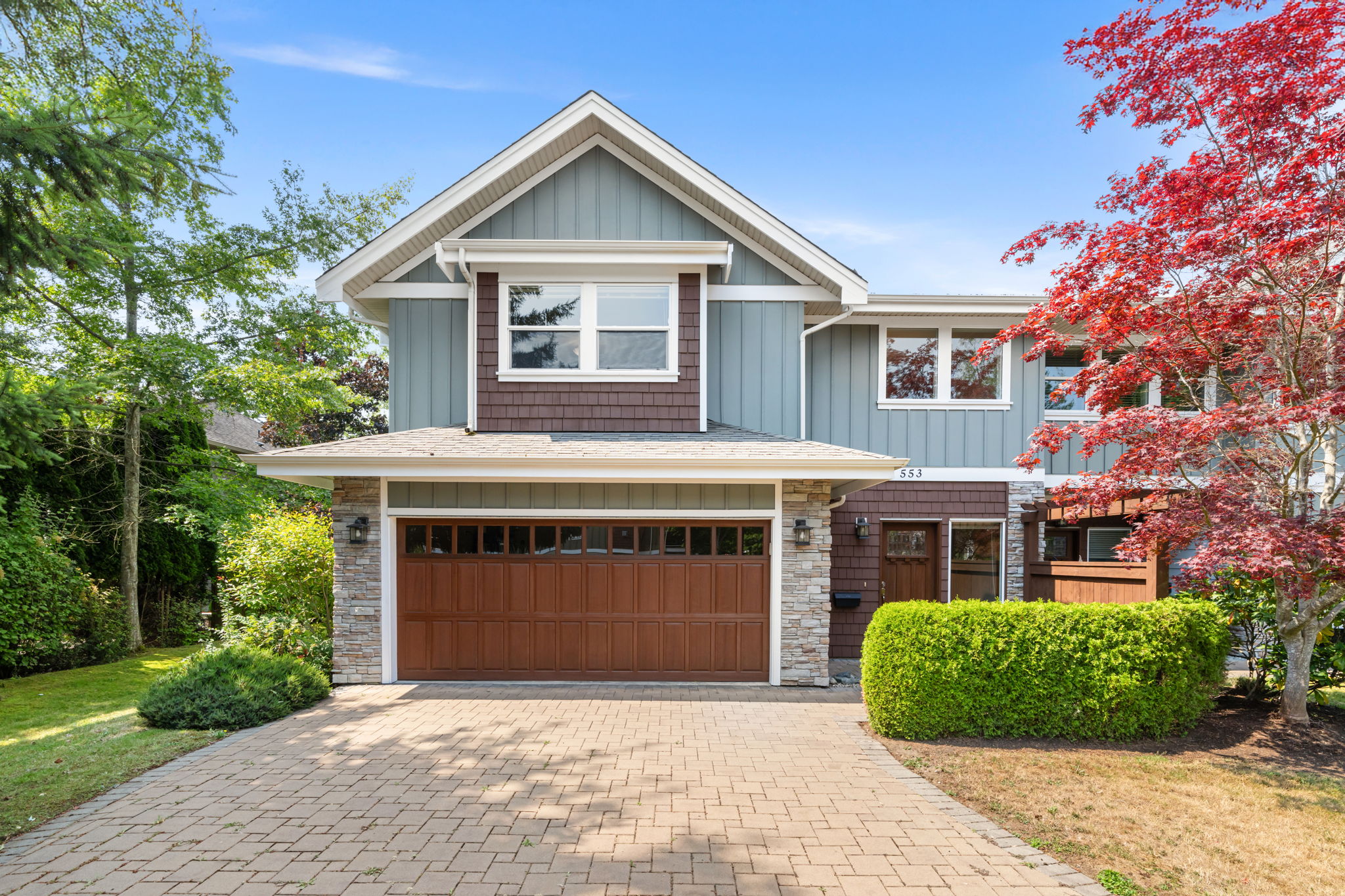
The Victoria real estate market in August 2026 is entering the second half of summer with plenty of inventory, steady buyer activity, and more room for negotiation in certain parts of the market. July gave us a useful starting point. A total of 673 properties sold across the Victoria Real Estate Board region, while 3,847 active listings remained available at the end of the month. Sales slowed slightly from June, but buyers remained active. So, what could August bring? The most likely scenario is not a dramatic market shift. Instead, we expect many of the trends seen through early summer to continue: buyers remaining selective, inventory gradually tightening, and properly priced homes continuing to outperform listings that miss the market. August Market Outlook at a Glance Based on July's market conditions, August could bring: Slightly fewer new listings as summer continues Continued selection for buyers across many property types More negotiation opportunities on homes that have been sitting Stronger activity around well-priced and well-presented properties Continued competition among condo sellers Relatively stable financing conditions heading into September August is also likely to remain highly dependent on the individual neighbourhood, property type, and price range. Inventory Could Begin to Tighten One number worth watching closely is inventory. Greater Victoria ended July with 3,847 active listings, down from the 4,054 listings available at the end of June. That does not mean buyers are suddenly running out of options. However, it may signal the beginning of the normal late-summer shift as fewer homeowners choose to launch listings during vacation season. If new listings slow while buyers remain active, some of the best properties could face stronger competition. For buyers waiting for significantly more selection later in August, there is no guarantee that will happen. Buyers May Continue to Have Negotiating Room More inventory has changed the way many buyers approach the market. Rather than feeling pressure to make an offer simply because a suitable home becomes available, buyers can often compare multiple properties and determine where the strongest value exists. That can create opportunities to negotiate beyond the purchase price, including: Possession dates Included items Repairs Subject periods Deposits Closing timelines However, negotiation power depends heavily on the property. A home that has been sitting for several weeks with limited activity may offer considerably more flexibility than a well-priced property that has just reached the market. Internal link: What Buyers Should Negotiate Beyond the Purchase Price The Best Homes Could Still Sell Quickly More inventory does not automatically mean every home will sit on the market. One of the clearest patterns we continue to see is the difference between properties that are positioned properly and those that are not. Buyers have more choices, which means they can quickly compare price, condition, location, layout, and overall value. Homes that check several of those boxes can still generate strong interest. Meanwhile, an overpriced property may sit even when similar homes nearby are selling. Condo Sellers May Face More Competition The condo market remains one area worth watching closely in August. July saw 209 condo sales, down 7.1% from July 2025. By comparison, single-family home sales increased year over year. That difference does not mean condos are performing poorly everywhere. Instead, buyers often have more comparable options available within the same building, neighbourhood, or price range. For condo sellers, small differences can matter. Floor plan, orientation, parking, storage, strata condition, fees, building reputation, and asking price can all influence which unit a buyer chooses. Internal link: Why Condos Are Facing More Competition in Victoria Right Now Prices Are Likely to Remain Relatively Stable The Victoria Core benchmark price for a single-family home was $1,311,000 in July, down from $1,326,500 in June. The benchmark condo price reached $548,600, compared with $549,200 in June. Those movements point toward a market experiencing some price pressure rather than a sharp correction. For August, buyers and sellers should pay more attention to recent comparable sales than broad regional headlines. Greater Victoria is made up of many smaller markets. A detached home in Saanich East can behave differently from a condo in downtown Victoria or a townhouse in Langford. Interest Rates Should Provide Some Stability Financing will continue to influence buyer confidence. The Bank of Canada held its policy interest rate at 2.25% on July 15, and there is no scheduled rate announcement during August. The next decision is scheduled for September 2, 2026. That does not mean mortgage rates cannot change during August, since fixed mortgage rates are influenced by bond markets rather than directly following the Bank of Canada overnight rate. Still, the absence of a Bank of Canada decision during the month removes one potential source of uncertainty for buyers actively shopping now. What August Means for Buyers August could be a useful window for buyers who are prepared but patient. There is still enough inventory in many parts of Greater Victoria to compare options, while some sellers who listed earlier in the summer may become more open to negotiating. The key is separating a genuine opportunity from a property that is simply priced poorly. Before making an offer, look at: Recent comparable sales Current competing listings Days on market Previous price adjustments Property condition Monthly ownership costs Potential upcoming repairs Long-term resale considerations The goal is not simply to get a discount. It is to buy the right property at terms that make sense. What August Means for Sellers For sellers, August is less about waiting for the market to do the work and more about positioning your property correctly. Buyers currently have enough selection to recognize when something feels overpriced. A strong August listing strategy should consider the homes currently competing for the same buyer, not simply what similar properties sold for several months ago. Presentation also matters. When buyers have choices, photography, condition, floor plan, maintenance, staging, and pricing all contribute to the first impression. Should You Buy or Sell in August? There is no universal answer. August may make sense for a buyer who finds the right property and has room to negotiate. It may also be a strong time for a seller whose home faces limited direct competition. For someone with flexibility, waiting for the fall market may offer different opportunities as more buyers and sellers return after summer. The better question is not whether August is a good month for real estate. It is whether current conditions are favourable for your particular property, price range, neighbourhood, and goals. Internal link: Should Victoria Buyers Act Now or Wait for the Fall Market? Planning a Move This August? If you are considering buying or selling in Greater Victoria this month, we can look beyond the regional numbers and break down what is happening in your specific market. Whether you are comparing listings, deciding when to make an offer, or trying to determine how your home should be positioned against current competition, having current neighbourhood-level information can make the decision much clearer. Darcy M., 5-Star Review, via Google ⭐⭐⭐⭐⭐ “I highly recommend the Faber Group and particularly Zach Parsons to anyone looking to buy or sell a home in the Victoria area. Over the past year, Zach has helped my wife and I purchase two homes, and both experiences were exceptional from start to finish. Zach is obviously knowledgeable about the Greater Victoria area, and his knowledge of the Victoria real estate market is a testament to dedication to his job and his clients." Faber Real Estate Group Royal LePage Coast Capital Realty 📞 250-244-3430 📧 [email protected] ℹ️ Scott Faber Personal Real Estate Corporation ℹ️ Cal Faber Personal Real Estate Corporation Vanessa Wood, Zachary Parsons, and Sophie Taylor “Building Lasting Relationships, One Home at a Time.”
Read more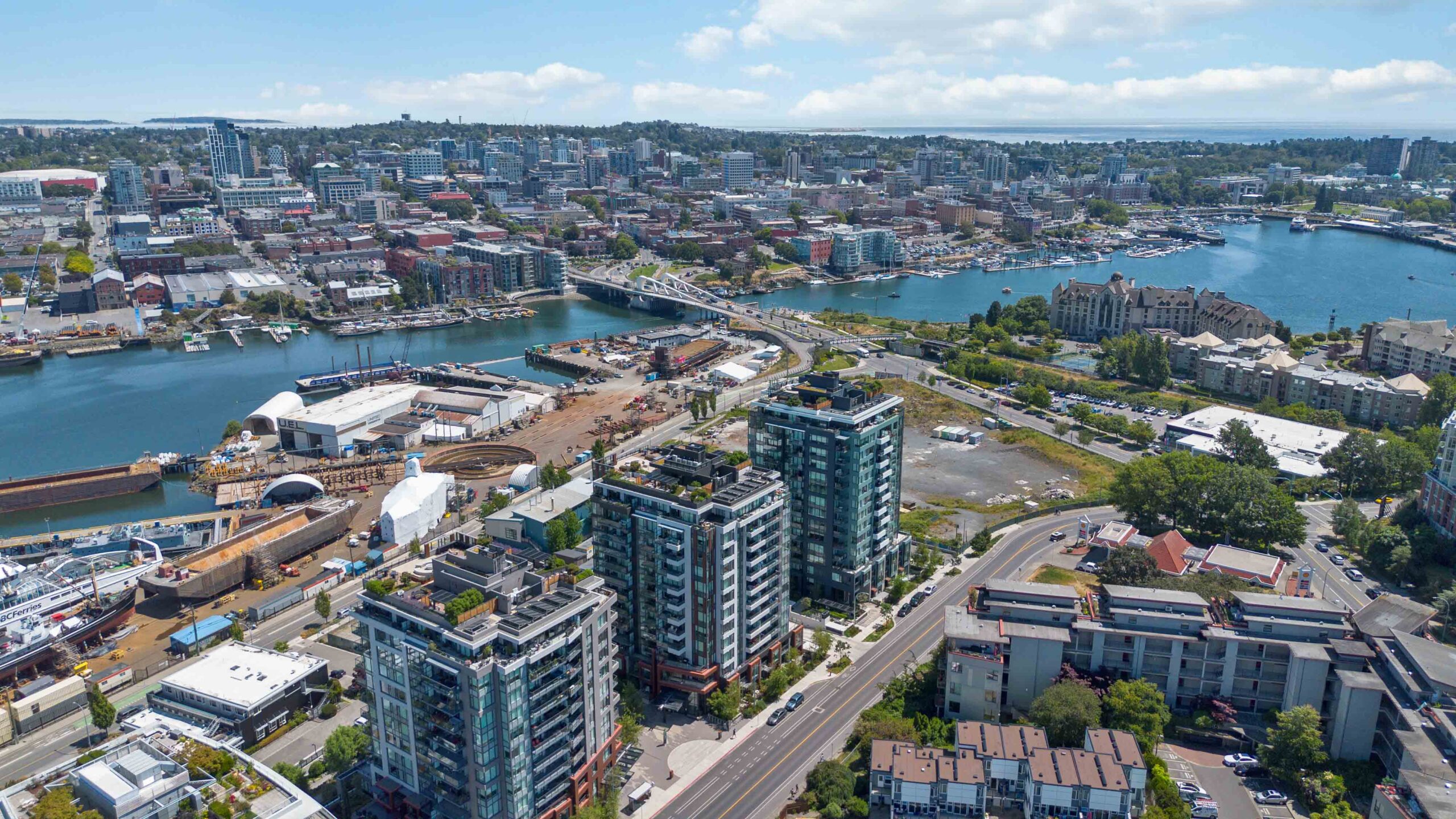
The Victoria real estate market in July 2026 continued to give buyers plenty of choice while still producing a solid level of sales activity. A total of 673 properties sold across the Victoria Real Estate Board region in July, just 1% fewer than July 2025 and 6.4% fewer than June. At the same time, 3,847 active listings remained on the market at month-end - 3.9% more than one year earlier. (Victoria Real Estate Board) The takeaway is not that Greater Victoria has suddenly become a slow market. Instead, buyers have more options, sellers have more competition, and individual properties are behaving very differently depending on location, property type, condition, and price. July 2026 Market at a Glance According to the Victoria Real Estate Board: 673 total sales - down 1% year over year 331 single-family home sales - up 4.1% year over year 209 condo sales - down 7.1% year over year 82 townhouse sales - down 15.5% year over year 3,847 active listings - up 3.9% year over year, but down 5.1% from June Victoria Core single-family benchmark: $1,311,000 Victoria Core condo benchmark: $548,600 Victoria Core townhouse benchmark: $857,300 VREB also noted that July sales finished above the five-year average for the month, despite the greater amount of inventory available to buyers. (Victoria Real Estate Board) More Choice Is Changing Buyer Behaviour The biggest story continues to be selection. While active inventory eased from June, buyers still had more properties available than they did at the same point last year. That gives many buyers more time to compare homes rather than feeling pressured to act immediately. However, more inventory does not mean every seller is highly negotiable. Well-priced homes in desirable locations can still attract attention quickly. The difference is that buyers now have more alternatives when a property feels overpriced, needs substantial work, or does not compare favourably with competing listings. This is especially noticeable in the condo market. Condo sales fell 7.1% from July 2025, while detached home sales actually increased 4.1%. That difference reinforces why looking at Greater Victoria as one single market can be misleading. (Victoria Real Estate Board) For a closer look at this segment, read Why Condos Are Facing More Competition in Victoria Right Now. Read the condo market article Prices Continued to Soften in the Victoria Core The MLS® HPI benchmark for a single-family home in the Victoria Core reached $1,311,000 in July, down 2.8% from $1,348,400 one year earlier and down from $1,326,500 in June. For condos, the July benchmark was $548,600, down 2.2% year over year and only slightly below June's $549,200 benchmark. (Victoria Real Estate Board) These numbers suggest some price pressure, but they should not be interpreted as meaning every home has dropped by the same amount. A renovated family home in Saanich, a downtown condo, an Oak Bay character home, and a newer Langford townhouse can all face very different levels of competition. That is why understanding your specific micro-market matters more than relying on one regional number. Why Greater Victoria Real Estate Is So Micro-Market Specific What July's Market Means for Buyers For buyers, the Victoria real estate market in July 2026 offered something valuable: time to compare. In many segments, buyers can look more closely at: Recent comparable sales Competing active listings Property condition and upcoming maintenance Strata documents and financials Monthly ownership costs Days on market Price reductions Offer terms and possession dates Long-term resale potential The opportunity is not simply to negotiate the lowest price. It is to use the additional selection to find the property offering the strongest combination of price, condition, location, and long-term fit. What July's Market Means for Sellers For sellers, additional inventory means your home needs a clear reason for buyers to choose it. Pricing based solely on what a neighbour sold for six months ago can create problems. Today's buyers are comparing your property with what else they can purchase right now. Strong results are still possible, but three factors matter considerably: 1. Pricing Your asking price needs to reflect current competing inventory and recent sales. 2. Presentation When buyers have several options, condition, photography, maintenance, layout, cleanliness, and overall presentation can influence which homes make the shortlist. 3. Positioning Every property has different strengths. The goal is to understand which buyer is most likely to value those strengths and build the marketing strategy around them. The Bottom Line July was not an inactive month. 673 sales and activity above the five-year July average show that buyers are still making moves. What has changed is how much choice they have while making those decisions. (Victoria Real Estate Board) For buyers, that can create better opportunities to compare, complete due diligence, and make thoughtful decisions. For sellers, it raises the importance of competitive pricing and strong presentation from the moment the property reaches the market. Most importantly, Greater Victoria remains a collection of individual micro-markets. Whether conditions favour you depends far more on your neighbourhood, property type, price range, and competition than on a single regional headline. Wondering What July's Market Means for Your Move? If you are considering buying or selling in Greater Victoria, we can break the July numbers down to the level that actually matters - your neighbourhood, property type, price range, and current competition. Contact Faber Real Estate Group for a current market analysis and a strategy based on the homes buyers and sellers are competing with today. Nicholas D., 5-Star Review, via Google ⭐⭐⭐⭐⭐ “Scott is an awesome realtor and real estate advisor. He got me all the information I needed incredibly quick and helped me make an informed buying decision. Couldn’t have done it without him and 10/10 will be recommending him to my friends and family! There are thousands of realtors on the island, but Scott and his team are by far the best” Faber Real Estate Group Royal LePage Coast Capital Realty 📞 250-244-3430 📧 [email protected] ℹ️ Scott Faber Personal Real Estate Corporation ℹ️ Cal Faber Personal Real Estate Corporation Vanessa Wood, Zachary Parsons, and Sophie Taylor “Building Lasting Relationships, One Home at a Time.” Market statistics sourced from the Victoria Real Estate Board's August 4, 2026 July market report. VREB cautions that market statistics show broader trends and do not establish the value of an individual property. (Victoria Real Estate Board)
Read more
When buyers compare homes, they usually focus on price, location, square footage, and condition. However, home orientation matters more than many buyers realize because it can affect natural light, indoor temperature, outdoor space, privacy, and how the home feels throughout the day. Two nearly identical homes can offer very different living experiences simply because one faces a different direction. Orientation is not necessarily something buyers should rank above every other feature. Still, understanding it can help explain why one home feels brighter, cooler, warmer, or more inviting than another. The Short Answer Home orientation affects how sunlight moves through a property throughout the day. Generally: East-facing spaces receive more morning sun West-facing spaces receive stronger afternoon and evening sun South-facing spaces tend to receive more direct sunlight throughout the day North-facing spaces often receive softer, more indirect light However, orientation is only part of the picture. Trees, neighbouring buildings, floor level, window placement, balconies, roof overhangs, and surrounding terrain can all change how much sunlight actually reaches a home. South-Facing Does Not Automatically Mean Better South-facing exposure is often treated as a premium feature because it can provide strong natural light for much of the day. For some buyers, that is exactly what they want. A bright living room can feel more open, while a sunny patio or backyard may become more usable during cooler months. However, more sunlight can also mean more heat during the summer. Large south-facing windows may increase indoor temperatures, particularly if the home has limited shading or no air conditioning. Therefore, the better question is not whether south-facing is best. It is whether that exposure fits the way you want to live. East-Facing Homes Can Be Great for Morning Light East-facing rooms receive their strongest light earlier in the day. That can work particularly well for kitchens, breakfast areas, bedrooms, or patios used in the morning. By afternoon, those spaces may become cooler and more shaded. As a result, east exposure can appeal to buyers who enjoy bright mornings but prefer less intense afternoon heat. On the other hand, someone who spends most of the day away from home may rarely enjoy the strongest natural light the property receives. Lifestyle matters just as much as direction. West-Facing Exposure Can Change the Evening Experience West-facing homes receive more afternoon and evening sun. For buyers who spend evenings on a balcony, patio, or deck, that can be a significant lifestyle benefit. It can also make living spaces feel brighter later in the day. However, west exposure may bring more heat during summer afternoons, especially in condos with large glass walls or limited airflow. Before deciding whether that is a positive or negative, consider how the space will be used and whether the home has blinds, air conditioning, exterior shading, or good ventilation. North-Facing Does Not Mean Dark North-facing properties are sometimes dismissed too quickly. Although they may receive less direct sunlight, they can still have excellent natural light. Large windows, higher ceilings, an open layout, lighter interior finishes, and fewer obstructions can make a north-facing home feel bright. Meanwhile, the softer light can also reduce glare and overheating. This is particularly useful for home offices, artwork, or rooms where consistent light is more desirable than strong direct sun. In other words, direction alone does not determine whether a home feels bright. Orientation Matters Even More in Condos For condo buyers, orientation can have an outsized effect because the unit may only have windows on one or two sides. A corner unit with exposure in multiple directions can receive light at different times of day. By comparison, an interior unit may depend almost entirely on one exposure. Floor level matters too. A south-facing condo on a lower floor could receive less sunlight if another building sits directly across from it. Meanwhile, a north-facing unit higher in the building may have wide-open views and excellent natural light. That is why buyers should evaluate the actual unit rather than relying on the compass direction alone. Our article on Why Floor Plan Matters More Than Square Footage looks at another factor that can dramatically change how a condo or home feels despite what the listing specifications say. Think About Outdoor Space Too Orientation matters outside the home as well. A backyard, balcony, patio, or deck can feel completely different depending on when it receives sunlight. Consider when you expect to use the space. Morning coffee might make east exposure appealing. Evening dinners may make west exposure more attractive. Meanwhile, buyers who enjoy gardening may care about how much direct sunlight reaches different parts of the property throughout the day. A large outdoor space is valuable, but its orientation can determine how often you actually want to use it. Trees and Nearby Buildings Can Matter More Than Direction Compass direction should never be considered in isolation. A south-facing backyard surrounded by mature trees may receive less direct sunlight than expected. Similarly, a condo facing west could have most of its afternoon sun blocked by another tower. Before buying, look at: Nearby buildings Mature trees Hills and terrain Balcony overhangs Window size Floor level Seasonal sun angles Future development nearby These details can have just as much impact as the direction listed on a floor plan. Consider Future Development Today's view and sunlight may not always remain the same. A vacant lot, surface parking area, or low-rise building nearby could eventually be redeveloped. For condo buyers in particular, future construction could affect views, privacy, natural light, and the feel of an outdoor space. That does not mean buyers should avoid areas experiencing development. Instead, it is another reason to understand the surroundings before making a decision. Orientation Can Affect Privacy Windows and outdoor spaces do more than bring in sunlight. They also determine what you look toward. A balcony facing an open park may feel very different from one facing directly into another building. Likewise, bedroom windows that overlook neighbouring homes may require blinds more often, reducing some of the natural light buyers expected to enjoy. Therefore, orientation should be considered alongside sightlines and privacy. Visit at Different Times of Day When Possible A home can feel very different at 10:00 a.m. than it does at 5:00 p.m. If orientation is important to you, a second viewing at another time of day can provide useful information. Notice: Which rooms receive direct sunlight Where glare appears Whether the home feels warm How bright interior rooms are How much privacy you have Whether the patio or balcony feels comfortable Photos and listing descriptions cannot always capture those differences. Seeing the property at another time can. Could Orientation Affect Resale? Orientation can influence resale, but it should not be viewed as a simple formula. Some buyers actively seek south-facing outdoor space or west-facing views. Others prioritize cooler rooms, privacy, or morning light. As a result, desirable orientation depends partly on the property itself and the buyer pool. A strong view, functional layout, useful outdoor space, natural light, and privacy can all strengthen appeal. Orientation contributes to those features, but rarely acts alone. Compare How the Home Actually Feels When home orientation matters to your decision, use the compass direction as a starting point rather than the conclusion. Ask: When Will We Be Home? Morning, daytime, and evening routines can change which exposure feels best. Which Rooms Receive the Best Light? A sunny secondary bedroom may matter less if the living room stays dark all day. Will the Home Get Too Warm? Think about glazing, shading, airflow, and cooling. Does the Outdoor Space Work When We Would Use It? A patio's size only tells part of the story. What Surrounds the Property? Nearby buildings, trees, and future development may alter light and privacy. Final Thoughts Home orientation may seem like a minor detail when you first start looking at properties. In reality, it can influence how the home feels every day. Natural light, temperature, outdoor usability, privacy, and even furniture placement can all be affected by exposure. Still, there is no single direction that works best for every buyer. The right orientation depends on the property, the surroundings, and the way you plan to live in the home. When comparing two otherwise similar properties, paying attention to where the sun comes from may reveal a difference that square footage and listing photos never will. Considering two homes with different exposures? Faber Real Estate Group can help you compare orientation, layout, surroundings, future development, and the practical details that can affect how each property feels long after the showing is over. Michael F., 5-Star Review, via Google “Cal and Scott exceeded our expectations in every way. They were always available to answer our questions and address any concerns immediately, providing exceptional support throughout the entire process. Their dedication and expertise made the selling and buying experience seamless and stress-free.” Faber Real Estate Group Royal LePage Coast Capital Realty 📞 250-244-3430 📧 [email protected] ℹ️ Scott Faber Personal Real Estate Corporation ℹ️ Cal Faber Personal Real Estate Corporation Vanessa Wood, Zachary Parsons, and Sophie Taylor “Building Lasting Relationships, One Home at a Time.”
Read more
When comparing homes, buyers naturally look at square footage. However, floor plan matters more than square footage when the goal is finding a home that actually works for everyday life. Two homes can have nearly identical square footage and feel completely different. One may have open living areas, useful storage, well-sized bedrooms, and very little wasted space. Meanwhile, the other may lose valuable square footage to hallways, awkward corners, oversized entrances, or rooms that are difficult to furnish. Square footage tells you how much space exists. The floor plan tells you how useful that space actually is. The Short Answer A well-designed smaller home can feel more functional than a larger home with an inefficient layout. When comparing floor plans, consider: How much space is actually usable Bedroom size and placement Storage Hallways and circulation space Kitchen functionality Furniture placement Natural light Privacy between rooms Flexibility for future needs Resale appeal Instead of asking only, “How many square feet is it?” ask, “How well does this home use the square footage it has?” Not All Square Footage Works the Same Imagine two condos that are both 900 square feet. The first has an open kitchen and living area, two well-proportioned bedrooms, a walk-in closet, useful entry storage, and a compact hallway. The second has a long entrance corridor, awkward corners, limited closets, and a large primary bedroom that leaves the living room feeling tight. On paper, they are the same size. In practice, they may feel completely different. That difference becomes especially important with condos and townhomes, where every square foot has to work harder. Watch for Wasted Space Some floor plans dedicate a surprising amount of space to areas that have limited everyday use. Long hallways are one example. Oversized entryways, unusual angles, dead corners, and poorly positioned doors can also reduce how much of the home feels usable. Of course, circulation space is necessary. The goal is not to eliminate hallways entirely. Instead, look at how efficiently the home connects one area to another. A 750-square-foot condo with an efficient layout may offer more practical living space than an 850-square-foot condo with significant wasted space. Room Dimensions Matter A floor plan can also reveal something the total square footage cannot: where the space actually went. For example, a larger condo may have most of its additional square footage concentrated in the primary bedroom or entrance. That extra space may not help a buyer who wants a larger living room or home office. Therefore, look beyond the total. Consider whether individual rooms can comfortably accommodate the furniture you already own or expect to use. Ask yourself: Can the bedroom fit a queen or king bed comfortably? Is there space for bedside tables? Can the living room accommodate a sofa without blocking doors? Is there a practical place for a dining table? Can a desk fit somewhere without taking over another room? These details often determine whether the home feels comfortable after move-in. Furniture Placement Can Change Everything Staging can make a home look functional. Your furniture may tell a different story. Windows, doors, fireplaces, kitchen islands, baseboard heaters, and patio entrances all affect where furniture can go. As a result, a large living room may provide surprisingly few options for placing a sofa and television. Meanwhile, a smaller rectangular living room may be much easier to furnish. Before buying, imagine the room empty. Then think about how your furniture would actually fit. Measurements can be far more useful than relying on how large a room appears during a showing. Storage Is Part of the Floor Plan Storage does not always receive enough attention during a home search. Yet storage can dramatically change how spacious a home feels. A slightly smaller property with a proper entry closet, pantry, bedroom closets, linen storage, in-suite storage, or a dedicated locker may function better than a larger home where everyday belongings need to occupy living space. This becomes even more important when moving from a detached home into a condo or townhome. The question is not simply how much space you have. It is where everything will go. Bedroom Placement Affects Privacy The location of rooms matters too. For instance, bedrooms positioned on opposite sides of a condo may work well for roommates, guests, or someone working from home. Alternatively, families with young children may prefer bedrooms closer together. Similarly, a bedroom directly beside a living room or kitchen may experience more noise than one located down a hallway. Neither arrangement is automatically better. However, the layout should fit the way you plan to use the home. Natural Light Can Change How Large a Home Feels Square footage measures floor area, but it does not measure how a room feels. Natural light can make a smaller space feel brighter and more open. Window placement, ceiling height, exposure, and sightlines through the home can all influence that feeling. By comparison, a larger home with limited windows or darker interior rooms may feel more confined. Therefore, buyers should consider both measurable space and perceived space. Both affect how enjoyable the home may be to live in. Open Concept Is Not Always Better Open layouts remain popular, but openness should not automatically be confused with functionality. An open kitchen and living room may create better flow and make a smaller home feel larger. However, some buyers value separation. A dedicated office, defined dining space, separate kitchen, or second living area may be more useful depending on the household. The better floor plan is not necessarily the most open. It is the one that creates the right balance between connection and separation for the people living there. Think About How Your Needs Could Change A good floor plan should work today. Ideally, it also offers some flexibility for tomorrow. A den might become an office, nursery, guest room, or additional storage space. Likewise, a second bedroom might serve several purposes over the years. Flexible space can become particularly valuable when moving again would be expensive or inconvenient. As a result, buyers should consider whether the home can adapt as work, family, hobbies, or lifestyle needs change. A Bigger Home Can Still Feel Smaller This is why floor plan matters more than square footage in many buying decisions. More square footage can be valuable, but only when that additional space improves how the home functions. If another 100 square feet consists mostly of hallways, oversized rooms you do not need, or awkward areas you cannot use, it may provide less value than expected. At the same time, buyers should consider the full cost of that additional space. A larger home may mean a higher purchase price, larger strata fees, more furniture, higher utilities, or increased maintenance. Our article on Why Your Monthly Payment Matters More Than the Purchase Price looks at why the overall cost of ownership deserves as much attention as the price itself. Floor Plan Can Affect Resale Too Eventually, future buyers will evaluate the layout as well. Functional floor plans tend to appeal to a broader range of people because they make everyday use easier. Common considerations include: Practical bedroom sizes Useful storage Good natural light Limited wasted space Clear furniture placement Separation between private and living areas Flexible rooms Easy access to outdoor space Buyer preferences will vary. Still, a practical layout is often easier to understand and use than one that requires compromises from the moment someone walks through the door. Compare How the Homes Live, Not Just Their Numbers When deciding between two properties, try comparing them without looking at the total square footage first. Where Would We Spend Most of Our Time? Is enough space allocated to those rooms? Where Does Everything Go? Are storage and closets adequate? Can We Furnish It Properly? Do room dimensions and wall locations work? Does the Layout Fit Our Lifestyle? Consider privacy, entertaining, working from home, children, pets, and guests. Could It Still Work in Five Years? Look for flexibility rather than only today’s needs. Once you have answered those questions, the square footage number has much more context. Final Thoughts Square footage is useful, but it should not decide which home is better. A thoughtful floor plan can make a smaller property feel comfortable, practical, and surprisingly spacious. On the other hand, inefficient design can make a larger home feel tighter than expected. That is why buyers should compare how each home actually functions. Look at the room sizes. Consider furniture placement. Check the storage. Think about natural light, privacy, and flexibility. The best home is not necessarily the one with the most square footage. It is the one that uses its space in a way that fits your life. Comparing homes with similar square footage but very different layouts? Faber Real Estate Group can help you look beyond the numbers and compare functionality, location, monthly costs, resale considerations, and the trade-offs that may matter most over the years you own the home. Nilo M., 5-Star Review, via Google “This group have a high level of commitment to help and to put thier client’s need ahead of their personal gain. They deal and engage with integrity and wisdom on how it will work for both the seller and the clients. I experienced it first hand in this crazy and difficult season. We just bought a home at Glanford area, and they are always there for us, every step of the way. They are real and can be trusted.” Faber Real Estate Group Royal LePage Coast Capital Realty 📞 250-244-3430 📧 [email protected] ℹ️ Scott Faber Personal Real Estate Corporation ℹ️ Cal Faber Personal Real Estate Corporation Vanessa Wood, Zachary Parsons, and Sophie Taylor “Building Lasting Relationships, One Home at a Time.”
Read more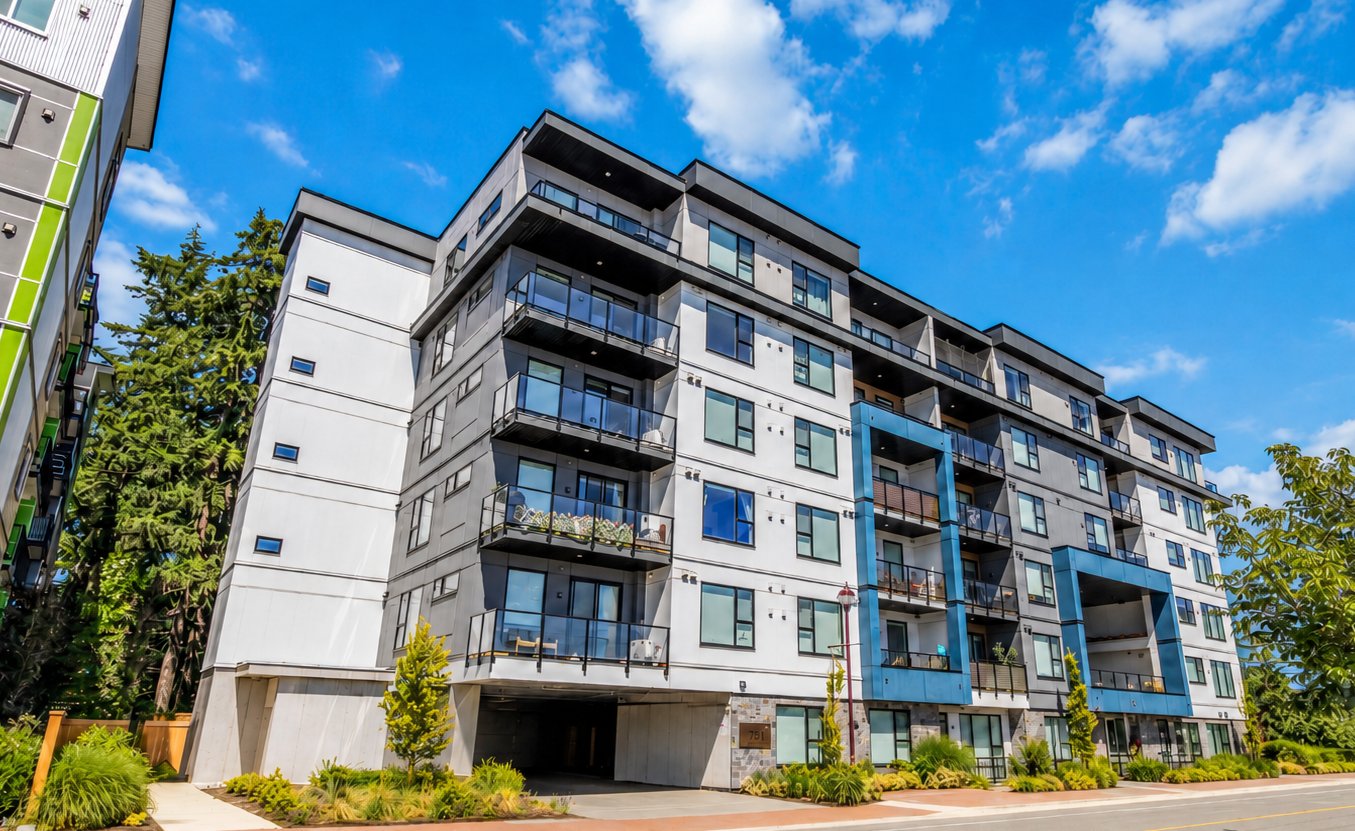
When you compare condo buildings before you buy, it is easy to focus mostly on the units themselves. One has a better kitchen. Another has a larger balcony. One has newer flooring, while the other has a better view. Those differences matter. But when two condos are reasonably close in price and location, the better purchase may have less to do with the countertops and more to do with the building behind them. A condo purchase includes the suite, the strata corporation, shared property, future maintenance obligations, rules, finances, insurance, parking, storage, and the way the building may appeal to future buyers. The Short Answer When comparing two condo buildings, look beyond which unit shows better. Compare: Strata finances and contingency reserve funds Depreciation reports and upcoming work Meeting minutes and maintenance history Strata fees and what they actually cover Insurance Bylaws and rules Parking and storage Building age, construction, and systems Amenities and their ongoing cost Location and resale appeal The strongest condo is not always the newest building or the one with the lowest strata fee. It is the one where the overall package makes sense. Start With How the Buildings Are Managed A well-managed building often leaves clues. Look through council meeting minutes and annual general meeting records. You are trying to understand how the strata responds when problems arise. Does maintenance happen proactively? Are repairs repeatedly delayed? Do the same issues appear month after month? Are owners regularly debating unexpected costs? No building will have perfect minutes. Repairs, complaints, and maintenance are normal parts of shared ownership. The bigger question is whether the strata appears organized and willing to deal with issues before they become more expensive. Compare the Financial Position, Not Just the Strata Fee Buyers often assume the building with the lower monthly fee is better value. That can be misleading. A lower fee may be perfectly reasonable if the building is simpler to operate. It may have fewer amenities, newer systems, or lower operating costs. But low fees can also mean less money is being collected for future expenses. Compare the contingency reserve fund, annual budget, recent spending, planned projects, and how the building intends to fund larger repairs. A higher monthly fee can sometimes provide more predictability if it supports proper maintenance and long-term planning. The question is not: “Which building has cheaper strata fees?” It is: “What am I getting for the fee, and is the building financially prepared for what comes next?” Read the Depreciation Report With the Building’s History A depreciation report can help identify major building components, expected replacement timelines, projected costs, and possible funding approaches. But do not read it by itself. Compare it against the meeting minutes and completed work. If a report identified window replacement several years ago, has anything happened since? If the roof was expected to need attention, was it repaired, replaced, or deferred? If major projects are approaching, how does the strata plan to pay for them? Two buildings of the same age can have very different financial outlooks depending on what has already been completed and what remains ahead. Look at Maintenance, Not Just Age Newer does not automatically mean better. Older does not automatically mean risky. An older building that has consistently replaced roofs, elevators, plumbing, windows, balconies, or other major components may compare favourably with a newer building that has delayed maintenance. The age of the building gives you context. The maintenance history tells you more. This is one reason buyers should avoid making decisions based simply on the year built. Compare What the Strata Fees Include Two buildings may have similar fees but very different operating structures. One may include: Hot water Heating Gas Building insurance Caretaker services Landscaping Fitness facilities Guest suites Pool or recreation areas Another building may offer very few shared services. Neither is automatically better. Buyers should compare the full monthly cost and decide whether they are actually getting value from what the building provides. This also connects to Why Your Monthly Payment Matters More Than the Purchase Price. The purchase price is only one part of what a home costs to own. Amenities Have a Cost A rooftop patio, swimming pool, gym, guest suite, concierge, landscaped courtyard, or multiple elevators can add lifestyle value. They also need to be maintained. Ask yourself whether you will actually use the amenities and whether they strengthen the building's appeal enough to justify their ongoing cost. A simpler building with fewer amenities may suit a buyer who values lower operating complexity. Another buyer may happily pay more for a building that provides amenities they will use every week. Value depends on how the building fits your lifestyle. Compare the Rules Before You Fall in Love With the Unit Bylaws can make two similar condos function very differently. Check rules relating to: Pets Rentals Smoking Renovations Flooring Barbecues Parking Storage EV charging Move-in procedures Use of balconies and common areas A condo can be beautiful and still be the wrong home if the building's rules conflict with how you plan to live. Understanding the bylaws before removing conditions is much easier than discovering restrictions after possession. Parking and Storage Can Separate Two Similar Buildings Parking and storage sometimes look like secondary features during the search. They often become much more important over time. Consider whether parking is secure, underground, EV-ready, easy to access, and clearly associated with the unit. Then look at storage. Is there a locker? Bike storage? Space for outdoor equipment? Enough room for the lifestyle you actually have? Our guide to Why Parking and Storage Matter When Buying a Condo looks more closely at why these practical features can also influence resale appeal. Think About Insurance and Future Costs Insurance deserves attention because the strata's coverage, deductible structure, and claims history can affect owners. Buyers should understand the building's insurance information and speak with their own insurance provider about coverage for the individual unit. The goal is not to find a building with zero risk. It is to understand the risk before making the purchase. That same thinking applies when deciding whether something is a reasonable compromise or a concern that deserves more attention. Our Buyer Compromises vs Red Flags guide can help put those trade-offs into perspective. Look at the Building Through a Future Buyer's Eyes You may love both units today. But eventually, another buyer may be comparing them too. Consider: Building reputation Location Parking availability Storage Pet rules Layouts Exterior condition Common areas Strata fees Amenities Maintenance history Upcoming capital projects A well-located, well-run building with practical features can appeal to a broad buyer pool even if the individual unit is not the most renovated one on the market. Cosmetic finishes can change. The building is much harder to change. Do Not Automatically Choose the Prettier Condo Imagine two units at a similar price. Condo A has a renovated kitchen and newer flooring, but the building has upcoming major work, limited reserves, higher operating complexity, and unclear maintenance planning. Condo B has an older kitchen, but the building has a strong maintenance history, clear financial planning, secure parking, useful storage, and recent major upgrades. Condo A may photograph better. Condo B may deserve the closer look. That does not mean Condo B is automatically the right choice. It means buyers should separate cosmetic value from building-level value. Build a Simple Comparison When you compare condo buildings before you buy, score each one across five areas. 1. Financial Health Is the strata preparing for future costs? 2. Building Condition What has already been completed, and what may be coming? 3. Lifestyle Fit Do the bylaws, amenities, parking, storage, and location work for you? 4. Monthly Cost What will ownership actually cost beyond the mortgage? 5. Resale Flexibility Would the building appeal to a reasonably broad group of future buyers? This type of comparison can make the decision much clearer than simply choosing the unit with the nicer finishes. Final Thoughts Comparing condos means comparing much more than bedrooms, square footage, and finishes. The better building may have stronger finances, clearer maintenance planning, more useful features, better rules for your lifestyle, or greater resale flexibility. Sometimes that means choosing the unit with the nicer kitchen. Sometimes it means choosing the slightly less impressive unit in the building you would rather own for the next ten years. Good condo buying is not about finding a building with no problems. It is about understanding the differences well enough to decide which set of trade-offs you are comfortable owning. Comparing two condos and unsure which building is actually the stronger choice? Faber Real Estate Group can help you compare the strata documents, financial position, maintenance history, practical features, and recent sales so you can look beyond the suite and understand what you would really be buying. Debbie N., 5-Star Review, via Google “From start to finish, Scott and Cal were amazing to work with. I hadn’t moved in nearly 22 years and going from a house to a condo was a very difficult decision, but they were amazingly patient and responsive to my needs. This team doesn’t just say that they care, they actually do. I couldn’t have done this without them. I would recommend them to anyone. You will be in the best hands. Thank you Faber Group!!!” Faber Real Estate Group Royal LePage Coast Capital Realty 📞 250-244-3430 📧 [email protected] ℹ️ Scott Faber Personal Real Estate Corporation ℹ️ Cal Faber Personal Real Estate Corporation Vanessa Wood, Zachary Parsons, and Sophie Taylor “Building Lasting Relationships, One Home at a Time.”
Read more
Should you buy now or wait until fall in Victoria? It is a reasonable question, especially when buyers are seeing more listings, hearing mixed opinions about interest rates, and wondering whether better opportunities could appear later in the year. The problem is that waiting only works when something specific is expected to improve. Fall may bring different listings and changing market conditions, but it does not guarantee lower prices, lower mortgage payments, or less competition. The Short Answer Buyers who are financially prepared, understand their monthly costs, and find the right property may have good reasons to act now. Buyers who need more time to strengthen their finances, sell another property, or clarify what they need may benefit from waiting. The decision should depend less on predicting the fall market and more on whether waiting creates a measurable advantage. What the Victoria Market Looks Like Right Now The Greater Victoria market is offering buyers more selection than it did during the low-inventory years. In June 2026: 719 properties sold across the Victoria Real Estate Board region Sales were 5.5% lower than in June 2025 There were 4,054 active listings at the end of the month Active inventory was 7.3% higher than one year earlier VREB described the market as active and balanced, with buyers generally having more time and more options to compare properties. Prices have also varied by property type. In the Victoria Core, the June benchmark was approximately $1,326,500 for a single-family home and $549,200 for a condominium. Both were slightly lower than their June 2025 benchmarks. This does not mean every property is negotiable or that prices are falling evenly across the region. Well-priced homes in desirable locations can still attract strong interest. Why Buying Now May Make Sense You Have More Properties to Compare Higher inventory can give buyers more opportunities to compare: Condition Location Layout Strata fees Parking and storage Renovation requirements Monthly ownership costs Seller motivation More listings do not automatically mean lower prices, but they can reduce the pressure to make a rushed decision. You May Have More Negotiating Room Negotiation is not limited to the purchase price. Depending on the property and seller, buyers may be able to negotiate: Subject conditions Completion and possession dates Included items Repairs Credits or adjustments Deposit timing A price that reflects the home’s condition Properties that have been sitting on the market or competing with several similar listings may give buyers more room to structure favourable terms. The Right Property Is Available Now A home that fits your budget, location, layout, and long-term plans may be more valuable than a hypothetical fall opportunity. Waiting may produce a lower-priced listing. It may also mean losing a home that is unusually well suited to your needs. The goal is not to buy quickly. It is to recognize when the right combination of property, price, and terms becomes available. Why Waiting Until Fall May Make Sense Waiting can be a smart strategy when the extra time improves your position. That may include: Increasing your down payment Paying down debt Improving your credit Confirming employment or income Selling your current home Receiving a clearer mortgage approval Narrowing your preferred neighbourhoods Building a stronger emergency fund In these situations, waiting is not an attempt to time the market. It is a way to become a more prepared buyer. Do Not Assume Mortgage Rates Will Be Lower The Bank of Canada held its policy rate at 2.25% on July 15, 2026. Its next scheduled rate announcement is September 2, 2026. The Bank also emphasized that economic and inflation uncertainty remains elevated. That means buyers should avoid building their plans around an assumed fall rate reduction. BCREA’s June mortgage outlook expected the Bank of Canada to hold its policy rate through the remainder of 2026, while noting that fixed mortgage rates remain sensitive to bond markets and global economic conditions. Rates could improve, remain similar, or move higher. A lower rate could also bring more buyers back into the market, increasing competition for desirable homes. The better approach is to calculate what you can comfortably afford under current conditions and treat any future improvement as a benefit rather than a requirement. Victoria Is Not One Real Estate Market Market timing can look very different depending on what you are buying. A downtown condo does not compete in the same market as a detached home in Saanich. A Langford townhome may face different supply and demand than a character home in Fairfield or a waterfront property on the Peninsula. Your decision should consider: Property type Price range Municipality Strata or freehold ownership Condition New construction versus resale Number of competing listings Recent comparable sales Broader statistics provide context, but the best timing decision comes from studying the specific micro-market where you plan to buy. Four Questions to Ask Before Waiting Before postponing your search until fall, ask: 1. What exactly do I expect to improve? Identify whether you are waiting for better finances, more suitable inventory, lower rates, or lower prices. 2. Is that improvement within my control? Saving more money is within your control. Predicting where home prices or mortgage rates will be in October is not. 3. What happens if conditions do not improve? Consider whether you would still buy in the fall if prices, rates, and inventory remained similar. 4. Would the right home today change my decision? If the answer is yes, it may make sense to remain active while keeping strict criteria rather than pausing your search completely. The Bottom Line Deciding whether to buy now or wait until fall in Victoria is not about choosing the perfect month. Buying now may make sense when: Your finances are ready Your monthly payment is comfortable You expect to remain in the home long enough The right property is available The price and terms reflect the current market Waiting may make sense when: Your financial position will clearly improve Your timeline is flexible Current inventory does not meet your needs You are still uncertain about location or property type Buying now would place too much pressure on your budget A strong buying decision is based on preparation, property-specific value, and personal timing - not the hope that the next season will automatically offer a better deal. Compare Buying Now With Waiting Until Fall If you are unsure whether to act now or pause your search, Faber Real Estate Group can compare current listings, recent sales, monthly ownership costs, and competition within your preferred Victoria neighbourhoods. The goal is not to push your timeline forward. It is to help you understand what waiting could improve, what it could cost, and whether the right opportunity is already available. Douha E., 5-Star Review, via Google “Finding a home can be stressful, but Scott made it easy. He was so patient with us, answered all our questions, and gave us honest advice that helped us find the perfect home. We’re thrilled with the outcome and would 100% recommend Scott to anyone looking to buy. He’s great!” Faber Real Estate Group Royal LePage Coast Capital Realty 📞 250-244-3430 📧 [email protected] ℹ️ Scott Faber Personal Real Estate Corporation ℹ️ Cal Faber Personal Real Estate Corporation Vanessa Wood, Zachary Parsons, and Sophie Taylor “Building Lasting Relationships, One Home at a Time.”
Read more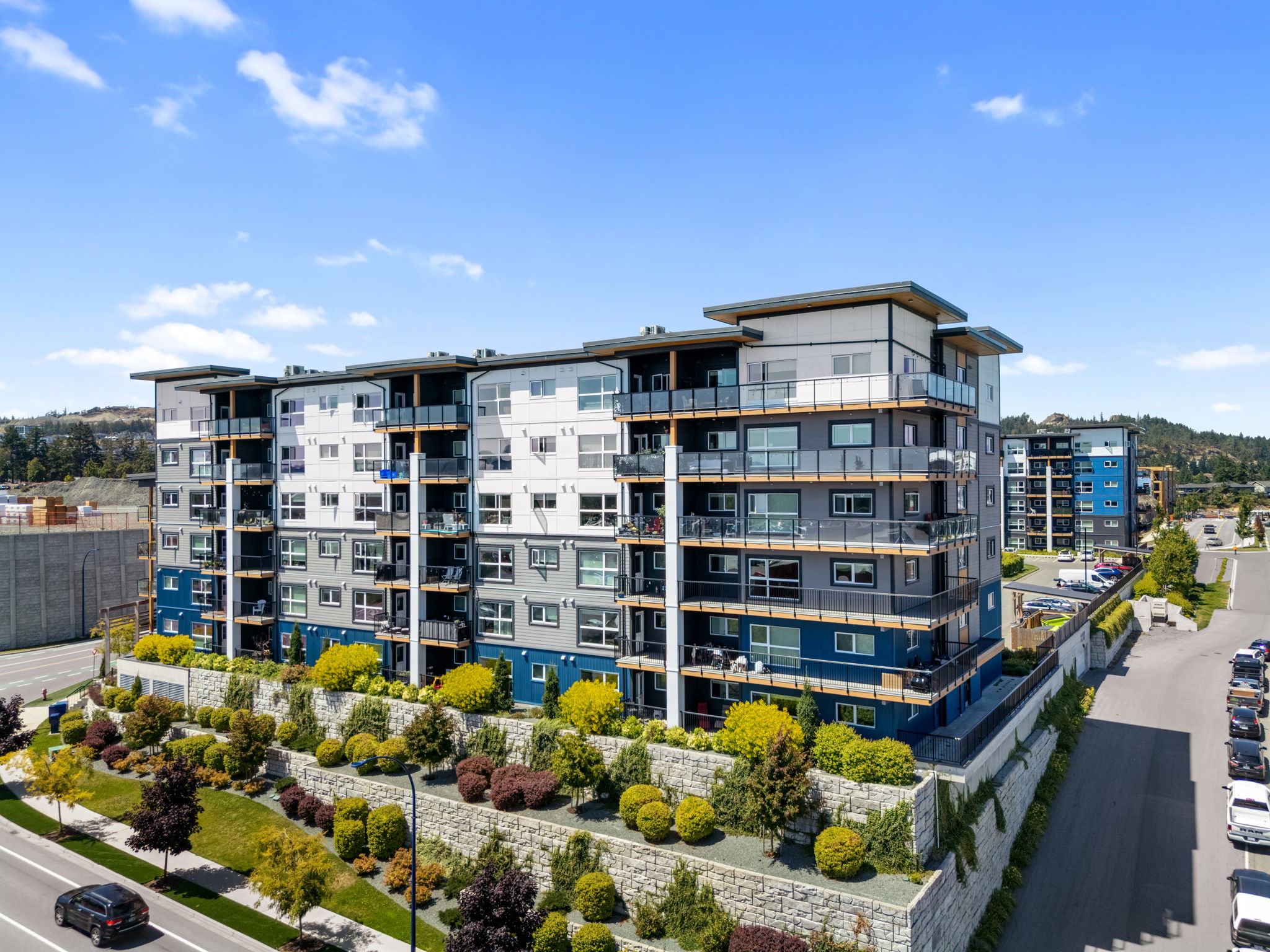
Learning how to read strata documents is one of the most important parts of buying a condo in British Columbia. The documents can reveal upcoming repairs, financial pressure, insurance concerns, bylaw restrictions, approved special levies, and disputes that may not be visible during a showing. The goal is not to find a building with no problems. Every building requires maintenance. The goal is to understand what the strata corporation knows, how it responds, and what costs or restrictions you may inherit as an owner. The Short Answer When reviewing strata documents, focus on five questions: Is the building being maintained? Is the strata financially prepared for future work? Are any major expenses or special levies approaching? Do the bylaws fit your lifestyle and plans? Are there unresolved issues that require further investigation? Do not read each document in isolation. Look for patterns that appear across meeting minutes, budgets, reports, insurance documents, and the Form B. Start With the Form B The Form B Information Certificate provides a snapshot of the strata lot and strata corporation. It can include: Current monthly strata fees Money the owner owes the strata Approved special levies The contingency reserve fund balance Litigation or arbitration involving the strata Agreements involving alterations to the unit Information about parking and storage The current budget, strata rules, most recent depreciation report, and insurance summary must also be attached to the Form B when applicable. Make Sure It Is Current Do not assume a Form B is current simply because it was prepared within the past 30 or 60 days. A new budget, lawsuit, special levy, annual general meeting, or change to the strata fees could make some of its information outdated. BCFSA recommends obtaining a new Form B or confirmation that the existing certificate remains current. Pay particular attention to parking and storage. Confirm whether these spaces are part of the strata lot, limited common property, assigned by the strata, or available under another arrangement. That distinction can affect how securely the space transfers with the condo. Read the Meeting Minutes as a Story Strata council, annual general meeting, and special general meeting minutes help show what has been happening inside the building. Buyers will often review at least two years of available minutes, although the appropriate period may depend on the building and the issues identified. Look for repeated discussions about: Water leaks Building-envelope concerns Plumbing problems Elevator repairs Roof replacement Balcony or parkade work Insurance claims Noise complaints Owner disputes Legal proceedings Contractor estimates Proposed special levies One mention of a leak does not automatically make a building a poor choice. Repeated mentions without a clear repair plan deserve more attention. Watch for Unfinished Business Minutes often contain phrases such as: Further quotes will be obtained The matter has been tabled Council is waiting for a report Owners will reconsider the project Repairs have been deferred Funding options are being reviewed Continue reading later minutes to see what happened next. A well-run strata may still face expensive problems. The difference is whether those problems are investigated, documented, funded, and addressed. Strata councils are required to record meeting minutes and inform owners of council meeting minutes within two weeks. Review the Budget and Financial Statements The annual budget shows how the strata expects to collect and spend money during the coming year. Compare the budget with previous financial statements and ask: Are operating costs increasing? Is the strata repeatedly spending more than budgeted? Are insurance, utilities, repairs, or management costs rising? Is enough being contributed to the contingency reserve fund? Are owners behind on strata-fee payments? Are large expenses being paid from operating funds when they should have been anticipated? Low strata fees are not always a sign of good management. Fees may be low because the building has few amenities and reasonable expenses. They may also be low because contributions have not kept pace with the building’s future repair needs. Understand the Contingency Reserve Fund The contingency reserve fund, often called the CRF, helps pay for expenses that occur less frequently than once a year. Examples can include replacing a roof, upgrading an elevator, or repaving common roads. As of November 1, 2023, strata corporations must generally contribute at least 10% of the amount budgeted for the annual operating fund to the CRF. That is a legal minimum, not proof that the fund is sufficient for the building’s actual needs. Do not judge the CRF balance by itself. A $500,000 reserve may be strong for one building and inadequate for another. Consider: The building’s age Number of units Construction type Upcoming projects Amenities and mechanical systems Recommendations in the depreciation report Approved expenses not yet withdrawn The better question is whether the reserve and funding plan match the work the building expects to complete. Use the Depreciation Report as a Planning Tool A depreciation report identifies major common-property components and estimates maintenance, repair, and replacement costs over a 30-year period. It should include at least three cash-flow funding models showing possible combinations of reserve contributions, strata-fee increases, borrowing, and special levies. These models are presented for consideration and do not necessarily mean the strata has adopted one of them. In British Columbia, strata corporations with five or more lots generally must obtain a depreciation report on a five-year cycle and can no longer defer the requirement through an annual vote. When reading the report, look for: Large projects expected within the next five years Estimated repair and replacement costs The current CRF balance Recommended annual contributions Assumed inflation rates Differences between projected needs and current funding Projects that the strata has already delayed The report is an estimate, not a guarantee. Actual costs, timing, and building conditions can change. Compare its recommendations with the budget and minutes. A strong report has limited value when the strata repeatedly declines to follow its funding recommendations. Check for Special Levies A special levy is an additional amount owners may be required to pay for a specific expense. The Form B should identify amounts the current owner is obligated to pay toward special levies that have already been approved. Meeting minutes may also reveal levies that are being discussed but have not yet been approved. Watch for: Contractor quotes under review Resolutions planned for an upcoming meeting Funding shortfalls for recommended work Owners debating whether to borrow or approve a levy Projects that cannot be covered by the CRF A proposed levy is not the same as an approved levy, but it can still affect your future ownership costs. Your contract should clearly address responsibility for approved levies, especially when a levy is passed between the offer date and completion. Read the Insurance Documents Carefully The strata corporation’s insurance normally covers common property and certain original building components. It does not replace the buyer’s own condominium insurance. Review: The insured value Policy expiry date Water-damage deductible Earthquake deductible Other major deductibles Recent claims mentioned in the minutes Coverage exclusions or limitations The Strata Property Act requires the strata corporation to review the adequacy of its insurance annually and report on the coverage at each annual general meeting. Provide the documents to an insurance broker before removing your conditions. Confirm that you can obtain appropriate unit-owner coverage, including deductible assessment protection. Make Sure the Bylaws Fit Your Life Strata bylaws and rules can affect how you use your home. Review restrictions involving: Pets Smoking Renovations Flooring Barbecues Parking EV charging Storage Age restrictions Short-term accommodation Move-in procedures Use of common areas Do not rely solely on the listing description or what another resident believes the rules allow. Bylaws can be amended, and most changes do not take effect until they are properly filed with the Land Title Office. Minutes may also contain proposed bylaw changes that have not yet been passed. Look for Engineering and Inspection Reports Depending on the building, the documents may include reports involving: Building envelopes Roofs Balconies Plumbing Elevators Parkades Electrical capacity Environmental concerns Water ingress Read the conclusions, recommendations, estimated costs, and limitations of each report. Then compare the report with later meeting minutes. Confirm whether the recommended work was completed, deferred, changed, or left unresolved. Major technical concerns may require advice from a qualified engineer, inspector, lawyer, insurer, or other specialist. Warning Signs That Deserve More Questions A concern is not automatically a reason to walk away, but the following patterns deserve closer review: Repeated water leaks without a clear repair plan Large projects with no funding strategy A CRF that appears low compared with upcoming work Continual operating deficits Frequent insurance claims or rising deductibles Missing or incomplete records Major repairs repeatedly deferred Ongoing litigation Regular disputes between council and owners Approved work that does not appear in later updates A Form B that may no longer be current Parking or storage arrangements that remain unclear The seriousness of each issue depends on its cause, cost, status, and effect on the particular strata lot. Protect Time for Document Review A satisfactory review of strata documents is a common buyer condition in a Contract of Purchase and Sale. BCFSA warns that making a subject-free offer can expose a buyer to risks, including discovering bylaw changes or property concerns after becoming committed to the purchase. The Home Buyer Rescission Period is not a substitute for proper conditions or due diligence. Give yourself enough time to read the documents, ask questions, obtain missing records, speak with your lender and insurer, and request professional advice where needed. Final Thoughts Understanding how to read strata documents means looking beyond individual numbers or isolated complaints. The documents should help you answer three broader questions: Is the strata aware of the building’s needs? Does it have a realistic plan to manage them? Are you comfortable with the costs, rules, and uncertainty that remain? A condo does not need a perfect history to be a sound purchase. It needs a history you understand and a level of risk that fits your budget and plans. For more condo-buying guidance, read Why Parking and Storage Matter When Buying a Condo and Buyer Compromises vs. Red Flags. You can also learn more about our buying process through Buy With Us or search current Greater Victoria homes. This article provides general information and is not legal, engineering, accounting, insurance, or financial advice. Buyers should obtain advice from qualified professionals based on the property and transaction. Howard P., 5-Star Review, via Google “Cal and Scott Faber are authentic and trustworthy and give it to you straight up. They take the time and the attention to learn about your needs and then find the home that fits them. Our experience with Cal and Scott Faber was exceptional. They didn't just provide great service, they demonstrated a genuine concern for our best interests, making us feel truly valued. They will do their best to find the home that fits your lifestyle and needs. I heartily recommend Cal and Scott.” Faber Real Estate Group Royal LePage Coast Capital Realty 📞 250-244-3430 📧 [email protected] ℹ️ Scott Faber Personal Real Estate Corporation ℹ️ Cal Faber Personal Real Estate Corporation Vanessa Wood, Zachary Parsons, and Sophie Taylor “Building Lasting Relationships, One Home at a Time.”
Read more