
Posts Tagged ‘Victoria real estate market’

The Victoria fall real estate market 2026 is shaping up to be active but balanced. August sales were stronger than a year ago, inventory remains healthy, and buyers continue to have enough choice to be selective. That combination matters. We are seeing more activity, but not the conditions that would suggest a return to the highly competitive market of a few years ago. If current trends continue, this fall could create opportunities on both sides: buyers should continue to have selection, while properly priced and well-presented homes can still attract strong interest. What Are Current Victoria Real Estate Trends Telling Us? According to the Victoria Real Estate Board’s August 2026 market report, 591 properties sold across Greater Victoria in August, 12.6% more than August 2025. Single-family home sales increased 15.3% year over year, while condominium sales increased 15.1%. At the same time, there were 3,662 active listings at the end of August. That was 1.7% more than a year earlier, even after inventory declined 4.8% from July. VREB described current conditions as a stable, balanced market. The important part is the combination: Sales are stronger than last year Inventory remains relatively healthy Buyers still have choices Good properties are selling Overpriced listings can still sit That gives us a useful starting point for what the fall market may look like. Will the Victoria Fall Real Estate Market 2026 Be Busier? We expect September and October to remain active, particularly if the momentum from August carries forward. Fall often brings buyers and sellers back into the market after summer travel and vacations. This year, that seasonal shift is starting from a stronger sales base than we saw at the same time last year. However, stronger activity does not automatically mean a seller's market. With more than 3,600 active listings at the end of August, buyers still have alternatives. That means the better description may be: More activity, without widespread urgency. Earlier this summer, we looked at this decision from the buyer's perspective in Should Victoria Buyers Buy Now or Wait Until Fall?. The same principle still applies: waiting only makes sense if something about your personal situation or the available market is likely to improve. Buyers Should Still Have Good Selection Inventory has been one of the defining features of the 2026 Victoria market. Buyers have considerably more opportunity to compare properties than they did during the extremely tight markets of previous years. That means buyers can spend more time comparing: Location Price Property condition Floor plan Strata fees Parking and storage Renovation requirements Days on market Recent comparable sales More inventory does not mean every property is negotiable. However, it does mean buyers often have an alternative if one seller's price or terms do not make sense. For buyers trying to establish a realistic budget before shopping this fall, our guide on how much income you need to buy a home in Victoria breaks down several common Greater Victoria price points and mortgage qualification scenarios. Well-Priced Homes Could Still Sell Quickly One of the biggest misconceptions about a balanced market is that everything sells slowly. That is not what we are seeing. A well-priced home in a desirable location can still generate strong activity, particularly when it compares favourably with competing listings. Consider two similar properties. One launches at a price supported by recent comparable sales, is professionally presented, and is easy for buyers to view. The other enters the market above recent sales because the seller wants to "leave room to negotiate." Buyers now have enough inventory to recognize the difference. Instead of negotiating with the overpriced seller, they may simply buy the better-valued property. This is why the Victoria fall real estate market 2026 could feel competitive for some sellers and slow for others at exactly the same time. Do We Expect Victoria Home Prices to Rise This Fall? A major short-term price increase is not the trend we would plan around. Current conditions point more toward relative price stability than either a rapid increase or significant correction. Healthy inventory limits some of the pressure that normally drives prices quickly higher. At the same time, stronger year-over-year sales suggest there is still meaningful demand in the market. That creates a middle ground. Rather than focusing on whether "Victoria prices" are moving up or down, buyers and sellers should pay closer attention to their specific segment. A detached home in Oak Bay can behave differently from: A downtown Victoria condo A Langford townhouse A new-build condo A family home in Colwood An older Saanich property requiring renovations Greater Victoria is not one market. It is a collection of smaller markets that can behave differently at the same time. Could Condos See More Activity This Fall? Condos are one segment worth watching closely. VREB reported 175 condominium sales in August, up 15.1% from August 2025. That does not guarantee the condo market will strengthen throughout the fall, but the year-over-year improvement is encouraging. Condo buyers are still able to compare similar listings based on factors such as: Strata fees Building condition Depreciation reports Parking Storage Orientation Floor plan Building age Upcoming assessments Location As a result, individual units can perform very differently even within the same building. A good floor plan, desirable exposure, parking, storage, reasonable strata fees, and competitive pricing can matter more than broad condo-market headlines. What Do Interest Rates Mean for the Fall Market? Interest rates remain another important piece of the fall outlook. On September 2, the Bank of Canada held its policy interest rate at 2.25%. The rate has remained at that level since late 2025. For buyers, that provides more stability than a market where borrowing costs are changing rapidly. However, economic uncertainty has not disappeared. The Bank of Canada continues to monitor inflation, economic growth, tariffs, energy prices, and broader global conditions. That means buyers should be careful about building their purchase strategy around predictions of significantly lower mortgage rates. A better approach is to buy based on a monthly payment you can comfortably manage today. What Does BCREA Expect From the B.C. Housing Market? The broader provincial outlook also supports the idea of a gradual market recovery rather than a dramatic surge. In its 2026 Third Quarter Housing Forecast, the British Columbia Real Estate Association forecast B.C. MLS® residential sales to decline 1.2% overall in 2026 before increasing 7.5% in 2027. That forecast reinforces an important point. The market does not need to boom for conditions to improve. A period of stable prices, healthy inventory and gradually improving sales activity can create a healthier environment for both buyers and sellers. Expect More Negotiation on Listings That Have Been Sitting Fall could provide good negotiating opportunities, but buyers need to know where to look. A new listing that is priced correctly may leave very little room for negotiation. A property that has been on the market for 40, 60 or 90 days may be a different conversation. Buyers should look for: Longer days on market Previous price reductions Vacant properties Sellers with specific timing needs Listings competing against several similar homes Properties requiring renovations or updates Price is also not the only part of an offer worth negotiating. Our guide to what buyers should negotiate beyond the purchase price looks at deposits, subjects, possession dates, included items, due diligence periods and other terms that can materially affect a purchase. What Could Change the Victoria Fall Real Estate Market 2026? There are three major trends we will be watching throughout the fall. 1. Inventory If sales remain strong while fewer new listings reach the market, conditions could gradually become more competitive. Inventory also typically declines as we move toward winter, so the relationship between new listings and sales will matter more than either number on its own. 2. Interest Rates Mortgage affordability will continue to influence buyer purchasing power. Even modest changes in mortgage rates can affect monthly payments and the price range buyers are comfortable considering. 3. Buyer Confidence Real estate decisions are not based on numbers alone. Employment, economic uncertainty, trade conditions, inflation and consumer confidence can all affect whether buyers decide to move forward or wait. These forces are one reason we prefer using current market evidence rather than making aggressive predictions about where prices will be several months from now. What Should Buyers Expect This Fall? For buyers, this fall could offer a useful balance between selection and activity. There should still be opportunities to compare listings, conduct proper due diligence and negotiate when a property has been sitting. However, buyers should not assume every listing will eventually reduce its price. When a well-priced home appears in a desirable location, being prepared matters. Before actively shopping, buyers should ideally have: Financing organized A comfortable monthly budget established Target neighbourhoods identified Clear priorities An understanding of recent comparable sales A strategy for writing an offer if the right property appears You can also explore our current Greater Victoria developments if new construction or pre-sale opportunities are part of your search. What Should Sellers Expect This Fall? Sellers may benefit from increased fall activity, but buyers are unlikely to overlook poor positioning simply because more people are searching. Before listing, sellers should understand: What is currently for sale nearby What recently sold Which competing listings reduced their prices How their home compares in condition Which price range reaches the largest buyer pool Whether similar homes are selling or sitting The first few weeks of a listing remain extremely important. A seller who starts too high may spend the strongest period of buyer attention chasing the market downward later. Our Victoria Fall Real Estate Market 2026 Outlook Based on the trends available today, we expect the fall market to be characterized by: Steady sales activity Healthy buyer selection Relatively stable prices Continued buyer selectiveness Strong activity around well-priced homes More negotiating power on stale or overpriced listings Gradually declining inventory as winter approaches Significant differences between neighbourhoods and property types The strongest signal from the current market is not that buyers or sellers clearly have the upper hand. Instead, the advantage increasingly belongs to whoever understands the specific property and micro-market better. Planning a Move in Greater Victoria This Fall? Market statistics are a useful starting point, but they do not tell you whether a specific home in Langford, Saanich, Oak Bay, Victoria, Colwood or View Royal is priced correctly. If you are considering buying or selling this fall, our team can break the market down by neighbourhood, property type, price range, recent comparable sales and current competition. You can also learn more about our approach on our Buy With Us page or Sell With Us page. The fall market may create opportunities, but the best strategy is not trying to predict every move the market will make. It is understanding today's conditions well enough to recognize a good decision when it appears. Cammie J., 5-Star Review, via Google “I can’t say enough good things about working with Scott and Sophie at Faber Real Estate Group. Their communication was fantastic from start to finish, and they patiently worked with us for six months while we looked for a very specific type of house in a specific area of town. We found our perfect house because Scott knew it was coming on the market, which speaks to their experience and local knowledge. They were professional, responsive, informed, and always followed through. They also continued to support us after the sale, helping with contacts, moving-day details, paperwork, and making sure everything went smoothly. They made the whole experience feel positive and well supported. I cannot recommend Scott and Sophie enough.!” Faber Real Estate Group Royal LePage Coast Capital Realty 📞 250-244-3430 📧 [email protected] ℹ️ Scott Faber Personal Real Estate Corporation ℹ️ Cal Faber Personal Real Estate Corporation Vanessa Wood, Zachary Parsons, and Sophie Taylor “Building Lasting Relationships, One Home at a Time.”
Read more
Understanding how tariffs affect Victoria real estate starts with recognizing that tariffs do not directly determine home prices. Instead, they can influence the cost of building and renovating homes, inflation, interest rates, consumer confidence, and ultimately how much housing gets built. That distinction matters following Canada's latest round of counter-tariffs, which took effect September 8, 2026. Canada has imposed tariffs of 15%, 25%, and 50% on approximately $27.6 billion of U.S. imports in response to new U.S. trade measures. The affected categories include steel, aluminum, appliances, electronics, and other products that can intersect directly with residential construction and renovation. For Greater Victoria, the biggest question is not whether tariffs will immediately push resale prices higher or lower. It is how these additional costs and economic uncertainty could affect buyers, builders, and future housing supply. How Could Tariffs Affect Victoria Real Estate? The short answer is that tariffs could create upward pressure on construction costs while simultaneously creating downward pressure on housing demand. That means their effect on real estate is not necessarily one-directional. Potential impacts include: Higher costs for some construction materials More expensive appliances and building components Increased renovation costs Greater uncertainty for developers Possible delays or cancellations of new projects Additional inflation pressure Mortgage-rate uncertainty More cautious buyers and businesses The result depends on which of these forces becomes strongest. 1. New Homes Could Become More Expensive to Build This is probably the most direct connection between tariffs and housing. Canada's newest counter-tariffs include various steel and aluminum products, as well as appliances and electronics. Some steel and aluminum products used in structures, windows, doors, framing components, and other building applications are subject to tariffs as high as 50%. See Canada's September 2026 counter-tariff measures Builders do not necessarily absorb those costs themselves. Over time, higher material and equipment costs can be reflected through: Higher new-home prices Changes to finishing packages Reduced developer margins Project redesigns Longer construction timelines Fewer projects moving forward That is particularly relevant in Langford, Colwood, Saanich, Victoria, and other growing parts of Greater Victoria, where new condominiums and townhomes play an important role in increasing housing supply. Buyers interested in new construction can also explore our current Greater Victoria developments to compare new-build opportunities already available in the region. 2. Construction Costs Were Already Rising Tariffs are arriving in a construction environment where costs have already been moving higher. Statistics Canada reported that residential building construction costs across 15 Canadian metropolitan areas increased 0.5% during the second quarter of 2026 and 2.3% year over year. Statistics Canada also specifically identified retaliatory tariffs, supply-chain disruption, fuel costs, and trade uncertainty as pressures affecting builders. Statistics Canada: Building Construction Price Indexes, Q2 2026 The September tariffs therefore do not create the construction-cost issue from scratch. They add another layer of uncertainty to an industry already dealing with elevated labour, financing, transportation, and material costs. 3. Renovations Could Cost More Too The effect is not limited to brand-new developments. Homeowners planning renovations could also see higher costs for certain: Appliances Windows and doors Metal products Electrical components Fixtures Construction equipment Imported building materials This may change the calculation for both buyers and sellers. For example, buyers comparing a renovated home with a property requiring $100,000 in improvements may place greater value on the move-in-ready option if renovation costs become harder to predict. We have already seen Greater Victoria buyers becoming more selective about property condition. That makes understanding how maintenance and upgrades affect home value increasingly important. 4. Could Tariffs Push Mortgage Rates Higher? This is where the effect becomes less predictable. Tariffs can increase the cost of imported goods, which can contribute to inflation. Higher or persistent inflation can make it harder for the Bank of Canada to lower interest rates. On September 2, 2026, the Bank of Canada held its policy rate at 2.25%. The Bank specifically warned that new U.S. tariffs and Canadian counter-tariffs could raise business costs and eventually feed into consumer prices. Bank of Canada September 2026 interest-rate decision However, tariffs can also weaken economic growth. If businesses invest less, hiring slows, or consumers become more cautious, weaker economic conditions can create pressure in the opposite direction. That creates an unusual situation: tariffs can be inflationary while also slowing economic growth. For real estate buyers, that means trying to predict mortgage rates solely from tariff headlines is unlikely to be useful. Instead, focus on what you can afford under current financing conditions. Our guide on how much income you need to buy a home in Victoria provides a useful starting point. 5. Tariffs Could Slow New Housing Supply One of the more important long-term questions is whether higher development costs result in fewer homes being built. Canada Mortgage and Housing Corporation already expects new housing construction to weaken, particularly in British Columbia and Ontario, due to high construction costs, weaker demand, and unsold inventory. CMHC's summer 2026 outlook expects housing starts to decline further as developers respond to these conditions. CMHC Summer 2026 Housing Market Outlook Tariffs could add another hurdle. If the cost of completing a project rises while buyers remain price-sensitive, fewer developments may meet the financial thresholds developers need to proceed. That matters because reducing construction today can create a supply issue several years from now. 6. Will Tariffs Cause Victoria Home Prices to Rise? Not necessarily. This is one of the most important points when discussing how tariffs affect Victoria real estate. Higher construction costs can support higher replacement costs for housing, but that does not automatically mean resale prices rise. Home prices are also affected by: Mortgage rates Employment Household income Population growth Available inventory Buyer confidence Housing supply Local demand Greater Victoria currently has substantially more choice than buyers experienced during the pandemic-era market. The Victoria Real Estate Board reported 591 sales during August 2026, up 12.6% from August 2025. At the same time, there were 3,662 active listings, 1.7% more than a year earlier. VREB described current conditions as stable and balanced. Victoria Real Estate Board August 2026 statistics That means tariffs are entering a market that currently has reasonable inventory and more buyer choice, rather than an extremely supply-constrained seller's market. For more local context, read our Victoria Real Estate Market Outlook. Could Move-In-Ready Homes Become More Attractive? Potentially. If renovation and material costs continue increasing, buyers may become even more conscious of the cost of improving a property after possession. Imagine comparing two homes: Home A: $950,000 and recently renovated. Home B: $875,000 but requires a kitchen, windows, appliances, flooring, and other improvements. The $75,000 price difference may initially make Home B appear like the better value. However, if renovation costs increase or become difficult to estimate, the financial advantage may disappear quickly. The better question is not simply which home costs less today. It is which home offers the better total cost of ownership over the next several years. Buyers should also remember that price is only one part of an offer. Our guide to what buyers should negotiate beyond the purchase price explains some of the other terms that can matter. What Should Victoria Buyers Do? Buyers should avoid making major decisions based on tariff headlines alone. Instead: Understand your current financing Compare new construction with resale Get realistic estimates before buying a renovation project Consider the age and condition of major systems and appliances Maintain additional room in your budget for unexpected costs Evaluate properties based on current market value rather than predicted future appreciation A well-priced property that fits your budget and long-term plans can still make sense regardless of short-term trade policy. What Should Victoria Sellers Do? Sellers should pay close attention to property condition. If renovation costs rise, buyers may become more sensitive to homes requiring substantial work. That does not mean every seller needs to renovate before listing. In many cases, spending heavily before selling is unnecessary. Instead, sellers should understand which improvements are likely to influence buyer perception and which projects are unlikely to provide an adequate return. Pricing remains especially important in a balanced market where buyers have alternatives. What Should Buyers of New Construction Watch? People buying new construction or pre-sales should pay particular attention to: Developer track record Construction timelines Disclosure statements Contract provisions Deposit schedules Completion estimates Financing at completion Included appliances and finishes Potential changes permitted under the contract Rising construction costs do not mean every development will experience problems. However, they make understanding the financial strength of the project and the purchase agreement even more important. What Tariffs Mean for Victoria Real Estate Going Forward The biggest mistake would be assuming tariffs automatically mean Victoria home prices are heading higher. The relationship is more complicated. When considering how tariffs affect Victoria real estate, watch three areas closely: Construction costs: Are materials and appliances becoming meaningfully more expensive? Mortgage rates: Does tariff-related inflation make further rate reductions more difficult? Housing supply: Do higher development costs result in fewer new projects moving forward? Those factors will tell us far more than any single tariff announcement. Greater Victoria entered this latest period of trade uncertainty with relatively healthy inventory and balanced market conditions. That gives buyers more room to compare options, while sellers need to remain realistic about price, condition, and competition. Making a Real Estate Decision in an Uncertain Market Tariffs are another variable buyers and sellers need to understand, but they should not become the entire strategy. Real estate remains highly local. A well-priced home in Oak Bay may respond differently from a new condo in Langford, a townhouse in Colwood, or a renovation property in Saanich. If you are considering buying, selling, or purchasing new construction in Greater Victoria, we can help you look beyond the headlines and compare current inventory, recent sales, financing considerations, and local market conditions before you make a decision. Debbie J., 5-Star Review, via Google “We recently purchased a new condo in Langford with help from Scott Faber @ Faber Real Estate Group/Royal LePage! Scott was very knowledgeable & helpful! Making a smooth transition from beginning to completion! He is always quick to respond with all our inquiries & continues to be available for us! We are loving our new home! We would recommend reaching out to Scott for all your real estate needs! Thank you Scott!” Faber Real Estate Group Royal LePage Coast Capital Realty 📞 250-244-3430 📧 [email protected] ℹ️ Scott Faber Personal Real Estate Corporation ℹ️ Cal Faber Personal Real Estate Corporation Vanessa Wood, Zachary Parsons, and Sophie Taylor “Building Lasting Relationships, One Home at a Time.”
Read more
The Victoria real estate market in August 2026 is entering the second half of summer with plenty of inventory, steady buyer activity, and more room for negotiation in certain parts of the market. July gave us a useful starting point. A total of 673 properties sold across the Victoria Real Estate Board region, while 3,847 active listings remained available at the end of the month. Sales slowed slightly from June, but buyers remained active. So, what could August bring? The most likely scenario is not a dramatic market shift. Instead, we expect many of the trends seen through early summer to continue: buyers remaining selective, inventory gradually tightening, and properly priced homes continuing to outperform listings that miss the market. August Market Outlook at a Glance Based on July's market conditions, August could bring: Slightly fewer new listings as summer continues Continued selection for buyers across many property types More negotiation opportunities on homes that have been sitting Stronger activity around well-priced and well-presented properties Continued competition among condo sellers Relatively stable financing conditions heading into September August is also likely to remain highly dependent on the individual neighbourhood, property type, and price range. Inventory Could Begin to Tighten One number worth watching closely is inventory. Greater Victoria ended July with 3,847 active listings, down from the 4,054 listings available at the end of June. That does not mean buyers are suddenly running out of options. However, it may signal the beginning of the normal late-summer shift as fewer homeowners choose to launch listings during vacation season. If new listings slow while buyers remain active, some of the best properties could face stronger competition. For buyers waiting for significantly more selection later in August, there is no guarantee that will happen. Buyers May Continue to Have Negotiating Room More inventory has changed the way many buyers approach the market. Rather than feeling pressure to make an offer simply because a suitable home becomes available, buyers can often compare multiple properties and determine where the strongest value exists. That can create opportunities to negotiate beyond the purchase price, including: Possession dates Included items Repairs Subject periods Deposits Closing timelines However, negotiation power depends heavily on the property. A home that has been sitting for several weeks with limited activity may offer considerably more flexibility than a well-priced property that has just reached the market. Internal link: What Buyers Should Negotiate Beyond the Purchase Price The Best Homes Could Still Sell Quickly More inventory does not automatically mean every home will sit on the market. One of the clearest patterns we continue to see is the difference between properties that are positioned properly and those that are not. Buyers have more choices, which means they can quickly compare price, condition, location, layout, and overall value. Homes that check several of those boxes can still generate strong interest. Meanwhile, an overpriced property may sit even when similar homes nearby are selling. Condo Sellers May Face More Competition The condo market remains one area worth watching closely in August. July saw 209 condo sales, down 7.1% from July 2025. By comparison, single-family home sales increased year over year. That difference does not mean condos are performing poorly everywhere. Instead, buyers often have more comparable options available within the same building, neighbourhood, or price range. For condo sellers, small differences can matter. Floor plan, orientation, parking, storage, strata condition, fees, building reputation, and asking price can all influence which unit a buyer chooses. Internal link: Why Condos Are Facing More Competition in Victoria Right Now Prices Are Likely to Remain Relatively Stable The Victoria Core benchmark price for a single-family home was $1,311,000 in July, down from $1,326,500 in June. The benchmark condo price reached $548,600, compared with $549,200 in June. Those movements point toward a market experiencing some price pressure rather than a sharp correction. For August, buyers and sellers should pay more attention to recent comparable sales than broad regional headlines. Greater Victoria is made up of many smaller markets. A detached home in Saanich East can behave differently from a condo in downtown Victoria or a townhouse in Langford. Interest Rates Should Provide Some Stability Financing will continue to influence buyer confidence. The Bank of Canada held its policy interest rate at 2.25% on July 15, and there is no scheduled rate announcement during August. The next decision is scheduled for September 2, 2026. That does not mean mortgage rates cannot change during August, since fixed mortgage rates are influenced by bond markets rather than directly following the Bank of Canada overnight rate. Still, the absence of a Bank of Canada decision during the month removes one potential source of uncertainty for buyers actively shopping now. What August Means for Buyers August could be a useful window for buyers who are prepared but patient. There is still enough inventory in many parts of Greater Victoria to compare options, while some sellers who listed earlier in the summer may become more open to negotiating. The key is separating a genuine opportunity from a property that is simply priced poorly. Before making an offer, look at: Recent comparable sales Current competing listings Days on market Previous price adjustments Property condition Monthly ownership costs Potential upcoming repairs Long-term resale considerations The goal is not simply to get a discount. It is to buy the right property at terms that make sense. What August Means for Sellers For sellers, August is less about waiting for the market to do the work and more about positioning your property correctly. Buyers currently have enough selection to recognize when something feels overpriced. A strong August listing strategy should consider the homes currently competing for the same buyer, not simply what similar properties sold for several months ago. Presentation also matters. When buyers have choices, photography, condition, floor plan, maintenance, staging, and pricing all contribute to the first impression. Should You Buy or Sell in August? There is no universal answer. August may make sense for a buyer who finds the right property and has room to negotiate. It may also be a strong time for a seller whose home faces limited direct competition. For someone with flexibility, waiting for the fall market may offer different opportunities as more buyers and sellers return after summer. The better question is not whether August is a good month for real estate. It is whether current conditions are favourable for your particular property, price range, neighbourhood, and goals. Internal link: Should Victoria Buyers Act Now or Wait for the Fall Market? Planning a Move This August? If you are considering buying or selling in Greater Victoria this month, we can look beyond the regional numbers and break down what is happening in your specific market. Whether you are comparing listings, deciding when to make an offer, or trying to determine how your home should be positioned against current competition, having current neighbourhood-level information can make the decision much clearer. Darcy M., 5-Star Review, via Google ⭐⭐⭐⭐⭐ “I highly recommend the Faber Group and particularly Zach Parsons to anyone looking to buy or sell a home in the Victoria area. Over the past year, Zach has helped my wife and I purchase two homes, and both experiences were exceptional from start to finish. Zach is obviously knowledgeable about the Greater Victoria area, and his knowledge of the Victoria real estate market is a testament to dedication to his job and his clients." Faber Real Estate Group Royal LePage Coast Capital Realty 📞 250-244-3430 📧 [email protected] ℹ️ Scott Faber Personal Real Estate Corporation ℹ️ Cal Faber Personal Real Estate Corporation Vanessa Wood, Zachary Parsons, and Sophie Taylor “Building Lasting Relationships, One Home at a Time.”
Read more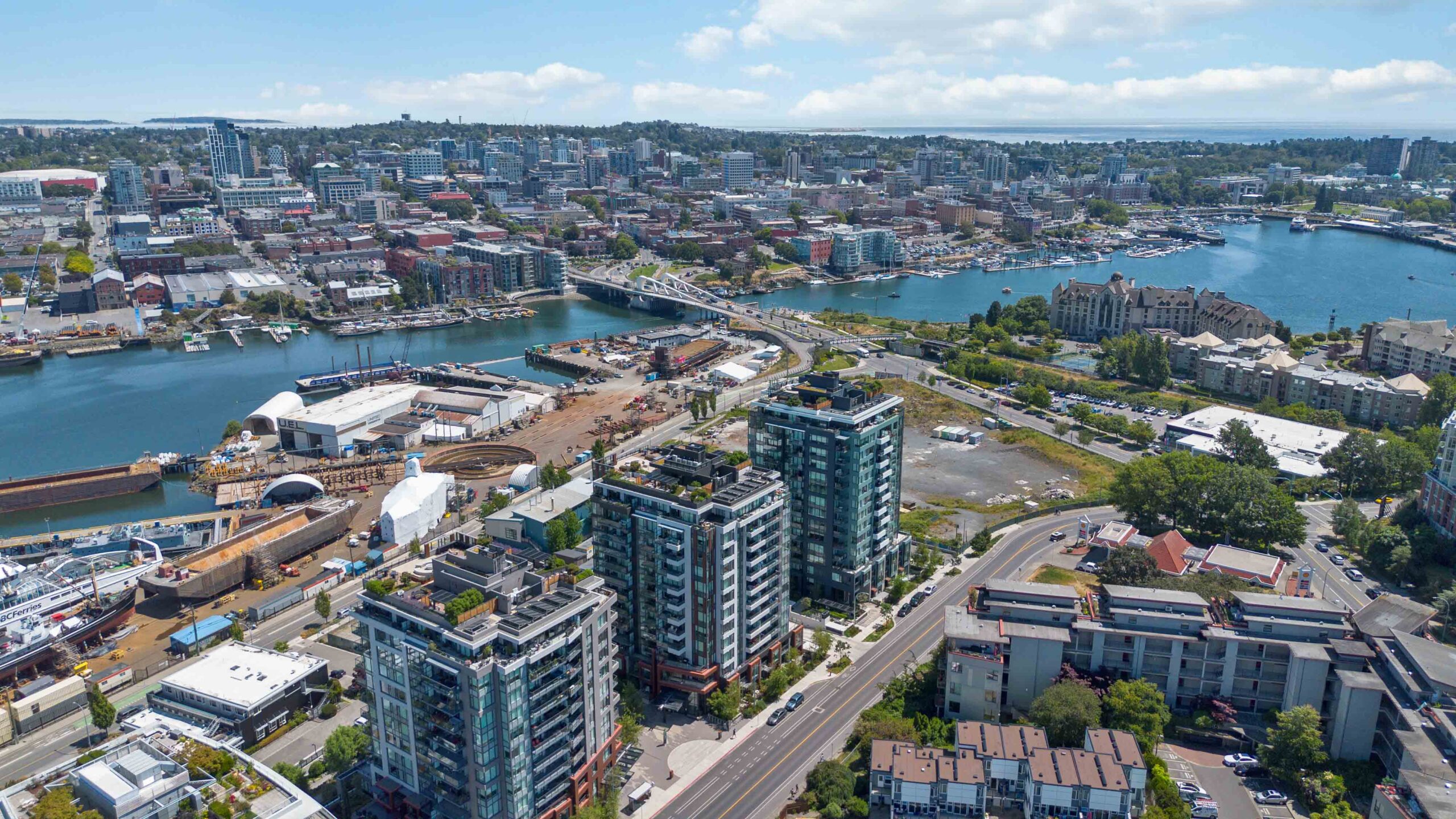
The Victoria real estate market in July 2026 continued to give buyers plenty of choice while still producing a solid level of sales activity. A total of 673 properties sold across the Victoria Real Estate Board region in July, just 1% fewer than July 2025 and 6.4% fewer than June. At the same time, 3,847 active listings remained on the market at month-end - 3.9% more than one year earlier. (Victoria Real Estate Board) The takeaway is not that Greater Victoria has suddenly become a slow market. Instead, buyers have more options, sellers have more competition, and individual properties are behaving very differently depending on location, property type, condition, and price. July 2026 Market at a Glance According to the Victoria Real Estate Board: 673 total sales - down 1% year over year 331 single-family home sales - up 4.1% year over year 209 condo sales - down 7.1% year over year 82 townhouse sales - down 15.5% year over year 3,847 active listings - up 3.9% year over year, but down 5.1% from June Victoria Core single-family benchmark: $1,311,000 Victoria Core condo benchmark: $548,600 Victoria Core townhouse benchmark: $857,300 VREB also noted that July sales finished above the five-year average for the month, despite the greater amount of inventory available to buyers. (Victoria Real Estate Board) More Choice Is Changing Buyer Behaviour The biggest story continues to be selection. While active inventory eased from June, buyers still had more properties available than they did at the same point last year. That gives many buyers more time to compare homes rather than feeling pressured to act immediately. However, more inventory does not mean every seller is highly negotiable. Well-priced homes in desirable locations can still attract attention quickly. The difference is that buyers now have more alternatives when a property feels overpriced, needs substantial work, or does not compare favourably with competing listings. This is especially noticeable in the condo market. Condo sales fell 7.1% from July 2025, while detached home sales actually increased 4.1%. That difference reinforces why looking at Greater Victoria as one single market can be misleading. (Victoria Real Estate Board) For a closer look at this segment, read Why Condos Are Facing More Competition in Victoria Right Now. Read the condo market article Prices Continued to Soften in the Victoria Core The MLS® HPI benchmark for a single-family home in the Victoria Core reached $1,311,000 in July, down 2.8% from $1,348,400 one year earlier and down from $1,326,500 in June. For condos, the July benchmark was $548,600, down 2.2% year over year and only slightly below June's $549,200 benchmark. (Victoria Real Estate Board) These numbers suggest some price pressure, but they should not be interpreted as meaning every home has dropped by the same amount. A renovated family home in Saanich, a downtown condo, an Oak Bay character home, and a newer Langford townhouse can all face very different levels of competition. That is why understanding your specific micro-market matters more than relying on one regional number. Why Greater Victoria Real Estate Is So Micro-Market Specific What July's Market Means for Buyers For buyers, the Victoria real estate market in July 2026 offered something valuable: time to compare. In many segments, buyers can look more closely at: Recent comparable sales Competing active listings Property condition and upcoming maintenance Strata documents and financials Monthly ownership costs Days on market Price reductions Offer terms and possession dates Long-term resale potential The opportunity is not simply to negotiate the lowest price. It is to use the additional selection to find the property offering the strongest combination of price, condition, location, and long-term fit. What July's Market Means for Sellers For sellers, additional inventory means your home needs a clear reason for buyers to choose it. Pricing based solely on what a neighbour sold for six months ago can create problems. Today's buyers are comparing your property with what else they can purchase right now. Strong results are still possible, but three factors matter considerably: 1. Pricing Your asking price needs to reflect current competing inventory and recent sales. 2. Presentation When buyers have several options, condition, photography, maintenance, layout, cleanliness, and overall presentation can influence which homes make the shortlist. 3. Positioning Every property has different strengths. The goal is to understand which buyer is most likely to value those strengths and build the marketing strategy around them. The Bottom Line July was not an inactive month. 673 sales and activity above the five-year July average show that buyers are still making moves. What has changed is how much choice they have while making those decisions. (Victoria Real Estate Board) For buyers, that can create better opportunities to compare, complete due diligence, and make thoughtful decisions. For sellers, it raises the importance of competitive pricing and strong presentation from the moment the property reaches the market. Most importantly, Greater Victoria remains a collection of individual micro-markets. Whether conditions favour you depends far more on your neighbourhood, property type, price range, and competition than on a single regional headline. Wondering What July's Market Means for Your Move? If you are considering buying or selling in Greater Victoria, we can break the July numbers down to the level that actually matters - your neighbourhood, property type, price range, and current competition. Contact Faber Real Estate Group for a current market analysis and a strategy based on the homes buyers and sellers are competing with today. Nicholas D., 5-Star Review, via Google ⭐⭐⭐⭐⭐ “Scott is an awesome realtor and real estate advisor. He got me all the information I needed incredibly quick and helped me make an informed buying decision. Couldn’t have done it without him and 10/10 will be recommending him to my friends and family! There are thousands of realtors on the island, but Scott and his team are by far the best” Faber Real Estate Group Royal LePage Coast Capital Realty 📞 250-244-3430 📧 [email protected] ℹ️ Scott Faber Personal Real Estate Corporation ℹ️ Cal Faber Personal Real Estate Corporation Vanessa Wood, Zachary Parsons, and Sophie Taylor “Building Lasting Relationships, One Home at a Time.” Market statistics sourced from the Victoria Real Estate Board's August 4, 2026 July market report. VREB cautions that market statistics show broader trends and do not establish the value of an individual property. (Victoria Real Estate Board)
Read more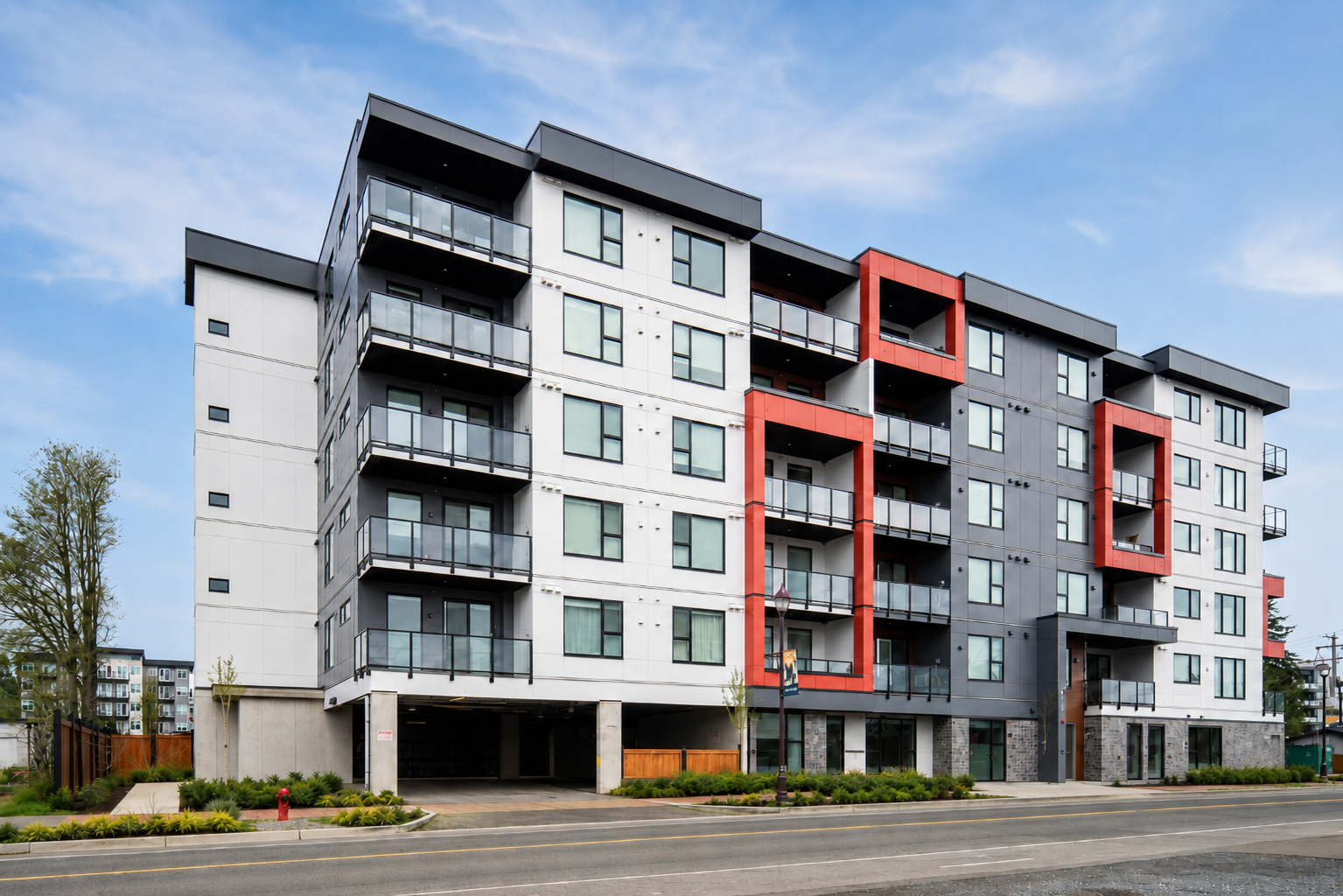
Victoria condo market competition has increased because buyers have more properties to compare, condo sales have slowed, and similar listings are often competing for the same price-sensitive buyer. This does not mean every condo is difficult to sell. Well-priced homes in desirable buildings can still attract strong interest. It does mean buyers are looking more carefully at the complete package before deciding which condo offers the best value. The Short Answer Victoria condos are facing more competition because: Overall housing inventory has increased Condo sales have slowed more than detached home sales Buyers have more time to compare similar units Monthly strata costs affect affordability Building condition matters more when choices are available Newer and resale condos may compete for the same buyers In June 2026, 182 condominiums sold across the Victoria Real Estate Board region, a 26.9% decrease from June 2025. Overall active listings reached 4,054, up 7.3% year over year. The Victoria Core condo benchmark was $549,200, down 1.9% from the previous June. More Inventory Changes How Buyers Make Decisions When inventory is limited, buyers may need to decide quickly because another suitable option may not appear soon. When more listings are available, buyers can compare several condos before writing an offer. They may look at: Price and monthly payment Strata fees Parking and storage Floor plan and natural light Building age and maintenance Depreciation reports Contingency reserve funds Insurance deductibles Pet and rental bylaws Upcoming repairs or assessments This creates direct competition between listings that might not appear identical at first glance. A buyer may compare an older, larger condo in Victoria with a smaller unit in a newer building. Another may compare a walkable downtown location with a newer Westshore property offering parking, storage, and lower maintenance concerns. As explained in Why Greater Victoria Real Estate Is So Micro-Market Specific, property type, price range, location, and buyer profile can all create different market conditions within the same region. Condos Often Compete Within Narrow Price Ranges Many condo buyers are shopping within firm monthly affordability limits. A difference of $25,000 in purchase price may seem manageable, but the calculation changes when buyers add: Mortgage payments Strata fees Property taxes Insurance Utilities Parking costs Potential assessments This means a condo with a lower asking price does not automatically offer better value. A slightly more expensive unit may compete successfully if it includes secure parking, storage, a heat pump, better building maintenance, or lower expected repair costs. Practical features can become especially important when several listings offer similar square footage and finishes. Read Why Parking and Storage Matter When Buying a Condo for a closer look at how these features affect everyday use and resale appeal. The Building Matters as Much as the Unit A renovated kitchen may help a condo make a strong first impression, but buyers are also assessing the building behind it. They want to understand whether the strata has planned responsibly for future expenses. Two similar units can receive very different reactions when one building has: A healthy contingency reserve fund Clear maintenance planning A current depreciation report Reasonable strata fees Completed major projects Organized strata records The other may have deferred maintenance, unclear financial planning, or a possible special assessment. When buyers have several choices, uncertainty can quickly become a reason to move on to another listing. Resale Condos May Also Compete With Newer Homes Depending on the neighbourhood and price range, buyers may compare a resale condo with recently completed or move-in-ready new construction. Newer condos may offer modern heating and cooling, updated building systems, home warranty coverage, contemporary finishes, or electric vehicle infrastructure. Resale properties can still compete well, especially when they offer larger floor plans, established neighbourhoods, stronger walkability, lower purchase prices, or a proven strata history. The goal is not to make every condo look new. It is to clearly explain why that specific property offers value. What This Means for Condo Sellers Condo sellers need to price and position their home against what buyers can purchase today, not what a similar unit sold for during a tighter market. A strong strategy should consider: Active competing listings Recent comparable sales Price reductions in the building or neighbourhood Current days on market Strata fees and upcoming projects Parking and storage Condition and presentation The most likely buyer profile Good presentation still matters, but presentation cannot correct a price that ignores the current competition. Buyers should be able to understand the condo’s strongest advantages quickly. These might include walkability, views, outdoor space, quiet exposure, building management, recent upgrades, parking, storage, or a functional floor plan. What This Means for Condo Buyers More competition between listings can create better conditions for buyers. You may have more time to review documents, compare monthly costs, request conditions, and negotiate terms. However, not every listing will offer the same amount of flexibility. The strongest condos can still attract interest when they are: Priced accurately Located in desirable areas Well maintained Supported by strong strata records Difficult to replace within their price range The opportunity is not simply finding the lowest price. It is finding the best balance of location, condition, building quality, monthly cost, and future resale appeal. For more guidance, read Market Trends: What Buyers Should Watch in Greater Victoria. The Bottom Line Victoria condos are facing more competition because buyers have more choice and are taking more time to compare value. For sellers, this market rewards accurate pricing, strong presentation, organized strata information, and clear positioning. For buyers, it creates room to be selective and complete careful due diligence. Victoria condo market competition is not affecting every building equally. The condos that stand out are usually the ones that offer a clear reason to choose them over the alternatives. Thinking About Buying or Selling a Condo in Victoria? Whether you are preparing to list or comparing available condos, understanding the competition within the building, neighbourhood, and price range can shape a better decision. Contact Faber Real Estate Group for a condo-specific market analysis and a clear strategy based on current listings, recent sales, building quality, and the features buyers are prioritizing right now. Nicholas D., 5-Star Review, via Google “Scott is an awesome realtor and real estate advisor. He got me all the information I needed incredibly quick and helped me make an informed buying decision. Couldn’t have done it without him and 10/10 will be recommending him to my friends and family! There are thousands of realtors on the island, but Scott and his team are by far the best” Faber Real Estate Group Royal LePage Coast Capital Realty 📞 250-244-3430 📧 [email protected] ℹ️ Scott Faber Personal Real Estate Corporation ℹ️ Cal Faber Personal Real Estate Corporation Vanessa Wood, Zachary Parsons, and Sophie Taylor “Building Lasting Relationships, One Home at a Time.”
Read more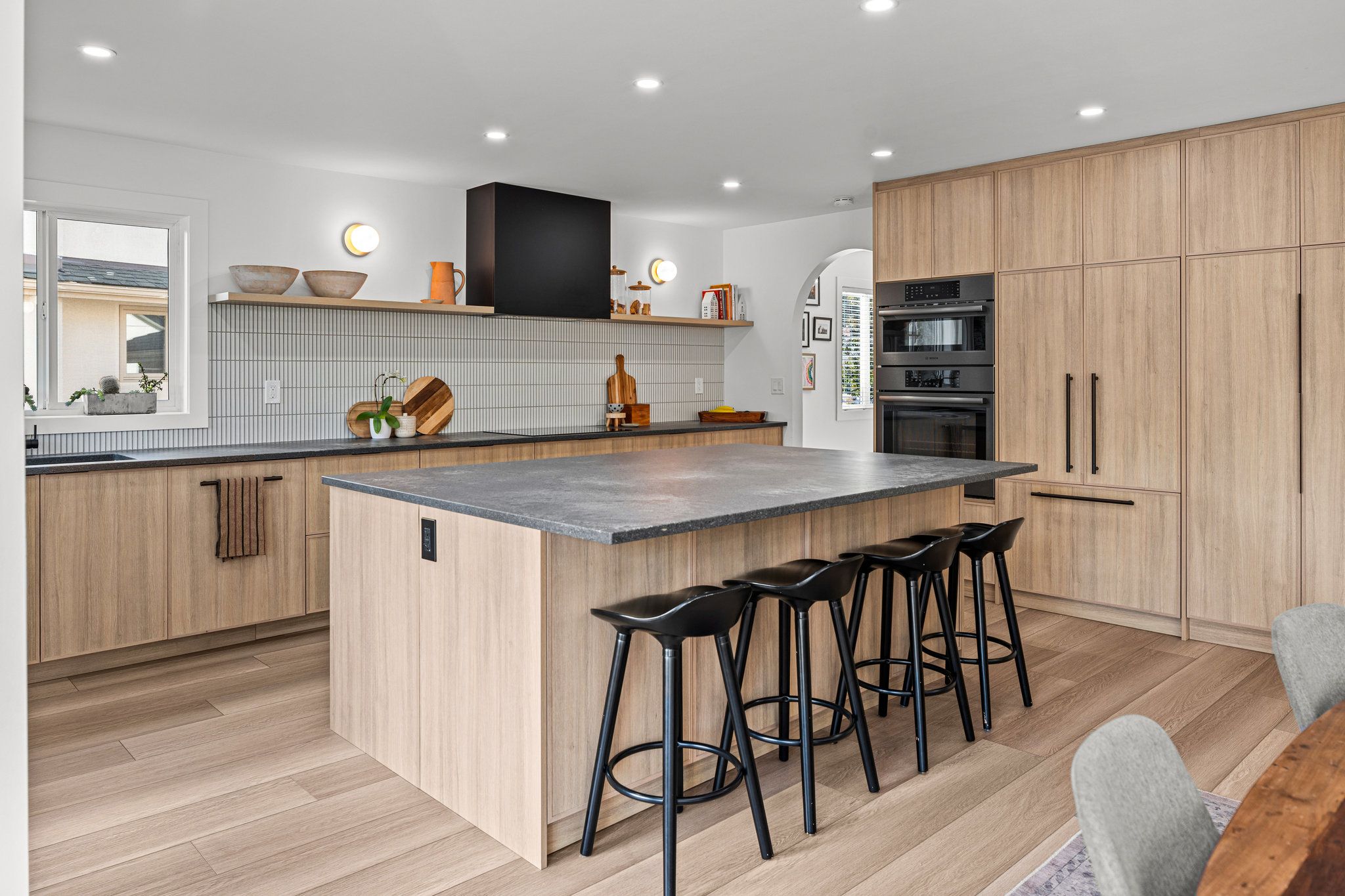
Greater Victoria real estate market trends are changing what sellers need to think about before listing. For anyone selling in Greater Victoria, understanding Greater Victoria real estate market trends can help you price with more confidence, prepare your home more strategically, and avoid the common mistake of assuming last year’s market still applies today. The market is not weak across the board. It is more selective. Buyers have more options, more time, and stronger opinions about price, condition, layout, and value. For sellers, that means success depends less on simply being listed and more on being positioned correctly from the start. What Sellers Need to Know First The biggest shift for sellers is buyer behaviour. Buyers are still active, but they are comparing homes more carefully. They are looking at competing listings, recent sales, monthly costs, strata fees, repair concerns, and long-term value before deciding whether to write an offer. Understanding buyer expectations can help sellers prepare their home more effectively and avoid the common issues that cause buyers to pause. That does not mean sellers cannot achieve strong results. It means the strategy needs to match the market. A seller who prices accurately, prepares well, and responds to feedback can still stand out. A seller who lists too high, ignores competing inventory, or assumes buyers will overlook condition may struggle to gain momentum. In today’s market, the first impression matters more because buyers have more choices. More Inventory Means More Competition When there are more active listings, sellers are not only competing against recent sales. They are competing against every similar home currently available. This is one of the most important points for sellers to understand. A buyer may like your home, but if there are five similar options available, they will compare price, condition, layout, location, parking, storage, updates, and overall presentation. If your home does not offer enough value compared to the alternatives, it may receive showings but no offers. More inventory means buyers can be more selective. For sellers, this makes it important to review: Similar active listings Recent accepted offers Days on market Price reductions Condition differences Location advantages Layout and usability Buyer feedback after showings A listing strategy should not be based only on what you hope to get. It should be based on how your home compares to what buyers can actually choose from right now. Pricing Correctly Matters From Day One In a more selective market, pricing too high can create problems quickly. The first few weeks of a listing are usually when the home gets the most attention. Buyers who have been watching the market often notice new listings right away. If the price feels too high compared to similar homes, they may skip it or save it to watch for a reduction. That can create a difficult pattern. The home sits. Showings slow down. Buyers begin to wonder why it has not sold. A price reduction may eventually bring new interest, but the listing has already lost some of its early momentum. This does not mean sellers should underprice their homes. It means pricing should be strategic, current, and realistic. A strong pricing plan should consider: Recent comparable sales Active competing listings Current buyer demand Property condition Location strengths Unique features Timing goals Risk tolerance The goal is not simply to pick the highest number. The goal is to choose the price that gives the property the best chance of attracting serious buyers. Condition Is Playing a Bigger Role When buyers have more choice, condition becomes more important. In a faster market, buyers may overlook small issues because they feel pressure to act quickly. In a more balanced or slower market, buyers are more likely to notice repairs, outdated finishes, tired paint, worn flooring, poor lighting, clutter, or deferred maintenance. Small concerns can become negotiation points. This does not mean every seller needs to renovate before listing. In many cases, simple preparation can make a meaningful difference. That may include: Fresh paint where needed Professional cleaning Decluttering Minor repairs Yard cleanup Better lighting Touch-ups to trim, doors, and walls Clear storage areas Staging or furniture editing Buyers do not expect every home to be perfect. But they do want to feel that the home has been cared for and priced appropriately for its condition. Presentation Can Change Buyer Perception Good presentation helps buyers understand the home quickly. Photos, video, listing copy, floor plans, staging, and showing preparation all affect how buyers feel before and during a viewing. In a market where buyers are comparing more options, presentation can be the difference between being remembered and being overlooked. A well-presented home should answer key buyer questions: How does the layout work? Where does the natural light come from? Is there enough storage? How has the home been maintained? What makes the location practical? What lifestyle does this home support? Presentation is not about making a home look unrealistic. It is about helping buyers see the value clearly. The easier it is for buyers to understand the home, the easier it is for them to feel confident about taking the next step. Showings Are Not the Same as Offers Some sellers assume that steady showings mean an offer is close. That is not always true. Showings tell us that the listing is getting attention. Offers tell us that buyers see enough value to act. If a home is getting showings but no offers, the issue may be: Price Condition Layout Location Presentation Buyer expectations Competing inventory Strata concerns Inspection concerns Timing This is why showing feedback matters. If multiple buyers are saying the same thing, that feedback should not be ignored. It may point to a pricing issue, a presentation issue, or a concern that needs to be addressed before the listing becomes stale. A strong selling strategy includes regular review points, not just listing the home and waiting. Different Property Types Are Behaving Differently Not every part of the market moves the same way. A detached home in Saanich, a condo in downtown Victoria, a townhouse in Langford, and an acreage in Metchosin can all attract different buyers. Each property type has its own supply, demand, and pricing pressures. Detached Homes Detached homes can still attract strong attention when they offer good location, functional space, suite potential, updates, or long-term land value. However, buyers are often watching total monthly costs closely, especially at higher price points. Condos Condo buyers are paying close attention to strata fees, building condition, depreciation reports, insurance, parking, storage, pet rules, and future repair concerns. A well-run building can be a major advantage. Townhomes Townhomes remain practical for many buyers who want more space without the full cost or maintenance of a detached home. Layout, parking, outdoor space, strata health, and family-friendly function can all affect demand. Newer Homes and Pre-Sales Newer homes may appeal to buyers who want modern systems, energy efficiency, warranty coverage, and lower maintenance. However, resale sellers may need to show how their home compares against new-build options and incentives. Micro-Markets Matter More Than General Headlines Sellers often hear broad market comments and assume they apply directly to their home. That can be risky. Greater Victoria is made up of many smaller markets. Oak Bay does not behave exactly like Langford. Fairfield does not behave exactly like Sooke. A family home near schools may attract a different buyer pool than a downtown condo or a rural property. The right strategy depends on your specific micro-market. Before listing, sellers should review: Local sales in the last 30 to 90 days Current competing homes Buyer activity in the area Property type demand Price range demand Average days on market Condition differences Seasonal timing A general market update can give context. A micro-market review gives direction. Motivated Sellers Need a Clear Strategy Being motivated does not mean giving your home away. It means being realistic about the market, clear about your goals, and willing to make decisions based on data rather than emotion. A motivated seller should know: The ideal list price The minimum acceptable outcome The preferred completion timeline The strongest features to highlight The likely buyer profile The main objections buyers may have When to adjust strategy if needed This kind of clarity helps reduce stress. Instead of reacting to every showing or waiting too long to make a decision, sellers can follow a plan. Price Reductions Are Not Always a Setback A price reduction can feel disappointing, but it can also be a strategy. If the original price is not creating enough activity, an adjustment can help the listing reach a better group of buyers. The key is timing and positioning. A small reduction after too much time may not create enough renewed interest. A strategic adjustment, paired with refreshed marketing, updated messaging, or improved presentation, can help a listing regain attention. The question is not simply, “Should we reduce the price?” The better question is, “What change will create a stronger response from the market?” Sometimes that is price. Sometimes it is presentation. Sometimes it is access, marketing, staging, or a clearer explanation of the home’s value. What Sellers Should Do Before Listing Preparation is one of the best ways to protect your result. Before going live, sellers should: Review current market data Compare active competition Complete small repairs Clean and declutter Improve curb appeal Gather important documents Review strata documents if applicable Understand likely buyer objections Build a pricing strategy Plan the first two weeks of marketing The goal is to reduce friction. The fewer questions, concerns, or distractions buyers have, the easier it is for them to focus on the value of the home. What Sellers Should Watch After Listing Once a home is listed, the market starts giving feedback. Important signs to watch include: Number of showings Quality of buyer feedback Online engagement Repeat viewings Agent comments Offer activity Competing price changes New listings in the same category Recent accepted offers This feedback should be reviewed regularly. If the listing is getting strong engagement and positive feedback, the strategy may simply need time. If the listing is quiet or buyers are raising consistent concerns, the strategy may need to change. Successful sellers are not passive. They pay attention, adjust when needed, and stay aligned with current market conditions. The Bottom Line for Sellers Current market trends in Greater Victoria are not saying sellers cannot succeed. They are saying sellers need to be more prepared, more strategic, and more realistic about how buyers are making decisions. Buyers have more choice. That means pricing, preparation, presentation, and micro-market strategy matter more. The homes that stand out are the ones that make sense to buyers quickly. They are priced in line with the current market, presented well, easy to understand, and positioned against the right competition. If you are thinking about selling in Greater Victoria, the best first step is to understand how your home fits into today’s market. Not last year’s market. Not the headline market. Your market. Faber Real Estate Group can help you review recent sales, compare active listings, identify likely buyer expectations, and build a selling strategy that matches your goals. Learn more about how we support sellers here: Sell With Us. Vince R., 5-Star Review, via Google “Cal and Scott made our home selling experience very simple and easy, especially when you consider that we were in a different province and corresponding via our mobile devices. In less than 2 weeks we received and accepted an offer on our Condo. We would like to thank the both of them for listing our property and sharing all their expertise in properly listing our condo.” Faber Real Estate Group Royal LePage Coast Capital Realty 📞 250-244-3430 📧 [email protected] ℹ️ Scott Faber Personal Real Estate Corporation ℹ️ Cal Faber Personal Real Estate Corporation Vanessa Wood, Zachary Parsons, and Sophie Taylor “Building Lasting Relationships, One Home at a Time.”
Read more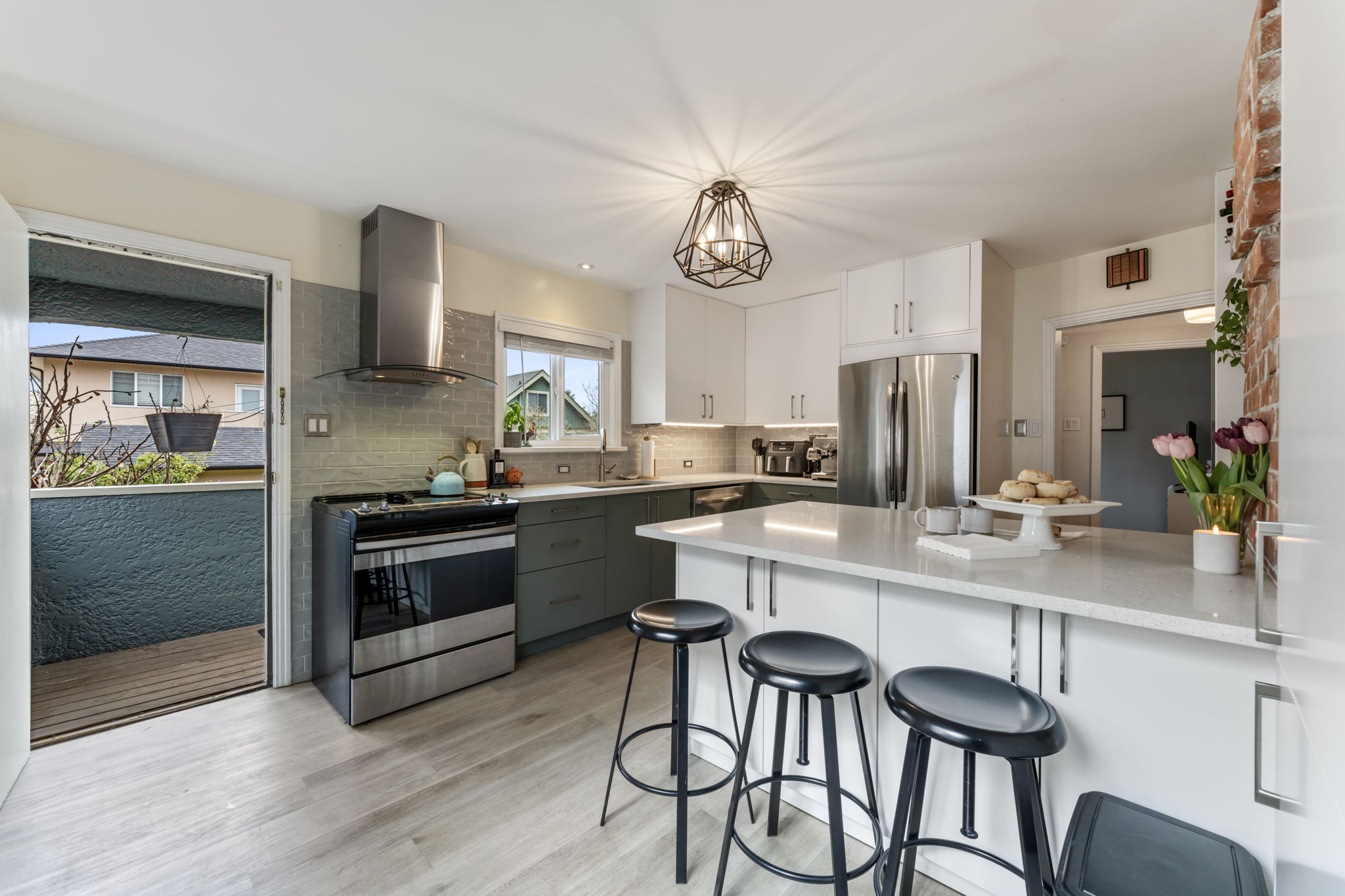
A price reduction strategy can feel uncomfortable for sellers. After all, no one lists their home hoping to lower the price later. However, in the right situation, a price reduction strategy is not a failure. It is a tool to reposition the listing, regain buyer attention, and move closer to a successful sale. In real estate, the market gives feedback quickly. Showings, online views, agent comments, competing listings, and offer activity all tell a story. When that feedback points in the same direction, adjusting the price can become one of the most practical decisions a seller can make. Pricing Is Not About Ego. It Is About Positioning. A home’s asking price does more than state what the seller hopes to receive. It places the property in a buyer’s comparison set. Buyers rarely look at one home in isolation. They compare your home against similar properties in the same price range, neighbourhood, building type, condition, and lifestyle category. That means your price needs to make sense beside the competition. If buyers are choosing other homes first, the issue may not be the home itself. It may be where the home is positioned in the market. For more on this, read our related post: How Competing Listings Affect Your Home Sale Strategy. A Price Reduction Can Create New Momentum Listings usually receive the most attention when they first hit the market. Buyers notice the new listing, agents review it, and online activity tends to be strongest early on. If a home sits without meaningful activity, the listing can start to feel stale. A thoughtful price adjustment can change that. It can: Bring the property into a new buyer search range Re-engage buyers who previously passed on it Encourage agents to revisit the listing with their clients Improve perceived value compared to competing homes Create urgency before the listing loses more momentum The goal is not simply to reduce the price. The goal is to reposition the home where buyers see stronger value. The Market Is Giving You Information A lack of offers does not always mean buyers dislike the home. Sometimes, it means buyers like the home but not enough at the current price. This is an important distinction. If buyers are booking showings but not writing offers, they may be comparing your property to others and choosing better perceived value elsewhere. If buyers are not booking showings at all, the listing may be missing the right audience because of price, presentation, exposure, location, condition, or buyer expectations. Either way, the market is giving you information. The key is to respond strategically rather than emotionally. When a Price Reduction Makes Sense A price reduction may be worth considering when several signs appear together. For example: Showings have slowed or stopped Online views are not turning into appointments Buyers are giving similar feedback Competing listings offer more value Similar homes have sold while yours remains active The home has been on the market longer than expected No serious offers have come in Market conditions have shifted since listing One of these signs alone may not be enough. However, when several point in the same direction, it may be time to adjust. A Small Reduction Is Not Always the Best Move Sometimes sellers want to make a small reduction because it feels safer. However, a price adjustment needs to be meaningful enough to change buyer behaviour. A minor reduction may not move the listing into a new search bracket or make it feel more competitive. For example, if a buyer is searching up to $900,000, a property listed at $914,900 may not appear in their search. A strategic adjustment could place the home in front of a different pool of buyers. This is why pricing should be reviewed with both psychology and search behaviour in mind. A good price reduction is not random. It should be based on buyer activity, competing listings, recent sales, and where the next group of serious buyers is likely searching. Timing Matters The longer a listing sits, the harder it can be to regain momentum. That does not mean every home needs an immediate price reduction. Some properties need more time because they are unique, luxury, rural, tenant-occupied, or suited to a smaller buyer pool. However, if the data is clear, waiting too long can work against the seller. A well-timed adjustment can help protect the listing from becoming stale. It also shows the market that the seller is realistic and motivated, without appearing desperate. A Price Reduction Should Be Paired With a Marketing Refresh A price change is stronger when it comes with a fresh strategy. That may include: Updating listing remarks Reordering photos Refreshing social media promotion Highlighting a different buyer benefit Re-engaging agents who showed the property Reviewing staging or presentation Promoting new open house activity Comparing the home against newly listed competition A price reduction should not happen quietly in the background. It should be treated as a new opportunity to tell the property’s story. For more on how presentation affects buyer response, read: How Small Improvements Can Help a Home Feel More Marketable. Price Reductions Can Protect the Final Sale Price It may sound counterintuitive, but a strategic price reduction can sometimes protect a seller from a larger loss later. If a home remains overpriced for too long, buyers may start to assume there is less demand or that the seller is unrealistic. Over time, this can lead to lower offers, longer carrying costs, and more negotiation pressure. A timely adjustment can help bring the listing back into alignment before the market discounts it further. The goal is not to chase the market down. The goal is to stay close enough to buyer expectations that the home remains competitive. The Right Price Builds Confidence Buyers want to feel confident when they write an offer. If a property feels overpriced, buyers may hesitate. They may wait. They may choose a competing home. Or, they may write an aggressive offer that creates tension before negotiations even begin. When a property is priced well, buyers are more likely to act. A strong price creates clarity. It helps buyers understand the value, compare the home fairly, and feel more comfortable moving forward. It Is Not a Setback. It Is a Decision. A price reduction can feel personal, but it should be viewed through a strategic lens. The question is not, “Did we fail at the first price?” The better question is, “What is the market telling us, and how do we respond?” When sellers treat pricing as part of the strategy, they make better decisions. They stay objective. They reduce guesswork. Most importantly, they keep the focus on the final goal: selling well in the current market. Final Thoughts A price reduction strategy is not always a setback. In many cases, it is a smart response to real market feedback. The best pricing decisions come from a clear review of showing activity, buyer comments, competing listings, recent sales, and current market conditions. When the adjustment is well-timed and paired with strong marketing, it can help a listing regain attention and move toward a successful sale. If you are selling a home in Greater Victoria and wondering whether your current price is helping or holding back your listing, Faber Real Estate Group can help you review the full picture and build a strategy that fits today’s market. Brett Hayward, 5-Star Review, via Google “I can’t suggest how to make Fabers better at being good realtors. They’re already congenial, trustworthy, informed, experienced, and thorough. Cal listened and advised, and somewhere in the middle he said what the condo would sell for and he was right on. Thanks!” Faber Real Estate Group Royal LePage Coast Capital Realty 📞 250-244-3430 📧 [email protected] ℹ️ Scott Faber Personal Real Estate Corporation ℹ️ Cal Faber Personal Real Estate Corporation Vanessa Wood, Zachary Parsons, and Sophie Taylor “Building Lasting Relationships, One Home at a Time.”
Read more
The first week on market is one of the most important feedback periods for a seller. During the first week on market, buyers are seeing the listing for the first time, agents are comparing it to competing homes, and early showing activity can reveal whether the pricing, presentation, and marketing strategy are working. However, the first week should not cause panic. It should create clarity. Some homes receive strong activity right away. Others need more time, especially in higher price ranges, unique property types, or slower market segments. The key is to review the right information before making decisions. Start With Showing Activity The first question is simple: are buyers coming through? Showing activity gives sellers an early read on market interest. If a listing has strong online exposure but very few showings, buyers may be hesitating before they even book a visit. That could point to price, photos, location, layout, property condition, or competition. If showings are steady, the listing is likely getting enough attention. In that case, the next step is to understand what buyers are saying after they view the home. Sellers should look at: Number of showings Online listing views Saved searches or favourites Open house traffic Agent feedback Buyer comments Comparable homes that sold that week New competing listings The first week is not just about activity. It is about the quality of that activity. Listen Carefully to Feedback Buyer feedback can be uncomfortable, but it is useful. Some feedback is subjective. A buyer may not like the layout, the street, the yard, or the style of the home. That does not always mean something needs to change. Other feedback appears repeatedly. If several buyers mention the same concern, sellers should pay attention. Common feedback patterns include: The home feels smaller than expected The price feels high compared to other options The home needs more updates than buyers expected The photos created different expectations The layout does not work for the target buyer The property shows well but buyers prefer another listing nearby One comment is an opinion. Repeated feedback is market information. Compare Against the Competition A home does not sell in isolation. It sells against the other options buyers can choose. After the first week on market, sellers should review the active competition again. New listings may have come up. Similar homes may have reduced their prices. Another property may have accepted an offer. This matters because buyer behaviour changes when they have more choice. A seller should ask: Are similar homes priced lower? Do competing homes offer better updates or features? Are buyers getting more space elsewhere? Are other listings sitting too? Did a similar home sell quickly? Did a competing listing reduce its price? Sometimes the issue is not the listing itself. It may be the comparison set. Avoid Making Emotional Decisions Too Quickly The first week can feel intense. Sellers often watch every showing, every comment, and every online view. That is normal. Still, sellers should avoid reacting too quickly without enough data. A slow first week does not always mean the home is overpriced. Weather, holidays, long weekends, market timing, and buyer schedules can all affect early activity. Higher-priced homes and unique properties may also need a longer runway. That said, ignoring the first week is risky too. The goal is balance. Do not panic, but do not dismiss the feedback. Know the Difference Between No Showings and No Offers No showings and no offers are different problems. If a home has very few showings, buyers may not see enough value to book a viewing. This often points to price, presentation, photos, location concerns, or strong competing listings. If a home has many showings but no offers, buyers may like the listing enough to visit but not enough to act. That could point to condition, layout, inspection concerns, strata details, price expectations, or emotional connection. This distinction matters because the solution may be different. A lack of showings may require pricing or marketing adjustments. A lack of offers after strong showings may require a closer look at buyer feedback and how the property compares in person. Review the Pricing Strategy Price is not the only factor, but it is one of the strongest signals. After the first week, sellers should review whether the asking price still makes sense based on buyer response and current market activity. If the home launched high to “test the market,” the first week may show whether buyers agree. A pricing review should consider: Recent comparable sales Current competing listings Days on market for similar homes Showing volume Buyer feedback Price reductions nearby Offer activity in the area Market conditions for that property type Sometimes the best move is to hold steady. Other times, an early adjustment can protect momentum before the listing becomes stale. Check the Presentation If buyers are visiting but not connecting, presentation may need a second look. Small changes can make a home feel more inviting. Better lighting, cleaner surfaces, fresh styling, improved curb appeal, or minor repairs can shift how buyers feel during a showing. Sellers should review: Exterior first impression Cleanliness Lighting Furniture placement Odours Clutter Temperature Window coverings Minor repairs Yard or patio presentation Buyers often decide emotionally before they justify logically. Presentation helps support that emotional connection. Keep Communication Clear The first week should include a focused check-in between the seller and their REALTOR®. This conversation should not be vague. Sellers should receive clear information about what happened, what it means, and what the next step should be. A strong first-week review should cover: Showing activity Online engagement Feedback themes Open house results New competing listings Similar homes sold or reduced Recommended next steps Whether the strategy should stay the same or change Clear communication helps sellers avoid guessing. Decide Whether to Hold, Adjust, or Improve After the first week, most listings fall into one of three categories. If the home has strong activity, positive feedback, and possible offer interest, the best move may be to hold the strategy. If the home has some interest but repeated feedback, the next step may be small improvements, better positioning, or refined messaging. If the home has low activity and buyers are choosing other listings, a pricing conversation may be needed. The decision should be based on evidence, not frustration. Final Thoughts The first week on market gives sellers valuable information. It shows how buyers respond to the price, presentation, marketing, and competition. It also helps sellers decide whether to stay the course or make a thoughtful adjustment. The best sellers do not ignore feedback. They also do not panic at the first sign of slower activity. They review the data, listen to the market, and make decisions with a clear strategy. If you are preparing to sell in Greater Victoria or want help reviewing your listing strategy after the first week on market, contact Faber Real Estate Group for local advice, current market insight, and a clear plan for your next move. Shane B., 5-Star Review, via Google “The last few months navigating this crazy real estate market has been a rollercoaster, and we couldn’t have done it without the Faber Real Estate Team! Scott was extremely helpful, positive and always available. Under a tight timeline we were able to get our condo on the market and sell right away, to be available for any housing opportunity. Scott was patient and helpful throughout the entire process of searching for houses, and went above and beyond to help us finally land an accepted offer on the perfect home. Thank you Scott and the Faber Real Estate Team!” Faber Real Estate Group Royal LePage Coast Capital Realty 📞 250-244-3430 📧 [email protected] ℹ️ Scott Faber Personal Real Estate Corporation ℹ️ Cal Faber Personal Real Estate Corporation Vanessa Wood, Zachary Parsons, and Sophie Taylor “Building Lasting Relationships, One Home at a Time.”
Read more
Drainage and moisture in Victoria homes should be part of every buyer’s due diligence. A home may look warm, updated, and well-kept during a showing, but water management tells a deeper story about how the property performs through the wet season. Victoria is known for a milder climate, but rain still matters. The City of Victoria explains that stormwater systems collect runoff from hard surfaces like roads and roofs and move it away from homes and businesses to help prevent flooding. That simple idea applies at the property level too: water needs somewhere reliable to go. (victoria.ca) Why Drainage Matters So Much Water is one of the most important things to understand before buying a home. Poor drainage can affect: Foundations Basements Crawlspaces Siding Decks and balconies Landscaping Retaining walls Driveways Interior air quality Long-term maintenance costs A home does not need to be perfect, but buyers should understand how water moves around the property. The goal is to know whether the home is managing moisture well or whether there are signs of future risk. Victoria Homes Can Have Unique Moisture Considerations Greater Victoria has a wide range of housing types and land conditions. Buyers may be comparing older character homes, hillside properties, strata complexes, rural homes, low-lying lots, newer builds, and homes with crawlspaces or basement suites. Each type can carry different drainage questions. For example: Older homes may have aging perimeter drains Homes on slopes may receive water from uphill properties Low-lying lots may hold water longer after rain Crawlspaces may show signs of dampness or poor ventilation Basement suites may be more vulnerable if drainage is weak Retaining walls may suggest grading or water-pressure issues Strata properties may rely on shared drainage systems and maintenance planning This is why two homes in the same price range can carry very different long-term risk. Start Outside the Home Good drainage usually begins outside. During a showing, buyers should look at how the land slopes, where downspouts discharge, and whether water appears to be directed away from the foundation. Practical things to look for include: Gutters that are clean and properly connected Downspouts that discharge away from the home Soil or hardscaping sloped away from the foundation Low spots where water may pool Moss or staining near exterior walls Cracks in walkways or patios Retaining walls that lean or show staining Soft or soggy areas in the yard Drain grates, catch basins, or sump systems Evidence of past drainage work A buyer does not need to diagnose the issue during the showing. They just need to notice what deserves further review. Check Basements and Crawlspaces Carefully Basements and crawlspaces often reveal moisture concerns before the main living areas do. Buyers should pay attention to: Musty smells Staining on concrete or framing Efflorescence on foundation walls Standing water Damp insulation Rust on metal components Soft subfloor areas Dehumidifiers running constantly Fresh paint that may be covering old staining Stored items lifted off the floor Some moisture signs may be minor or manageable. Others may point to larger drainage, ventilation, or foundation concerns. A home inspection is especially important when a property has a crawlspace, basement suite, below-grade living area, or signs of past water entry. Roofs, Gutters, and Downspouts Matter Drainage is not only about the ground. Roof water can create major problems if it is not managed properly. Buyers should look at: Roof age and condition Missing or damaged shingles Clogged gutters Leaking gutter joints Short downspout extensions Water dumping near the foundation Overflow marks on siding Fascia or soffit staining Moss buildup Poor roof drainage on flat or low-slope sections A functioning roof and gutter system helps move water away from the home before it becomes a foundation or interior moisture issue. Moisture Can Affect More Than Repairs Drainage and moisture problems are not just about repair bills. They can affect how a home feels and functions. Moisture may contribute to: Odours Mold concerns Poor indoor air quality Damage to finishes Rot in structural components Pest issues Insurance questions Resale hesitation Future renovation limits Even when a buyer is comfortable taking on some work, they should understand the size and urgency of the issue before removing conditions. Ask the Right Questions When drainage or moisture concerns appear, buyers should ask direct questions. Useful questions include: Have the perimeter drains been replaced or repaired? When were the gutters and roof last maintained? Has there ever been water entry? Are there receipts or records for drainage work? Is there a sump pump, and how often does it run? Has the basement or crawlspace been professionally assessed? Does water pool anywhere on the property after heavy rain? Are there known issues with neighbouring runoff? Have any insurance claims been made for water damage? Are there strata minutes discussing drainage, leaks, or building-envelope concerns? For strata properties, drainage and moisture concerns may appear in meeting minutes, engineering reports, depreciation reports, or insurance documentation. Use the Inspection Period Wisely A general home inspection can identify visible signs of moisture, but buyers may need further review if something raises concern. Depending on the property, that may include: Drainage contractor review Perimeter drain scope Roof inspection Foundation assessment Sewer or storm line inspection Building envelope review Mold or indoor air quality assessment Strata document review Engineering advice for retaining walls or slopes The right level of due diligence depends on the age, condition, and complexity of the property. Do Not Panic Over Every Moisture Sign Moisture concerns should be taken seriously, but they should not automatically end the purchase. Some issues are routine maintenance. Others are manageable with proper repairs. A clogged gutter is different from chronic basement water entry. Poor downspout placement is different from foundation movement. The key is to separate small maintenance items from larger risk. Buyers should focus on: Cause Cost Urgency Repair history Professional advice Impact on future resale Whether the issue fits their budget and comfort level Clarity matters more than fear. The Bottom Line for Buyers Drainage and moisture in Victoria homes matter because water issues can affect comfort, maintenance, insurance, resale, and long-term ownership costs. A home may look excellent on the surface, but buyers should understand how it handles rain, runoff, and seasonal moisture. Before buying, look outside, check lower levels carefully, ask about past water issues, review documents, and use the inspection period to get the right professional advice. For buyers in Greater Victoria, strong due diligence is not about finding a perfect home. It is about understanding the home clearly before making a long-term decision. For advice on buying a home in Greater Victoria and reviewing property condition before subject removal, contact Faber Real Estate Group for clear, local guidance before making your next move. Lou N., 5-Star Review, via Google “Scott is a knowledgeable, professional, dedicated and thorough expert in his field. Excellent at what he does and we couldn't have found a better realtor to guide us through one of the most important decisions in our lives.” Faber Real Estate Group Royal LePage Coast Capital Realty 📞 250-244-3430 📧 [email protected] ℹ️ Scott Faber Personal Real Estate Corporation ℹ️ Cal Faber Personal Real Estate Corporation Vanessa Wood, Zachary Parsons, and Sophie Taylor “Building Lasting Relationships, One Home at a Time.”
Read more
Active listings in Greater Victoria are an important number to watch, but they do not tell the whole story on their own. Active listings in Greater Victoria show how much choice buyers have at a specific point in time, but they do not explain how quickly homes are selling, which price ranges are moving, or how different neighbourhoods are behaving. That matters because real estate headlines often focus on one number. Inventory is up. Sales are down. Prices are steady. Buyers have more choice. Sellers have more competition. Each statement may be true, but none of them gives the full picture by itself. More Listings Do Not Always Mean a Weak Market At the end of April 2026, the Victoria Real Estate Board reported 3,710 active listings for sale on the MLS, up 13.8% from March and 8.3% from April 2025. VREB also reported 643 property sales in April 2026, almost unchanged from April 2025 and up 11.1% from March. That combination matters. More listings can mean buyers have more choice. It can also mean sellers feel more competition. However, if sales remain steady, the market may still be balanced rather than weak. This is why inventory needs context. A market with more listings and weak demand feels very different from a market with more listings and steady buyer activity. The Type of Inventory Matters Not all listings compete with each other. A downtown condo is not competing with a Saanich family home in the same way. A Langford townhome may attract a different buyer than a waterfront property in Cordova Bay. A renovated home priced well may receive strong interest, while a similar property with deferred maintenance may sit longer. Buyers and sellers need to look beyond the total inventory number and ask: What type of homes are available? Which price ranges have the most competition? How much of the inventory is well-priced? How much of it needs major updates? Are buyers active in this specific segment? Are similar homes selling, or just sitting? A higher number of listings does not automatically mean buyers have more good options. Sometimes it means they have more to sort through. Sales Activity Tells You Whether Buyers Are Responding Active listings show supply. Sales show demand. When inventory rises but sales also remain active, it often points to a more balanced market. Buyers have more time to compare, but strong properties can still sell. Sellers may need to be more careful with pricing and presentation, but they are not necessarily in a distressed position. VREB described the April 2026 Greater Victoria market as balanced, with strong inventory and a wide range of properties at different price points. VREB also noted that market experience can vary depending on location and property type because Greater Victoria is made up of many micro-markets. That last point is key. The overall market may be balanced, while one neighbourhood feels competitive and another feels slower. Price Does Not Move the Same Way Everywhere Inventory levels can influence prices, but they do not control prices on their own. In April 2026, the MLS Home Price Index benchmark value for a single-family home in the Victoria Core was $1,339,100, down 1.2% from April 2025 but up from March 2026. The condo benchmark value in the Victoria Core was $558,300, down 0.8% from April 2025 but also up from March. This shows why simple market narratives can mislead people. A buyer may hear that inventory is up and expect major discounts. A seller may hear that prices are stable and assume their home can be priced aggressively. Both can be wrong. Pricing depends on condition, location, property type, buyer demand, competing listings, and recent comparable sales. Days on Market and Price Reductions Add More Clarity Active listings tell you what is available today. They do not show the full behaviour behind the market. To understand what is really happening, buyers and sellers should also look at: Days on market Recent sale prices List-to-sale price ratios Price reductions New listings coming on Expired or cancelled listings Competing inventory by neighbourhood Showing activity Offer activity These details help explain whether listings are building because homes are overpriced, because more sellers are entering the market, or because buyers are taking longer to decide. That distinction matters. What This Means for Buyers For buyers, more active listings can create better choice and less pressure. It may also create more confusion. When there are more options, it becomes easier to compare homes but harder to decide. Buyers may hesitate, hoping something better will appear. That can be reasonable in some segments, but risky in others. A strong buyer strategy should focus on: Knowing which neighbourhoods fit your lifestyle Comparing property condition carefully Watching how long similar homes are taking to sell Understanding whether the list price reflects current market reality Staying ready when a well-priced home appears More inventory gives buyers breathing room, but it does not remove the need for preparation. What This Means for Sellers For sellers, more active listings usually means presentation and pricing matter more. When buyers have more choice, they compare more carefully. They notice condition, layout, updates, maintenance, location, and price. A listing that may have stood out in a lower-inventory market may need stronger positioning when similar homes are available. Sellers should pay close attention to: How their home compares to active competition Whether recent sales support the asking price How buyers are responding after showings Whether the first two weeks generate enough interest Which improvements may improve buyer confidence Whether the marketing clearly explains the home’s value In a balanced market, sellers can still do well. They just need to compete on value, not assumption. The Better Question Is Not Just “How Many Listings Are There?” The better question is: what do the listings mean? Active listings are useful, but they are only one part of the market story. The number becomes more meaningful when paired with sales activity, buyer demand, pricing trends, property type, condition, and neighbourhood-level competition. For buyers, the goal is not just to find more homes. It is to find the right home at the right value. For sellers, the goal is not just to list in a market with activity. It is to position the home clearly within the choices buyers already have. If you are trying to understand what today’s inventory means for your next move, contact Faber Real Estate Group for local advice, current market insight, and a strategy based on your specific neighbourhood, price range, and goals. Michael F., 5-Star Review, via Google “If you want the best in town, stop your search – you've found them here in Cal and Scott Faber. We couldn't be happier with the results and highly recommend them to anyone in need of top-notch real estate services. Professional, patient, and caring results guaranteed.” Faber Real Estate GroupRoyal LePage Coast Capital Realty📞 250-244-3430📧 [email protected]ℹ️ Scott Faber Personal Real Estate Corporationℹ️ Cal Faber Personal Real Estate CorporationVanessa Wood, Zachary Parsons, and Sophie Taylor“Building Lasting Relationships, One Home at a Time.”
Read more