
Posts Tagged ‘Victoria real estate blog’
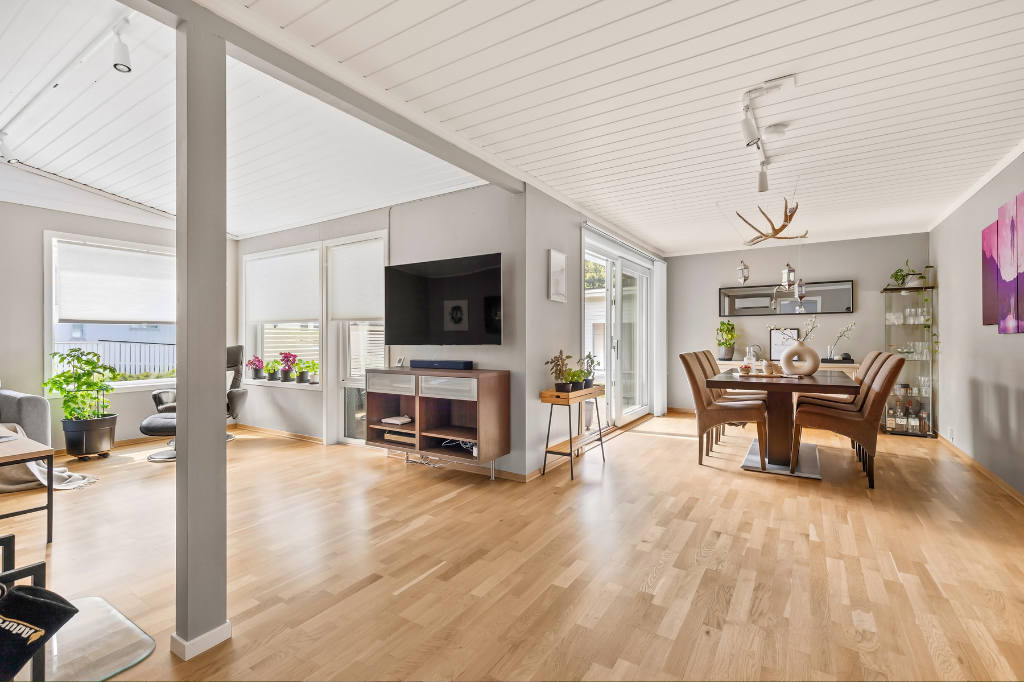
When selling a home, competing listings can tell you almost as much as recent sales. Sold properties show what buyers have already accepted. Active listings show what buyers are comparing your home against right now. That distinction matters. A seller may have a strong property, a fair price, and good marketing. However, if nearby homes offer more space, better presentation, stronger updates, or a sharper price, buyers will notice. They may not say it out loud, but they are comparing options in real time. Buyers Do Not View Your Home in Isolation Most buyers are not looking at one home. They are looking at a group of homes within a price range, neighbourhood, property type, and lifestyle need. That means your home is judged against: Similar homes currently for sale Recent price reductions Properties with better presentation Homes with stronger layouts or updates Listings that appear to offer better value Even if your home is priced based on past sales, competing listings can change how buyers respond today. Active Listings Show Current Buyer Choice Recent comparable sales are useful, but they are historical. They tell you what happened under a specific set of conditions. Active listings show the current choice buyers have. If there are only a few similar homes available, your property may stand out more easily. If there are many similar homes on the market, buyers may take longer, compare more carefully, and negotiate harder. This does not always mean a seller needs to lower the price. It does mean the listing strategy needs to be realistic. Presentation Can Shift the Comparison Competing listings are not only about price. Presentation plays a major role. A home that is clean, bright, well photographed, and easy to understand online can often create more interest than a similar home that feels cluttered or poorly presented. Buyers compare photos before they book a showing. They compare layouts before they walk through the door. They compare condition, finishes, outdoor space, storage, parking, and maintenance concerns. Small improvements can help your listing compete more strongly, especially when buyers have options. Price Adjustments Often Start With Competition When a listing is not getting enough showings or interest, sellers often look first at the price. That is fair, but the better question is: What else can buyers choose instead? If a nearby property is priced lower, recently reduced, better staged, or offering more useful space, that listing becomes part of the decision. Your home may still be worth the asking price, but buyers need to clearly understand why. This is where strategy matters. Sometimes the answer is a price adjustment. Sometimes it is improved photos, better wording, stronger feature emphasis, or a clearer explanation of the home’s value. Competing Listings Help Sellers Stay Objective Selling a home can feel personal. For many homeowners, the property carries years of memories, improvements, and emotional value. Buyers see it differently. They are trying to decide which home gives them the best fit, value, and confidence. Looking honestly at competing listings helps sellers step outside their own attachment and see the home through a buyer’s eyes. That perspective can make the difference between waiting and adjusting with purpose. What Sellers Should Review Before Listing Before going live, sellers should review the current competition with their real estate team. Key questions include: How many similar homes are currently for sale? Which listings are getting attention? Which homes have reduced their price? How does our presentation compare? What does our home offer that others do not? Where might buyers hesitate? Is our pricing strategy clear and defensible? These questions help shape a stronger launch. The Bottom Line Competing listings are not something sellers should fear. They are information. They help sellers understand buyer choice, pricing pressure, presentation standards, and market positioning. The goal is not to copy the competition. The goal is to know where your home fits, where it stands out, and where strategy may need to change. In a market where buyers compare carefully, sellers who understand competing listings are better prepared to price, present, and adjust with confidence. For advice on how your home compares to competing listings in Greater Victoria, contact Faber Real Estate Group for a clear, local selling strategy. Doug M., 5-Star Review, via Google “For us, selling our first home of 15 years brought up a lot of emotion and the process felt daunting. We had a challenging tenant and lived off island. In rode the Fabers, like knights on white horses! Always there, supporting, guiding every step of the way, connecting with confidence and kindness. Fluid communication and success on every level. Truly a God send, we can’t imagine having done it without them! A pleasure indeed.” Faber Real Estate Group Royal LePage Coast Capital Realty 📞 250-244-3430 📧 [email protected] ℹ️ Scott Faber Personal Real Estate Corporation ℹ️ Cal Faber Personal Real Estate Corporation Vanessa Wood, Zachary Parsons, and Sophie Taylor “Building Lasting Relationships, One Home at a Time.”
Read more
The psychology of home buying plays a bigger role than many people realize. Buyers may talk about price, bedrooms, location, and square footage, but their final decision is often shaped by emotion, perception, and confidence. Understanding the psychology of home buying helps both buyers and sellers make better decisions. A home purchase is not just a financial transaction. It is also a decision tied to identity, lifestyle, comfort, stress, and future plans. That is why two homes with similar features can create very different reactions. Buyers Start with Logic, Then Decide with Emotion Most buyers begin their search with a practical checklist. They might want three bedrooms, a yard, a certain school catchment, or a shorter commute. That is the logical side of the search. Then something else happens. A buyer walks into one home and immediately feels comfortable. Another home may check more boxes on paper, but it feels cold, awkward, or harder to picture living in. This is where emotion starts to guide the decision. Common emotional drivers include: Feeling safe in the neighbourhood Imagining family life in the space Pride of ownership Comfort and calm Excitement about the future Fear of missing out on a good opportunity The emotional response is often what turns interest into action. First Impressions Carry More Weight Than People Think Buyers make fast judgments. Before they have fully analyzed the layout or the price, they are already forming an opinion based on how the home feels. This includes: Street appeal Cleanliness Smell Natural light Noise levels Layout flow Overall sense of care A home that feels bright, clean, and easy to understand often creates more confidence. A home that feels cluttered, dark, or poorly maintained can make buyers hesitate, even if the issues are minor. This is why presentation matters so much. Buyers are not only evaluating the property. They are also evaluating the risk of choosing it. Buyers Want Confidence More Than Perfection Many sellers assume buyers are looking for a perfect home. In reality, most buyers understand that every property has trade-offs. What they really want is confidence. They want to feel that: The home has been cared for The asking price makes sense The layout works for their life The negatives are manageable They are not missing something important When buyers feel uncertain, they slow down. When they feel clear, they move faster. This is one reason why transparent marketing, clean presentation, and a well-prepared listing can have such a strong effect. The goal is not to make a home look flawless. The goal is to reduce friction and increase trust. Fear Shapes Buyer Behaviour Home buying is exciting, but it is also stressful. Buyers are often managing a mix of hope and fear at the same time. Some of the biggest fears include: Overpaying Buying the wrong location Missing hidden problems Acting too quickly Waiting too long and losing the home Feeling regret after the purchase These fears can lead to very different behaviours. Some buyers rush because they are afraid of losing out. Others delay because they are afraid of making a mistake. This is why strong guidance matters. Good real estate advice does more than open doors. It helps buyers interpret what they are feeling and make decisions with more clarity. Lifestyle Vision Is Often the Real Decision Maker A home is rarely bought just for what it is today. Buyers are usually buying into a picture of the life they want next. They may be thinking about: Hosting family dinners Walking the kids to school Having space for a dog Working from home more comfortably Reducing maintenance Feeling settled in a certain neighbourhood In other words, buyers are often purchasing a future version of their life. That is why homes that help people imagine their next chapter often perform better than homes that simply present features. Features matter, but lifestyle connection is often what makes a listing memorable. Scarcity and Competition Can Change Everything Buyer psychology shifts when there is competition. When inventory feels limited or a home is especially well-positioned, buyers can become more emotionally invested very quickly. Urgency increases. So does the fear of regret. A buyer who was unsure on day one may become far more decisive once they know other people are interested. This does not mean buyers should be pressured. It means market context matters. The same buyer may behave very differently depending on supply, pricing, and how unique the property feels. For sellers, this is a reminder that pricing and presentation influence more than traffic. They influence buyer emotion. The right strategy can make a home feel like an opportunity rather than just another option. The Best Decisions Happen When Emotion and Strategy Work Together Emotion is not the enemy in real estate. It is part of the process. Problems usually happen when emotion takes over without enough structure. The strongest buying decisions usually happen when buyers: Know their budget clearly Understand their non-negotiables Recognize emotional reactions without being controlled by them Compare homes against long-term goals Get advice grounded in market reality A buyer should love the home. They should also understand why it makes sense. That balance is where confidence comes from. What Sellers Can Learn from Buyer Psychology If you are selling, buyer psychology should shape how you prepare and market your home. A few important takeaways: Buyers notice feeling before details Clean, bright, well-organized homes often feel safer to purchase Clear pricing helps reduce hesitation Small signs of neglect can create bigger concerns in a buyer’s mind Marketing should help buyers picture a lifestyle, not just read a feature list The question is not only, “What does this home have?” It is also, “How does this home make a buyer feel?” That question often has a bigger impact on the final result than many sellers expect. Final Thoughts The psychology of home buying is a mix of logic, emotion, fear, confidence, and future vision. Buyers may justify a purchase with numbers, but the decision is often shaped by how a home feels and how clearly they can picture their life in it. Whether you are buying or selling, understanding these patterns can help you make more thoughtful choices and avoid decisions driven only by pressure or impulse. If you want guidance on how buyer psychology could affect your next move in Greater Victoria, contact Faber Real Estate Group for clear advice tailored to your goals. Kushant J.., 5-Star Review, via Google “I have dealt with many real estate agents in the past years but Scott really stood out to me. He pays attention to your personal requirements, is a fountain of knowledge, and overall just an amazing person to communicate with. We have young children and Scott knows exactly how to work with us when it comes to open houses and viewings (very difficult with young children). I will be working with Scott for all of my future real estate needs!” Faber Real Estate Group Royal LePage Coast Capital Realty 📞 250-244-3430 📧[email protected] ℹ️ Scott Faber Personal Real Estate Corporation ℹ️ Cal Faber Personal Real Estate Corporation Vanessa Wood, Zachary Parsons, and Sophie Taylor “Building Lasting Relationships, One Home at a Time.”
Read more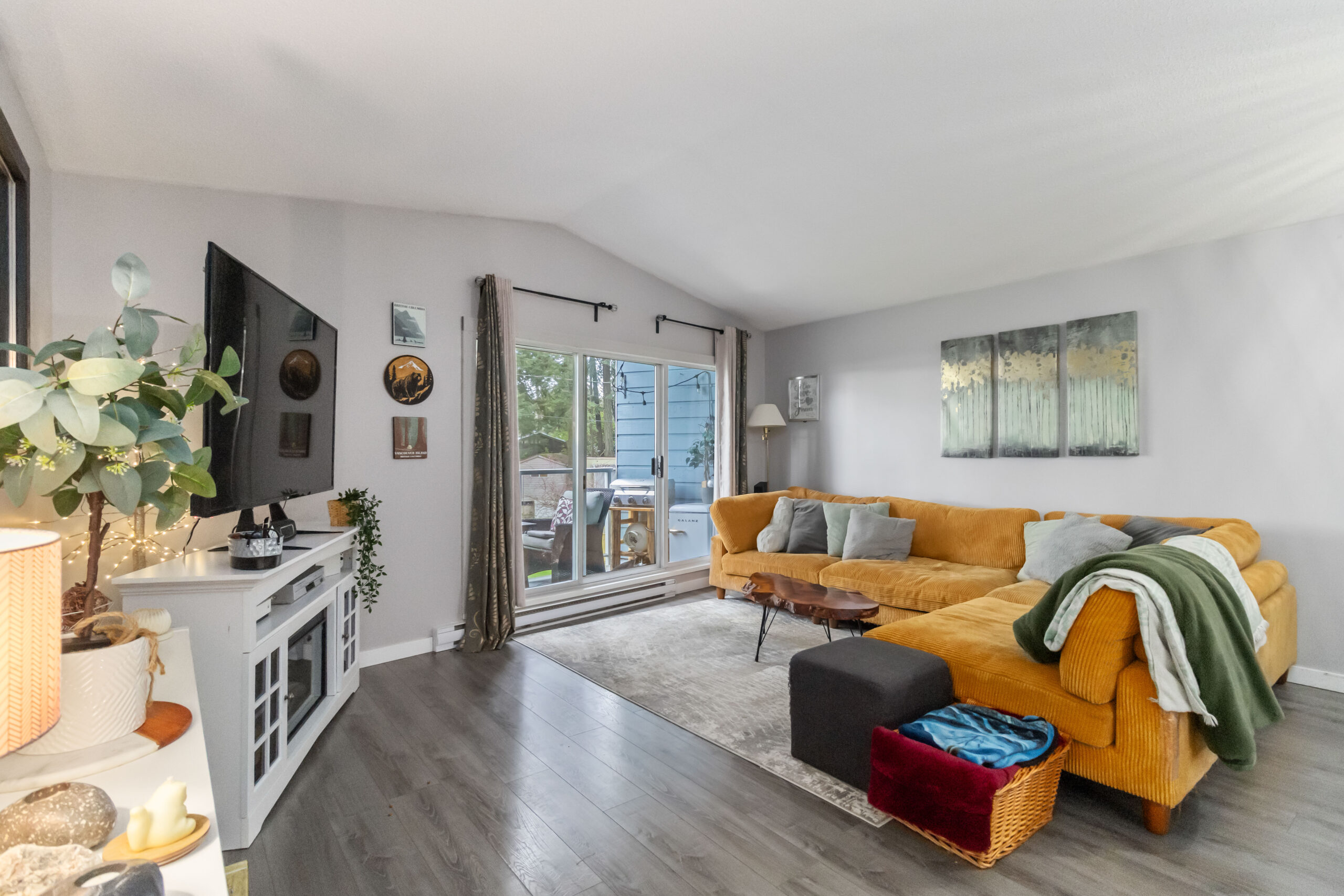
Trying to compete as a buyer without overpaying can feel difficult, especially when a well-presented home attracts fast attention. But in Greater Victoria right now, buyers are not operating in the same kind of extreme panic market seen in past years. The Victoria Real Estate Board reported 579 sales in March 2026 and 3,261 active listings at month end, with active listings up 12.3 per cent from February and 7.9 per cent from March 2025. VREB described current conditions as offering plentiful opportunity for both buyers and sellers, with fewer high-pressure transactions and more time for due diligence. That matters because it gives buyers more room to think, compare, and negotiate. That is the first mindset shift: being competitive does not mean being reckless. In a market with healthier supply and more balanced conditions, the strongest buyers are usually the ones who are prepared, clear, and disciplined. Start by Understanding What “Overpaying” Actually Means A lot of buyers think overpaying means offering above asking price. That is not always true. Sometimes a buyer offers over asking and still makes a sound decision because: the asking price was intentionally low the property is rare for the area recent comparable sales support the number the home solves a long-term need better than alternatives On the other hand, a buyer can also overpay below asking if the property was overpriced to begin with. The real question is not, “Am I over list price?” It is, “Am I paying more than this home is worth to me and more than the market reasonably supports?” Preparation Is What Makes Buyers Competitive The strongest buyers usually win before the offer is written. That means having: mortgage approval in place down payment fully organized deposit funds ready a lawyer or notary identified a clear maximum purchase range a short list of non-negotiables versus preferences This matters because speed without preparation often leads to emotional decisions. Speed with preparation creates confidence. There is also a financing reason to be disciplined. The Bank of Canada held its policy rate at 2.25 per cent on March 18, 2026, maintaining improved borrowing conditions compared with peak-rate periods, but affordability still needs to be tested against your real monthly comfort zone, not just the maximum a lender will approve. Focus on Value, Not Hype In a competitive situation, buyers can get distracted by presentation, staging, or the fear that someone else will grab the home first. A better approach is to evaluate each property through three lenses: 1. Market value What do recent comparable sales suggest? 2. Personal value How well does the home fit your actual lifestyle, location needs, and long-term plans? 3. Risk value What repairs, strata issues, layout compromises, or resale limitations could affect the decision later? A home that scores well in all three categories is usually worth competing for. A home that only wins on emotion is where buyers often drift into overpaying. Strong Offer Structure Beats Blind Aggression Many buyers assume the strongest offer is simply the highest price. In reality, sellers usually look at the full package. A competitive offer can be strengthened by: a clean deposit structure fewer unnecessary complications flexible dates that suit the seller strong financing preparation concise and professional paperwork confidence in decision-making before the offer goes in That means you do not always need to win with price alone. Sometimes the better move is to make your offer easier to accept rather than just more expensive. Do Your Due Diligence Before the Pressure Peaks One of the best ways to avoid overpaying is to do as much homework as possible before offer night. That may include: reviewing comparable sales reading strata documents early, where applicable checking zoning or future land-use factors understanding insurability or financing concerns identifying major maintenance items in advance The buyer who learns these things early is much less likely to make a panic offer later. This is especially important in a market like Greater Victoria today, where buyers have more inventory to choose from. VREB reported 3,261 active listings at the end of March 2026, while the Victoria Core single-family benchmark rose to $1,330,200 from $1,307,400 in February, though it remained 1.1 per cent below March 2025. That points to a market with some spring momentum, but not runaway pricing. The Victoria Core condominium benchmark was $553,800 in March 2026, up from $545,600 in February and down 0.8 per cent year over year. Set a Walk-Away Number Before You Fall in Love This is one of the most important rules. Before you write, decide: your ideal number your competitive number your absolute walk-away number Then stick to it. Why? Because buyers rarely make poor decisions from lack of information alone. They make poor decisions when emotion changes the rules mid-process. A home can be a great fit and still not be worth chasing past your limit. Missing one property is frustrating. Overcommitting to the wrong one can affect your finances and flexibility for years. Look for Opportunity Where Others Are Hesitating The most competitive buyers are not always the ones chasing the most obvious listing. Sometimes the better strategy is to target homes that: have been on the market a bit longer were initially overpriced and may now be more negotiable show less perfectly but have strong fundamentals need cosmetic updates rather than structural work are overshadowed by more polished competing listings This is where value often lives. In a market with stronger inventory and less pressure, patience can be a real advantage. Buyers who look beyond the most emotionally crowded listings often find better negotiating conditions and less pressure to stretch. Do Not Confuse Urgency With Scarcity A listing can feel urgent without actually being scarce. That distinction matters. Scarcity means the property is genuinely rare for the location, price point, or feature set. Urgency often just means the marketing is strong, the home shows well, or the first weekend is busy. Those are not the same thing. VREB’s March 2026 report said the current environment is giving both buyers and sellers time to make decisions and complete due diligence, which is very different from a true panic market. Work With a Strategy, Not Just a Search The buyers who avoid overpaying usually have a plan for how they will compete, not just a list of homes to see. That strategy often includes: identifying target neighbourhoods and backup areas knowing which compromises are acceptable understanding where they can move quickly and where they should slow down recognizing when a listing is priced for attention versus priced for sale being willing to walk away from the wrong fit That is what keeps a buyer both competitive and protected. Final Thoughts To compete as a buyer without overpaying, you need more than enthusiasm. You need preparation, market context, and a clear ceiling before emotions take over. In Greater Victoria’s current market, buyers often have more choice, more time, and more negotiating room than they assume, which means strong decisions come from discipline, not desperation. If you want help building a buying strategy that keeps you competitive without stretching beyond what makes sense, contact Faber Real Estate Group for clear guidance tailored to your goals and price range. Leanne D, 5-Star Review, via Google “I would highly recommend the Faber Group this is the second time we have used them and have been over the top happy with their service. They are an honest group of men who all go above and beyond to make your experience perfect!” Faber Real Estate Group Royal LePage Coast Capital Realty 📞 250-244-3430 📧[email protected] ℹ️ Scott Faber Personal Real Estate Corporation ℹ️ Cal Faber Personal Real Estate Corporation Vanessa Wood, Zachary Parsons, and Sophie Taylor “Building Lasting Relationships, One Home at a Time.”
Read more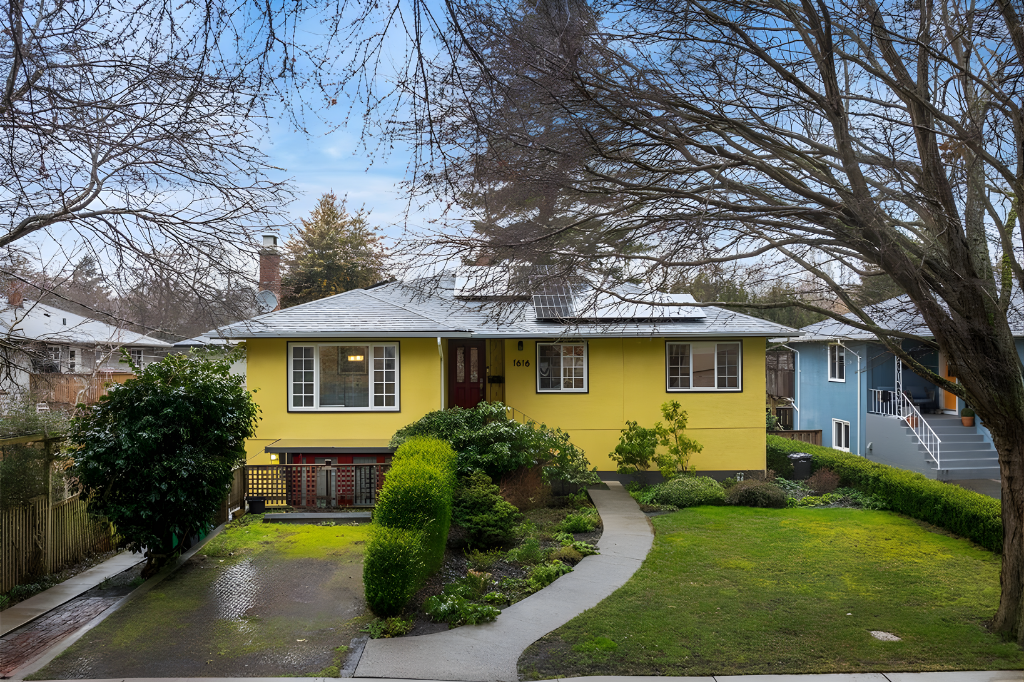
When buyers compare Fernwood vs Fairfield Victoria BC, they are usually not choosing between a good area and a bad one. They are choosing between two strong neighbourhoods that offer very different versions of Victoria living. Both are established, desirable, and close to the urban core, but the day-to-day feel is not the same. The City of Victoria identifies both as distinct neighbourhoods within the city, and both have active community associations and established planning frameworks that shape how they evolve. The real difference is not price alone A lot of buyers start with price, but that usually is not the best first filter. The better question is this: Do you want a neighbourhood that feels a little more eclectic and community-driven, or one that feels more polished, coastal, and traditionally residential? That is where the Fernwood versus Fairfield decision usually becomes clearer. Why Fernwood appeals to so many buyers Fernwood tends to attract buyers who want character, creativity, and a stronger sense of neighbourhood identity. The City-approved Fernwood neighbourhood plan was adopted in July 2022, and the planning work around Fernwood emphasizes housing choice, sustainable transportation, and the role of Fernwood Village as a local centre. The City also describes Fernwood Village as a cluster of well-maintained, intact, and regionally significant heritage buildings centred on Fernwood Avenue and Gladstone Avenue. In practical terms, Fernwood often appeals to buyers who value: heritage character local independent-business energy a community-oriented atmosphere a more urban, artsy, lived-in feel housing with personality rather than polish alone Fernwood also has a strong community identity beyond real estate. Fernwood NRG describes itself as a neighbourhood house run by and for Fernwood residents, which reinforces the area’s reputation for grassroots community involvement. Why Fairfield draws a different type of buyer Fairfield usually attracts buyers who want a quieter residential setting with a more classic Victoria feel. City planning documents for Fairfield identify village nodes such as Fairfield Plaza Village, Five Points Village, and Moss Street Village, and the broader area is closely tied to major outdoor amenities and shoreline access. The City describes Beacon Hill Park as the crowning jewel in Victoria’s park system, with roughly 740,000 square metres of parkland, while Dallas Road Beach is identified by the City as offering beach access, water views, and trails and paths. That usually makes Fairfield attractive to buyers who value: a more established residential feel access to major parks and shoreline walking a quieter streetscape in many pockets a classic South Victoria lifestyle a neighbourhood that often feels more traditional and tucked in Fairfield is often less about edge and more about ease. How the housing feel differs This is where the comparison becomes more useful for serious buyers. Fernwood Fernwood often feels more varied. Buyers will notice a mix of older character homes, smaller lots, converted properties, and a broader blend of housing types as the neighbourhood evolves. Because the neighbourhood plan focuses on housing choice and village-centred growth, Fernwood can feel more dynamic and more layered block to block. Fairfield Fairfield often feels more consistently residential. Even as housing policy changes continue across Victoria, Fairfield has long been associated with traditional residential form, and planning documents continue to frame parts of the area around village nodes within a largely established neighbourhood fabric. That difference matters because some buyers want variety and evolution, while others want consistency and predictability. Lifestyle fit: which one feels more like you? This is usually the fastest way to narrow it down. Fernwood may be the better fit if you want: more character and neighbourhood personality a stronger arts and community vibe a less polished, more organic streetscape easier comfort with mixed housing forms and gradual change a neighbourhood that feels creative and active Fairfield may be the better fit if you want: a calmer, more residential atmosphere close access to major green space and waterfront walking a classic Victoria setting a neighbourhood that feels established and timeless a more traditionally residential day-to-day experience Neither choice is more “correct.” They just serve different buyer priorities. What buyers often miss in this comparison The biggest mistake is assuming the choice is only about prestige or popularity. It is not. The better choice usually comes down to how you want to live Monday through Friday, not just how the area feels on a sunny Saturday afternoon. For example: If you want a neighbourhood with a little more texture and community energy, Fernwood may feel more natural. If you want a calmer residential setting with easier access to landmark outdoor spaces, Fairfield may feel stronger. If you are buying for long-term lifestyle stability, street-by-street fit matters more than broad reputation. That is especially true in Victoria, where neighbourhood transitions can happen quickly over only a few blocks. Which neighbourhood is better for resale? Both can hold strong appeal, but for different reasons. Fernwood often attracts buyers who are drawn to character, walkability, and community identity. Fairfield often attracts buyers who prioritize location stability, park access, and a classic South Victoria feel. In other words, both have strong demand drivers, but the buyer pools are not always identical. This is why resale strength is often more about matching the right property to the right neighbourhood expectation than trying to declare one area universally better. That conclusion is an informed market inference based on the neighbourhood characteristics and planning context above. The bottom line Fernwood and Fairfield are both excellent Victoria neighbourhoods, but they appeal to different instincts. Fernwood tends to suit buyers who want character, culture, and a stronger neighbourhood pulse. Fairfield tends to suit buyers who want a quieter residential setting, classic Victoria appeal, and close access to park and waterfront amenities. The best choice is usually not the one with the strongest reputation. It is the one that fits the way you actually want to live. If you are deciding between Fernwood and Fairfield, contact Faber Real Estate Group for local guidance on which neighbourhood better fits your budget, lifestyle, and long-term goals. Grace C., 5-Star Review, via Google “Zach is very pleasant and professional at all times. He's great to work with. He helped us find a great home for our family. Thank you.” Faber Real Estate Group Royal LePage Coast Capital Realty 📞 250-244-3430 📧[email protected] ℹ️ Scott Faber Personal Real Estate Corporation ℹ️ Cal Faber Personal Real Estate Corporation Vanessa Wood, Zachary Parsons, and Sophie Taylor “Building Lasting Relationships, One Home at a Time.”
Read more