
Posts Tagged ‘Victoria real estate advice’

Greater Victoria real estate market trends are giving buyers something they have not had as much of in recent years: more choice. For anyone buying in Greater Victoria, understanding Greater Victoria real estate market trends can help you make a more confident decision, compare homes carefully, and avoid reacting to headlines that do not tell the full story. The market is not the same in every neighbourhood or price range. A condo in downtown Victoria, a townhouse in Langford, and a detached home in Saanich can each behave differently. That is why buyers need to look beyond broad market labels and focus on what is happening in their specific budget, property type, and preferred area. What Buyers Need to Know First The current market is giving buyers more room to compare options, but it is not a market where every property is automatically negotiable. The best homes are still attracting interest when they are priced well, presented properly, and located in desirable areas. At the same time, buyers are becoming more selective. They are taking longer to make decisions, viewing more properties, and paying closer attention to condition, layout, monthly costs, and long-term value. For buyers, this creates an important opportunity. You may have more time to think, but you still need a clear strategy. Inventory Is Giving Buyers More Choice One of the biggest changes in the Greater Victoria market is the increase in active listings. When more homes are available, buyers can compare more options before writing an offer. This can reduce the feeling of urgency that many buyers experienced in hotter markets. Instead of feeling pressured to move immediately, buyers may have more time to understand value, review competing listings, and decide what trade-offs they are comfortable making. More inventory can help buyers ask better questions: Is this home priced in line with similar recent sales? How does it compare with other active listings? Has the property been sitting on the market? Are there condition issues that affect value? Is the seller likely to be flexible on price, dates, or terms? More choice does not remove the need for preparation. It simply gives prepared buyers more room to make thoughtful decisions. Buyers Are Comparing Value More Carefully In a market with more listings, buyers are less likely to overlook weak pricing or poor presentation. This is especially true when affordability is still tight. Monthly payments, strata fees, insurance, property taxes, maintenance, and future repairs all matter. A home that looks affordable on the purchase price alone may feel less practical once the full monthly picture is reviewed. For buyers, value is no longer just about getting the lowest price. It is about understanding what the home offers for the price. That may include: Location and walkability Layout and usable space Parking and storage Building condition Strata health Renovation needs Energy efficiency Suite potential Resale appeal The right home is not always the cheapest home. Sometimes the better purchase is the one with fewer surprises, stronger long-term usability, and clearer resale strength. Some Sellers Are More Motivated Than Others As market conditions shift, not every seller responds the same way. Some sellers price ahead of the market and adjust quickly if activity is slow. Others hold firm because they are not in a rush. Some homes come to market with strong pricing from day one, while others need time and feedback before the seller becomes more flexible. This matters for buyers because negotiation is not just about asking for a lower price. It is about understanding the seller’s position, the home’s history, and the level of competition. A strong buyer strategy may include: Reviewing recent comparable sales Checking how long the home has been listed Watching price reductions Comparing similar active listings Understanding whether there are competing offers Structuring terms that matter to the seller Sometimes the best opportunity is not the property with the biggest price reduction. It may be the home where the price, timing, condition, and seller motivation all line up. Well-Priced Homes Can Still Move Quickly More inventory does not mean buyers can wait forever on every property. Homes that are priced well, show well, and meet a clear buyer need can still move quickly. This is especially true for properties in popular school catchments, walkable neighbourhoods, well-run strata buildings, or price ranges where buyer demand remains steady. This is where buyers need balance. You do not want to rush into a poor decision because you are afraid of missing out. But you also do not want to over-wait on a strong opportunity that fits your needs, budget, and long-term goals. A good buying process should help you move at the right speed. Not rushed. Not passive. Prepared. Micro-Markets Matter More Than Headlines A headline might say the market is balanced, slower, stronger, or softer. But that does not mean every buyer has the same experience. Greater Victoria is made up of many micro-markets. A detached home in Oak Bay is not competing with a condo in Langford. A townhouse in View Royal may attract a different buyer pool than a rural property in Metchosin. A newer condo with parking and strong amenities may perform differently than an older building with upcoming repair concerns. Buyers should look at the market through three filters: Property Type Condos, townhomes, and detached homes each have different supply and demand patterns. A market trend that affects one property type may not apply to another. Price Range Some price points have more competition than others. Entry-level homes, family-friendly townhomes, and well-priced properties under key affordability thresholds may still attract strong attention. Neighbourhood Location still matters. Walkability, schools, commute routes, lifestyle, future development, and local amenities all affect how buyers respond to a listing. This is why local advice matters. A broad market trend can give you context, but a micro-market review helps you make a better decision. What This Means for First-Time Buyers First-time buyers may benefit from having more listings to compare, especially if they are open to condos, townhomes, or emerging areas outside the core. The key is to understand your full purchase budget before getting emotionally attached to a home. Purchase price is only one part of the decision. Closing costs, property transfer tax rules, strata fees, insurance, and maintenance should all be reviewed early. A slower market can help first-time buyers learn before they act. Viewing homes, comparing buildings, and understanding trade-offs can make the process feel less overwhelming. What This Means for Move-Up Buyers Move-up buyers often need to balance two decisions at once: selling their current home and buying the next one. More inventory can create opportunity on the buying side, especially if you need more space, a better layout, or a different location. However, the sale of your current home still needs to be priced and planned carefully. The right move-up strategy depends on timing, equity, financing, risk tolerance, and how desirable your current home is in today’s market. For some buyers, it may make sense to sell first. For others, buying first may be possible with the right financing and contingency plan. The important part is knowing your options before you are under pressure. What This Means for Downsizers Downsizers may find the current market helpful because there are more options to compare. This can be especially useful when moving from a detached home into a condo or townhome. Downsizing is not only about price. It is about lifestyle, building quality, storage, parking, accessibility, strata rules, and long-term comfort. With more inventory available, downsizers may have more time to find a home that fits practically and emotionally. The risk is waiting for perfect. The better strategy is to define what matters most, then compare homes against that list. How Buyers Can Use This Market Well A market with more choice rewards preparation. Before writing an offer, buyers should understand: Their comfortable monthly payment Their preferred neighbourhoods Their must-haves versus nice-to-haves Recent comparable sales Active competing listings Building or property condition Closing costs Offer terms and subject clauses Rescission rules and deposit timing This kind of preparation helps buyers act with confidence when the right property appears. It also helps buyers avoid overpaying for the wrong home or missing a good one because they were not ready. The Bottom Line for Buyers Current market trends are giving many Greater Victoria buyers more options, more time, and more room to compare value. That is a meaningful shift from the pressure many buyers felt in previous years. But more choice does not automatically make buying easy. The strongest buyers are the ones who understand their numbers, study the right micro-market, compare homes carefully, and know when to act. If you are thinking about buying in Greater Victoria, the best first step is not guessing where the market is going. It is understanding what the market means for your specific budget, property type, and timeline. Faber Real Estate Group can help you compare neighbourhoods, review current listings, understand recent sales, and build a buying strategy that fits your goals. View our neighbourhood guide here James C., 5-Star Review, via Google “Scott made the process of finding a good condo in Victoria as simple and straightforward as it can be. He was always very helpful, and quick to respond throughout the process from start to finish. Being new to BC I think the ordeal would have been pretty overwhelming otherwise. I'd definitely recommend Scott and his team to others in the future.” Faber Real Estate Group Royal LePage Coast Capital Realty 📞 250-244-3430 📧 [email protected] ℹ️ Scott Faber Personal Real Estate Corporation ℹ️ Cal Faber Personal Real Estate Corporation Vanessa Wood, Zachary Parsons, and Sophie Taylor “Building Lasting Relationships, One Home at a Time.”
Read more
For many Saanich real estate buyers, the appeal is not about one single feature. It is the combination of location, housing variety, amenities, schools, parks, and long-term livability. Saanich may not always feel as trendy as some smaller neighbourhood pockets in Greater Victoria, but that is part of its strength. It works for a wide range of buyers because it offers practical options for different stages of life. Saanich is one of those areas where buyers can often solve more than one problem at once. A family may want space, school access, and parks nearby. A downsizer may want a quieter setting without feeling cut off from services. A professional may want a reasonable commute to downtown Victoria, UVic, Camosun, Royal Oak, Uptown, or the hospital area. That flexibility is a major reason Saanich continues to hold buyer interest. Saanich Offers More Than One Type of Lifestyle One of the biggest advantages of Saanich is that it does not feel like one single market. Some areas feel suburban and family-oriented. Others feel more established, quiet, or semi-rural. In certain pockets, buyers can be close to beaches, trails, shopping, recreation, or major commuter routes. That variety gives Saanich real estate buyers more room to compare lifestyle, budget, and long-term needs. For example, Gordon Head may appeal to buyers who want schools, UVic access, and established residential streets. Broadmead often attracts buyers looking for larger homes, privacy, and a quieter setting. Royal Oak offers strong convenience with shopping, transit, and access to both the Peninsula and downtown Victoria. Cordova Bay brings a coastal feel, while Lakehill, Glanford, and the Quadra area can offer practical central access. The key is that Saanich gives buyers choices without forcing them into one narrow lifestyle category. Location Is a Major Practical Advantage Saanich sits in a useful position within Greater Victoria. Depending on the neighbourhood, buyers can be close to downtown Victoria, UVic, Camosun College, Royal Oak, Uptown, Mount Douglas, Cadboro Bay, Swan Lake, or the Pat Bay Highway. That matters because daily life often has more influence on satisfaction than square footage alone. A home may look great on paper, but buyers also need to think about: Commute patterns School and daycare access Grocery and pharmacy options Transit routes Recreation centres Trail and park access Future resale appeal Saanich performs well because many neighbourhoods balance residential comfort with daily convenience. That balance can make ownership feel easier over time. Parks and Outdoor Access Add Everyday Value Saanich has more than 170 parks, more than 100 kilometres of trails, over 8.25 square kilometres of parkland, 62 sports fields, 56 playgrounds, and 37 beach accesses, according to the District of Saanich. That is not just a lifestyle bonus. It affects how people live day to day. For families, parks and playgrounds can make a neighbourhood feel more usable. For pet owners, nearby trails can be a major factor. For downsizers, walkable green space can help support a more active, connected lifestyle. For long-term owners, proximity to parks and recreation can also support resale appeal. PKOLS, also known as Mount Douglas Park, is one of Saanich’s strongest examples. The District of Saanich notes that the park covers 188 hectares and includes more than 21 kilometres of trails. That kind of access is hard to recreate in newer, more densely built areas. Housing Variety Gives Buyers More Ways to Enter the Market Saanich includes detached homes, townhomes, condos, duplexes, older character homes, renovated family homes, larger lots, and strata options. This matters because not every buyer wants the same ownership experience. Some buyers are looking for a long-term family home. Others want lower maintenance. Some want suite potential. Others want a condo close to services. Saanich can often support several of those goals within the same municipality, although price points and availability vary significantly by neighbourhood. In the current Greater Victoria market, choice matters. The Victoria Real Estate Board reported 3,710 active listings at the end of April 2026, up 8.3% from April 2025. More inventory gives buyers more room to compare options, but it also makes local guidance more important. Saanich is not one market. A detached home in Cordova Bay is not competing with the same buyer as a condo near Uptown or a family home in Glanford. Buyers need to understand the micro-market before deciding what value really means. Practical Does Not Mean Boring Sometimes buyers overlook practical areas because they are searching for a certain feeling. They may want charm, walkability, views, a larger yard, or a newer finish. Those things matter. However, practical value often shows up after move-in. It appears when the commute is manageable. It appears when errands are close. It appears when the home still works after a family grows, work changes, or retirement plans shift. It appears when a buyer realizes the location gives them options instead of limitations. That is where Saanich continues to stand out. It may not always be the flashiest choice, but it can be one of the most durable choices. What Buyers Should Watch Before Choosing a Saanich Home Saanich offers strong long-term appeal, but buyers still need to compare homes carefully. Neighbourhood, condition, zoning, strata rules, drainage, sun exposure, parking, suite potential, and future maintenance can all affect value. Before buying in Saanich, it is worth asking: Does this location fit your daily routine? Is the home priced fairly for its specific neighbourhood? Are there upcoming repairs or upgrades to consider? Does the floor plan support your next five to ten years? How does this property compare to similar homes nearby? Will the location still appeal to future buyers? A practical purchase is not just about buying in a strong municipality. It is about choosing the right home within the right pocket of that municipality. Final Thoughts Saanich remains a practical choice for many buyers because it offers a rare mix of convenience, outdoor access, housing variety, and long-term livability. It gives buyers options without pushing them too far from the core of Greater Victoria. For Saanich real estate buyers, the best decision is not always the biggest home, the newest finish, or the lowest price. The better question is whether the home supports real life over time. In many cases, Saanich continues to do exactly that. If you are thinking about buying in Saanich or comparing neighbourhoods across Greater Victoria, contact Faber Real Estate Group for local advice, current market insight, and a clear strategy before you make your next move. Shannon R., 5-Star Review, via Google It was a pleasure to work with Scott Faber and Faber Real Estate Group. When I started looking for my first home in August 2021, I had some pretty specific requirements. Scott is a really knowledgeable Agent who also took the time to understand what I was looking for. I never felt pressured into making a decision that wasn't my own, but always valued his honest opinion and guidance when needed. It took close to 9 months, but we found a great place that checked all the boxes, that I'm excited to call home. I appreciate the whole team's effort, support and patience throughout this journey and as a first time home buyer I could not be happier with my experience with Faber Real Estate Group.” Faber Real Estate GroupRoyal LePage Coast Capital Realty📞 250-244-3430📧 [email protected]ℹ️ Scott Faber Personal Real Estate Corporationℹ️ Cal Faber Personal Real Estate CorporationVanessa Wood, Zachary Parsons, and Sophie Taylor“Building Lasting Relationships, One Home at a Time.”
Read more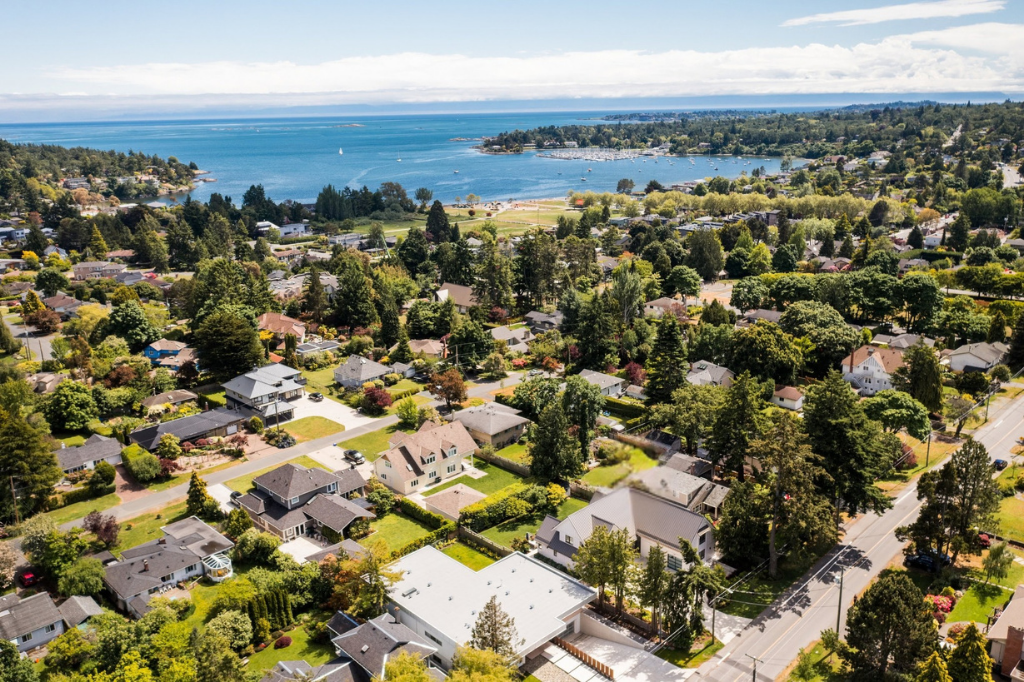
Greater Victoria real estate micro-markets can feel confusing because the region does not move as one single market. A condo in downtown Victoria, a family home in Gordon Head, a townhome in Langford, and a character home in Oak Bay can all respond differently to the same interest rate environment, inventory level, or buyer mood. That is why broad market headlines can only tell part of the story. According to the Victoria Real Estate Board, there were 3,710 active listings on the MLS® at the end of April 2026, up 8.3% from April 2025. The Board also described the overall market as balanced, while noting that buyer and seller experiences can vary depending on property type and location. That last point matters most. A Balanced Market Does Not Mean Every Area Feels Balanced When people hear that the market is balanced, they often assume every neighbourhood is moving at the same pace. That is rarely true. One area may have strong demand for detached homes because families want school access, yard space, and long-term livability. Another area may have slower condo activity because buyers have more choice, higher strata scrutiny, or stronger price sensitivity. A balanced regional market can still contain: Competitive pockets Slower-moving property types Price-sensitive segments High-demand neighbourhoods Listings that need sharper pricing to stand out This is why Greater Victoria real estate micro-markets require more than a regional average. Property Type Changes Everything A detached home, townhouse, condo, acreage property, and new-build unit can all behave differently. For example, buyers comparing condos may focus on strata fees, depreciation reports, insurance, amenities, parking, and building age. Buyers looking at detached homes may care more about lot size, renovation history, suite potential, roof condition, schools, and outdoor space. Even within the same neighbourhood, two property types can have very different buyer pools. A well-priced townhouse in a walkable area may attract strong interest, while a nearby condo with high strata fees may move more slowly. A dated detached home may sit if it needs major work, while a well-maintained home nearby may sell quickly because buyers value certainty. Neighbourhood Lifestyle Drives Buyer Demand Greater Victoria is not just a collection of price points. It is a collection of lifestyles. Buyers are often choosing between very different versions of daily life: Walkability in Fairfield, James Bay, Cook Street Village, or Fernwood Space and newer homes in Langford, Colwood, or View Royal Quiet residential streets in Gordon Head, Cordova Bay, or Oak Bay Waterfront access in Sidney, Saanich Peninsula, or Esquimalt Rural privacy in Metchosin, Central Saanich, or parts of Highlands These choices are emotional as much as financial. A buyer who wants cafés, transit, and walkability may accept less square footage. A buyer who wants a garage, yard, and newer construction may look further from the core. A downsizer may prioritize elevator access, storage, and a quiet building over a larger floor plan. That is why two homes at the same price can feel completely different in value. Price Brackets Create Their Own Markets Price point is another reason local real estate behaves differently. A home listed around a first-time buyer budget may attract a very different buyer group than a home listed above $1.5 million. Financing, affordability, insurance, strata fees, renovation costs, and property transfer tax considerations can all influence how active buyers feel at each level. In some price ranges, buyers may move quickly because quality options are limited. In others, they may compare more carefully because there are more listings to choose from. For sellers, this means pricing cannot rely only on what the neighbour sold for. It needs to consider: The current competition Buyer affordability at that price point Days on market for similar homes Recent comparable sales Property condition How much choice buyers have today The right pricing strategy depends on the specific buyer pool, not just the address. Condition Matters More When Buyers Have Choice When inventory rises, buyers tend to become more selective. In April 2026, Greater Victoria had more active listings than the previous year, giving buyers more options across many parts of the region. That does not mean every buyer has endless choice, but it does mean sellers need to understand how their home compares in real time. In a market with more selection, buyers often look closely at: Roof age Windows Heating systems Strata documents Depreciation reports Drainage Electrical updates Renovation quality Storage and parking Long-term maintenance costs A home does not need to be perfect. It needs to be clearly positioned. A well-maintained home gives buyers confidence. A home with unclear maintenance history may create hesitation, even if the price seems reasonable. Buyers and Sellers Need Local Context, Not Just Market Averages Averages can help explain the direction of the market. They do not tell you what to offer on one specific home or how to price one specific listing. For buyers, local context helps answer better questions: Is this home priced fairly for this neighbourhood? How much competition is there for this property type? Are buyers moving quickly here or taking their time? Is this location likely to support long-term resale demand? What trade-offs are normal at this price point? For sellers, local context helps avoid two common mistakes: Overpricing based on old market momentum Underestimating buyer demand in a strong pocket Good strategy starts with the micro-market, not the headline. What This Means If You Are Buying When buying in Greater Victoria, it helps to compare homes by lifestyle, property type, and long-term fit rather than price alone. A condo in the core may offer walkability and convenience. A townhouse in the Westshore may offer more space and newer construction. A detached home in Saanich may offer long-term flexibility, but may also come with higher maintenance needs. The better question is not simply, “Is this a good deal?” A better question is, “Is this the right trade-off for the way I want to live, the budget I have, and the resale value I want to protect?” What This Means If You Are Selling When selling, the goal is not to price for the entire region. The goal is to price for the buyers most likely to choose your home. That means looking closely at: Your neighbourhood Your property type Your condition level Your competition Your timing Your likely buyer profile A strong listing strategy should explain why your home makes sense in its specific market. That may mean highlighting walkability, updates, outdoor space, suite potential, strata strength, school proximity, or lifestyle convenience. The more specific the positioning, the easier it is for the right buyer to understand the value. The Bottom Line Greater Victoria real estate micro-markets matter because buyers are not shopping the region in one uniform way. They are comparing neighbourhoods, lifestyles, building types, costs, risks, and long-term fit. That is why the best advice is rarely generic. Whether you are buying or selling, the real value comes from understanding the specific market you are in, not just the market everyone is talking about. For advice on how your neighbourhood, property type, or price range is performing in today’s Greater Victoria real estate market, contact Faber Real Estate Group. Darren L., 5-Star Review, via Google “Fabulous job from Cal, Scott and Vanessa. They were professional, have strong negotiating skills and had a proactive strategy as the house sold very quickly (within a day the offer was accepted) and for the asking price. We were at ease with Cal and the team once we decided to go with them after interviewing other realty groups. It was definitely a smooth experience to say the least. Highly recommending the Faber Group if you’re buy or selling. Truly a group that is there to put the client first and foremost.” Faber Real Estate Group Royal LePage Coast Capital Realty 📞 250-244-3430 📧 [email protected] ℹ️ Scott Faber Personal Real Estate Corporation ℹ️ Cal Faber Personal Real Estate Corporation Vanessa Wood, Zachary Parsons, and Sophie Taylor “Building Lasting Relationships, One Home at a Time.”
Read more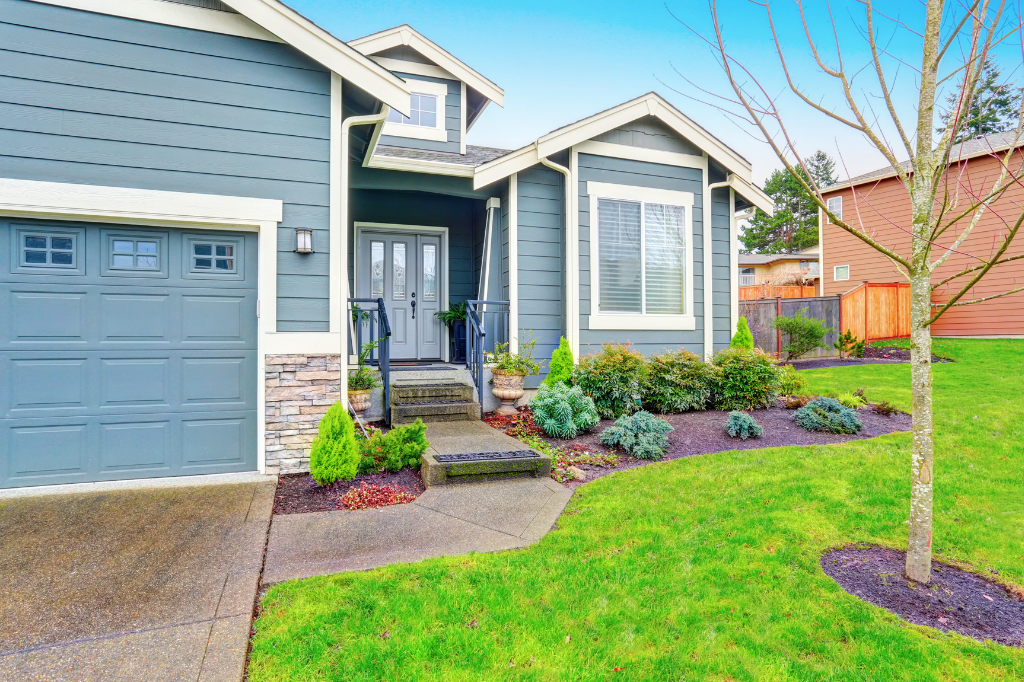
The GST rebate on new homes can make a meaningful difference for eligible first-time buyers, especially when comparing new condos, townhomes, and detached homes in Greater Victoria. The key is not just whether a property qualifies. It is where the rebate has the greatest practical impact on affordability, monthly comfort, and long-term fit. For eligible first-time buyers, the First-Time Home Buyers’ GST/HST Rebate can remove the federal GST on qualifying new homes valued up to $1 million, with a reduced rebate available between $1 million and $1.5 million. The maximum potential federal GST savings is $50,000. Canada’s Bill C-4 received Royal Assent on March 12, 2026, and the CRA notes that qualifying purchase agreements generally need to be entered into with the builder on or after March 20, 2025, and before 2031. Why the Rebate Changes the New Construction Conversation Buying new construction often feels different from buying resale. The price may include GST, the completion timeline may be months away, and buyers need to understand deposits, strata fees, warranty coverage, and what is included in the purchase price. The GST rebate on new homes matters because it can reduce one of the biggest added costs of buying new. For some buyers, that may improve the budget enough to stay in a preferred location. For others, it may help them choose a better floorplan, add parking, or keep more cash available after completion. Still, the rebate should not be the only reason to buy. A lower tax cost helps, but the right property still needs to fit your lifestyle, budget, and resale outlook. Where It Helps Most: New Condos For many first-time buyers in Greater Victoria, new condos may see the clearest benefit from the GST rebate. That is because condos are more likely to fall within the price range where the full rebate can apply. In a market where many buyers are trying to balance affordability with location, the rebate may help make a new condo more competitive against a resale option. New condos may be especially appealing when buyers want: Lower maintenance responsibilities A more walkable location Newer building systems Warranty protection Predictable finishes and modern layouts Access to entry-level ownership without taking on a larger detached home budget The trade-off is space. A condo may offer the strongest tax benefit, but buyers still need to think carefully about storage, parking, strata fees, rental bylaws, pet rules, and long-term livability. Where It Helps Differently: New Townhomes Townhomes often sit in the middle of the conversation. They may offer more space than a condo, but still avoid some of the cost and upkeep of a detached home. This is where the rebate can be useful, but buyers need to watch the price point closely. In some Greater Victoria neighbourhoods, new townhomes may fall under the $1 million mark. In others, they may move into the phase-out range, where the rebate becomes smaller. A new townhome may be a strong fit for buyers who want: More bedrooms or flexible work-from-home space Direct outdoor space A family-friendly layout Less maintenance than a detached home A longer ownership runway For many buyers, this is where the GST rebate can support a better lifestyle choice. The rebate may not always be as clean or complete as it is on a lower-priced condo, but it can still help reduce the gap between “we can afford it” and “this actually works for our next stage of life.” Where It Helps Least: New Detached Homes New detached homes can still benefit from the GST rebate, but this is often where the math becomes more limited. In Greater Victoria, new detached homes are more likely to exceed the $1 million threshold. Once the price moves between $1 million and $1.5 million, the rebate starts to phase out. At $1.5 million and above, the First-Time Home Buyers’ GST/HST Rebate no longer applies. That does not mean new detached homes are the wrong choice. It simply means the rebate may have less influence on the decision. A new detached home may still make sense for buyers who value: More land More privacy Long-term family space Suite potential, where permitted Fewer shared property decisions A longer-term ownership plan The key is to avoid overvaluing the rebate. If the home is already above the strongest rebate range, the decision should lean more on location, carrying costs, future flexibility, and resale strength. A Simple Way to Compare the Three Options The rebate helps most when the home price stays within the strongest eligibility range and the property still meets the buyer’s real needs. In practical terms: New condos may offer the clearest affordability boost. New townhomes may offer the best balance of space and savings. New detached homes may offer the most lifestyle flexibility, but often receive less rebate benefit due to higher pricing. That makes the “best” choice less about property type and more about fit. A condo with the full GST rebate may still be the wrong purchase if it feels too small within two years. A townhome with a partial rebate may be the smarter long-term move if it prevents an early resale. A detached home with little or no rebate may still be the right choice if the buyer has the budget and wants long-term stability. What Buyers Should Confirm Before Relying on the Rebate Before making a decision, buyers should confirm the details carefully with the builder, accountant, mortgage broker, and legal advisor where appropriate. Important questions include: Is GST included in the advertised purchase price? Will the rebate be credited by the builder or claimed after completion? Does the buyer meet the first-time buyer eligibility rules? Is the home intended as a primary residence? Does the agreement date qualify? Is the price within the full rebate, partial rebate, or no rebate range? How does the rebate affect the deposit, mortgage approval, and completion funds? The CRA notes that the rebate can apply in addition to the existing GST/HST new housing rebate where both apply, with the First-Time Home Buyers’ GST/HST Rebate acting as a top-up. The Bigger Picture for Greater Victoria Buyers The GST rebate on new homes can be valuable, but it should support the buying decision, not lead it. For first-time buyers in Greater Victoria, the bigger question is usually this: Does the home still make sense without the rebate? If the answer is yes, the rebate can be a helpful bonus. If the answer is no, the savings may be covering up a poor fit. Buyers still need to think about monthly payments, strata fees, closing costs, commute patterns, lifestyle needs, and how long the home is likely to work for them. The strongest purchase is not always the one with the biggest rebate. It is the one that balances savings, suitability, and long-term confidence. For buyers comparing new condos, townhomes, or detached homes in Greater Victoria, Faber Real Estate Group can help you understand where the GST rebate may help, how each property type compares, and what questions to ask before committing to a new construction purchase. Christina A., 5-Star Review, via Google “We had such a great experience working with Scott Faber during our recent home buying! From the start, Scott made everything super easy and was always there to answer our questions. Scott really listened to what we wanted and helped us find the perfect place. What we appreciated most was how down-to-earth and approachable he was. No matter what came up, Scott was on top of it and kept us in the loop the whole time. We felt like we were in great hands the entire process.” Faber Real Estate Group Royal LePage Coast Capital Realty 📞 250-244-3430 📧 [email protected] ℹ️ Scott Faber Personal Real Estate Corporation ℹ️ Cal Faber Personal Real Estate Corporation Vanessa Wood, Zachary Parsons, and Sophie Taylor “Building Lasting Relationships, One Home at a Time.”
Read more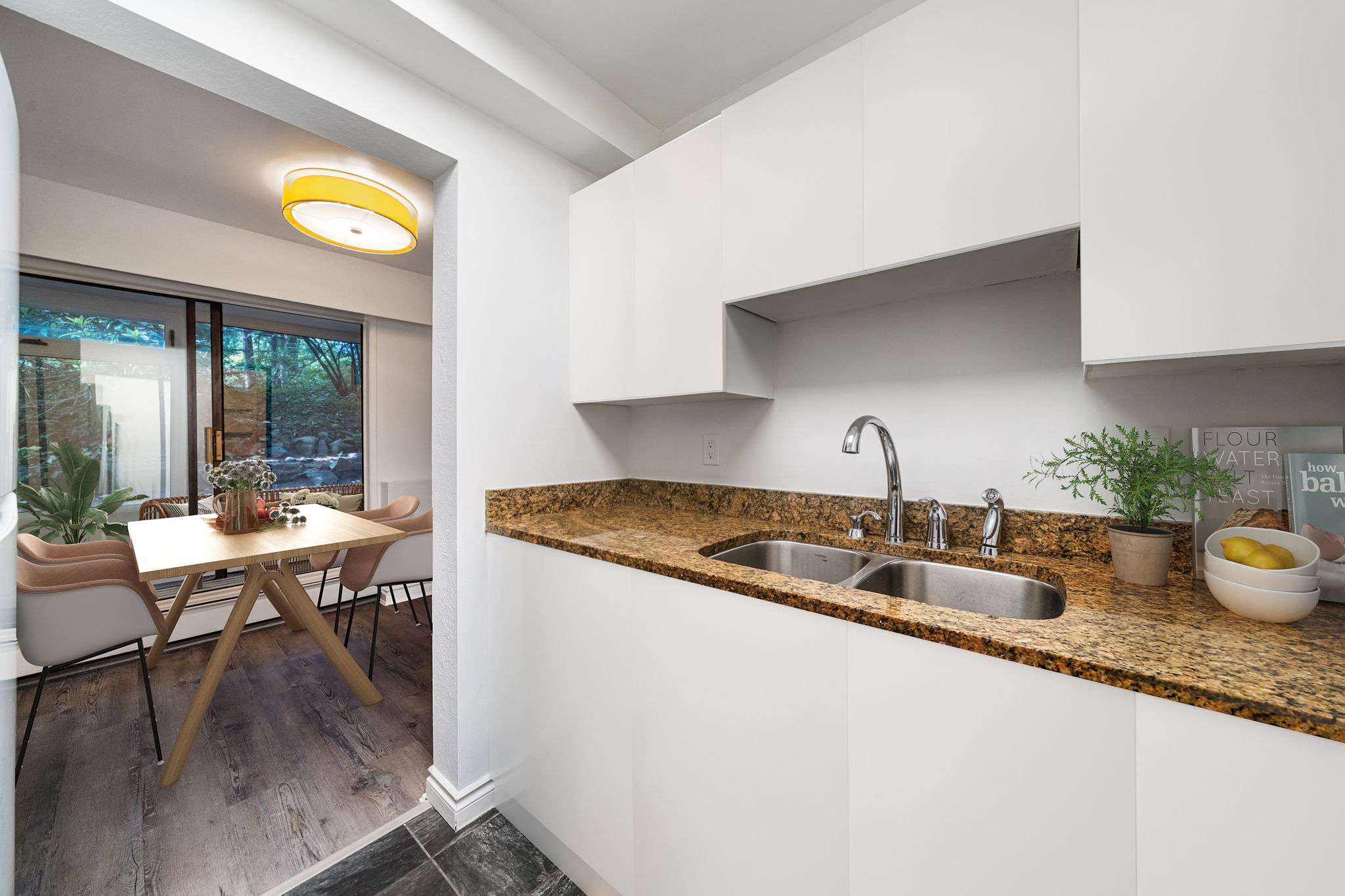
Improving your home does not have to mean a full renovation or major expense. In fact, some of the most budget-friendly ways to boost your property value focus on small, strategic upgrades that create a strong first impression and improve everyday functionality. In a balanced 2026 market across Greater Victoria, these improvements can help your home stand out while keeping costs under control. Start With Curb Appeal First impressions matter. Simple exterior updates often deliver one of the best returns on investment. Low-cost upgrades include: Fresh paint on the front door Updated house numbers and exterior lighting Trimmed landscaping and clean pathways Power washing siding, decks, and driveways These changes are affordable, quick, and immediately noticeable to buyers. Refresh Paint and Lighting Indoors A fresh coat of paint is one of the easiest ways to add value. Stick to neutral tones that appeal to a wide range of buyers and make spaces feel larger and brighter. Pair this with updated lighting: Replace outdated fixtures Use warm LED bulbs for consistency Add lighting to darker hallways or corners Well-lit homes feel cleaner, newer, and more inviting. Make Small Kitchen and Bathroom Updates Full renovations are expensive, but smaller updates still make a big impact. Budget-friendly options include: Updating cabinet hardware Installing a new faucet Replacing dated light fixtures Re-caulking tubs and backsplashes These improvements signal that the home has been well maintained, which builds buyer confidence. Improve Storage and Functionality Buyers value homes that feel organized and efficient. Simple ideas: Add shelving in closets or garages Install hooks or organizers in entryways Declutter to show usable space In Victoria condos and smaller homes, smart storage solutions can significantly improve perceived value. Address Minor Repairs Before They Grow Unfinished repairs can raise red flags for buyers. Fixing them early protects your value and avoids future negotiation issues. Focus on: Leaky faucets Loose handles or railings Squeaky doors Cracked tiles or trim These small fixes reassure buyers that the home has been cared for. Enhance Energy Efficiency on a Budget Energy-conscious buyers continue to prioritize efficiency. Cost-effective upgrades include: Weather stripping doors and windows Installing a smart thermostat Switching to LED lighting throughout the home These improvements reduce operating costs and add modern appeal. Focus on Cleanliness and Presentation Sometimes the biggest value boost costs almost nothing. Before listing or re-evaluating your home: Deep clean all surfaces Remove excess furniture Neutralize strong odours A clean, well-presented home always shows better and feels more valuable. Final Thoughts The easiest budget-friendly ways to boost your property value focus on presentation, maintenance, and smart upgrades rather than major renovations. In the 2026 Greater Victoria market, these improvements can help protect your investment and attract stronger interest from buyers. Ready to increase your home’s value without overspending? Contact us to discuss which upgrades make the most sense for your property and long-term goals. Andy Moore, 5-Star Review, via Google “Thank you so much to Faber group for their amazing customer service. Cal and Scott were there for us every step of the way and we couldn’t be more pleased with our sale and purchase.” Faber Real Estate Group Royal LePage Coast Capital Realty 📞 250-244-3430 📧[email protected] ℹ️ Scott Faber Personal Real Estate Corporation ℹ️ Cal Faber Personal Real Estate Corporation Vanessa Wood & Zachary Parsons “Building Lasting Relationships, One Home at a Time.”
Read more
In late 2025, the Victoria condo market showed a significant divergence between condominium activity and other housing segments. Sales of condos in the Victoria Real Estate Board region were down 21.5 per cent year-over-year in December 2025, while single family home sales dipped just 2.6 per cent and overall market sales remained relatively stable. For buyers unsure whether to enter the market, understanding the forces behind this lag and what it signals for 2026 can help shape smart decisions. A Noticeable Slowdown in Condo Transactions December 2025 data showed only 106 condominiums sold, against a backdrop of broader market stability. This contrasts sharply with earlier segments of the market and highlights a notable trend: condos slowed more meaningfully than detached homes as year-end activity tapered. Part of this pattern reflects typical seasonal slowdown, as buyers often delay decisions during winter holidays. However, the depth of the condo decline — over 20 percent year-over-year — suggests other dynamics at play. Why Condos Lagged More Than Detached Homes A few factors contributed to the relative weakness in the condo segment: Increased Inventory and Buyer Choice Inventory levels in late 2025 were healthier than in previous tight-market years, with active listings up notably year-over-year. More choice gives buyers time to compare options and reduces urgency, particularly in slower market segments like condos. Buyer Preferences Shift Many buyers prioritize space, outdoor access, and layout features that are often easier to find in townhomes and detached homes. This preference can dampen condo demand when interest rates and financing costs remain higher than in prior low-rate periods. Lifestyle and Hybrid Work Patterns Remote and hybrid work has kept interest strong for larger homes, which can reduce pressure on small urban condos as primary residences. Instead, condos may appeal more to downsizers, investors, or niche buyers, moderating sales volume. Prices Flat But Not Falling Despite slower activity, condo prices in the Victoria Core were largely stable in late 2025. The MLS® Home Price Index showed benchmark condo values slightly higher year-over-year — approximately $549,900 in December 2025 compared with $546,100 in December 2024 — but effectively flat month-to-month. Flat values in the face of lower sales can be a positive sign: it indicates underlying demand remains, even if buyers are taking more time to transact. Prices holding steady — rather than declining sharply — suggests a balanced market rather than a distressed segment. What This Means for 2026 Buyers For buyers considering condos in 2026, the late 2025 patterns point to opportunity and patience: Opportunity in Negotiation Slower sales often translate into less competition and more room for negotiation. Well-priced condos in desirable buildings or locations may attract strong interest, but buyers are not facing multiple offers at peak premiums. Balanced Market Dynamics With prices relatively stable and inventory higher than in recent tight markets, buyers can take time for thorough due diligence without rushing. This is a marked contrast to earlier periods of extreme competition. Segment-Specific Strategy Matters Not all condos are the same: walkable urban core units with strong rental appeal or features that meet modern lifestyle preferences (like flexible workspaces) remain attractive. Buyers looking for lifestyle value — not just entry-level ownership — may find compelling options without paying a steep premium. Timing and Seasonal Trends Entrants in early 2026 can benefit from usually quieter winter and early spring activity before peak buying season arrives. Education, financial readiness, and clear criteria will position buyers to act when good value appears. Final Thoughts The 21.5 per cent year-over-year drop in condo sales late in 2025 reflects a mix of seasonal patterns, broader buyer preferences, and improved inventory levels. Meanwhile, flat condo values suggest that underlying demand has not evaporated — it’s just evolving. For 2026 buyers, this environment offers more choice, time to negotiate, and opportunities to find good value in the condo segment, especially for those prioritising urban lifestyle, rental potential, or long-term ownership goals. If you’re considering a condo purchase in Victoria this year, contact our team to review current options and develop a strategy tailored to today’s market realities. Andy M., 5-Star Review, via Google “Thank you so much to Faber group for their amazing customer service. Cal and Scott were there for us every step of the way and we couldn’t be more pleased with our sale and purchase.” Faber Real Estate Group Royal LePage Coast Capital Realty 📞 250-244-3430 📧[email protected] ℹ️ Scott Faber Personal Real Estate Corporation ℹ️ Cal Faber Personal Real Estate Corporation Vanessa Wood, Zachary Parsons, and Sophie Taylor “Building Lasting Relationships, One Home at a Time.”
Read more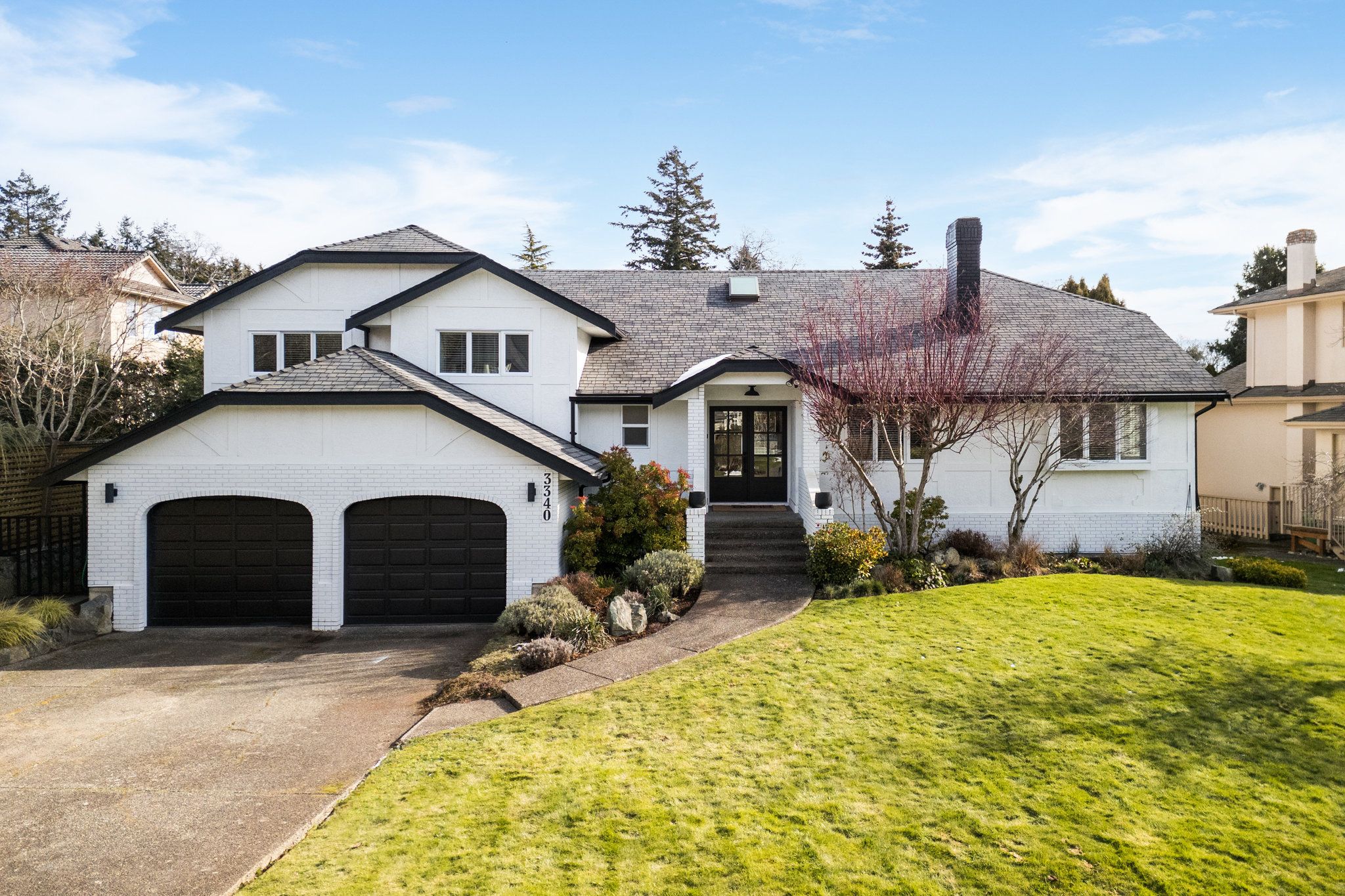
Knowing how to evaluate a neighbourhood before buying matters just as much as assessing the home itself. Listings highlight features inside the property, but long-term satisfaction depends on what surrounds it. Visit at different times of day A quiet weekday showing does not always reflect daily reality. Visit the area during evenings, weekends, and peak traffic hours. Pay attention to street parking, noise levels, and foot traffic. These factors often shape day-to-day living more than layout or finishes. Observe how people use the area Neighbourhood activity reveals a lot. Look for people walking dogs, kids playing, or neighbours chatting outside. Active streets often signal a strong sense of community. Limited activity may suggest high rental turnover or commuter-heavy zones. Check walkability and daily convenience Test how easy it is to run errands without a car. Walk to grocery stores, coffee shops, parks, and transit stops. Even if you drive now, walkability supports resale value and lifestyle flexibility over time. Review schools, zoning, and future plans School catchments influence demand, even for buyers without children. Use official district tools to confirm boundaries. Zoning and development plans also matter. Nearby density changes, road projects, or commercial expansion can affect noise, traffic, and future value. Talk to locals when possible Short conversations provide insights listings cannot. Ask neighbours how the area has changed, how parking works, or what they enjoy most. These informal insights often highlight both strengths and deal breakers early in the process. Think long-term, not just right now Consider how the neighbourhood fits future needs. Commute patterns, aging in place, and access to services all matter. Homes sell faster when buyers can clearly see themselves living in the surrounding community, not just inside the walls. Understanding how to evaluate a neighbourhood before buying helps avoid regret and supports stronger resale outcomes. Looking beyond the listing creates confidence that lasts long after possession day. Matt C., 5-Star Review, via Google “I would highly recommend not only the Faber group however specifically Scott. He treated us with the utmost respect and looked out for our best interests. Our selling and buying process were seemless with little stress due to Scott handling everything behind the scenes. Furthermore not only did Scott show us exactly what we were looking for he knew what location would best suit our lives.” Faber Real Estate Group Royal LePage Coast Capital Realty 📞 250-244-3430 📧[email protected] ℹ️ Scott Faber Personal Real Estate Corporation ℹ️ Cal Faber Personal Real Estate Corporation Vanessa Wood, Zachary Parsons, and Sophie Taylor “Building Lasting Relationships, One Home at a Time.”
Read more
We’ve been in the Greater Victoria market long enough to see buyers make all kinds of decisions - some strategic, some emotional, and some regrettable. When the market was red-hot a few years ago, people waived everything: financing, inspections, and even reviewing strata documents. For some, it worked out. For others, it was the costliest gamble of their lives. Today the market is more balanced, but the question still comes up: should you get a mortgage pre-approval and a home inspection, or skip them to look more competitive? The short answer is that skipping them rarely makes sense and seldom pays off long-term. Pre-Approval: Clarity, Confidence, and Negotiating Power A pre-approval is not just a bank saying, “You’re good for X amount.” It’s the groundwork for a successful purchase. It tells you exactly what you can afford and gives sellers confidence that you’re serious. In a balanced market like Victoria’s 2025 landscape, a buyer without a pre-approval is simply not competitive. Offers with financing uncertainty tend to fall to the bottom of the list. We’ve seen deals fall apart because a buyer assumed their numbers would work out, only to find out a lender wouldn’t approve the condo’s age, strata bylaws, or the debt-to-income ratio. By then, the seller had wasted a week, other buyers had moved on, and everyone was left disappointed. A proper pre-approval also protects buyers from emotional bidding. In neighbourhoods like Saanich or Fernwood, where homes are desirable and pricing feels manageable, it’s easy to chase a property higher than intended. A lender-verified budget anchors decisions. Home Inspections: The Hidden Cost of Skipping Due Diligence Home inspections can feel like a speed bump when you’re excited about a listing, especially if the seller hints that “other buyers are coming in clean.” That’s when mistakes happen. Victoria has an older housing stock: character homes, mid-century builds, 1980s condos, and homes renovated across several decades. Problems rarely show themselves during a 20-minute showing. We’ve had clients who waived inspections and later discovered issues like poly-B plumbing, improperly vented bathrooms, hidden water damage behind drywall, or foundations that shift seasonally on rock bed. One buyer saved a few hundred dollars by skipping an inspection and then paid tens of thousands after possession. An inspection is not there to scare you or give you bargaining leverage. It’s decision-making insurance. It shows what’s urgent, what’s routine maintenance, and what’s predictable down the road. In Victoria’s climate - wet winters, salt air near the coast, and our love for older homes - understanding the condition of the property is essential. Does Skipping Conditions Actually Make You More Competitive? The myth is that a “clean” offer automatically beats every conditional offer. That was sometimes true in bidding-war days between 2021 and mid-2022. It is less true today. Strong sellers tend to choose strong buyers. They want certainty and professionalism, not last-minute chaos. A clean offer without pre-approval is a risk for them. A clean offer without an inspection is a liability for you. What Moves Offers Forward Today: Solid deposits Clear pre-approval documentation Realistic possession dates Respectful negotiation Those elements build trust. Skipping due diligence does the opposite. The Victoria Difference Every local market behaves differently, and Victoria is a unique one. Inventory is balanced, but quality homes still draw attention. Sellers know they will attract multiple showings, and most understand that serious buyers will want conditions. The right offer today is the one that shows competency, not recklessness. When we sit across from a seller reviewing offers, the ones that stand out are prepared, cleanly structured, and backed by a qualified lender, not the ones that gamble. Final Thoughts If you truly love a home, protect the purchase. Get pre-approved so you know what you can safely pay. Get an inspection so you understand what you’re taking responsibility for. Competitive offers are not made by cutting corners; they’re made by showing that you are a buyer who will close calmly and professionally. Tatiana Small, 5-Star Review, via Google “Absolutely phenomenal service from start to finish! Scott took the time to really get to know us and understand our likes and dislikes, what were dealbreakers and what really sold us in finding our perfect first home! Being first time homebuyers, he was extremely patient with all of our questions and very thorough when it came down to the finer details. Without a doubt, I would recommend him to everyone!” Faber Real Estate GroupRoyal LePage Coast Capital Realty📞 250-244-3430 📧[email protected] ℹ️ Scott Faber Personal Real Estate Corporation ℹ️ Cal Faber Personal Real Estate Corporation Vanessa Wood & Zachary Parsons “Building Lasting Relationships, One Home at a Time.”
Read more