
Posts Tagged ‘Victoria real estate’
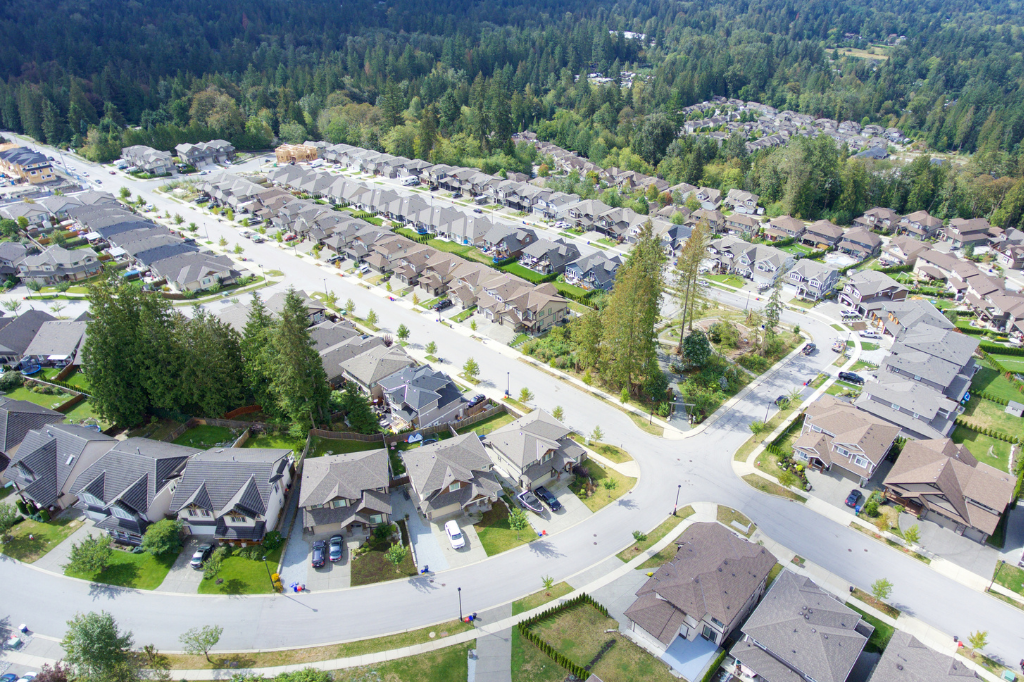
Up-and-coming neighbourhoods in Greater Victoria are attracting attention from buyers who want long-term upside and lifestyle value. With infrastructure investment, population growth, and continued demand for Vancouver Island living, several areas stand out in 2026. If you are looking for appreciation potential or relative affordability compared to core Victoria, these up-and-coming neighbourhoods in Greater Victoria deserve a closer look. Langford Langford continues to lead Westshore growth. Ongoing development, improved amenities, and expanding retail corridors are reshaping the area. Why buyers are watching Langford: Continued new construction supply Family-oriented communities Access to lakes, trails, and recreation Increasing density near transit corridors While Langford is no longer “undiscovered,” certain pockets still offer value compared to central Victoria. Buyers who prioritize space and newer homes often begin their search here. Colwood Colwood has shifted significantly over the past few years. With major master-planned communities and waterfront access, it is evolving quickly. Growth drivers include: Revitalization along major routes New housing inventory Expanding commercial amenities Improved commuter routes Colwood appeals to buyers seeking newer homes with long-term growth potential, particularly as pricing in central neighbourhoods remains elevated. View Royal View Royal sits between the Westshore and downtown, offering strategic positioning. Historically overlooked, it now benefits from its central access. Why it stands out: Short commute to downtown Proximity to Thetis Lake and shoreline parks Mix of condos, townhomes, and detached homes Redevelopment potential in select pockets For investors, View Royal provides relative value with strong rental appeal due to its location. Vic West Vic West has transitioned steadily over the last decade. Its proximity to downtown and waterfront pathways continues to draw professionals and young families. Key factors: Walkability to employment hubs Waterfront access Blend of character homes and modern condos Ongoing infill development As supply tightens in downtown Victoria, Vic West remains a logical spillover market. Esquimalt Esquimalt is undergoing gradual transformation. Infrastructure upgrades and community investments are improving both perception and livability. Reasons buyers are paying attention: Relative affordability Ocean access and parks Military and government employment stability Increasing townhouse and condo projects For long-term investors, Esquimalt offers a compelling combination of rental demand and appreciation potential. What Makes a Neighbourhood “Up-and-Coming”? Up-and-coming neighbourhoods in Greater Victoria typically share several traits: Infrastructure investment Increased building permits Retail and amenity expansion Improved transit access Migration from higher-priced adjacent areas Monitoring these indicators helps buyers position themselves ahead of broader price growth. Is It Better to Buy Early? Buying in up-and-coming neighbourhoods in Greater Victoria often requires a long-term perspective. Appreciation typically follows infrastructure, density, and lifestyle improvements. Therefore, buyers who focus on fundamentals rather than short-term headlines often benefit most. If you are considering entering the market and want guidance on which neighbourhood aligns with your goals, reach out anytime to discuss your options and upcoming opportunities. Bokz V., 5-Star Review, via Google “Thank you Cal and Scott for helping us to find our home. Excellent service highly recommended.” Faber Real Estate Group Royal LePage Coast Capital Realty 📞 250-244-3430 📧[email protected] ℹ️ Scott Faber Personal Real Estate Corporation ℹ️ Cal Faber Personal Real Estate Corporation Vanessa Wood, Zachary Parsons, and Sophie Taylor “Building Lasting Relationships, One Home at a Time.”
Read more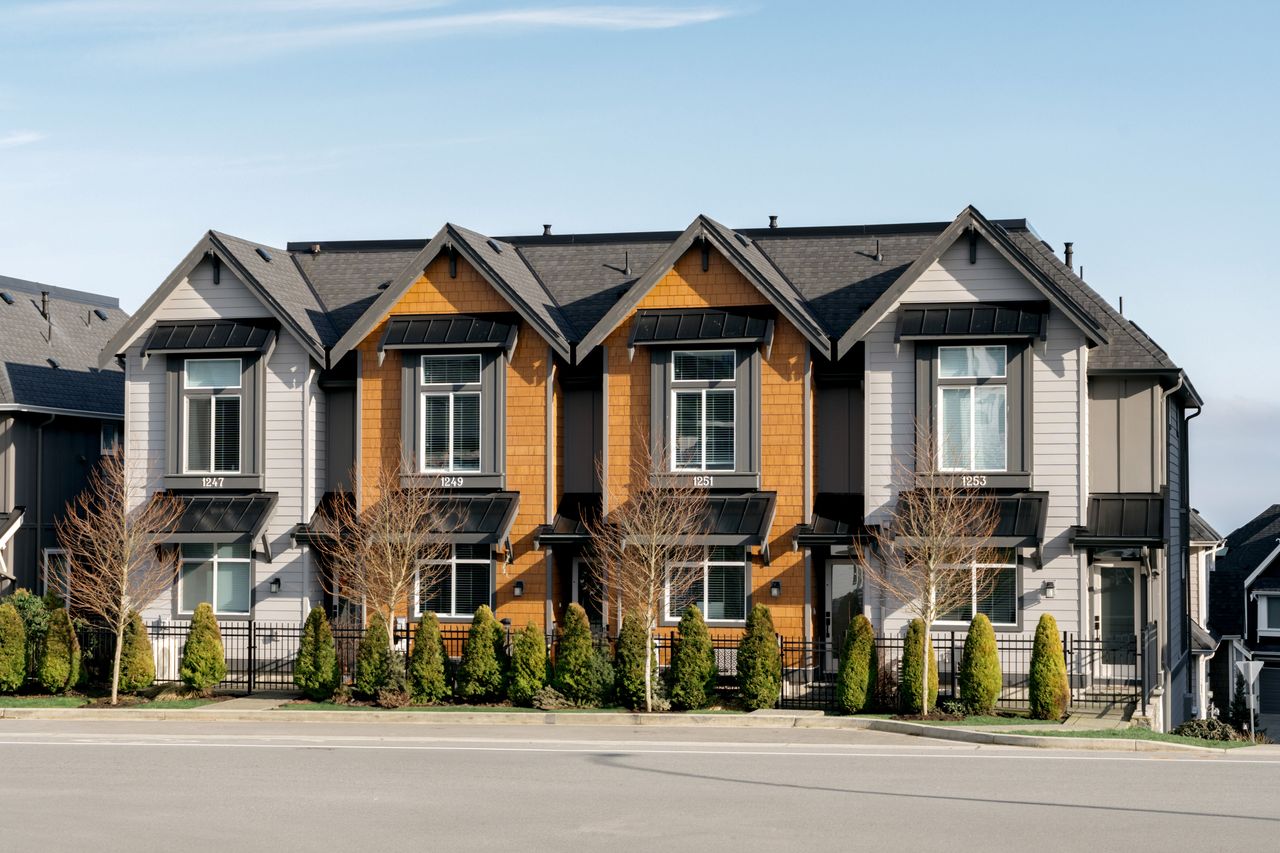
If you are wondering what $800,000 buys you in Victoria, the answer depends heavily on location, property type, and neighbourhood demand. In today’s Greater Victoria market, $800,000 sits in the entry-to-mid range for many areas. However, purchasing power shifts significantly between core Victoria and the Westshore. Here is a realistic look at what $800,000 buys you in Victoria across several popular neighbourhoods. Langford (Westshore) In Langford, $800,000 typically buys: A newer 2 to 3-bedroom townhome A small detached home on a compact lot A large, modern condo with amenities Langford continues to attract buyers seeking newer construction and strong long-term growth. Many developments offer energy-efficient builds and family-oriented layouts. For buyers priced out of central Victoria, Langford provides value per square foot that is difficult to match. This price point works well for first-time buyers, young families, and investors targeting rental demand. Gordon Head (Saanich East) In Gordon Head, $800,000 usually buys: An older townhome A smaller detached home in original condition A condo near the university Proximity to University of Victoria supports steady rental demand and long-term appreciation. Detached homes in this area often exceed this budget unless they require renovation. Buyers here pay a premium for location, schools, and proximity to beaches. For investors, properties with suite potential can create stronger cash flow. Fairfield Fairfield is known for character homes and walkability. At $800,000, buyers can expect: A smaller condo or garden suite A leasehold property A townhome in select buildings Detached character homes in Fairfield generally trade well above this range. Buyers at this price point gain access to one of Victoria’s most desirable lifestyle locations, close to parks and oceanfront paths. James Bay In James Bay, $800,000 commonly buys: A spacious condo with water or city views A renovated two-bedroom unit in a concrete building A townhome in select complexes This neighbourhood appeals to downsizers and professionals who value walkability to downtown. Concrete buildings with strong strata management often hold value well over time. Saanich East Saanich East offers a balance between suburban space and central convenience. At $800,000, buyers may find: An older detached home requiring updates A well-appointed townhome A larger condo in a low-rise building School catchments and quiet residential streets drive consistent demand here. What Influences Value at $800,000? Several factors determine what $800,000 buys you in Victoria: Lot size and zoning potential Age and condition of the property Proximity to schools, parks, and transit Strata fees and building quality Rental or suite potential Neighbourhood supply also matters. Westshore areas tend to offer more inventory at this price point, while core Victoria remains constrained. Is $800,000 a Good Budget in Victoria? For townhomes and condos, $800,000 remains a strong budget across many neighbourhoods. For detached homes, expectations must adjust depending on location and condition. Buyers prioritizing space often look west, while buyers prioritizing lifestyle choose central neighbourhoods and accept smaller footprints. Understanding what $800,000 buys you in Victoria allows you to align your purchase with long-term goals rather than short-term emotion. If you are considering buying and want a tailored breakdown of options in your target neighbourhood, reach out anytime to discuss your goals and explore available opportunities. Justine D., 5-Star Review, via Google “If you are looking for a realtor you can TRUST, and will look out for YOUR interests— then Cal and Scott are IT!!! I would recommend them to anyone looking to buy a home on the Island. I should also mention that Cal negotiated an amazing price on the purchase of our home and made sure if something was not right when we took possession that it would be taken care of. Cal and Scott and realtors with integrity and kindness..” Faber Real Estate Group Royal LePage Coast Capital Realty 📞 250-244-3430 📧[email protected] ℹ️ Scott Faber Personal Real Estate Corporation ℹ️ Cal Faber Personal Real Estate Corporation Vanessa Wood, Zachary Parsons, and Sophie Taylor “Building Lasting Relationships, One Home at a Time.”
Read more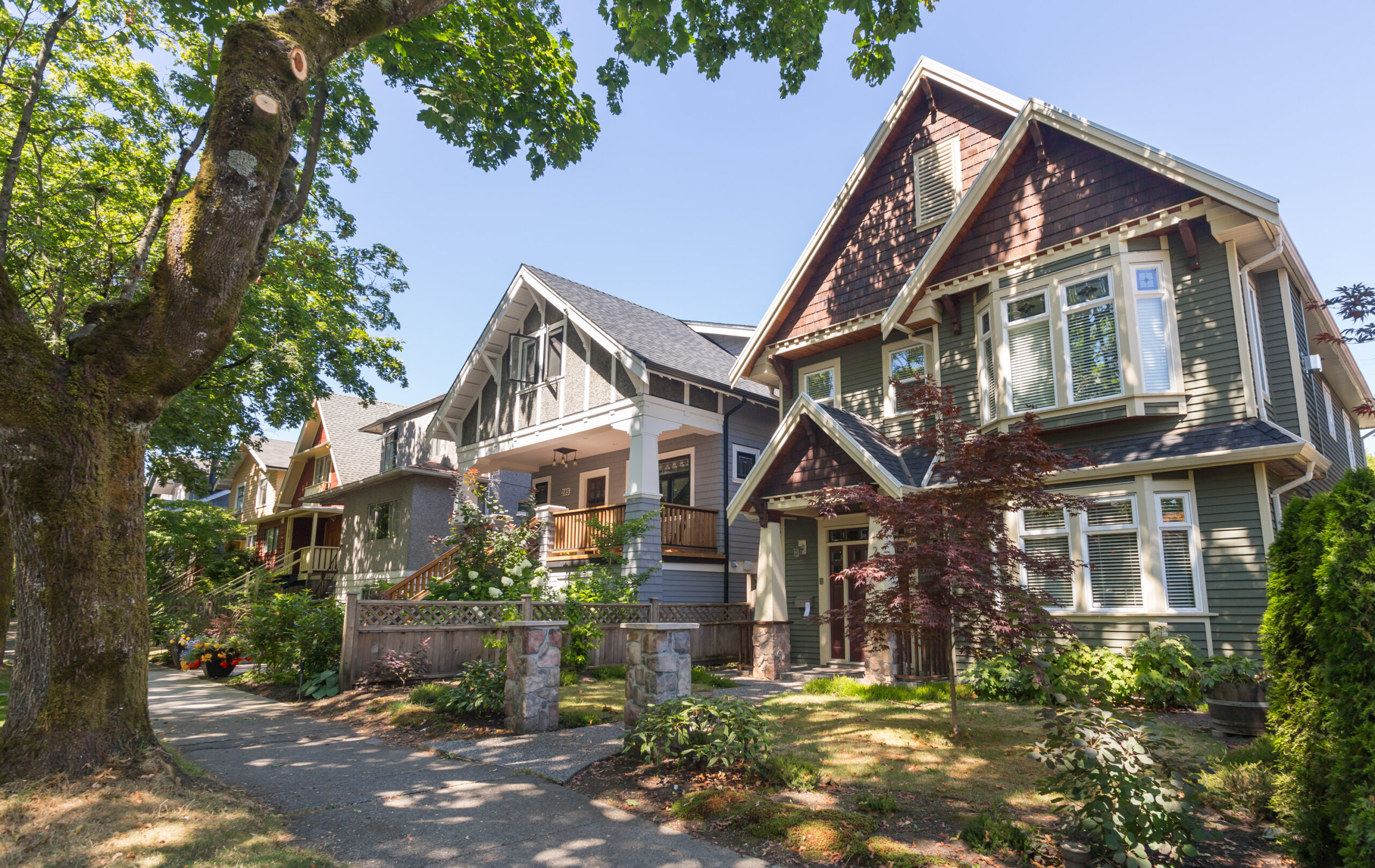
Victoria, BC home maintenance and value are closely linked. In a market where buyers expect well-kept homes, ongoing upkeep is not just about comfort. It plays a direct role in protecting resale value and long-term equity. From James Bay character homes to newer properties in Langford, maintenance signals how a home has been cared for over time. Buyers and appraisers notice. What Counts as Home Maintenance Home maintenance includes routine tasks and planned repairs that prevent deterioration. This covers roof upkeep, plumbing and electrical updates, HVAC servicing, exterior paint, and drainage management. When maintenance is deferred, small issues often turn into expensive problems. This can reduce appraised value and limit buyer interest, especially in competitive Victoria neighbourhoods. How Maintenance Supports Long-Term Value Well-maintained homes tend to sell faster and closer to asking price. They also appraise more consistently. Key value drivers include: Curb appeal Clean exteriors, tidy landscaping, and fresh paint improve first impressions. In Victoria, a neglected exterior often raises concerns about moisture or structural issues. Prevention of major repairs Fixing minor problems early helps avoid larger failures. This matters in Victoria’s wet climate, where roof leaks, poor drainage, and moisture intrusion are common red flags. Energy efficiency Updated windows, insulation, and electrical systems appeal to buyers and reduce operating costs. Energy-efficient homes also align with current buyer expectations in BC. Structural condition Roofing, foundations, and plumbing directly affect value. Older homes in Victoria require consistent attention to avoid depreciation tied to outdated systems. Victoria BC home maintenance and value trends show that condition often matters more than cosmetic upgrades alone. Victoria-Specific Maintenance Considerations Coastal exposure increases wear from moisture and salt air. Annual maintenance budgets often fall around 1 percent of building value, not including land. In established areas like Oak Bay and Fairfield, buyers expect turnkey condition. Deferred maintenance can reduce buyer confidence and negotiation strength. Over-improving can also backfire. Upgrades should match neighbourhood expectations and buyer demand. Practical Maintenance Tips for Homeowners Create an annual maintenance checklist focused on roofs, drainage, and ventilation Prioritize kitchens, bathrooms, and exterior condition Budget 1 to 2 percent of home value annually for upkeep Schedule professional inspections, especially for older homes Keep records of repairs and upgrades for resale and appraisals For sellers, documented maintenance supports pricing. For buyers, well-maintained homes reduce future costs. Bottom Line Victoria BC home maintenance and value go hand in hand. Proactive upkeep protects equity, supports resale pricing, and reduces surprises. In a stable but selective market, condition remains one of the strongest drivers of long-term home value. This content is for educational purposes only. Always consult local professionals and municipal guidelines for property-specific advice. Matt C., 5-Star Review, via Google “I would highly recommend not only the Faber group however specifically Scott. He treated us with the utmost respect and looked out for our best interests. Our selling and buying process were seemless with little stress due to Scott handling everything behind the scenes. Furthermore not only did Scott show us exactly what we were looking for he knew what location would best suit our lives.” Faber Real Estate Group Royal LePage Coast Capital Realty 📞 250-244-3430 📧[email protected] ℹ️ Scott Faber Personal Real Estate Corporation ℹ️ Cal Faber Personal Real Estate Corporation Vanessa Wood, Zachary Parsons, and Sophie Taylor “Building Lasting Relationships, One Home at a Time.”
Read more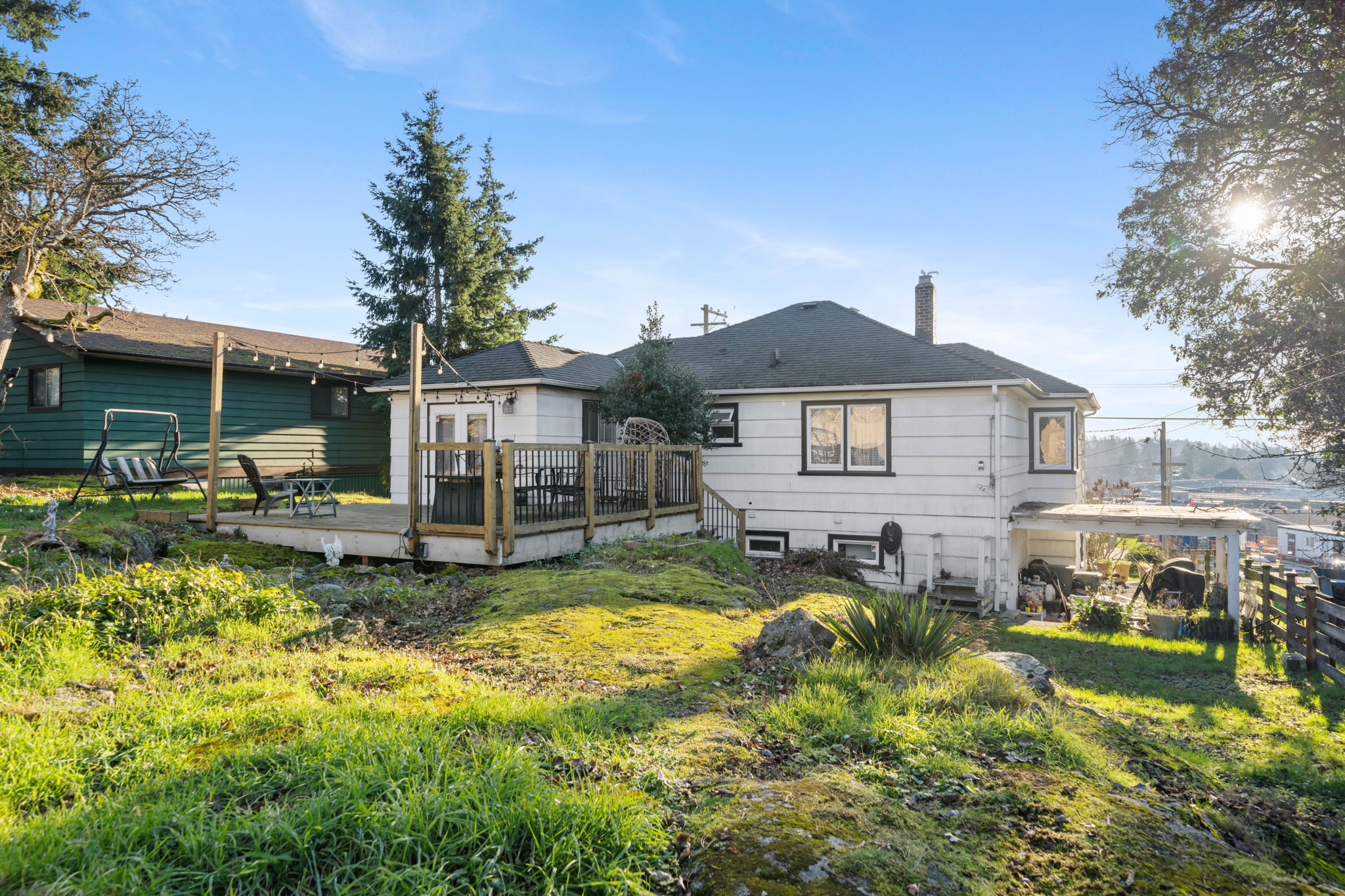
Victoria BC zoning laws play a major role in how properties can be used, renovated, or redeveloped. If you are buying or selling in Victoria, understanding zoning helps you avoid surprises and identify long-term opportunities. At its core, zoning shapes how neighbourhoods evolve over time. These rules determine not only what exists today, but also what may be possible in the future, making zoning knowledge especially valuable in a changing market. What Zoning Laws Do To manage growth and land use, zoning laws set clear parameters for development. They outline how land can be used and what can be built, helping balance housing needs with neighbourhood character. Specifically, zoning bylaws divide land into defined categories. Each zone establishes rules around permitted uses, building height, density, setbacks, and parking. Some zones allow only detached homes, while others permit duplexes, townhomes, or small multi-unit buildings. In Victoria, these rules are governed through the Zoning Bylaw 2018 alongside the older Zoning Regulation Bylaw. Together, they apply to residential, commercial, and mixed-use areas across the city. Main Zoning Types in Victoria Understanding the main zoning categories helps clarify what is allowed in different areas of the city. Residential zones cover single-family homes, multi-family housing, and mixed residential uses. Recent updates have focused on increasing density through small-scale multi-unit housing rather than high-rise development. Beyond residential areas, commercial zones allow retail, offices, and services, often combined with residential units in central locations. Industrial zones support manufacturing and warehouse uses and are typically located away from residential neighbourhoods. There are also special zones for institutional, agricultural, and park-related uses. Recent Zoning Changes to Know In recent years, provincial housing policies have significantly reshaped Victoria BC zoning laws for 2026. Many lots that once allowed only one home now permit up to four or six units, depending on lot size and proximity to transit. These changes are designed to increase housing supply while maintaining livable communities. As a result, zoning in Victoria’s core now encourages infill and gentle density. In contrast, growing areas closer to the Westshore are seeing zoning that supports larger developments and transit-oriented housing. How Zoning Affects Buyers and Sellers These zoning rules have practical implications for buyers, sellers, and investors. For buyers, zoning determines future options such as adding a suite or building additional units. For sellers, more flexible zoning can increase buyer interest and perceived value. From an investment perspective, zoning directly influences rental potential, redevelopment feasibility, and long-term returns. Because of this, zoning should always be reviewed early in the decision-making process. Before moving forward, confirm zoning details with the City of Victoria, especially if future development or expansion is part of your plan. Bottom Line Victoria BC zoning laws are designed to support growth while balancing community needs. Understanding how zoning works gives buyers, sellers, and investors a clearer picture of what a property can offer today and what it may offer in the future. This information is for educational purposes only. Always verify zoning with the City of Victoria before proceeding. Shane B., 5-Star Review, via Google “The last few months navigating this crazy real estate market has been a rollercoaster, and we couldn’t have done it without the Faber Real Estate Team! Scott was extremely helpful, positive and always available. Under a tight timeline we were able to get our condo on the market and sell right away, to be available for any housing opportunity. Scott was patient and helpful throughout the entire process of searching for houses, and went above and beyond to help us finally land an accepted offer on the perfect home. Thank you Scott and the Faber Real Estate Team!” Faber Real Estate Group Royal LePage Coast Capital Realty 📞 250-244-3430 📧[email protected] ℹ️ Scott Faber Personal Real Estate Corporation ℹ️ Cal Faber Personal Real Estate Corporation Vanessa Wood, Zachary Parsons, and Sophie Taylor “Building Lasting Relationships, One Home at a Time.”
Read more
The Victoria spring real estate market 2026 is shaping up to be more balanced than the fast-paced years buyers remember. Spring remains the most active season locally, but conditions suggest a steadier, more strategic market ahead rather than rapid price surges. Buyers and sellers entering the market this spring should expect improved choice, realistic pricing, and a stronger emphasis on value and location. Inventory and Buyer Activity Inventory is expected to improve modestly across Greater Victoria. More homeowners appear willing to list as pricing stabilizes and borrowing costs level out. As a result, buyers will have slightly more selection than in recent spring markets. Demand should remain strongest in family-oriented neighbourhoods and entry-level price ranges. Well-located homes that show well will still attract attention, but bidding wars should be less common overall. Price Trends for Spring 2026 Home prices in Victoria are likely to remain relatively flat this spring, with modest gains in high-demand pockets. Condos and townhomes should continue to lead activity, especially among first-time buyers and downsizers. Single-family homes may see longer days on market unless priced accurately. Sellers who align with current market conditions will have the best results. Interest Rates and Buyer Confidence Interest rates remain a key factor shaping the Victoria spring real estate market 2026. While rates are higher than pandemic-era lows, improved predictability has restored some buyer confidence. Pre-approved buyers are returning with clearer budgets and a more disciplined approach. This supports steady sales without the volatility seen in previous cycles. Neighbourhoods to Watch This Spring The West Shore, including Langford and Colwood, is expected to stay active due to relative affordability. Vic West and View Royal should continue attracting buyers seeking proximity to downtown without core pricing. Established areas like Fairfield and Oak Bay remain resilient, though price sensitivity is higher than in past spring markets. What This Means for Buyers and Sellers For buyers, spring 2026 offers better negotiating conditions and more time to make informed decisions. Preparation and flexibility remain essential. For sellers, presentation, pricing, and timing matter more than ever. Homes that are well-prepared and competitively priced should still perform well during the spring surge. Final Thoughts The Victoria spring real estate market 2026 is expected to reward patience and strategy rather than speed. While spring activity will pick up as usual, balanced conditions favour informed buyers and realistic sellers. If you are planning to make a move this spring, understanding neighbourhood trends and current pricing will be key to success. Elel P., 5-Star Review, via Google “Months of looking then a listing came up to our liking. We were out of town so Scott did a virtual viewing for us. We gave an offer even without viewing it personally because of this crazy market we have. Offer got accepted a couple hours after!” Faber Real Estate Group Royal LePage Coast Capital Realty 📞 250-244-3430 📧[email protected] ℹ️ Scott Faber Personal Real Estate Corporation ℹ️ Cal Faber Personal Real Estate Corporation Vanessa Wood, Zachary Parsons, and Sophie Taylor “Building Lasting Relationships, One Home at a Time.”
Read more
A first showing is often about first impressions. A second home showing, however, is where buyers gain clarity. This visit allows you to move past surface appeal and focus on whether the home truly works for you. How the Home Really Functions At a second showing, buyers tend to slow down. You notice room flow, storage, and how spaces connect. This is the time to picture daily routines, furniture placement, and whether the layout supports your lifestyle. Details You May Have Missed Small issues often stand out on a return visit. Look closely at finishes, windows, doors, and flooring. You may also notice signs of wear, moisture, or deferred maintenance that were easy to overlook the first time. Light, Noise, and Neighbourhood Feel Seeing the home at a different time of day can change your perspective. Pay attention to natural light, street noise, nearby activity, and privacy. These factors affect comfort long after move in day. Questions and Follow Ups A second home showing is ideal for asking targeted questions about age of systems, upgrades, utilities, or strata details. It also helps confirm whether the property still feels right once emotions settle. A second home showing provides confidence. It helps buyers confirm their decision, identify concerns early, and move forward with an offer based on clarity rather than impulse. Michael F., 5-Star Review, via Google “Cal and Scott exceeded our expectations in every way. They were always available to answer our questions and address any concerns immediately, providing exceptional support throughout the entire process. Their dedication and expertise made the selling and buying experience seamless and stress-free. ” Faber Real Estate Group Royal LePage Coast Capital Realty 📞 250-244-3430 📧[email protected] ℹ️ Scott Faber Personal Real Estate Corporation ℹ️ Cal Faber Personal Real Estate Corporation Vanessa Wood, Zachary Parsons, and Sophie Taylor “Building Lasting Relationships, One Home at a Time.”
Read more
January can be an advantageous time for buyers in Victoria. The market often slows slightly after the holiday season, meaning there may be fewer competing offers. This can give buyers more negotiating power, especially on homes that have been on the market for several months. Inventory can be limited in some segments, but serious sellers who list in January are often motivated to move quickly, which can create opportunities for savvy buyers. Selling in January can also work, but it has pros and cons. On the positive side, homes listed early in the year can capture buyers who are ready to move quickly and want to start the year settled. There is less competition from other sellers compared to spring and summer, which can help your home stand out. On the downside, buyer traffic can be slower due to winter weather and holiday recovery, so timing and pricing strategy are important. Seasonal Considerations in Victoria Victoria’s coastal climate is milder than much of Canada, so winter weather is generally less of a barrier for showings and open houses. That said, shorter daylight hours and rainy days can impact curb appeal, so ensuring your home is well-lit and presentable is crucial. Key Takeaway January can be a strategic month for both buyers and sellers in Victoria, especially when working with a knowledgeable real estate professional who understands local market trends. Buyers may find less competition and motivated sellers, while sellers who price correctly can attract serious buyers even in the slower winter season. Debbie N., 5-Star Review, via Google “From start to finish, Scott and Cal were amazing to work with. I hadn't moved in nearly 22 years and going from a house to a condo was a very difficult decision, but they were amazingly patient and responsive to my needs. This team doesn't just say that they care, they actually do. I couldn't have done this without them. I would recommend them to anyone. You will be in the best hands. Thank you Faber Group!!!. ” Faber Real Estate Group Royal LePage Coast Capital Realty 📞 250-244-3430 📧[email protected] ℹ️ Scott Faber Personal Real Estate Corporation ℹ️ Cal Faber Personal Real Estate Corporation Vanessa Wood, Zachary Parsons, and Sophie Taylor “Building Lasting Relationships, One Home at a Time.”
Read more
Energy efficiency has become a major priority for homeowners and buyers alike. With many homes in Victoria built before modern energy standards, retrofitting older properties is one of the most effective ways to improve comfort, reduce utility costs, and increase long term value. Understanding the available rebates and the costs associated with these upgrades can help homeowners make informed decisions. Major Rebates and Incentives for Homeowners Provincial and utility programs significantly offset the upfront cost of retrofitting. The most prominent are delivered through the CleanBC Better Homes initiative, in partnership with FortisBC and BC Hydro. CleanBC Better Homes / Home Renovation Rebates: This program provides rebates for a broad range of upgrades, including heat pumps, insulation, windows, and doors. Total rebate amounts can reach up to $14,000 or more, depending on your project's scope and eligibility. Insulation Upgrades: Up to $5,500. Rebate varies by location and type. Heat Pump Systems: Rebates vary widely by heat pump type, with electric heat pumps generally qualifying for higher amounts. Bonus Rebates: The program offers bonuses for completing multiple upgrades, for example, a two-upgrade or three-upgrade bonus. Income-Qualified Programs: CleanBC offers enhanced rebates (up to 95% of upgrade costs, depending on income) through its Energy Savings Program for low- and middle-income households. This can cover major costs like heat pump installation. Canada Greener Homes Grant & Loan: This federal initiative provides grants of up to $5,000 and an interest-free loan of up to $40,000 to cover retrofits recommended by a certified energy advisor. Resource Link: The main hub for all these programs is the CleanBC Better Homes website (Check eligibility and current offers at https://www.betterhomesbc.ca/). Local Support for Victoria Residents Victoria homeowners have access to free local support to simplify the process. Home Energy Navigator: This program offers free, personalized guidance, connecting you with an Energy Concierge who provides support to help you understand available rebates, review quotes, and navigate applications. This service is invaluable when planning extensive upgrades. Resource Link: Learn more about this regional service at the Home Energy Navigator website (Find local support at https://homeenergynav.ca/). Typical Retrofit Costs to Budget For Actual costs vary widely based on your home’s size and condition. Here is a general sense of the pre-rebate investment range for common items: Heat Pump Installation: Costs are typically in the range of $12,000 to $20,000+ for full systems, before rebates. Attic/Wall Insulation: Costs can run from several thousand dollars for attics or walls, depending on accessibility and materials. Window and Door Replacement: Replacement generally ranges from $700 to $1,500+ per unit installed, depending on size and performance ratings. While rebates offset a meaningful portion of these costs, many programs require upfront expenditure with rebates issued after completion and application approval. Early planning, including booking an EnerGuide home evaluation before work begins, is critical to ensuring eligibility for the maximum rebates. Real Estate Value and Homeowner Benefit From a realtor’s perspective, homes with documented energy upgrades attract interest from buyers seeking lower operating costs and long-term sustainability. Energy efficiency improvements often pay dividends beyond rebate dollars in higher sale prices, faster market absorption, and improved buyer confidence. Living the green life in Victoria, BC, is both financially and environmentally sound. Start with a professional energy assessment and plan your upgrades strategically to maximize the available incentives. Spencer Mowat, 5-Star Review, via Google “Where do I begin, the professionalism I've received from my realtor and friend Scott Faber @fabergroup has been a great experience, his knowledge of the market and work ethic is truley impressive. Excacly how it should be when your making one of the biggest purchases of your life!” Faber Real Estate Group Royal LePage Coast Capital Realty 📞 250-244-3430 📧[email protected] ℹ️ Scott Faber Personal Real Estate Corporation ℹ️ Cal Faber Personal Real Estate Corporation Vanessa Wood & Zachary Parsons “Building Lasting Relationships, One Home at a Time.”
Read more