
Posts Tagged ‘Victoria neighbourhood guide’
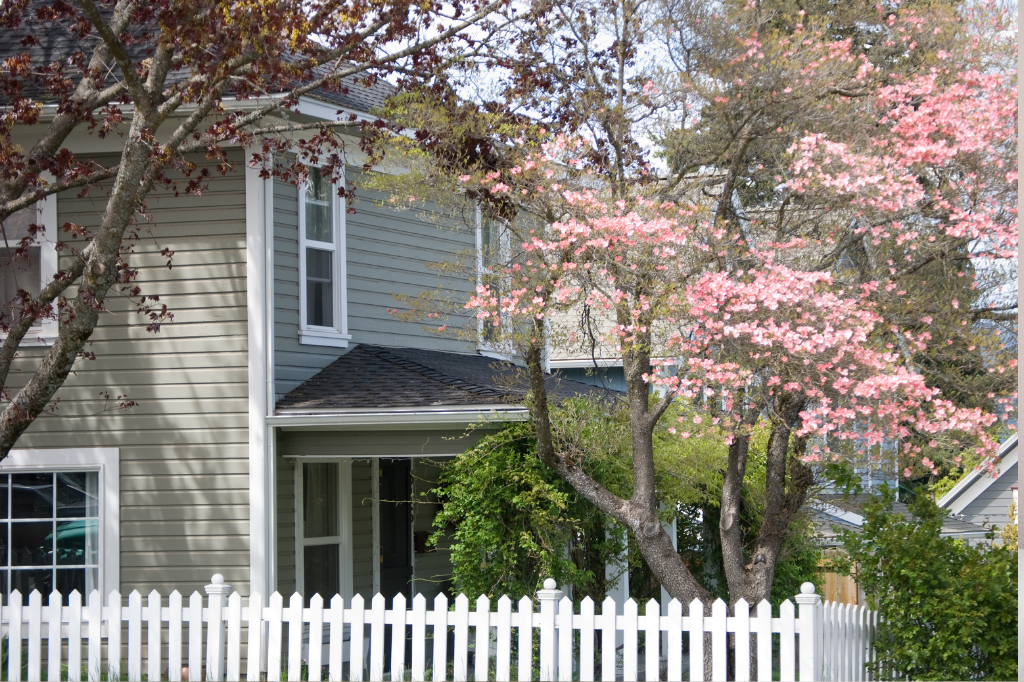
Rockland Victoria real estate has a different feeling from many other neighbourhoods in the city. It is close to downtown, Cook Street Village, Fairfield, Oak Bay, and the Inner Harbour, yet it often feels quieter, older, and more established than its central location suggests. For buyers, Rockland offers character, mature streetscapes, heritage architecture, and a strong sense of place. For sellers, it offers something equally important: scarcity. There are many neighbourhoods in Victoria with convenience, but fewer with Rockland’s combination of history, privacy, scale, and location. Where Is Rockland? Rockland sits just east of downtown Victoria and north of Fairfield, with Oak Bay nearby to the east. It is one of the city’s most historic residential areas and is closely associated with landmarks such as Government House and Craigdarroch Castle. Government House is located in the heart of Rockland and serves as the office and official residence of British Columbia’s Lieutenant Governor. Craigdarroch Castle, a National Historic Site, is another defining landmark in the area and remains one of Victoria’s best-known heritage properties. That setting gives Rockland a distinct identity. It is not simply a place to live near downtown. It is a neighbourhood shaped by architecture, gardens, history, and long-standing residential character. What Makes Rockland Appealing? Rockland appeals to buyers who value atmosphere as much as square footage. Many streets feel established and quiet, with mature trees, larger lots, stone walls, heritage details, and homes that reflect different chapters of Victoria’s growth. The Rockland Neighbourhood Association describes the area’s walking tour as passing through stately mansions, Garry oak parkland, Government House, Craigdarroch Castle, and the Art Gallery of Greater Victoria. That mix of residential charm, green space, and cultural landmarks is a major part of the neighbourhood’s lasting appeal. For many buyers, Rockland works because it offers: A central Victoria location without a dense downtown feel Character homes and heritage properties Mature landscaping and established streets Proximity to Fairfield, Oak Bay, downtown, and Cook Street Village A quieter residential feel close to major amenities Strong long-term lifestyle appeal It is not the right fit for every buyer, but for those who value history, location, and architectural character, Rockland can be hard to replace. The Housing Style in Rockland Rockland is best known for heritage homes, character properties, elegant older residences, and distinctive architecture. Some homes are grand and historic, while others are smaller character properties, strata conversions, townhomes, or condominium residences tucked into the area. This variety matters. Buyers sometimes assume Rockland is only for large estate-style homes, but the neighbourhood can offer more range than expected. That said, the supply of homes is limited compared with larger areas of Greater Victoria, and unique properties may not come up often. Because many homes are older, buyers should look carefully at: Building age and past updates Electrical, plumbing, roof, and perimeter drainage Heritage designation or character-related restrictions Renovation history and permits Energy efficiency and heating systems Long-term maintenance expectations Lot slope, retaining walls, and landscaping needs A beautiful character home can be a strong long-term purchase, but it needs proper due diligence. In Rockland Victoria real estate, charm should be balanced with a clear understanding of upkeep, renovation limits, and future resale considerations. Why Buyers Are Drawn to Rockland Rockland tends to attract buyers who are not only comparing bedrooms, bathrooms, and price per square foot. They are often comparing lifestyle. They may want to be close to downtown without living in a busier urban setting. They may want a home with history rather than a newer subdivision feel. They may want walkability, privacy, mature gardens, and proximity to schools, parks, restaurants, and cultural amenities. That emotional appeal is powerful. Rockland feels established because it is established. Buyers who connect with the area often do so quickly because the neighbourhood has a clear identity. However, that emotional response should still be paired with practical questions: Does the home fit your daily routine? Are the maintenance expectations realistic? Is the layout functional for your stage of life? Are future renovations possible? How does the property compare with nearby Fairfield, Oak Bay, Fernwood, and downtown options? Are you paying for location, architecture, land value, or all three? The best Rockland purchase is not just the most beautiful home. It is the one that fits your lifestyle, budget, and long-term ownership plan. What Sellers Should Know About Rockland Selling in Rockland requires a different strategy than selling a more typical suburban home. Buyers are often responding to story, setting, architecture, and scarcity. That means presentation matters. A strong Rockland listing should explain more than the number of rooms. It should help buyers understand the home’s character, the setting, the street, the updates, and the lifestyle. For sellers, the most important strategy points are: Highlight architectural features without overstating them Be clear about updates, maintenance, and improvements Use professional photography that captures light, gardens, and setting Prepare documentation for renovations, permits, and major systems Price based on comparable value, not just neighbourhood prestige Make the home feel cared for, not just historic In a neighbourhood like Rockland, buyers may forgive age, but they are less likely to forgive uncertainty. Clear information can reduce hesitation and help serious buyers move forward with more confidence. How Rockland Fits the Current Victoria Market Greater Victoria continues to be a market where neighbourhood conditions matter. The Victoria Real Estate Board reported 643 total property sales in April 2026, nearly unchanged from April 2025, while overall market activity increased from March 2026. This reflects a spring market with activity, but also one where buyers continue to compare options carefully. That matters in Rockland because buyers are selective at higher price points and with older homes. They are not only asking whether they like the property. They are asking whether the price, condition, location, and long-term costs all make sense. For buyers, this means preparation matters. For sellers, it means the listing needs to compete on clarity, value, and presentation. Is Rockland Right for You? Rockland may be a strong fit if you value character, centrality, mature streets, and a quieter residential setting close to Victoria’s core. It may not be the best fit if you want newer construction, large modern floor plans, lower-maintenance housing, or a more suburban layout. The key is to compare Rockland honestly against nearby alternatives. Fairfield may offer stronger access to the ocean and village lifestyle. Oak Bay may offer a different school and community feel. Fernwood may offer a more eclectic energy. Downtown may offer more condo convenience. Rockland’s strength is its balance. It offers history, location, privacy, and beauty in a way that few Victoria neighbourhoods can match. Final Thoughts Rockland Victoria real estate stands apart because it offers more than housing. It offers a sense of permanence, character, and connection to Victoria’s history. For buyers, that can make the neighbourhood deeply appealing. For sellers, it creates a valuable opportunity when the property is positioned properly. The best decisions in Rockland come from balancing emotion with due diligence. A home may feel timeless, but the strategy behind buying or selling it still needs to be current, careful, and grounded in local market knowledge. If you are thinking about buying or selling in Rockland, Faber Real Estate Group can help you understand the neighbourhood, compare your options, and make a confident decision based on your goals. Shannon R., 5-Star Review, via Google It was a pleasure to work with Scott Faber and Faber Real Estate Group. When I started looking for my first home in August 2021, I had some pretty specific requirements. Scott is a really knowledgeable Agent who also took the time to understand what I was looking for. I never felt pressured into making a decision that wasn't my own, but always valued his honest opinion and guidance when needed. It took close to 9 months, but we found a great place that checked all the boxes, that I'm excited to call home.I appreciate the whole team's effort, support and patience throughout this journey and as a first time home buyer I could not be happier with my experience with Faber Real Estate Group.” Faber Real Estate GroupRoyal LePage Coast Capital Realty📞 250-244-3430📧 [email protected]ℹ️ Scott Faber Personal Real Estate Corporationℹ️ Cal Faber Personal Real Estate CorporationVanessa Wood, Zachary Parsons, and Sophie Taylor“Building Lasting Relationships, One Home at a Time.”
Read more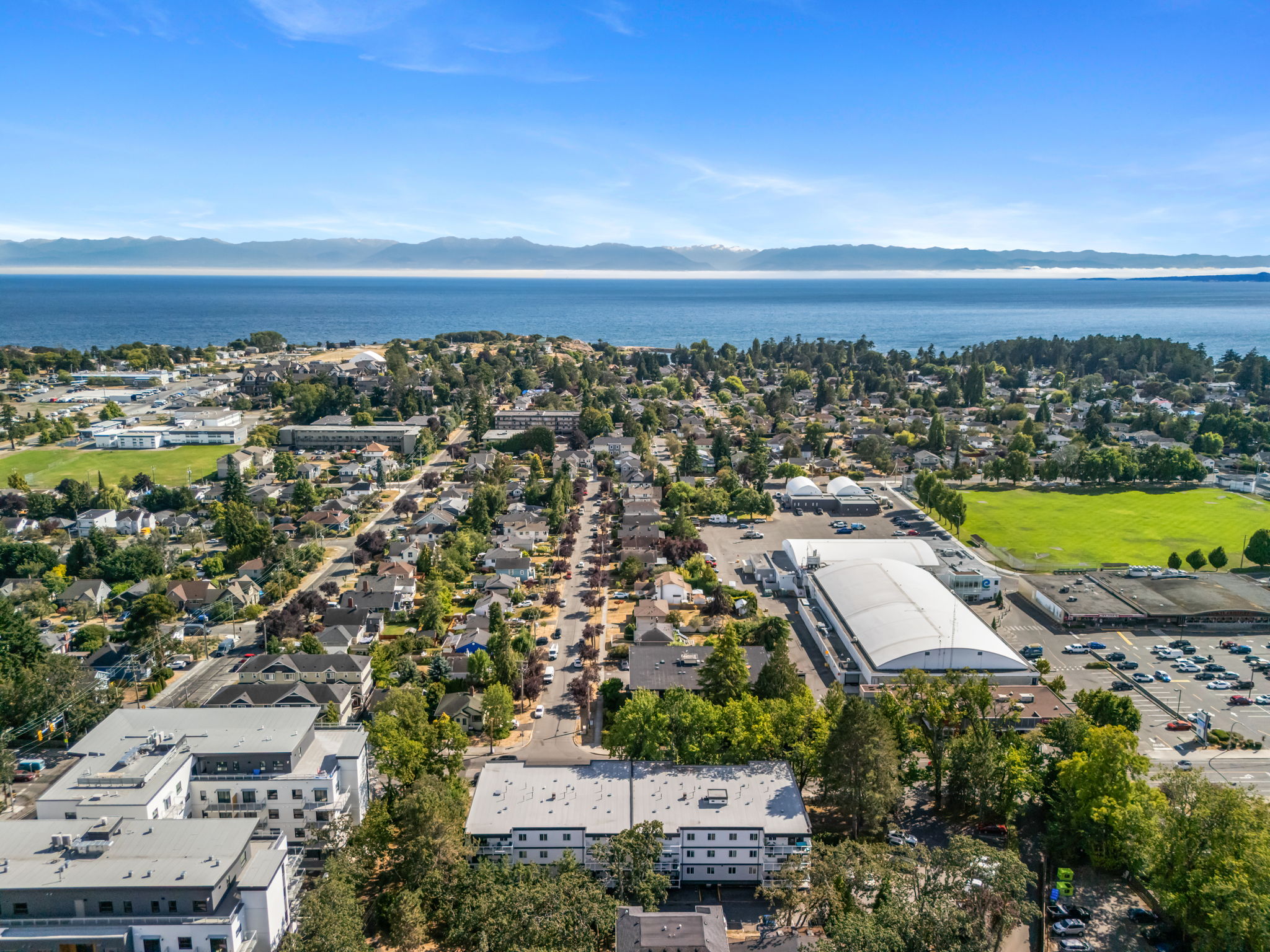
Walkability in Victoria neighbourhoods is not just about being close to a coffee shop. It affects how people live day to day, how much they rely on a car, how connected they feel to their community, and how future buyers may value the home. In Greater Victoria, two homes can look similar on paper but feel completely different once you consider what is nearby. A home close to groceries, schools, parks, transit, medical services, restaurants, and waterfront paths may offer a very different lifestyle than a larger home where every errand requires driving. That is why walkability in Victoria neighbourhoods matters more in some areas than others. Walkability Changes Daily Life A walkable neighbourhood can make ordinary routines easier. Instead of planning every errand around traffic and parking, residents can walk to the grocery store, meet a friend for coffee, take the dog out, or get to a bus stop without much effort. This matters for many types of buyers: First-time buyers who want convenience and lower transportation costs Downsizers who want less driving and easier access to services Families who value parks, schools, and recreation nearby Retirees who want long-term independence Professionals who want an easier commute Investors who want locations with broad rental appeal The City of Victoria notes that walking, rolling, cycling, and public transit all support a more vibrant and sustainable city. As of 2022, 32% of trips by residents in the region to, from, and within the City were made by walking, cycling, or rolling, up from 26% in 2017. That tells us something important. Many buyers are not just shopping for a house. They are shopping for a daily routine. Walkability Matters More in Urban Neighbourhoods In neighbourhoods such as James Bay, Fairfield, Fernwood, Downtown, Vic West, Cook Street Village, and parts of Oak Bay, walkability is often part of the value. Buyers in these areas may expect to walk to cafes, parks, schools, shopping, transit, and community amenities. In these locations, a less walkable property may feel like it is missing one of the main reasons people choose the area in the first place. For example, a buyer looking in James Bay may place high value on being close to the Inner Harbour, Beacon Hill Park, grocery options, restaurants, and downtown. A buyer looking in Fairfield may care about Cook Street Village, Dallas Road, schools, parks, and the ability to live with less reliance on a car. In these neighbourhoods, walkability is not a bonus. It is often part of the lifestyle promise. Walkability May Matter Less When Buyers Prioritize Space In other parts of Greater Victoria, buyers may place more weight on lot size, square footage, garage space, privacy, newer construction, or affordability. Areas of Langford, Colwood, View Royal, Saanich, Central Saanich, and Sooke may attract buyers who are willing to drive more if they can get a larger home, a newer property, more outdoor space, or better value for their budget. That does not mean walkability does not matter. It simply means buyers may weigh it differently. A family buying in the Westshore may care more about: Bedroom count Yard space School catchment Parking Recreation access Newer construction Suite potential Commuting routes However, even in more car-oriented areas, pockets with better access to schools, trails, shops, transit, and recreation often stand out. The Best Neighbourhoods Balance Convenience and Comfort Walkability is not only about distance. It is also about comfort. A home may technically be close to services, but the route may feel unpleasant if it involves busy roads, poor sidewalks, steep hills, limited crossings, or heavy traffic. Good walkability usually includes: Safe sidewalks Comfortable crossings Nearby parks or trails Access to daily services Transit options Lower-traffic residential streets A sense of connection between homes and amenities The City of Victoria describes its transportation vision as “clean, seamless mobility for everyone” and notes that the city is working to provide safe, comfortable, and reliable transportation options for a growing number of residents, visitors, and workers. That is why buyers should think beyond a map search. A five-minute walk on a quiet tree-lined street feels very different from a five-minute walk beside fast-moving traffic. Walkability Can Affect Resale Demand When a property appeals to more people, it often has stronger long-term demand. Walkable homes can attract a wider buyer pool because they work for different stages of life. A young professional, a downsizer, a retiree, or a small family may all see value in being close to daily amenities. This is especially important in Victoria, where many buyers are lifestyle-driven. They are not only comparing bedrooms and bathrooms. They are asking: Can I walk to coffee? Can I get to the ocean or a park easily? Can I live here as I age? Will this location still appeal to future buyers? Can I reduce how often I use my car? Does this neighbourhood feel connected? The stronger the answer, the easier it can be for buyers to understand the value. Walkability Can Also Reduce Hidden Costs A less walkable home may offer more space or a lower purchase price, but buyers should consider the full lifestyle cost. More driving can mean: Higher fuel costs More vehicle wear More parking needs Longer commute times Less convenience Greater dependence on multiple vehicles For some households, those tradeoffs are worth it. For others, they slowly become a frustration. This is especially important for buyers comparing a smaller home in a central location against a larger home farther from services. The larger home may win on space, but the central home may win on time, convenience, and future flexibility. Sellers Should Understand Their Walkability Advantage For sellers, walkability should be part of the marketing story when it is a real strength. Instead of only listing nearby amenities, strong marketing should explain how those amenities improve daily life. For example: “Walk to Cook Street Village for coffee, groceries, and dining.” “Steps from parks, schools, and transit.” “Close to downtown without needing to live in the downtown core.” “Easy access to trails, recreation, and daily services.” “A practical location for buyers wanting less car dependency.” The goal is not to exaggerate. The goal is to help buyers picture the lifestyle. Buyers Should Match Walkability to Their Real Routine Before choosing a neighbourhood, buyers should think carefully about how they actually live. Ask: Where do I go every week? Do I want to walk to groceries, coffee, parks, or the ocean? How often do I commute? Will this location still work in five or ten years? Do I want more space, or more convenience? Would I rather have a larger home or an easier daily routine? The right answer is personal. Some buyers feel happiest in a central, walkable neighbourhood. Others prefer a quieter area with more space and do not mind driving. The mistake is assuming one is always better than the other. Final Thoughts Walkability matters more in some Victoria neighbourhoods because it is tied directly to lifestyle, convenience, resale demand, and long-term flexibility. In central areas, walkability often forms a major part of the neighbourhood’s appeal. In more suburban areas, buyers may prioritize space, privacy, and value, but walkable pockets can still stand out. The best choice is not always the most walkable home. It is the home where location, lifestyle, budget, and future resale value work together. For advice on comparing Victoria neighbourhoods and choosing the right location for your lifestyle, contact Faber Real Estate Group for local guidance before you buy or sell. Rosabianca Q., 5-Star Review, via Google “Zach is awesome, he is very patient and helpful with us. He walked us through the whole processing time. We are grateful with this group. Thank you” Faber Real Estate GroupRoyal LePage Coast Capital Realty📞 250-244-3430📧 [email protected]ℹ️ Scott Faber Personal Real Estate Corporationℹ️ Cal Faber Personal Real Estate CorporationVanessa Wood, Zachary Parsons, and Sophie Taylor“Building Lasting Relationships, One Home at a Time.”
Read more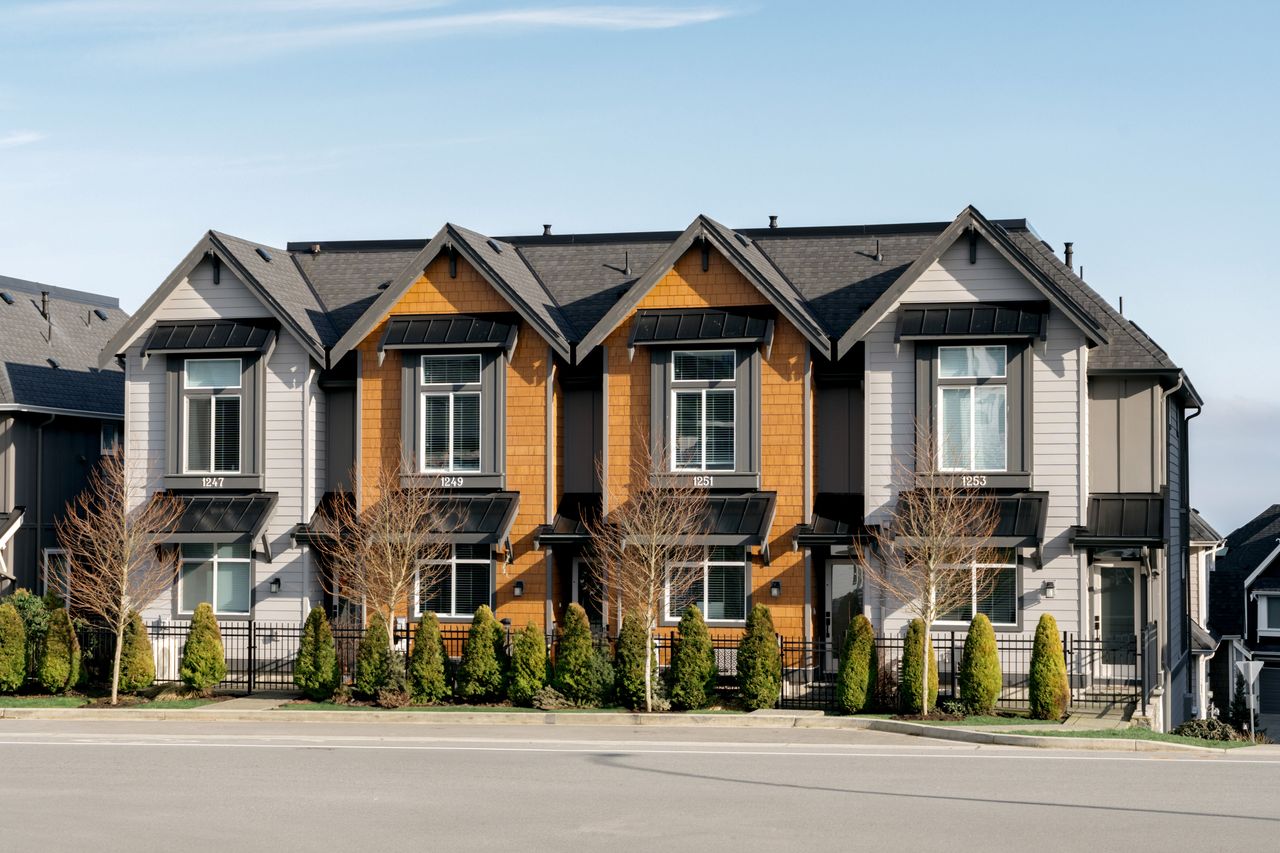
If you are wondering what $800,000 buys you in Victoria, the answer depends heavily on location, property type, and neighbourhood demand. In today’s Greater Victoria market, $800,000 sits in the entry-to-mid range for many areas. However, purchasing power shifts significantly between core Victoria and the Westshore. Here is a realistic look at what $800,000 buys you in Victoria across several popular neighbourhoods. Langford (Westshore) In Langford, $800,000 typically buys: A newer 2 to 3-bedroom townhome A small detached home on a compact lot A large, modern condo with amenities Langford continues to attract buyers seeking newer construction and strong long-term growth. Many developments offer energy-efficient builds and family-oriented layouts. For buyers priced out of central Victoria, Langford provides value per square foot that is difficult to match. This price point works well for first-time buyers, young families, and investors targeting rental demand. Gordon Head (Saanich East) In Gordon Head, $800,000 usually buys: An older townhome A smaller detached home in original condition A condo near the university Proximity to University of Victoria supports steady rental demand and long-term appreciation. Detached homes in this area often exceed this budget unless they require renovation. Buyers here pay a premium for location, schools, and proximity to beaches. For investors, properties with suite potential can create stronger cash flow. Fairfield Fairfield is known for character homes and walkability. At $800,000, buyers can expect: A smaller condo or garden suite A leasehold property A townhome in select buildings Detached character homes in Fairfield generally trade well above this range. Buyers at this price point gain access to one of Victoria’s most desirable lifestyle locations, close to parks and oceanfront paths. James Bay In James Bay, $800,000 commonly buys: A spacious condo with water or city views A renovated two-bedroom unit in a concrete building A townhome in select complexes This neighbourhood appeals to downsizers and professionals who value walkability to downtown. Concrete buildings with strong strata management often hold value well over time. Saanich East Saanich East offers a balance between suburban space and central convenience. At $800,000, buyers may find: An older detached home requiring updates A well-appointed townhome A larger condo in a low-rise building School catchments and quiet residential streets drive consistent demand here. What Influences Value at $800,000? Several factors determine what $800,000 buys you in Victoria: Lot size and zoning potential Age and condition of the property Proximity to schools, parks, and transit Strata fees and building quality Rental or suite potential Neighbourhood supply also matters. Westshore areas tend to offer more inventory at this price point, while core Victoria remains constrained. Is $800,000 a Good Budget in Victoria? For townhomes and condos, $800,000 remains a strong budget across many neighbourhoods. For detached homes, expectations must adjust depending on location and condition. Buyers prioritizing space often look west, while buyers prioritizing lifestyle choose central neighbourhoods and accept smaller footprints. Understanding what $800,000 buys you in Victoria allows you to align your purchase with long-term goals rather than short-term emotion. If you are considering buying and want a tailored breakdown of options in your target neighbourhood, reach out anytime to discuss your goals and explore available opportunities. Justine D., 5-Star Review, via Google “If you are looking for a realtor you can TRUST, and will look out for YOUR interests— then Cal and Scott are IT!!! I would recommend them to anyone looking to buy a home on the Island. I should also mention that Cal negotiated an amazing price on the purchase of our home and made sure if something was not right when we took possession that it would be taken care of. Cal and Scott and realtors with integrity and kindness..” Faber Real Estate Group Royal LePage Coast Capital Realty 📞 250-244-3430 📧[email protected] ℹ️ Scott Faber Personal Real Estate Corporation ℹ️ Cal Faber Personal Real Estate Corporation Vanessa Wood, Zachary Parsons, and Sophie Taylor “Building Lasting Relationships, One Home at a Time.”
Read more
Fairfield is widely regarded as one of Victoria’s most walkable neighbourhoods. Its compact layout, strong community amenities, and proximity to downtown make it especially appealing for buyers who want convenience without sacrificing character. Fairfield walkable neighbourhood living supports an active, connected lifestyle. Everyday Amenities Close to Home Residents can walk to grocery stores, cafes, schools, and local shops along Fairfield Road and Cook Street Village. Daily errands rarely require a car, which adds to the neighbourhood’s appeal for all ages. Proximity to Downtown and the Ocean Fairfield sits just minutes from downtown Victoria while offering quick access to Dallas Road, Beacon Hill Park, and coastal walking paths. This balance of urban access and outdoor space defines Fairfield walkable neighbourhood living. Sidewalks, Green Spaces, and Safe Streets Tree lined streets, consistent sidewalks, and traffic calmed roads make walking comfortable and safe. Parks and open spaces are woven throughout the neighbourhood, encouraging daily movement and outdoor time. Strong Community Feel Fairfield’s walkability supports local businesses and creates natural opportunities for connection. Residents often run into neighbours while walking, reinforcing the area’s strong sense of community. For buyers prioritizing convenience, lifestyle, and long term livability, Fairfield continues to stand out as one of Victoria’s most walkable neighbourhoods. Yemi E., 5-Star Review, via Google “Scott has been very receptive and sincere with my family since we’ve been on the island 2 years ago. The fountain of knowledge mixed with the love of the island truly shows. I recommend this agent cause he actually listens to your needs.” Faber Real Estate Group Royal LePage Coast Capital Realty 📞 250-244-3430 📧[email protected] ℹ️ Scott Faber Personal Real Estate Corporation ℹ️ Cal Faber Personal Real Estate Corporation Vanessa Wood, Zachary Parsons, and Sophie Taylor “Building Lasting Relationships, One Home at a Time.”
Read more